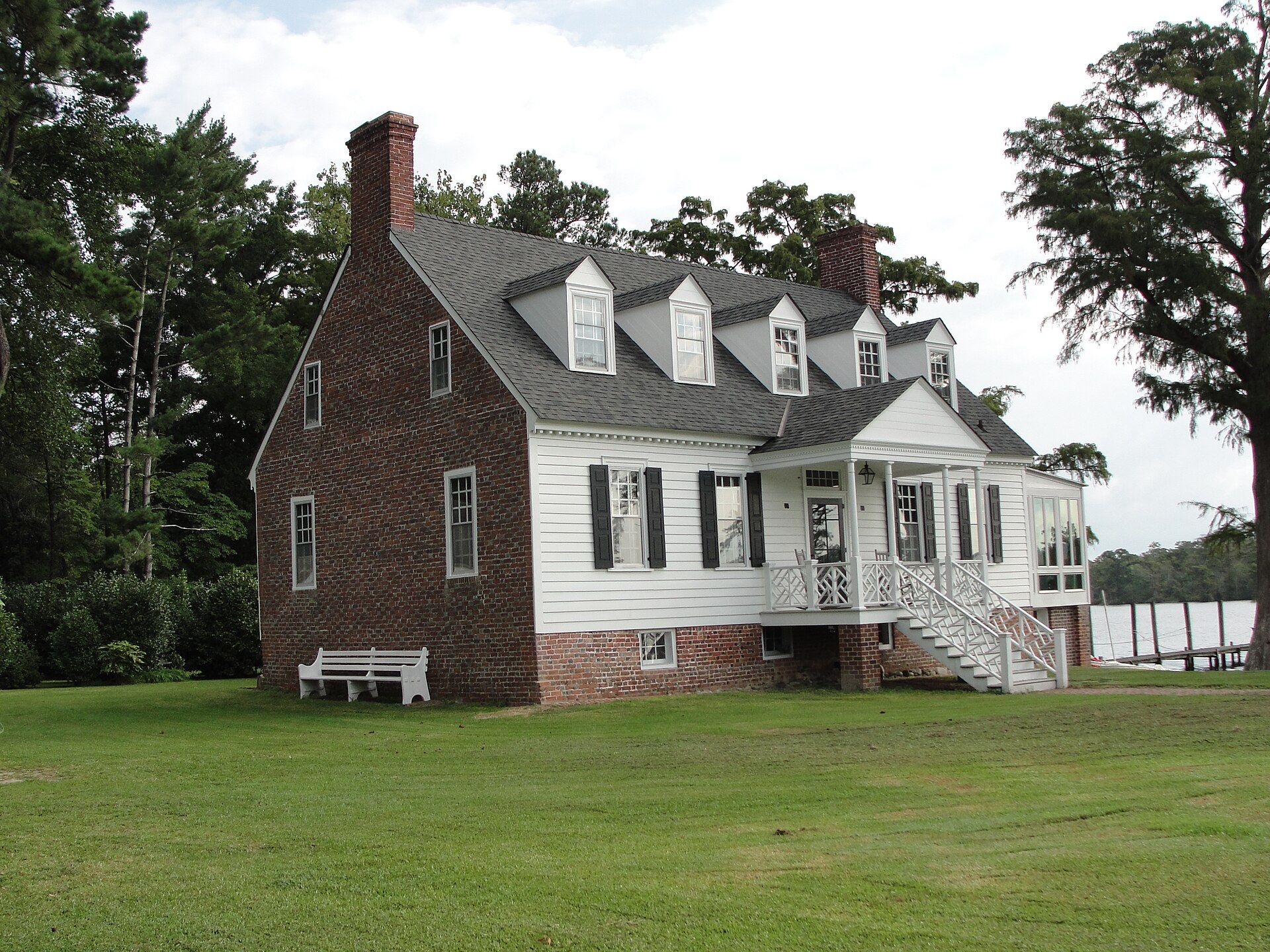
Elizabeth City is the county seat and most populous city of Pasquotank County. Landmarks include Old Brick House, Southgate Mall and Episcopal Cemetery.
- CountyElizabeth City
- Historic places9 on the National Register
Elizabeth City, North Carolina gifts and souvenirs: 40 designs made from Elizabeth City's own map, landmarks and history, from $10 to $99. Printed to order and shipped free in the USA.
| Popular | Price |
|---|---|
| Elizabeth City Hometown Ornament | $23 |
| Elizabeth City Landmarks Photo Poster | from $40 |
| Elizabeth City Vintage Travel Poster | from $40 |
| Elizabeth City Varsity Crewneck | from $57 |
| Elizabeth City Est. Tee | from $33 |
| Elizabeth City Town Line Mug | from $26 |
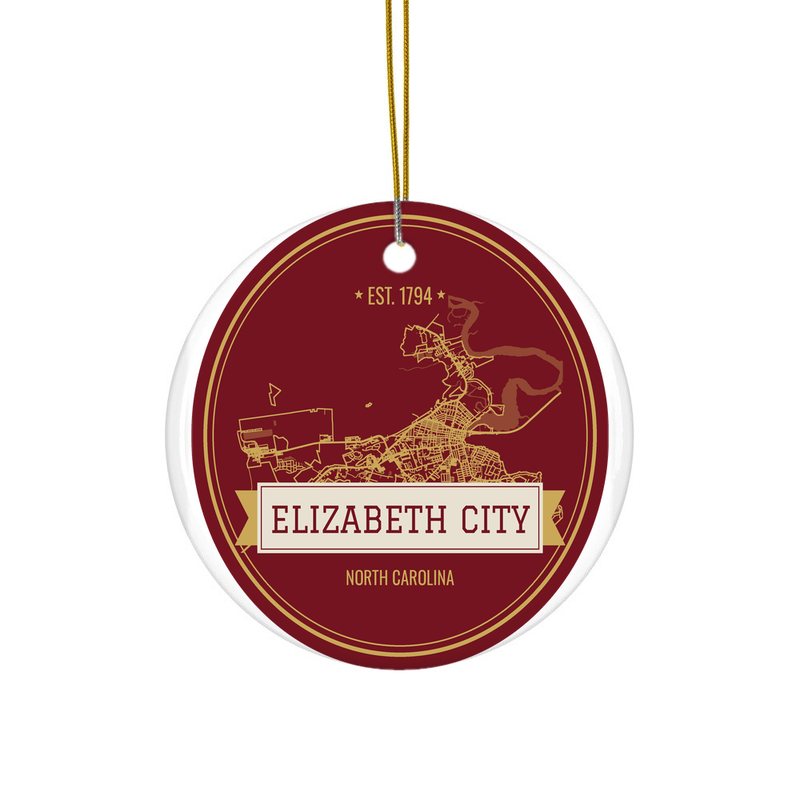
Ceramic keepsake, gold ribbon
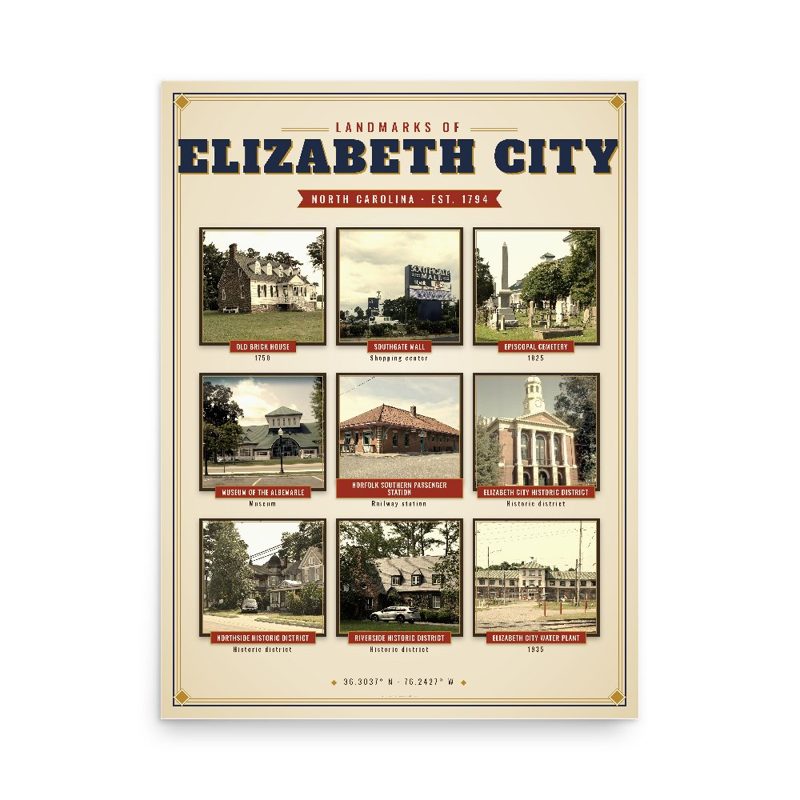
Nine local landmarks, archival matte
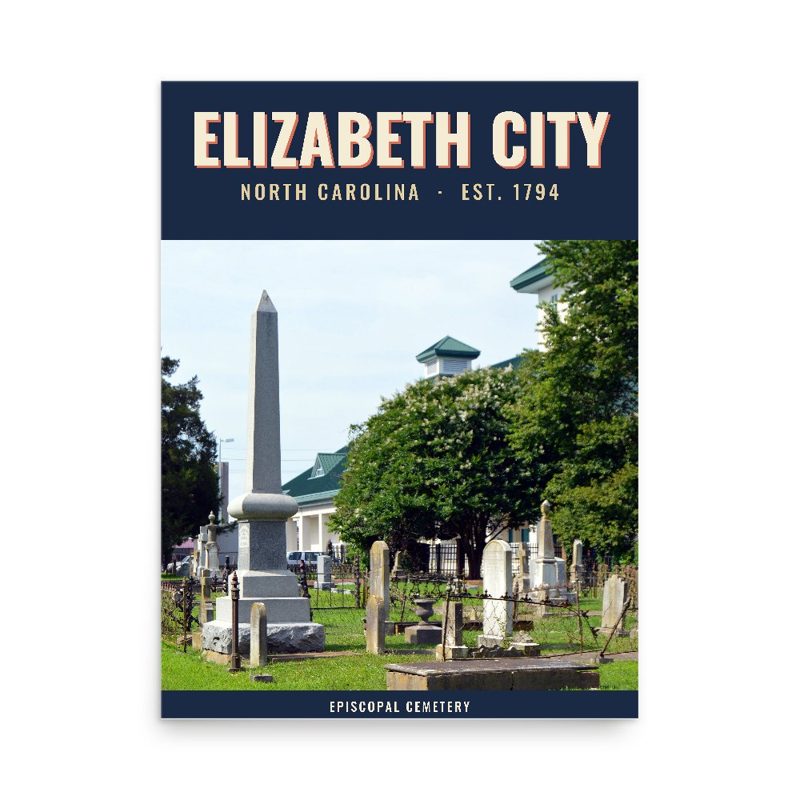
Its landmark photo in a classic travel-poster layout
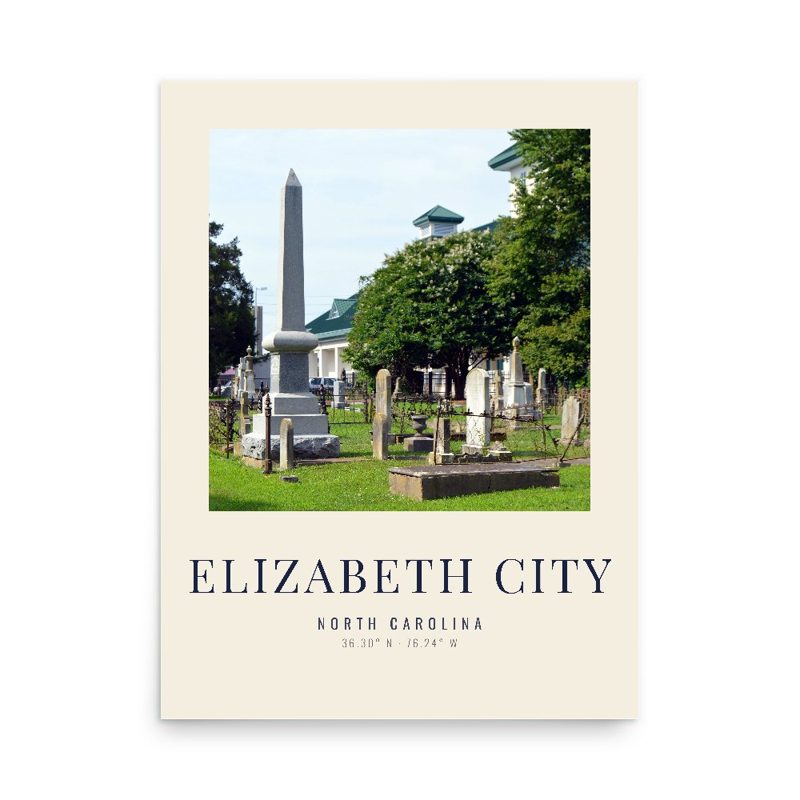
A local landmark photo as a gallery print
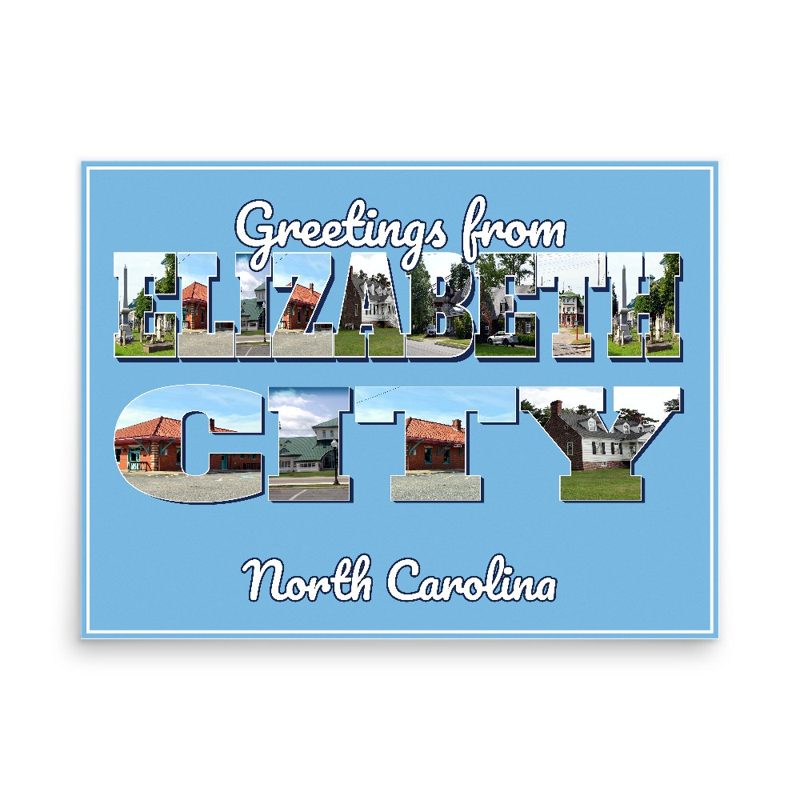
Classic large-letter postcard art, filled with local photos
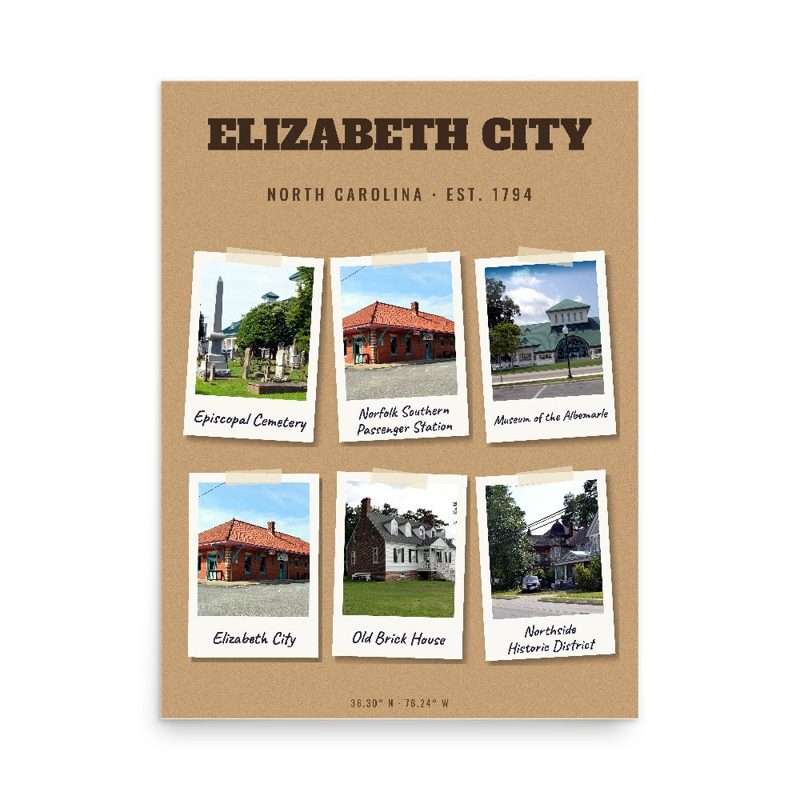
Six local landmarks as instant photos on kraft paper
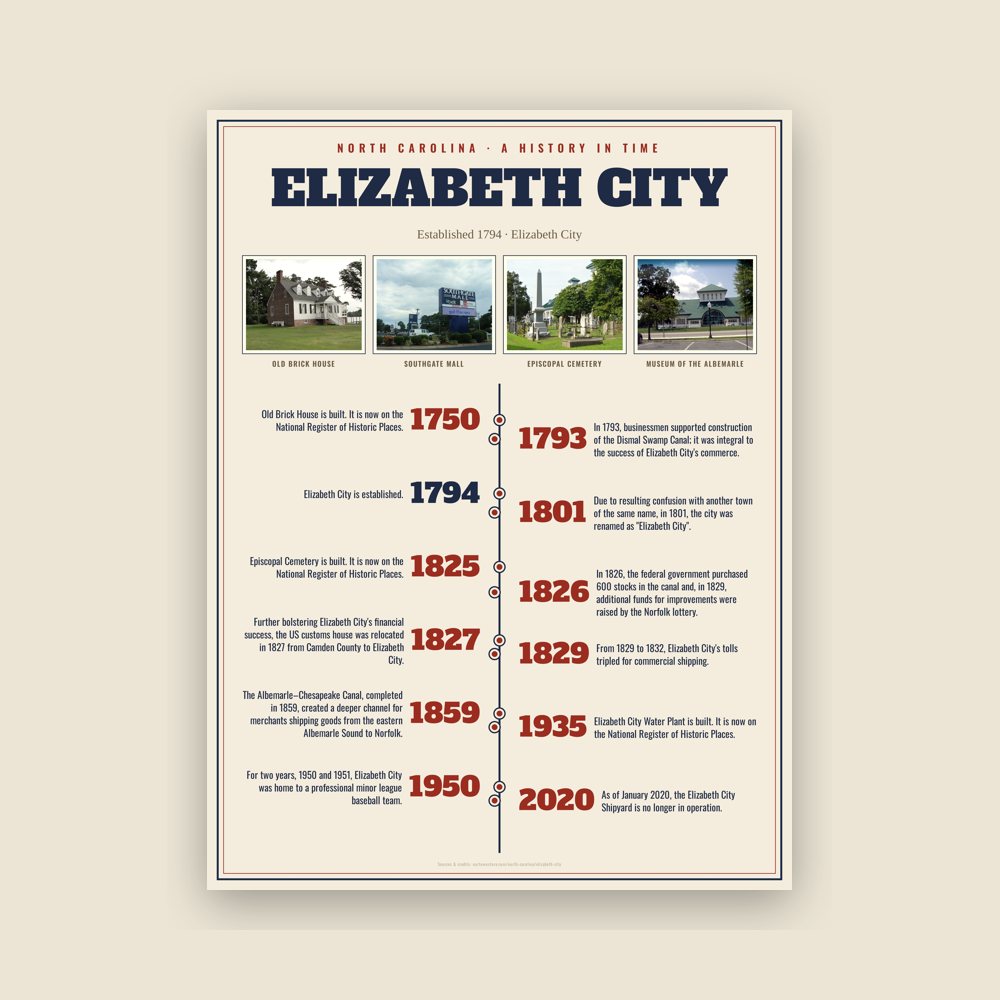
The town's story in dates, from its own records, for home or classroom
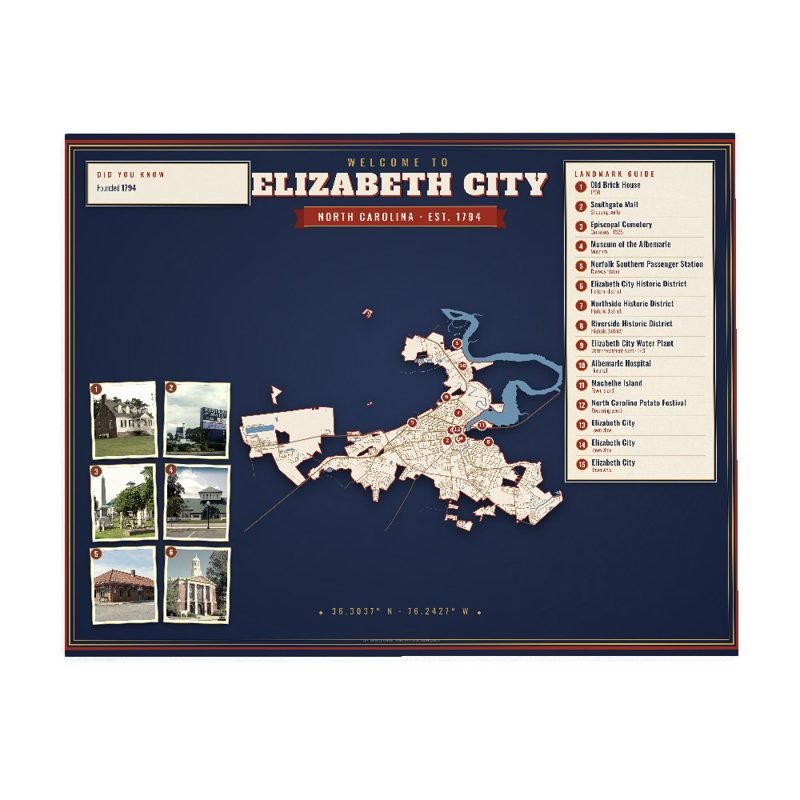
Map of local landmarks, washable fabric
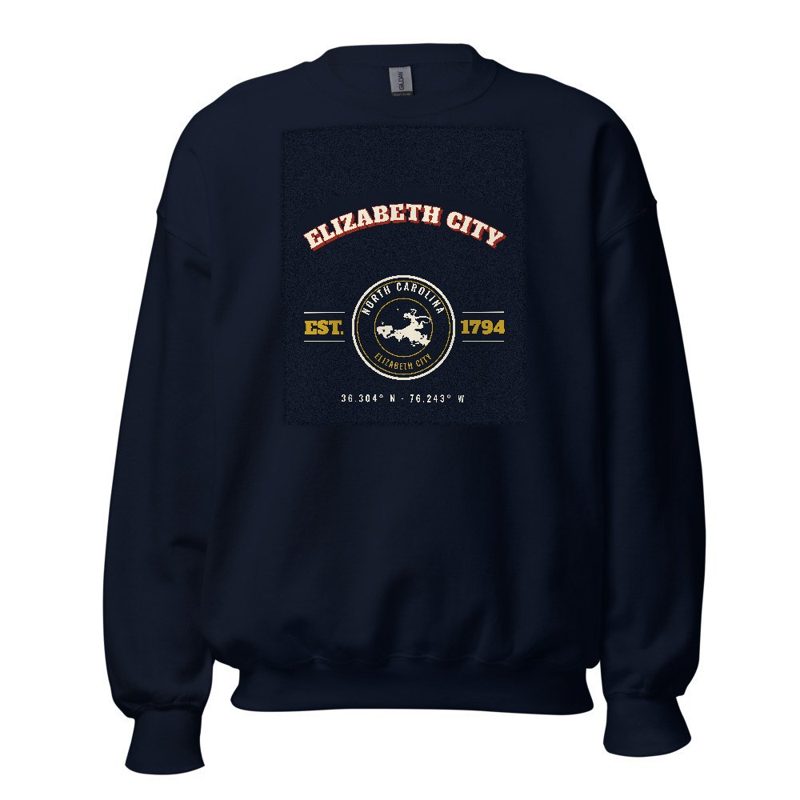
Heavy-blend fleece, street map printed on the back
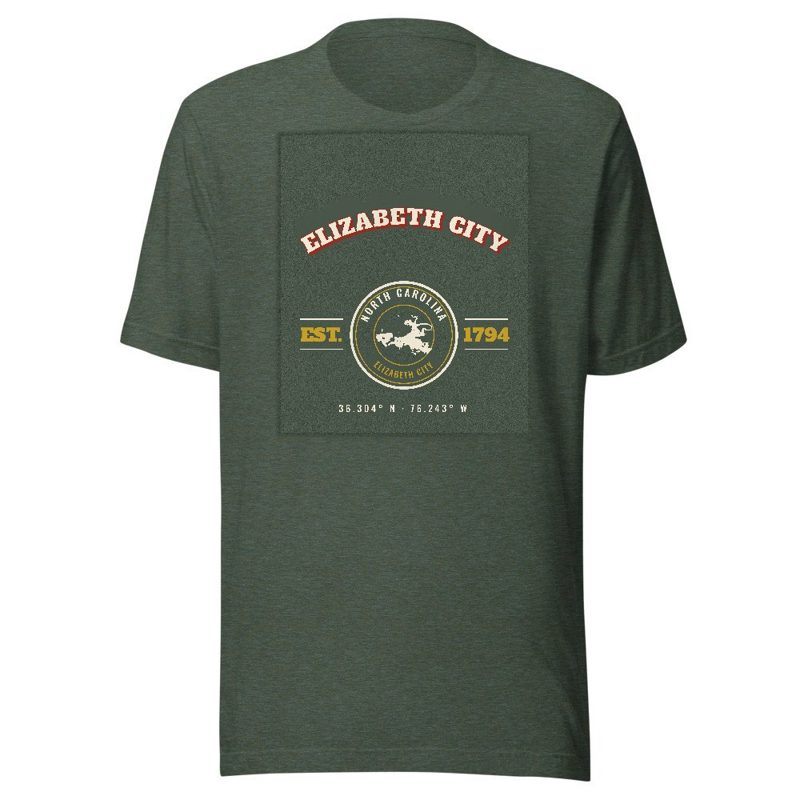
Soft Bella+Canvas jersey
Kids' Bella+Canvas jersey, youth sizes
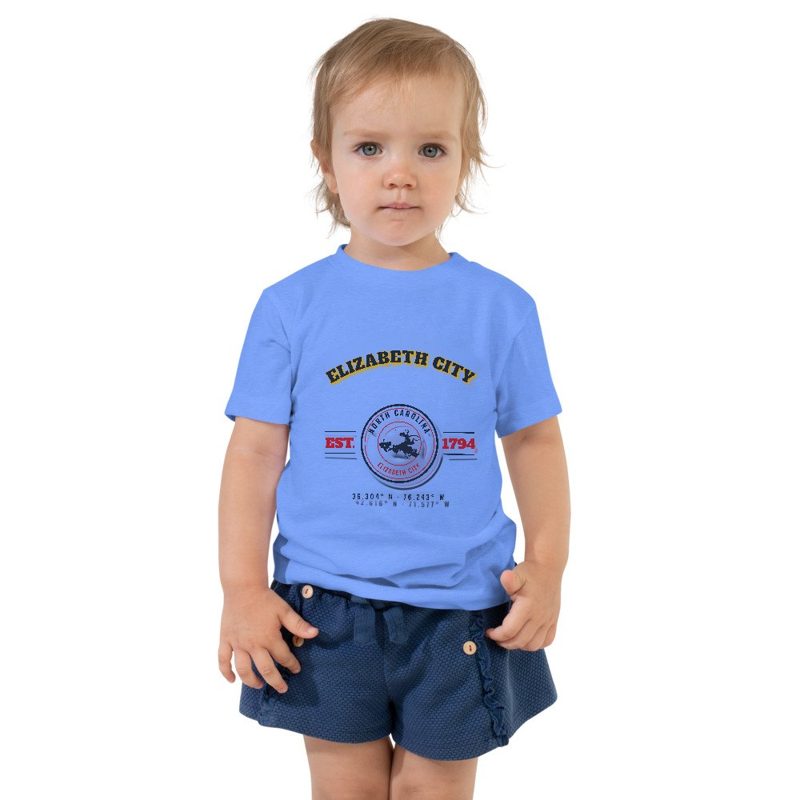
Bella+Canvas toddler jersey
Bella+Canvas baby bodysuit
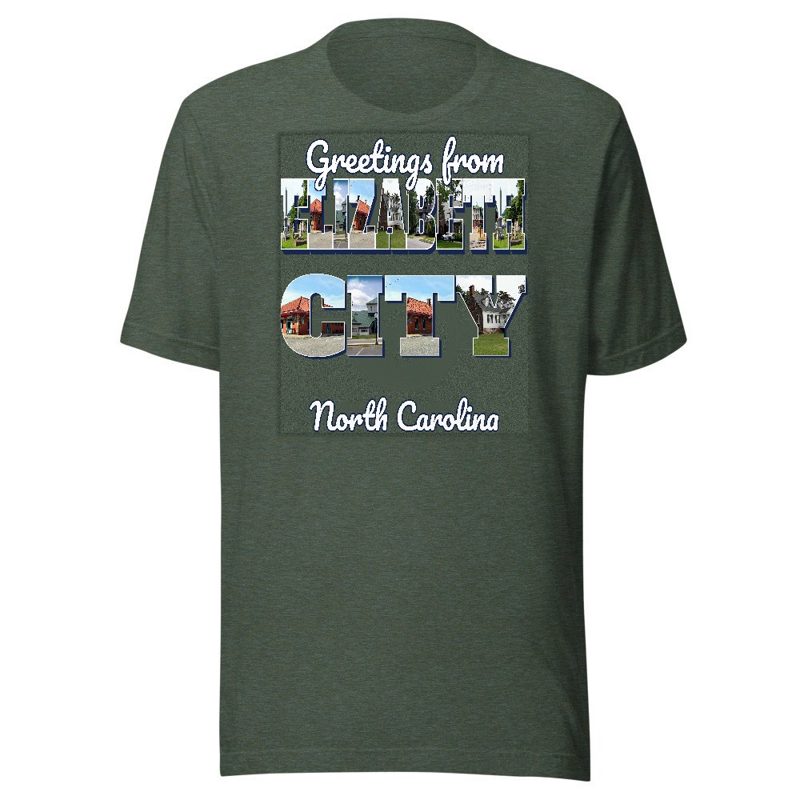
Large-letter postcard art filled with local photos
Glossy ceramic, dishwasher safe

Large-letter postcard art filled with local photos, 11 oz ceramic
Weatherproof, for the front walk
24″×16″, printed coir-look fibers, rubber back
12″×12″ printed wood, ready to hang
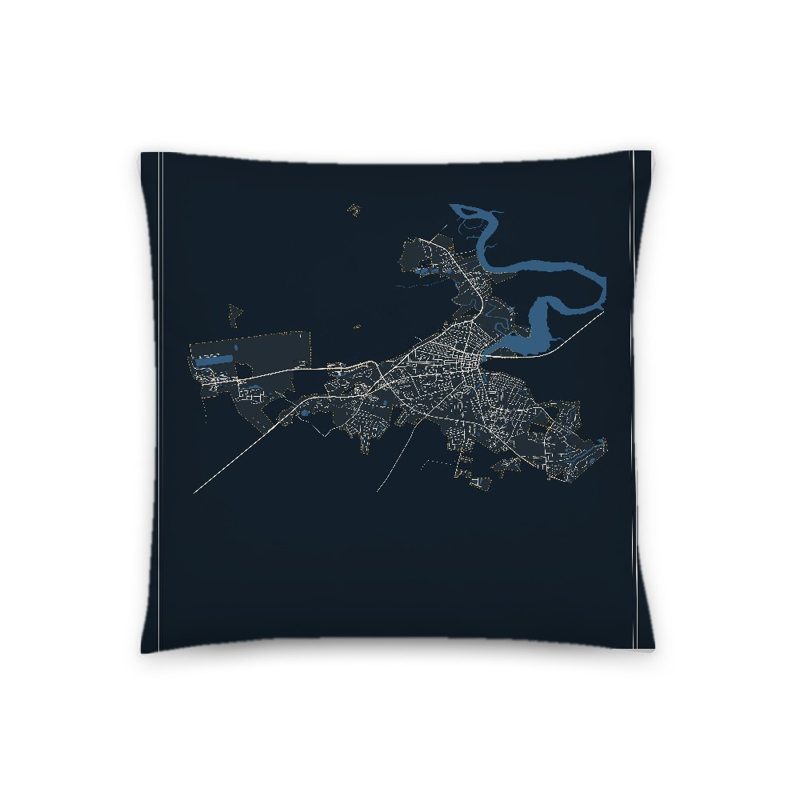
Soft-touch, zip cover
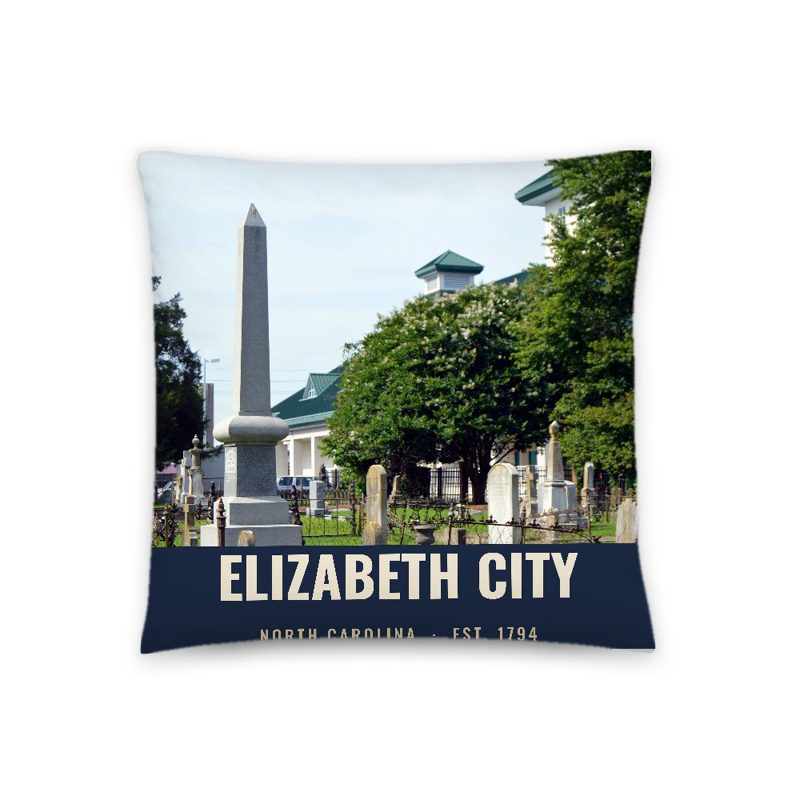
A local landmark photo with the town name, 18″×18″
Sturdy all-over-print tote
Large-letter postcard art on a sturdy tote
Foam-front trucker, printed (not embroidered) with local photos
Glossy top, cork back
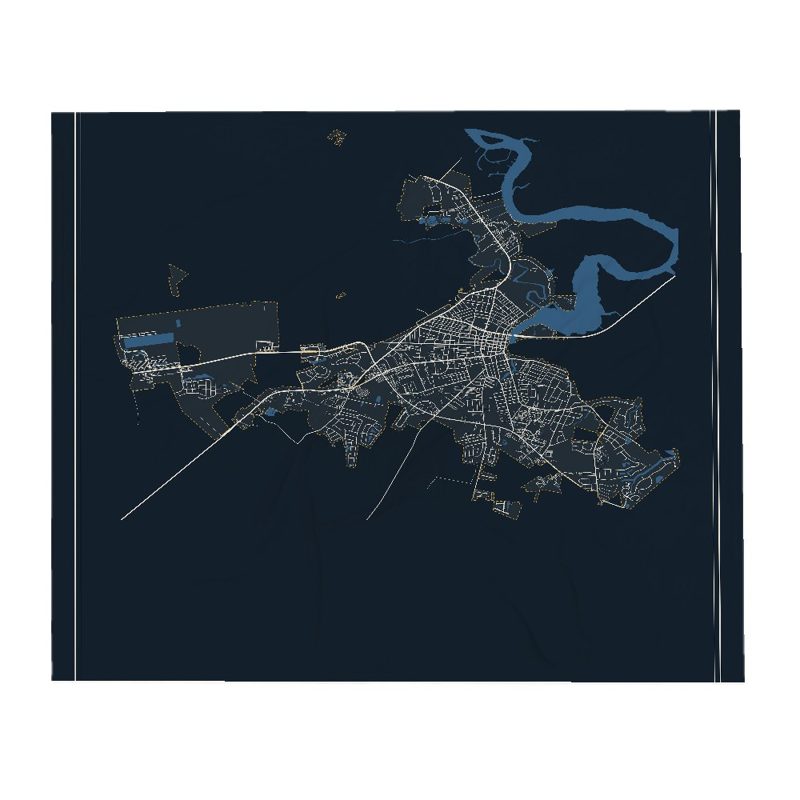
Soft fleece, 50″×60″
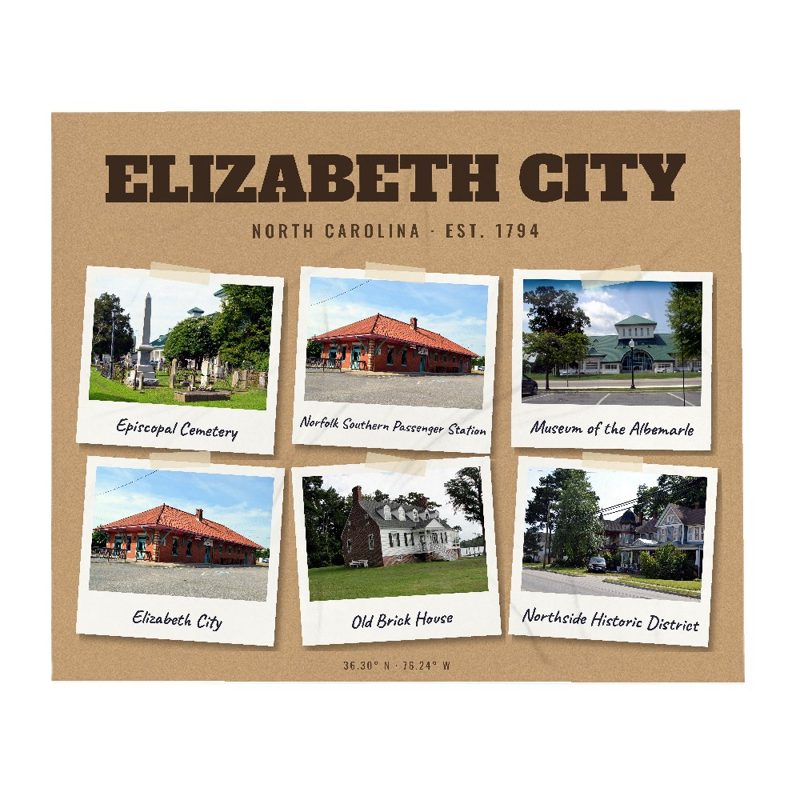
Six local landmarks as instant photos, soft fleece 50″×60″
20 oz, double-wall stainless
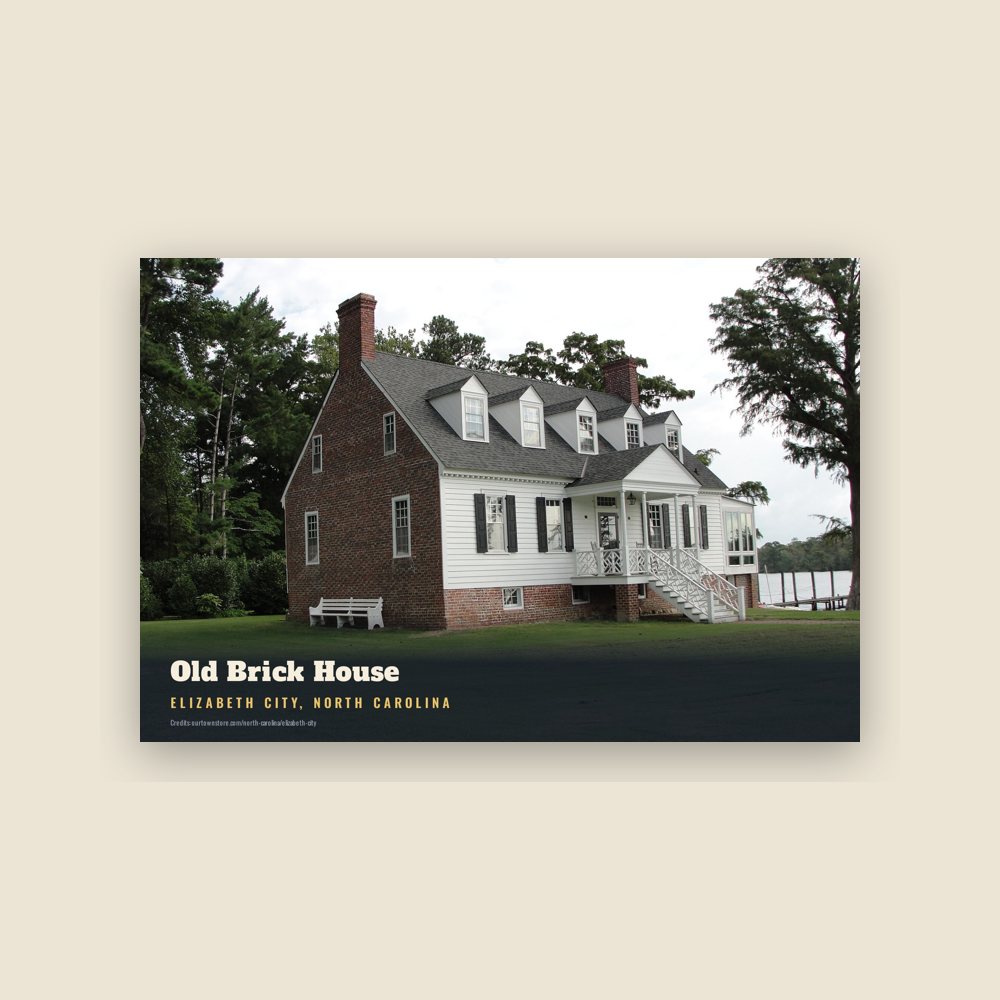
6″×4″ postcard, glossy front
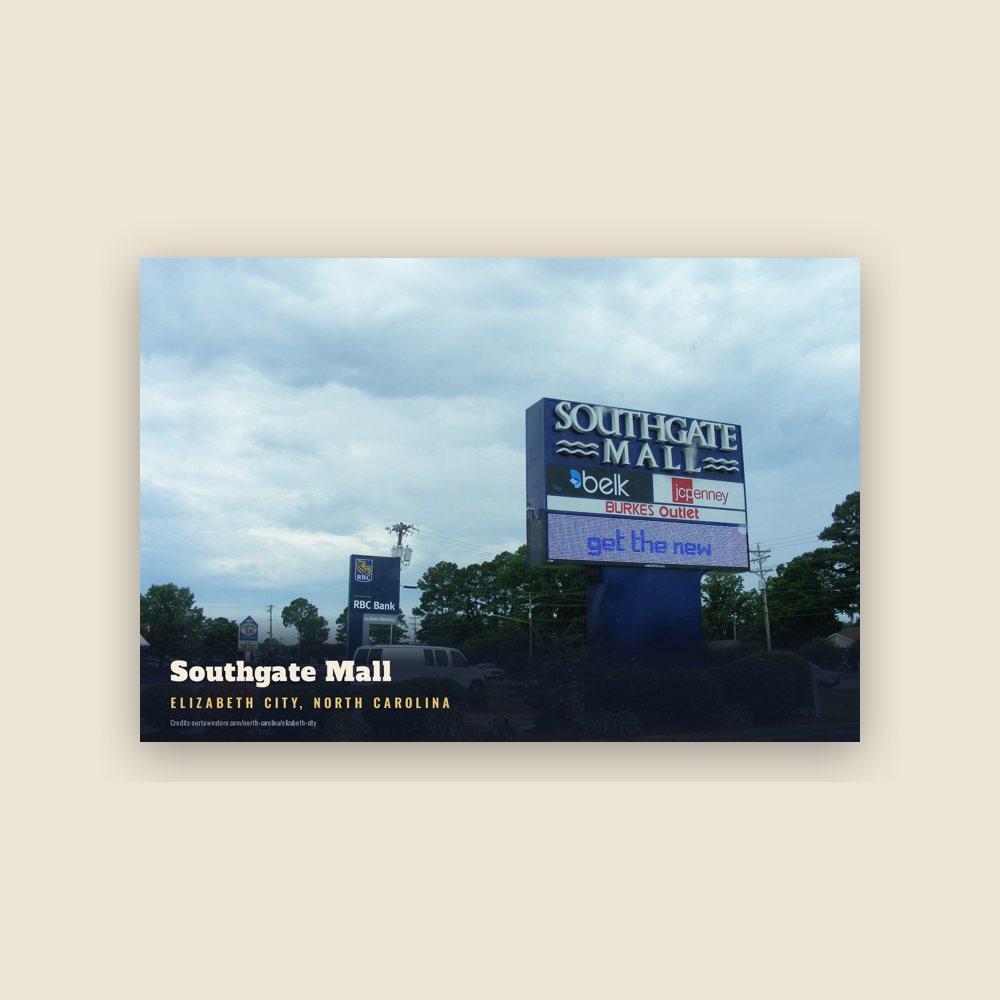
6″×4″ postcard, glossy front
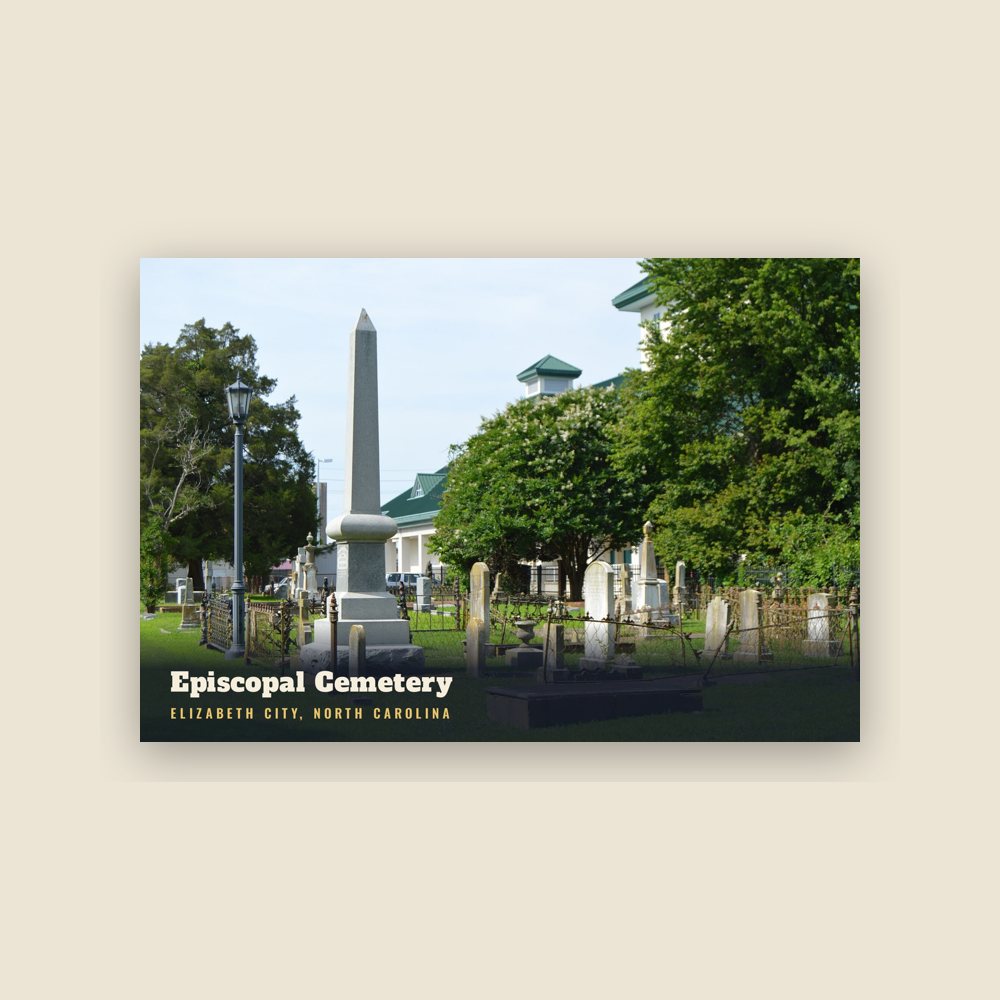
6″×4″ postcard, glossy front
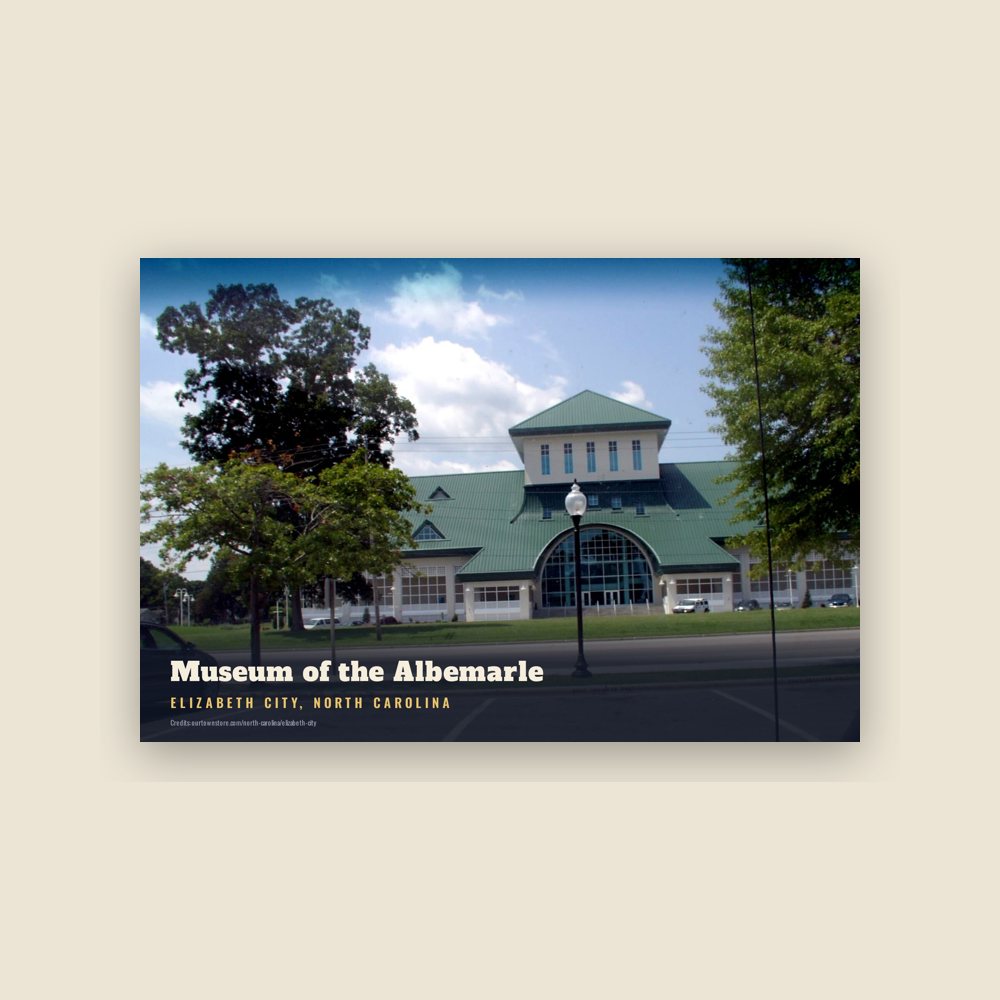
6″×4″ postcard, glossy front
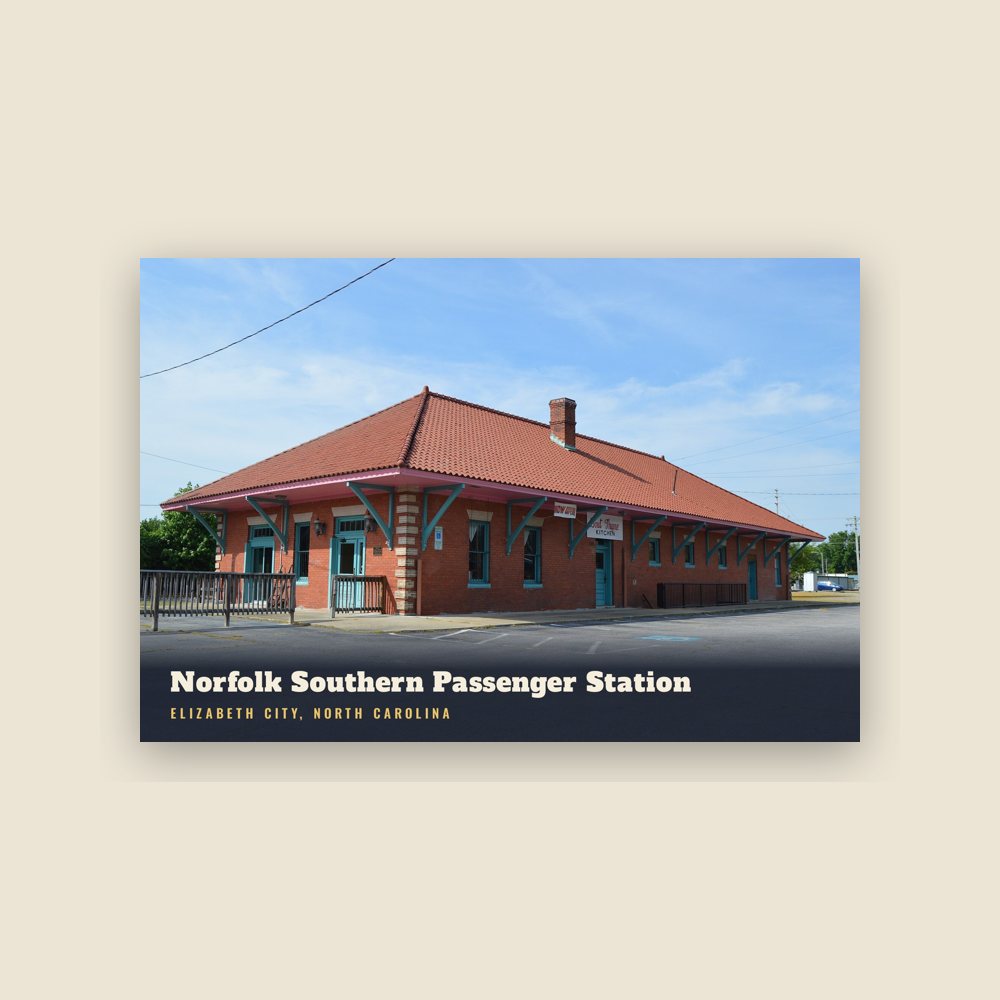
6″×4″ postcard, glossy front
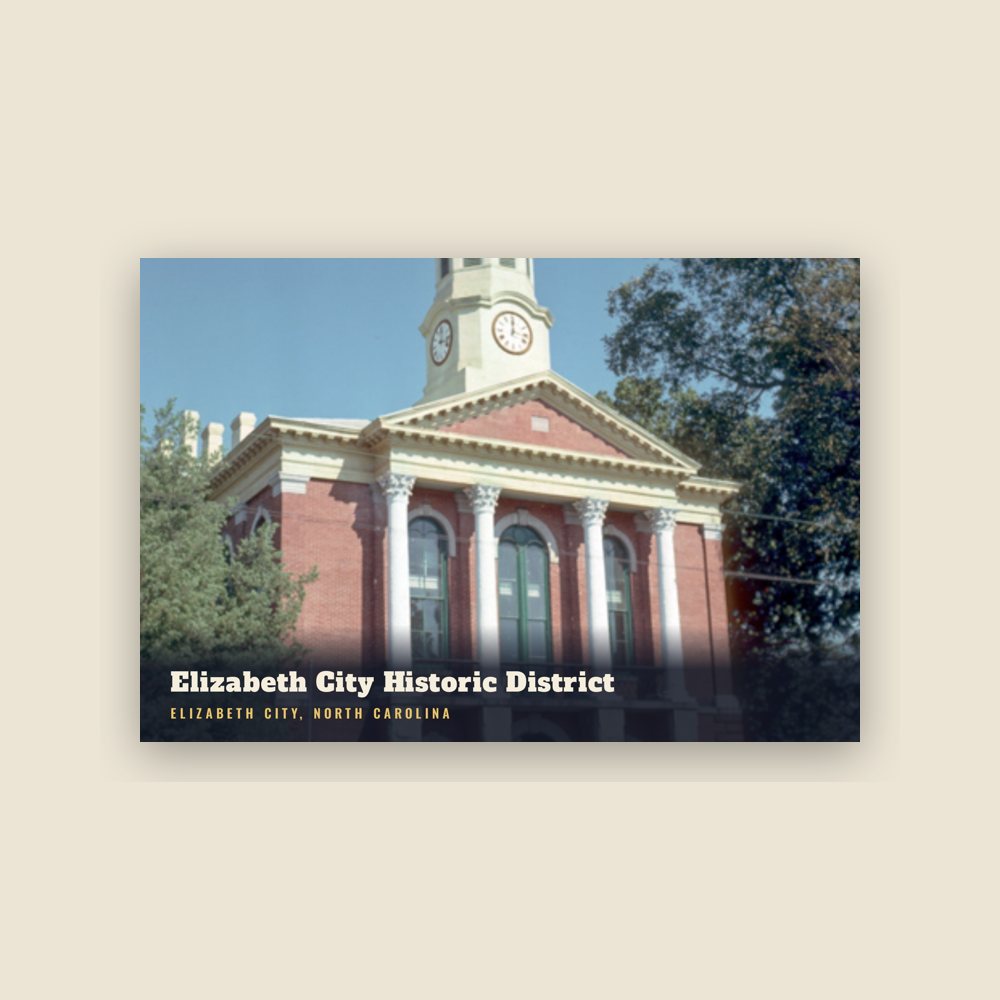
6″×4″ postcard, glossy front
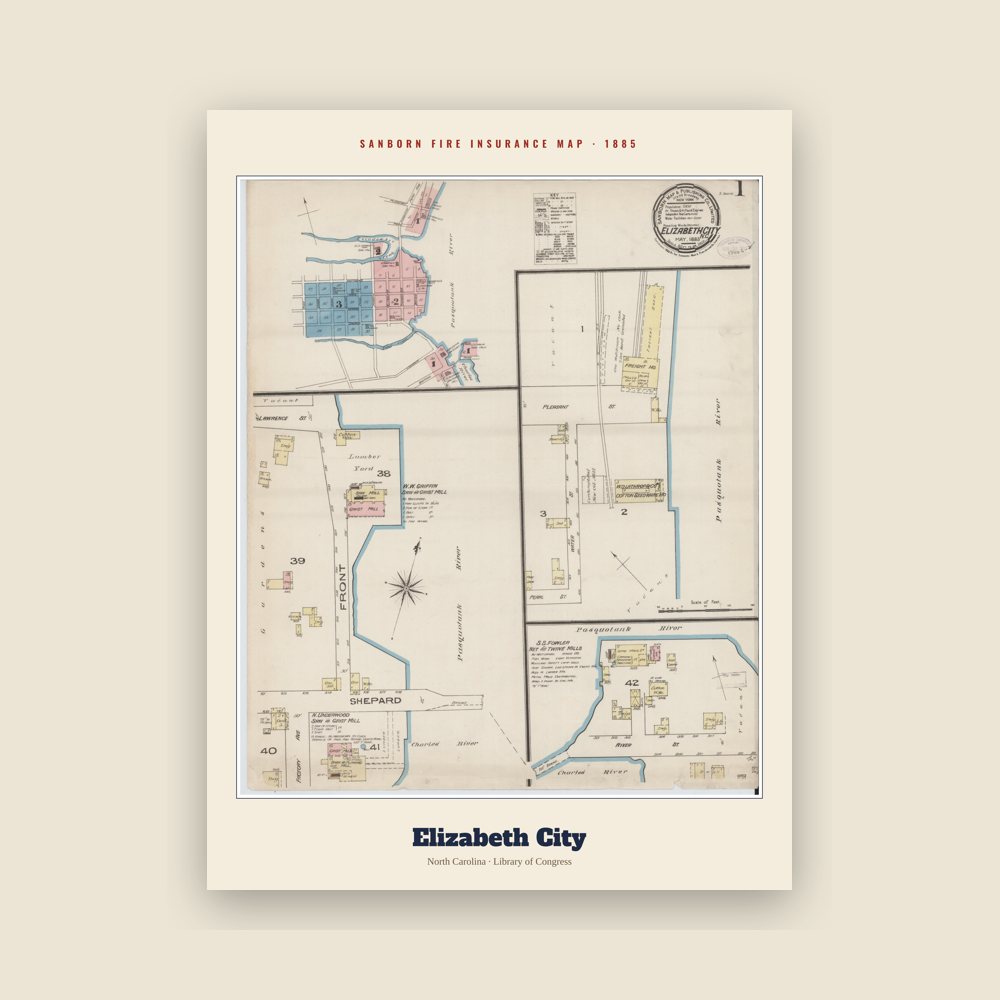
The town's earliest Sanborn fire-insurance map, drawn building by building and hand-coloured, from the Library of Congress
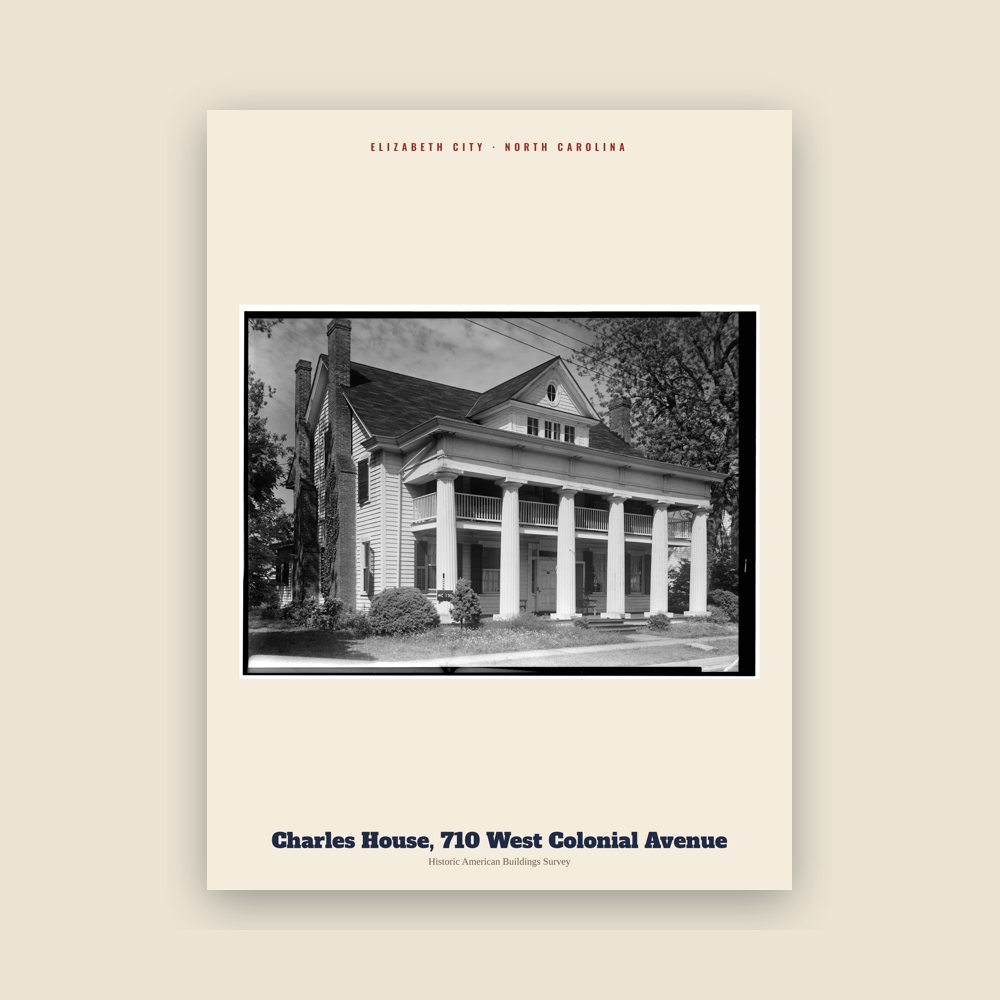
From the Library of Congress collections: a historic survey drawing or photograph of the town
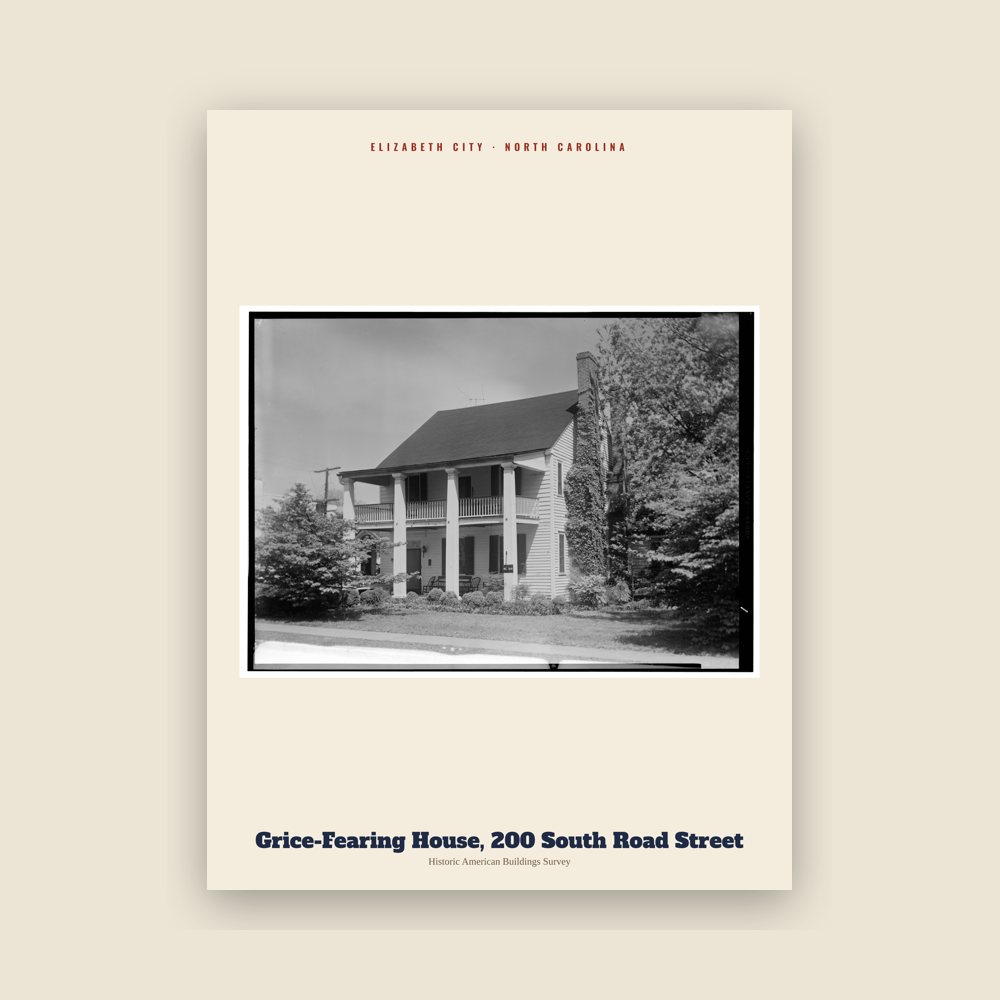
From the Library of Congress collections: a historic survey drawing or photograph of the town
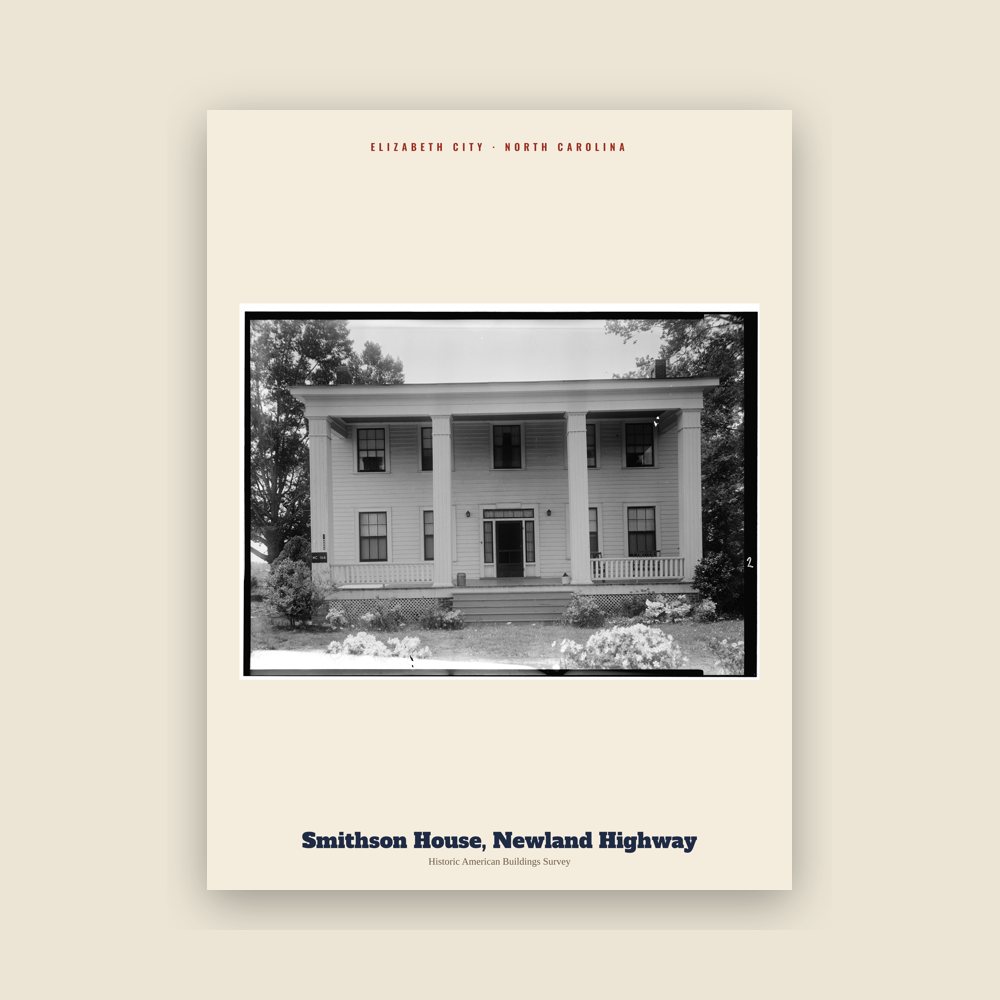
From the Library of Congress collections: a historic survey drawing or photograph of the town
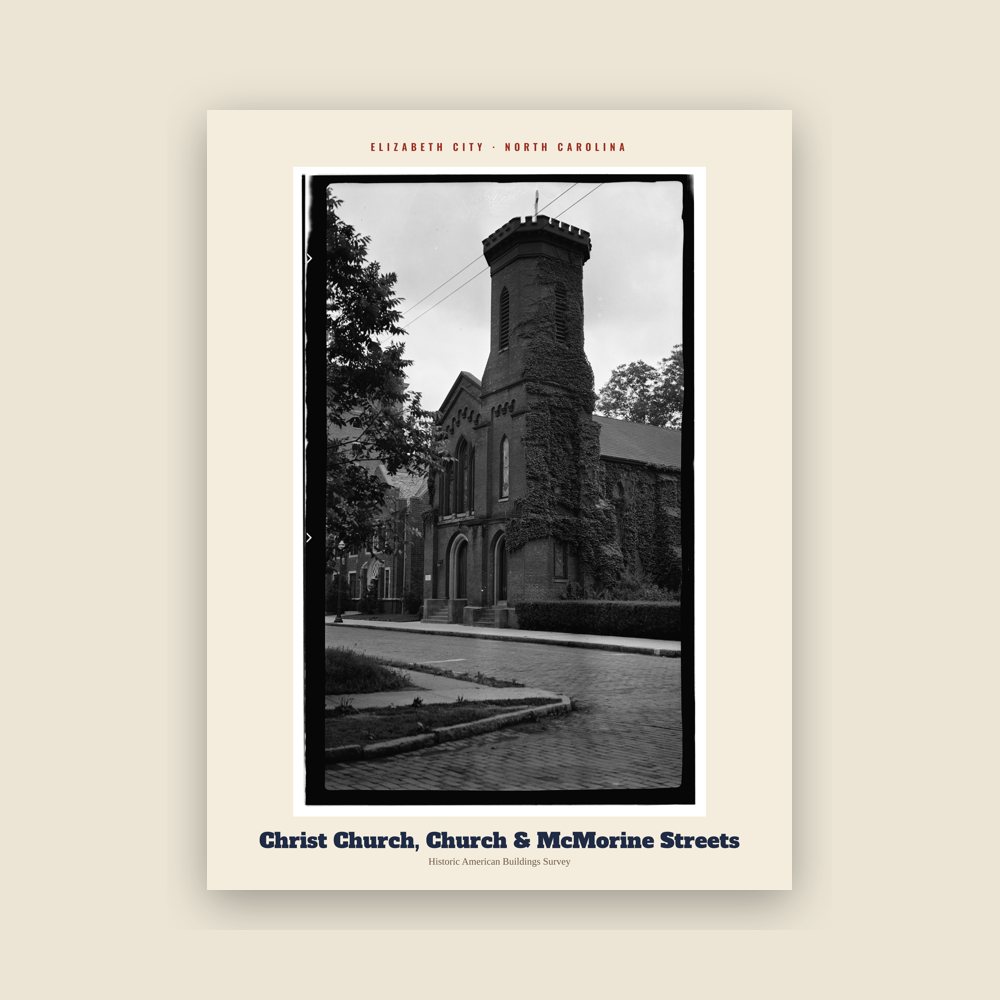
From the Library of Congress collections: a historic survey drawing or photograph of the town
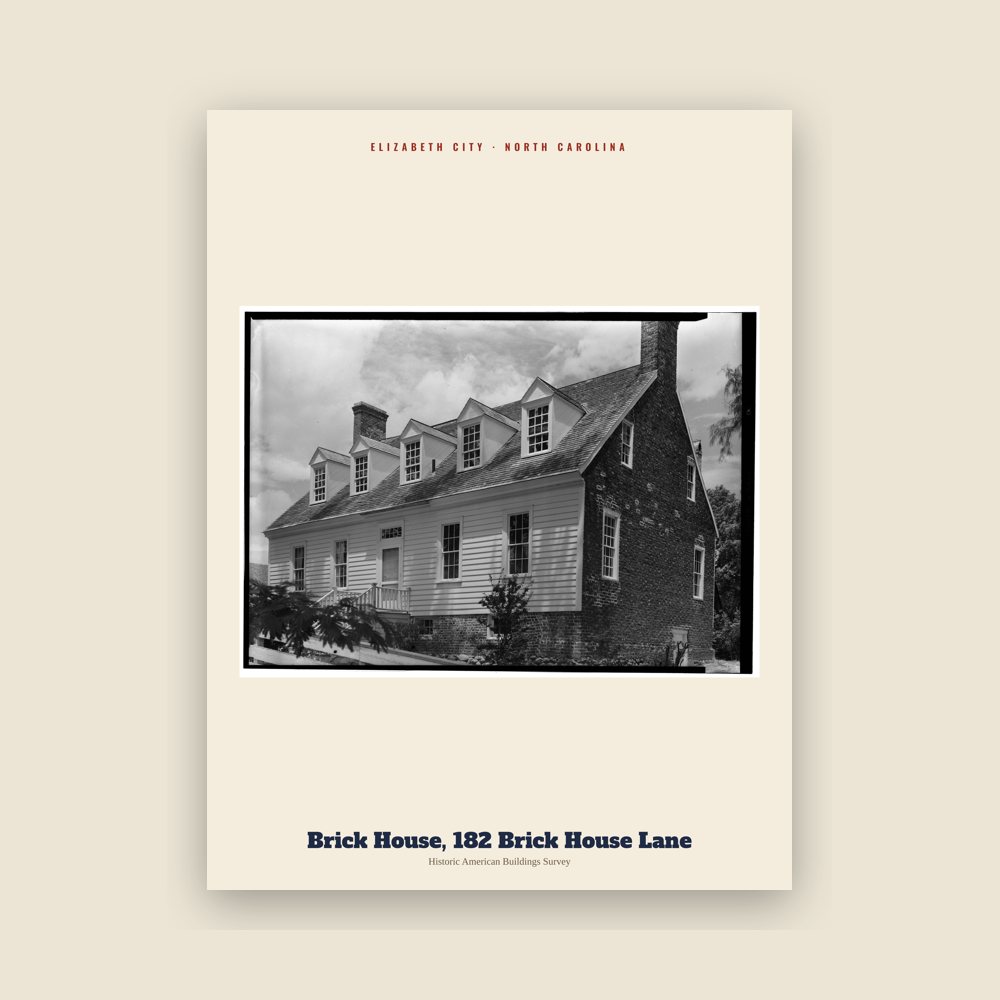
From the Library of Congress collections: a historic survey drawing or photograph of the town
Elizabeth City is the county seat and most populous city of Pasquotank County. Landmarks include Old Brick House, Southgate Mall and Episcopal Cemetery.
From Wikidata (CC0).
Located at the narrows of the Pasquotank River, colonists used the area that developed as Elizabeth City as a trading site. As early as the mid 18th century, they established inspection stations and ferries. With the addition of minor roads, a schoolhouse, and soon a church, a small community developed at these narrows.
In 1793, businessmen supported construction of the Dismal Swamp Canal; it was integral to the success of Elizabeth City's commerce. The North Carolina Assembly incorporated the town as "Redding", renaming it in 1794 as "Elizabethtown". Due to resulting confusion with another town of the same name, in 1801, the city was renamed as "Elizabeth City". The name "Elizabeth" has been attributed to Elizabeth "Betsy" Tooley, a local tavern proprietress who donated much of the land for the new town.
With improvements to the Dismal Swamp Canal, commerce flourished and Elizabeth City became a financial center of trade and commercially successful in the early 19th century. In 1826, the federal government purchased 600 stocks in the canal and, in 1829, additional funds for improvements were raised by the Norfolk lottery. With these funds, the Dismal Swamp Canal was widened and deepened, allowing for larger boats to ship their goods to and from the city.
Further bolstering Elizabeth City's financial success, the US customs house was relocated in 1827 from Camden County to Elizabeth City. From 1829 to 1832, Elizabeth City's tolls tripled for commercial shipping.
During the American Civil War, the Confederate States had a small fleet stationed at Elizabeth City. After the Battle of Roanoke Island, Union forces sent a fleet to take the city. A small skirmish resulted in a Union victory. Elizabeth City was under Union control for the remainder of the war, as was most of coastal North Carolina. Confederate irregulars engaged in guerrilla warfare with Union forces in the area for the remainder of the war.
Meanwhile, overland travel slowly improved, enabling greater trade between neighboring counties. The ferry continued to provide transport between Elizabeth City and Camden County. But the completion of competing canals and railroads around Elizabeth City meant that neighboring cities began to draw off some of the traffic. The Portsmouth and Roanoke Railroad, completed in the 1830s, allowed for goods to be transported from the Roanoke River directly to Weldon. The Albemarle–Chesapeake Canal, completed in 1859, created a deeper channel for merchants shipping goods from the eastern Albemarle Sound to Norfolk.
Such new opportunities established Elizabeth City as a thriving deep-water port and powerful regional economic center. It was based on such industries as lumbering, shipbuilding, grain export, and fish and oyster processing; it rivaled other ports such as Norfolk, Virginia, and Baltimore, Maryland. But the establishment in 1881 of the Elizabeth City and Norfolk Railroad, later renamed the Norfolk Southern Railway, encouraged a shift of industries from waterfront in Elizabeth City to the growing cities of North Carolina's Upper Coastal Plain and Piedmont.
The declaration of World War II reinvigorated Elizabeth City's industries, particularly in shipbuilding, textiles, and aeronautics. Coast Guard Air Station Elizabeth City was established in 1940 and Navy Air Station Weeksville in 1941 to provide valuable surveillance by seaplane and dirigible of German U-boats that were targeting American merchant shipping in East Coast waters.
Additionally from 1942 to 1944, the Elizabeth City Shipyard supported the war effort with much of its production: thirty 111-foot SC-class submarine chasers, four YT-class yard tugboats, and six 104-foot QS-class quick supply boats. The Elizabeth City Shipyard built the most subchasers for the war effort (30 out of 438 total nationally), and set the record construction time for the SC-class, with SC-740 laid down in only thirty days. As of January 2020, the Elizabeth City Shipyard is no longer in operation.
For two years, 1950 and 1951, Elizabeth City was home to a professional minor league baseball team. The Elizabeth City Albemarles played in the Class D level Virginia League. Previously, the town had fielded a team for several seasons in the semipro Albemarle League.
The conclusion of the war led to a levelled economy. Industry restructuring here and in other areas changed the economy. Since the late 20th century, the service, government, and agriculture sectors have become dominant in the current economy. Starting in the late 1990s, revival efforts in tourism and civic revitalization centered on downtown and the city's five historic districts have led to increasing economic stability.
The Elizabeth City Historic District, Elizabeth City State Teachers College Historic District, Elizabeth City Water Plant, Episcopal Cemetery, Norfolk Southern Passenger Station, Northside Historic District, Old Brick House, Riverside Historic District, and Shepard Street-South Road Street Historic District are listed on the National Register of Historic Places. They are protected to encourage heritage tourism that stresses the city's unique qualities.
Adapted (trimmed) from the Wikipedia article Elizabeth City, North Carolina, revision 1378461433 by its contributors, licensed CC BY-SA 4.0.
We share a part of every Elizabeth City sale with local partners, and we'd love to print from your collection. Old photographs, maps and postcards make the best keepsakes.
Partner with usA favorite landmark, your street, a school or team, an anniversary gift, a different product. Tell us and we'll get back to you by email.
12 free coloring pages of Elizabeth City, each traced from a photo of a local landmark. Print them at home, at school or for story hour.
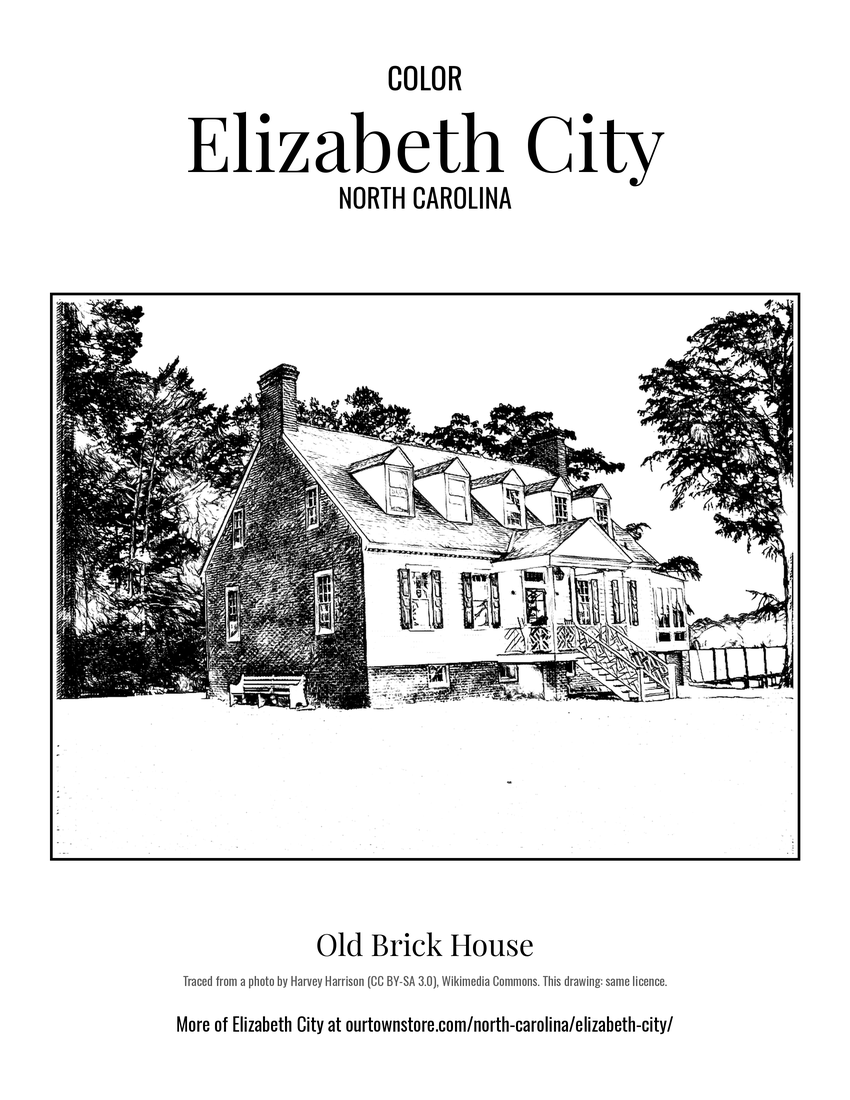 Old Brick House
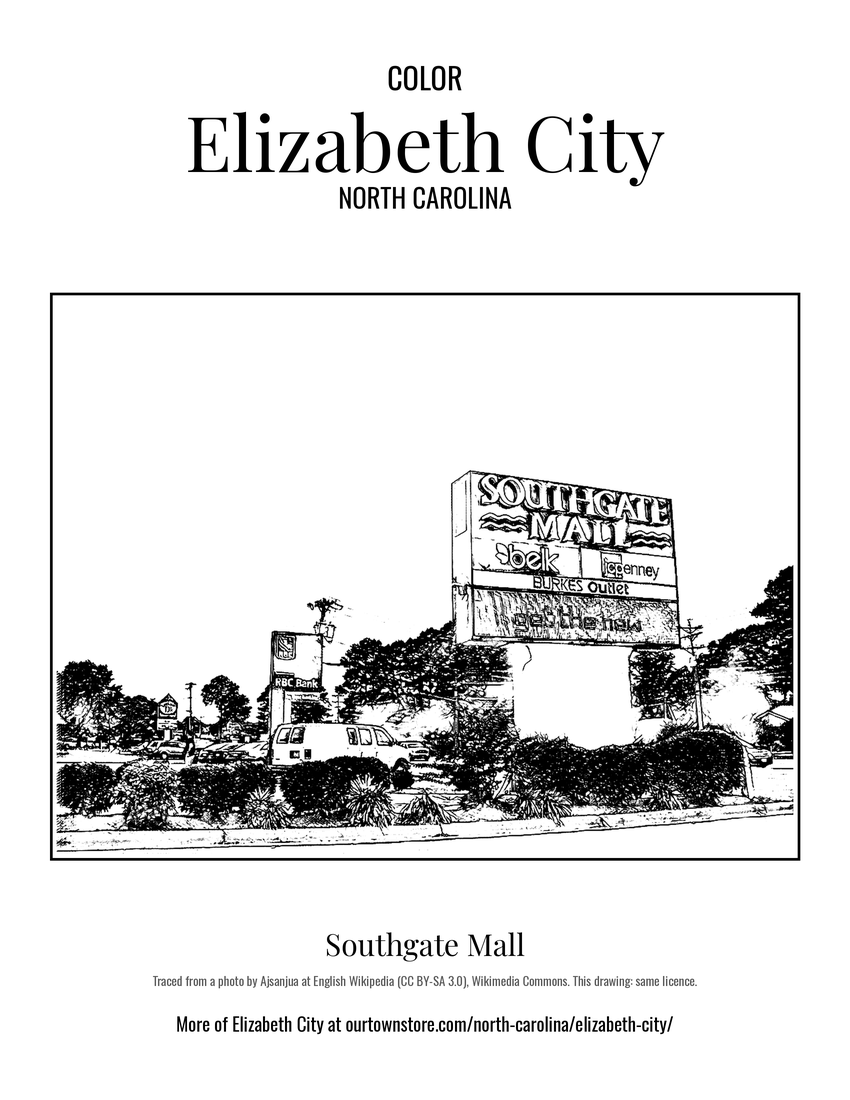 Southgate Mall
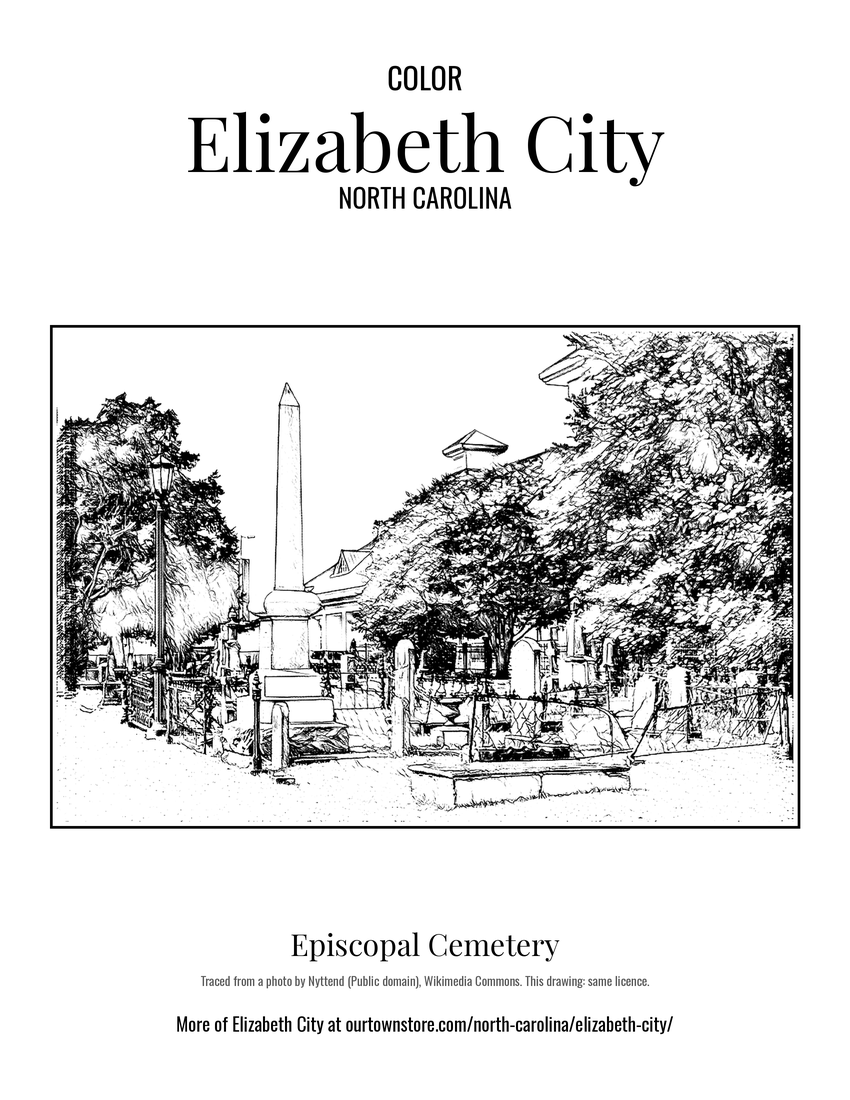 Episcopal Cemetery
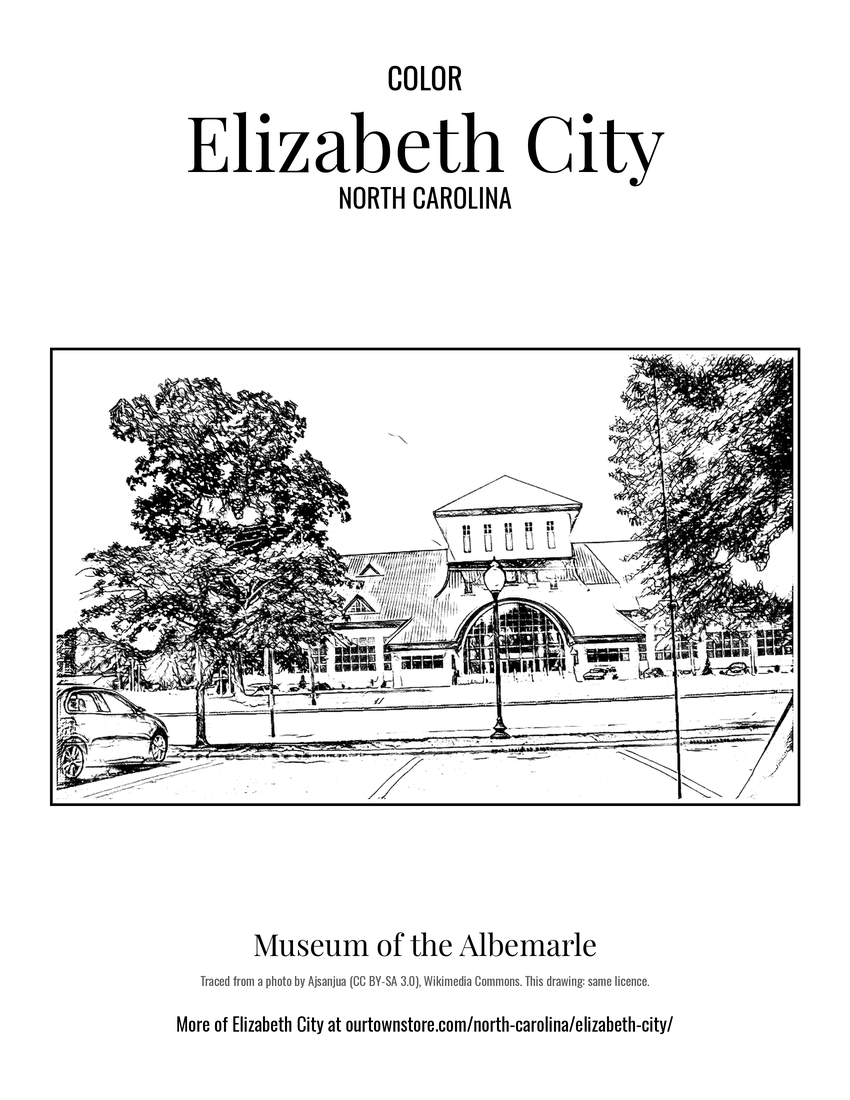 Museum of the Albemarle