A short history of Concord
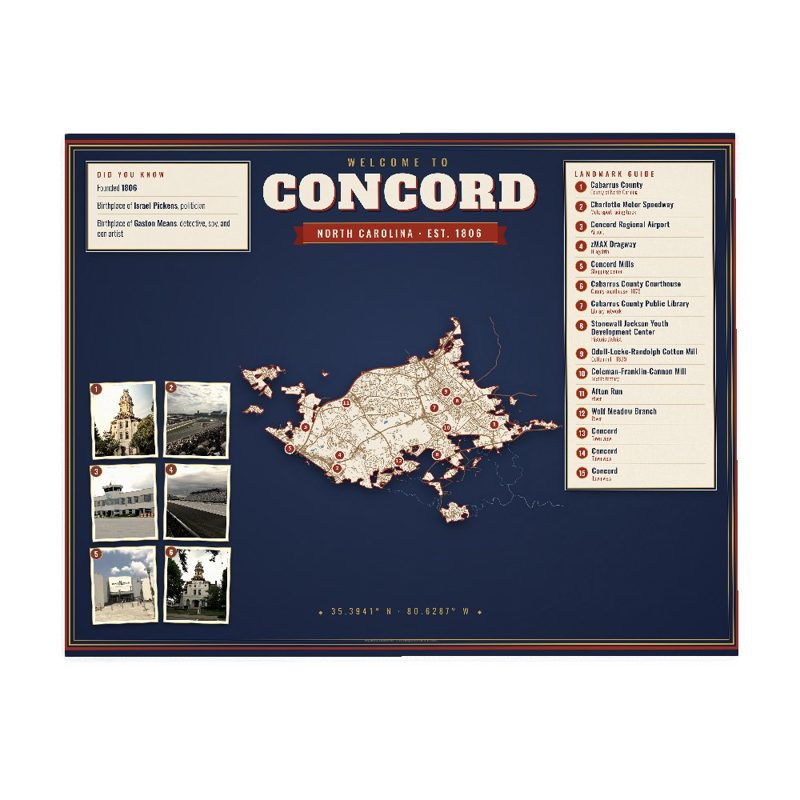
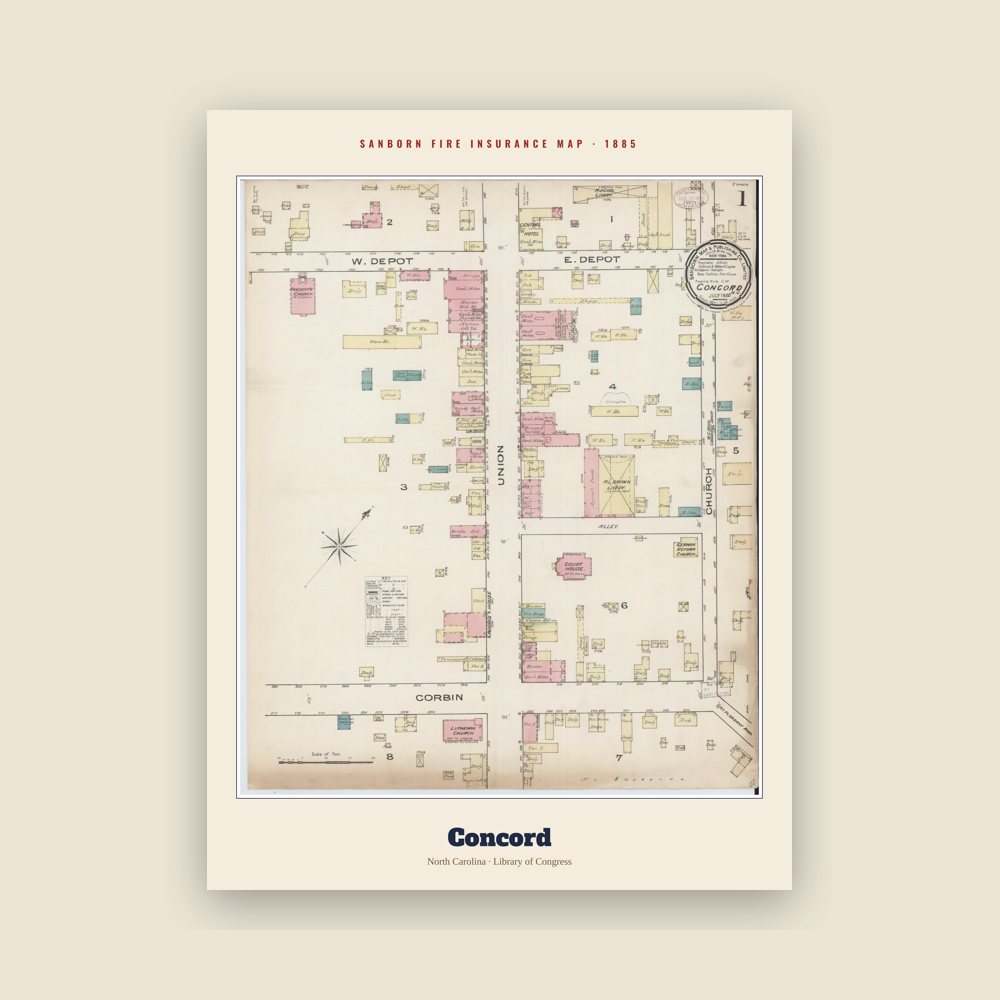
Concord, located in today's rapidly growing northeast quadrant of the Charlotte metropolitan area, was first settled about 1750 by German and Scots-Irish settlers. The name Concord means "to bring into harmony". This name was chosen after a lengthy dispute between the German Lutherans and Scotch-Irish Presbyterians over where the county seat should be located. Concord is considered a relatively old town by US standards, as it was incorporated in 1806. Today, markers identifying the original town limits can be seen in the downtown area.
As county seat, Concord became a center of trade and retail for the cotton-producing region, especially on court days. The downtown would be crowded with farmers and townfolk, in addition to lawyers and their clients. During the antebellum era, wealth was built by planters through the cultivation of cotton as a commodity crop; the work was done by enslaved African Americans.
Based on wealth from cotton as a commodity crop and through textile manufacturing, Concord's white slave owners and business owners built some significant homes in the late nineteenth and early twentieth centuries; they range along North and South Union Street and Edgewood Avenue. Within the North Union Historic District is Memorial Garden. Located on 3 acres (12,000 m2), the garden winds through the 200-year-old cemetery of the First Presbyterian Church.
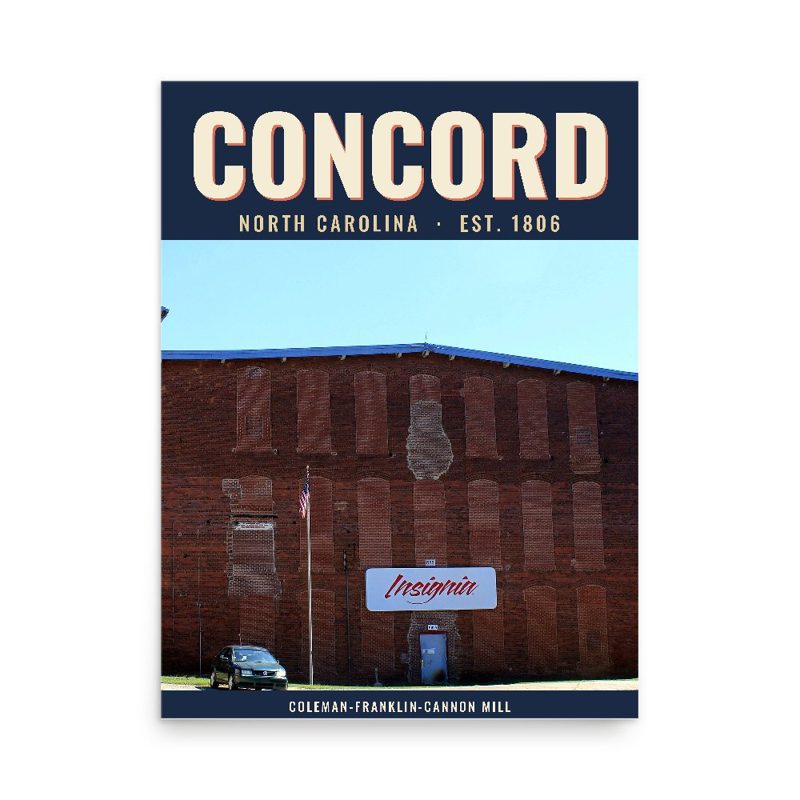
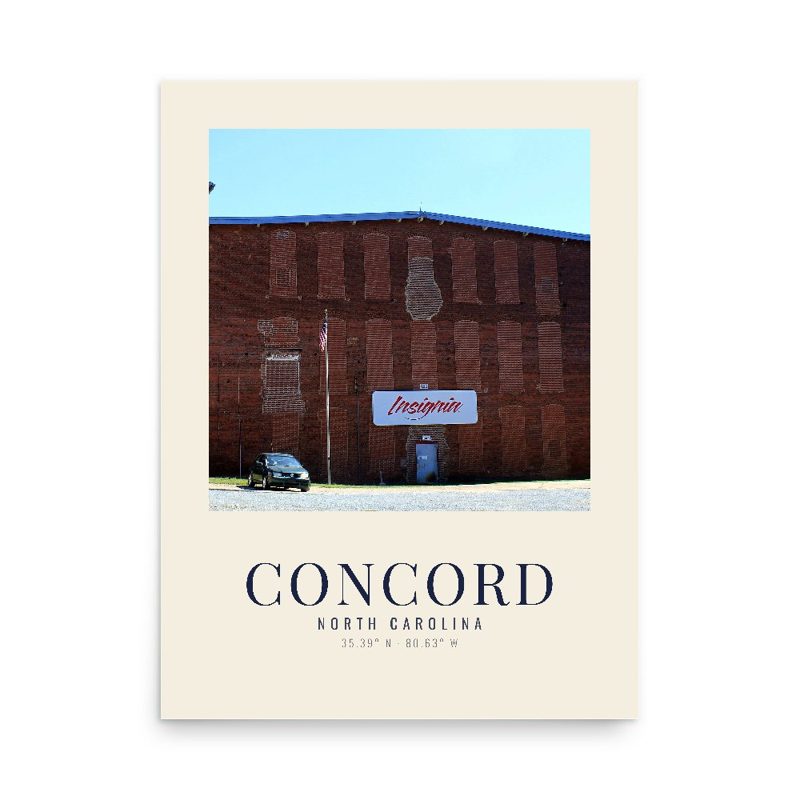
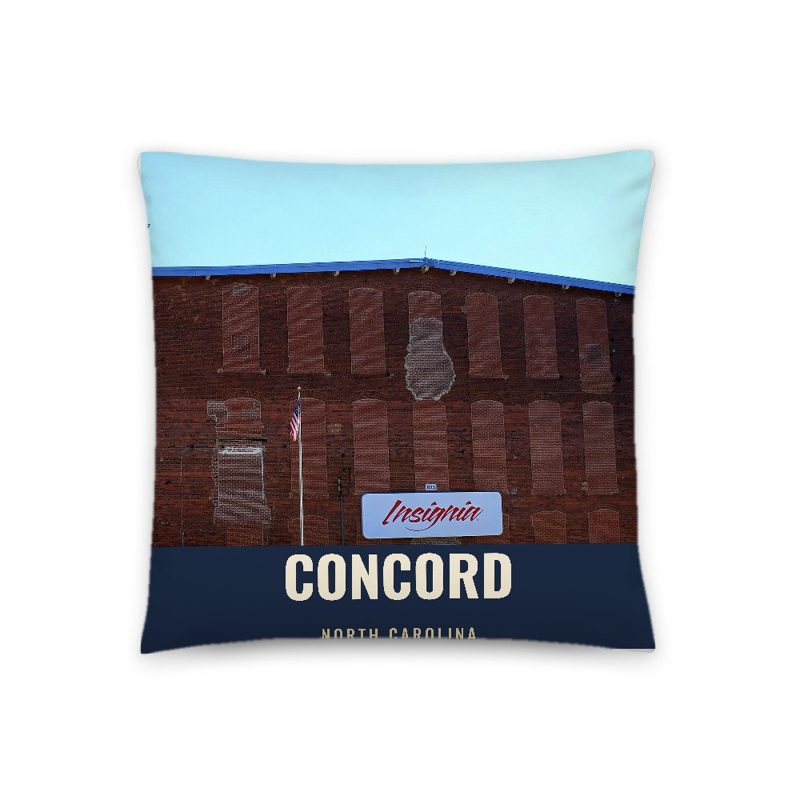
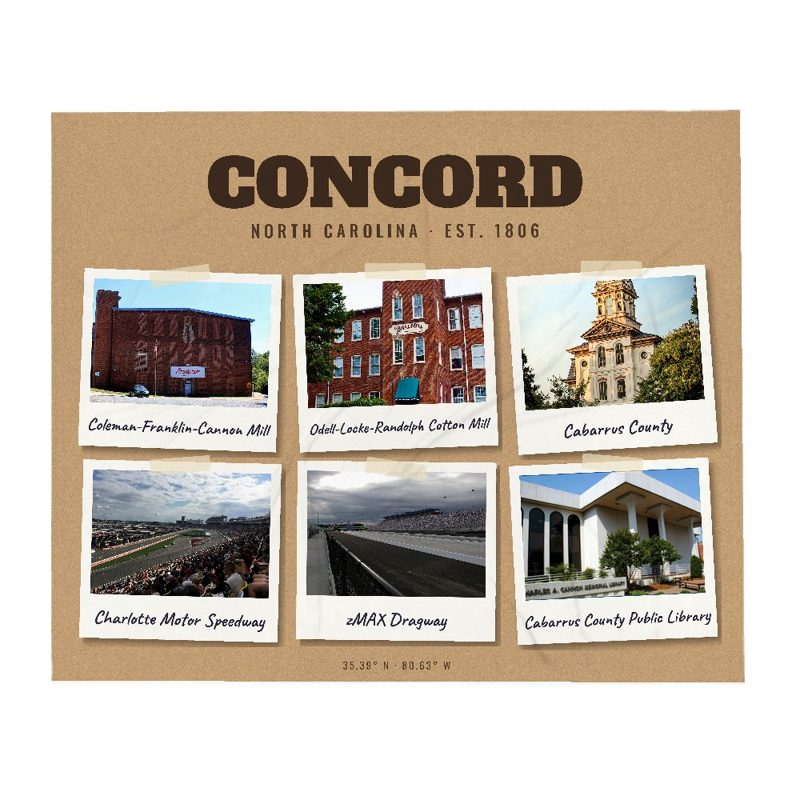
Located in the Piedmont, Concord became a site of industrialization with cotton mills in the late 19th century. Among the owners of the new mills in the area were men of the rising black middle-class in Wilmington, North Carolina, such as Warren Clay Coleman, John C. Dancy (appointed as collector of customs at the port), and others, who organized Coleman Manufacturing Company in 1897. They built and operated what is believed to have been the first cotton mill owned by blacks in the nation. They hoped to promote economic security for people of color. However, the Wilmington massacre of 1898, with white attacks on black areas of the city, caused many deaths, as well as destroying homes and businesses built by blacks since the Civil War. In 1900, Dancy was among more than 2000 black people who left the city permanently after the riot. He moved to Washington, DC, appointed as the federal Recorder of Deeds, and had served until 1910. The mill operated under black ownership through 1904, hitting difficult times after Coleman died. The brick mill building was later taken over by Fieldcrest Cannon. It was enlarged and added on to, nearly doubling its square footage.
From the time of incorporation in the late 1700s through the 1970s, Concord's jurisdiction was centered around the downtown area. Since then, most annexations have taken place west of the center-city area toward Charlotte. Portions of the city limit boundary adjoin the Cabarrus/Mecklenburg County line.
Adapted (trimmed) from the Wikipedia article Concord, North Carolina, revision 1380730693 by its contributors, licensed CC BY-SA 4.0.
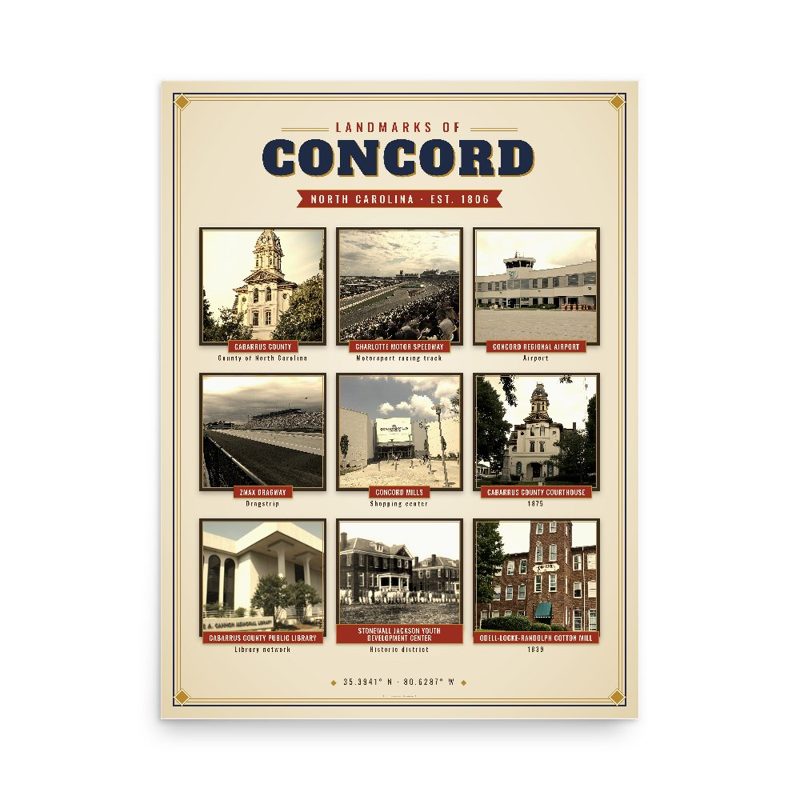
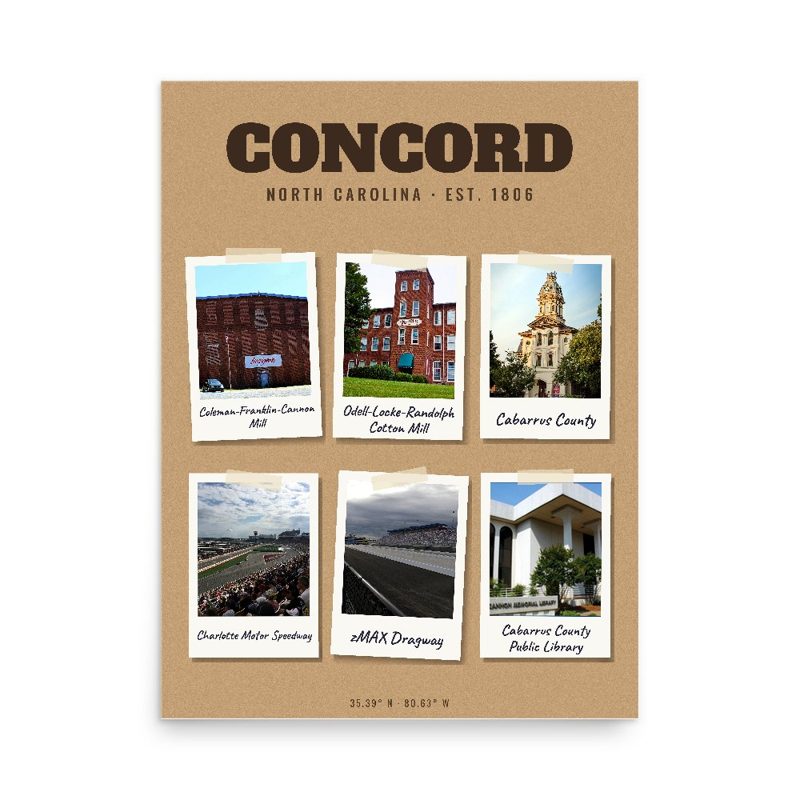
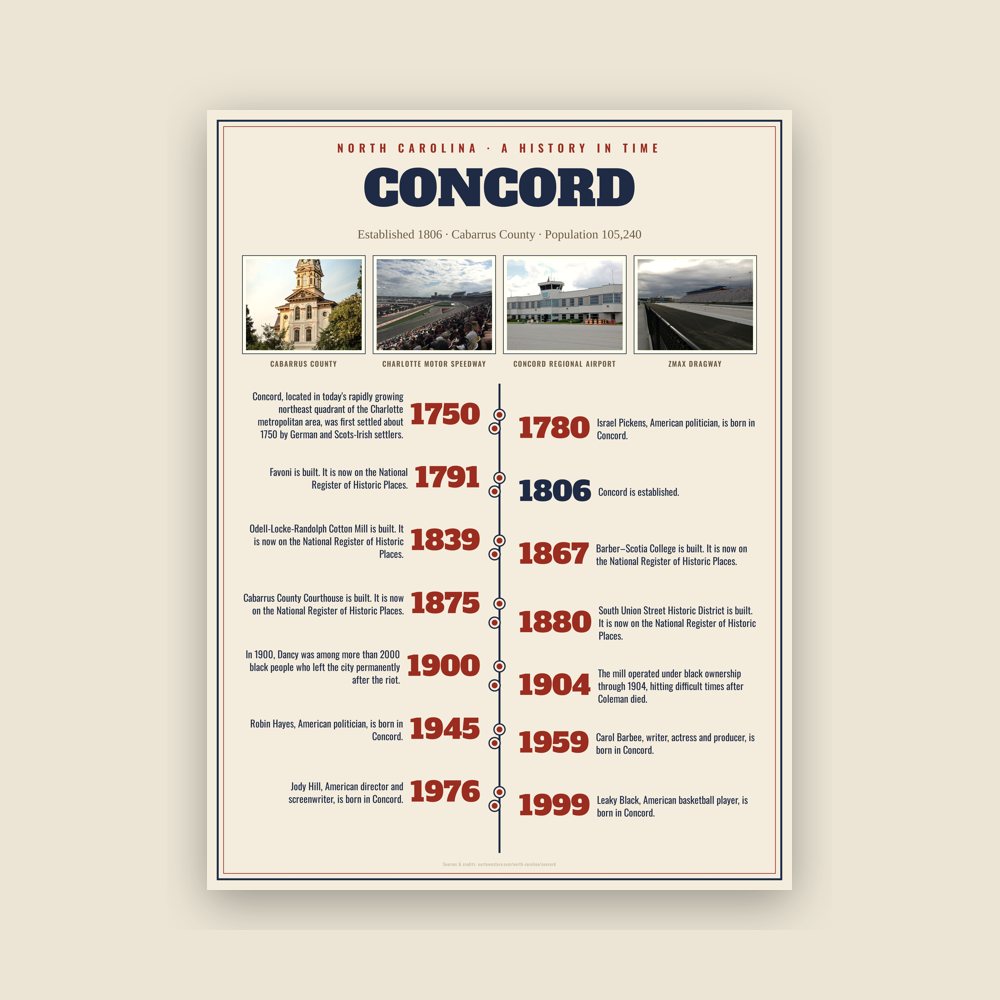



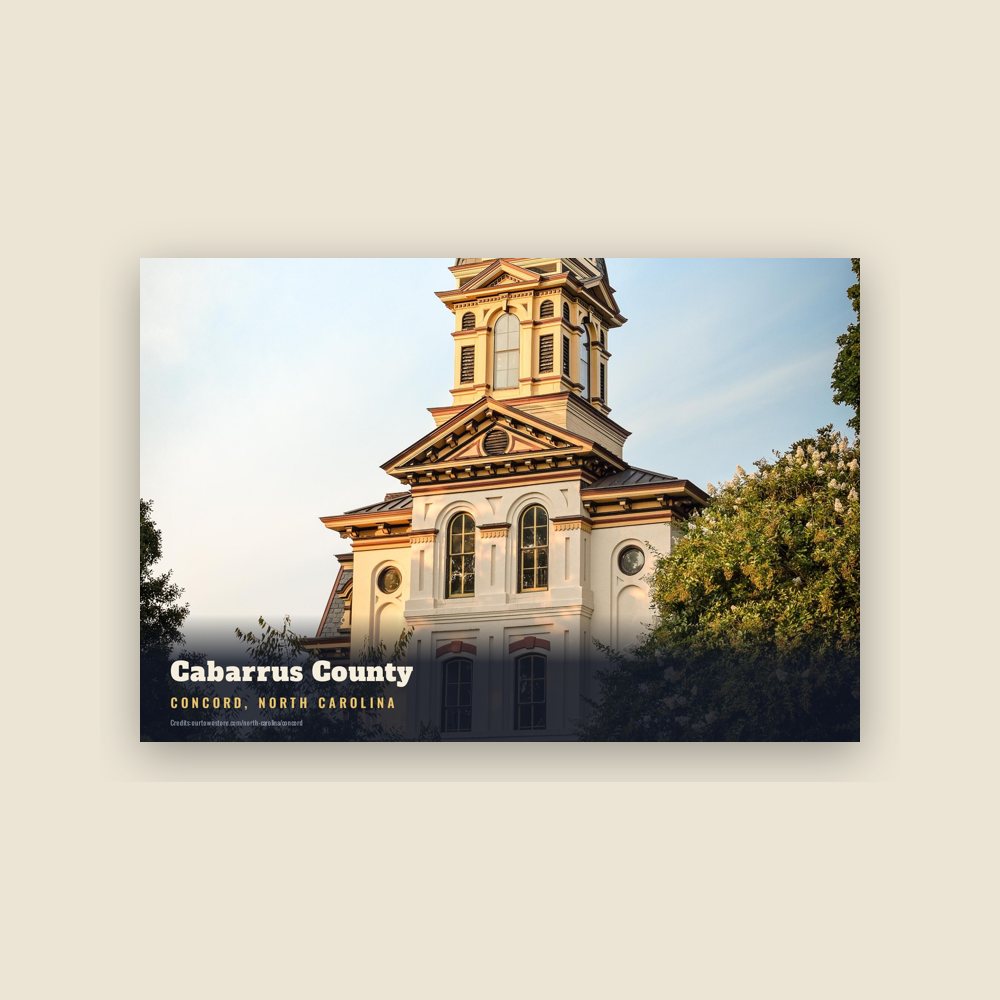
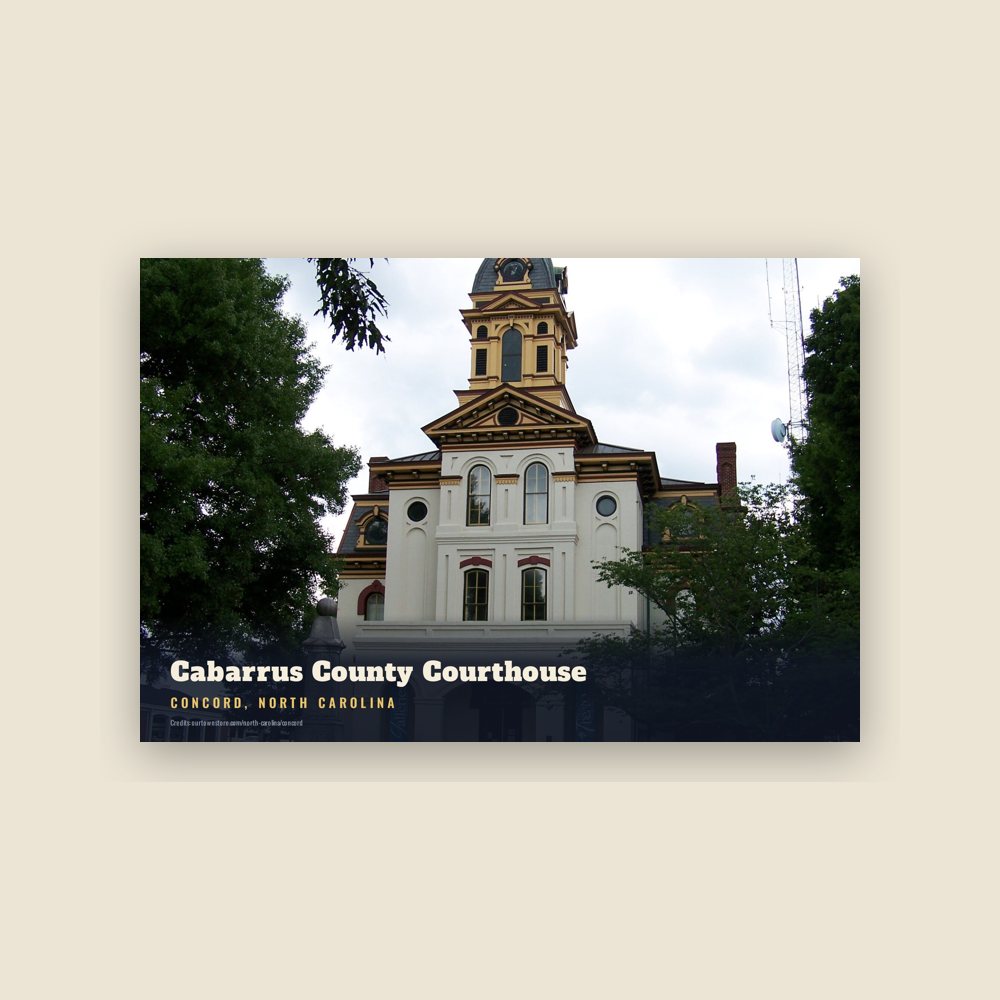
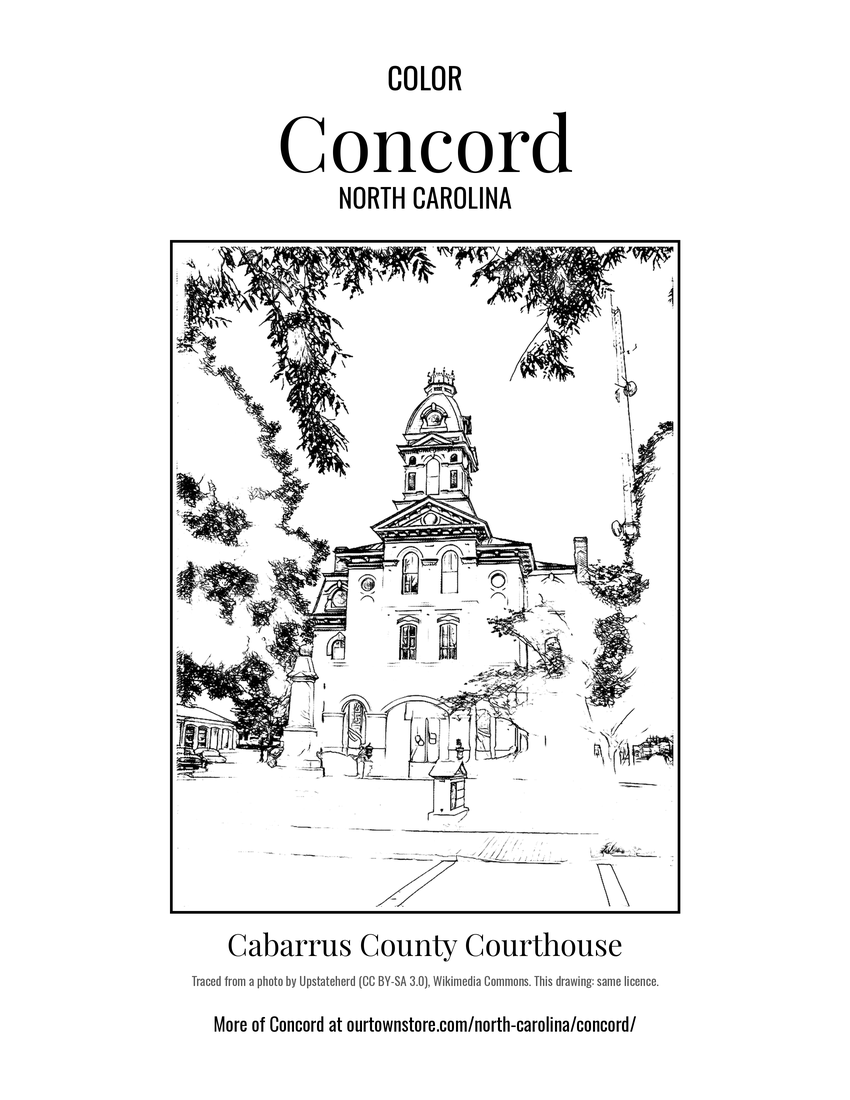 Cabarrus County Courthouse
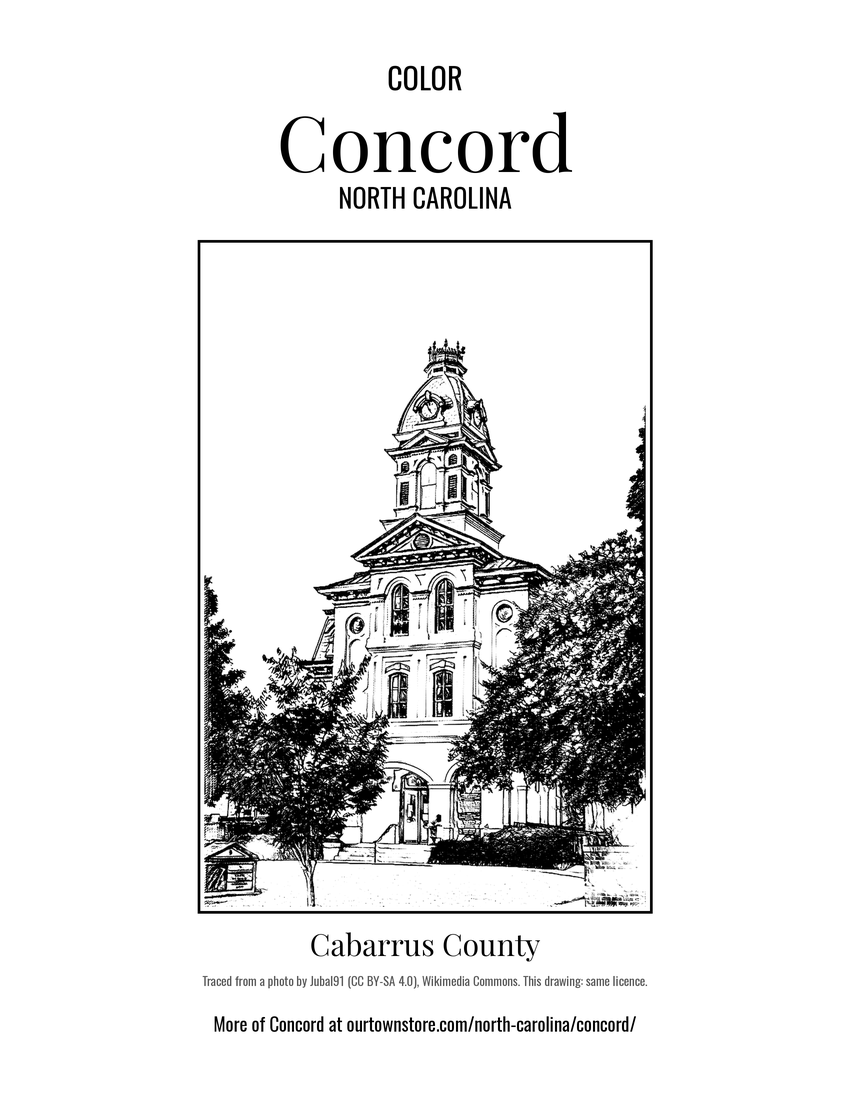 Cabarrus County
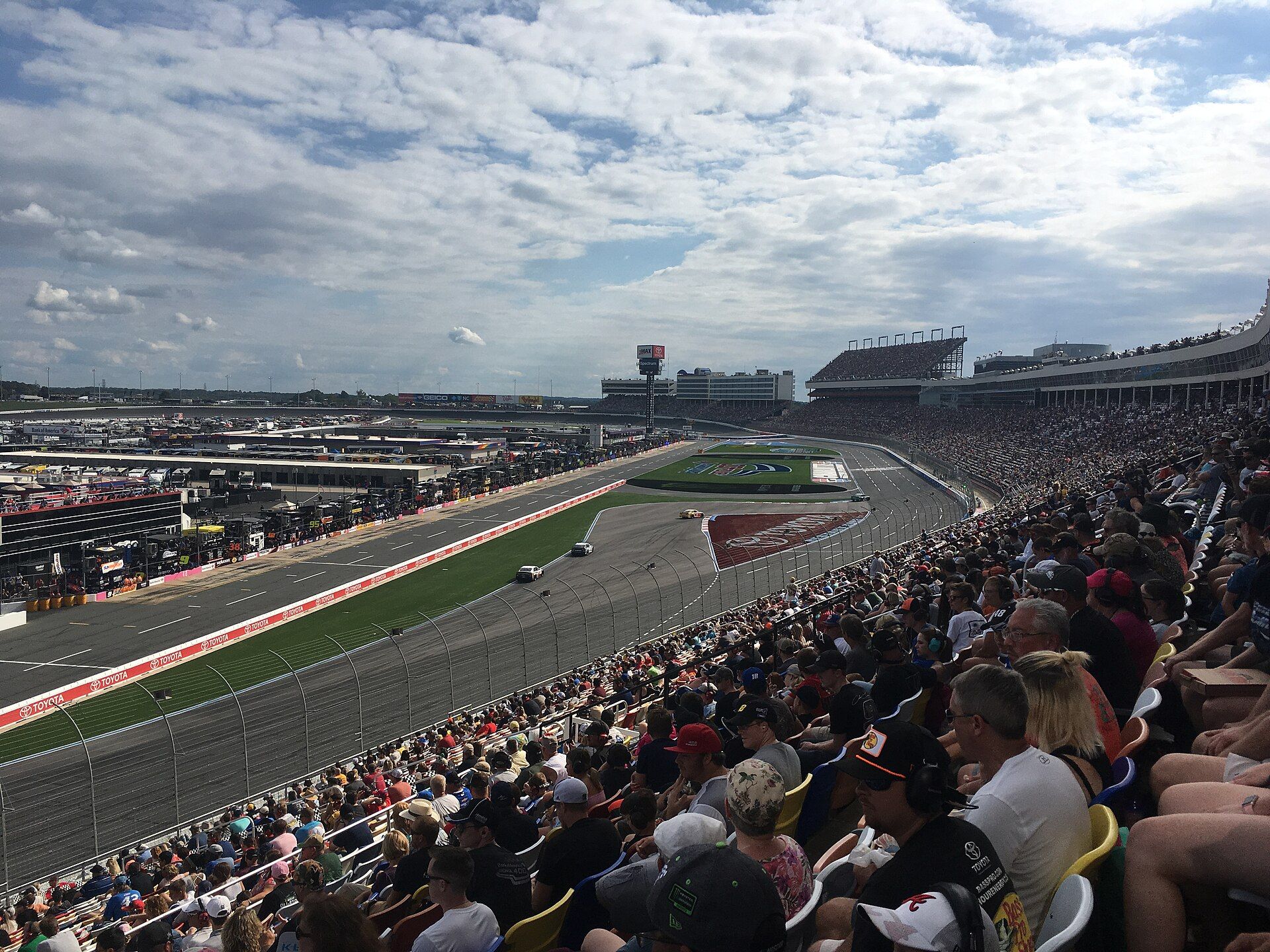
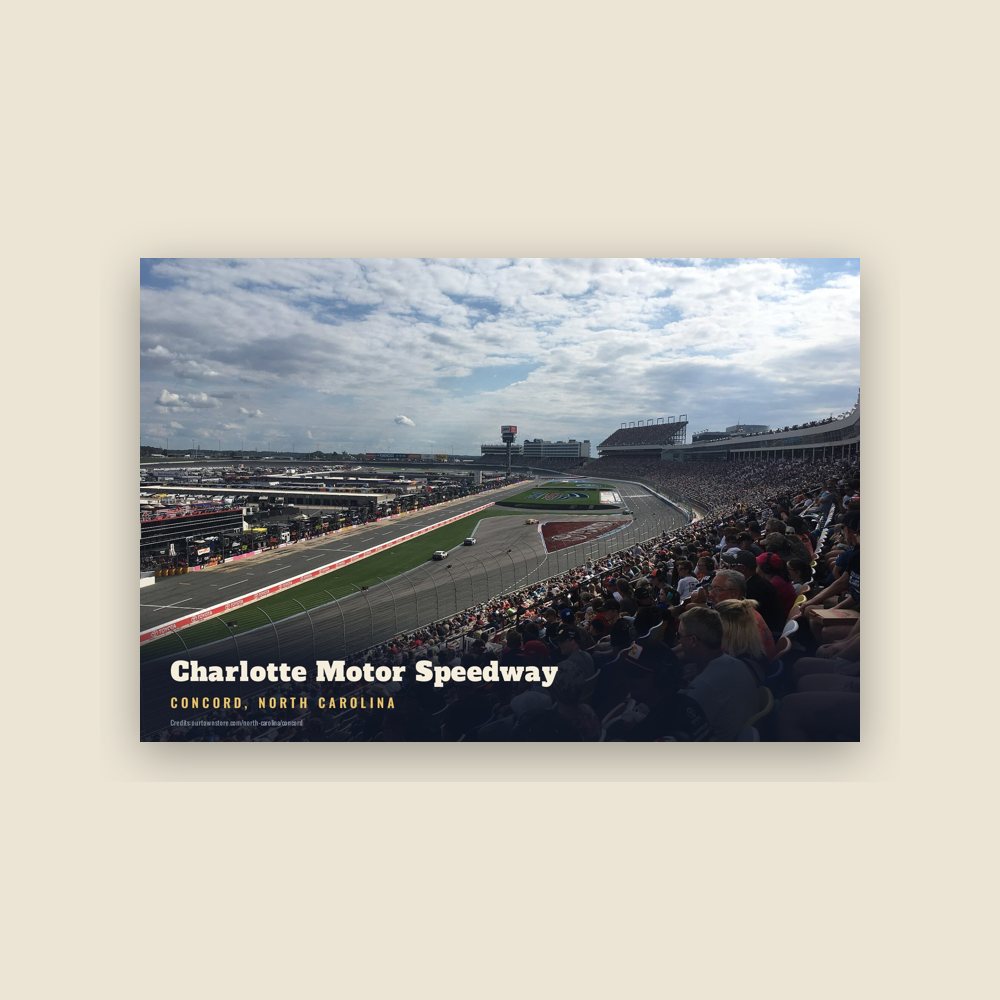
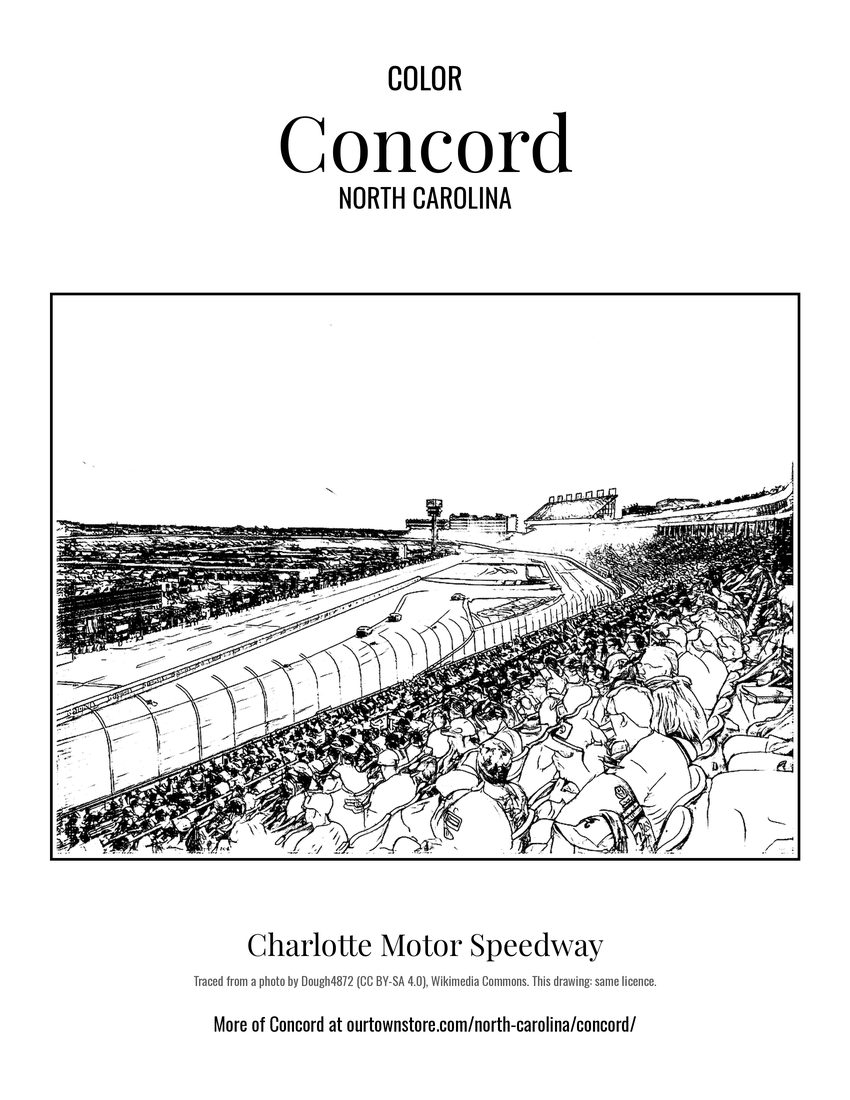 Charlotte Motor Speedway
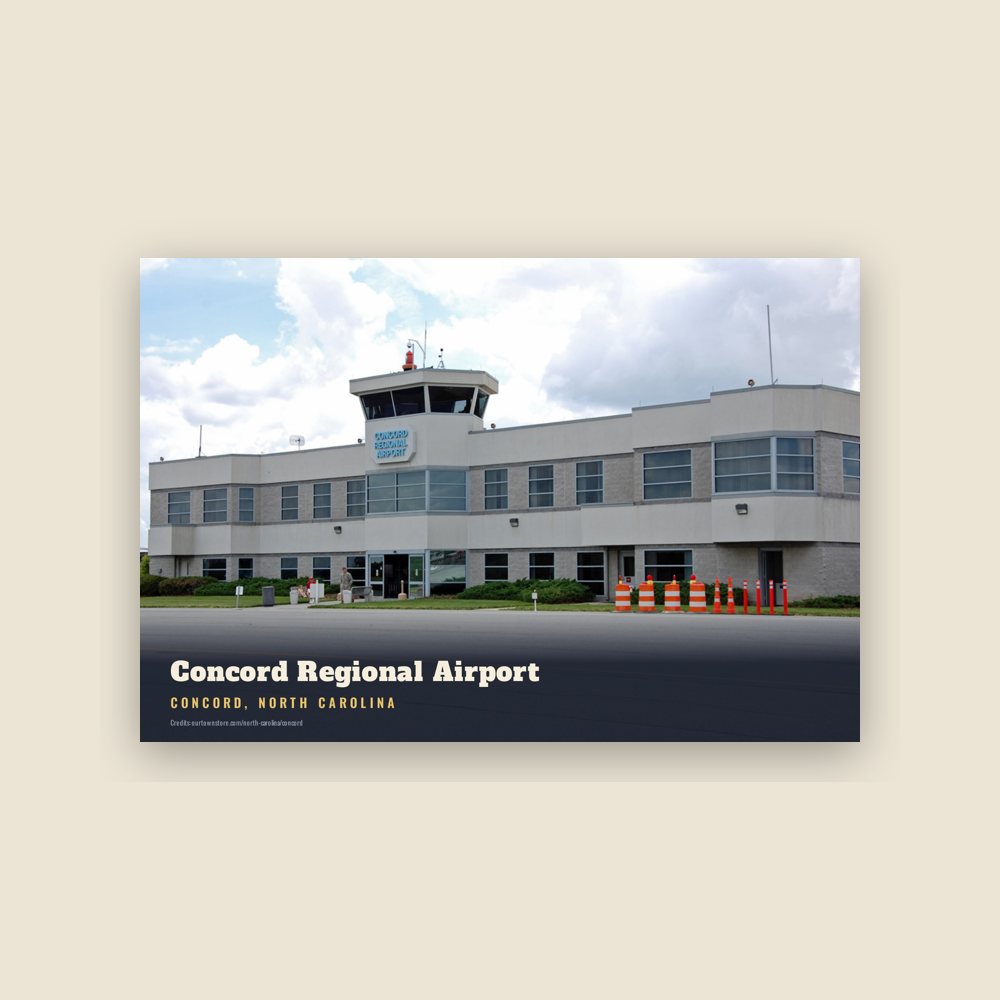
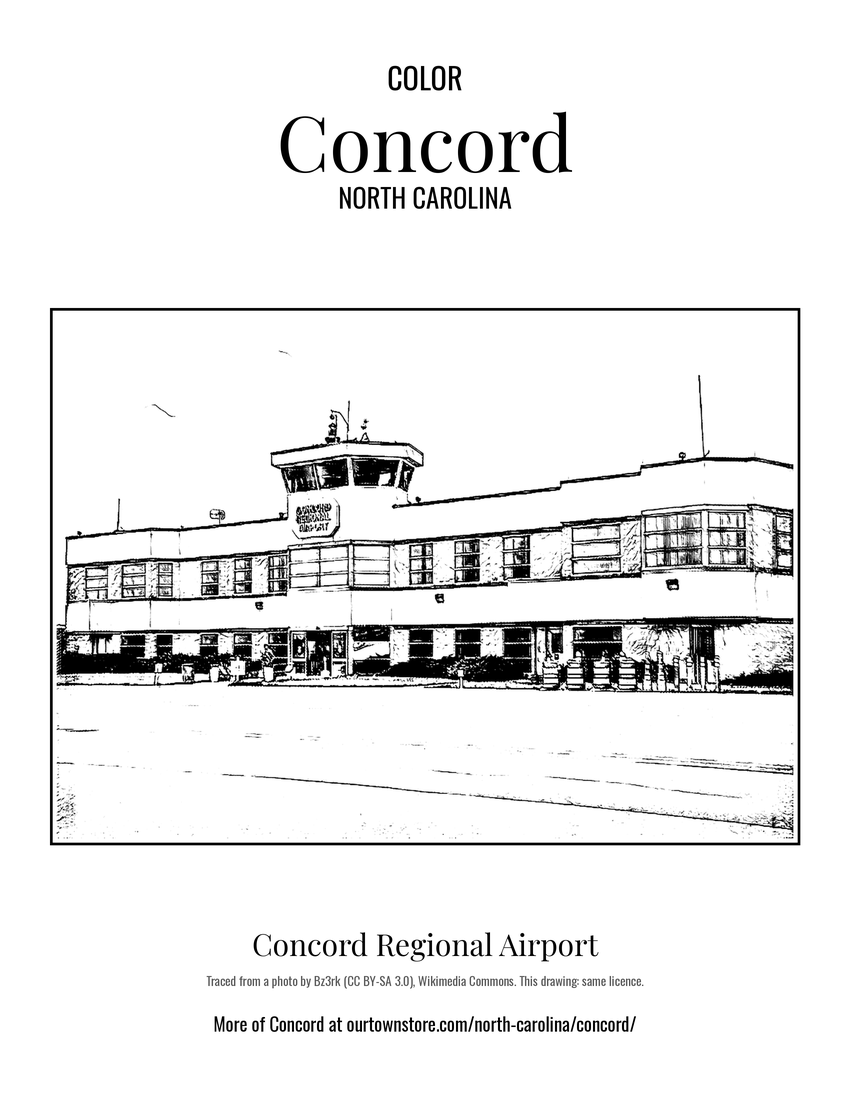 Concord Regional Airport