A short history of Boiling Springs
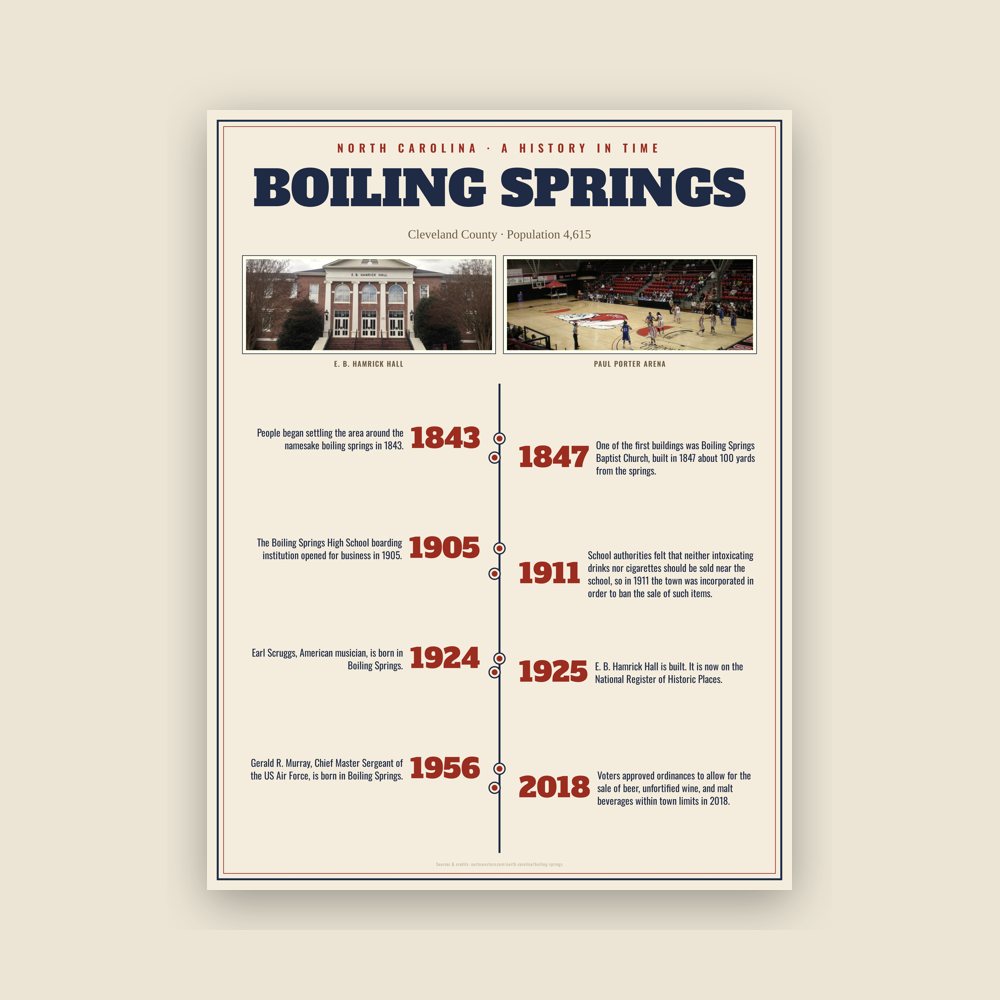
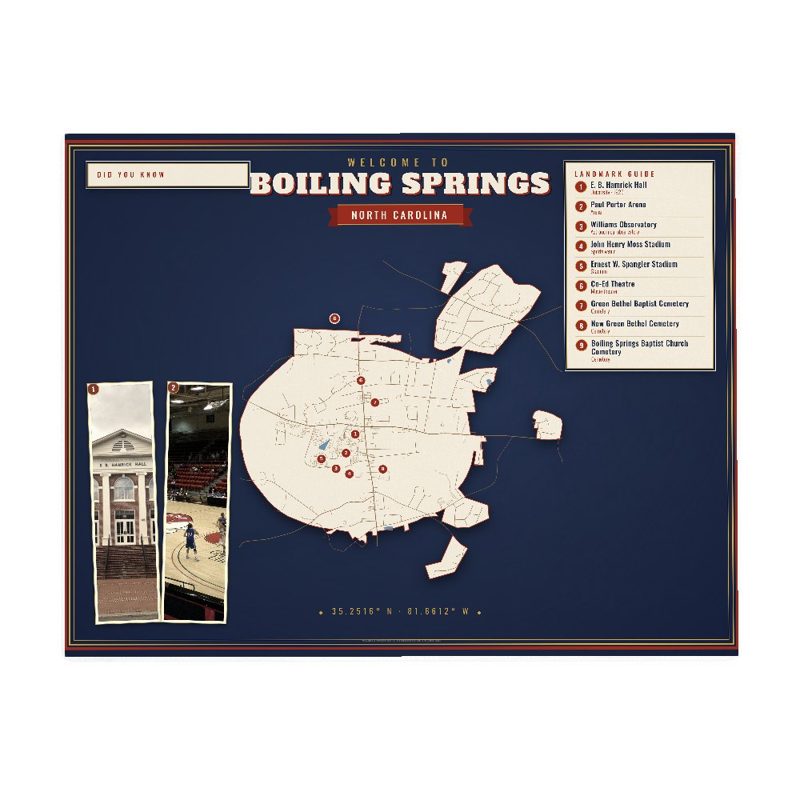
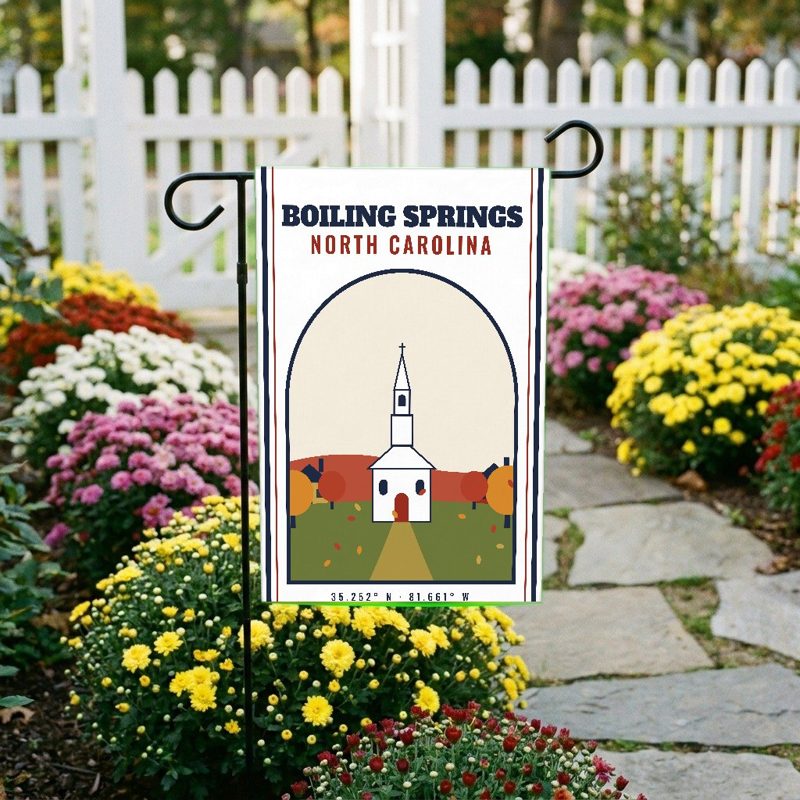
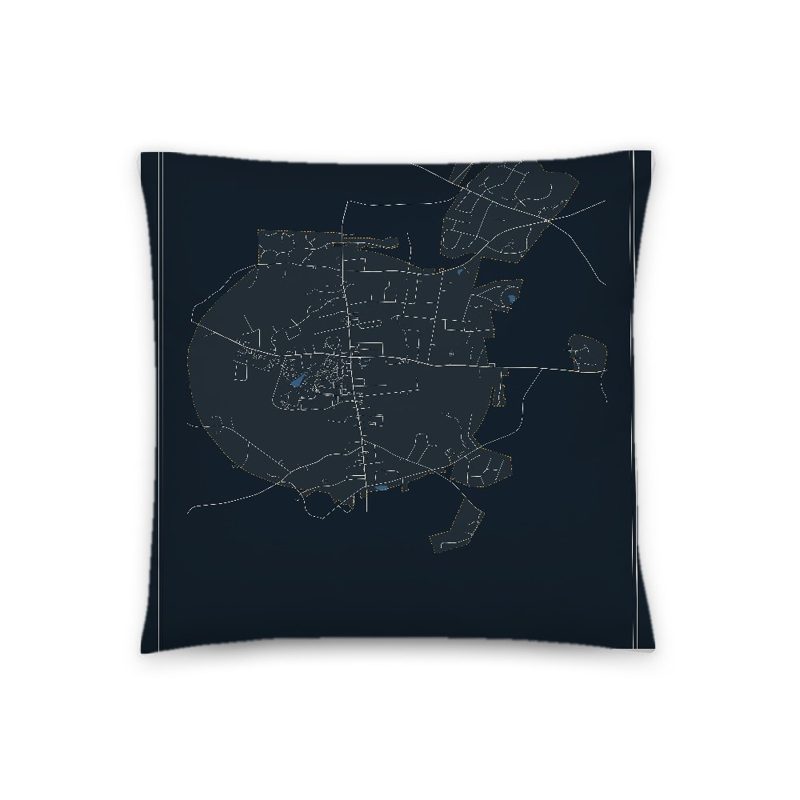
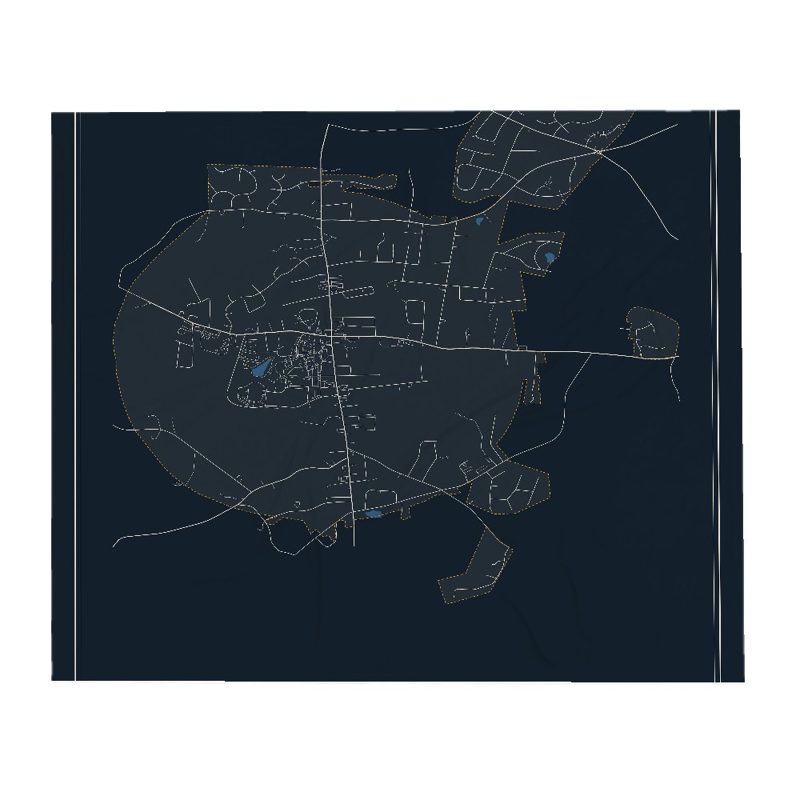
People began settling the area around the namesake boiling springs in 1843. The first families to settle were the Hamricks, the Greenes and the McSwains. It was only appropriate that the settlement be named Boiling Springs. One of the first buildings was Boiling Springs Baptist Church, built in 1847 about 100 yards from the springs. Boiling Springs was known as a sleepy community, with no railroads, no industries, few stores and no paved streets. At the turn of the 20th century, Kings Mountain Baptist and Sandy Run Associations began looking for a place to build their denominational high school and chose Boiling Springs because it was geographically situated between the two associations and because the Boiling Springs community made concerted efforts to attract the school. The Boiling Springs High School boarding institution opened for business in 1905. School authorities felt that neither intoxicating drinks nor cigarettes should be sold near the school, so in 1911 the town was incorporated in order to ban the sale of such items. Town limits were decided by drawing a mile and a half radius from the school's original bell tower.
Incorporation of the town proved to be a major step forward because it provided a government that could function and enable the town not only to grow but to furnish water, police and fire protection, paved streets and garbage collection for the town and the school. As time progressed the growth of the town was largely tied to the growth of the Boiling Springs High School which became the Boiling Springs Junior College in 1928, Gardner Webb Junior College in 1942, and finally after achieving status as a senior college and developing several graduate programs, Gardner–Webb University in 1993.
Voters approved ordinances to allow for the sale of beer, unfortified wine, and malt beverages within town limits in 2018.
Adapted (trimmed) from the Wikipedia article Boiling Springs, North Carolina, revision 1378014673 by its contributors, licensed CC BY-SA 4.0.
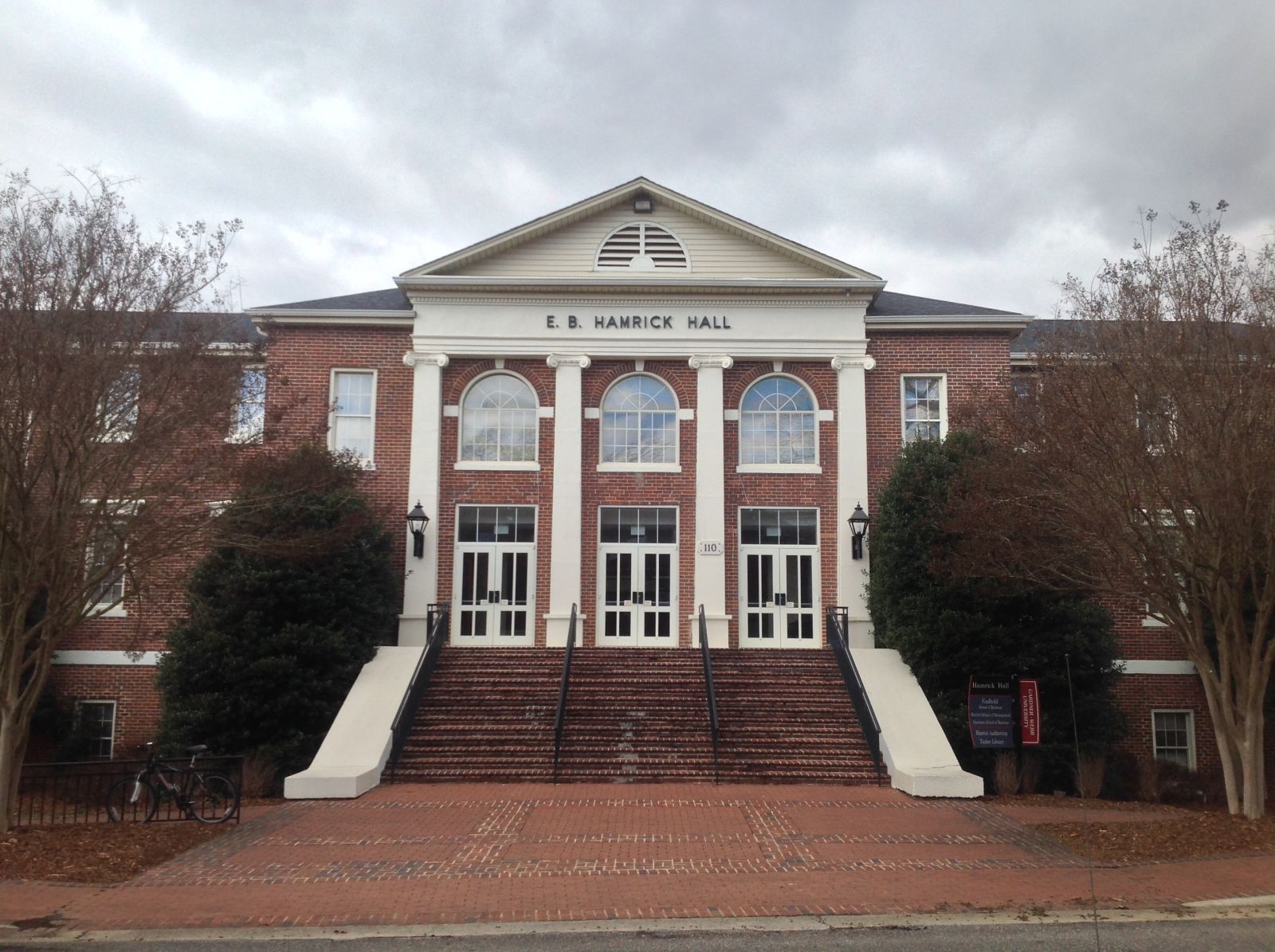
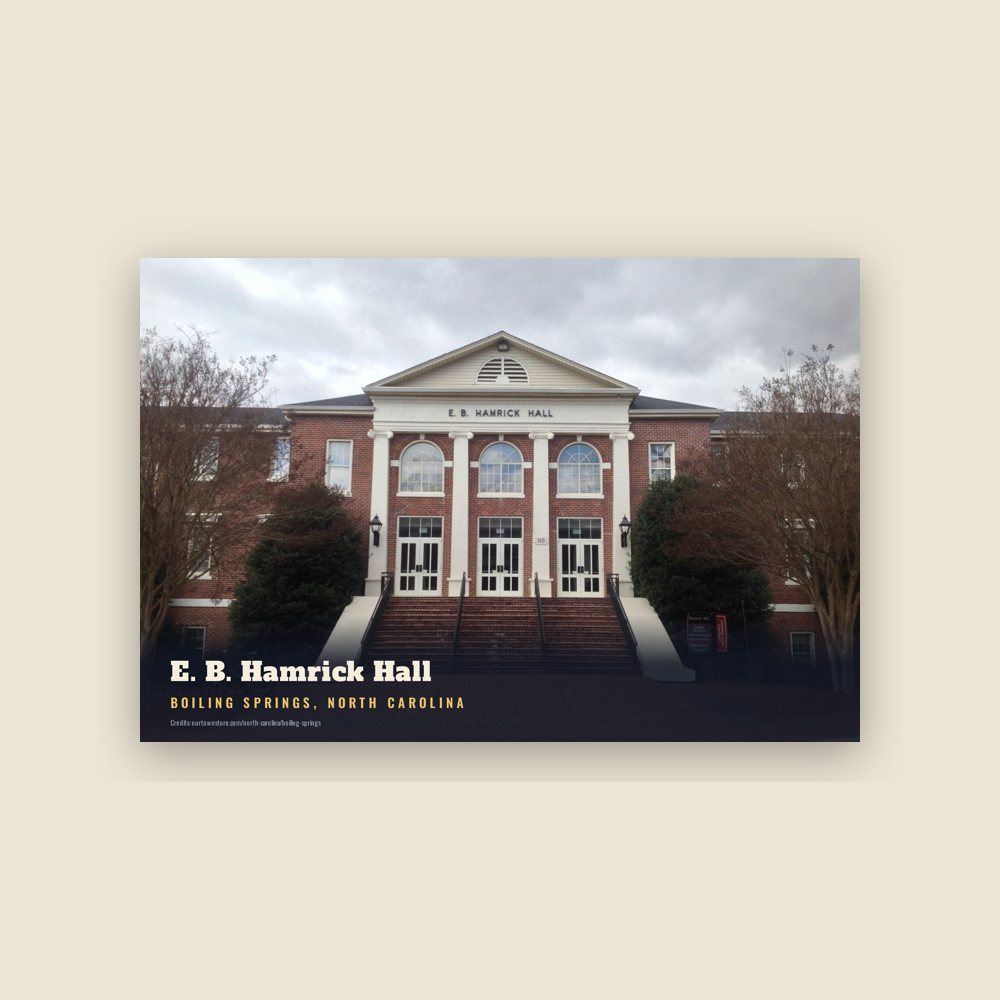
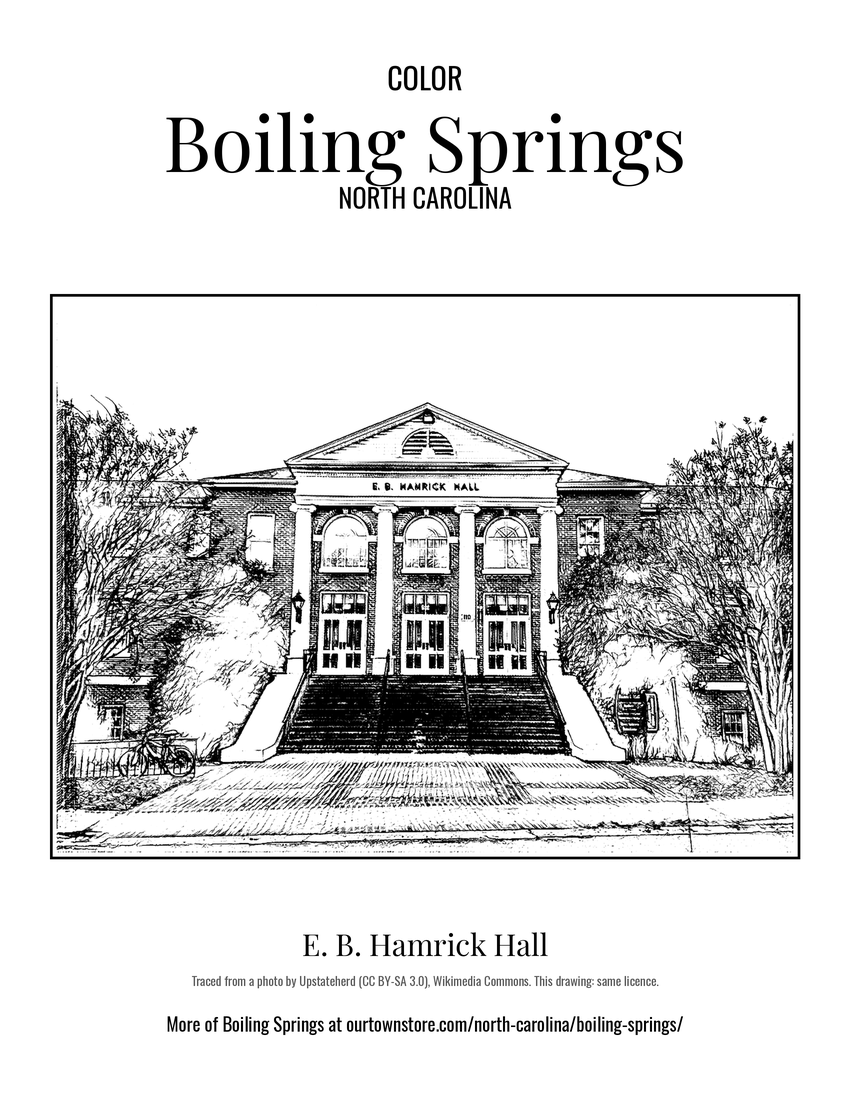 E. B. Hamrick Hall
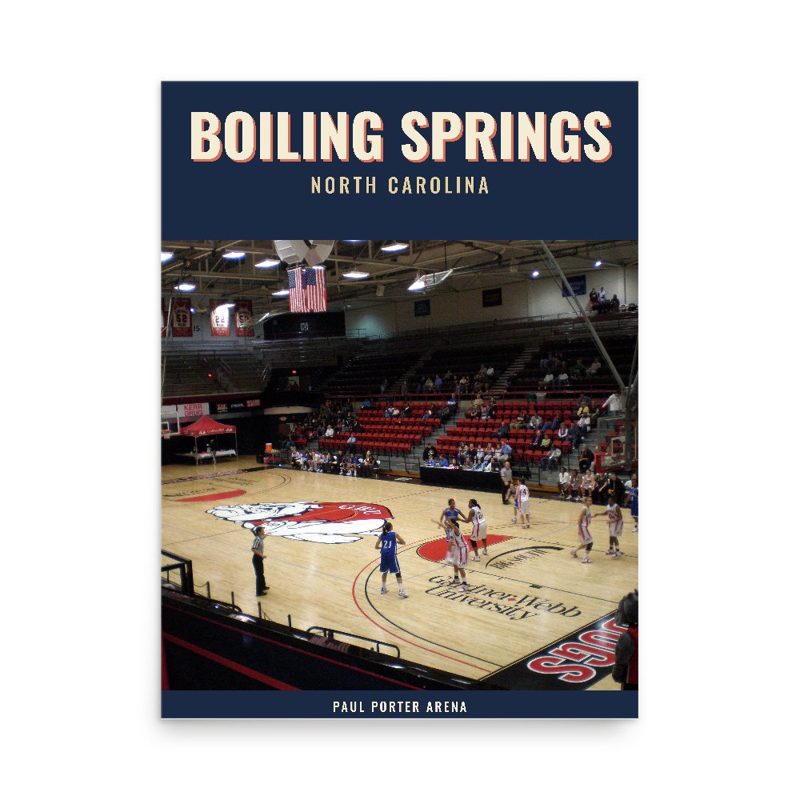
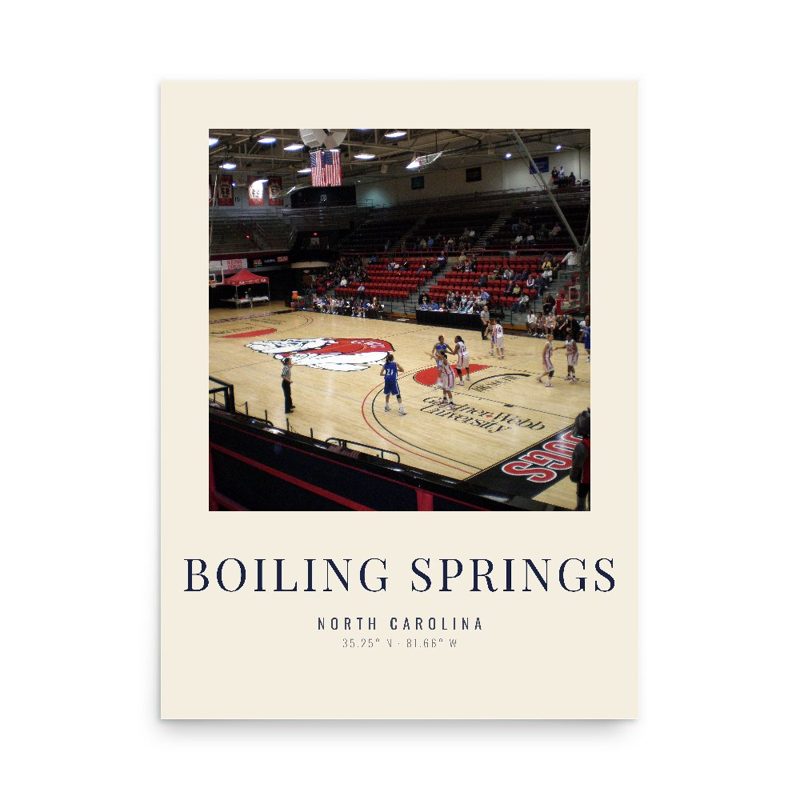
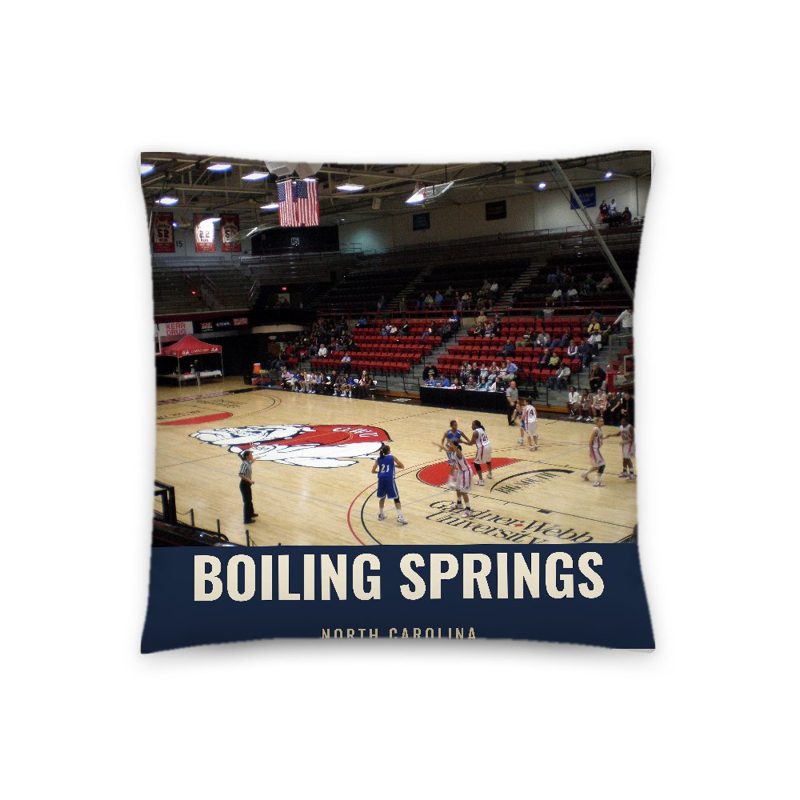
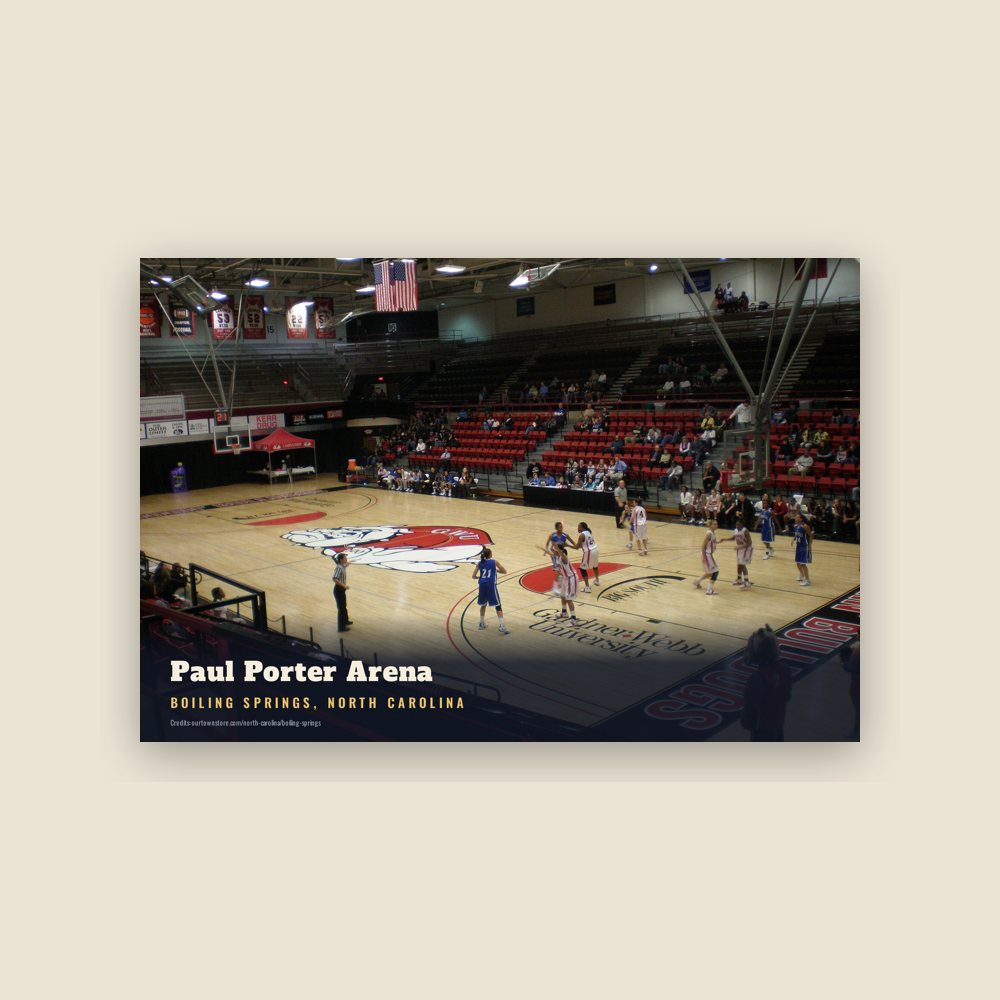
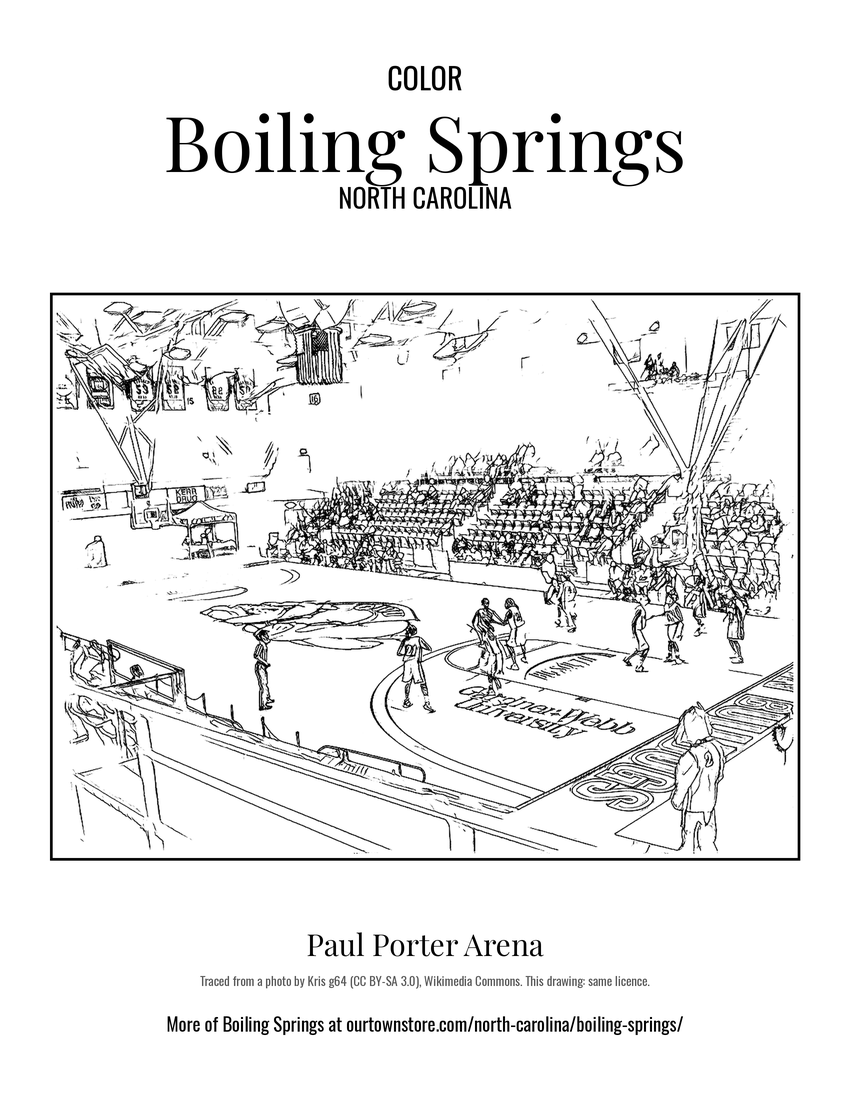 Paul Porter Arena