A short history of Scottsville
Before Euro-American settlement, the area that became Scottsville lay within the territory and hunting grounds of the Seneca people, one of the nations of the Haudenosaunee. This Indigenous presence shaped the region for centuries before permanent non-Indigenous settlement began in the late eighteenth century.
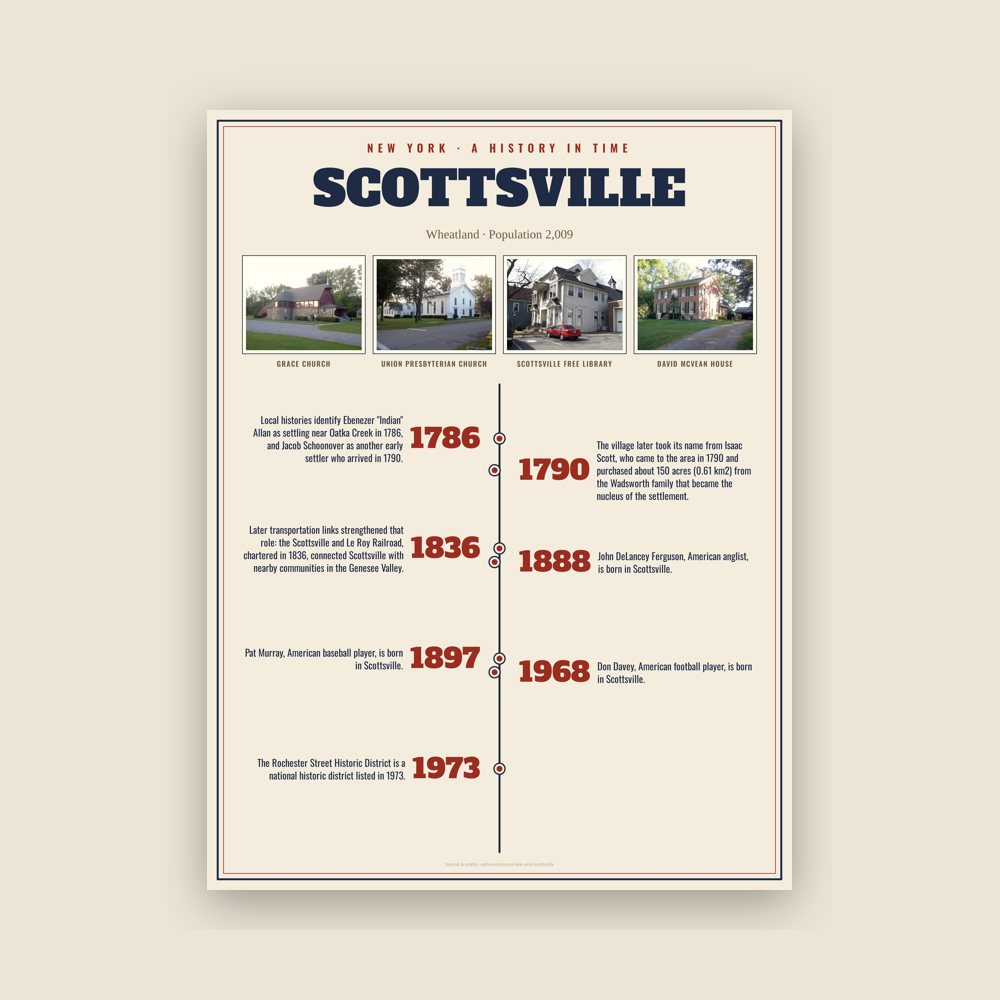
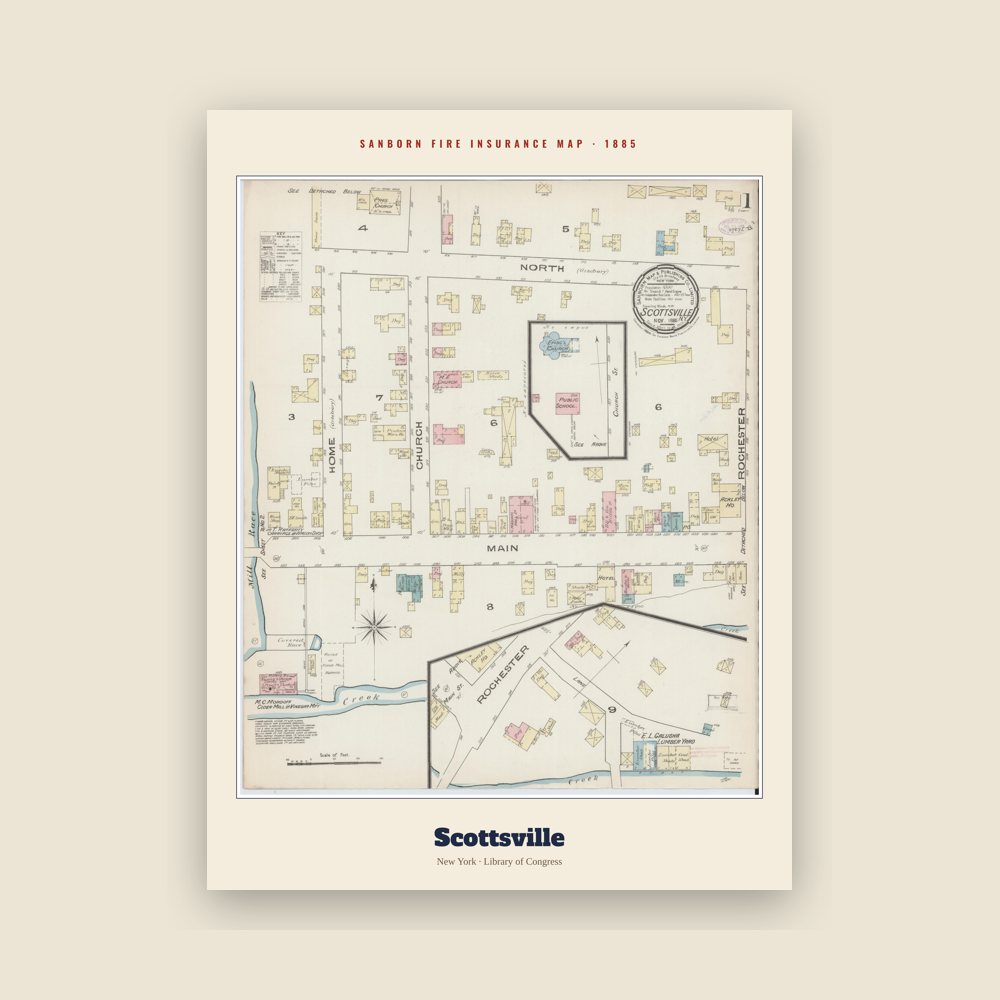
Scottsville developed in an area of very early non-Indigenous settlement in western New York. Local histories identify Ebenezer "Indian" Allan as settling near Oatka Creek in 1786, and Jacob Schoonover as another early settler who arrived in 1790. The village later took its name from Isaac Scott, who came to the area in 1790 and purchased about 150 acres (0.61 km2) from the Wadsworth family that became the nucleus of the settlement. Scott's log house was at the southwest corner of Main and Rochester streets in the village.
Scottsville’s growth in the nineteenth century was closely tied not only to agriculture but also to its role in regional transportation networks. Even before the full development of the Genesee Valley Canal, the village occupied an advantageous position in the Genesee Valley. When canal connections expanded through Scottsville in the 1830s, the village became an important shipping and commercial point for products from the surrounding countryside, especially wheat, flour, and gypsum. Its function as a canal port helped make it a local center of trade and exchange.
Later transportation links strengthened that role: the Scottsville and Le Roy Railroad, chartered in 1836, connected Scottsville with nearby communities in the Genesee Valley. Railroad development in and around Scottsville reflected the broader shift in western New York from water-based transport to a combined canal-and-rail economy. These links connected the village more directly with nearby markets and helped sustain its commercial importance during the nineteenth century.
Although the canal era eventually passed, it left a lasting mark on the village’s physical and historical landscape. The abandonment of the Genesee Valley Canal in the late nineteenth century did not erase Scottsville’s transportation history; instead, parts of the old canal corridor were later adapted for rail use by the Western New York and Pennsylvania Railway, and remnants of these earlier transportation systems remained visible in the area. This continuity helps explain why Scottsville retains such a strong architectural and historical connection to its nineteenth-century development.
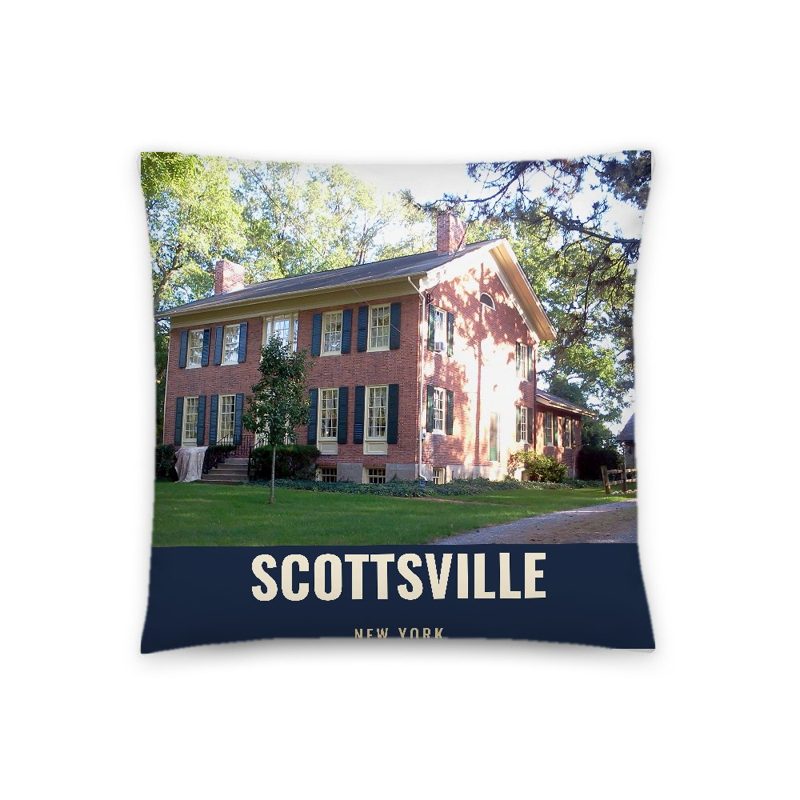
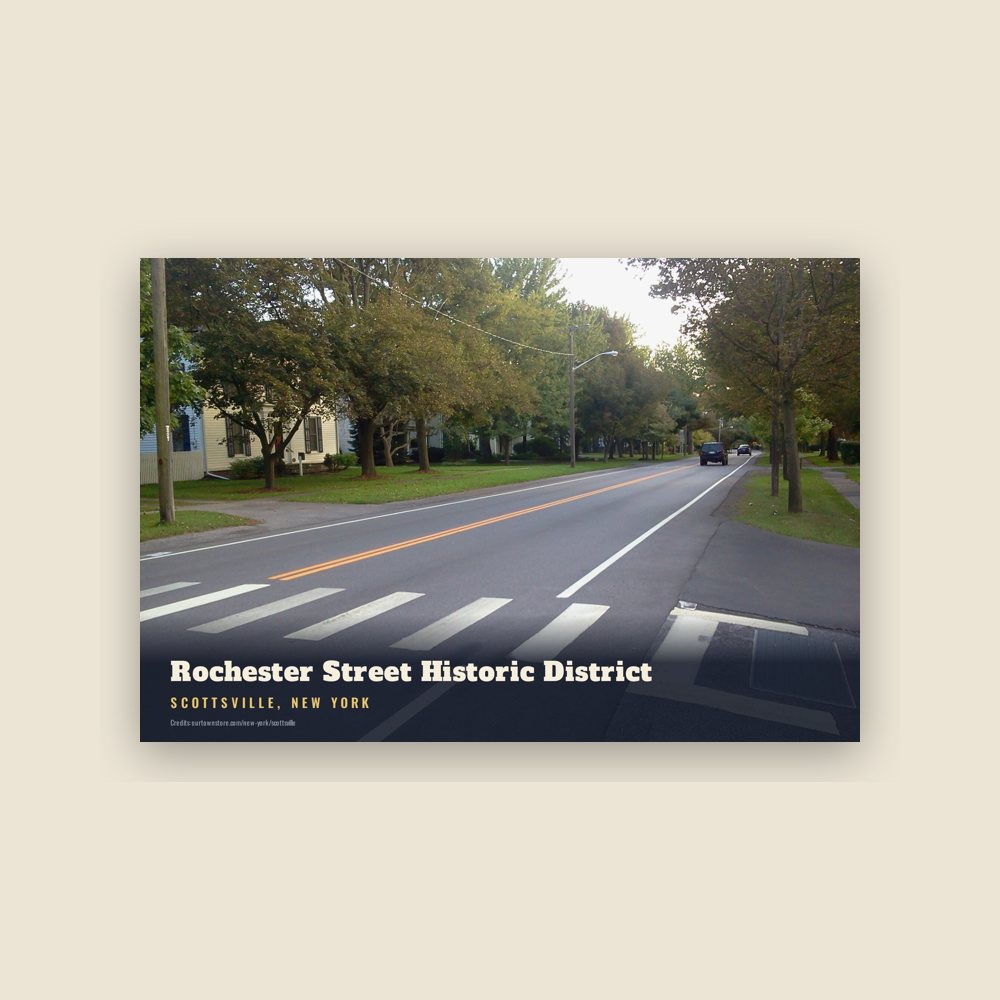
The Rochester Street Historic District is especially significant for preserving that era of prosperity. In addition to its general historic character, the district includes a notable concentration of early to mid-nineteenth-century residences, many of them reflecting the Greek Revival style that was popular during Scottsville’s years of canal-era growth. Together with the village’s individually listed historic properties, the district helps document the built legacy of Scottsville’s emergence as an agricultural, commercial, and transportation center.
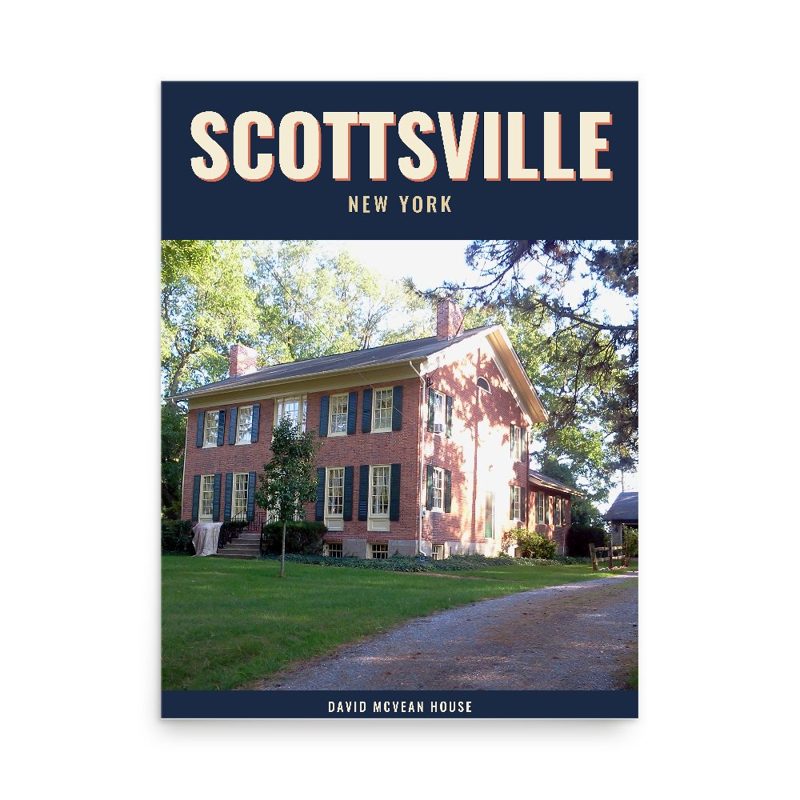
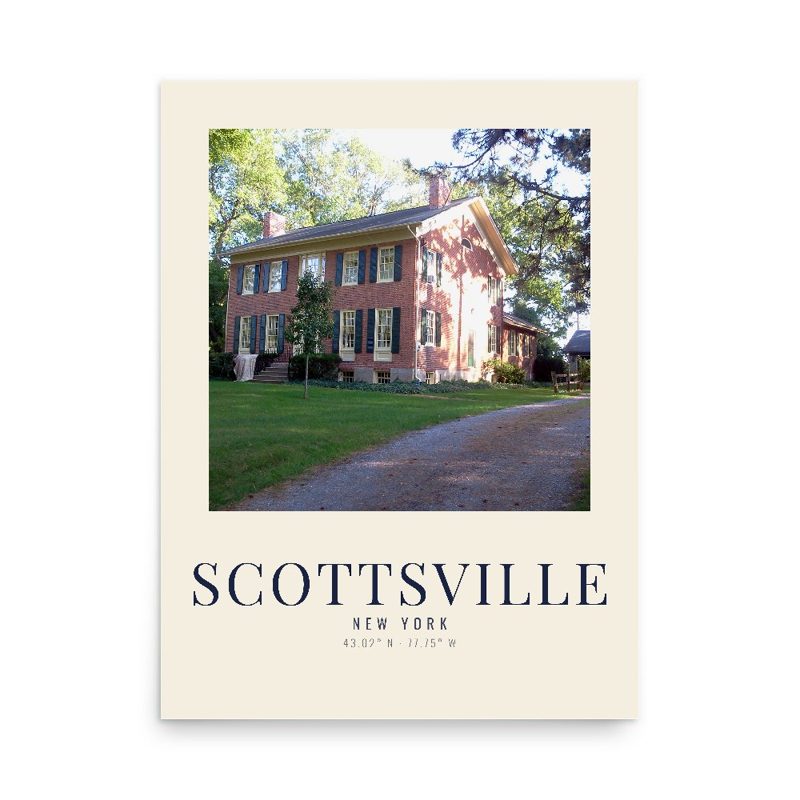
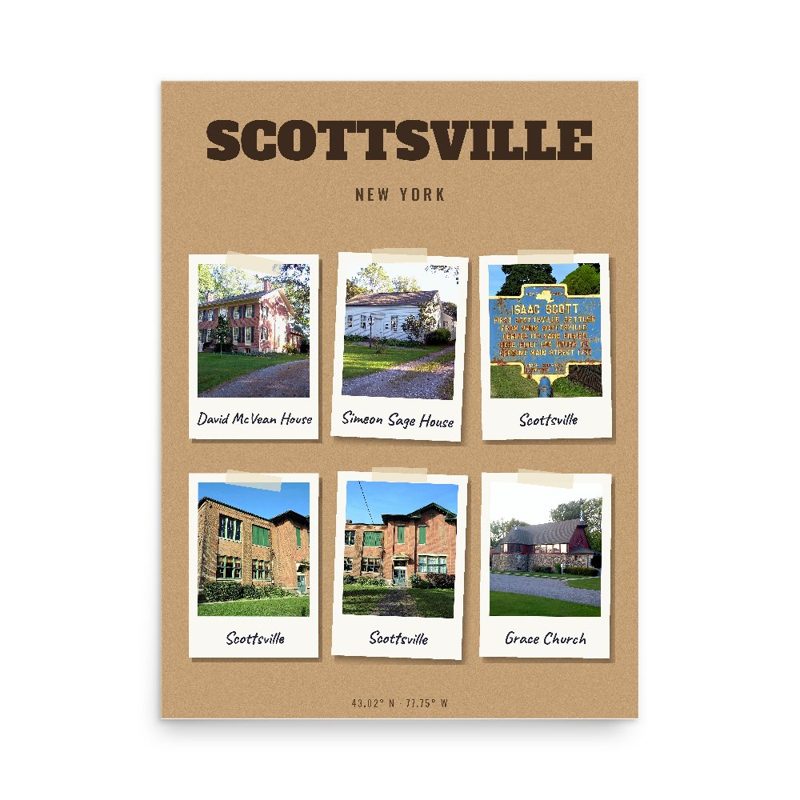
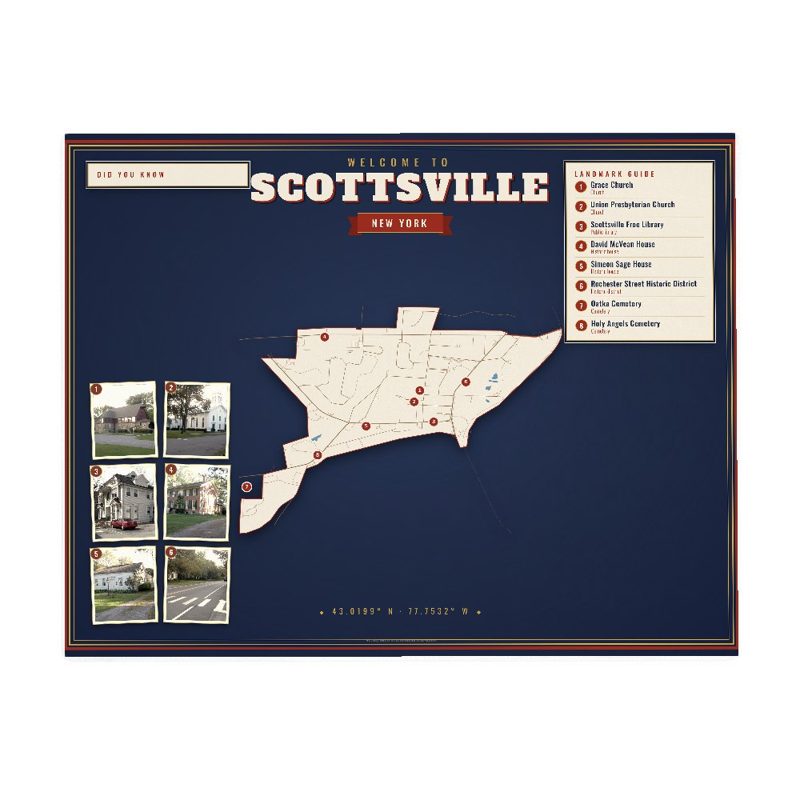
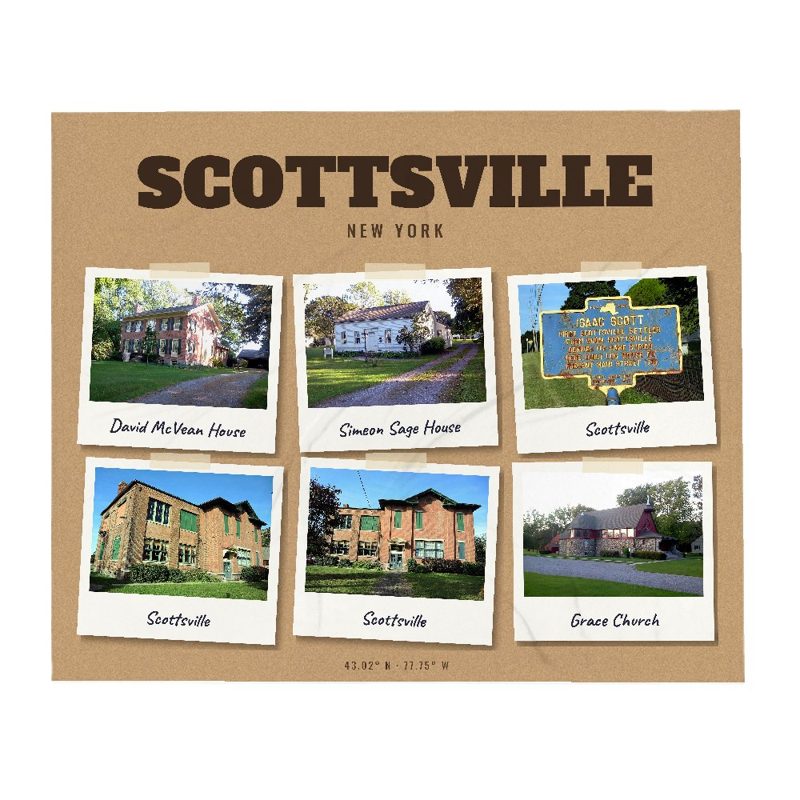
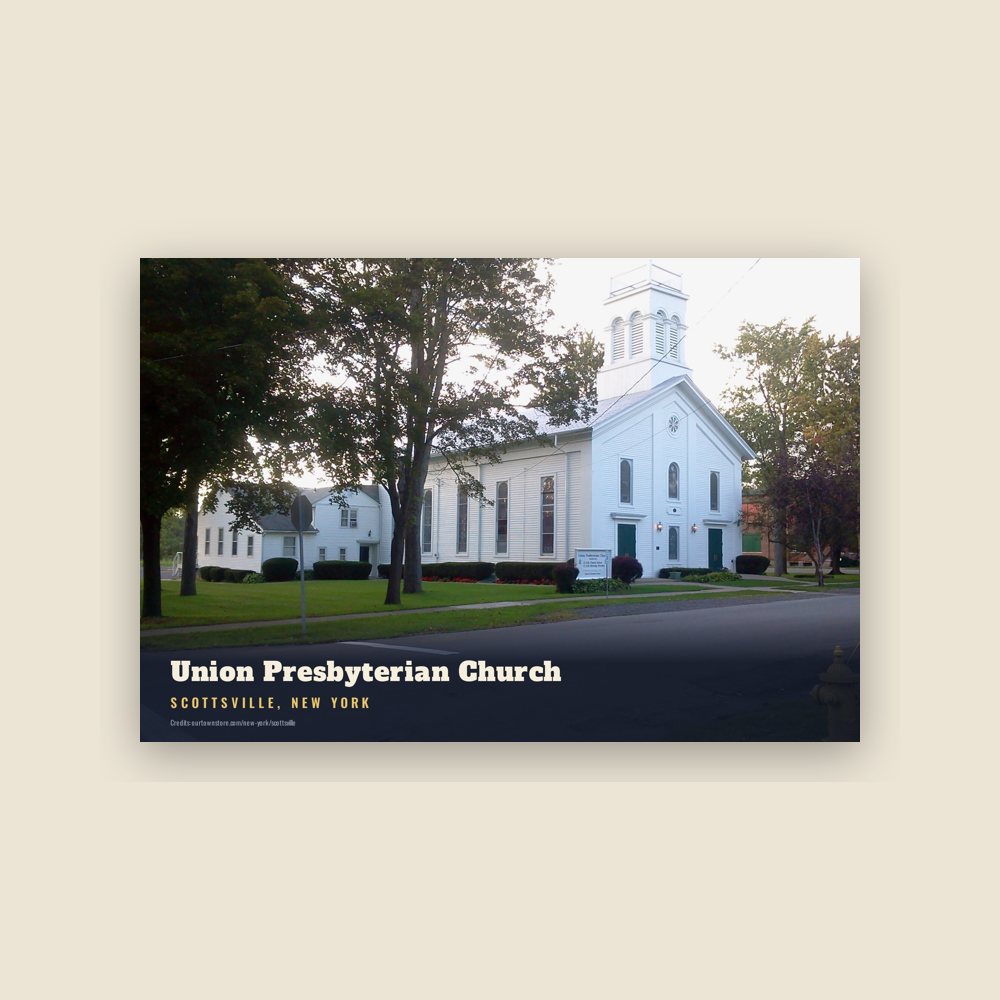
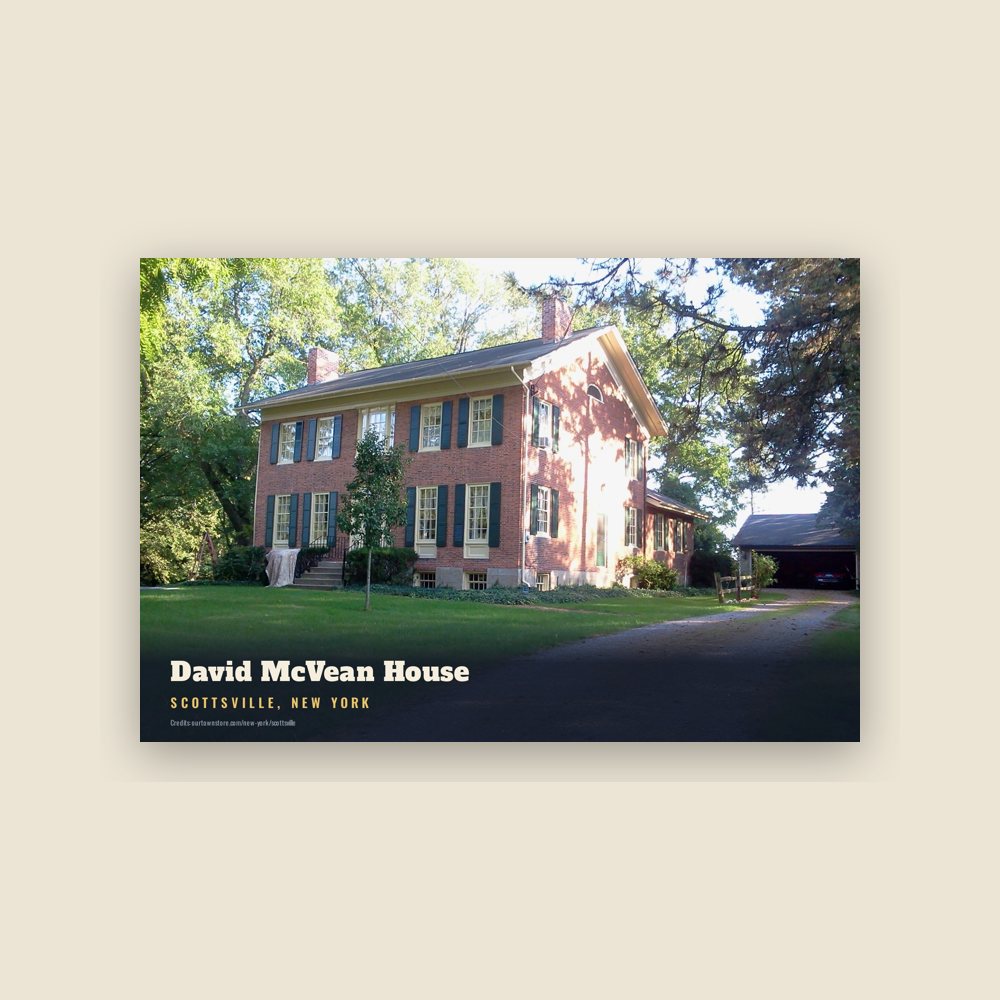
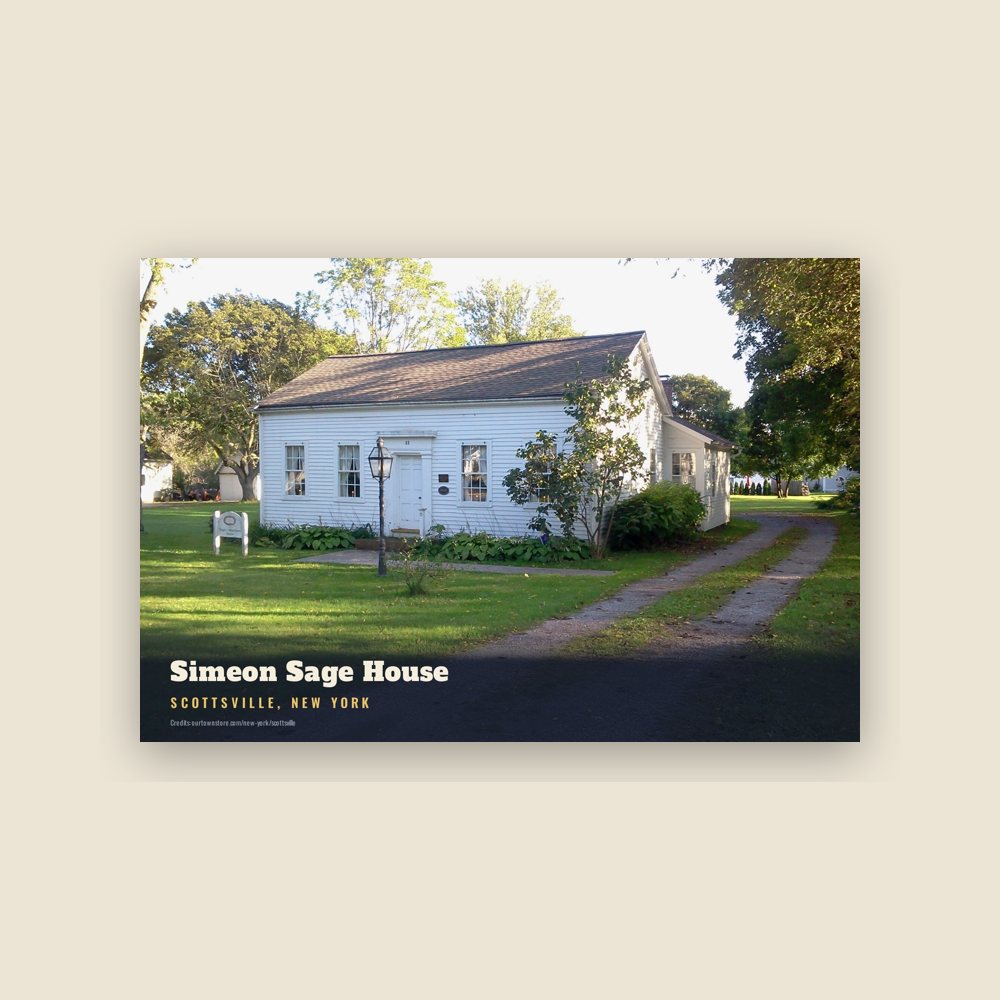
The following sites are on the National Register of Historic Places: Isaac Cox Cobblestone Farmstead, Cox–Budlong House, Grace Church, David McVean House, Simeon Sage House, William Shirts House, Union Presbyterian Church, and Windom Hall. The Rochester Street Historic District is a national historic district listed in 1973.
Adapted (trimmed) from the Wikipedia article Scottsville, New York, revision 1378980913 by its contributors, licensed CC BY-SA 4.0.
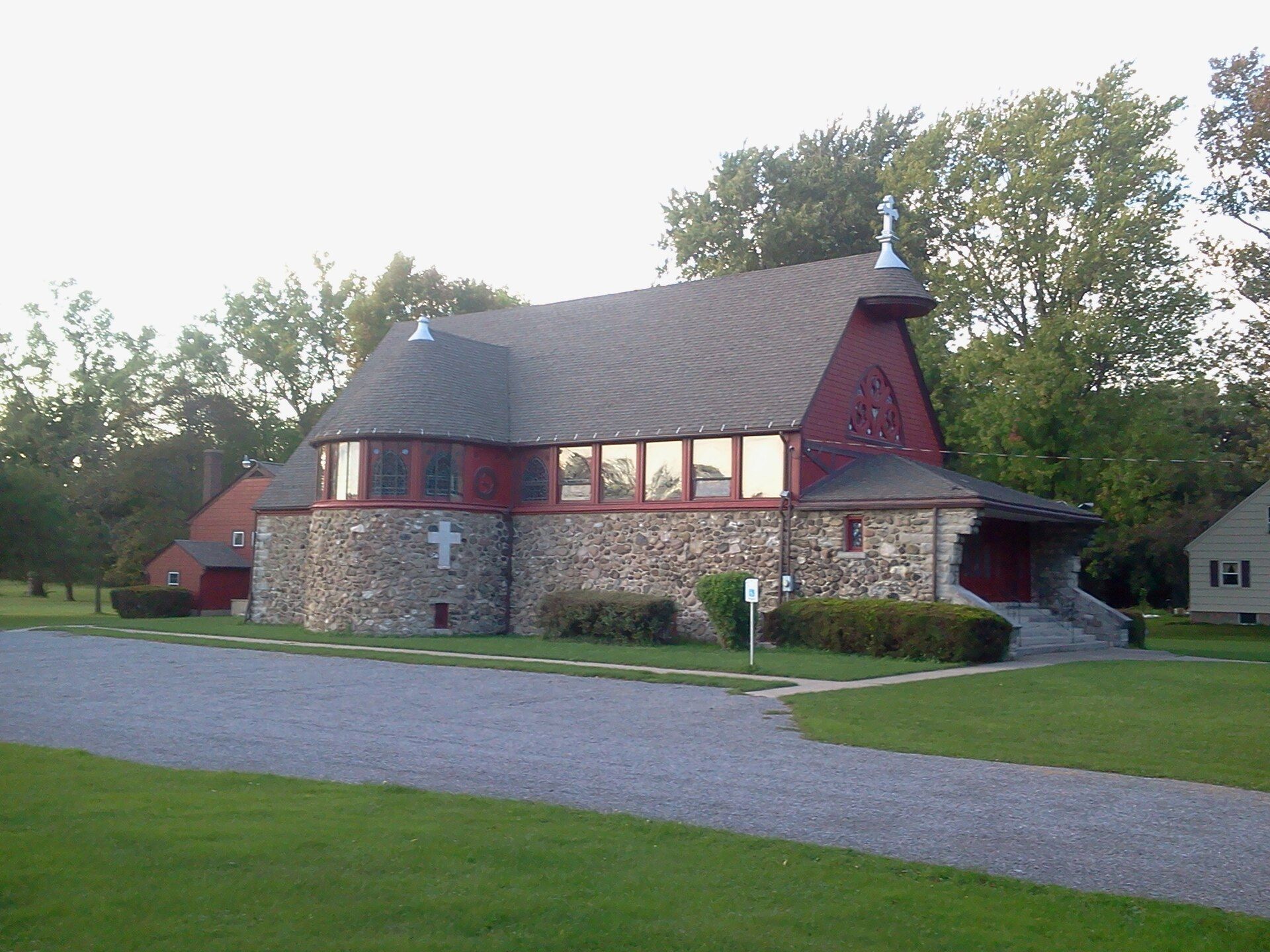

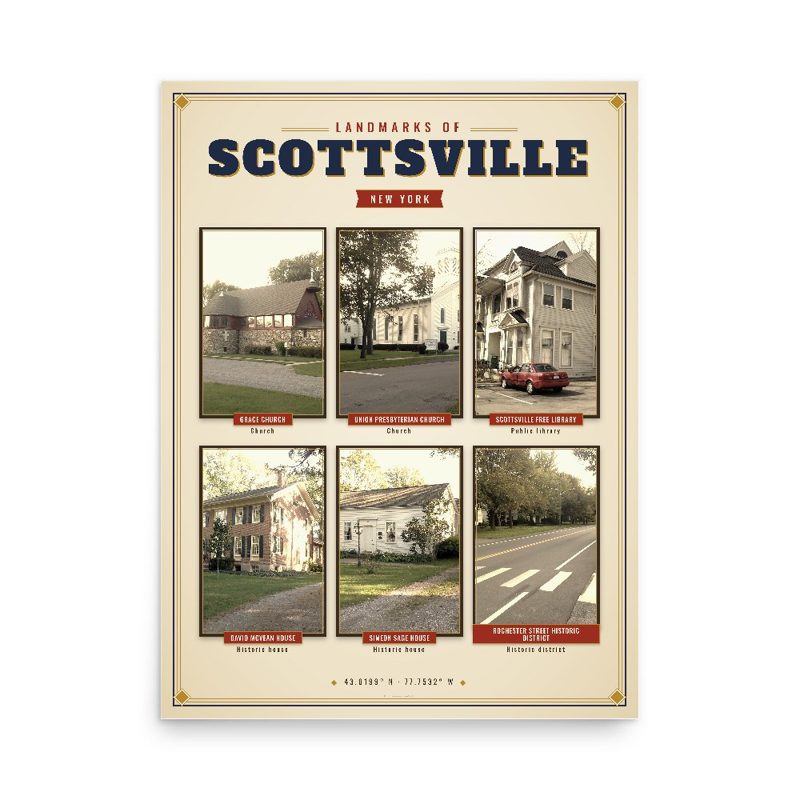














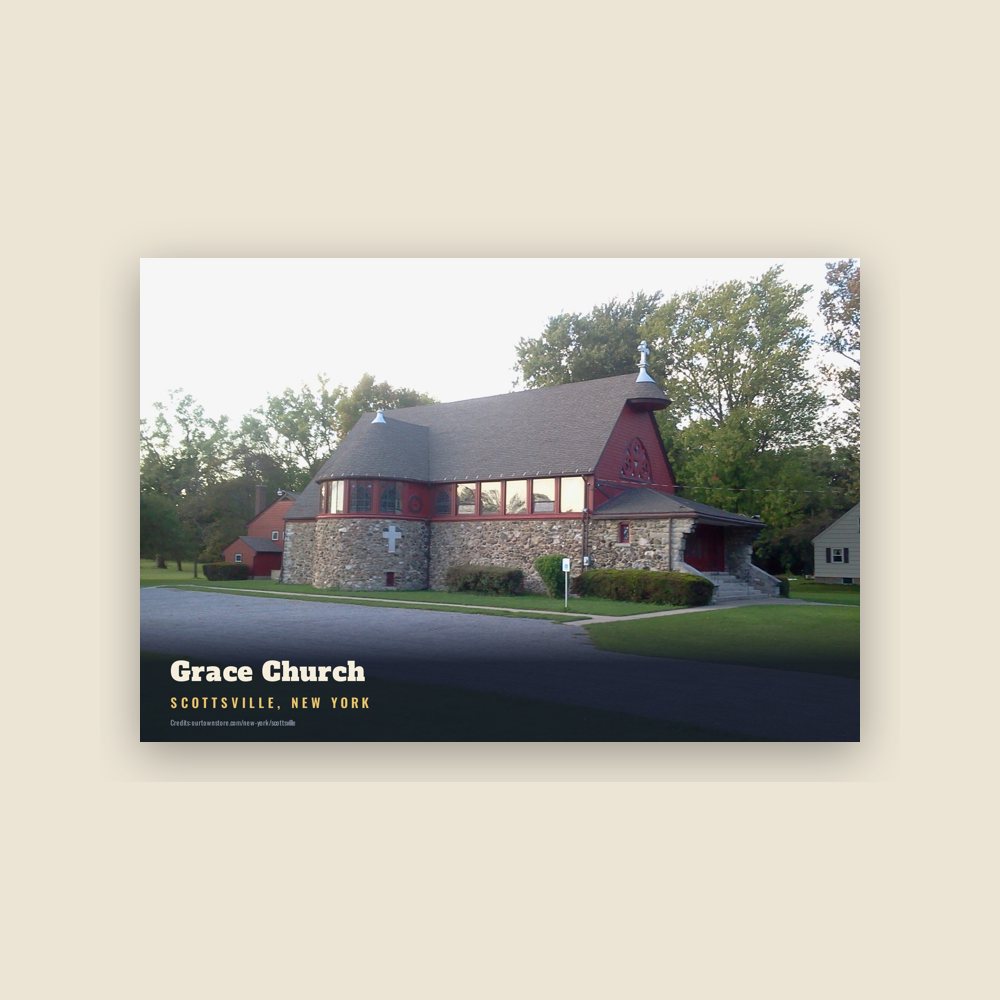
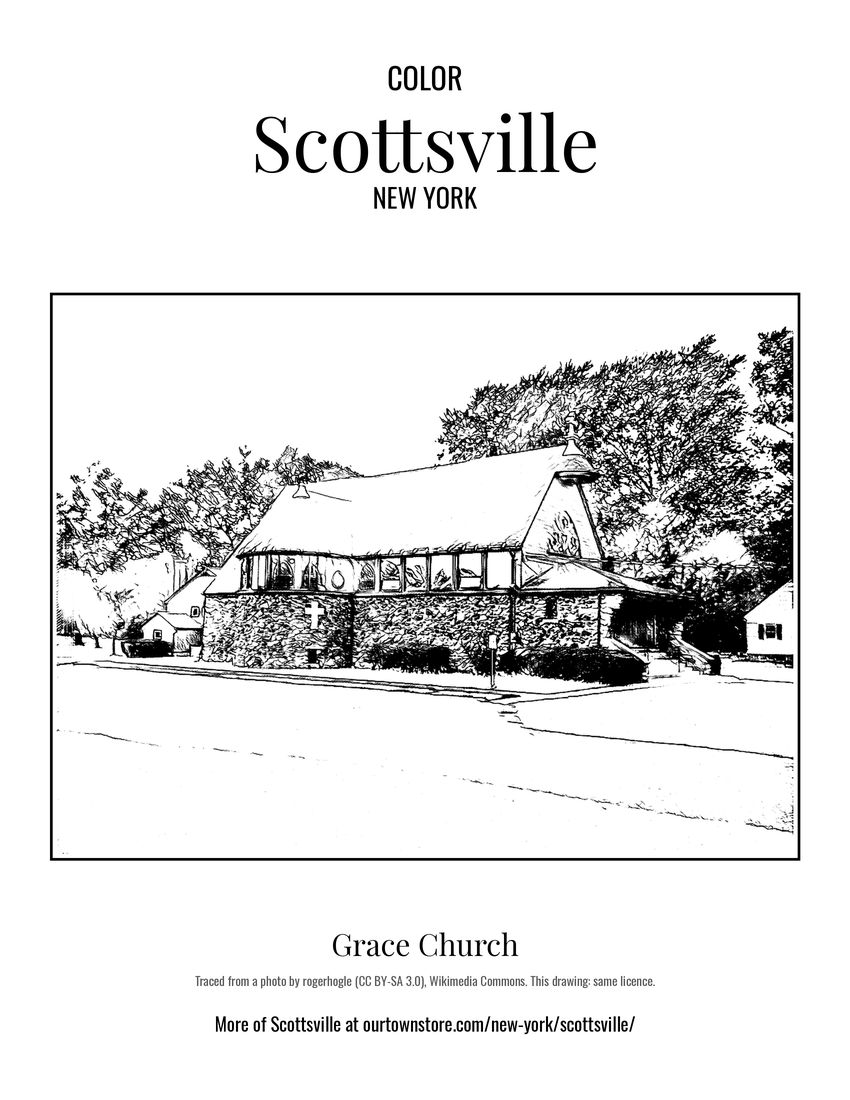 Grace Church
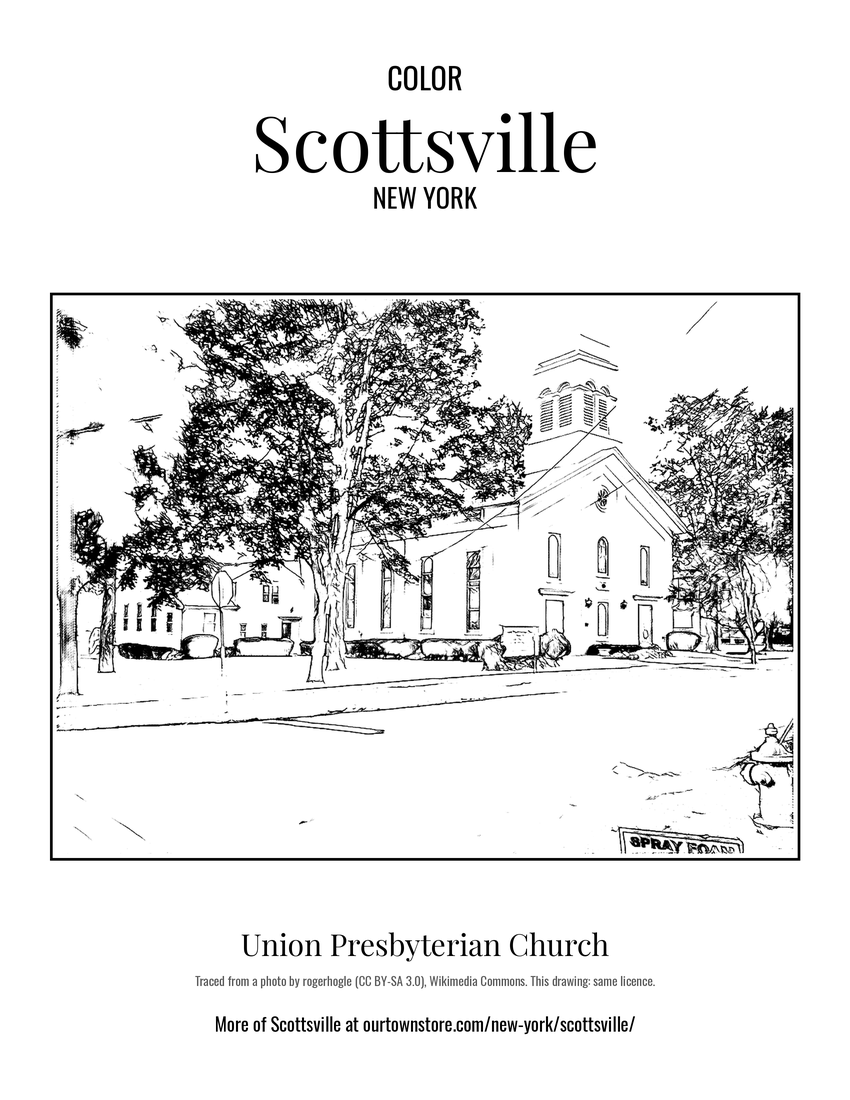 Union Presbyterian Church
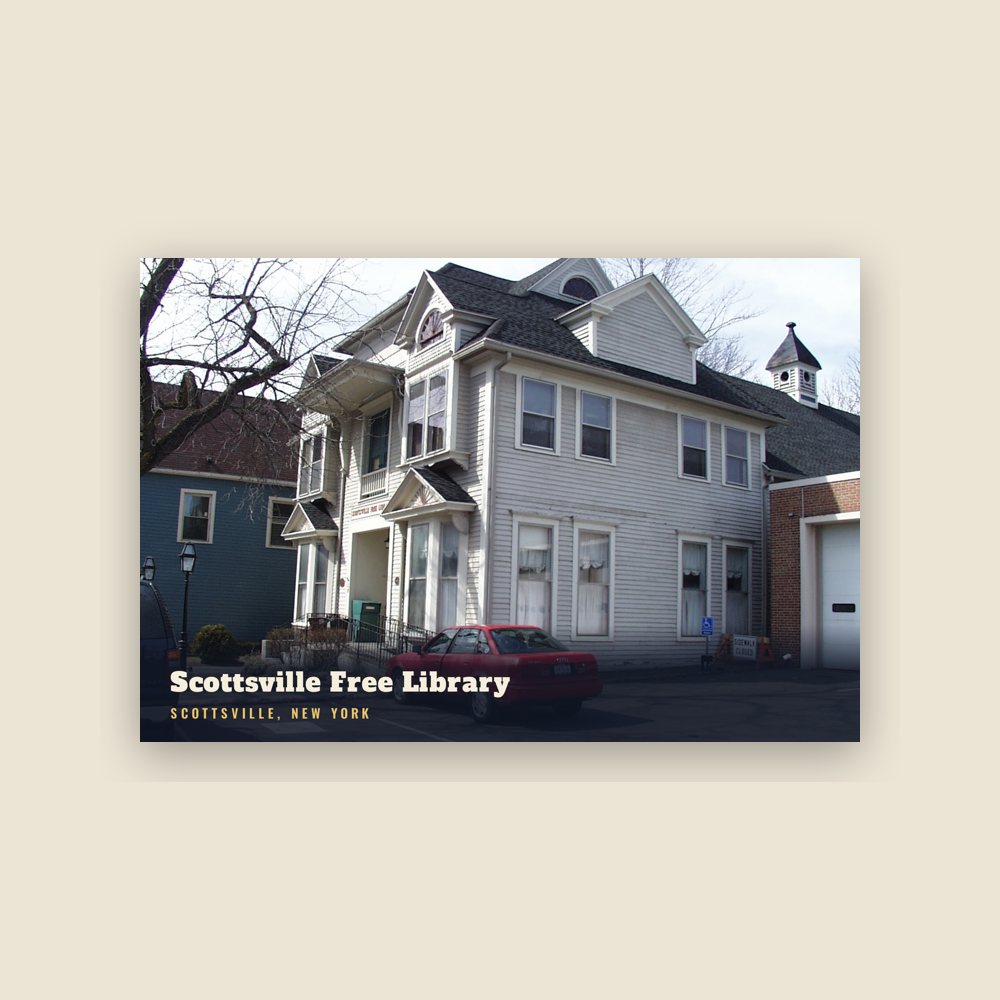
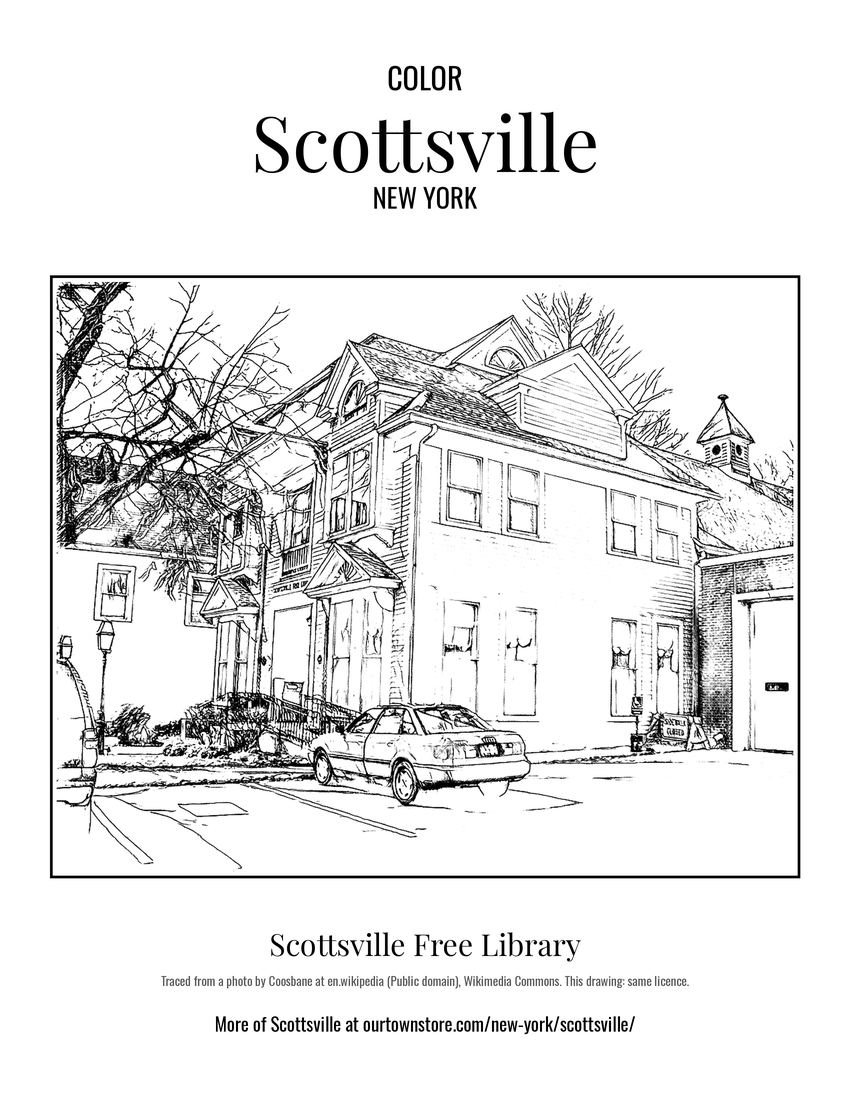 Scottsville Free Library
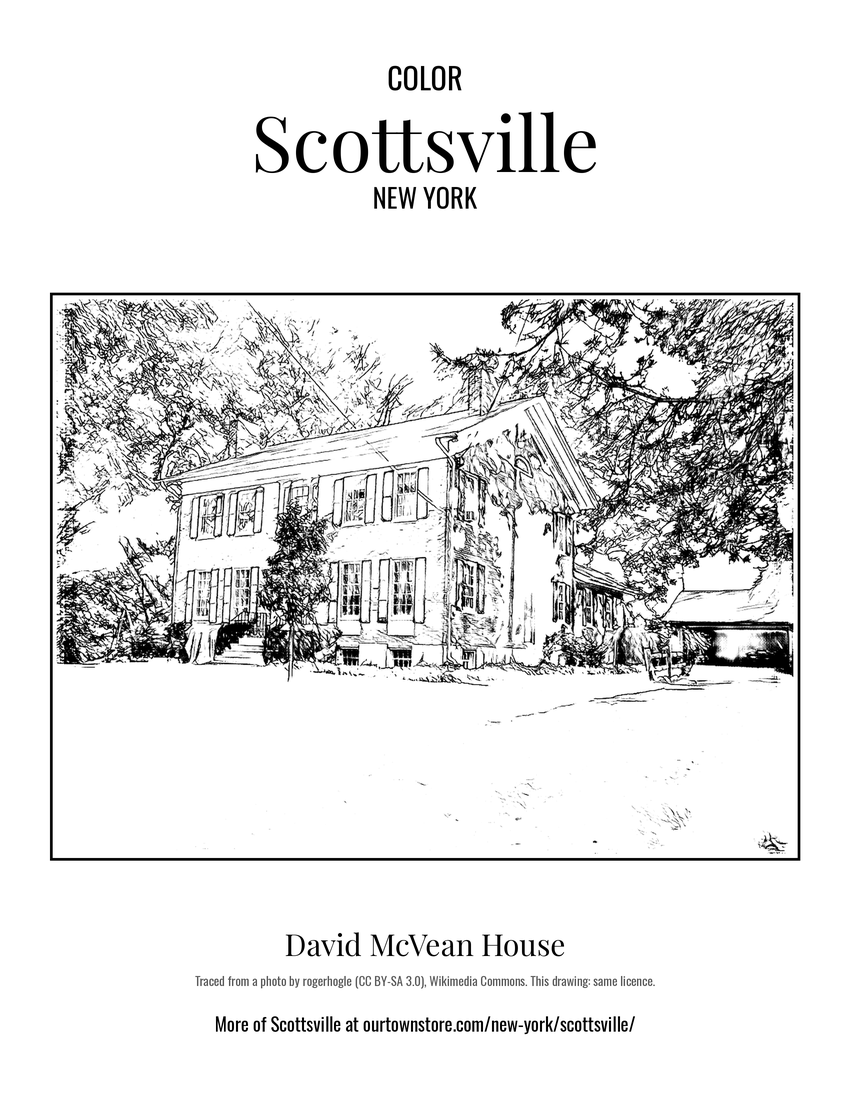 David McVean House