A short history of North Tonawanda
After the first settlers arrived in 1809, North Tonawanda became part of the town of Wheatfield, New York, in Niagara County, from May 1836. An abortive attempt at a village containing portions in two counties and two towns from January 1854 until April 1857, it was part of the Niagara County/Town of Wheatfield component, with the other portion in Erie County and the Town of Tonawanda. The experiment was abandoned after New York removed the village's North Tonawanda component. Oral history claims a dispute between merchants was the cause, but the combination of communities in two counties and two towns was unwieldy. After becoming a village on May 8, 1865 (still in the Town of Wheatfield, but as part of Martinsville, New York), North Tonawanda was incorporated as a city on April 24, 1897.
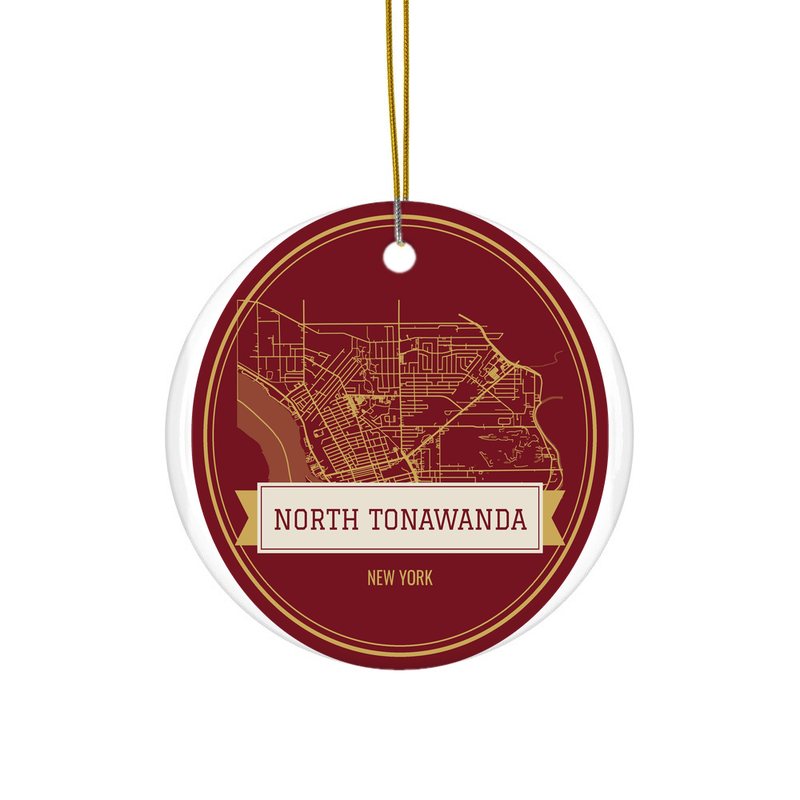
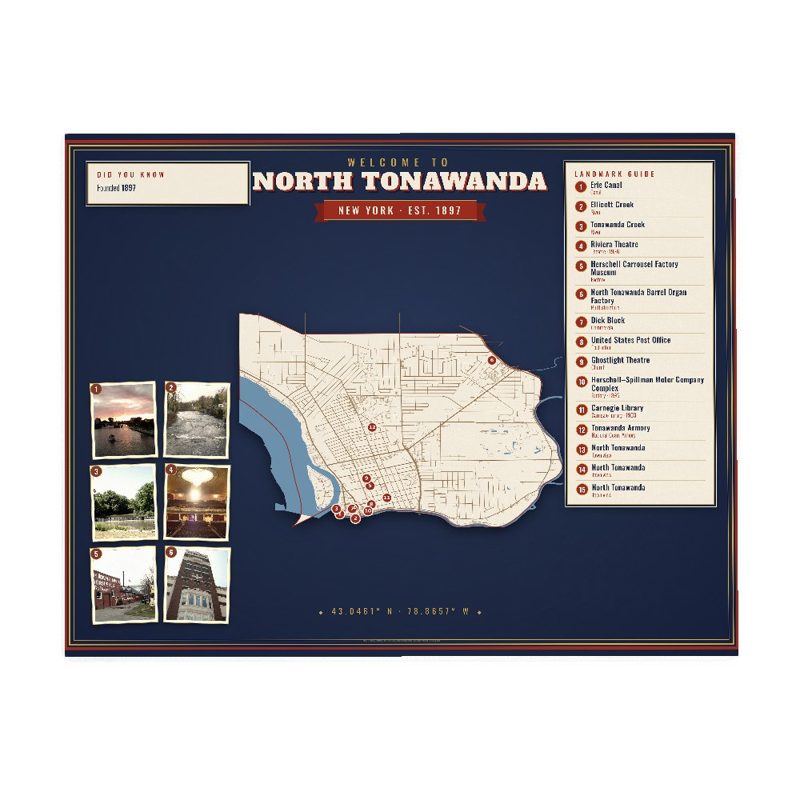
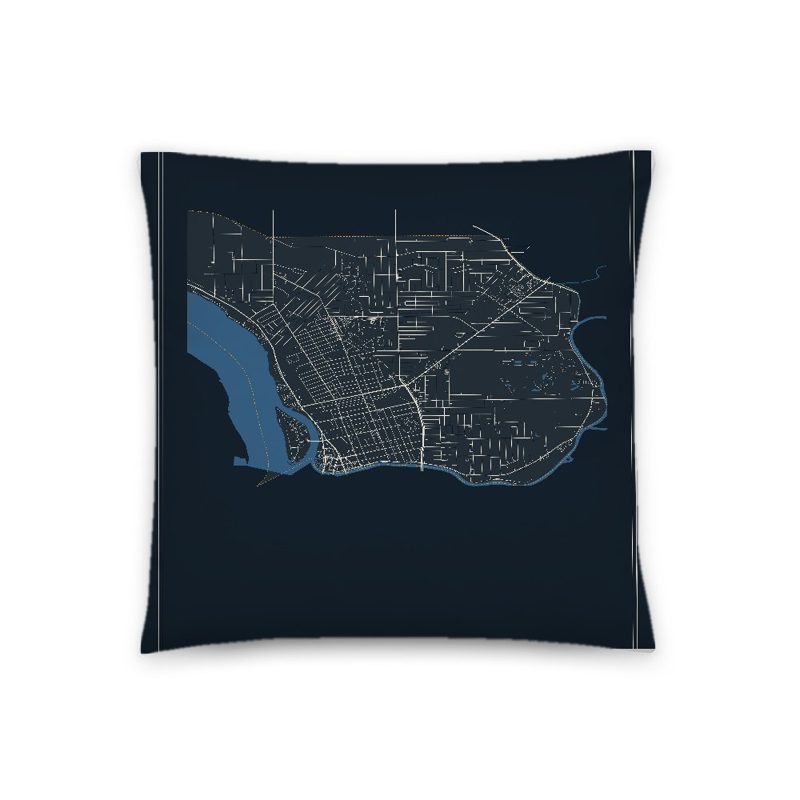
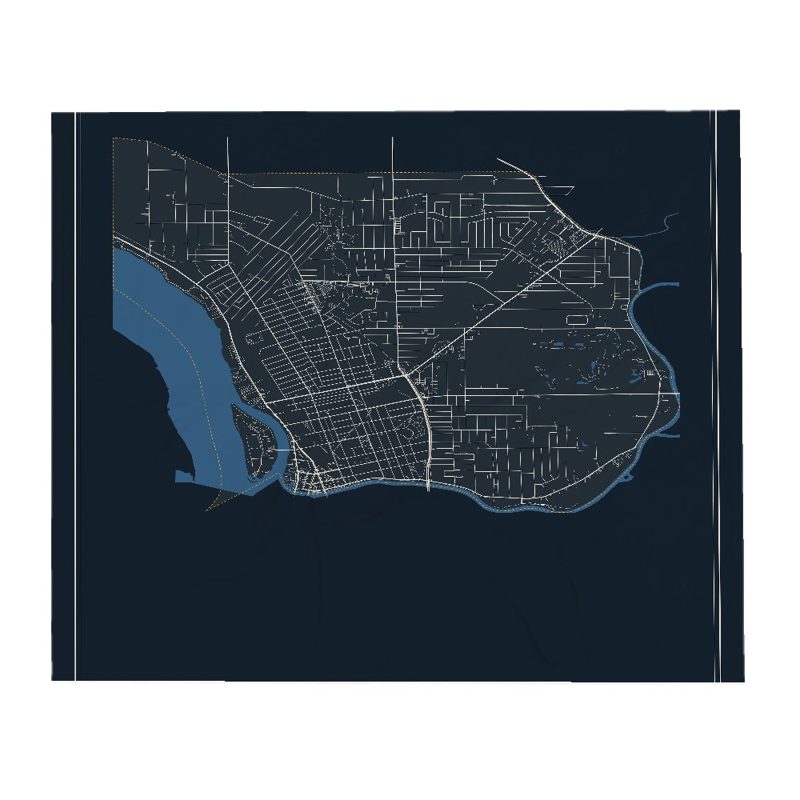
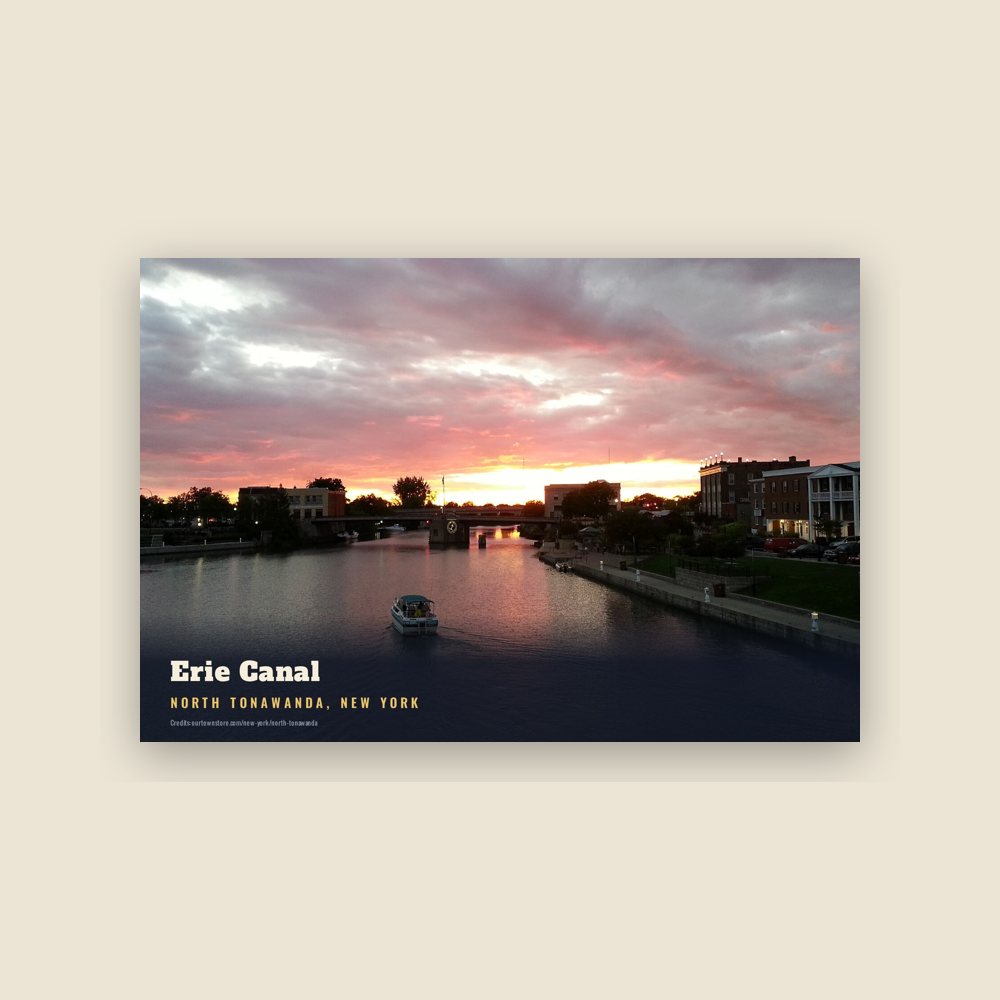
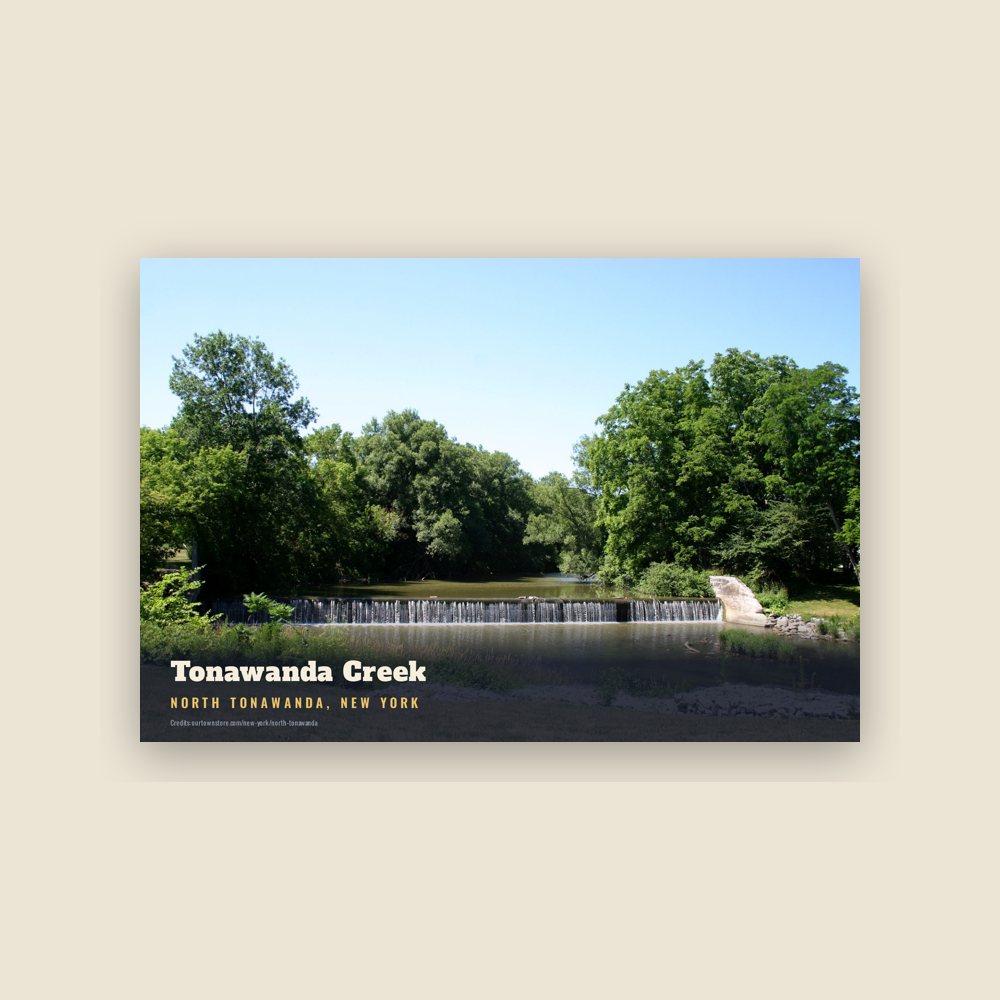
North Tonawanda is on the north side of the Erie Canal/Tonawanda Creek, across from Erie County, New York, and the communities of the City of Tonawanda and the Town of Amherst. The Town of Wheatfield borders North Tonawanda on the north and east; the Niagara River serves as its western border, as Tonawanda Creek is its southern border. North Tonawanda is the second-largest city in Niagara County, after Niagara Falls, New York.
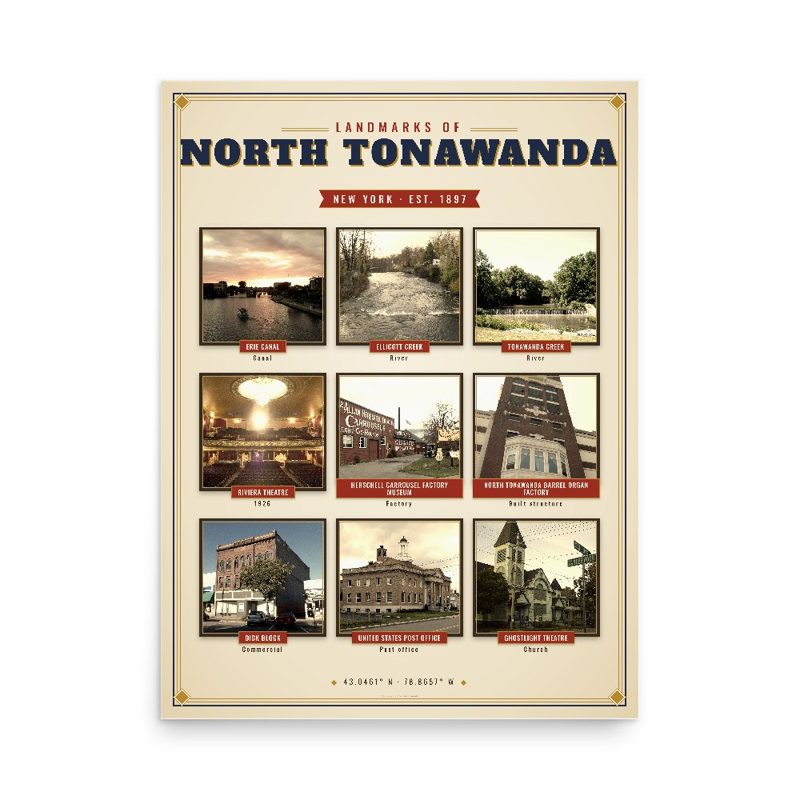
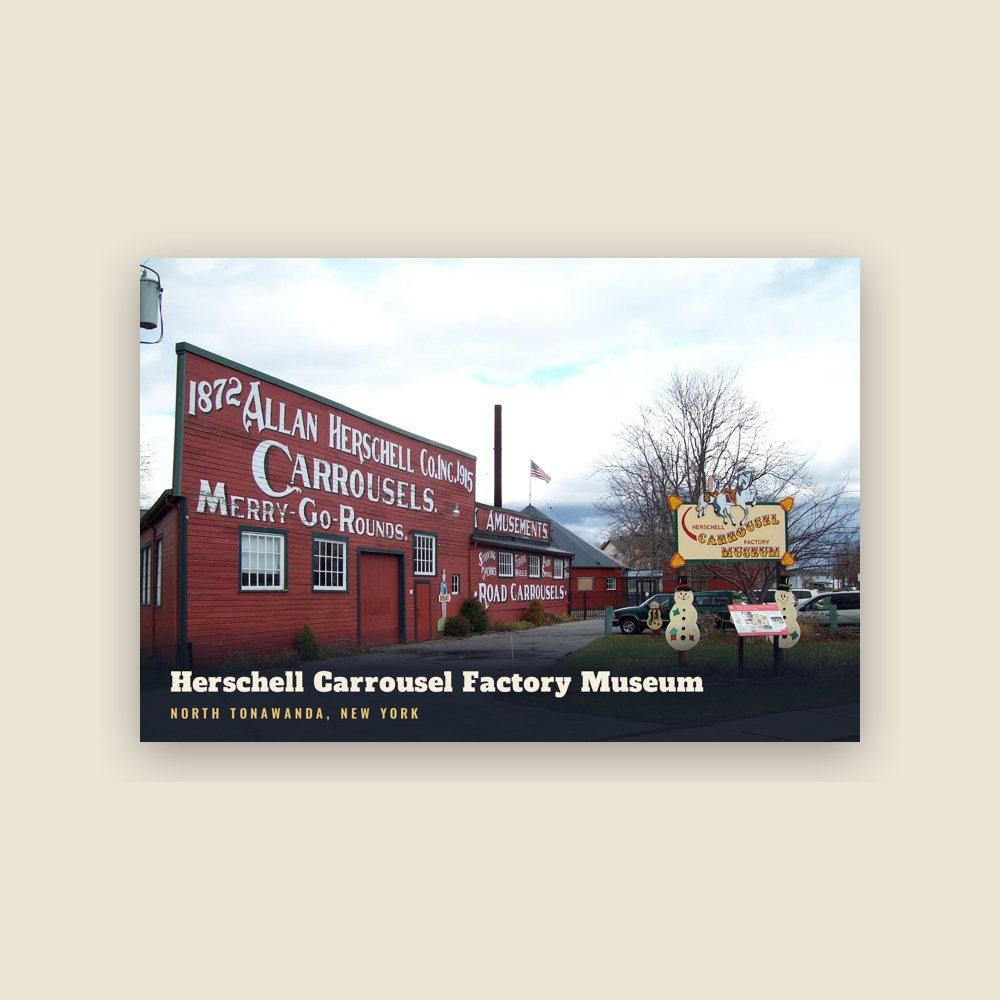
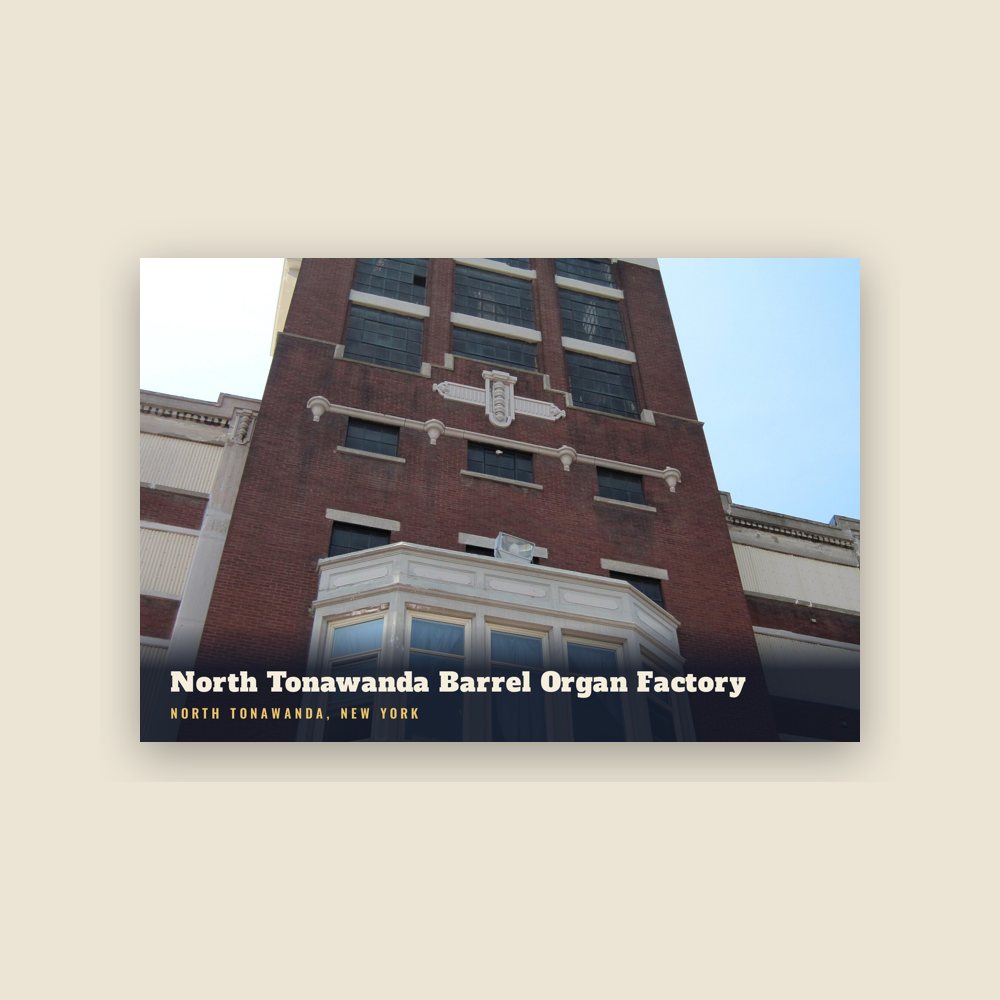
North Tonawanda is known as the Lumber City, because it was from the mid-19th century through the 1970s, a lumber transportation and forwarding center of significance because of the ready availability of lumber. It was the birthplace of the Herschell-Spillman Company/Allan Herschell Co., one of the leading manufacturers of carousels in America, and is now the home of the Herschell Carrousel Factory Museum. In 1888, Herschell attracted expatriate Belgian Eugene de Kleist to North Tonawanda, who started the North Tonawanda Barrel Organ Factory to produce band organs. Taken over in 1909 by the Rudolph Wurlitzer Company after De Kleist became mayor of North Tonawanda in 1906, Wurlitzer became one of the largest musical instrument-manufacturing plants in the world. The Ray H. Bennett Lumber Co., one of more than 150 lumber companies to have called North Tonawanda home, produced kit homes sold around the US and Canada for 70 years. Richardson Boat, Buffalo Bolt, Durez Chemical, National Grinding Wheel, Taylor Devices, International Paper, Tonawanda Iron and Steel, Riverside Chemical, and hundreds of other successful manufacturing businesses called North Tonawanda home.
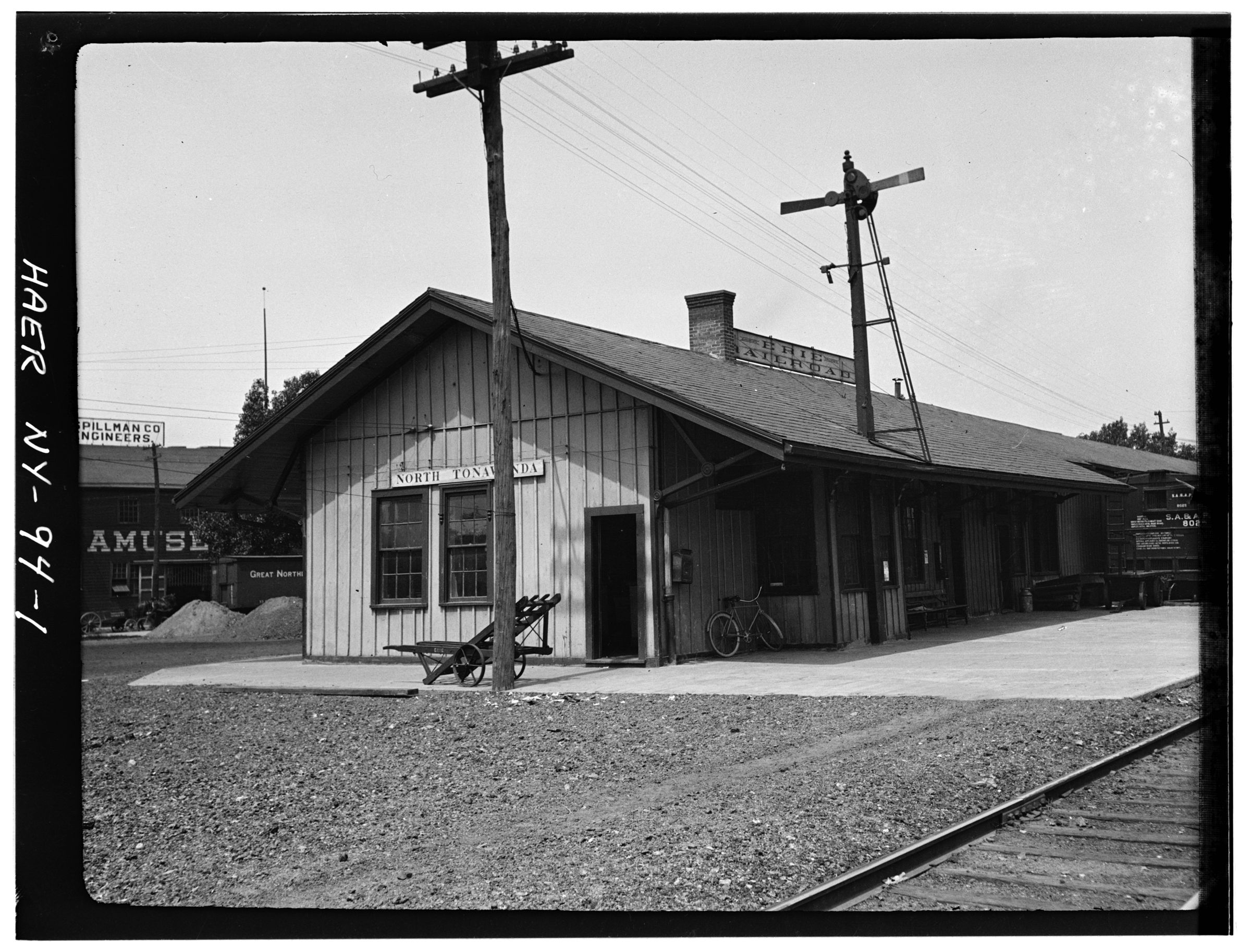
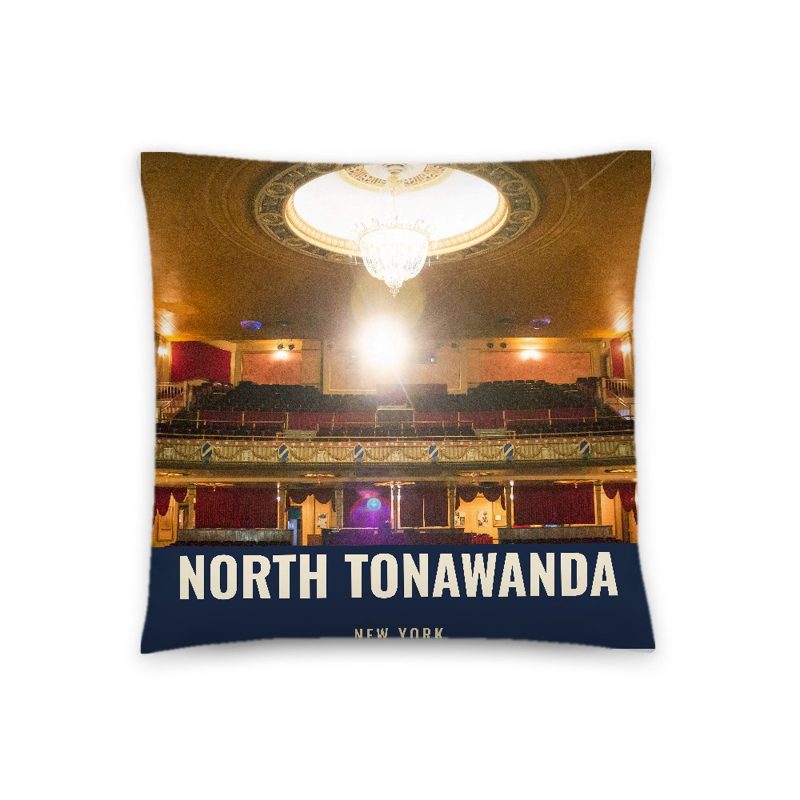
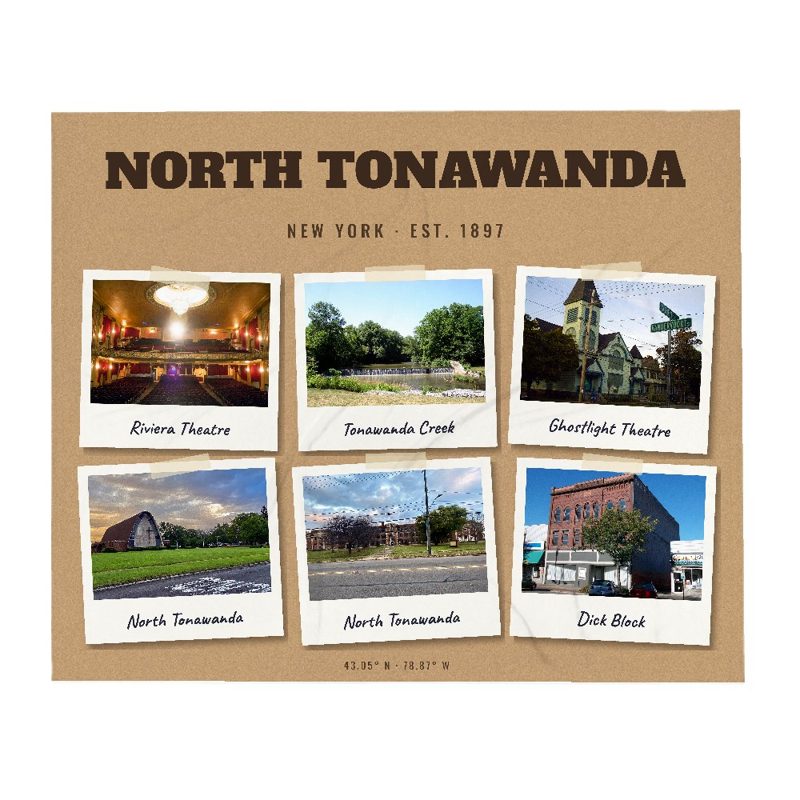
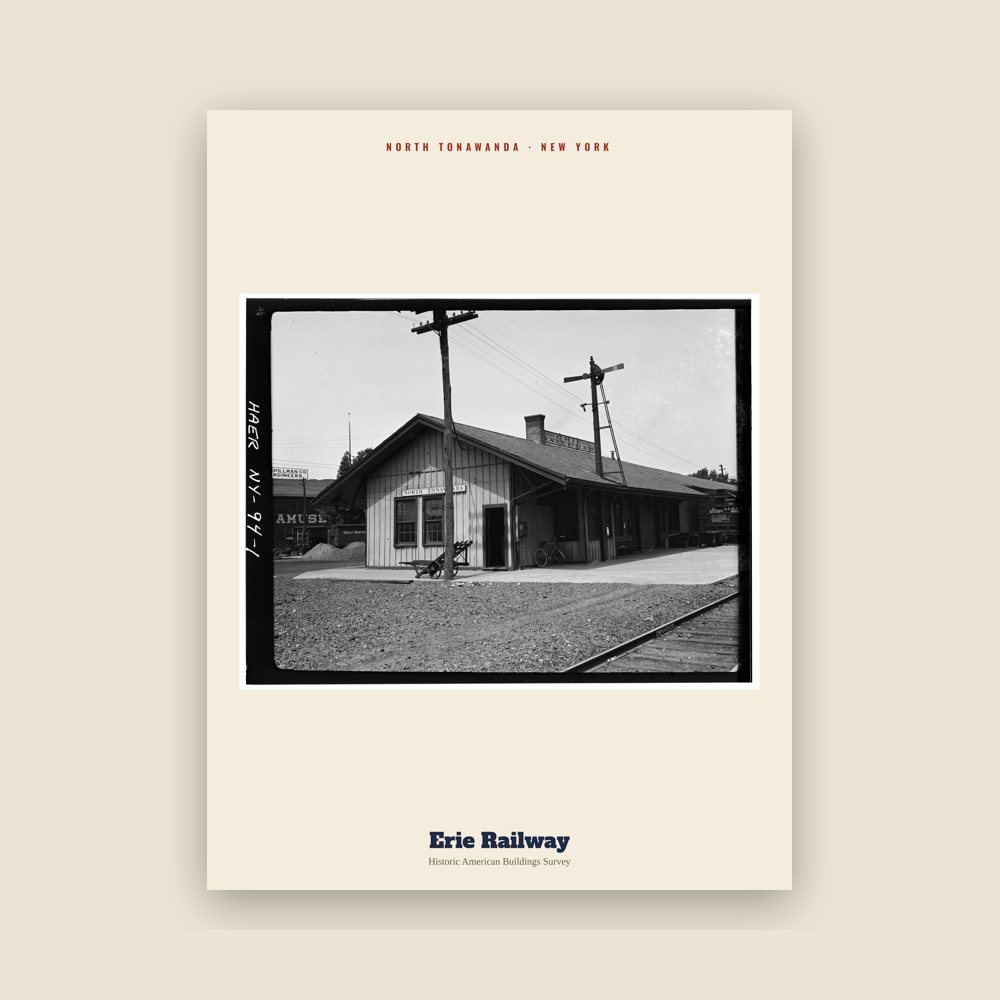
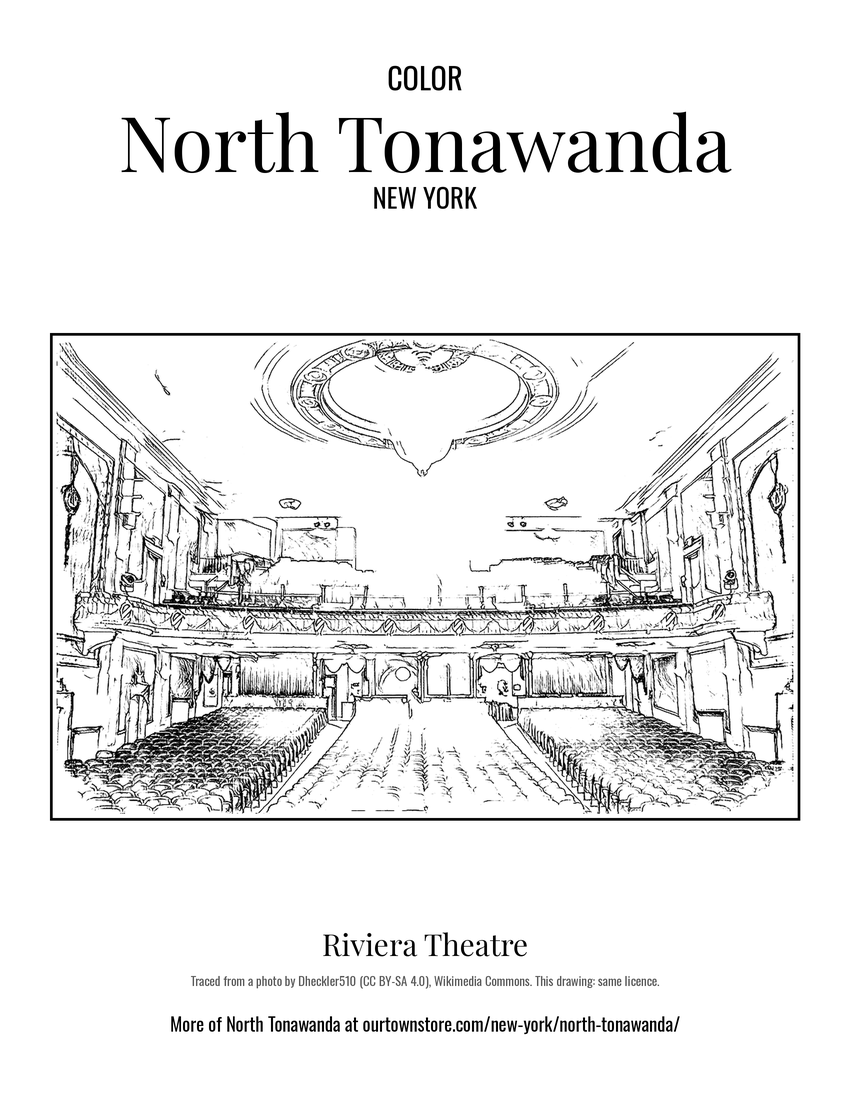
The Railroad Museum of the Niagara Frontier occupies a 1923 Erie Railroad station on Oliver Street. The Riviera Theater and Performing Arts Center on Webster Street, in a restored Italian Renaissance-style building, features plays, concerts, movies, and other events, and its 1926 "Mighty Wurlitzer" organ is featured in monthly organ concerts. The theater is one of only a handful in the United States with projectors capable of showing nitrate film prints in common use before about 1951. The Ghostlight Theatre is a community theater in a century-old church. The former Carnegie Library is home to the Carnegie Art Center. An E. B. Green-designed building houses the Buffalo Suzuki Strings Musical Arts Center. An active arts community has developed in the downtown area as well. The North Tonawanda History Museum no longer occupies the former G. C. Murphy Co. store building on Webster Street in the heart of the downtown historic district.
Parks in North Tonawanda include Veteran's Park, which has a monument to U.S. Seabees and one to the U.S. Marines, and is working on one to Vietnam War Veterans; Gateway Harbor Park, along the Erie Canal, the site of the annual Canal Fest in July and free concerts and other activities; the 53-acre (210,000 m2) Gratwick-Riverside Park along the Niagara River; and Pine Woods Park, Mayor's Park, and the North Tonawanda Botanical Gardens with a boat launch.
Adapted (trimmed) from the Wikipedia article North Tonawanda, New York, revision 1378596300 by its contributors, licensed CC BY-SA 4.0.
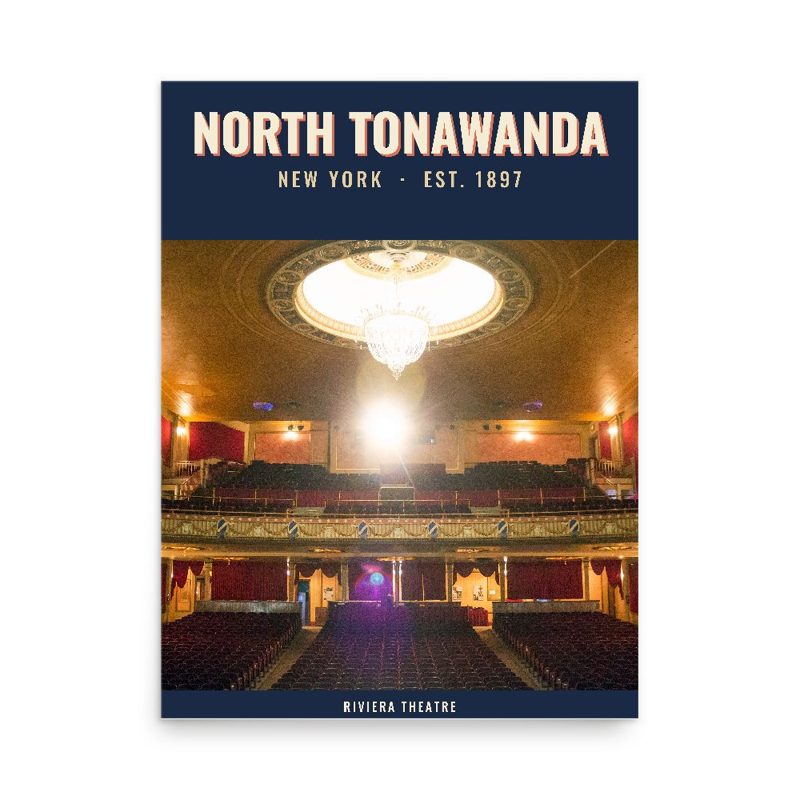
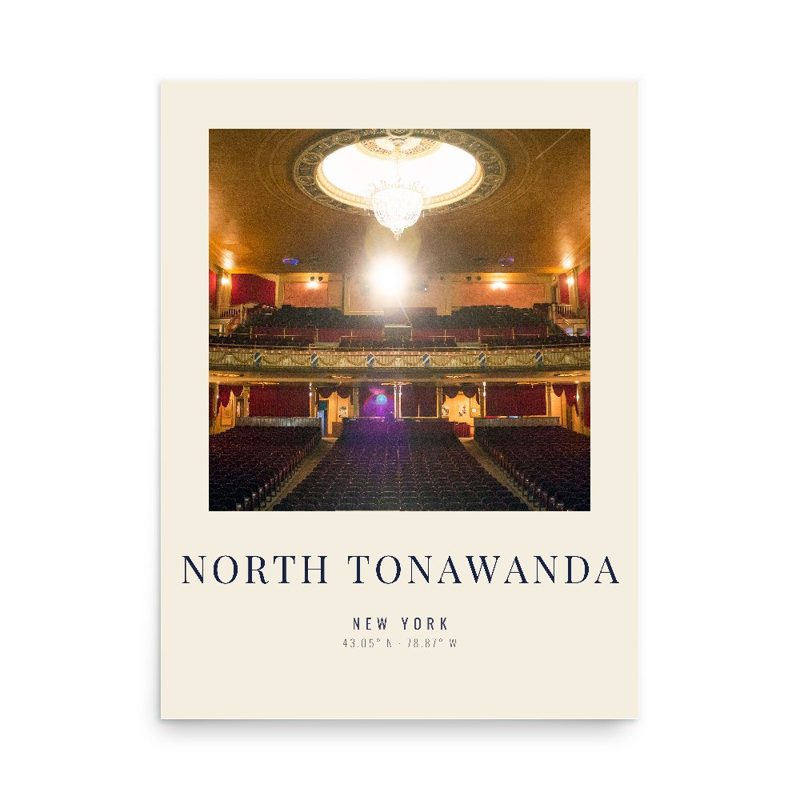
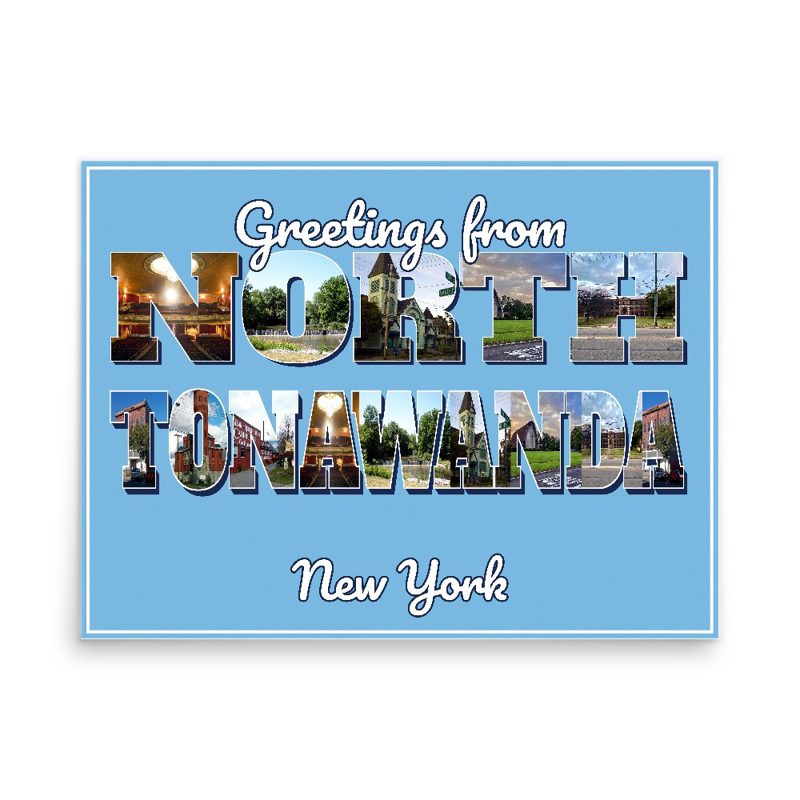
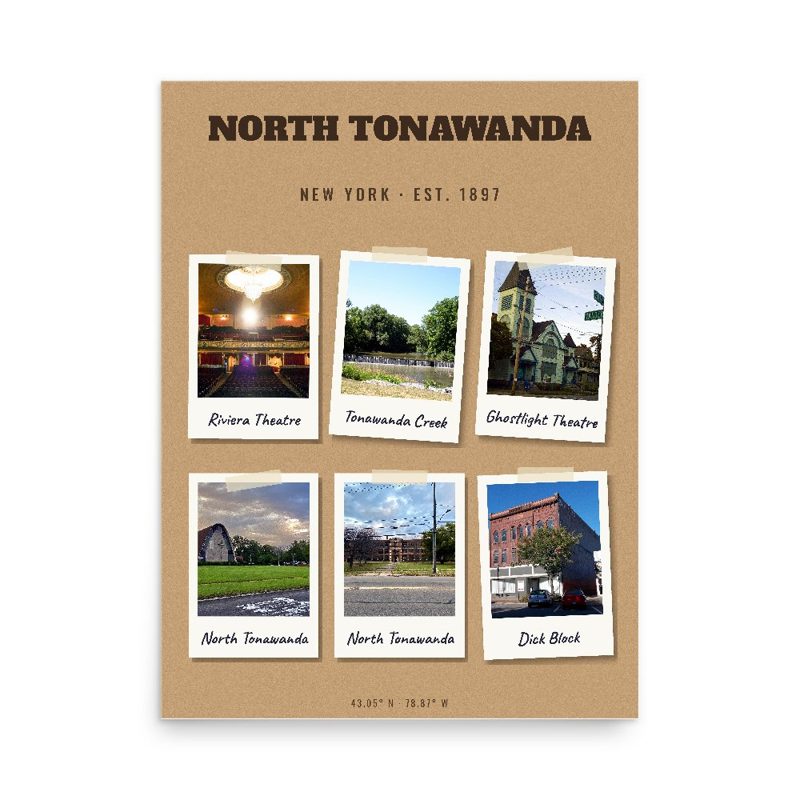
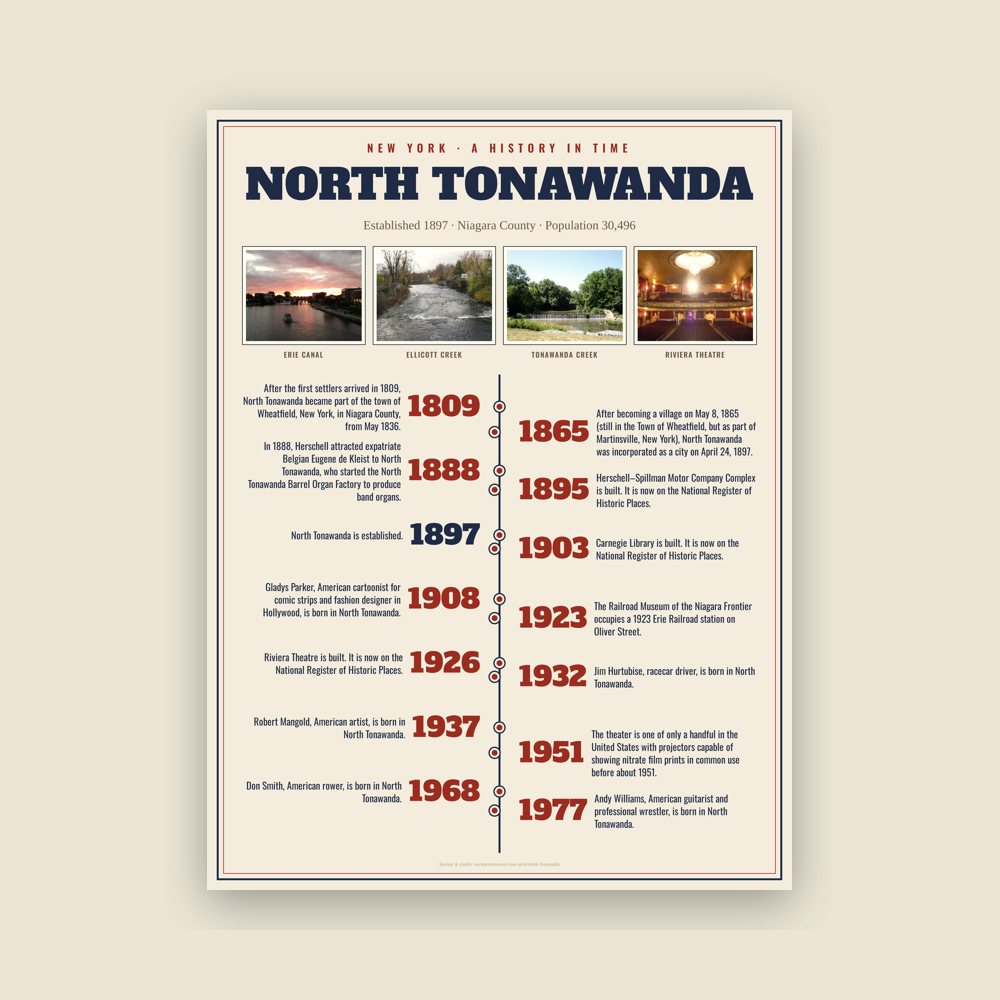


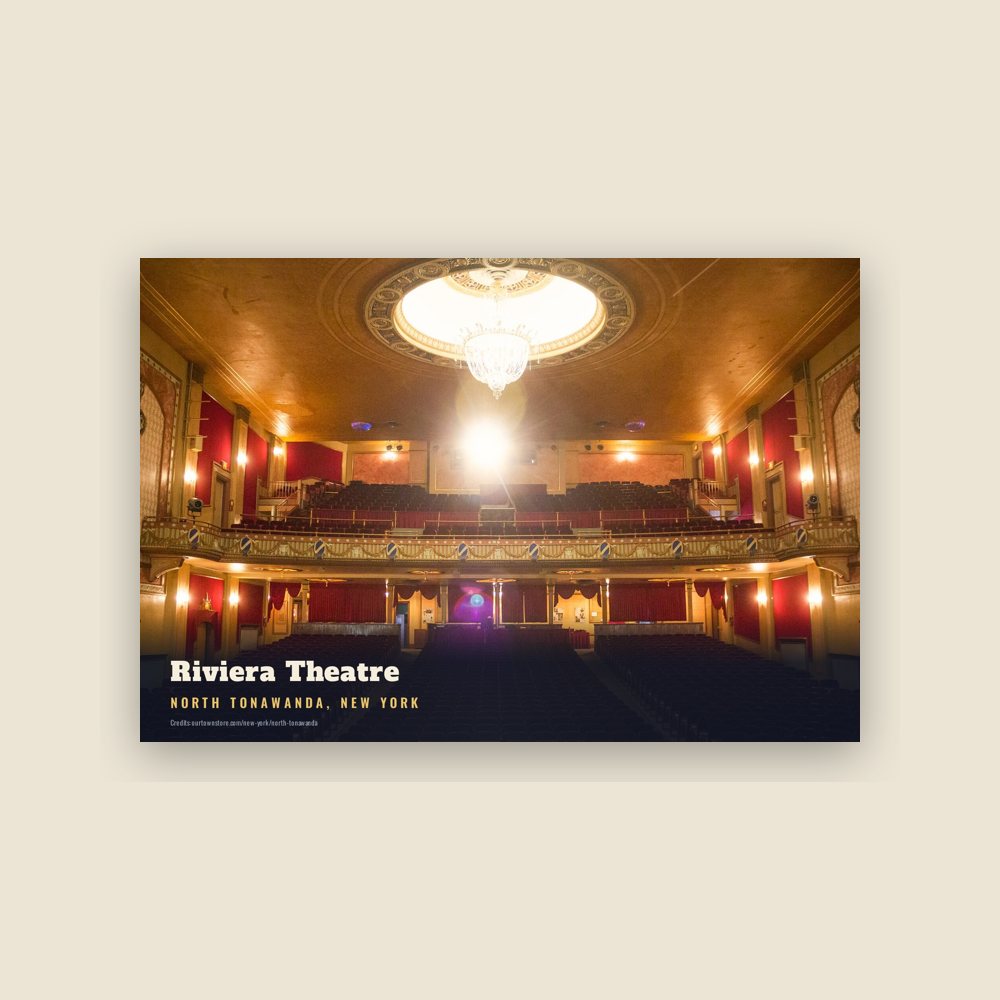
 Riviera Theatre
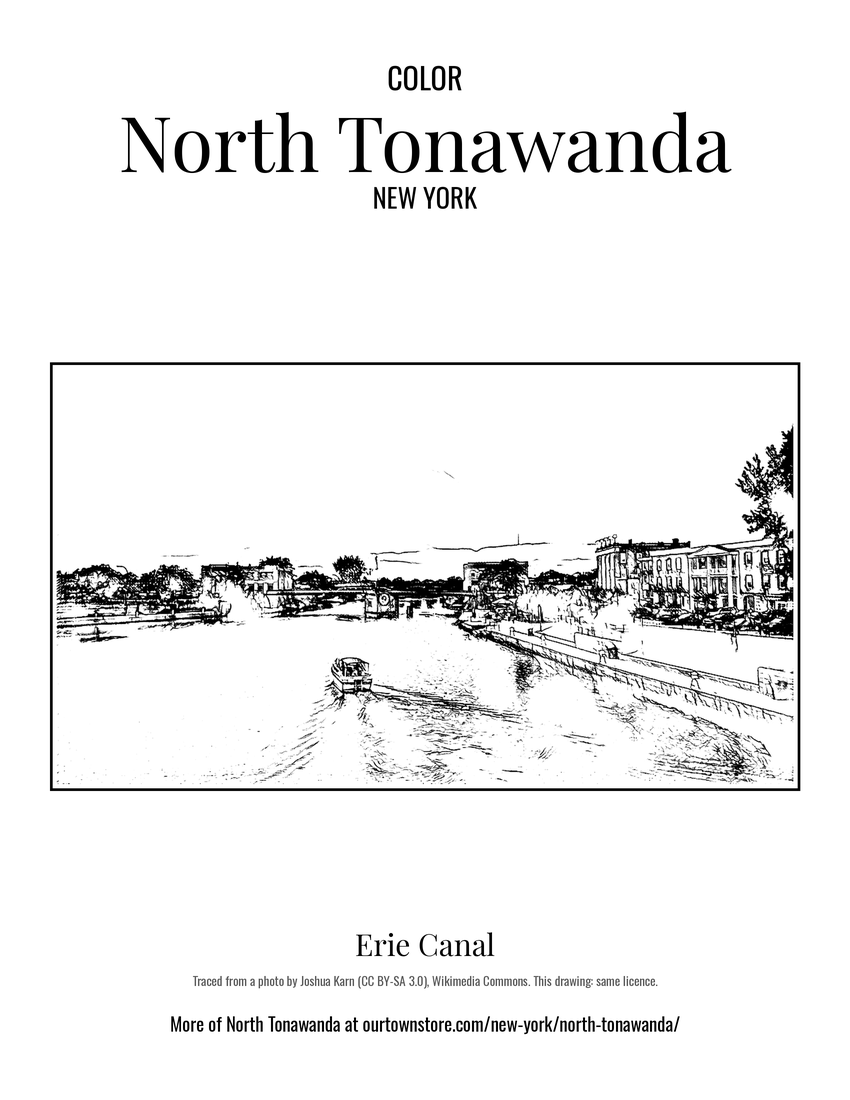 Erie Canal
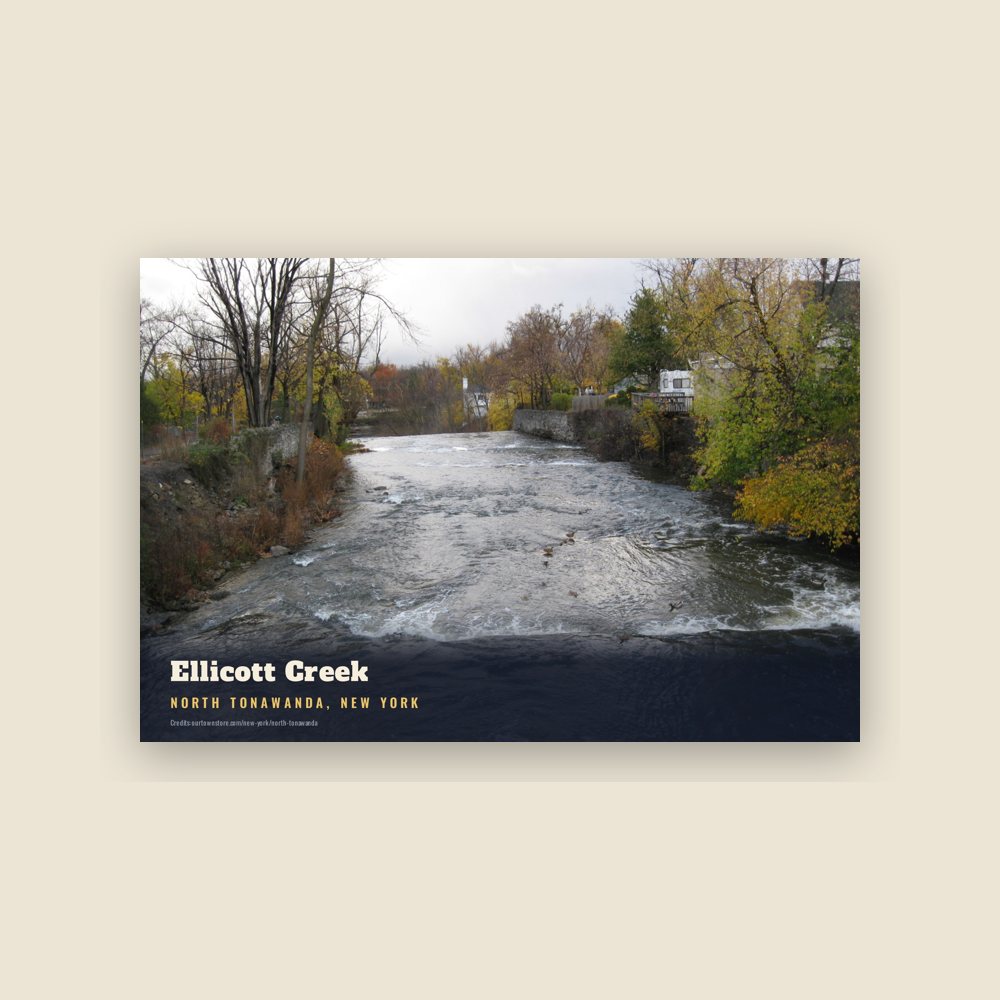
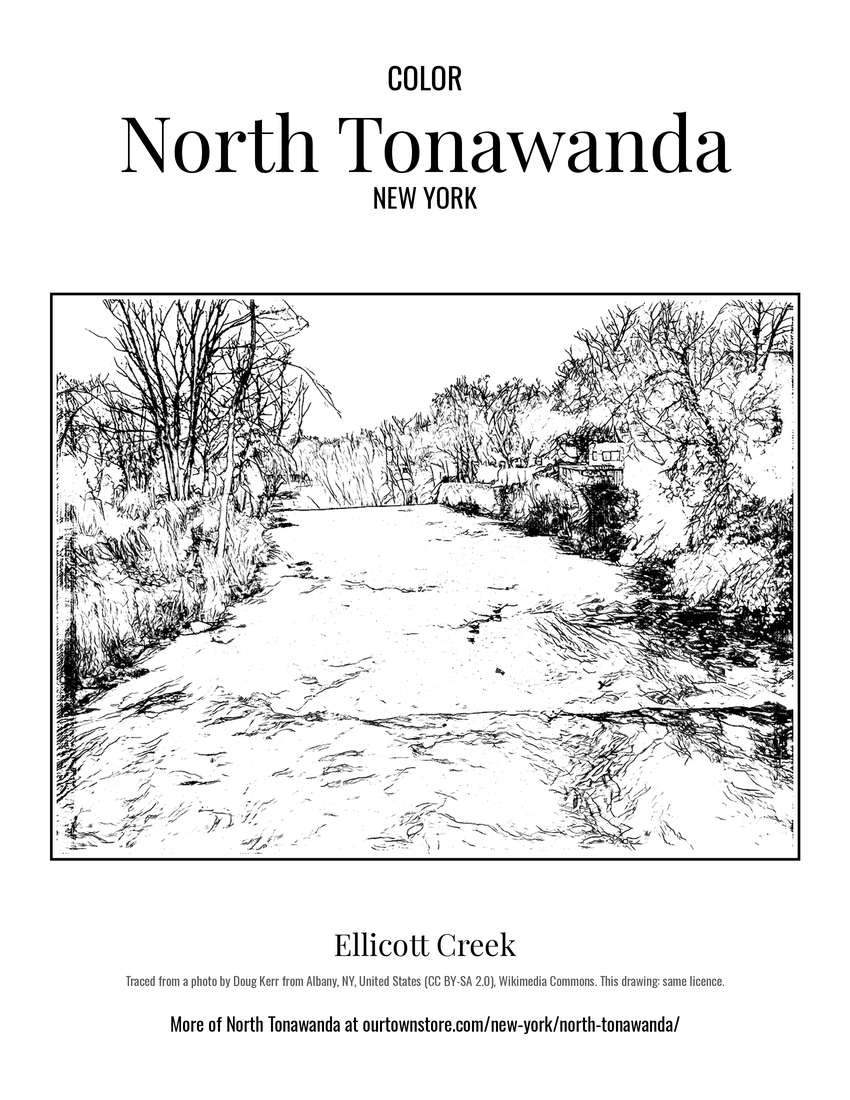 Ellicott Creek
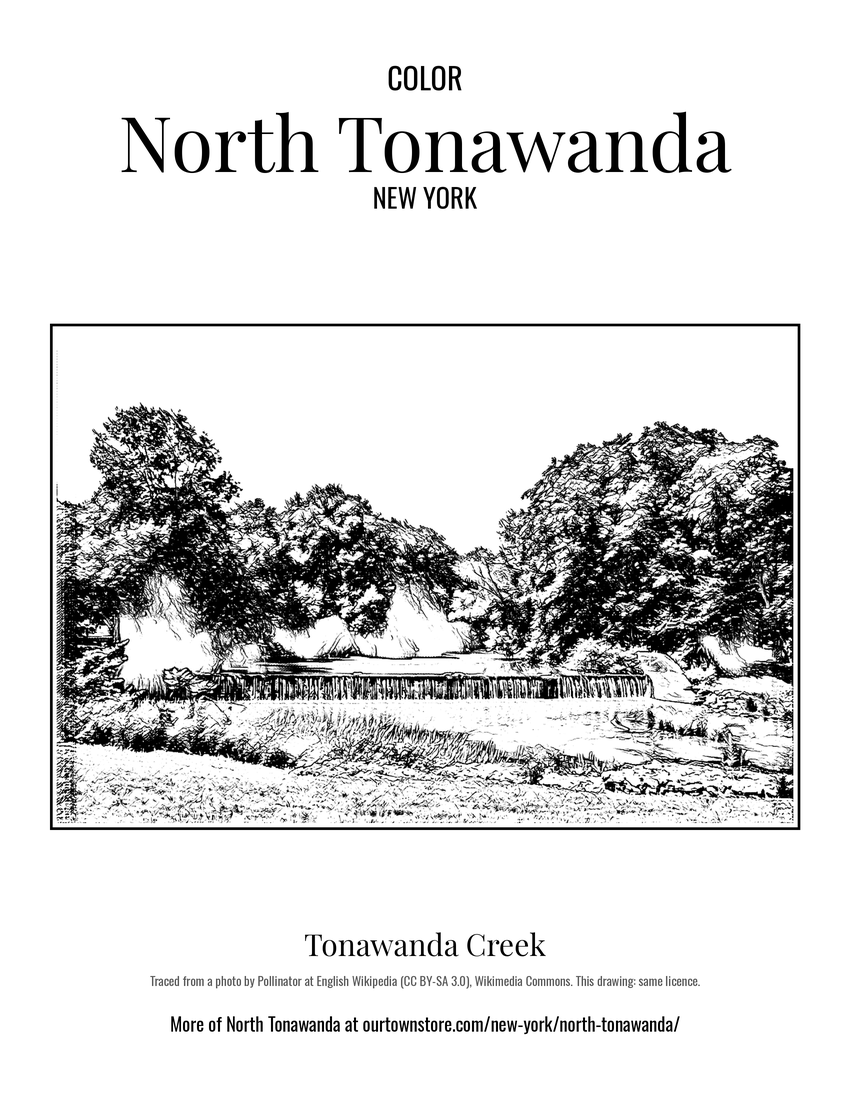 Tonawanda Creek