A short history of Hillburn
In addition to later European-American migrants, the area was settled early by descendants of Lenape and other remnant groups, who eventually intermarried with Afro-Dutch and other ethnicities after the Revolutionary War. These multiracial descendants were recognized in 1980 by the state as the Ramapough Mountain Indians; they also have centers of population in Mahwah and Ringwood, New Jersey, which were areas of frontier in the eighteenth and early nineteenth centuries. For many years they lived by farming, hunting and fishing. They tended to marry within their community until the mid-twentieth century.
The village of Hillburn was founded in 1893; that year the first school in Hillburn was built on a plot of ground donated by J.B. Suffern.
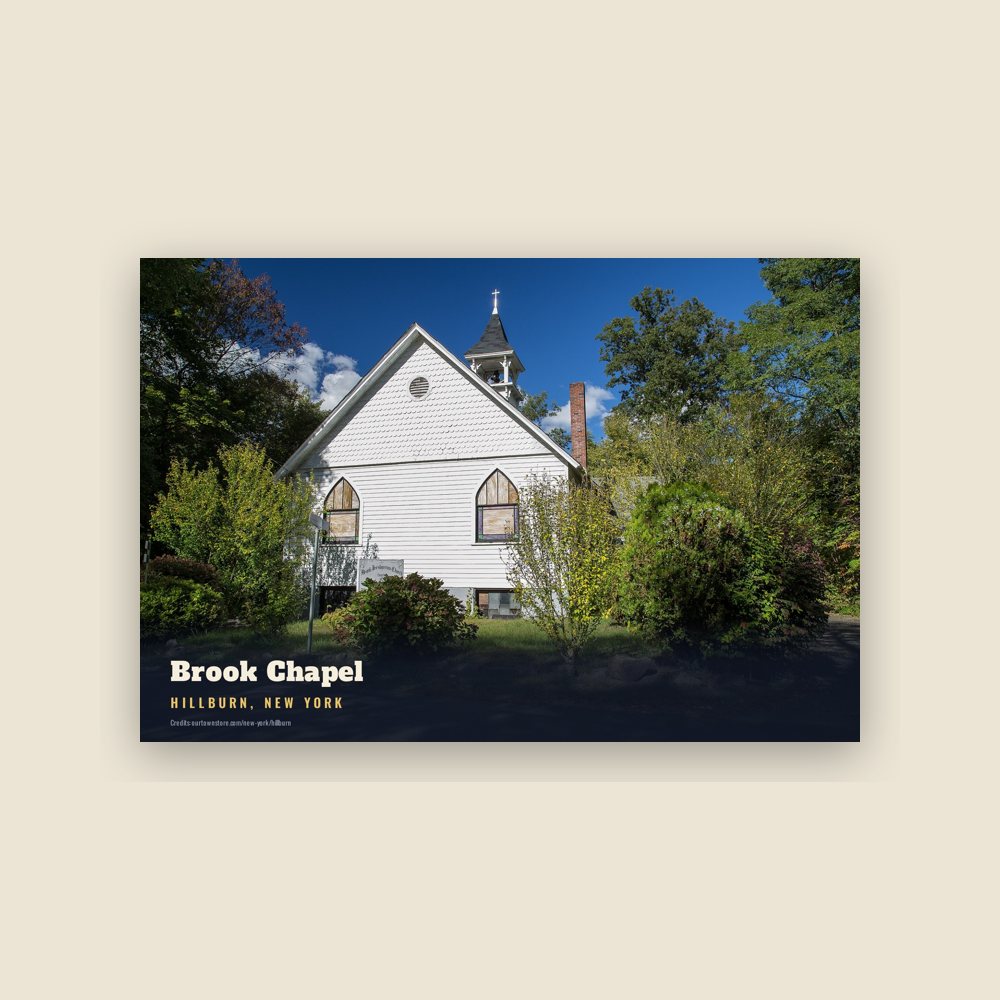
In 1943, the attorney Thurgood Marshall won a disparity case regarding integration of the schools of Hillburn, 11 years before his landmark case of Brown v. Board of Education. He represented the village's African-American parents. In 2010, the state legislature designated May 17 as Thurgood Marshall Day in honor of his work in civil rights. Mixed-race children who lived in the town of Ramapo attended the Brook School in Hillburn, a wood structure that did not have a library, indoor bathrooms or gymnasium. The Main School was reserved for white children and included a gymnasium, a library and indoor plumbing.
Adapted (trimmed) from the Wikipedia article Hillburn, New York, revision 1384097001 by its contributors, licensed CC BY-SA 4.0.

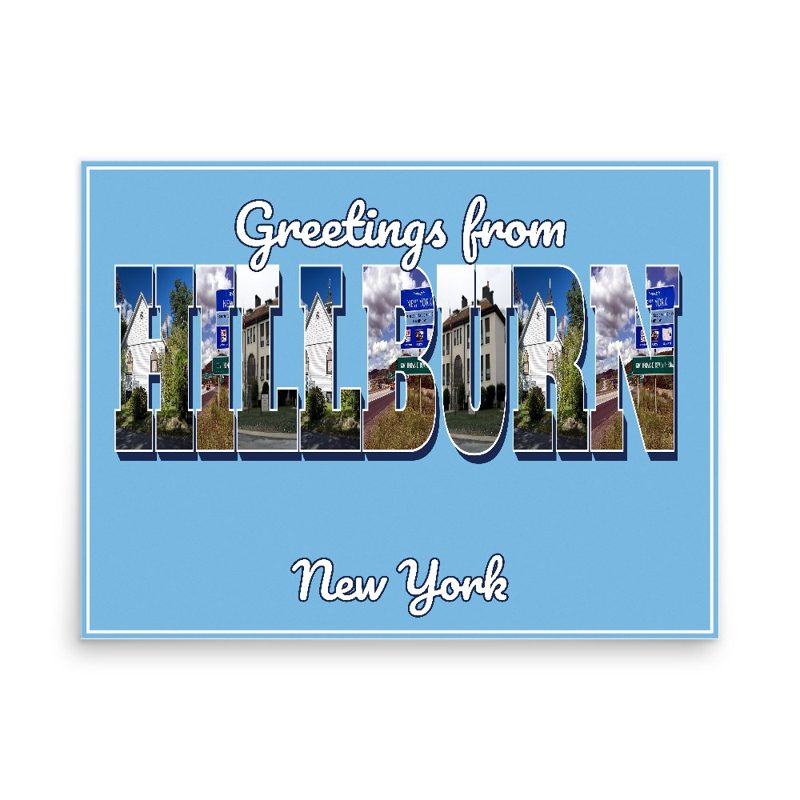
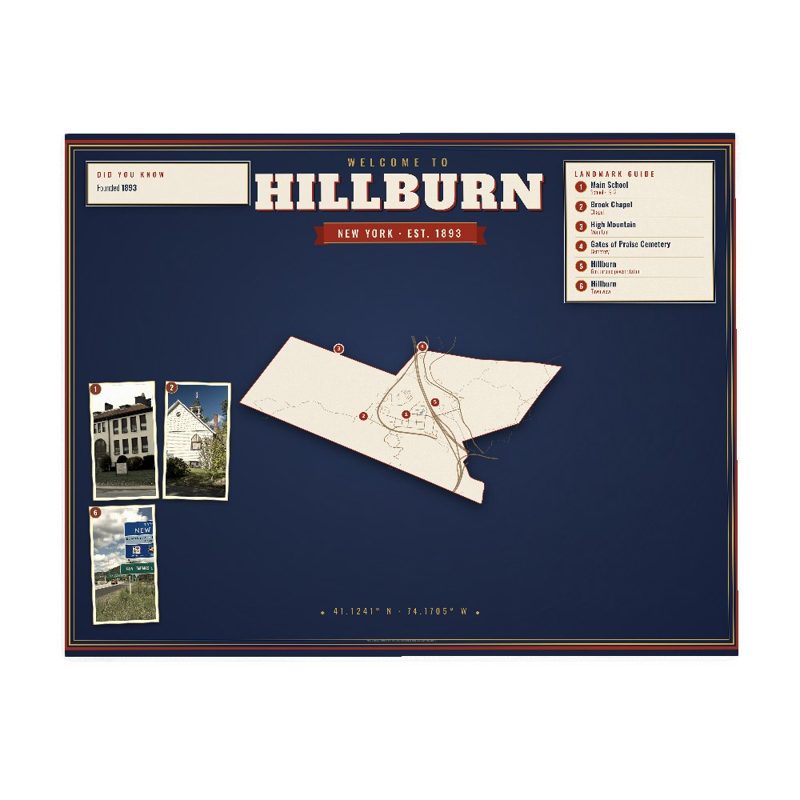












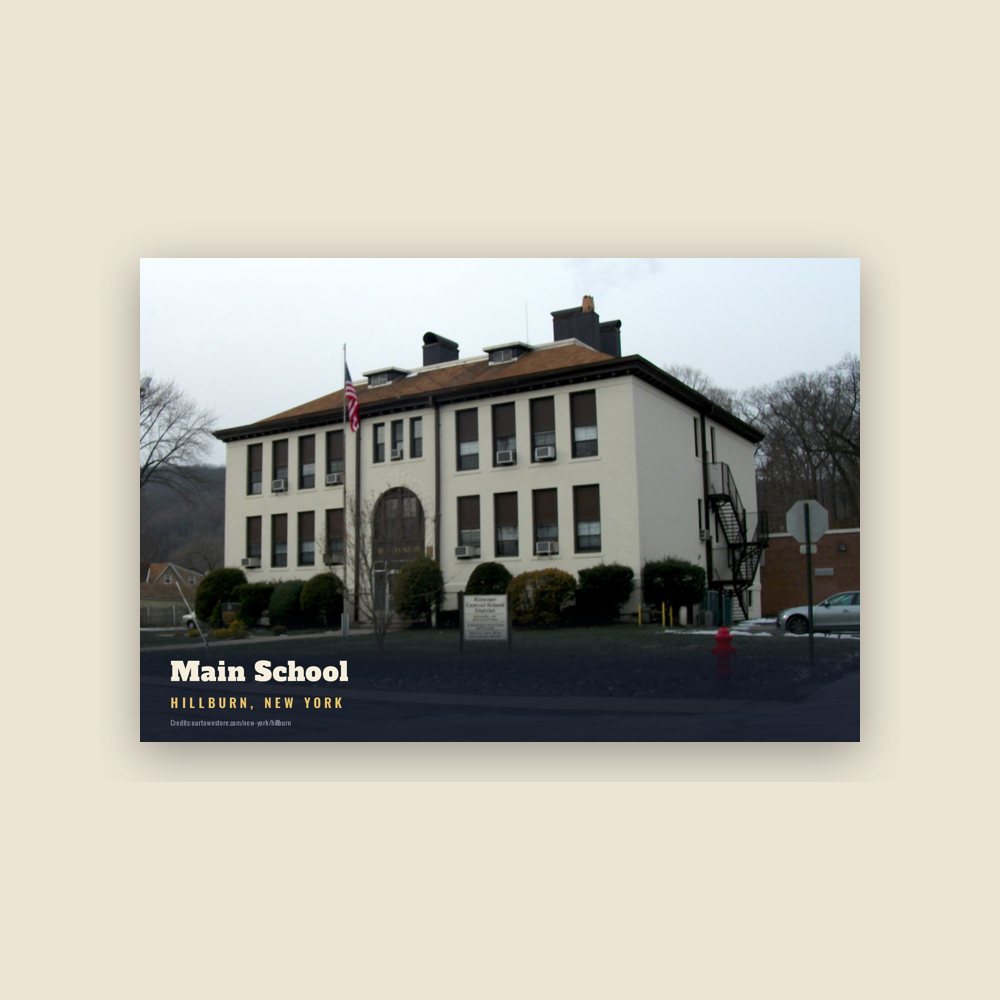
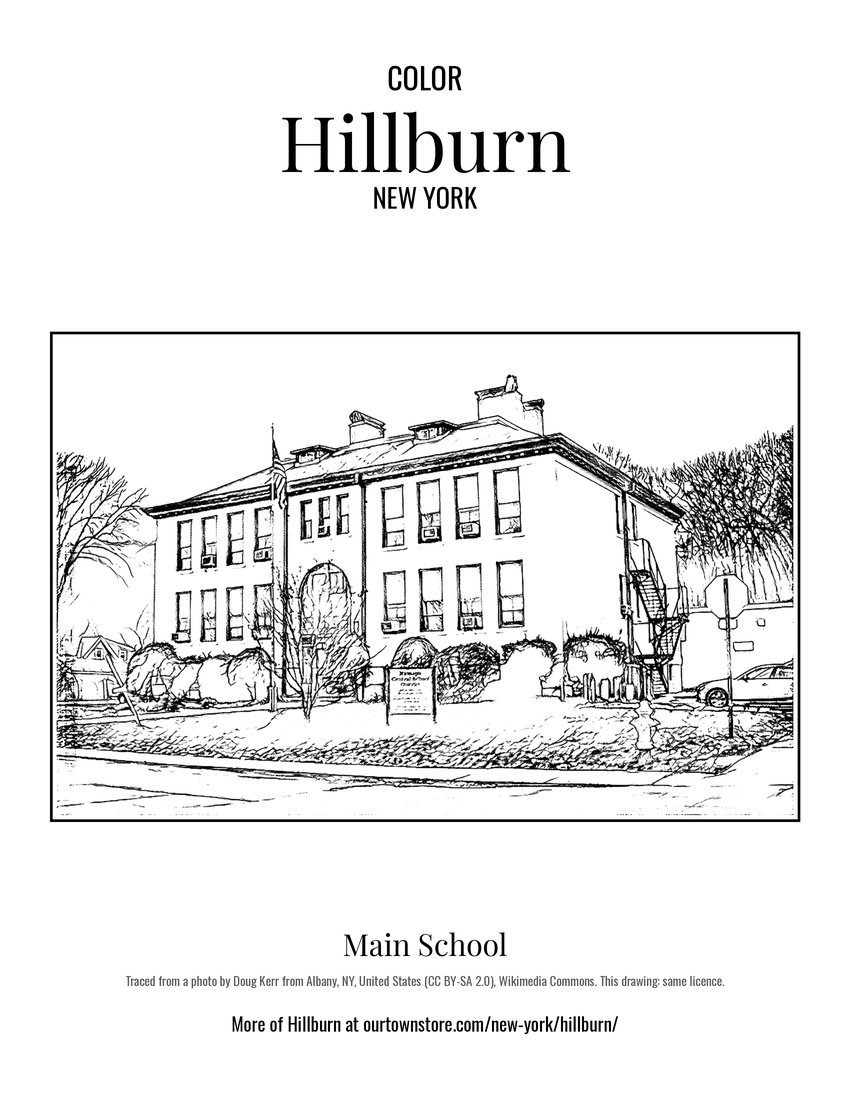 Main School
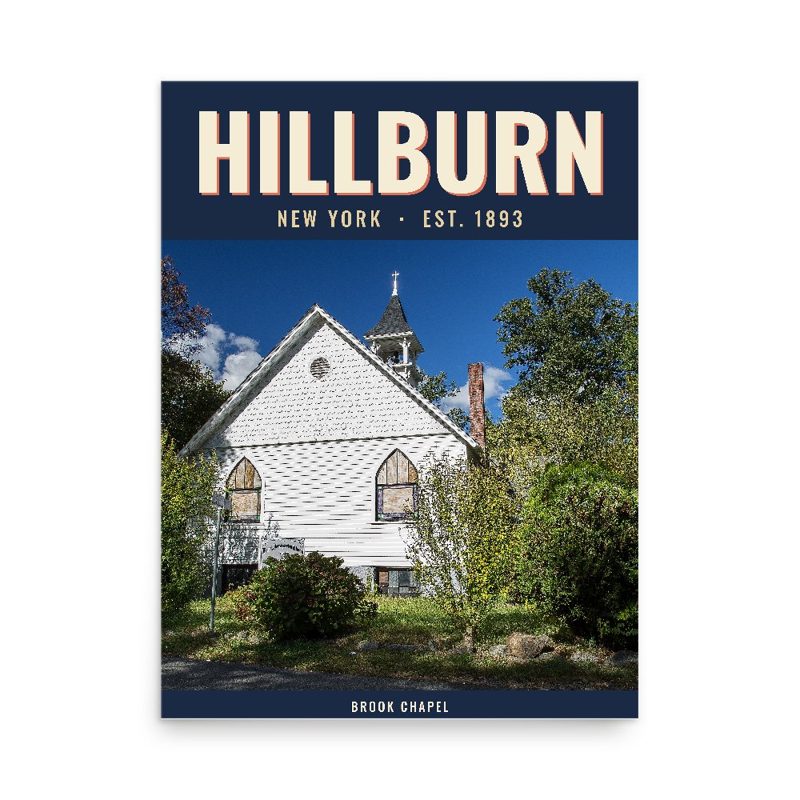
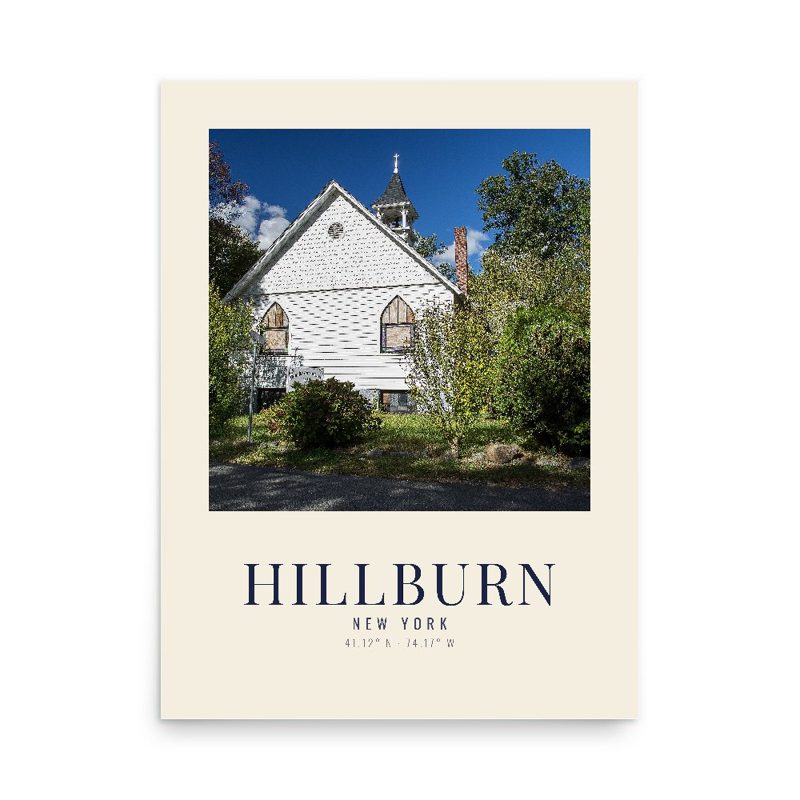
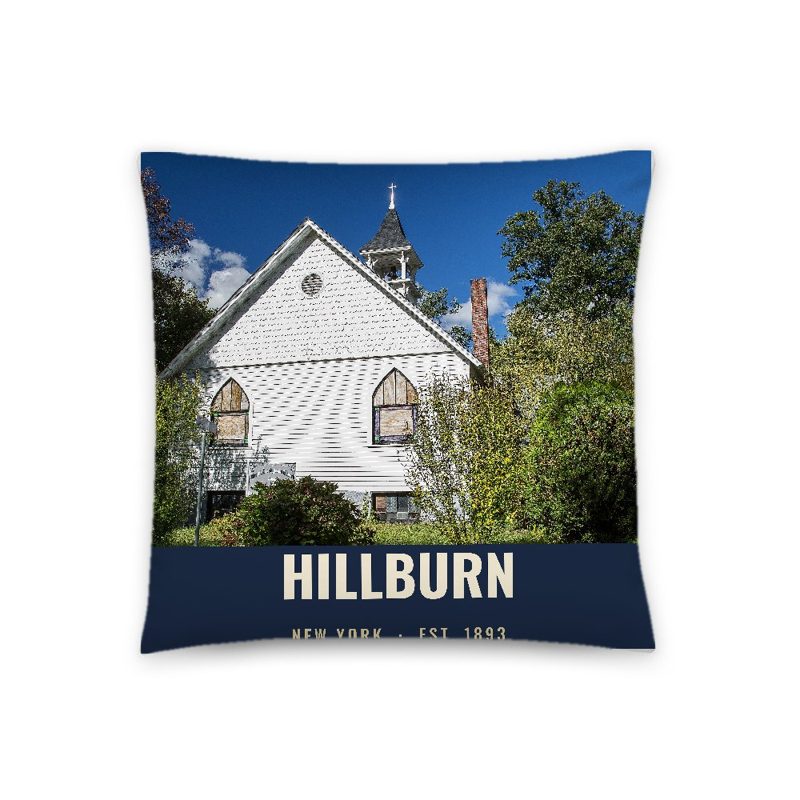
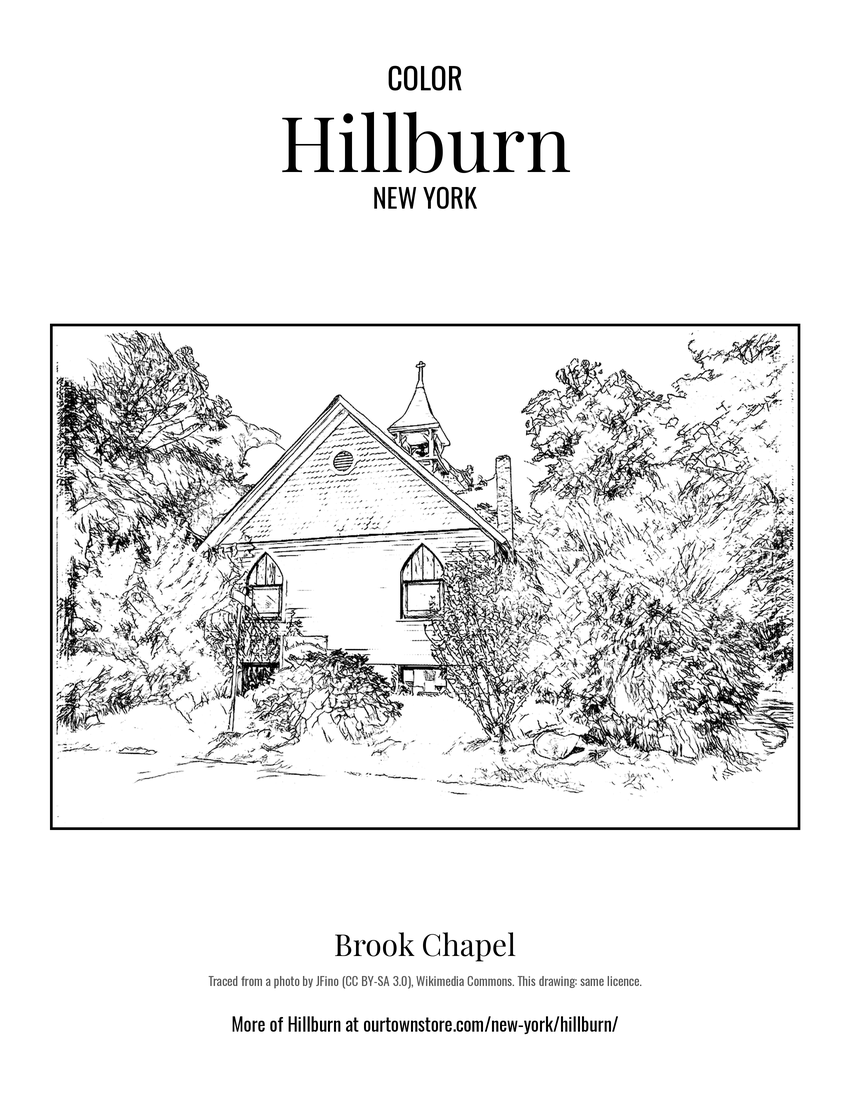 Brook Chapel
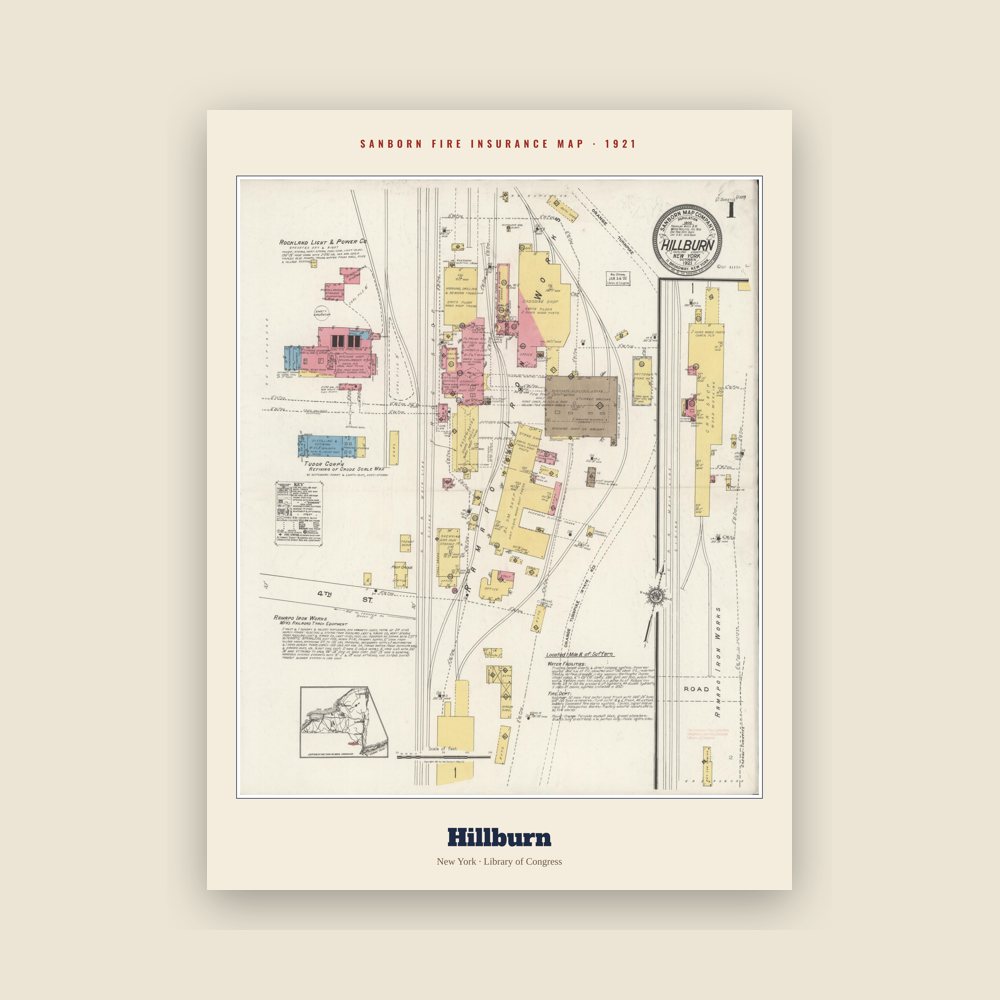
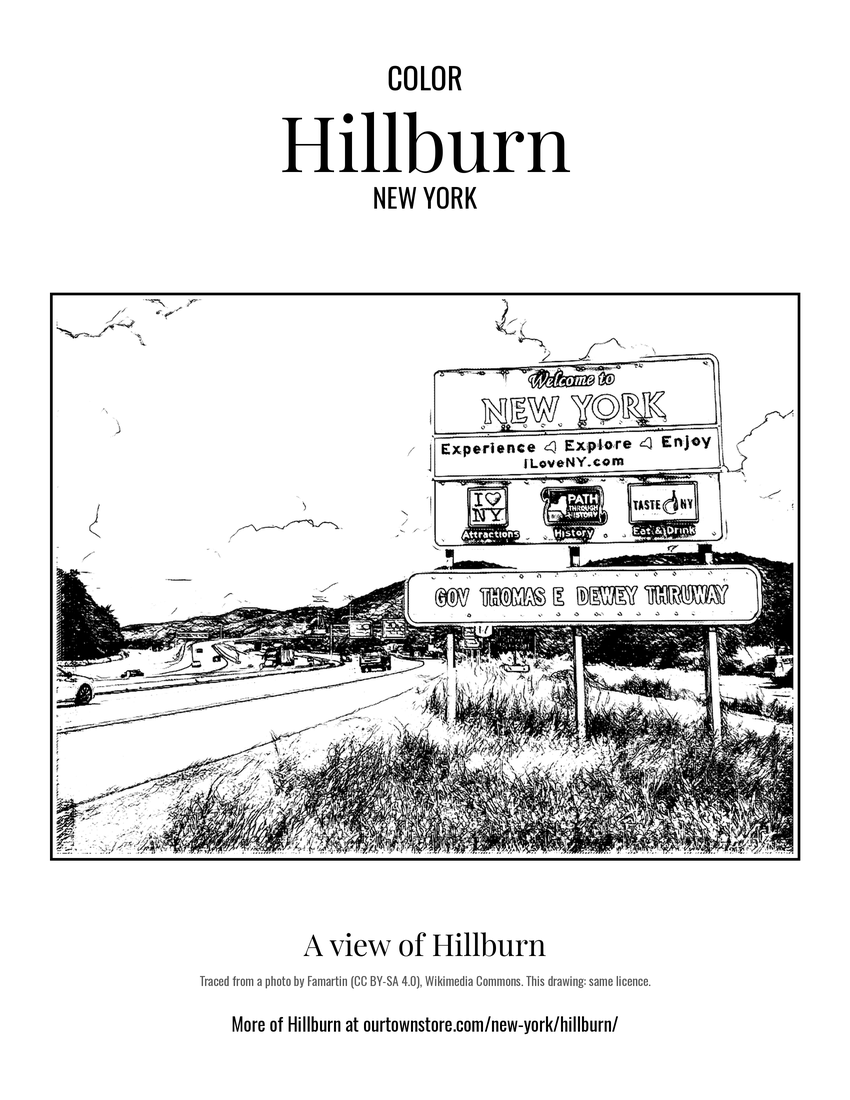 A view of Hillburn