A short history of Dolgeville
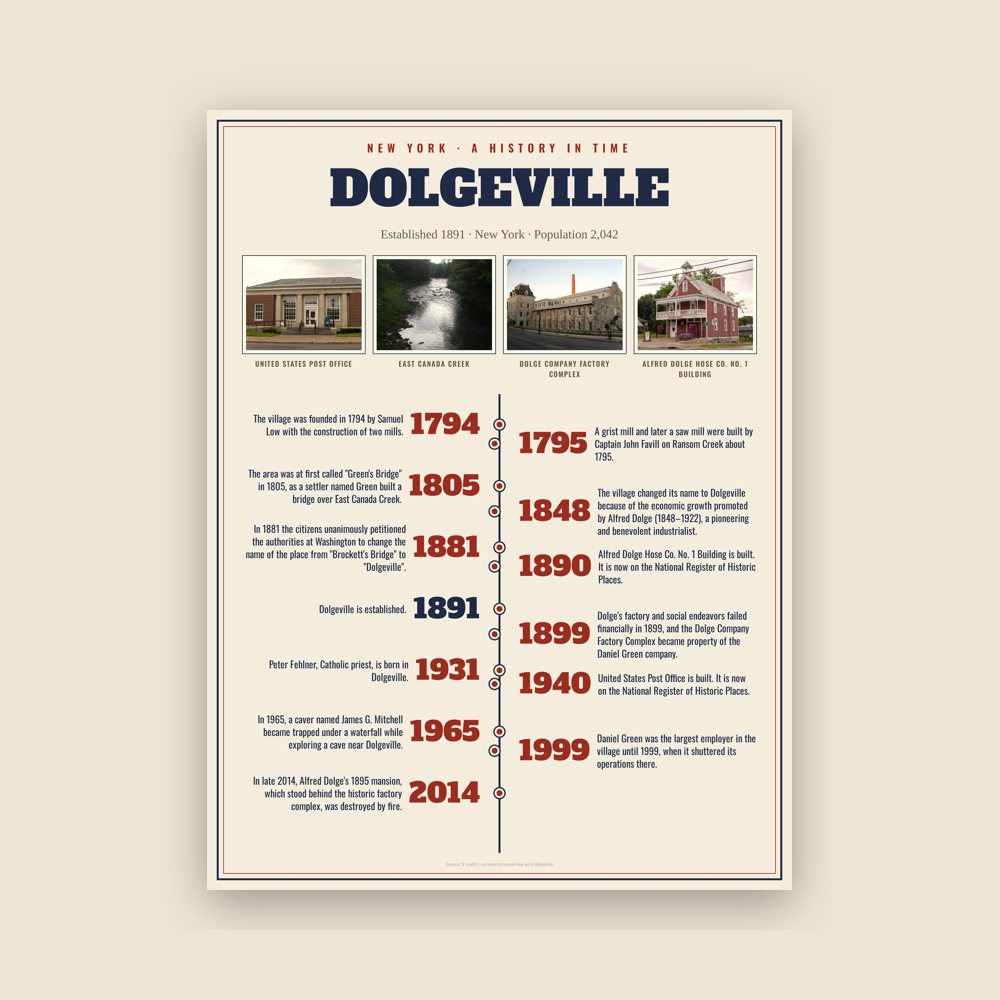
The village was founded in 1794 by Samuel Low with the construction of two mills. A grist mill and later a saw mill were built by Captain John Favill on Ransom Creek about 1795. Soon a little settlement sprang up as other settlers moved in; with a blacksmith shop, tannery and school house. Families by the names of Ayers, Spencer, Ransom, Spofford, Lamberson, Brockett and Rundell soon followed and settled the adjoining lands which they cleared for farms.
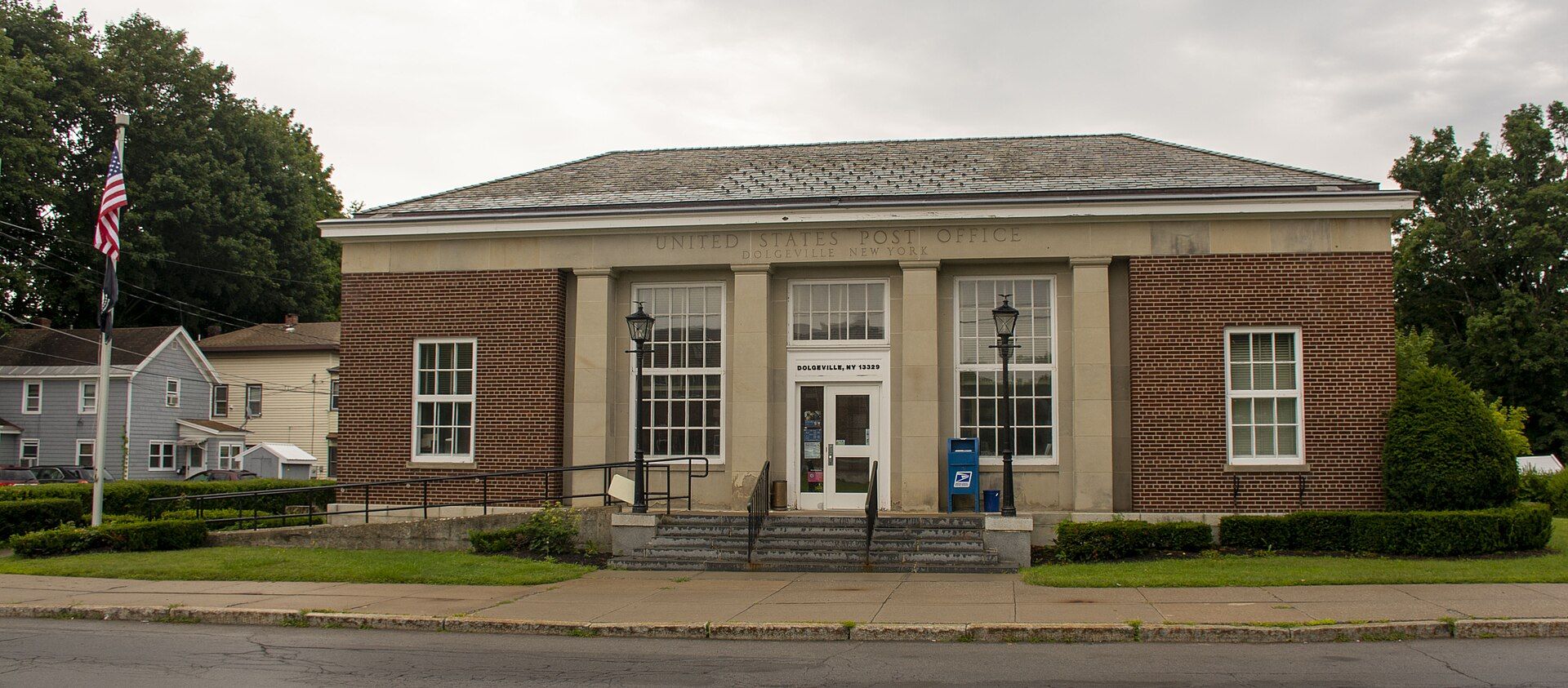
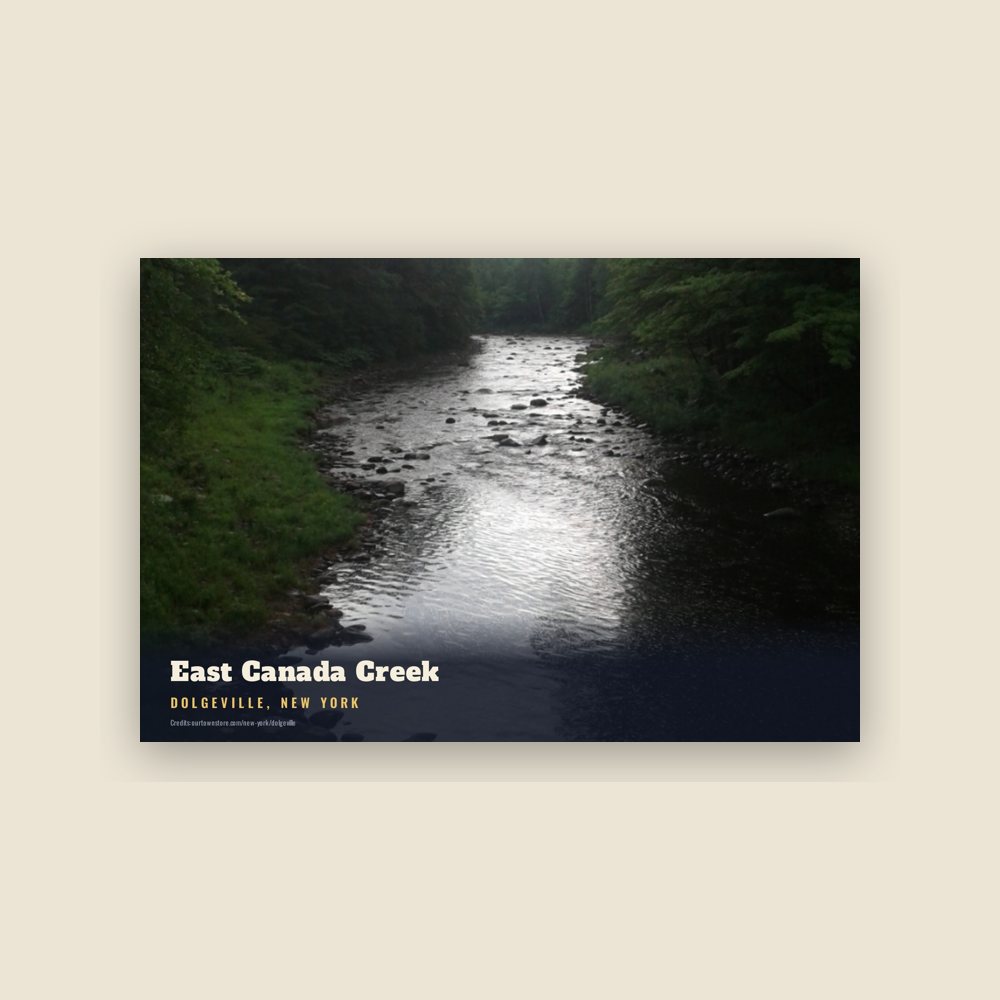
The area was at first called "Green's Bridge" in 1805, as a settler named Green built a bridge over East Canada Creek. In 1826 the area received its first post office, with Zephi Brockett as postmaster, and the area was renamed "Brockett's Bridge" in his honor. In 1881 the citizens unanimously petitioned the authorities at Washington to change the name of the place from "Brockett's Bridge" to "Dolgeville". The village of Dolgeville was incorporated in 1891.
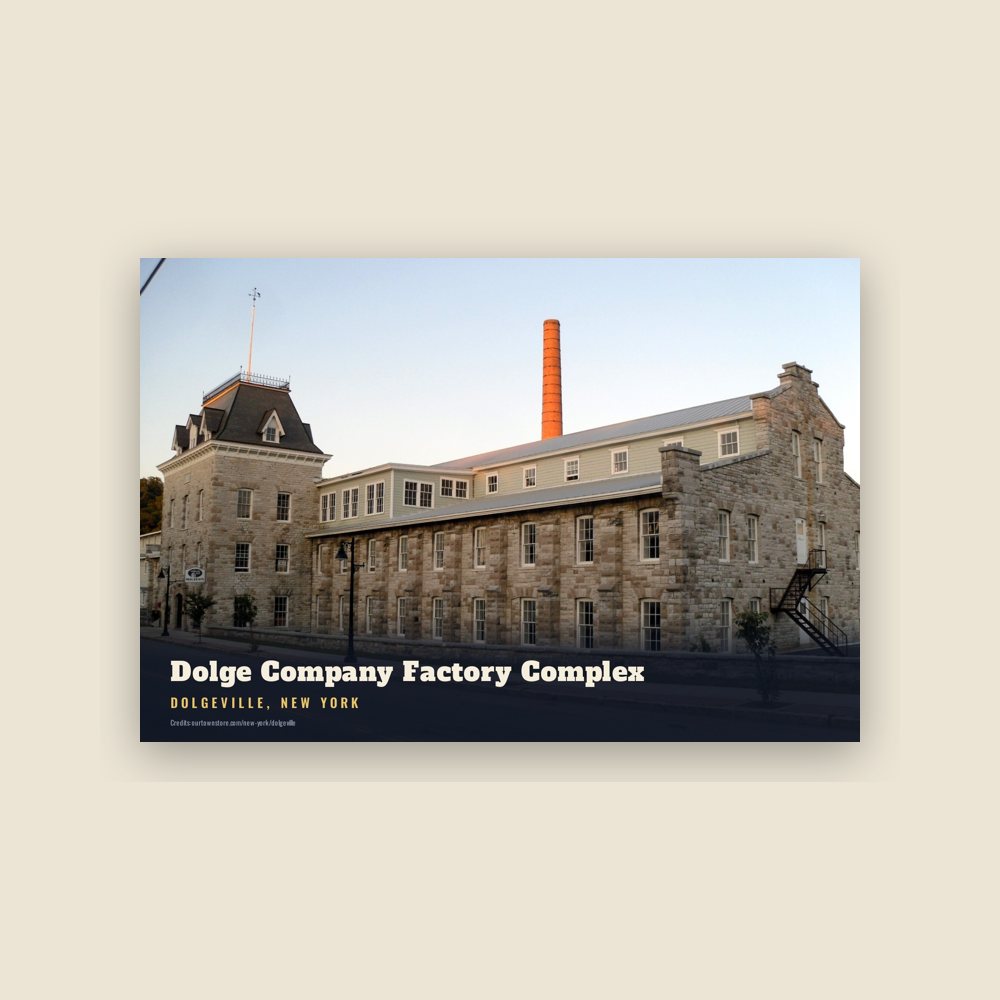
The village changed its name to Dolgeville because of the economic growth promoted by Alfred Dolge (1848–1922), a pioneering and benevolent industrialist. In addition to factories, Dolge built a railroad, laid out the village, built two schools, installed an electric system, a water system, sewage, a fire department, a free library, a concert hall, a gymnasium, public parks, a newspaper, and pioneered in a pension and profit sharing system for employees. Thomas Edison's first water-powered dynamo was installed in Dolge's factory. Dolge's factory largely produced parts and materials for pianos. The Daniel Green shoe company partnered with Dolge after finding that the factory's piano felt was also well-suited for slippers. Dolge's factory and social endeavors failed financially in 1899, and the Dolge Company Factory Complex became property of the Daniel Green company. Daniel Green was the largest employer in the village until 1999, when it shuttered its operations there.
Lyndon Lyon, who lived in Dolgeville until his death in 1999, developed about 800 hybrid varieties of African violet and helped popularize its use as a houseplant. Lyon's greenhouse in Dolgeville still operates and is known for violets and orchids, and Dolgeville's annual Violet Festival commemorates him.
In 1965, a caver named James G. Mitchell became trapped under a waterfall while exploring a cave near Dolgeville. Despite a team of cave rescuers arriving on Air Force 2, Mitchell died. Mitchell's entrapment and death became a national news story and raised awareness among cavers of the risk of hypothermia. Part of the cave collapsed during the initial attempt to retrieve Mitchell's body, and the attempt was abandoned. At the time, the cave mouth was dynamited shut to prevent future mishaps. Mitchell's corpse was finally retrieved in 2006 and returned to his family.
In late 2014, Alfred Dolge's 1895 mansion, which stood behind the historic factory complex, was destroyed by fire. The cause of the fire has yet to be determined.
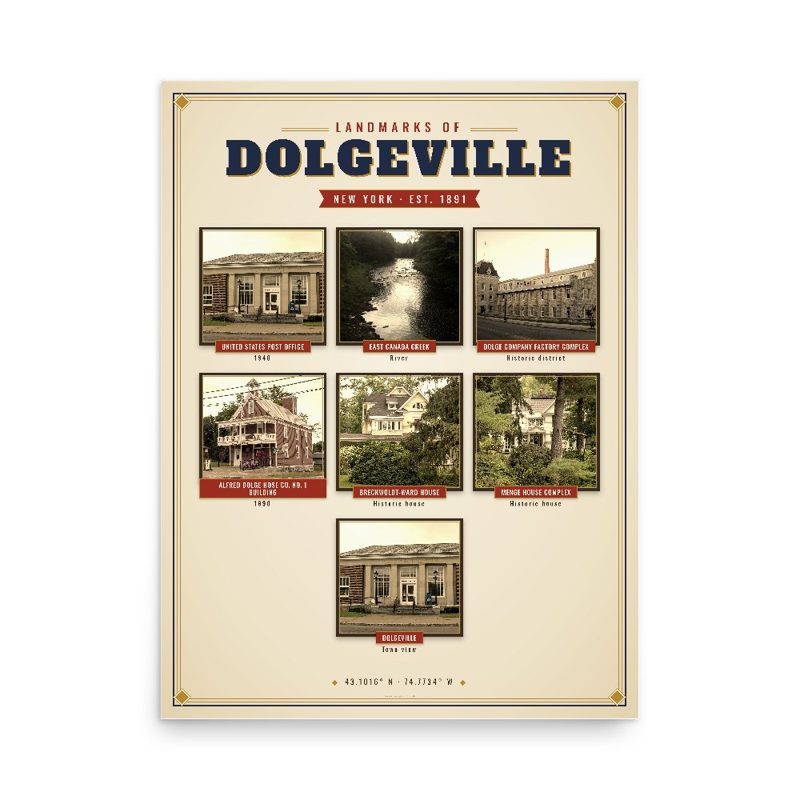
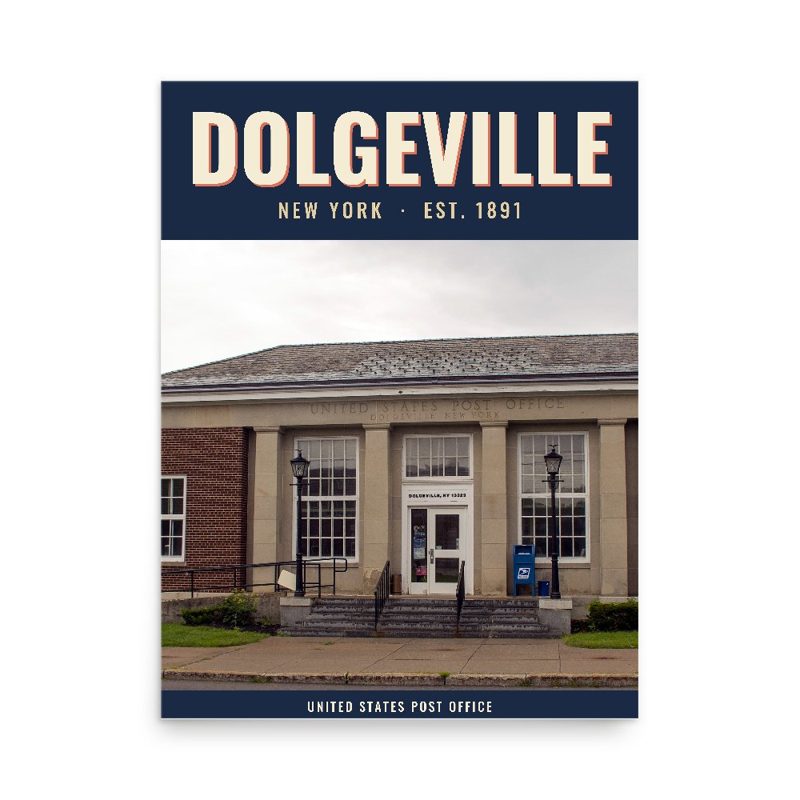
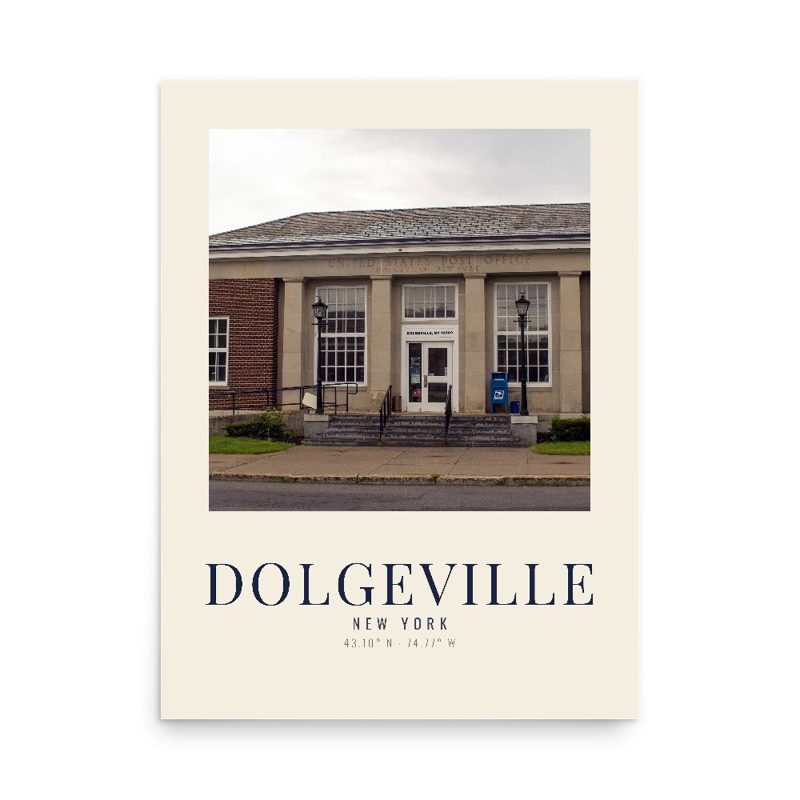
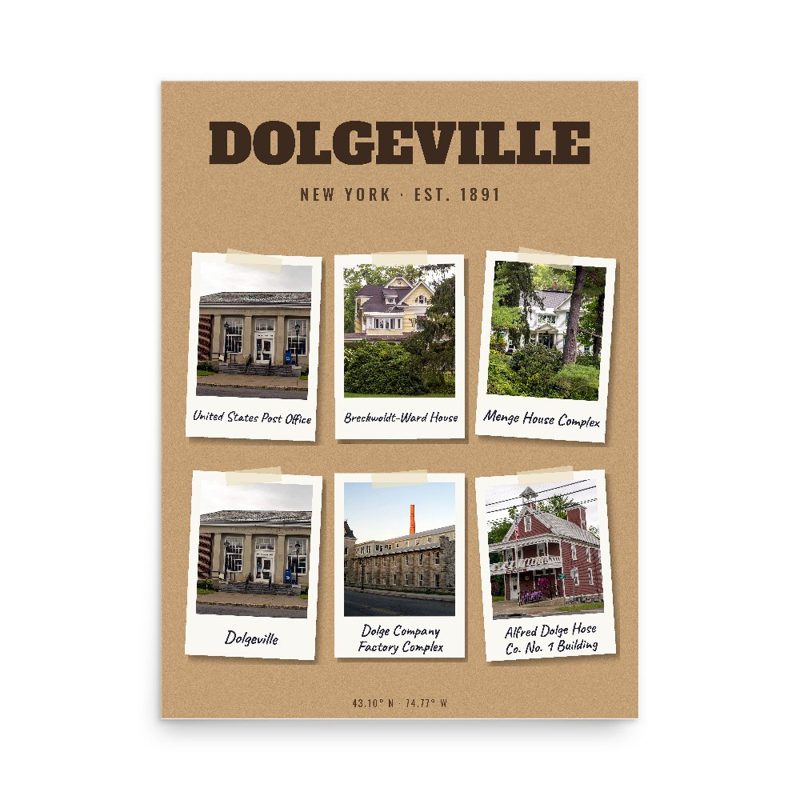
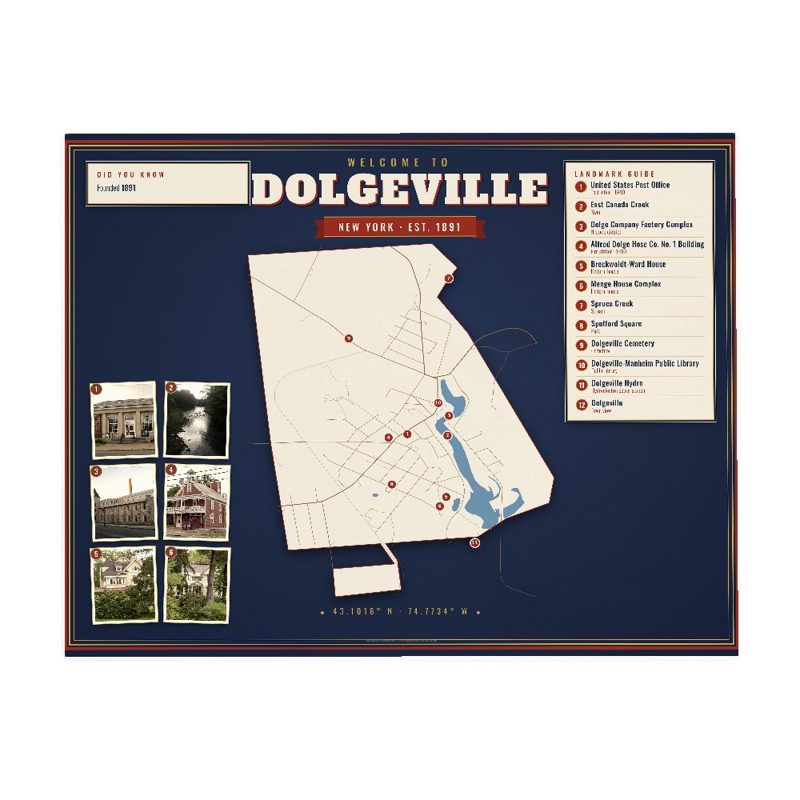
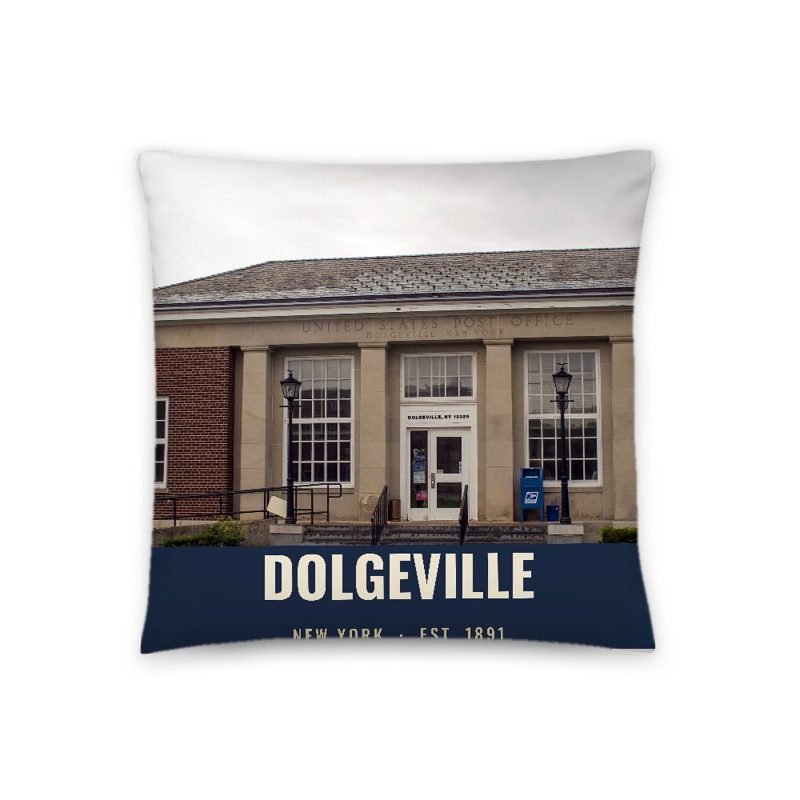
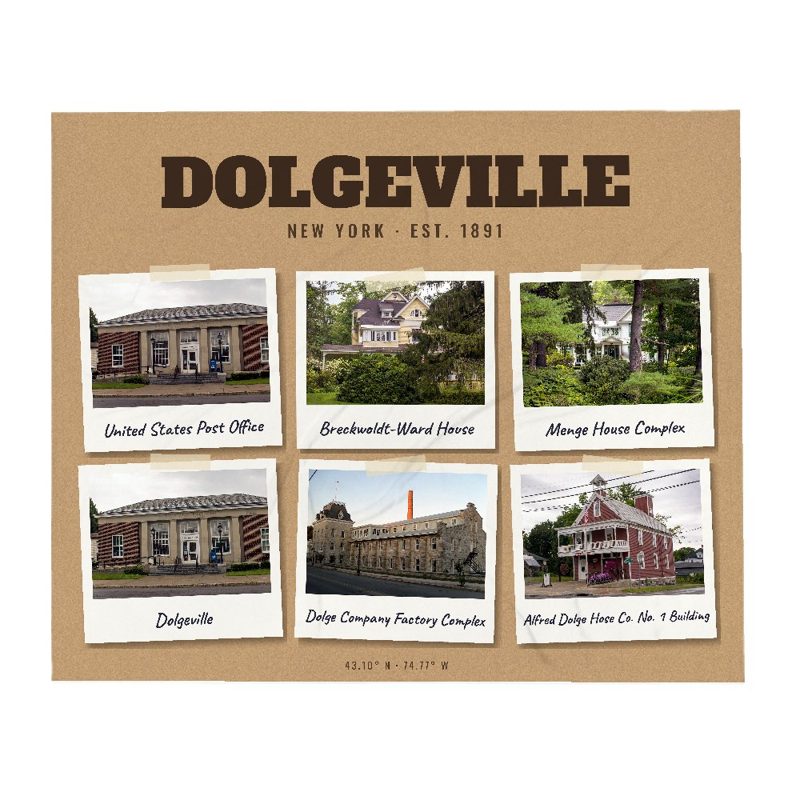
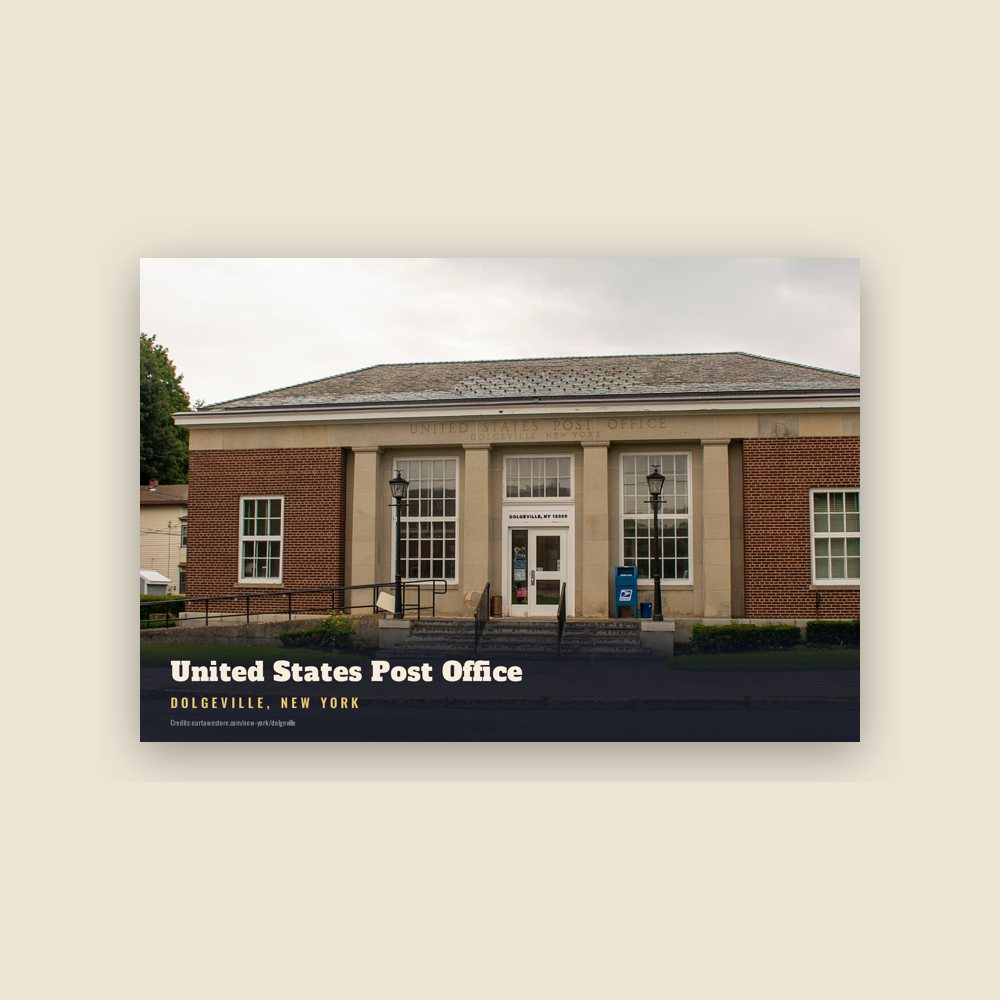
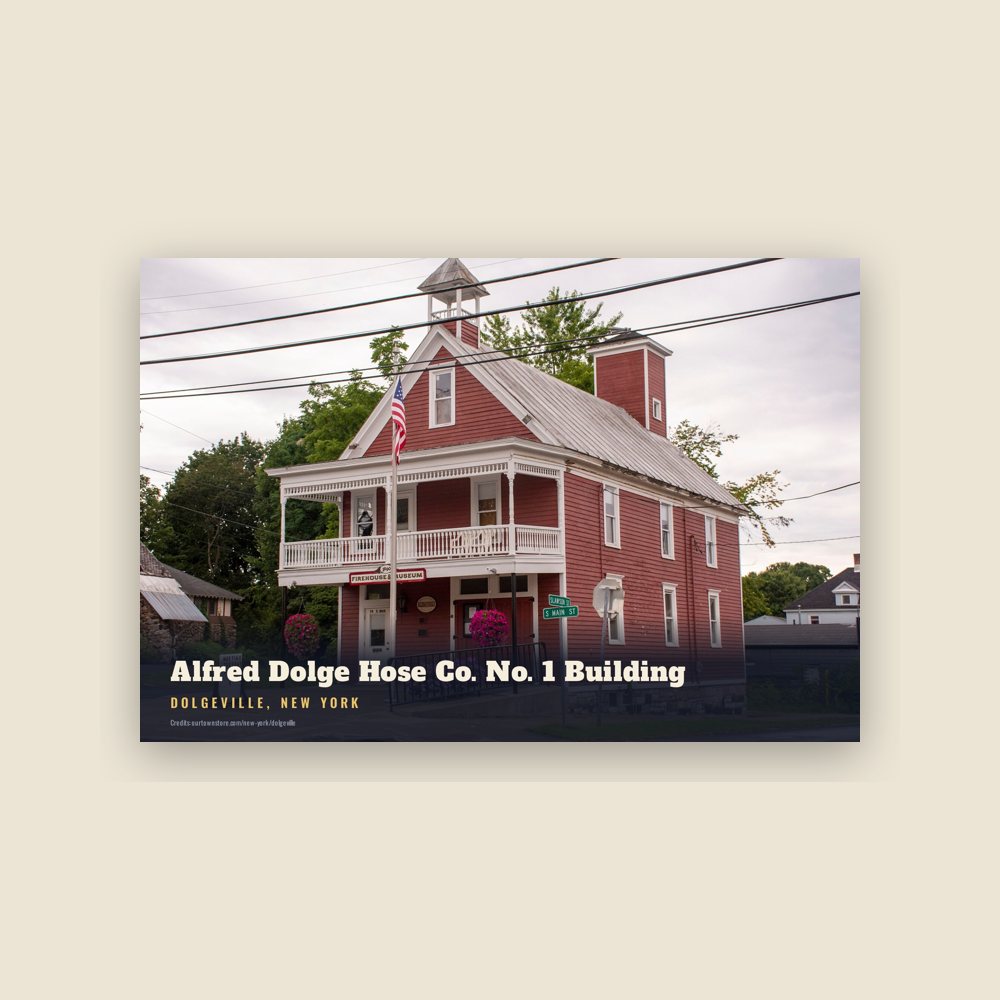
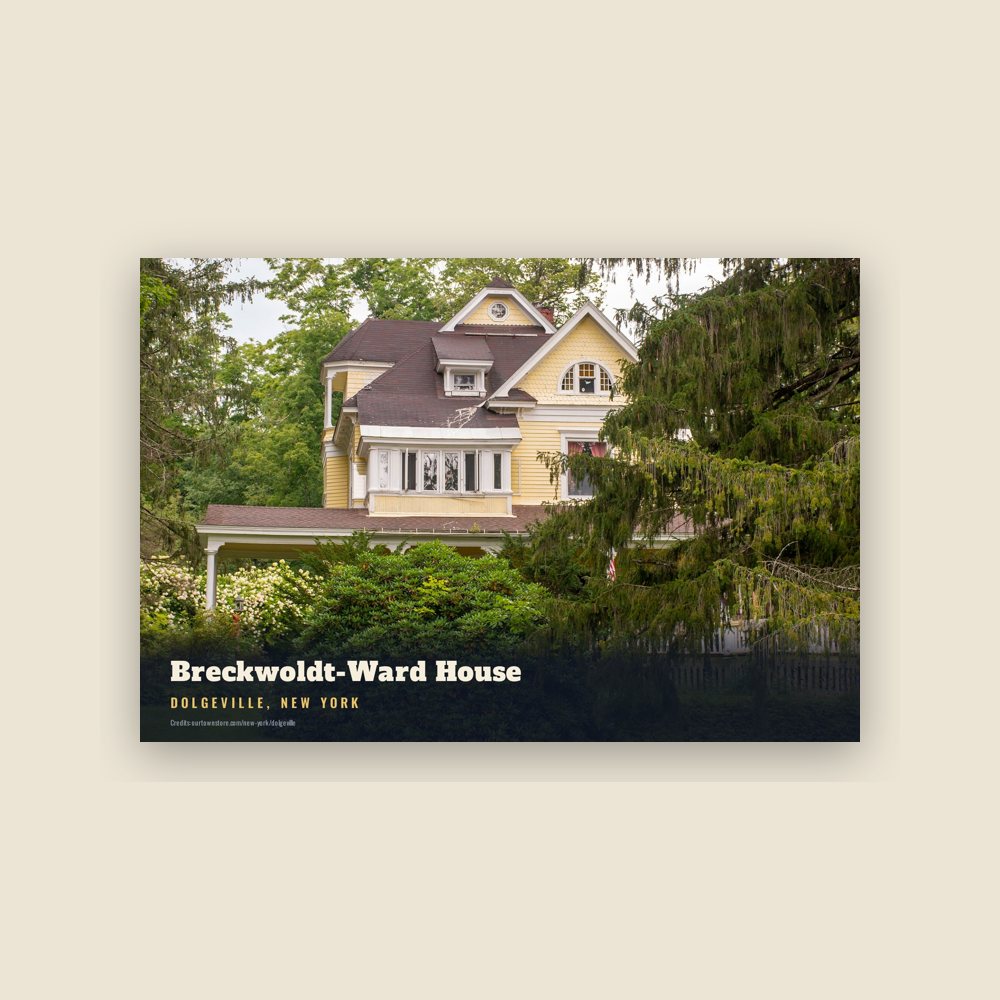
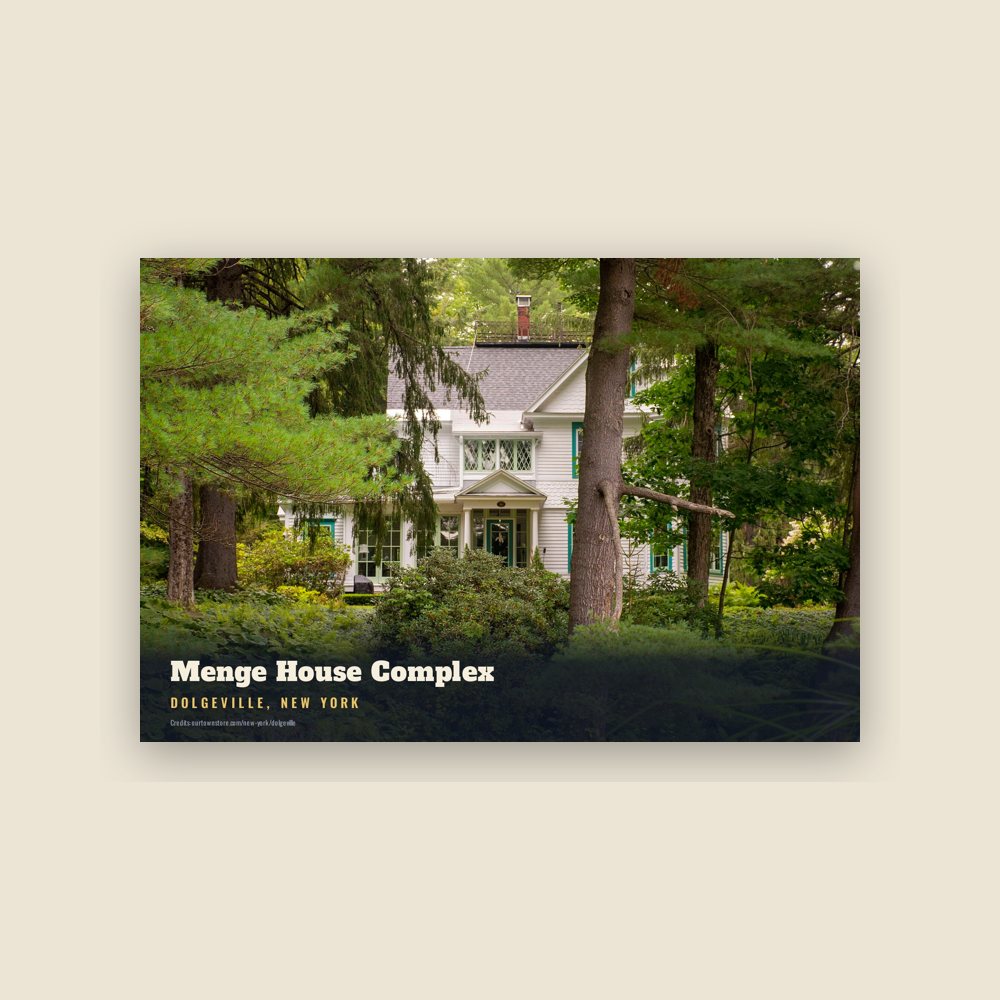
The Breckwoldt-Ward House, Menge House Complex, Alfred Dolge Hose Co. No. 1 Building, Dolge Company Factory Complex, and United States Post Office are listed on the National Register of Historic Places. The Beaversprite nature preserve is partially in the Fulton County portion of Dolgeville.
Adapted (trimmed) from the Wikipedia article Dolgeville, New York, revision 1377599120 by its contributors, licensed CC BY-SA 4.0.