Erie County, New York
Street maps, historic prints and keepsakes for 20 Erie County towns.
The oldest is Eden, established 1812. The largest by population is Buffalo (278,349).
| Town | Established | Population |
|---|---|---|
| Akron | – | 2,886 |
| Alden | 1823 | 9,706 |
| Angola | – | 2,046 |
| Blasdell | – | 2,539 |
| Buffalo | – | 278,349 |
| Cheektowaga | – | 89,877 |
| Depew | – | 15,178 |
| East Aurora | – | 5,998 |
| Eden | 1812 | 7,573 |
| Farnham | – | 381 |
| Hamburg | – | 60,085 |
| Kenmore | – | 15,205 |
| Lackawanna | – | 19,949 |
| Lancaster | 1833 | 45,106 |
| North Collins | 1852 | 1,247 |
| Orchard Park | 1850 | 29,686 |
| Sloan | 1896 | 3,775 |
| Springville | 1834 | 4,225 |
| Tonawanda | – | 15,129 |
| Williamsville | 1850 | 5,423 |
About these towns
Akron: The village was developed after land was purchased from local Native Americans. The site of the village was first settled circa 1829, centered on Akron Falls, which provided water power.
Alden: The town of Alden, which had previously been part of Clarence, was established on March 27, 1823, and codified in the Laws of the State of New York, Sess.46, ch. 89 (1823).
Angola: The community was previously called "Evans Station". Around 1854 or 1855, the earliest recorded reference to Angola is in an 1822 publication, when it was one of 3 townships divided from Collins.
Blasdell: It is part of the Buffalo-Niagara Falls metropolitan area.
Buffalo: Before the arrival of Europeans, nomadic Paleo-Indians inhabited the western New York region from the 8th millennium BCE. The Woodland period began around 1000 BC, marked by the rise of the Haudenosaunee Confederacy and the spread of its tribes throughout the state.
Cheektowaga: Cheektowaga's earliest known historic occupants were the Iroquoian-speaking Neutral people. They were pushed out by the more powerful Seneca people, the most western of the Five Nations of the Haudenosaunee Confederacy, who were seeking to control the fur trade.
Depew: Part of the area that Depew currently inhabits was first settled in 1808 by Apollos Hitchcock, just north of Cayuga Creek on the main road that connected Buffalo (spelled as "Buffaloe" at the time) with Lancaster village in what was then Jukdowaageh (now Cheektowaga), which some say meant "land of the crab apple" or "land of fruit and flowers".
East Aurora: Prior to becoming President of the United States, Millard Fillmore lived in East Aurora with his wife Abigail from 1826 to 1830.
Eden: The first settler, Samuel Tubbs, arrived in 1808 along with John Welch, Dr. John March, Levi Bunting and Daniel Webster. The town of Eden was established in 1812 by the partition of the (now defunct) town of Willink.
Farnham: It is part of the Buffalo-Niagara Falls metropolitan area. The village is named after Leroy Farnham, a local landowner and merchant.
Hamburg: Historical evidence shows the area was settled originally by the Erie people. Around 1805 the settlement was known as "Barkerville", named after Zenas Barker, the postmaster.
Kenmore: Louis Eberhardt, known as the "father of Kenmore", opposed naming the village "Eberhardt" after himself. He was responsible for buying farmland and subdividing the property into a suburban development.
Lackawanna: Originally part of the Buffalo Creek Reservation, the area was not open to settlement until 1842 when the Seneca Indians sold it.
Lancaster: In 1803, the Holland Land Company sold its first plot of land in the future town. The town of Lancaster was formed from the town of Clarence in 1833.
North Collins: The name is derived from its parent town, Collins.
Orchard Park: In 1803, Didymus C. Kinney and his wife, Phebe Hartwell Kinney, purchased land and built a cabin in the southwest corner of the township, which has since been turned into a museum.
Sloan: The village was incorporated in 1896 from part of Cheektowaga. With the CSX Frontier yard to the village's north and the Norfolk Southern Bison yard to the village's south, it was a historically important railroad town like nearby Depew.
Springville: In 1808, Samuel Cochran became the first permanent settler in the town; it had been a tract of land once known as Holland Purchase.
Tonawanda: Post-Revolutionary War white settlement at Tonawanda began with Henry Anguish, who built a log home in 1808. He added to the hamlet in 1811 with a tavern, both on the south side of Tonawanda Creek where it empties into the Niagara River.
Williamsville: The community developed where the major road between Batavia and Buffalo crossed Ellicott Creek just above Glen Falls. The water power offered by the waterfall attracted millers.
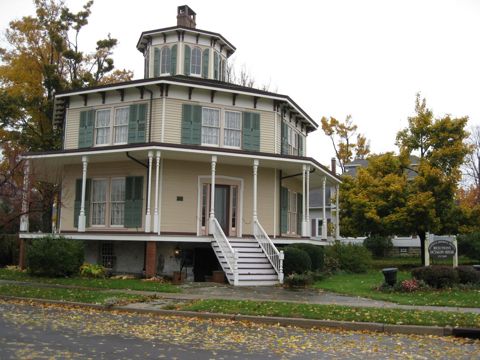 AkronNew York
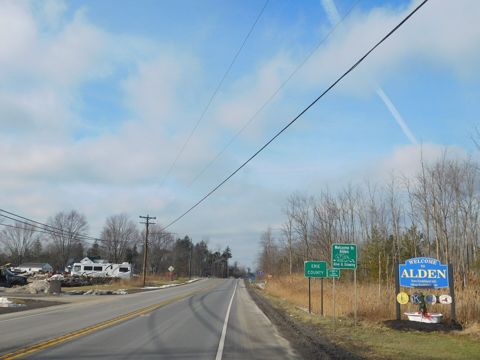 AldenNew York · Est. 1823
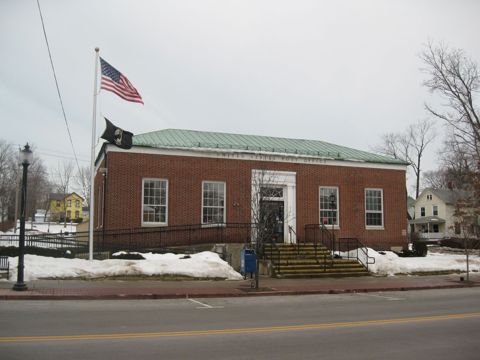 AngolaNew York
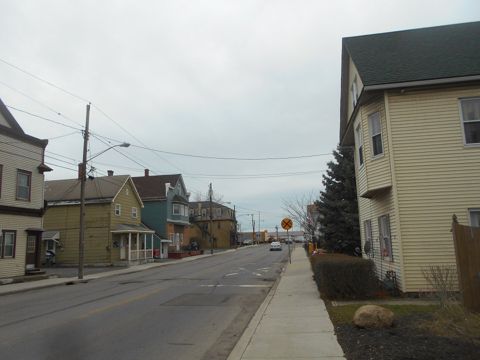 BlasdellNew York
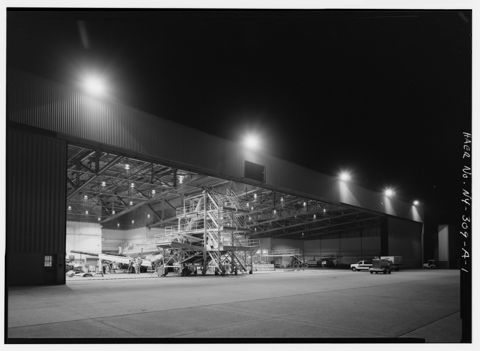 BuffaloNew York
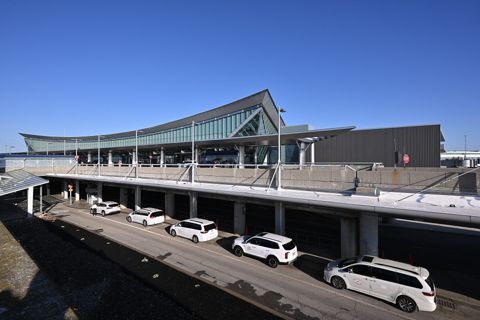 CheektowagaNew York
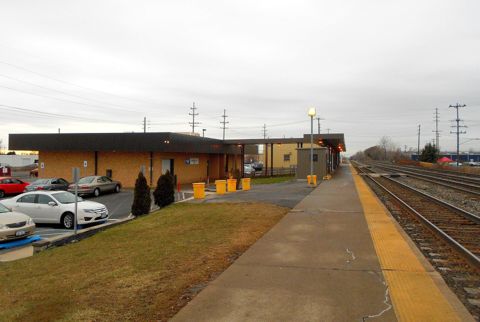 DepewNew York
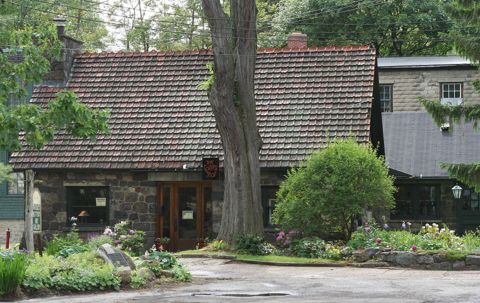 East AuroraNew York
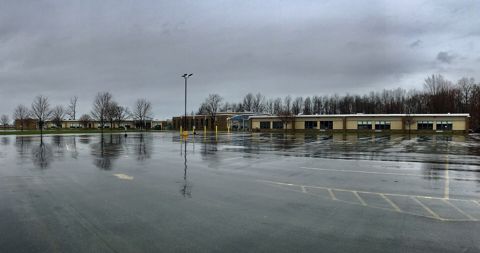 EdenNew York · Est. 1812
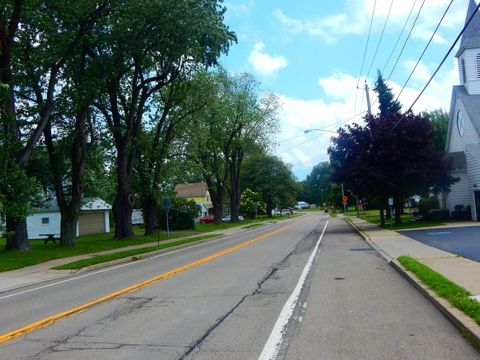 FarnhamNew York
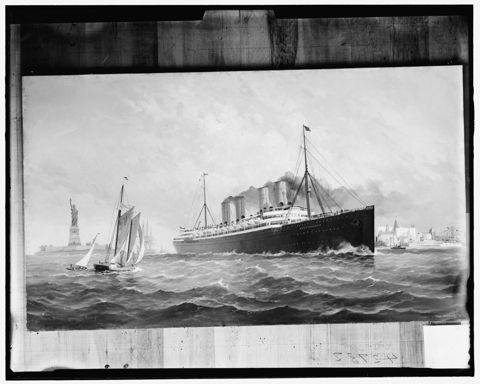 HamburgNew York
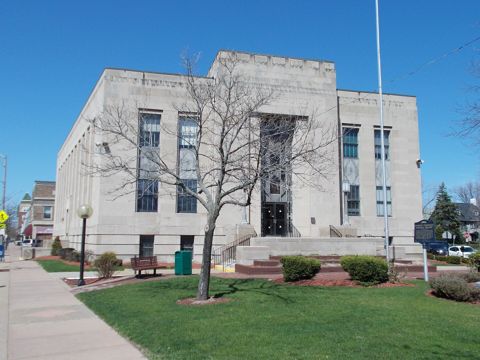 KenmoreNew York
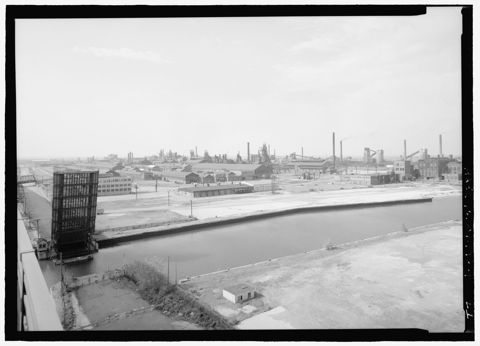 LackawannaNew York
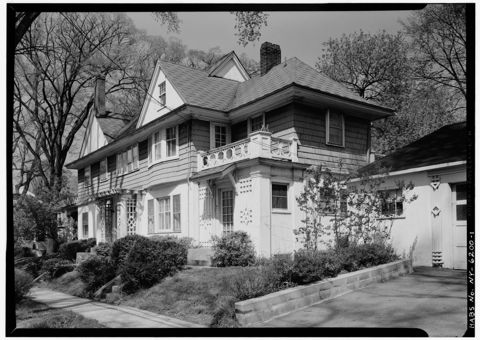 LancasterNew York · Est. 1833
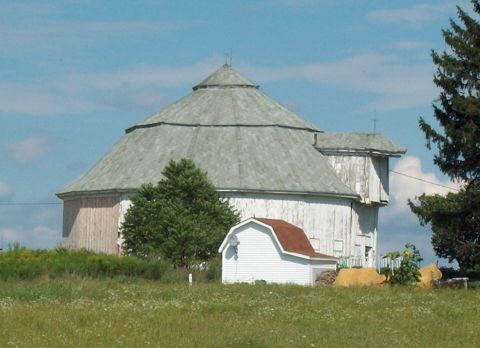 North CollinsNew York · Est. 1852
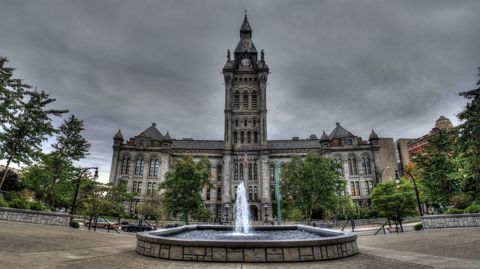 Orchard ParkNew York · Est. 1850
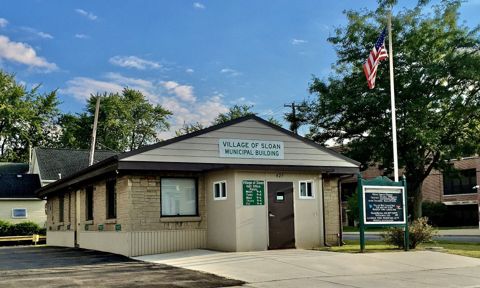 SloanNew York · Est. 1896
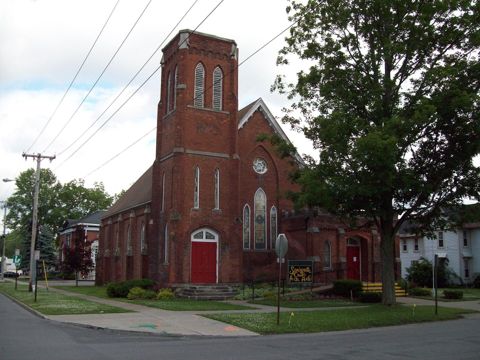 SpringvilleNew York · Est. 1834
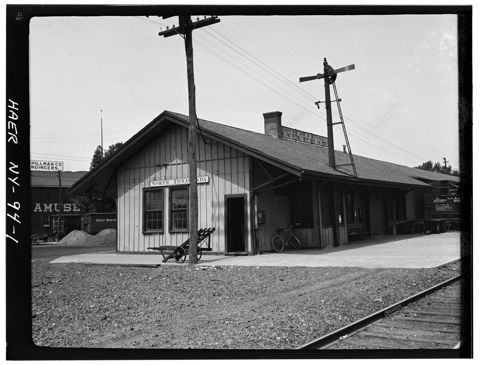 TonawandaNew York
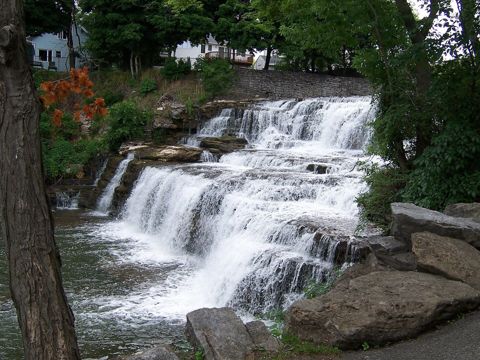 WilliamsvilleNew York · Est. 1850
Founding years, populations and town notes come from each town's Wikipedia and Wikidata entries. All New York towns.