A short history of CHEEKTOWAGA
Cheektowaga's earliest known historic occupants were the Iroquoian-speaking Neutral people. They were pushed out by the more powerful Seneca people, the most western of the Five Nations of the Haudenosaunee Confederacy, who were seeking to control the fur trade. They named this site as Chictawauga, meaning "land of the crabapples" in the Seneca language.
It was not until well after the American Revolutionary War that European-American settlers began to live here permanently. The Seneca had been forced to cede most of their land to the United States after the war, as they had been British allies. Cheektowaga was formed from the Town of Amherst on March 22, 1839. Upon the formation of West Seneca on October 16, 1851, it was reduced to its present limits—about 30 square miles (78 km2). Throughout the 19th century, it was referred to by its original name, Chictawauga.
Originally a rural farming area, the town was extensively developed for suburban housing during the post-World War II subdivision boom of the 1950s. Aided as well by the construction of highways to serve the area, factories such as the Westinghouse Electric Corporation plant on Genesee Street were built here (since demolished). The plant generated employment to the area for many decades. The town maintains a strong blue-collar presence. Cheektowaga has a large Polish-American community, much of which relocated from Buffalo's East Side, and about 39.9% of population is of Polish heritage.
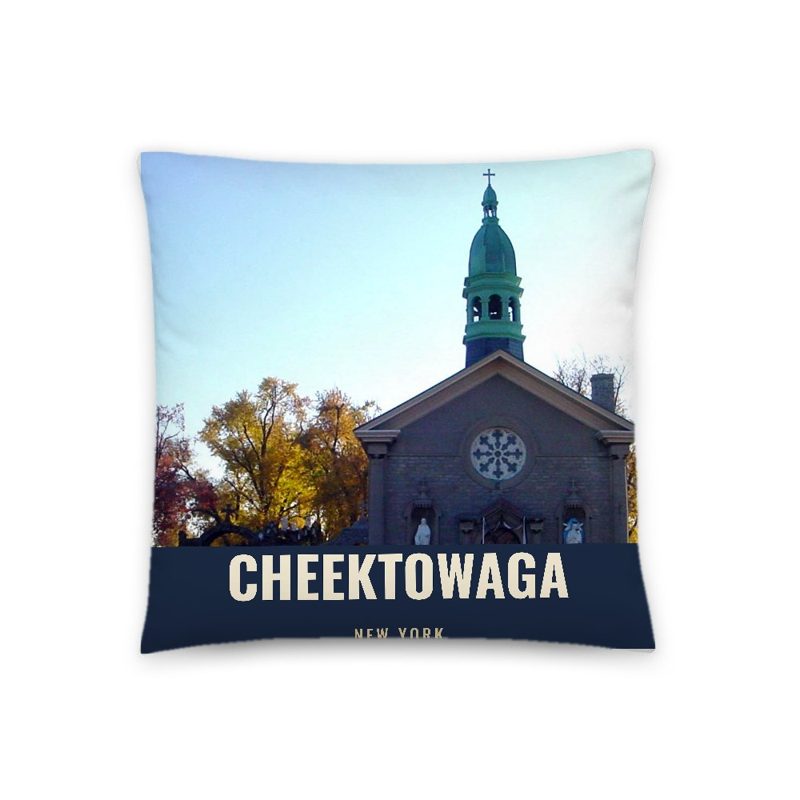
Cheektowaga is home to St. John Gualbert's Parish, which is a small Catholic church housing the Shrine of the Holy Relics of the Saints, believed to be one of the largest collections in the United States.
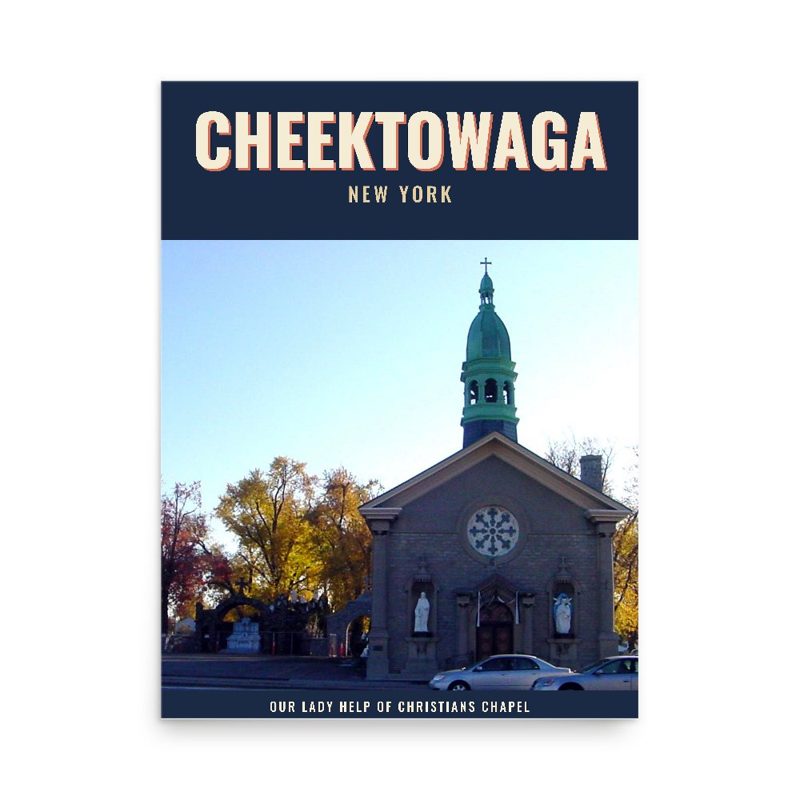
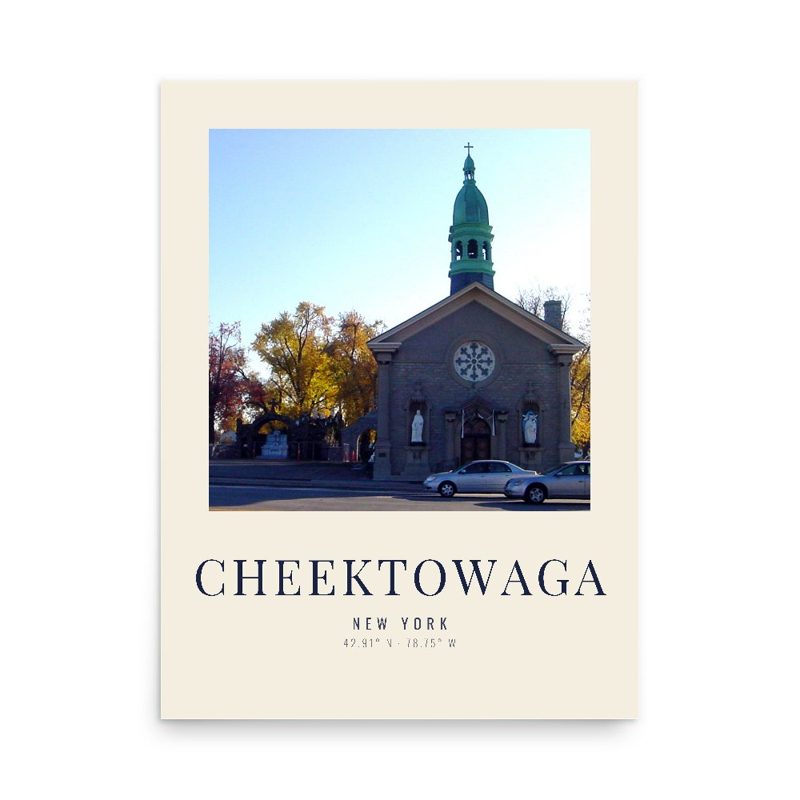
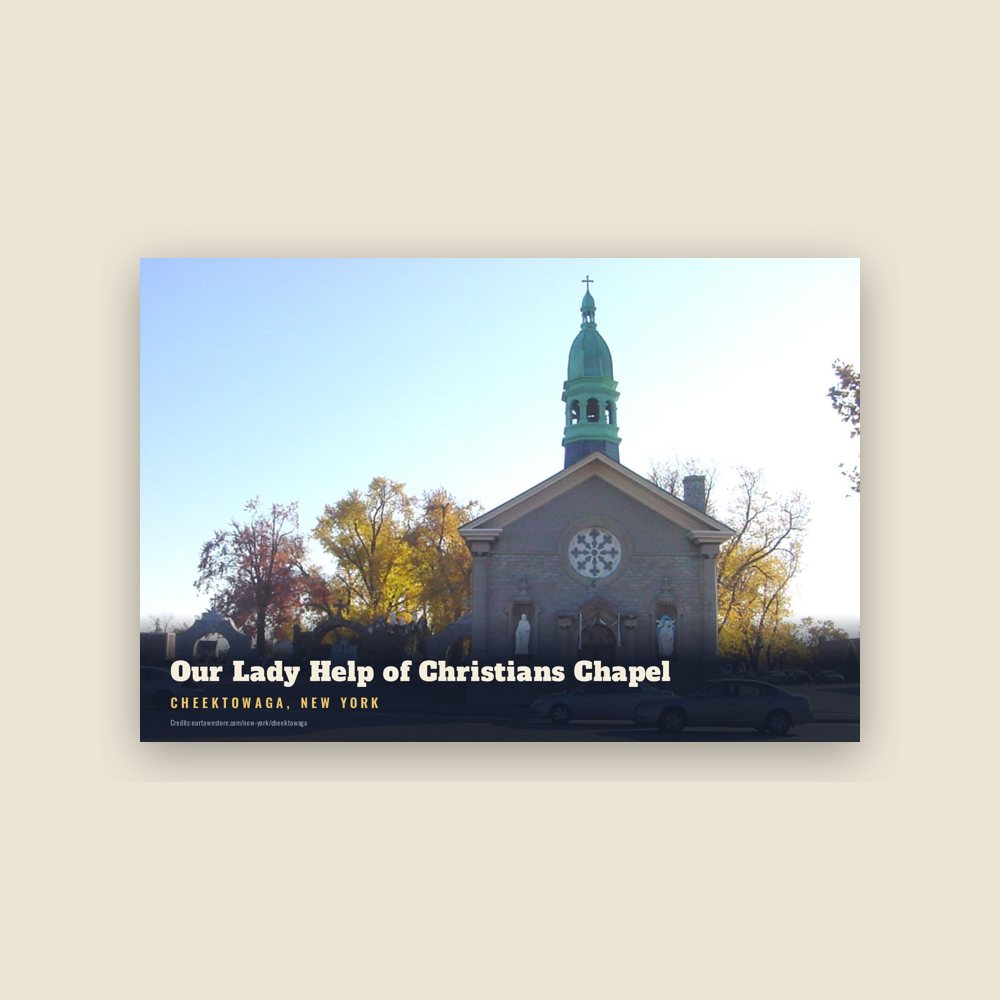
Garrison Cemetery, Our Lady Help of Christians Chapel, and Villa Maria Motherhouse Complex are listed on the National Register of Historic Places.
Adapted (trimmed) from the Wikipedia article CHEEKTOWAGA, New York, revision 1378524354 by its contributors, licensed CC BY-SA 4.0.
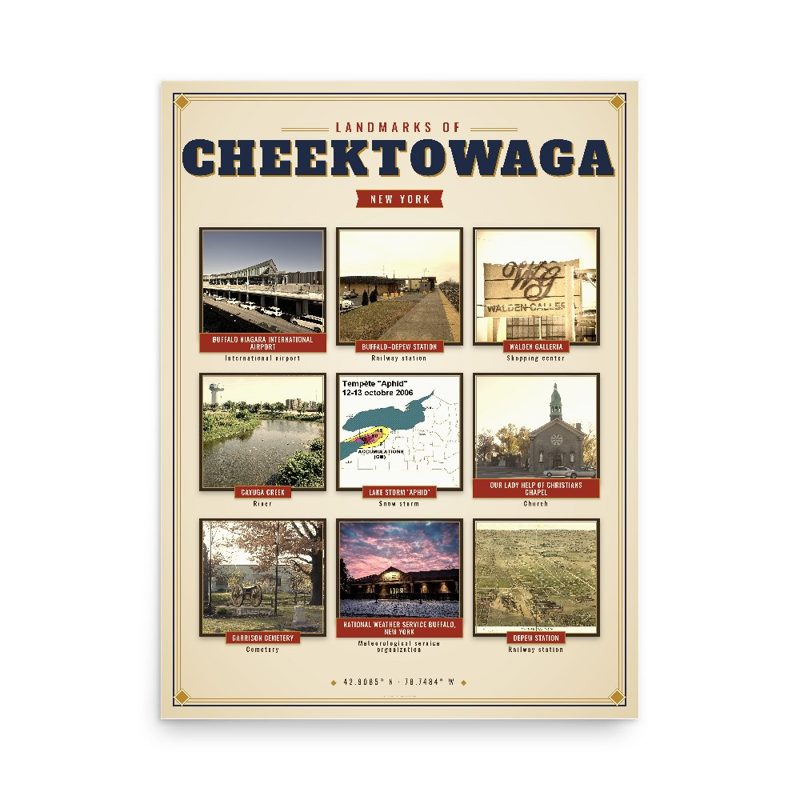
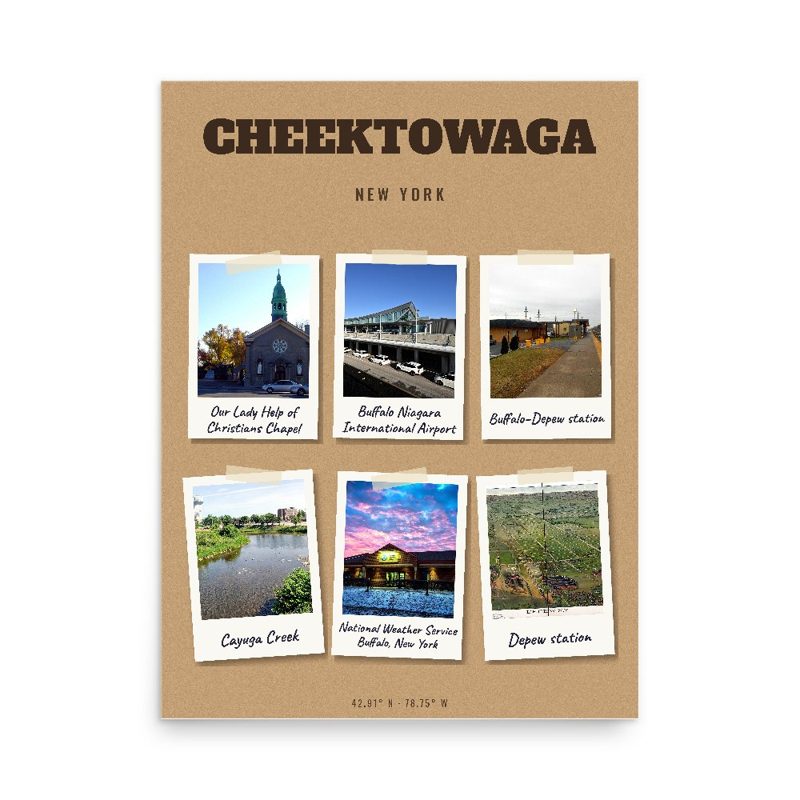
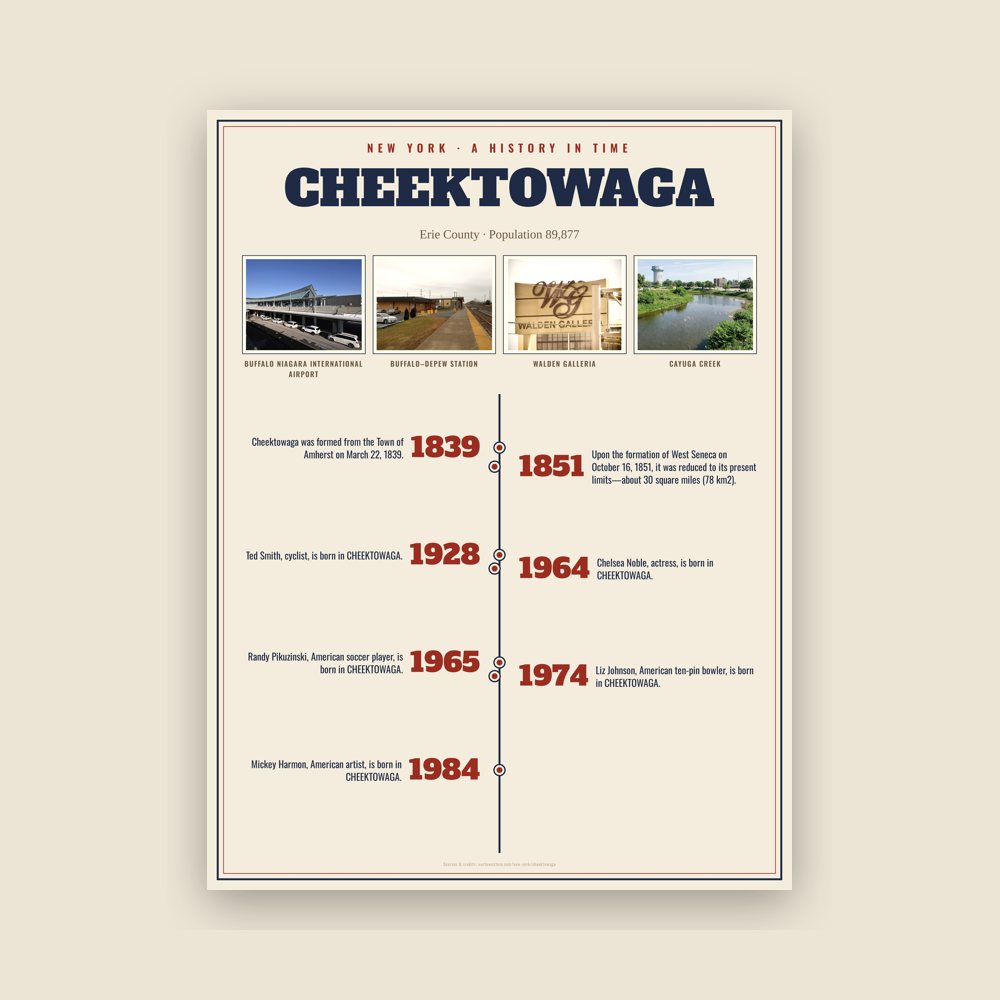
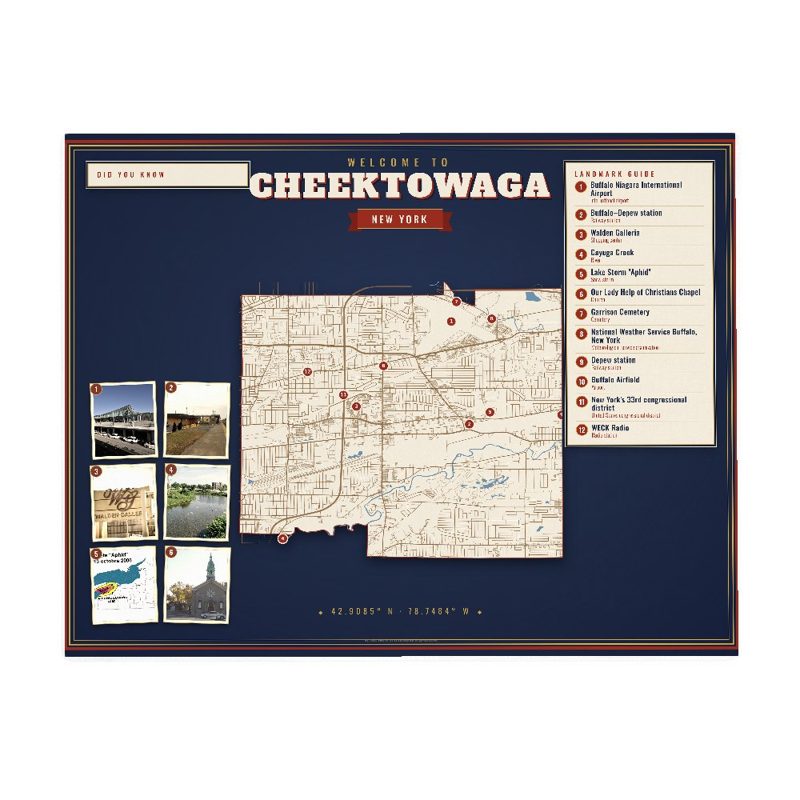

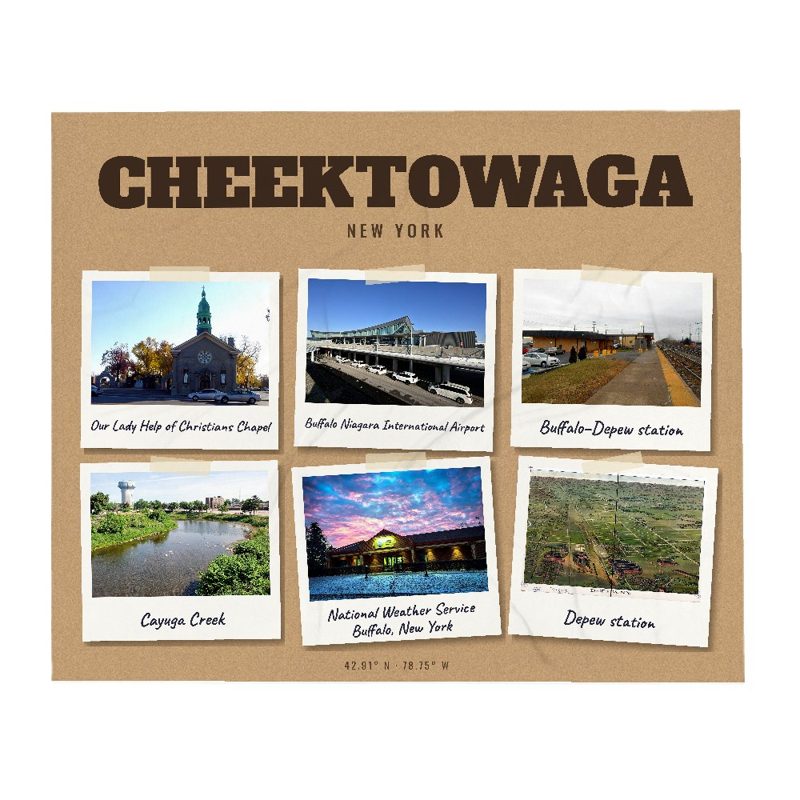
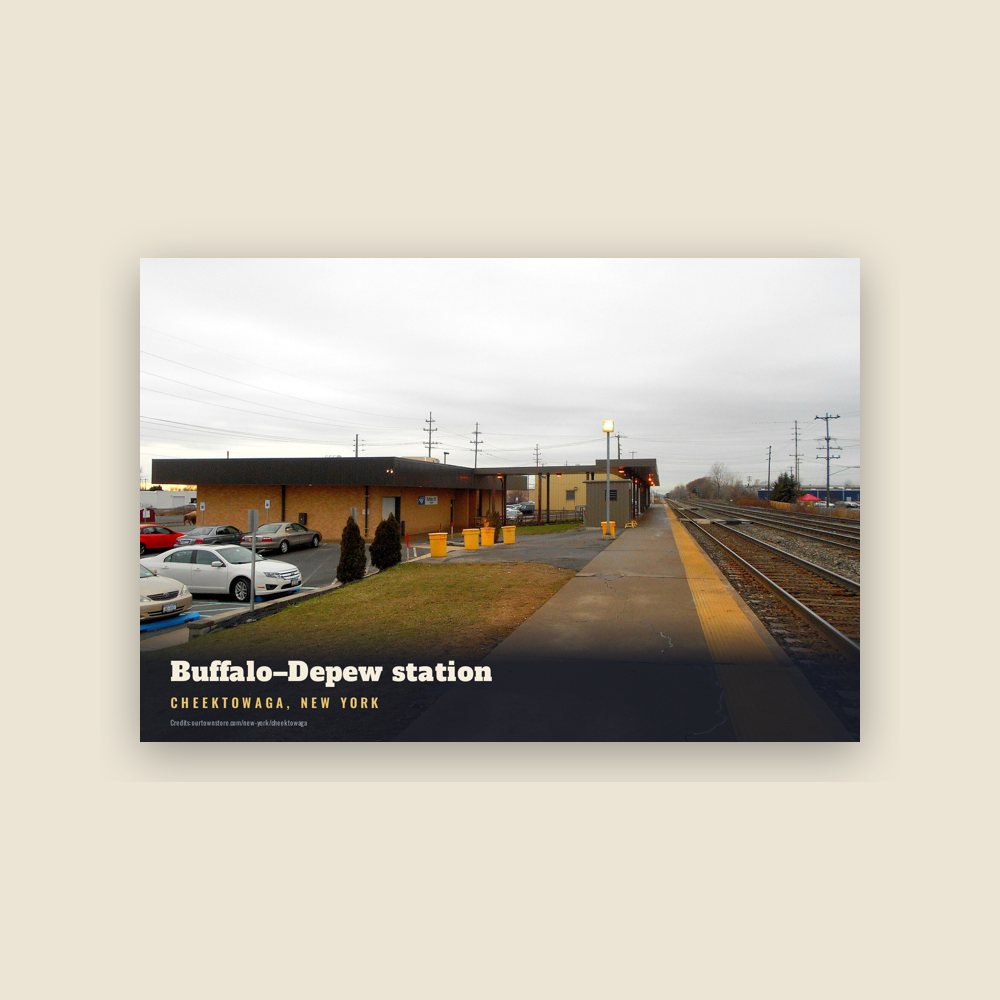
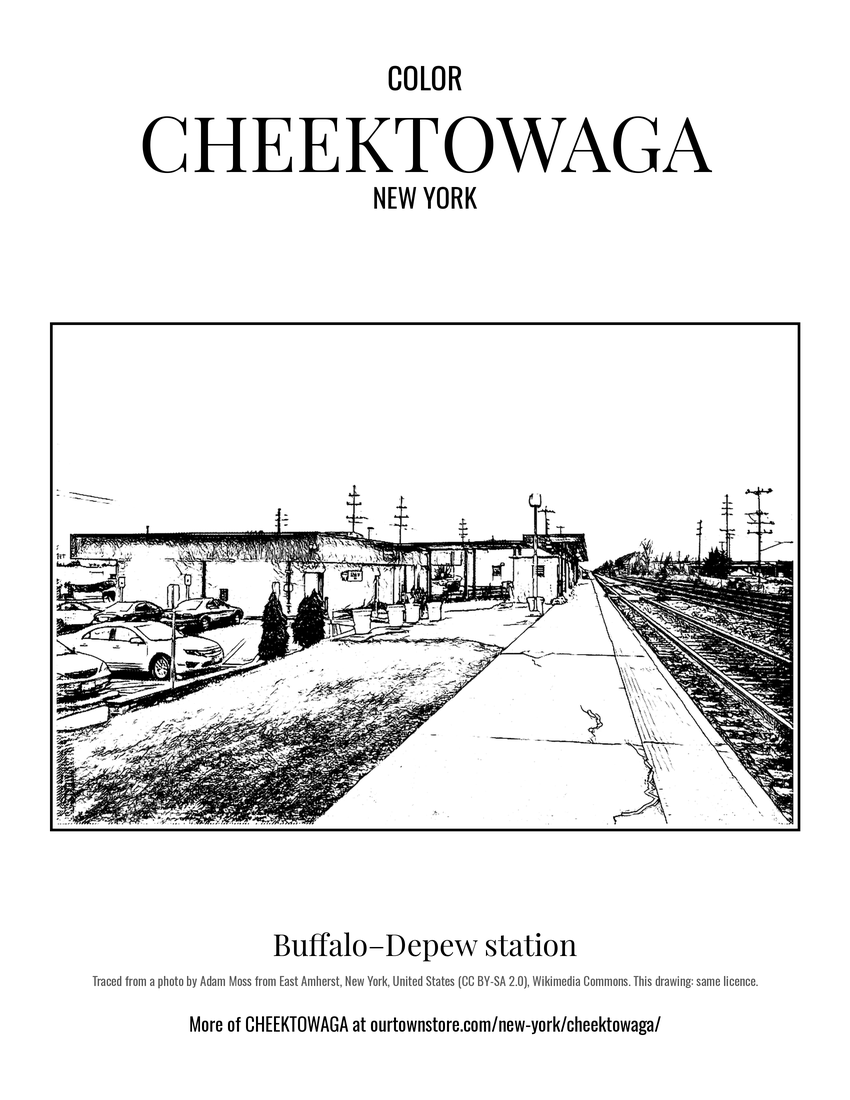 Buffalo–Depew station
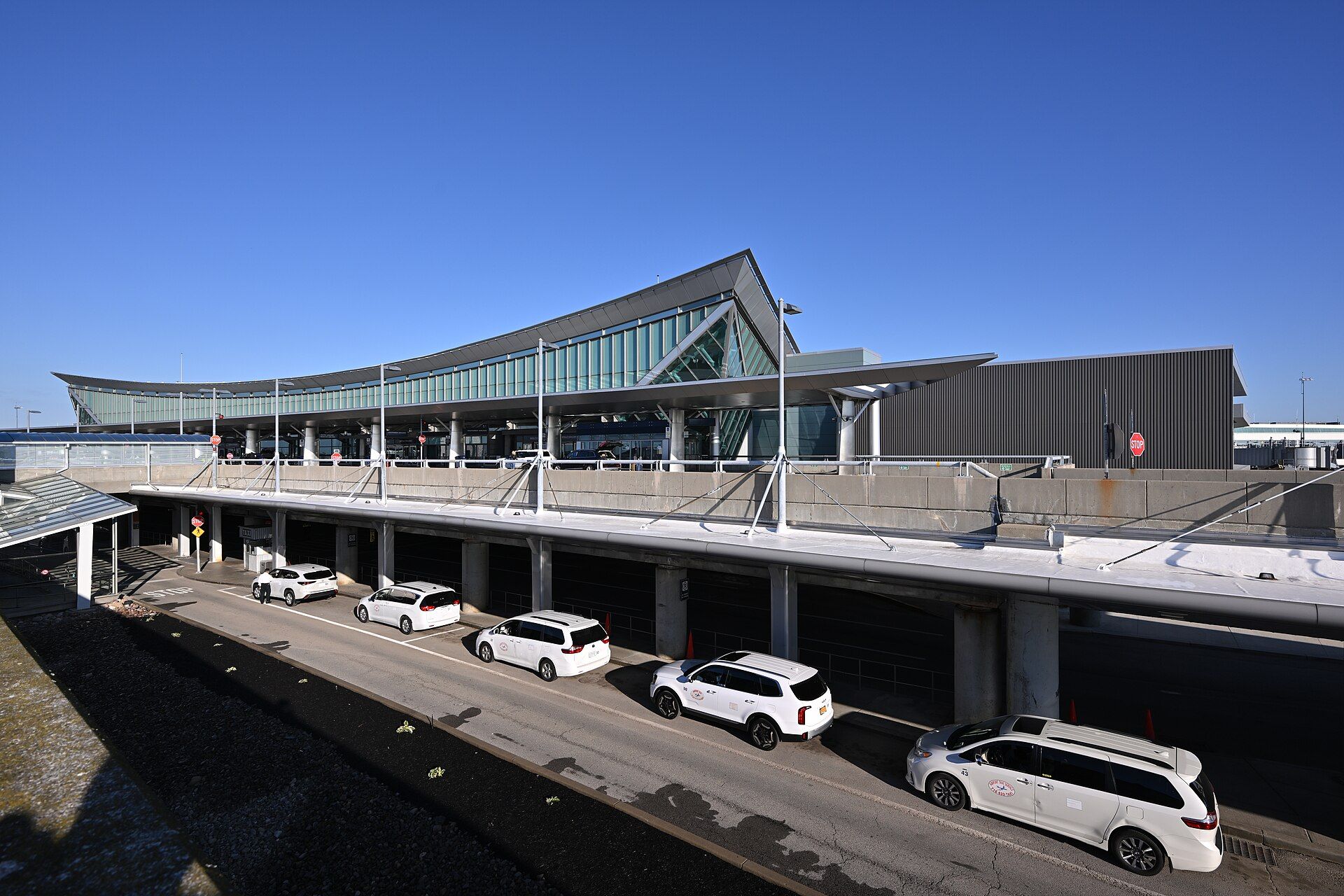
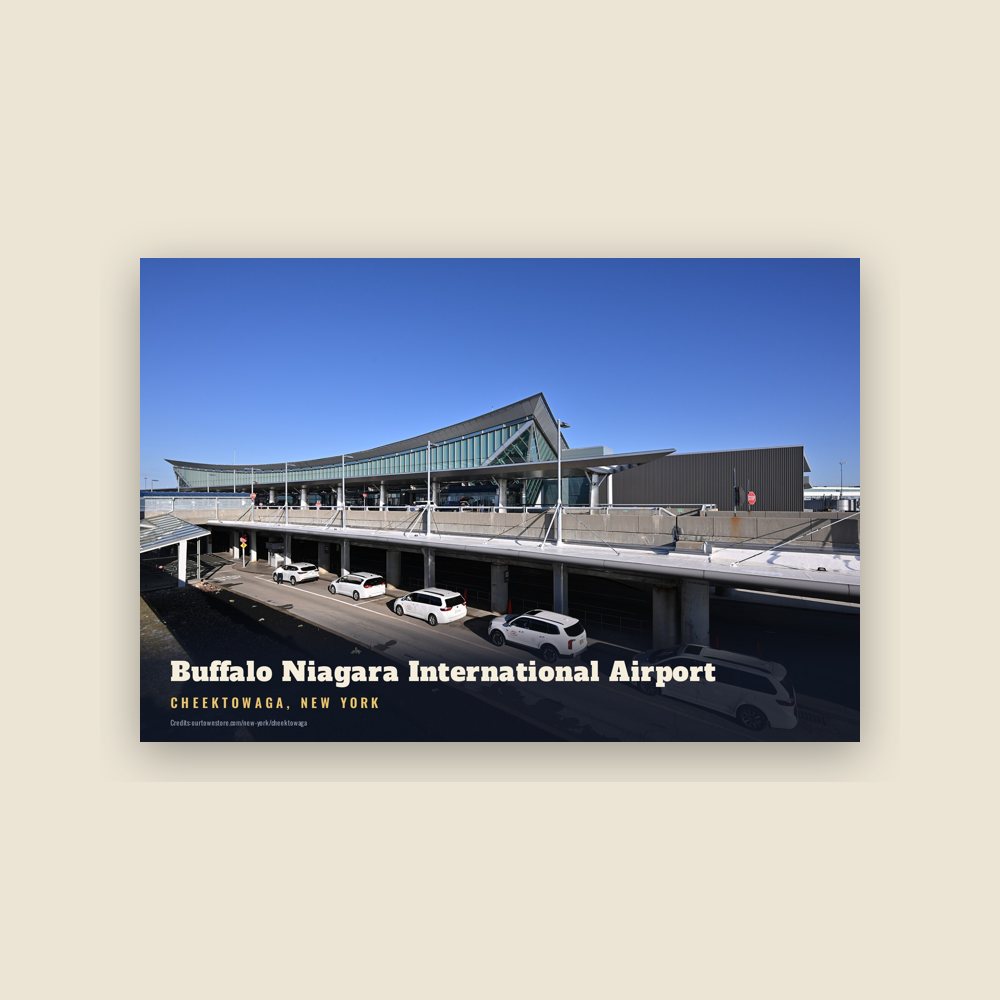
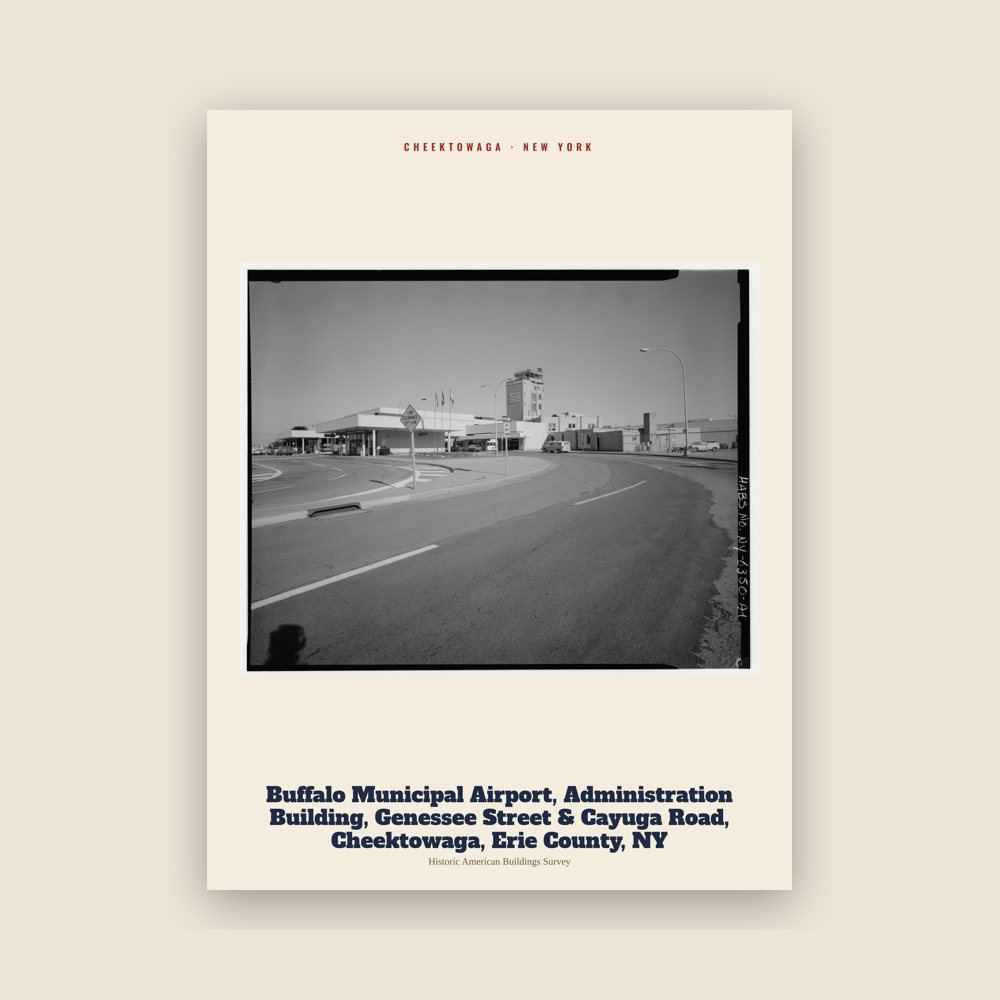
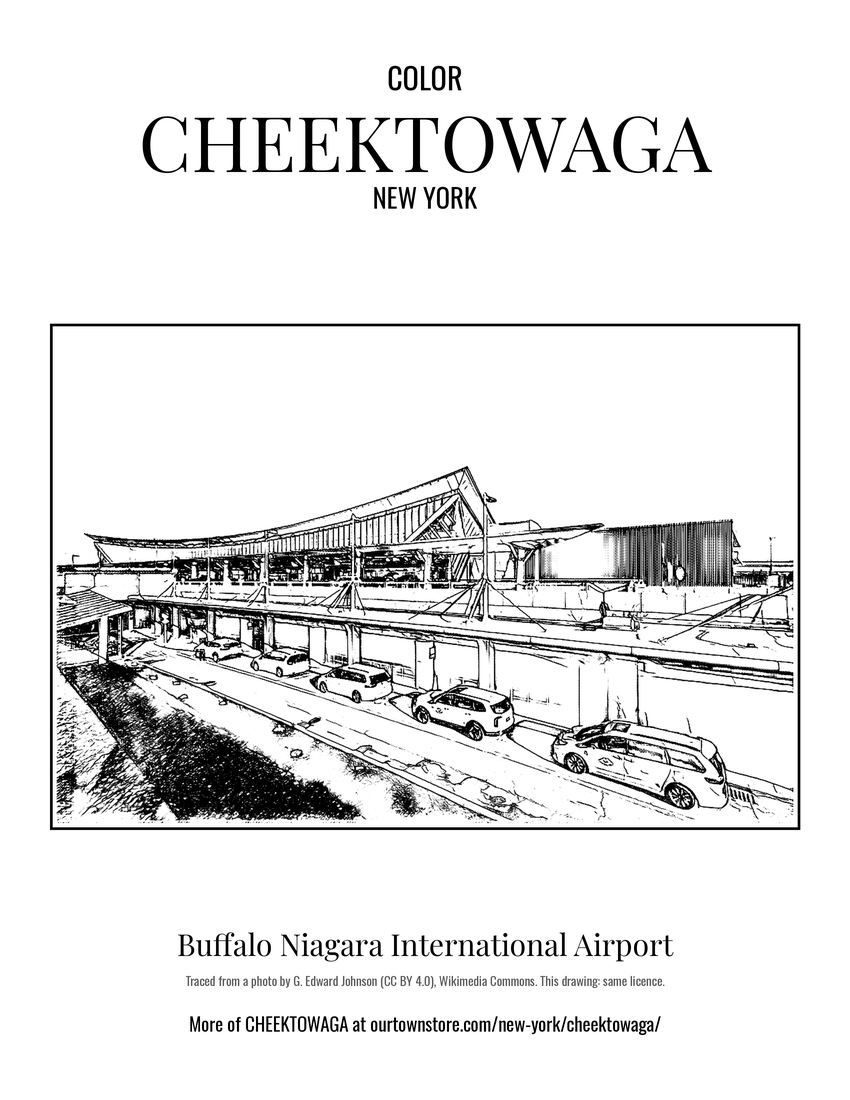 Buffalo Niagara International Airport
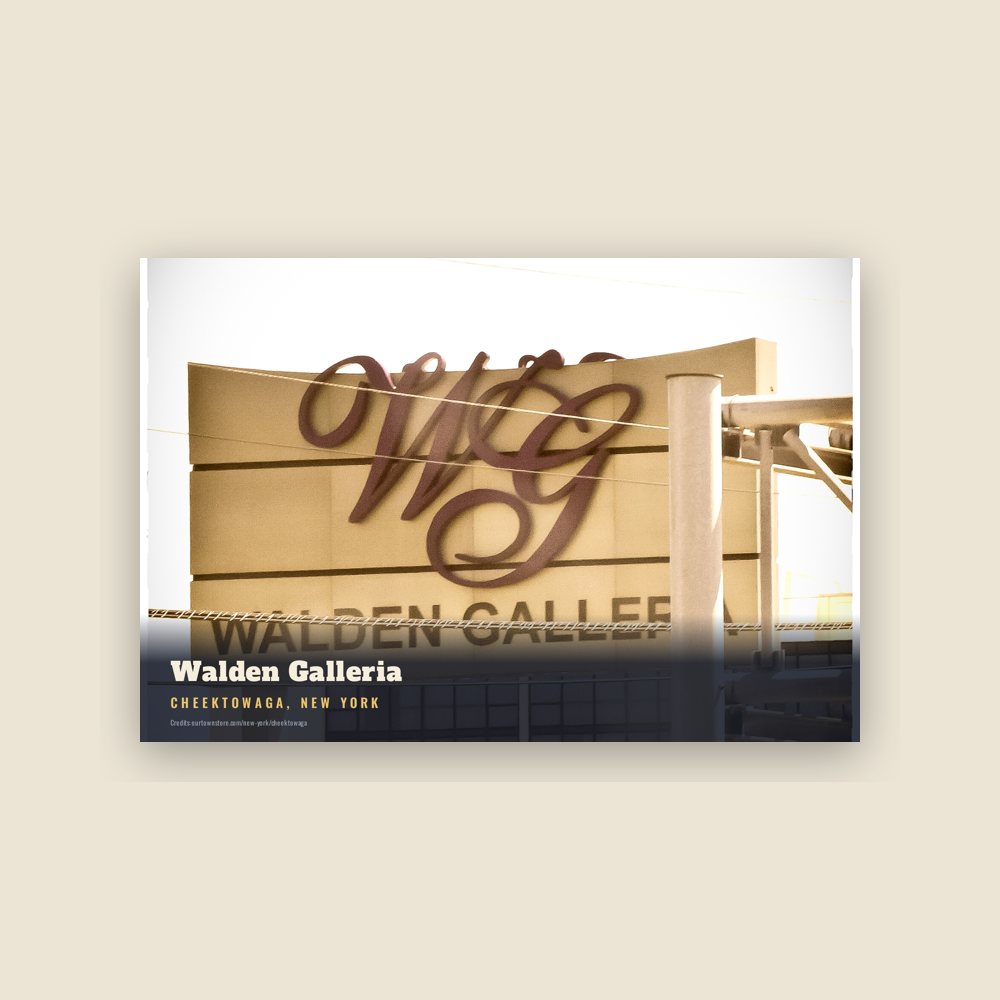
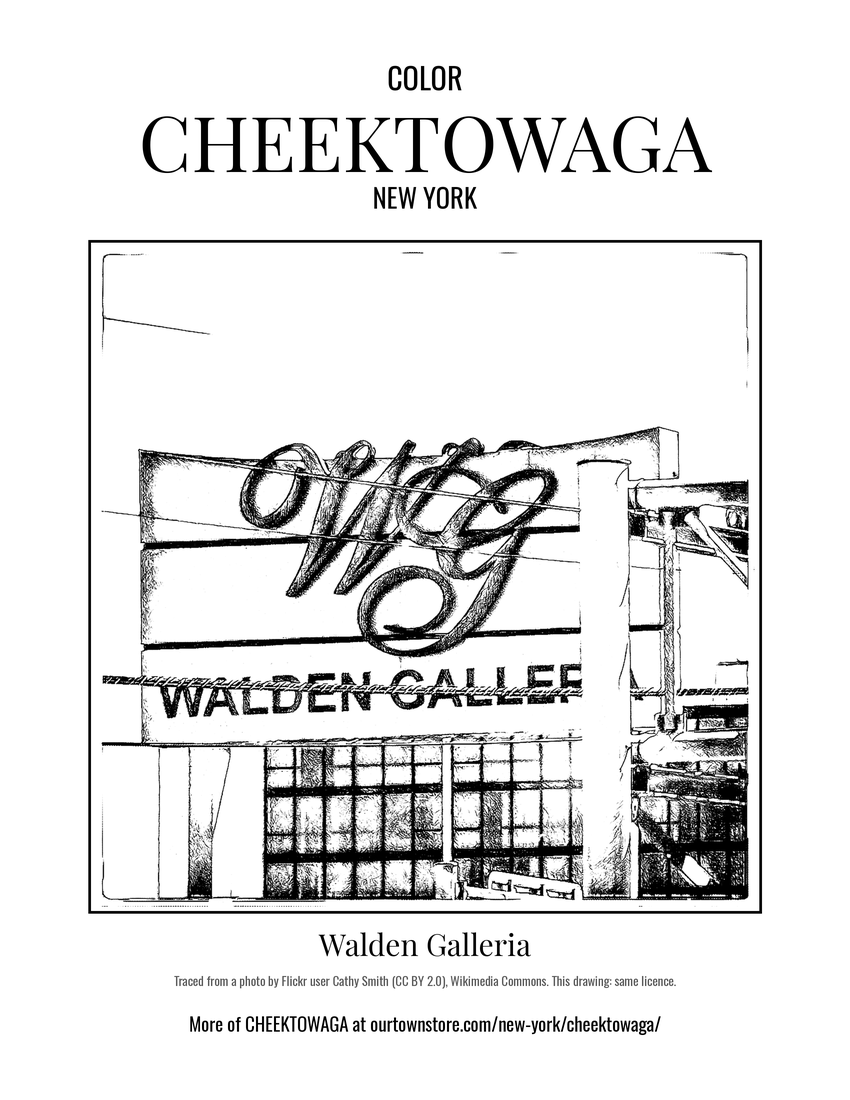 Walden Galleria
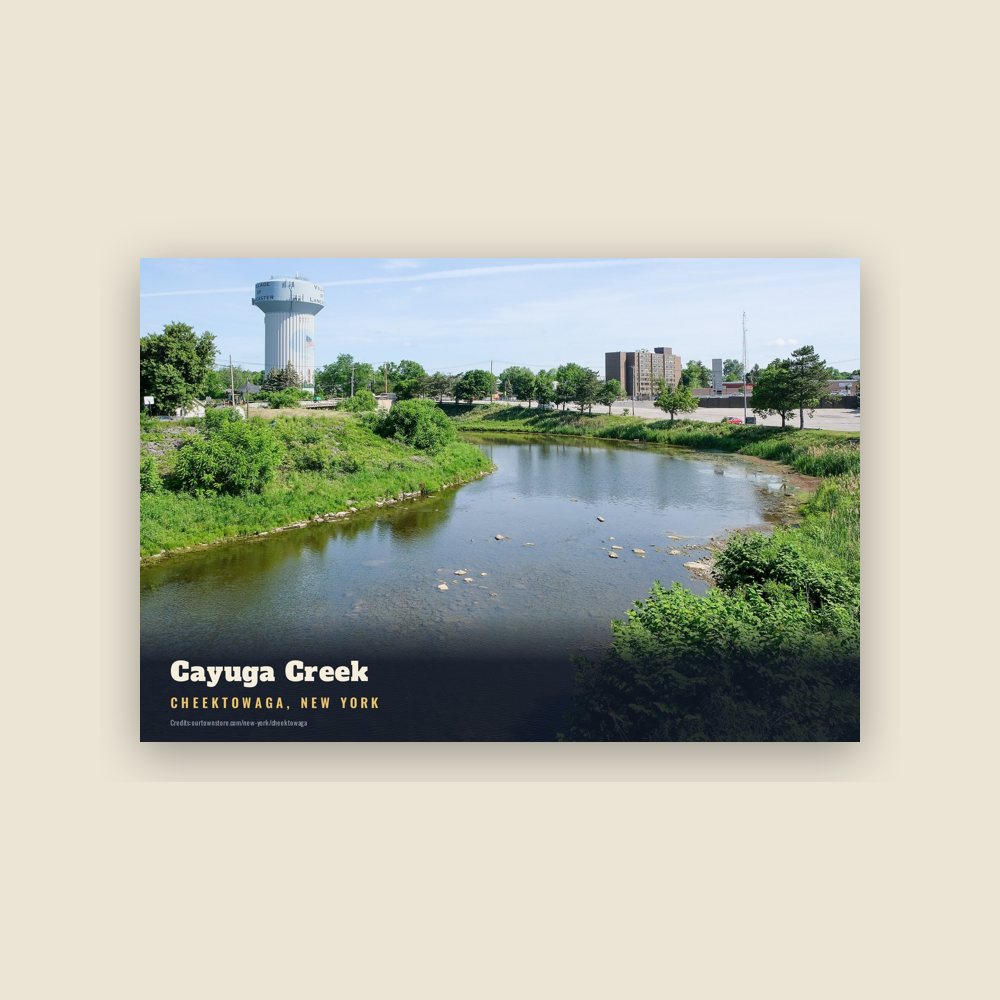
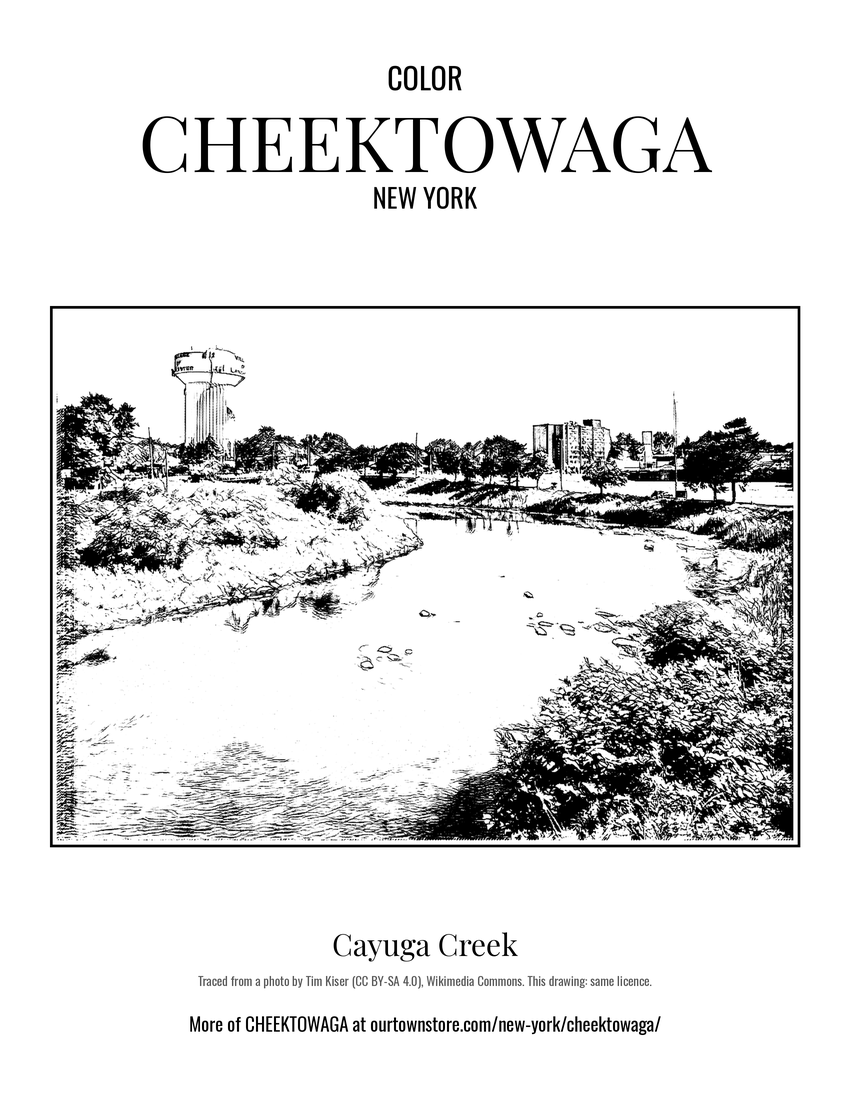 Cayuga Creek