Chautauqua County, New York
Street maps, historic prints and keepsakes for 15 Chautauqua County towns.
The largest by population is Jamestown (28,712).
| Town | Population |
|---|---|
| Bemus Point | 306 |
| Brocton | 1,286 |
| Cassadaga | 573 |
| Celoron | 1,069 |
| Chautauqua | 4,236 |
| Dunkirk | 12,743 |
| Falconer | 2,269 |
| Fredonia | 9,585 |
| Jamestown | 28,712 |
| Lakewood | 3,002 |
| Mayville | 1,442 |
| Panama | 475 |
| Silver Creek | 2,617 |
| Sinclairville | 579 |
| Westfield | 4,553 |
About these towns
Bemus Point: The area currently known as Bemus Point was once part of the territory of the Erielhonan or Erie People Indigenous tribe, first colonized by William Bemus in 1806.
Brocton: The community was first settled in 1805 by Captain James Dunn. The village of Brocton was incorporated in 1894. Brocton used to be named "Salems Corners (Cross Roads)" after Salem, Massachusetts, but was later renamed "Brocton".
Cassadaga: Cassadaga is a Seneca name meaning 'water under the rocks', descriptive of the natural springs of the area flowing from glacial moraines.
Celoron: Celoron Park was an amusement park, built by the Broadhead family in either 1893 or 1894, prior to the formation of the village.
Chautauqua: Chautauqua was formed on April 11, 1805, from the town of Batavia, while still part of Genesee County. The first settler arrived the year before, near the current village of Mayville.
Dunkirk: The Iroquoian languages-speaking Erie people occupied this area of the forested lakefront along the southern shore of Lake Erie well into the 1600s, when Europeans, mostly French, started trading around the Great Lakes.
Falconer: The area now known as Falconer was inhabited by the Erie People until the mid-1600s. Five years of war with the Seneca Nation led to the Erie Nation's decimation; their people migrated and were absorbed into the Seneca community, who then inhabited this land.
Fredonia: In 1791, Robert Morris purchased the Fredonia land from Massachusetts and sold it to the Holland Land Company. Parcels were sold to pioneers around 1800, and the first settlers came around 1803 or 1804.
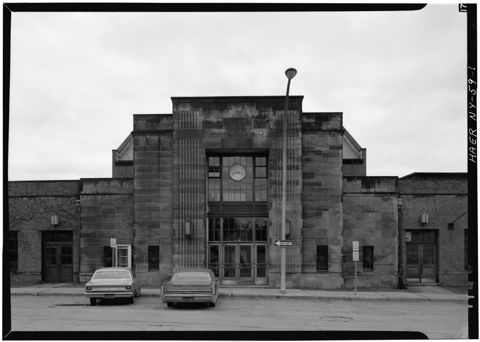
Jamestown: Jamestown is named after James Prendergast, an early Chautauqua County settler. His family purchased 3,500 acres (14 km2) in 1806 in the area now known as Chautauqua County.
Lakewood: The village is in the northern part of the town of Busti.
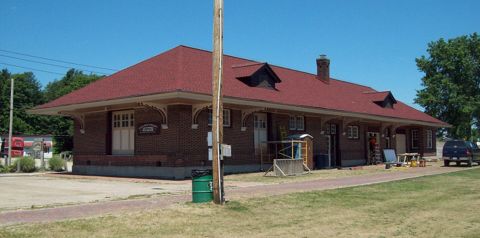
Mayville: The Holland Land Company anticipated establishing a village located at the eastern end of the Old Portage Road between Lake Erie and Chautauqua Lake.
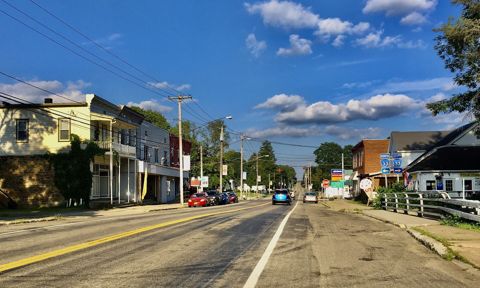
Panama: Among many early settlers was George Hawkins, who purchased Lot 50 in 1825. He was born in 1802 in Oneida County, New York.
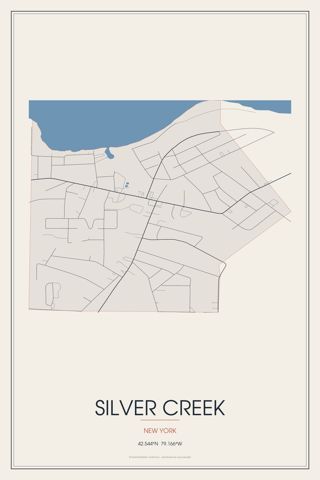
Silver Creek: The community was first settled circa 1803, and the first school house was erected in approximately 1823. In 1822 a well-known black walnut tree, measuring about 10 feet (3.0 m) in diameter, was blown over in a storm.
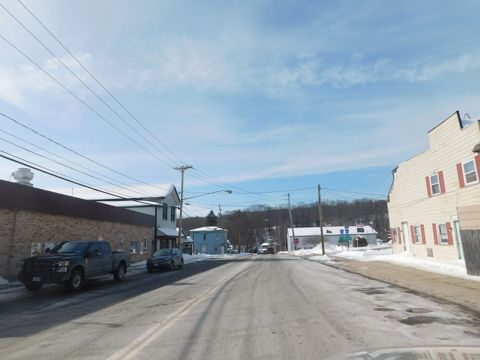
Sinclairville: The village was founded in 1809 after the American Revolutionary War by Major Samuel Sinclear as "Sinclearville". The area was previously inhabited for hundreds of years by the Seneca people of the Iroquois Confederacy (Haudenosaunee) who, as allies of the British during the war, were forced to cede most of their lands to the United States and New York state.
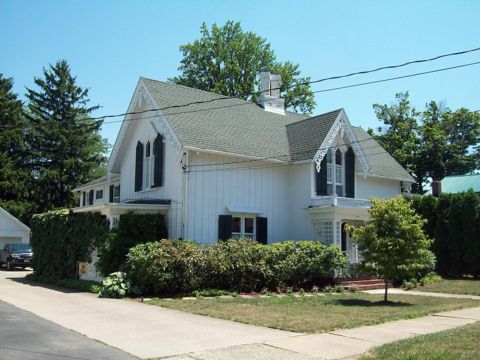
Westfield: The area was first settled in 1802 by James McMahan, formerly of Northumberland County, Pennsylvania. McMahan established a mill near the mouth of Chautauqua Creek, where it empties into Lake Erie.
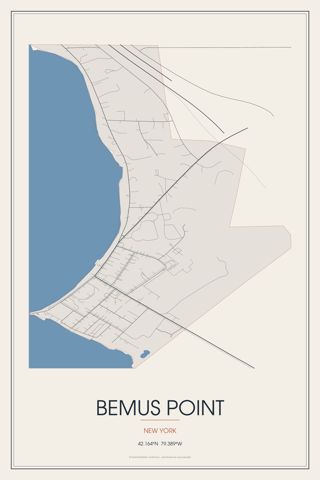 Bemus PointNew York
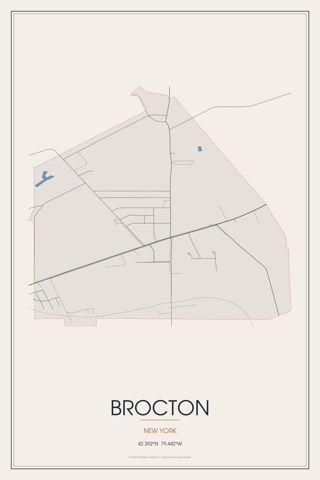 BroctonNew York
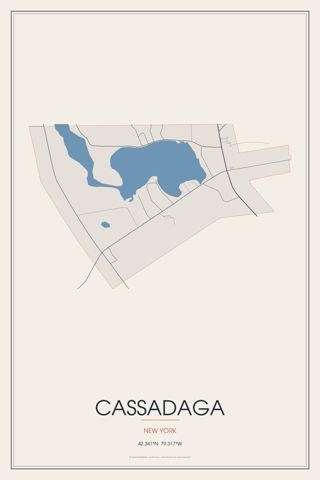 CassadagaNew York
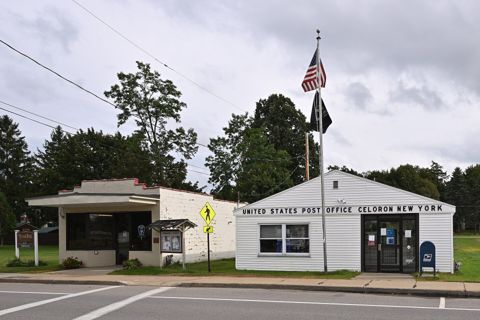 CeloronNew York
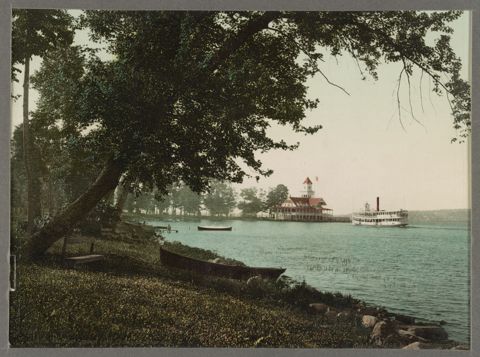 ChautauquaNew York
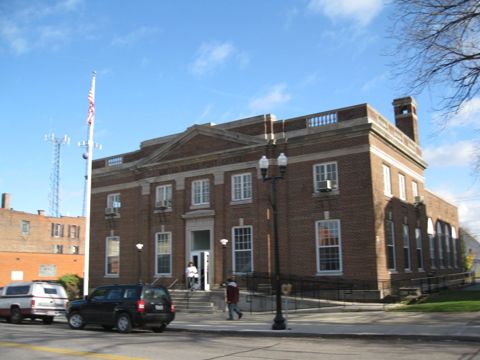 DunkirkNew York
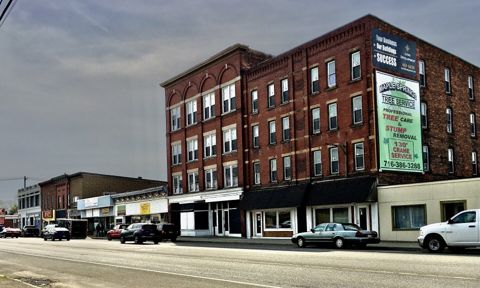 FalconerNew York
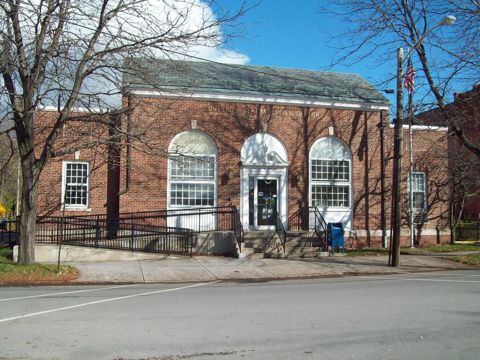 FredoniaNew York
 JamestownNew York
 LakewoodNew York
 MayvilleNew York
 PanamaNew York
 Silver CreekNew York
 SinclairvilleNew York
 WestfieldNew York
Founding years, populations and town notes come from each town's Wikipedia and Wikidata entries. All New York towns.