A short history of Chautauqua
19th century
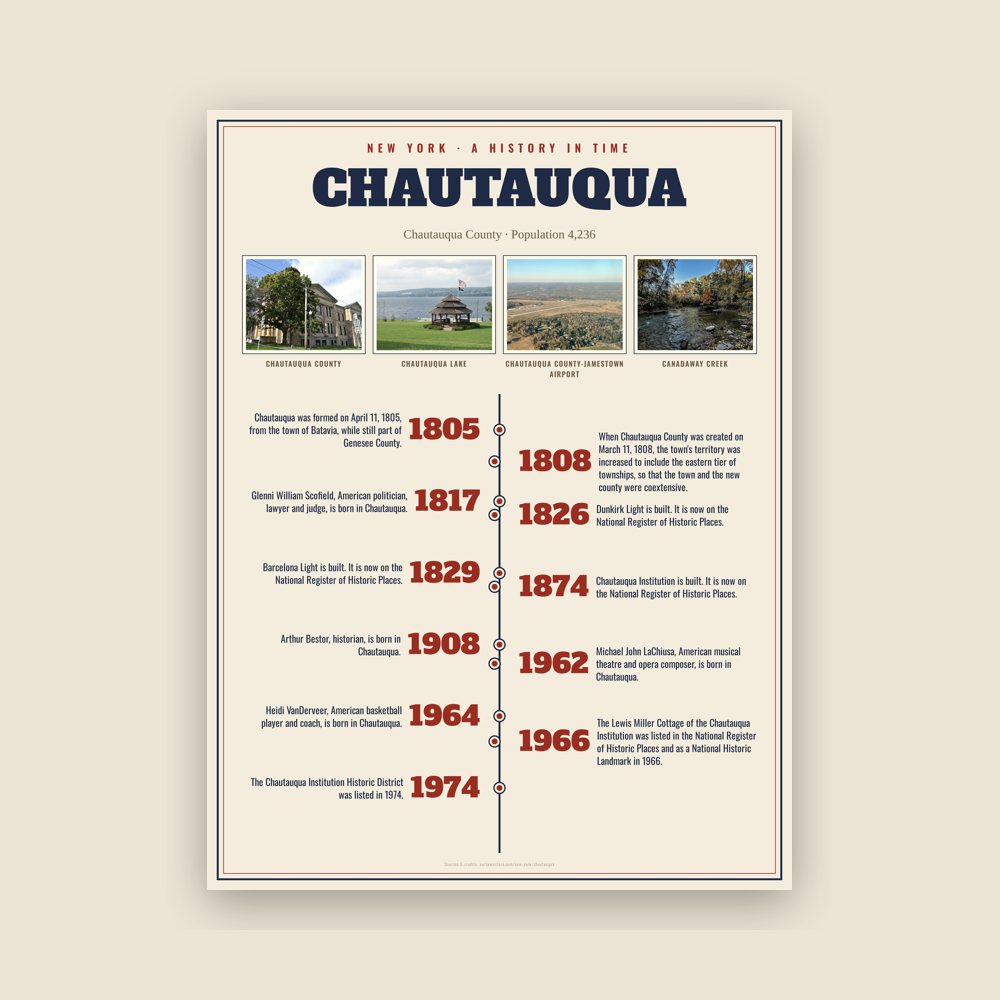
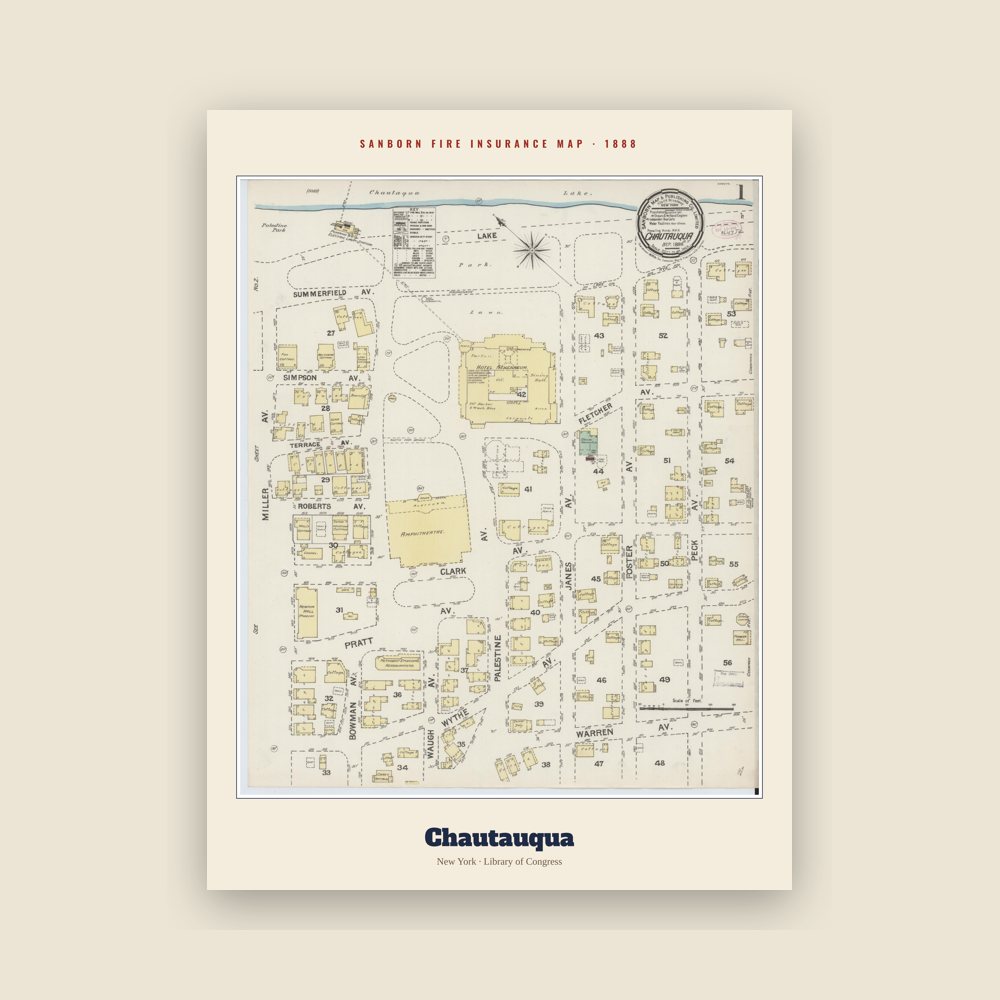
Chautauqua was formed on April 11, 1805, from the town of Batavia, while still part of Genesee County. The first settler arrived the year before, near the current village of Mayville. When Chautauqua County was created on March 11, 1808, the town's territory was increased to include the eastern tier of townships, so that the town and the new county were coextensive. The town is the "mother of towns" in Chautauqua County since all other towns in the county towns were once part of it. The town is still one of the largest in the county.
The meaning of the name Chautauqua remains unknown and a source of speculation, with two longstanding folk translations being “bag tied in the middle” and “place where fish are taken out,” the latter having some support based on similar words in other Iroquoian languages. In Seneca it is known as Dza’dáhgwëh.
Read the full history
20th century
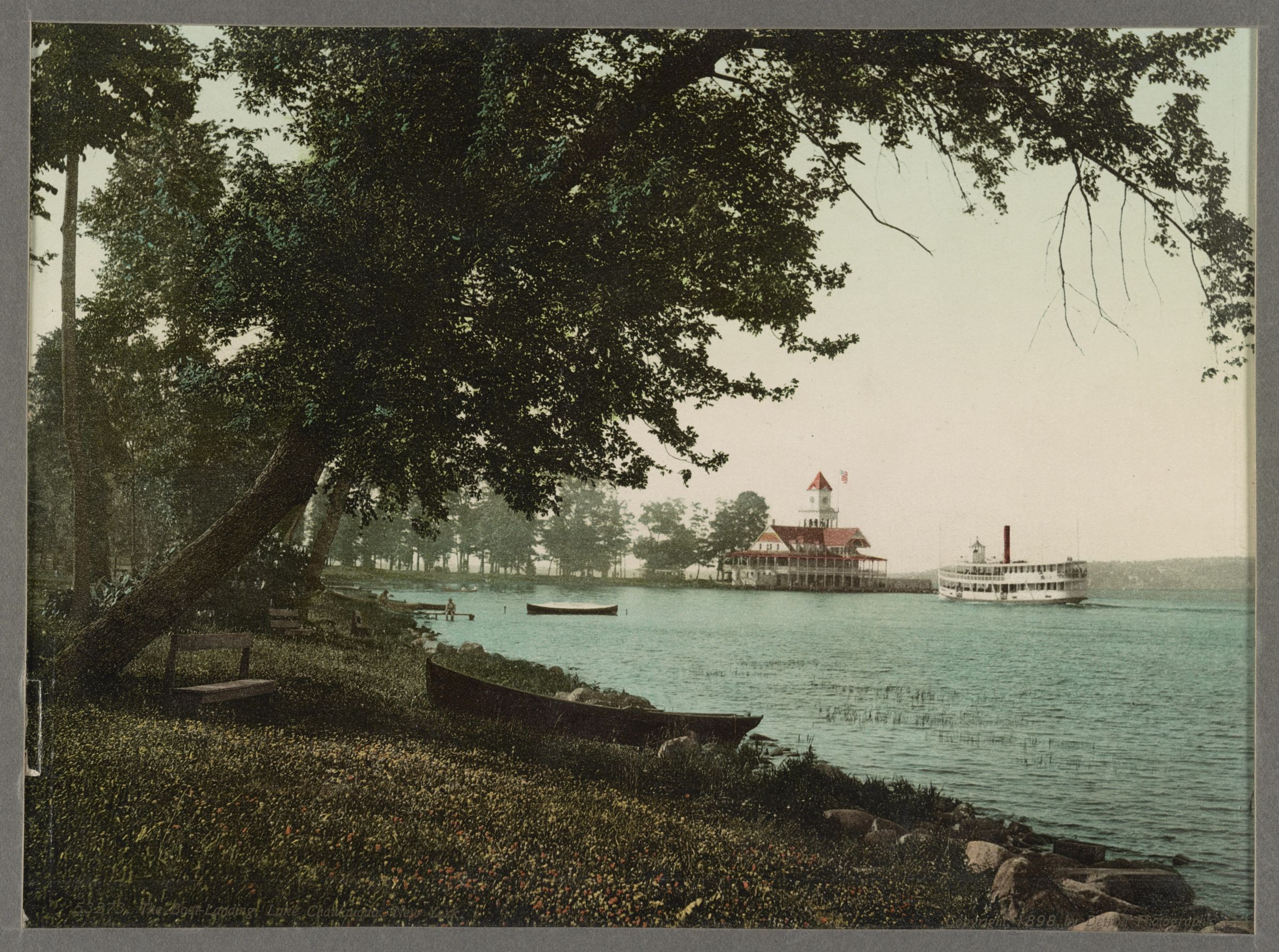
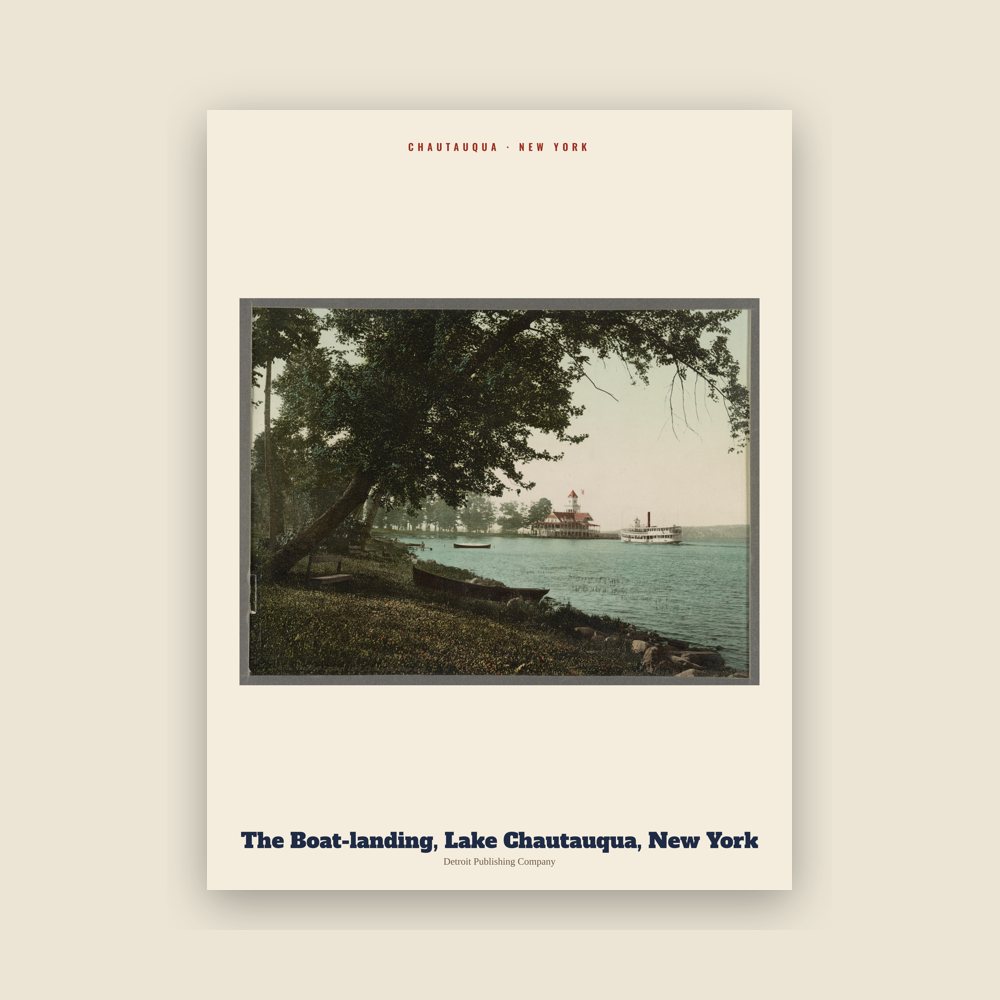
In the years of the Chautauqua Institution's heyday, rail transport was the chief means by which long distance travelers accessed the town. To 1926, the Chautauqua Traction interurban operated several interurbans a day from Chautauqua to Mayville, and then to Westfield; to the opposite direction the interurban went to Lakewood and Jamestown. To the latter 1940s, Pennsylvania Railroad offered service at nearby Mayville, on a Pittsburgh-Buffalo route. From prior to the interurbans to the waning years of interurbans, steamboats provided access to different parts of the lake from Mayville and Jamestown.
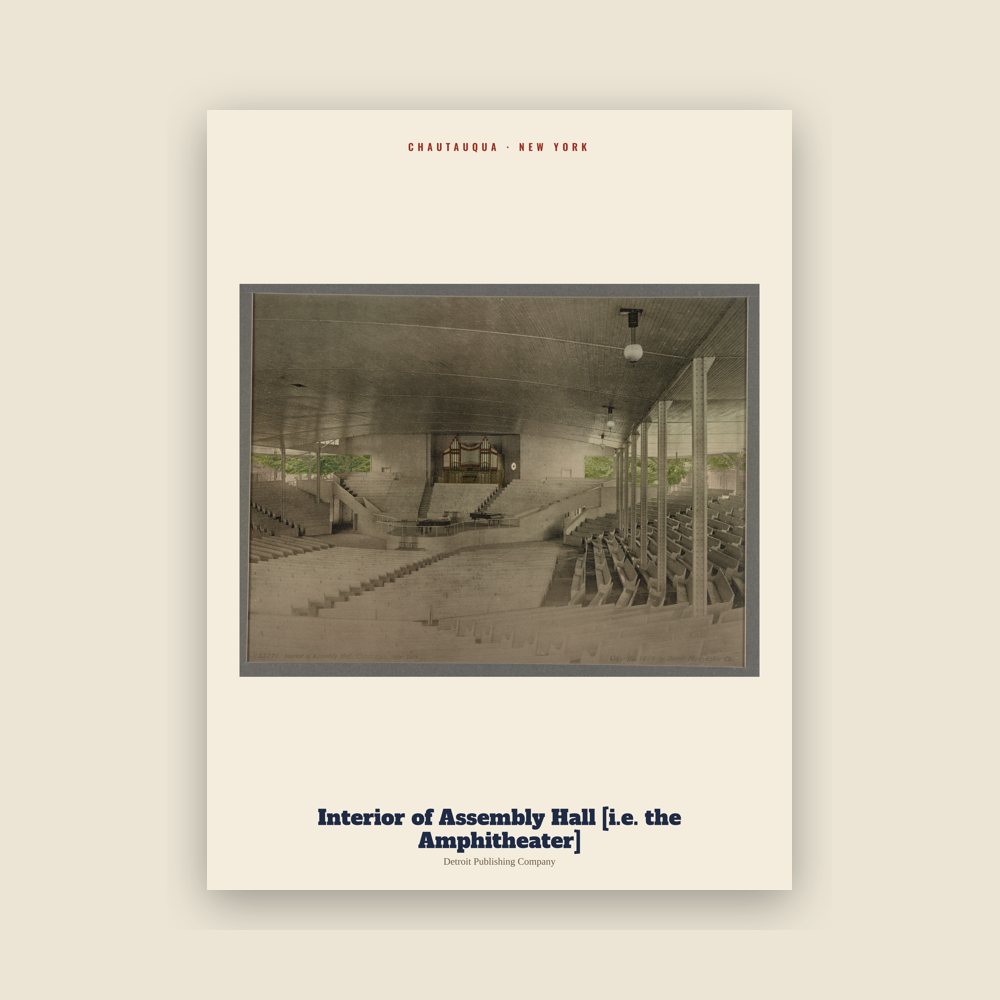
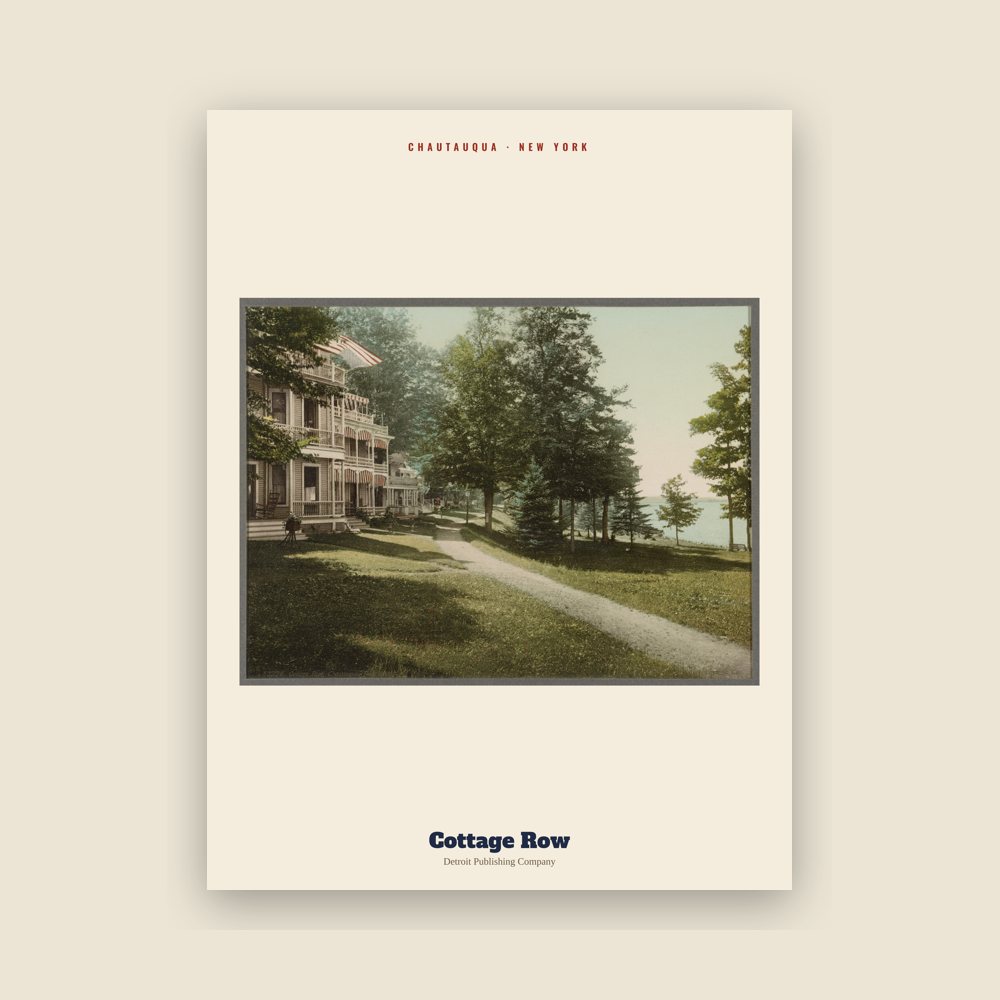
The Lewis Miller Cottage of the Chautauqua Institution was listed in the National Register of Historic Places and as a National Historic Landmark in 1966. The Chautauqua Institution Historic District was listed in 1974.
Adapted (trimmed) from the Wikipedia article Chautauqua, New York, revision 1373553666 by its contributors, licensed CC BY-SA 4.0.
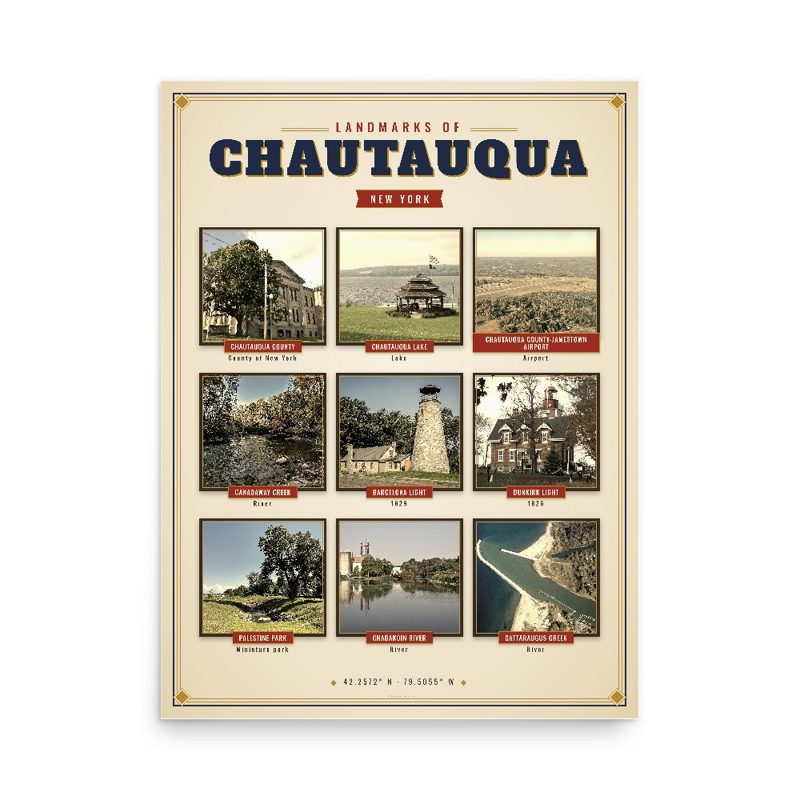
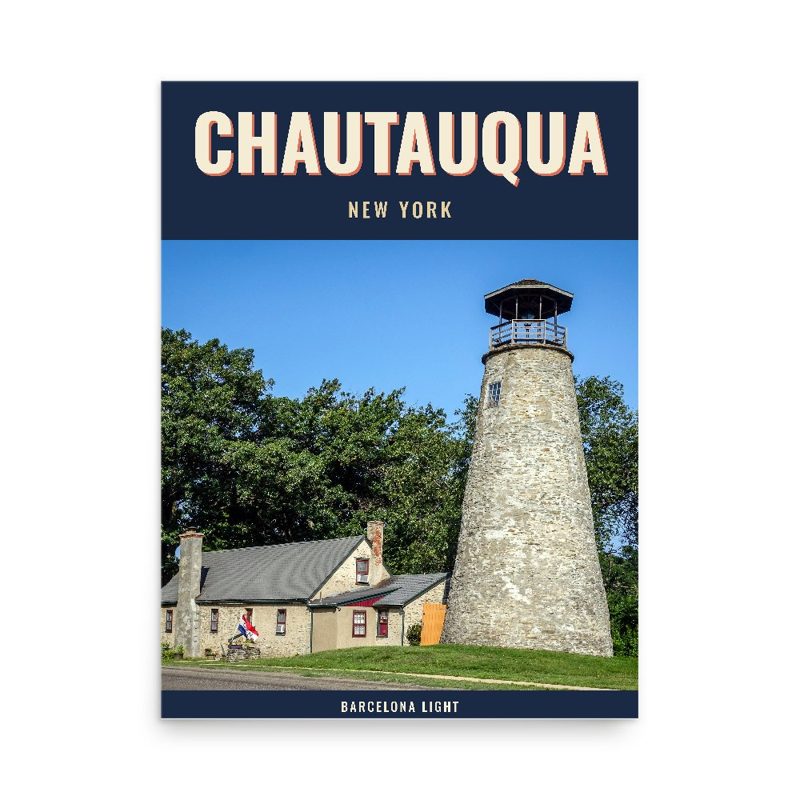
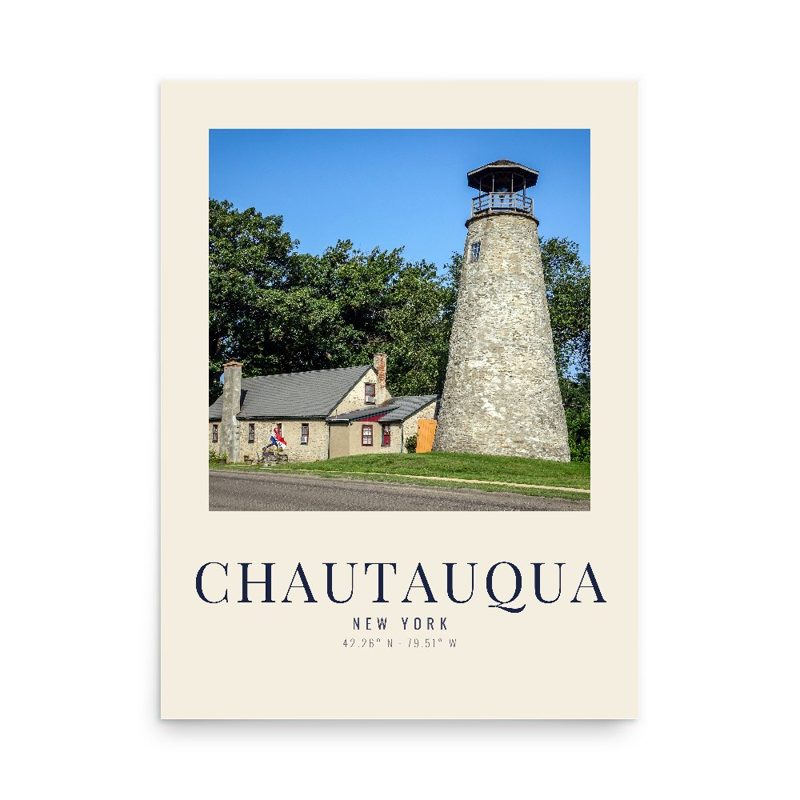

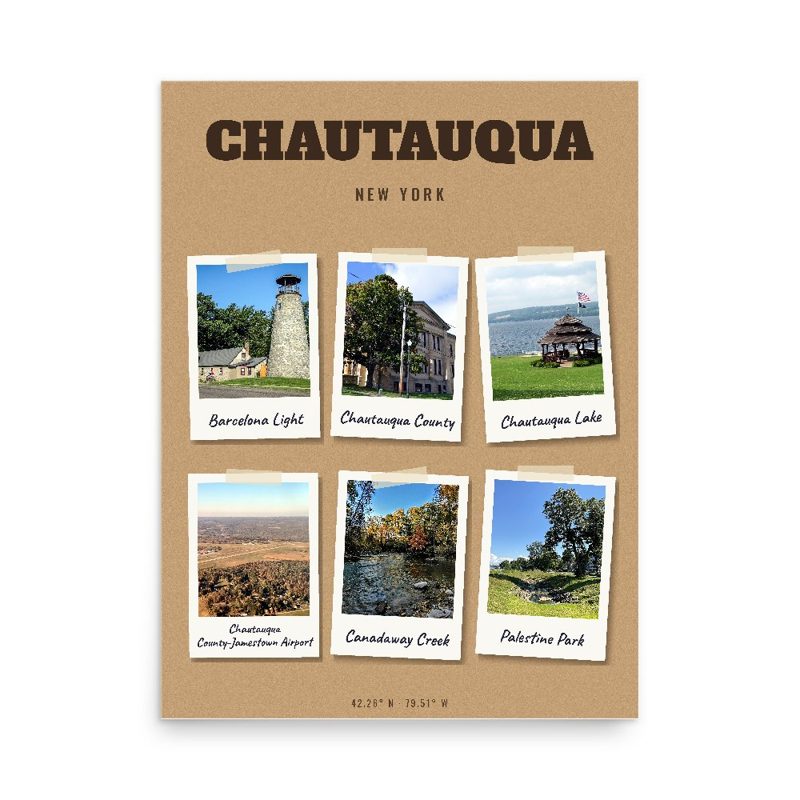






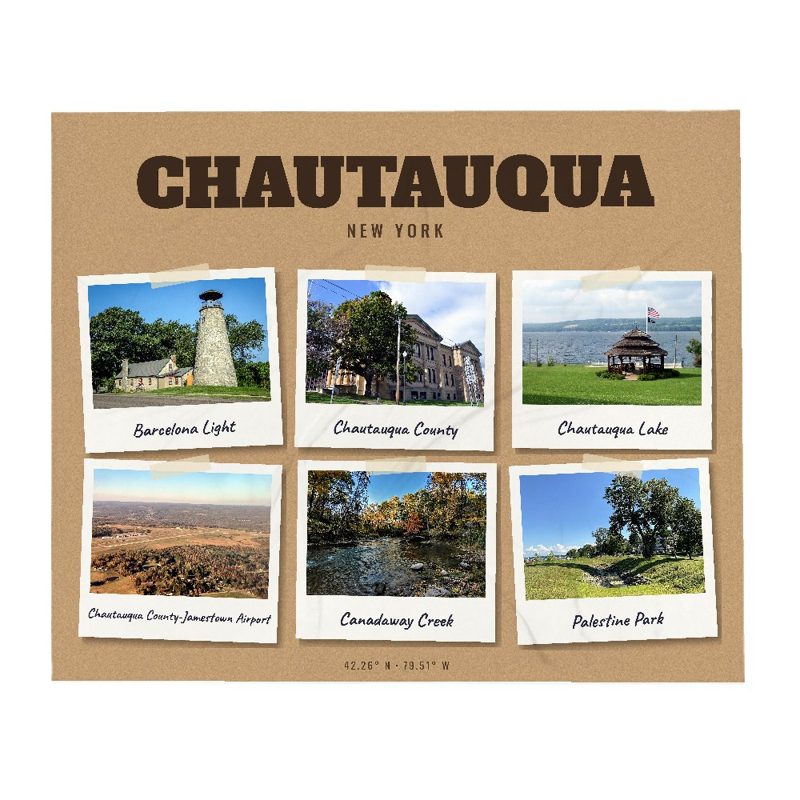
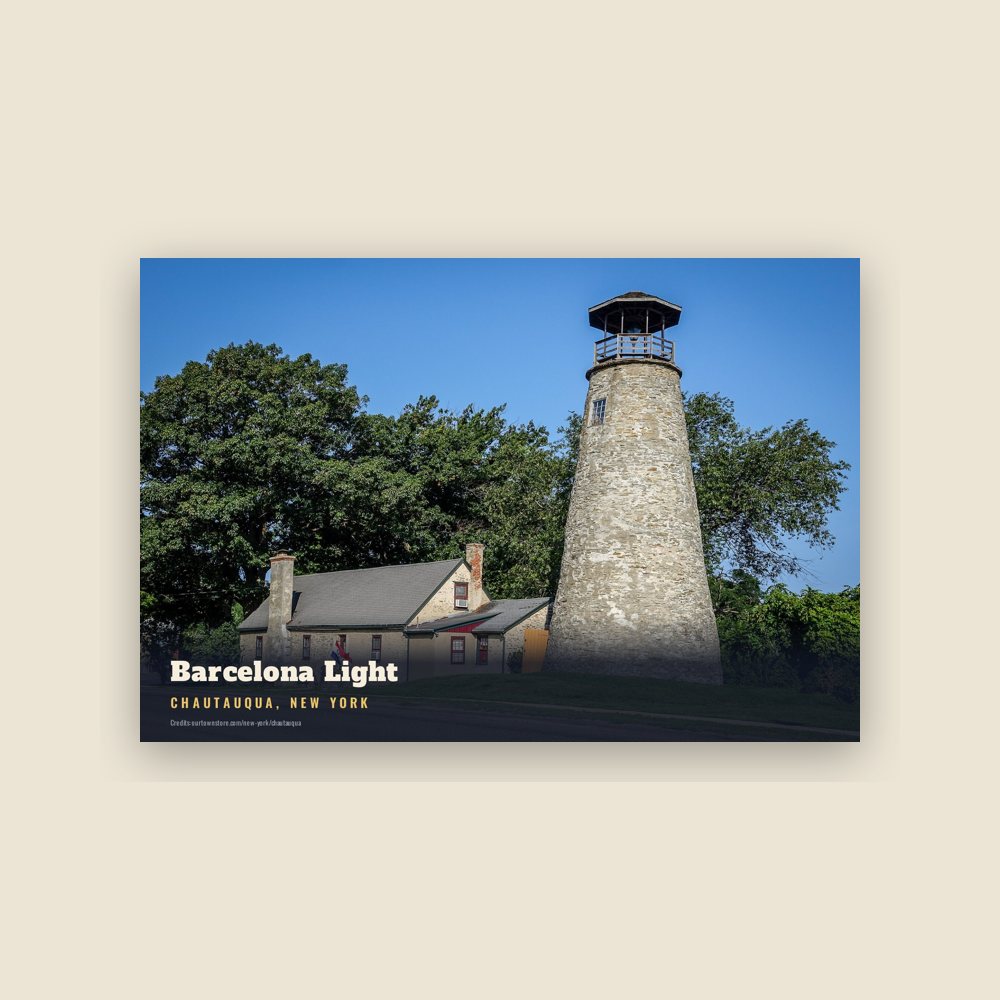
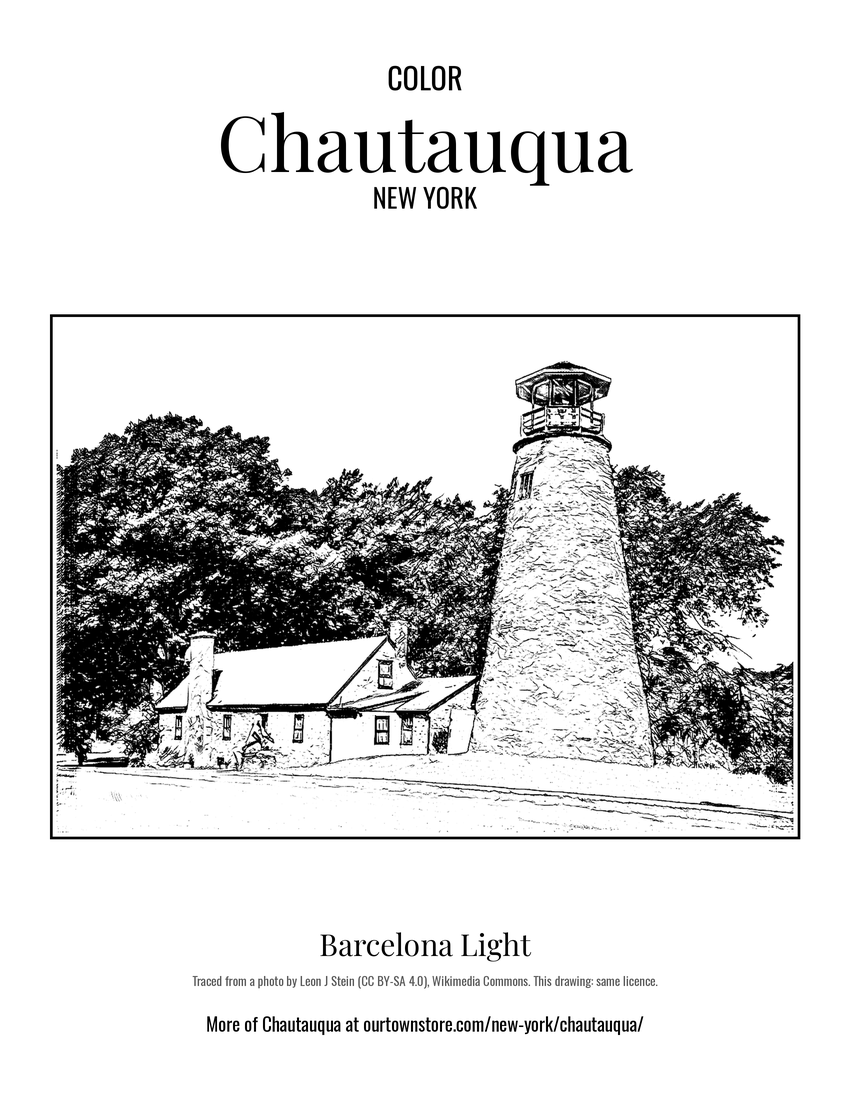 Barcelona Light
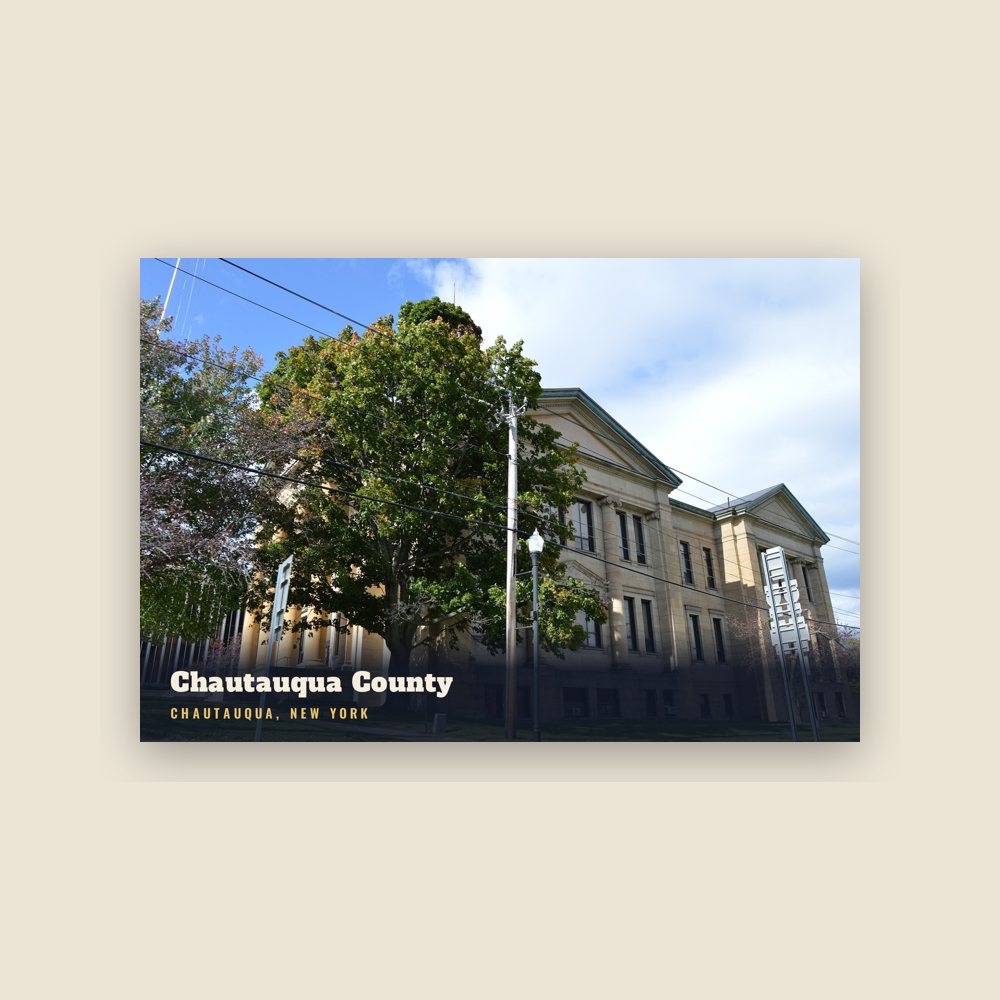
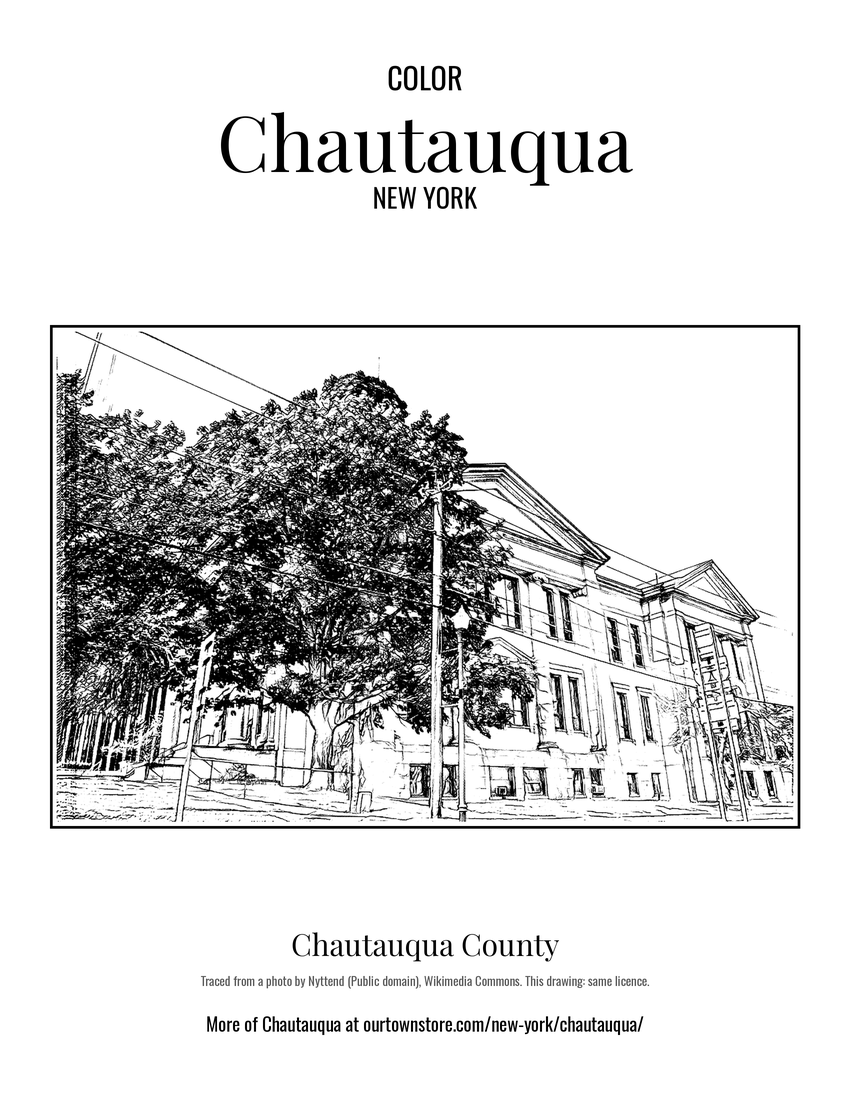 Chautauqua County
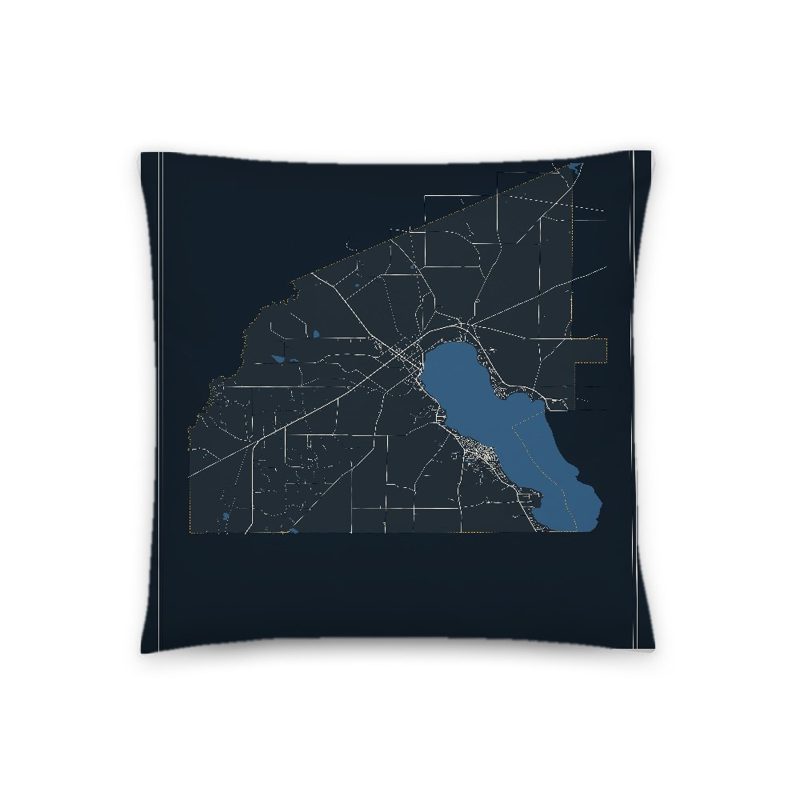
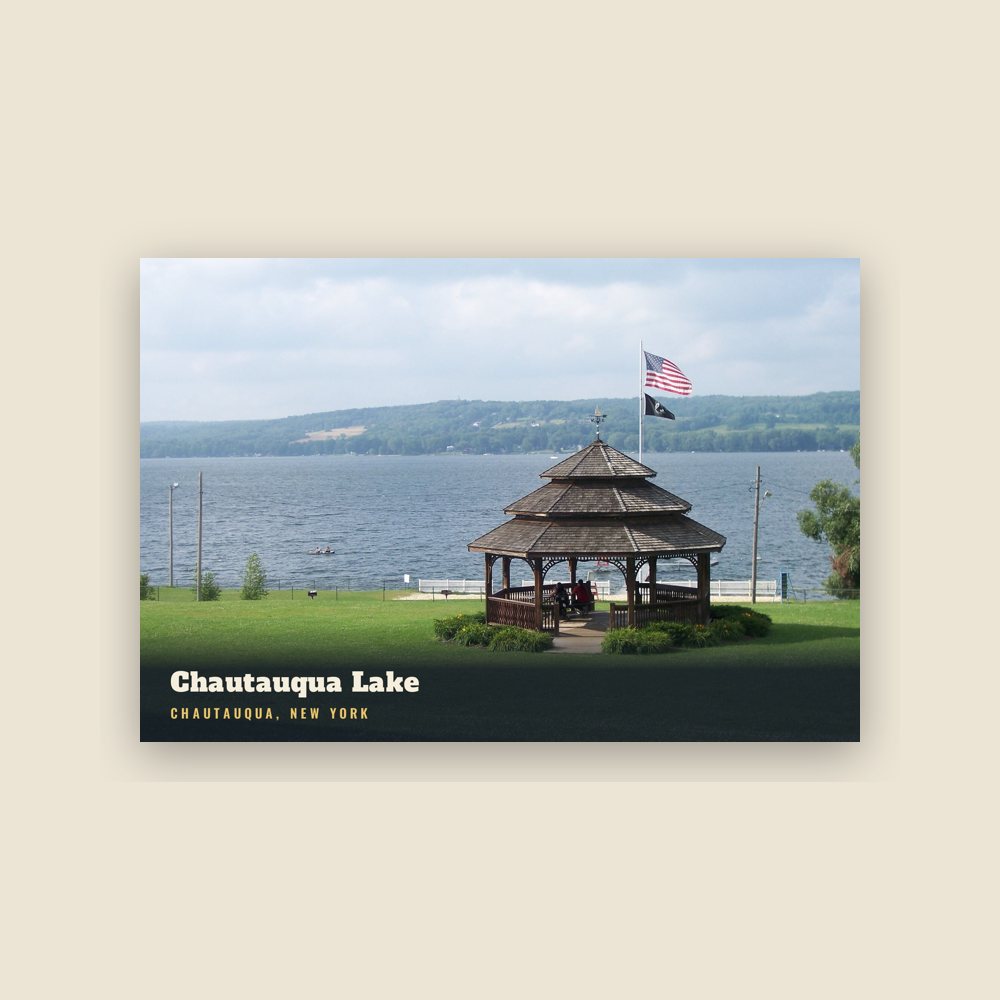
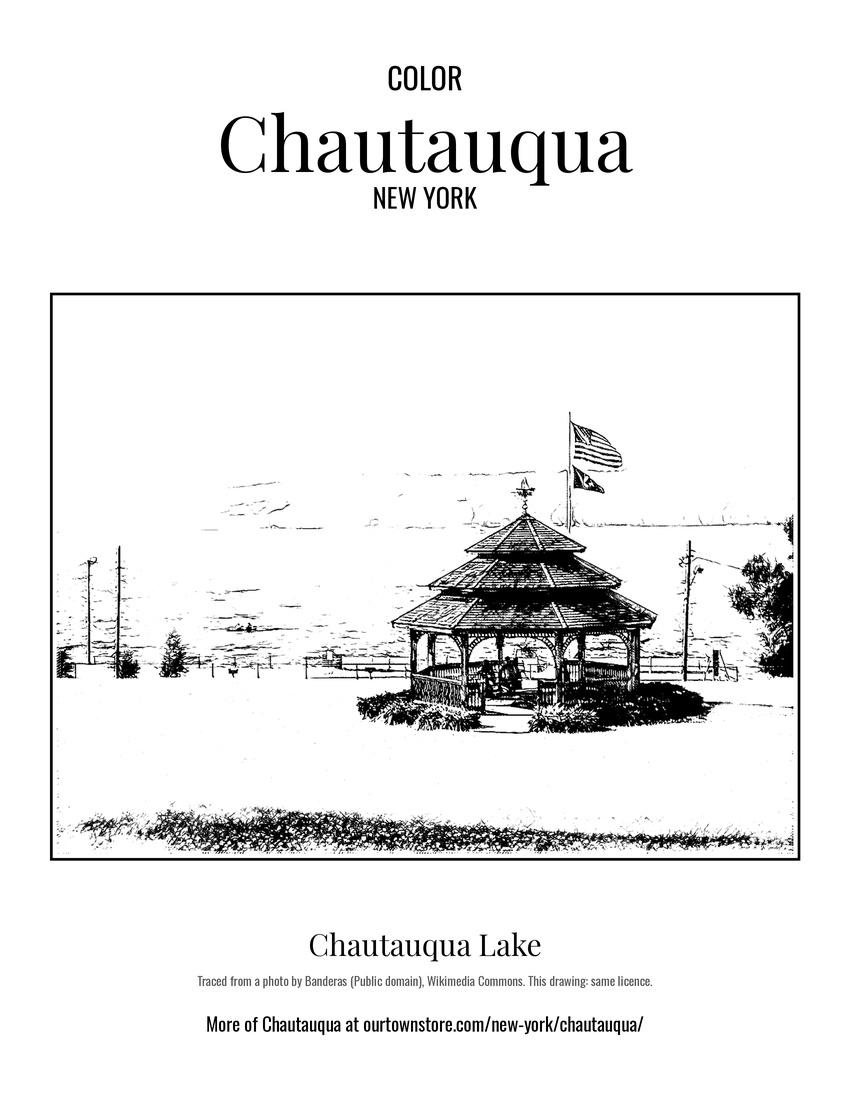 Chautauqua Lake
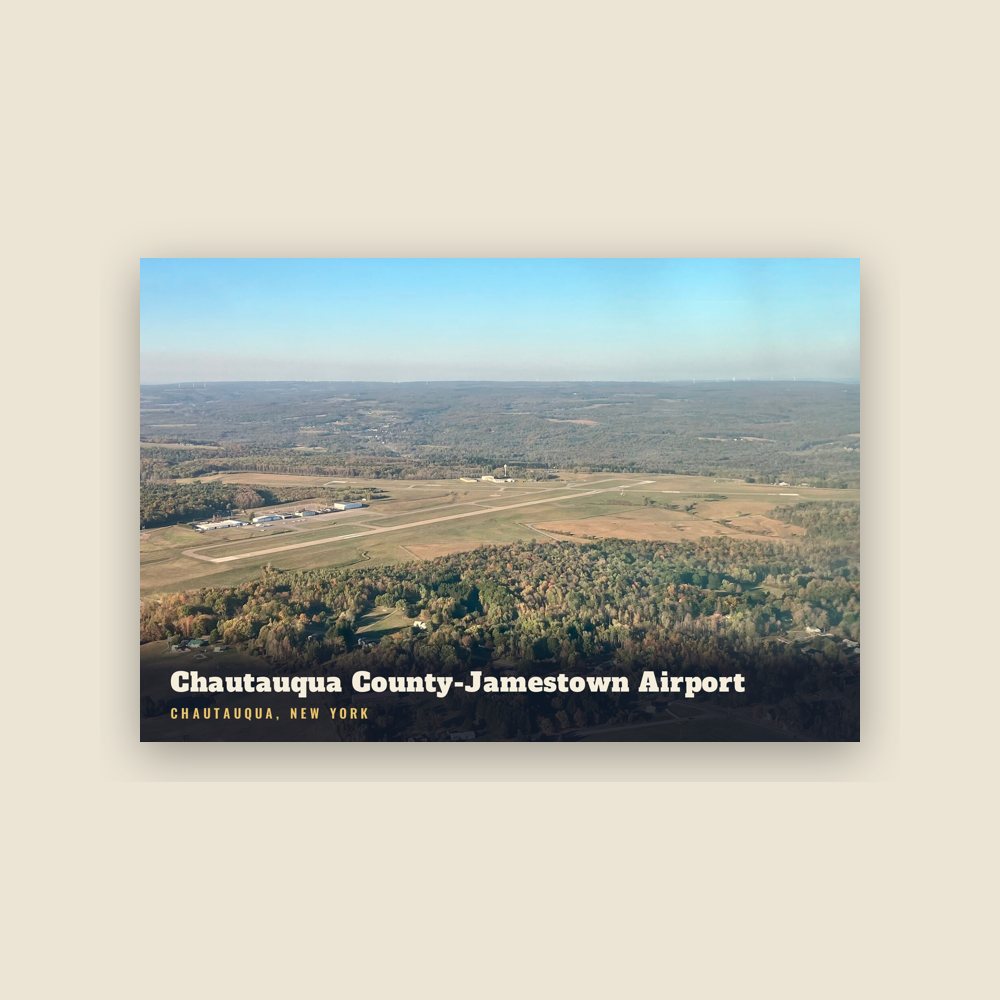
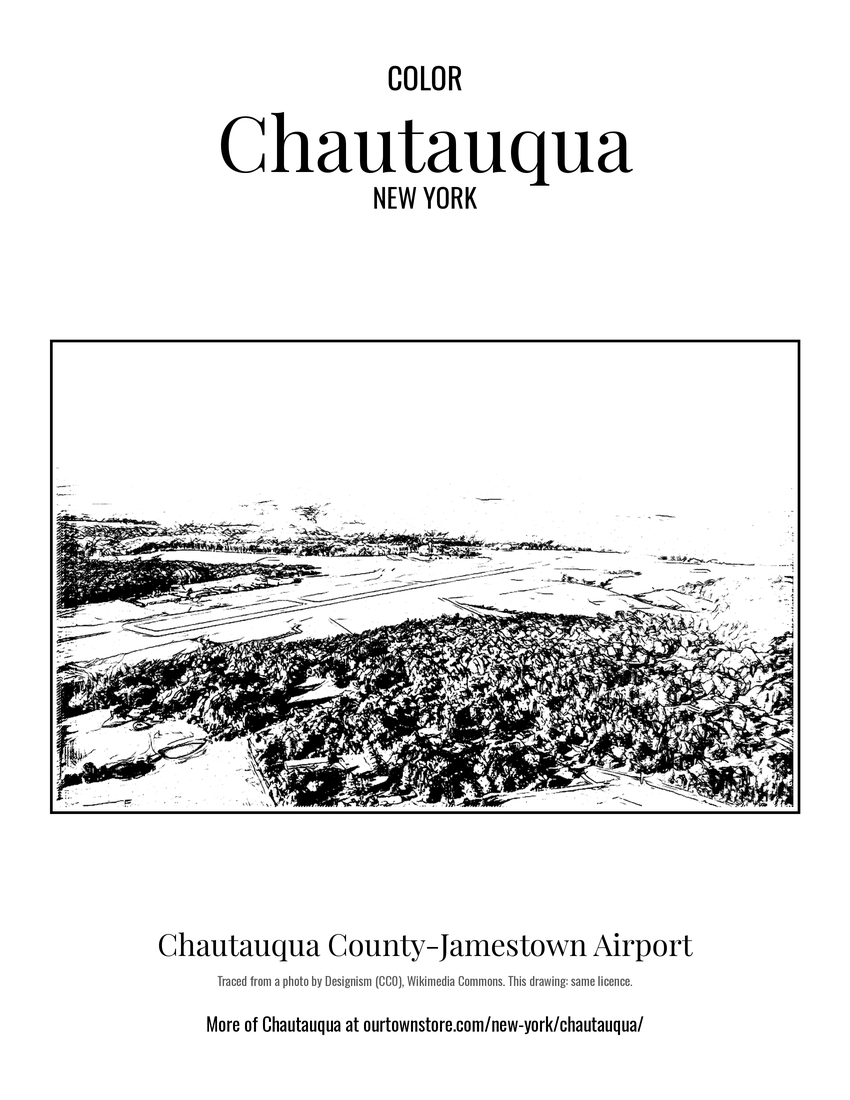 Chautauqua County-Jamestown Airport