A short history of Canajoharie
The town is near the former site of Canajoharie (Mohawk: Kana’tsioharé:ke), an important village of the Mohawk nation that also became known as the Upper Castle. The Mohawk had as their territory most of the central area of present-day New York, from the Hudson River west to where Oneida territory started. They dominated the fur trade with the French based in central Quebec, and with Dutch and later English in eastern New York. French, Dutch and later English trappers and traders came to this Mohawk village to trade. Both the French and Dutch married or had unions with Mohawk women, increasing their ties with the people. Their mixed-race children married into the Dutch and later English communities. Many of their sons also became interpreters or traders.
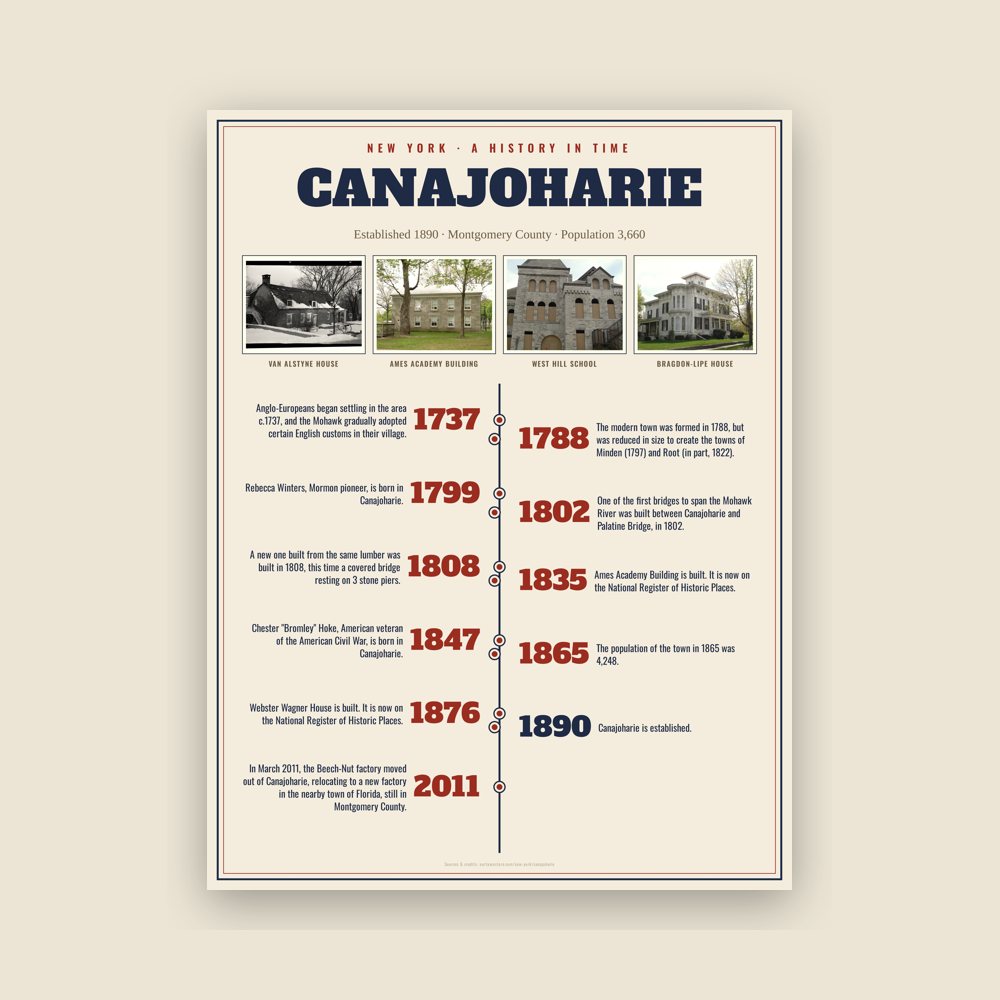
Anglo-Europeans began settling in the area c.1737, and the Mohawk gradually adopted certain English customs in their village. Because the Mohawk and three other Iroquois nations were allied with the British during the Revolutionary War, they were forced to cede most of their lands in New York after the United States' victory. The state sold millions of acres of land to speculators and private owners.
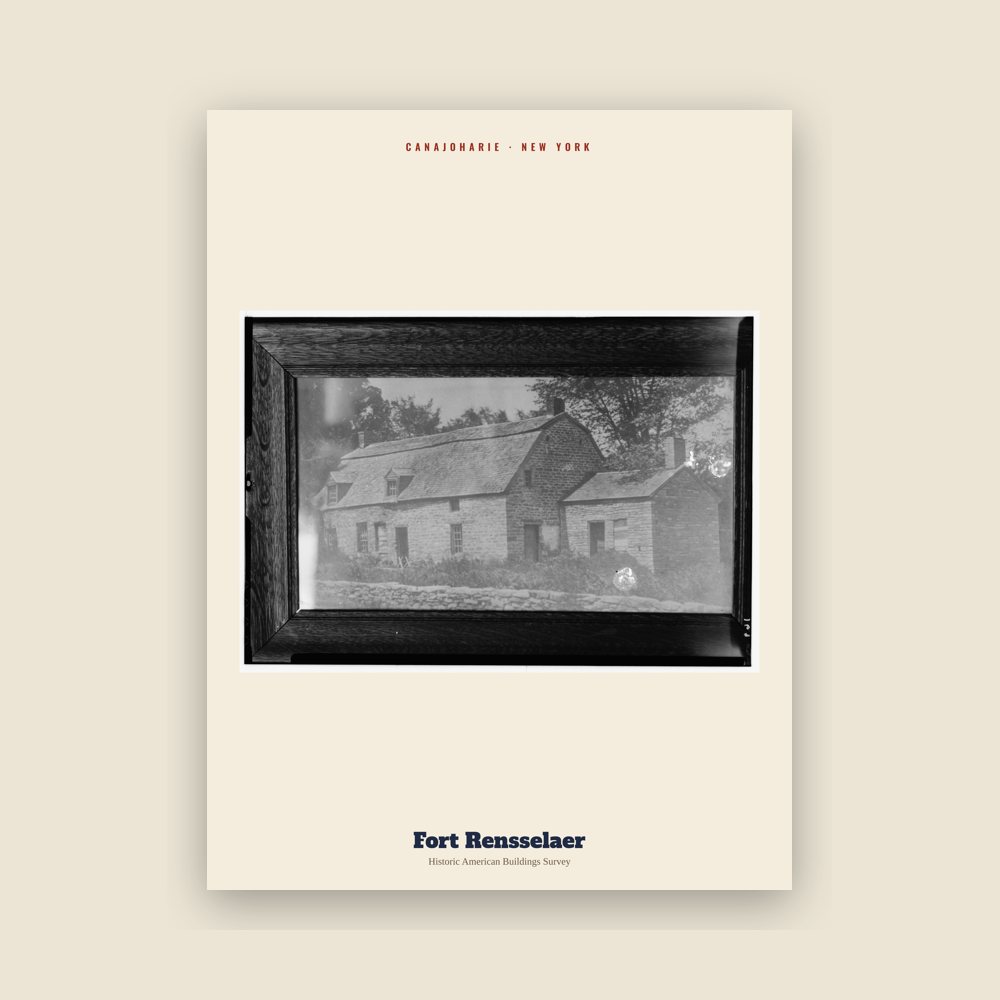
After the Revolutionary War, George Washington visited Canajoharie after surveying the damage to nearby Cherry Valley. He stayed the night at the Van Alstyne home, a common meeting place long referred to by some as Fort Rensselaer - though the actual fort (destroyed sometime before the French and Indian War) was in nearby Fort Plain.
The modern town was formed in 1788, but was reduced in size to create the towns of Minden (1797) and Root (in part, 1822). While the Mohawk Valley developed with the completion of the Erie Canal, the project also enabled considerable migration from New York to the Midwest. The population of the town in 1865 was 4,248.
One of the first bridges to span the Mohawk River was built between Canajoharie and Palatine Bridge, in 1802. It was a single uncovered wooden arch 330 feet long, and collapsed in 1807. A new one built from the same lumber was built in 1808, this time a covered bridge resting on 3 stone piers. This bridge was swept away by a flood in 1822 and was replaced the same year, but was lost to another flood and replaced in 1833.
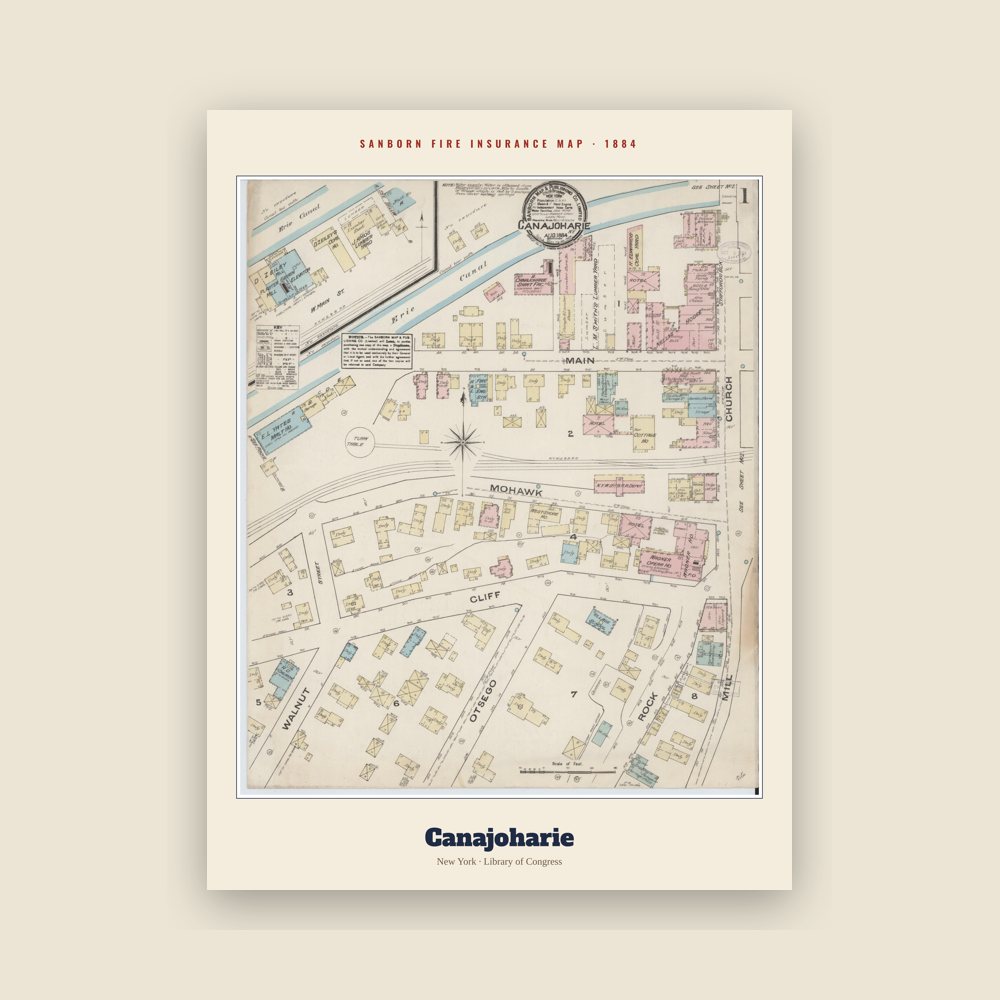
The town of Canajoharie was consumed by fire twice, causing an ordinance to be passed prohibiting homes to be constructed of wood. Therefore, many of the older homes in the town are made of brick or locally quarried stone.
Beech-Nut, the baby food producer, was founded in Canajoharie in 1890 during the period of early industrialization in the river valley. It served as the largest employer in the town for more than a century. In March 2011, the Beech-Nut factory moved out of Canajoharie, relocating to a new factory in the nearby town of Florida, still in Montgomery County.
Adapted (trimmed) from the Wikipedia article Canajoharie, New York, revision 1377175549 by its contributors, licensed CC BY-SA 4.0.
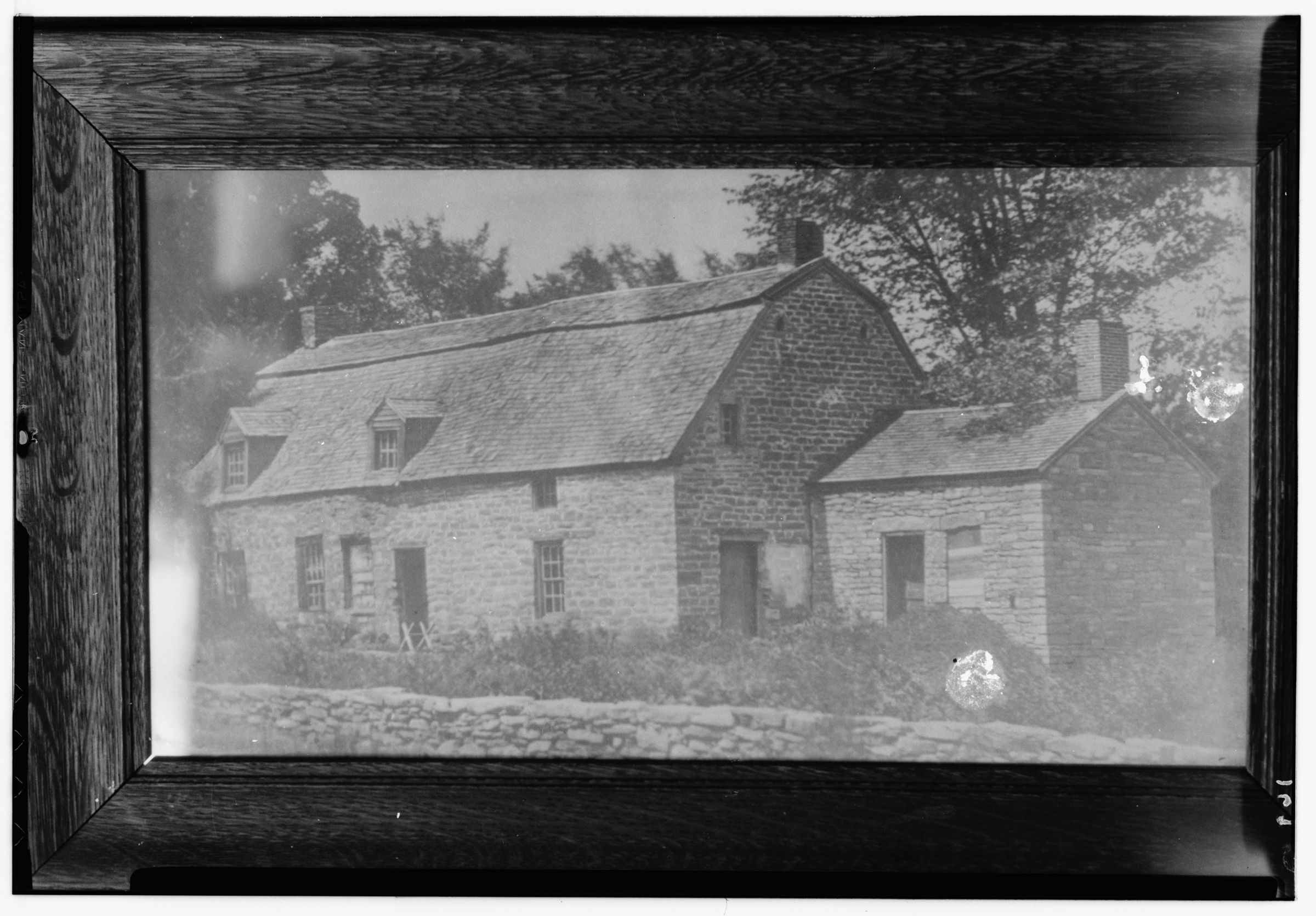
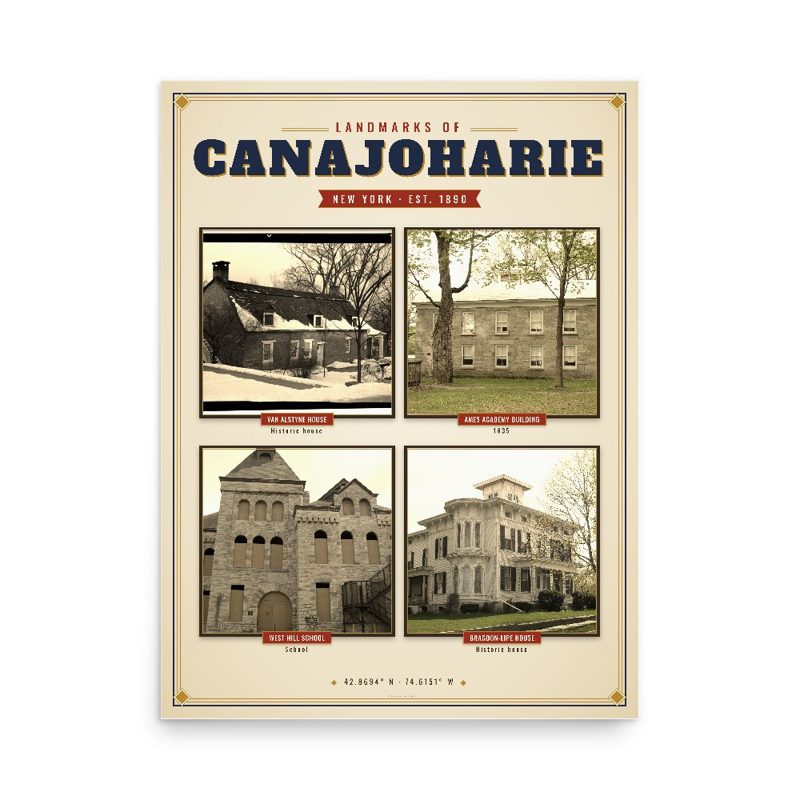
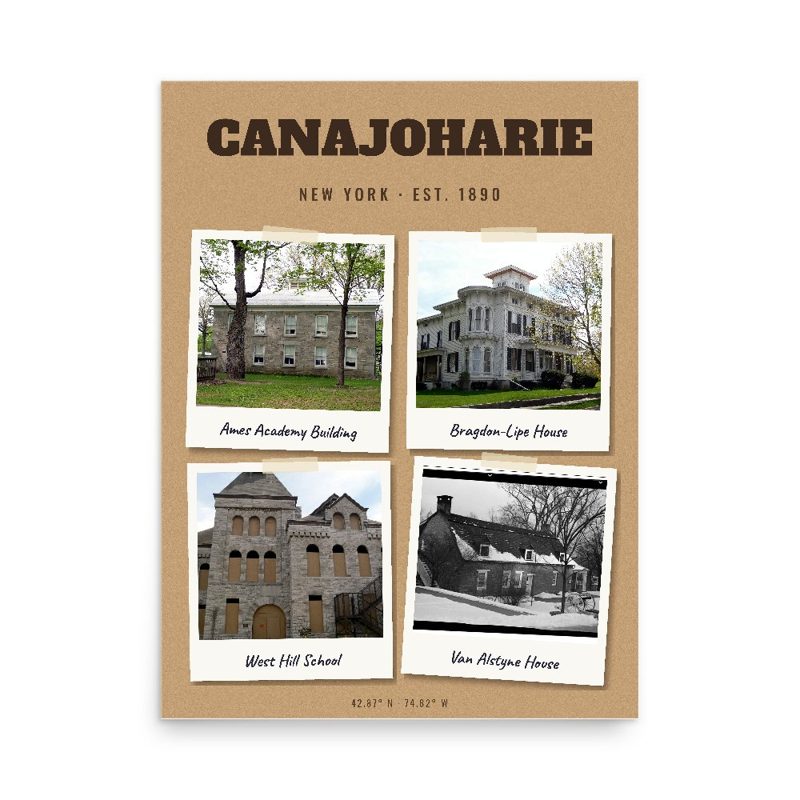
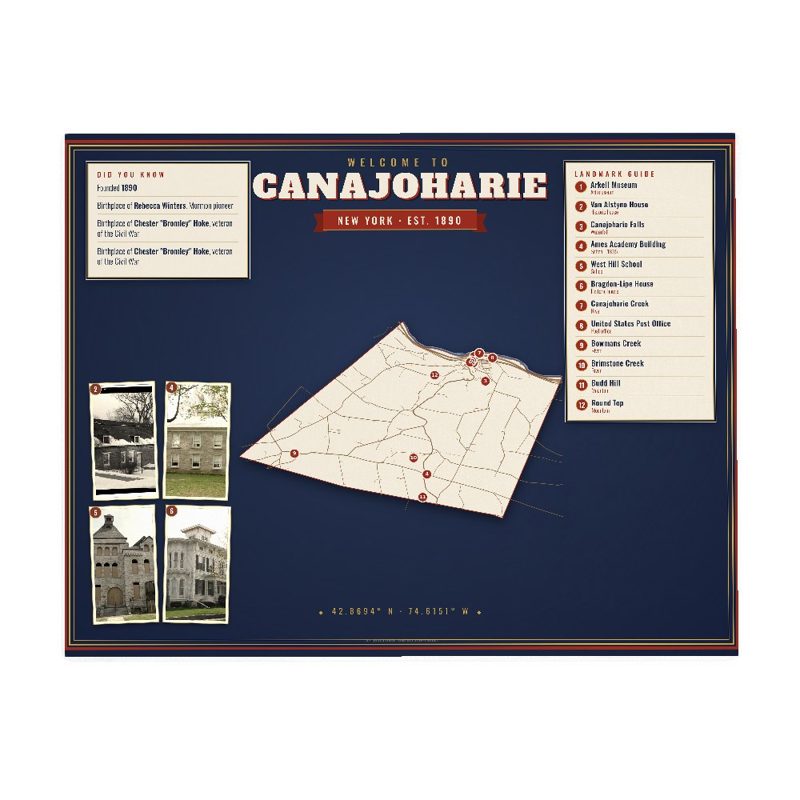





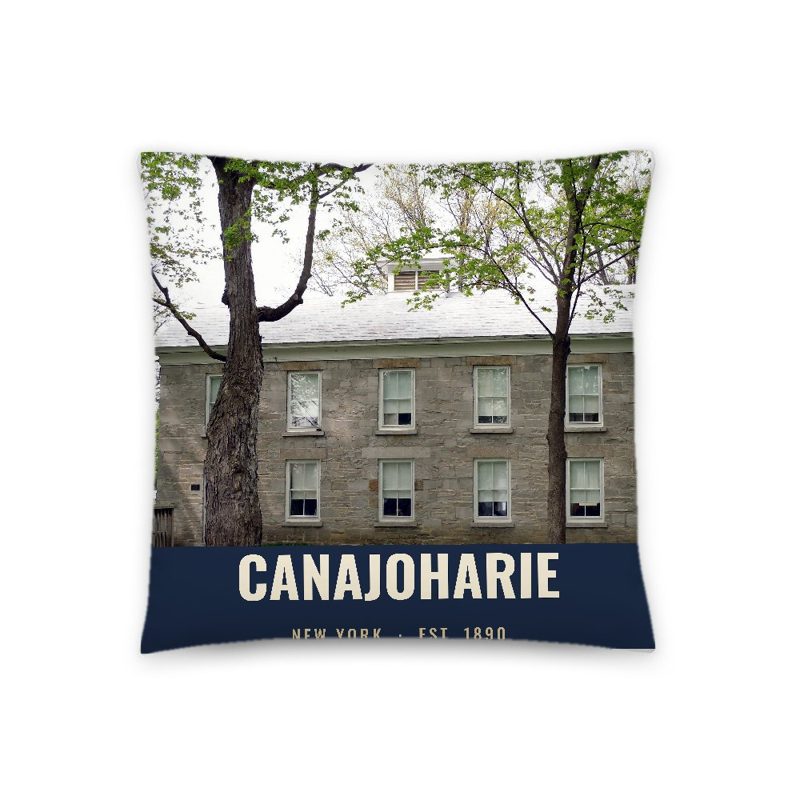


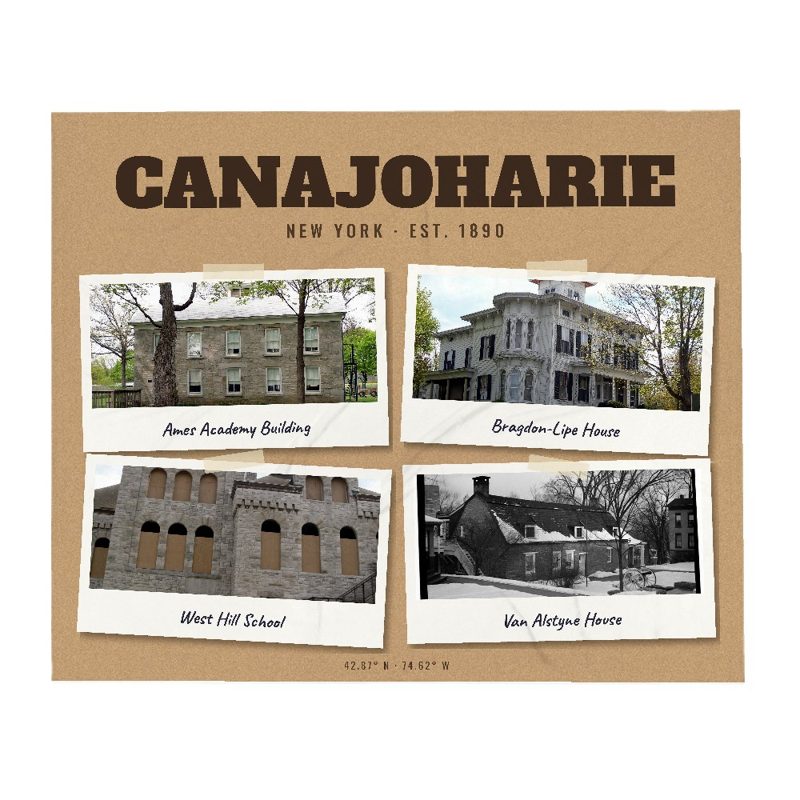

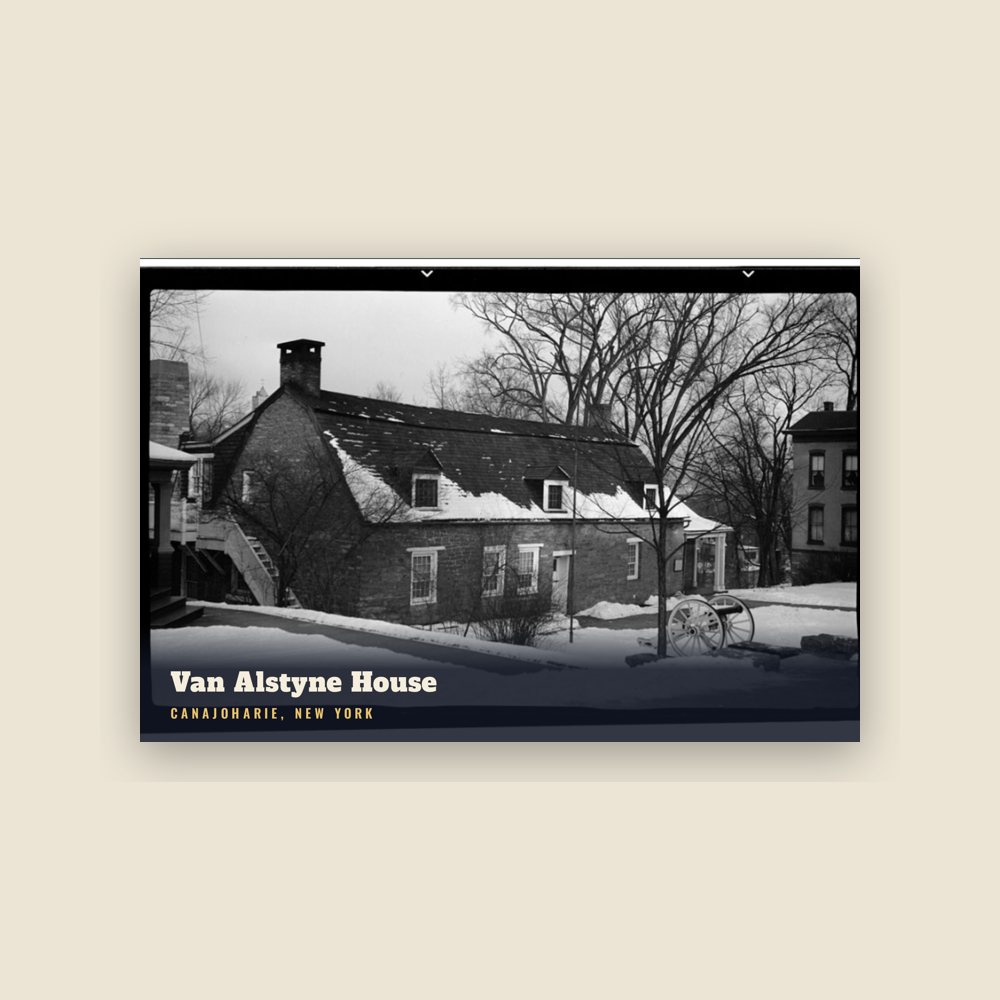
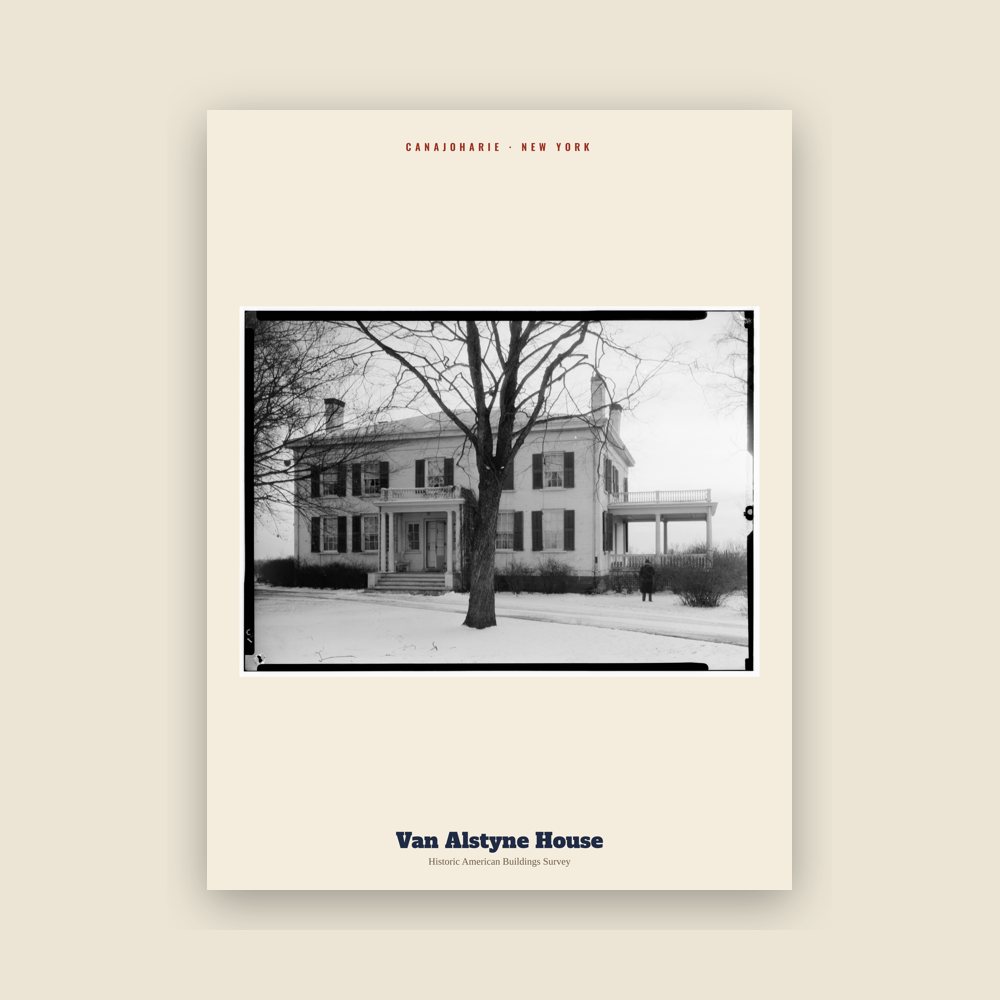
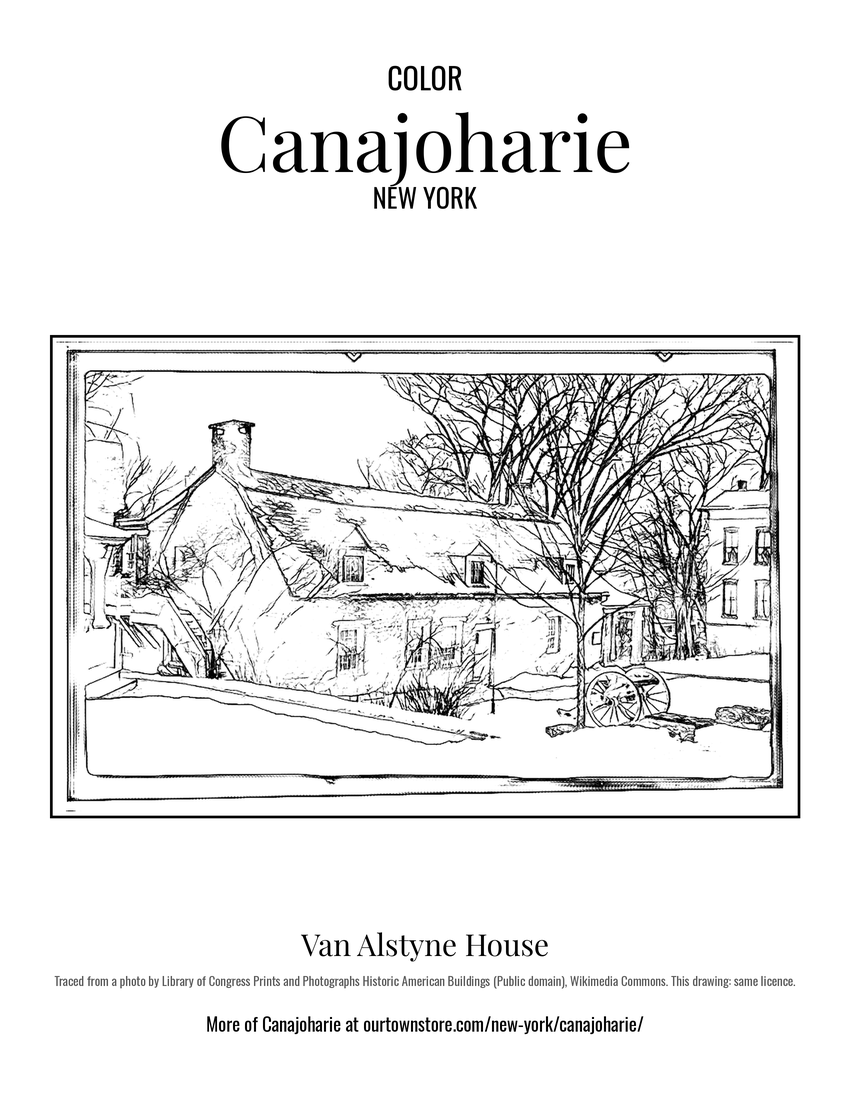 Van Alstyne House
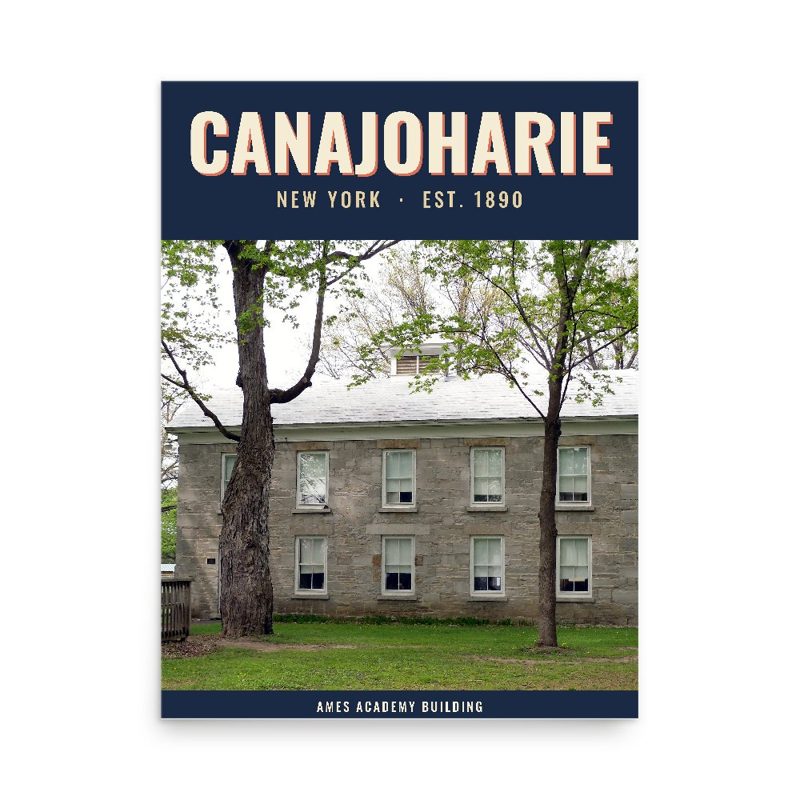
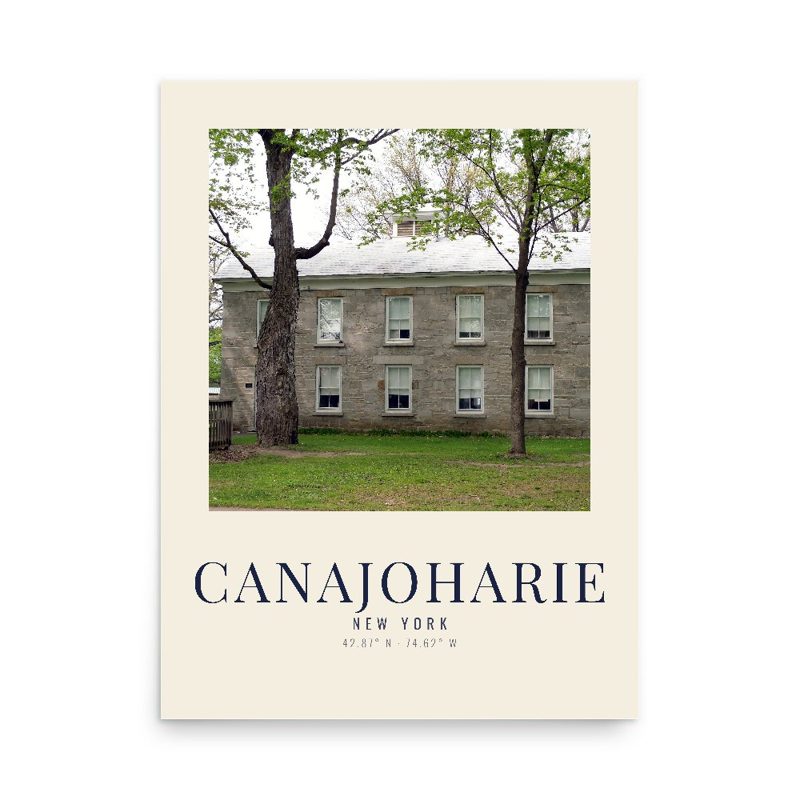
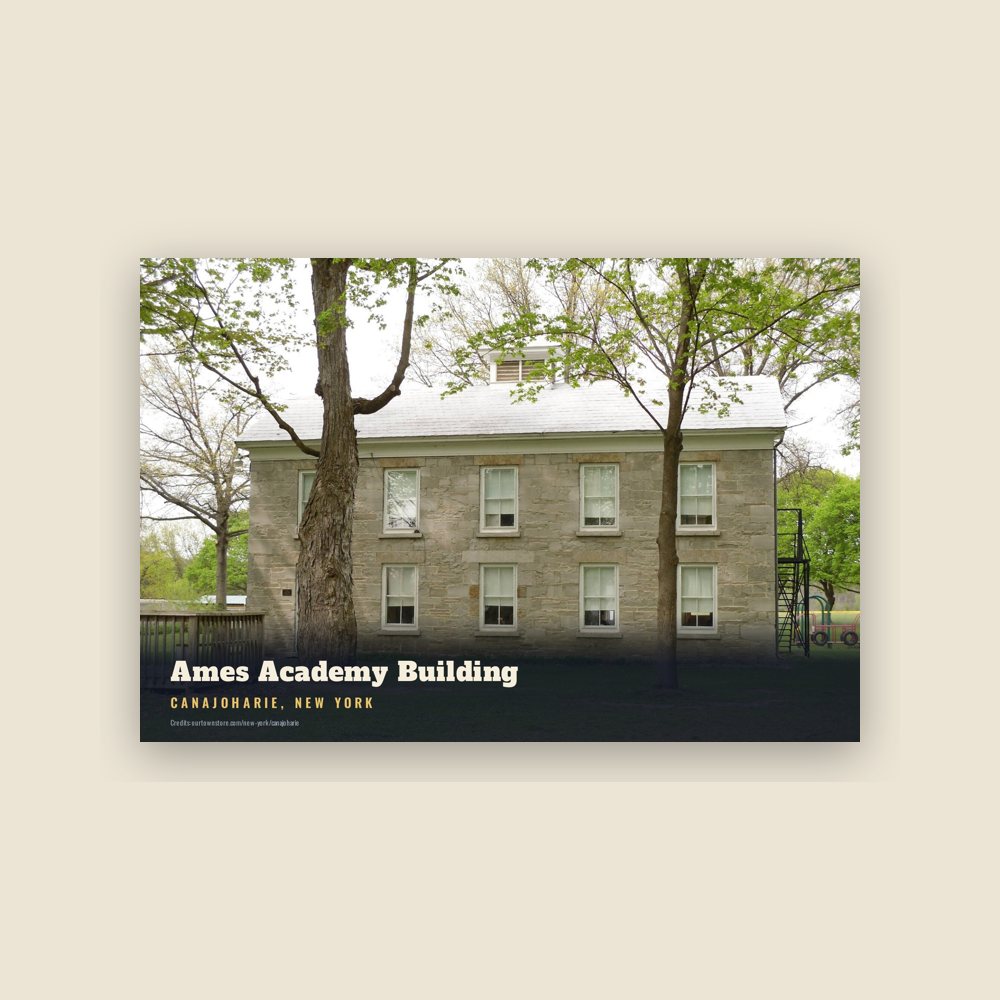
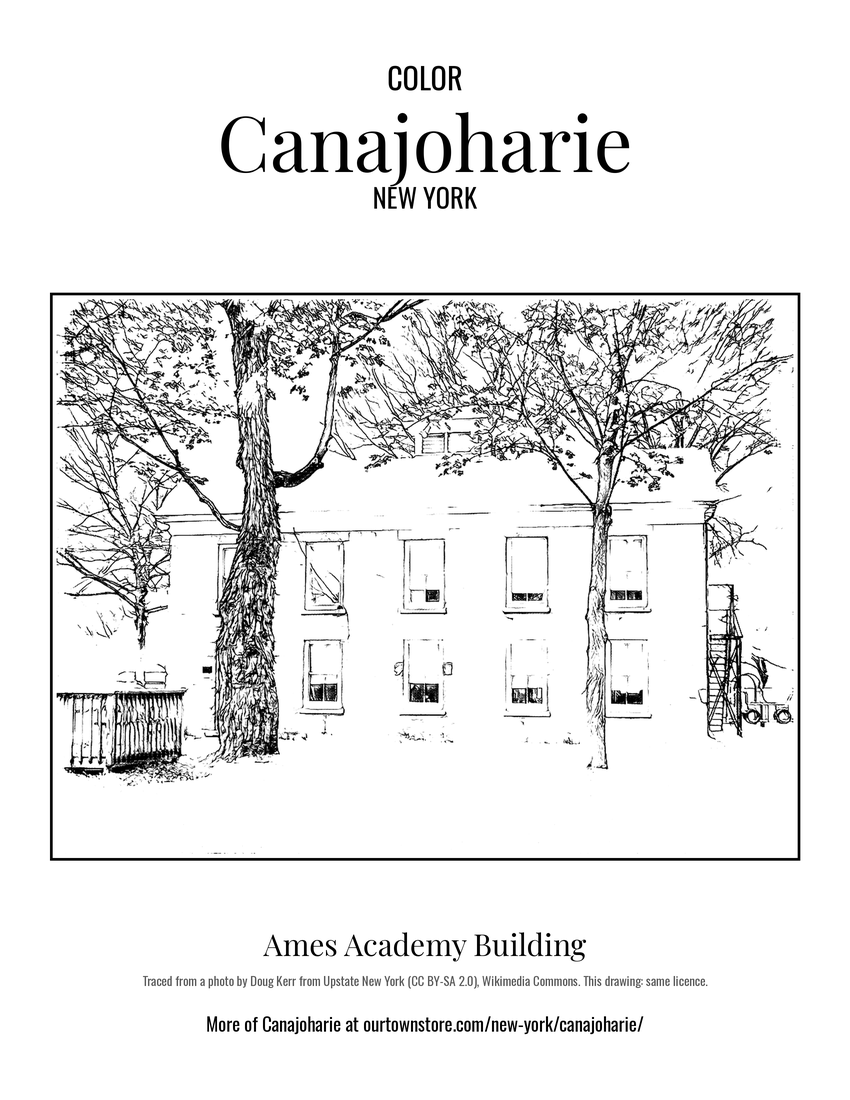 Ames Academy Building
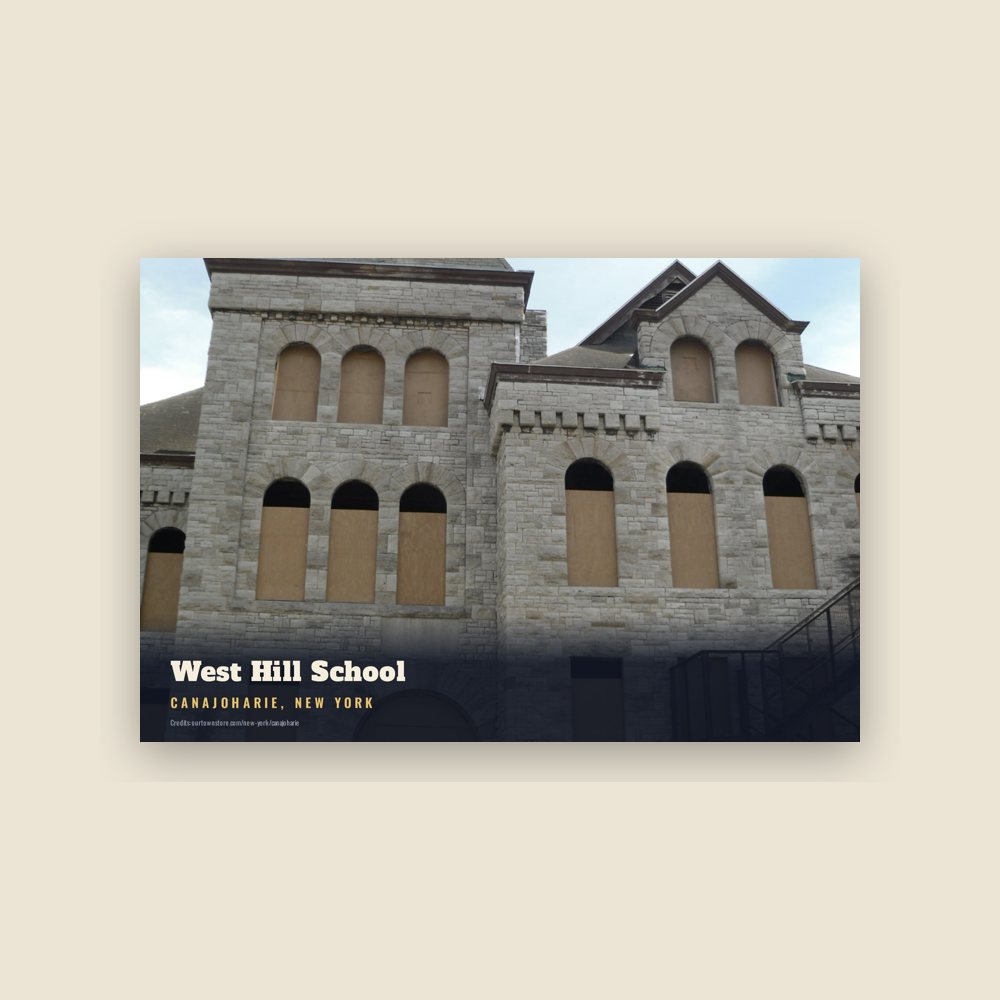
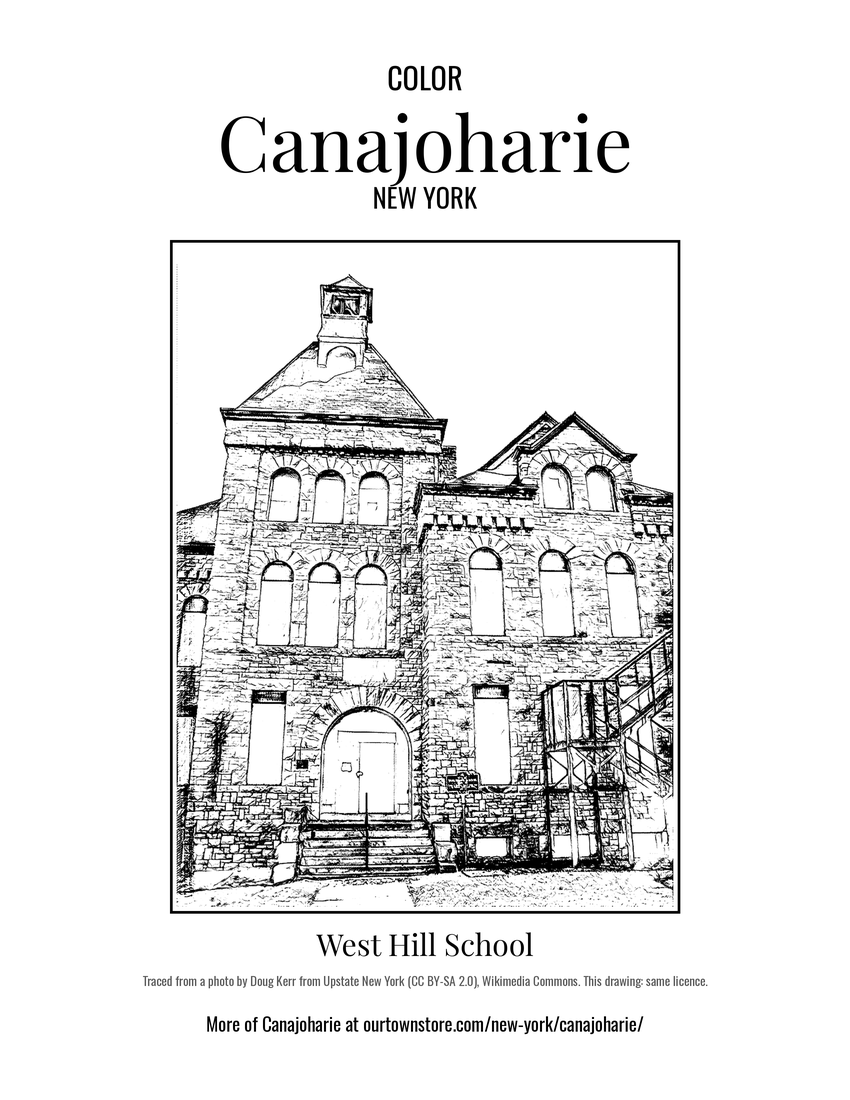 West Hill School
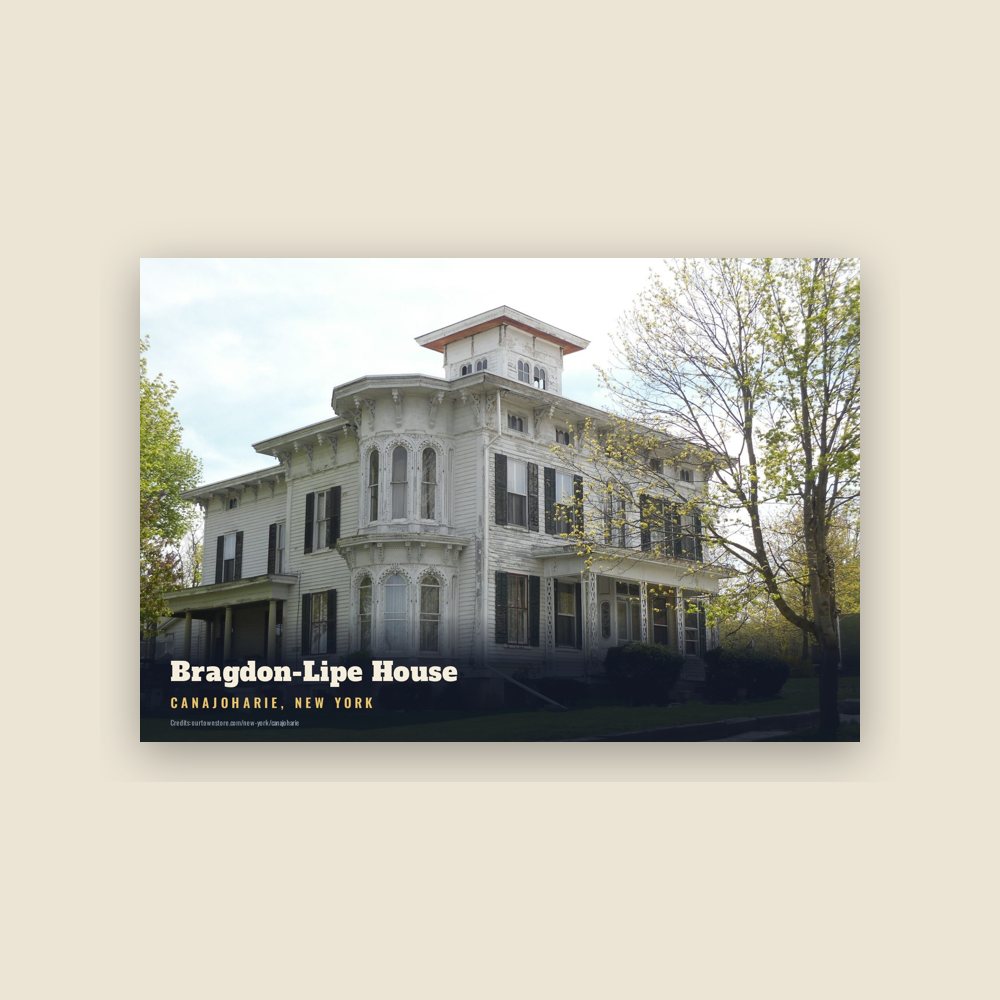
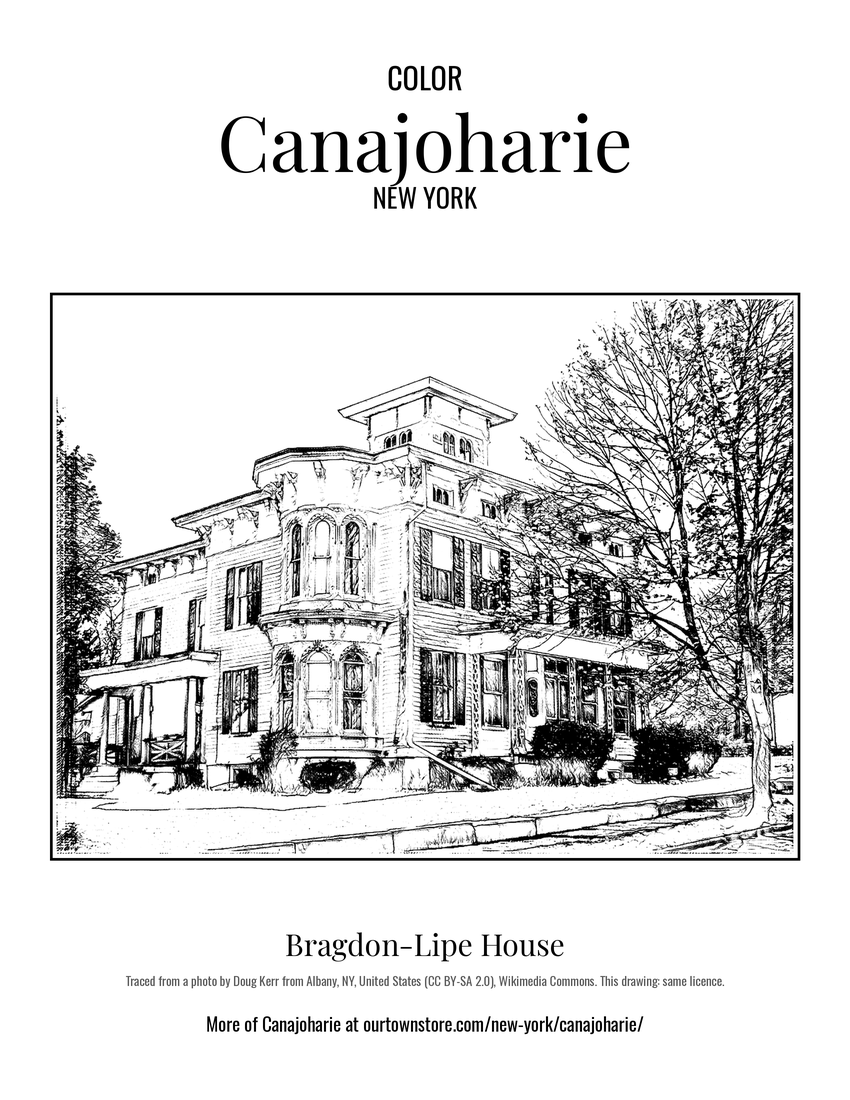 Bragdon-Lipe House