A short history of Santa Rosa
The first Euro-American settlement in the area was Agua Negra Chiquita, "Little Black Water" in Spanish, in 1865. The name was changed in 1890 to Santa Rosa (Spanish for "Saint Rose"), referring to a chapel that Don Celso Baca (the founder of the city) built and named after both his mother Rosa and Saint Rose of Lima. The "Rosa" may also refer to the roses in the story of Our Lady of Guadalupe and is indicative of the Catholicism of the Spanish colonizers who settled in the area.
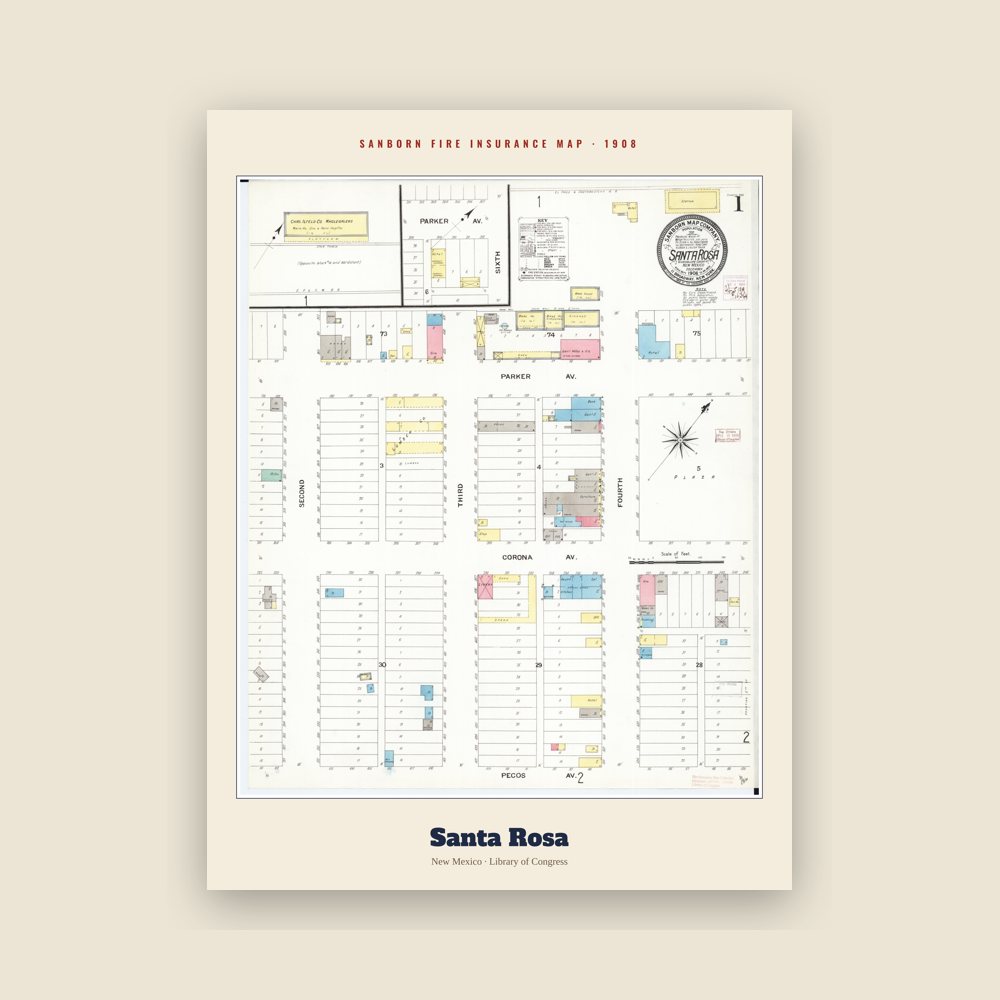
At the turn of the 20th century, Santa Rosa was not the largest settlement within the region. Puerto de Luna, approximately ten miles south, held the county seat for Guadalupe County. Santa Rosa was smaller than Puerto de Luna until 1901 when the Chicago, Rock Island & Pacific Railroad was extended into Santa Rosa from the east, quickly followed by arrival of the El Paso and Northeastern Railway in February 1902, from the southwest, thereby creating a transcontinental connection. As the terminus and interchange point of the two railroads, a thriving community quickly developed (The interchange was moved to Tucumcari after 1907). The county seat was moved to Santa Rosa from Puerto de Luna in 1903.
The east–west highway through the town was designated as US 66 in 1926, and the increase in traffic made the community a popular rest stop with motels and cafes. Santa Rosa's stretch of Route 66 is part of film history.
Santa Rosa was the childhood home of author Rudolfo Anaya, and is the basis for the fictional town of Guadalupe in his autobiographical novel Bless Me, Ultima.
Adapted (trimmed) from the Wikipedia article Santa Rosa, New Mexico, revision 1382144195 by its contributors, licensed CC BY-SA 4.0.
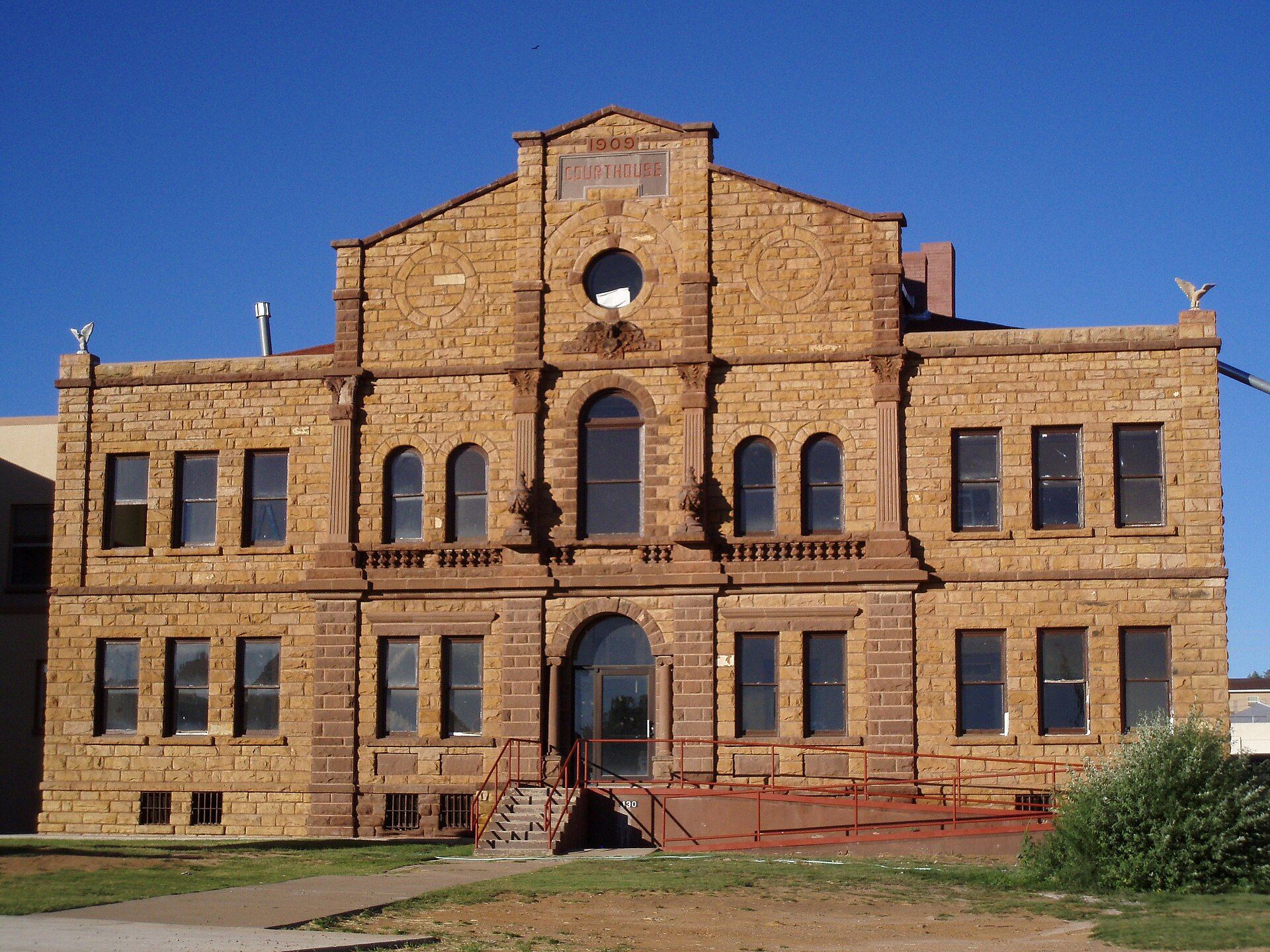
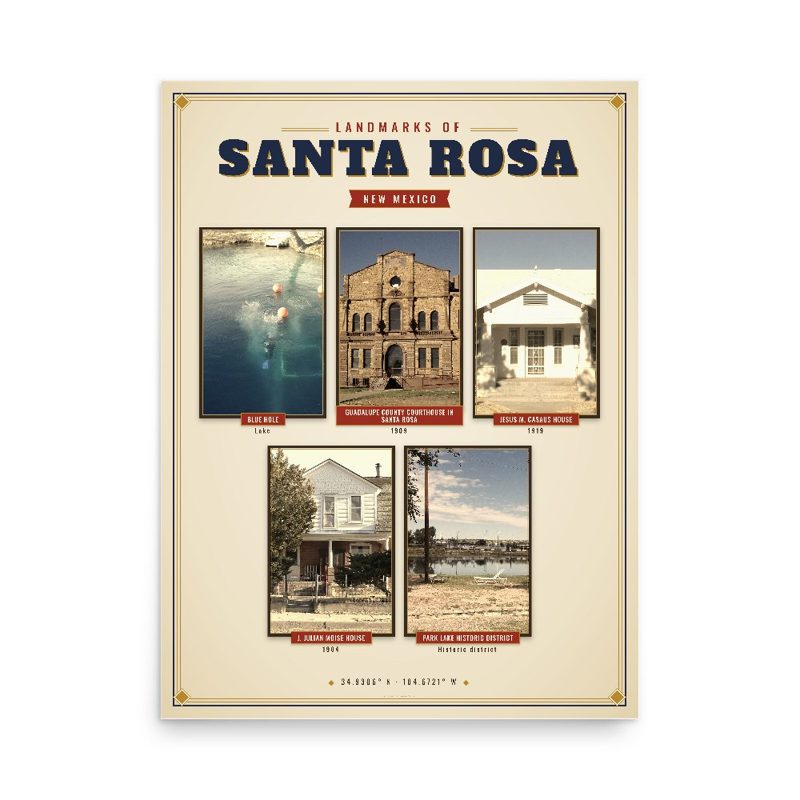
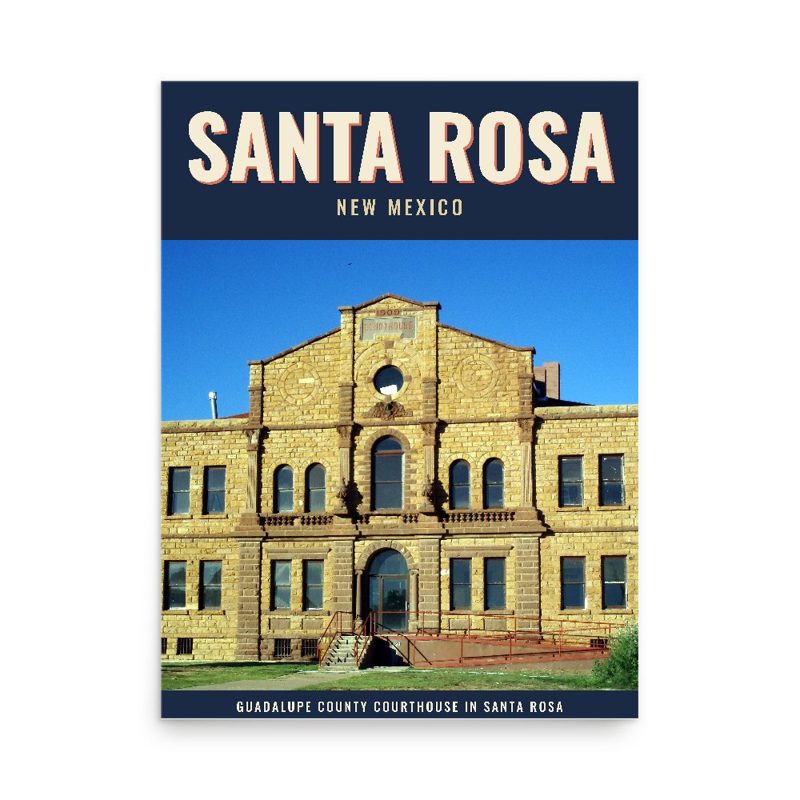
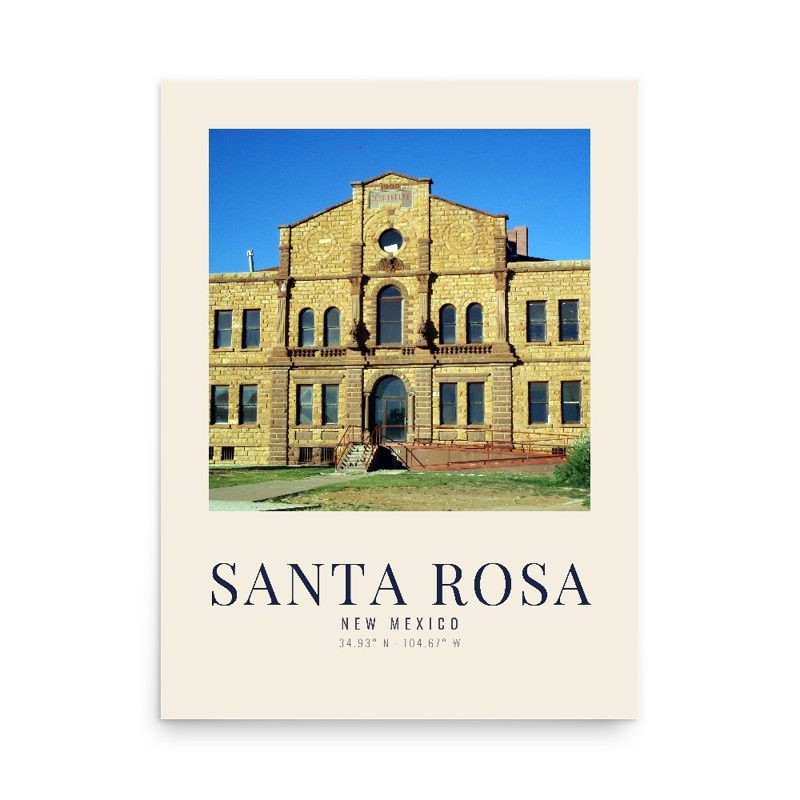

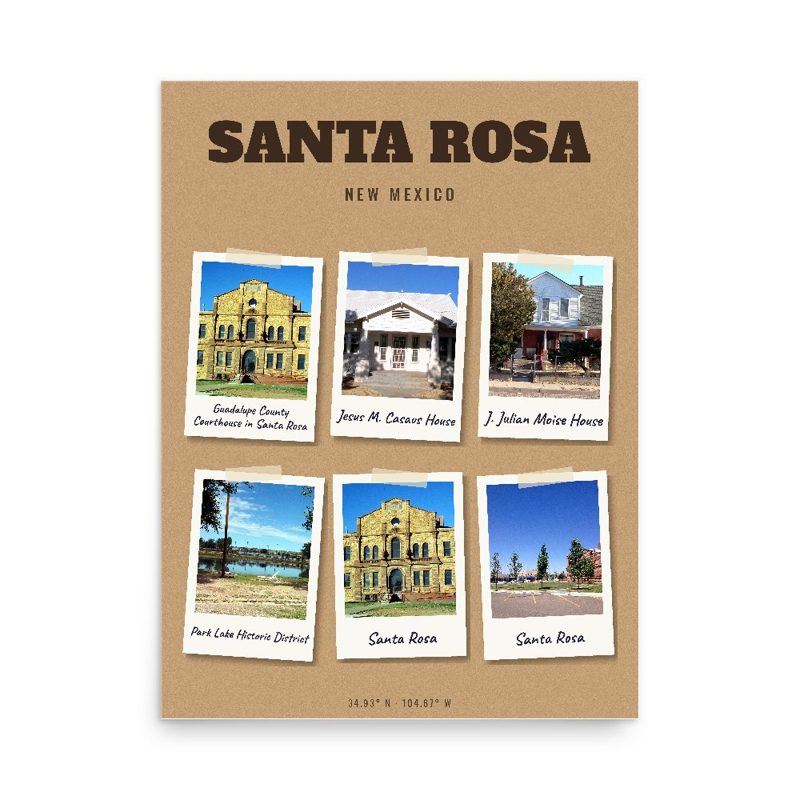
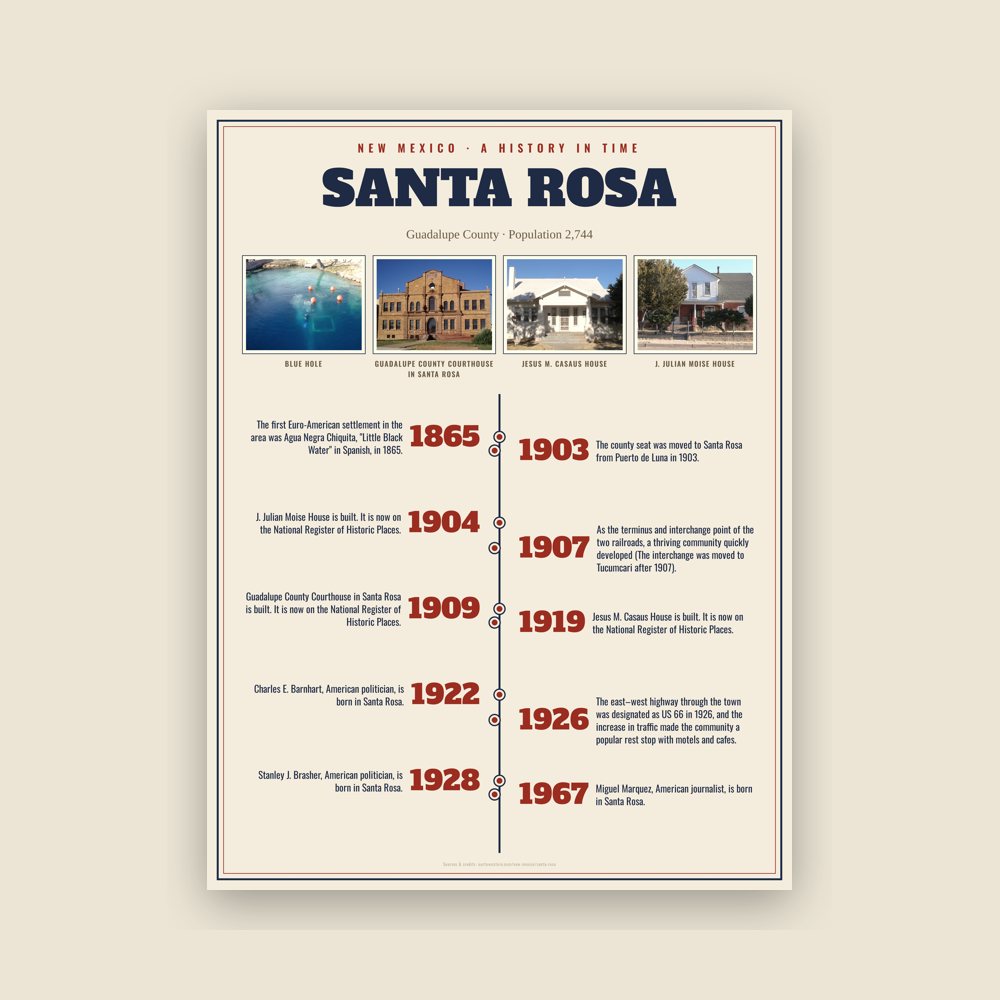
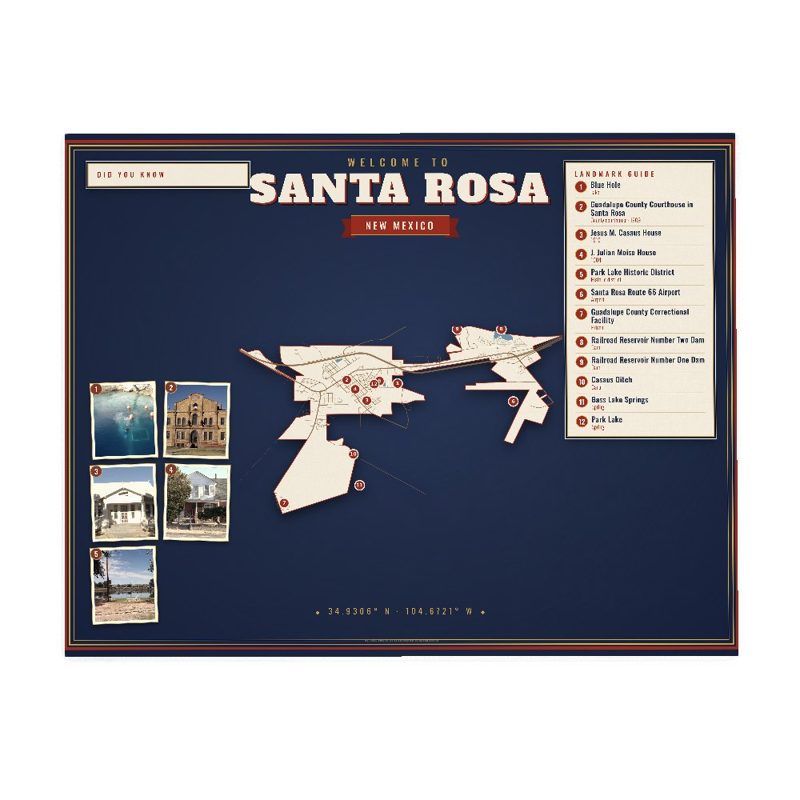

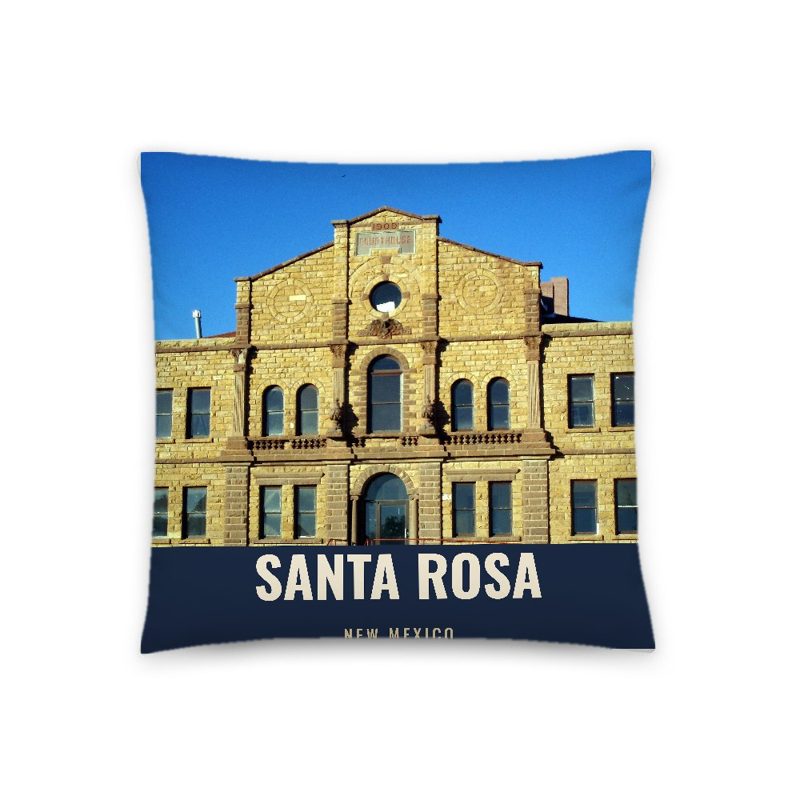



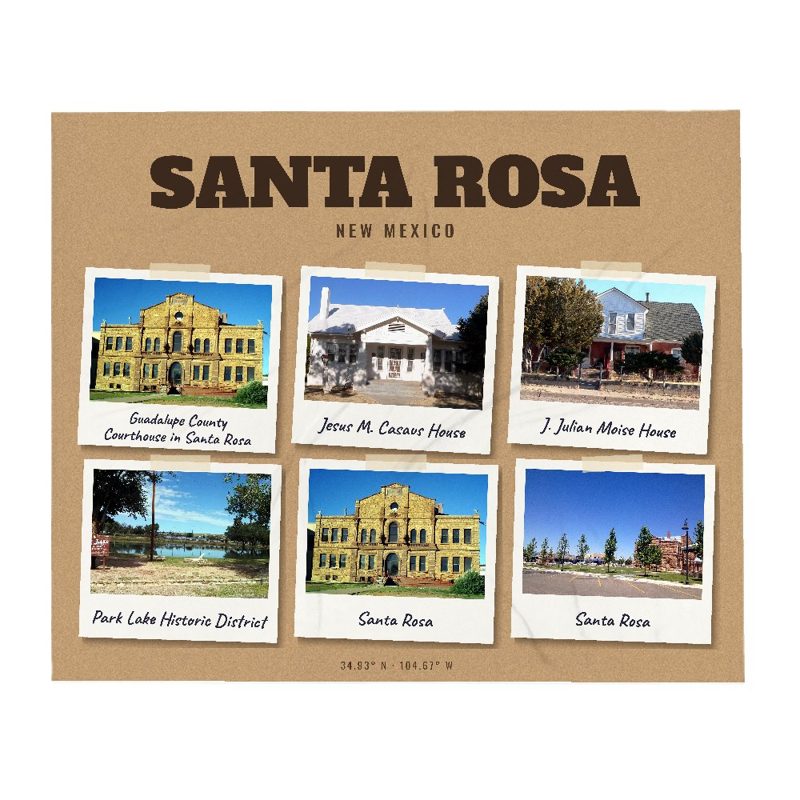
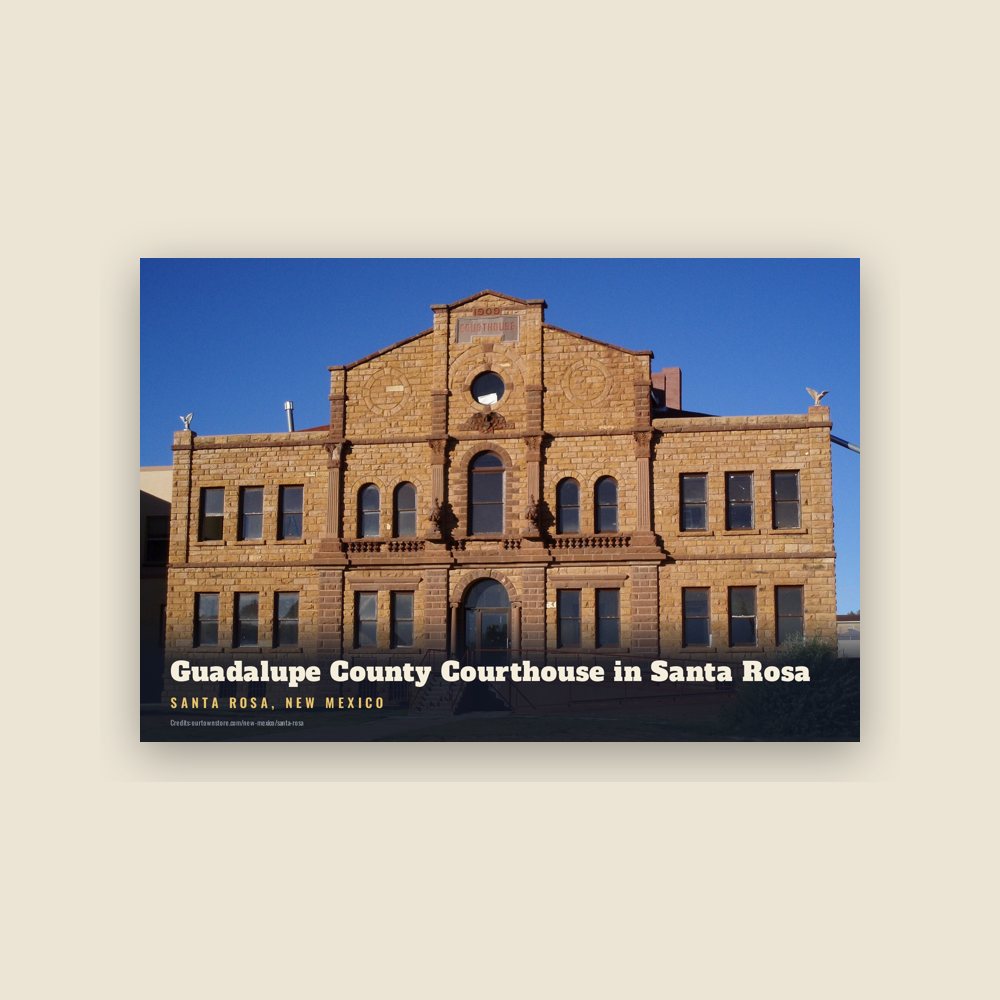
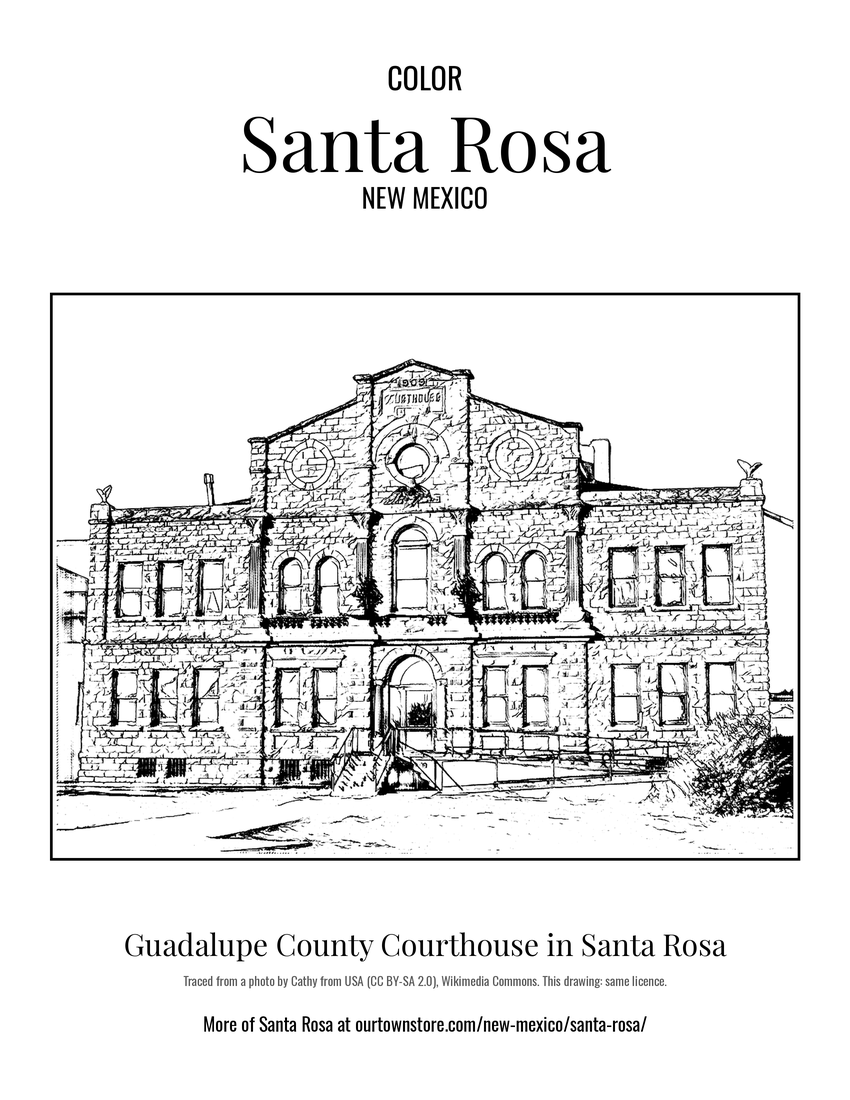 Guadalupe County Courthouse in Santa Rosa
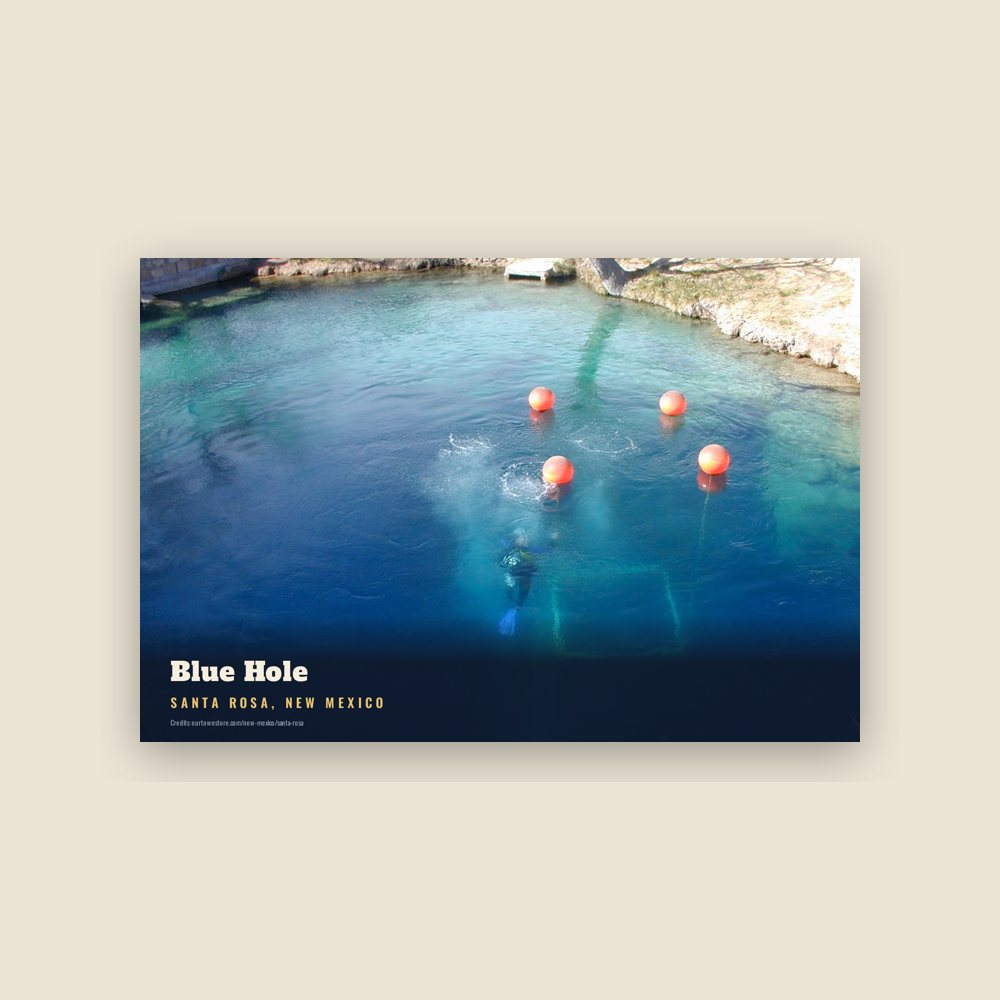
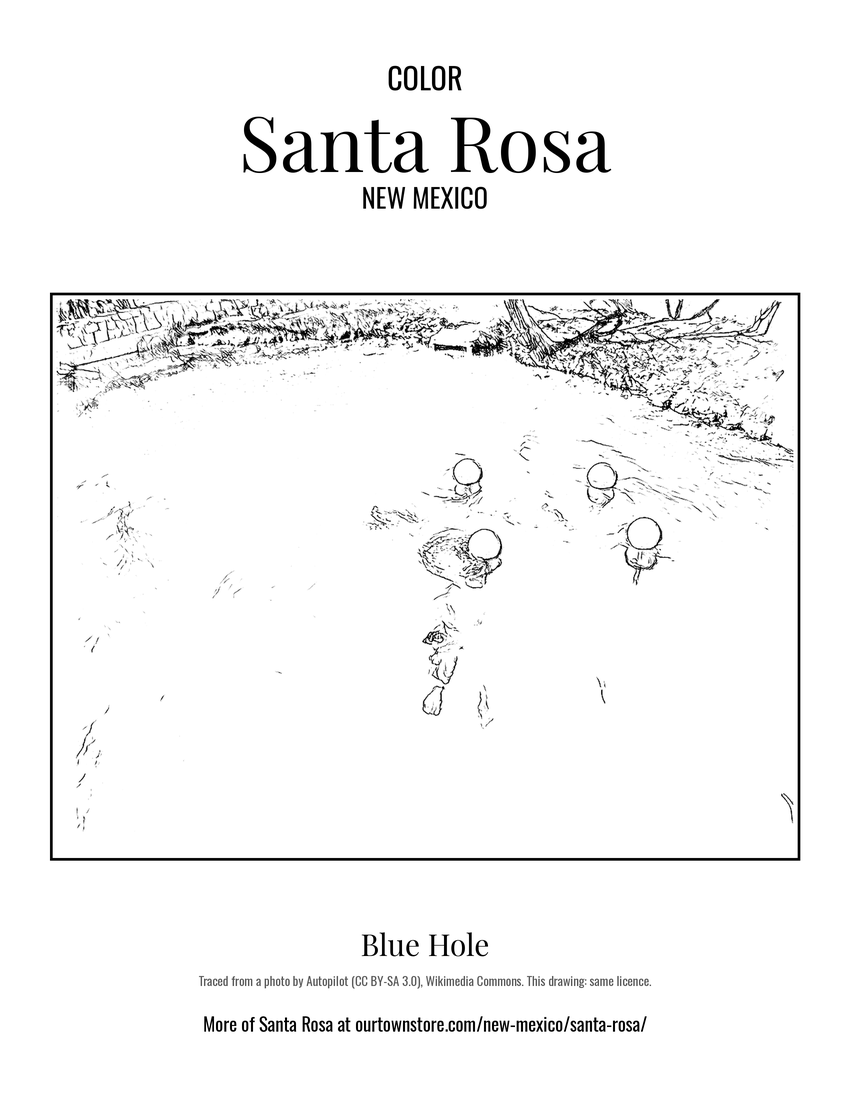 Blue Hole
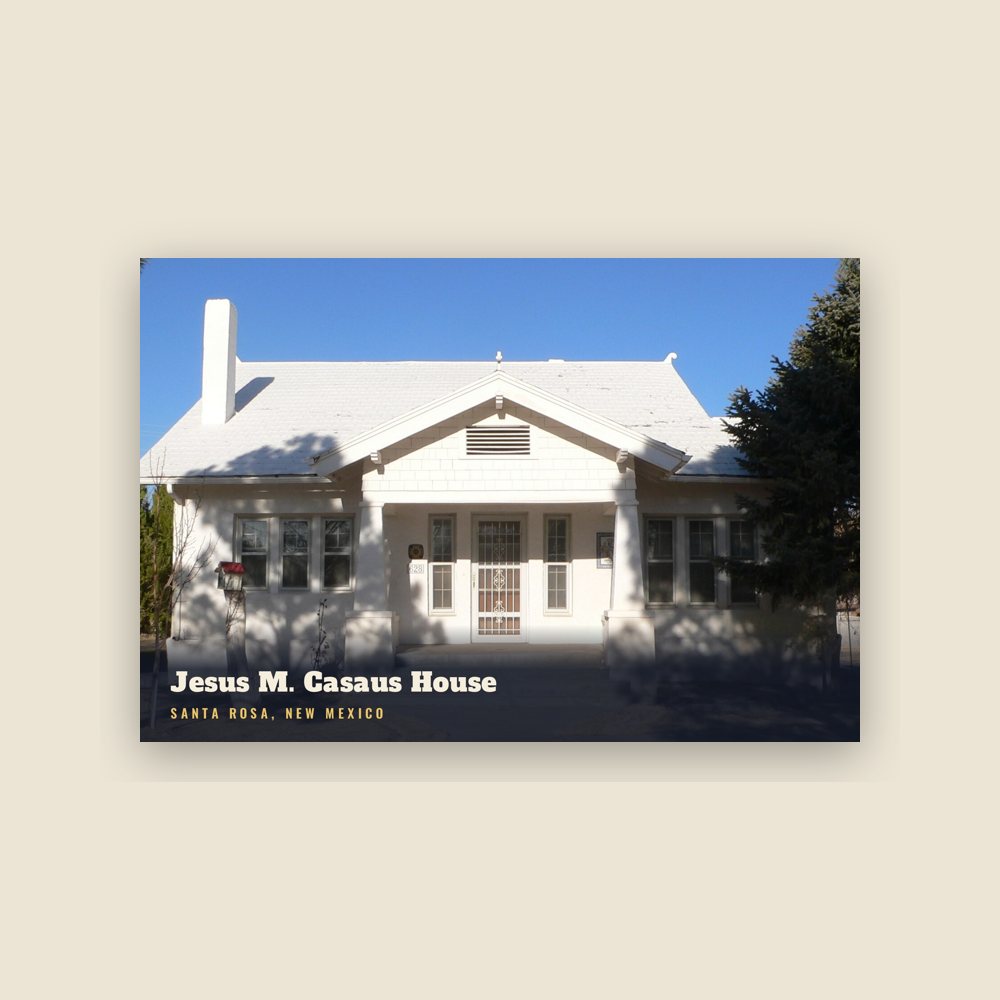
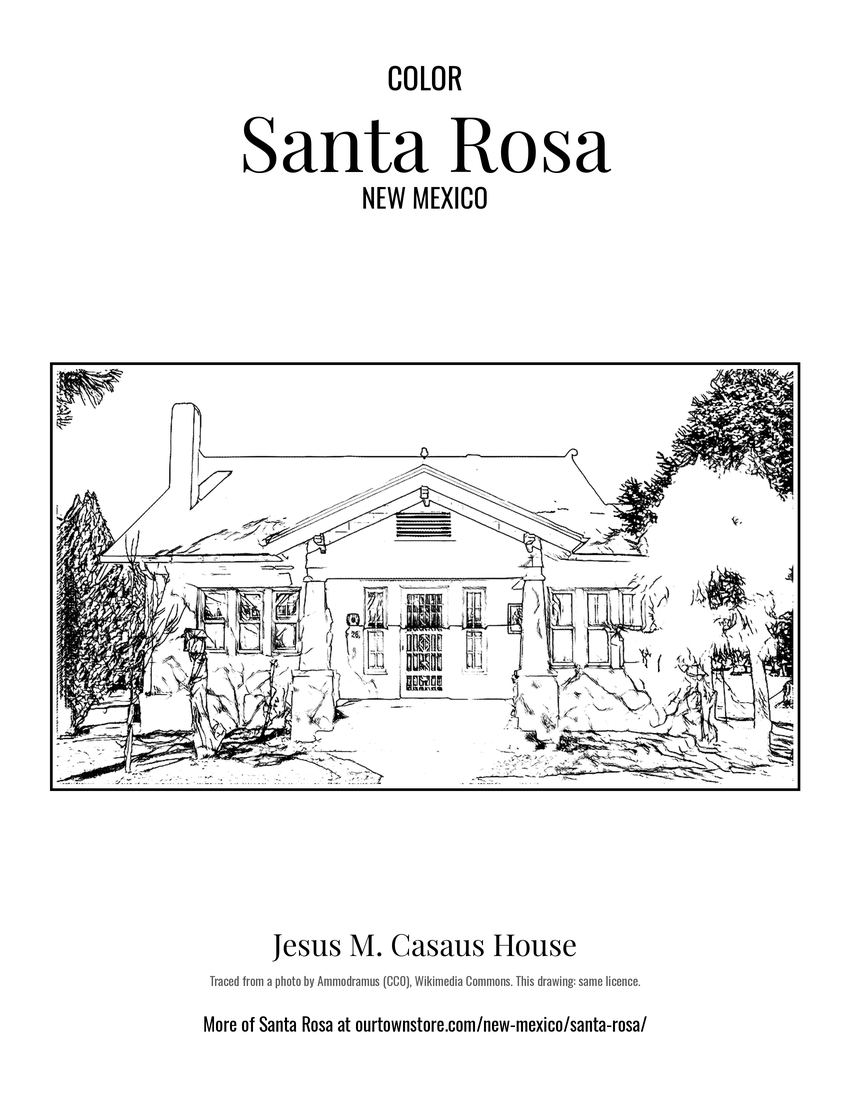 Jesus M. Casaus House
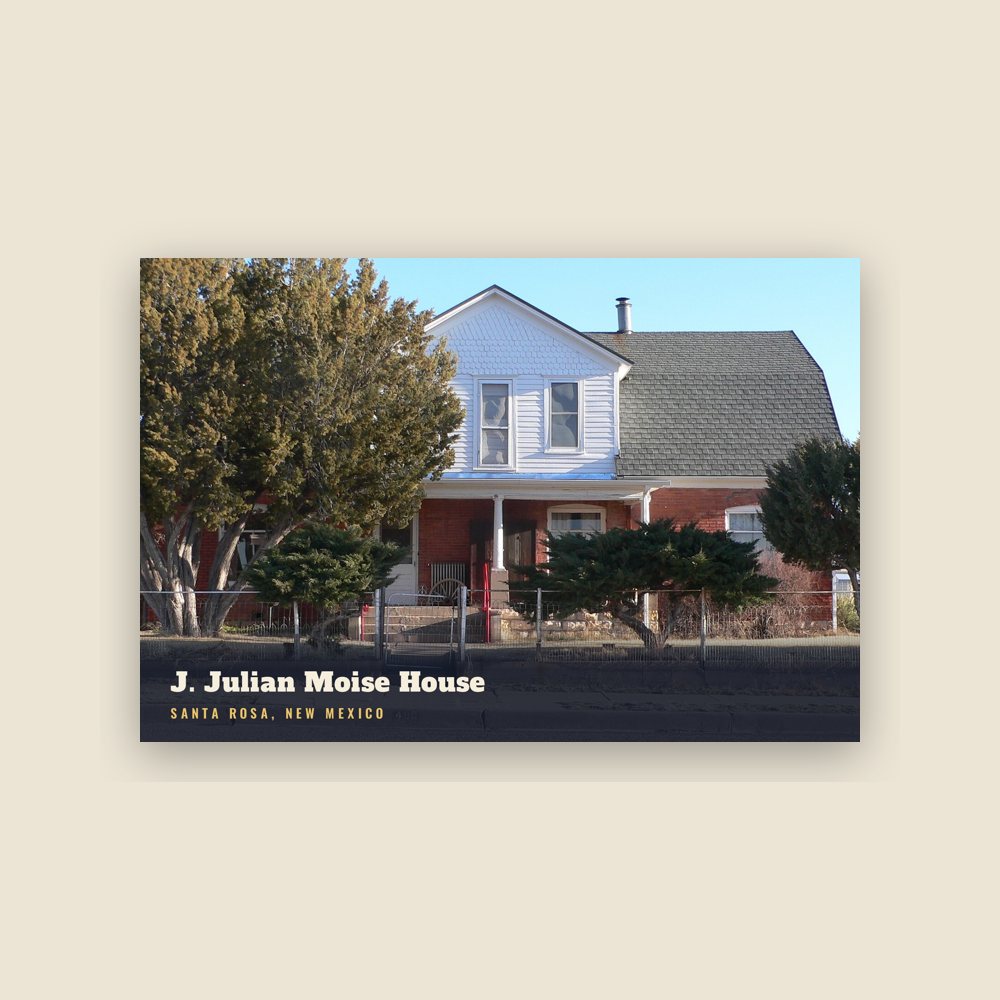
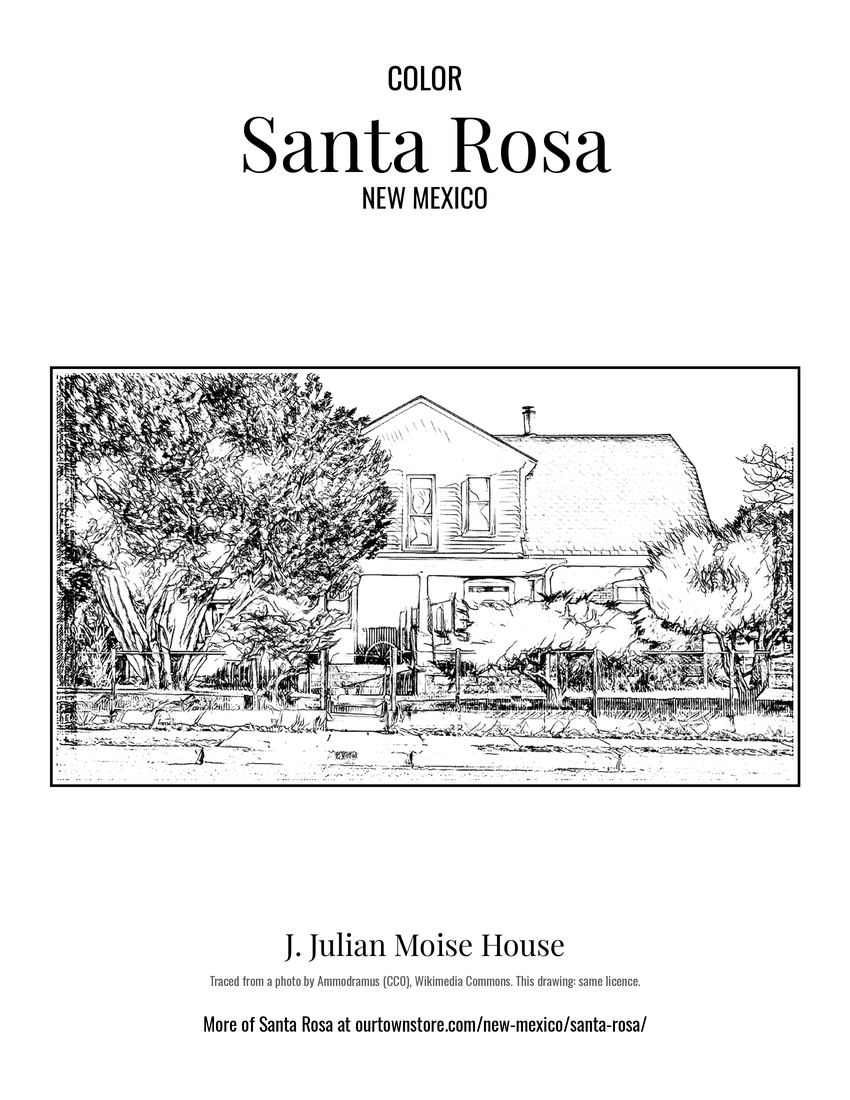 J. Julian Moise House