A short history of West New York
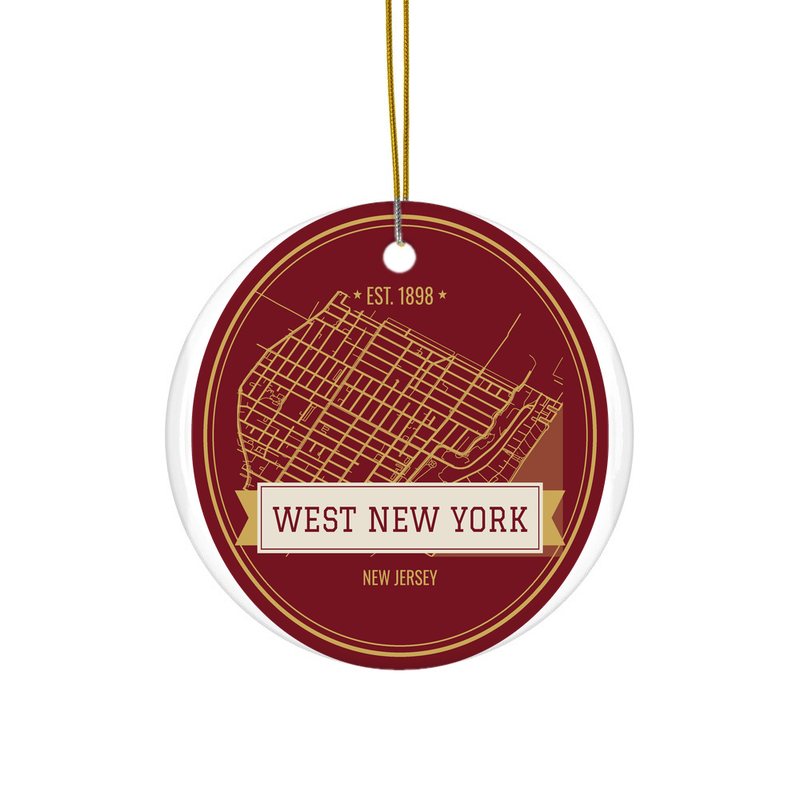
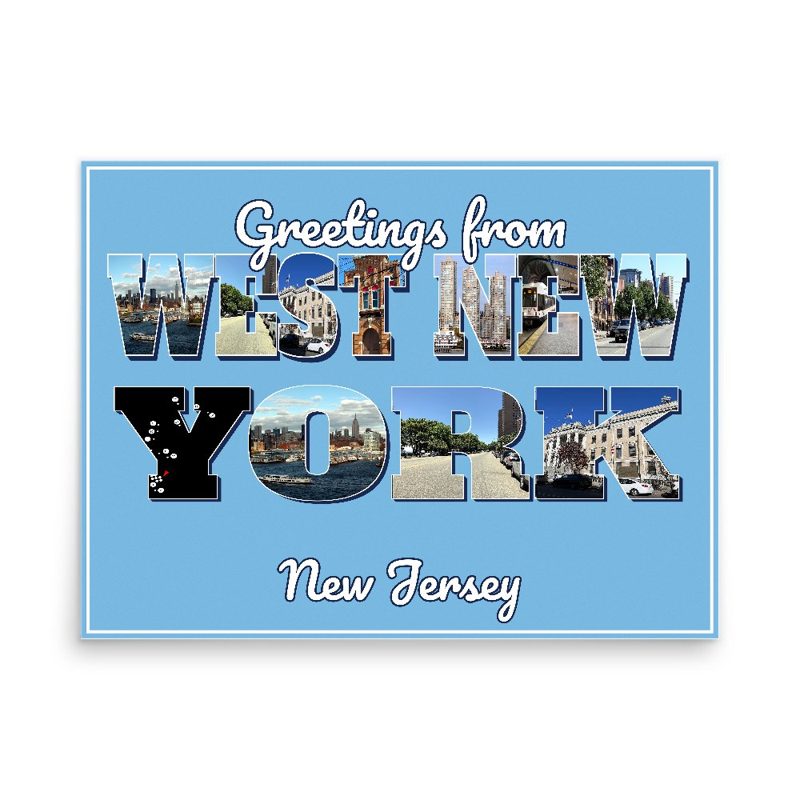
West New York was incorporated as a town by an act of the New Jersey Legislature on July 8, 1898, replacing Union Township, based on the results of a referendum held three days earlier. West New York underwent a massive growth at the beginning of the 20th century, driven by development of textile industries that made North Hudson the "Embroidery Capital of the United States".
The town was populated mainly with Italian Americans and German Americans. Throughout the 1960s, West New York had an influx of Cuban émigrés to the area, leading it to once being called Havana on the Hudson; the city has a majority Hispanic population.
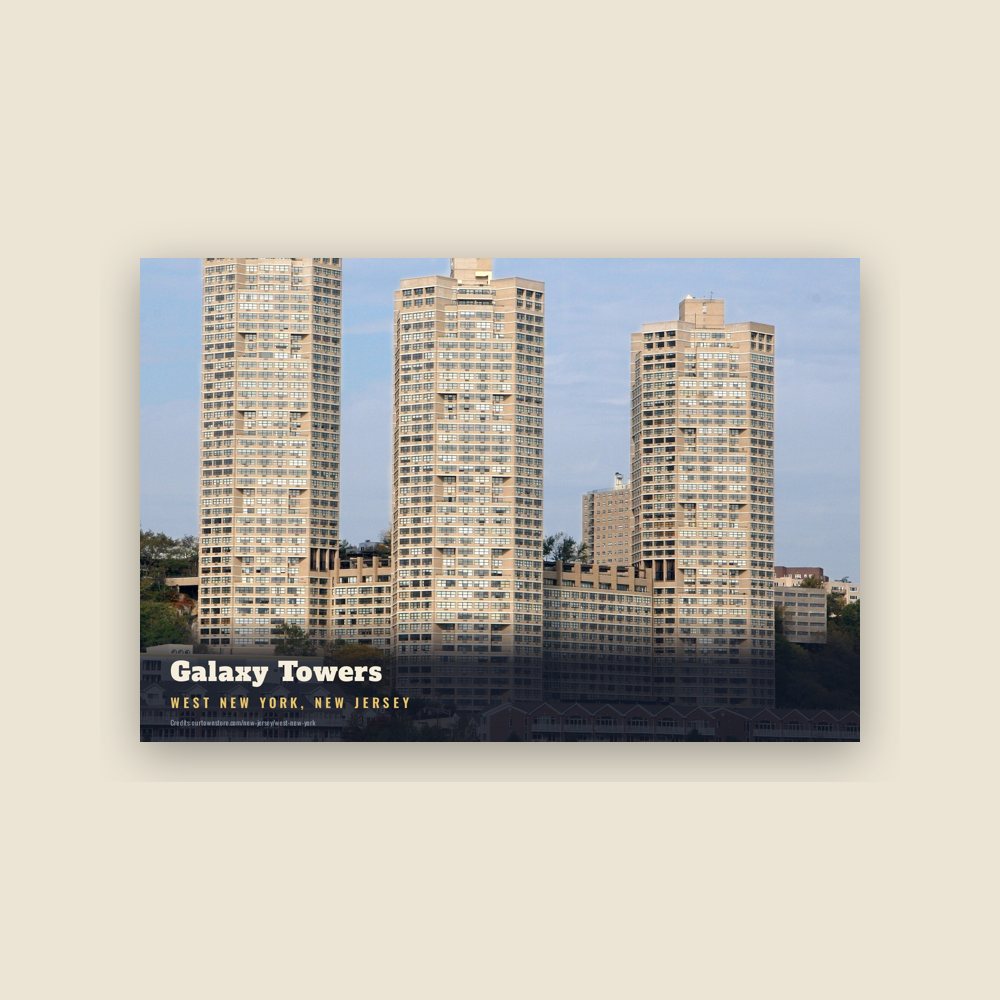
High-rise apartments, some of which place among the tallest buildings in North Hudson, were built along Boulevard East, adding to the population of the town and giving it one of the highest population densities in the country.
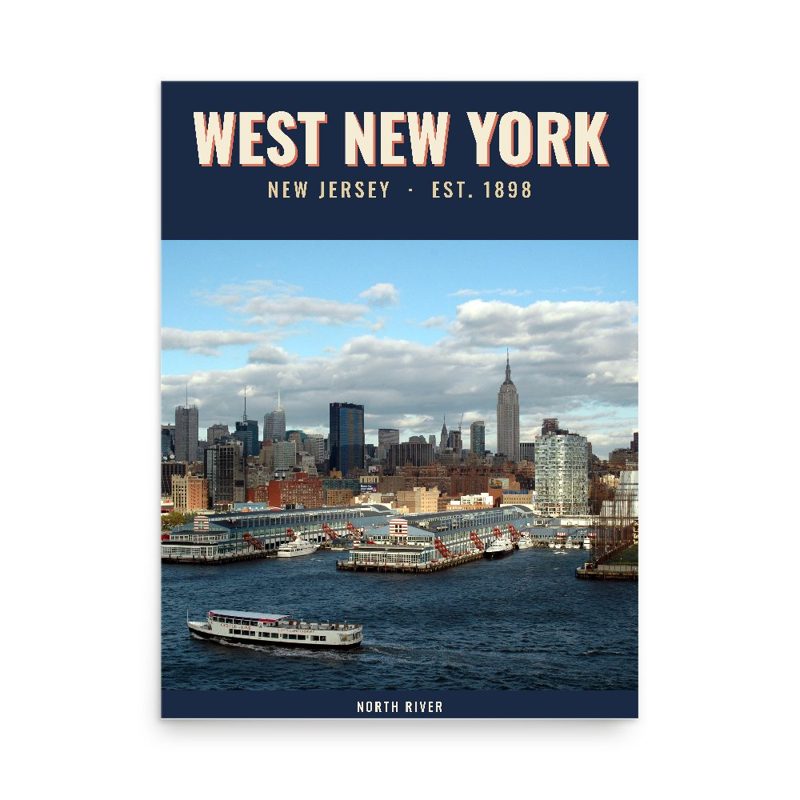
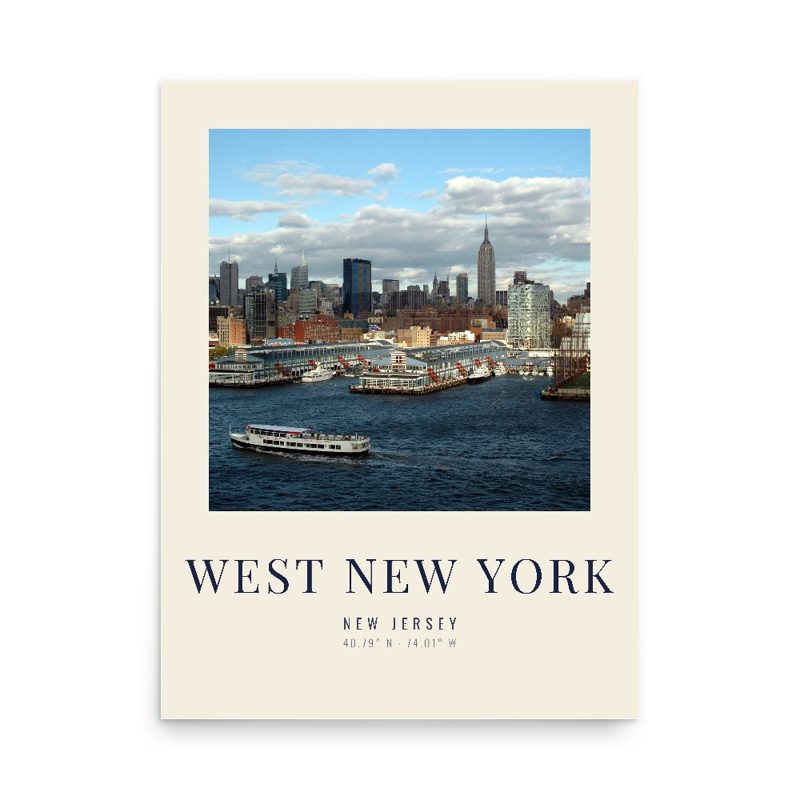
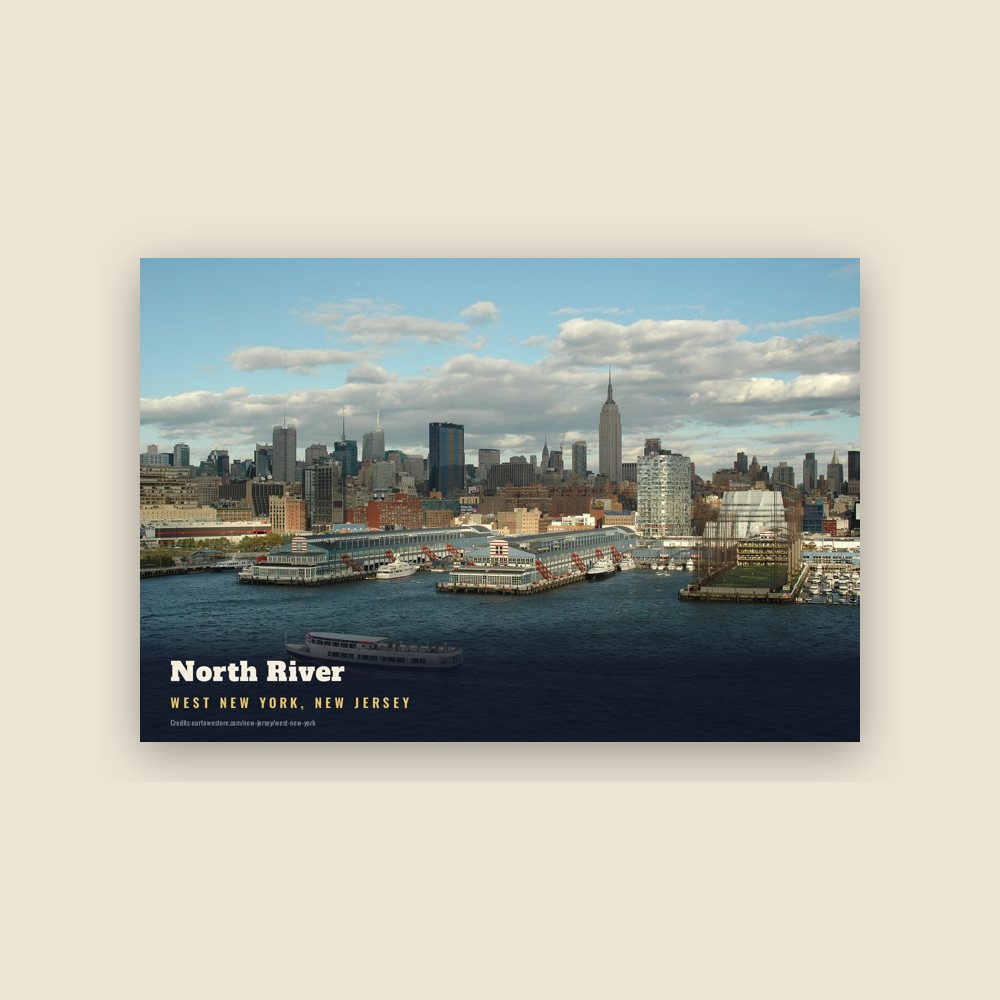
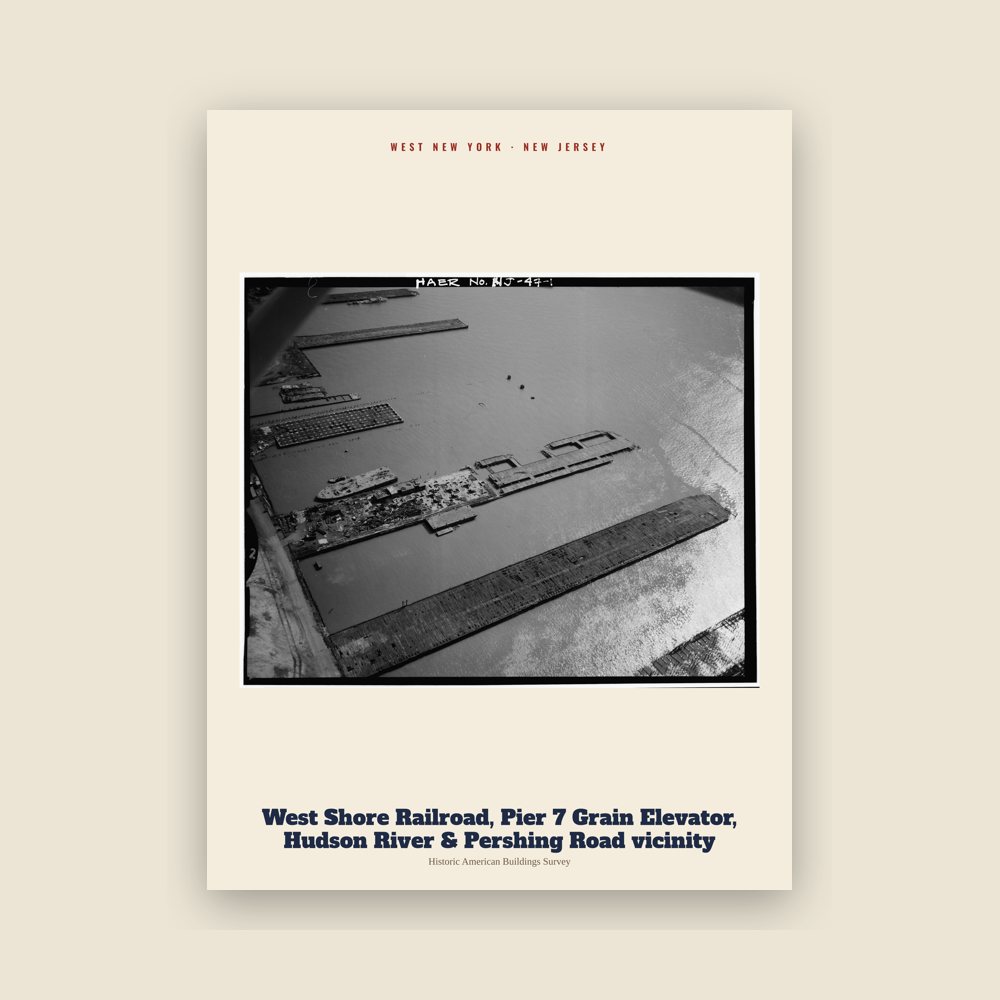
Since the 1980s, the Hudson Waterfront, which the Weehawken Terminal had been a part of, has been redeveloped from an industrial to a residential and recreational area, for instance, with the creation of the Hudson River Waterfront Walkway.
Adapted (trimmed) from the Wikipedia article West New York, New Jersey, revision 1379341766 by its contributors, licensed CC BY-SA 4.0.
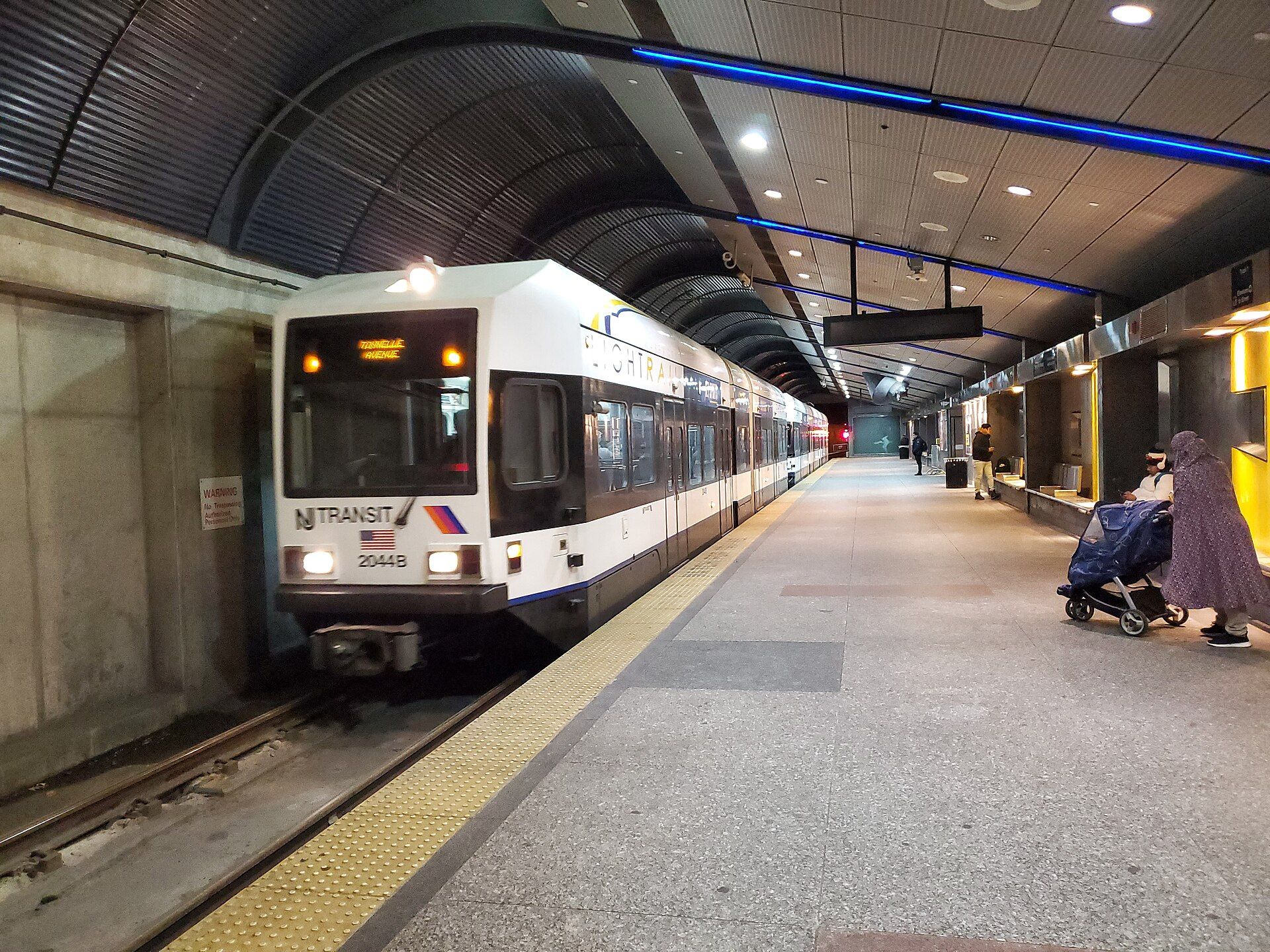
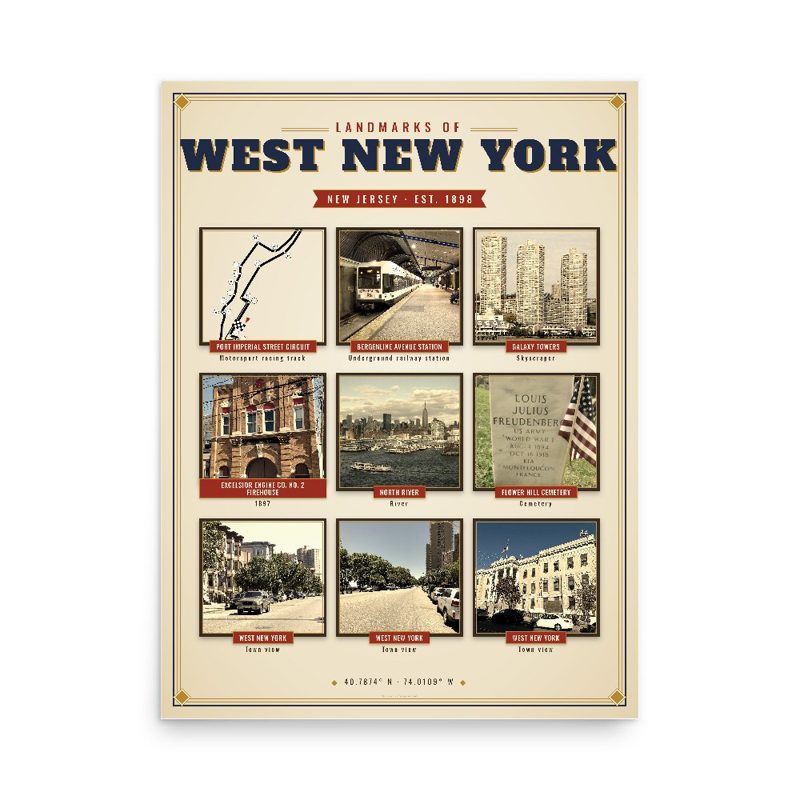
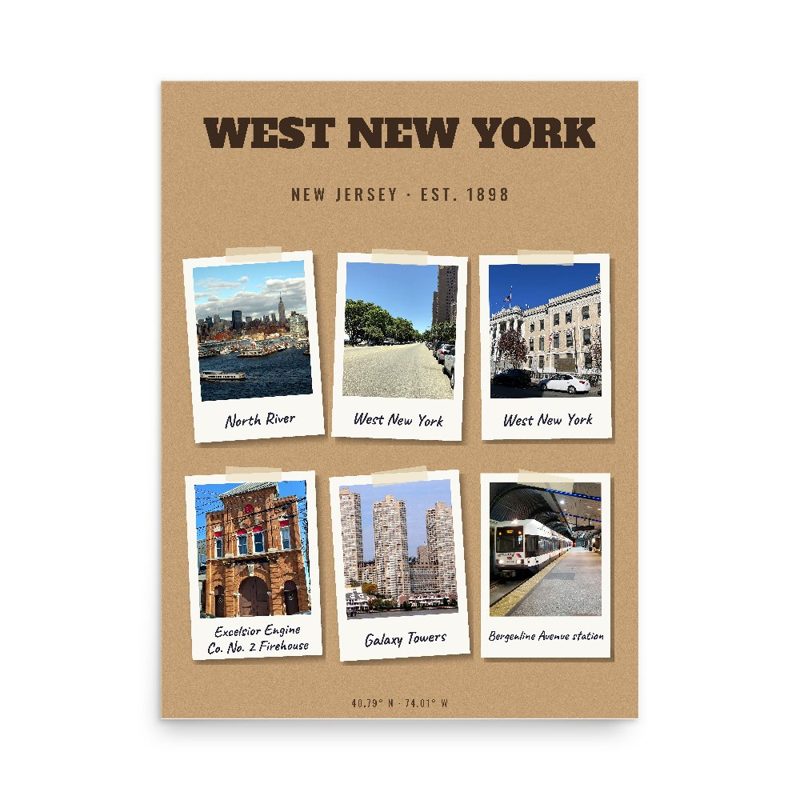
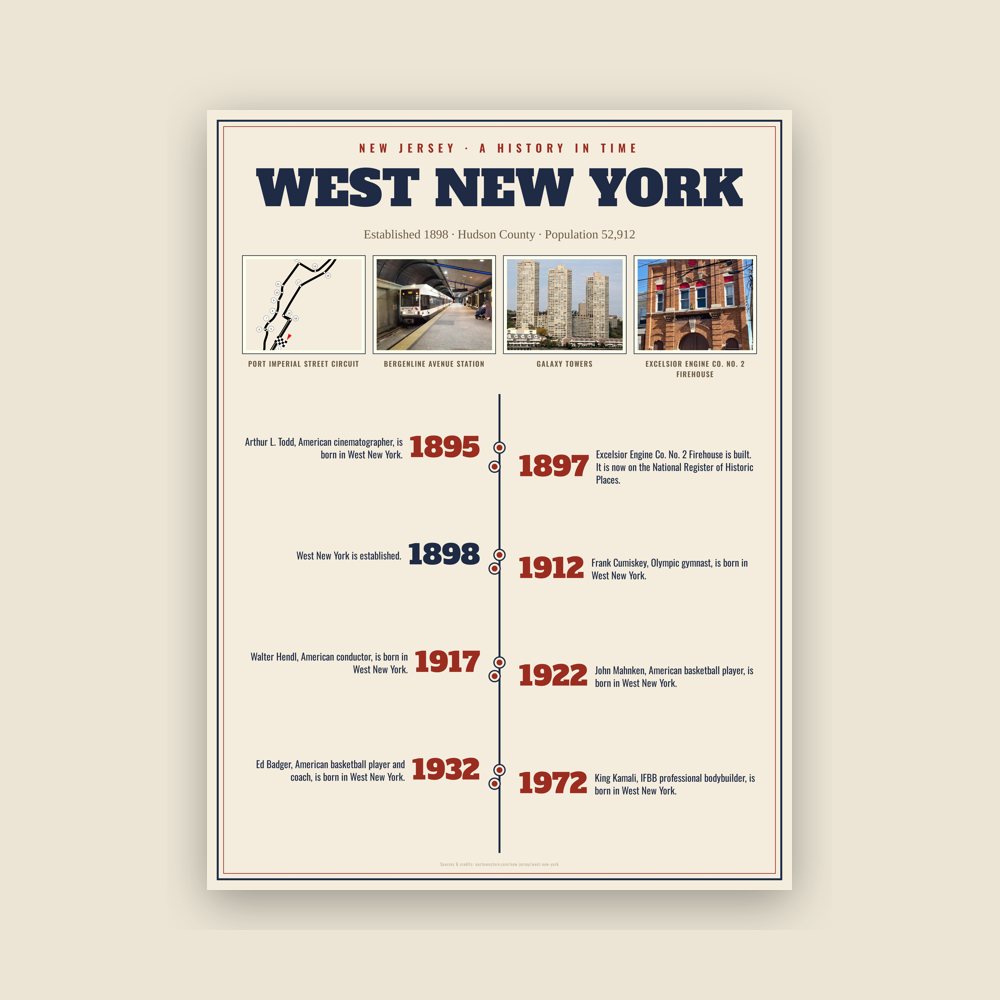
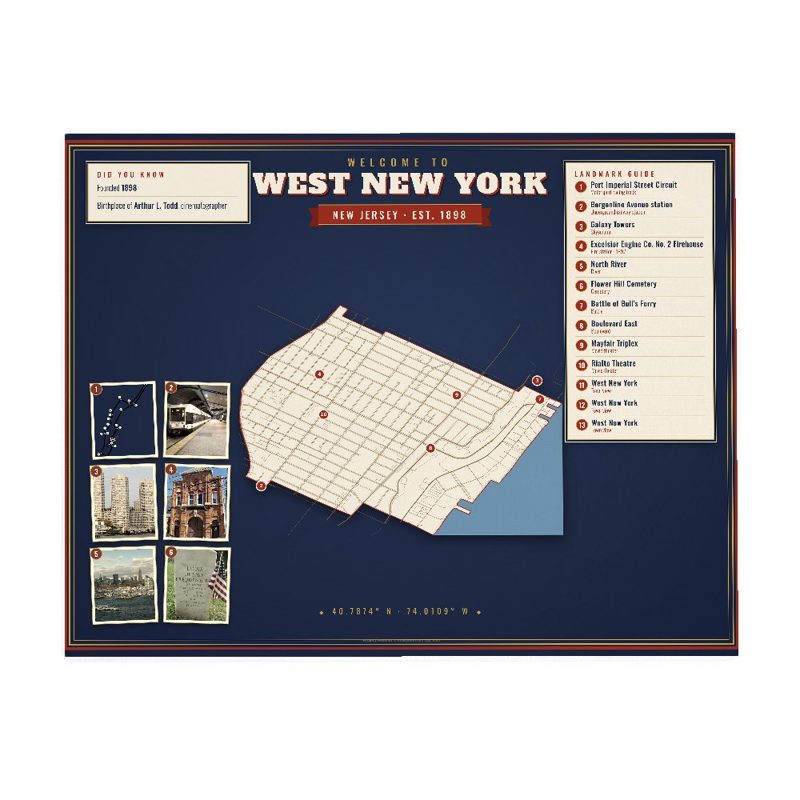
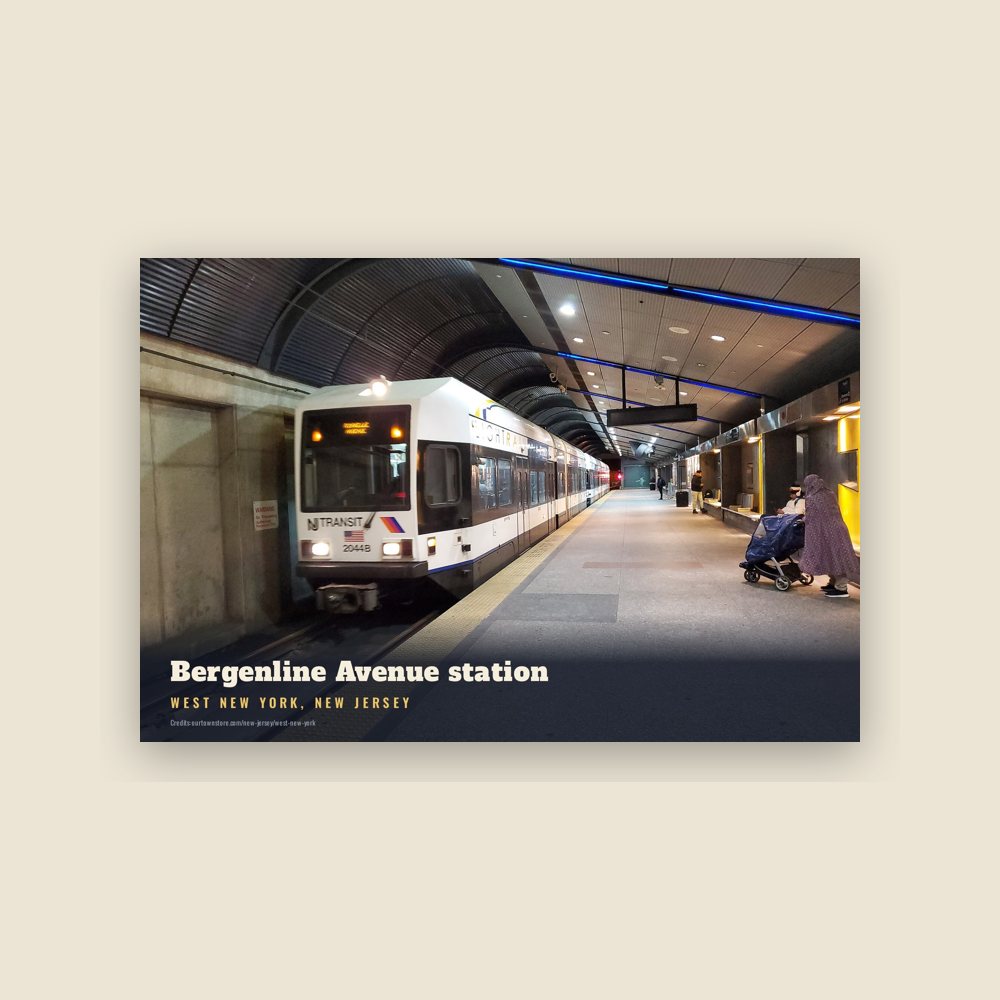
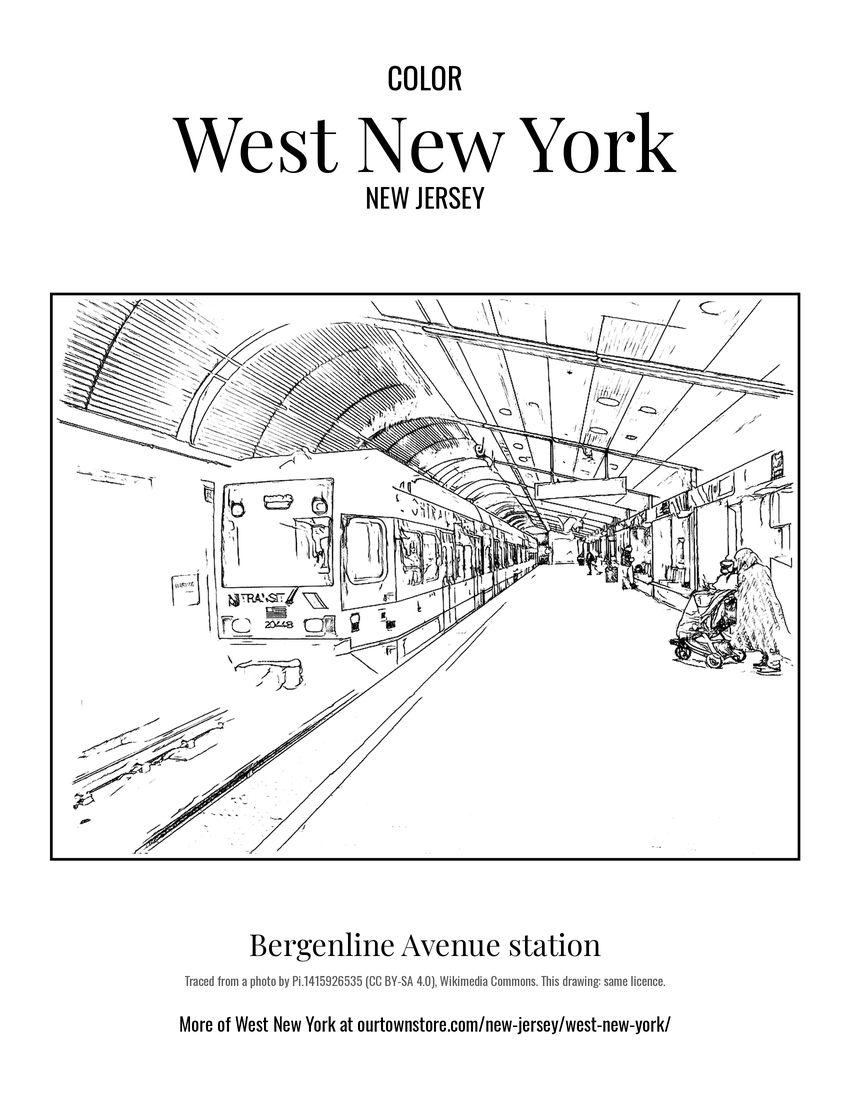 Bergenline Avenue station
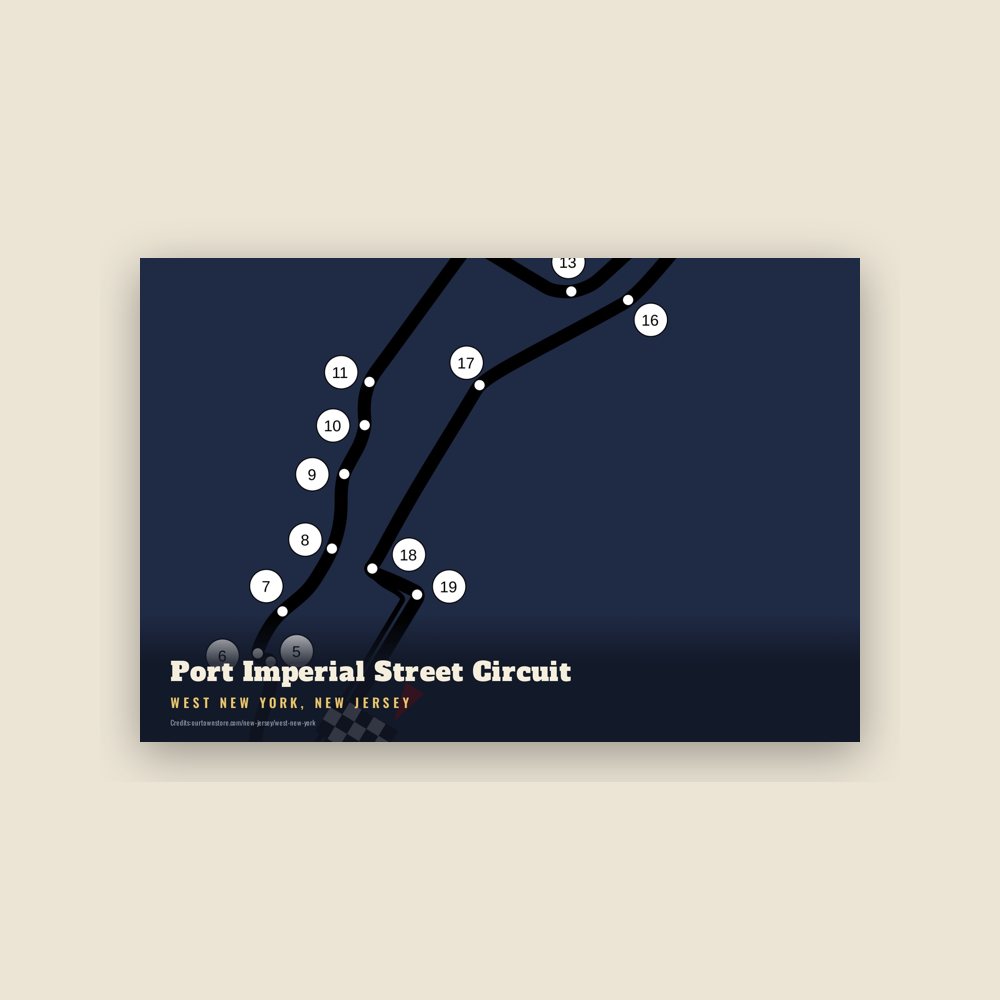
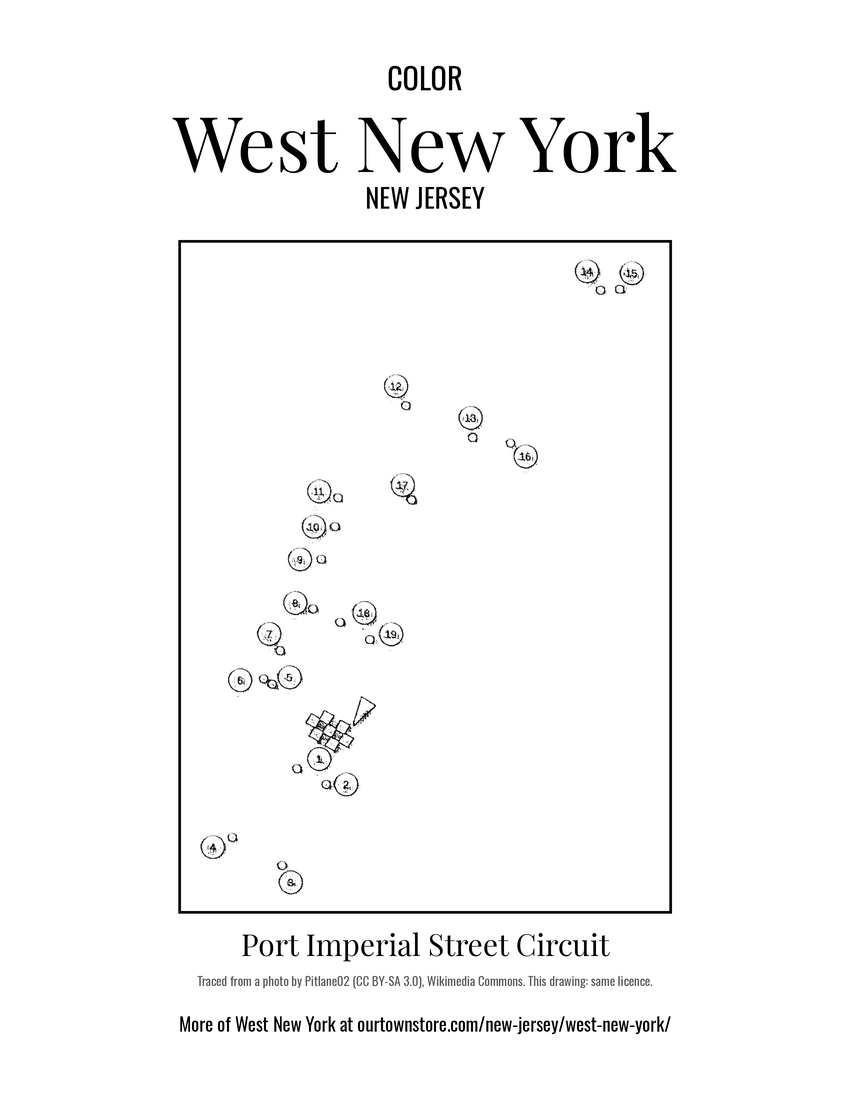 Port Imperial Street Circuit
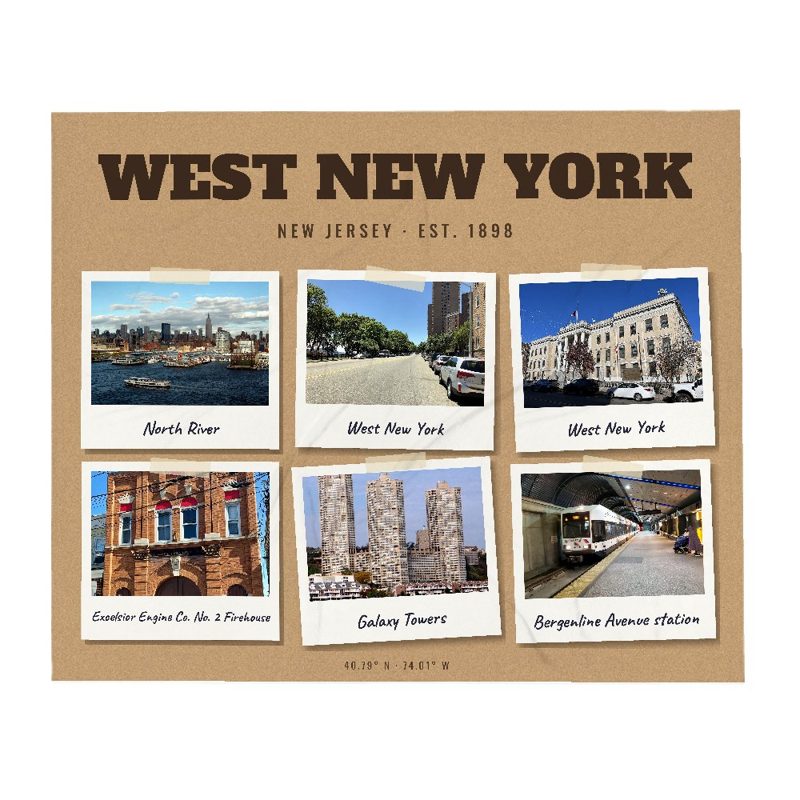
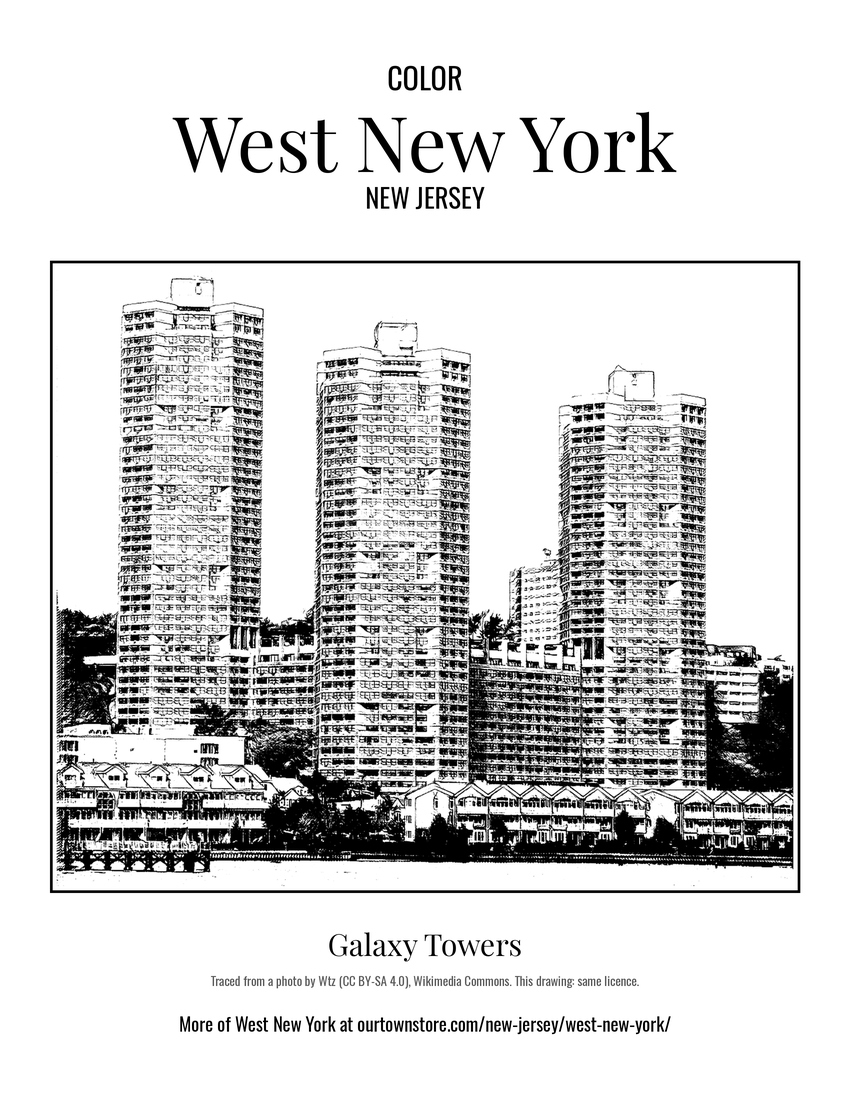 Galaxy Towers
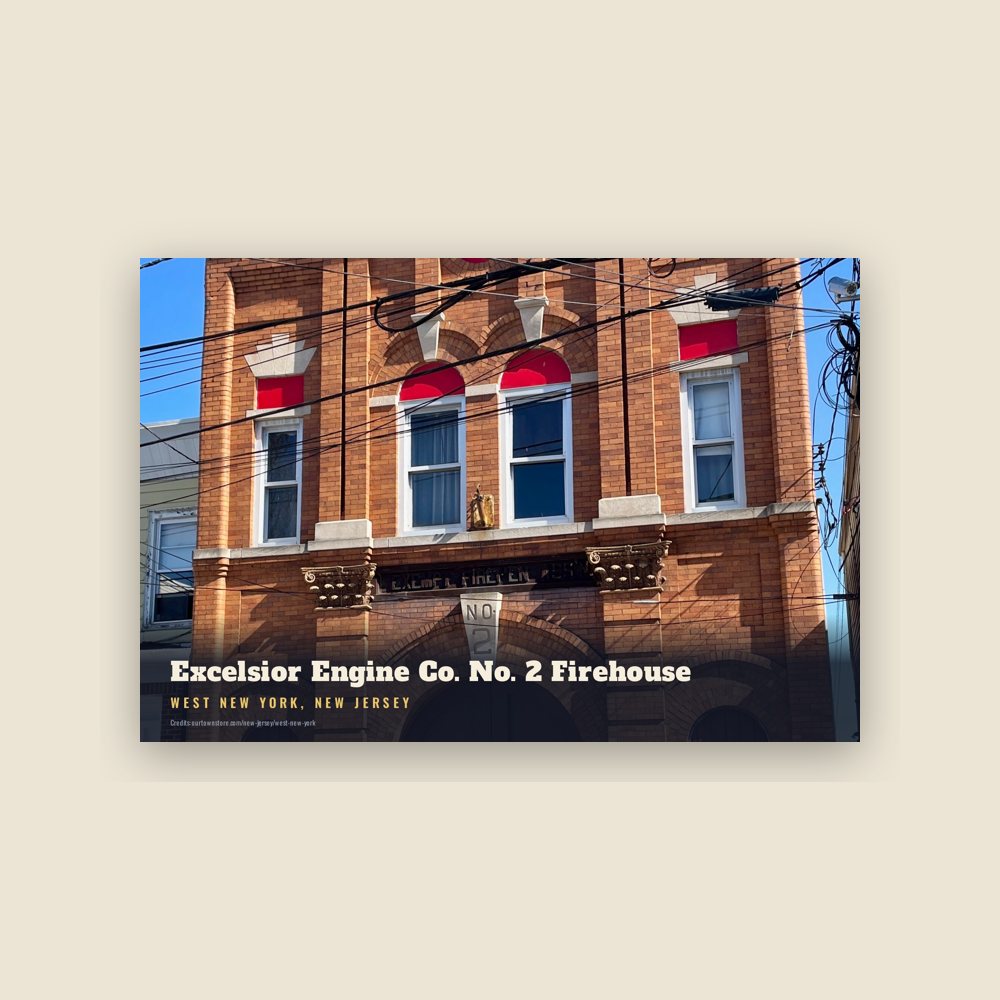
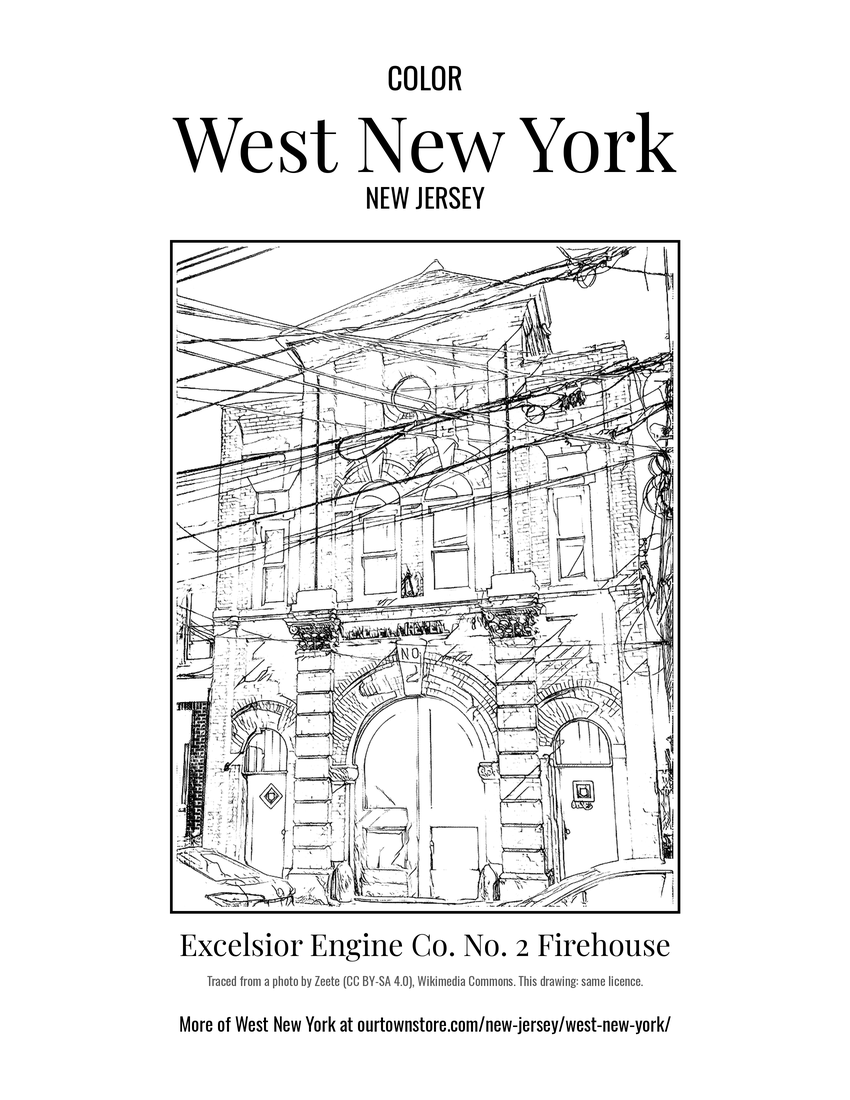 Excelsior Engine Co. No. 2 Firehouse