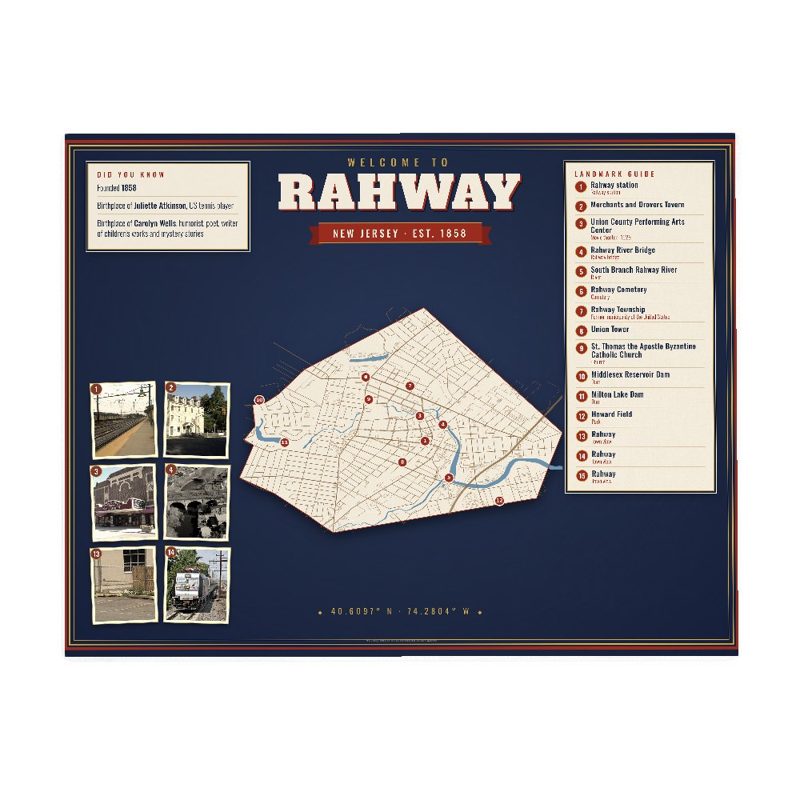
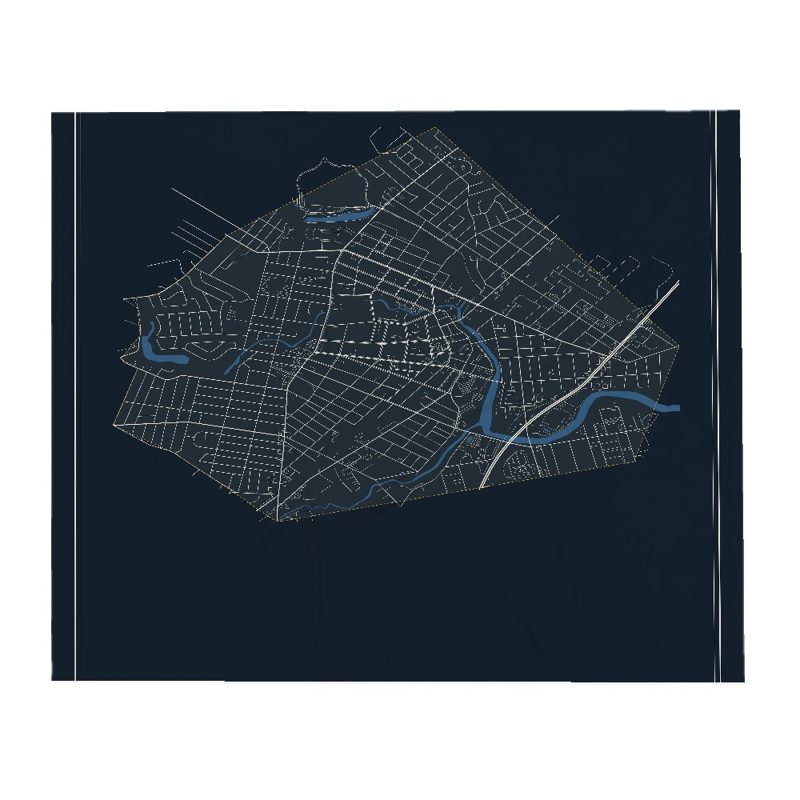
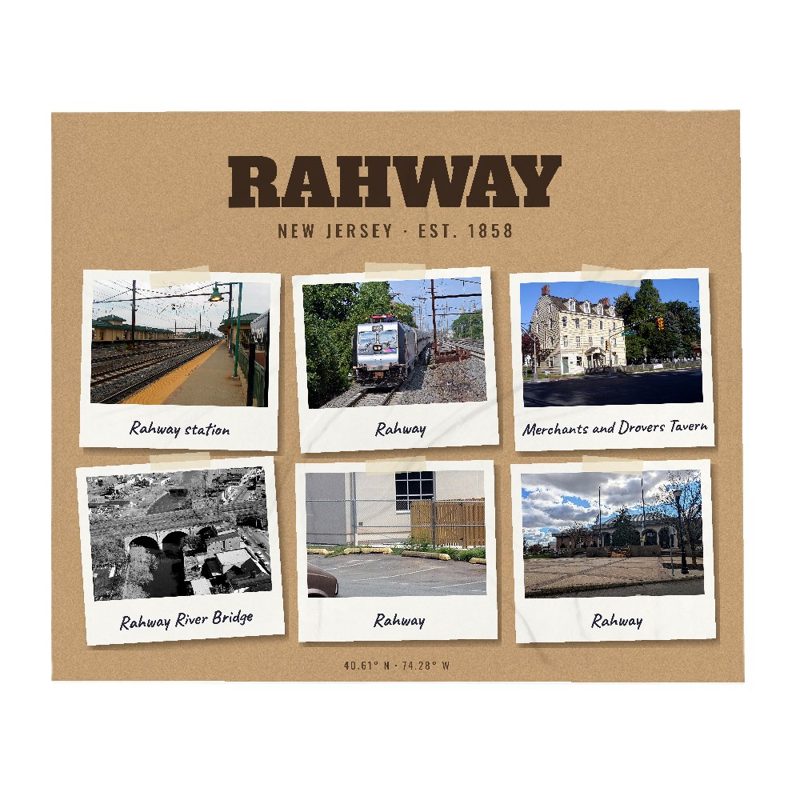
Rahway and the surrounding area were once the home of the Lenape Native Americans, and tradition states that the city was named after Rahwack (or Ra-wa-rah), a local tribal chief.
Read the full history
English colonization
Formal European colonization began in 1664 with the purchase by the English from the Lenape of the Elizabethtown Tract, which encompassed lands from the mouth of the Raritan River and included all of present-day Union County as well as parts of Somerset, Middlesex, Morris and Essex counties. The early settlers of Elizabethtown and Woodbridge were the founders of Rahway which began as outlying acreage and plantations. The Seventeenth Century Clark House is one of the oldest buildings in the state.
By the 18th century, Rahway consisted of four distinct communities: Upper Rahway, Bridge Town (or Lower Rahway), Leesville, and Milton.
Revolutionary War and the Battle of Spanktown
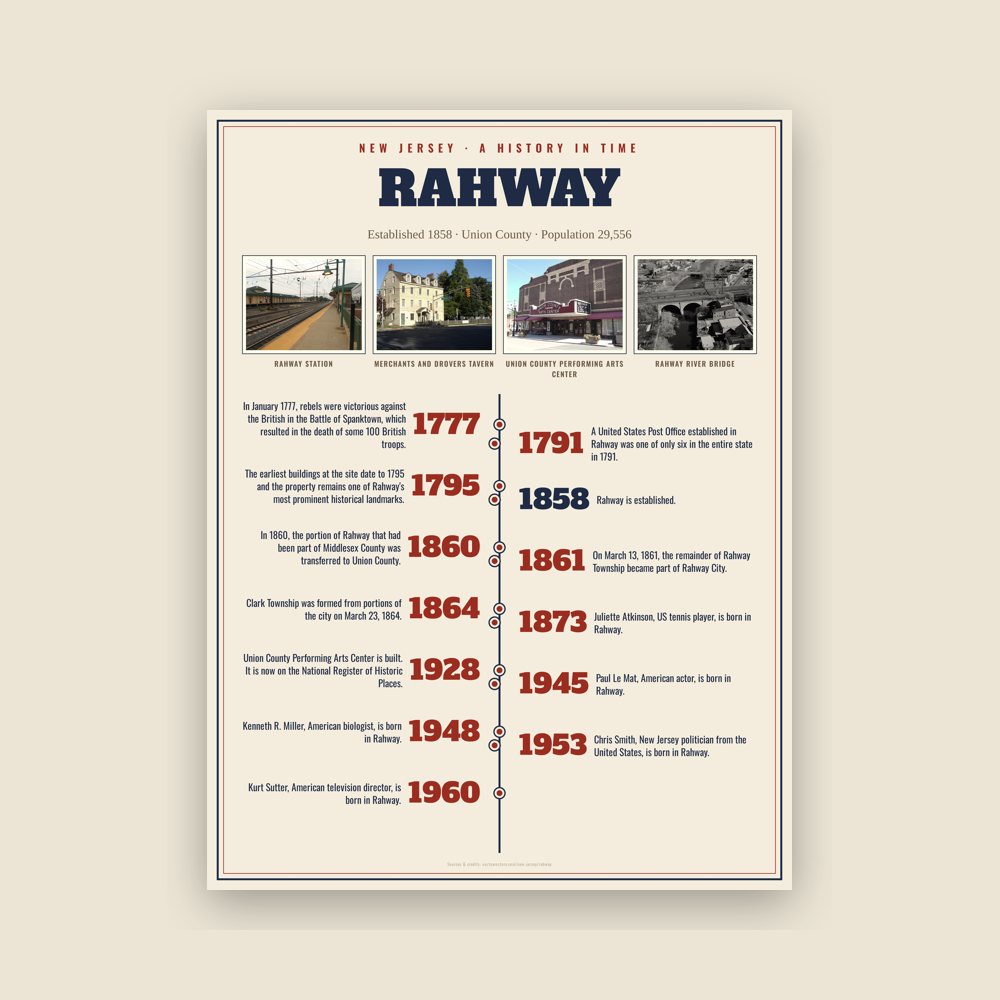
Rahway saw action during the American Revolutionary War because of its proximity to Staten Island, Elizabethtown and Perth Amboy. In January 1777, rebels were victorious against the British in the Battle of Spanktown, which resulted in the death of some 100 British troops. The battle was named this after Rahway's original name given to it by the first settlers, Spanktown, which is said to have been chosen "because an early settler publicly took his spouse across his knee and chastised her". Spanktown was mentioned in Revolutionary War military dispatches from January 5, 1777, through March 14, 1782.
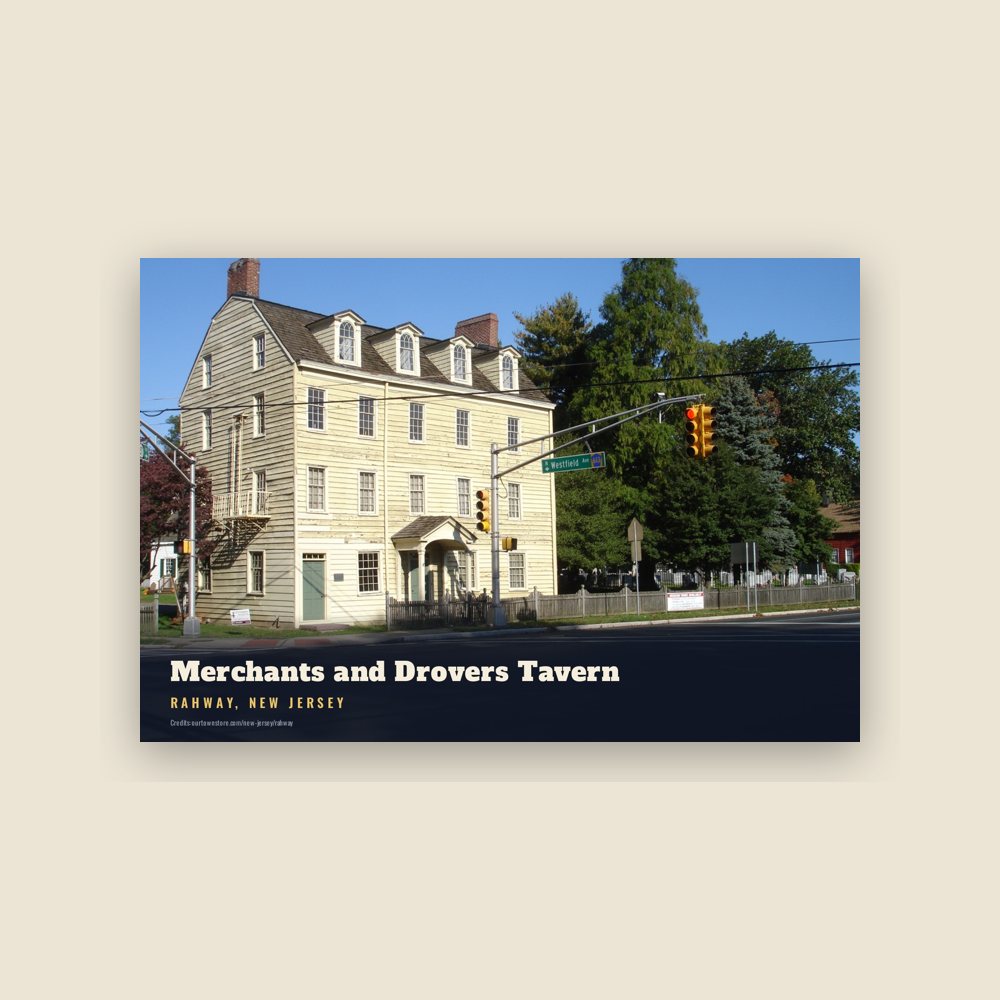
Here, on April 23, 1789, on his way to New York City, Washington was received by troops from Elizabethtown and Newark. He was entertained at the inn kept by Samuel Smith by gentlemen of the town.
Following the Revolution, Rahway became the home of the first national mint to create a coin bearing the inscription E pluribus unum. A United States Post Office established in Rahway was one of only six in the entire state in 1791.
Stagecoach era and corporate growth
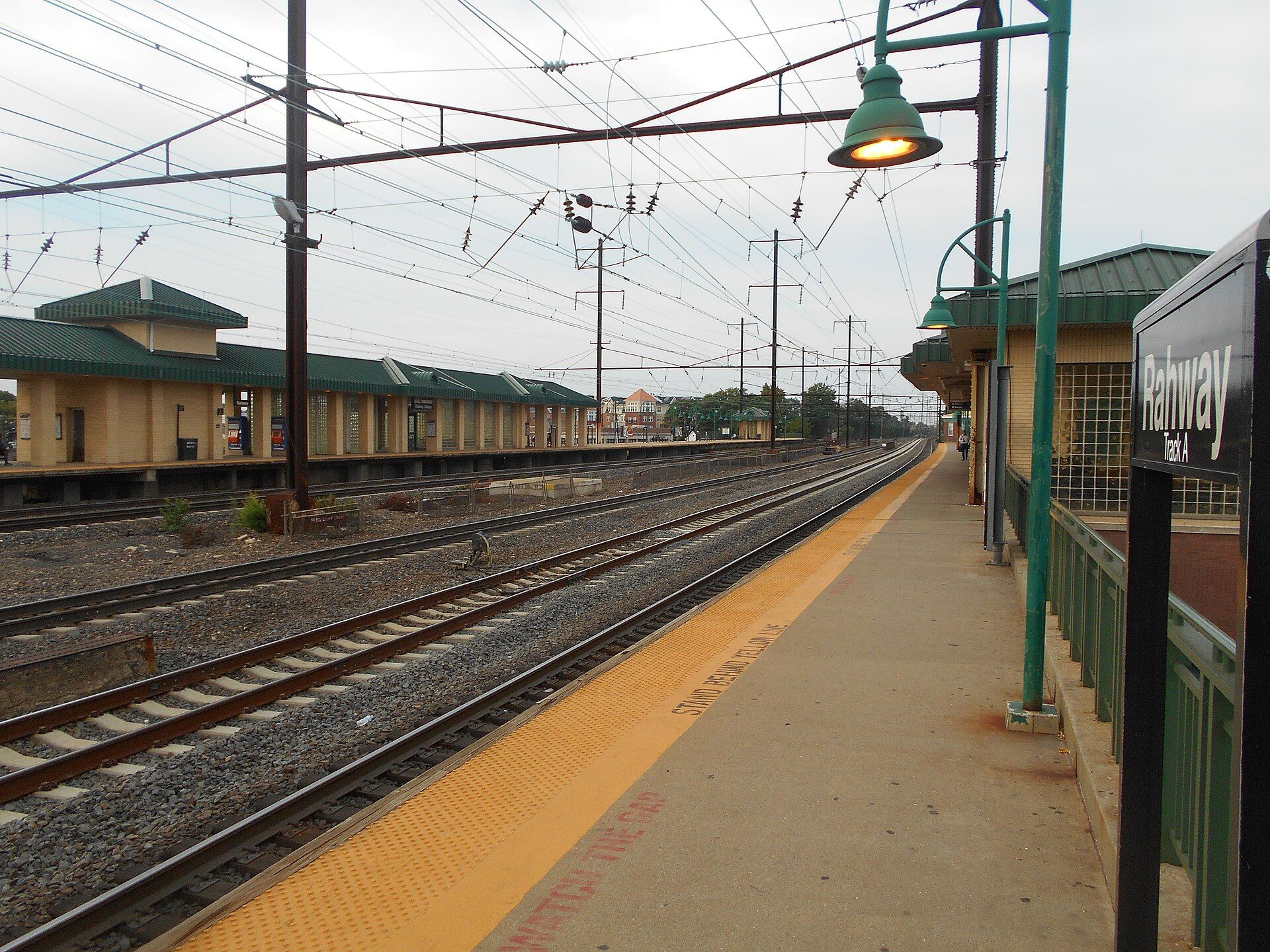
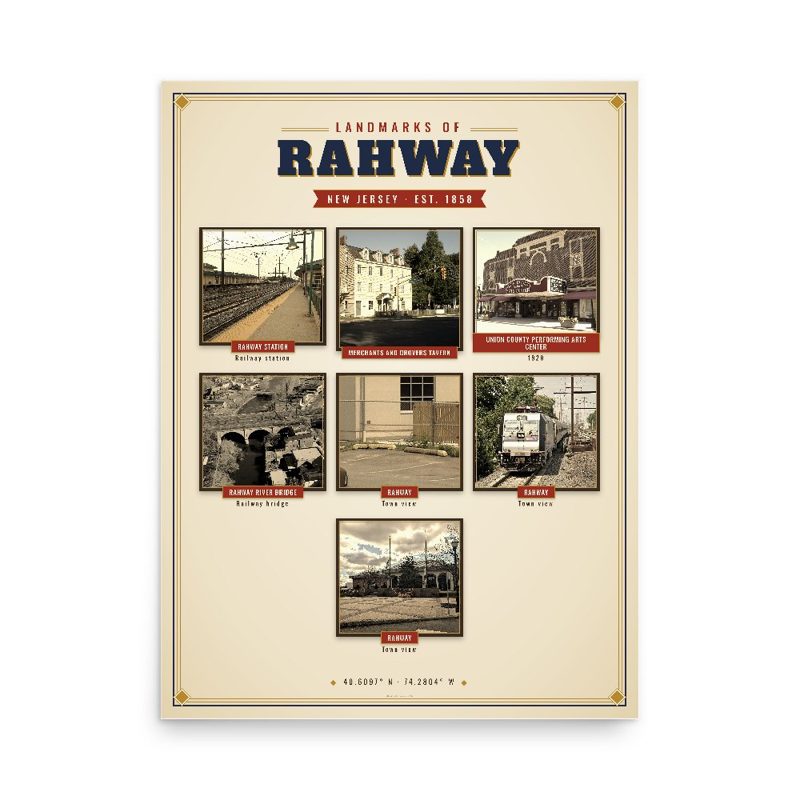
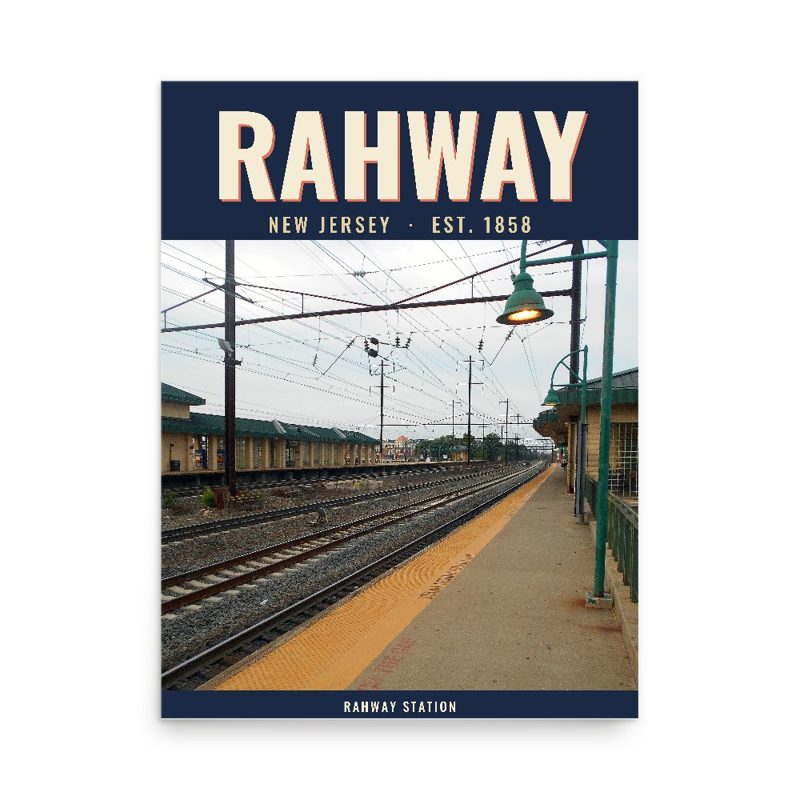
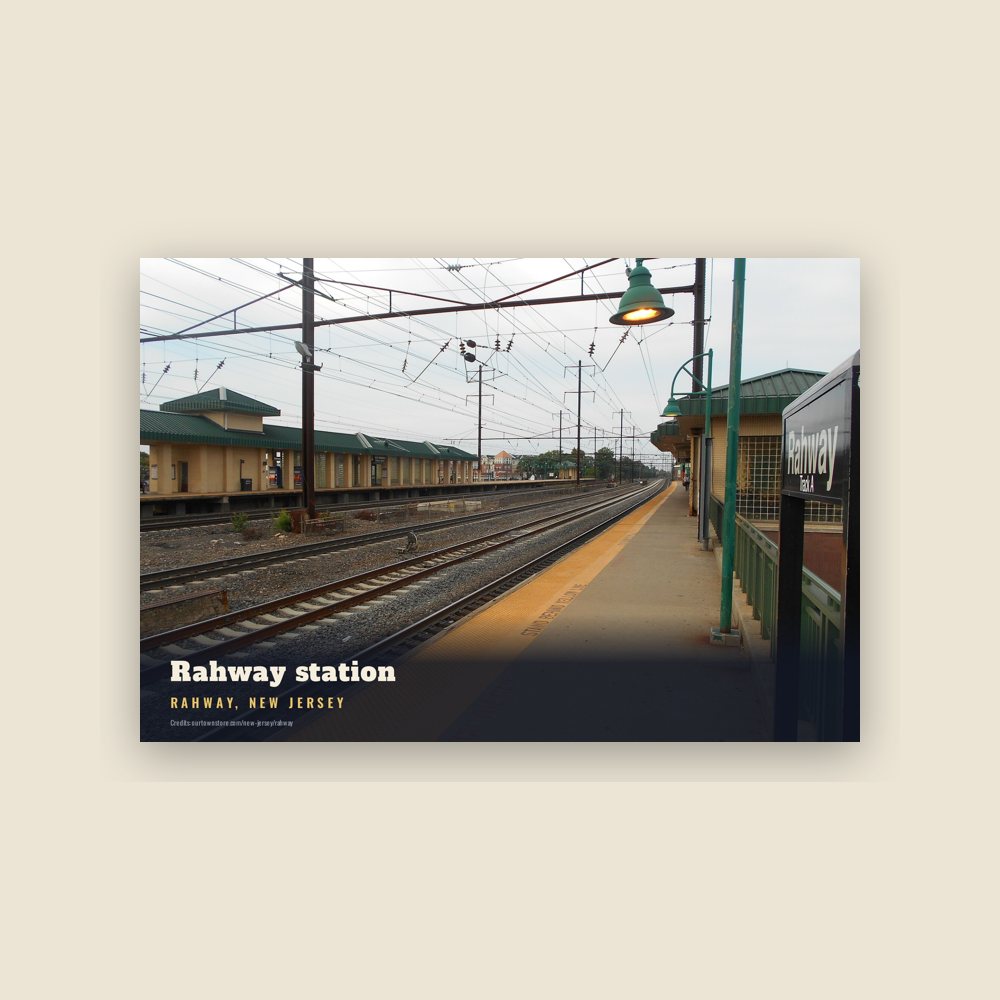
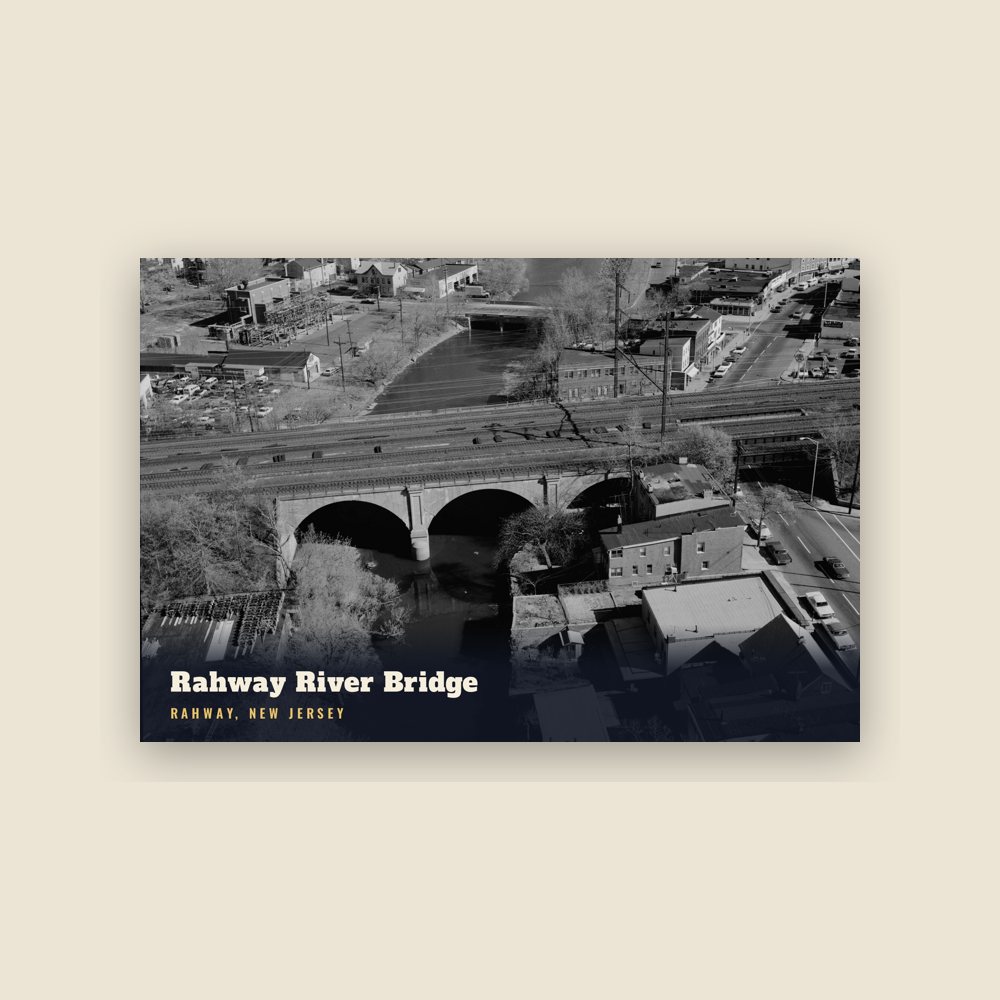
Rahway grew due to its location along the major stagecoach and railroad lines between New York City and Philadelphia, Pennsylvania. The navigable Rahway River, which flows through the city, also aided the city's commercial growth.
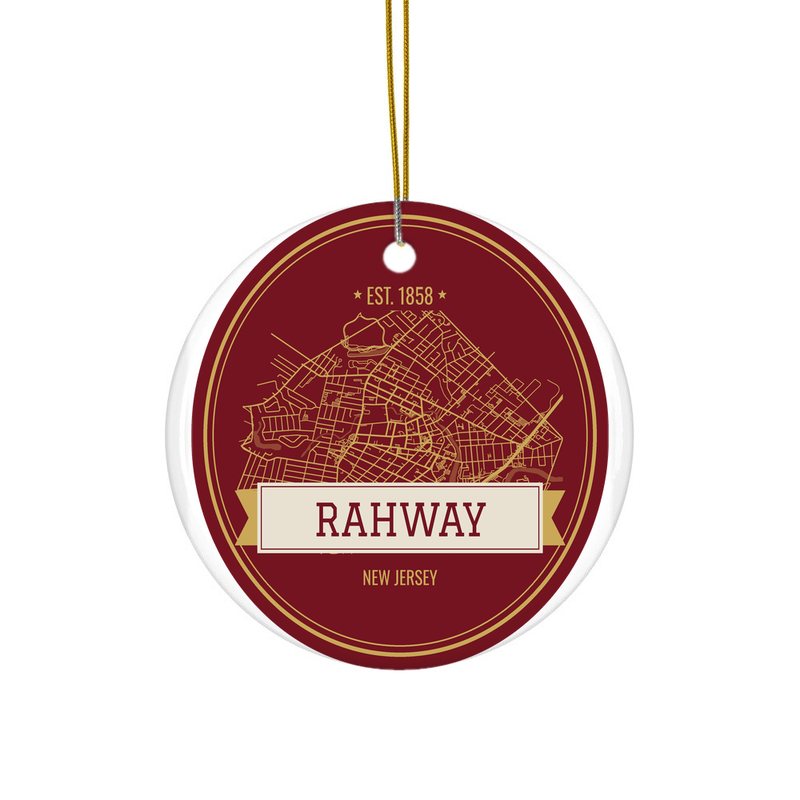
As immigrants from Britain, Ireland and Germany streamed into what was then Rahway Township in the 1850s, Rahway became incorporated as a city by an act of the State Legislature on April 19, 1858, from portions of Rahway Township in Union County and Woodbridge Township in Middlesex County. In 1860, the portion of Rahway that had been part of Middlesex County was transferred to Union County. On March 13, 1861, the remainder of Rahway Township became part of Rahway City. Clark Township was formed from portions of the city on March 23, 1864.
The first municipal elections for the mayor and council were conducted on April 19, 1858, and the council held its first meeting on May 3, 1858. The city's police department and its initial group of four constables were created at that first council meeting.
The city became home to dozens of major manufacturers, including the Regina Music Box Company, Wheatena, Mershon Bros. and, most importantly, Merck & Co., which was established in Rahway in 1903, when George W. Merck moved his small chemical company to Rahway from New York City.
Postwar era
The national decline in industry after World War II led to the closure of most of Rahway's major manufacturing facilities (except for Merck) and a general deterioration of the city's central business district.
Revitalization
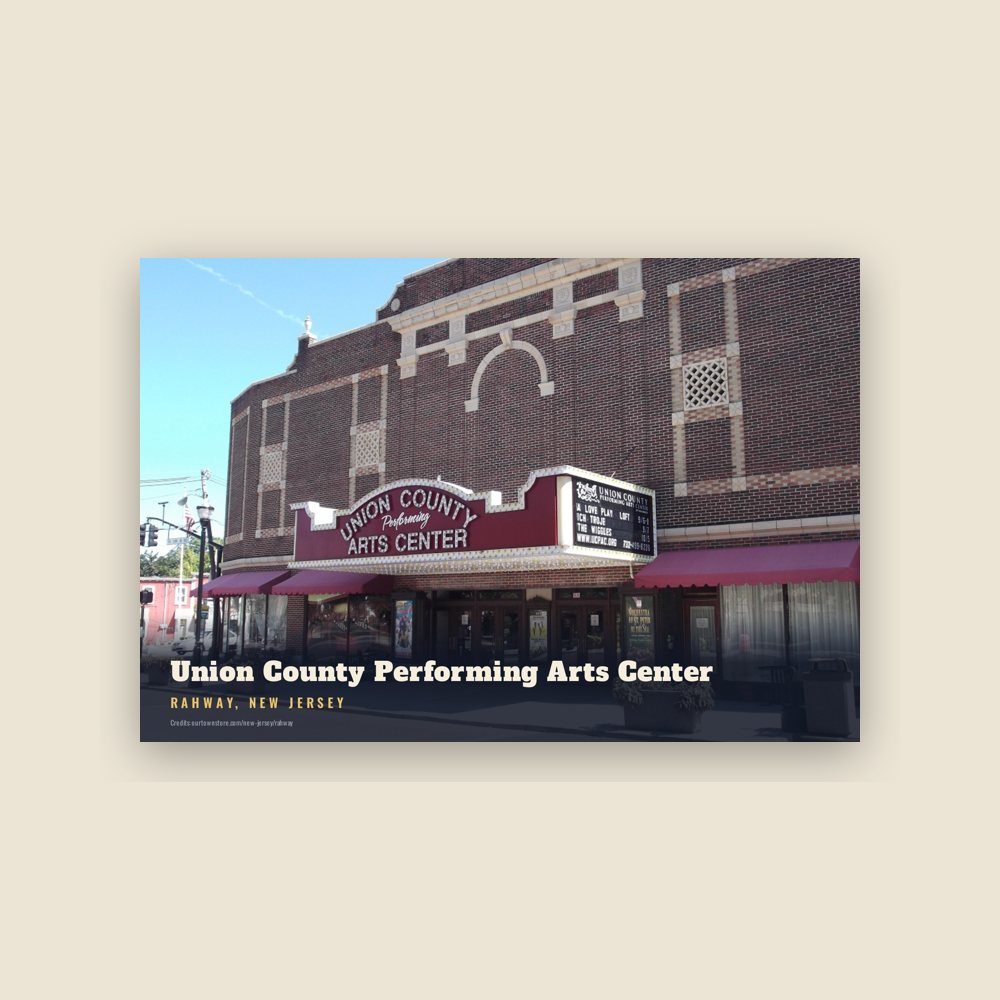
Beginning in the late 1990s, the city launched a plan to revitalize the downtown area and authorized the construction of hundreds of new market-rate housing units, a hotel, art galleries and additional retail space.