A short history of Princeton
Early history
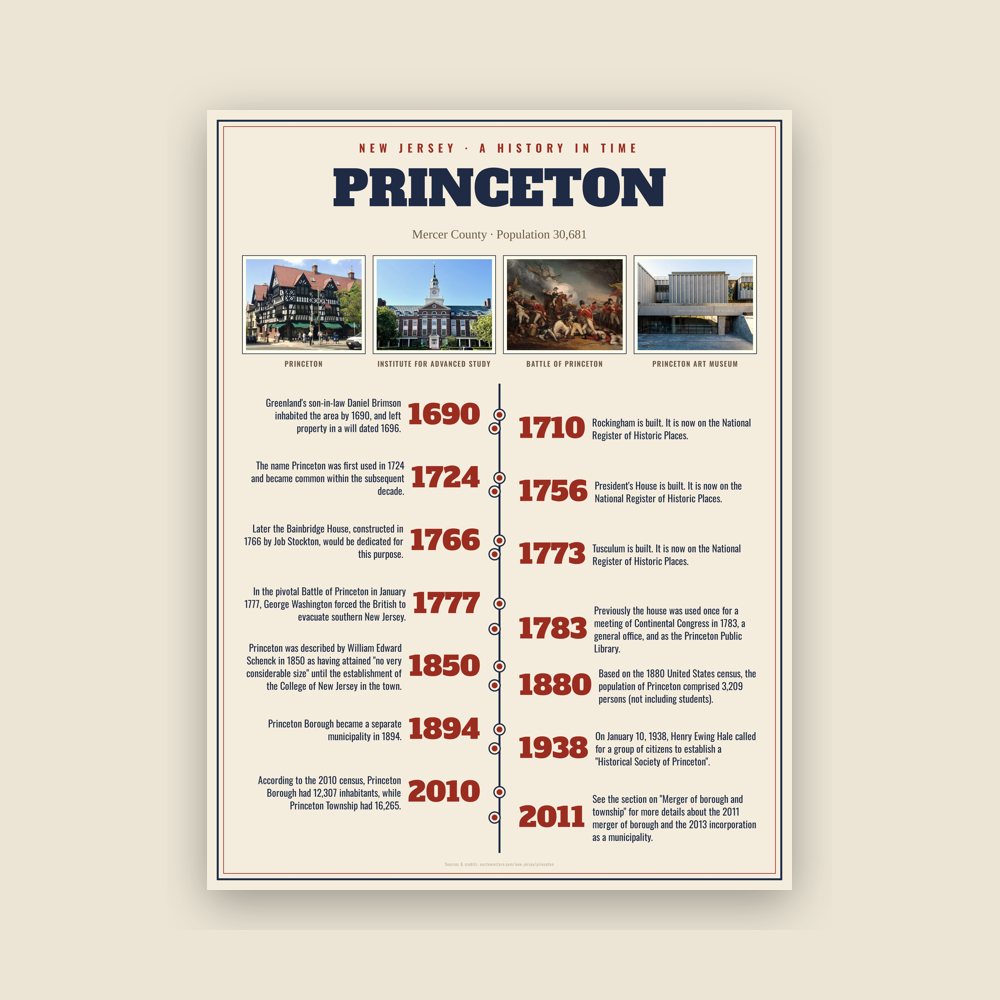
Europeans settled into the area in the late part of the 17th century, arriving from Delaware to settle West Jersey, and from New York to settle East Jersey, with the site destined to become Princeton being amid the wilderness between these two boroughs. The first European to find his home in the boundaries of the future municipality was Henry Greenland. He built his house in 1683 along with a tavern, where representatives of West and East Jersey met to set the boundaries between the two provinces. Greenland's son-in-law Daniel Brimson inhabited the area by 1690, and left property in a will dated 1696.
Then, Princeton was known only as part of nearby Stony Brook. Nathaniel Fitz Randolph, a native of the town, attested in his private journal on December 28, 1758, that Princeton was named in 1724 upon the making/construction of the first house in the area by James Leonard, who first referred to the community as Princetown when describing the location of his large estate in his diary. The community was later known by a variety of names, including: Princetown, Prince's Town and finally Princeton. The name Princeton was first used in 1724 and became common within the subsequent decade. Although there is no official documentary backing, the municipality is said to be named after Prince William of Orange. Another theory suggests that the name came from a large land-owner named Henry Prince, the son-in-law of a well-known English merchant, but no evidence backs this contention. A royal prince seems a more likely eponym for the settlement, as three nearby towns had names for royalty: Kingston, Queenstown (in the vicinity of the intersection of Nassau and Harrison Streets) and Princessville (Lawrence Township).
Princeton was described by William Edward Schenck in 1850 as having attained "no very considerable size" until the establishment of the College of New Jersey in the town. When Richard Stockton, one of the founders of the township, died in 1709 he left his estate to his sons, who helped to expand property and the population. Based on the 1880 United States census, the population of Princeton comprised 3,209 persons (not including students). Local population has expanded from the nineteenth century. According to the 2010 census, Princeton Borough had 12,307 inhabitants, while Princeton Township had 16,265. The numbers have become stagnant; since the arrival of the College of New Jersey, now Princeton University, in 1756, the town's population spikes every year during the fall and winter, and drops significantly over the course of the summer.
Read the full history
Revolution
In the pivotal Battle of Princeton in January 1777, George Washington forced the British to evacuate southern New Jersey. After the victory, Princeton hosted the first Legislature under the State Constitution to decide the State's seal, governor and organization of its government. In addition, two of the original signers of the Declaration of Independence—Richard Stockton and John Witherspoon—lived in Princeton. Princetonians honored their citizens' legacy by naming two streets in the downtown area after them.
On January 10, 1938, Henry Ewing Hale called for a group of citizens to establish a "Historical Society of Princeton". Later the Bainbridge House, constructed in 1766 by Job Stockton, would be dedicated for this purpose. Previously the house was used once for a meeting of Continental Congress in 1783, a general office, and as the Princeton Public Library. The House is owned by Princeton University and is leased to the Princeton Historical Society for one dollar per year. The house has kept its original staircase, flooring and paneled walls. Around 70% of the house has been unaltered. Aside from safety features such as wheelchair access and electrical work, the house has been restored to its original appearance and character.
Government history
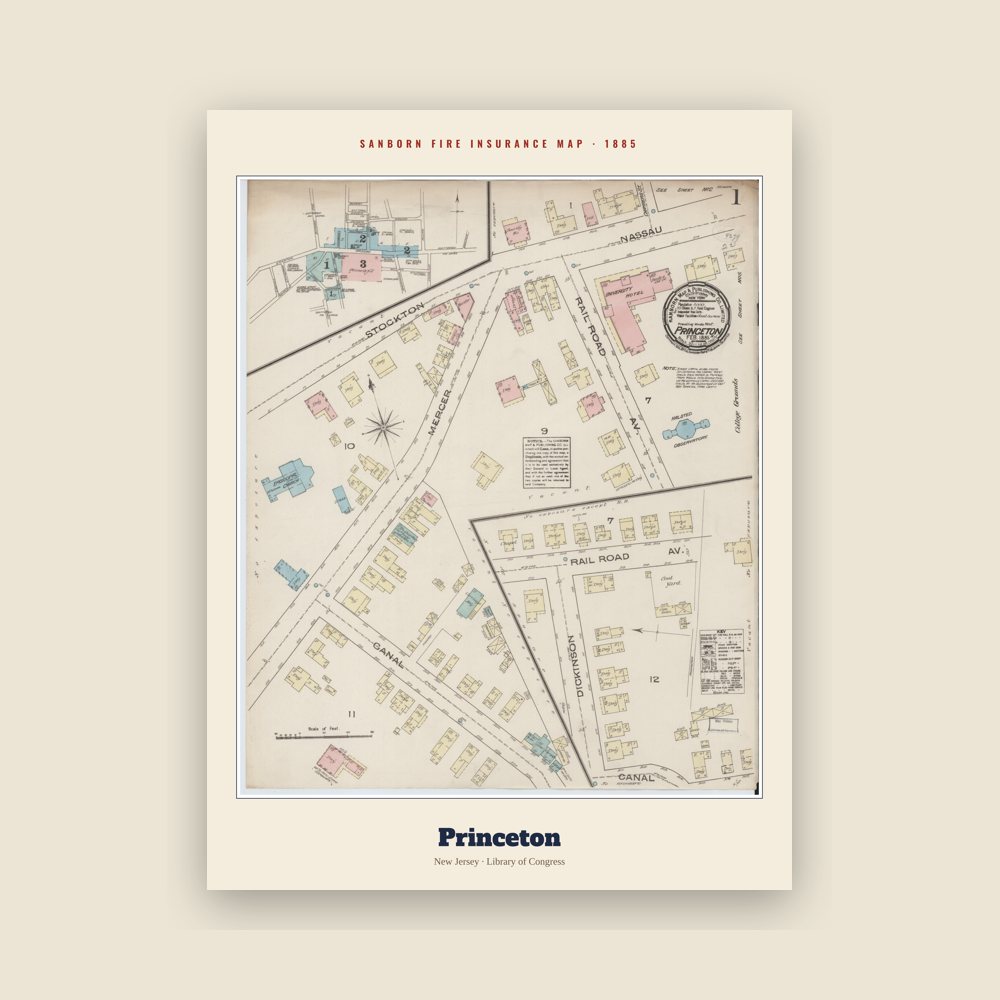
During the most stirring events in its history, Princeton was a wide spot in the road; the boundary between Somerset County and Middlesex County ran right through Princeton, along the high road between New York and Philadelphia, now Nassau Street. When Mercer County was formed in 1838, part of West Windsor was added to the portion of Montgomery Township which was included in the new county, and made into Princeton Township; the area between the southern boundary of the former Borough and the Delaware and Raritan Canal was added to Princeton Township in 1853. Princeton Borough became a separate municipality in 1894.
In the early nineteenth century, New Jersey boroughs had been quasi-independent subdivisions chartered within existing townships that did not have full autonomy. Princeton Borough received such a charter in 1813, as part of Montgomery and West Windsor Townships; it continued to be part of Princeton Township until the Borough Act of 1894, which required each township to form a single school district; rather than do so, Princeton Borough petitioned to be separated. (The two Princetons combined their public school systems in the decades before municipal consolidation.) Two minor boundary changes united the then site of the Princeton Hospital and of the Princeton Regional High School inside the Borough, in 1928 and 1951 respectively. See the section on "Merger of borough and township" for more details about the 2011 merger of borough and the 2013 incorporation as a municipality.
Adapted (trimmed) from the Wikipedia article Princeton, New Jersey, revision 1382268825 by its contributors, licensed CC BY-SA 4.0.
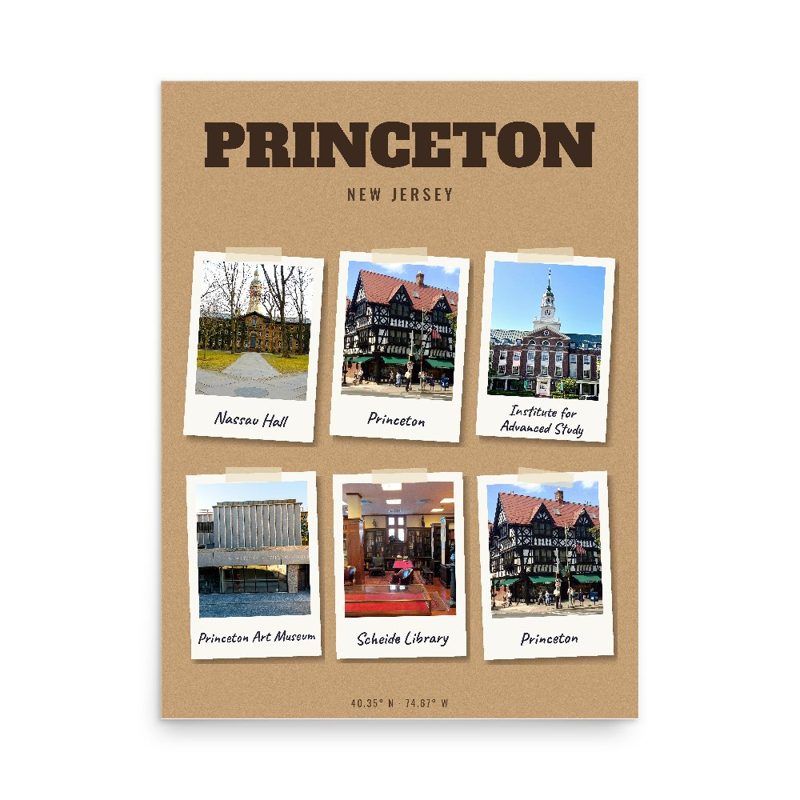


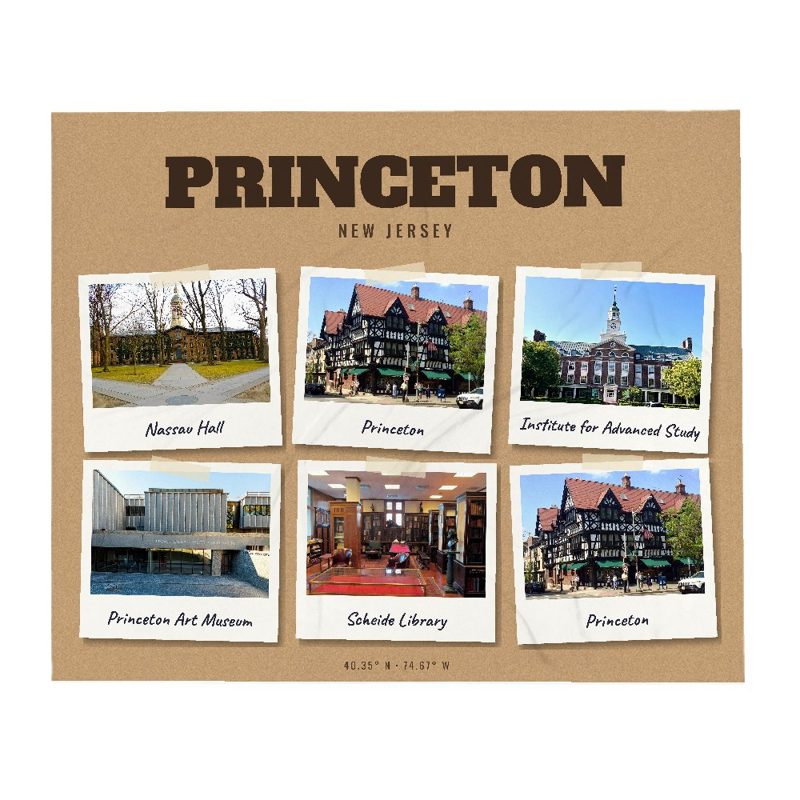
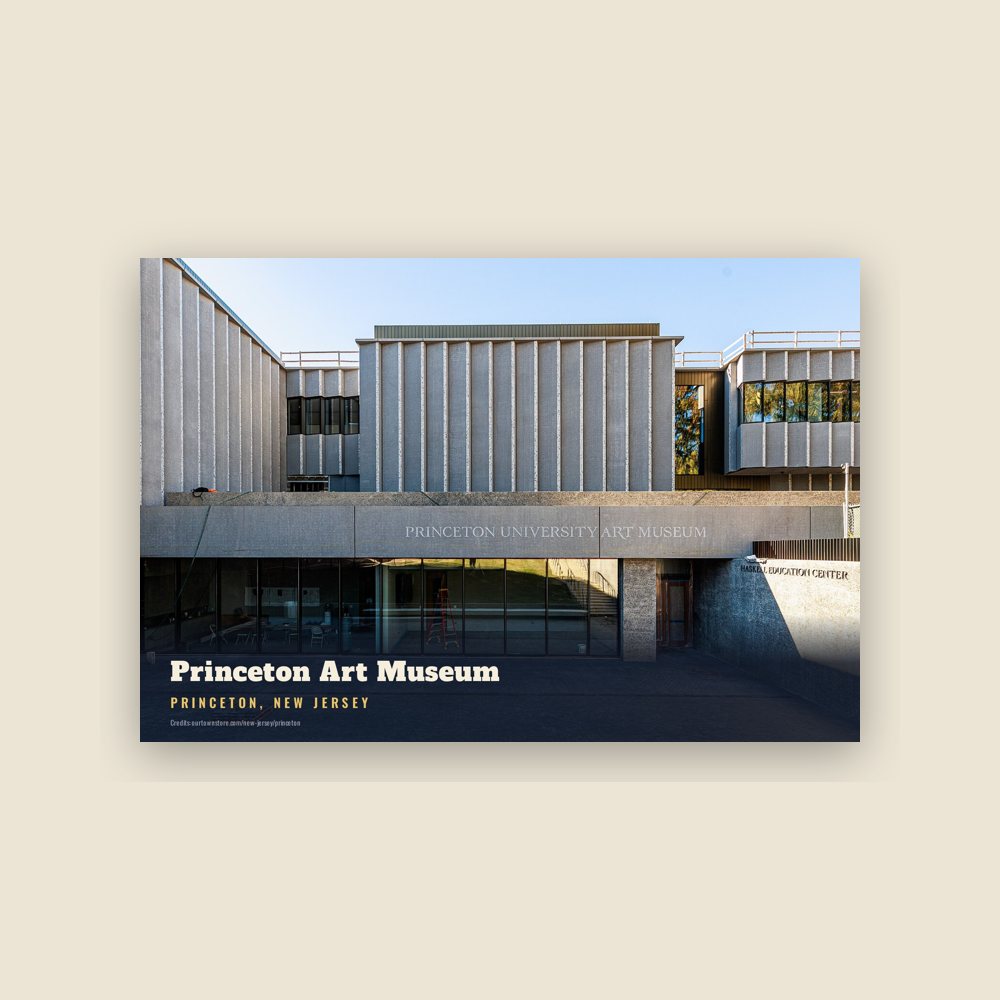
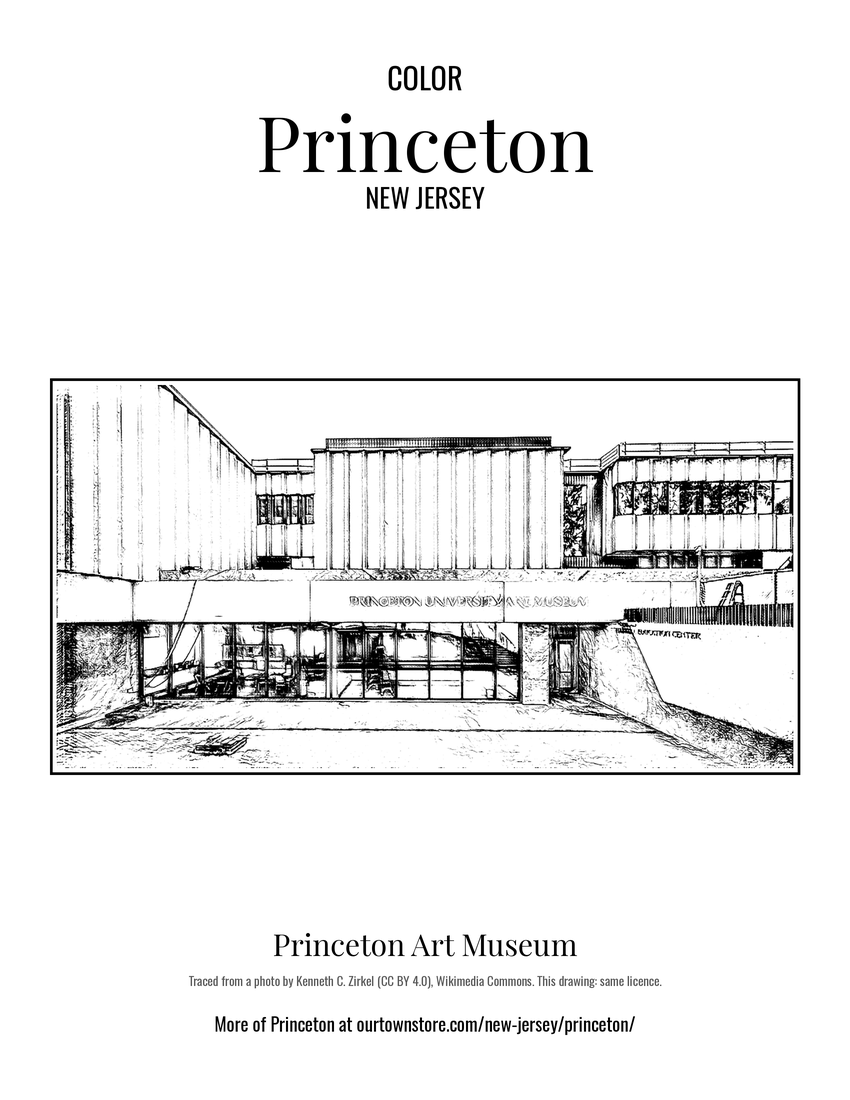 Princeton Art Museum
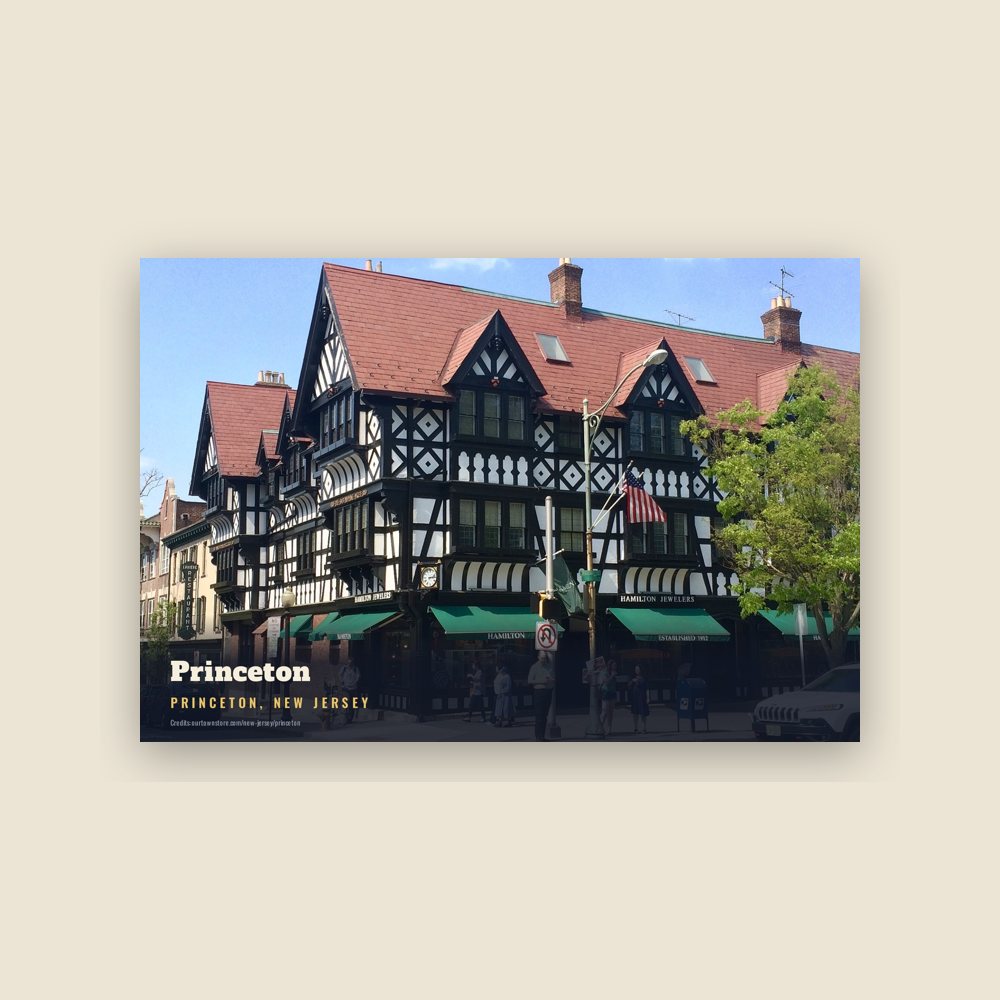
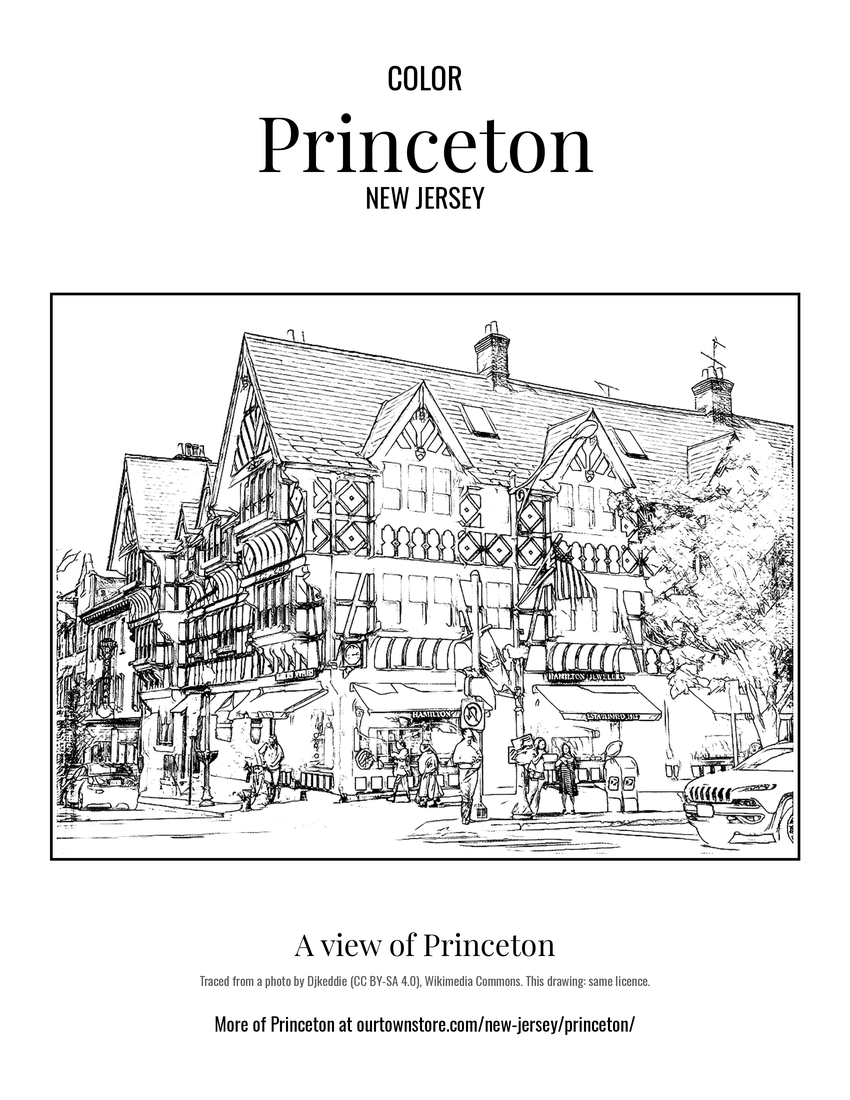 A view of Princeton
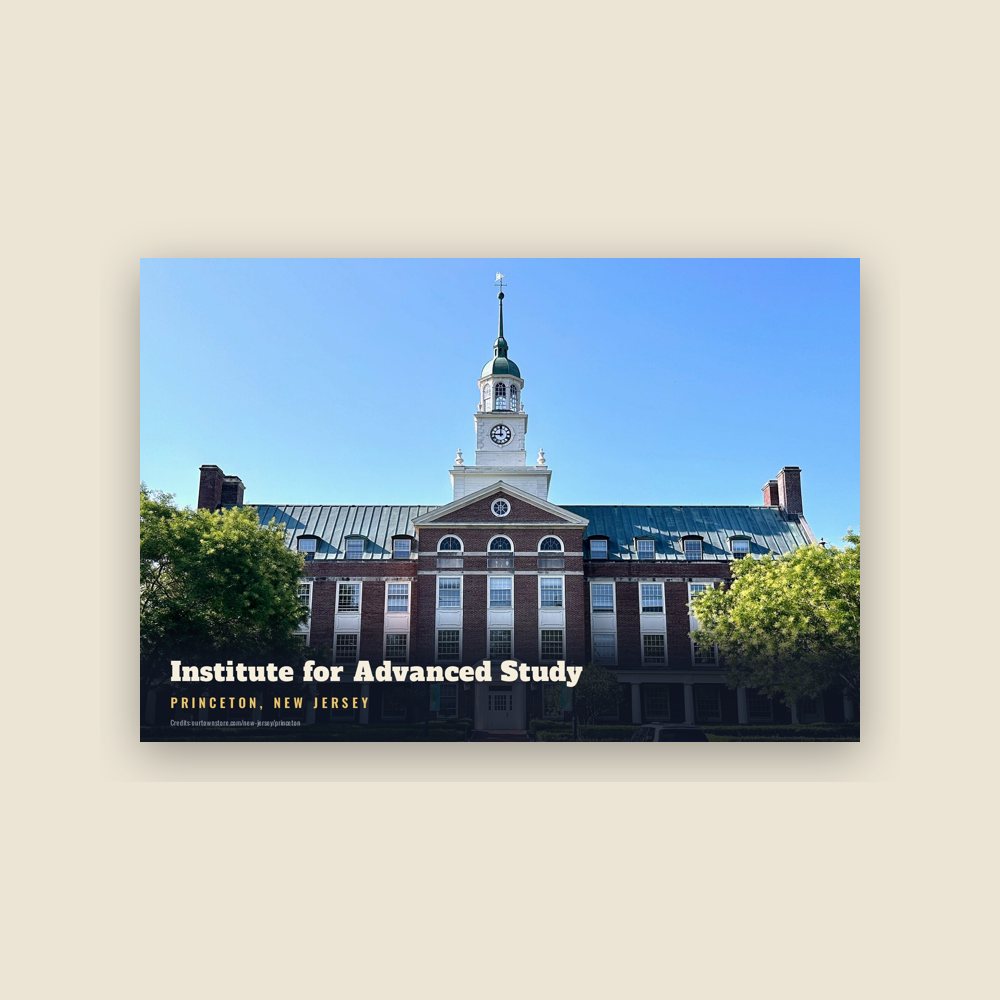
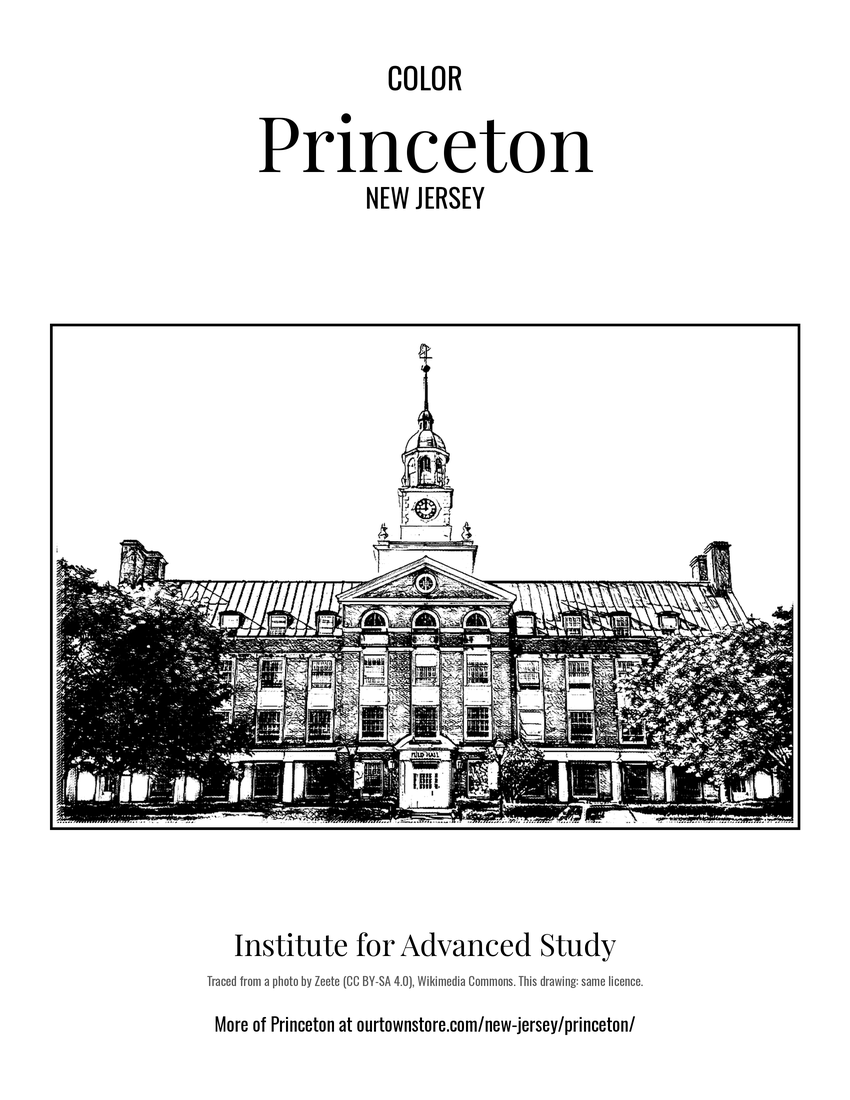 Institute for Advanced Study
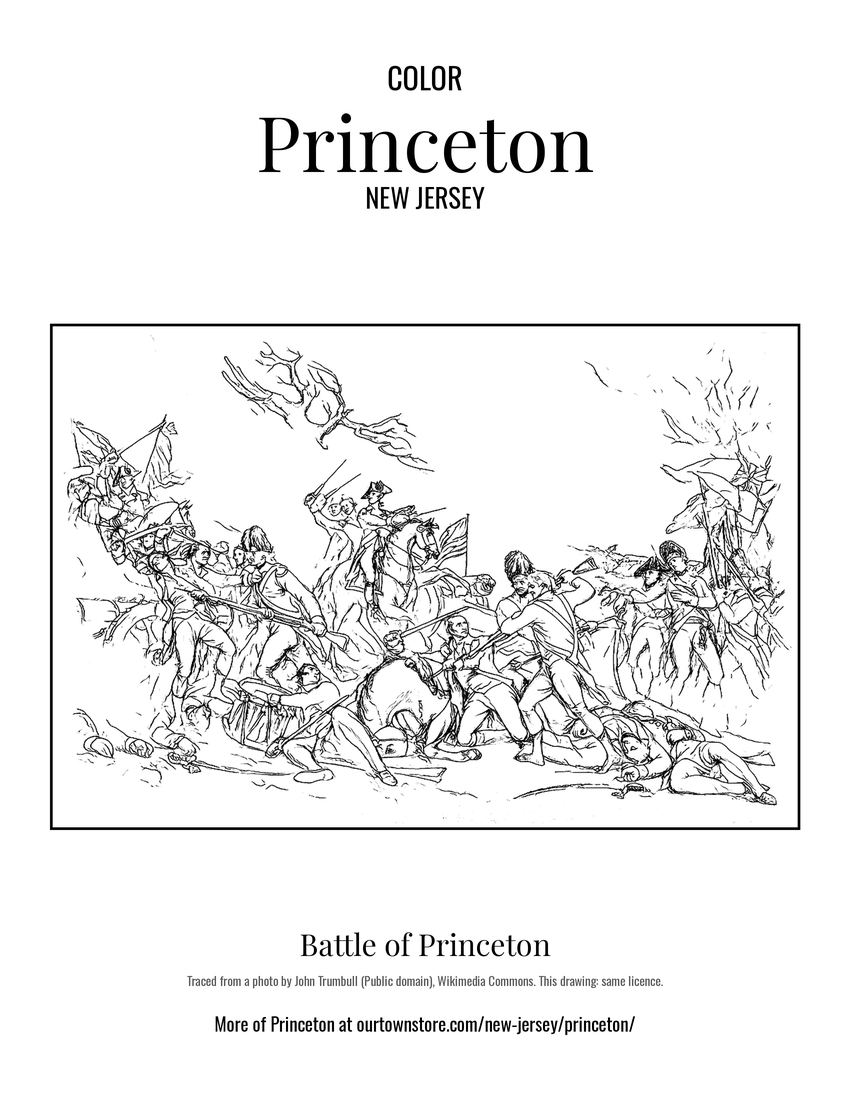 Battle of Princeton