A short history of Plainfield
Early history
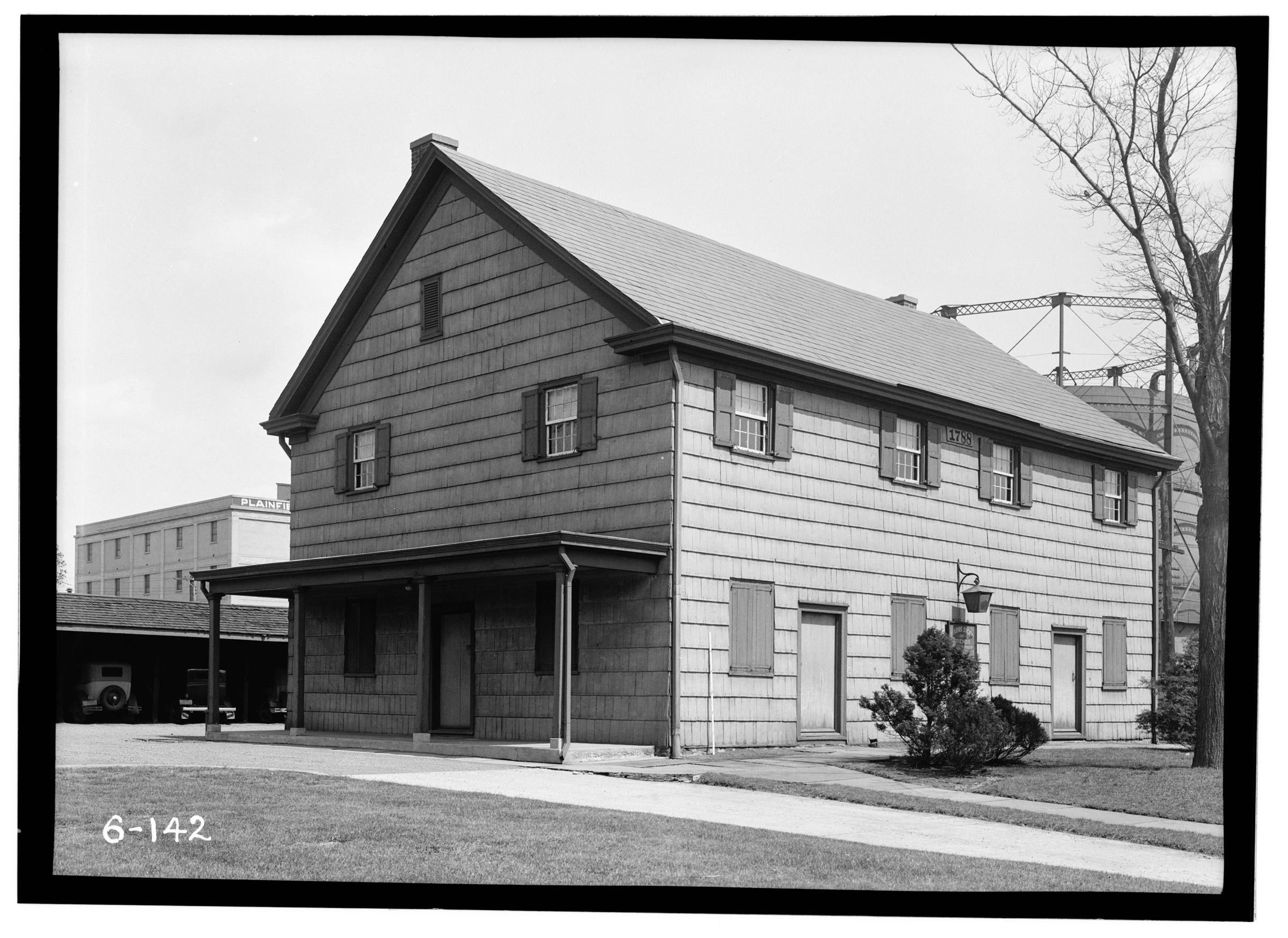
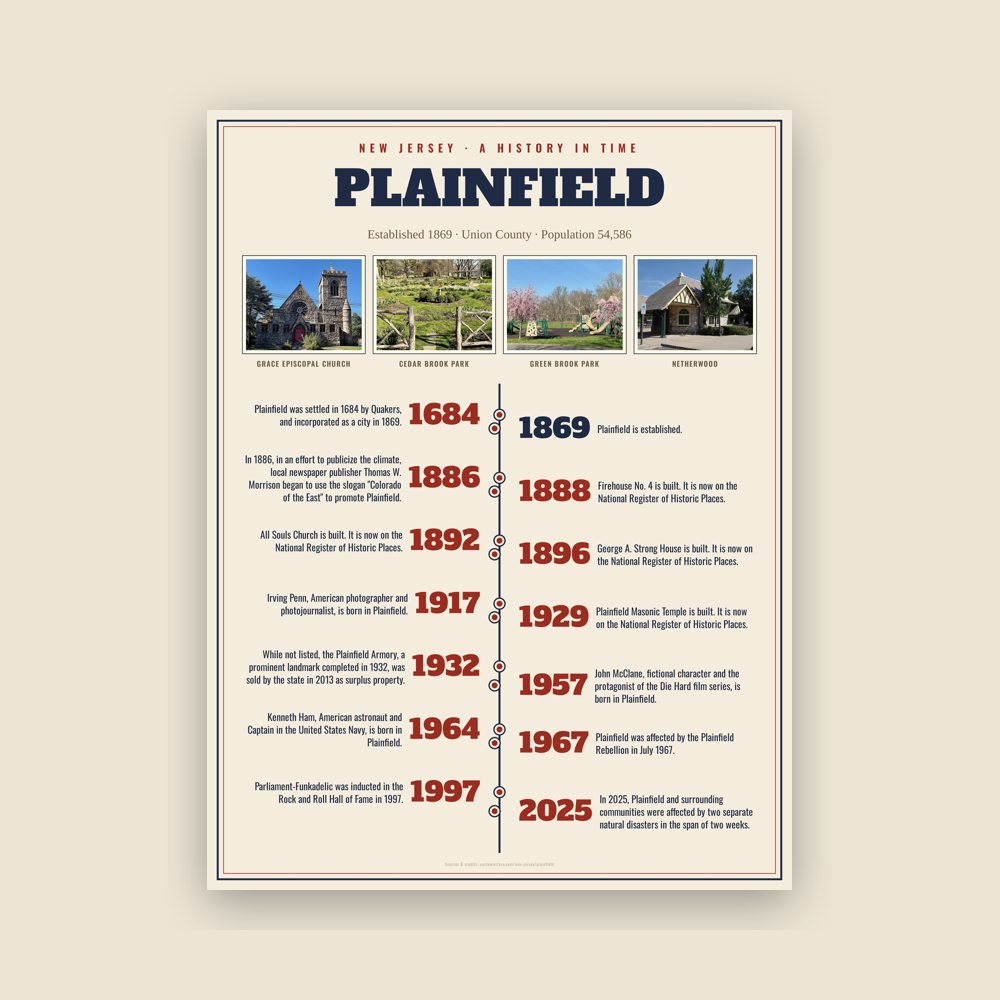
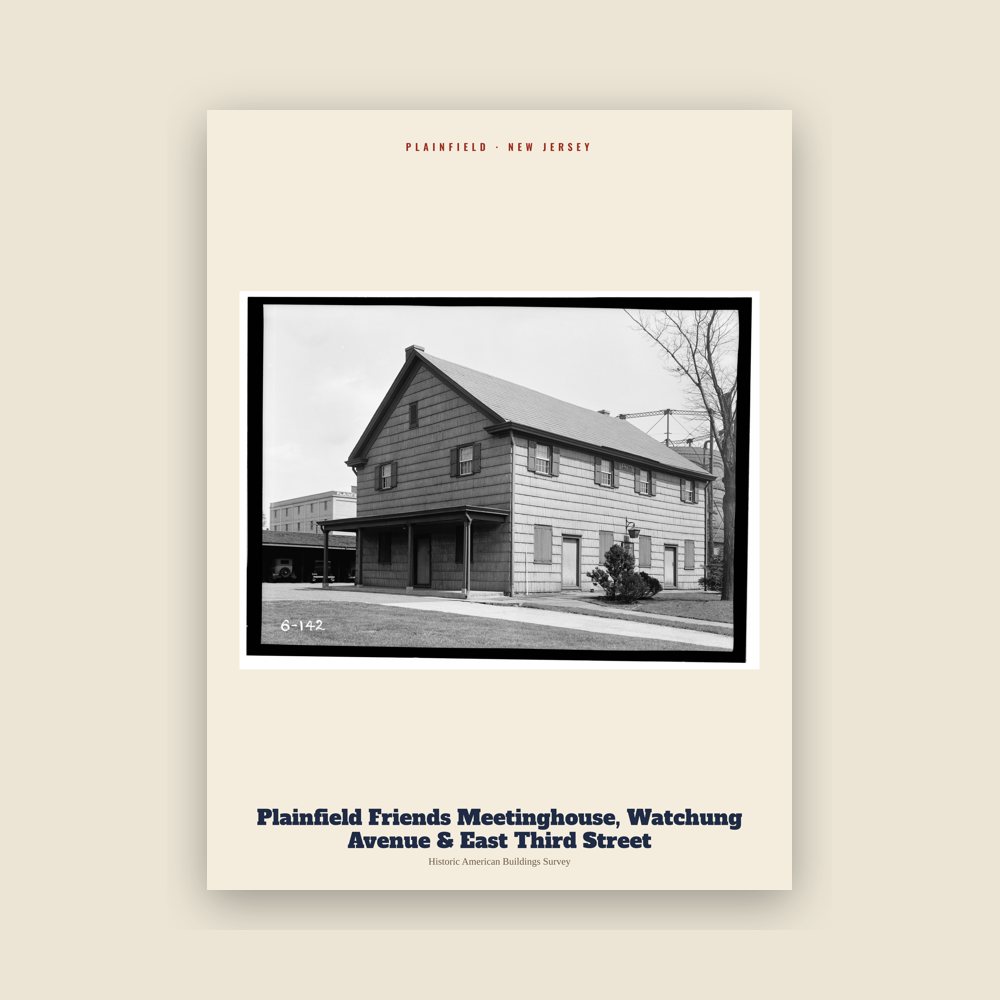
Plainfield was settled in 1684 by Quakers, and incorporated as a city in 1869. Formerly a bedroom suburb in the New York metropolitan area, it has become the urban center of 10 closely allied municipalities, with diversified industries, including printing and the manufacture of chemicals, clothing, electronic equipment, and vehicular parts. Among the several 18th-century buildings remaining are a Friends' meetinghouse (1788), the Martine house (1717), and the Nathaniel Drake House (1746), known as George Washington's headquarters during the Battle of Short Hills in June 1777. Nearby Washington Rock is a prominent point of the Watchung Mountains and is reputed to be the vantage point from which Washington watched British troop movements.
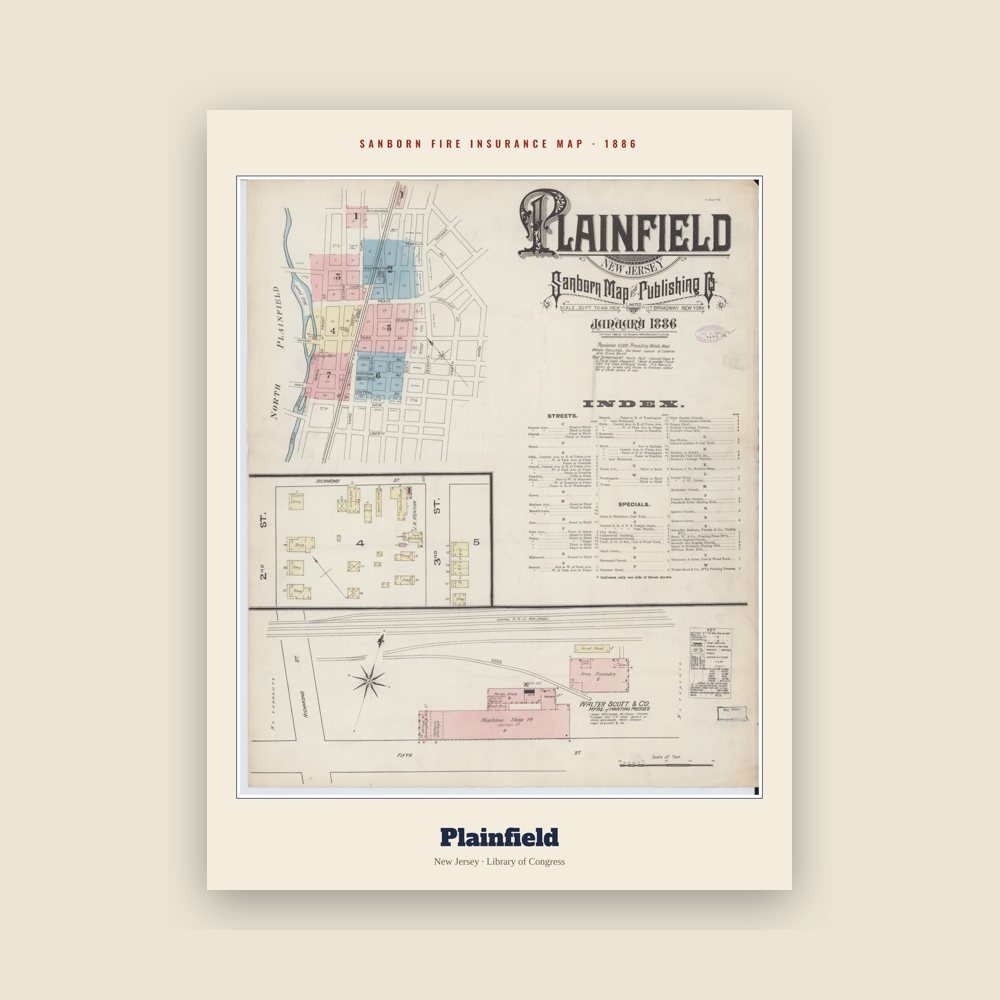
The "Queen City" moniker arose in the second half of the 19th century. Plainfield had been developing a reputation during this period as featuring a climate that was beneficial for respiratory ailments. In 1886, in an effort to publicize the climate, local newspaper publisher Thomas W. Morrison began to use the slogan "Colorado of the East" to promote Plainfield. As Denver, Colorado, was known as the "Queen City of the Plains," the slogan for Plainfield eventually became abbreviated to "The Queen City."
In 1902, the New Jersey Legislature approved measures that would have allowed the borough of North Plainfield to become part of Union County (a measure repealed in 1903) and to allow for a merger of North Plainfield with the City of Plainfield subject to the approval of a referendum by voters in both municipalities.
Read the full history
Music history
Plainfield is the birthplace of P-Funk. George Clinton founded The Parliaments while working in a Plainfield barber shop. Parliament-Funkadelic was inducted in the Rock and Roll Hall of Fame in 1997. A number of other well-known musicians are from, or have resided, in Plainfield.
Sports history
Architectural history
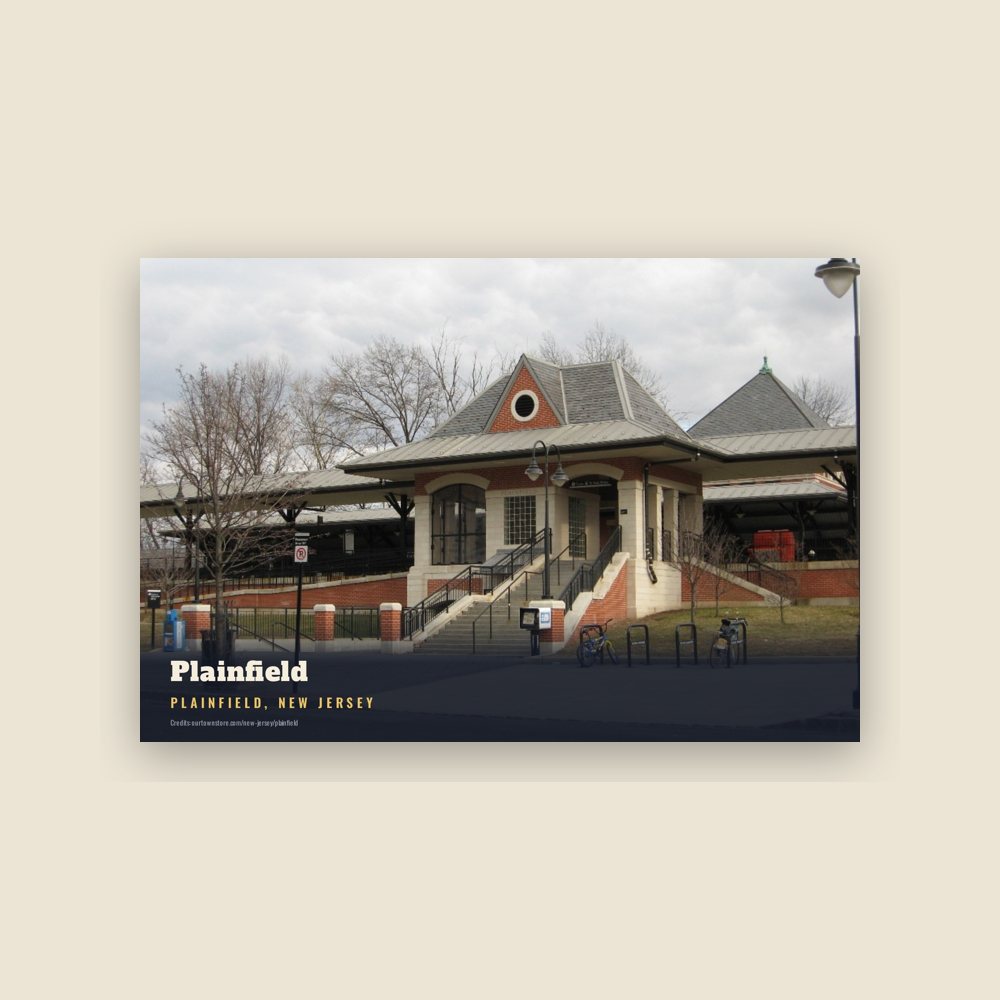
Plainfield's history as a place to call home for the 19th and 20th century wealthy has led to a significant and preserved suburban architectural legacy. An influx of Wall Street money led to the creation of what was called Millionaires' Row after the opening of the railway in the 19th century.
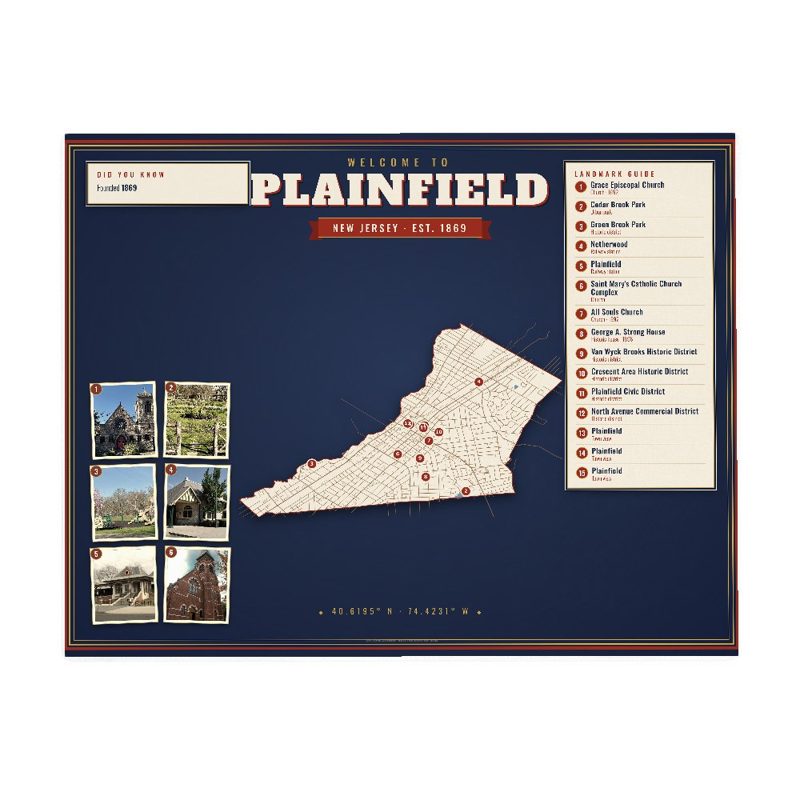
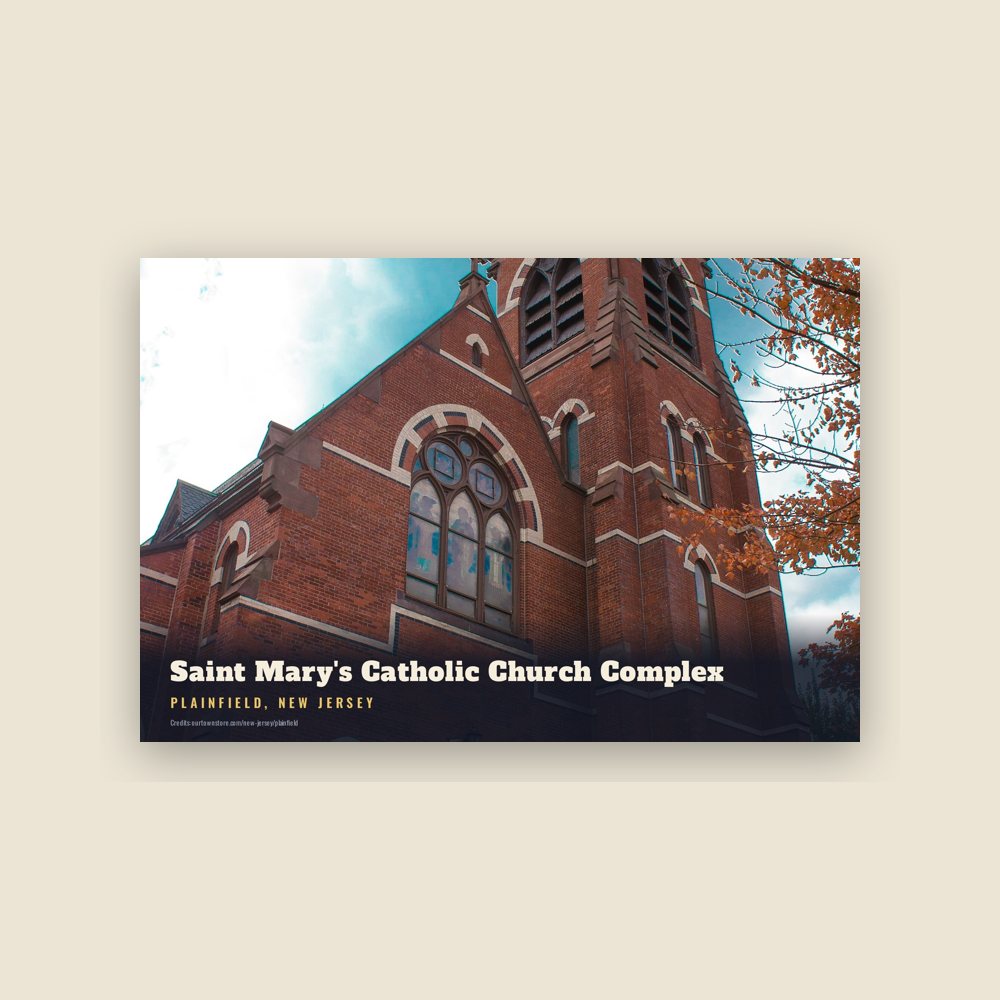
There are numerous sites, including homes, parks, and districts in the city that are listed on the National Register of Historic Places. While not listed, the Plainfield Armory, a prominent landmark completed in 1932, was sold by the state in 2013 as surplus property.
Plainfield's wealthy northeast corner, known as the "Sleepy Hollow" section of the city, was and still is characterized by its array of finely landscaped streets and neighborhoods with homes defined by a broad array of architectural styles, most built during the first half of the twentieth century. From the tree-lined neighborhoods, the lot sizes vary, but the stateliness and distinction of each house is evident, whether a stately Queen Anne mansion or a gingerbread cottage. Most lots are nicely landscaped and semi- or fully private.
Rebellion
Plainfield was affected by the Plainfield Rebellion in July 1967. This civil disturbance occurred in the wake of the larger Newark riots. A Plainfield police officer was killed, about fifty people were injured, and several hundred thousand dollars of property was damaged by looting and arson. The New Jersey National Guard restored order after three days of unrest. This civil unrest caused a massive white flight, characterized by the percentage of Black residents rising from 40% in 1970 to 60% a decade later.
Author and Plainfield native Isaiah Tremaine published Insurrection in 2017 as a mournful accounting of the Plainfield riots—and subsequent racial tensions at Plainfield High School—from his perspective as a Black teenager living in the city with both white and Black friends at the time. Prior to the rebellion, Plainfield was a regional shopping and entertainment center. Residents of nearby Union, Middlesex and Somerset counties would drive to shop and explore the business districts of Plainfield. Other than during the holidays, peak shopping times Plainfield were Thursday nights and Saturday, when Front Street and the areas around it bustled.
Plainfield had several entertainment venues at that time. At the peak, there were four operating movie theaters: the Strand, the Liberty, the Paramount and the Oxford theaters.
Manufacturers of heavy goods included Chelsea Fan Corp., Mack Truck and National Starch and Chemical Corp. Plainfield Iron and Metal maintained a large scrapyard in the West End.
Natural disasters
In 2025, Plainfield and surrounding communities were affected by two separate natural disasters in the span of two weeks. On July 3, three people were killed when severe thunderstorms swept through the area. Heavy damage occurred when the storms brought down trees and powerlines, leaving 8,000 residents without power. Following the storms, Mayor Adrian O. Mapp issued a state of emergency. The state of emergency was lifted on July 9. Five days later, on July 14, flash floods killed two women when their car was swept into the Cedar Brook, designed to catch and drain all of the city's flood water.
Adapted (trimmed) from the Wikipedia article Plainfield, New Jersey, revision 1382885632 by its contributors, licensed CC BY-SA 4.0.
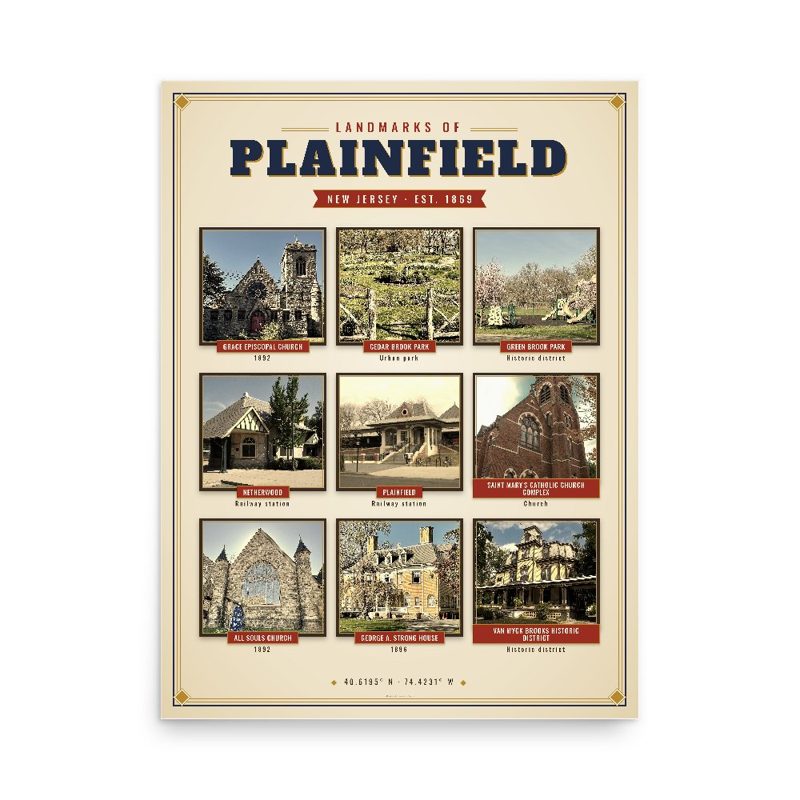
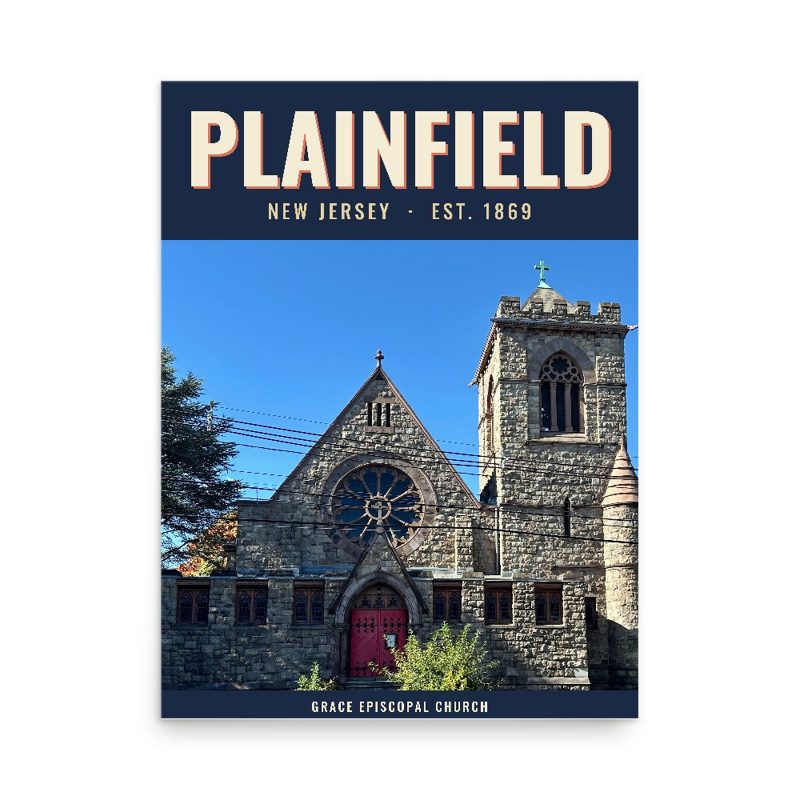
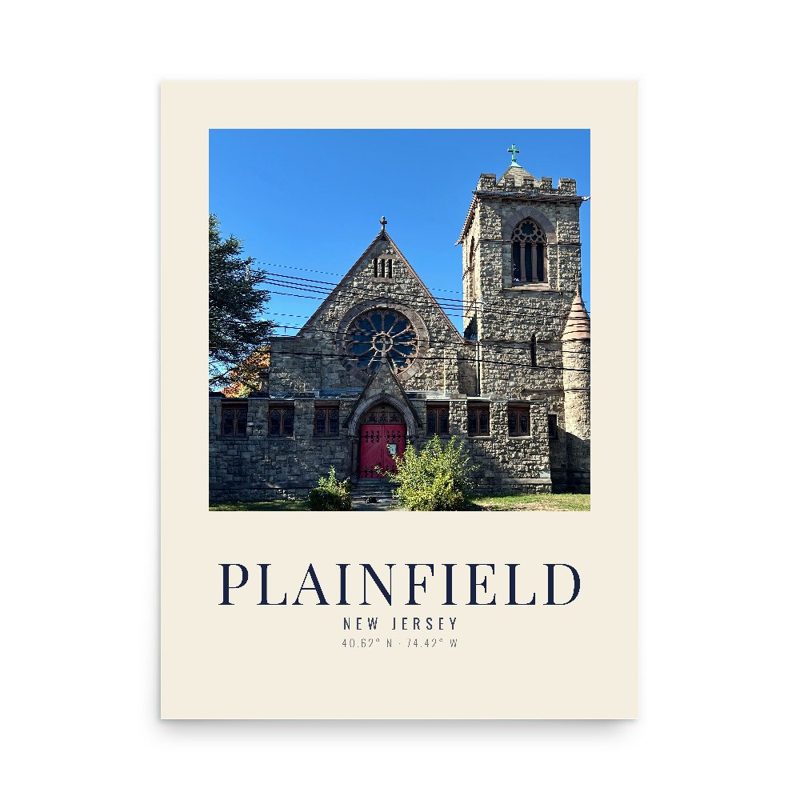
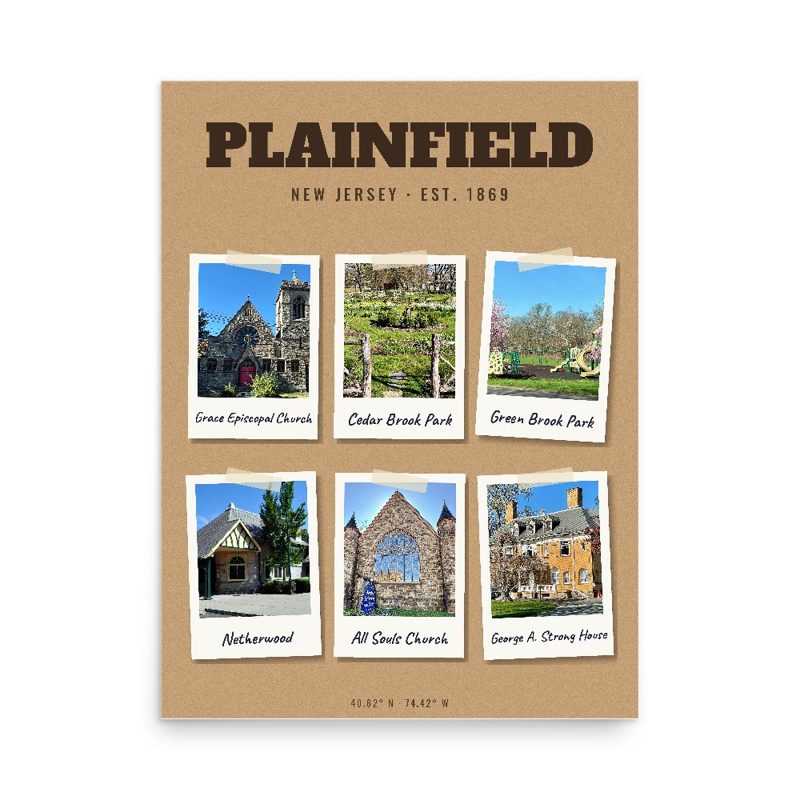









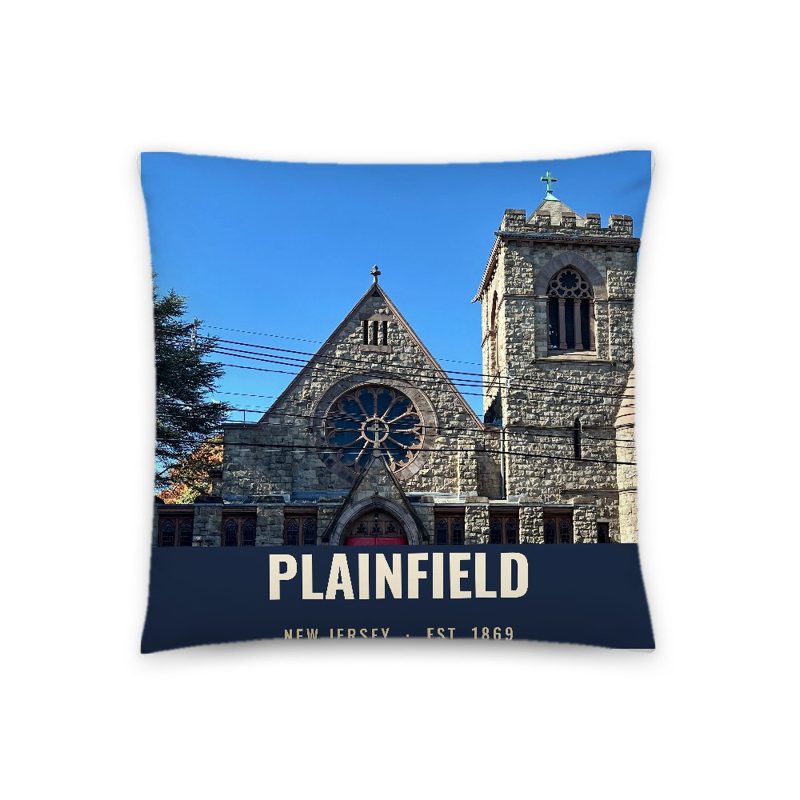




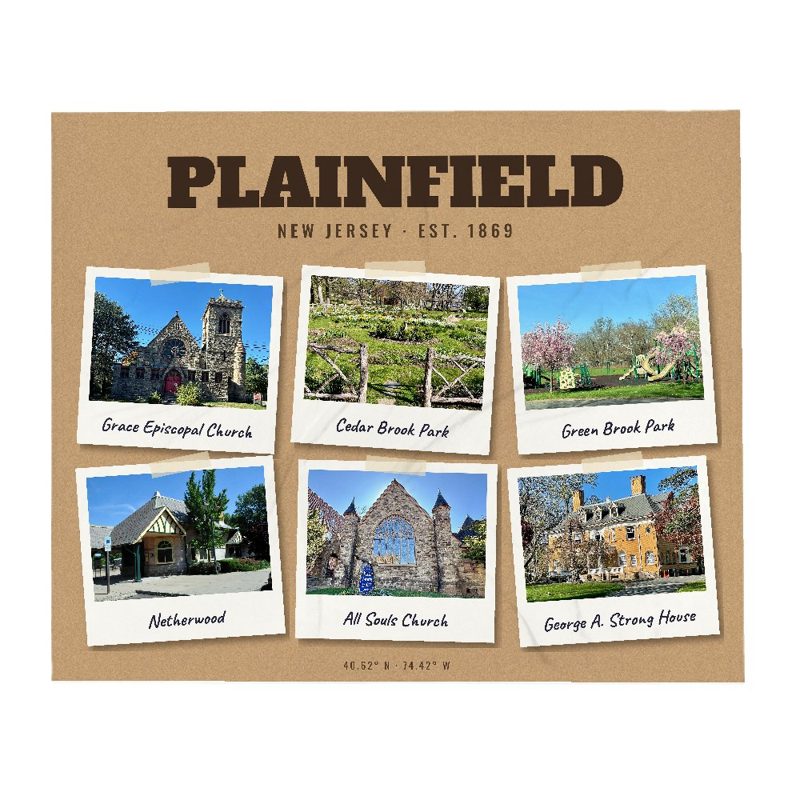

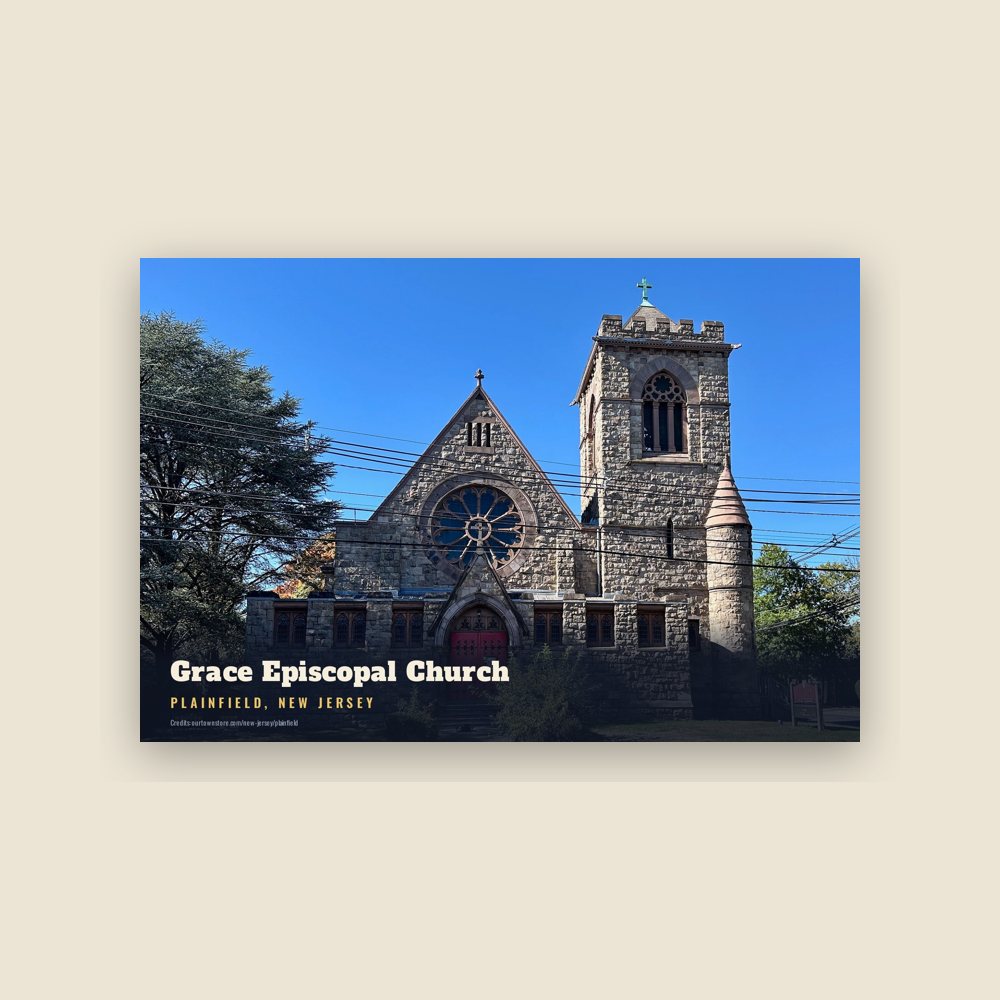
 Grace Episcopal Church
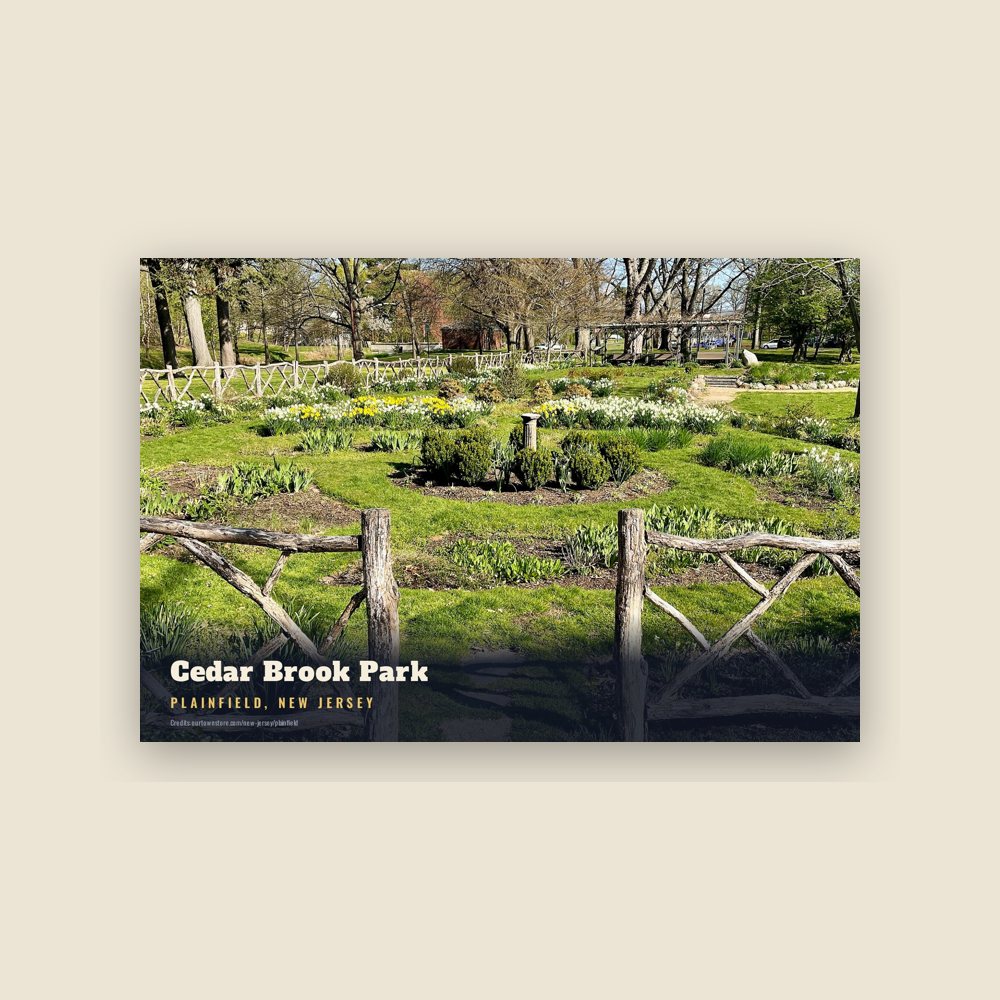
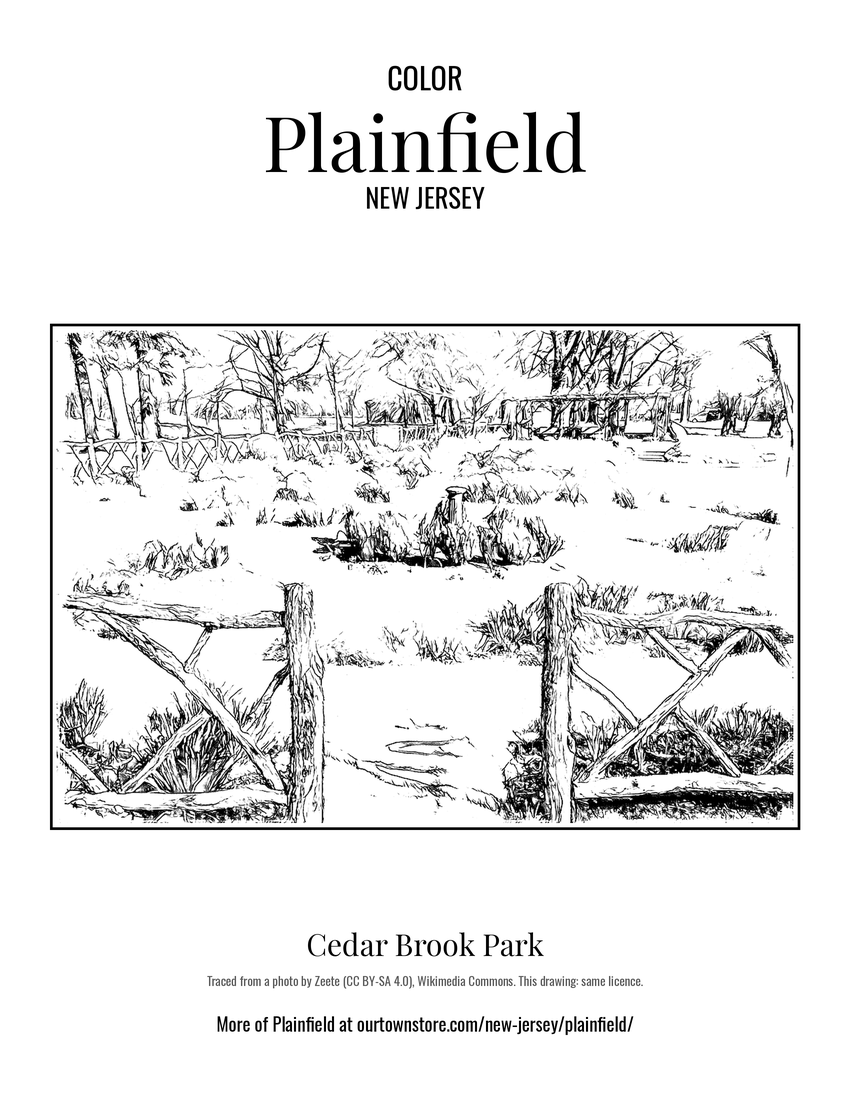 Cedar Brook Park
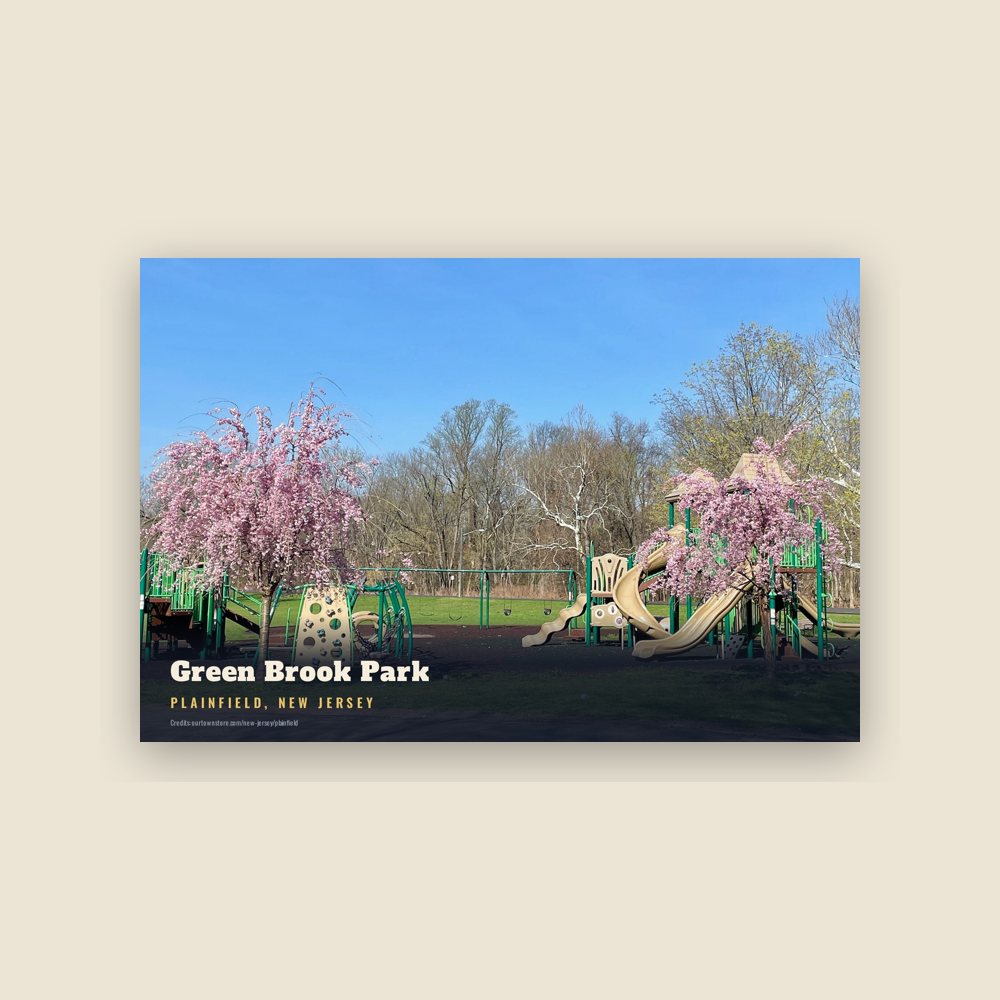
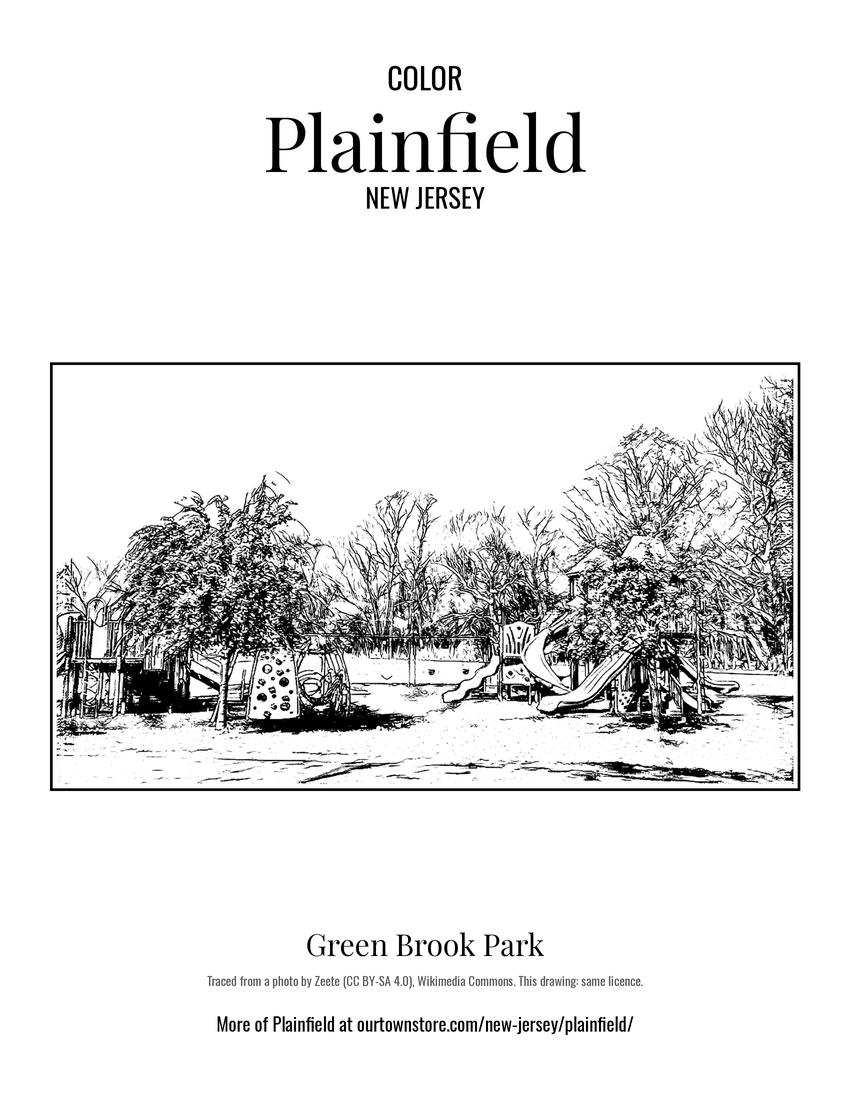 Green Brook Park
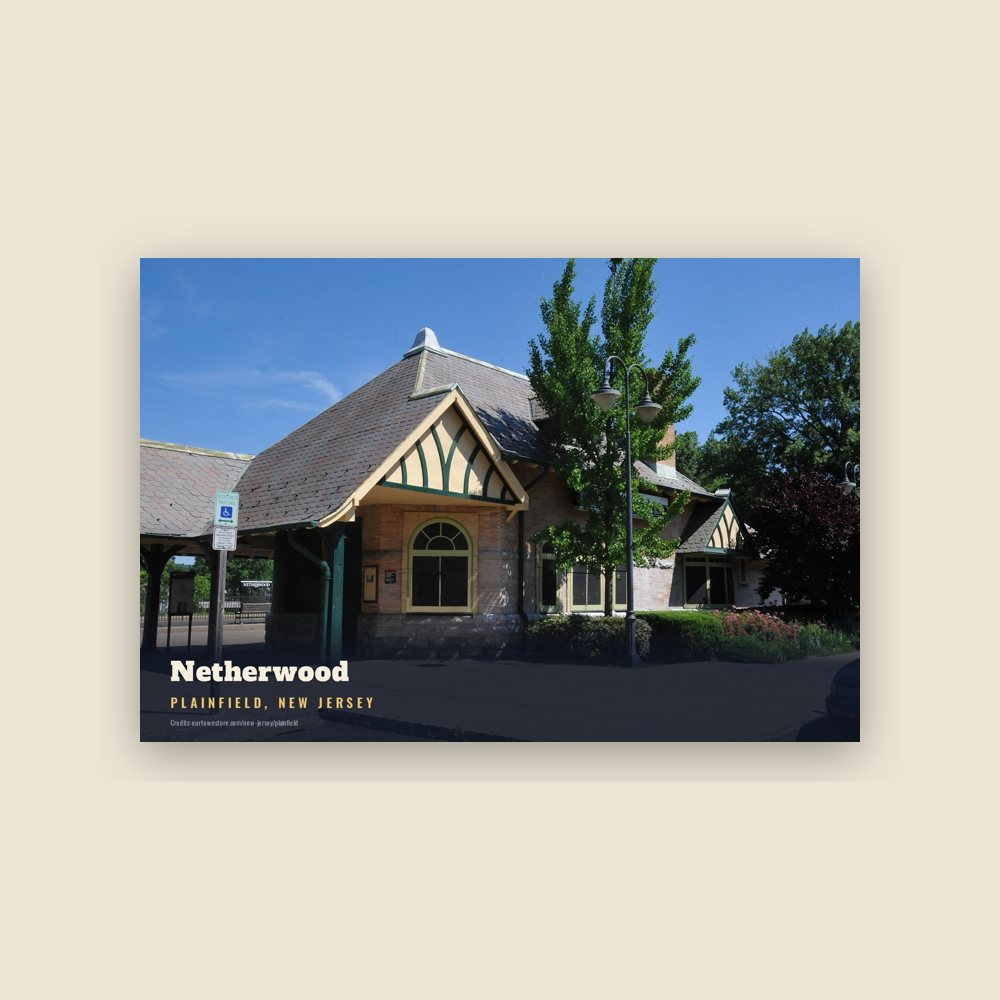
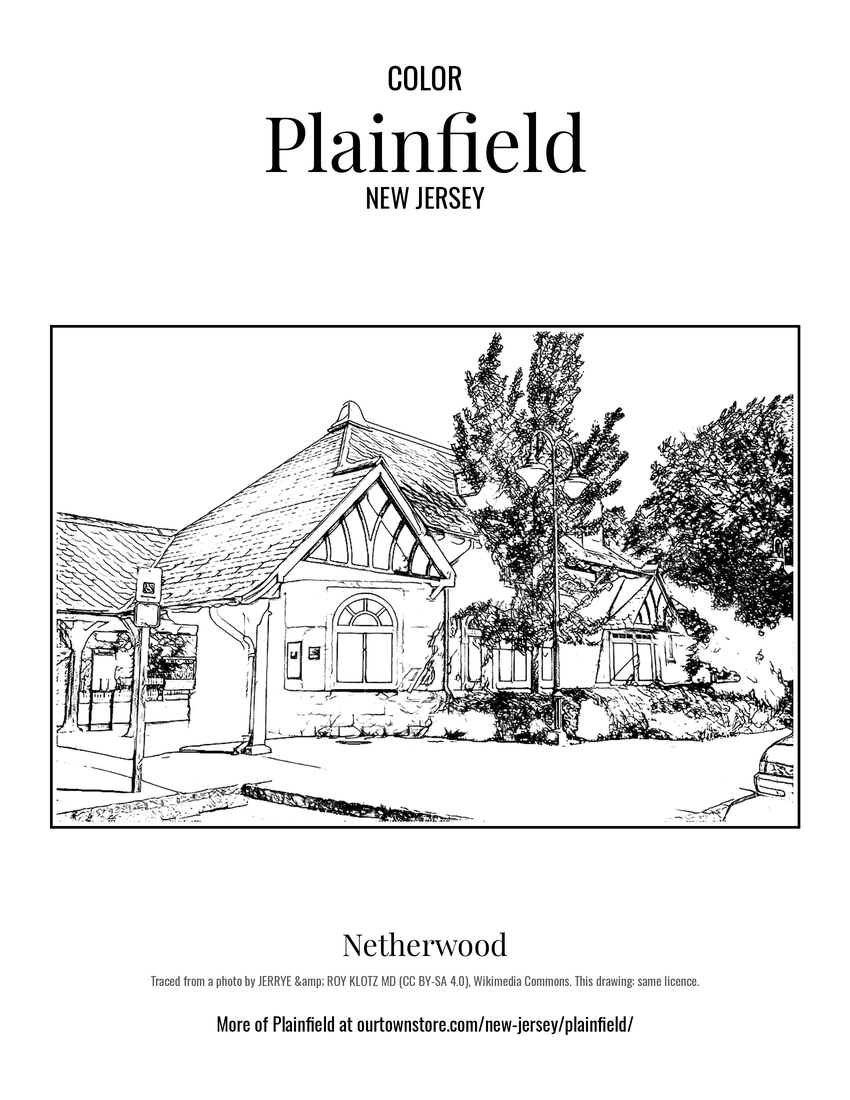 Netherwood