A short history of Mountain Lakes
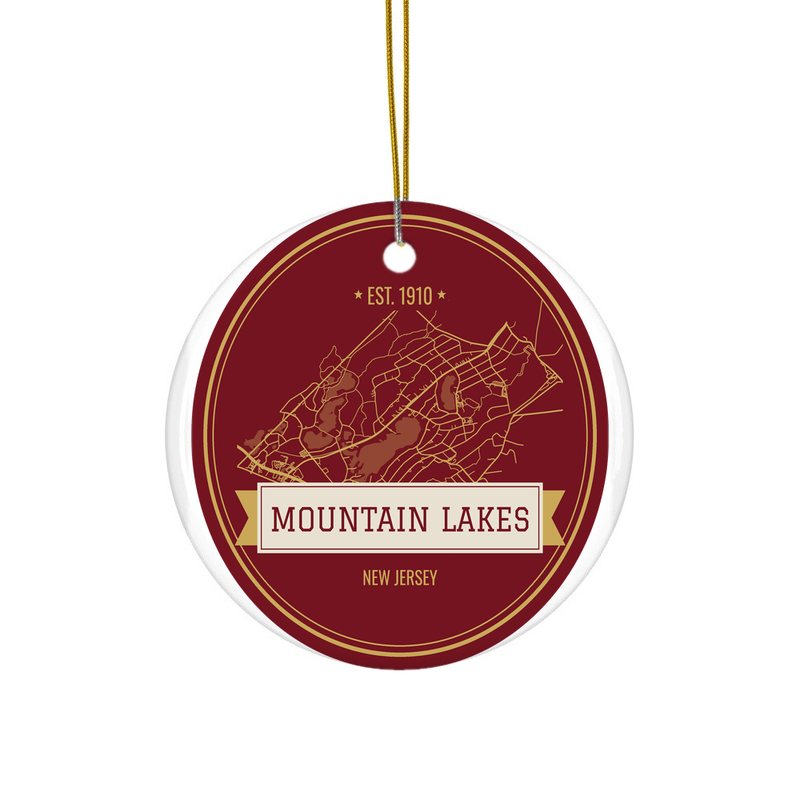
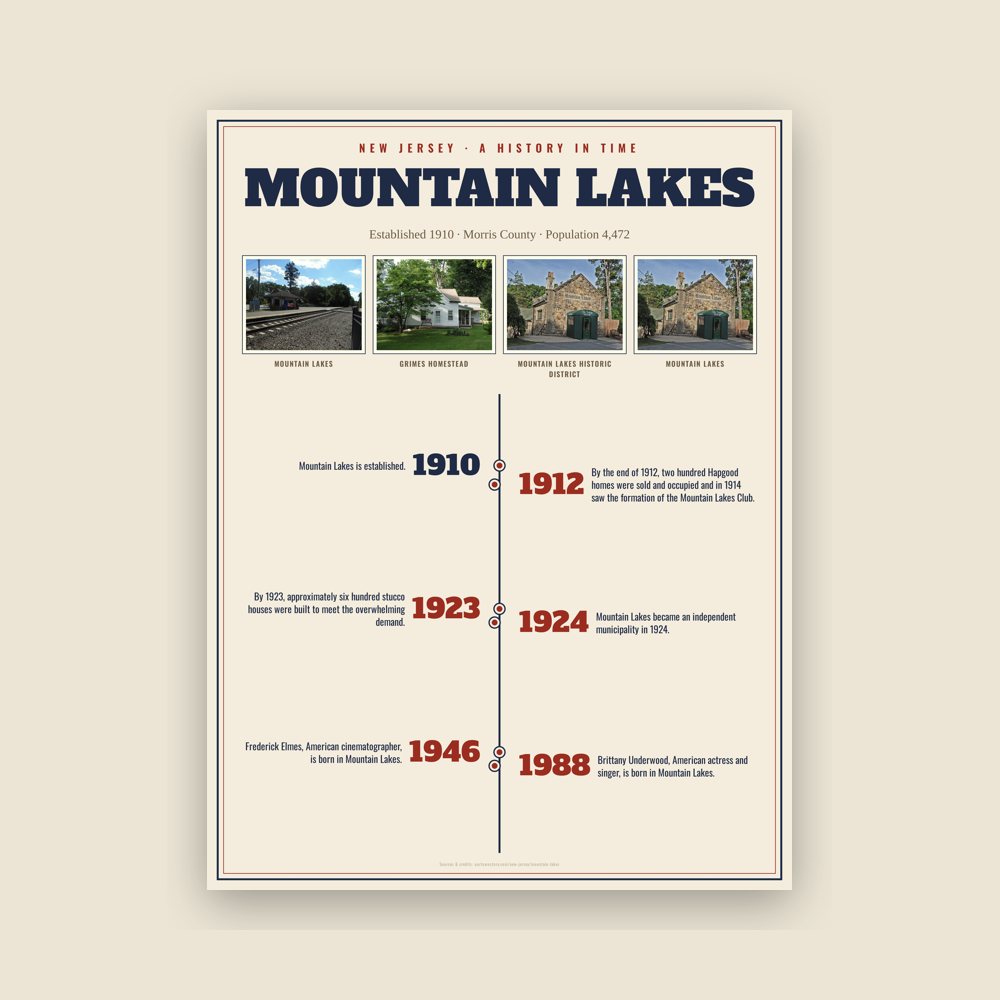
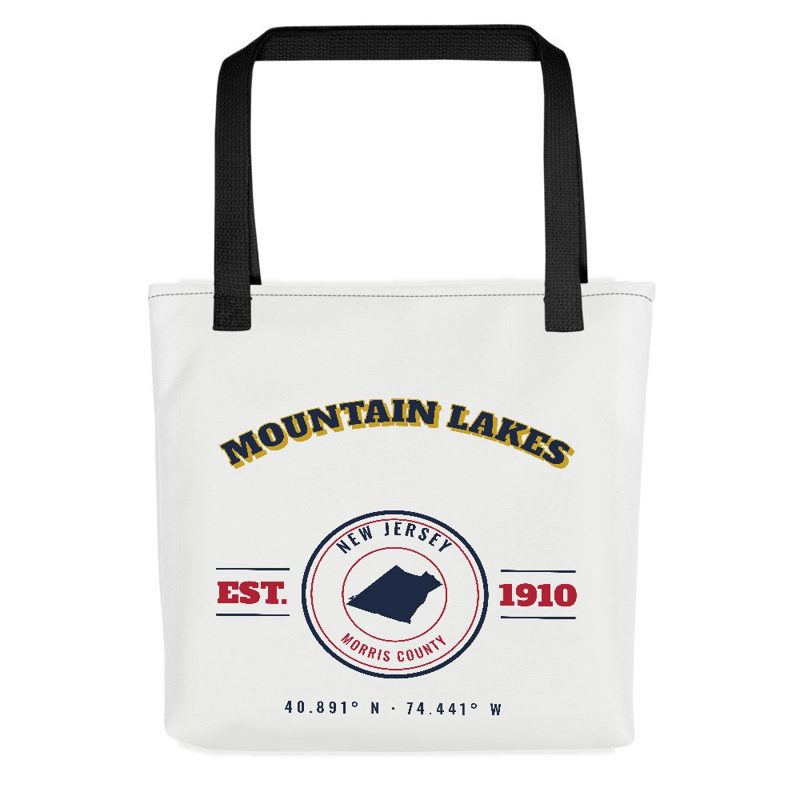
Mountain Lakes was originally a planned community, founded in 1910 by Herbert Hapgood. The entire face of the community changed from a wilderness of Dutch and English properties to a planned suburban community of large stucco houses now affectionately known as "Hapgoods." During this single decade, the natural and architectural character of Mountain Lakes was developed. Hapgood was particularly influenced by the Arts and Crafts movement, at the height of its popularity in 1910 when he started building.
Lawrence W. Luellen, inventor of the Dixie Cup, became the community's first resident when he moved to his new home in March 1911.
The Hapgood model homes were early forerunners of the modern development, but each house was modified to suit individual tastes. To the basic styles of these houses, Hapgood added colonial and craftsman features. He reversed floor plans, and interchanged architectural details. By the end of 1912, two hundred Hapgood homes were sold and occupied and in 1914 saw the formation of the Mountain Lakes Club. By 1923, approximately six hundred stucco houses were built to meet the overwhelming demand. Mountain Lakes became an independent municipality in 1924.
Mountain Lakes had a discriminatory "gentleman's agreement" from its inception up through the 1960s, preventing African-Americans, Jews, Latinos, Catholics, and other "undesirable groupings" from living there. While this was abandoned in recent years, the town still has a less diverse population than the rest of New Jersey, or Morris County.
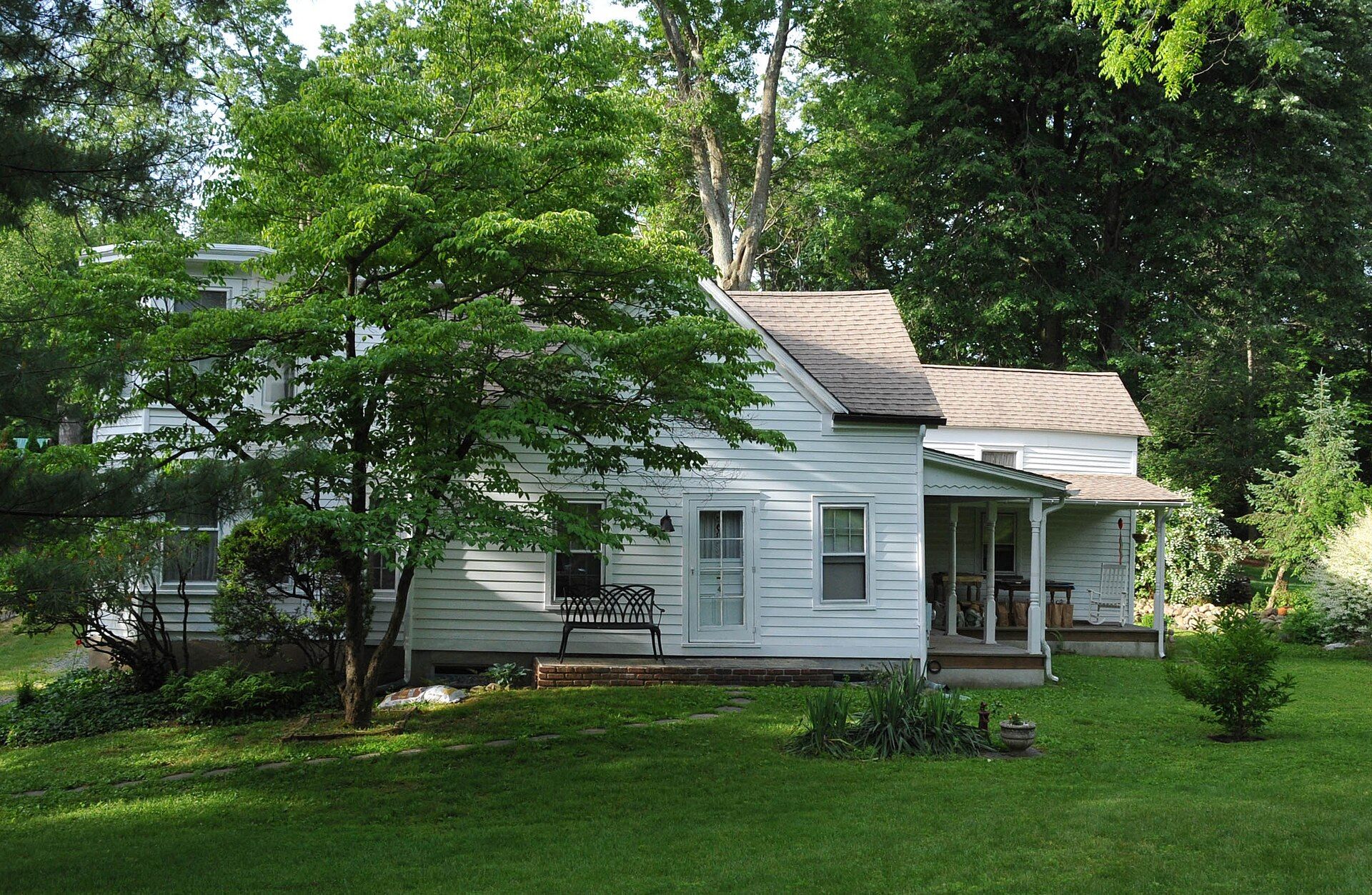
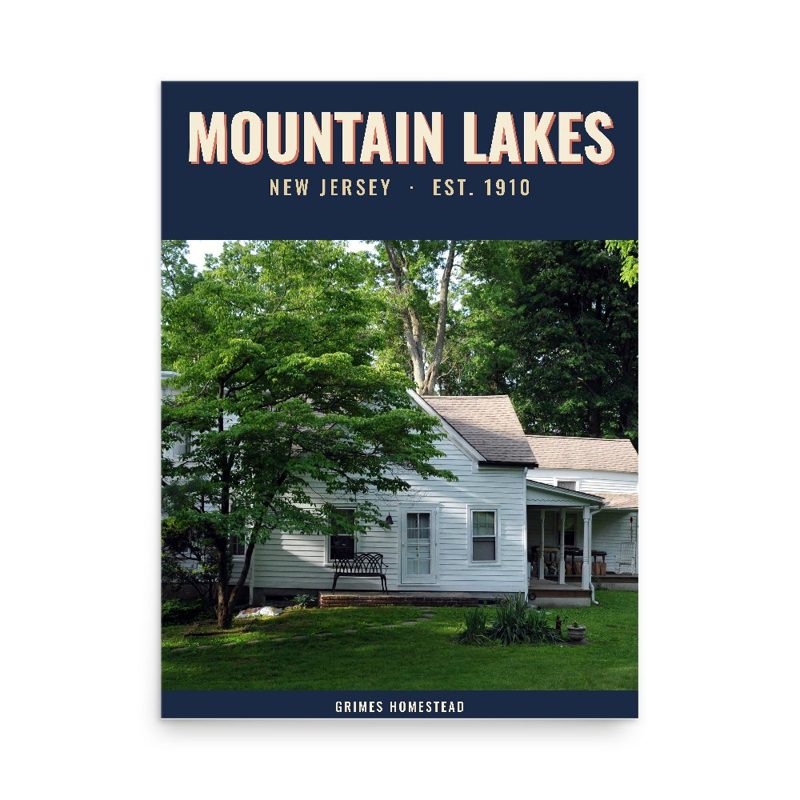
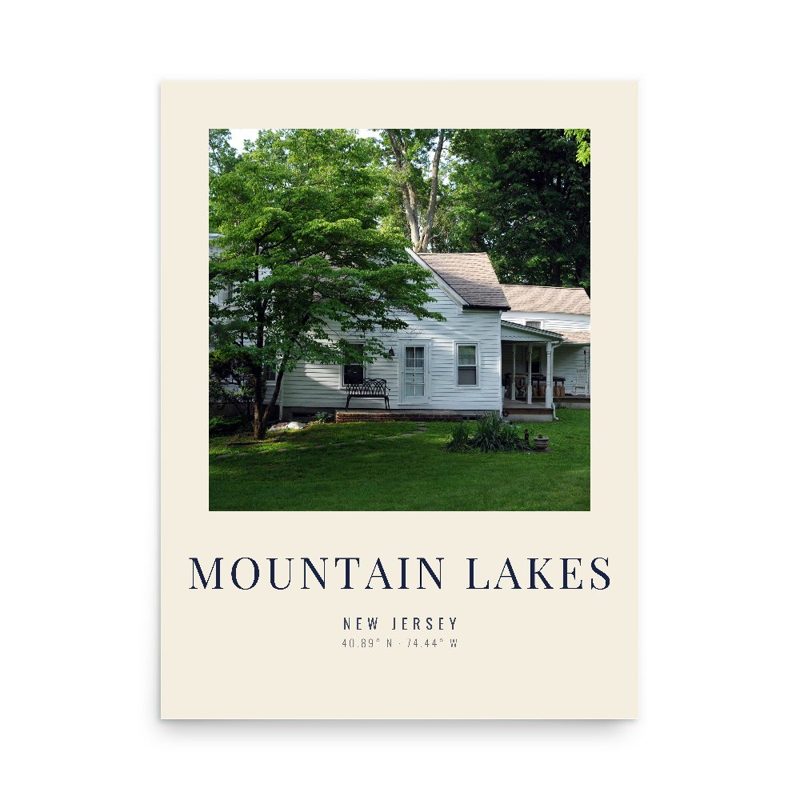
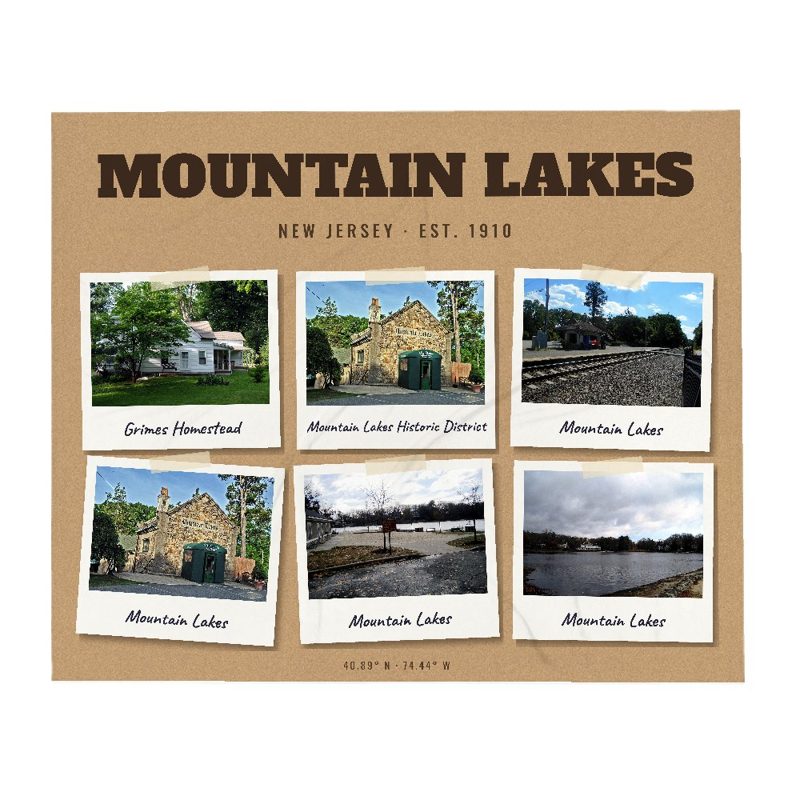
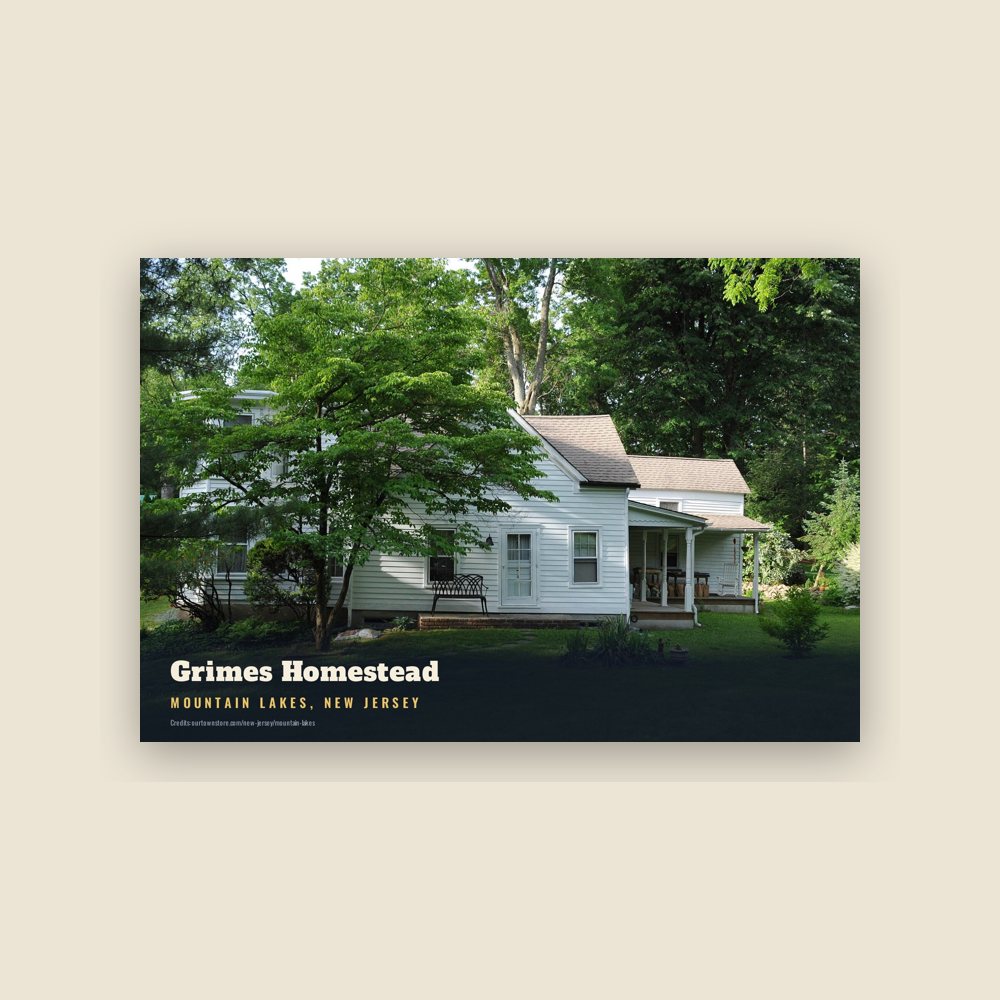
Mountain Lakes is home to the historic Grimes Homestead, an 18th-century home that served as a way station on the Underground Railroad.
Adapted (trimmed) from the Wikipedia article Mountain Lakes, New Jersey, revision 1377773576 by its contributors, licensed CC BY-SA 4.0.
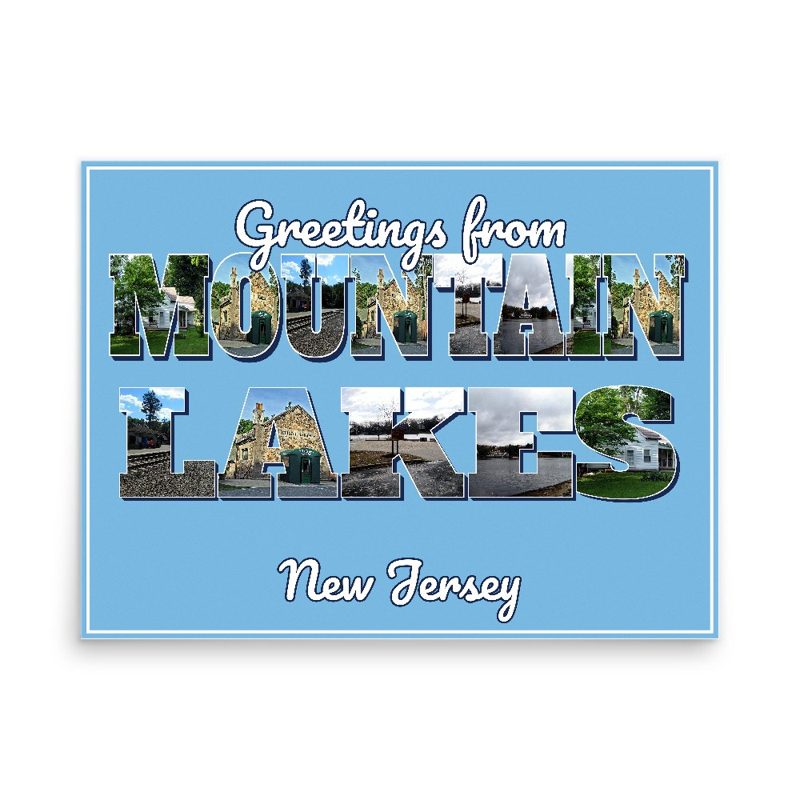
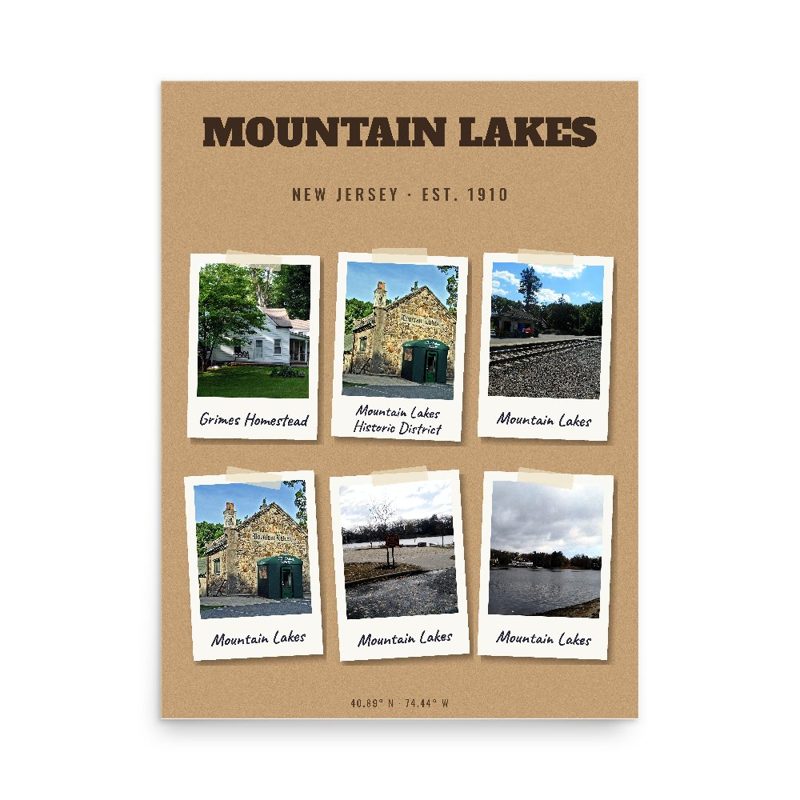
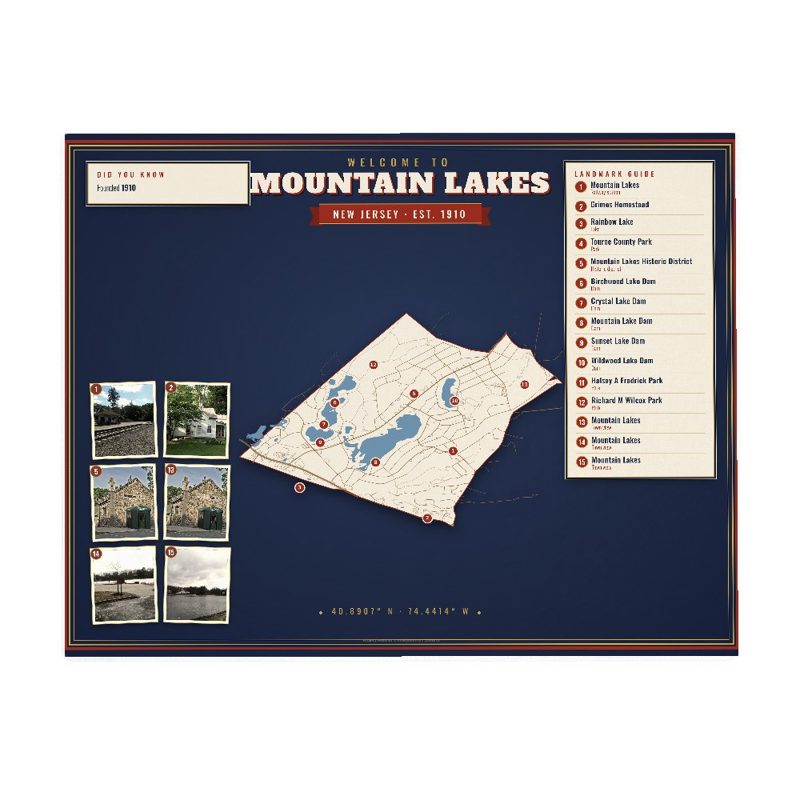


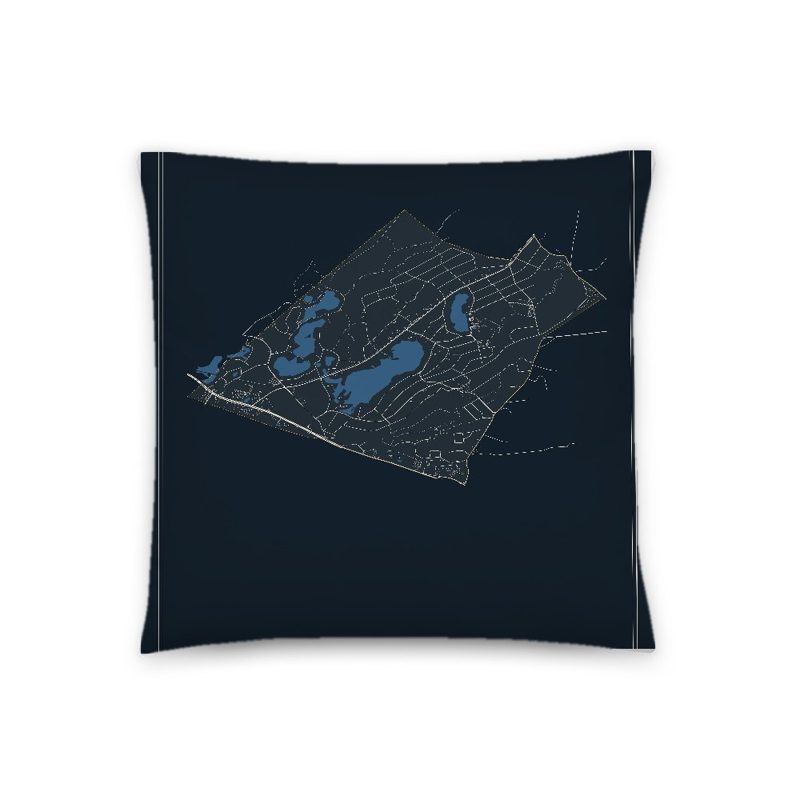
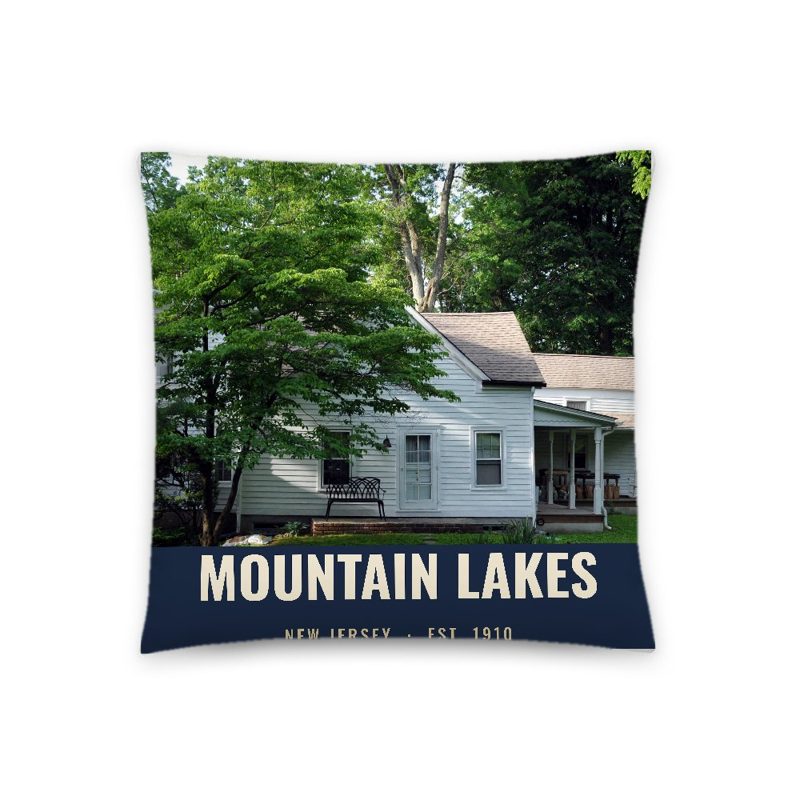

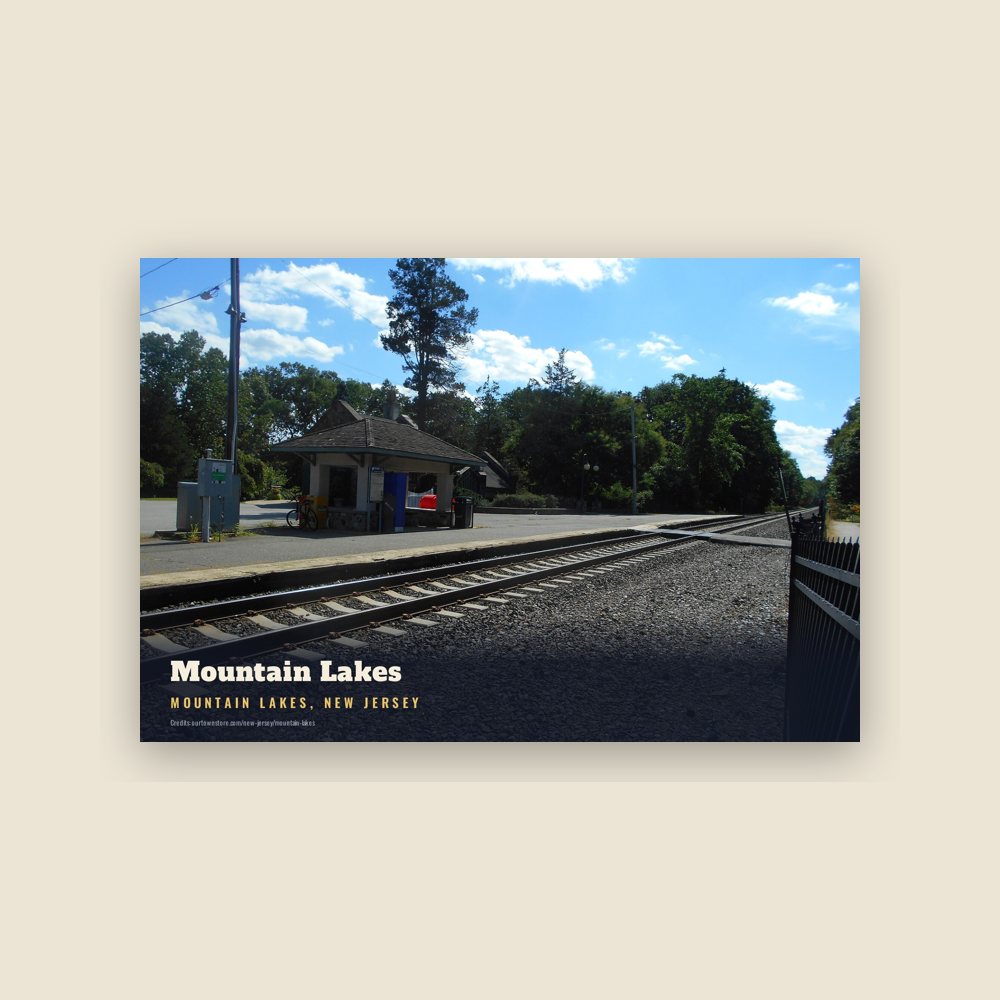
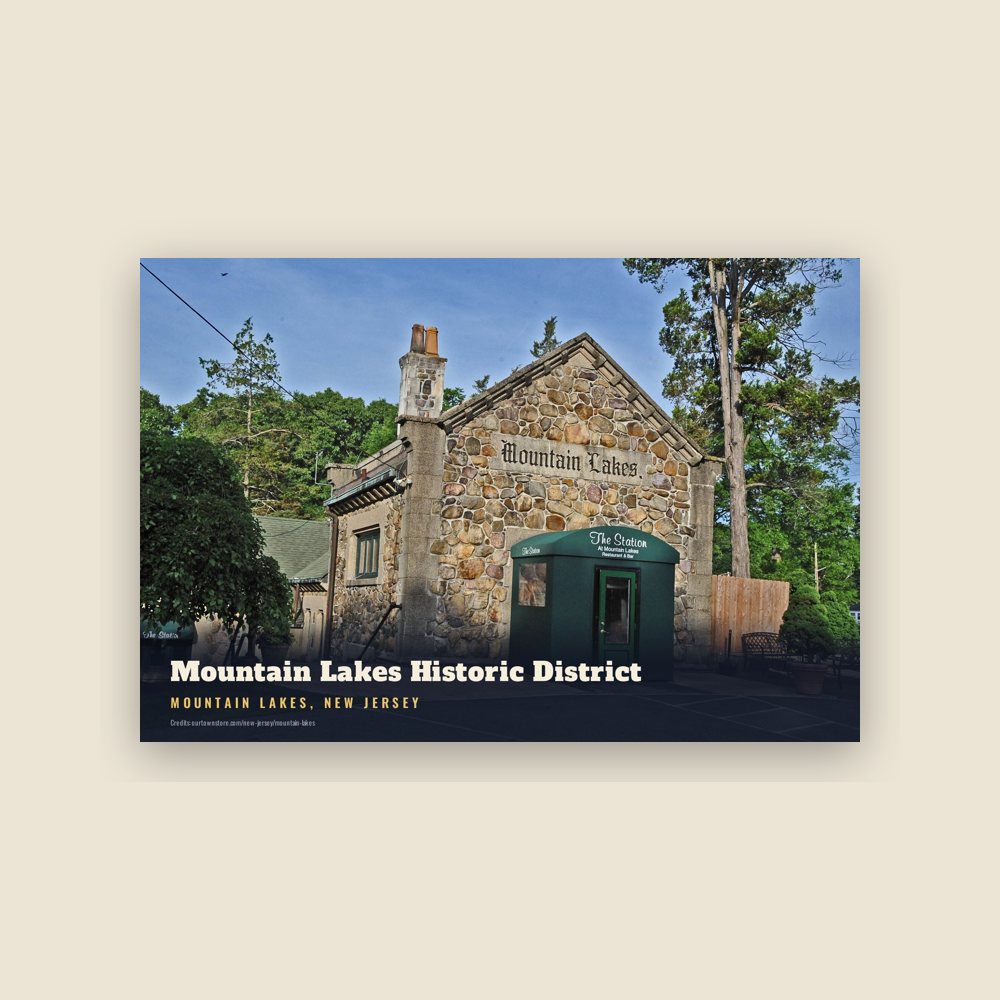
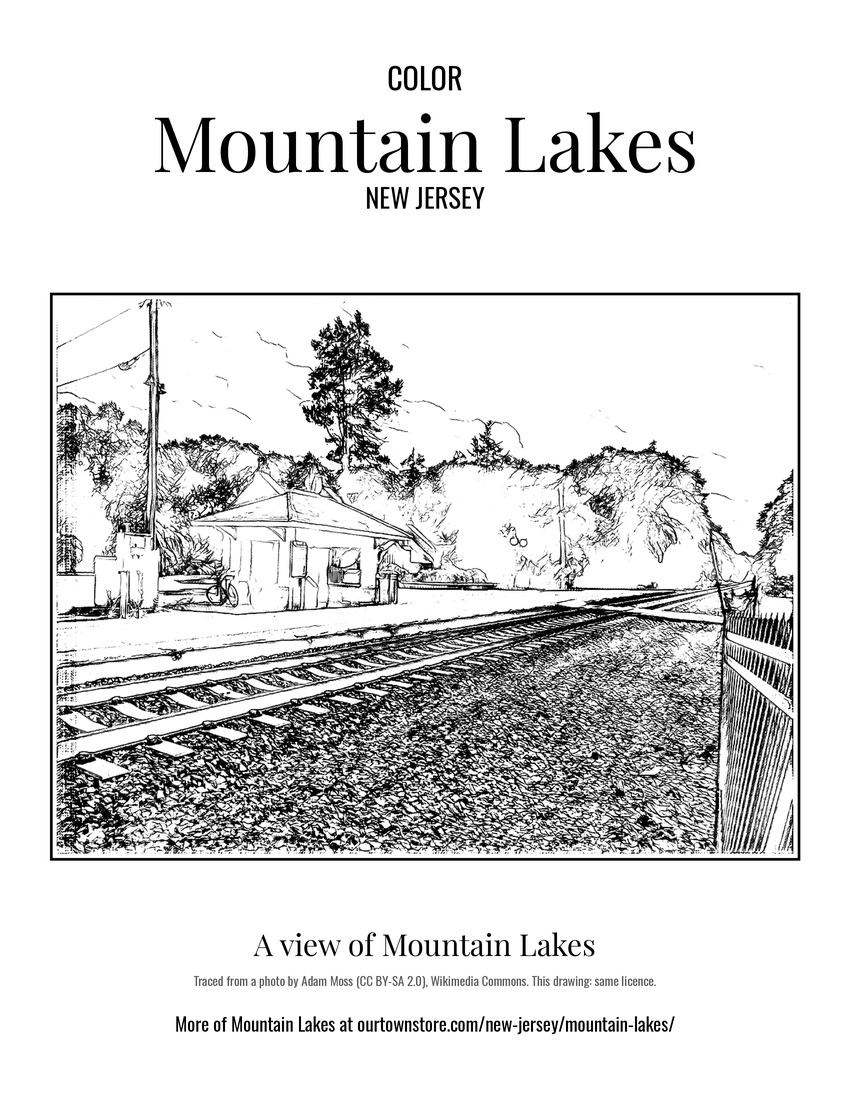 A view of Mountain Lakes
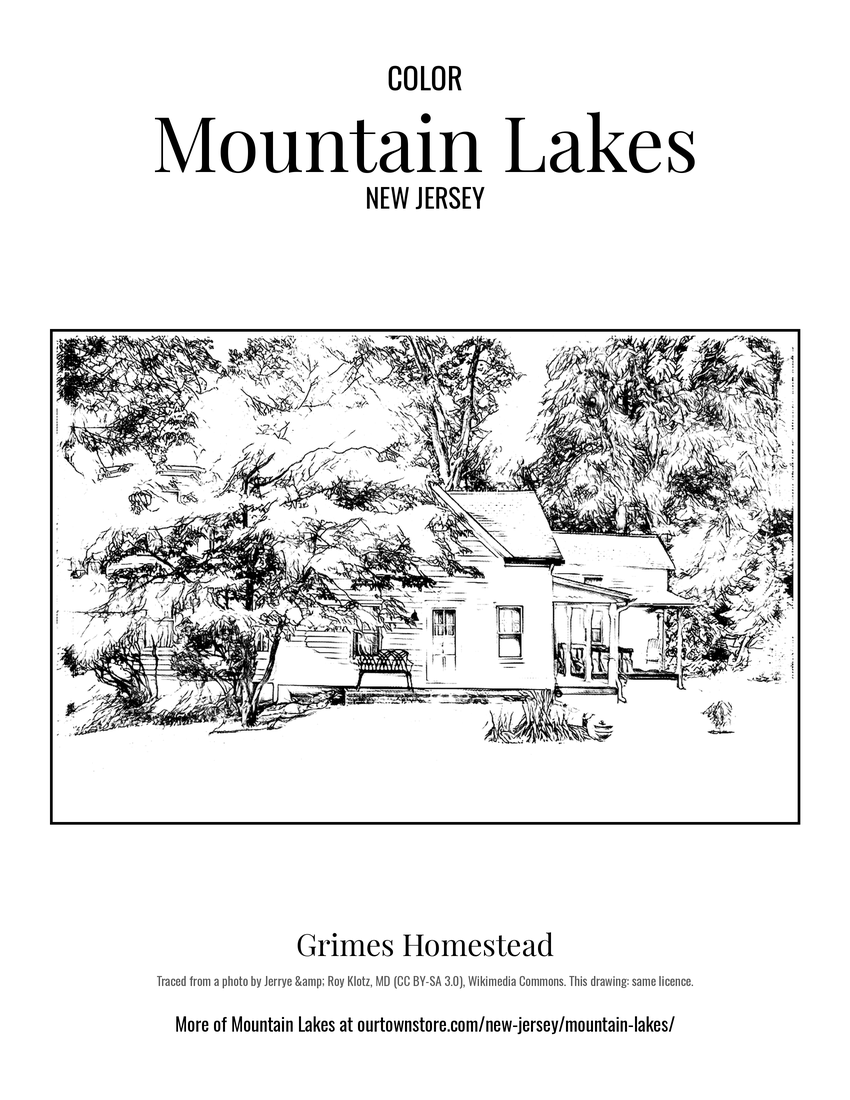 Grimes Homestead
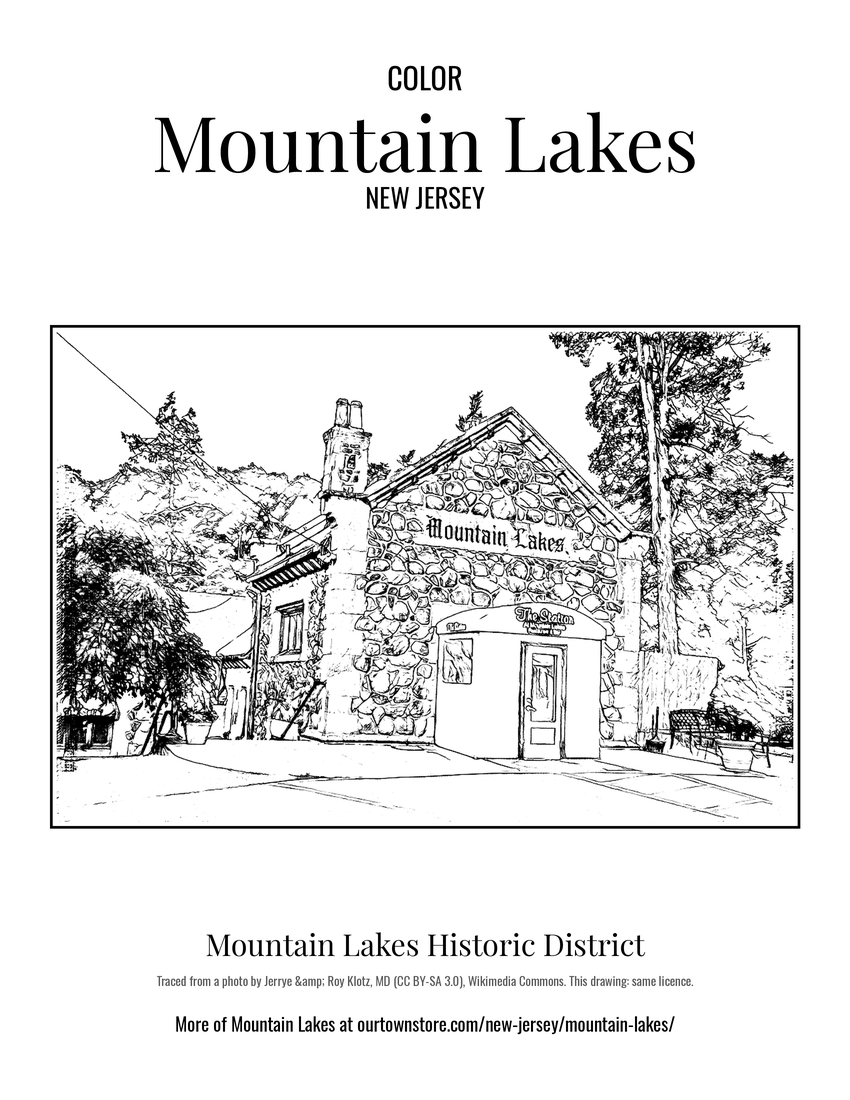 Mountain Lakes Historic District
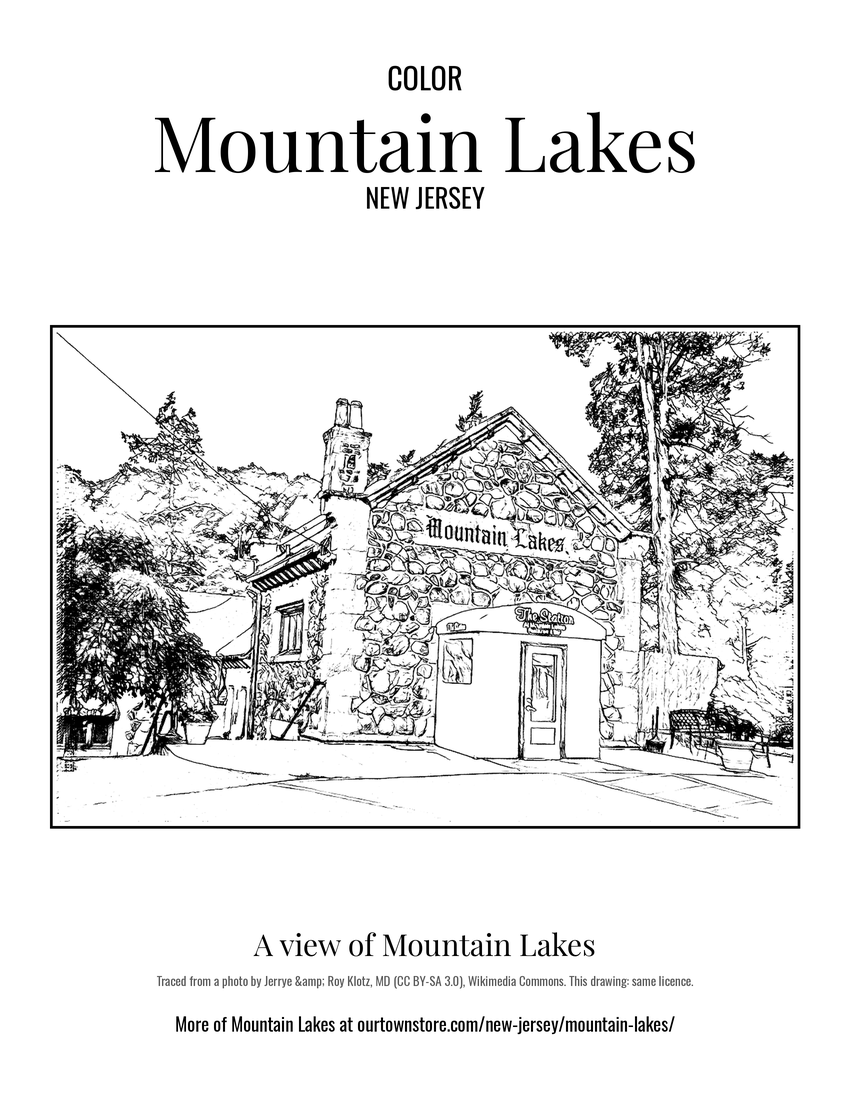 A view of Mountain Lakes