A short history of Medford Lakes
Prior to European colonization, the area now known as Medford Lakes was inhabited by the Lenni-Lenape people, who utilized the region's abundant natural resources, including its water bodies and forests, for survival and shelter.
European influence in the area began in the 17th century following English control over former Dutch territories. However, permanent European settlement did not commence until the 18th century. During this period, the region—characterized by its fertile soil and extensive forestland—remained sparsely populated and was primarily used for agriculture and lumbering activities.
During the American Revolutionary War, local industry played a role in the war effort. Charles Read’s Aetna Furnace contributed by producing cannonballs for the Continental Army, using locally sourced bog iron. Around the same time, John Haines constructed a saw and grist mill, marking the early stages of industrial activity in the area.
The 19th century saw continued exploitation of natural resources, particularly iron ore, which fueled local industry and expanded during the Industrial Revolution. Forges were established along the area’s waterways, and the population grew significantly during this period.
In 1927, the Medford Lakes Development Company was established, and in 1928, the Vaughn and Sons Lumber Company constructed the Colony Club Pavilion on land donated by the development company. The community became known for its distinctive log cabin architecture, utilizing imported cedar logs for construction. These log cabins, which featured strong insulation and prominent stone fireplaces, extended the usability of the area beyond the summer season, attracting visitors from Philadelphia and New York City.
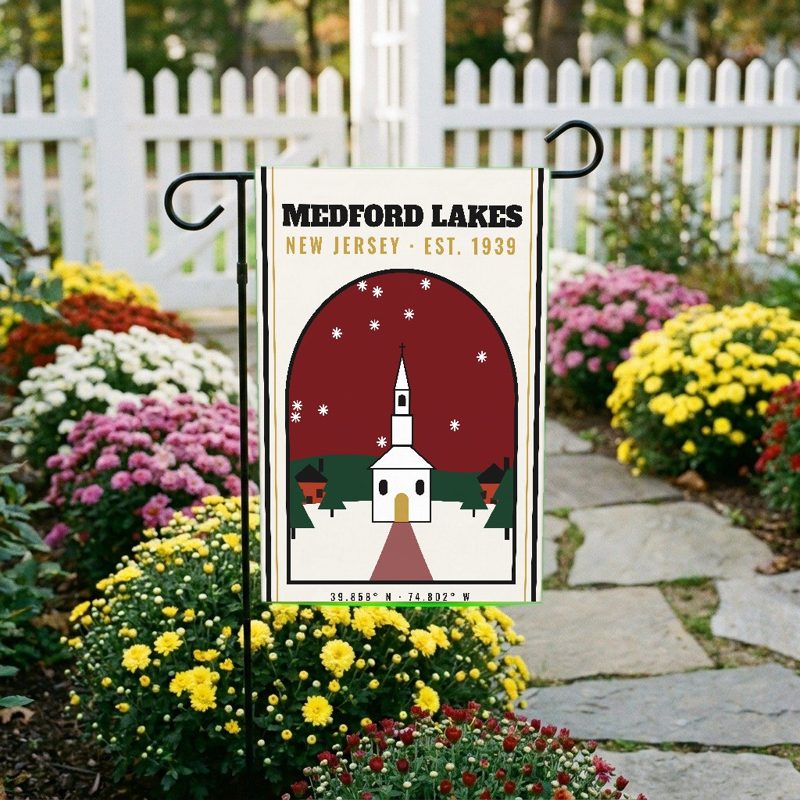
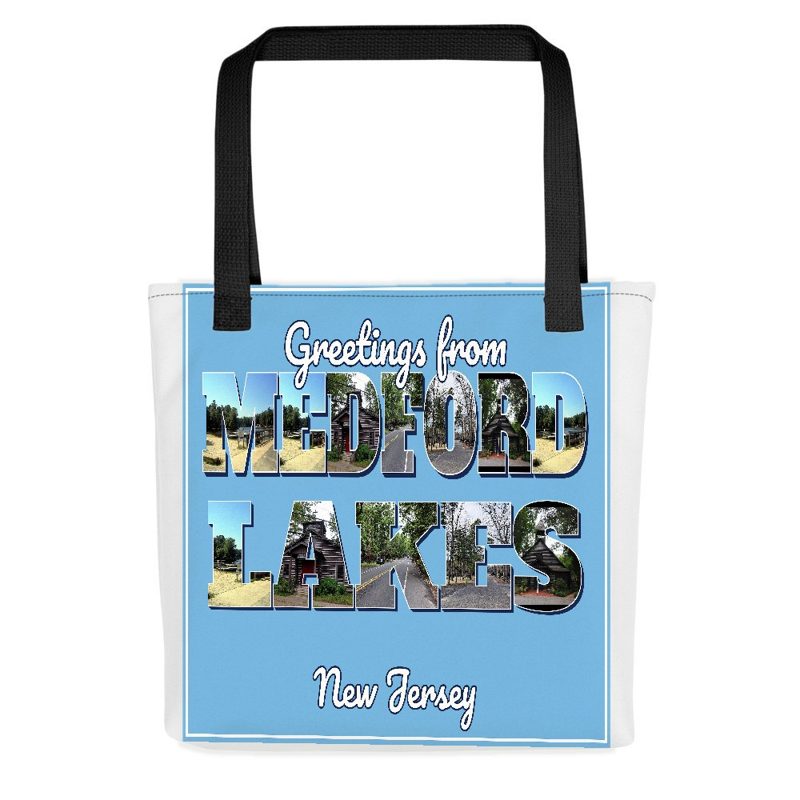
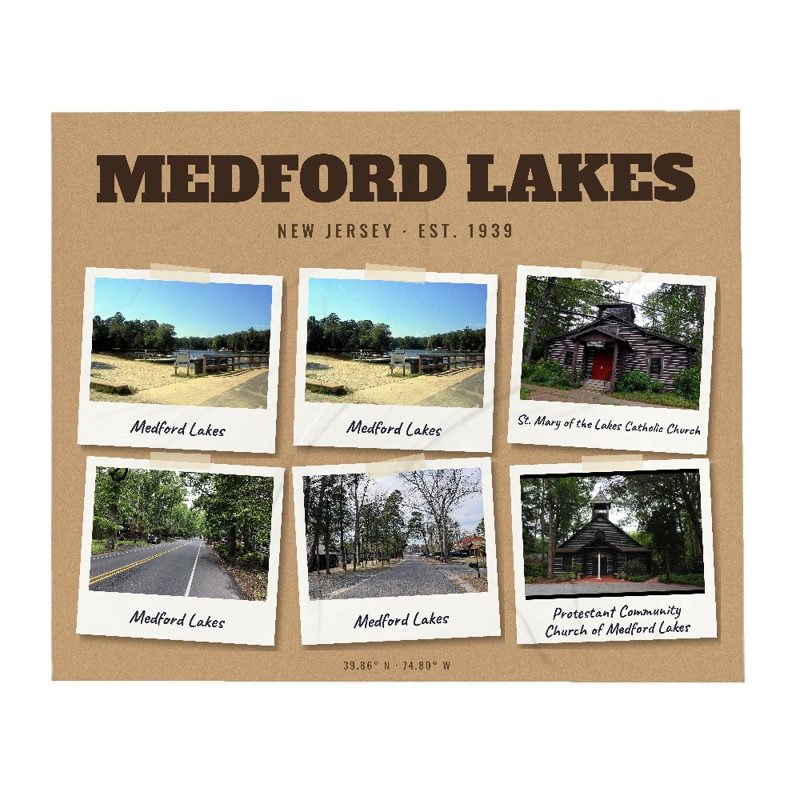
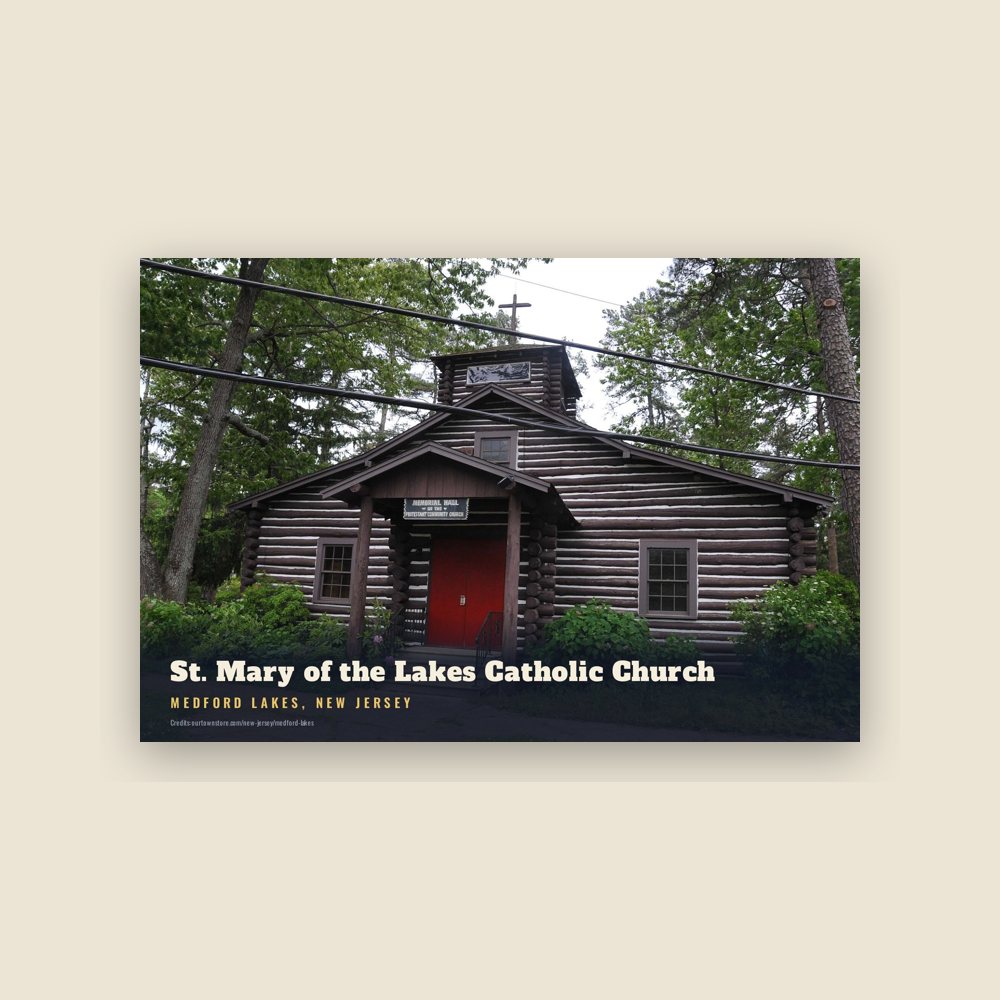
In 1931, St. Mary of the Lakes Catholic Church, a single-story log cabin structure, was built and later added to the National Register of Historic Places in 2007.
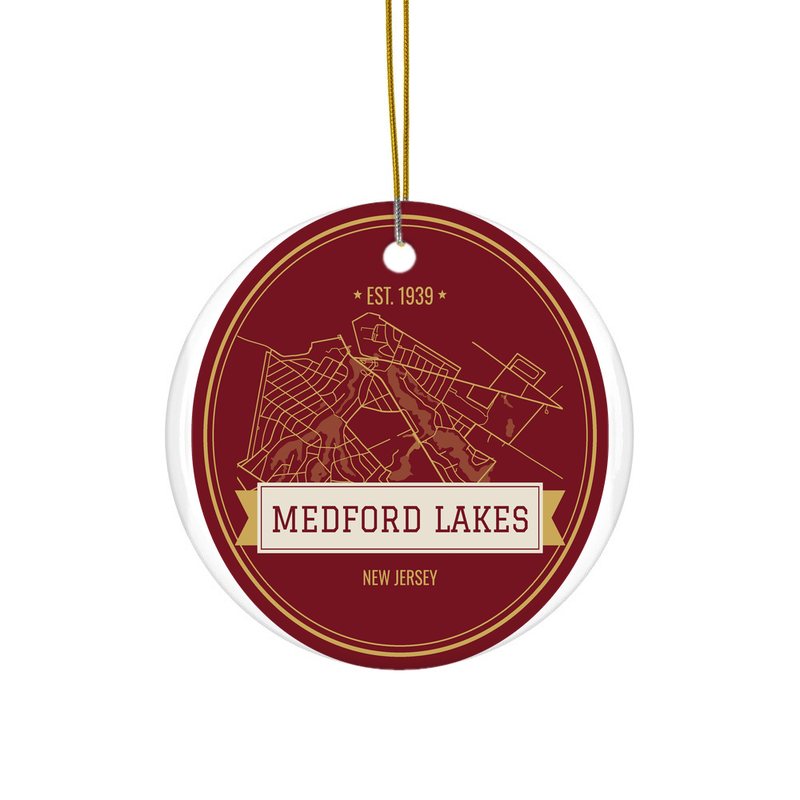
Medford Lakes was officially incorporated as a borough on May 17, 1939, from portions of Medford Township. Since incorporation, the borough has worked to maintain the community's unique log cabin character, even as it has expanded and modernized.
Throughout the second half of the 20th century, Medford Lakes' population surged, transitioning from a summer resort to a year-round residential community.
On July 12, 2004, the borough suffered substantial damage due to flooding, caused by 7.26 inches of rainfall over 14 hours. This led to the breaking of several dams, including the Quogue Dam and the Lower and Upper Aetna Lake Dams, causing water levels to rise beyond 500-year flood elevations on portions of Ballinger Run.
Since 1931, the Canoe Carnival, an event featuring hand-crafted floats each supported by a maximum of two canoes, has taken place on Lower Aetna Lake during the first week of August. A king, queen, and court are announced before the event begins. Spectators then gather along the lake to view the floats, after which the winning float is announced.
Adapted (trimmed) from the Wikipedia article Medford Lakes, New Jersey, revision 1377750126 by its contributors, licensed CC BY-SA 4.0.
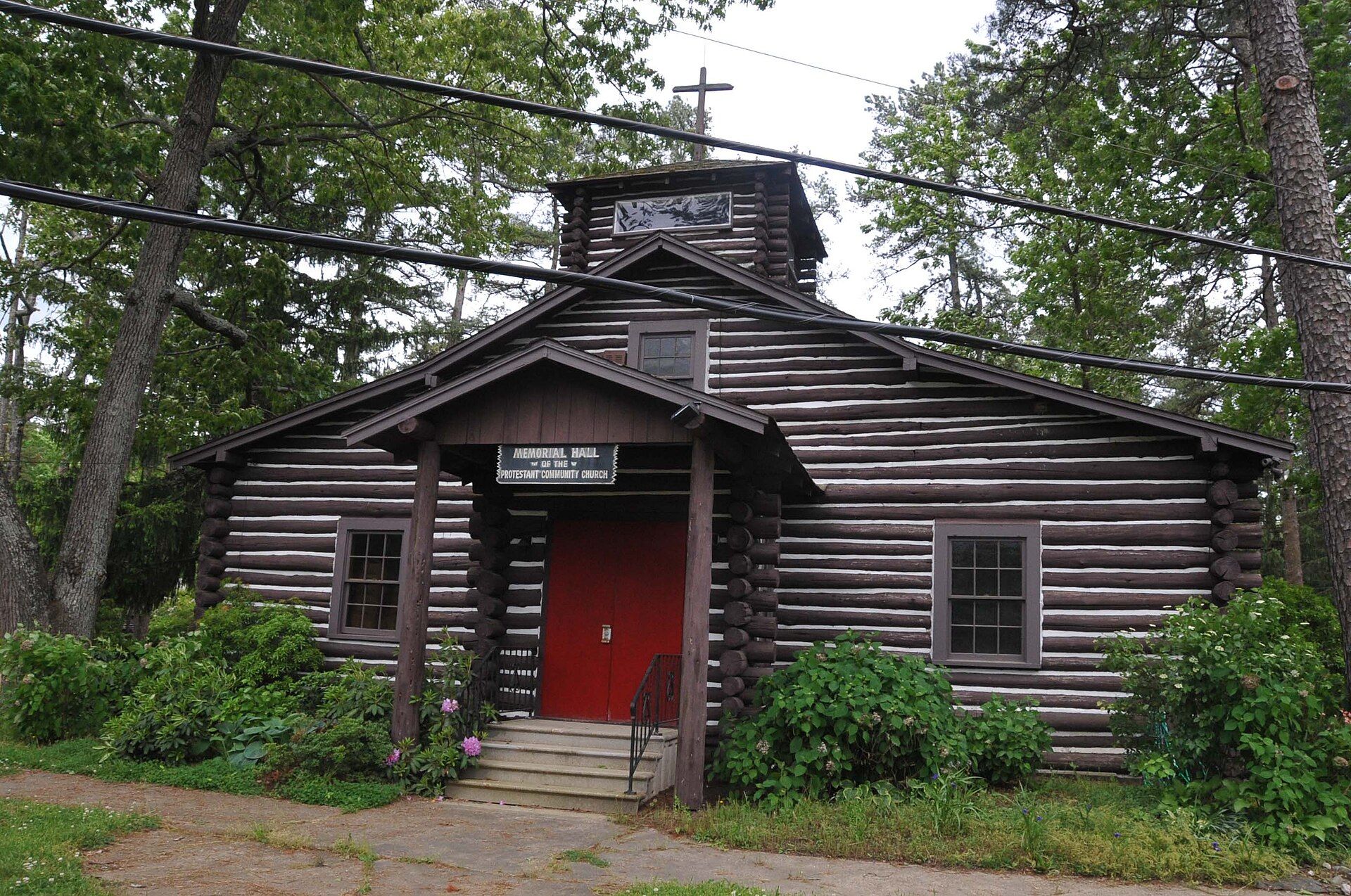
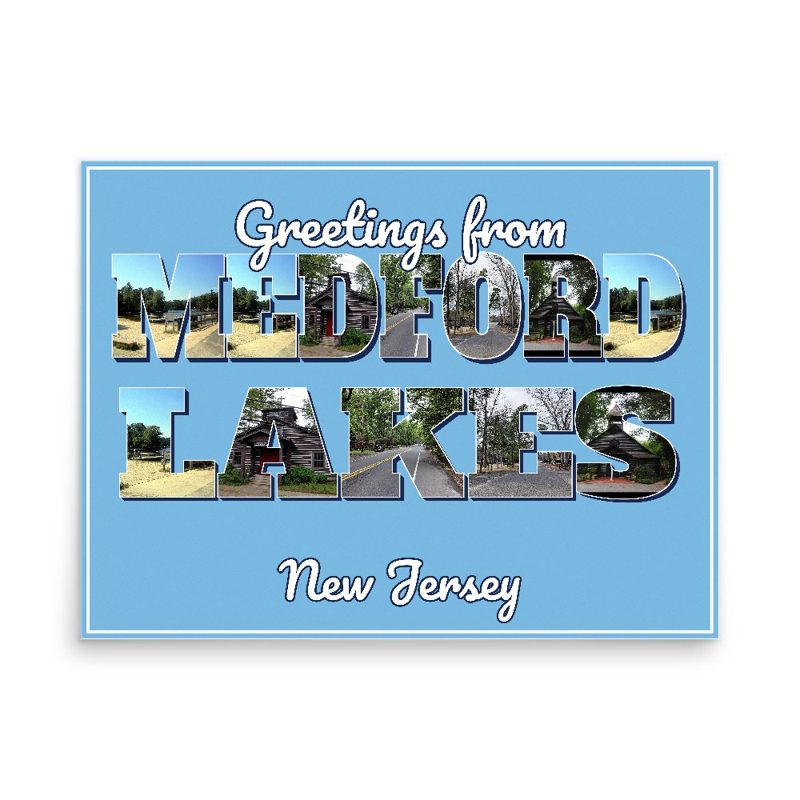
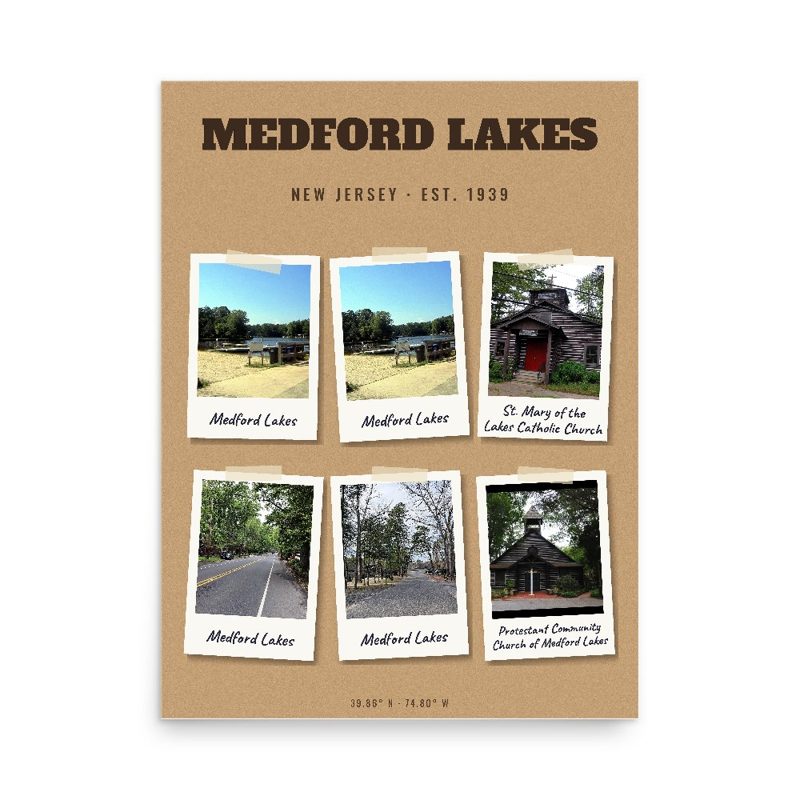
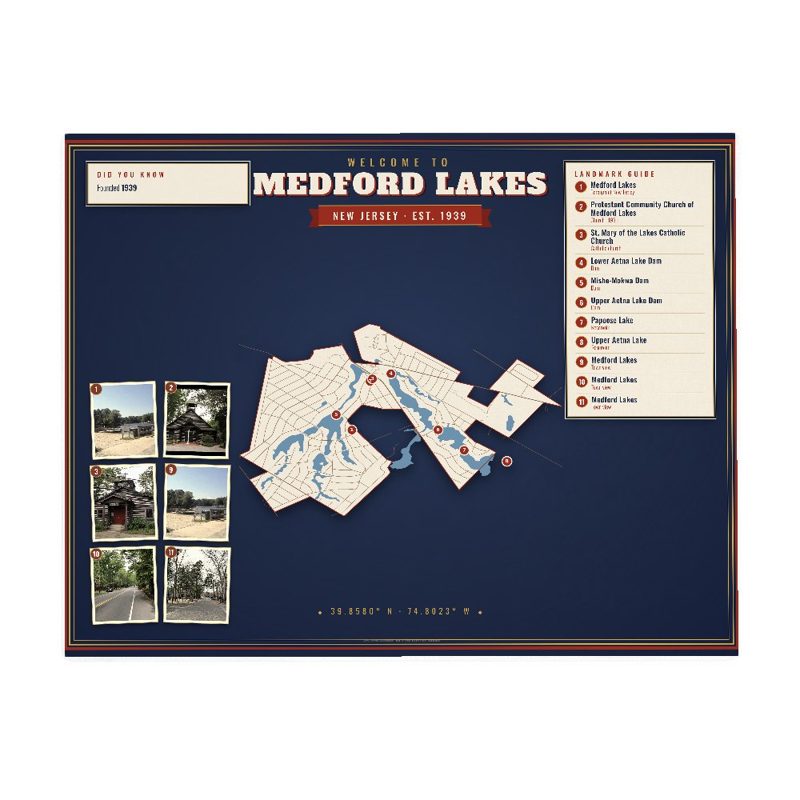

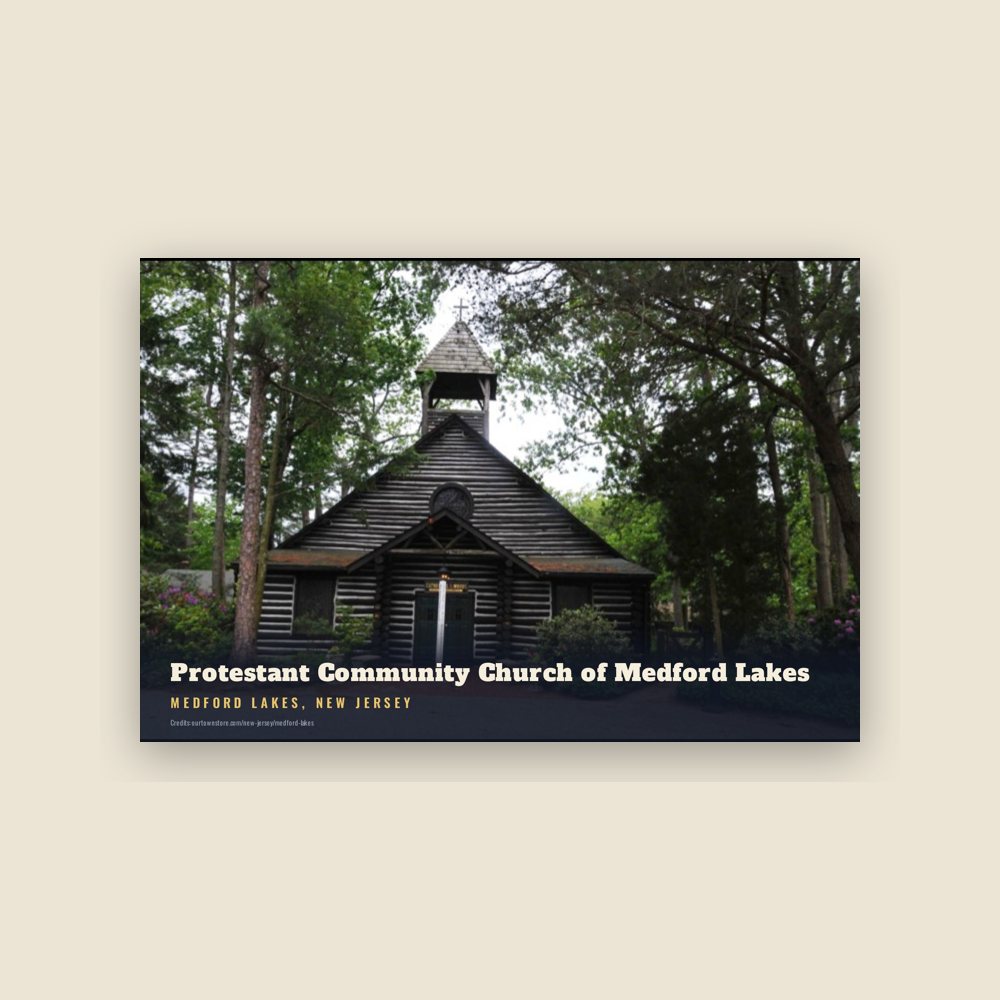
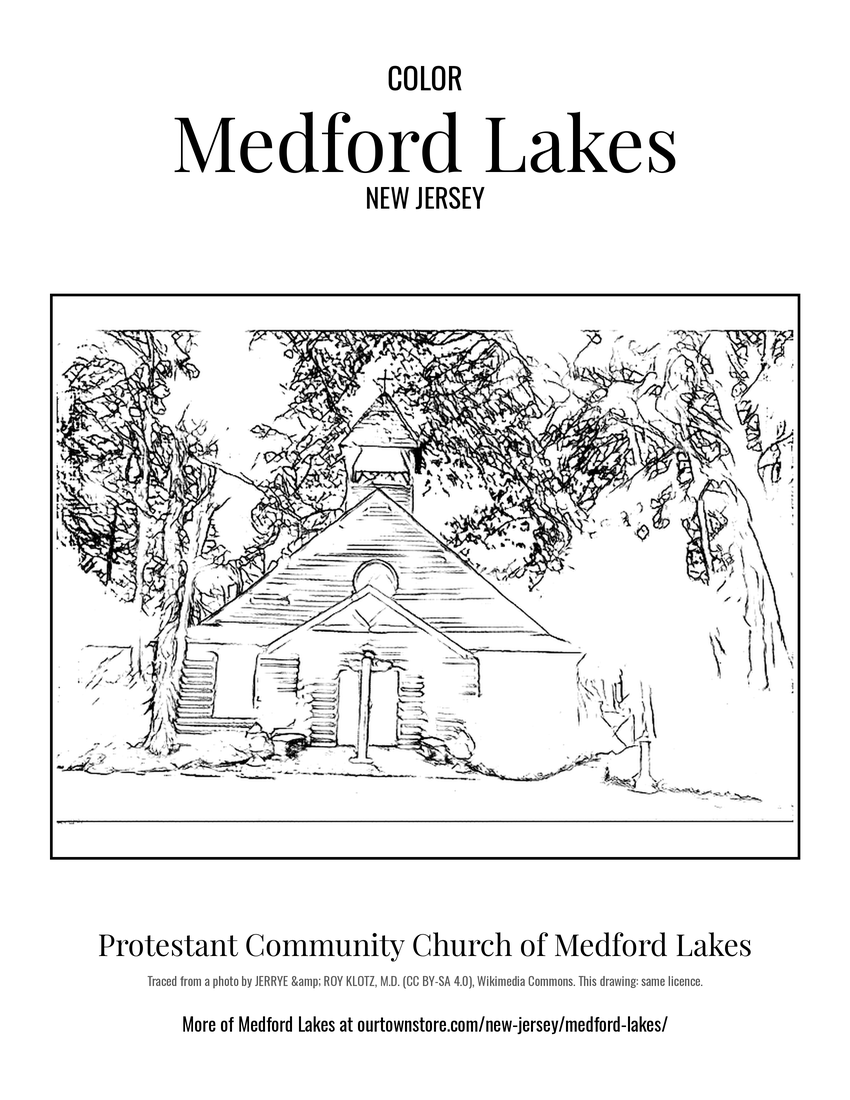 Protestant Community Church of Medford Lakes
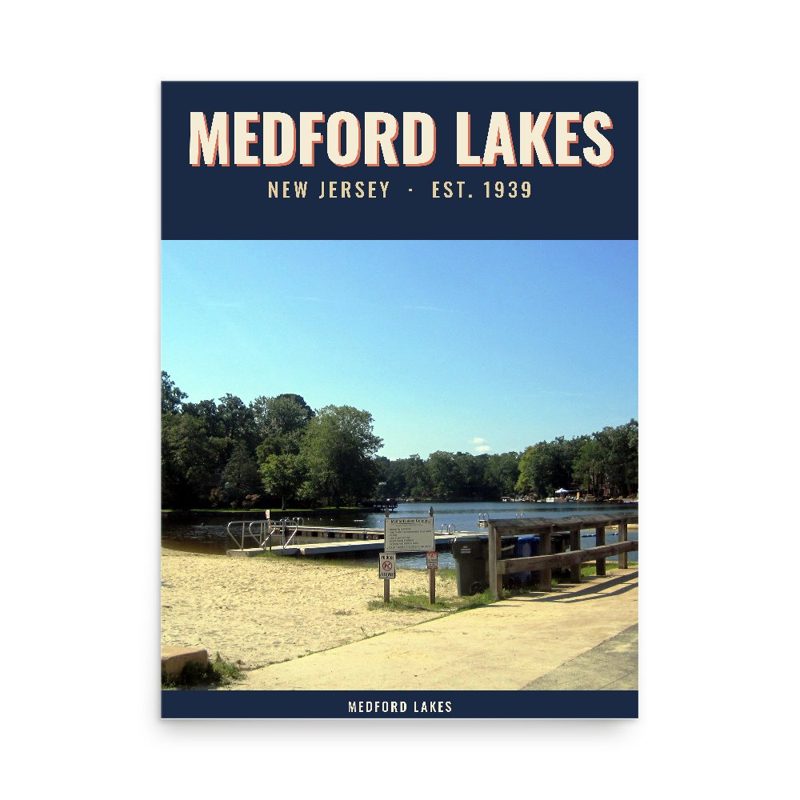
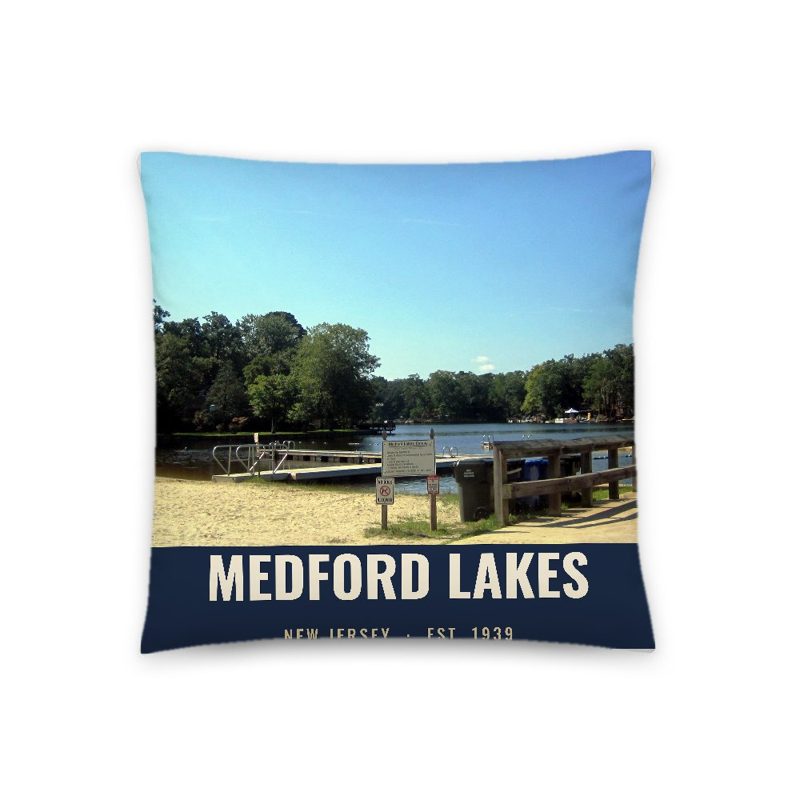
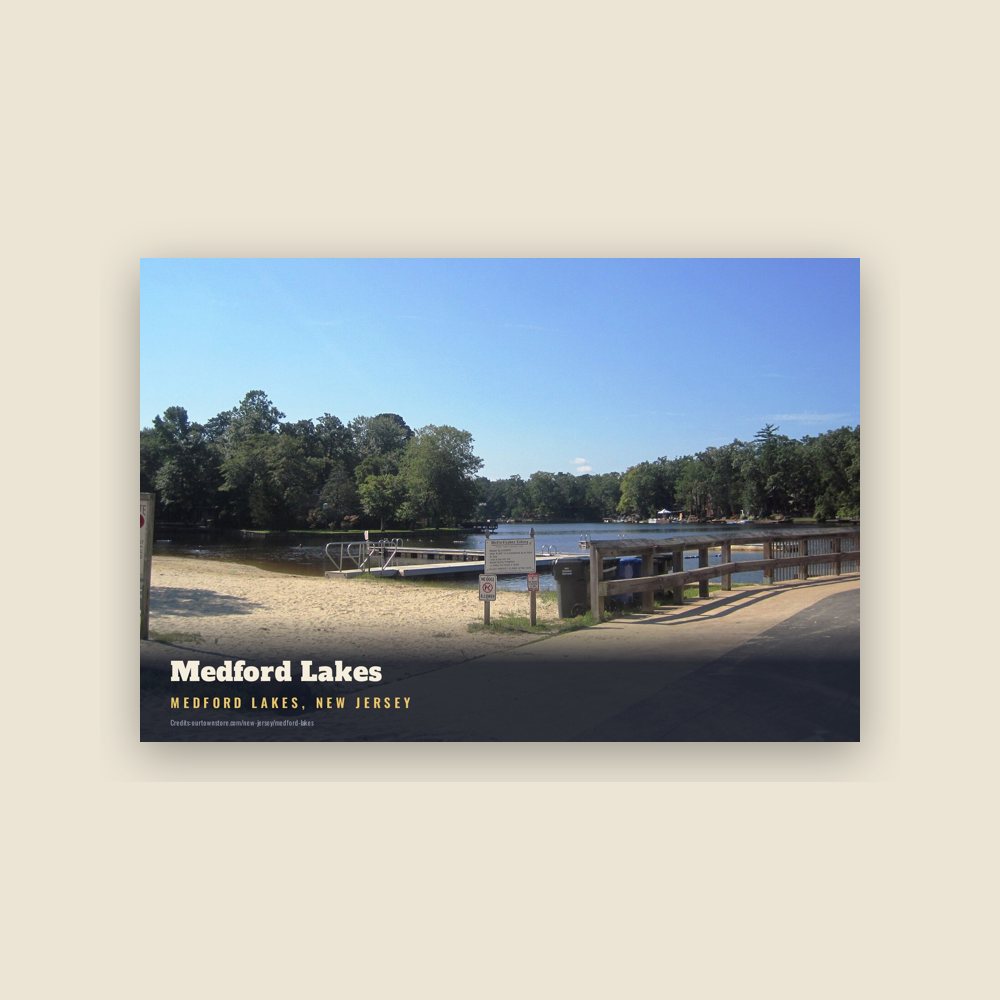
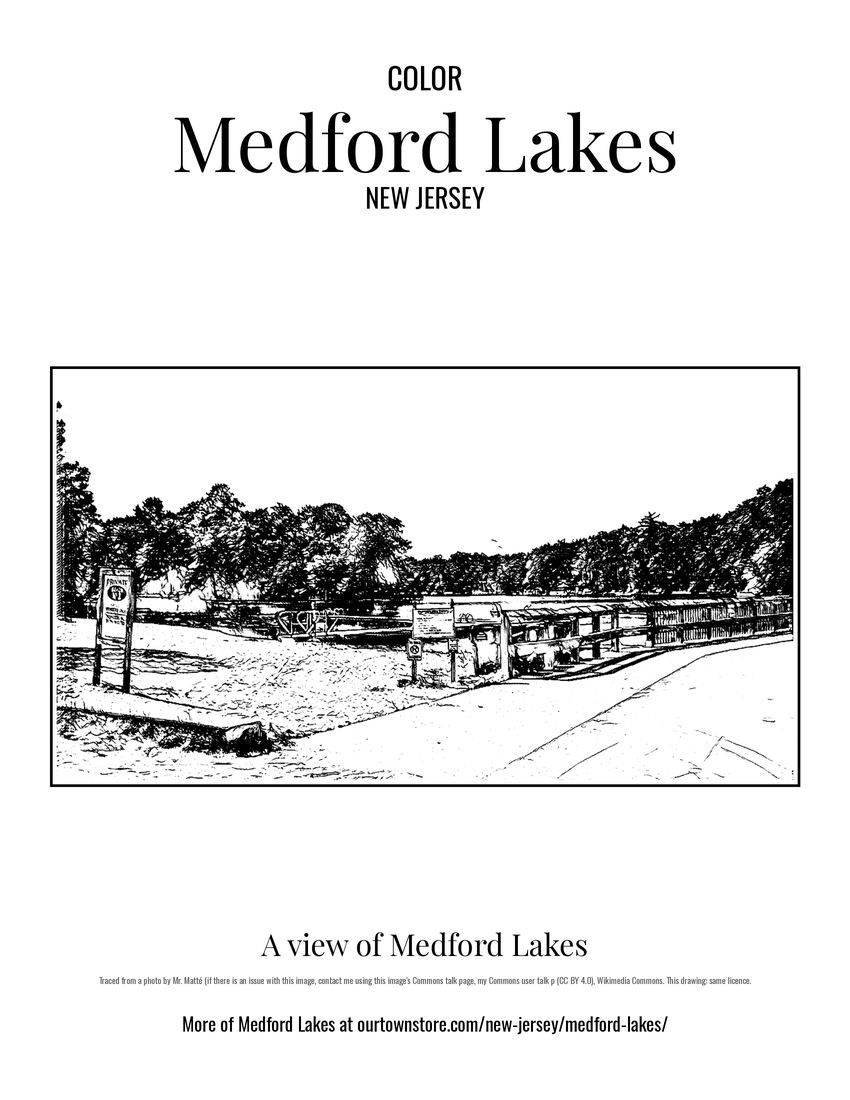 A view of Medford Lakes
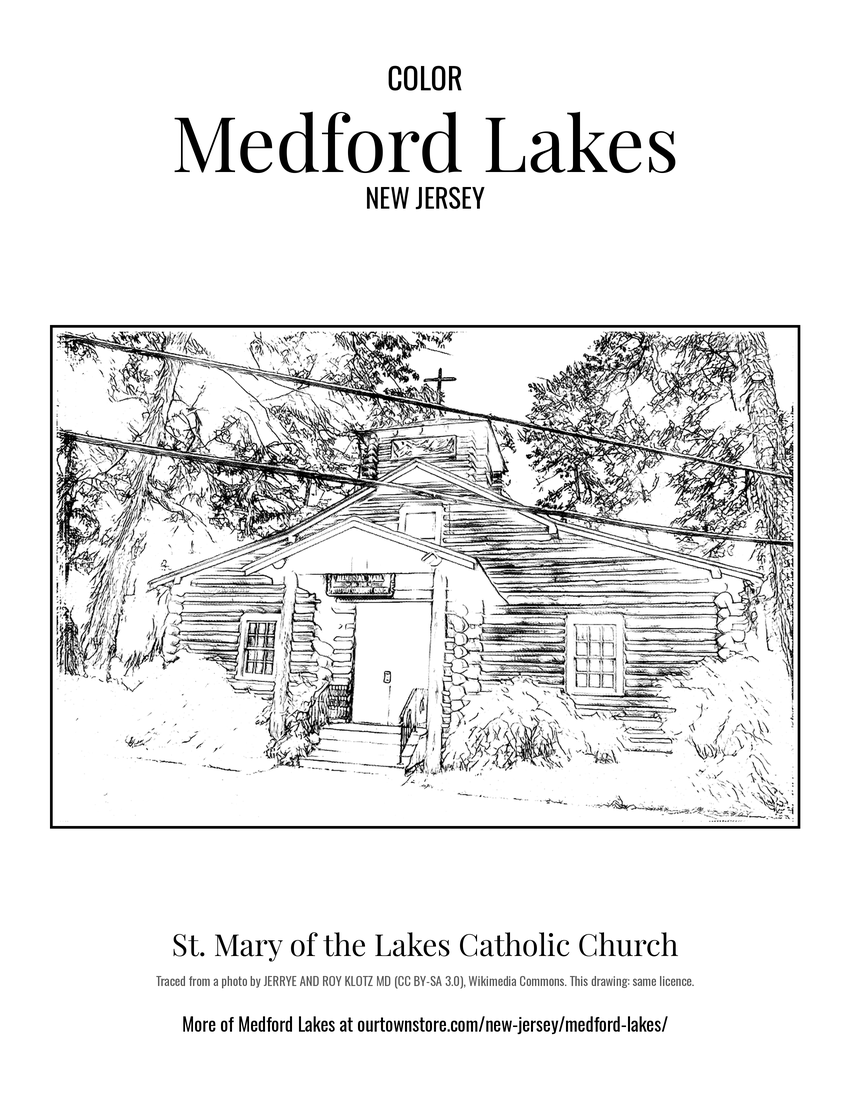 St. Mary of the Lakes Catholic Church
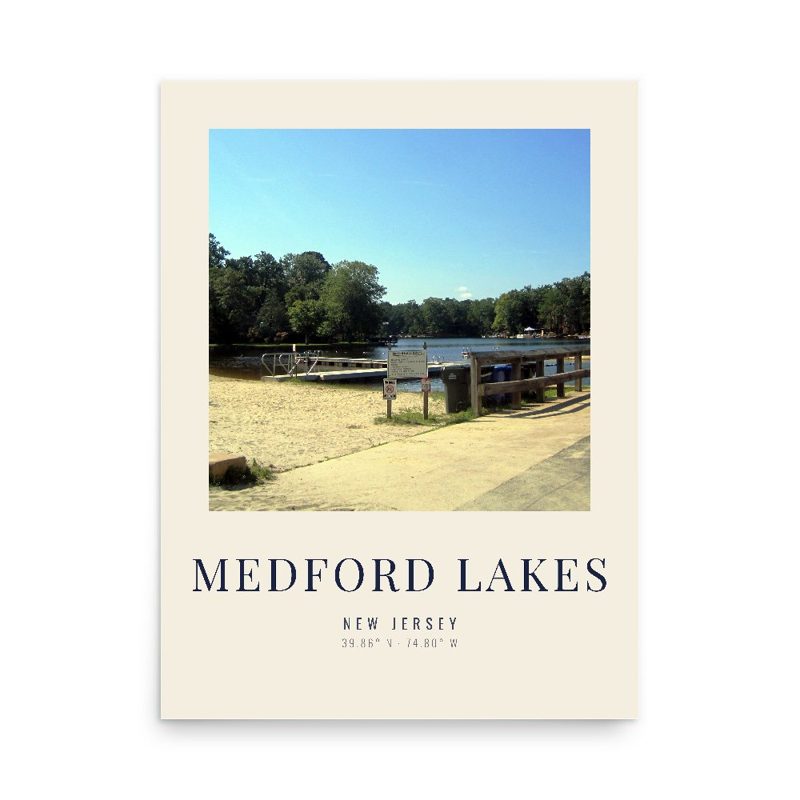
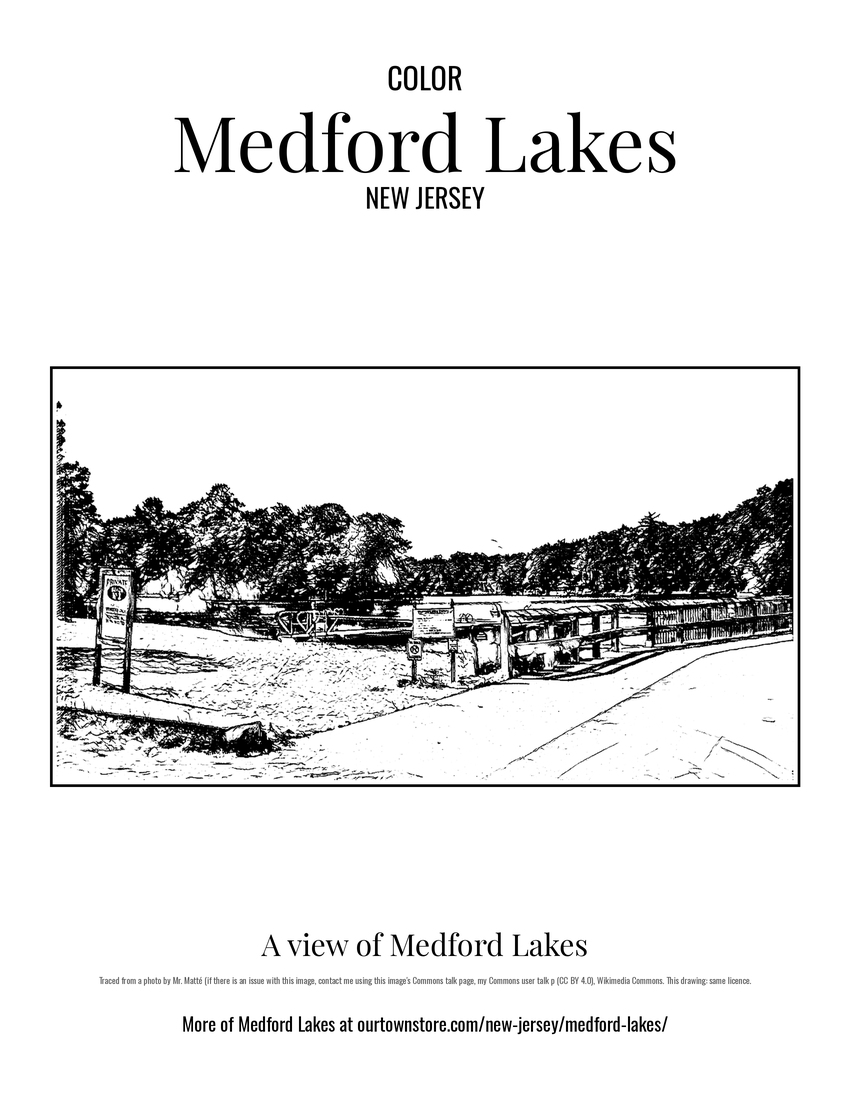 A view of Medford Lakes