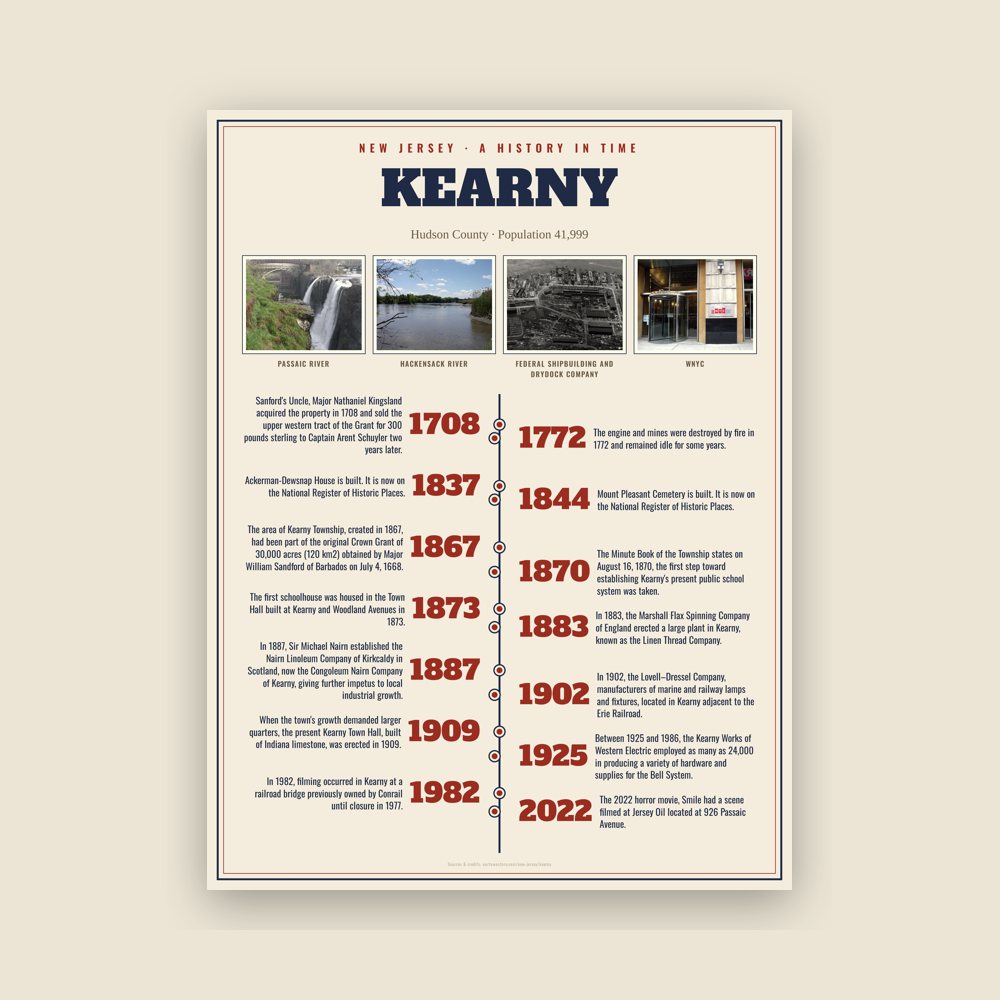
The area of Kearny Township, created in 1867, had been part of the original Crown Grant of 30,000 acres (120 km2) obtained by Major William Sandford of Barbados on July 4, 1668. Major Sandford named it New Barbadoes Neck after his old home. As was the custom of the time, the Major paid 20 pounds sterling to Chief Tantaqua of the Hackensack tribe for all their reserve rights and titles.
Sanford's Uncle, Major Nathaniel Kingsland acquired the property in 1708 and sold the upper western tract of the Grant for 300 pounds sterling to Captain Arent Schuyler two years later. The new purchase included present-day Kearny, North Arlington, Lyndhurst and Kingsland.
Shortly after Schuyler's purchase of his new homestead, a peculiar green stone was uncovered. It was sent to England for analysis and he learned that it contained 80% copper. His opening of a copper mine brought the first steam engine to America from England; it was used to pump out the deep mine shaft. The engine was secretly delivered by its engineer, Josiah Hornblower. The engine and mines were destroyed by fire in 1772 and remained idle for some years.
Schuyler Mansion played a role during the American Revolutionary War Era. When Lord Howe of England took possession of New York Harbor, the proximity of Schuyler Mansion drew many of his officers. They generally traveled over a road that today is referred to as the Belleville Turnpike, which was originally constructed in 1759 using cedar logs from the nearby swamps.
During September 1777, General Henry Clinton, head of the British Expeditionary Forces in America, selected Schuyler Mansion for his headquarters during one of his more important raiding operations, which included the famed Battle of Second River. The Mansion stood until 1924, a period of 214 years, when it was torn-down by a land development company, despite the company's offers to transfer the land to an organization that would be able to pay to maintain the property.
Read the full history
19th century
In the middle 19th century, Kearny was the upper, or northern, section of the Township of Harrison. A prominent citizen and resident of the upper section, General N. M. Halsted, felt it was impossible under these political conditions for his section to obtain proper recognition. He engaged an energetic campaign for an independent township. He succeeded when the NJ Legislature of 1867 on March 14, adopted "an act creating the Township of Kearny". The town was named to honor Major General Philip Kearny, Commander of the New Jersey Forces in the Civil War and the owner of the mansion known as Belle Grove (or Belgrove), locally called "Kearny Castle".
On April 8, 1867, the first election of town officers was held. General N. M. Halsted was elected chairman. The first official seat of Government was three rooms in the old Lodi Hotel, on the northeast corner of Schuyler and Harrison Avenues.
In the early 1870s, Kearny erected its first Town Hall, on the corner of Kearny and Woodland Avenues, the present site of the Knox Presbyterian Church Parish Hall. This served as a Town Hall, Court House, and Schoolhouse. The Minute Book of the Township states on August 16, 1870, the first step toward establishing Kearny's present public school system was taken. The first schoolhouse was housed in the Town Hall built at Kearny and Woodland Avenues in 1873.
The town's nickname, "Soccer Town, U.S.A." is derived from a soccer tradition that originated in the mid-1870s, when thousands of Scottish and Irish immigrants settled in the town, after two Scottish companies, Clark Thread Company and Nairn Linoleum, opened two local mills and a factory.
When the town's growth demanded larger quarters, the present Kearny Town Hall, built of Indiana limestone, was erected in 1909.
Factory town
The early influx and development of industry in Kearny dates back to 1875 when the Clark Thread Company of Paisley in Scotland extended its activities to the United States by erecting two large mills in Kearny, and adding two others in 1890. These mills brought to Kearny thousands of Scots immigrants. Many of them would play on Kearny's soccer teams in National Association Football League. Many are buried at Arlington Memorial Park in the Kearny Uplands.
In 1883, the Marshall Flax Spinning Company of England erected a large plant in Kearny, known as the Linen Thread Company. Their need for experienced flax spinners brought an influx of workers from other sections of the British Isles. Families of those early textile workers were the nucleus of Kearny's present population.
The Puraline Manufacturing Company, later called the Arlington Company, which became a subsidiary of E. I. DuPont de Nemours Company, had purchased a large tract of land east of the Arlington Station on the Erie Railroad extending well out, north of the railroad embankment, into the meadowland.
In 1887, Sir Michael Nairn established the Nairn Linoleum Company of Kirkcaldy in Scotland, now the Congoleum Nairn Company of Kearny, giving further impetus to local industrial growth. This also led to the growth in the Scottish American population which in the 1960s was about 21,000, accounting for more than half of the town's residents.
In 1902, the Lovell–Dressel Company, manufacturers of marine and railway lamps and fixtures, located in Kearny adjacent to the Erie Railroad.
Other industries which located in Kearny include: Swift & Company, Koppers Company, Theobald Industries, Standard Tool & Manufacturing, Wilkata Box Company, Harris Steel Company and L & R Manufacturing.
Kearny Works
On June 15, 1928, Western Electric broke ground on their second manufacturing facility at 110 Central Avenue to be known as Kearny Works, which would grow to 3,579,000 square feet (332,500 m2) throughout the years and be the second- largest Western Electric manufacturing plant built before the 1930s, behind the Hawthorne Works at Cicero, Illinois.
Between 1925 and 1986, the Kearny Works of Western Electric employed as many as 24,000 in producing a variety of hardware and supplies for the Bell System. It was sold by AT&T in 1984, by which time the plant had 4,000 employees who earned a total of $128 million a year, making it one of the county's largest employers. Henry J. Hill, the mayor of Kearny at the time of the AT&T Kearny Works closure, had himself worked 41 years at the facility as a manufacturing manager and retired three years prior to the closure.
Movie and television filming
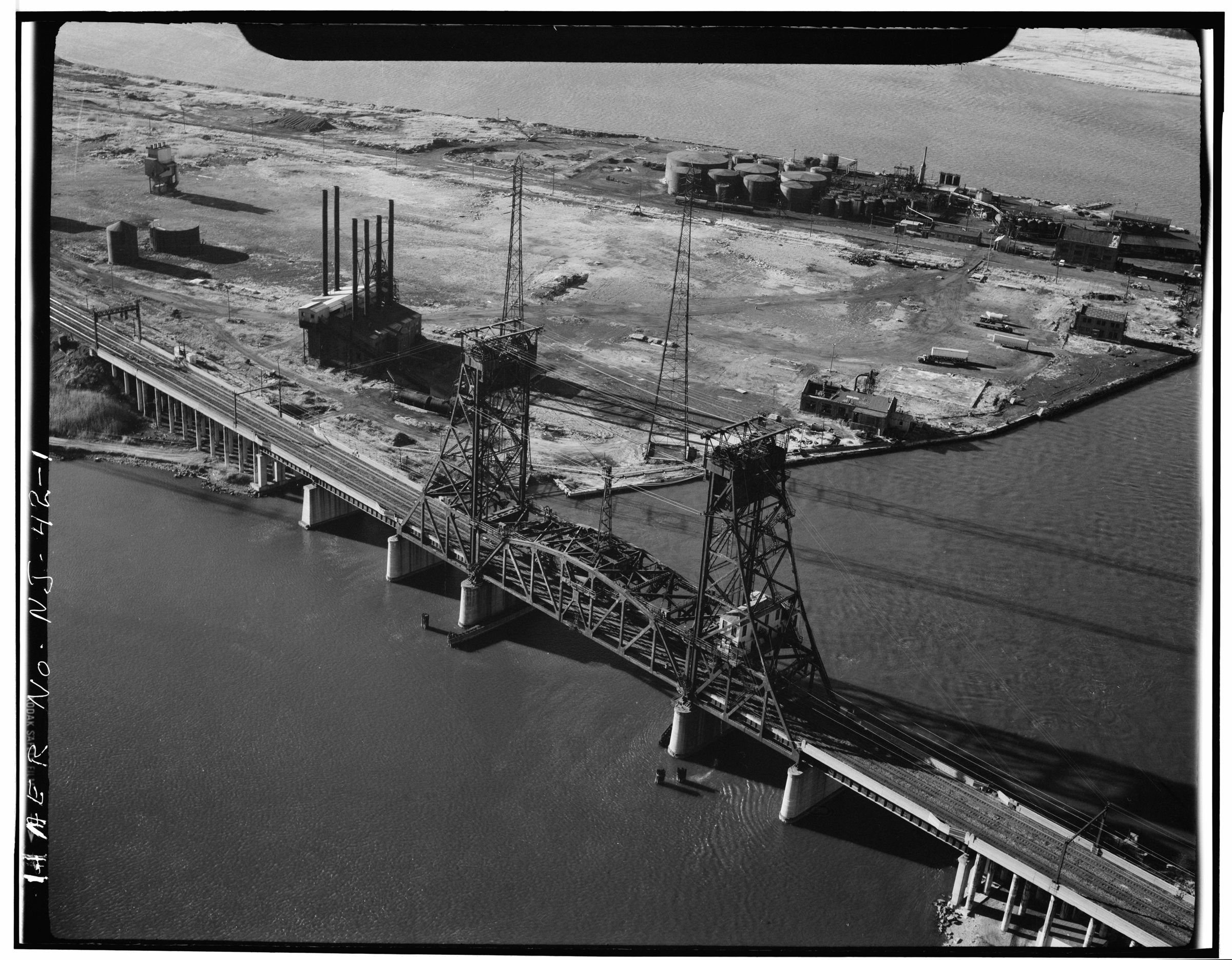
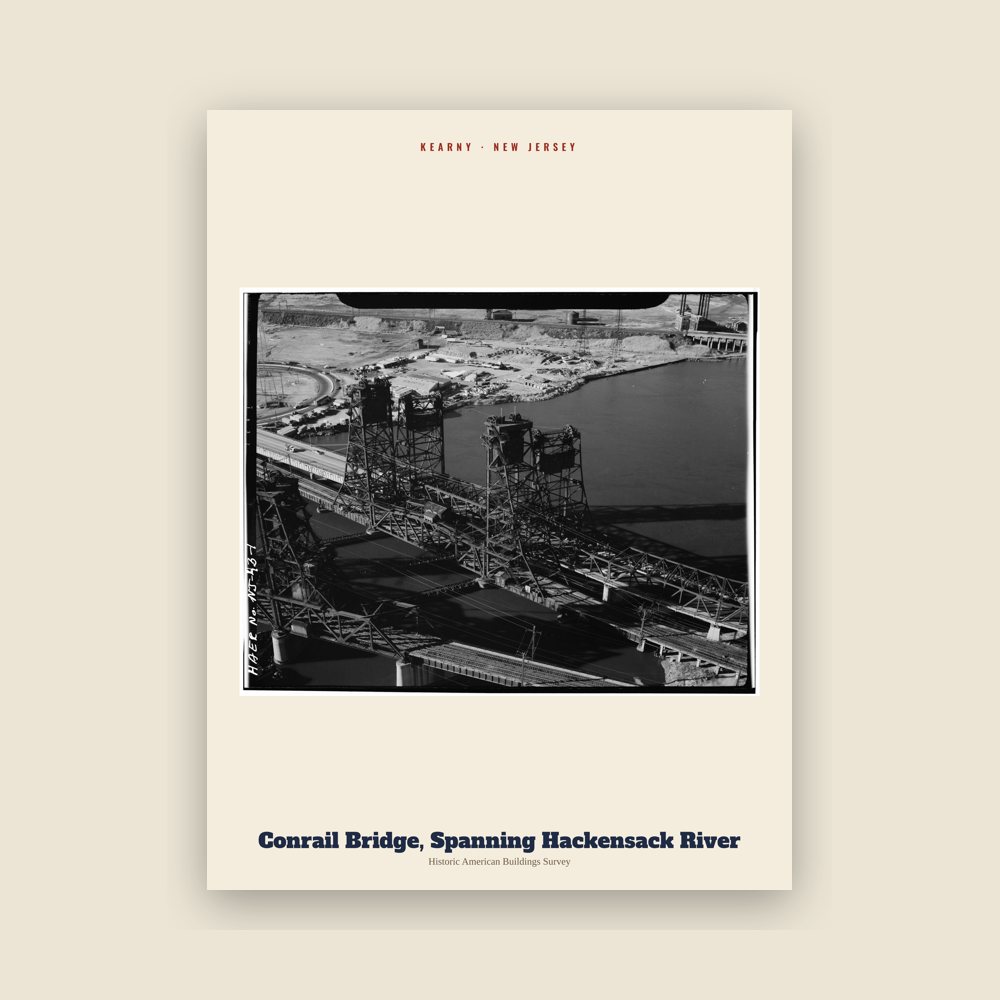
In 1982, filming occurred in Kearny at a railroad bridge previously owned by Conrail until closure in 1977. The abandoned bridge, located at the Passaic River is called the NX Bridge and it was used for the motion picture, Annie. Several scenes were done with the bridge in its open position. Locals call this bridge the "Annie Bridge" and has not had freight operations since the closure.
Scenes from the HBO drama series The Sopranos were filmed in Kearny. One of its buildings, used for Satriale's Pork Store, was later razed to prepare for a parking lot. An Irish pub now resides where Satriale's was located.
The 2022 horror movie, Smile had a scene filmed at Jersey Oil located at 926 Passaic Avenue. The film is attributed as entirely filmed in New Jersey.
Kearny Point has two studios that are part of the film and television industry. Kearny Mayor Al Santos confirmed, "...our vision for Kearny Point as a hub for film and television production. This investment will create employment opportunities and bring increased economic activity to our community."
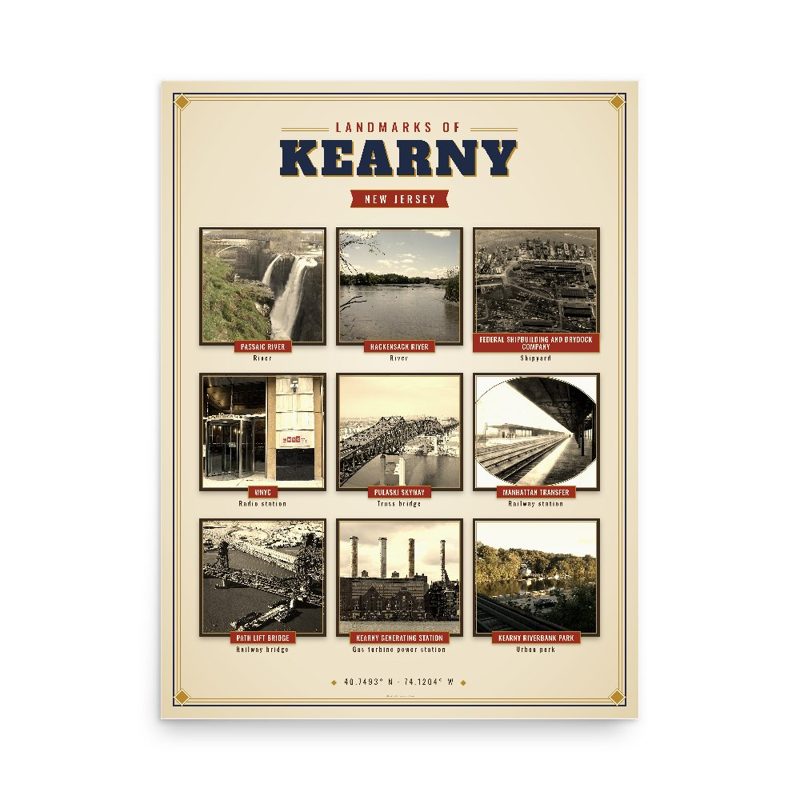






 WNYC
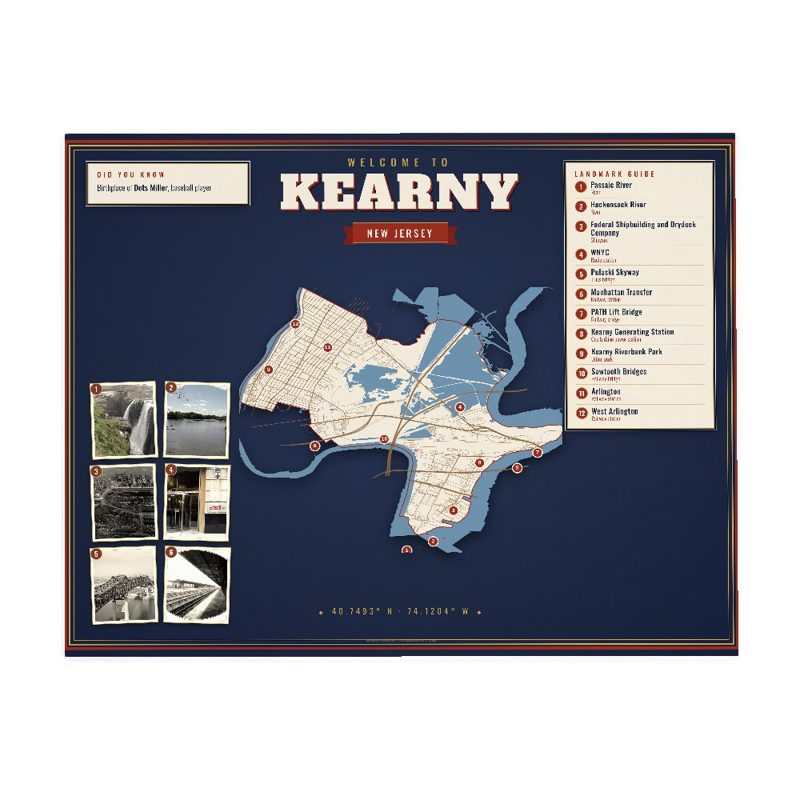
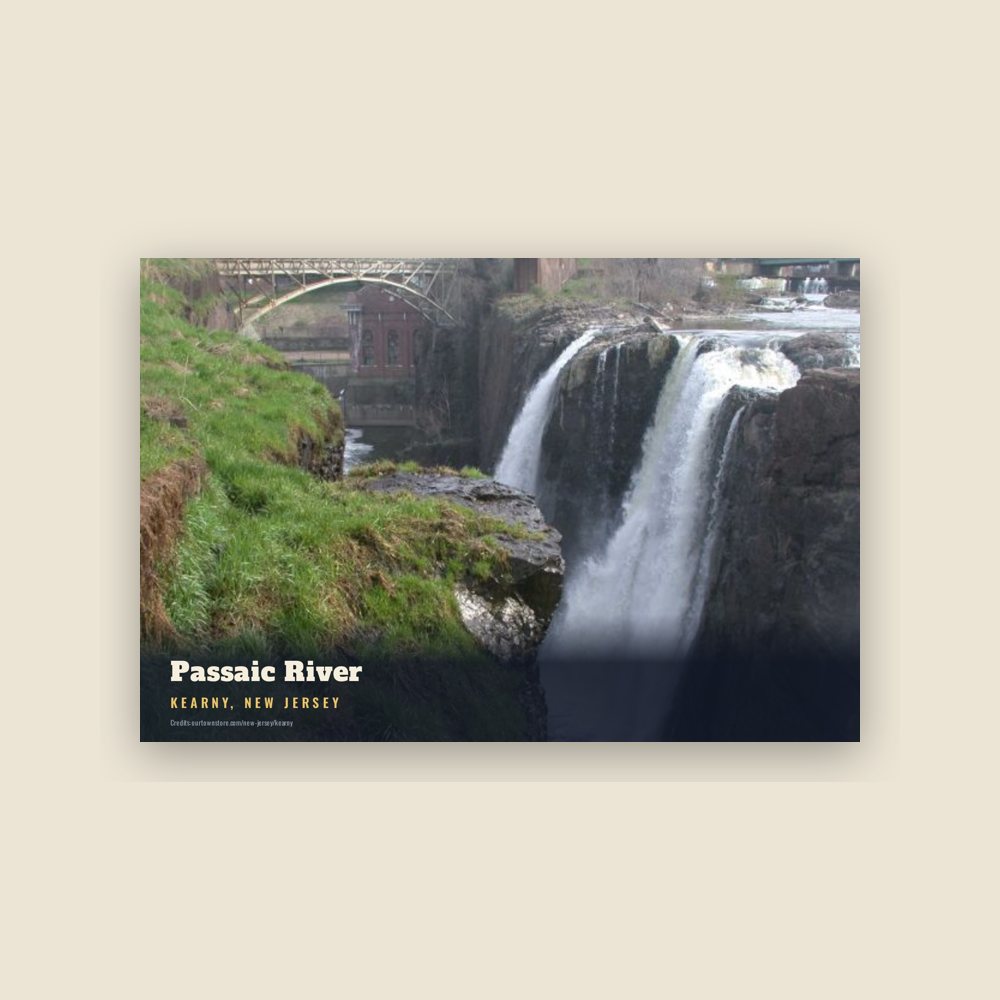
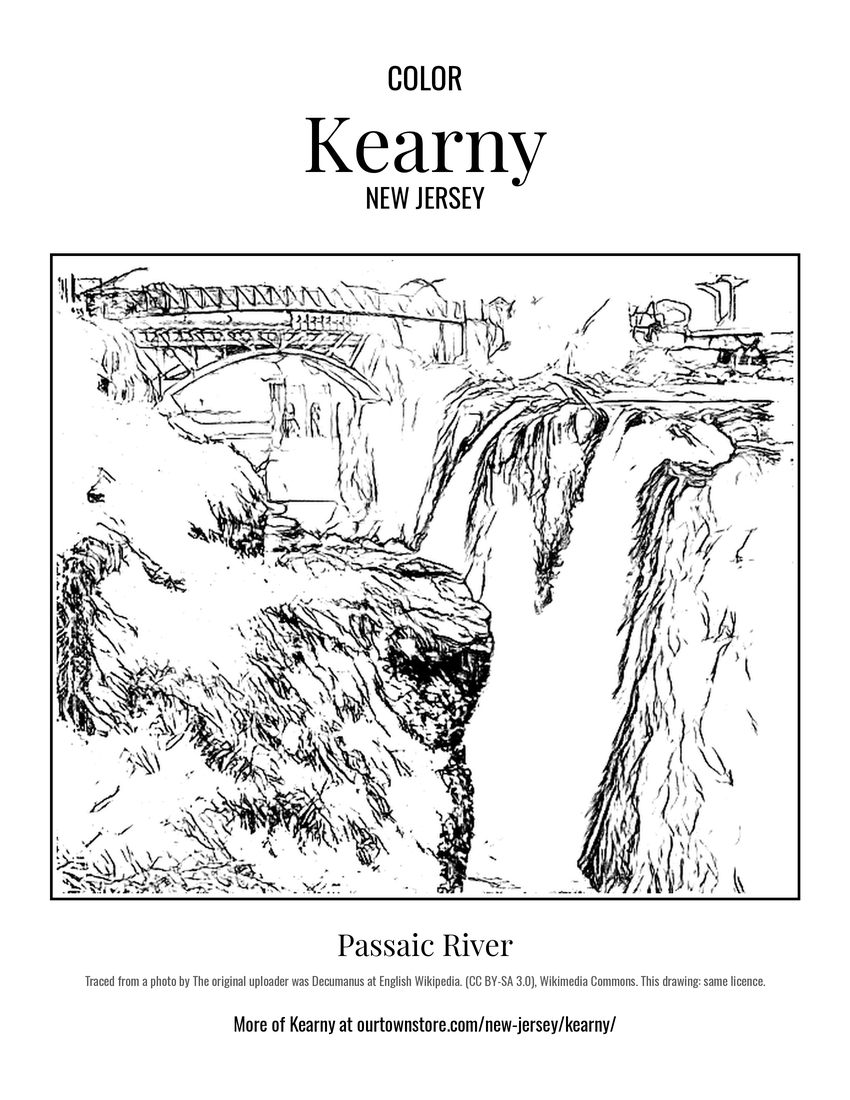 Passaic River
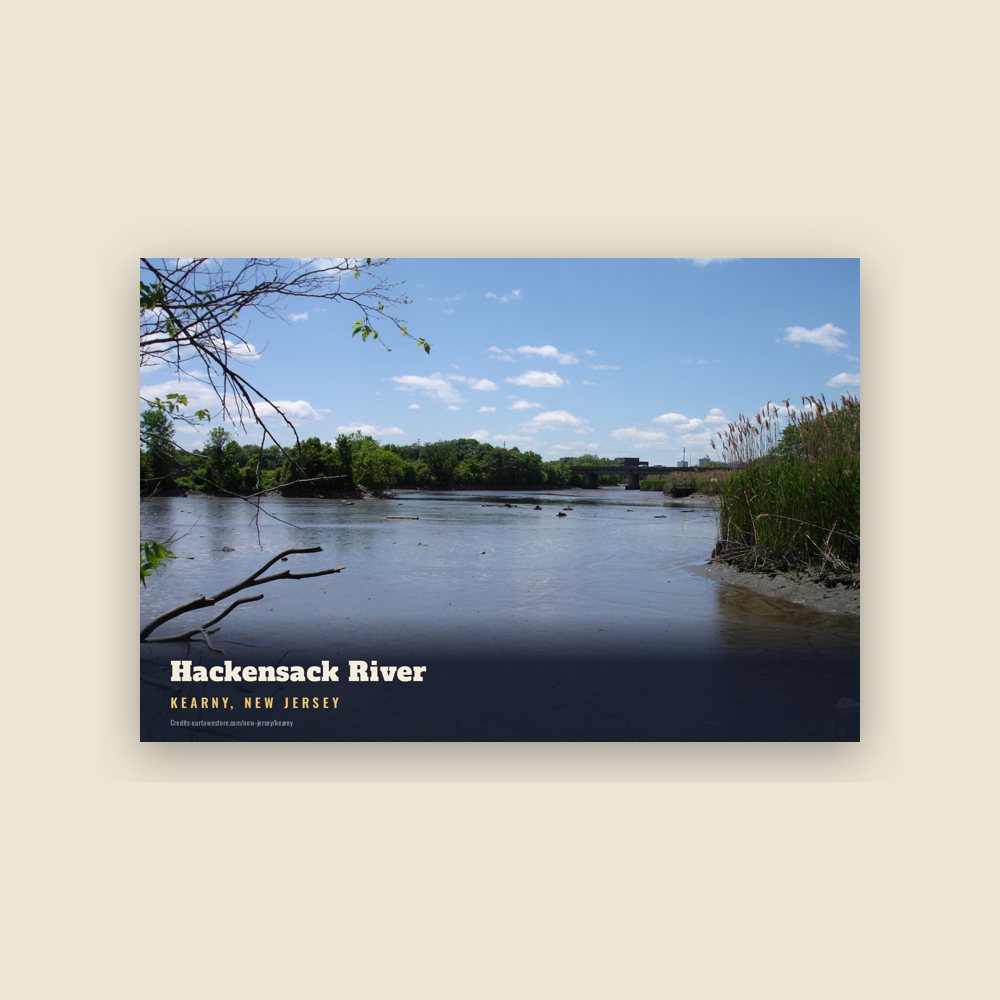
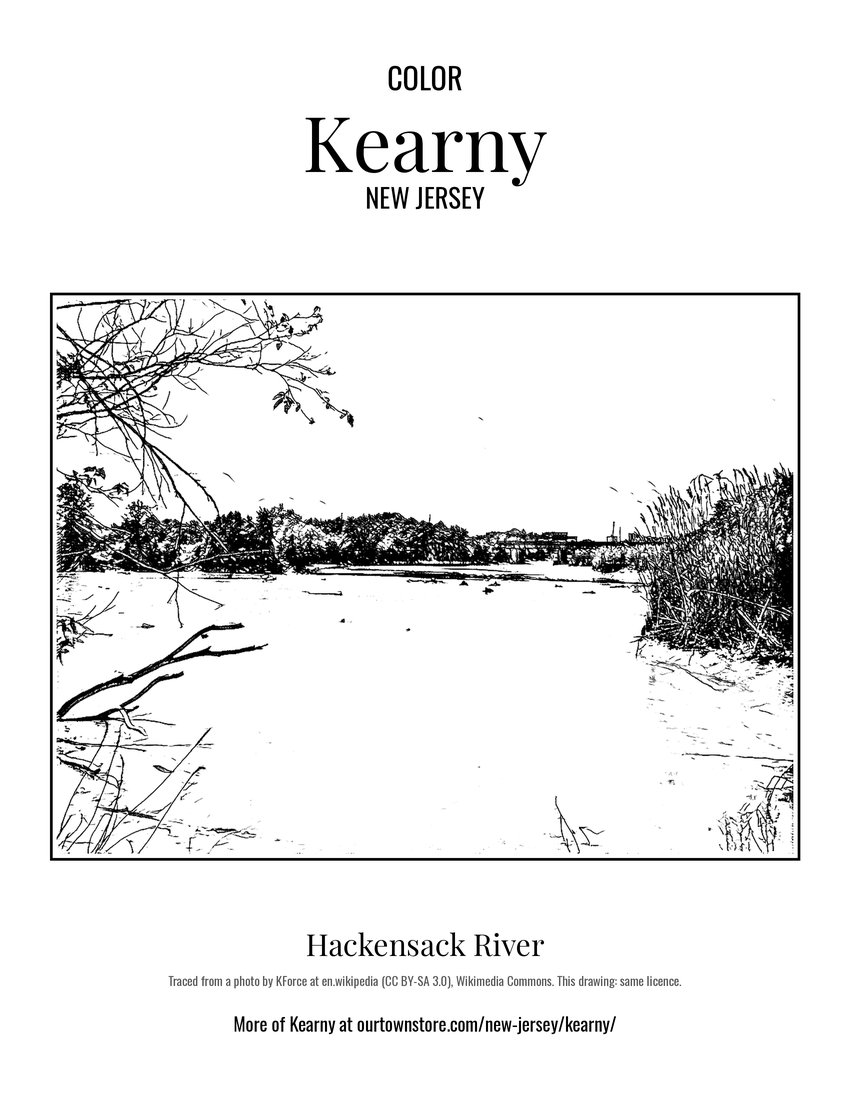 Hackensack River
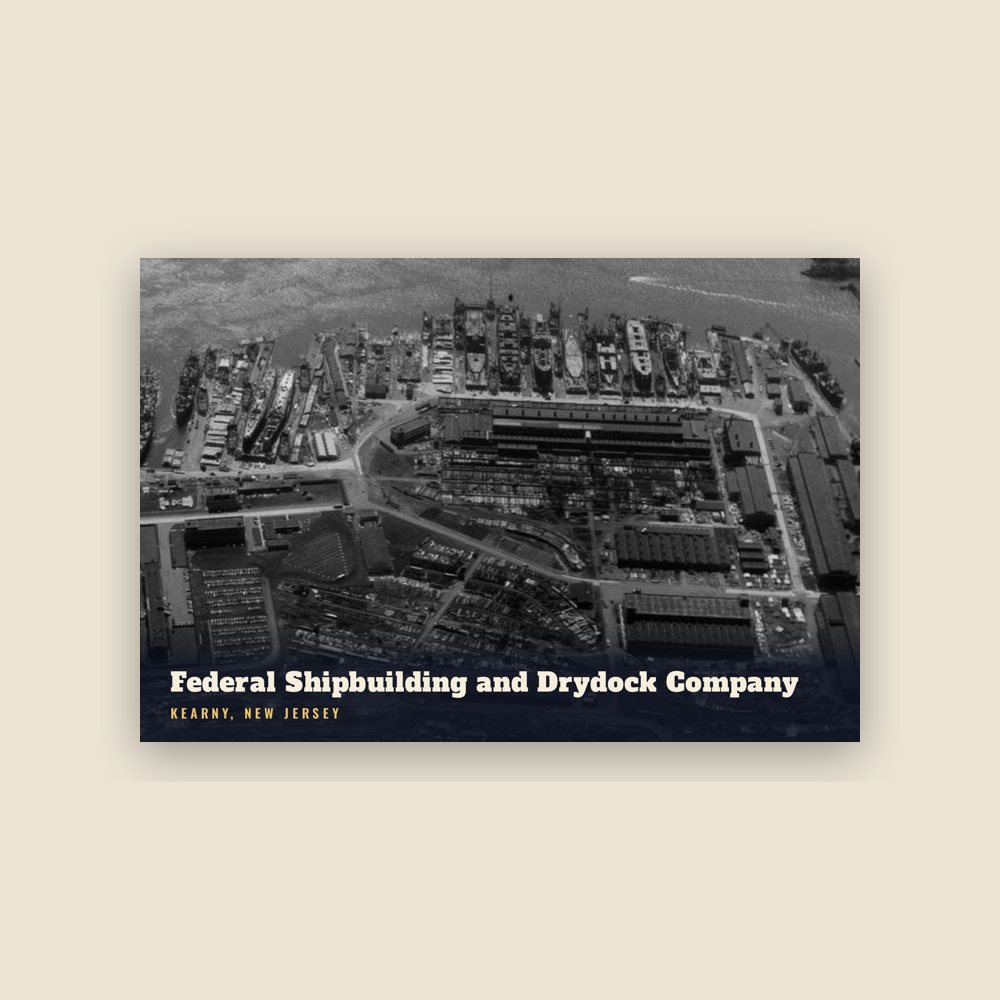
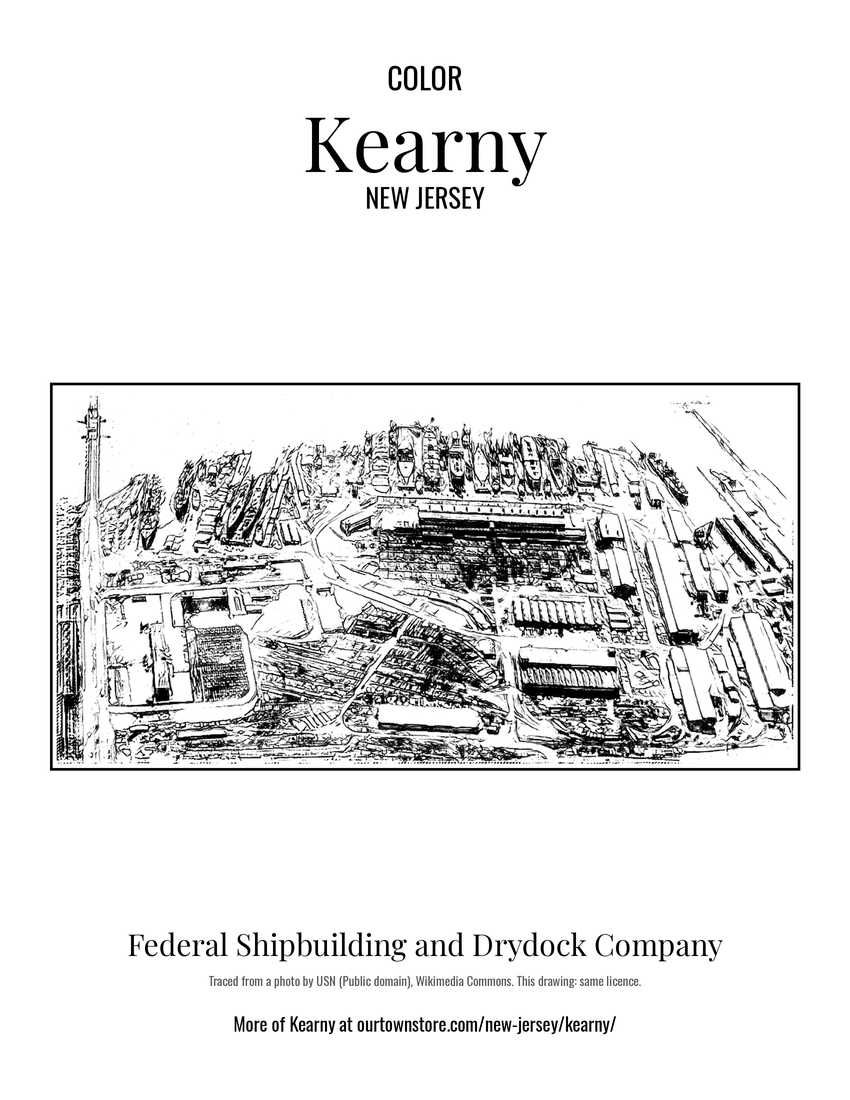 Federal Shipbuilding and Drydock Company