Since 1851
A short history of Cape May
17th and 18th centuries
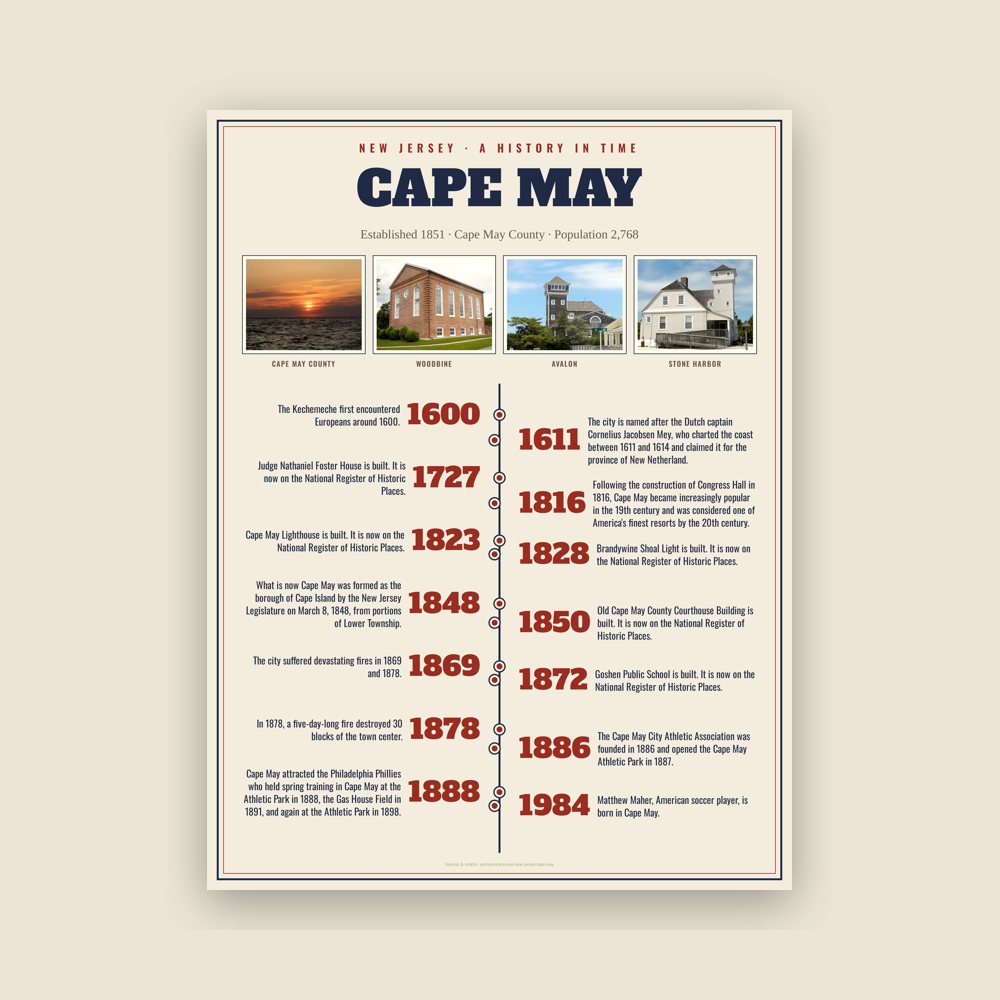
The area that is now Cape May was originally inhabited by the Kechemeche Native American tribe, a subgroup of the Lenape people. The Kechemeche first encountered Europeans around 1600. The city is named after the Dutch captain Cornelius Jacobsen Mey, who charted the coast between 1611 and 1614 and claimed it for the province of New Netherland. It was later settled by colonists from the New Haven Colony in New England.
By the mid-18th century, Cape May had become a popular vacation destination for visitors from Philadelphia and is recognized as the country's oldest seaside resort.
Read the full history
19th century
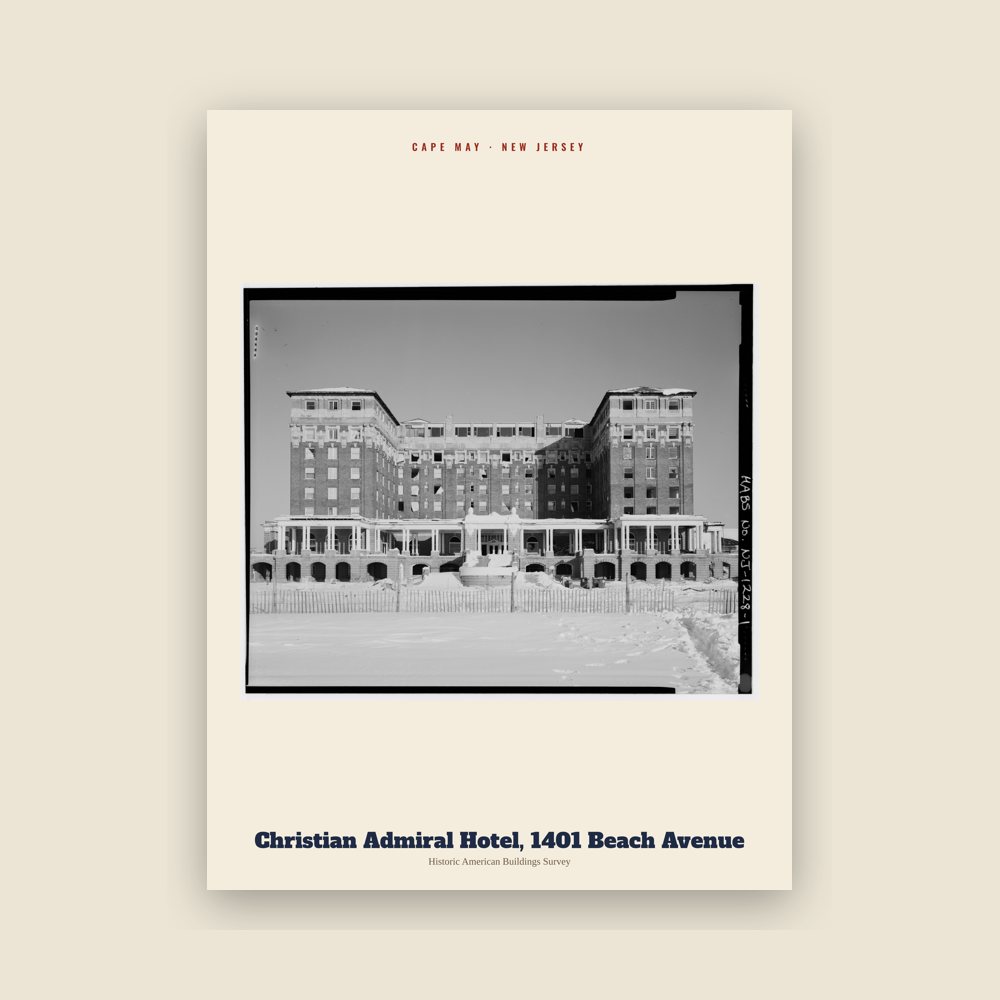
Following the construction of Congress Hall in 1816, Cape May became increasingly popular in the 19th century and was considered one of America's finest resorts by the 20th century.
What is now Cape May was formed as the borough of Cape Island by the New Jersey Legislature on March 8, 1848, from portions of Lower Township. It was reincorporated as Cape Island City on March 10, 1851, and was renamed Cape May City on March 9, 1869.
The Cape May City Athletic Association was founded in 1886 and opened the Cape May Athletic Park in 1887. Cape May attracted the Philadelphia Phillies who held spring training in Cape May at the Athletic Park in 1888, the Gas House Field in 1891, and again at the Athletic Park in 1898. The Athletic Association fielded a collegiate baseball team that played every summer against other local clubs, as well as semi-professional and professional teams including African-American and Major League teams. President Benjamin Harrison visited Cape May in August 1891 and visited the Athletic Park where he saw Cape May lose 5 to 0 to the Gorham African-American club.
20th century
During World War II, because of the submarine threat off the East Coast of the United States, particularly off Cape May and at the mouth of the Delaware Bay, numerous United States Navy facilities were established here in order to protect American coastal shipping. Cape May Naval facilities, listed below, played a significant role in reducing the number of ship and crew losses at sea.
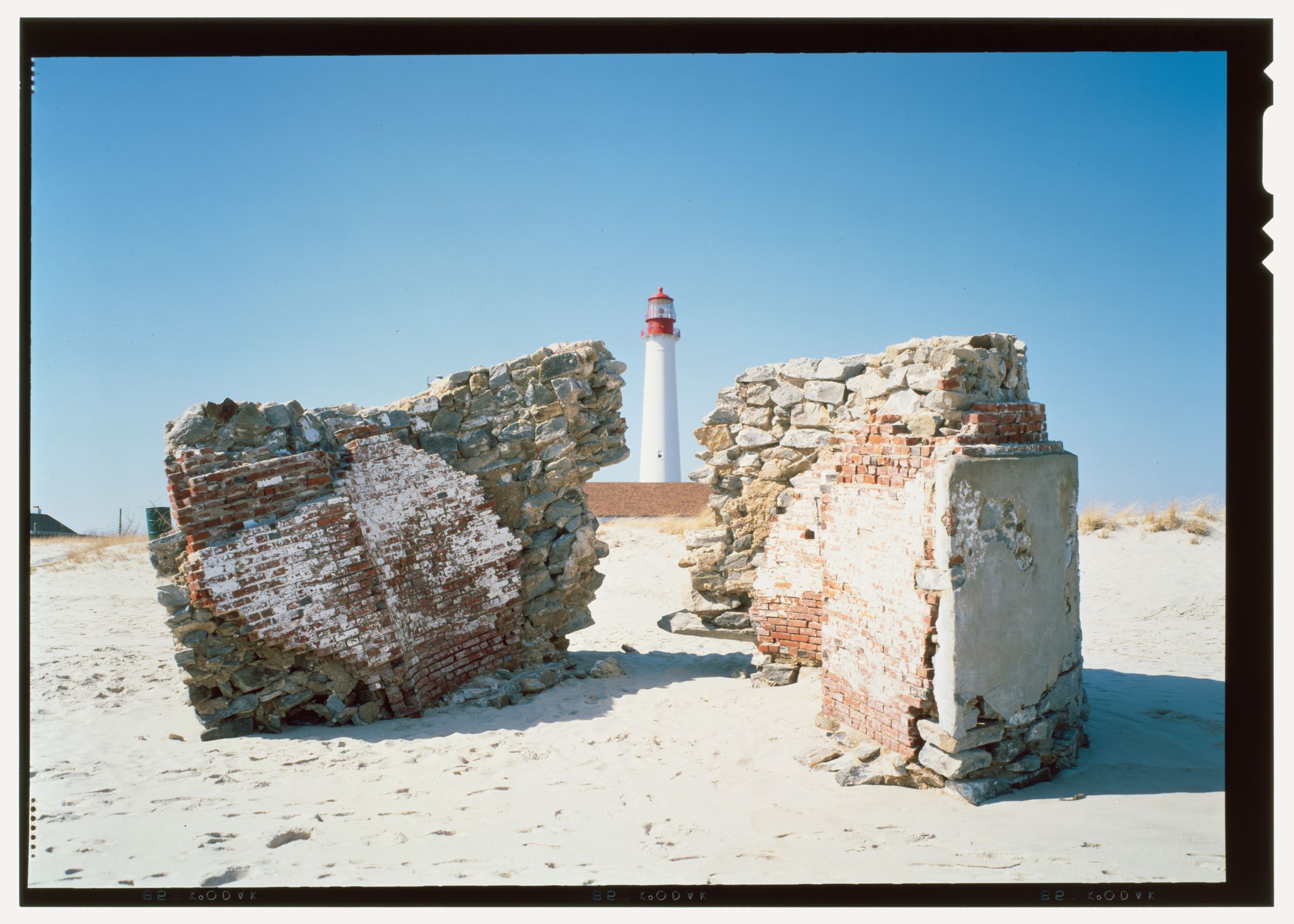
In 1976, Cape May was designated a National Historic Landmark as the Cape May Historic District, making Cape May the only city in the U.S. to be wholly designated as a national historic district. That designation is intended to ensure the architectural preservation of these buildings.
Adapted (trimmed) from the Wikipedia article Cape May, New Jersey, revision 1383688601 by its contributors, licensed CC BY-SA 4.0.


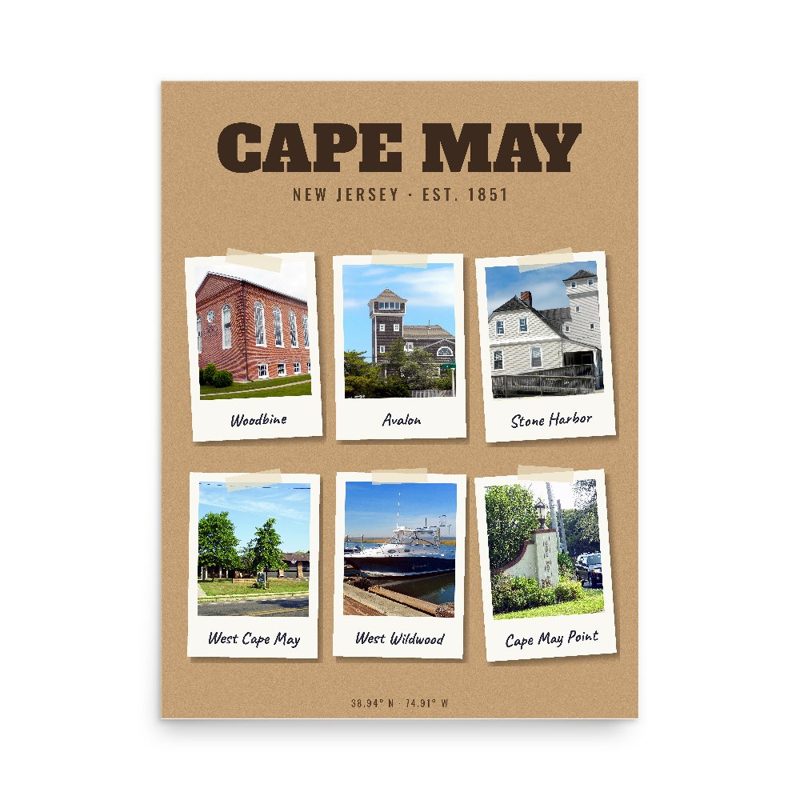
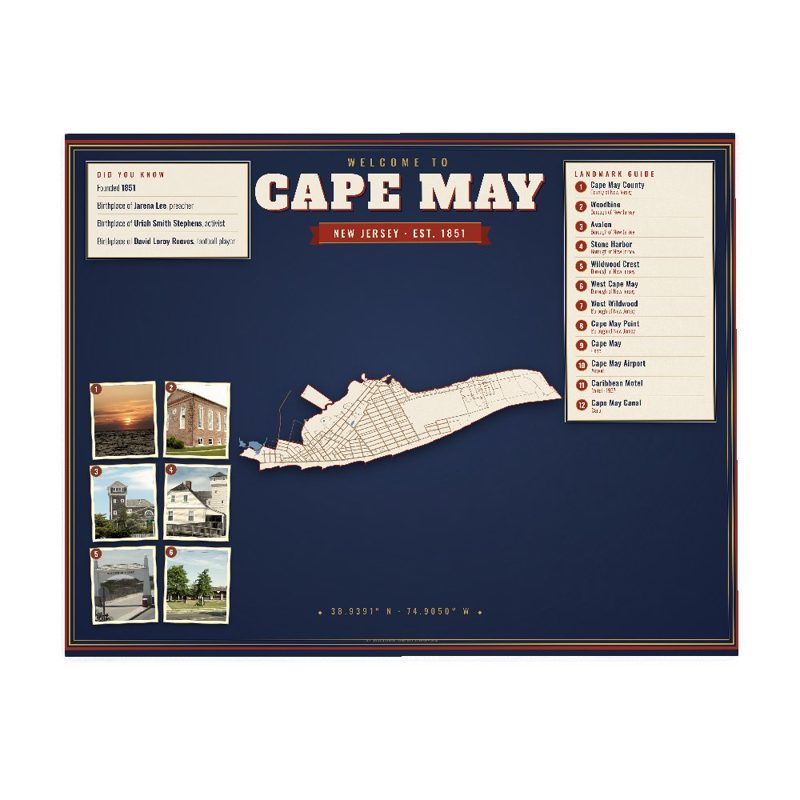















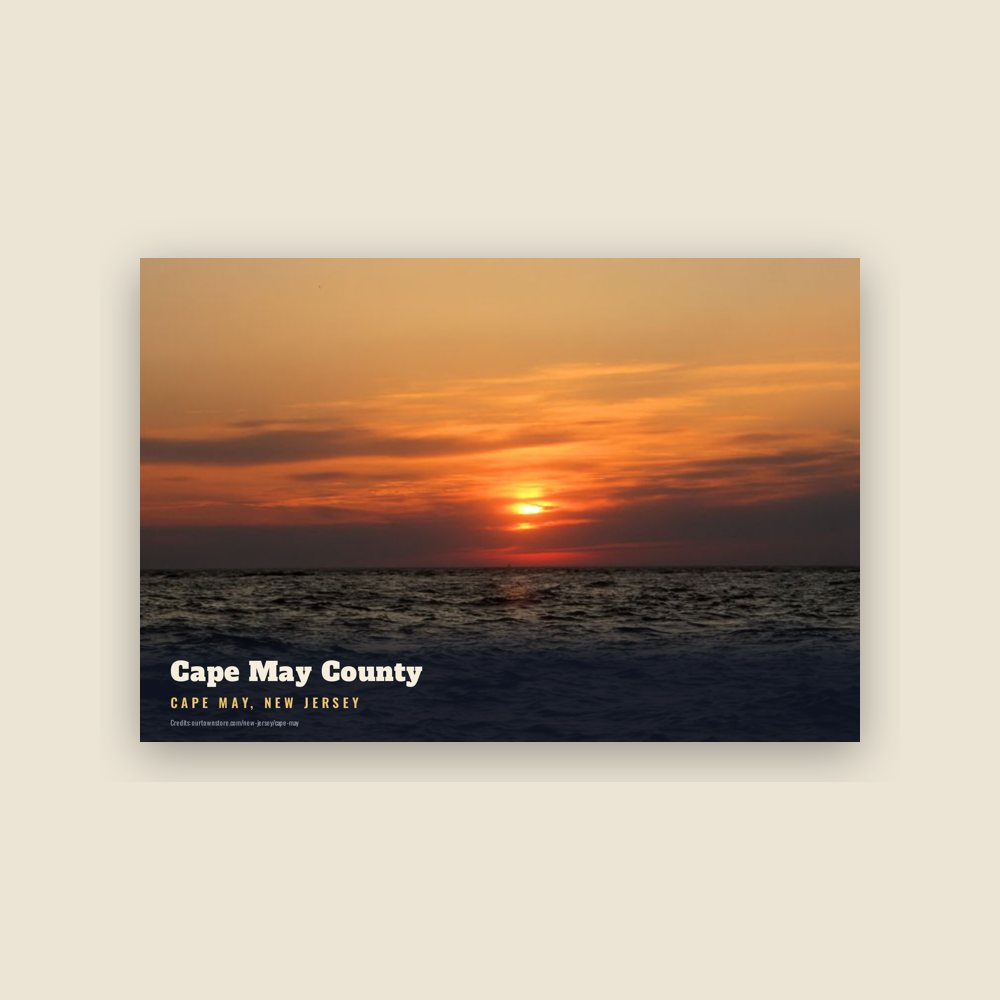
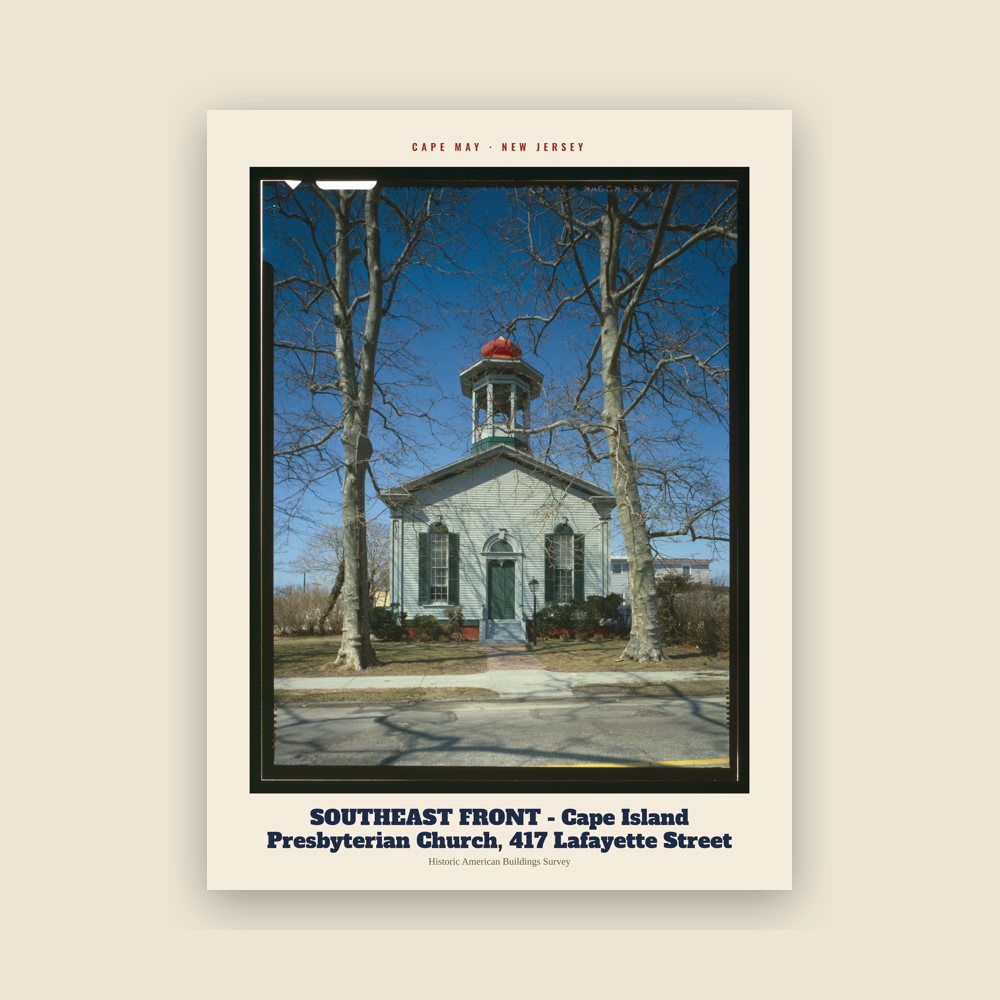
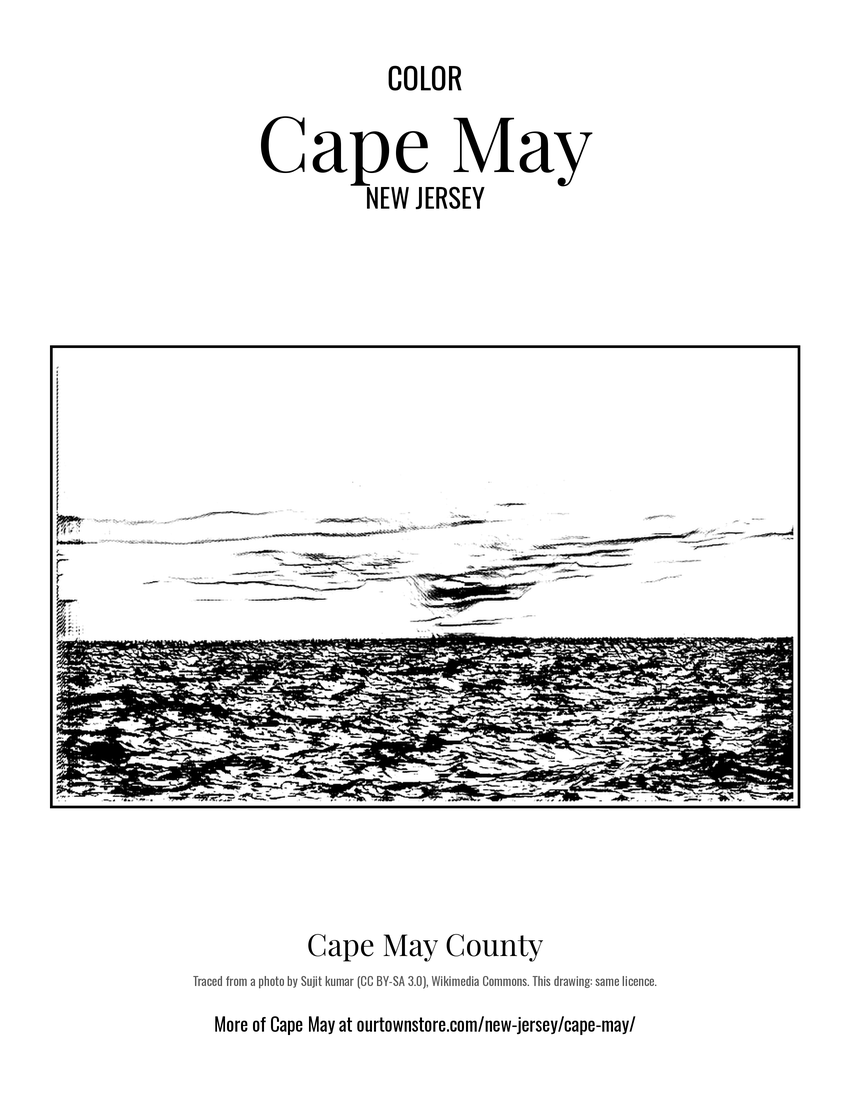 Cape May County
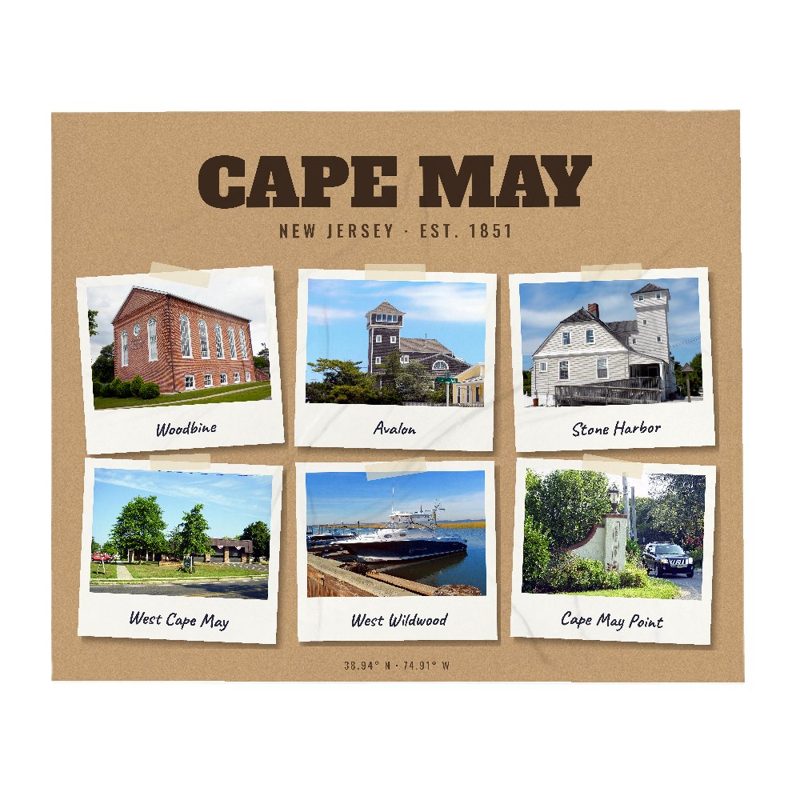
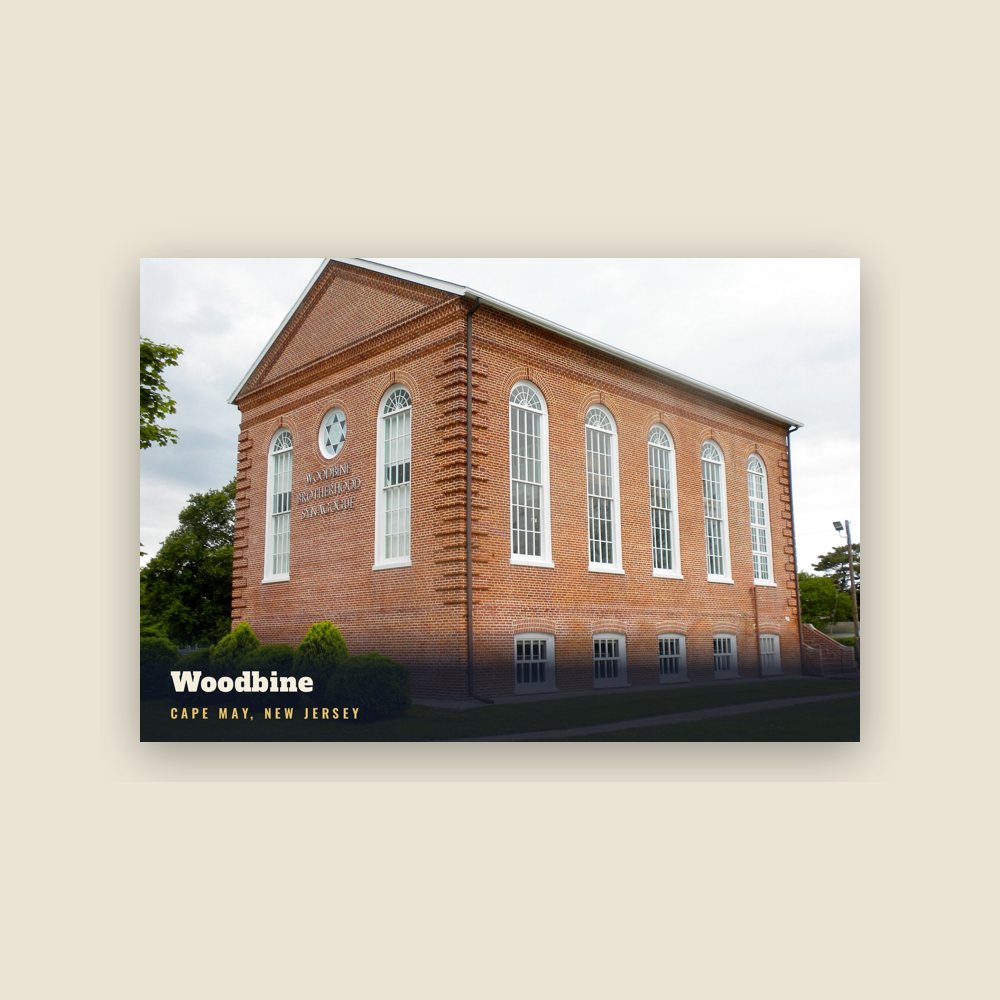
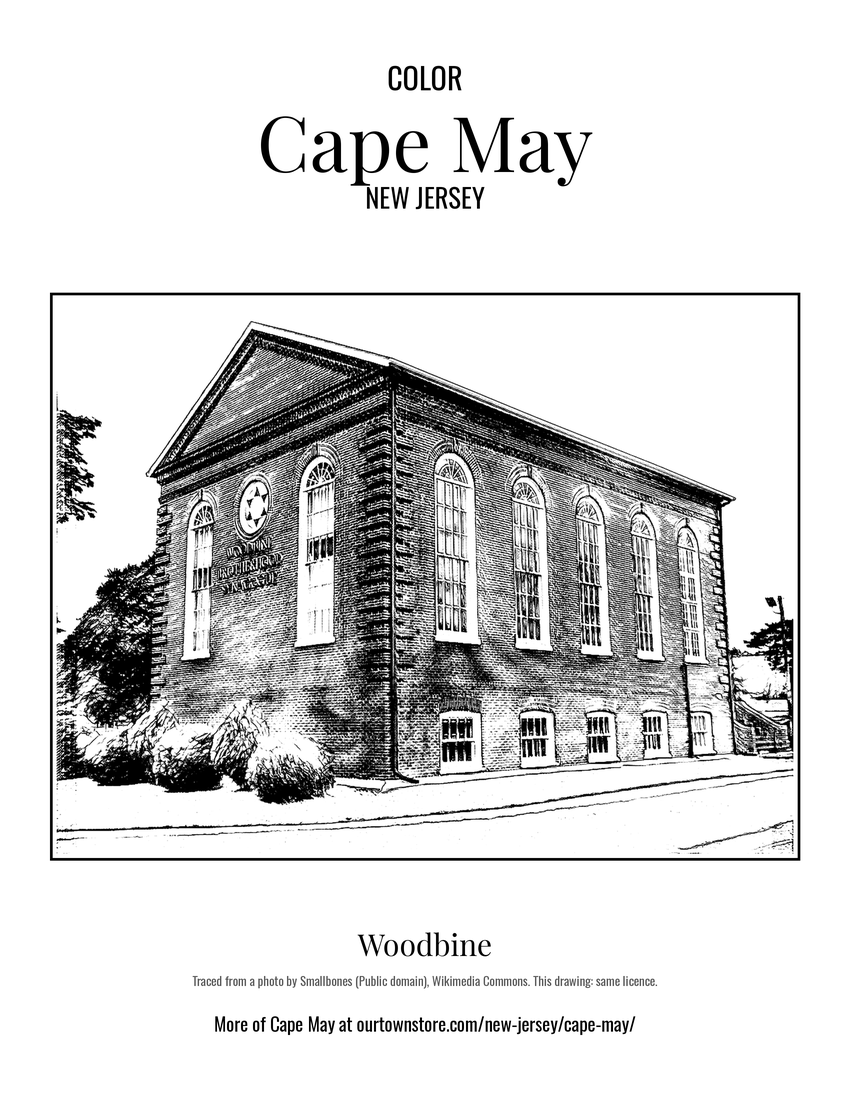 Woodbine
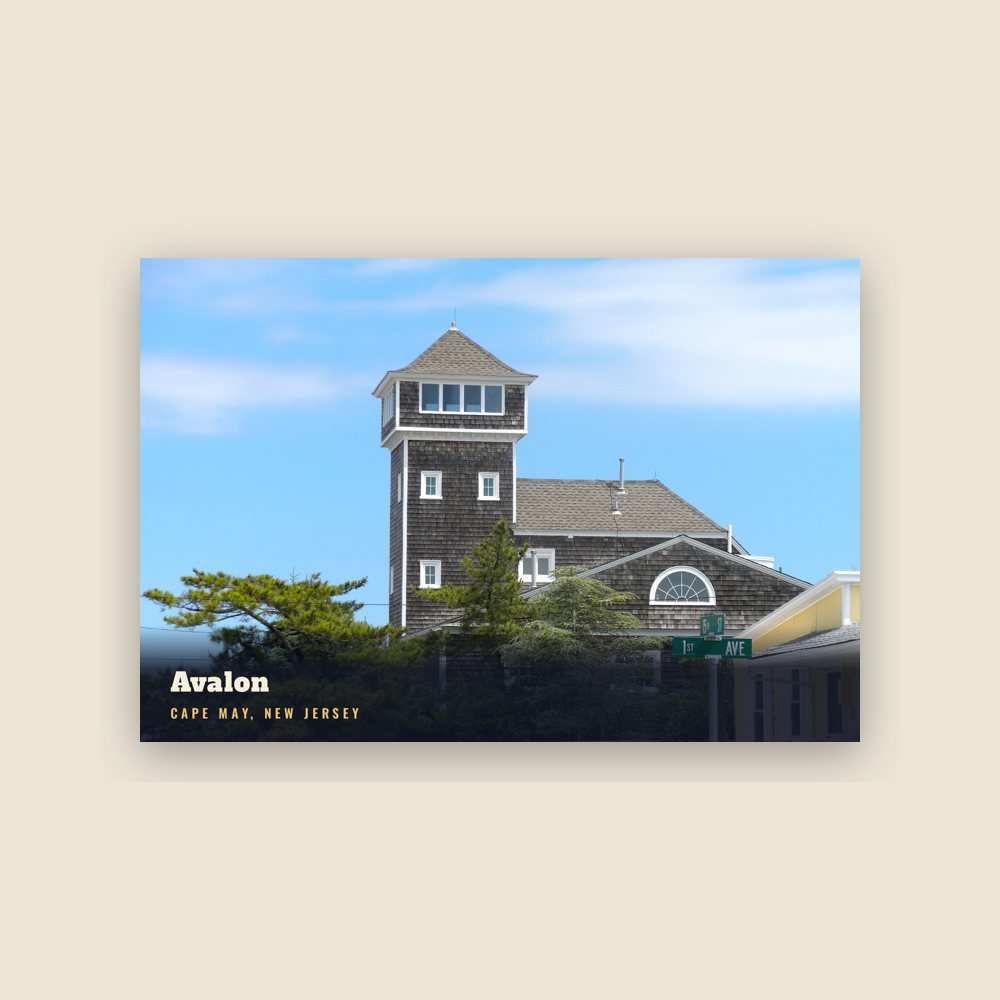
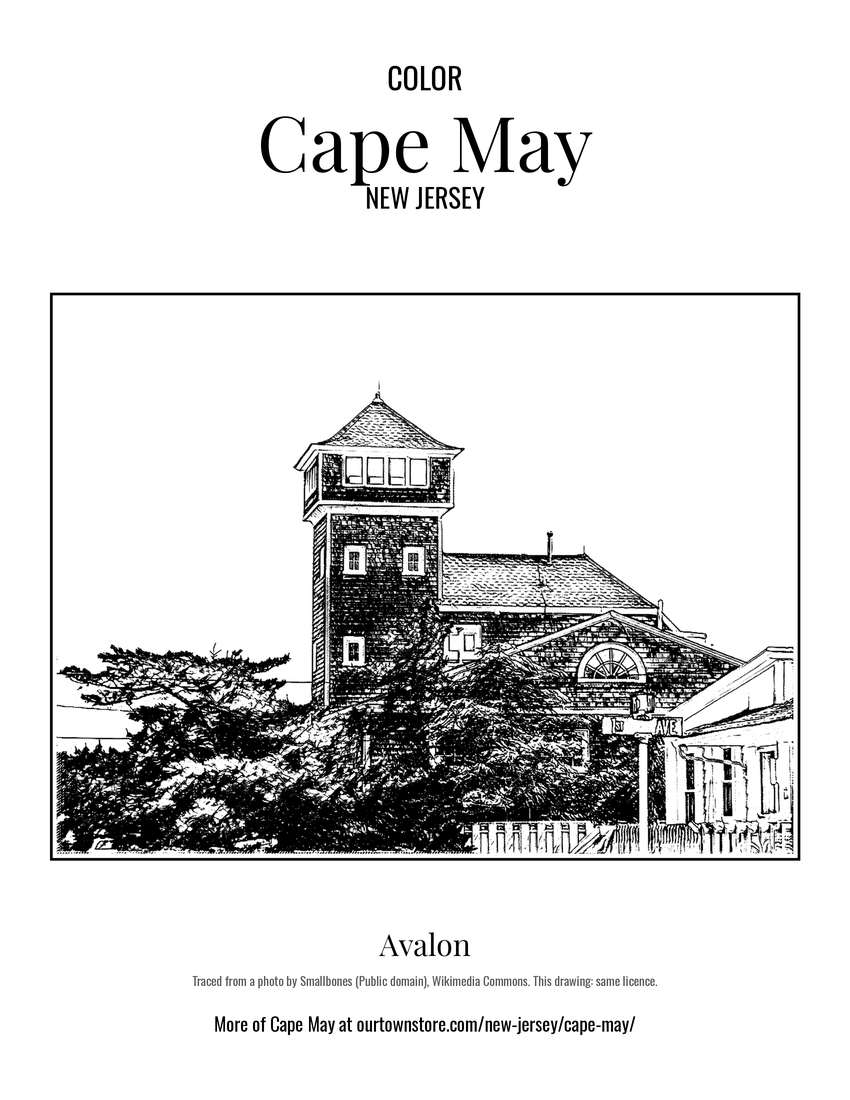 Avalon
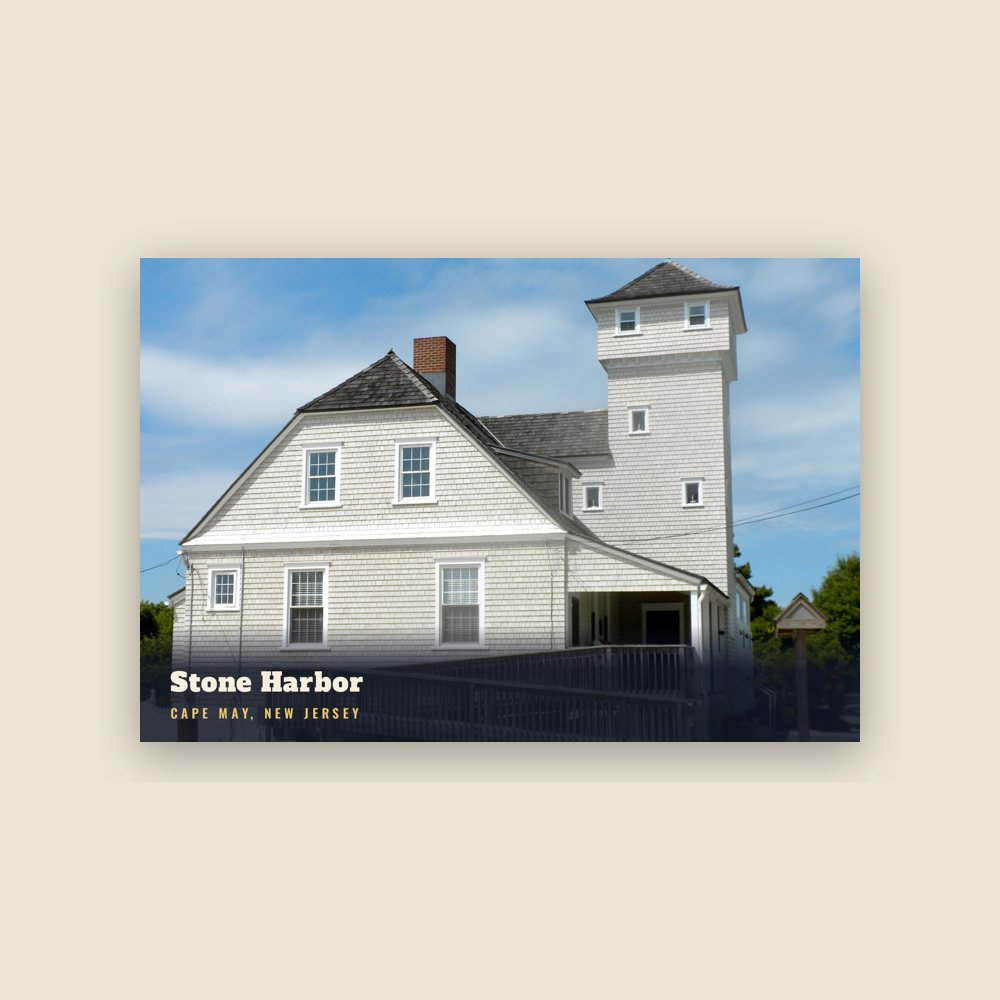
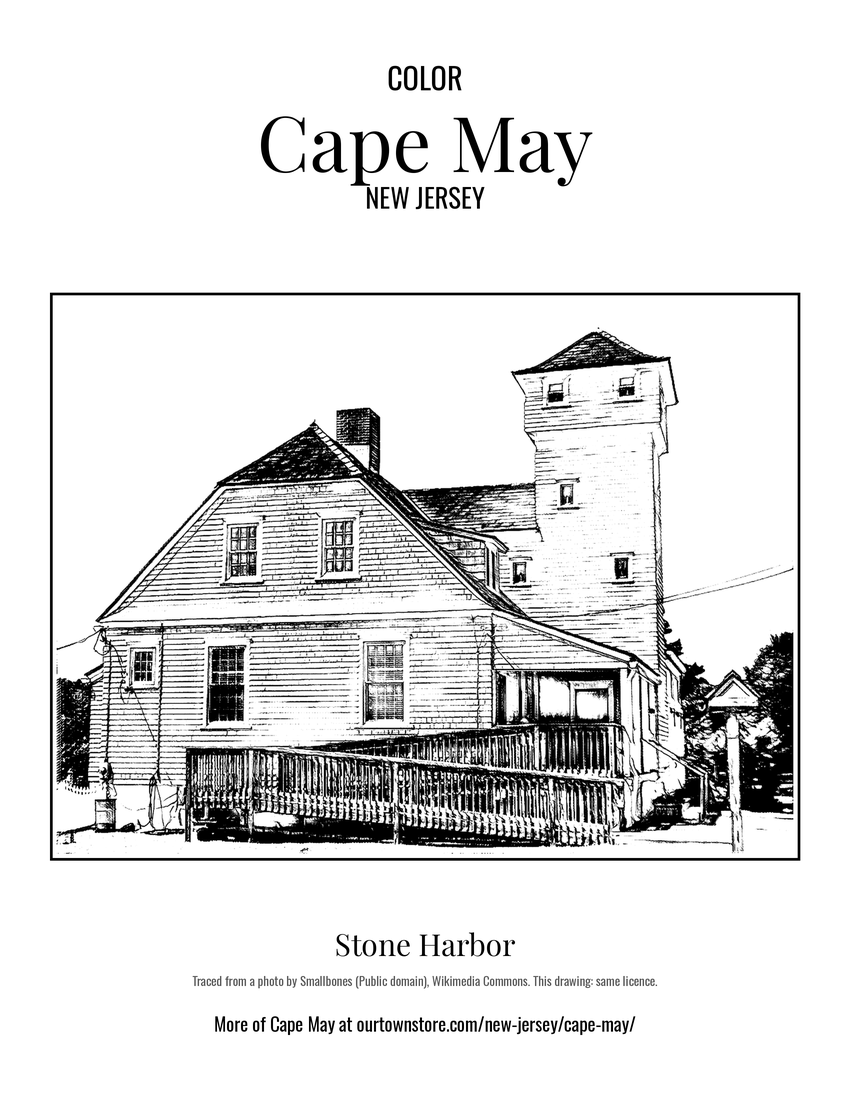 Stone Harbor