A short history of Nehawka
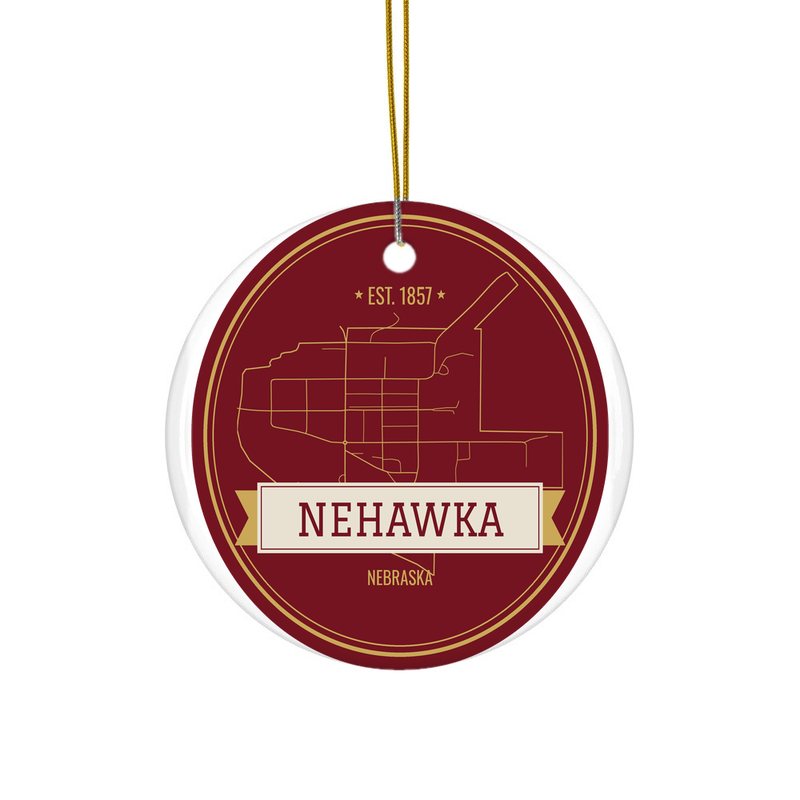
The first permanent settlement in the vicinity was made in 1855 by Samuel M. Kirkpatrick, who came from Iowa and built a sawmill on Weeping Water Creek; other settlers took claims nearby. A town was platted in 1857, but no lots were sold and the plat was abandoned. A post office was approved under the name Nehawka in 1875. The name is derived from an Omaha and Otoe Indian name meaning "rustling water".
Sustained growth came in 1887, when the Missouri Pacific Railroad was extended to that point and a second plat was filed. By 1893 the community had roughly 200 residents and supported general stores, hotels, a bank, hardware and furniture stores, drug stores and a millinery. Nehawka became known regionally for its limestone quarries, its apple orchards, and the manufacture of concrete mixers.
Read the full history
Flint quarries
Flint nodules embedded in subsurface Pennsylvanian limestone near Nehawka were an important source of stone for tools and weapons among the region's prehistoric inhabitants. Artifacts recovered from the quarries date from roughly 5,000 to 500 years ago. The material, known as Nehawka flint, was used heavily by peoples of the Central Plains tradition, who occupied earthlodge settlements in eastern Nebraska and western Iowa from about 1000 to 1400 AD, and its appearance at dozens of sites indicates that it was an important trade commodity on the Great Plains. Several quarry pits survive north of the village, while others to the southwest were destroyed by limestone mining. A state historical marker describing the quarries stands in the village park at Main and Washington streets.
Adapted (trimmed) from the Wikipedia article Nehawka, Nebraska, revision 1374769591 by its contributors, licensed CC BY-SA 4.0.
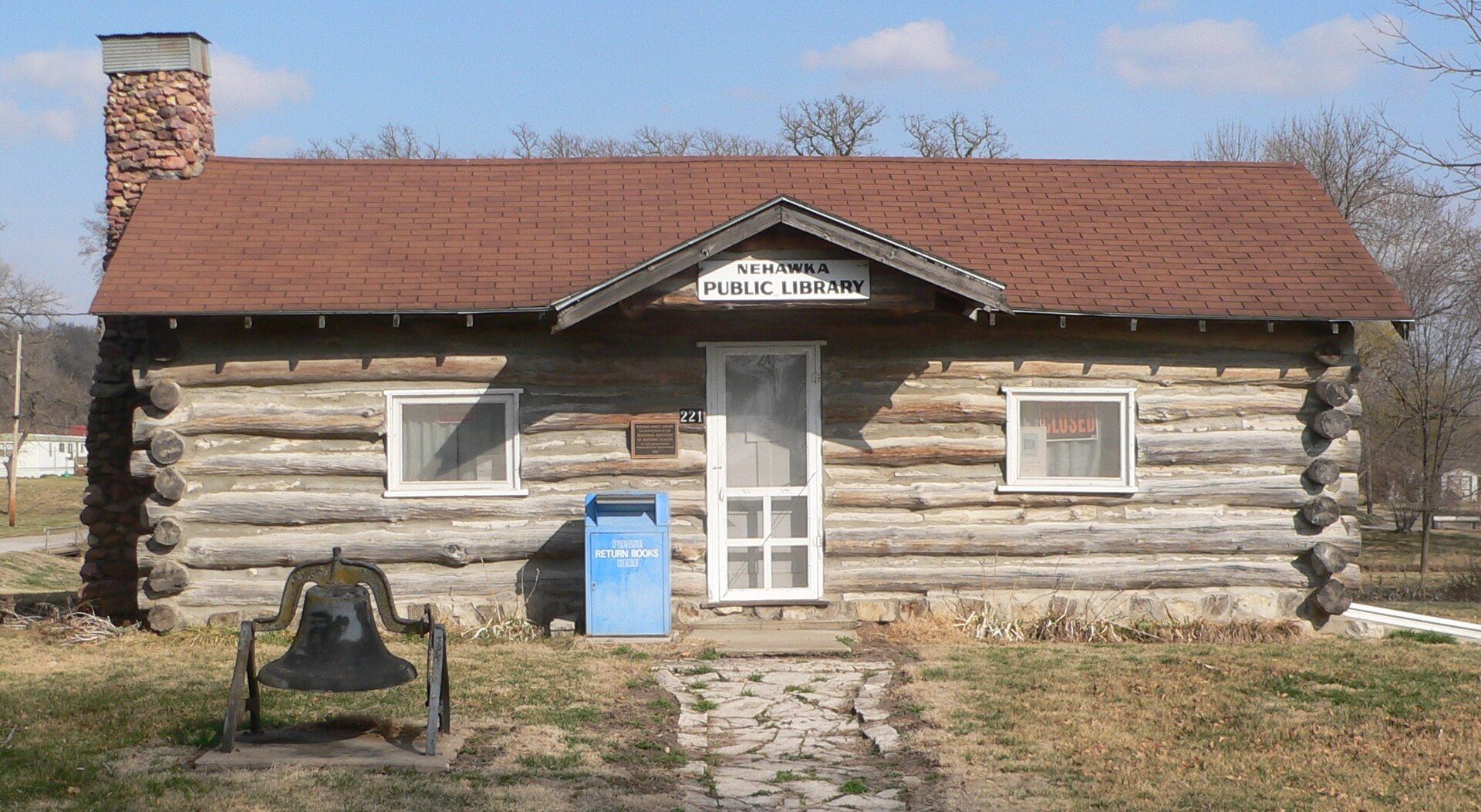
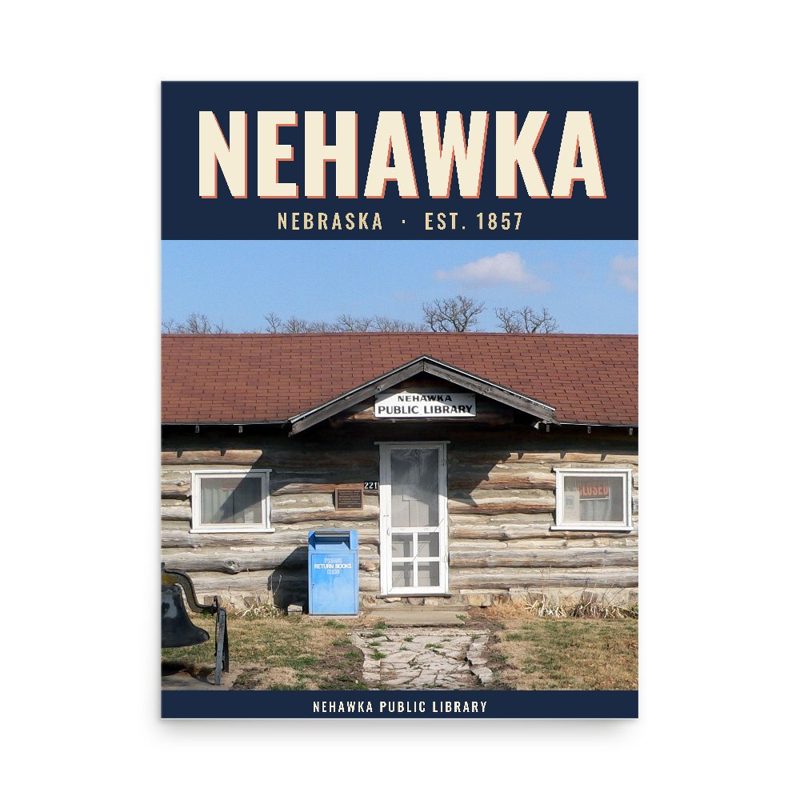
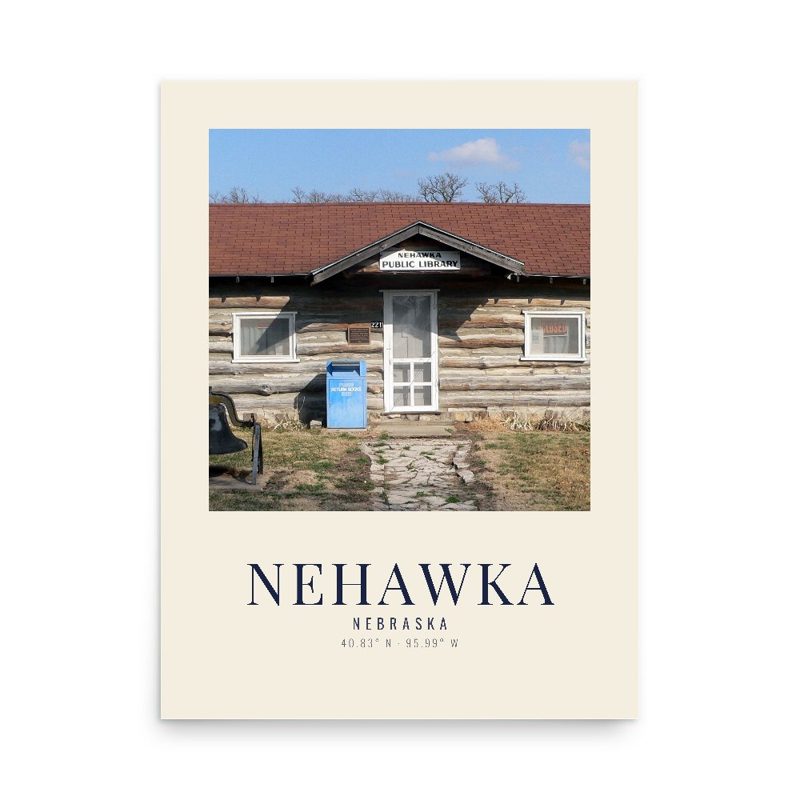
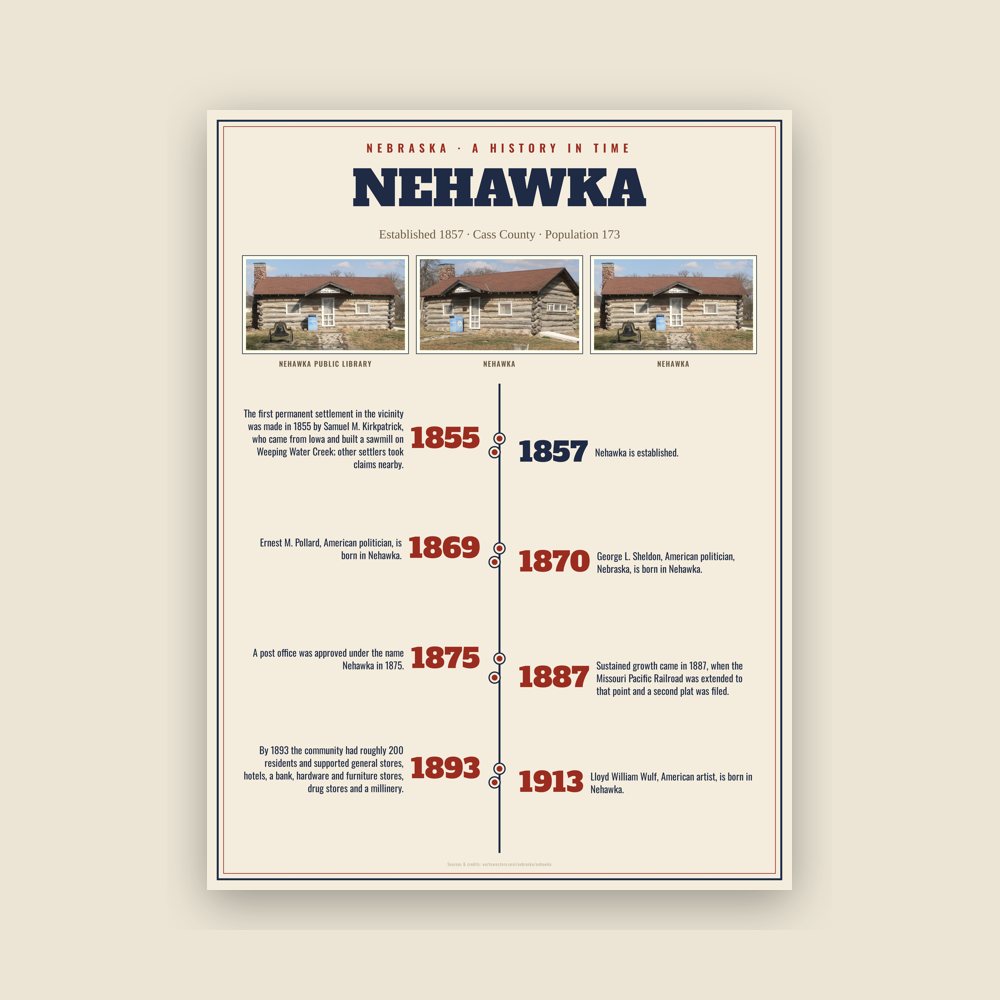



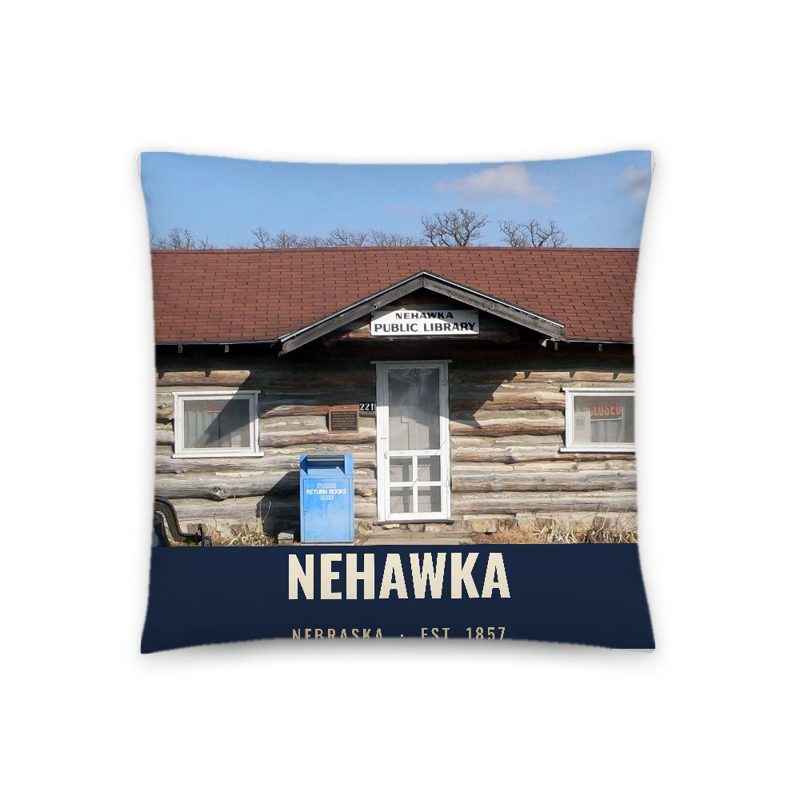

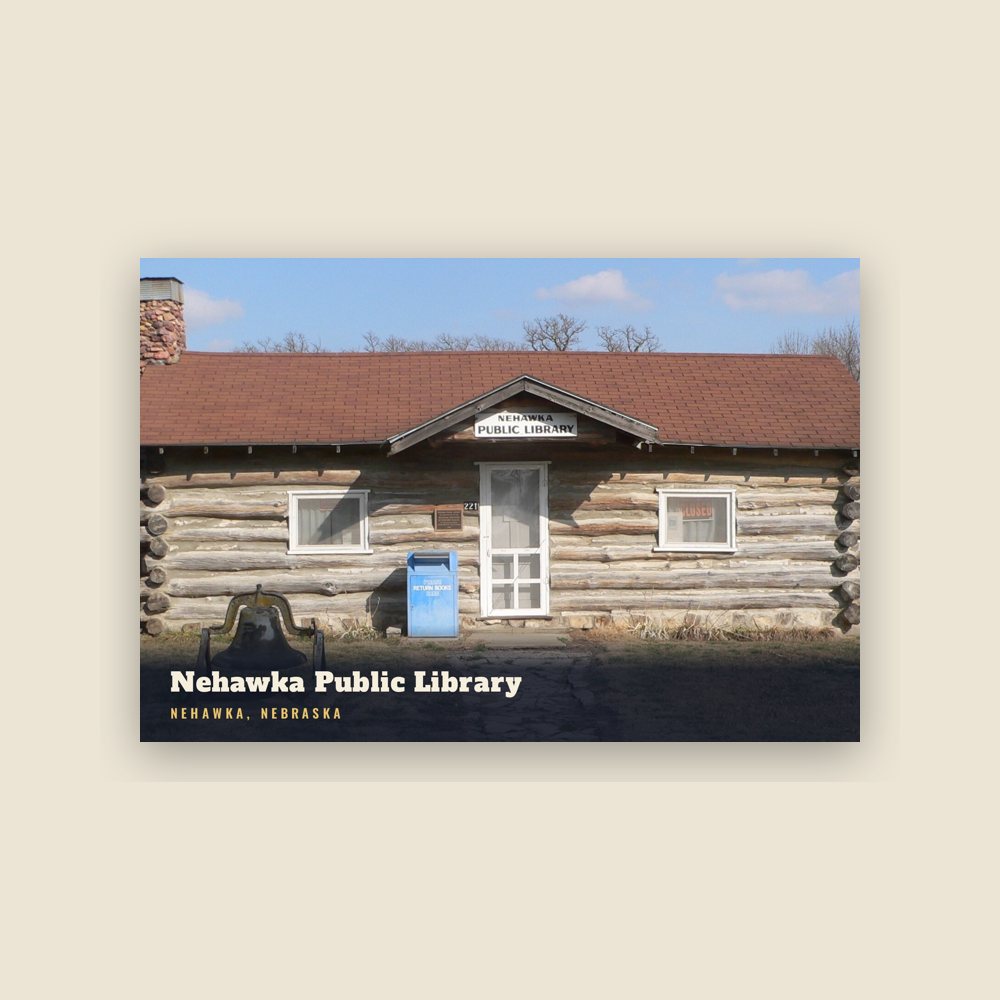
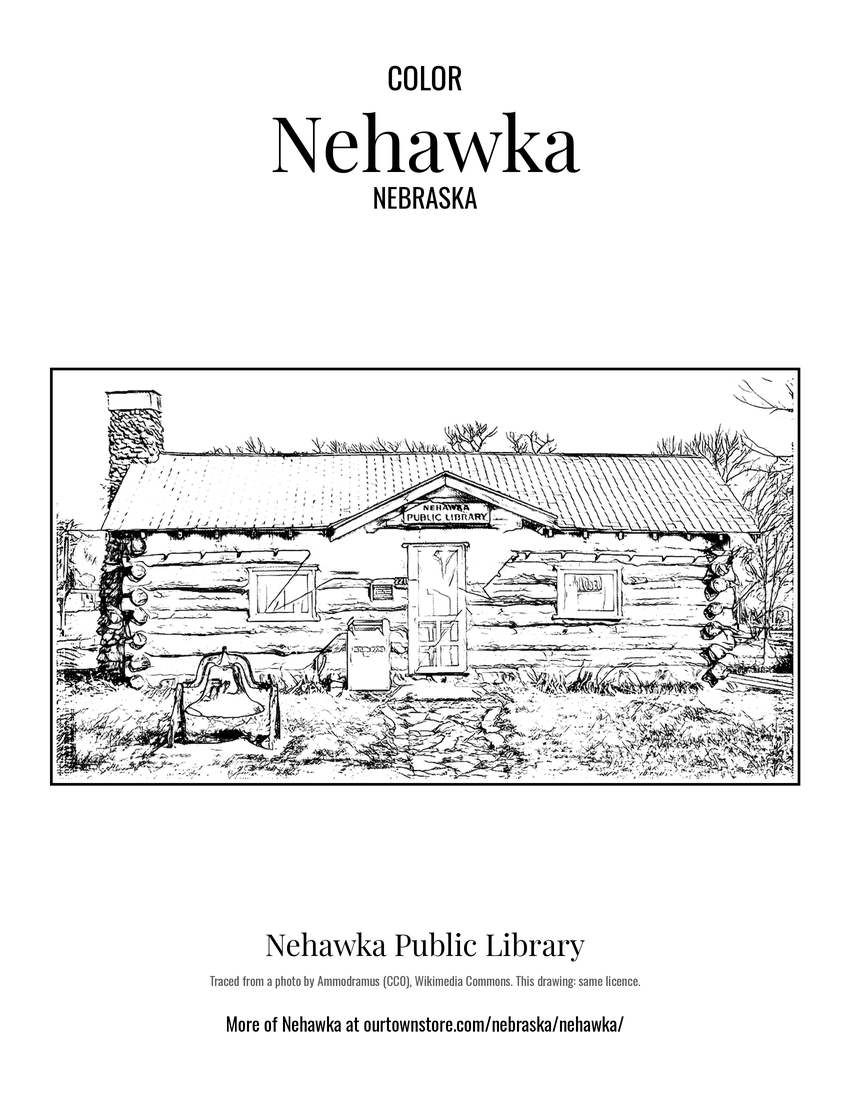 Nehawka Public Library
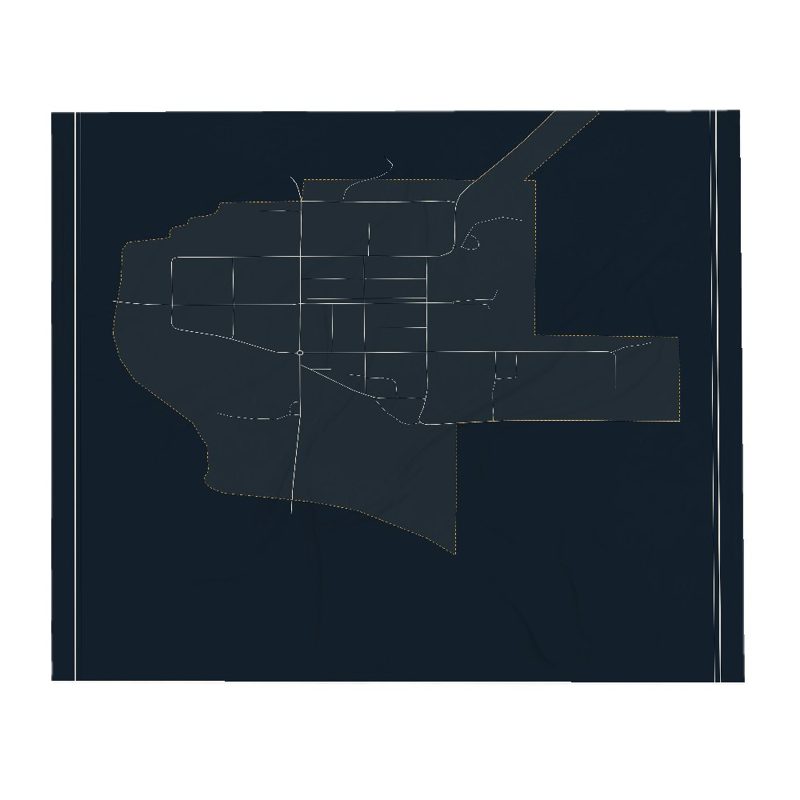
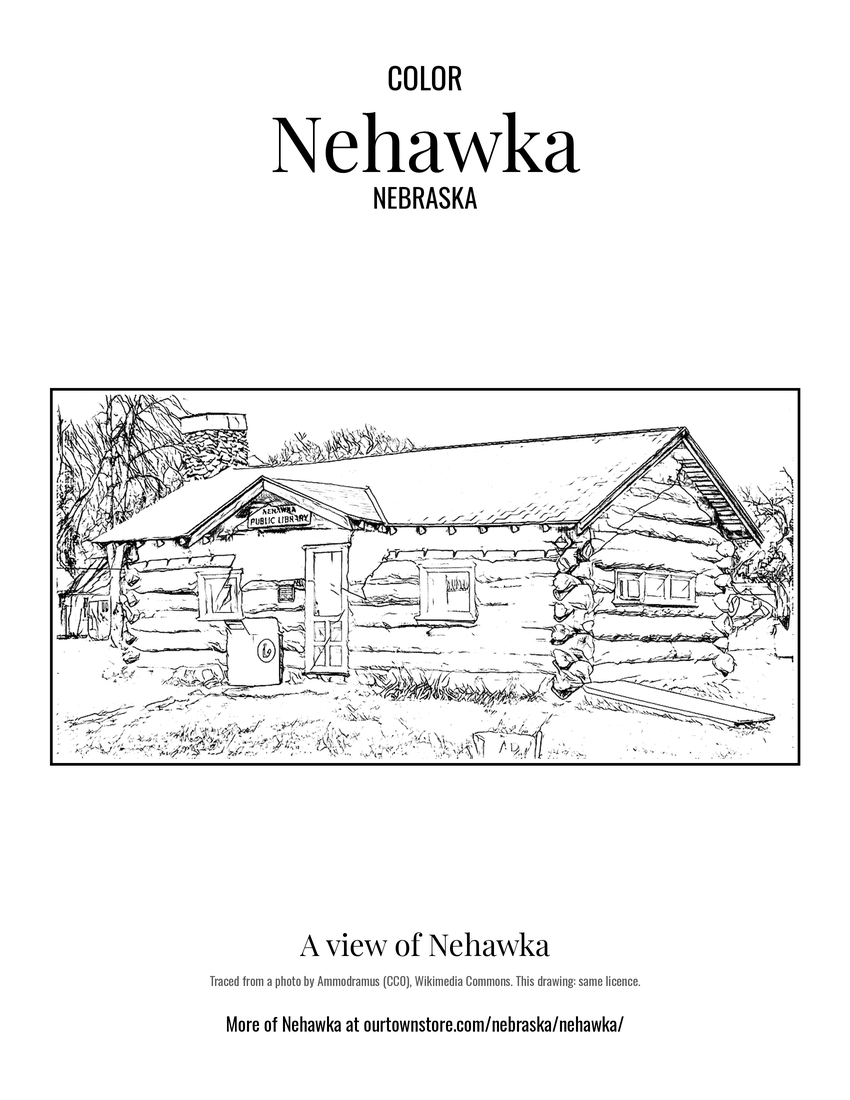 A view of Nehawka
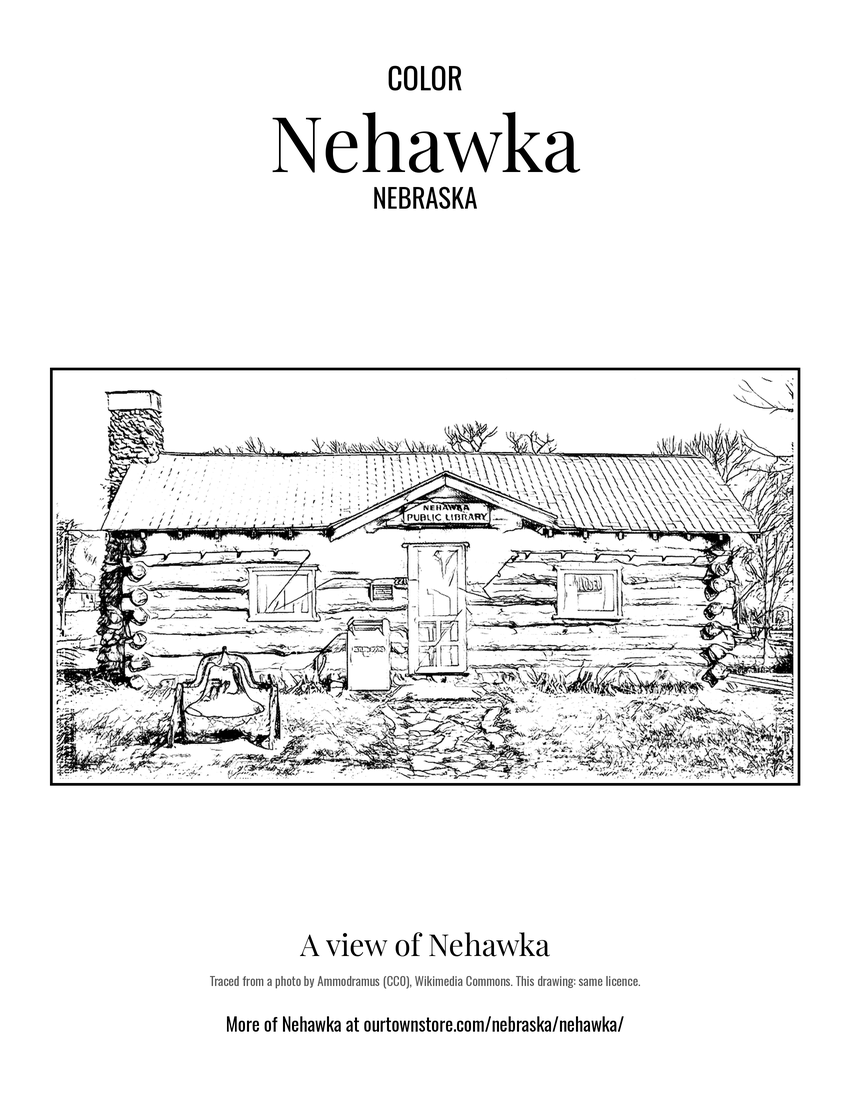 A view of Nehawka