A short history of Falls City
The site of Falls City is located on the north side of the Big Nemaha River, in the southeast corner of the state. The river in 1857 had banks and bed of rock and stone. The town was located near where the river flowed over a four-foot (1.2 m) rock ledge called the "Falls of Nemaha", for which the town was named. The "falls" no longer exist due to changes to the river over the course of the 19th and 20th century. But the Falls are still visible in the Old Nemaha river bend right above Nemaha Falls Cemetery with about only 1.5 ft of the rock ledge visible during winter and dry seasons in Falls City.
Falls City was founded in the summer of 1857 by James Lane, John Burbank, J. E. Burbank, and Isaac L. Hamby. The men were all Abolitionists and the city was established as a station on the Underground Railroad for escaping slaves on a section referred to as the Lane Trail. The city was established during the struggles resulting from the Kansas–Nebraska Act (passed in 1854) and continuing through the American Civil War. Early in the city's history, it won a prolonged process to become the county seat of Richardson County. The county originally selected Salem, Nebraska to be the county seat, but due to Salem's lack of a suitable building site, a new election was held which Falls City tied in the vote. Finally in a third election in 1860, Falls City was declared the permanent site of the county seat.
Falls City grew in the late 19th century due to the arrival of the Atchison & Nebraska Railroad in 1871 and the Missouri Pacific in 1882, for which Falls City was designated as a division point in 1909. The population of the city peaked at 6,200 citizens in 1950.
In the summer of 1966, Braniff Airlines Flight 250 crashed near Falls City due to bad weather, killing all 42 on board. The BAC One-Eleven aircraft was on the Kansas City to Omaha leg of a multi-stop flight from New Orleans to Minneapolis on Saturday night, August 6.
In 1993, Brandon Teena, a trans man who had recently arrived in Falls City, was murdered by two acquaintances who, upon discovering that he had been born female, had beaten and raped him about a week previously. Brandon had reported the rape to the police, but the Richardson County sheriff had failed to take steps to protect him; in particular, he had not arrested the two alleged rapists. Learning that the rape had been reported, the two tracked Brandon to a farmhouse near Humboldt, where they killed him and two others. Brandon's mother subsequently sued the sheriff and the county for negligence, wrongful death, and intentional infliction of emotional distress. Briefs were filed in the case by thirty-four civil-rights groups, including the Lambda Legal Defense and Education Fund; the matter eventually came before the Nebraska Supreme Court, which found the county negligent in failing to protect Brandon. The episode was dramatized in a 1999 film titled Boys Don't Cry; actor Hilary Swank received an Academy Award for Best Actress for her portrayal of Brandon.
Adapted (trimmed) from the Wikipedia article Falls City, Nebraska, revision 1377343950 by its contributors, licensed CC BY-SA 4.0.
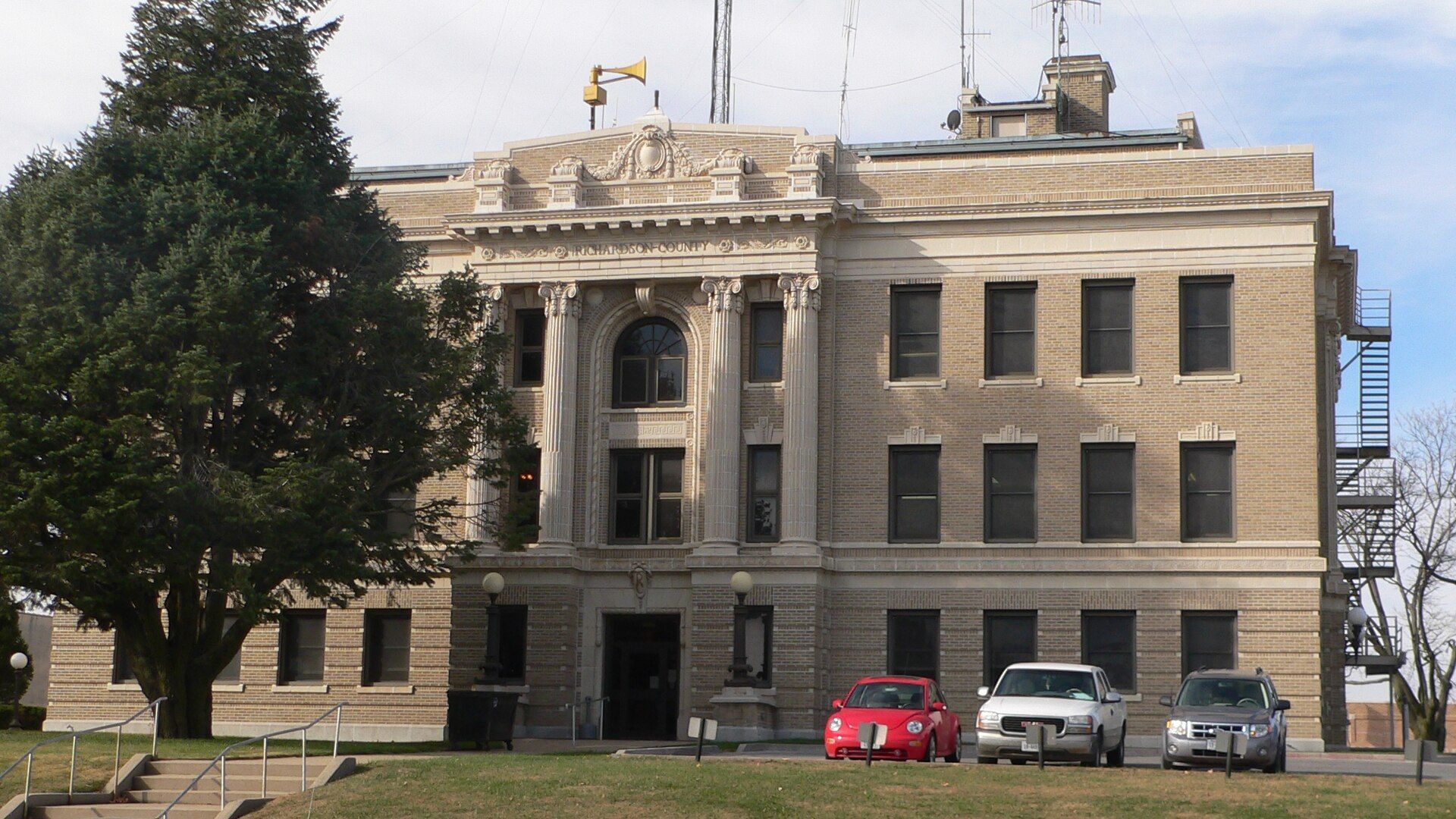

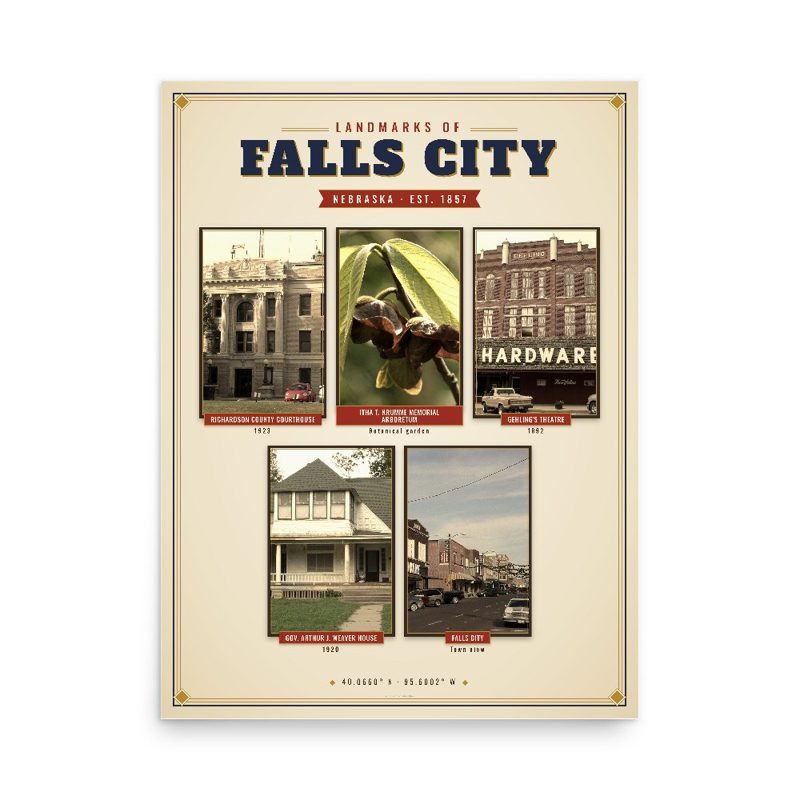
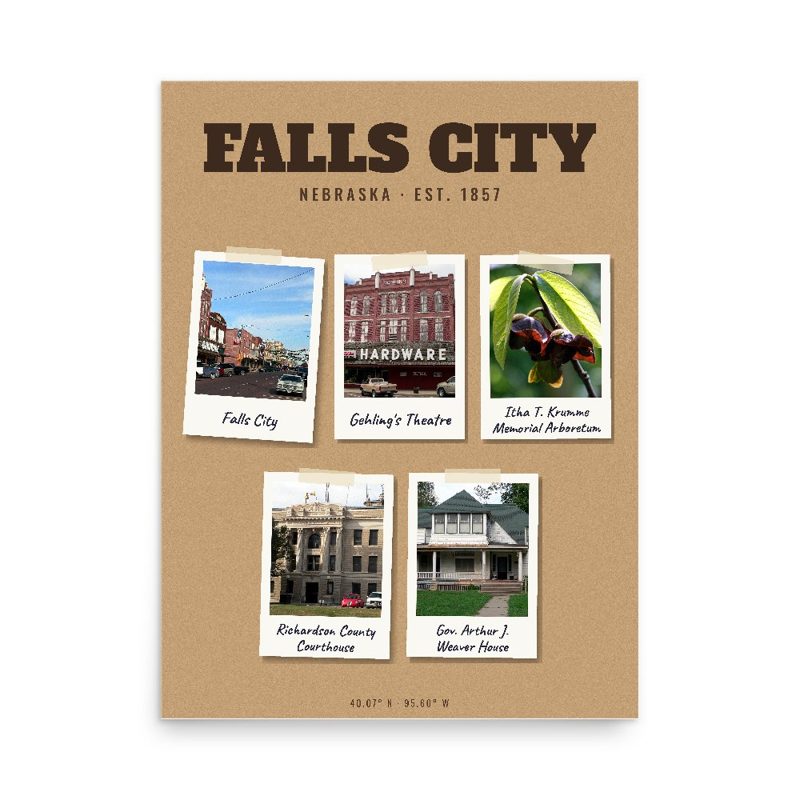
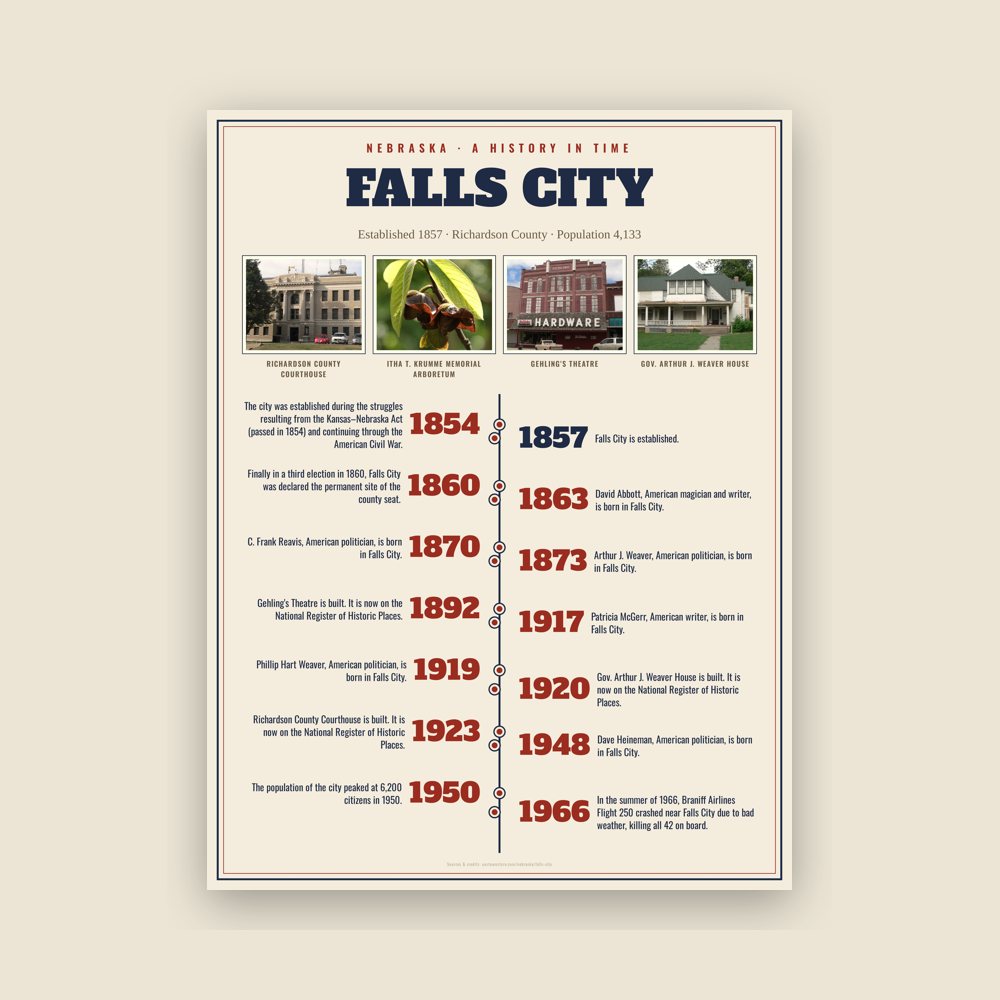
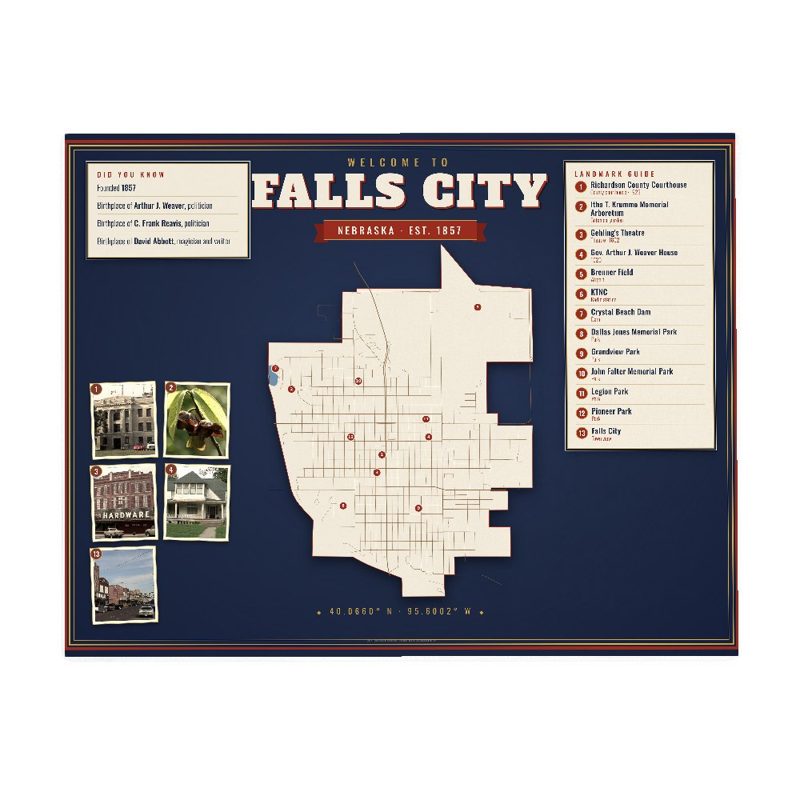















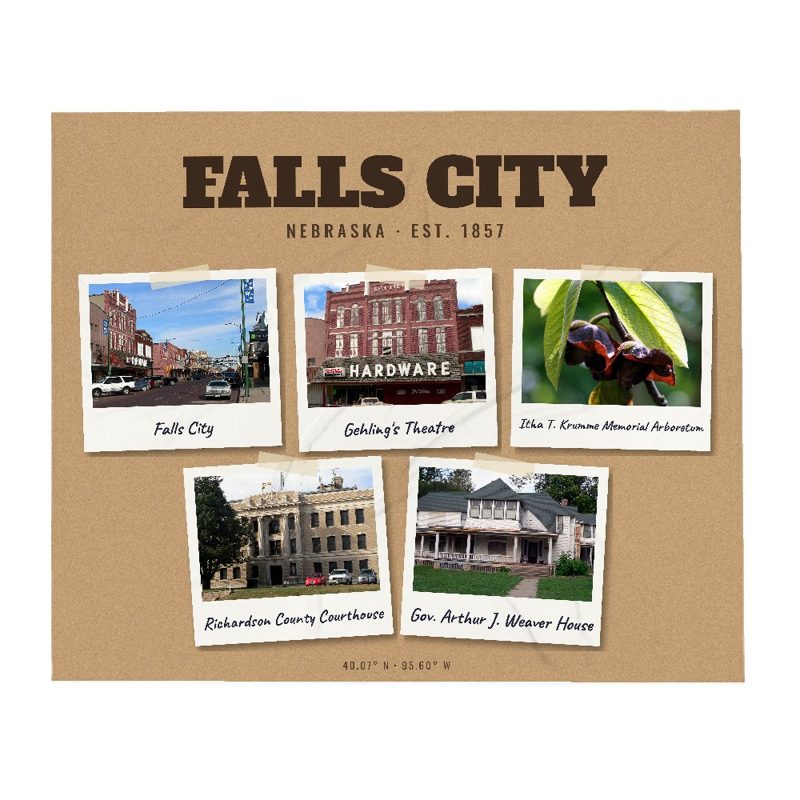

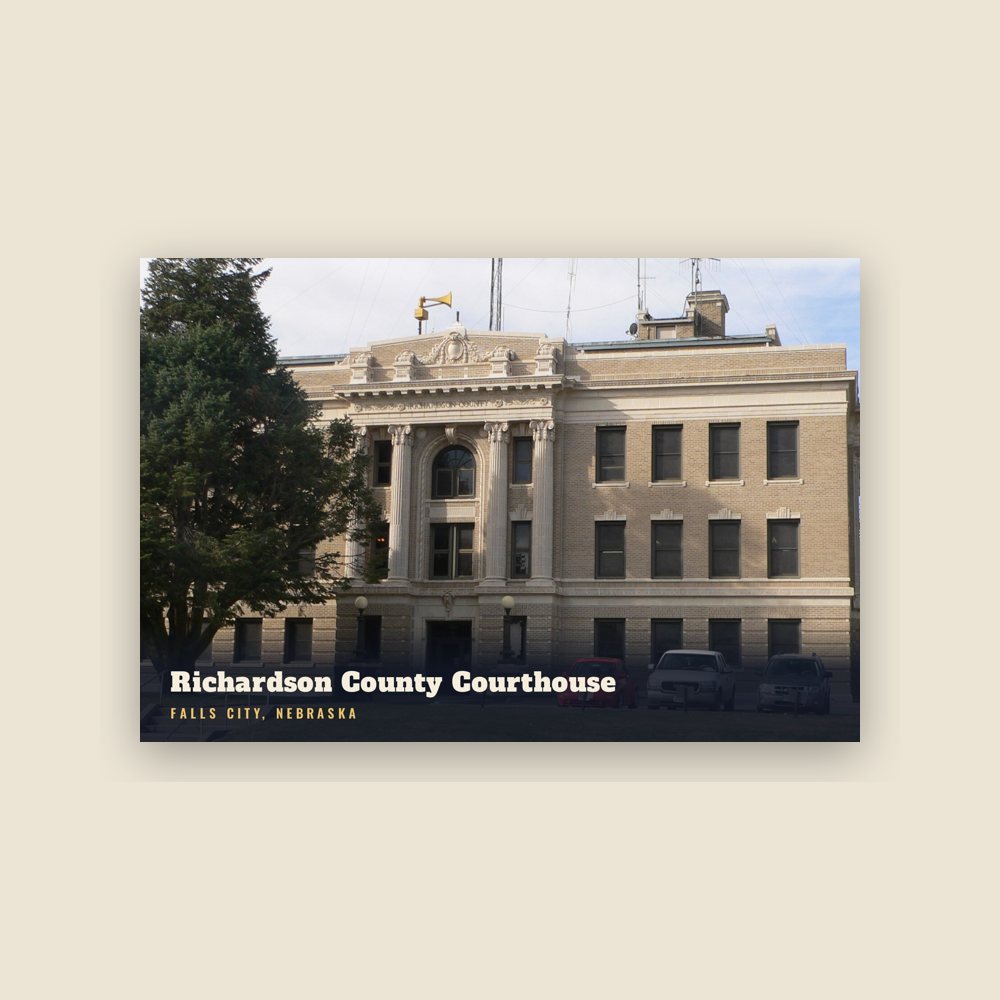
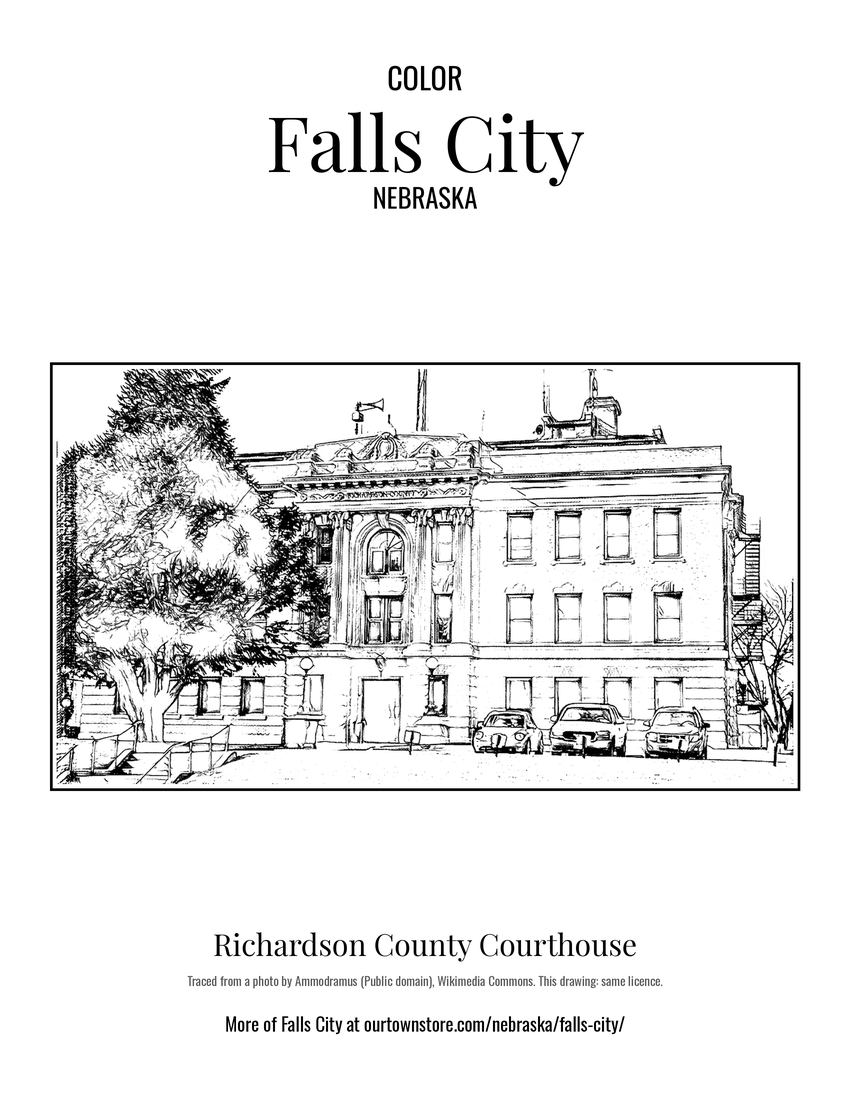 Richardson County Courthouse
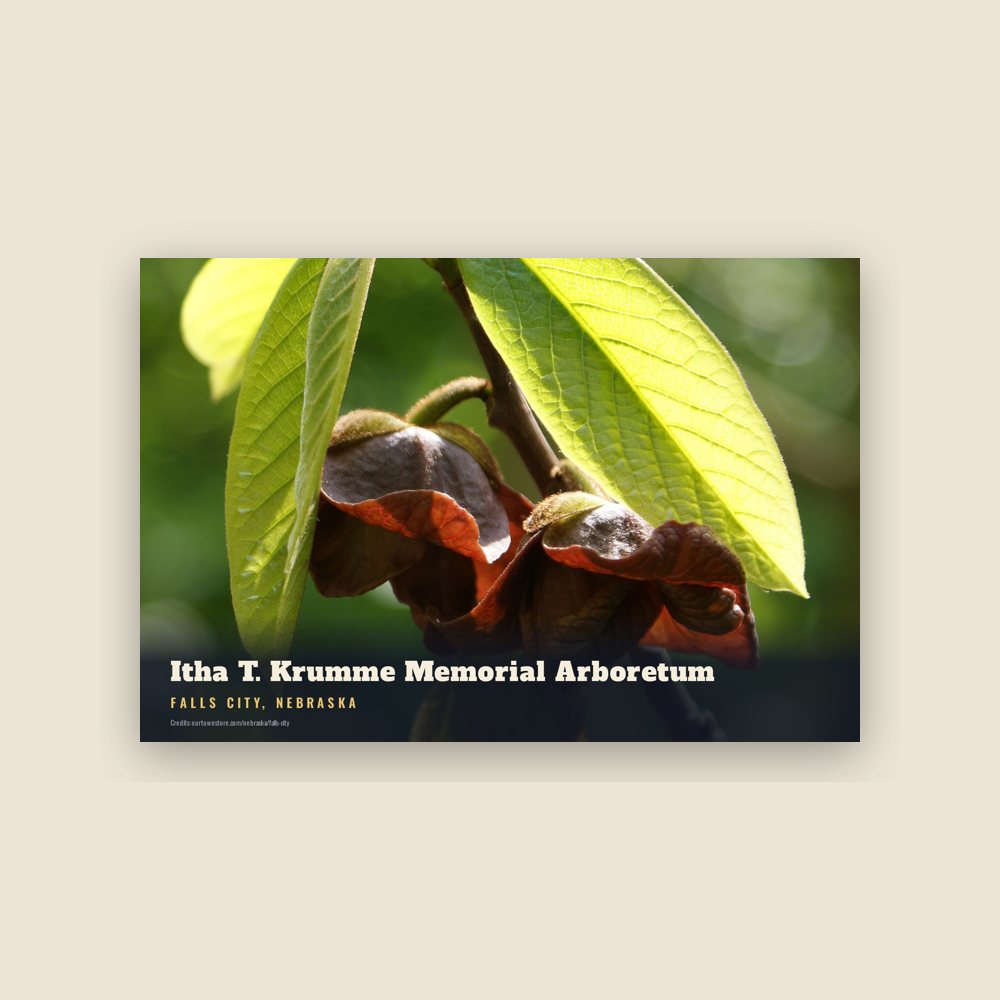
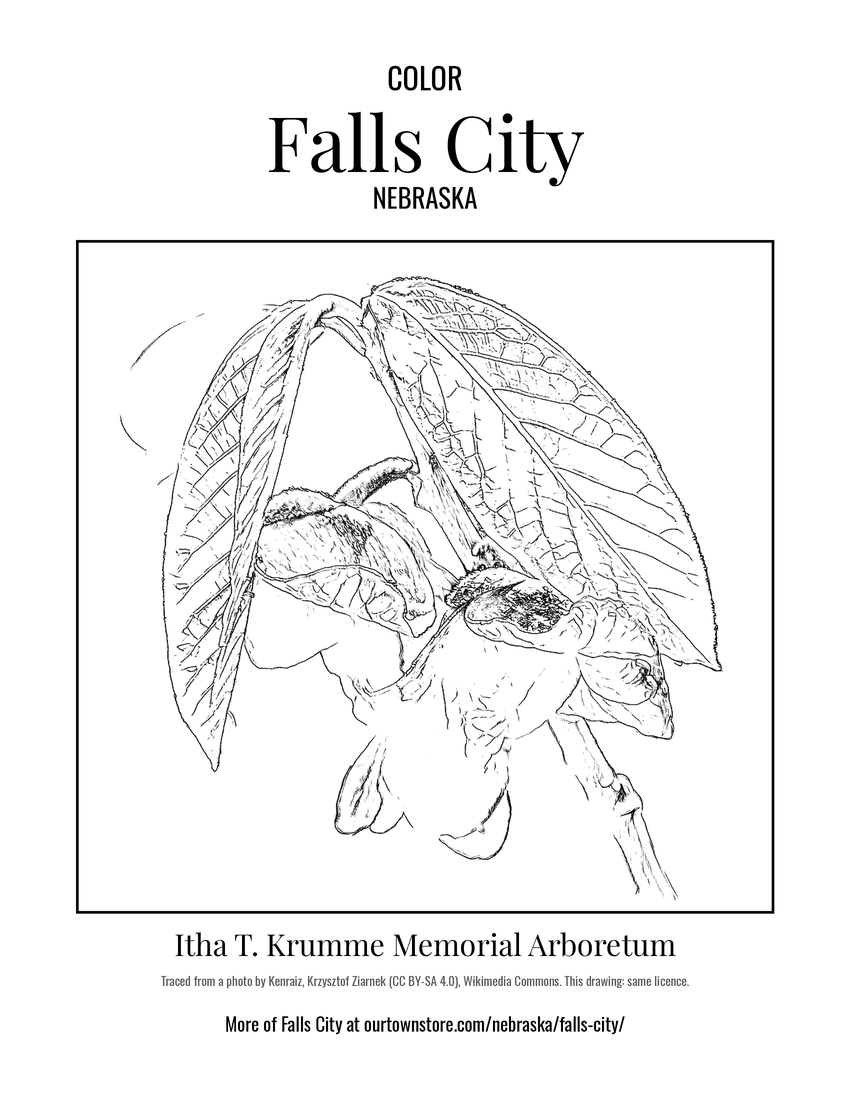 Itha T. Krumme Memorial Arboretum
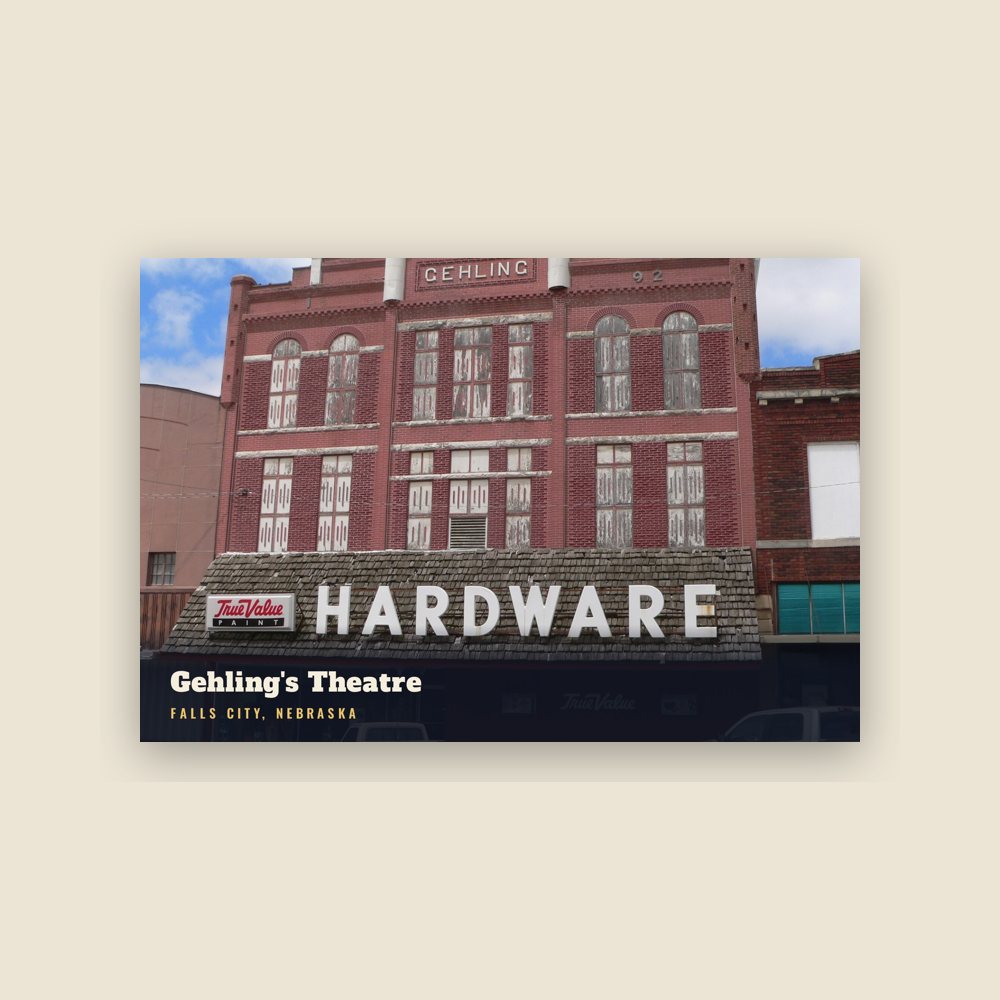
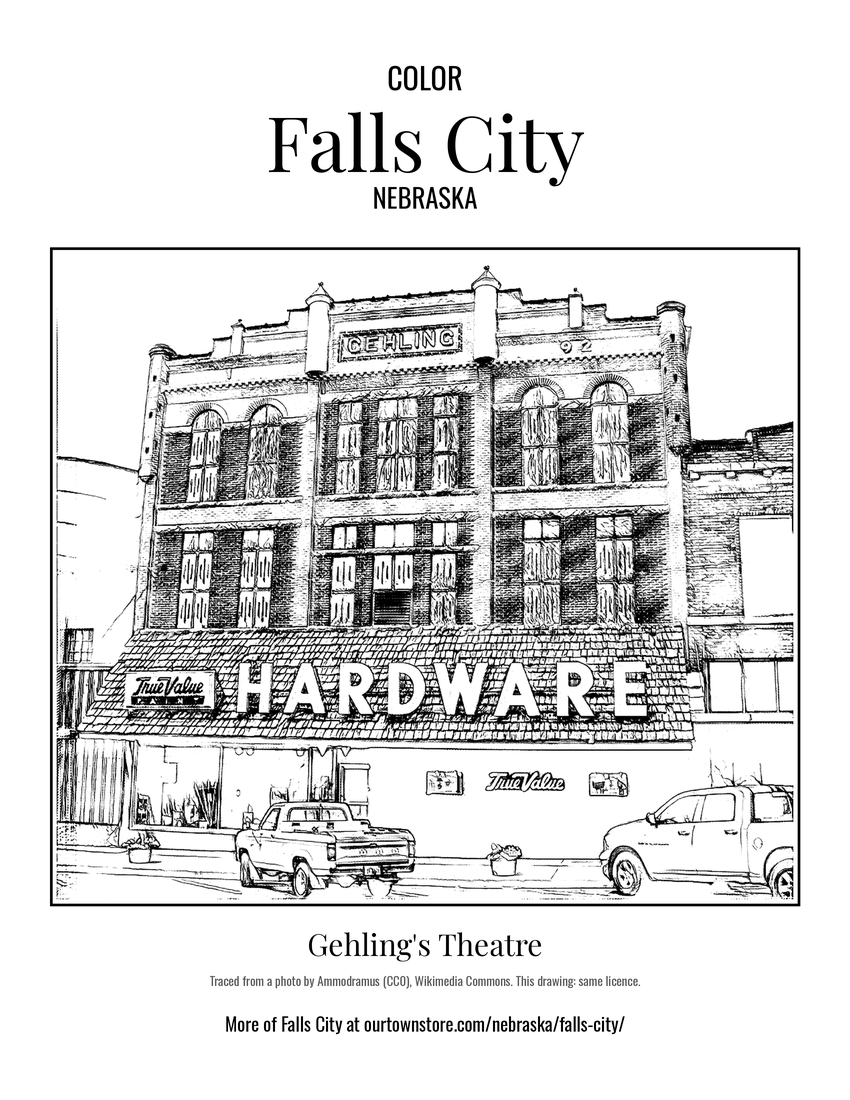 Gehling's Theatre
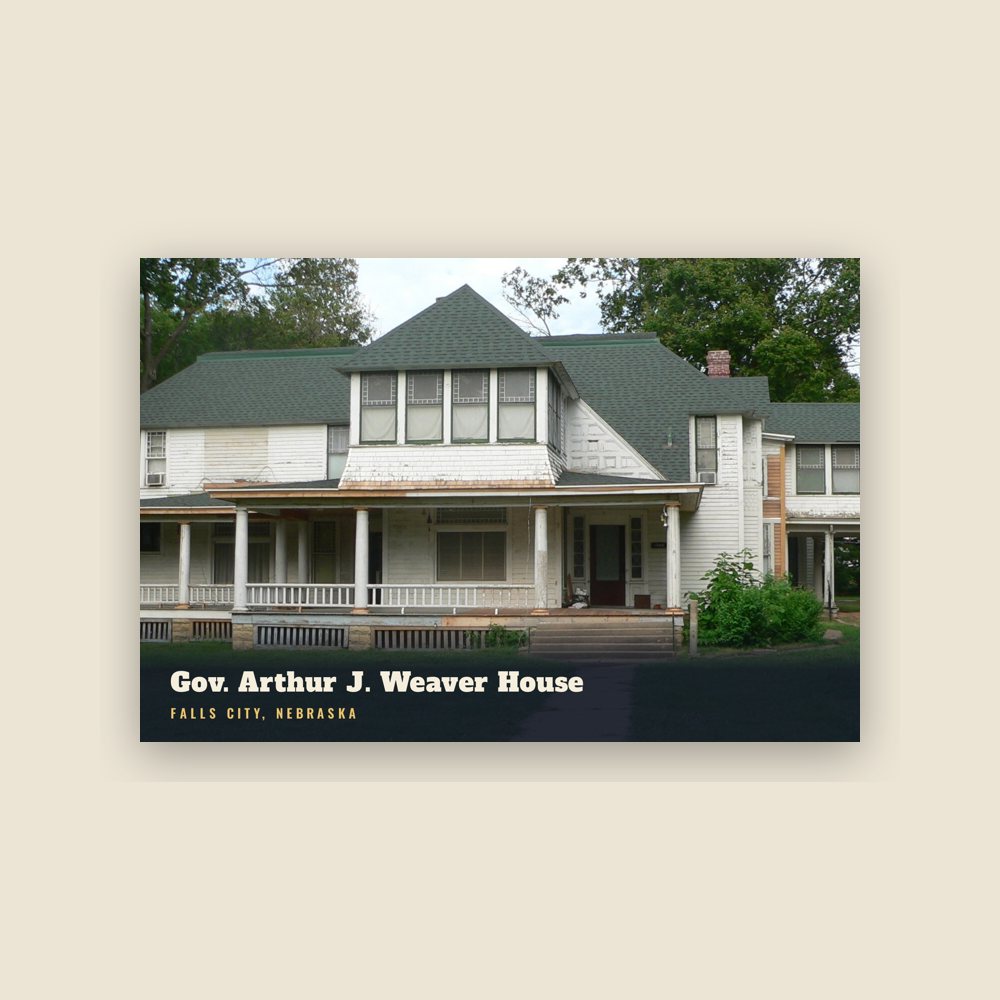
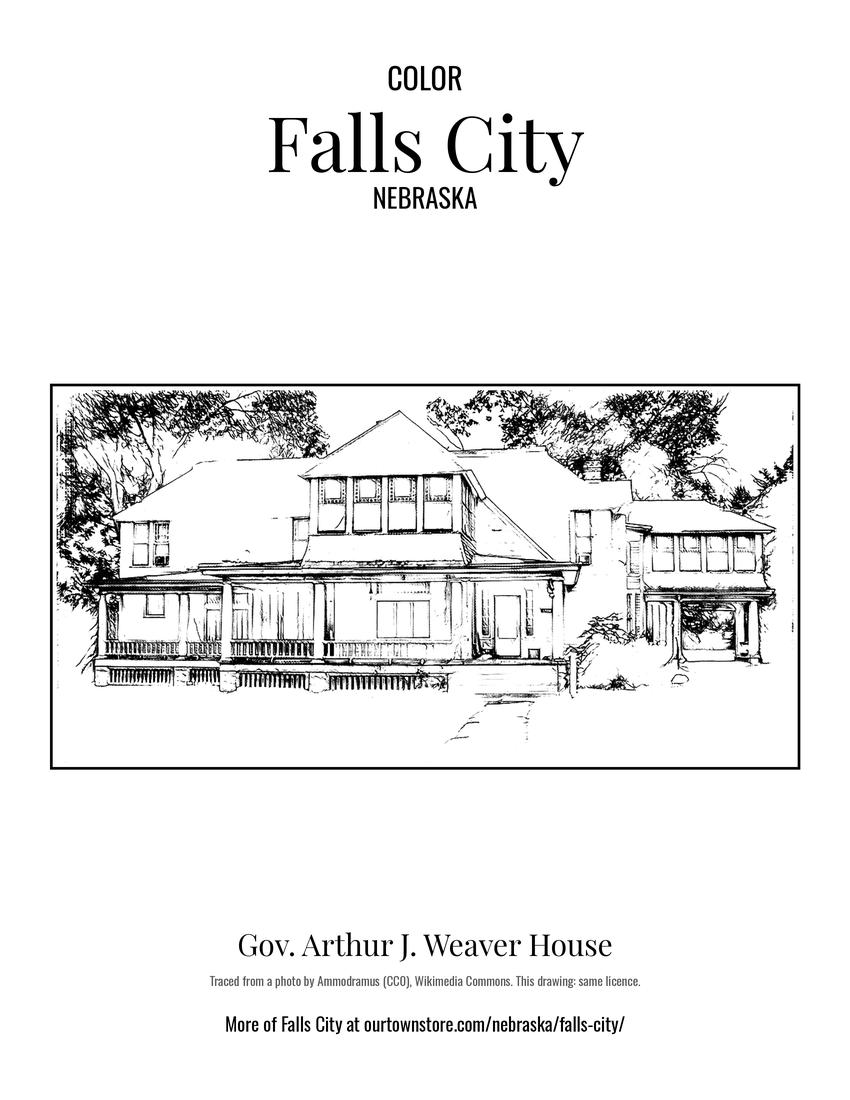 Gov. Arthur J. Weaver House