A short history of Blair
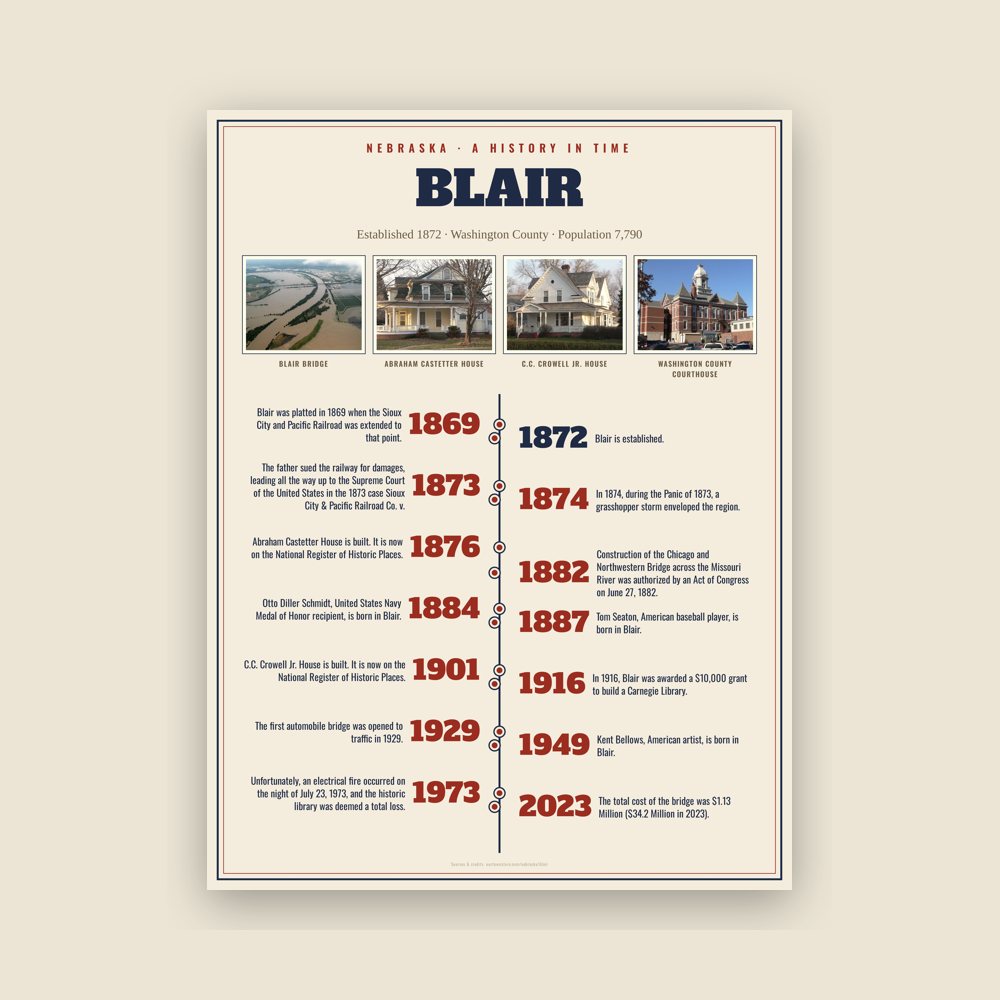
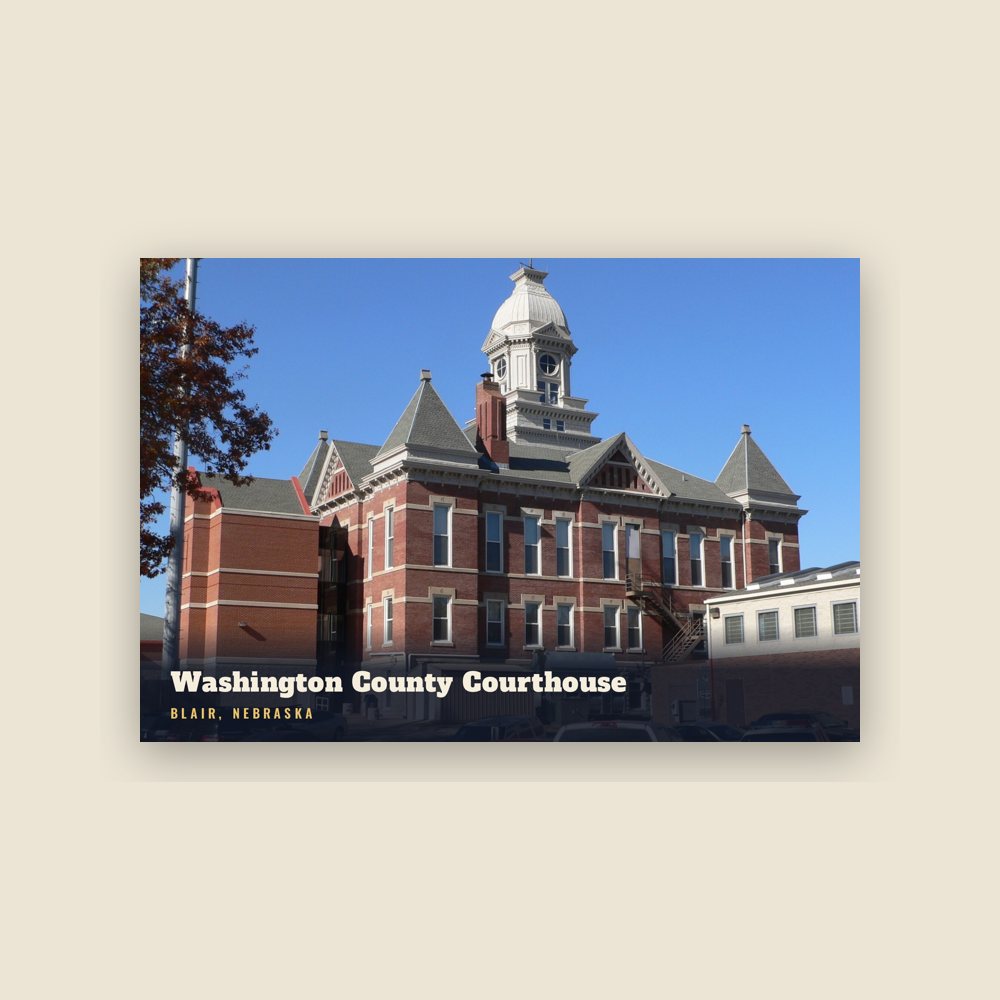
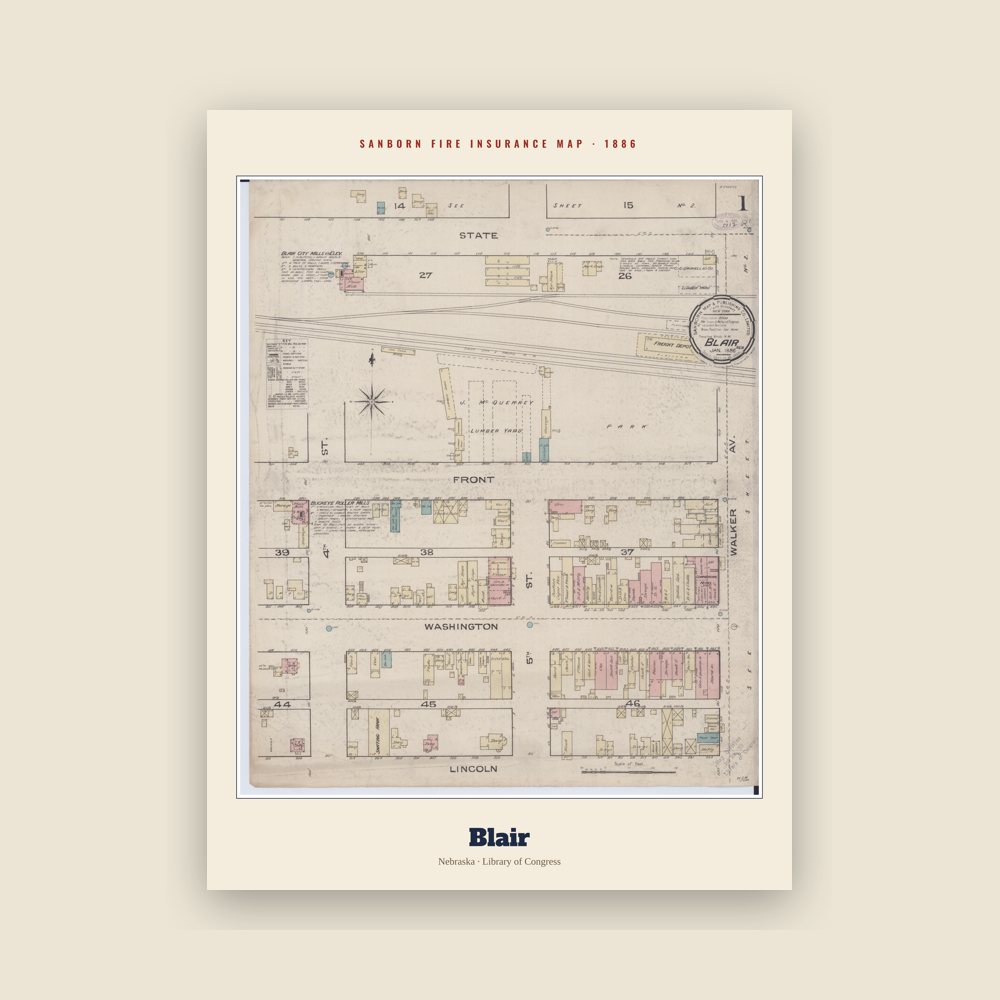
Blair was platted in 1869 when the Sioux City and Pacific Railroad was extended to that point. It was named for railroad magnate John Insley Blair, who was credited with bringing the railroad to town. Blair was incorporated as a city in 1872. Within its first year, Blair was designated county seat.
In March 1869, a small child playing on a railroad turntable in town was injured on the turntable. The father sued the railway for damages, leading all the way up to the Supreme Court of the United States in the 1873 case Sioux City & Pacific Railroad Co. v. Stout.
In 1874, during the Panic of 1873, a grasshopper storm enveloped the region. Many Nebraskans were faced with starvation. An organization, the Nebraska Relief and Aid Society was formed in order to help affected persons. A law was passed by congress awarding $100,000 relief, and many Blair citizens were awarded money. Both the newspapers and the railroads in the region helped transport supplies free of charge. Both the Nebraska State Guard and the United States Army helped distribute food and clothing.
Construction of the Chicago and Northwestern Bridge across the Missouri River was authorized by an Act of Congress on June 27, 1882. Construction began in September 1882, and it was open for rail traffic in November 1883. The total cost of the bridge was $1.13 Million ($34.2 Million in 2023). The first automobile bridge was opened to traffic in 1929.
In 1916, Blair was awarded a $10,000 grant to build a Carnegie Library. Unfortunately, an electrical fire occurred on the night of July 23, 1973, and the historic library was deemed a total loss.
Adapted (trimmed) from the Wikipedia article Blair, Nebraska, revision 1377118981 by its contributors, licensed CC BY-SA 4.0.
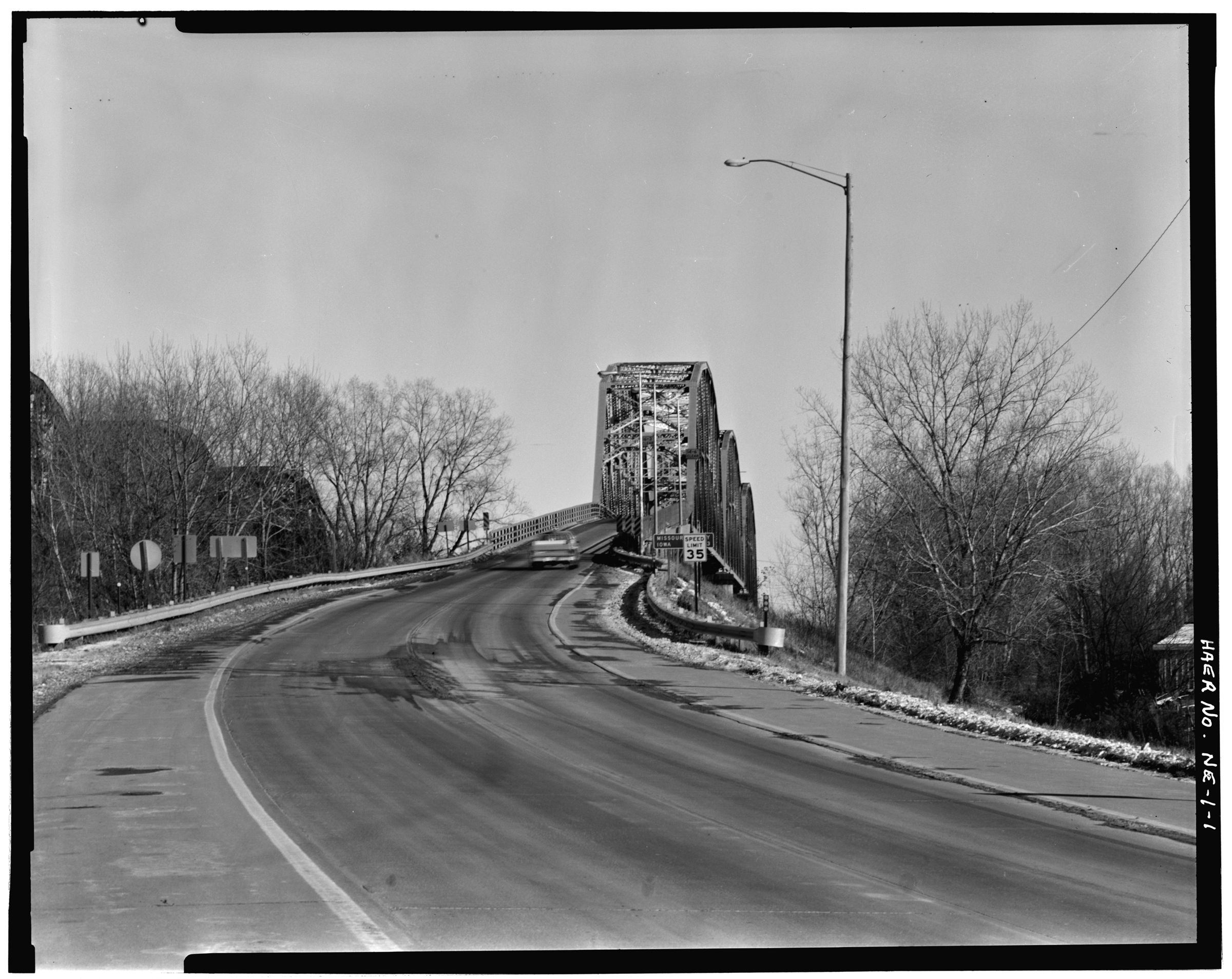
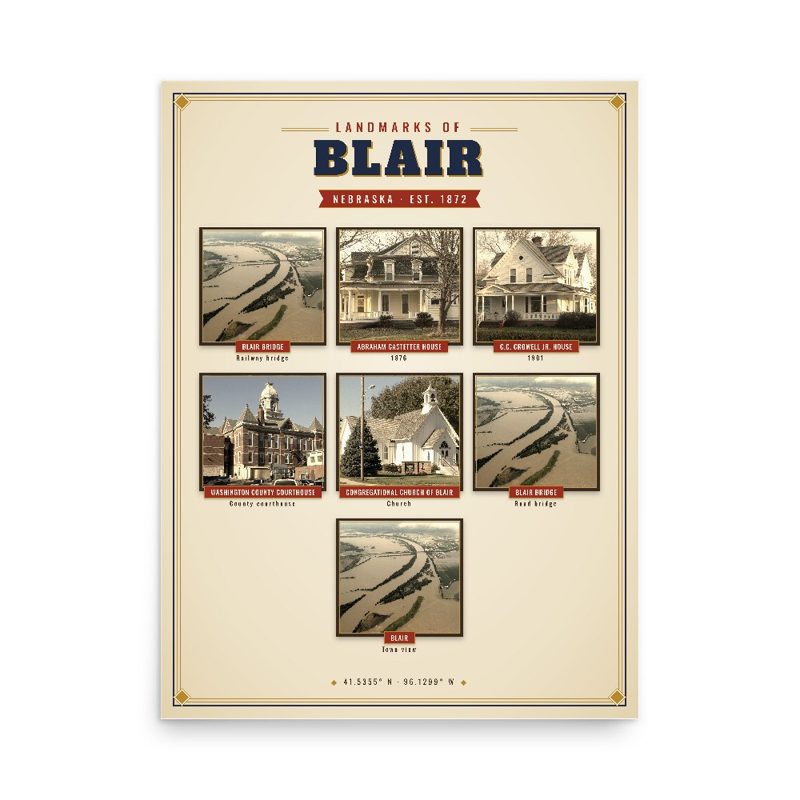
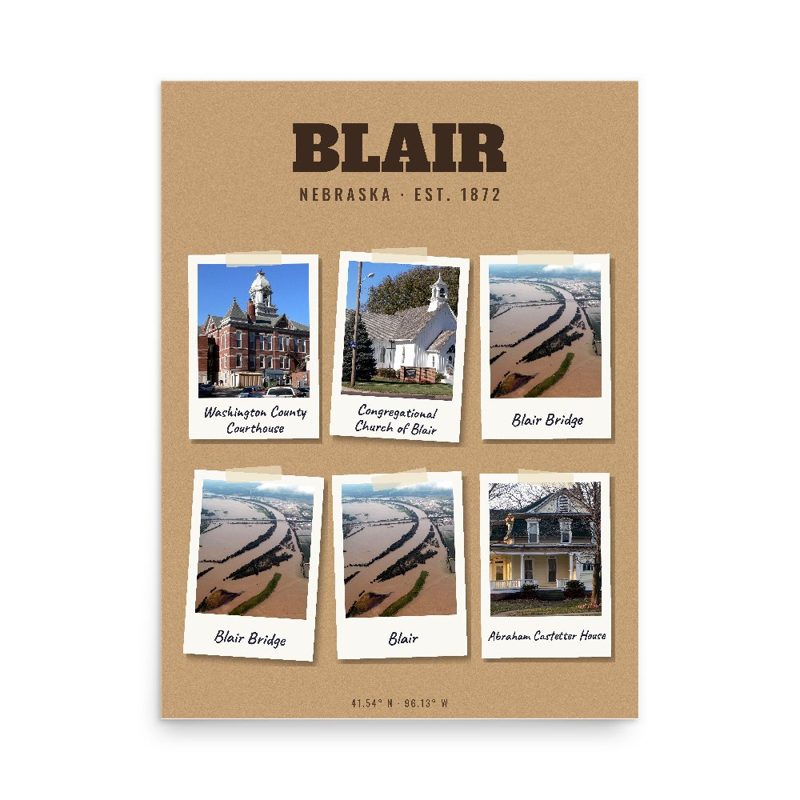
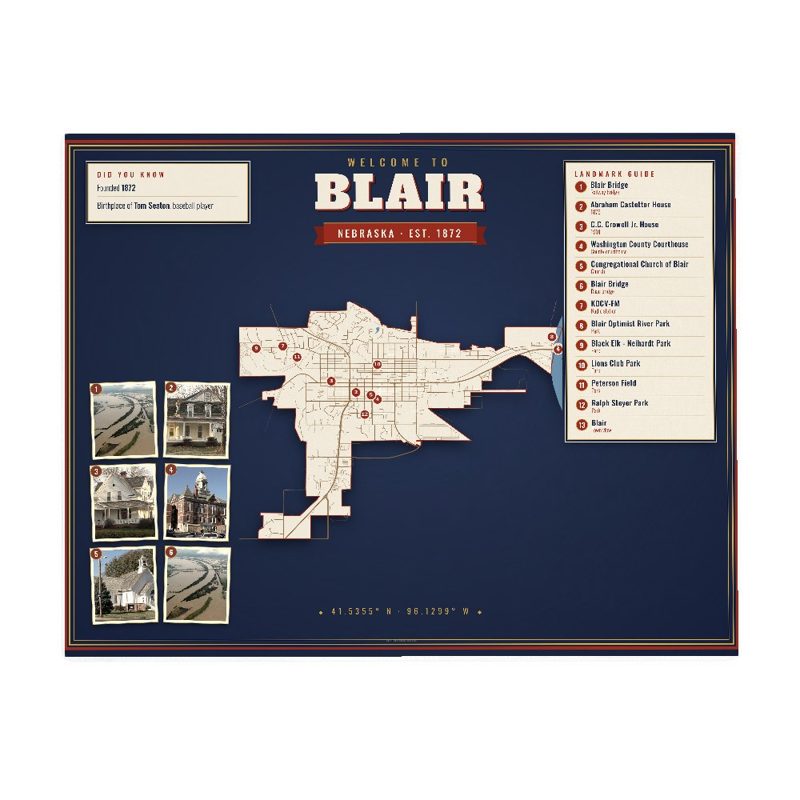








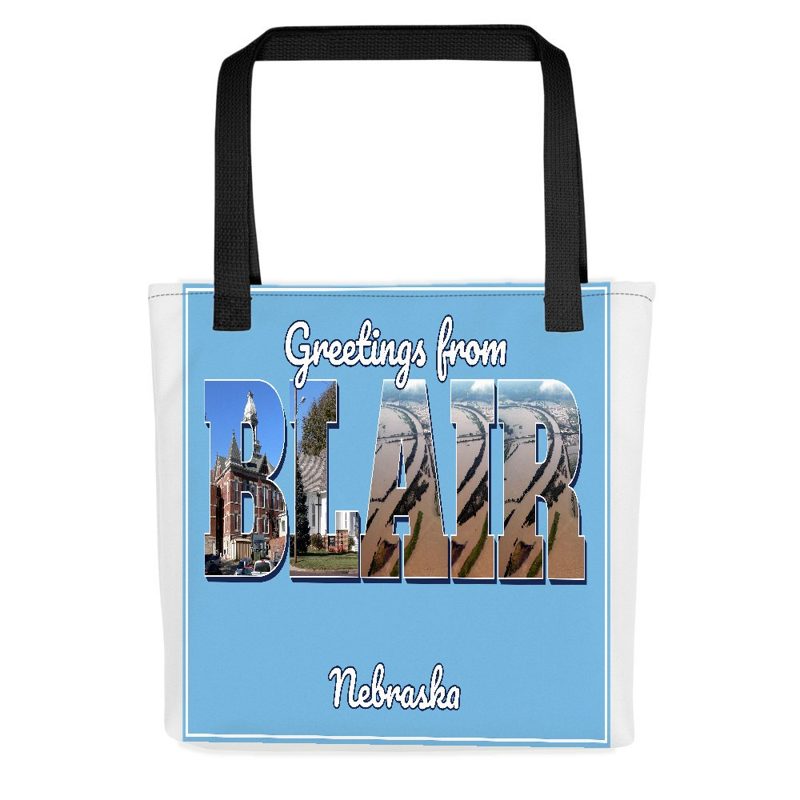

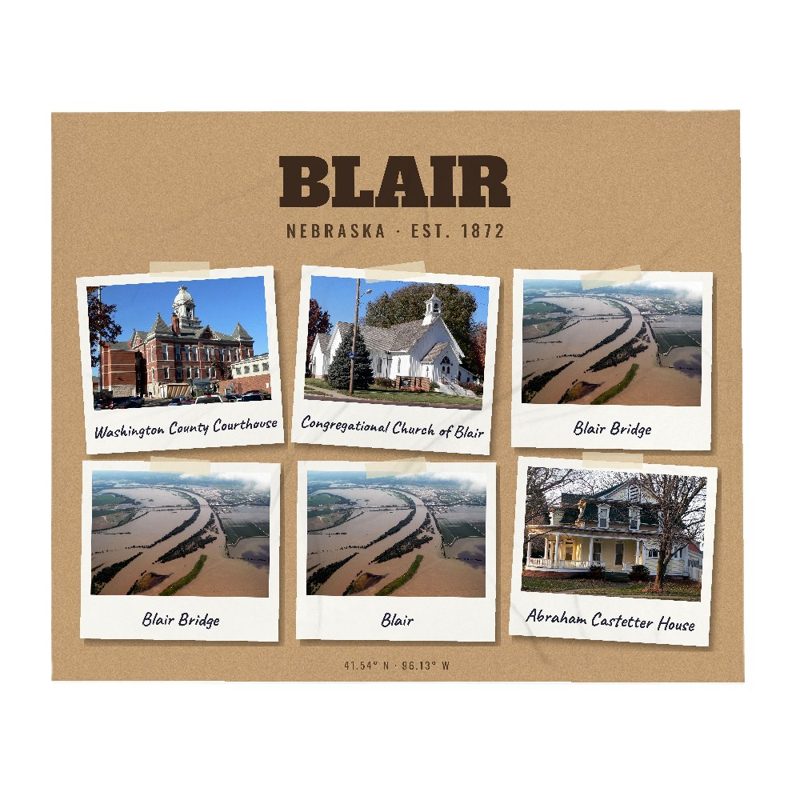
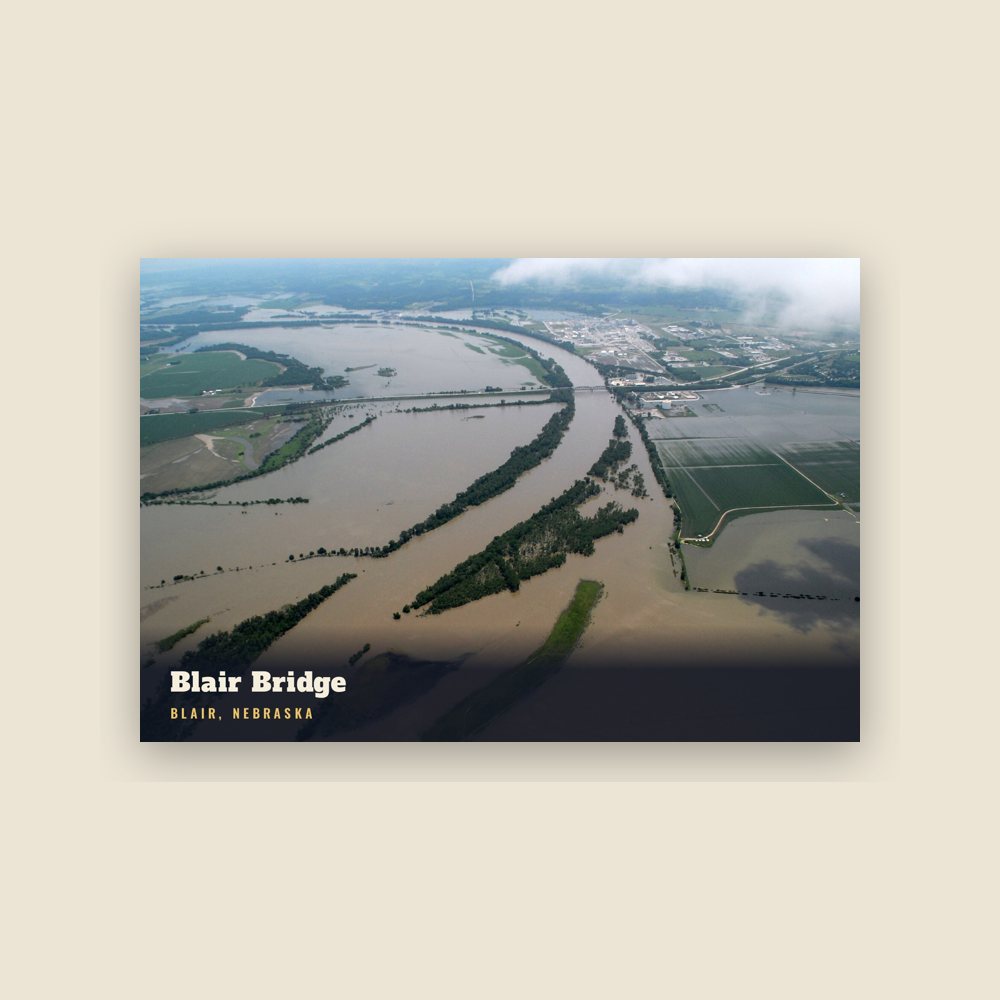
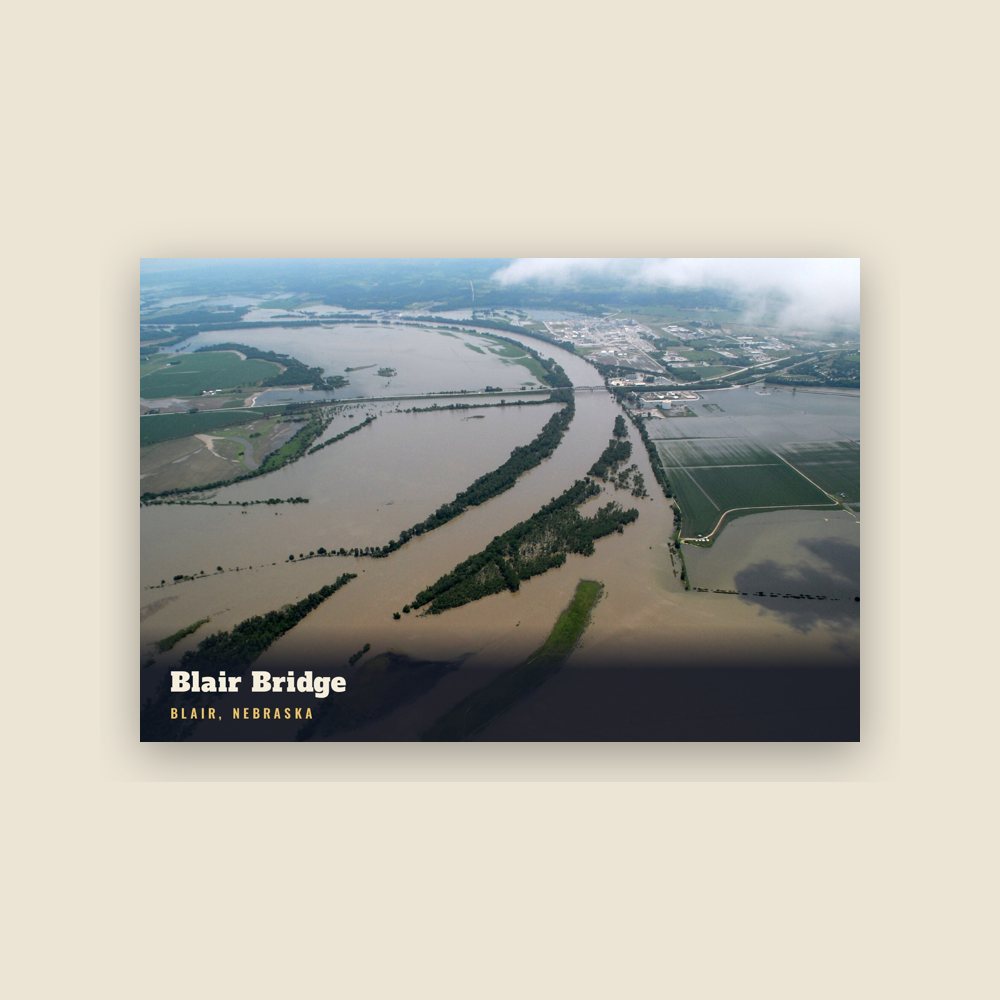
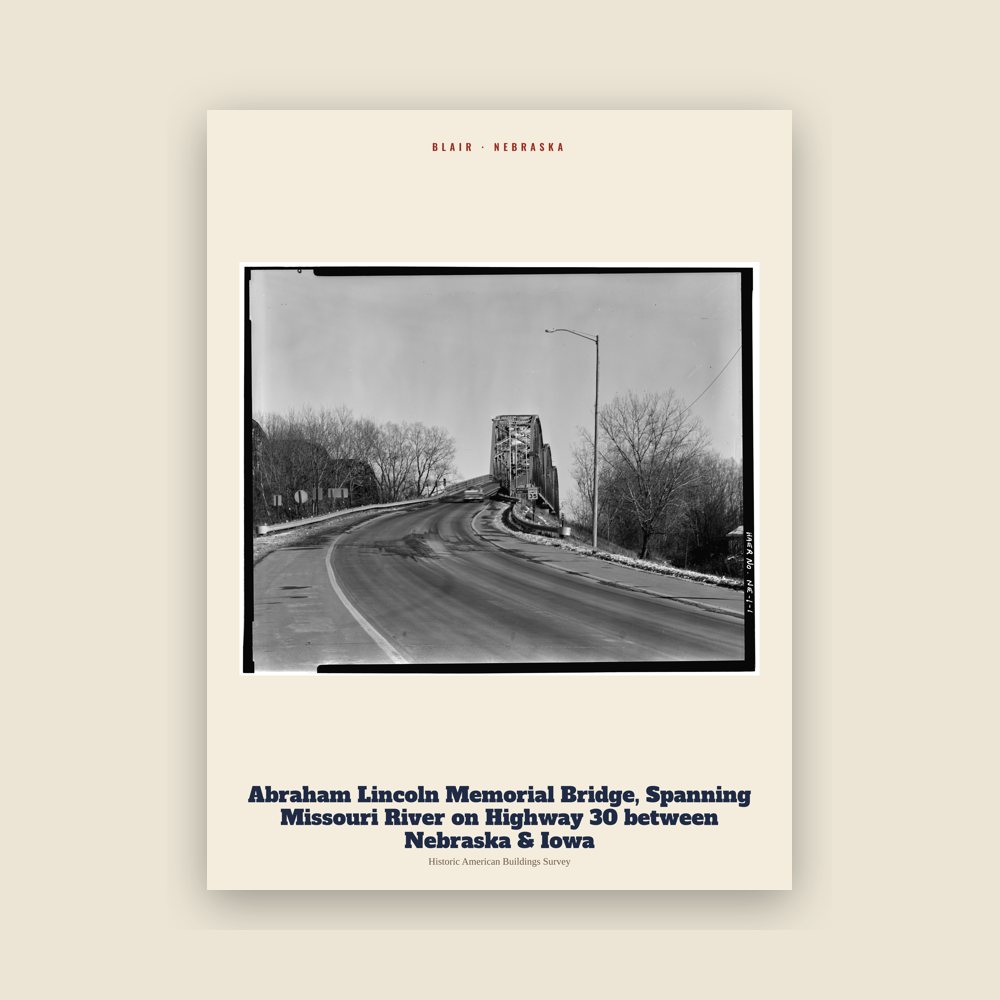
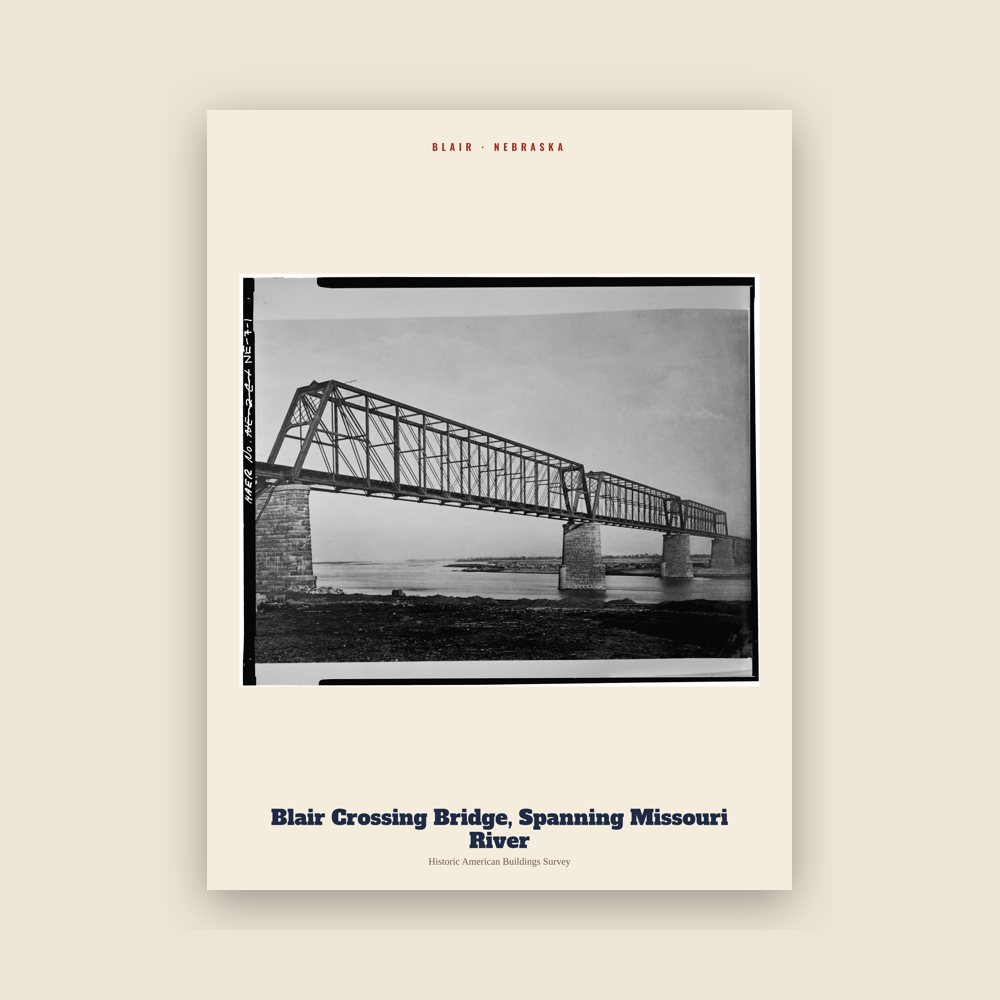
 Blair Bridge
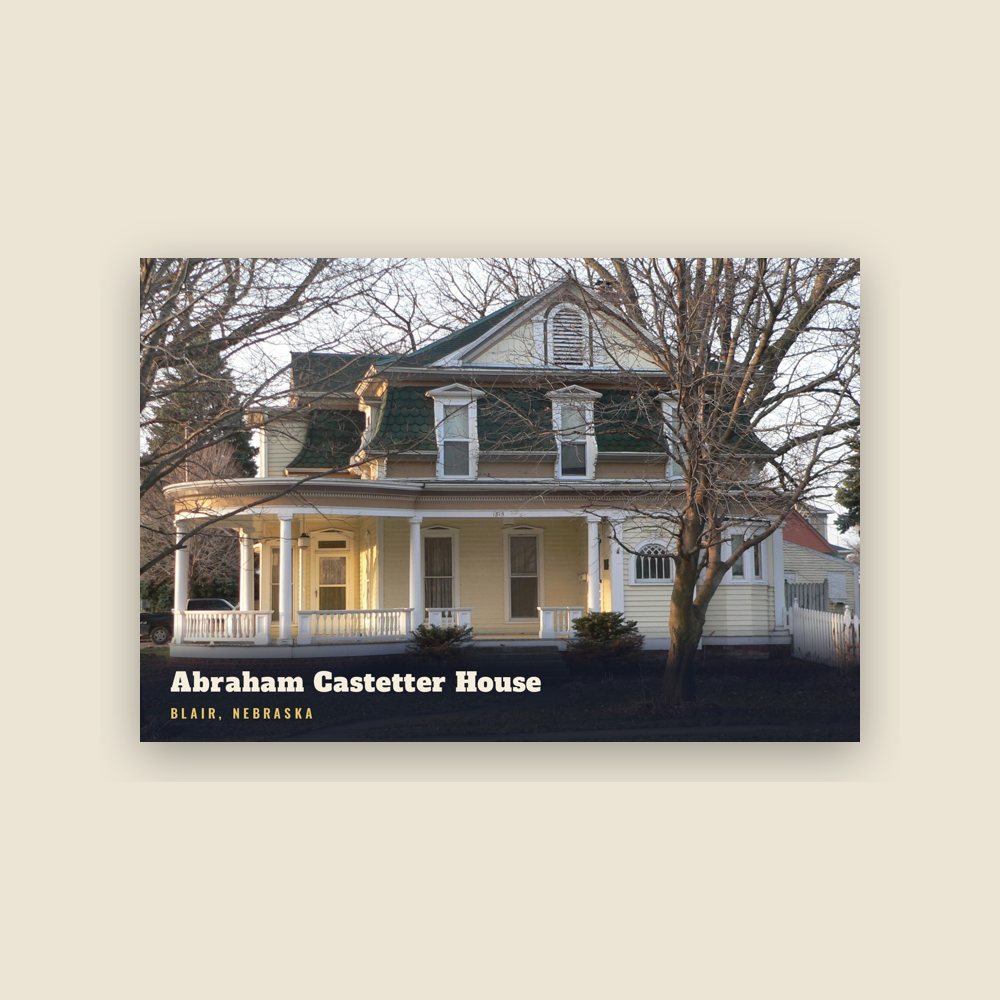
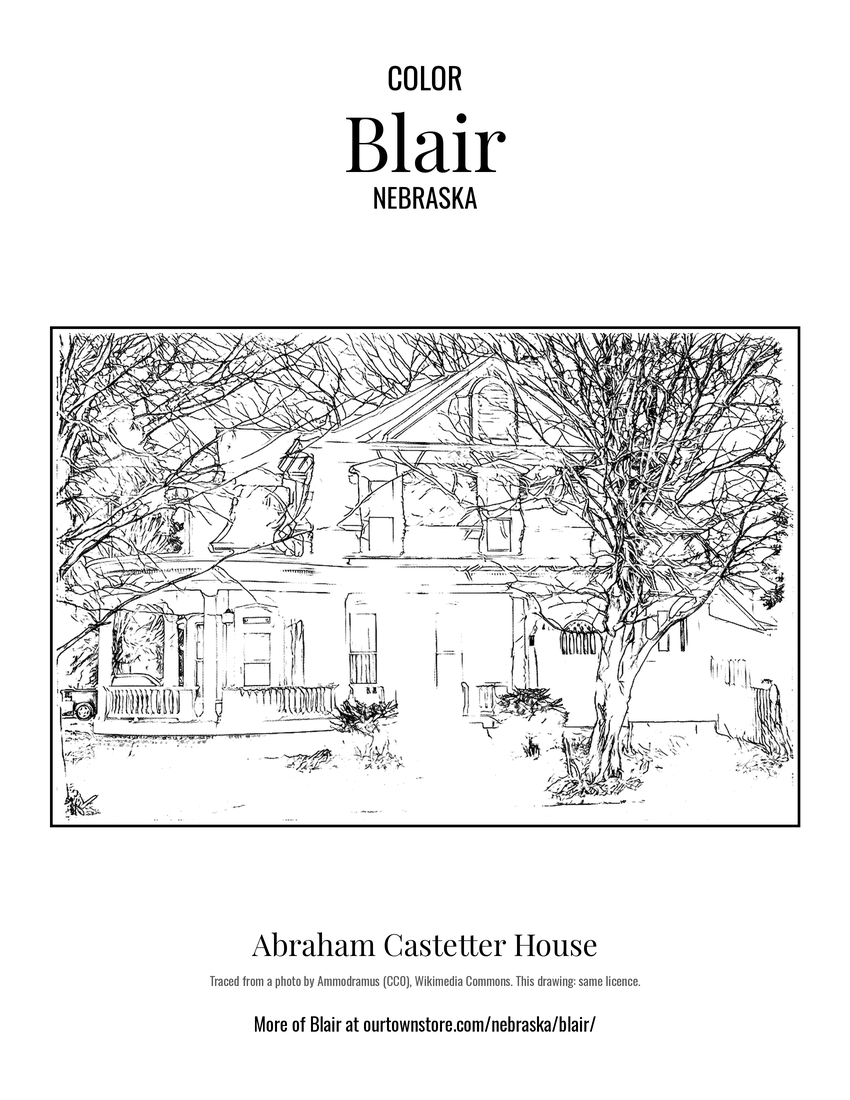 Abraham Castetter House
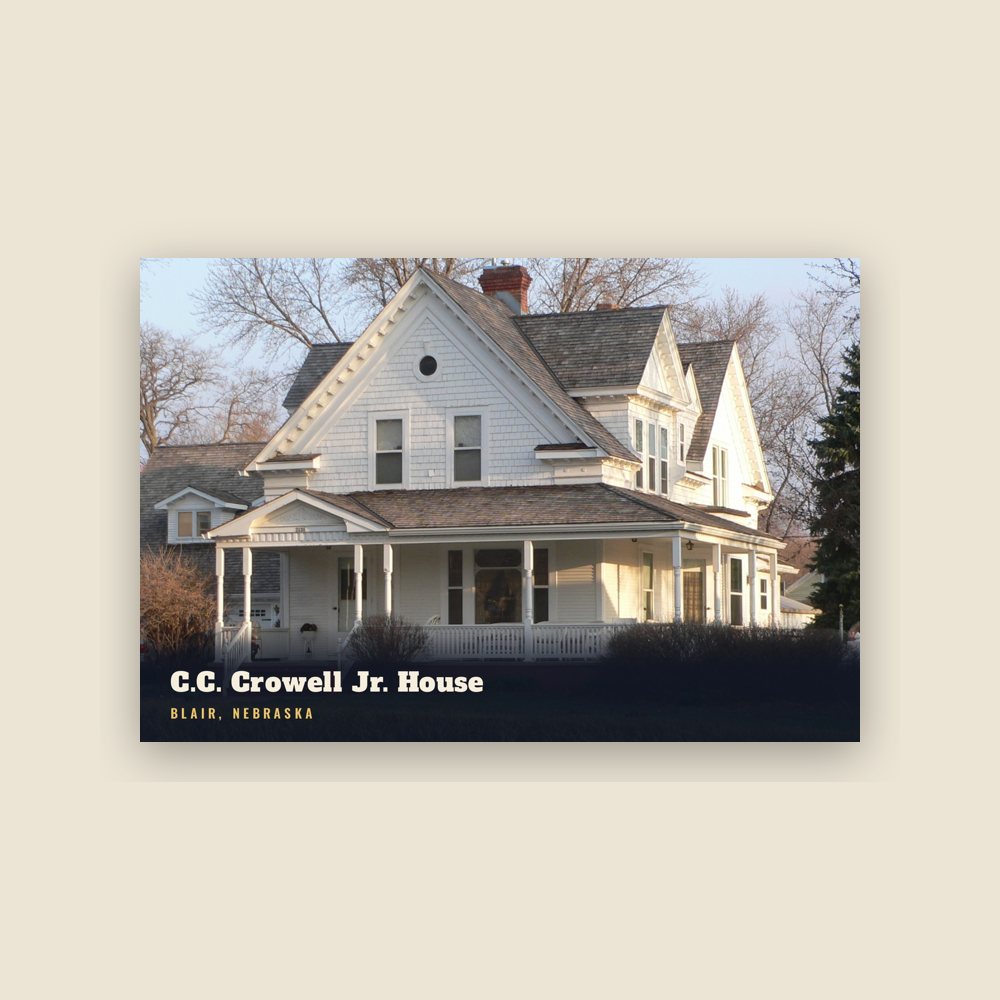
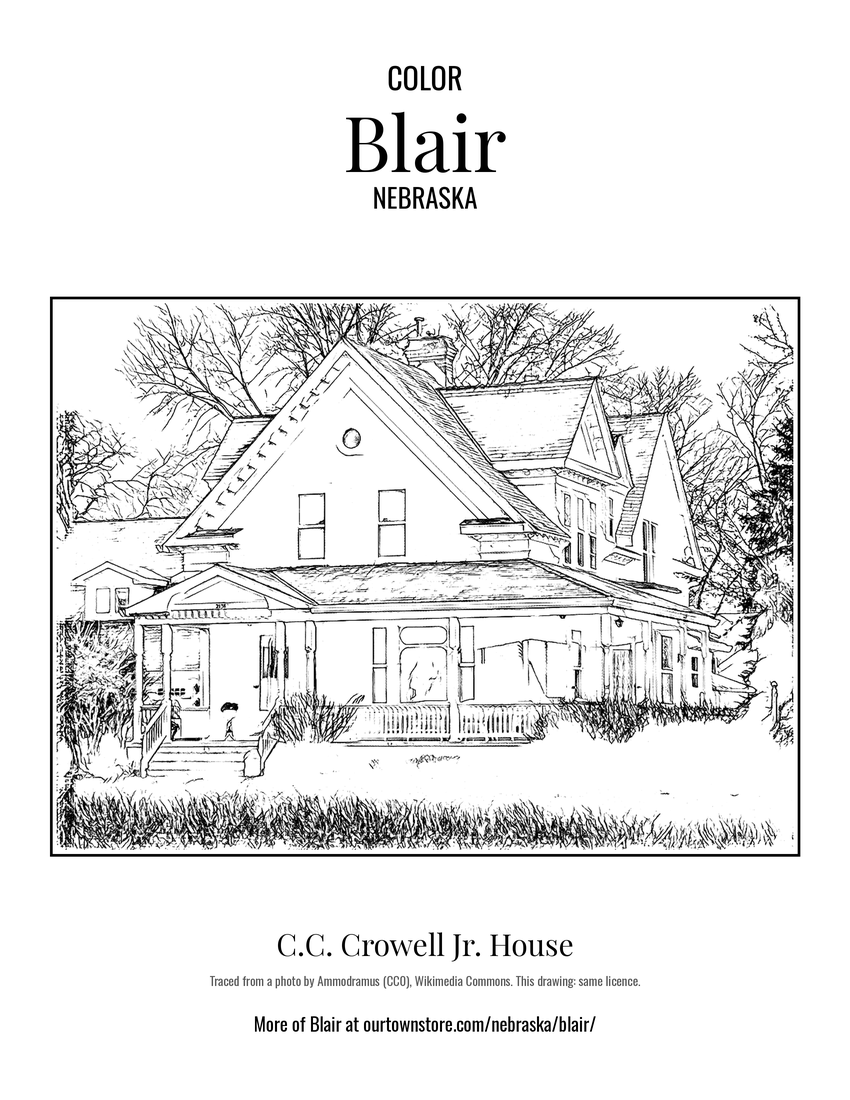 C.C. Crowell Jr. House
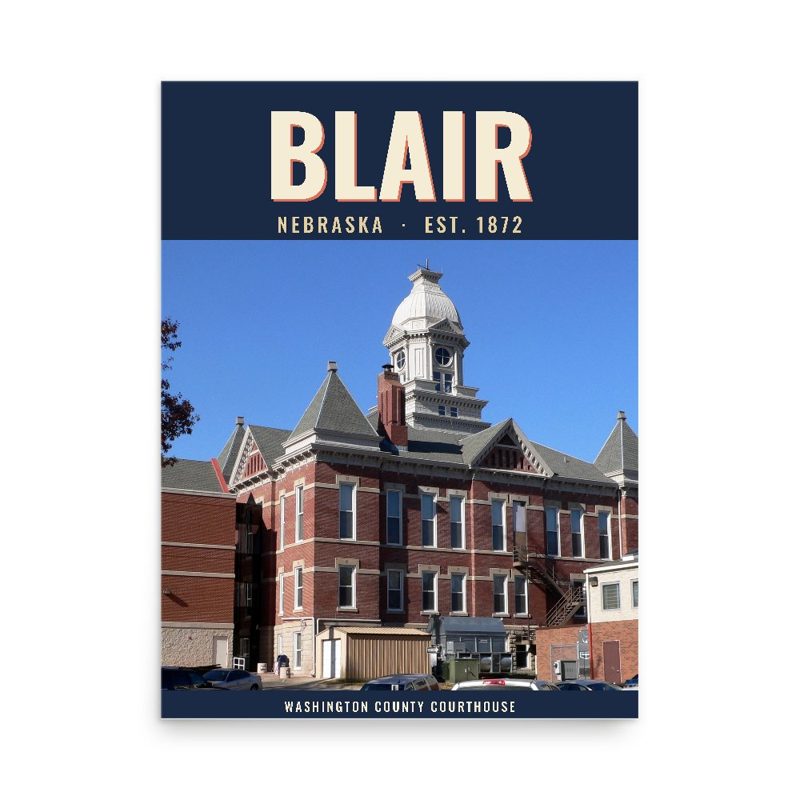
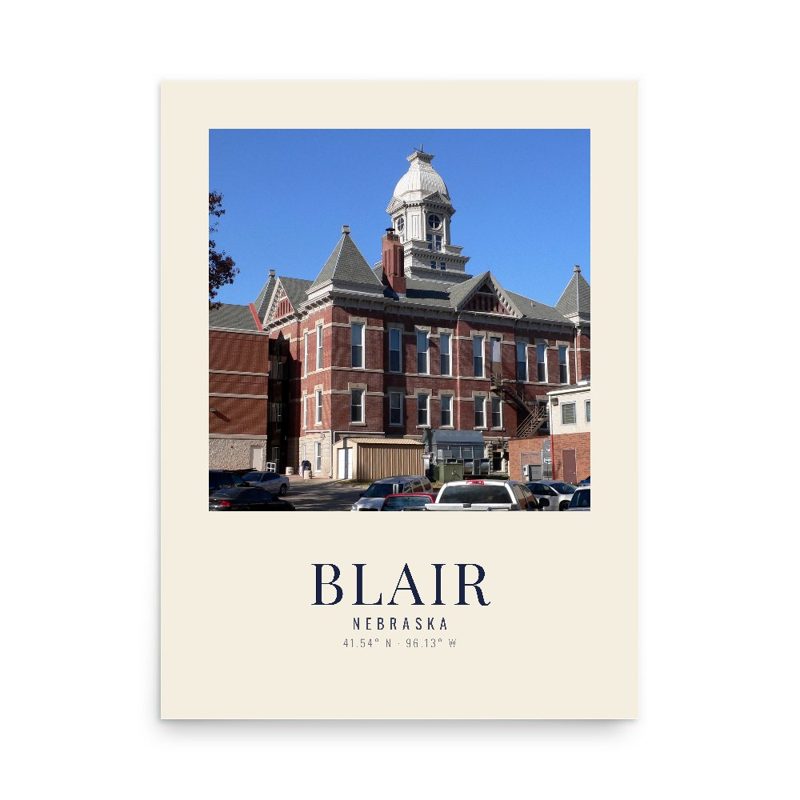
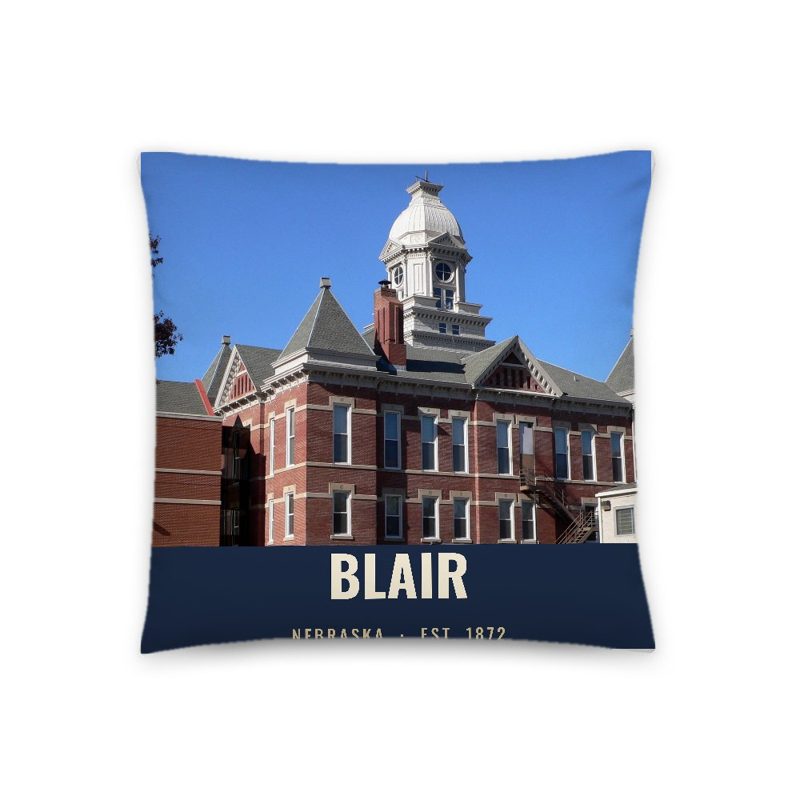
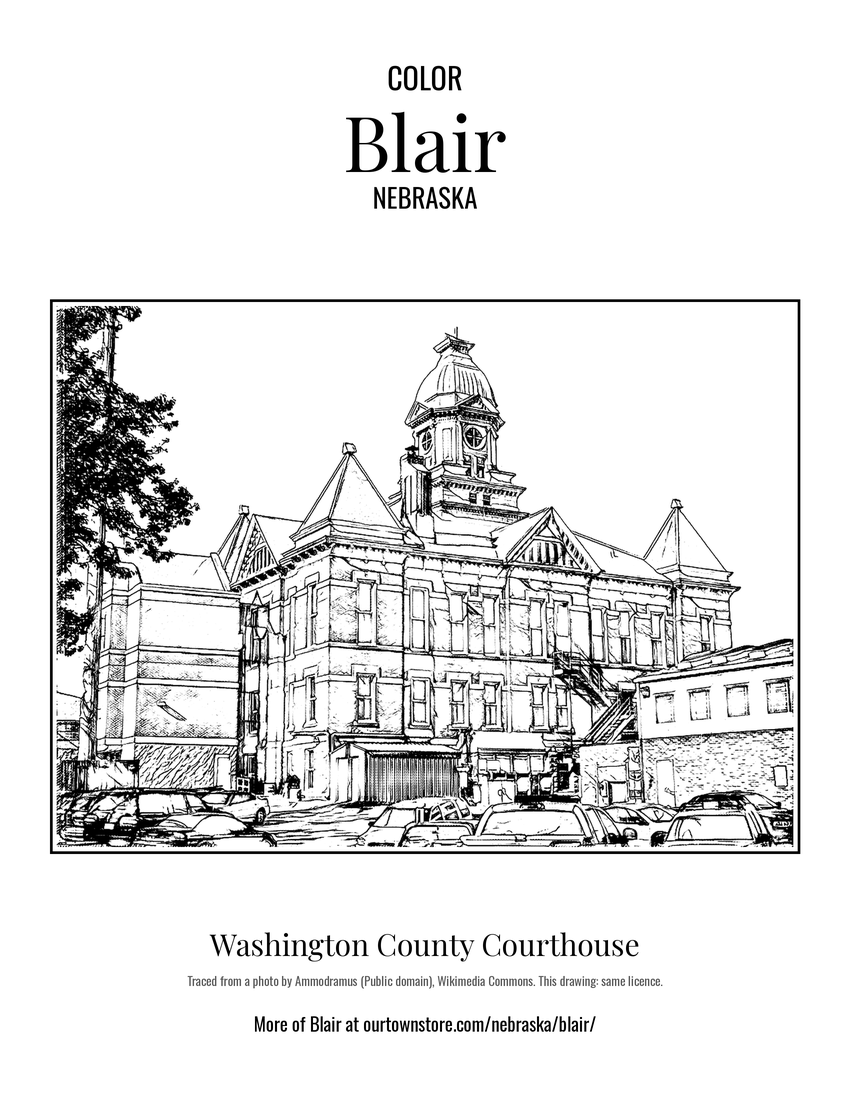 Washington County Courthouse