A short history of Virginia City
Founding
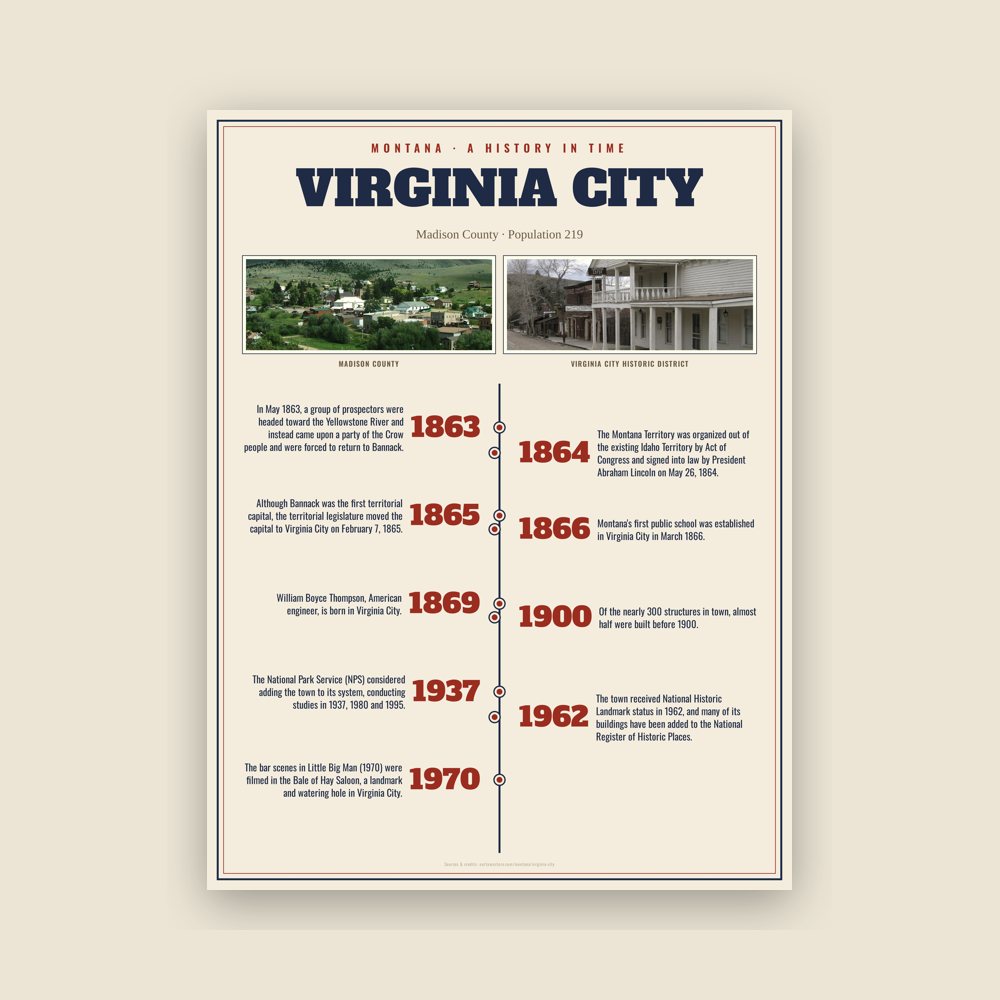
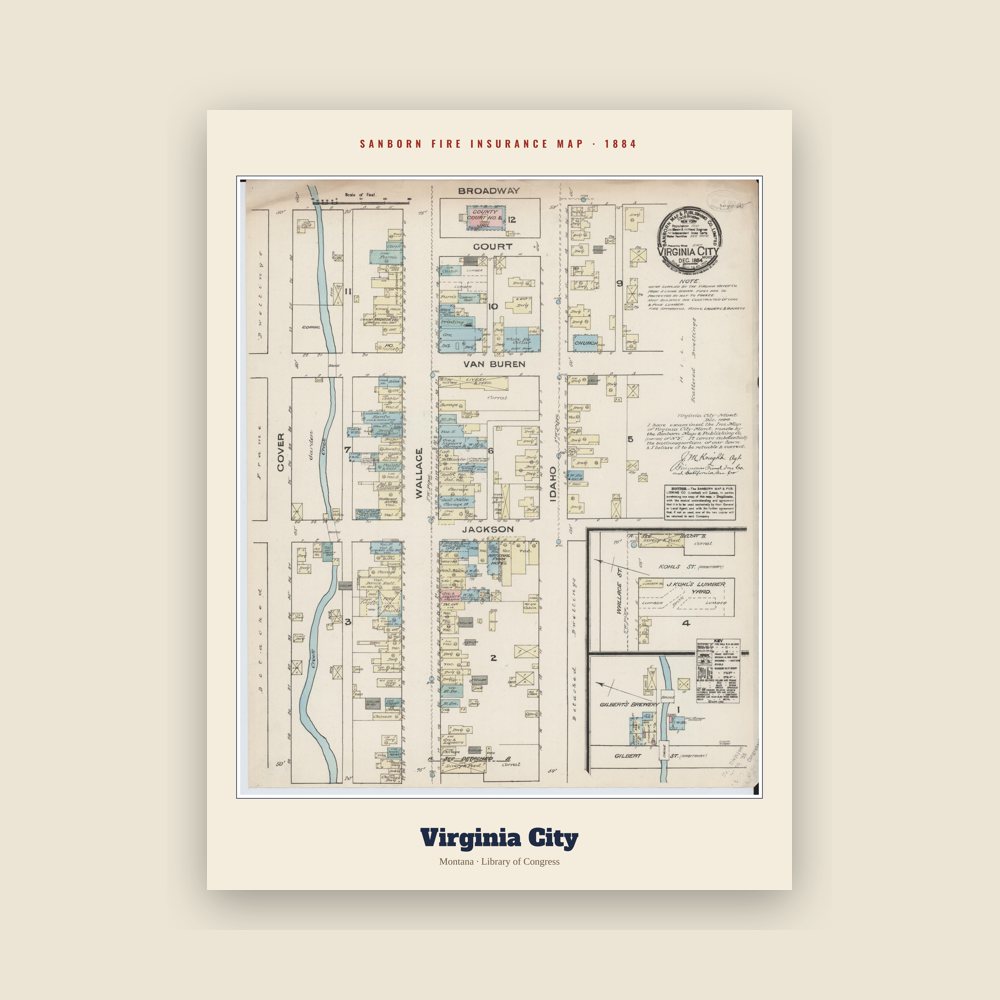
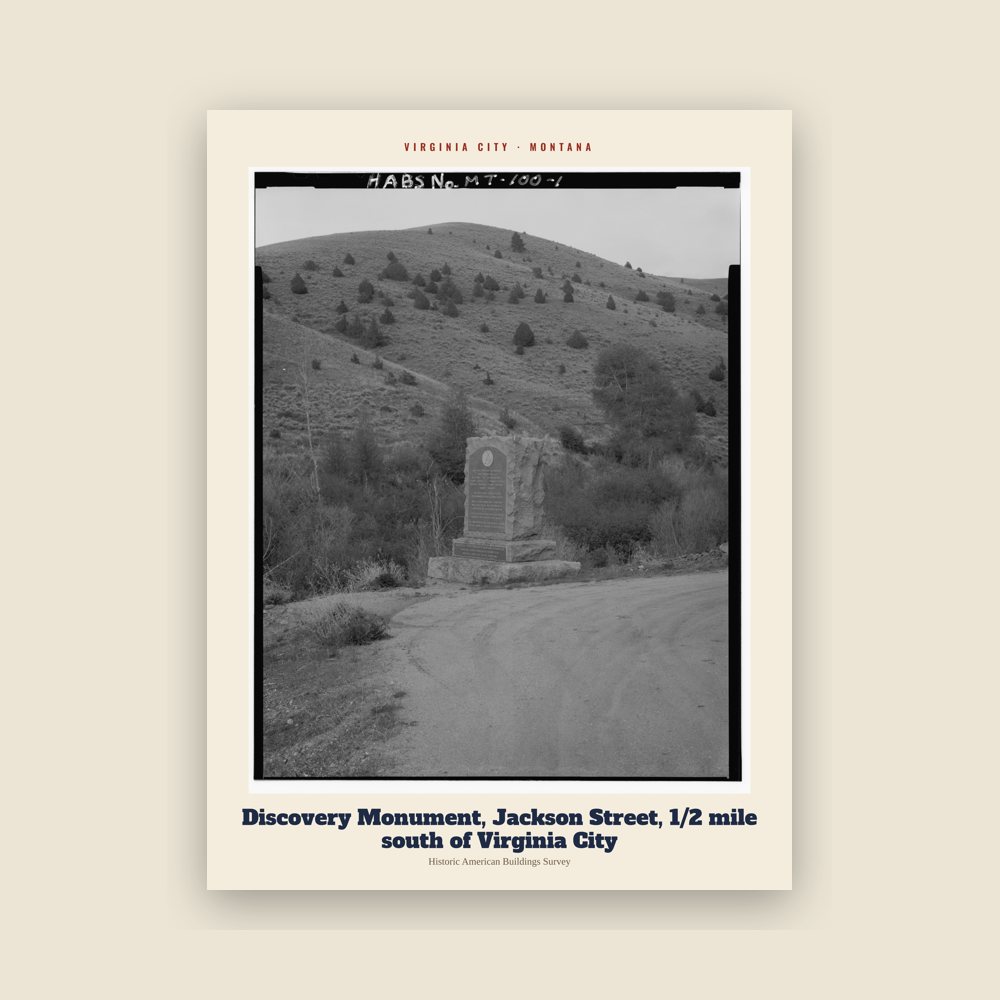
In May 1863, a group of prospectors were headed toward the Yellowstone River and instead came upon a party of the Crow people and were forced to return to Bannack. On May 26, 1863, Bill Fairweather and Henry Edgar discovered gold near Alder Creek. The prospectors could not keep the site a secret and were followed on their return to the gold-bearing site. A mining district was set up in order to formulate rules about individual gold claims. On June 16, 1863, the township was formed under the name of "Verina" a mile south of the gold fields. The name was intended to honor Varina Howell Davis, the first and only First Lady of the Confederate States of America during the American Civil War. Verina, although in Union territory, was founded by men whose loyalties were thoroughly Confederate. Upon registration of the name, a Connecticut judge, G. G. Bissell, objected to their choice and recorded it as Virginia City.
Within weeks Virginia City was a boomtown of thousands of prospectors and fortune seekers in the midst of a gold rush. The remote region of the Idaho Territory was without law enforcement or justice system, with the exception of miners' courts. In late 1863, the great wealth in the region, lack of a justice system and the insecure means of travel gave rise to serious criminal activity, especially robbery and murder along the trails and roads of the region. "Road agents", as they became known, were ultimately responsible for up to 100 deaths in the region in 1863 and 1864. This resulted in the formation of the Vigilance Committee of Alder Gulch and the infamous Montana Vigilantes. Up to 15 road agents were hanged by the vigilantes in December 1863 and January 1864, including the sheriff of Bannack and alleged leader of the road agent gang, Henry Plummer.
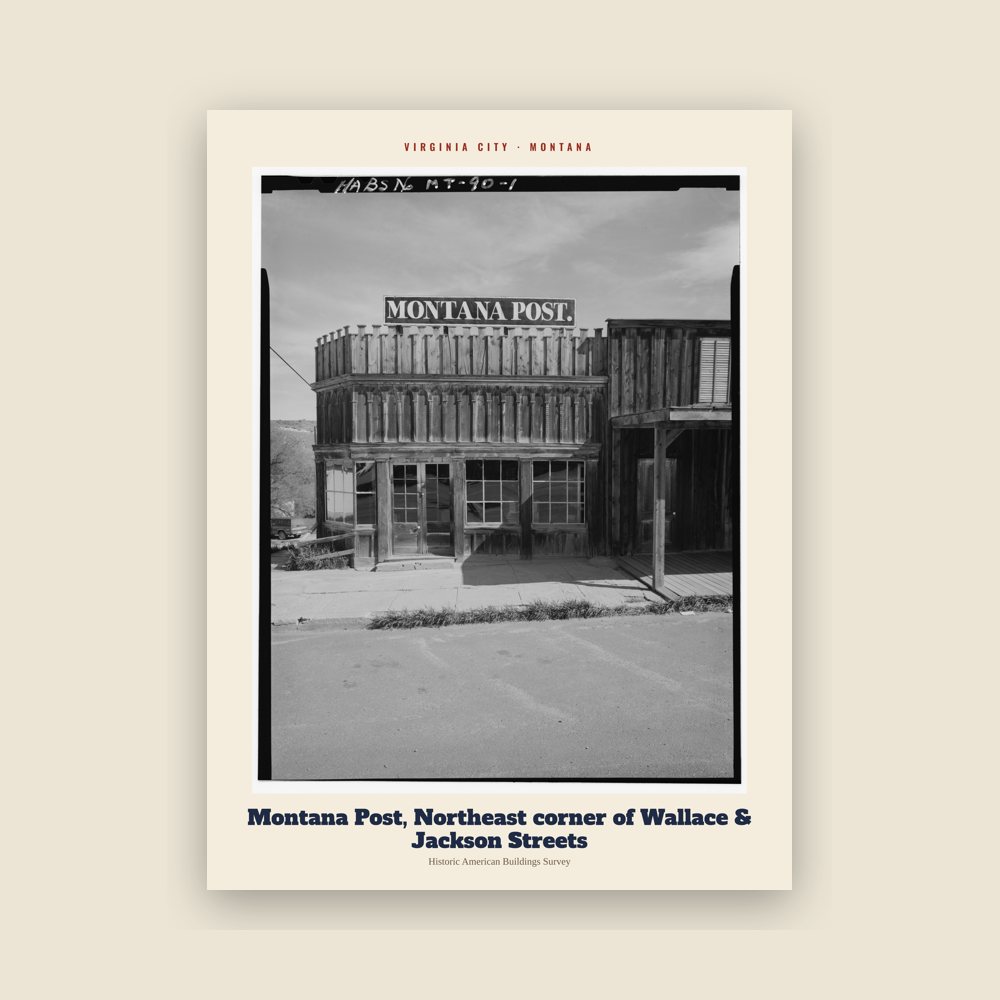
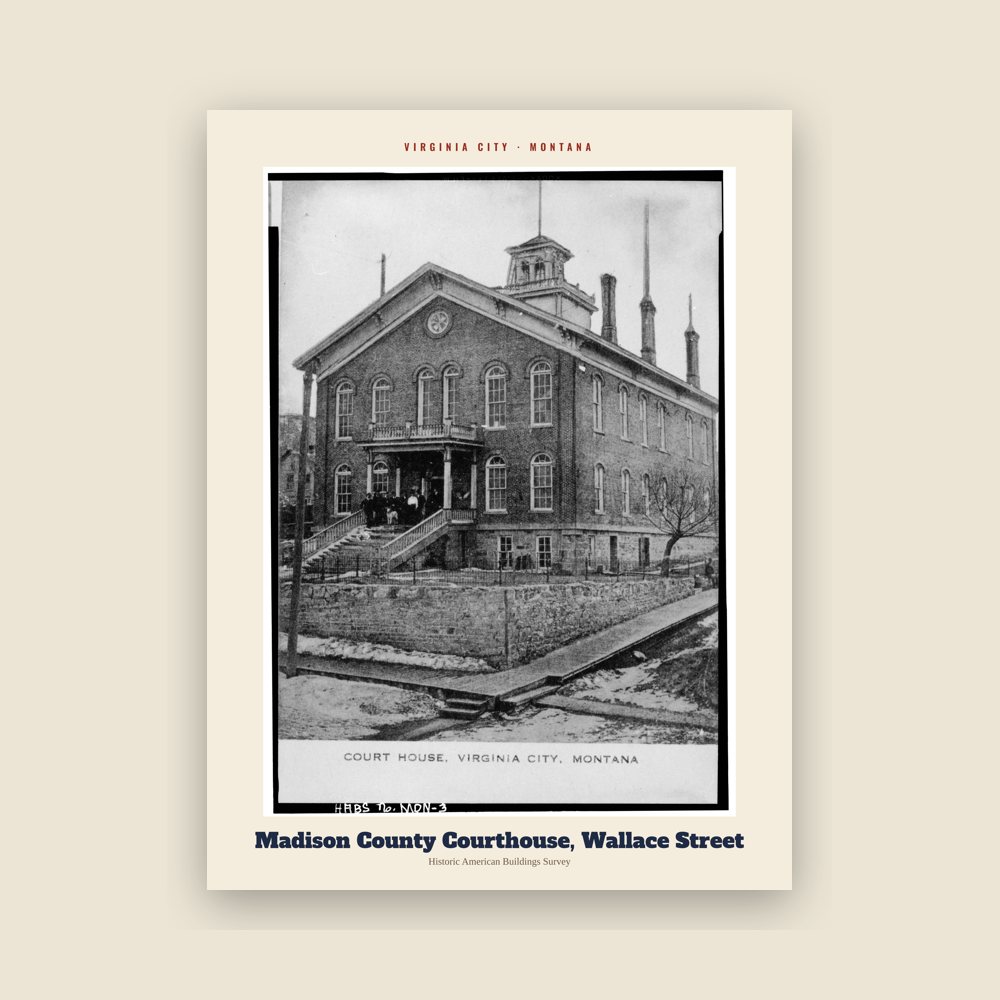
The Montana Territory was organized out of the existing Idaho Territory by Act of Congress and signed into law by President Abraham Lincoln on May 26, 1864. Although Bannack was the first territorial capital, the territorial legislature moved the capital to Virginia City on February 7, 1865. It remained the capital until April 19, 1875, when it moved to Helena. Thomas Dimsdale began publication of Montana's first newspaper, the Montana Post, in Virginia City on August 27, 1864. Montana's first public school was established in Virginia City in March 1866.
Read the full history
Preservation
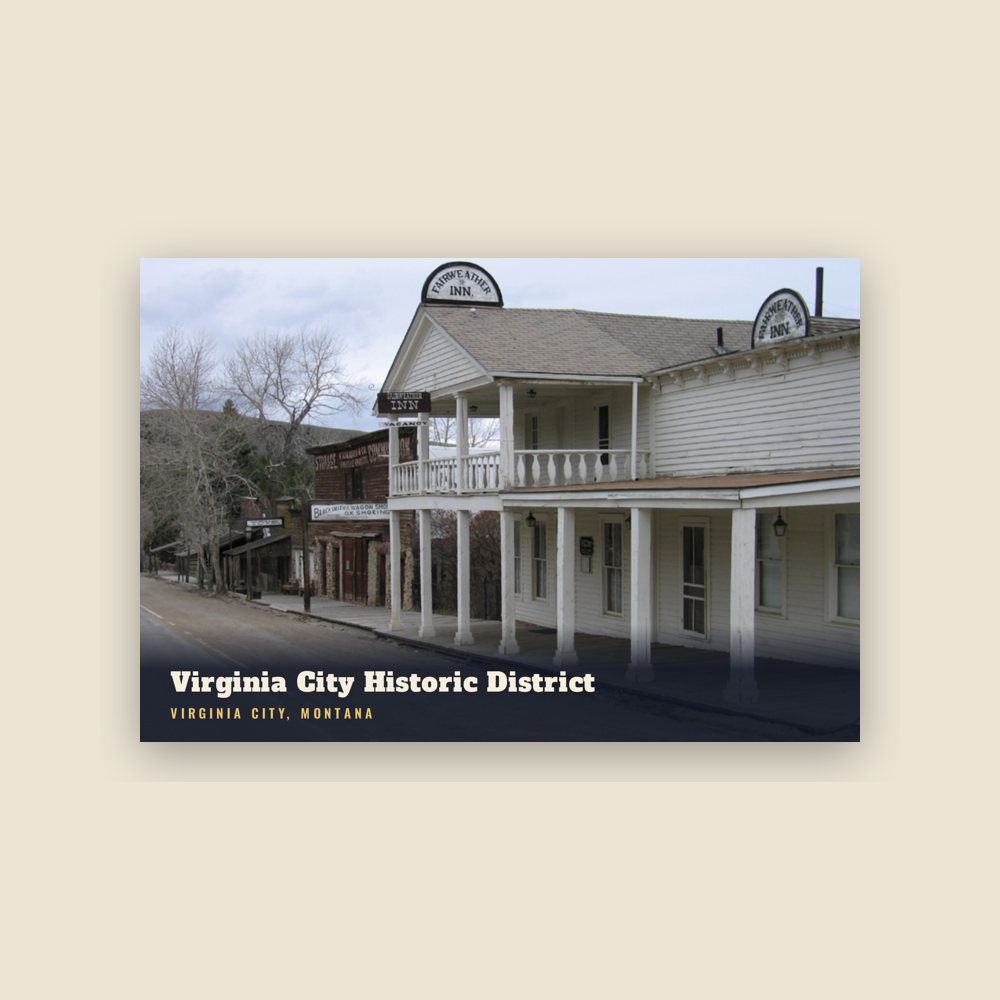
Virginia City's population dwindled starting in the 1880s as the easily-extracted placer gold played out and miners moved away. Federal monetary policy in the 1930s reduced the gold content of the U.S. dollar, making gold relatively more valuable, which led to some gold mining revival across the west. However, in 1942, the National War Labor Board's Limitation Order 209 made nearly all gold mining in the United States illegal, practically shuttering the gold mining industry in the United States. By the mid- to late-1940s, the town's gold rush-era buildings were being abandoned or dismantled for their lumber. Charles and Sue Bovey began buying the town, putting much needed maintenance into failing structures. The ghost town of Virginia City began to be restored for tourism in the 1950s. The Boveys operated the town as an open-air museum complete with artifacts and living history enactments. Of the nearly 300 structures in town, almost half were built before 1900. Buildings in their original condition with Old West period displays and information plaques stand next to presently active restaurants, gift shops, and other businesses. The town received National Historic Landmark status in 1962, and many of its buildings have been added to the National Register of Historic Places.
The National Park Service (NPS) considered adding the town to its system, conducting studies in 1937, 1980 and 1995. In the end, the state of Montana bought most of the historic buildings after the legislature authorized the purchase of the Bovey properties. Today, the Historic District of Virginia City and Nevada City is operated by the Montana Heritage Commission, with financial and technical assistance from the NPS. The commission operates gold panning, the Nevada City Music Hall and Museum, and the Alder Gulch Railroad.
Virginia City also has a Boot Hill cemetery, where the graves of Jack Gallagher, Boone Helm, "Clubfoot" George Lane, Hayes Lyons, and Frank Parrish—all road agents killed during Virginia City's vigilante era—are placed in a location neighboring Virginia City's main graveyard. The 2 ft 6 in (762 mm) narrow-gauge Alder Gulch Short Line Railroad transports passengers by rail to the nearby ghost town of Nevada City and back.
The backdrop as well as the staged bar photos used in fine art pieces by David Yarrow are located in Virginia City at the Pioneer bar.
Filmography
The bar scenes in Little Big Man (1970) were filmed in the Bale of Hay Saloon, a landmark and watering hole in Virginia City.
Adapted (trimmed) from the Wikipedia article Virginia City, Montana, revision 1382046451 by its contributors, licensed CC BY-SA 4.0.

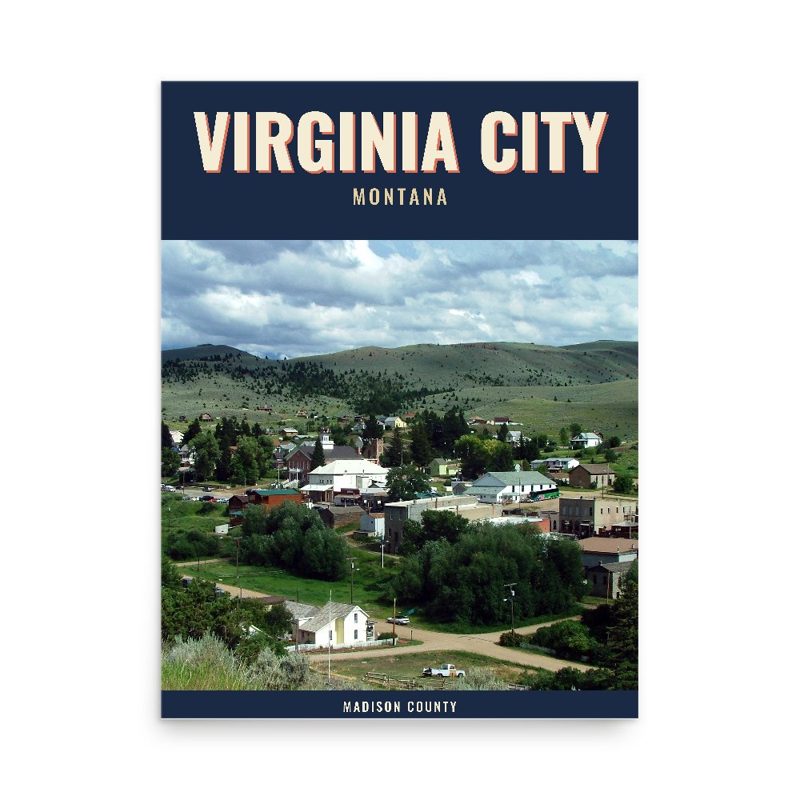
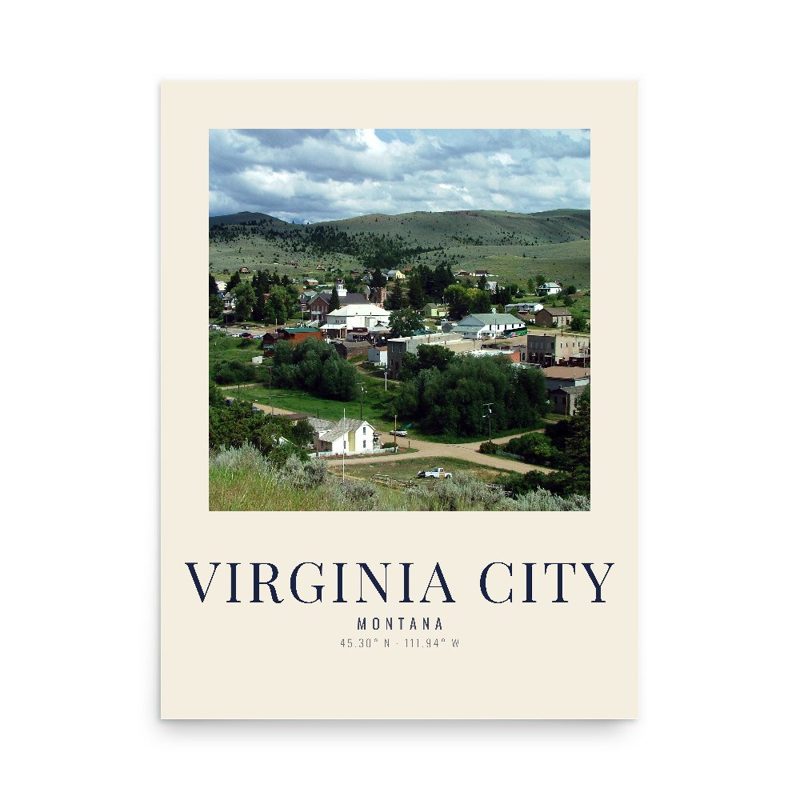
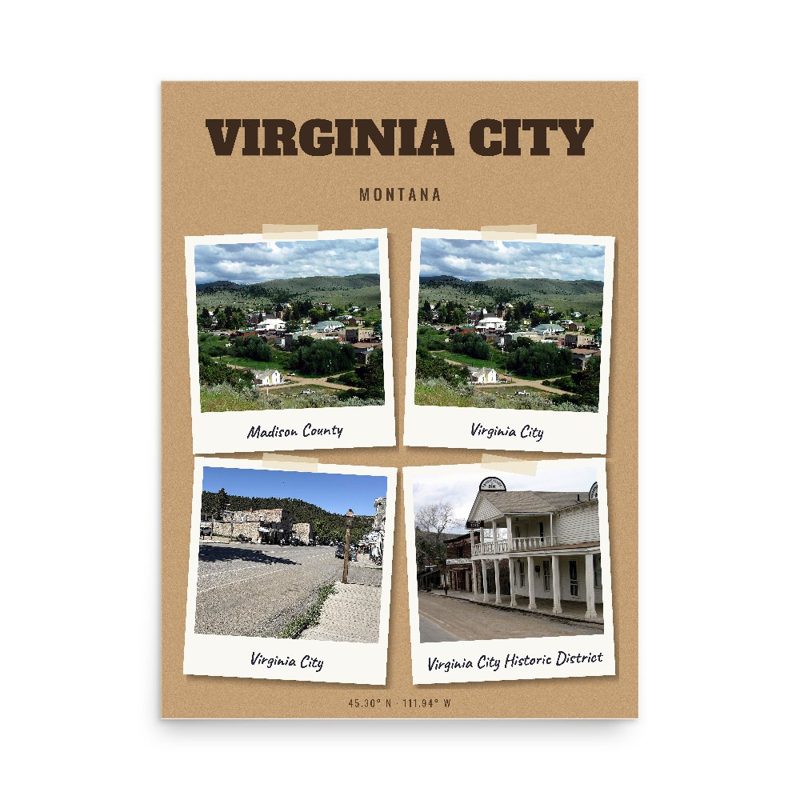
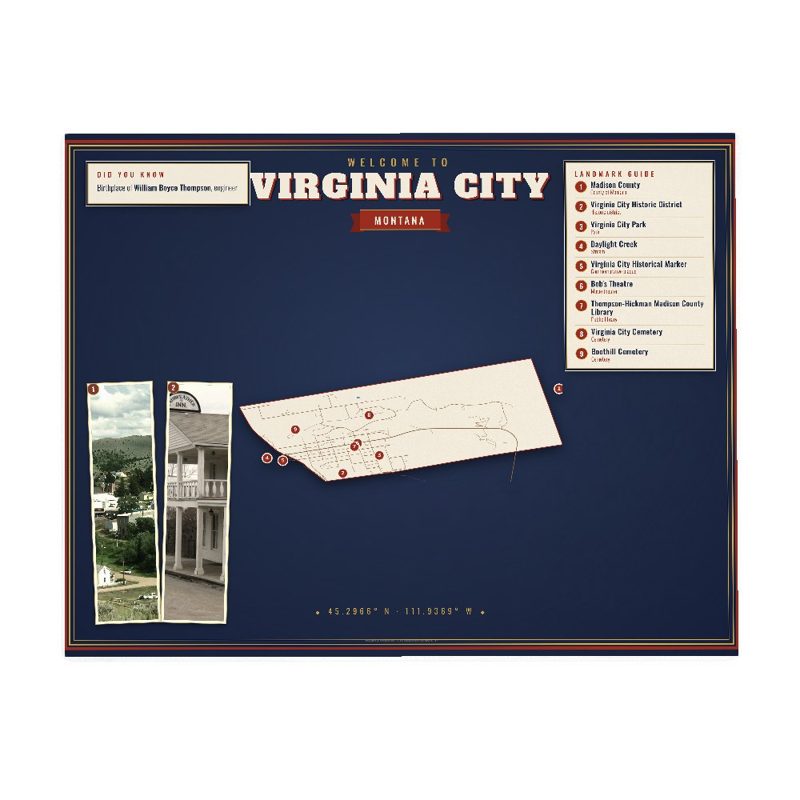





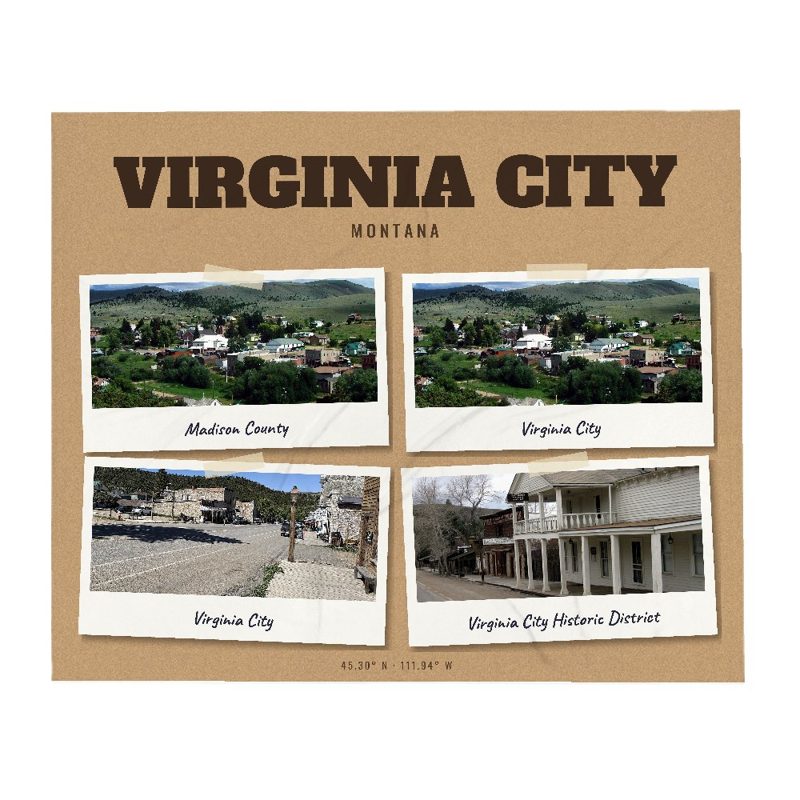
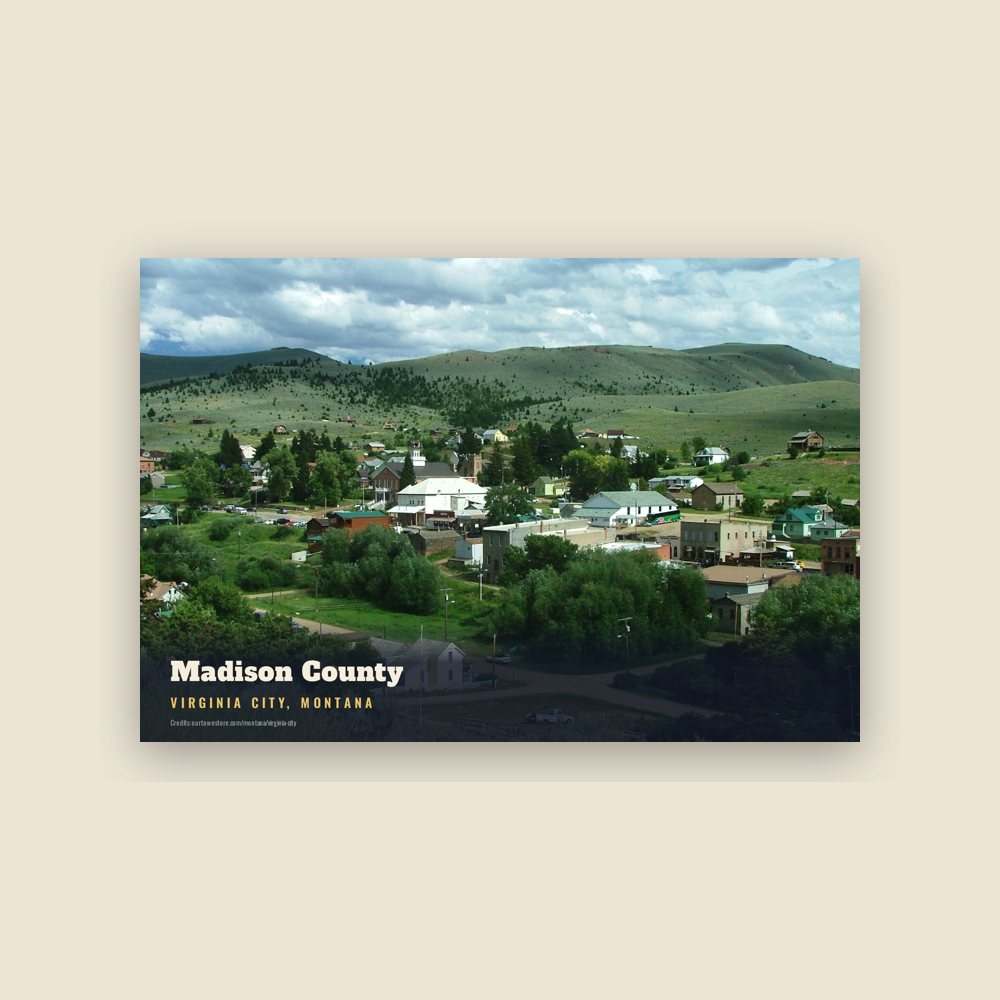
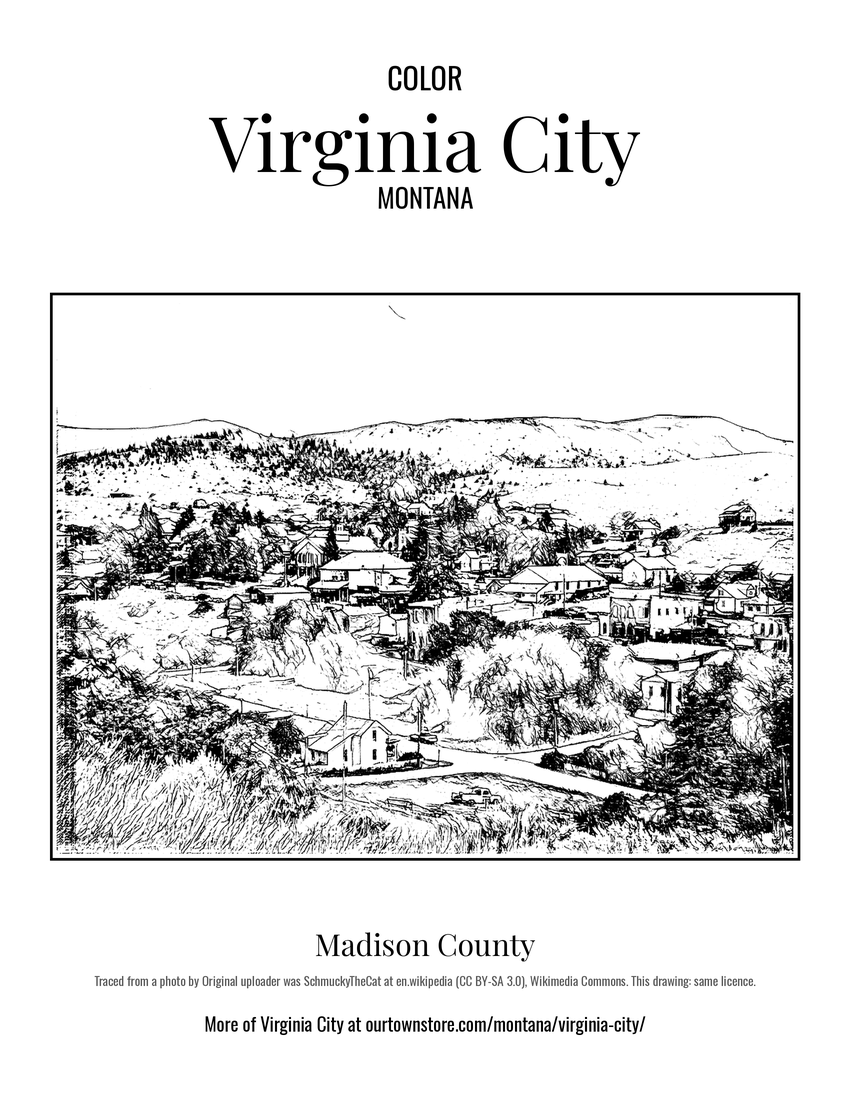 Madison County
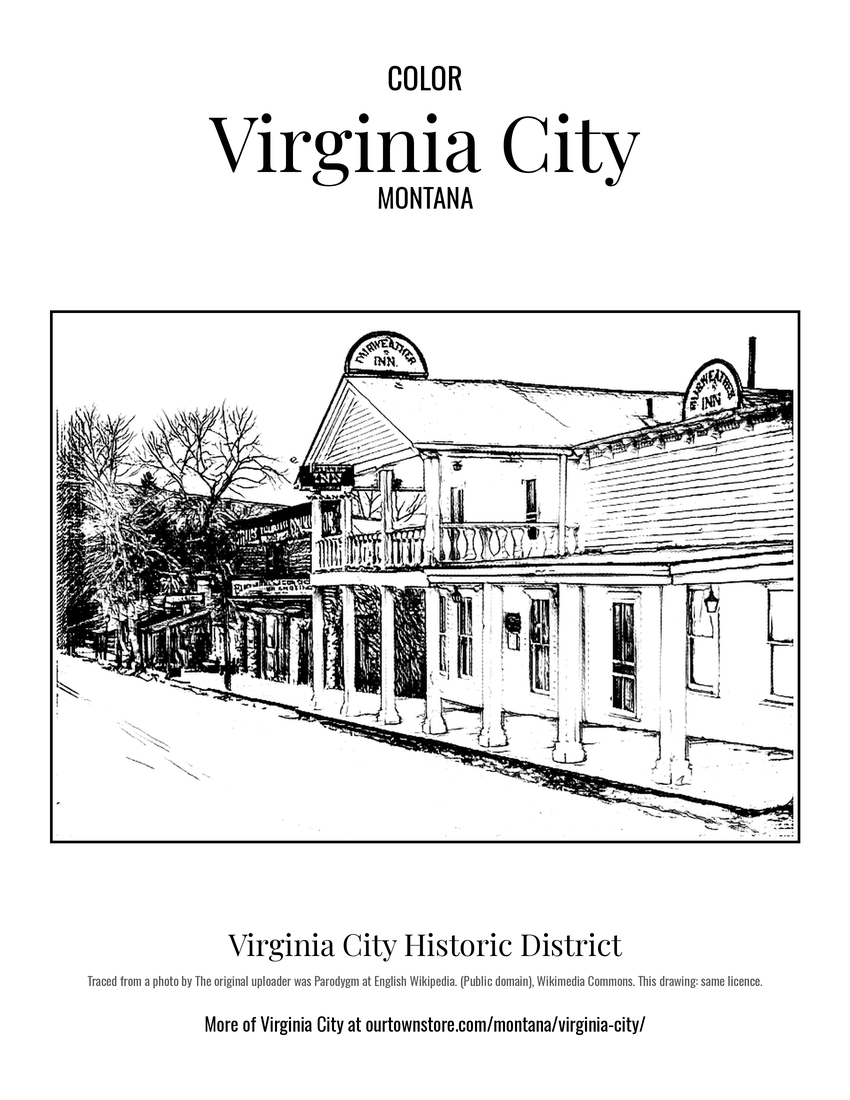 Virginia City Historic District
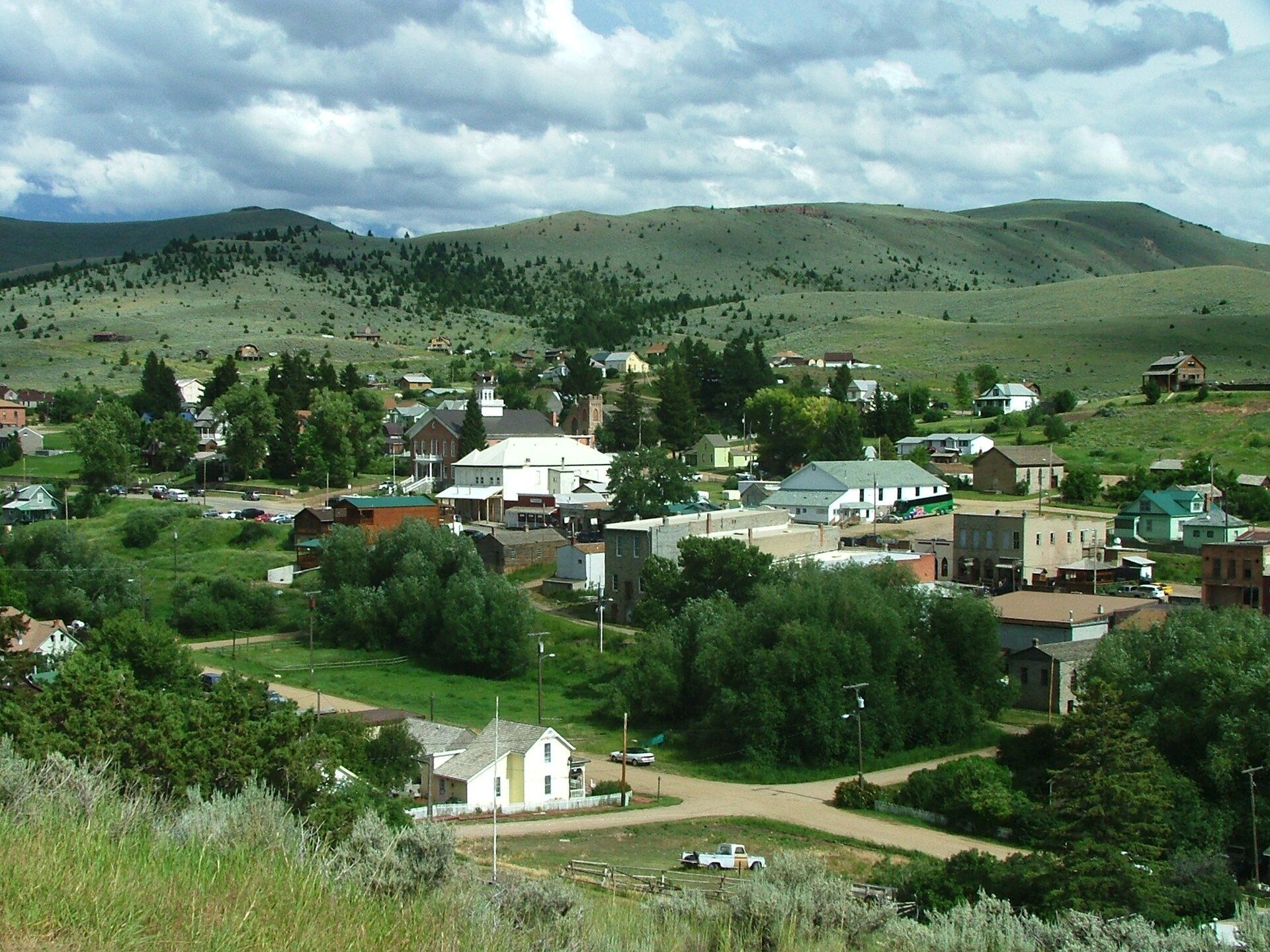
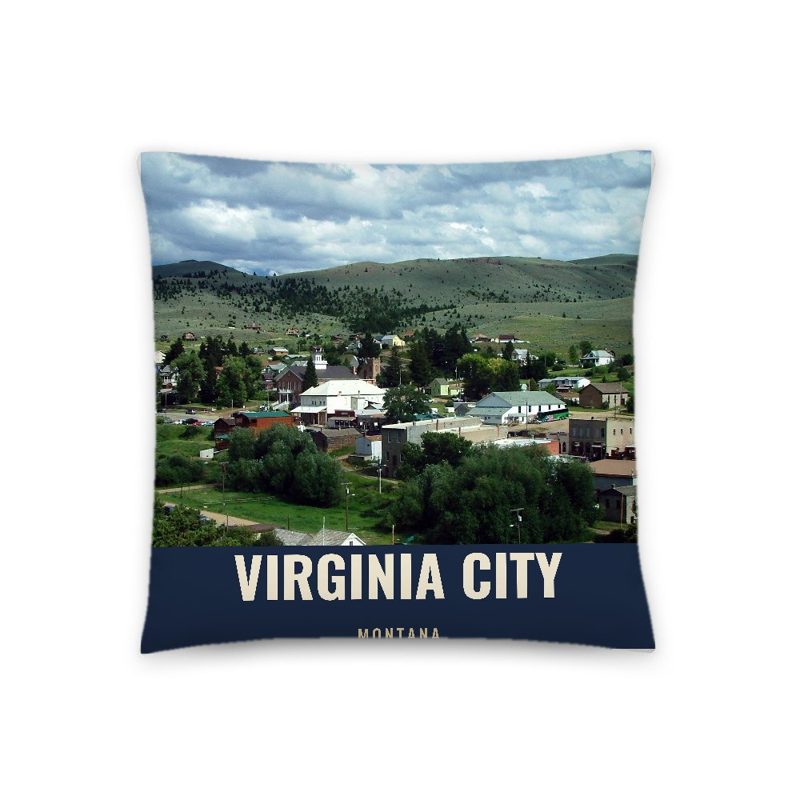
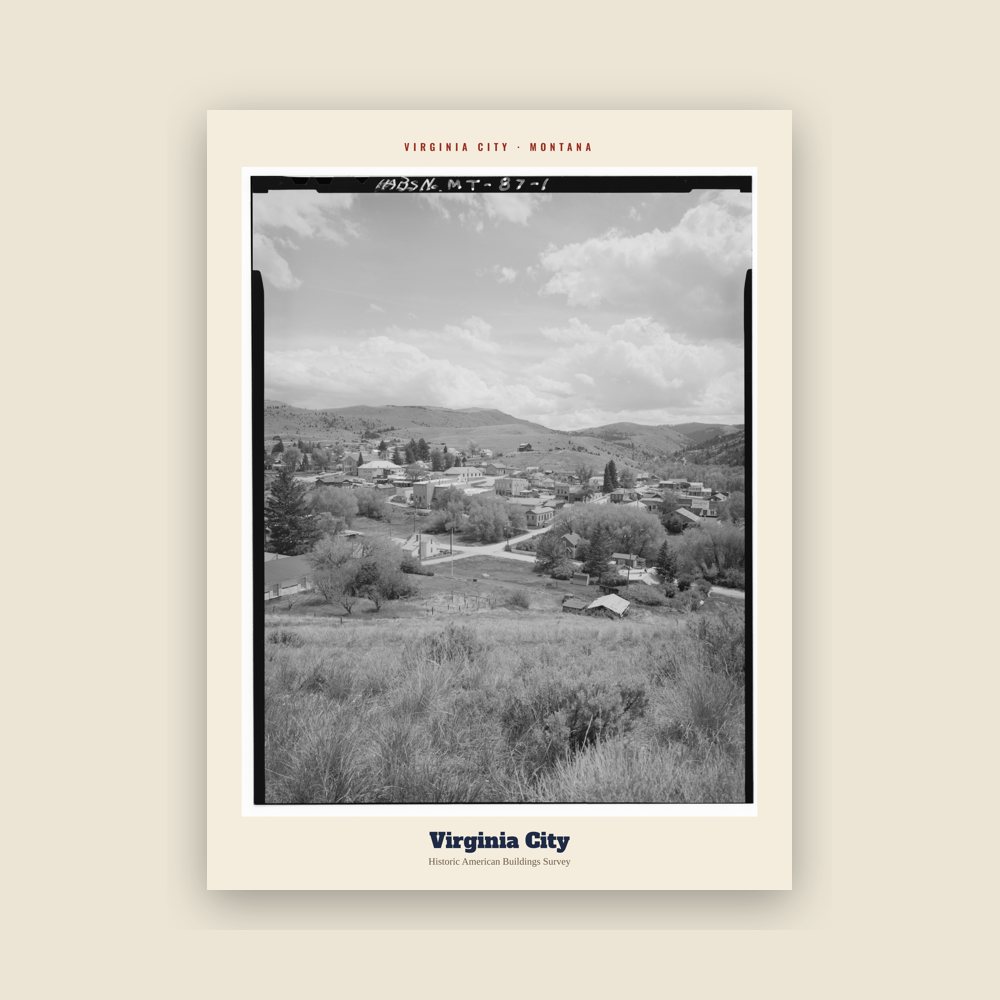
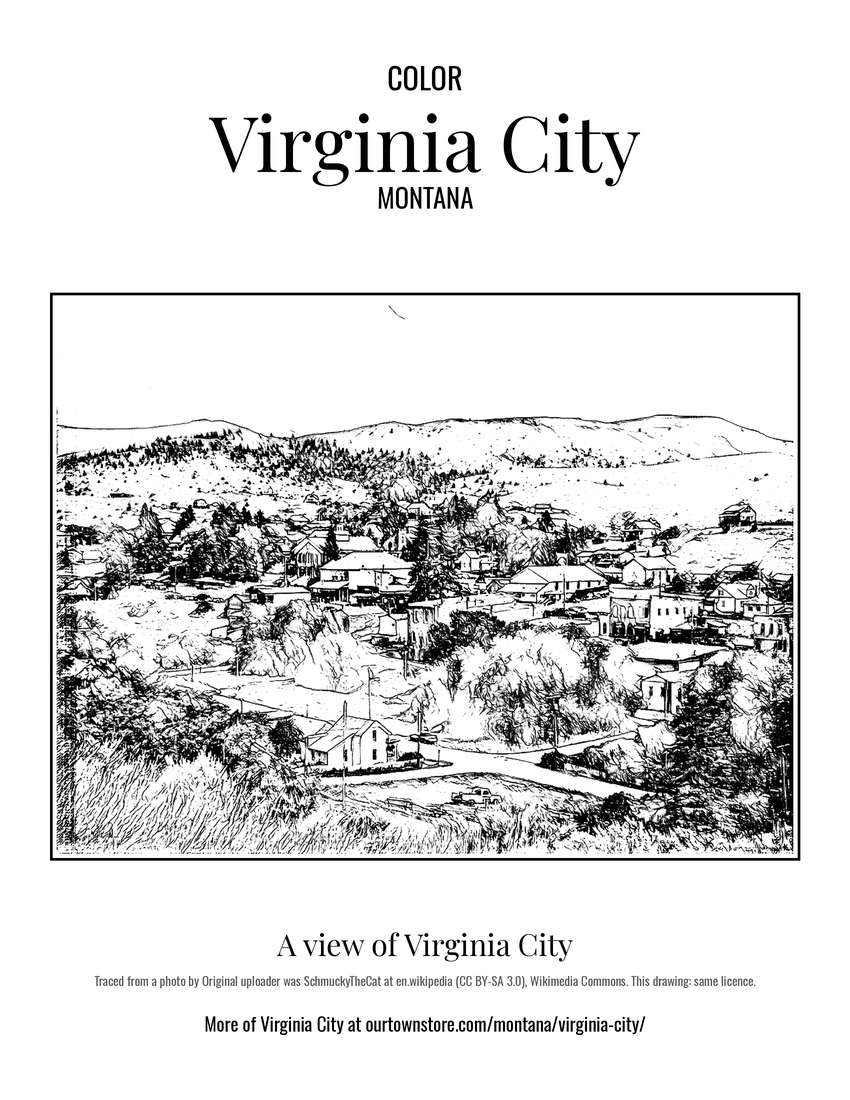 A view of Virginia City
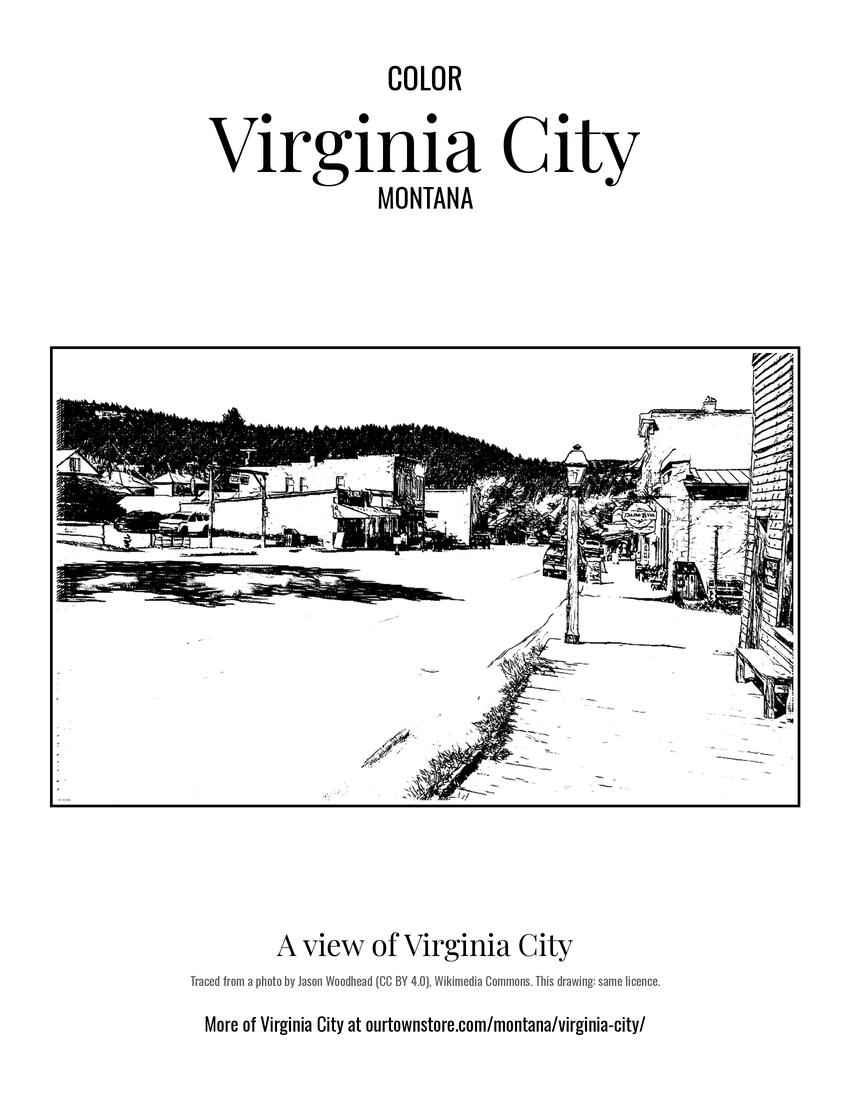 A view of Virginia City