Colstrip was established by the Northern Pacific Railway in 1924 as a company town to provide coal for their steam locomotives.
- CountyRosebud County
- Population2,096 (2020 U.S. Census)
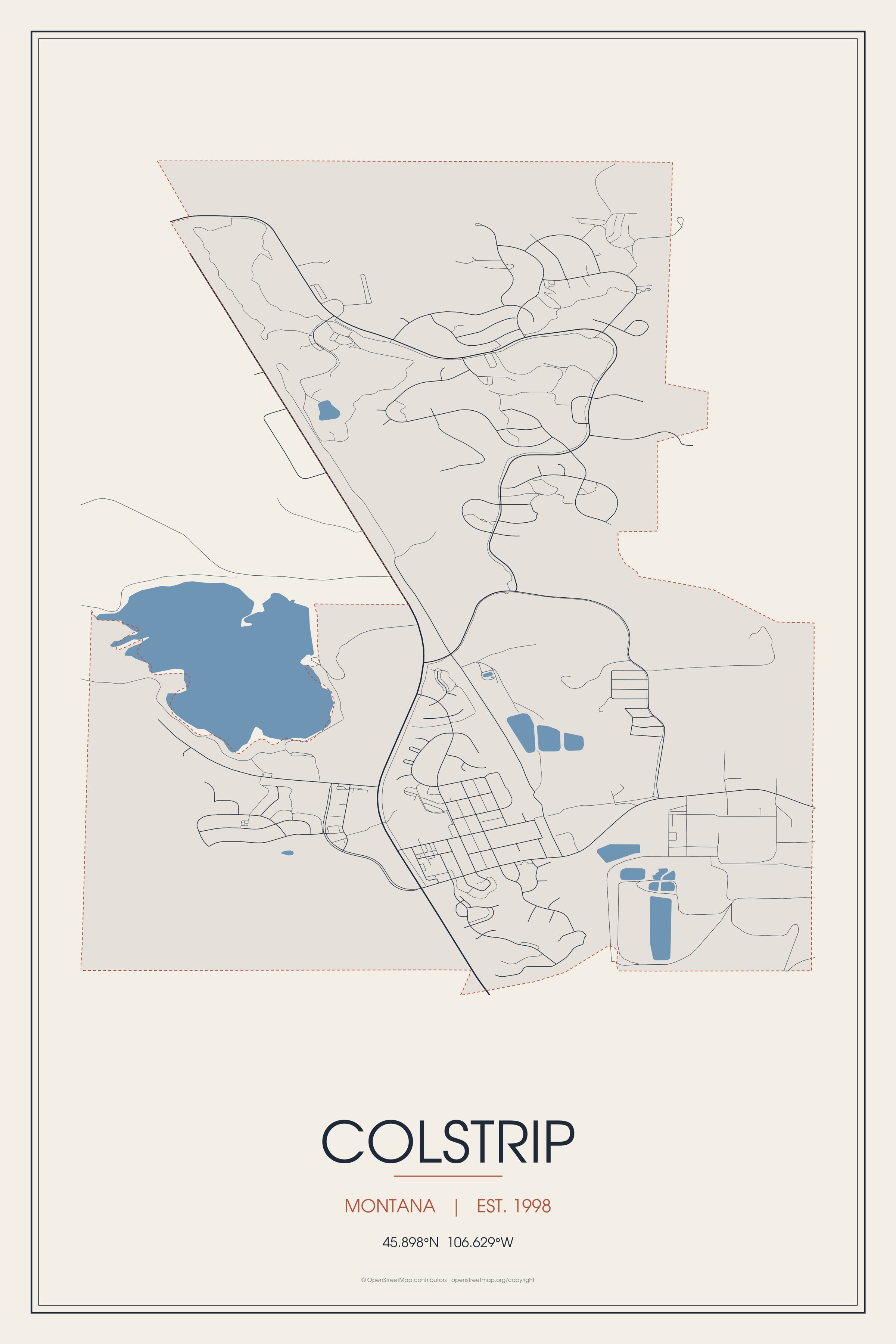
Colstrip was established by the Northern Pacific Railway in 1924 as a company town to provide coal for their steam locomotives.
Colstrip, Montana gifts and souvenirs: 22 designs made from Colstrip's own map, landmarks and history, from $16 to $95. Printed to order and shipped free in the USA.
| Popular | Price |
|---|---|
| Colstrip Hometown Ornament | $23 |
| Colstrip Varsity Crewneck | from $57 |
| Colstrip Est. Tee | from $33 |
| Colstrip Town Line Mug | from $26 |
| Colstrip Market Tote | $37 |
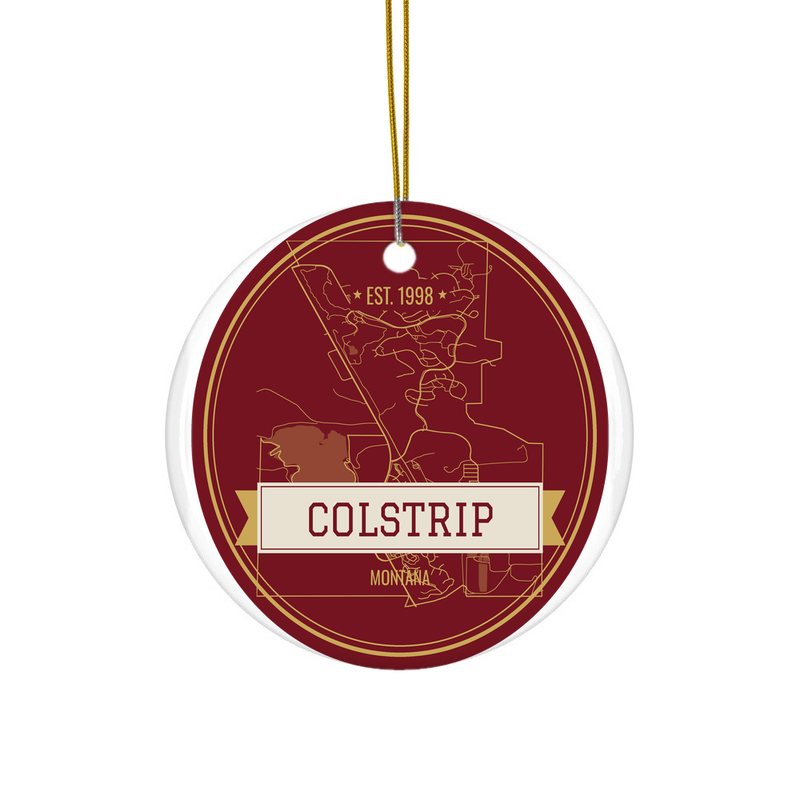
Ceramic keepsake, gold ribbon, in 3 styles
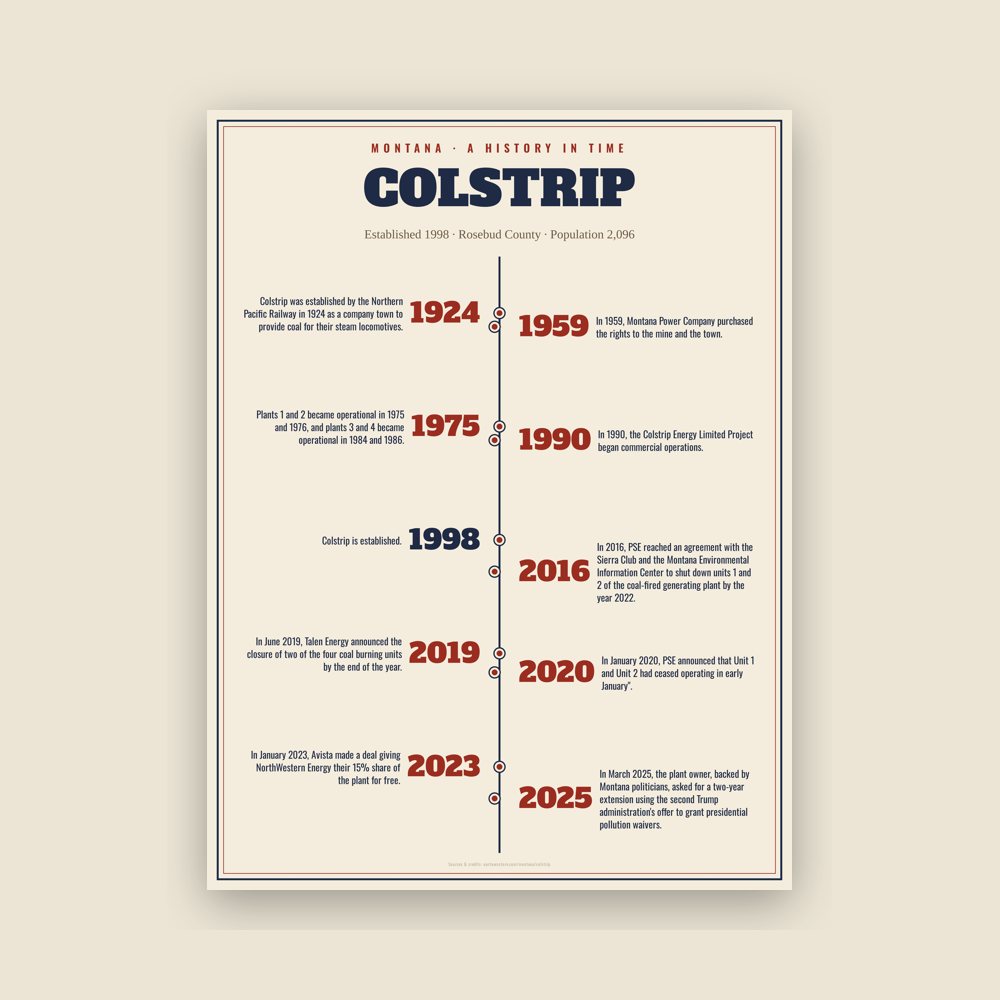
The town's story in dates, from its own records, for home or classroom
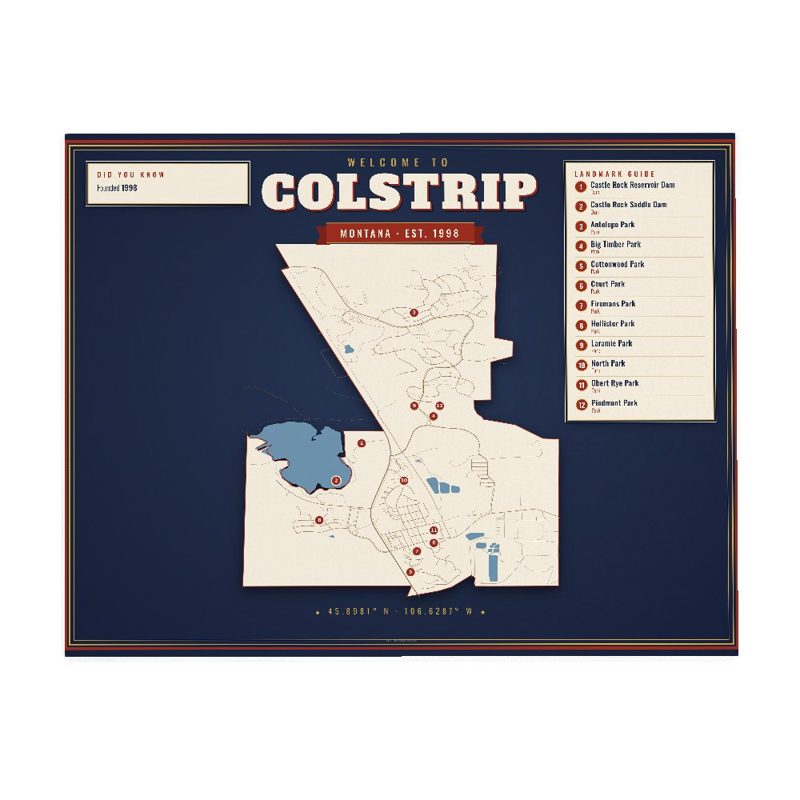
Map of local landmarks, washable fabric
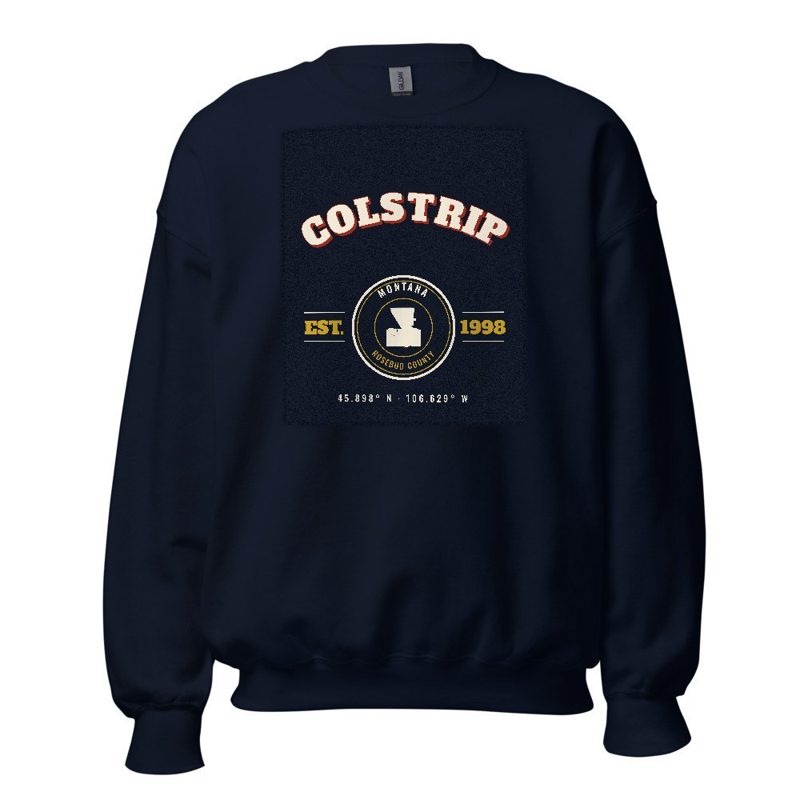
Heavy-blend fleece, street map printed on the back
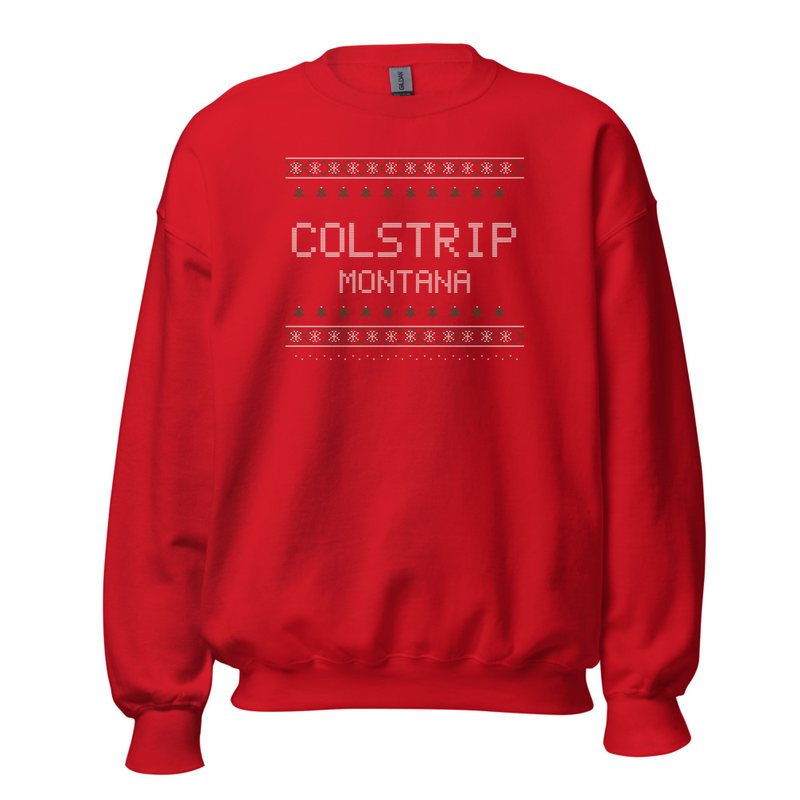
Red heavy-blend crewneck, knit-stitch town print
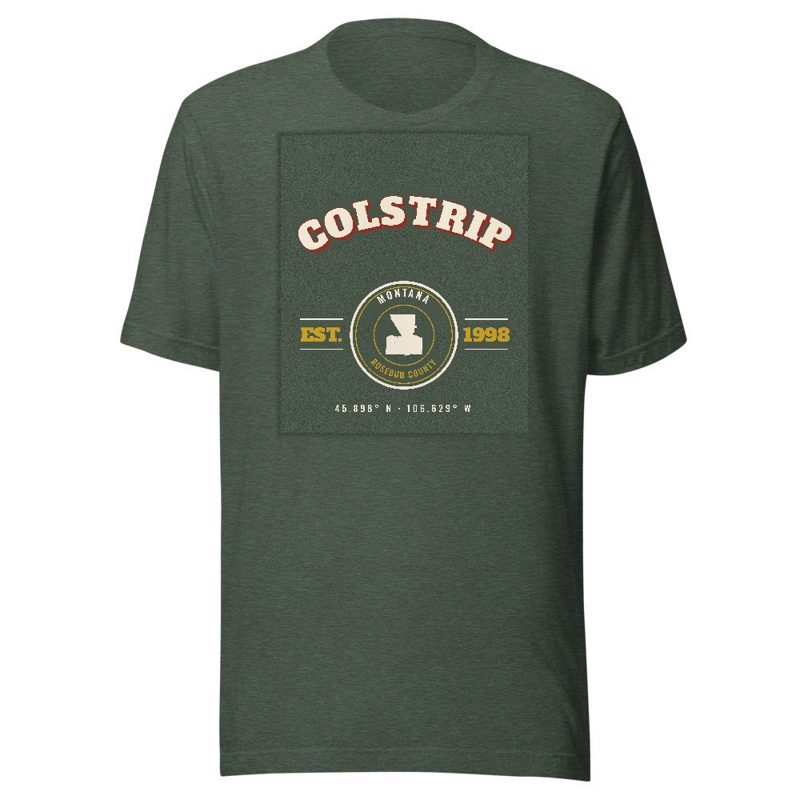
Soft Bella+Canvas jersey
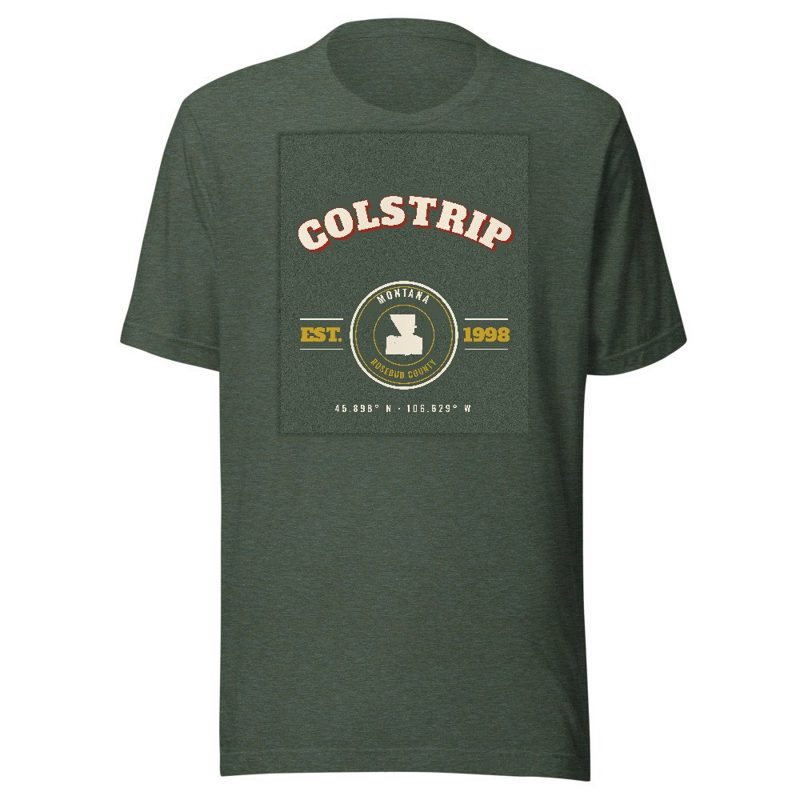
Kids' Bella+Canvas jersey, youth sizes

Bella+Canvas toddler jersey
Bella+Canvas baby bodysuit
Glossy ceramic, dishwasher safe

Weatherproof, for the front walk

24″×16″, printed coir-look fibers, rubber back
12″×12″ printed wood, ready to hang
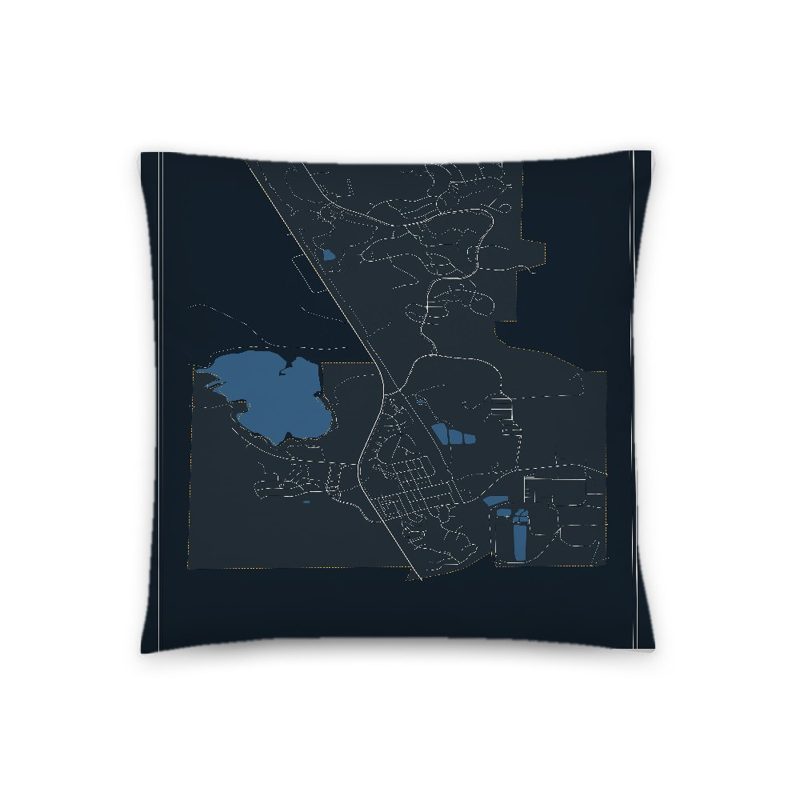
Soft-touch, zip cover

Sturdy all-over-print tote
Glossy top, cork back
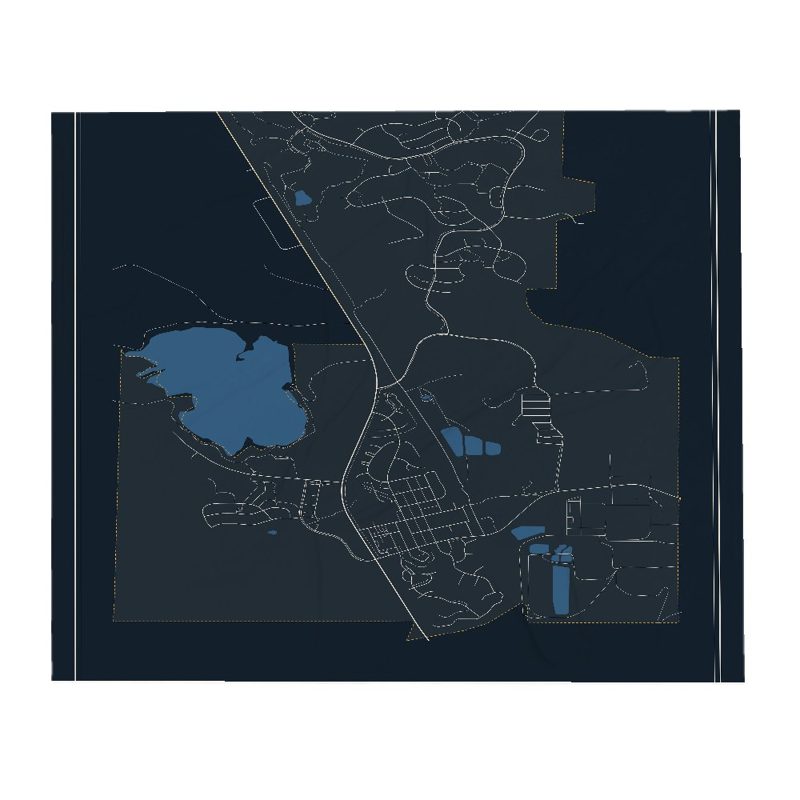
Soft fleece, 50″×60″
20 oz, double-wall stainless
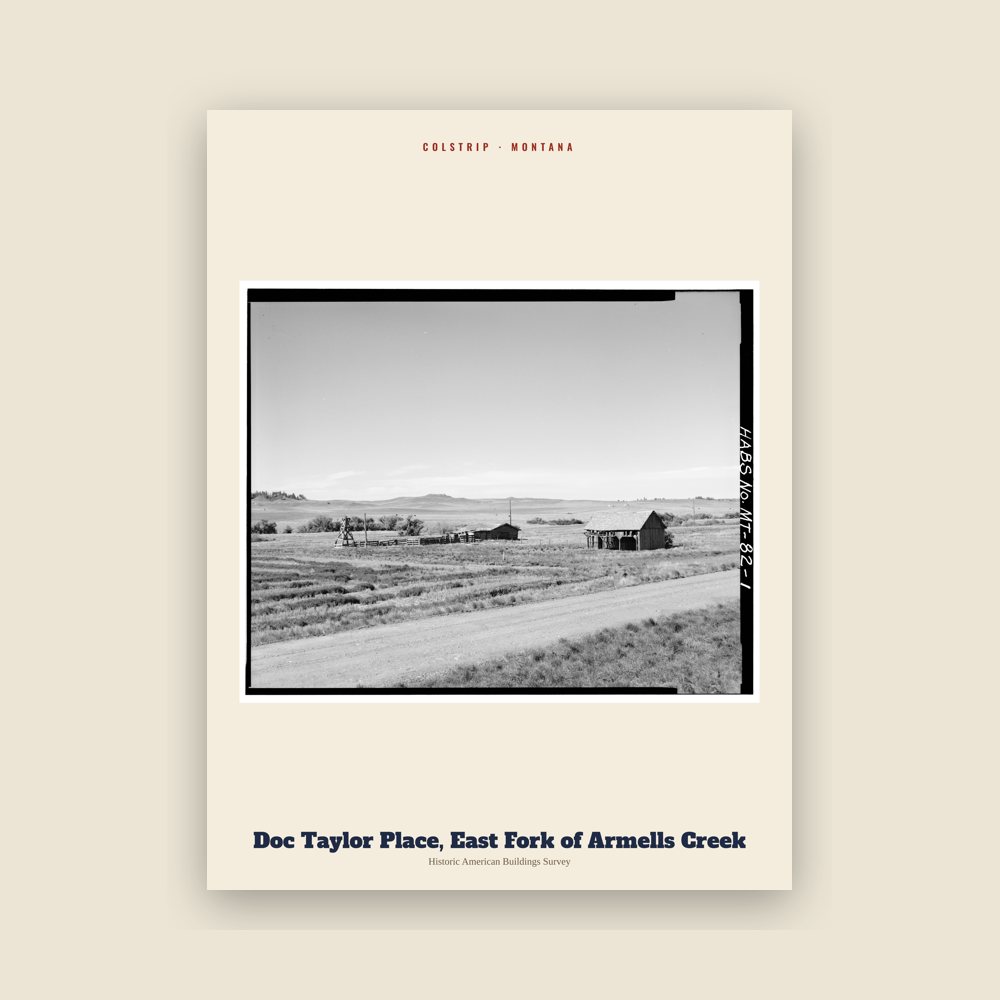
From the Library of Congress collections: a historic survey drawing or photograph of the town
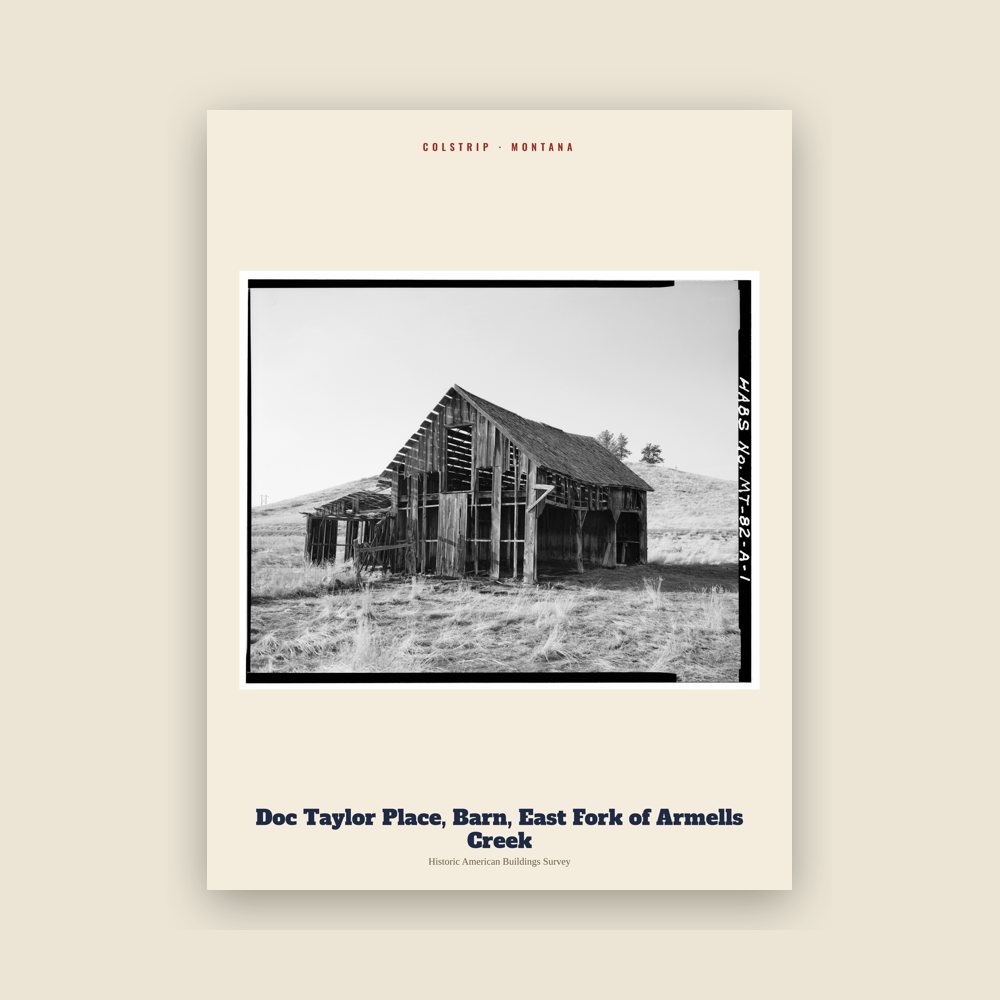
From the Library of Congress collections: a historic survey drawing or photograph of the town
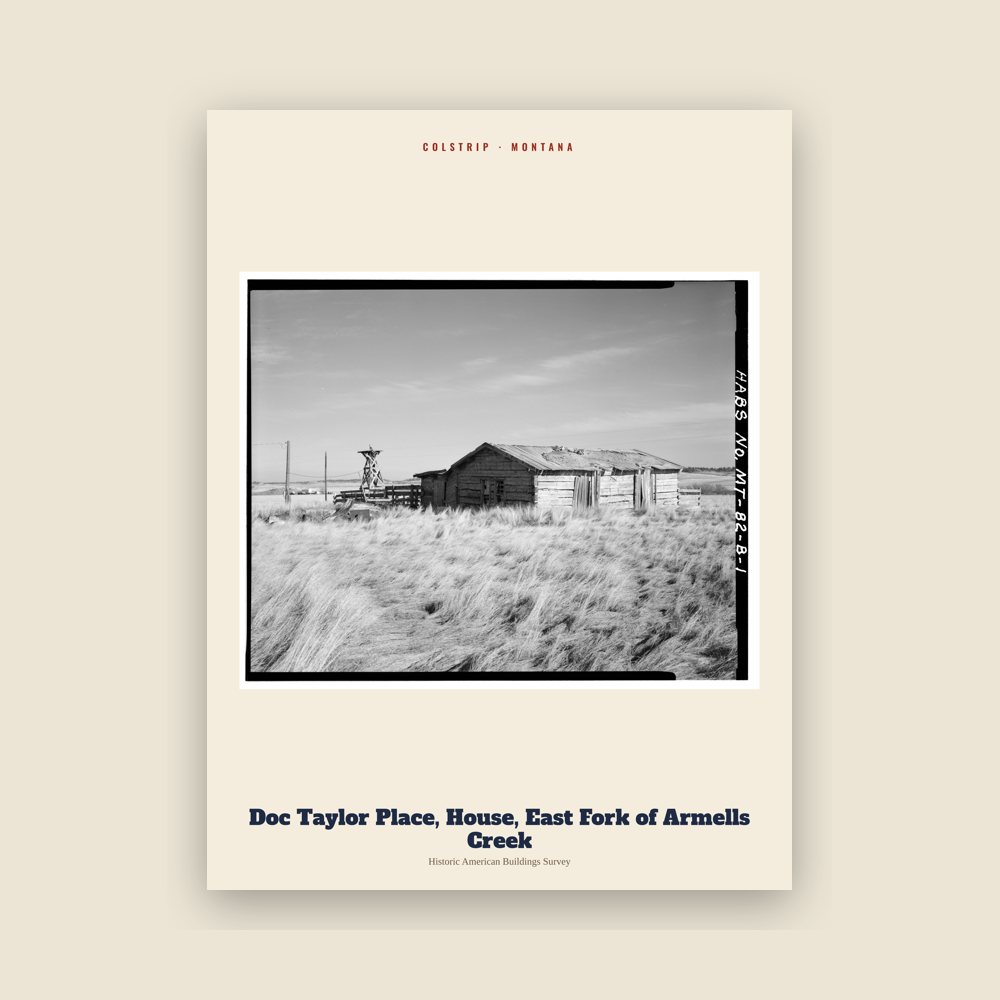
From the Library of Congress collections: a historic survey drawing or photograph of the town
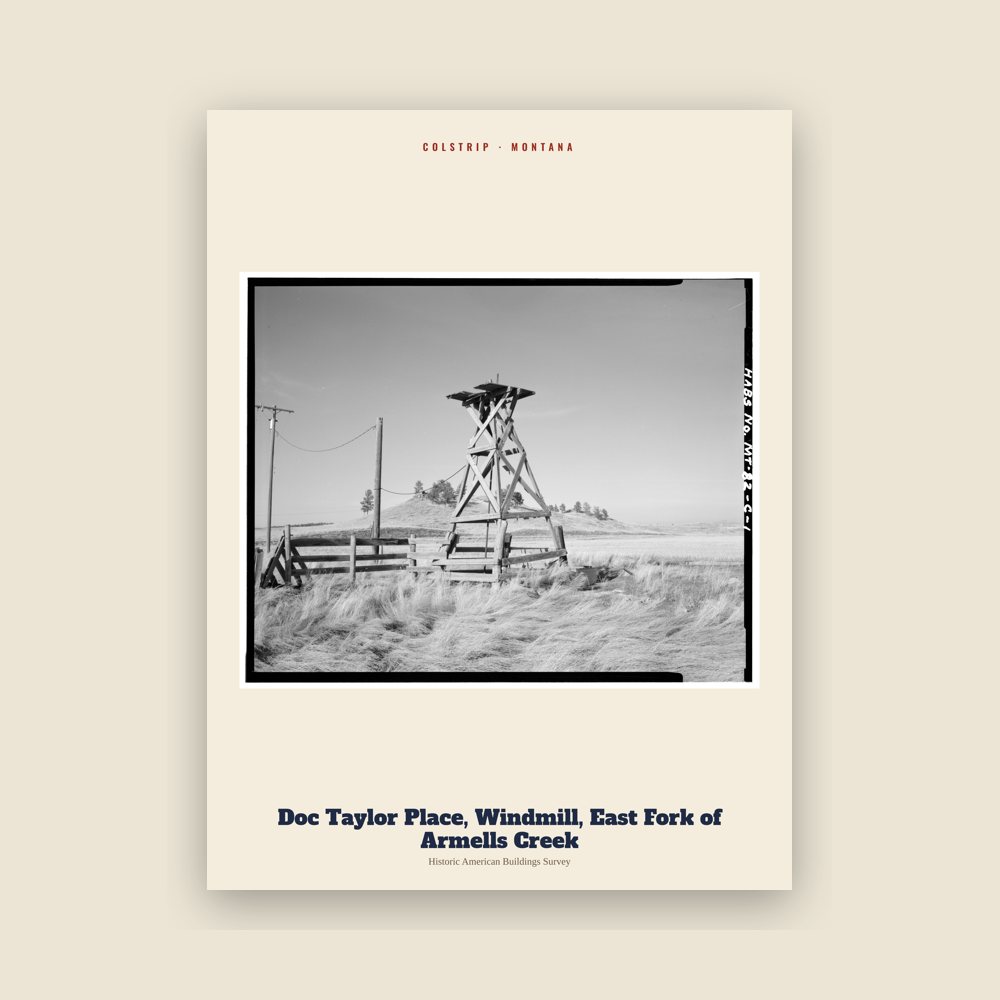
From the Library of Congress collections: a historic survey drawing or photograph of the town
Colstrip was established by the Northern Pacific Railway in 1924 as a company town to provide coal for their steam locomotives. The mining at Rosebud Mine, two miles south of the town, is open pit strip mining, where draglines remove soil above the layer of bituminous coal from the Fort Union Formation.
During The Second World War, the Colstrip mine was identified as strategically important because it supplied coal for the Northern Pacific Railway steam locomotives hauling military equipment for the war effort. The mine was guarded from sabotage, and the employees were not allowed to quit their jobs.
In 1959, Montana Power Company purchased the rights to the mine and the town. It resumed mining operations in the 1970s, with plans to build coal-fired electrical plants. The Rosebud Mine opened in 1968.
The power plants were built in the 1970s and 1980s by a collection of contractors including Bechtel. During this construction period, Colstrip was a boomtown, with a large increase in population. Plants 1 and 2 became operational in 1975 and 1976, and plants 3 and 4 became operational in 1984 and 1986.
The Colstrip plants produce electricity from coal using steam. The water for the steam is pumped in an underground pipe 30 miles (48 km) from the Yellowstone River and stored in the lake. The lake is stocked with fish and is the home for a wide variety of wildlife.
In 1990, the Colstrip Energy Limited Project began commercial operations. Located six miles (10 km) north of Colstrip, this experimental electricity production facility is owned by Rosebud Energy Corp., a partnership that at one point included Enron. The plant uses high sulfur waste coal from the Rosebud Coal Mine's topmost one foot layer of coal.
In 1998, plants 1-4 were sold to a group led by PPL Corporation (PPL) and Puget Sound Energy (PSE). The Rosebud Coal Mine was sold to Westmoreland Mining LLC. In this same year, the City of Colstrip was incorporated.
In 2016, PSE reached an agreement with the Sierra Club and the Montana Environmental Information Center to shut down units 1 and 2 of the coal-fired generating plant by the year 2022. The agreement said nothing about Units 3 and 4 However, the existing electrical transmission capacity that transmits power from Colstrip to the Pacific Northwest may be used to transmit wind energy. Another blow to Colstrip's economy came in 2016, when an application to create a junction point from BNSF Railway to connect to Tongue River Railroad was denied.
In June 2019, Talen Energy announced the closure of two of the four coal burning units by the end of the year. At the time, the power plant was the sixth-largest source of greenhouse emissions in the U.S. Units 3 and 4 remained in operation.
In January 2020, PSE announced that Unit 1 and Unit 2 had ceased operating in early January". Units 3 and 4 were to remain operational but would be closed within the next five years.
In January 2023, Avista made a deal giving NorthWestern Energy their 15% share of the plant for free. The deal was to take effect in 2025. A Washington state law bans use of coal-generated electricity, forcing Avista to relinquish their stake in the company.
In March 2025, the plant owner, backed by Montana politicians, asked for a two-year extension using the second Trump administration's offer to grant presidential pollution waivers. The plant owners argued that continued operation would control energy costs and guarantee grid reliability.
Adapted (trimmed) from the Wikipedia article Colstrip, Montana, revision 1377158318 by its contributors, licensed CC BY-SA 4.0.
We share a part of every Colstrip sale with local partners, and we'd love to print from your collection. Old photographs, maps and postcards make the best keepsakes.
Partner with usA favorite landmark, your street, a school or team, an anniversary gift, a different product. Tell us and we'll get back to you by email.
Colstrip's population was 2,096 in the 2020 U.S. Census, down from 2,214 in 2010.