It was named in honor of U.S. Senator Charles Sumner. Sumner is the birthplace of J. William Fulbright, politician.
- CountyChariton County
- Population78 (2020 U.S. Census)
It was named in honor of U.S. Senator Charles Sumner. Sumner is the birthplace of J. William Fulbright, politician.
Sumner, Missouri gifts and souvenirs: 20 designs made from Sumner's own map, landmarks and history, from $16 to $95. Printed to order and shipped free in the USA.
| Popular | Price |
|---|---|
| Sumner Hometown Ornament | $23 |
| Sumner Vintage Travel Poster | from $40 |
| Sumner Varsity Crewneck | from $57 |
| Sumner Est. Tee | from $33 |
| Sumner Town Line Mug | from $26 |
| Sumner Market Tote | $37 |
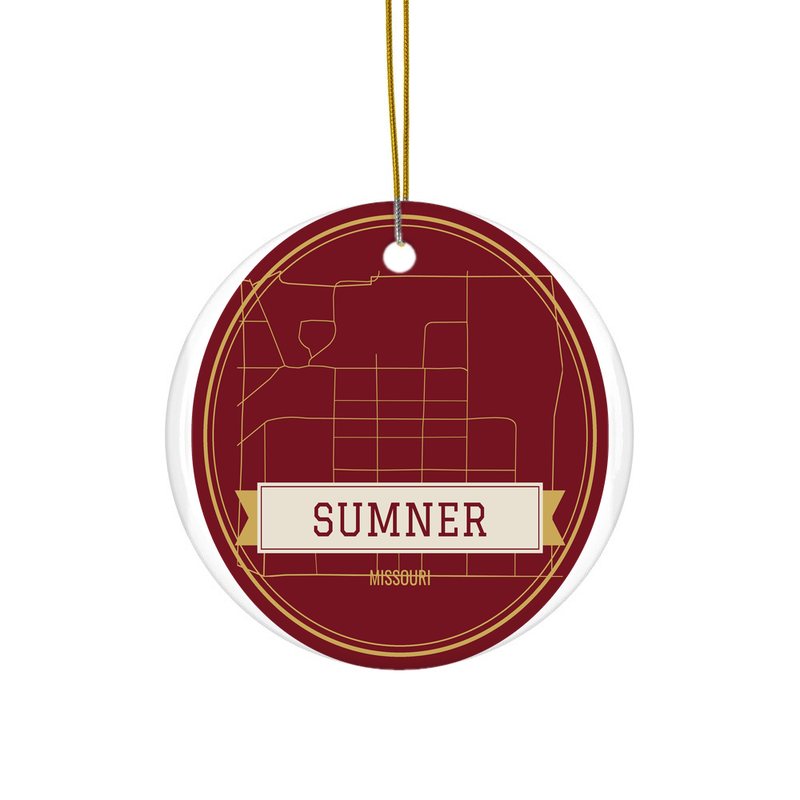
Ceramic keepsake, gold ribbon, in 3 styles
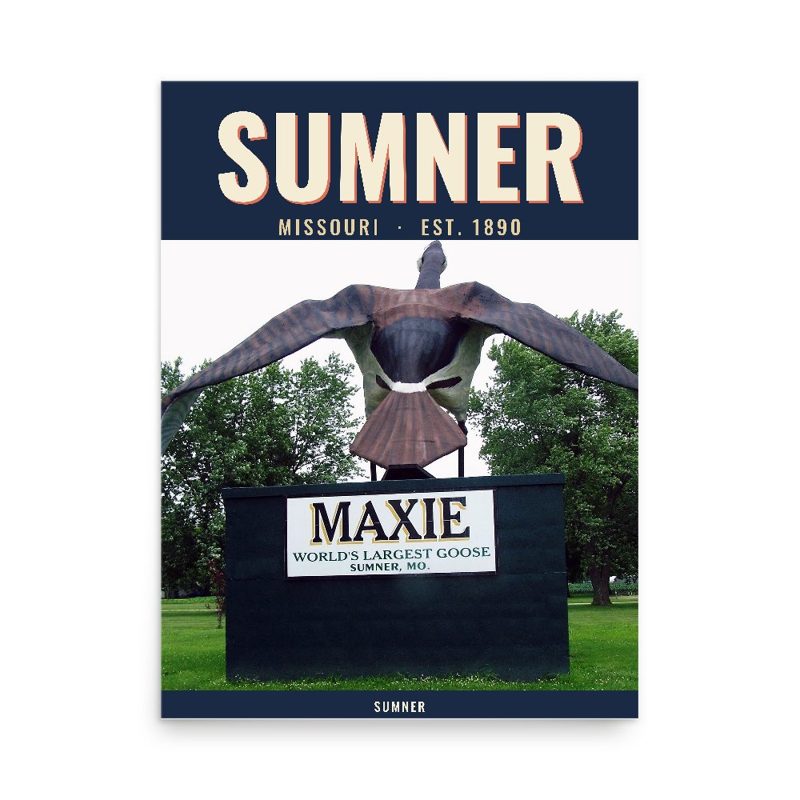
Its landmark photo in a classic travel-poster layout
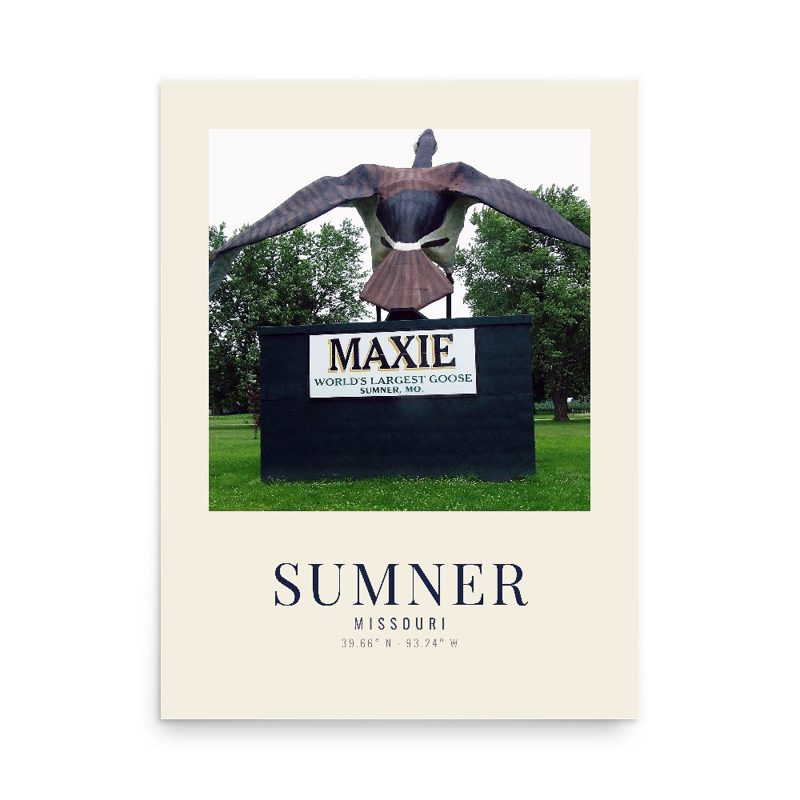
A local landmark photo as a gallery print
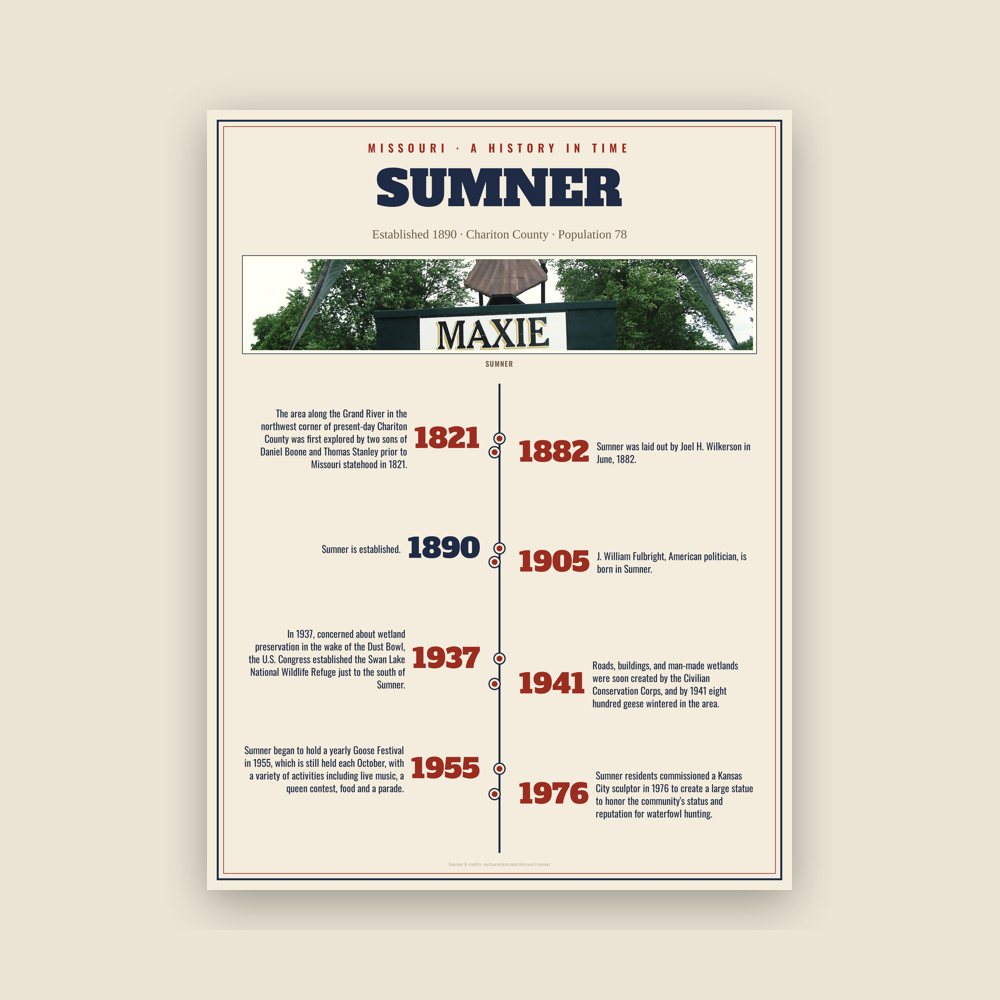
The town's story in dates, from its own records, for home or classroom
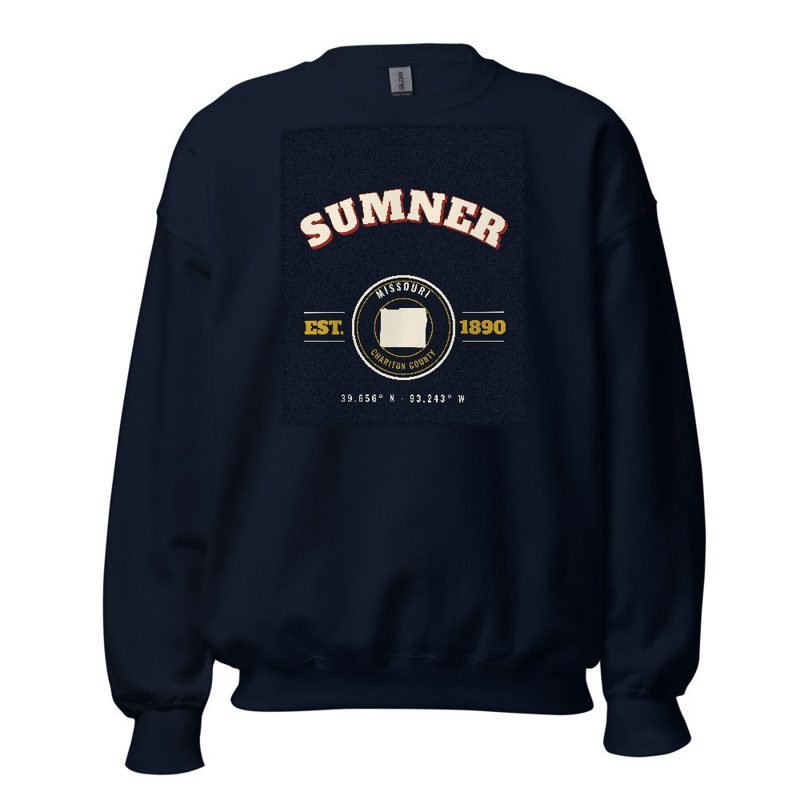
Heavy-blend fleece, street map printed on the back
Red heavy-blend crewneck, knit-stitch town print
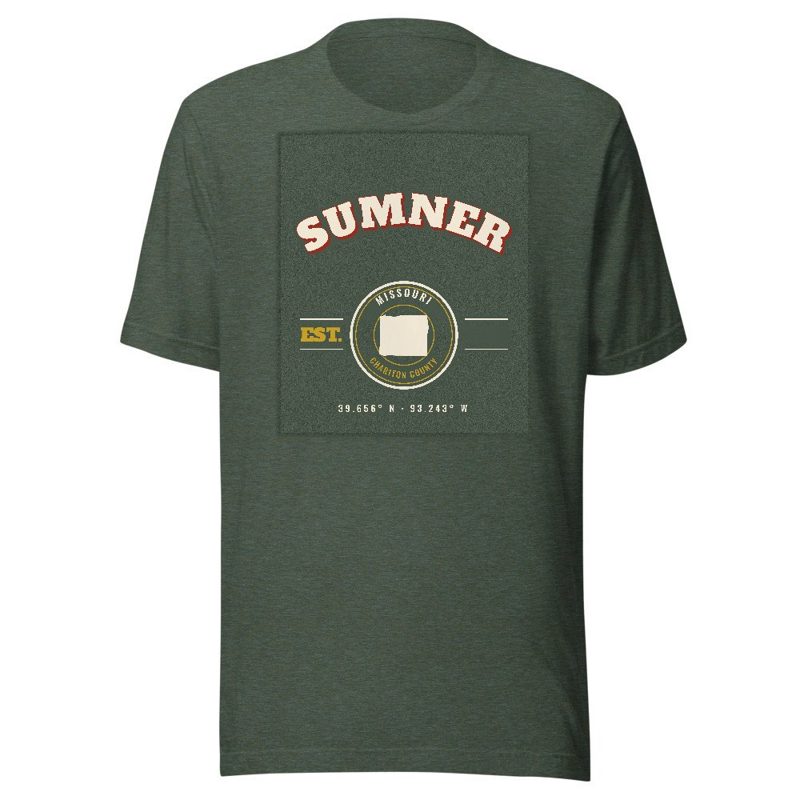
Soft Bella+Canvas jersey
Kids' Bella+Canvas jersey, youth sizes

Bella+Canvas toddler jersey
Bella+Canvas baby bodysuit
Glossy ceramic, dishwasher safe
Weatherproof, for the front walk
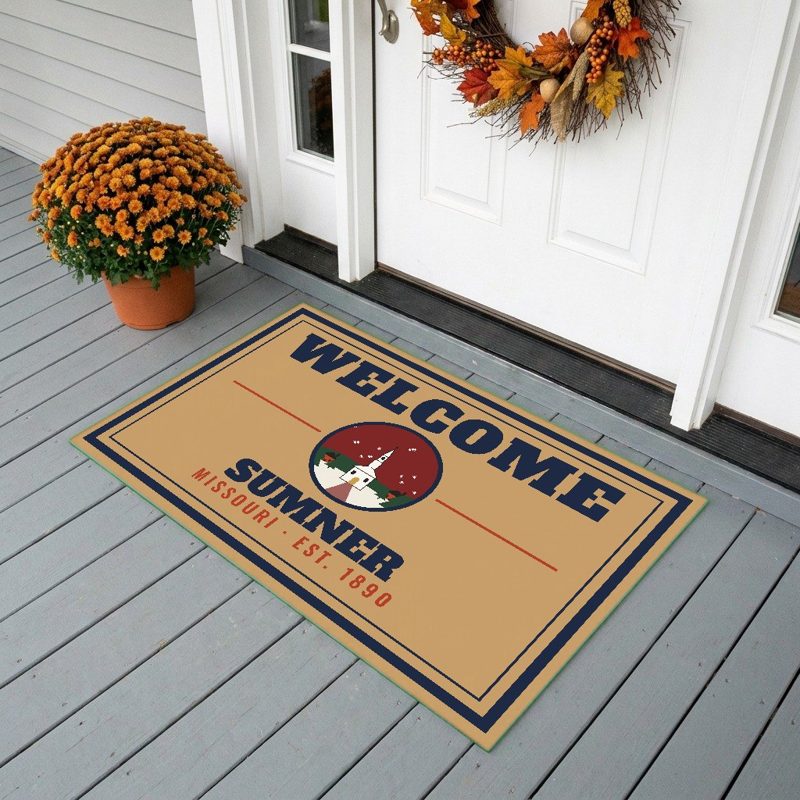
24″×16″, printed coir-look fibers, rubber back
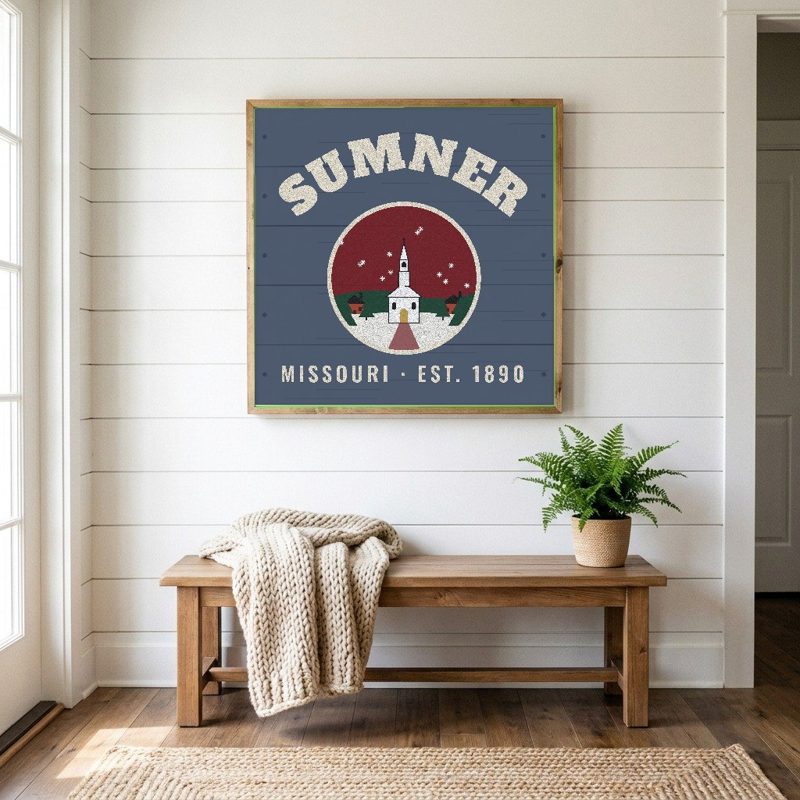
12″×12″ printed wood, ready to hang
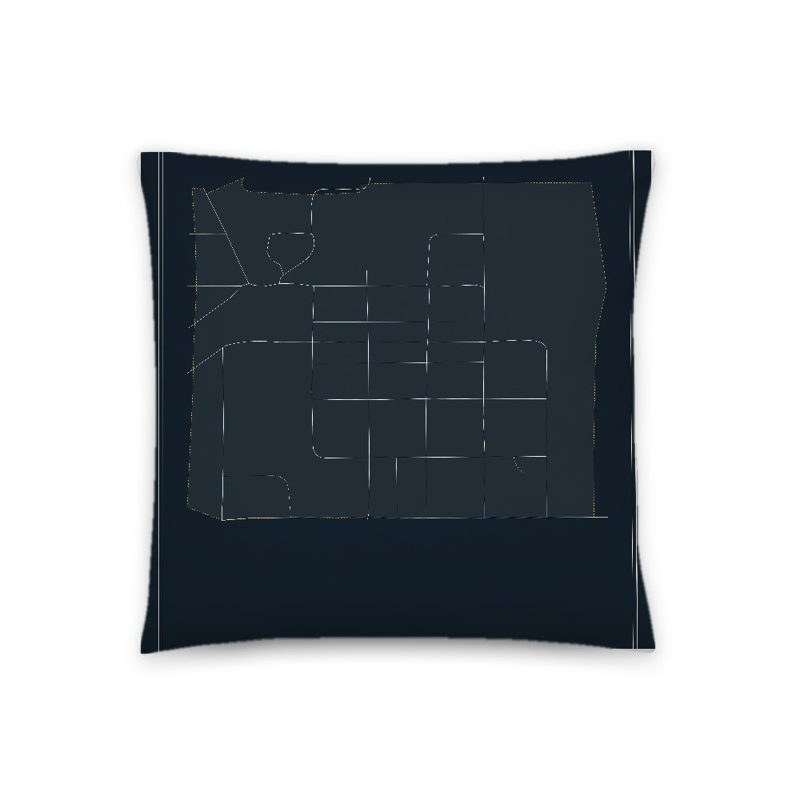
Soft-touch, zip cover
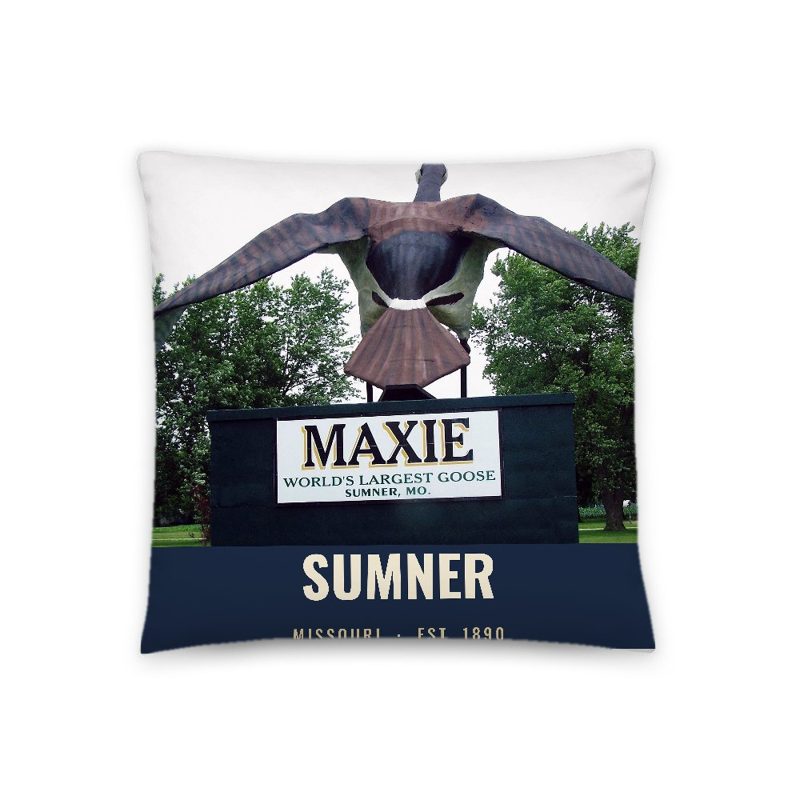
A local landmark photo with the town name, 18″×18″
Sturdy all-over-print tote
Glossy top, cork back
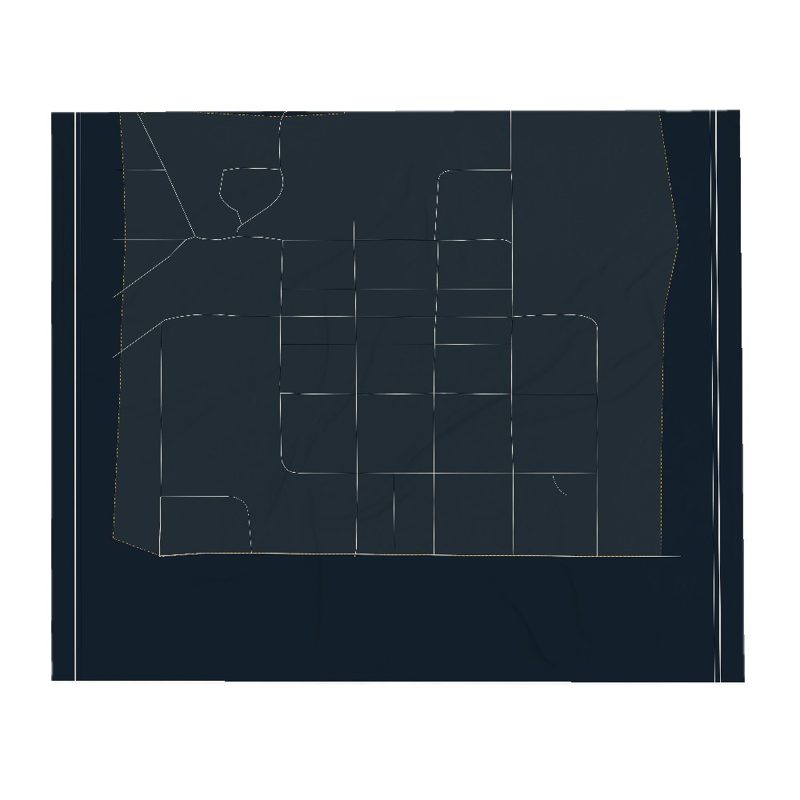
Soft fleece, 50″×60″
20 oz, double-wall stainless
The area along the Grand River in the northwest corner of present-day Chariton County was first explored by two sons of Daniel Boone and Thomas Stanley prior to Missouri statehood in 1821. Stanley established a trading post some time later, near what would eventually become Sumner. Other than the trading post, not much existed in the area for several years, partly due to marshlands and flooding on the Grand River.
The area around Sumner was originally known as Crossland, and about one mile away was the much larger village of Cunningham. The coming of the Chicago, Burlington and Quincy Railroad to the community, combined with the Wabash Railroad's decision to move their depot from Cunningham to Sumner, gave the latter the upper hand in growth.
Sumner was laid out by Joel H. Wilkerson in June, 1882. That fall, the first home was constructed in the new village by J.M. Vanes, soon followed by the Commercial Hotel. A newspaper, the Sumner Star, was established in 1890 and operated for several years.
Once teeming with wildlife such as prairie chicken, turkey, duck, and deer in the 1800s, the population of such was drastically reduced by over hunting and draining of the native wetlands, notably Hog Lake in 1911. In 1937, concerned about wetland preservation in the wake of the Dust Bowl, the U.S. Congress established the Swan Lake National Wildlife Refuge just to the south of Sumner. Roads, buildings, and man-made wetlands were soon created by the Civilian Conservation Corps, and by 1941 eight hundred geese wintered in the area.
Located on a migratory flyway, Swan Lake and the Sumner area began to attract ever larger numbers of geese in the mid- and late 20th century, reaching 100,000 or more by the 1980s and 1990s. This also led to a yearly influx of hunters, benefiting the few Sumner businesses and Chariton County as a whole. With these numbers in mind, Sumner was proclaimed the "Wild Goose Capital of the World". Sumner began to hold a yearly Goose Festival in 1955, which is still held each October, with a variety of activities including live music, a queen contest, food and a parade.
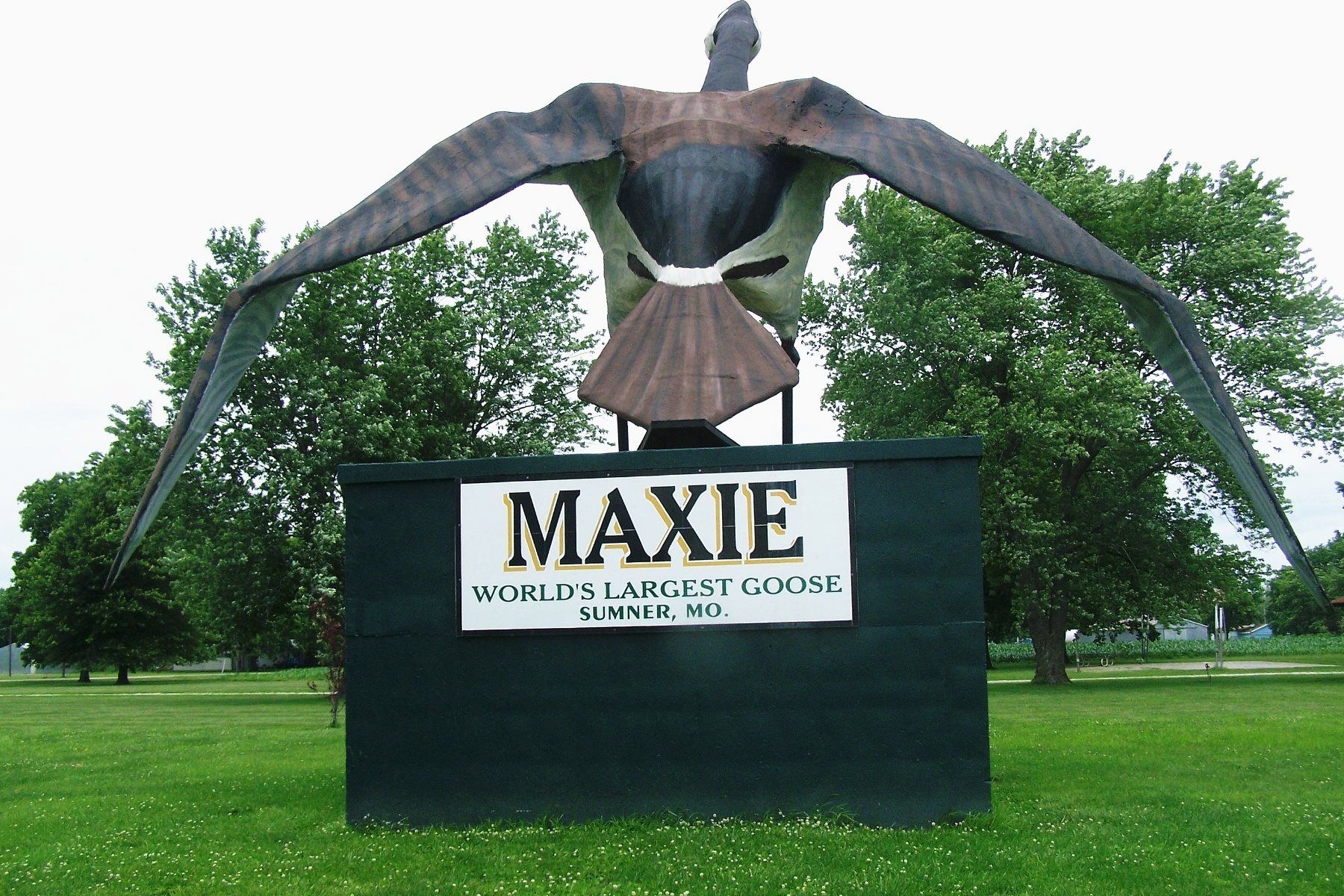
Sumner residents commissioned a Kansas City sculptor in 1976 to create a large statue to honor the community's status and reputation for waterfowl hunting. What resulted was the "World's Largest Goose". Named "Maxie", the fiberglass and metal structure stands over forty feet tall with a wingspan of sixty-five feet and a weight of over 5,000 pounds.
Adapted (trimmed) from the Wikipedia article Sumner, Missouri, revision 1374941008 by its contributors, licensed CC BY-SA 4.0.
We share a part of every Sumner sale with local partners, and we'd love to print from your collection. Old photographs, maps and postcards make the best keepsakes.
Partner with usA favorite landmark, your street, a school or team, an anniversary gift, a different product. Tell us and we'll get back to you by email.
1 free coloring page of Sumner, each traced from a photo of a local landmark. Print them at home, at school or for story hour.
Sumner's population was 78 in the 2020 U.S. Census, down from 102 in 2010.
 A view of Sumner