A short history of Southwest City
The area that would become Southwest City was first settled in the early 1840s by pioneers such as J. P. LaMance and Burton McGhee, who established homesteads along Honey Creek. By 1846, a general store had opened in the valley, and the settlement grew as a crossroads for travelers near the border of Indian Territory (present-day Oklahoma). Its location made it a hub for traders, cattlemen, and land speculators during the mid-19th century frontier period. The community was formally platted in 1870 and named for its position in the extreme southwest corner of McDonald County and the state of Missouri.
Before its incorporation, the region was part of a borderland contested during the era of westward expansion and was influenced by nearby Cherokee Nation lands. The surrounding Ozarks terrain and proximity to the Trail of Tears route meant that Native American presence and cultural exchange were significant in the early years.
By the late 19th century, Southwest City had developed into a thriving town with banks, churches, schools, and businesses serving both local residents and travelers. Its population surged to around 1,500 by 1886, aided by its role as a trade center near the tri-state corner of Missouri, Arkansas, and Oklahoma. The arrival of regional railroads in the early 20th century, including connections to the Southwest Missouri Railroad Company, further integrated the town into the economic life of the Tri-State mining district, which was known for lead and zinc production.
Agriculture and livestock were historically important to the local economy, and by the mid-20th century, poultry processing became a major industry, with companies such as Simmons Foods employing hundreds of residents. Today, Southwest City retains elements of its frontier heritage while functioning as a modern rural community with ties to farming, food processing, and cross-border commerce.
Adapted (trimmed) from the Wikipedia article Southwest City, Missouri, revision 1374936216 by its contributors, licensed CC BY-SA 4.0.
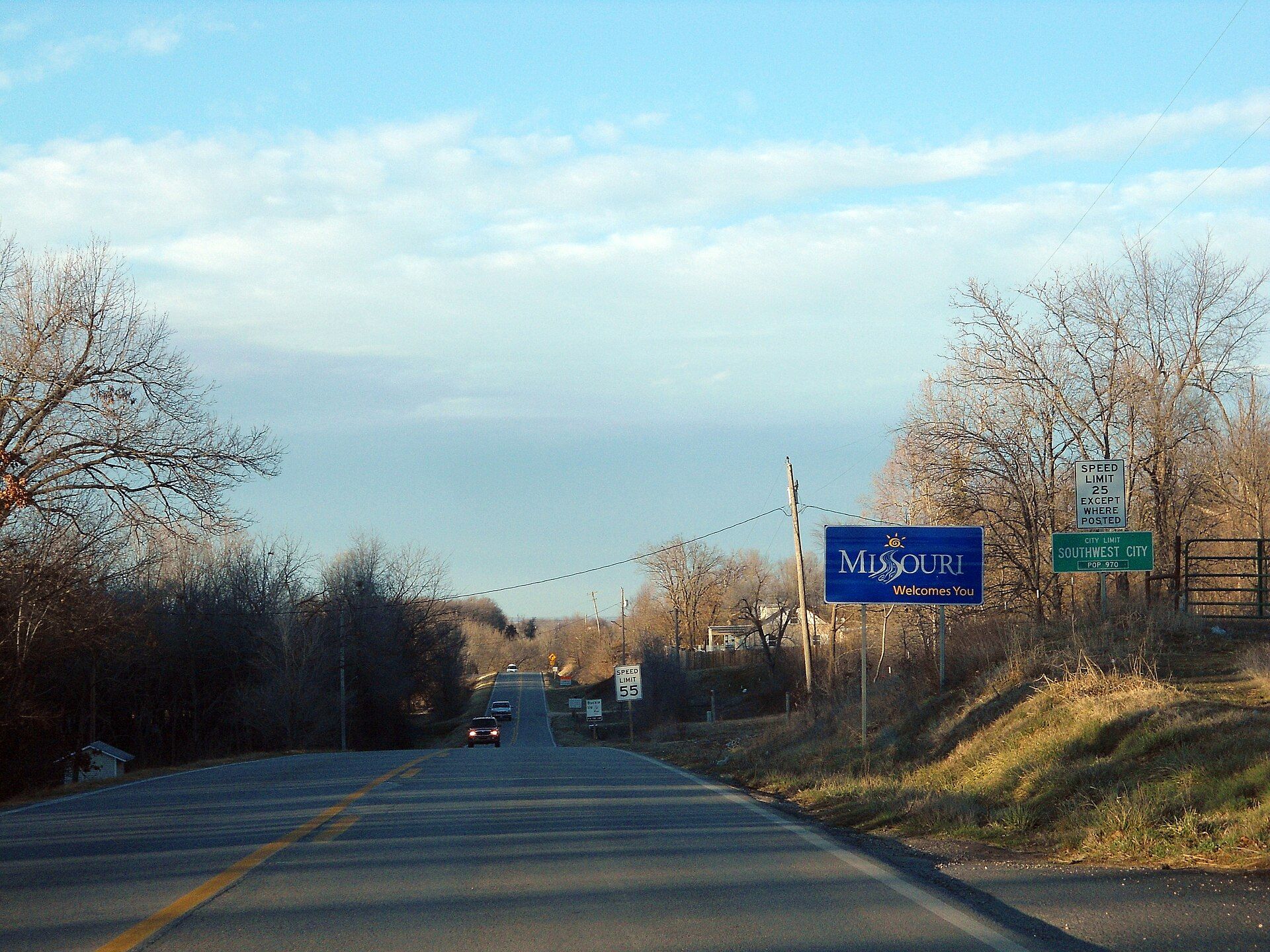
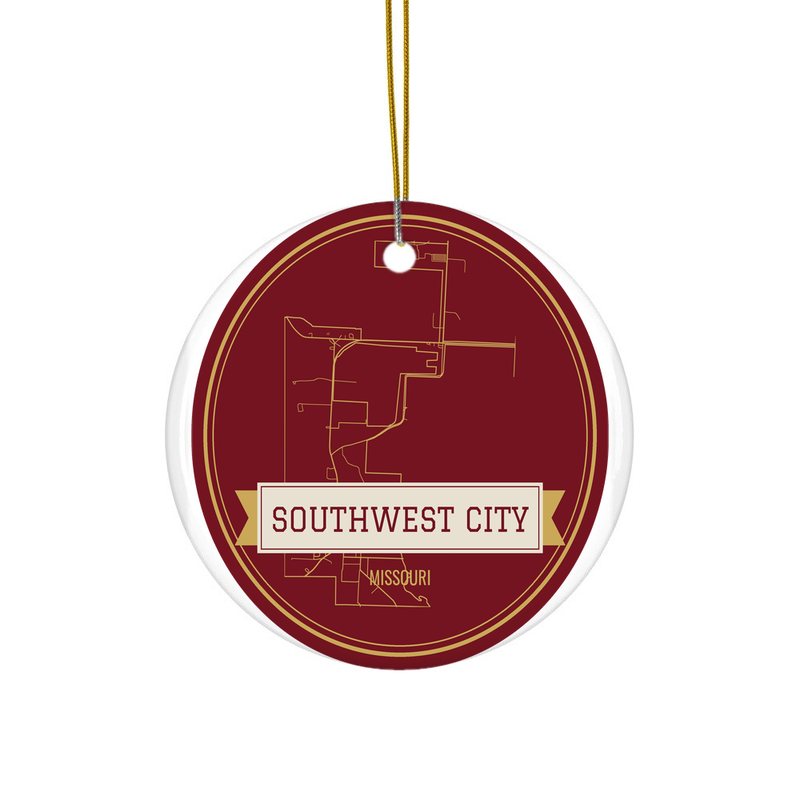
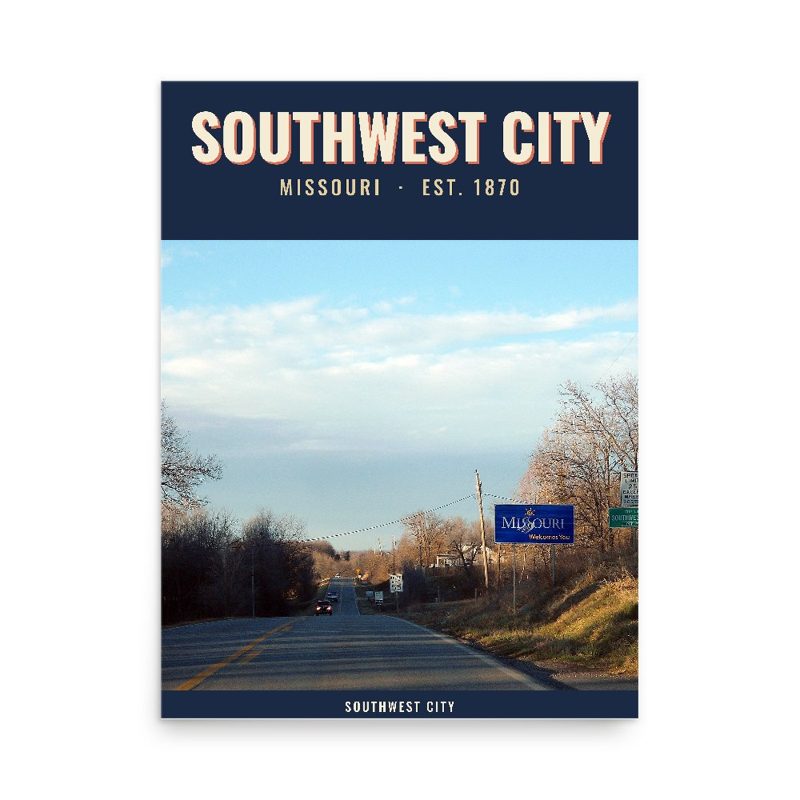
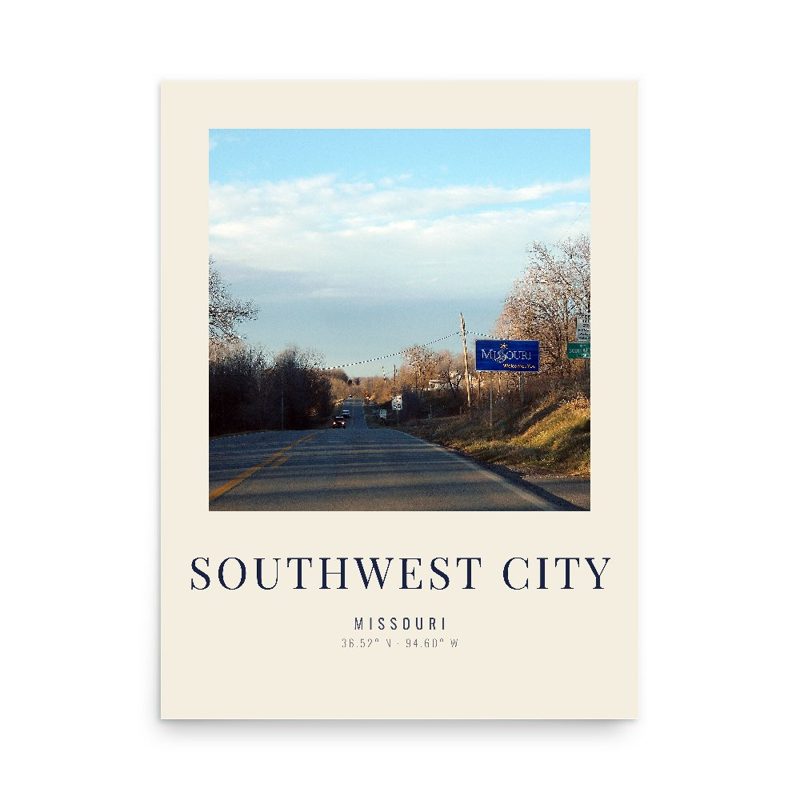
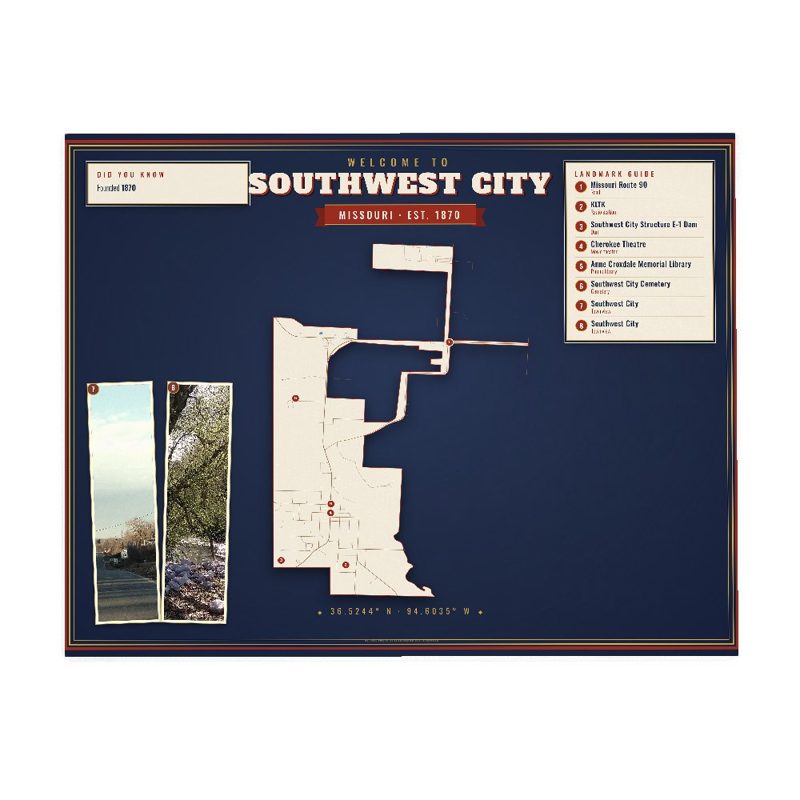
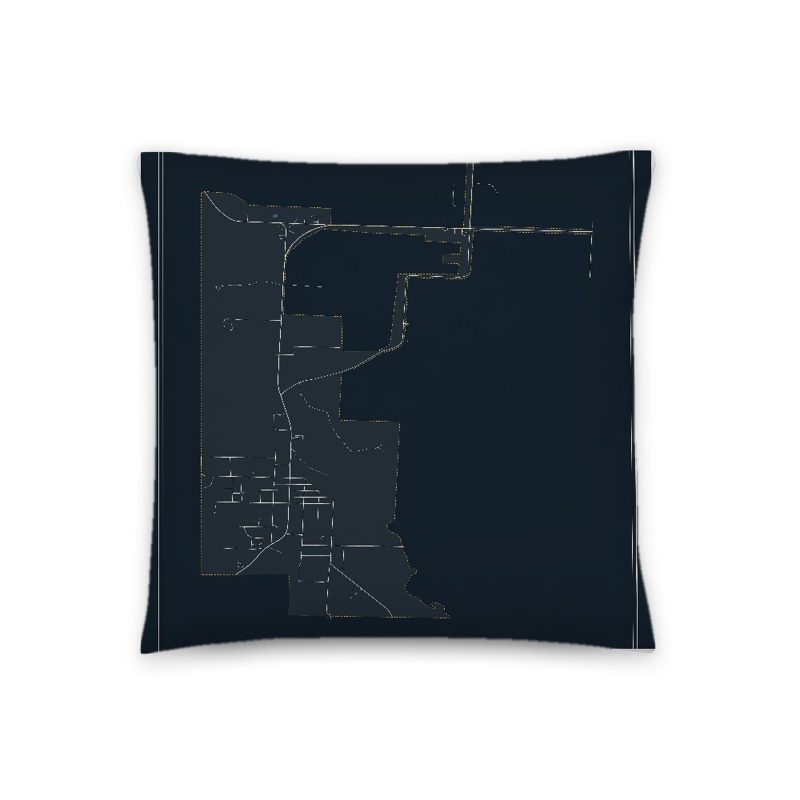
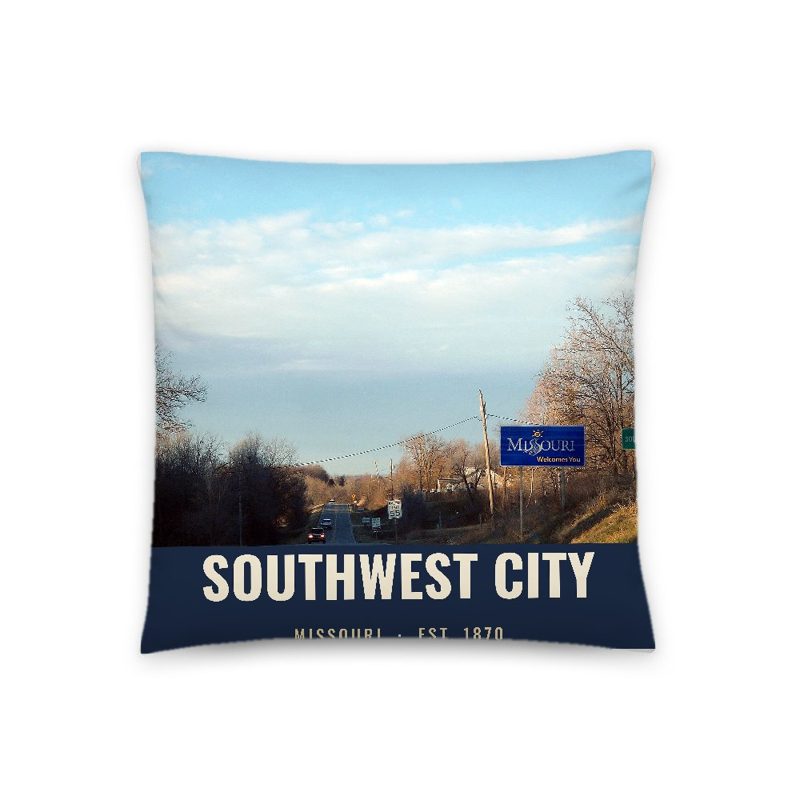
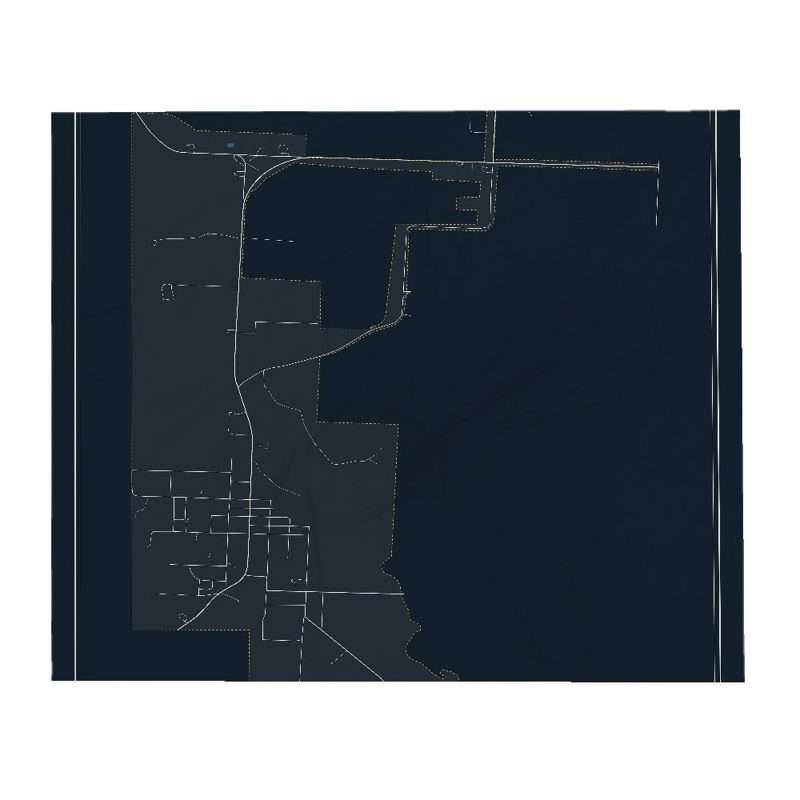
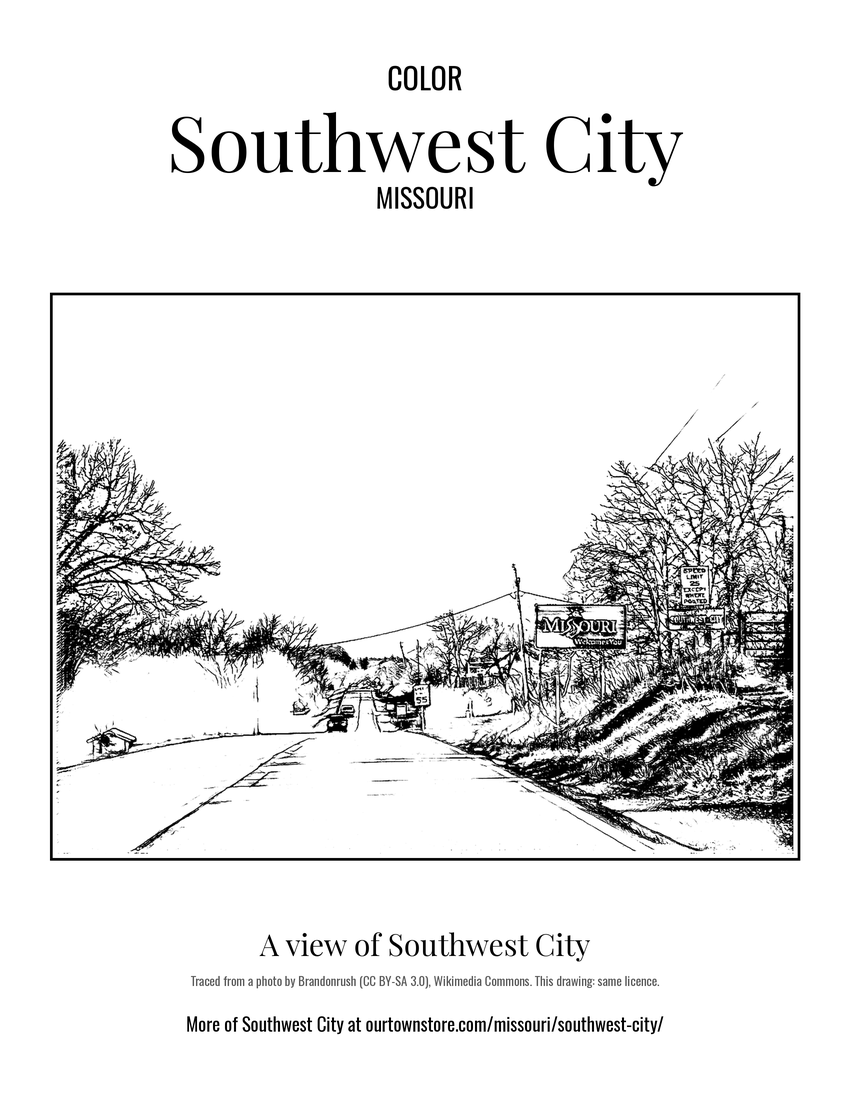 A view of Southwest City
 A view of Southwest City