A short history of Macon
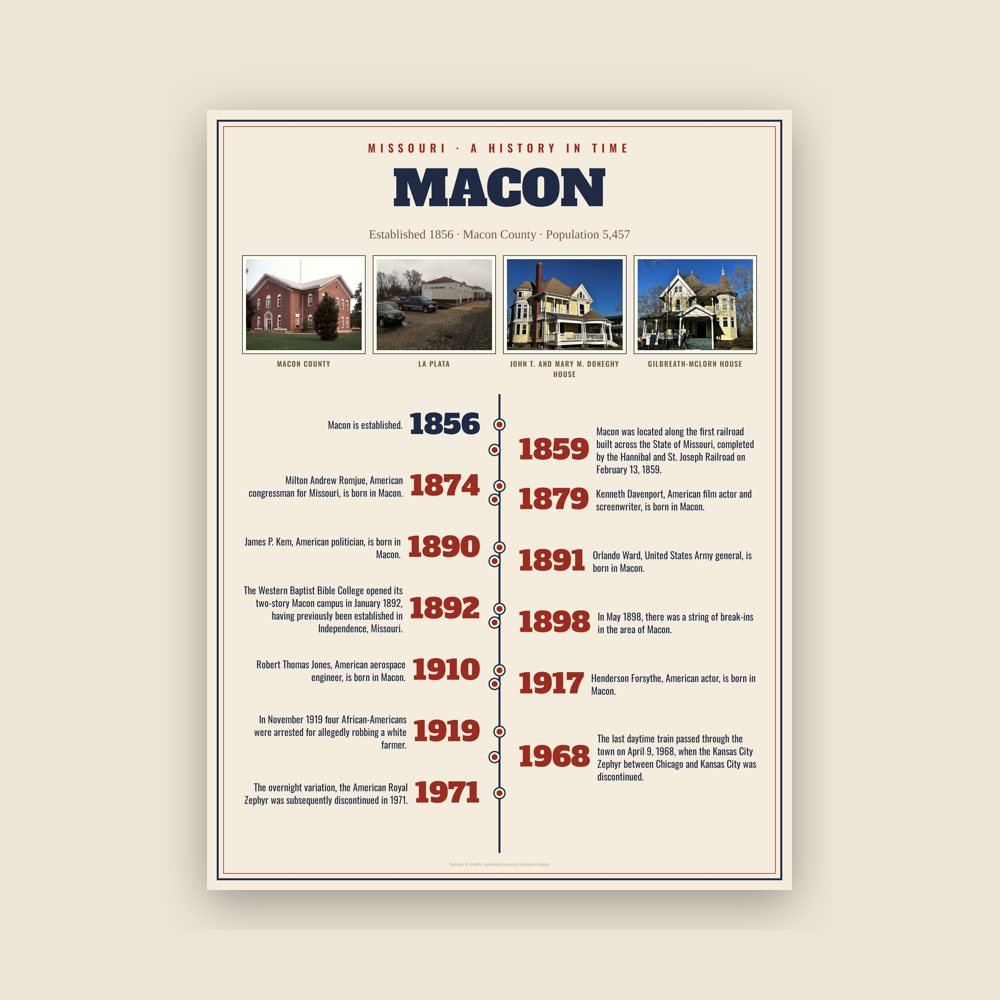
Macon was platted in 1856. Like the county itself, Macon was named for Nathaniel Macon. A post office called "Macon City" was established in 1856, and the name was changed to Macon in 1892.
The Western Baptist Bible College opened its two-story Macon campus in January 1892, having previously been established in Independence, Missouri. The college considers itself to be the "oldest African American school west of the Mississippi River". It continued operations in Macon until it was finally relocated to its present-day campus at the Ridge Estate in Kansas City, in September 1920.
In May 1898, there was a string of break-ins in the area of Macon. The break-ins included the theft of food and items, as well as assaults on women. In late June, there was a break-in at the home of John Koechel, a blind broom maker. During this break-in, there were references to previous assaults, an attempted assault, and a theft of two sacks of flour. Police officers followed a trail of tiny white specks to the home of Henry Williams, a 30-year-old African American man, who was later arrested with no resistance. The night of Williams' arrest, crowds formed at the courthouse, while a local pastor, Rev. G. A. Robbins, pled for the crowd to allow the law to take its proper course. The crowd moved on to the jail, and demanded Sheriff A. J. Glenn give up Williams. Glenn and his deputies refused the crowd's demands. A man called Mr. McVicker made a speech to attempt to pacify the crowd, but was knocked out by a thrown brick. The crowd knocked down the fence, stole the key, and unlocked Williams' cell, confronting the cowering man. The mob of 200-300 men decided they would hang him from a bridge instead of electrical lights, so they would not offend the women and children in the morning. In the early morning hours of June 30, 1898, Henry Williams was lynched on the Wabash bridge; he maintained his innocence when asked if he wanted to say anything.
In November 1919 four African-Americans were arrested for allegedly robbing a white farmer. They were held at the Macon prison but on Saturday, November 15, 1919, a white mob drove into town and demanded that the sheriff hand them over. At first he refused but when the mob threatened to use dynamite to destroy the prison the four black men were handed over and they were then driven to Moberly, Missouri and lynched.
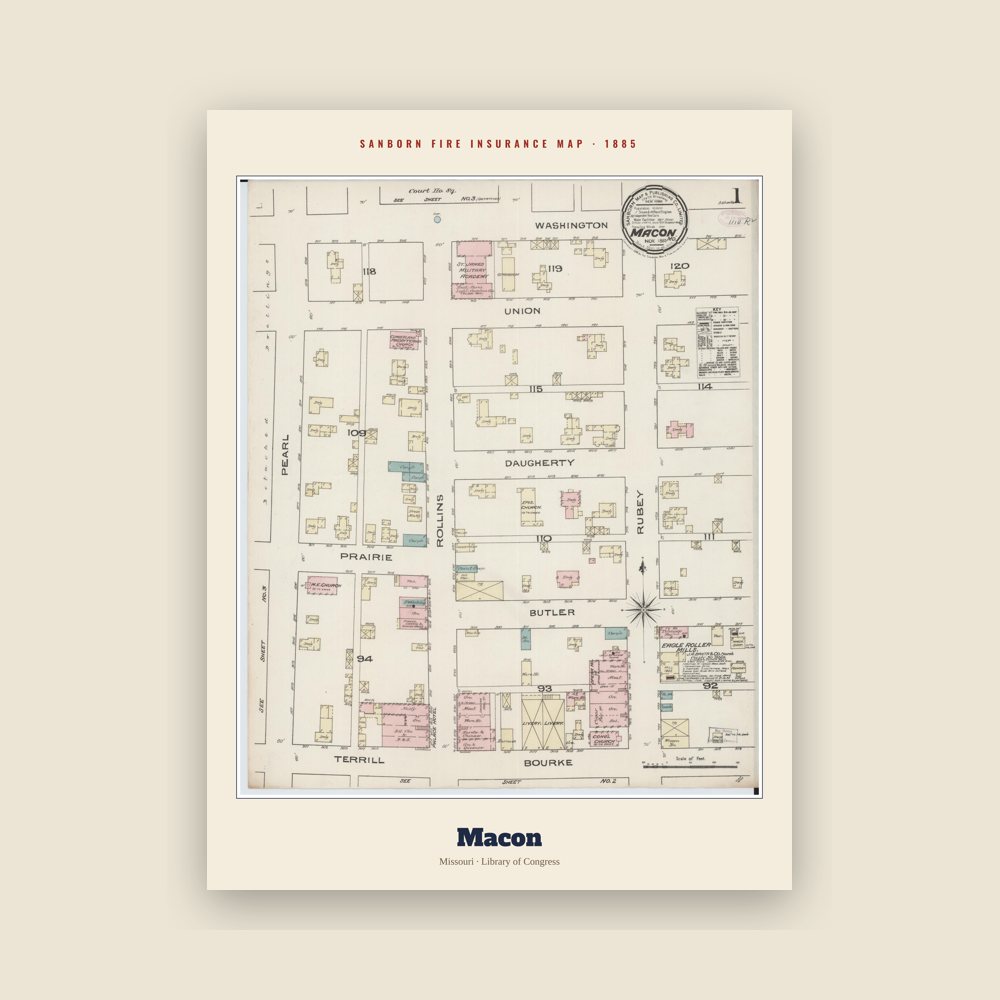
Macon was located along the first railroad built across the State of Missouri, completed by the Hannibal and St. Joseph Railroad on February 13, 1859. Passenger rail served the town for over a century. The last daytime train passed through the town on April 9, 1968, when the Kansas City Zephyr between Chicago and Kansas City was discontinued. The overnight variation, the American Royal Zephyr was subsequently discontinued in 1971. The depot, located between Rollins and Rubey streets, was later demolished.
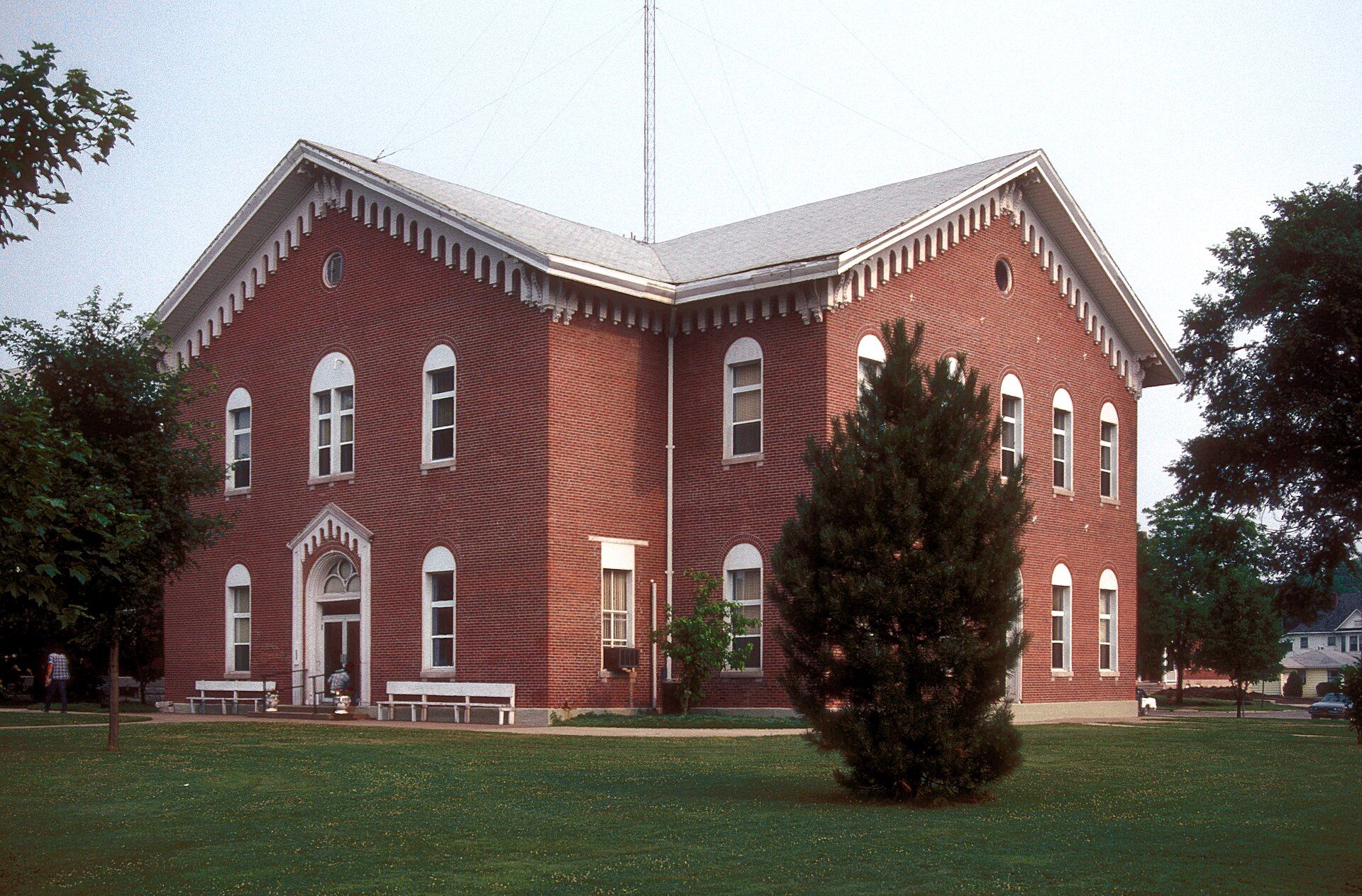
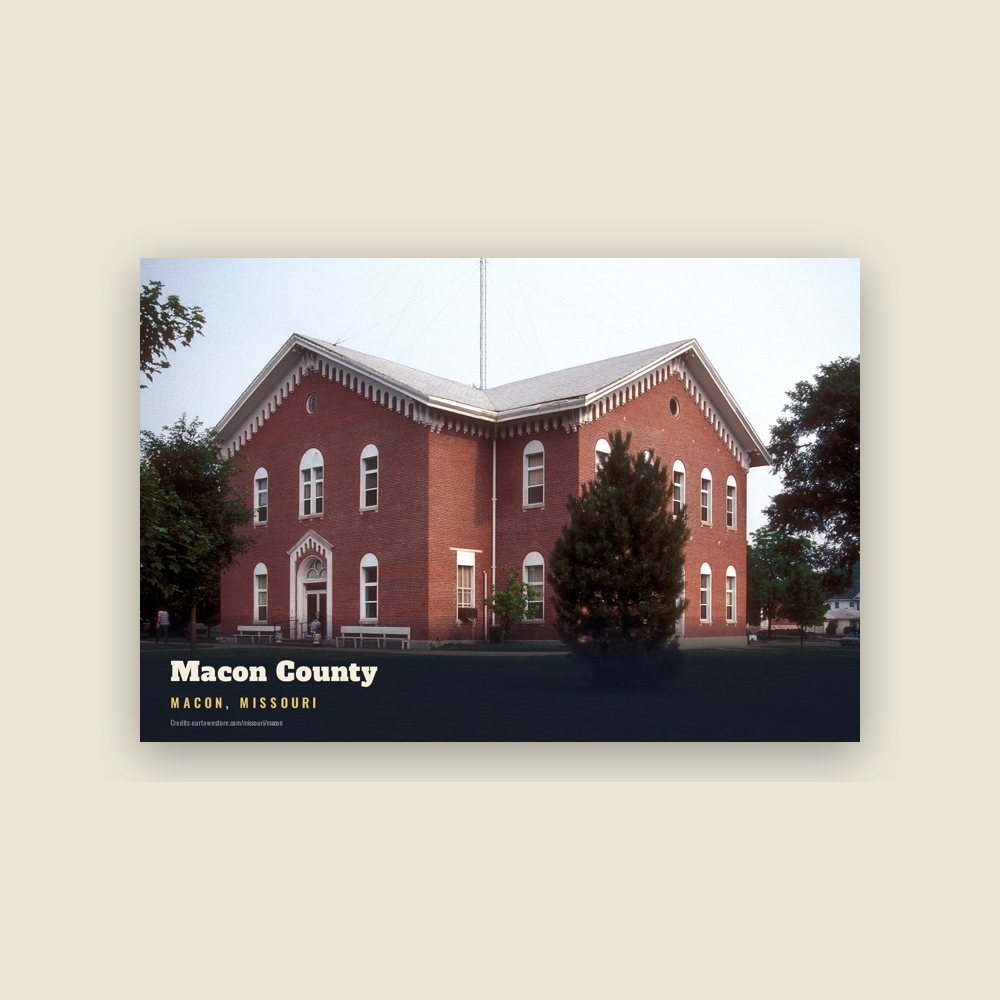
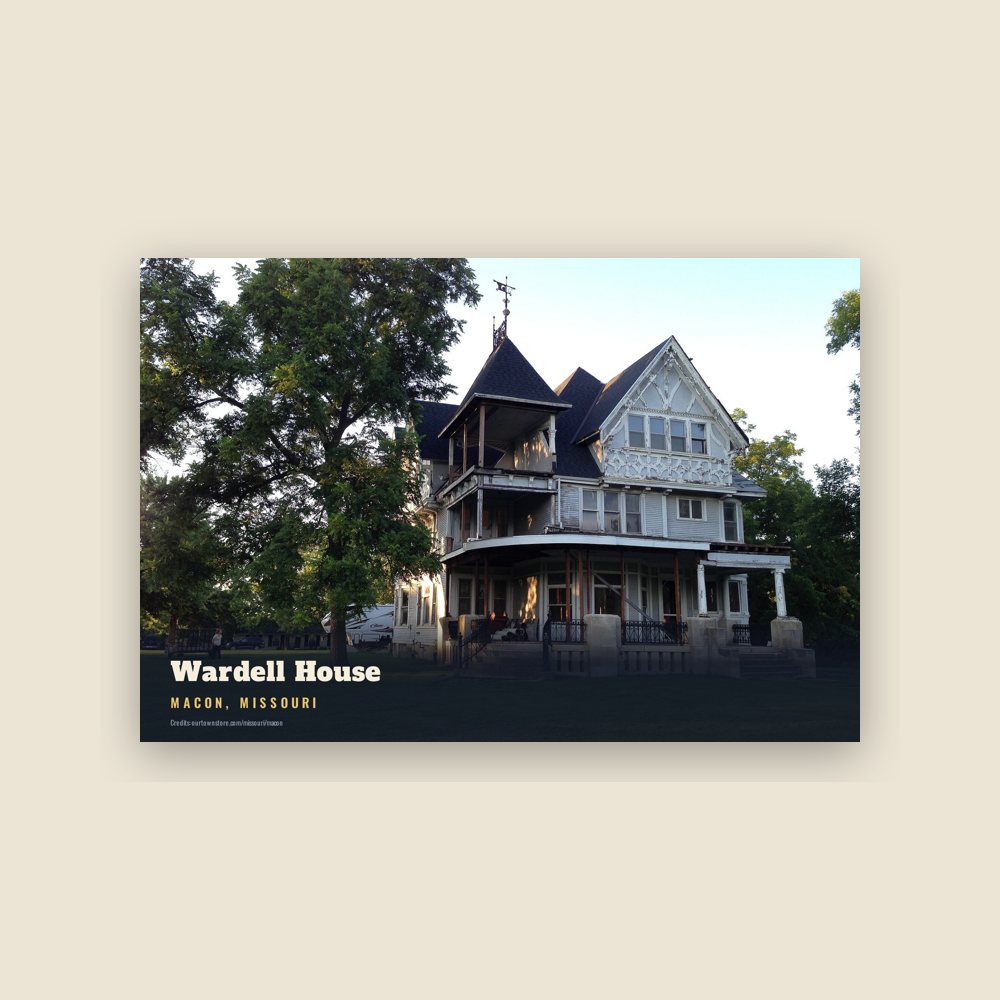
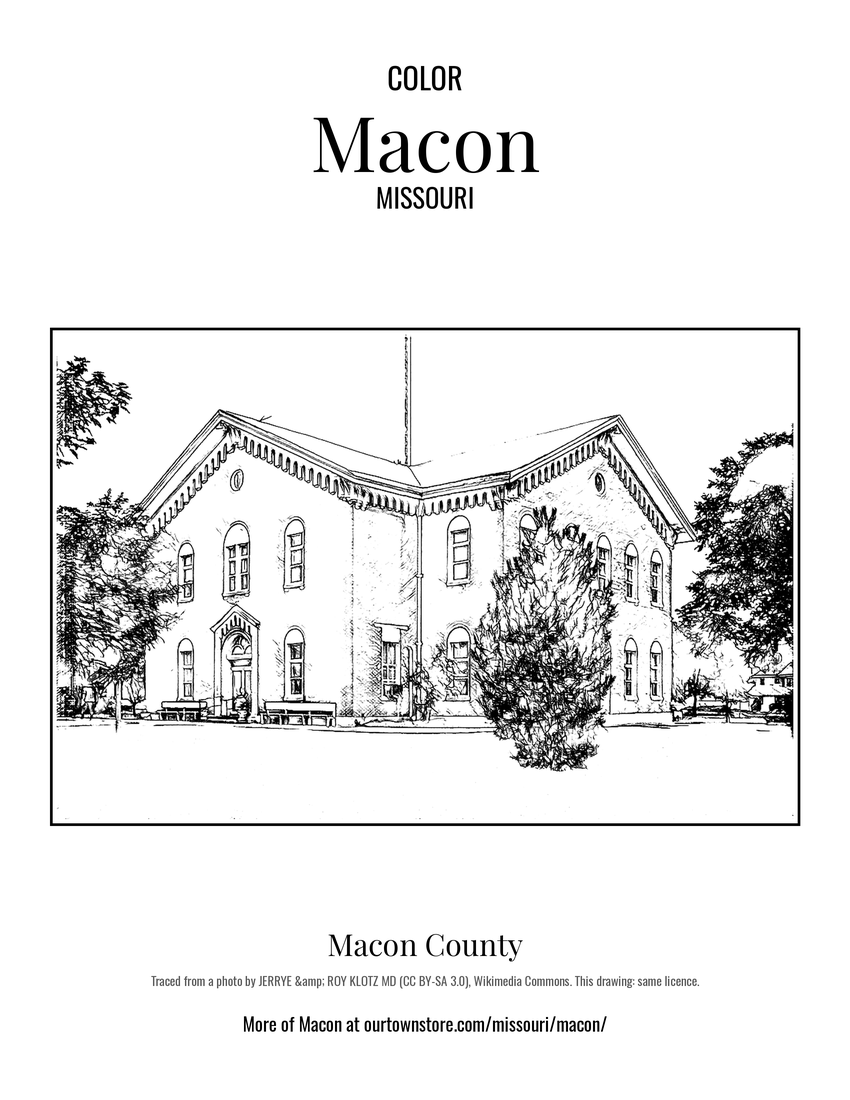
The Blees Military Academy, Macon County Courthouse and Annex, and now-demolished Wardell House are listed on the National Register of Historic Places.
Adapted (trimmed) from the Wikipedia article Macon, Missouri, revision 1377057197 by its contributors, licensed CC BY-SA 4.0.

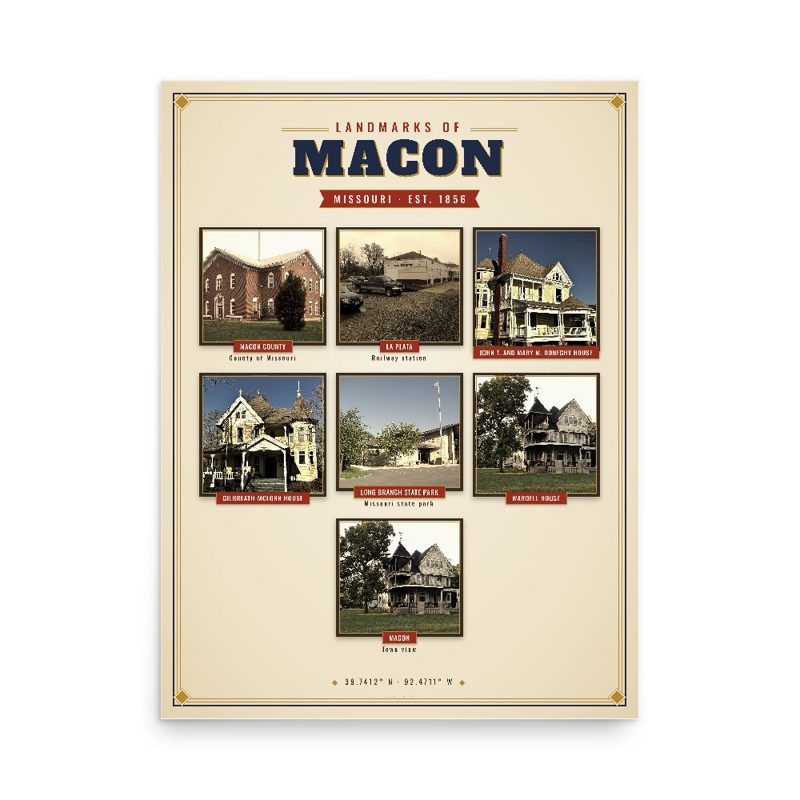
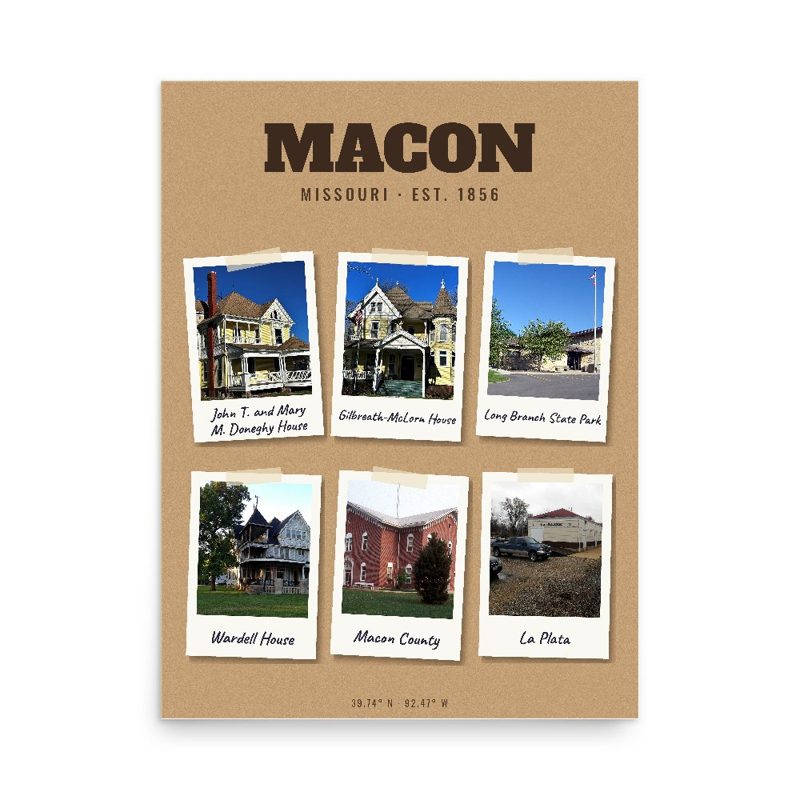
















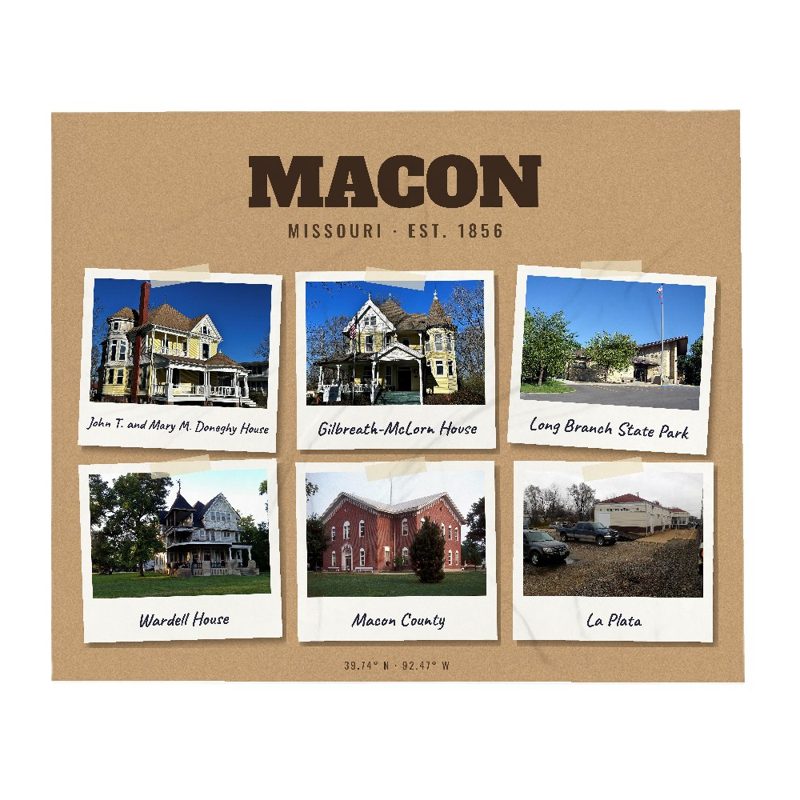

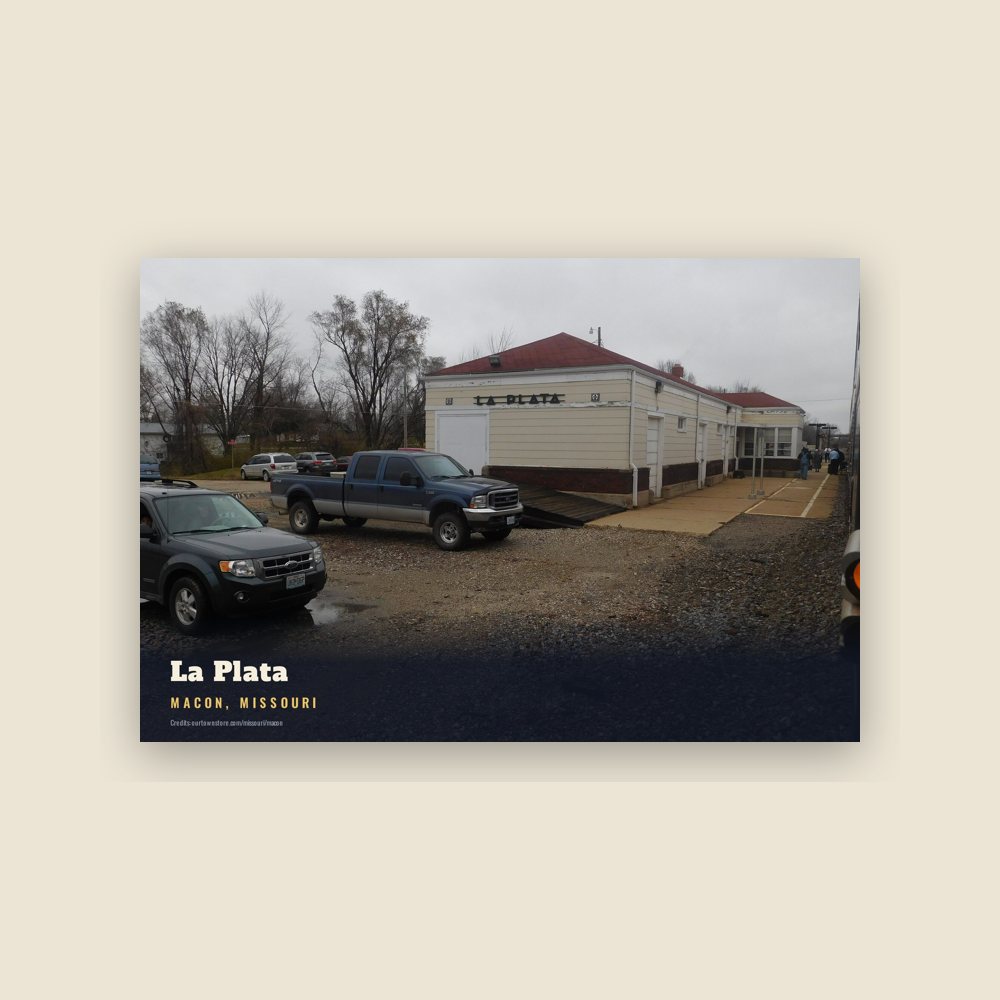
 La Plata
 Macon County
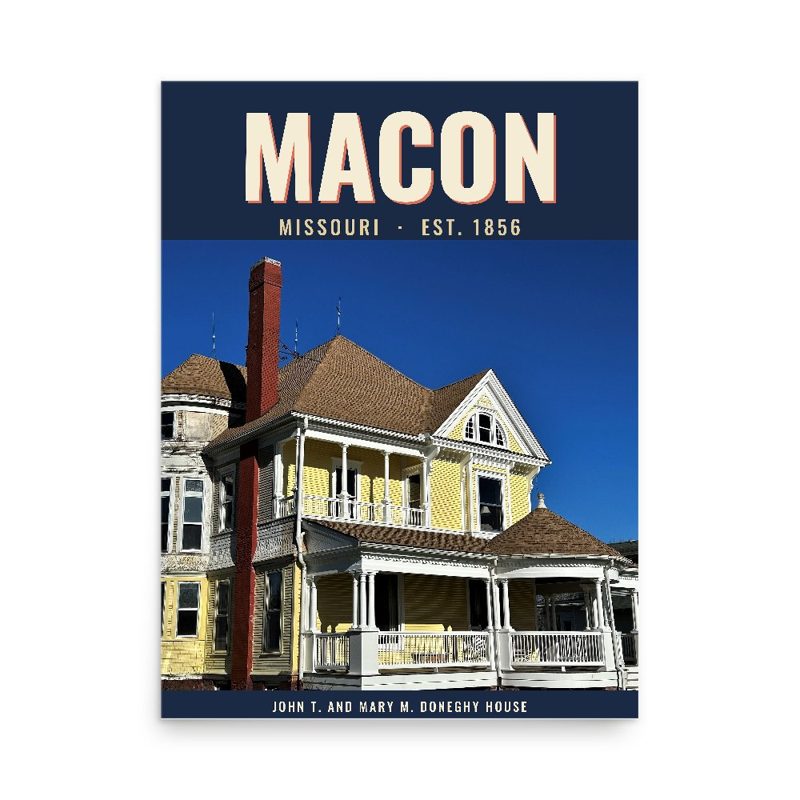
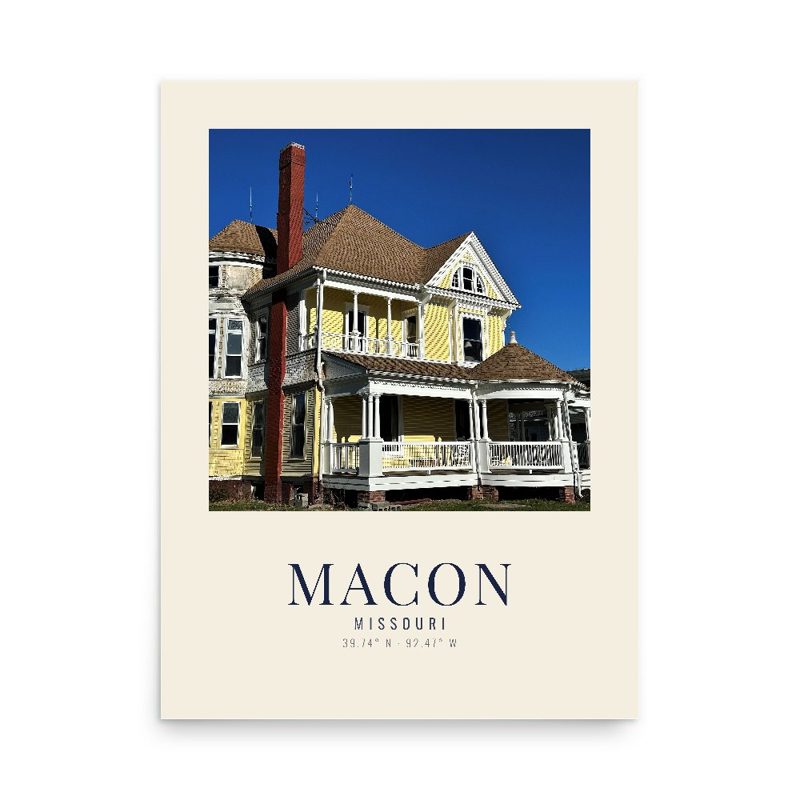
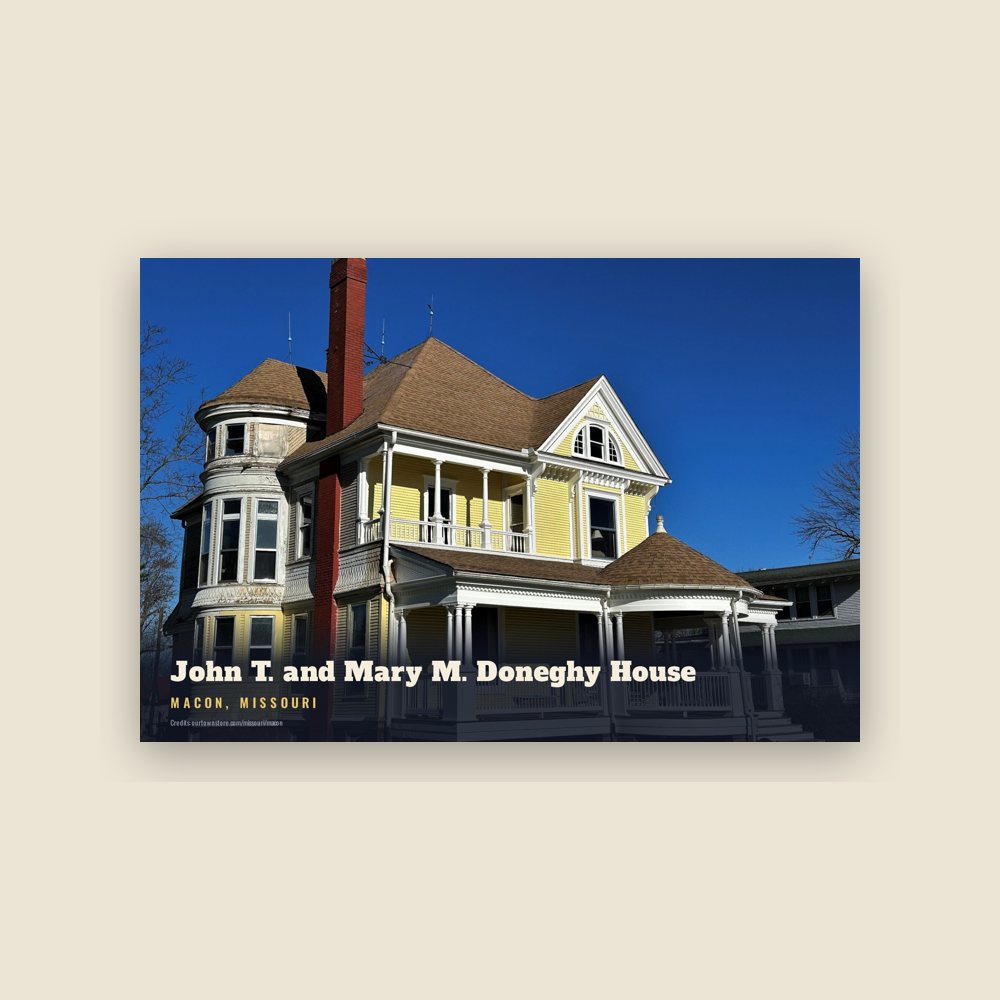
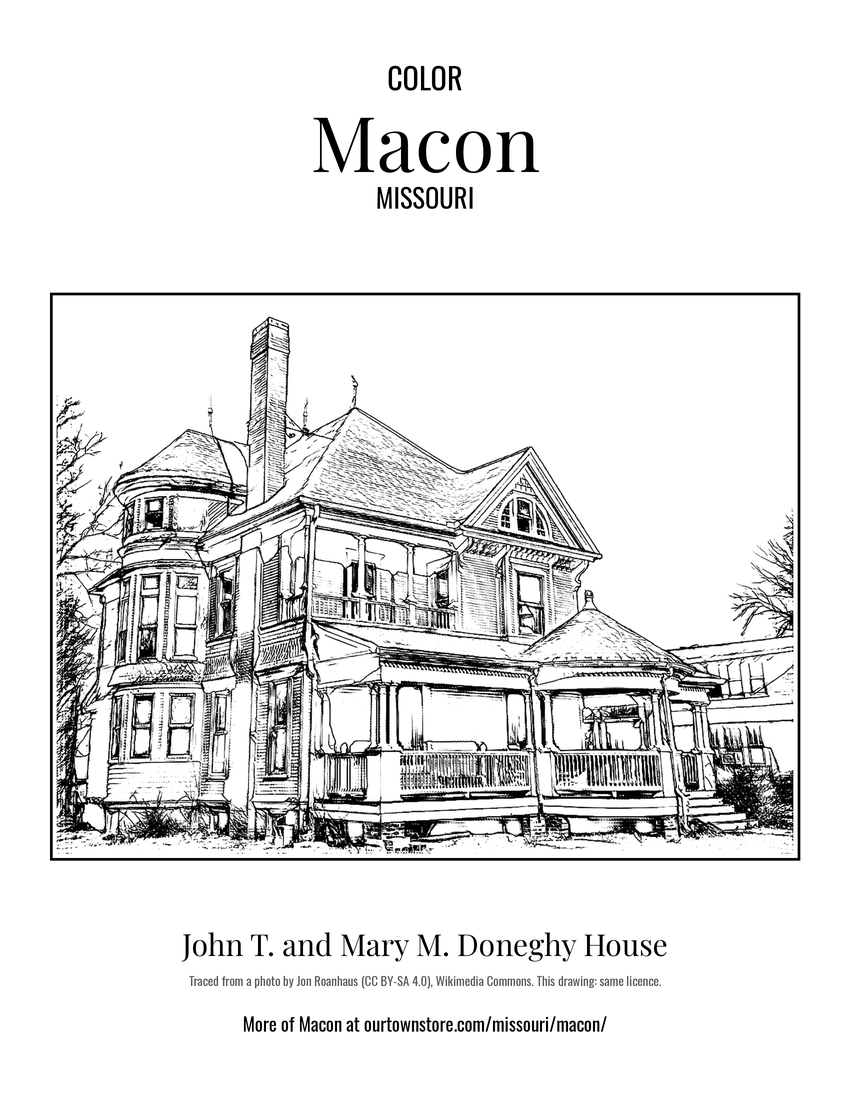 John T. and Mary M. Doneghy House
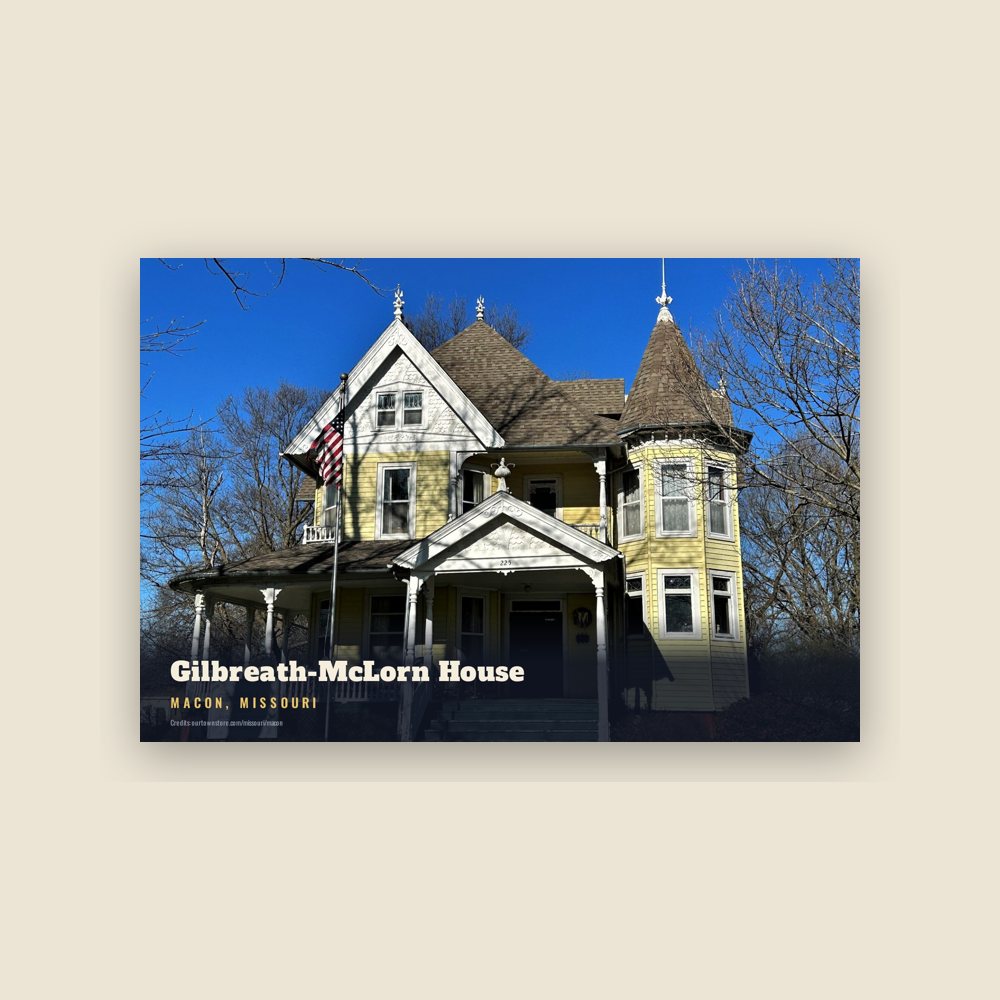
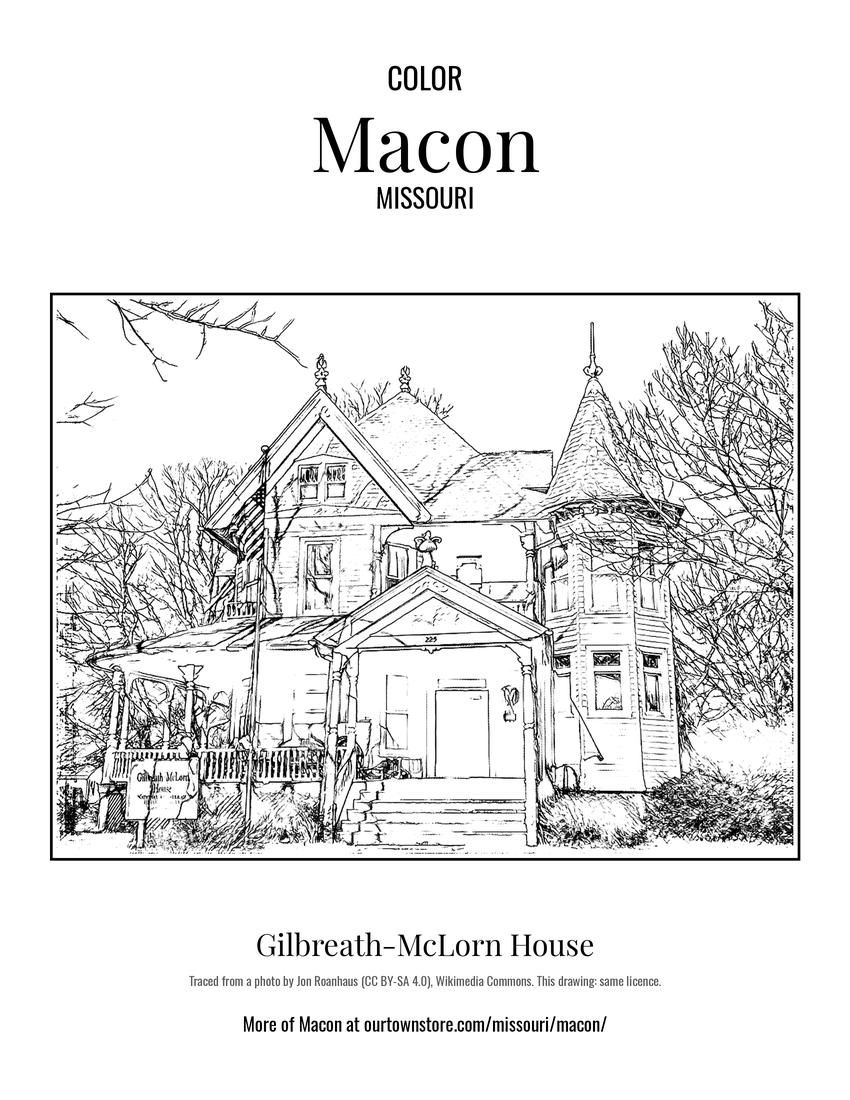 Gilbreath-McLorn House