Soon after, in 1821, they were followed by English and Scotch-Irish Methodists also hailing from North Carolina, settling in the present area of Longtown. Landmarks include Zion Lutheran Church.
- CountyPerry County
- Population90 (2020 U.S. Census)
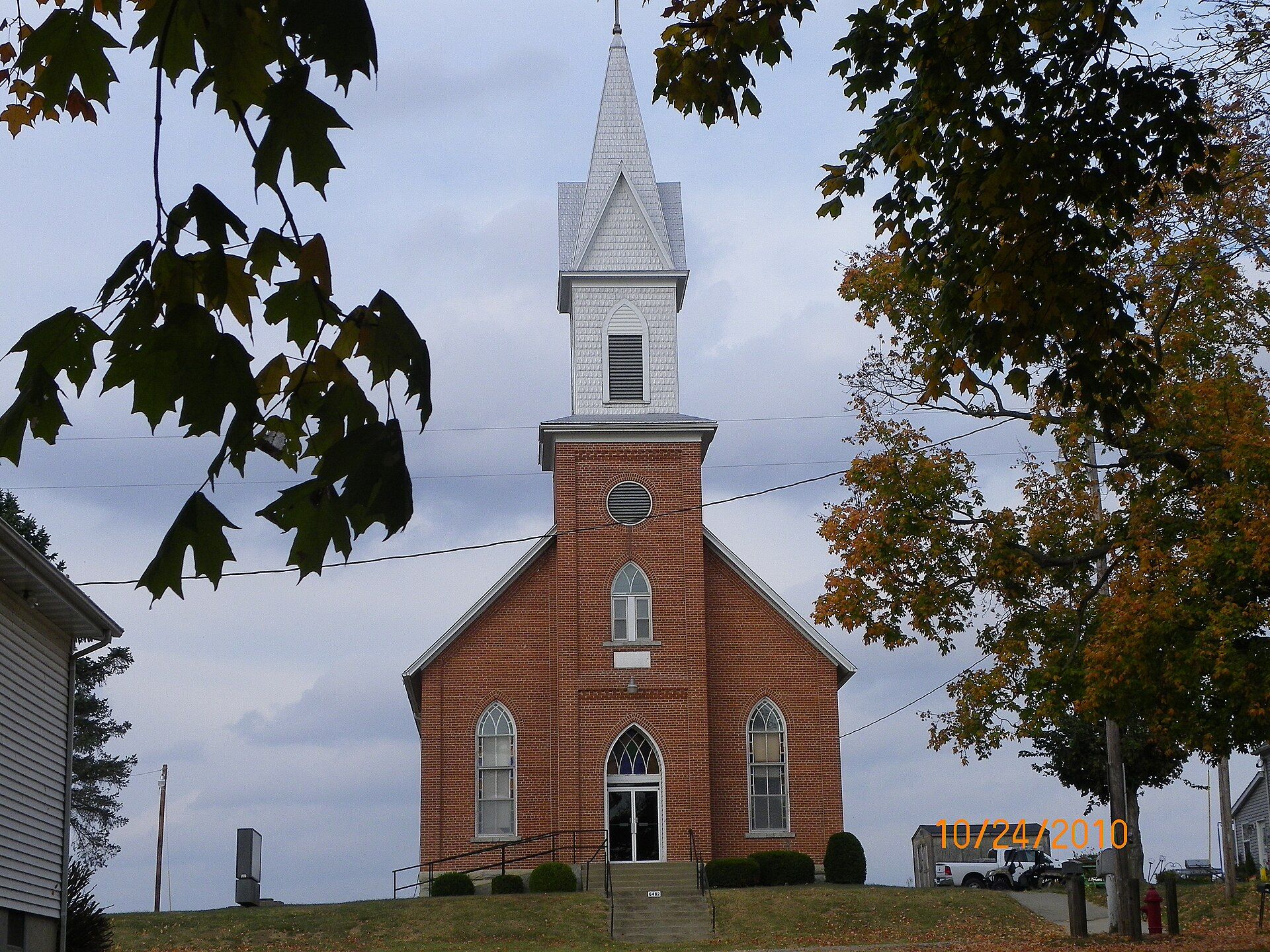
Soon after, in 1821, they were followed by English and Scotch-Irish Methodists also hailing from North Carolina, settling in the present area of Longtown. Landmarks include Zion Lutheran Church.
Longtown, Missouri gifts and souvenirs: 21 designs made from Longtown's own map, landmarks and history, from $10 to $95. Printed to order and shipped free in the USA.
| Popular | Price |
|---|---|
| Longtown Hometown Ornament | $23 |
| Longtown Vintage Travel Poster | from $40 |
| Longtown Varsity Crewneck | from $57 |
| Longtown Est. Tee | from $33 |
| Longtown Town Line Mug | from $26 |
| Longtown Market Tote | $37 |
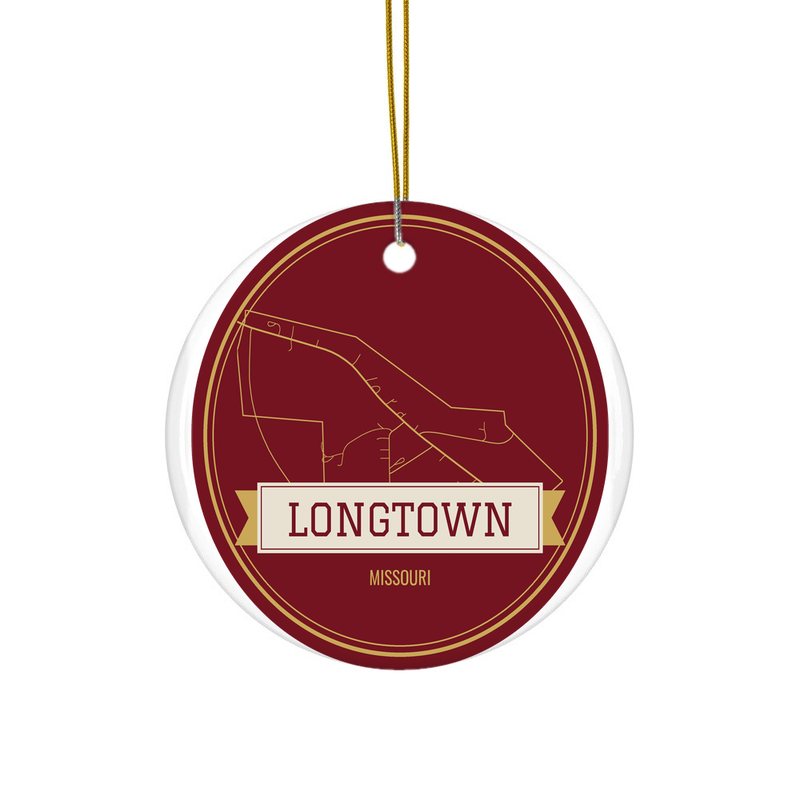
Ceramic keepsake, gold ribbon, in 4 styles
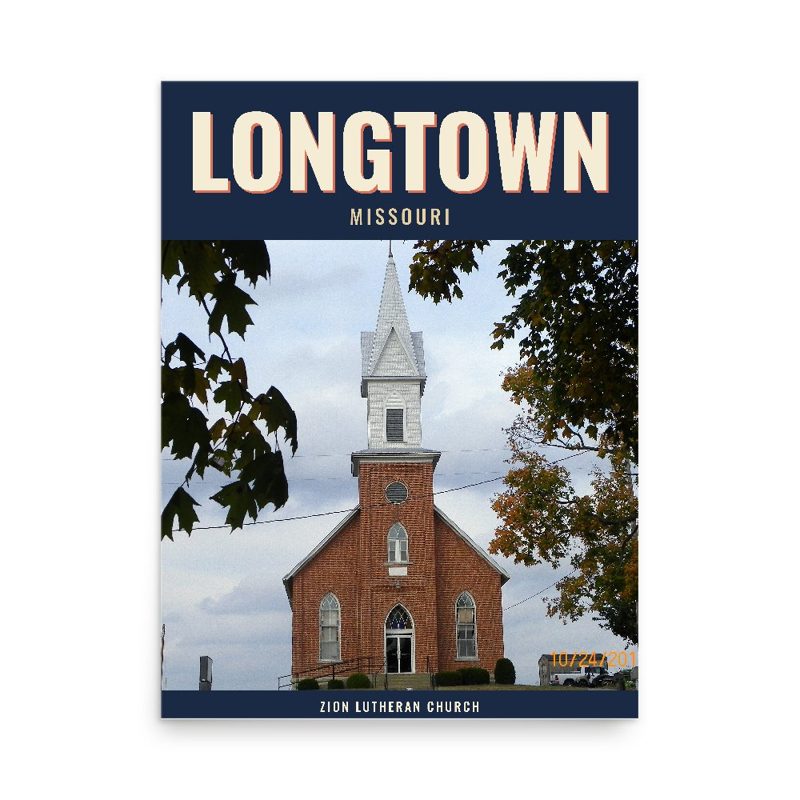
Its landmark photo in a classic travel-poster layout
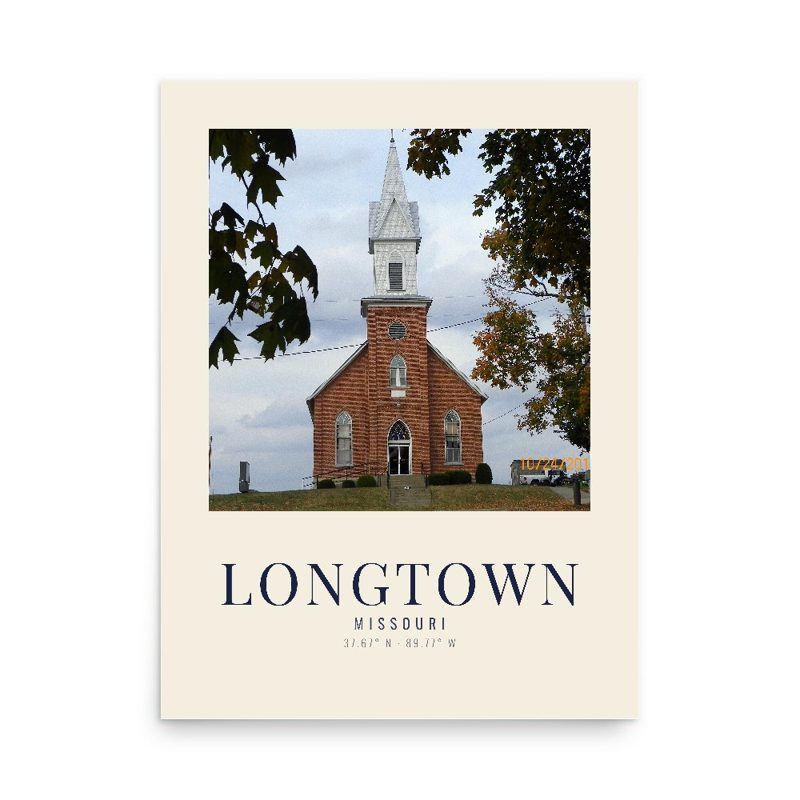
A local landmark photo as a gallery print
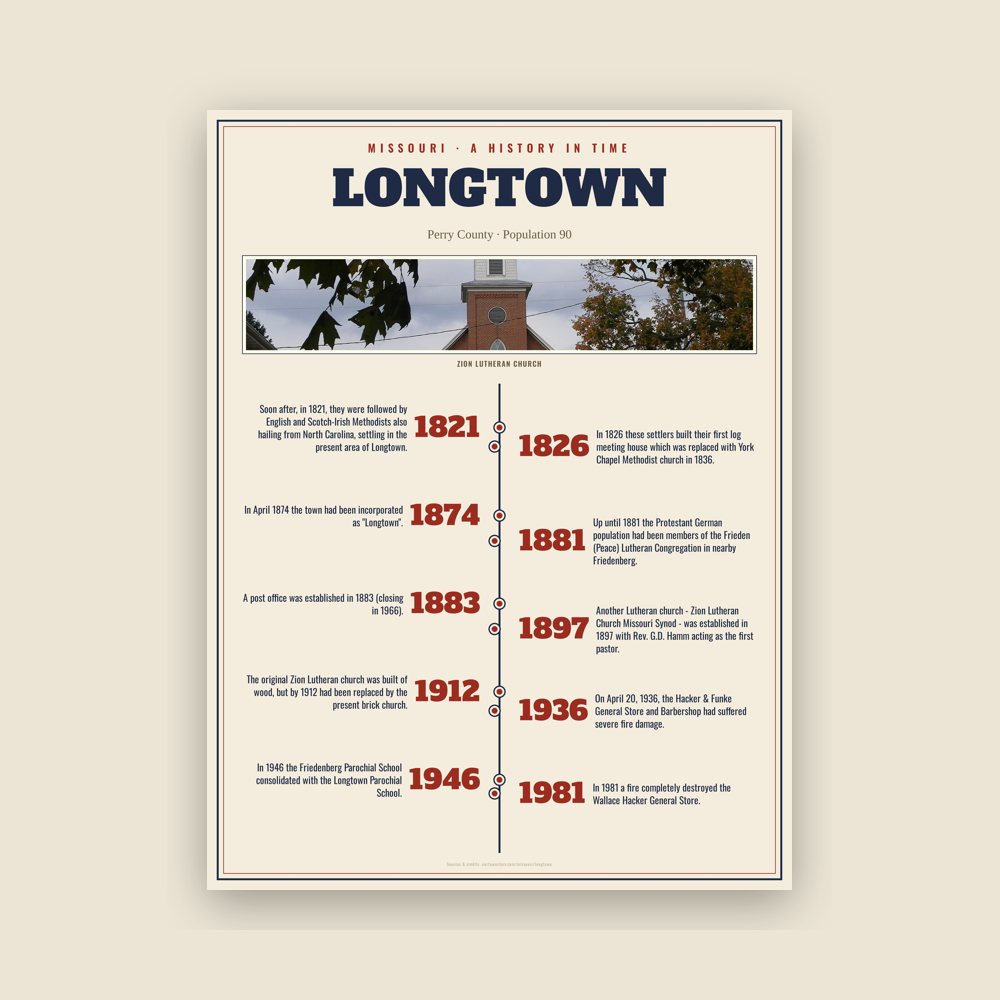
The town's story in dates, from its own records, for home or classroom
Heavy-blend fleece, street map printed on the back
Red heavy-blend crewneck, knit-stitch town print
Soft Bella+Canvas jersey
Kids' Bella+Canvas jersey, youth sizes
Bella+Canvas toddler jersey
Bella+Canvas baby bodysuit
Glossy ceramic, dishwasher safe
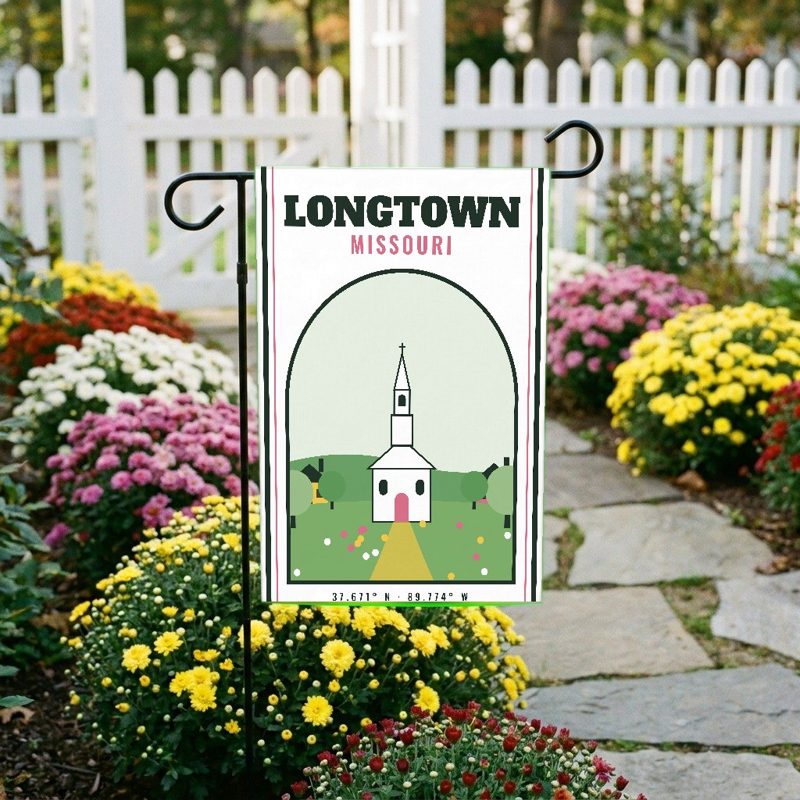
Weatherproof, for the front walk
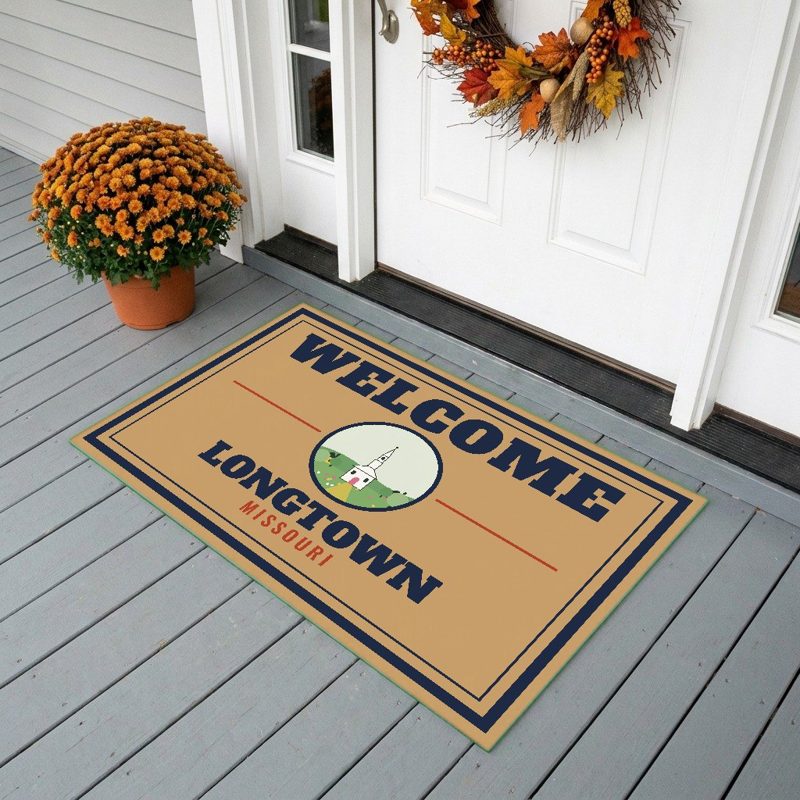
24″×16″, printed coir-look fibers, rubber back
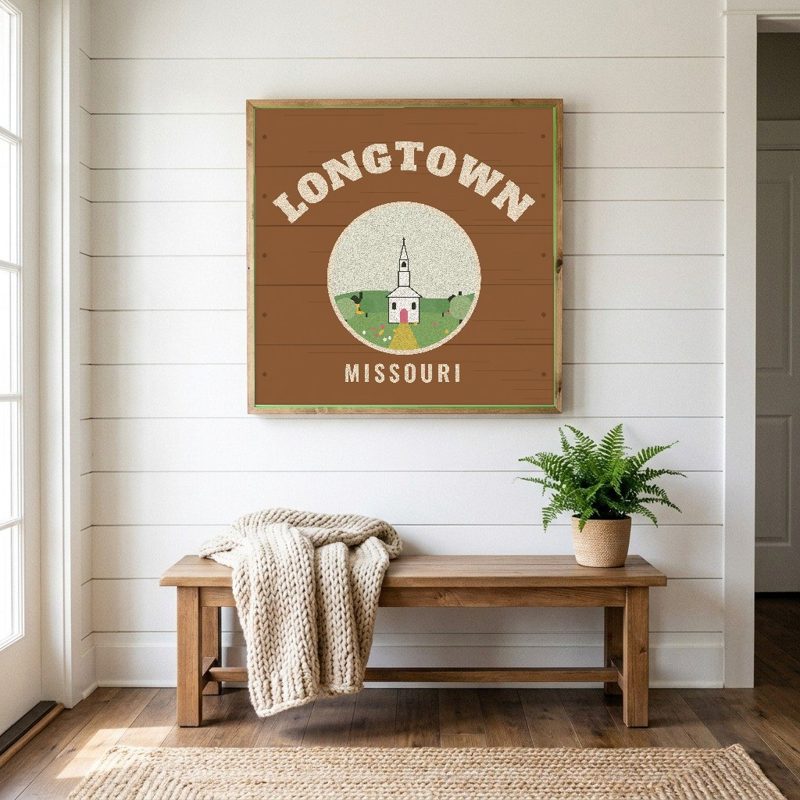
12″×12″ printed wood, ready to hang
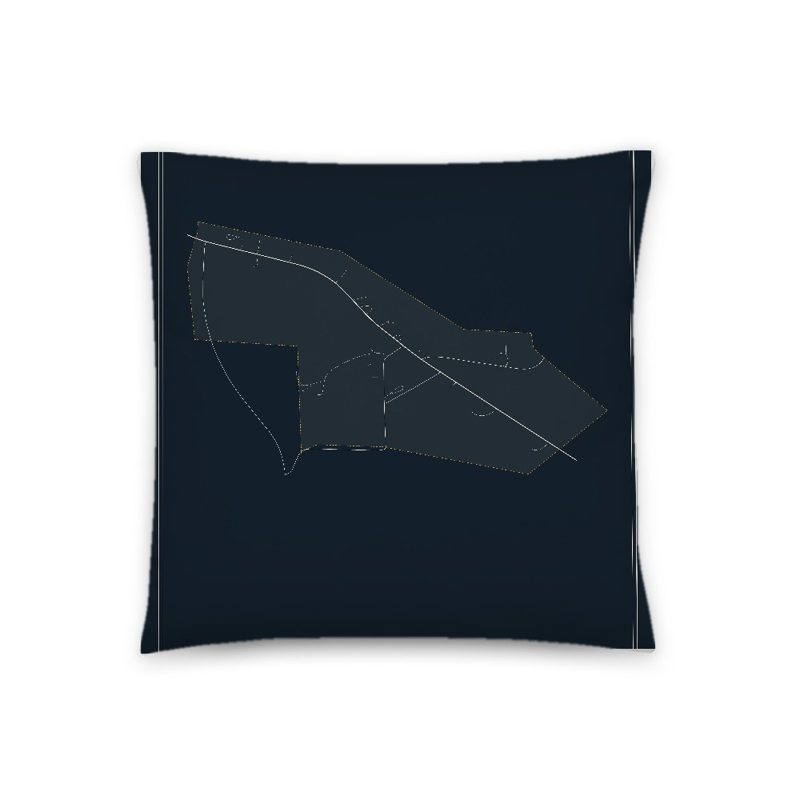
Soft-touch, zip cover
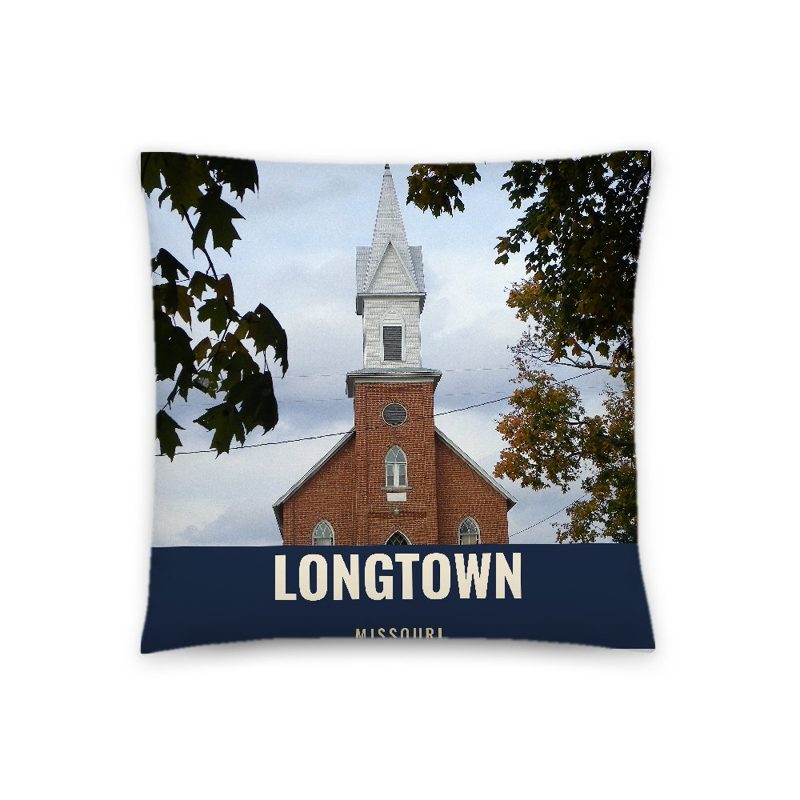
A local landmark photo with the town name, 18″×18″
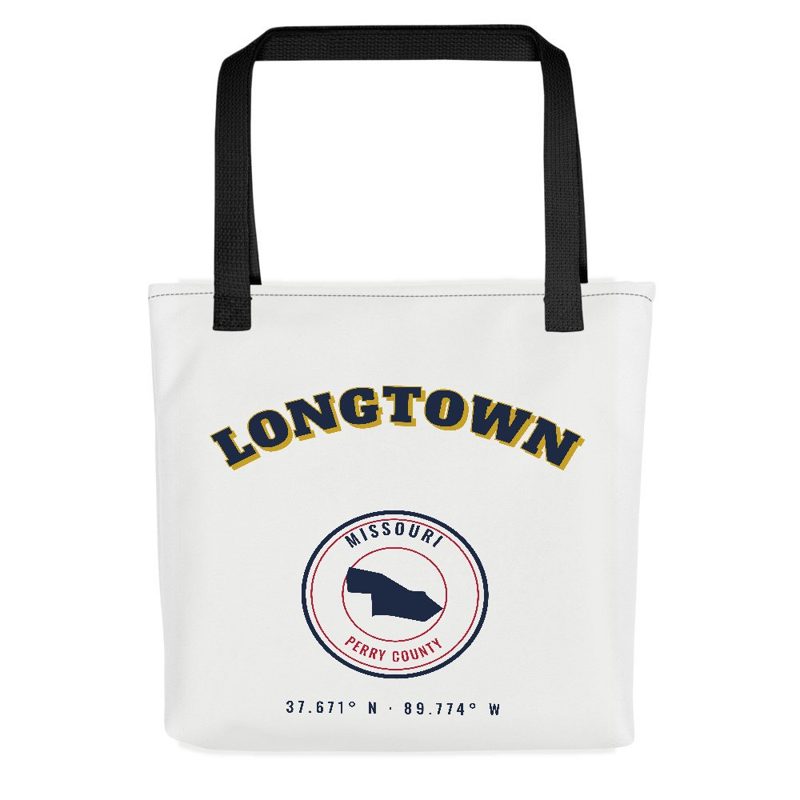
Sturdy all-over-print tote
Glossy top, cork back
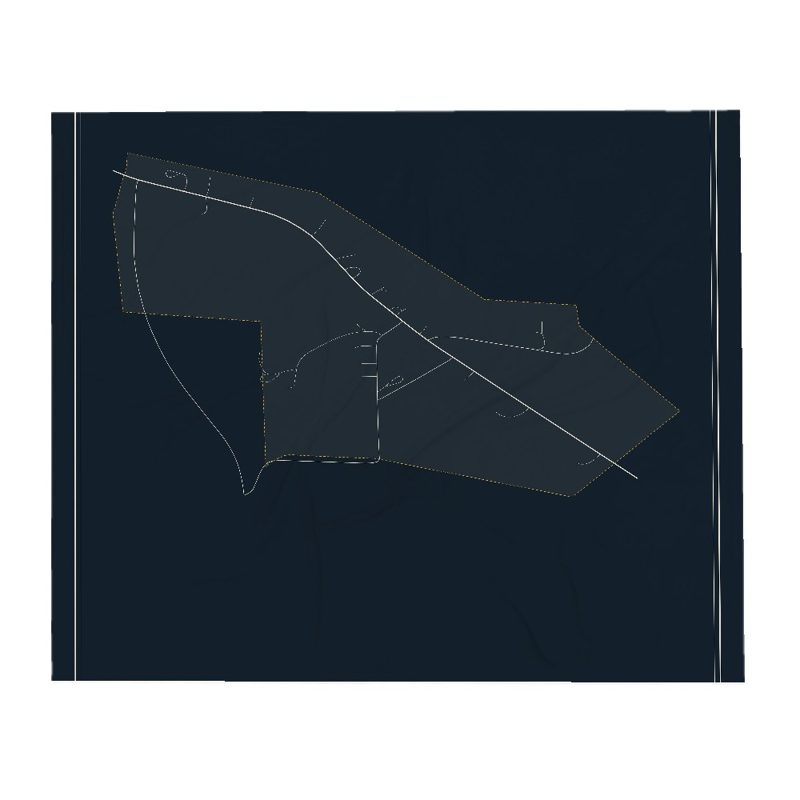
Soft fleece, 50″×60″
20 oz, double-wall stainless
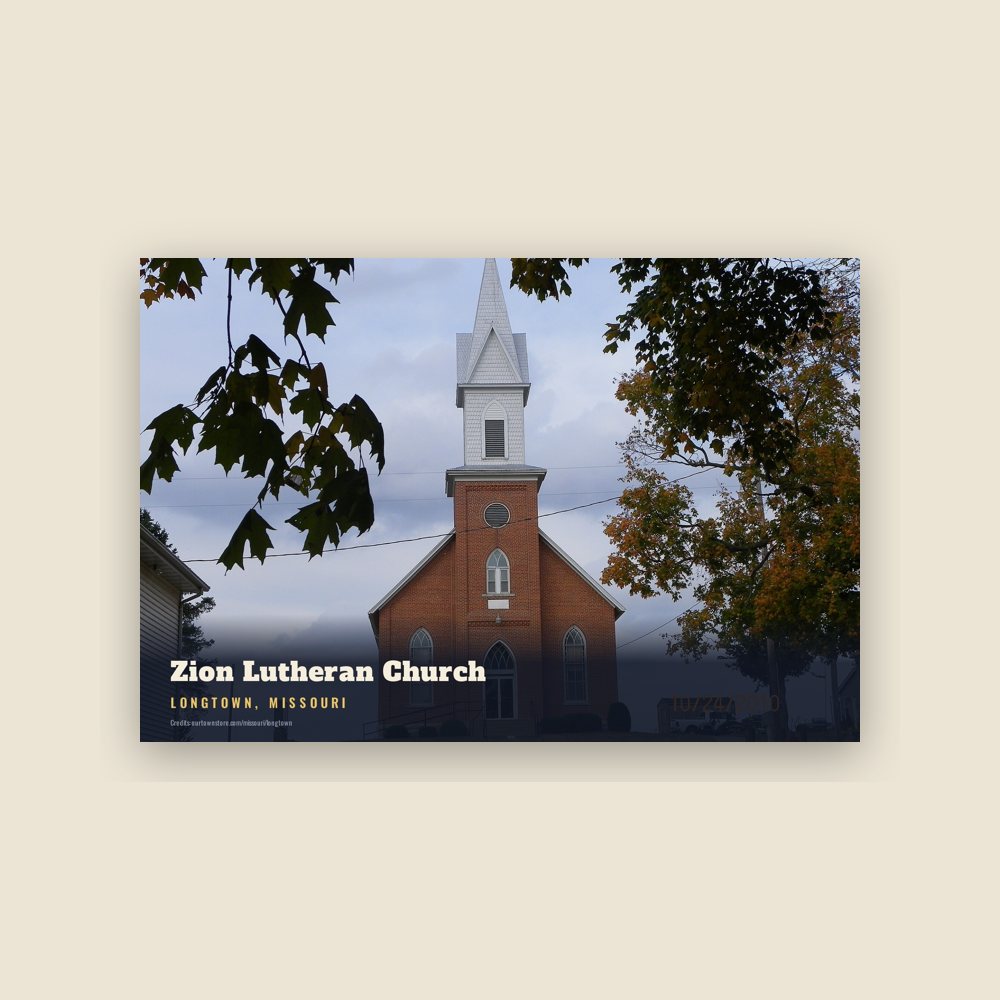
6″×4″ postcard, glossy front
Some of the earliest Europeans to put down roots in the area were English and Scotch-Irish Presbyterian settlers from Rowan, Iredell, Cabarrus, and Mecklenburg counties in North Carolina who settled to the south in Brazeau in 1817. Soon after, in 1821, they were followed by English and Scotch-Irish Methodists also hailing from North Carolina, settling in the present area of Longtown. Among the earliest families were the Abernathys, Farrars, and Rutledgers. These settlers were part of a large exodus from the Piedmont region of North Carolina following the War of 1812. In 1826 these settlers built their first log meeting house which was replaced with York Chapel Methodist church in 1836.
The settlement was initially known as the “Abernathy Settlement”, although at this point the settlement could not be considered an organized community, as the population lay scattered on farms in the surrounding area. Emil Urban and Oliver Abernathy were the first merchants in the settlement. By 1860 a core community had formed along the King’s Road (French: Le Chemin du Roi, Spanish: El Camino Real), known today as King’s Highway, but also known then as the Perryville-Jackson Road.
In April 1874 the town had been incorporated as "Longtown". Two theories abound to the origin of the name. One early explanation gives that the town was named after a German couple that immigrated to the area – Johann and Maria Lang (Lang being German for ‘long’). The other explanation given is that the town was named after John Long, one of the earlier settlers. The first mayor was Velentine Bergmann. A post office was established in 1883 (closing in 1966).
Up until 1881 the Protestant German population had been members of the Frieden (Peace) Lutheran Congregation in nearby Friedenberg. However, due to the dirt roads becoming impassable in wet seasons or freezing temperatures in winter, the need for a local church had grown. In 1882, Rev. A.G. Wetzel organized the Cross Congregation Lutheran Church, Ohio Synod, in the school house in Longtown with former members of the Peace Lutheran Congregation of Friedenberg who followed the distinctive teachings of the Ohio Synod. However, the church faced poor prospects because of limited membership.
Another Lutheran church - Zion Lutheran Church Missouri Synod - was established in 1897 with Rev. G.D. Hamm acting as the first pastor. The original Zion Lutheran church was built of wood, but by 1912 had been replaced by the present brick church.
By 1883, the members of Cross Lutheran church had been asked to leave the schoolhouse as the building belonged to "Longtowners".
Rev. Wetzel moved to a different location, more north-east of Longtown and organized and built the Cross Lutheran Church, Ohio Synod. The small church only existed for 15 years from 1883 to 1898. Only the small Cross Cemetery remains along country road #316.
In the early part of the 20th century Longtown had a population of 158, with two churches, a public school, three general stores, a bank, a tavern and a flouring mill, and had largely remained a farming community. On April 20, 1936, the Hacker & Funke General Store and Barbershop had suffered severe fire damage. In 1946 the Friedenberg Parochial School consolidated with the Longtown Parochial School. In 1981 a fire completely destroyed the Wallace Hacker General Store.
Adapted (trimmed) from the Wikipedia article Longtown, Missouri, revision 1378460309 by its contributors, licensed CC BY-SA 4.0.
We share a part of every Longtown sale with local partners, and we'd love to print from your collection. Old photographs, maps and postcards make the best keepsakes.
Partner with usA favorite landmark, your street, a school or team, an anniversary gift, a different product. Tell us and we'll get back to you by email.
2 free coloring pages of Longtown, each traced from a photo of a local landmark. Print them at home, at school or for story hour.
Longtown's population was 90 in the 2020 U.S. Census, down from 102 in 2010.
 Zion Lutheran Church
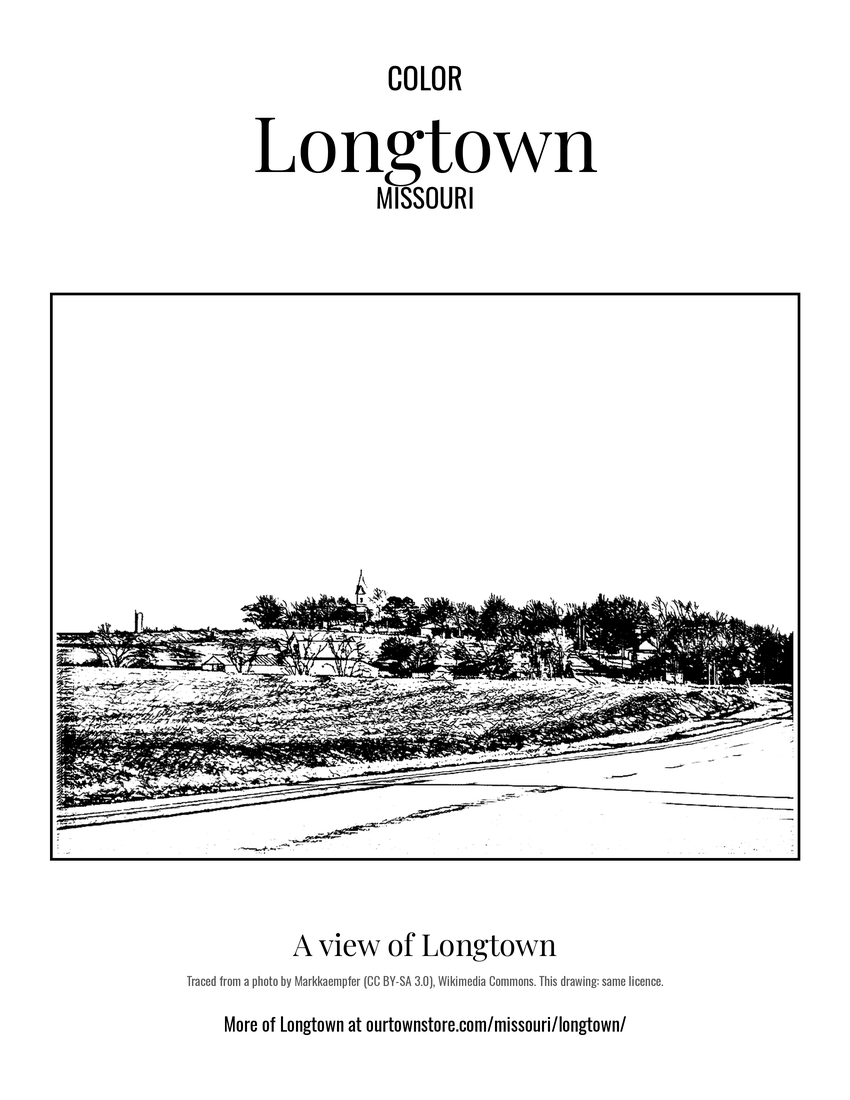 A view of Longtown