Since 1826
A short history of Columbia
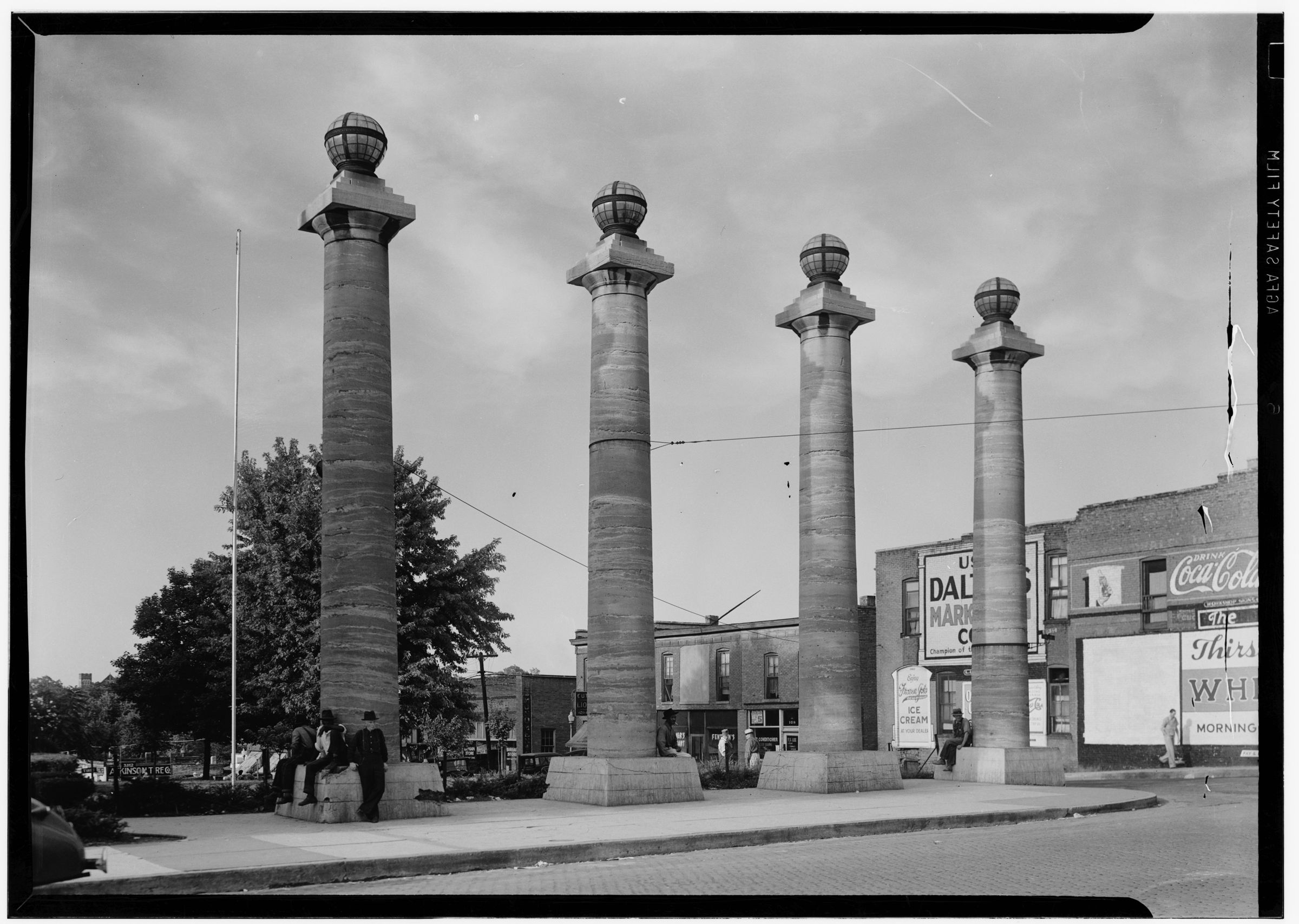
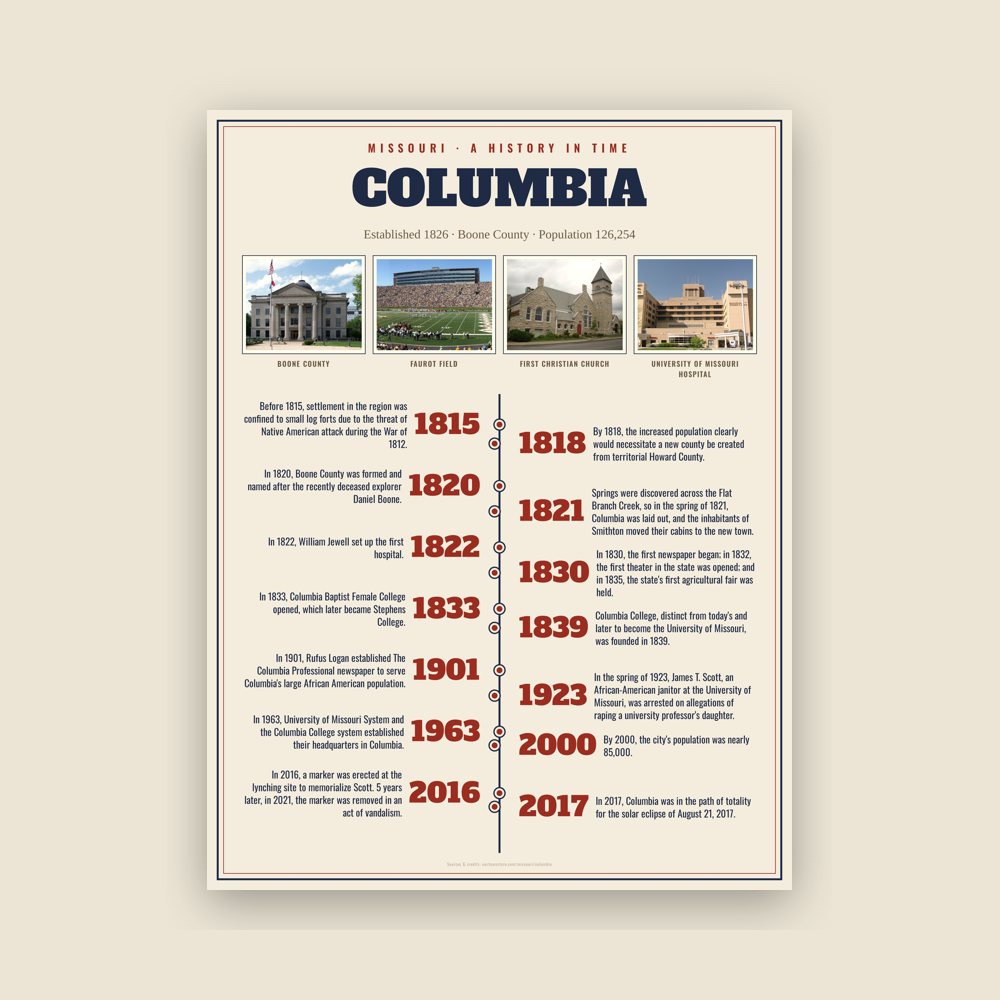
Columbia's origins begin with the settlement of American pioneers from Kentucky and Virginia in an early 1800s region known as the Boonslick. Before 1815, settlement in the region was confined to small log forts due to the threat of Native American attack during the War of 1812. When the war ended, settlers came on foot, horseback, and wagon, often moving entire households along the Boone's Lick Road and often bringing enslaved African Americans. By 1818, the increased population clearly would necessitate a new county be created from territorial Howard County. The Moniteau Creek on the west and Cedar Creek on the east were obvious natural boundaries.
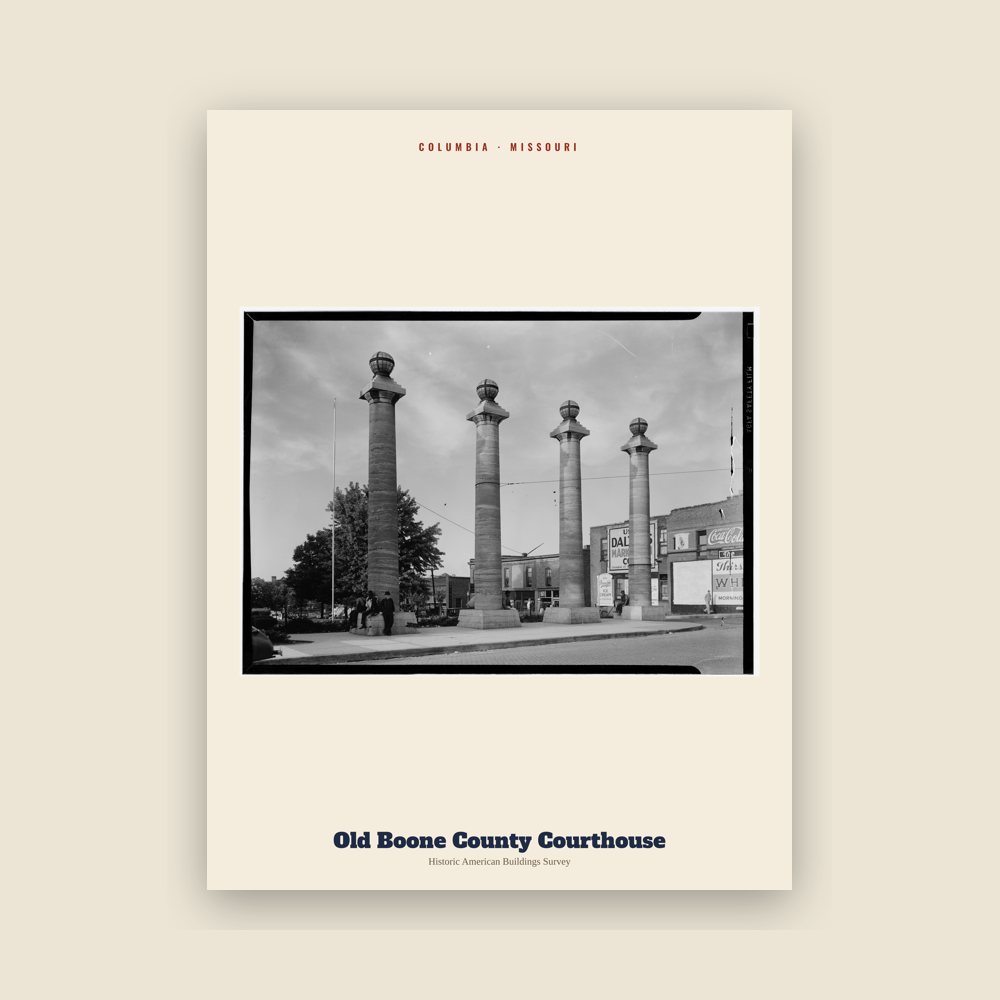
Believing it was only a matter of time before a county seat was chosen, the Smithton Land Company was formed to purchase over 2,000 acres (8.1 km2) to establish the village of Smithton (near the present-day intersection of Walnut and Garth). In 1819, Smithton was a small cluster of log cabins in an ancient forest of oak and hickory; chief among them was the cabin of Richard Gentry, a trustee of the Smithton Company, who would become first mayor of Columbia. In 1820, Boone County was formed and named after the recently deceased explorer Daniel Boone. The Missouri Legislature appointed John Gray, Jefferson Fulcher, Absalom Hicks, Lawrence Bass, and David Jackson as commissioners to select and establish a permanent county seat. Smithton never had more than 20 people, and well digging was soon found to be difficult because of the bedrock.
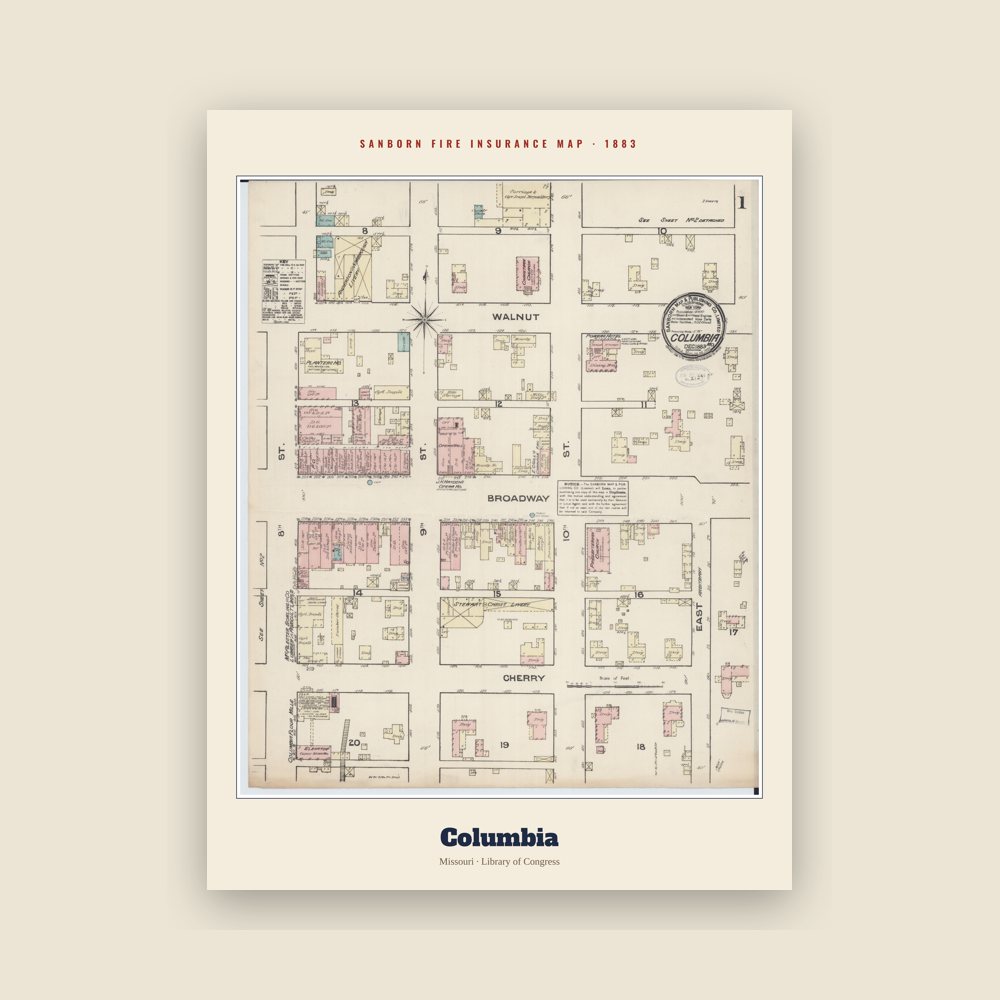
Springs were discovered across the Flat Branch Creek, so in the spring of 1821, Columbia was laid out, and the inhabitants of Smithton moved their cabins to the new town. The first house in Columbia was built by Thomas Duly in 1820 at what became Fifth and Broadway. Columbia's permanence was ensured when it was chosen as county seat in 1821, and Boone's Lick Road was rerouted down Broadway.
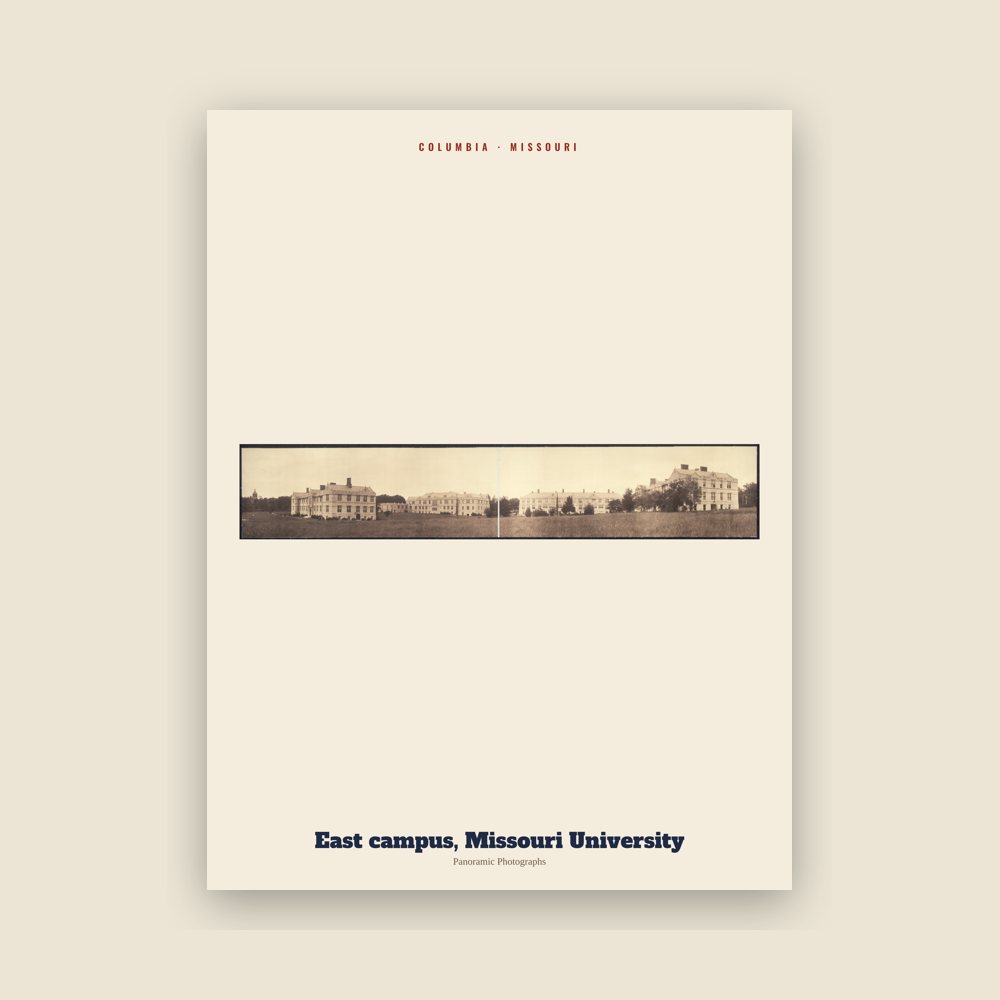
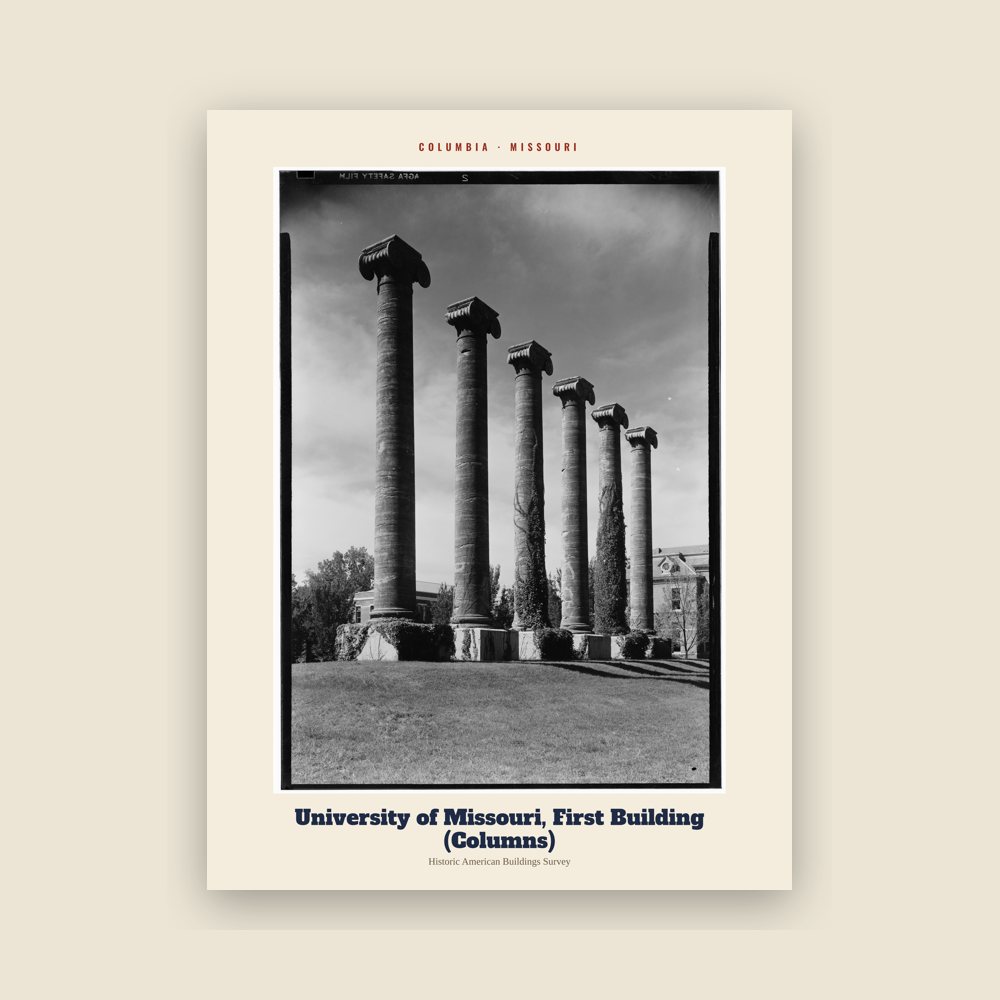
The roots of Columbia's three economic foundations—education, medicine, and insurance— can be traced to the city's incorporation in 1821. Original plans for the town set aside land for a state university. In 1833, Columbia Baptist Female College opened, which later became Stephens College. Columbia College, distinct from today's and later to become the University of Missouri, was founded in 1839. When the state legislature decided to establish a state university, Columbia raised three times as much money as any competing city, and James S. Rollins donated the land that is today the Francis Quadrangle. Soon, other educational institutions were founded in Columbia, such as Christian Female College, the first college for women west of the Mississippi, which later became Columbia College.
The city benefited from being a stagecoach stop of the Santa Fe and Oregon Trails, and later from the Missouri–Kansas–Texas Railroad. In 1822, William Jewell set up the first hospital. In 1830, the first newspaper began; in 1832, the first theater in the state was opened; and in 1835, the state's first agricultural fair was held. By 1839, the population of 13,000 and wealth of Boone County was exceeded in Missouri only by that of St. Louis County, which, at that time, included the City of St. Louis.
Columbia's infrastructure was relatively untouched by the Civil War. As a slave state, Missouri had many residents with Southern sympathies, but it stayed in the Union. The majority of the city was pro-Union; however, the surrounding agricultural areas of Boone County and the rest of central Missouri were decidedly pro-Confederate. Because of this, the University of Missouri became a base from which Union troops operated. No battles were fought within the city because the presence of Union troops dissuaded Confederate guerrillas from attacking, though several major battles occurred at nearby Boonville and Centralia.
After Reconstruction, race relations in Columbia followed the Southern pattern of increasing violence of whites against blacks in efforts to suppress voting and free movement; George Burke, a black man who worked at the university, was lynched in 1889. In the spring of 1923, James T. Scott, an African-American janitor at the University of Missouri, was arrested on allegations of raping a university professor's daughter. He was taken from the county jail and lynched on April 29 before a white mob of roughly 2000 people, hanged from the Old Stewart Road Bridge.
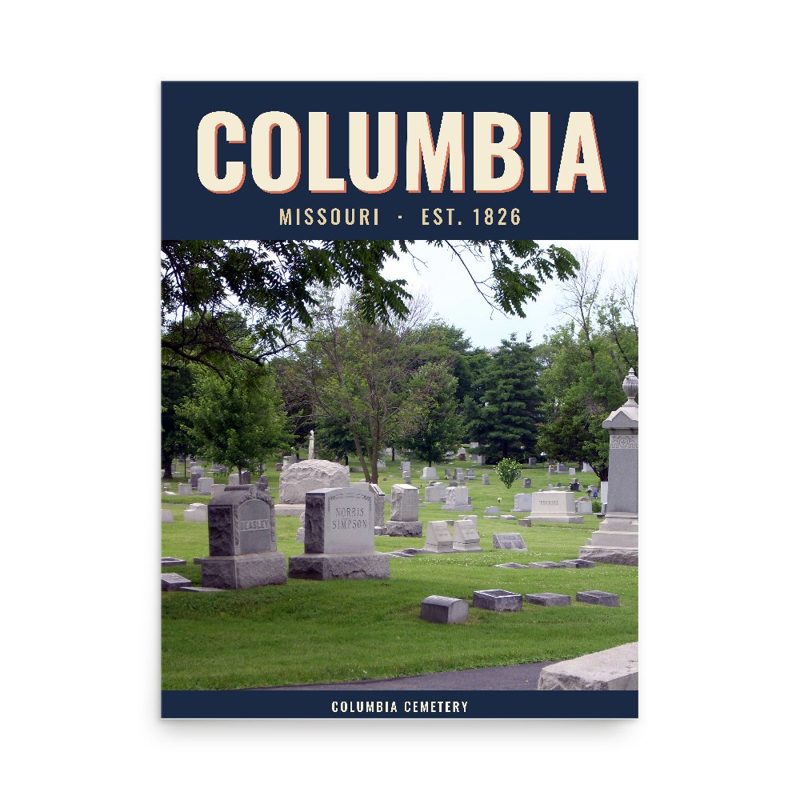
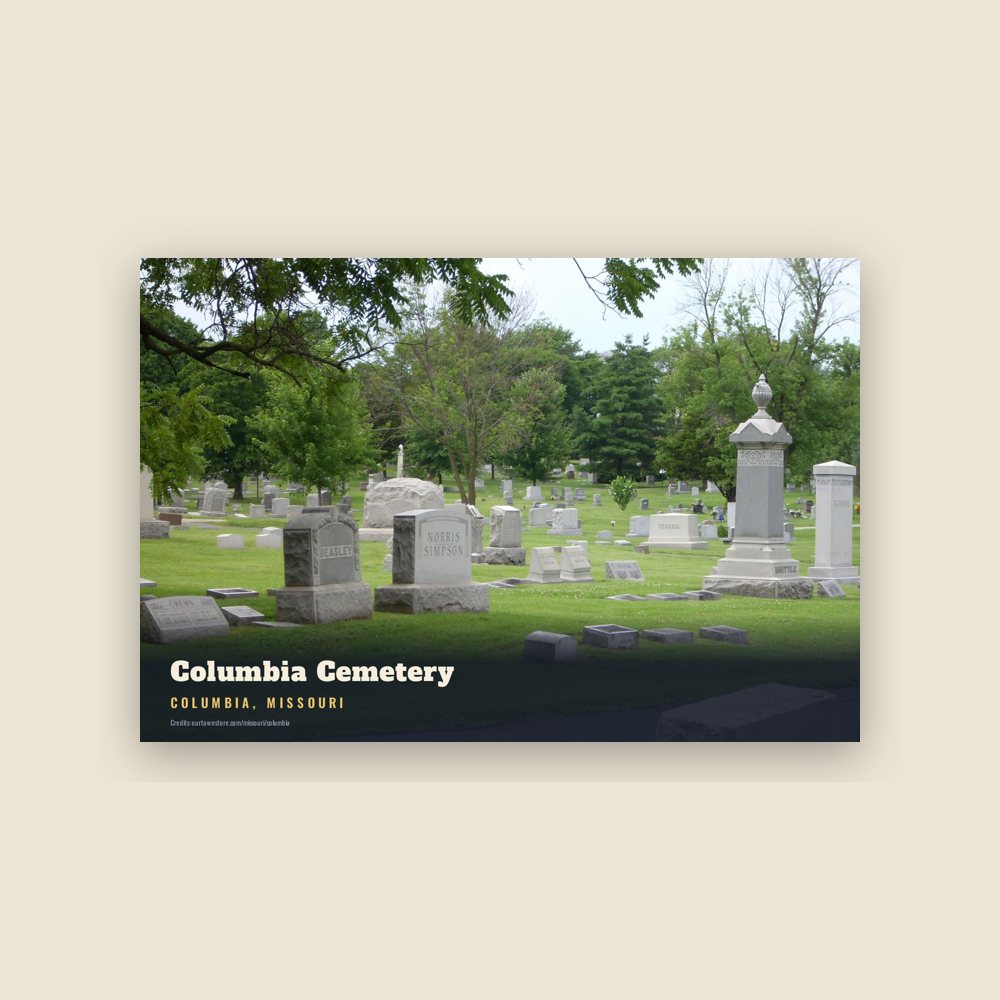
In the 21st century, a number of efforts have been undertaken to recognize Scott's death. In 2010, his death certificate was changed to reflect that he was never tried or convicted of charges, and that he had been lynched. In 2011, a headstone was put at his grave at Columbia Cemetery; it includes his wife and parents' names and dates, to provide a fuller account of his life. In 2016, a marker was erected at the lynching site to memorialize Scott. 5 years later, in 2021, the marker was removed in an act of vandalism.
In 1901, Rufus Logan established The Columbia Professional newspaper to serve Columbia's large African American population.
In 1963, University of Missouri System and the Columbia College system established their headquarters in Columbia. The insurance industry also became important to the local economy as several companies established headquarters in Columbia, including Shelter Insurance, Missouri Employers Mutual, and Columbia Insurance Group. State Farm Insurance has a regional office in Columbia. In addition, the now-defunct Silvey Insurance was a large local employer.
Columbia became a transportation crossroads when U.S. Route 63 and U.S. Route 40 (which was improved as present-day Interstate 70) were routed through the city. Soon after, the city opened the Columbia Regional Airport. By 2000, the city's population was nearly 85,000.
In 2017, Columbia was in the path of totality for the solar eclipse of August 21, 2017. The city was expecting upwards of 400,000 tourists coming to view the eclipse.
On April 20, 2025, an EF1 tornado formed in Columbia caused minor damage to downtown Columbia and residential areas, and destroyed the recycling sorting facility, which could take two to three years to rebuild. Shortly after, the city announced that recycling would go to the landfill until a solution get worked out.
Adapted (trimmed) from the Wikipedia article Columbia, Missouri, revision 1378746163 by its contributors, licensed CC BY-SA 4.0.


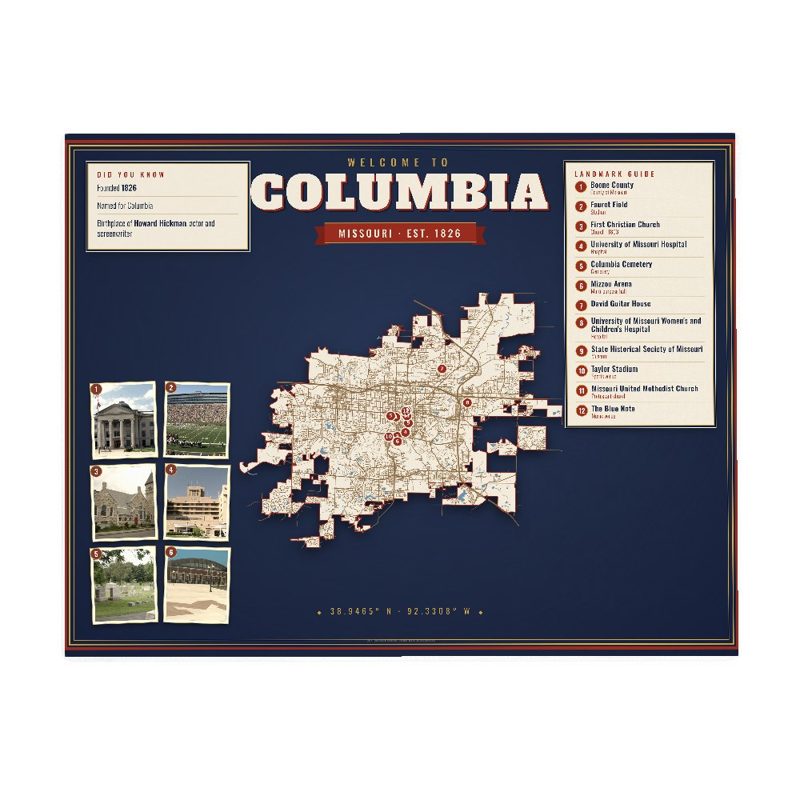



















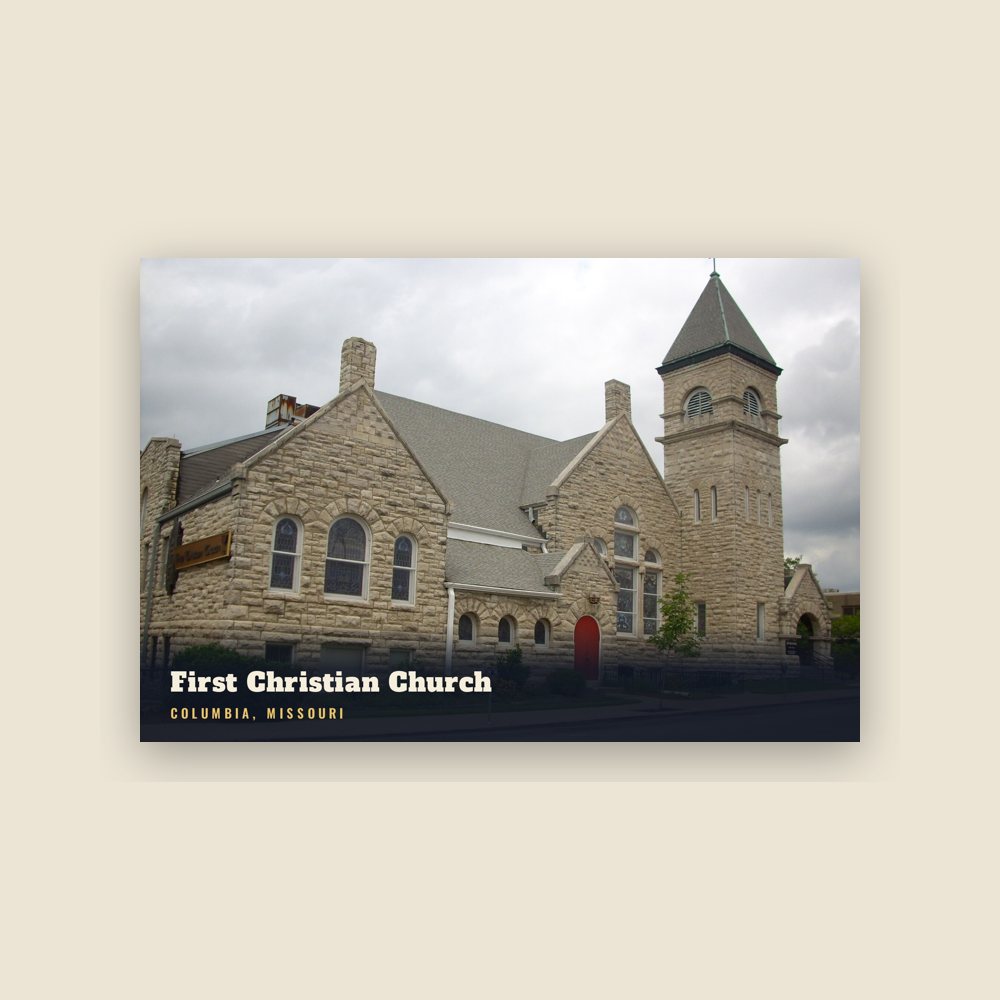


 First Christian Church
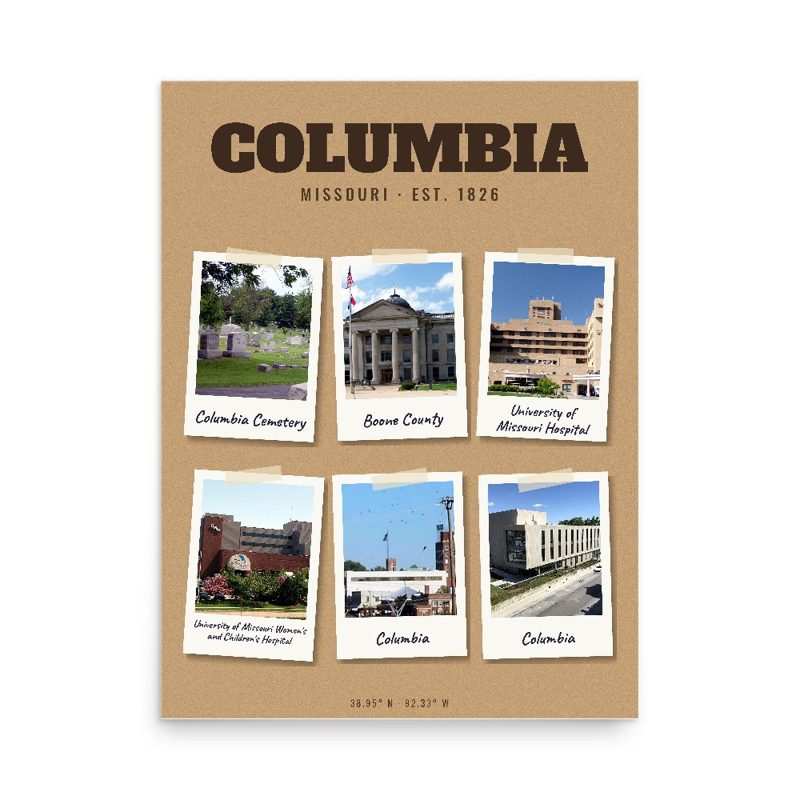
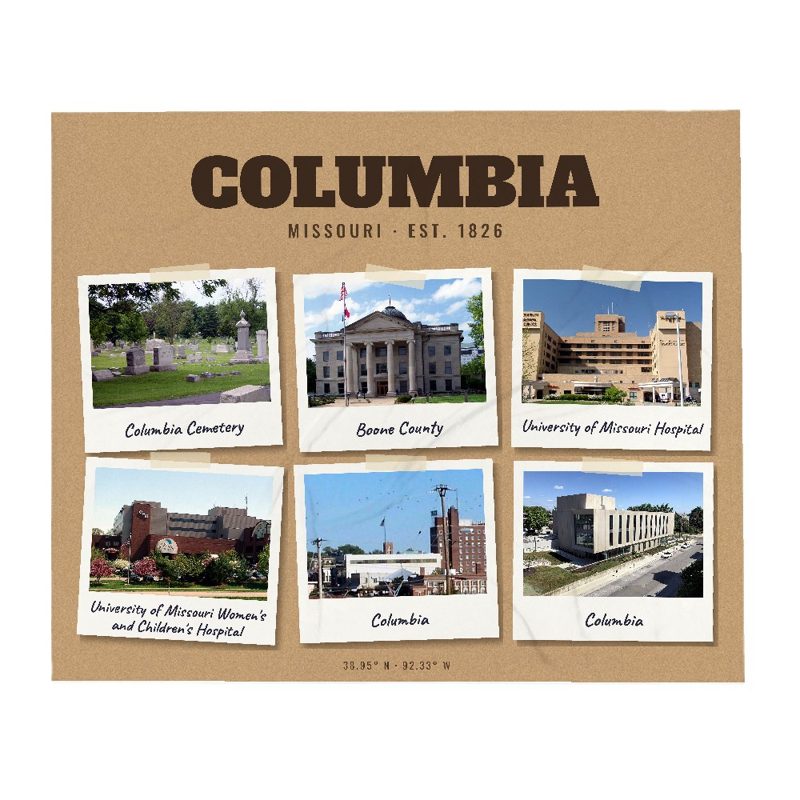
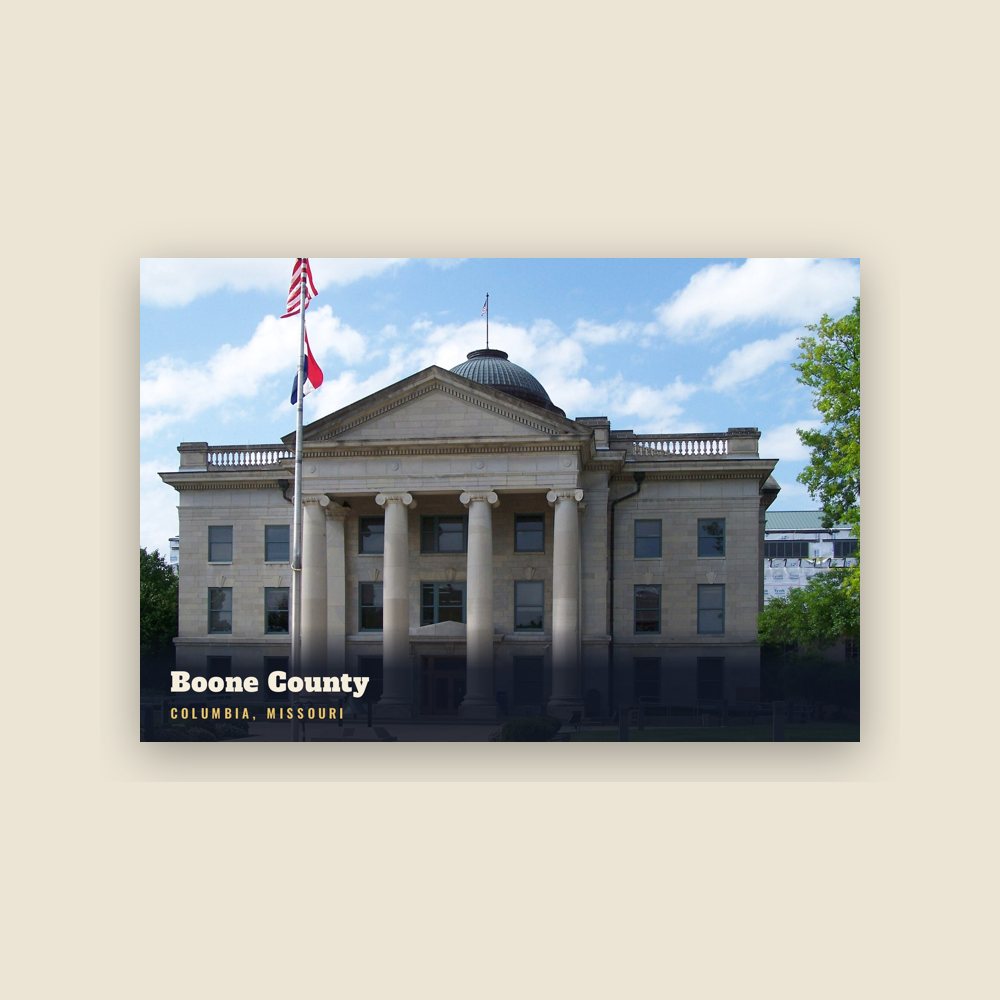
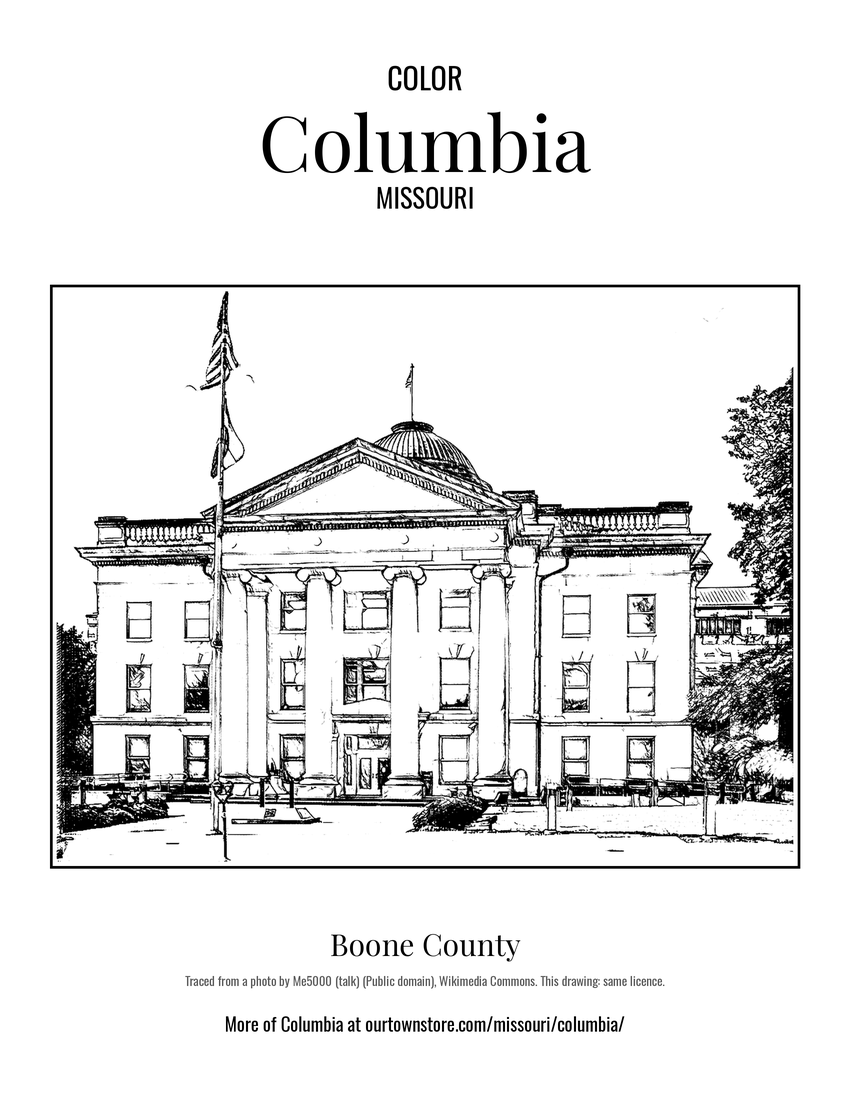 Boone County
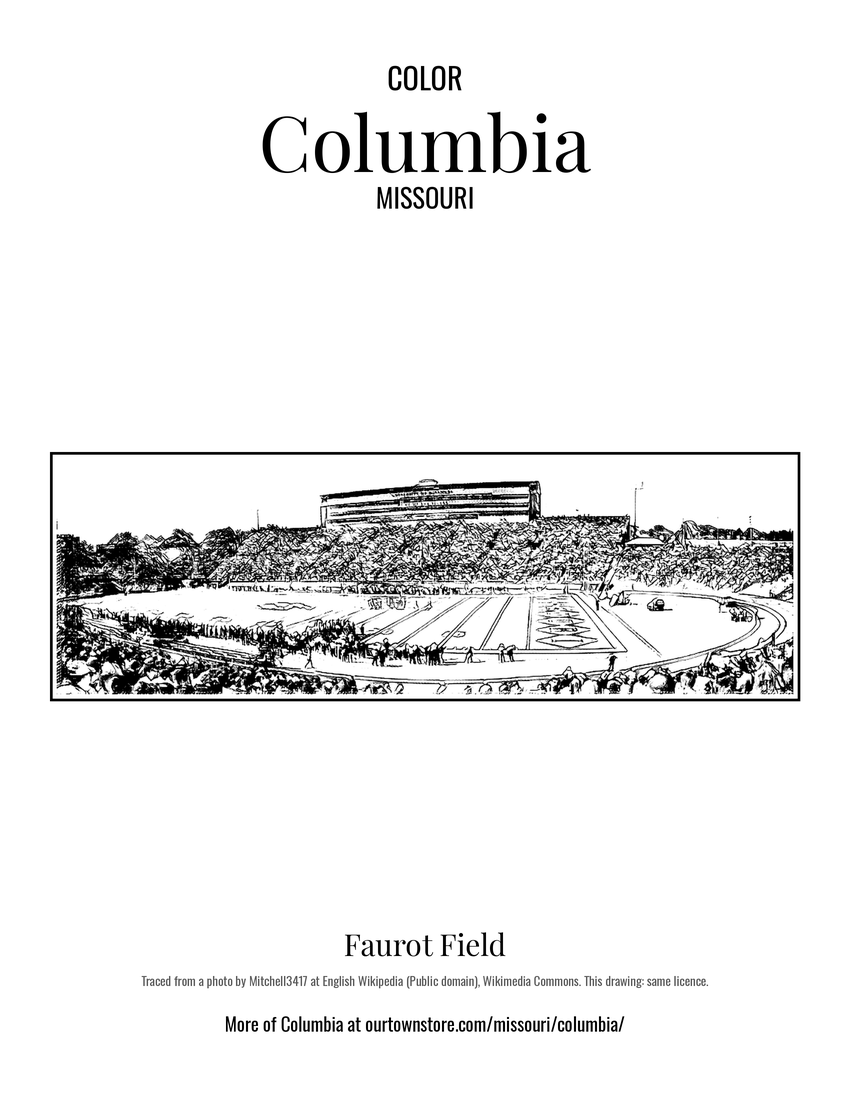 Faurot Field
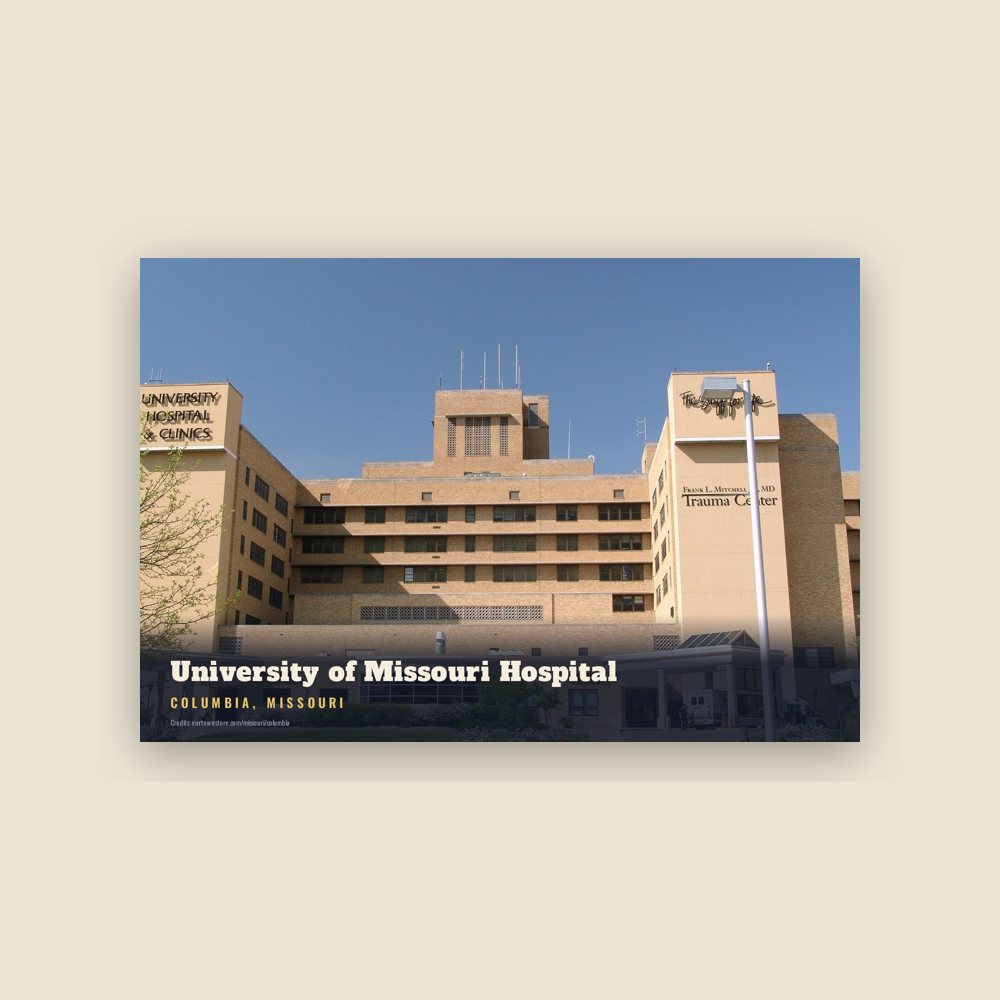
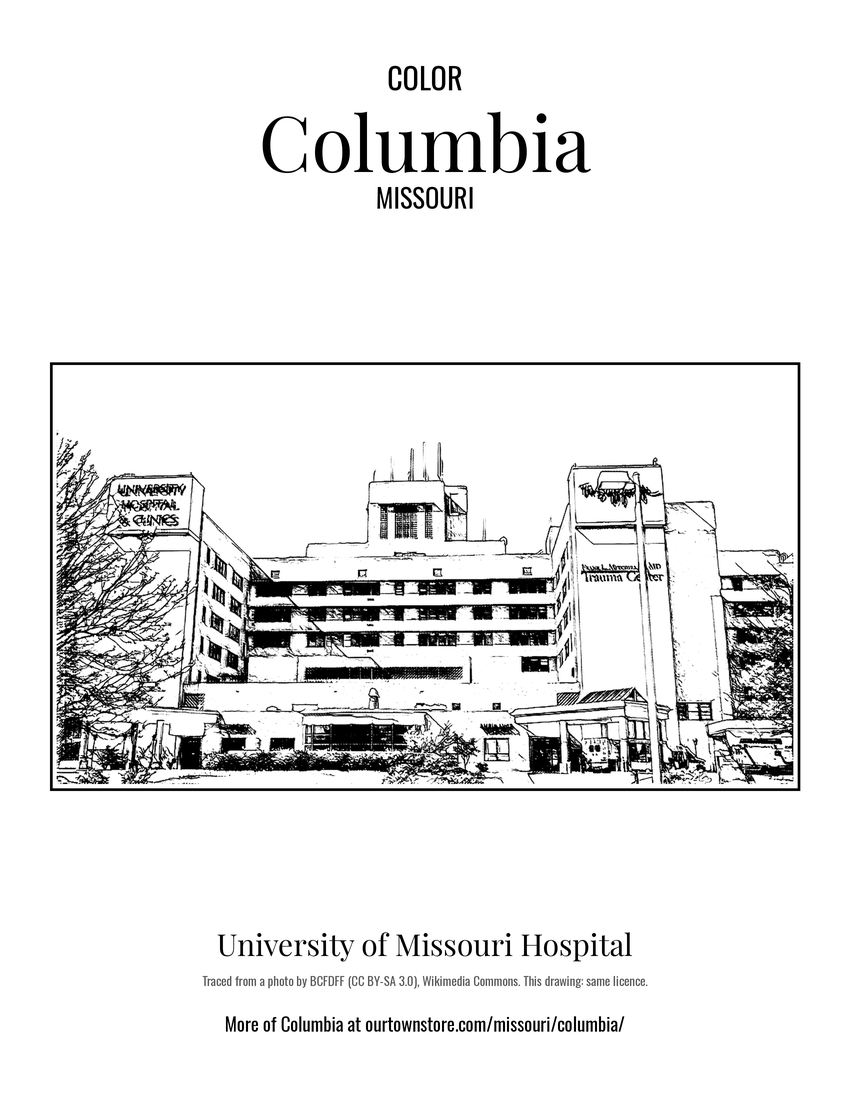 University of Missouri Hospital