A short history of Rosedale
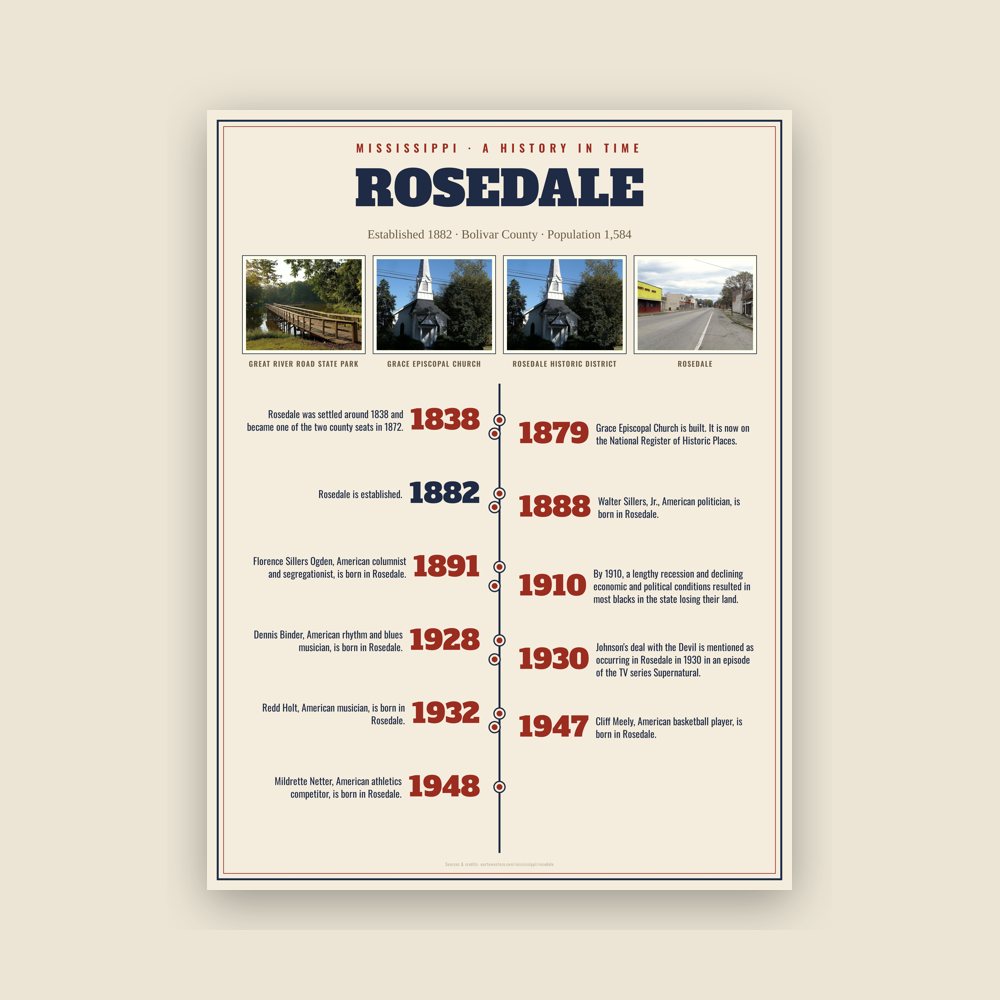
Rosedale was settled around 1838 and became one of the two county seats in 1872. This area was developed by European American planters for extensive cotton plantations, dependent on enslaved laborers. After the Civil War and emancipation, some freedmen managed to clear and buy land in the bottomlands, with many becoming landowners before the end of the nineteenth century. By 1910, a lengthy recession and declining economic and political conditions resulted in most blacks in the state losing their land. They could not compete with the financing gained by railroads, which were constructed in the area beginning in 1882 Many stayed in the area to work as sharecroppers and laborers. The railroad brought new business to Rosedale, which had a depot and shipped cotton to northern and other markets. Rosedale incorporated as a town February 2, 1882 and became a city in 1930.
Beginning in the early twentieth century, tens of thousands of blacks left the state of Mississippi as part of the Great Migration, north by railroad to Chicago and other Midwestern industrial cities. During and after World War II, others went to California to work in the defense industry. Others remained where their families had lived for generations, with strong local ties.
In 2007, the Mississippi Blues Commission placed a historic marker at Rosedale's former Yazoo and Mississippi Valley Railroad depot site, designating it as a site on the Mississippi Blues Trail. The marker commemorates the sites in the original lyrics of legendary blues artist Robert Johnson's song "Travelling Riverside Blues". He traced the railway route which ran south from Friars Point to Rosedale among other stops, including Vicksburg and north to Memphis. The marker emphasizes that a common theme of blues songs was riding on the railroad, which was seen as a metaphor for travel and escape from poverty and Jim Crow in the Delta. It also commemorates another common blues theme, life on the banks of a moody river bank, a theme heard in Charlie Patton's "High Water Everywhere".
Locals claim that Johnson sold his soul to the Devil at the intersection of Mississippi state highways 1 and 8, on the south end of town, and that he tells this story metaphorically in "Cross Road Blues." Other artists have referred to his songs. Johnson's deal with the Devil is mentioned as occurring in Rosedale in 1930 in an episode of the TV series Supernatural. However, a number of other Delta municipalities claim that the transaction took place in or near their boundaries.
Adapted (trimmed) from the Wikipedia article Rosedale, Mississippi, revision 1377042793 by its contributors, licensed CC BY-SA 4.0.
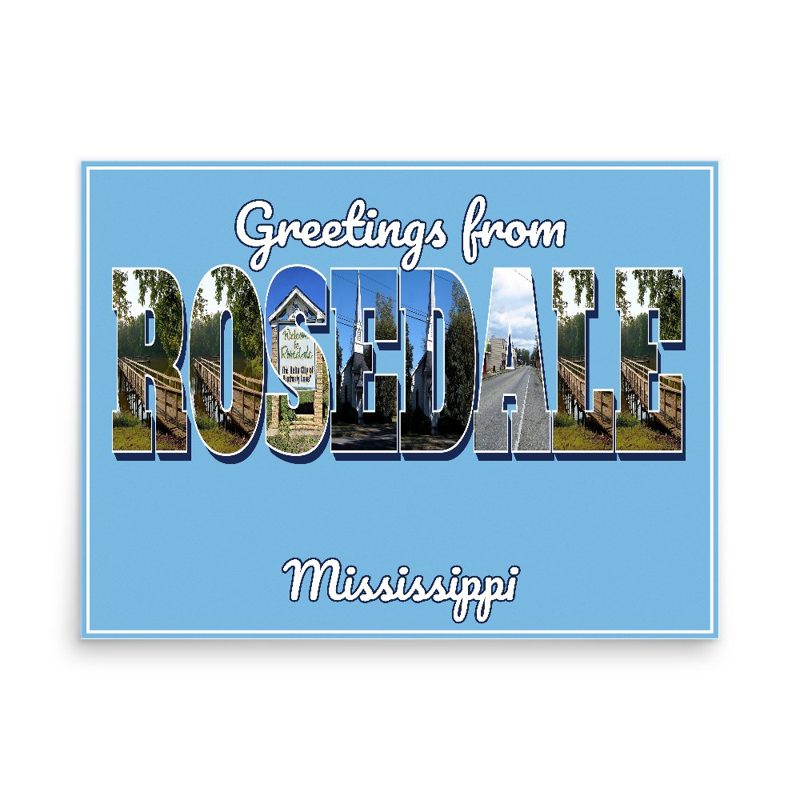
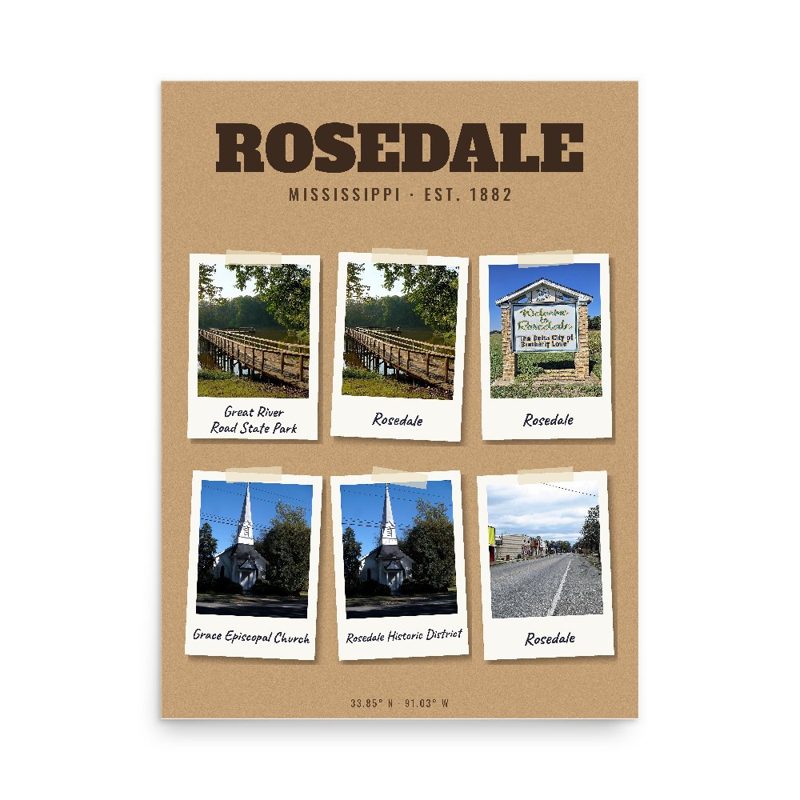
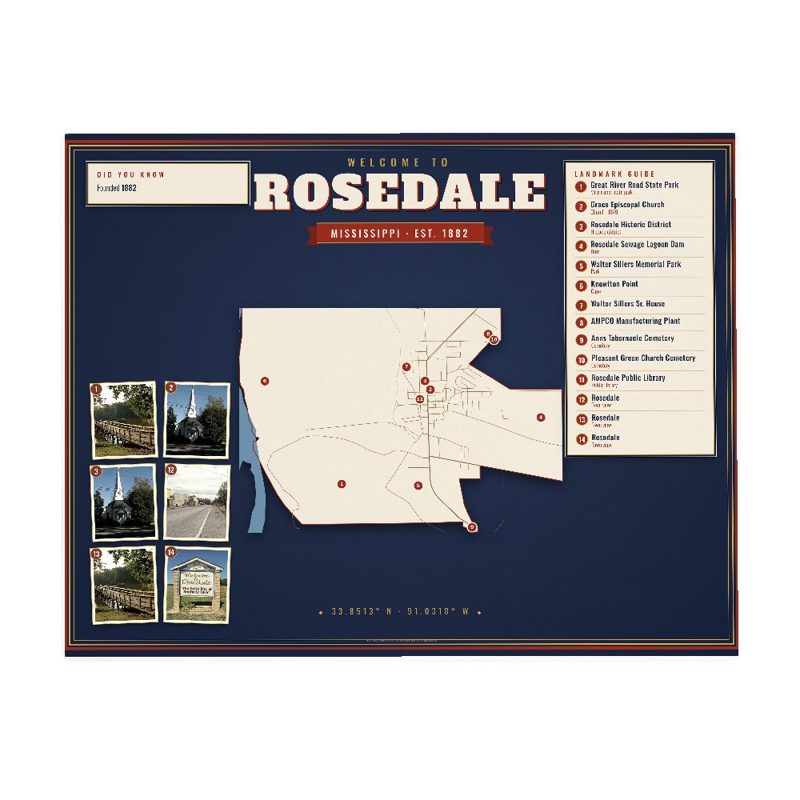



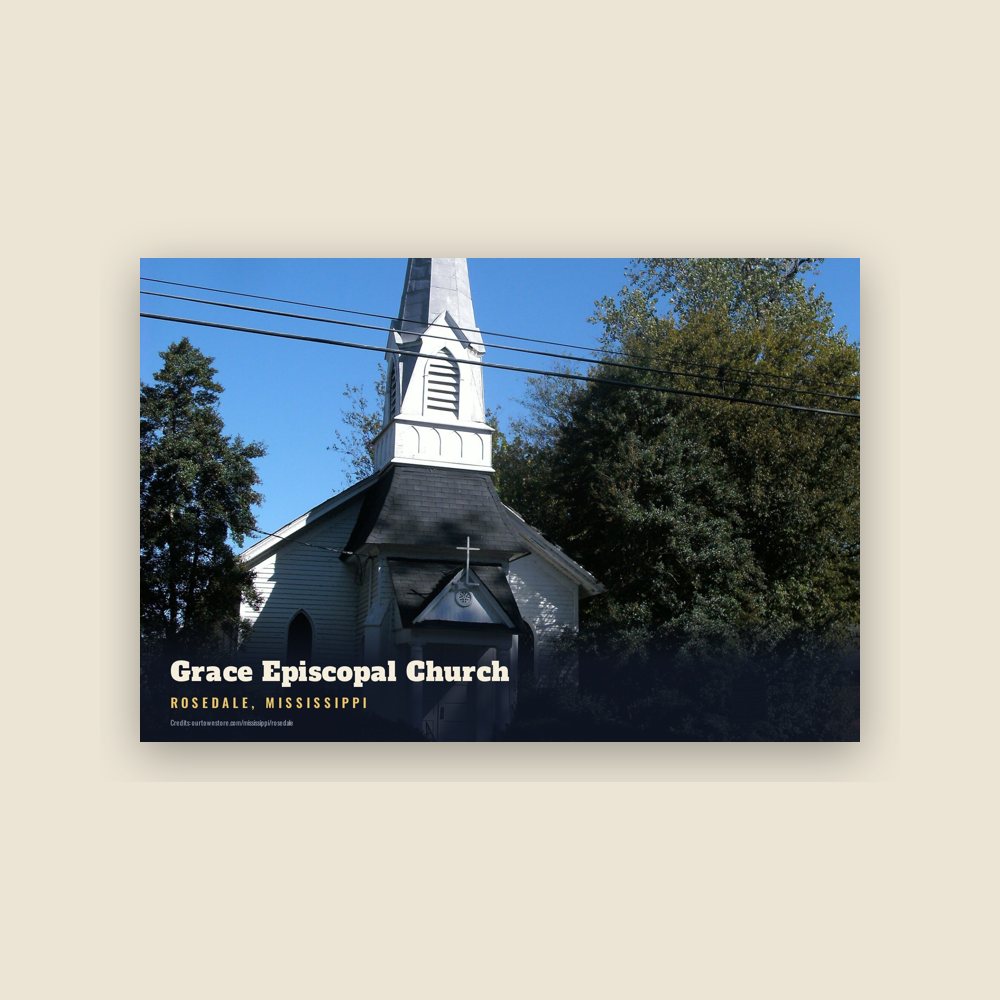
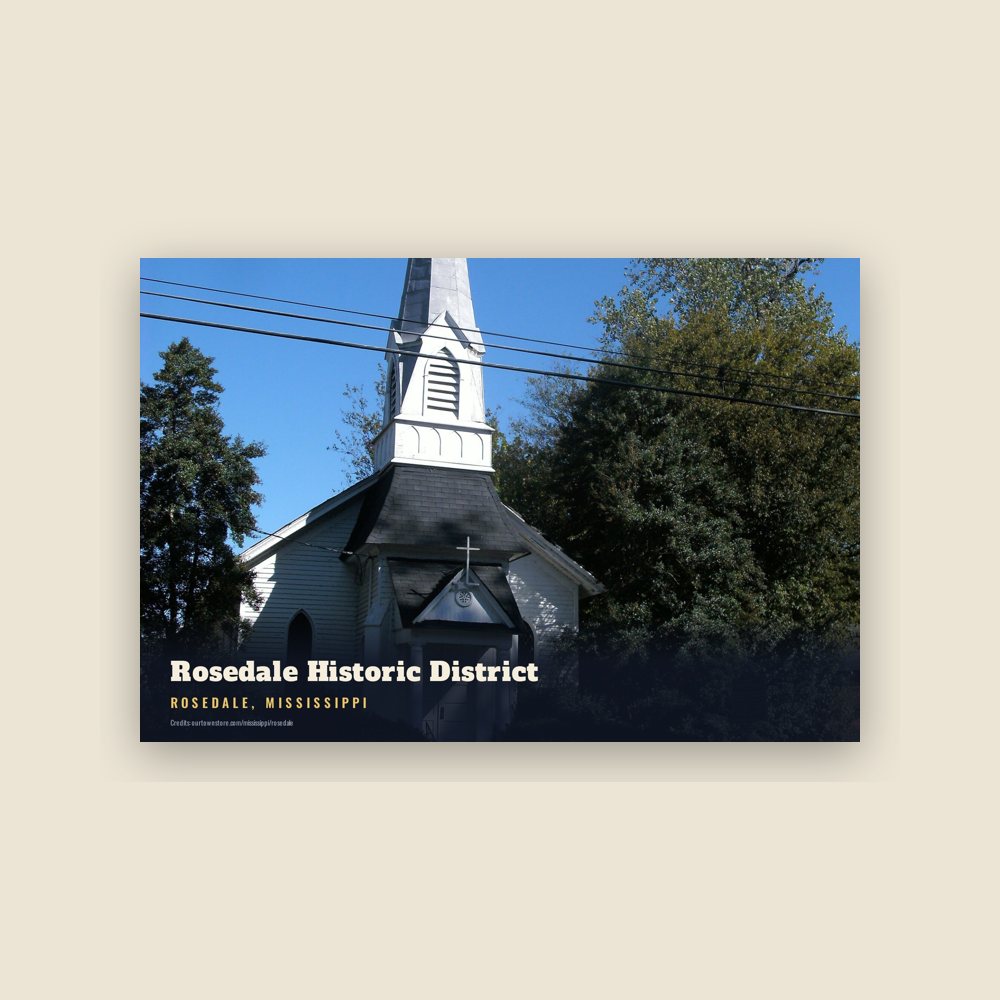
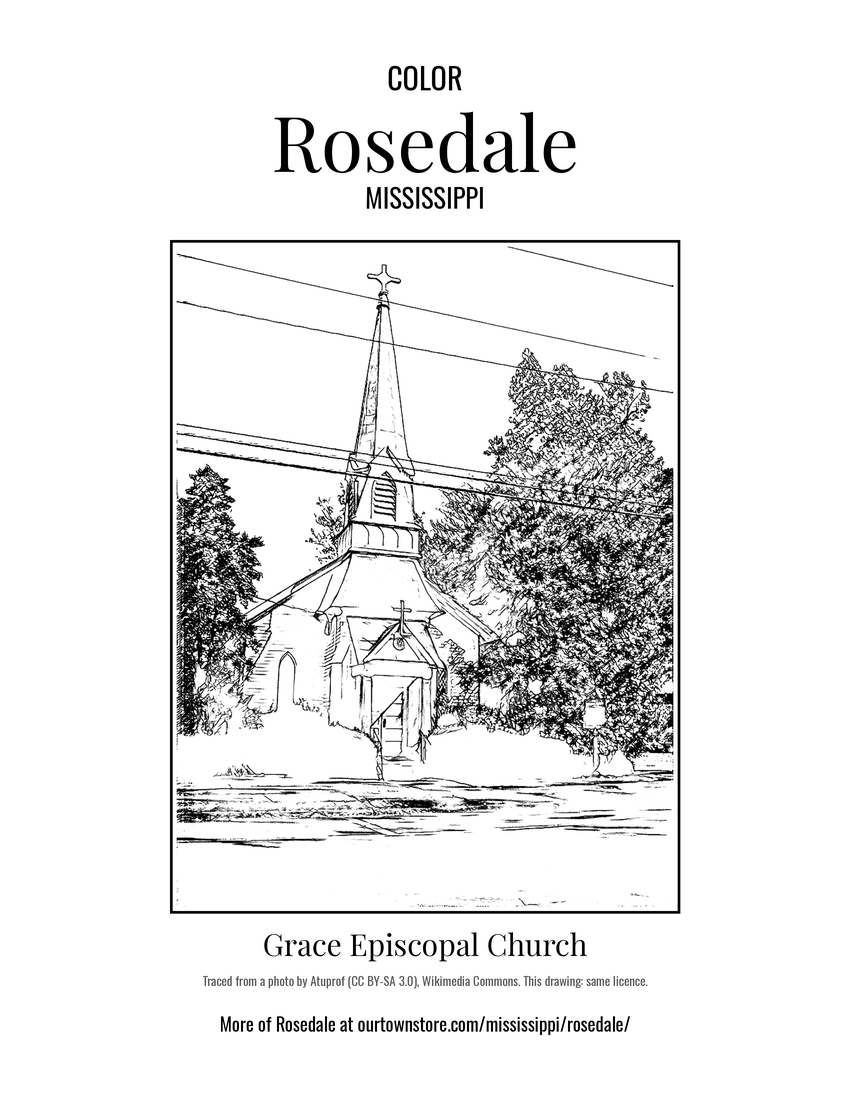 Grace Episcopal Church
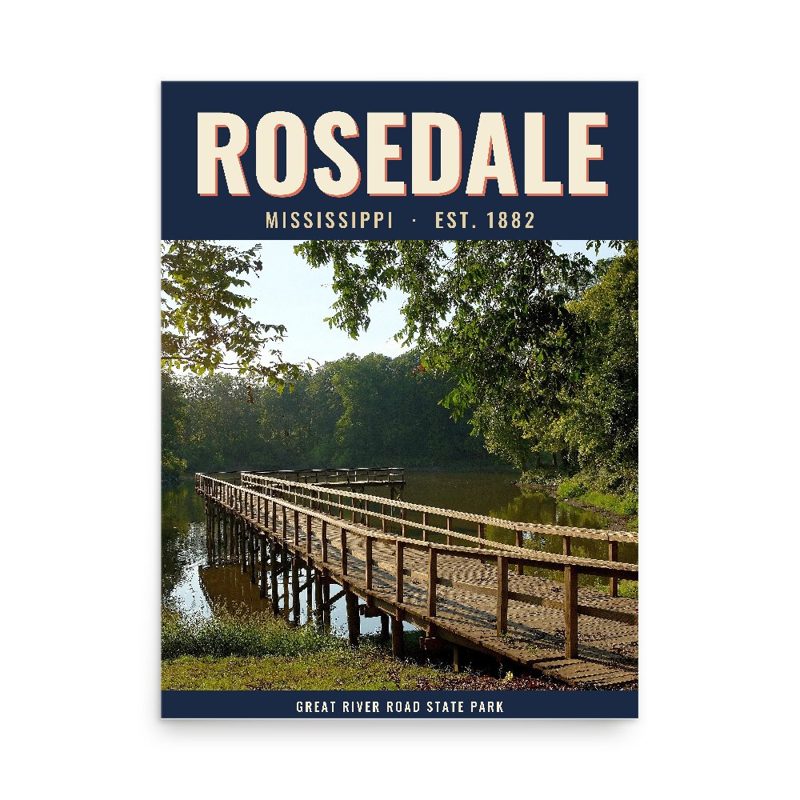
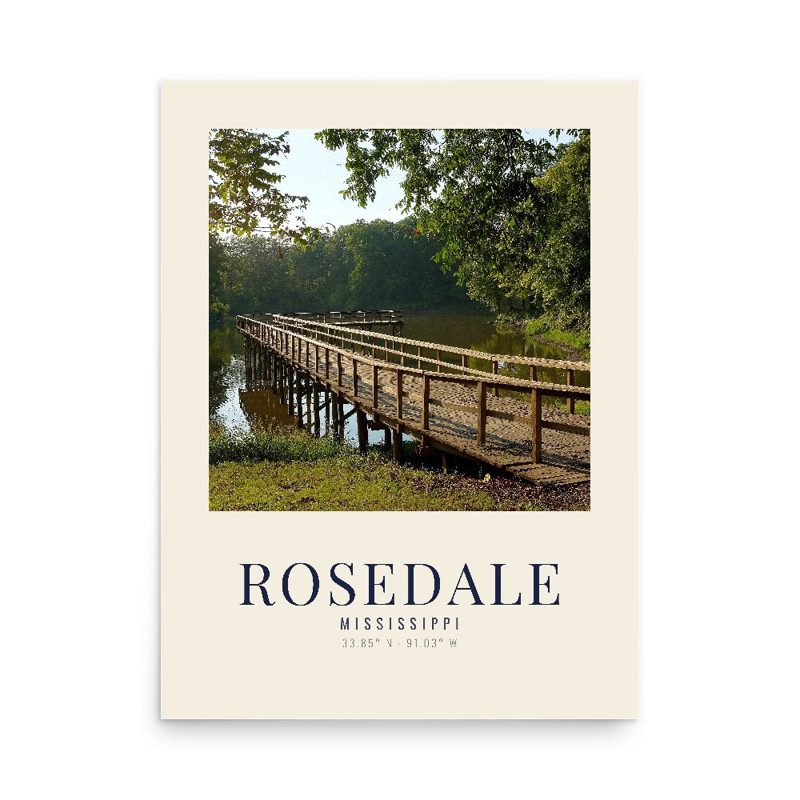
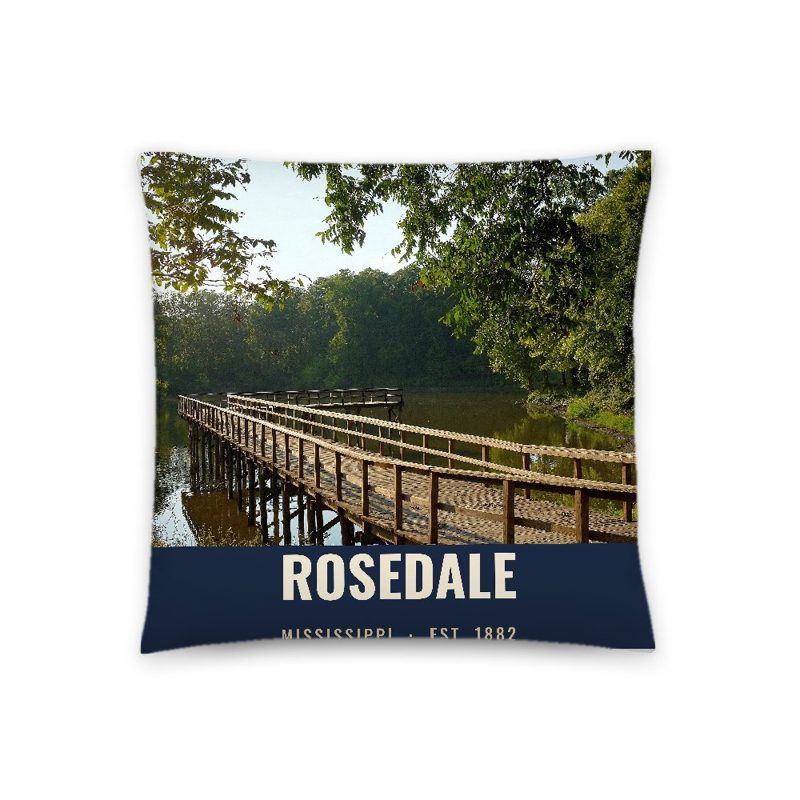
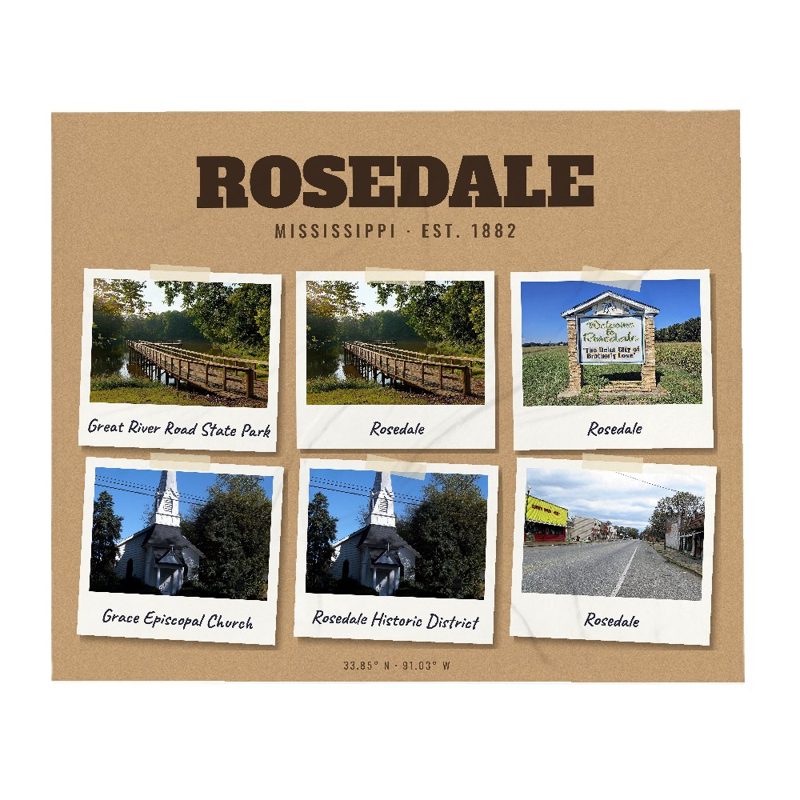
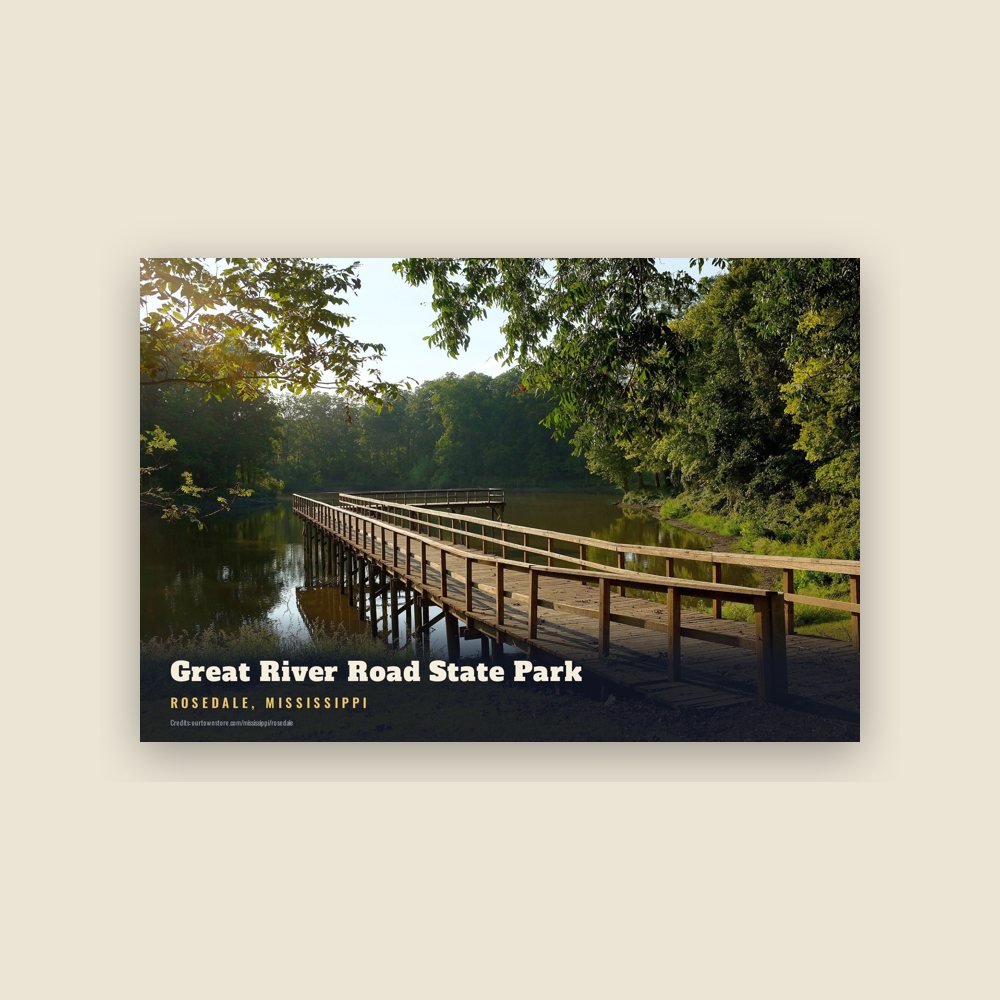
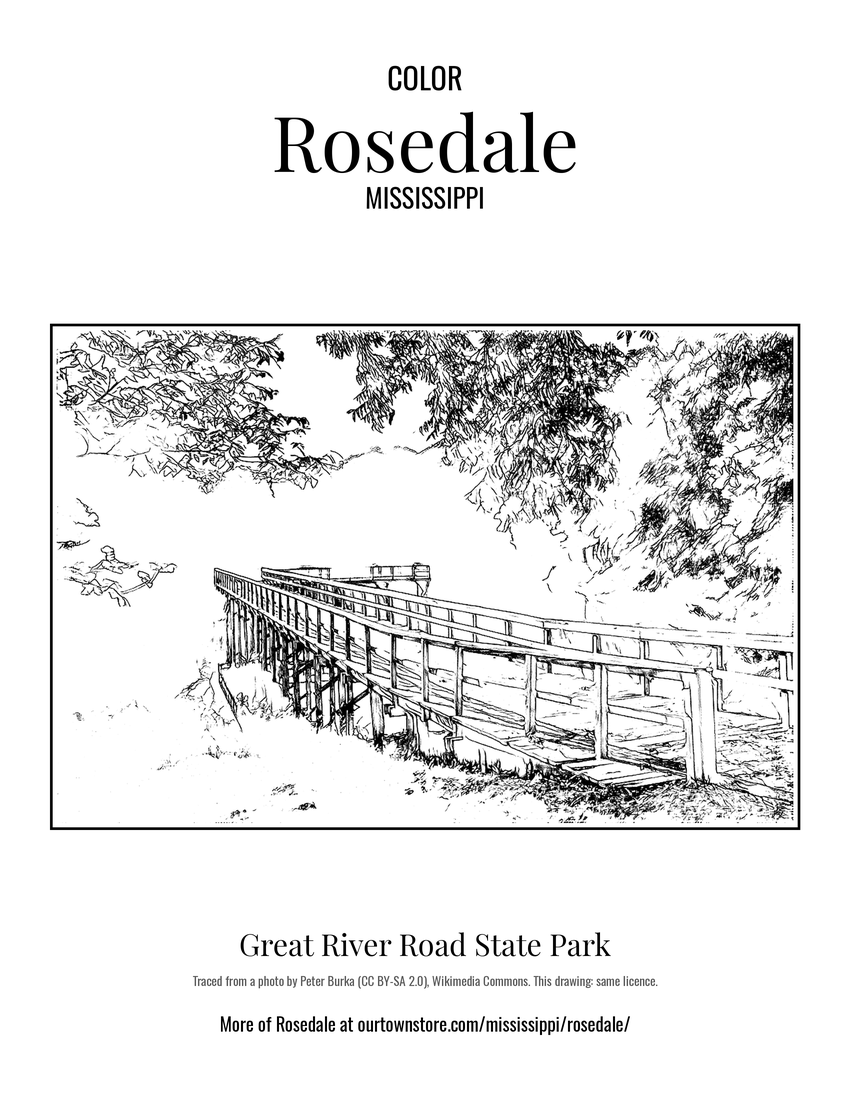 Great River Road State Park
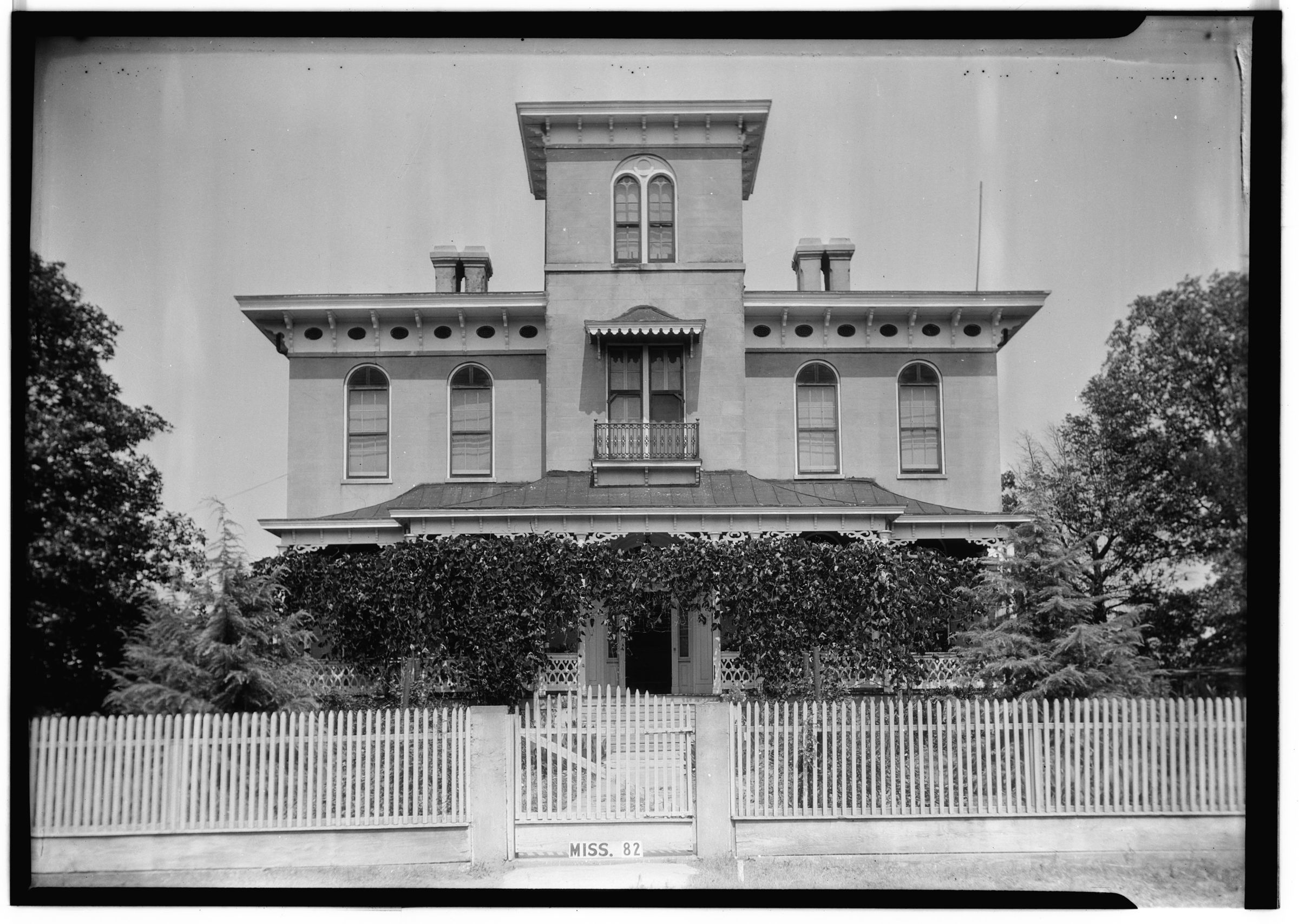
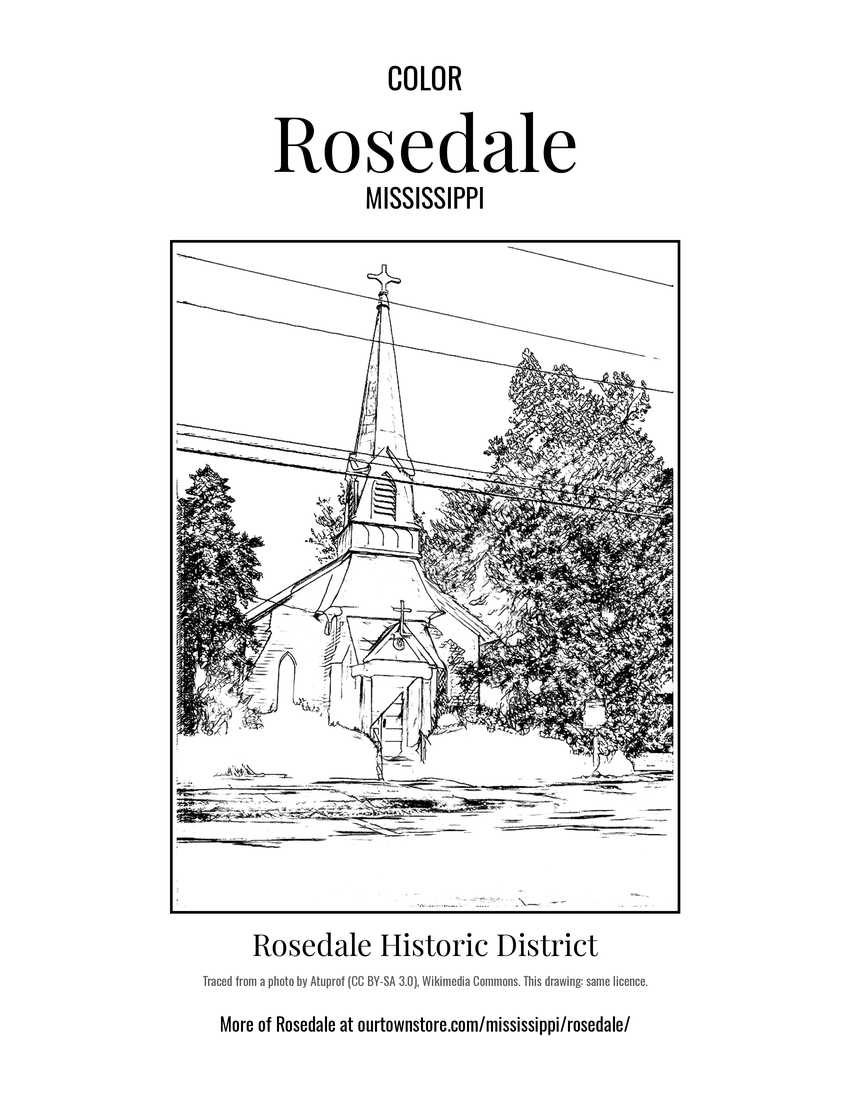 Rosedale Historic District
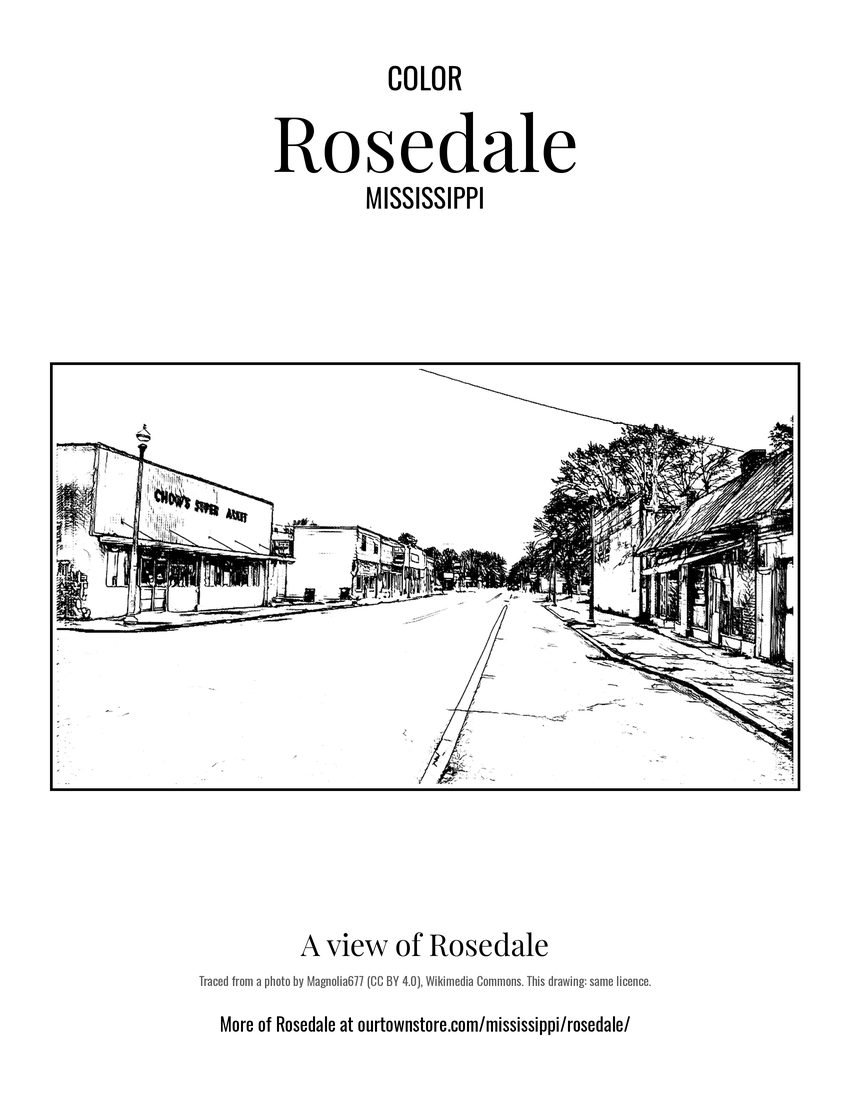 A view of Rosedale