A short history of Grenada
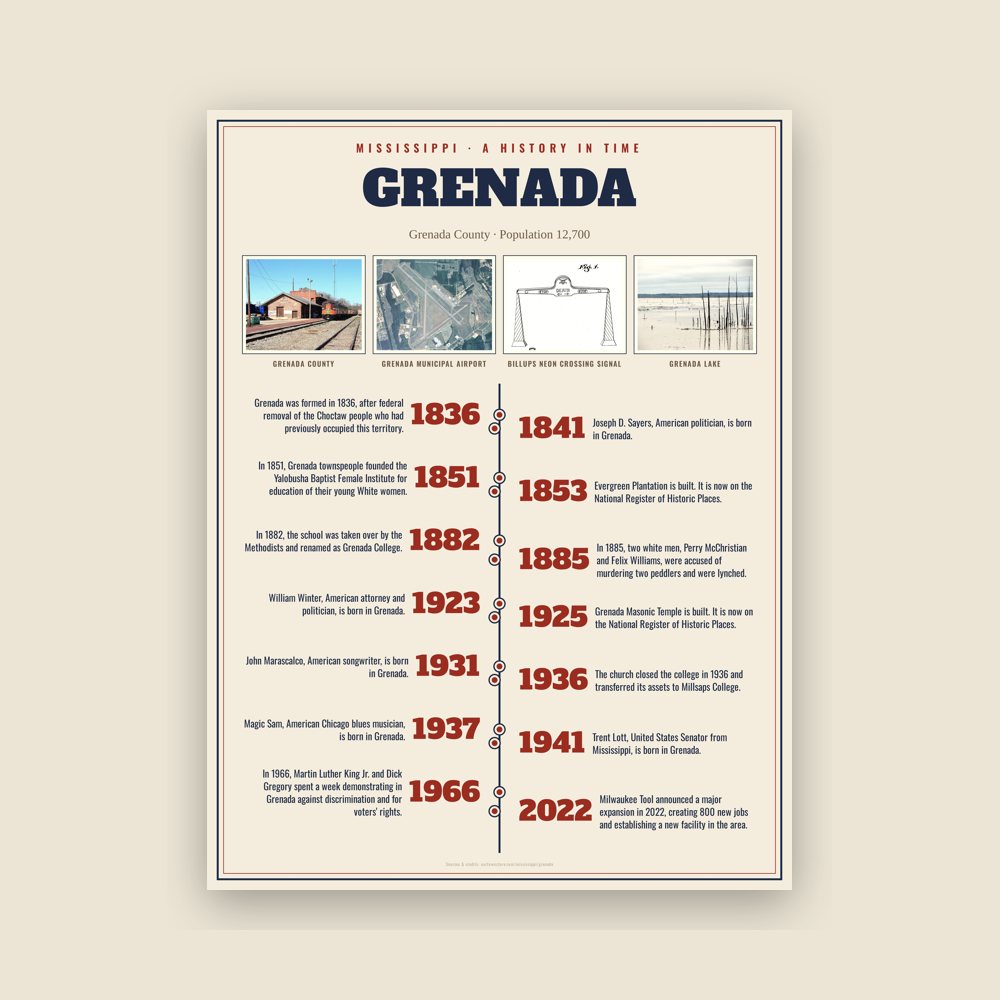
Grenada was formed in 1836, after federal removal of the Choctaw people who had previously occupied this territory. It was the result of the union of the two adjacent towns (separated by the present-day Line Street) of Pittsburg and Tulahoma (or Tullahoma), founded, respectively, by Franklin Plummer and Hiram Runnels.
Plantations were first developed along the Yalobusha River for transportation and access to water. Cotton was the major commodity crop, dependent on the labor of African slaves.
In 1851, Grenada townspeople founded the Yalobusha Baptist Female Institute for education of their young White women. In 1882, the school was taken over by the Methodists and renamed as Grenada College. Classified in the 20th century as a junior college, it encountered financial troubles during the Great Depression. The church closed the college in 1936 and transferred its assets to Millsaps College.
On December 20, 1862, Confederate General Earl Van Dorn, whose troops were encamped in Grenada, led the three brigades under his command in a raid that destroyed the Union supply depot at Holly Springs, Mississippi.
In 1885, two white men, Perry McChristian and Felix Williams, were accused of murdering two peddlers and were lynched. During the lynching, they implicated two black men, Bartley James and John Campbell, who were then also lynched.
Read the full history
Civil rights era
In 1966, Martin Luther King Jr. and Dick Gregory spent a week demonstrating in Grenada against discrimination and for voters' rights. During that time, town officials co-operated and protected marchers with local police. Six black voter registrars were hired and registered about 1,000 black residents during that week. After the march passed through, the county fired the registrars and the town never entered the new black voters on official rolls; they had to start over again to gain official voter registration.
As the civil-rights movement continued to press in 1966 and 1967 for voter registration and opportunities in employment, the Southern Christian Leadership Conference ran a civil-rights organizing project in Grenada, which lasted at least 11 months. They worked to register voters and gain concessions for hiring black Americans in local businesses and restaurants. These were still segregated, despite the federal antisegregation and voting-rights laws.
In August 1966, a federal judge ordered Grenada to allow black students to enroll in the previously all-white schools. White leaders used threats of eviction and firing to coerce black parents to withdraw their children from school. While the intimidation caused 200 of 450 students to withdraw, the remaining 250 students attempted to enter school on September 12, 1966. A group of white people met them at the school and chased them away, pursuing them through the streets and beating the children with chains, pipes, and clubs. The group went so far as to beat reporters, as well. The group repeated this for the first week of school, while local law enforcement did not intervene. Federal protection for the children began on September 17, and 13 members of the group were arrested.
Industrial growth
In recent years, Grenada has seen significant industrial growth. Milwaukee Tool announced a major expansion in 2022, creating 800 new jobs and establishing a new facility in the area. This expansion was part of a broader effort to bolster the local economy and provide new employment opportunities. Additionally, the Grenada Business and Technology Park North was awarded a $4.3 million MDA site-development grant, further promoting industrial and technological growth in the area.
Adapted (trimmed) from the Wikipedia article Grenada, Mississippi, revision 1373565483 by its contributors, licensed CC BY-SA 4.0.





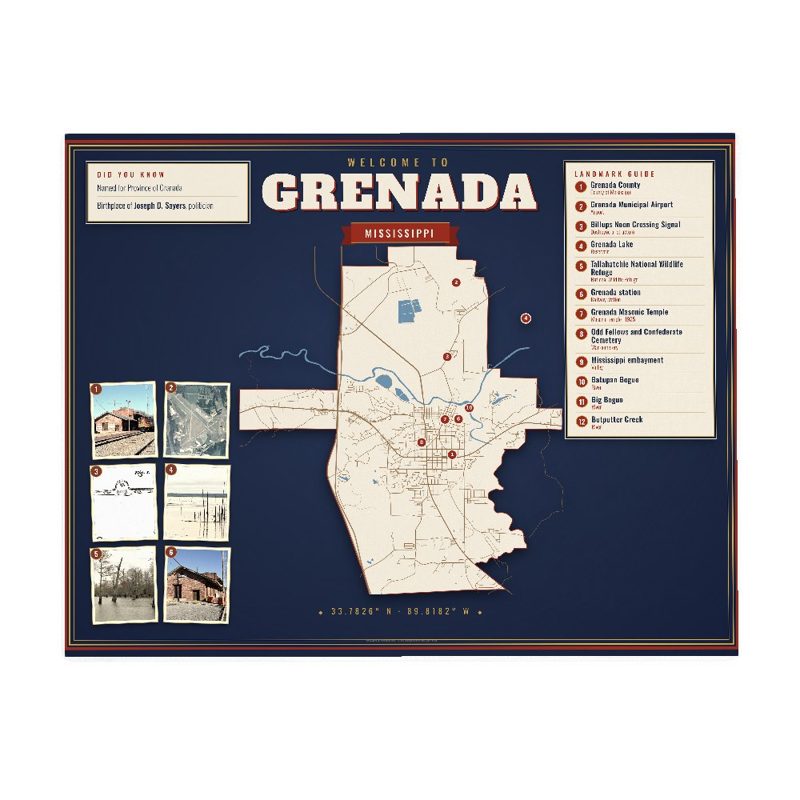















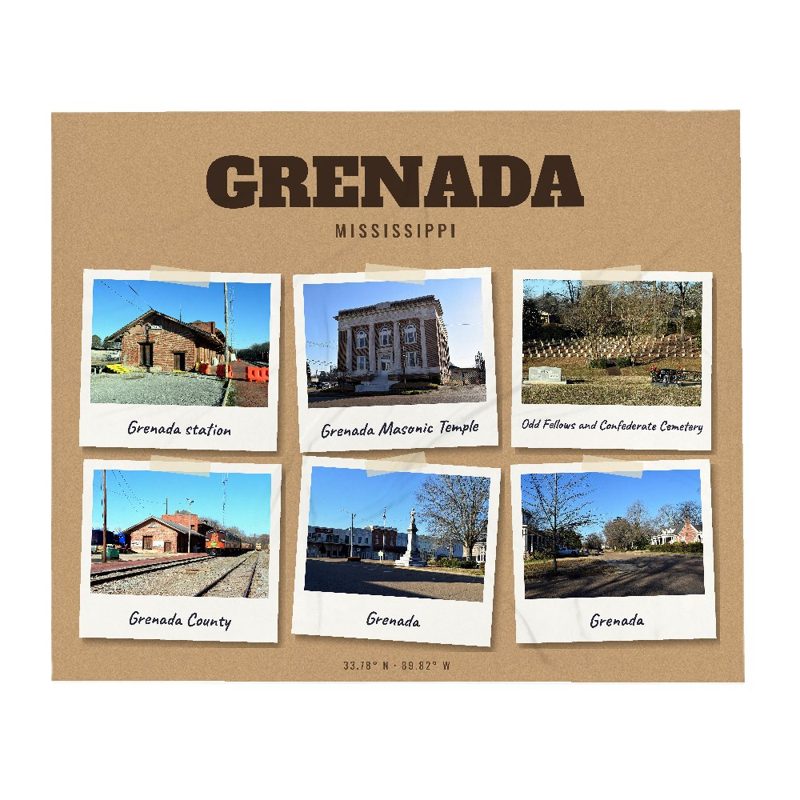

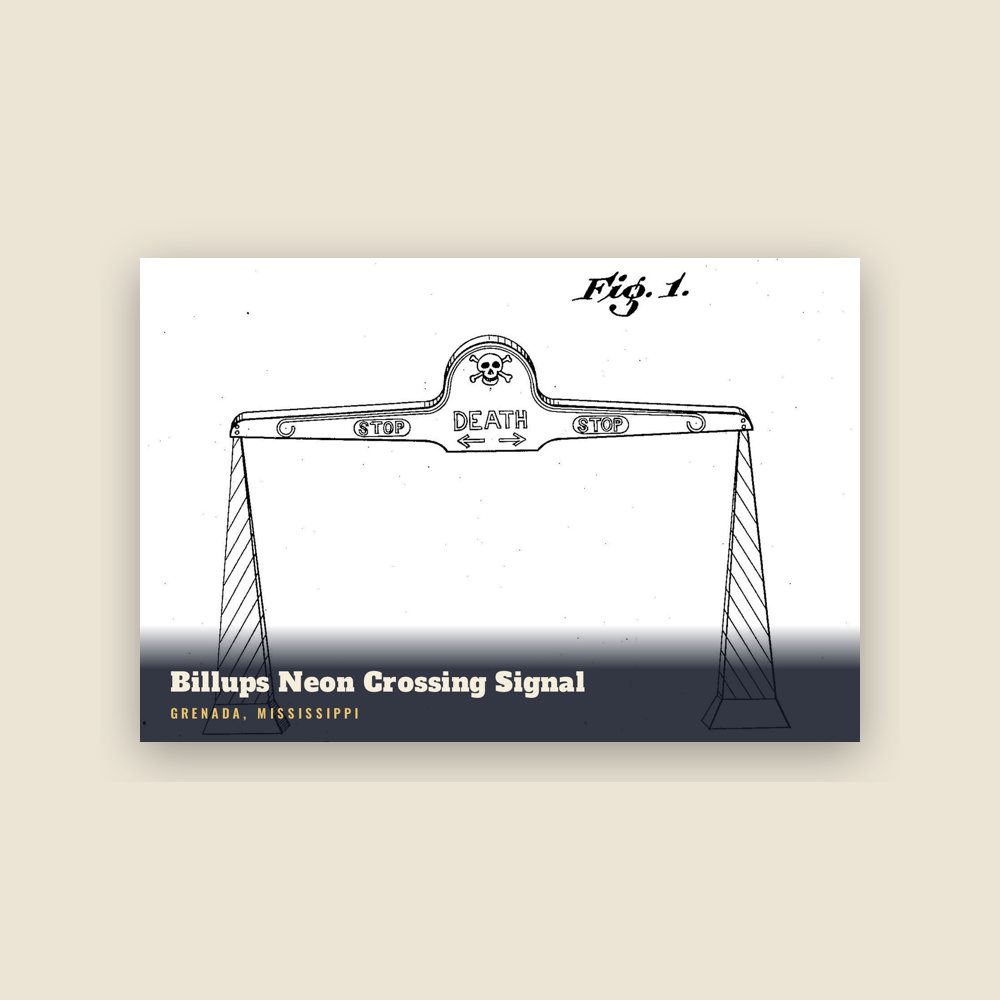

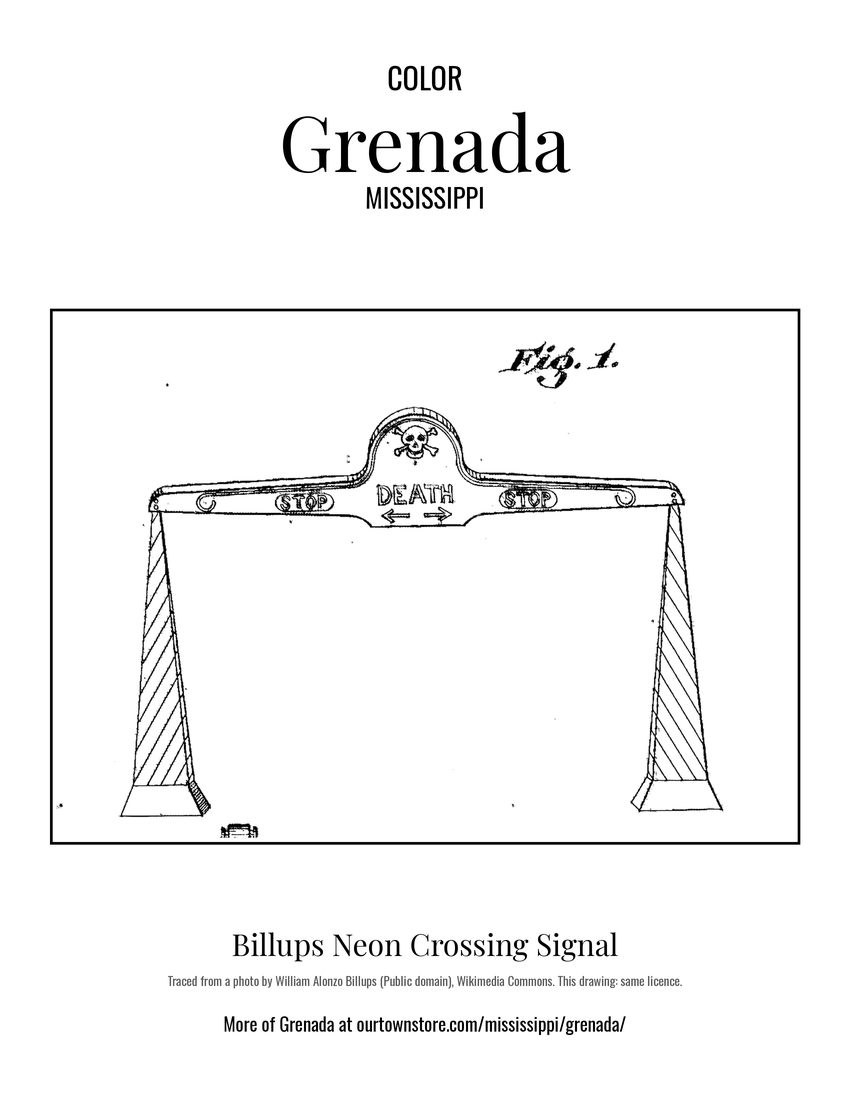 Billups Neon Crossing Signal
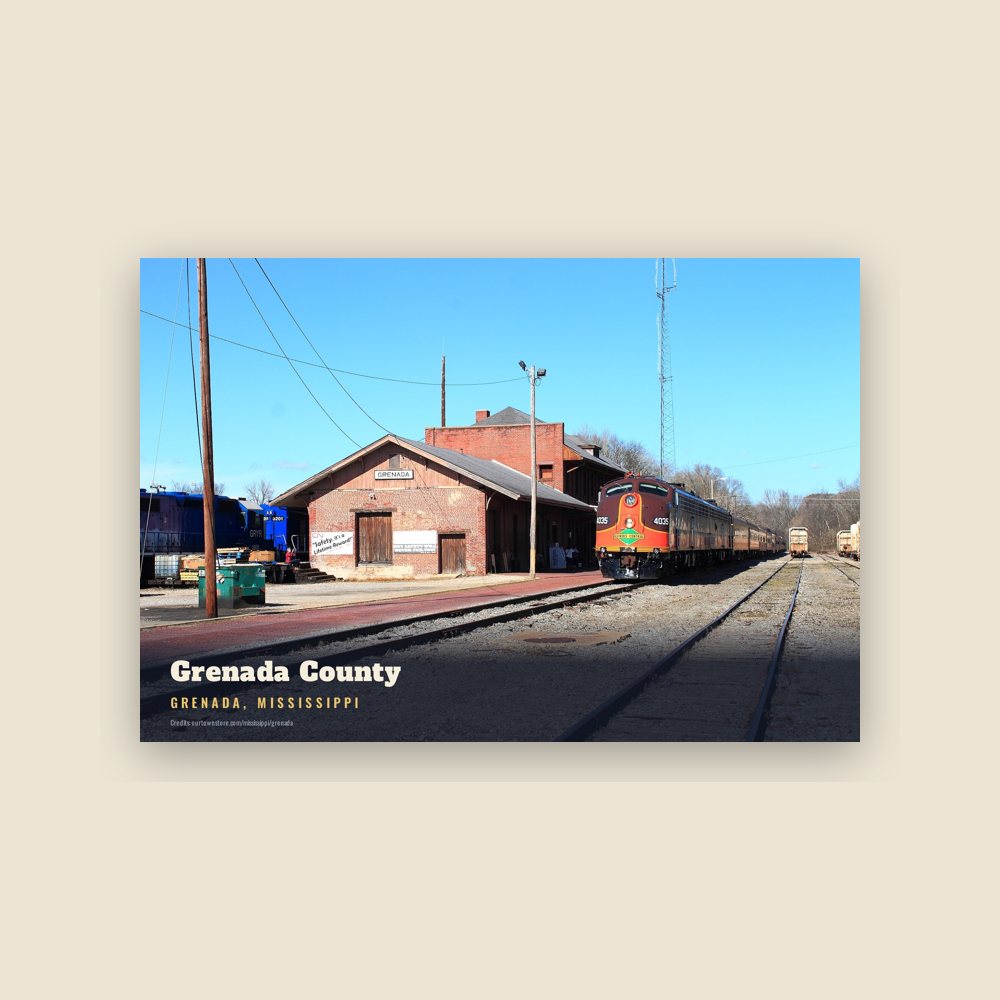
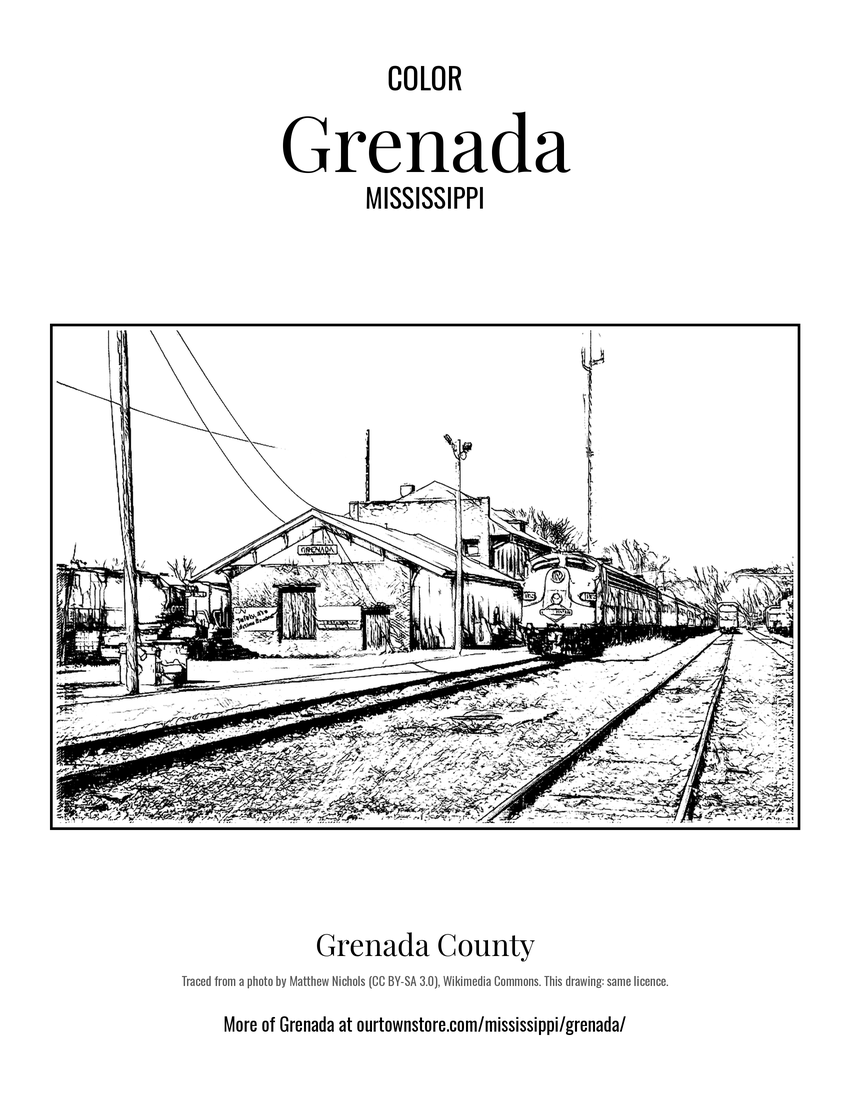 Grenada County
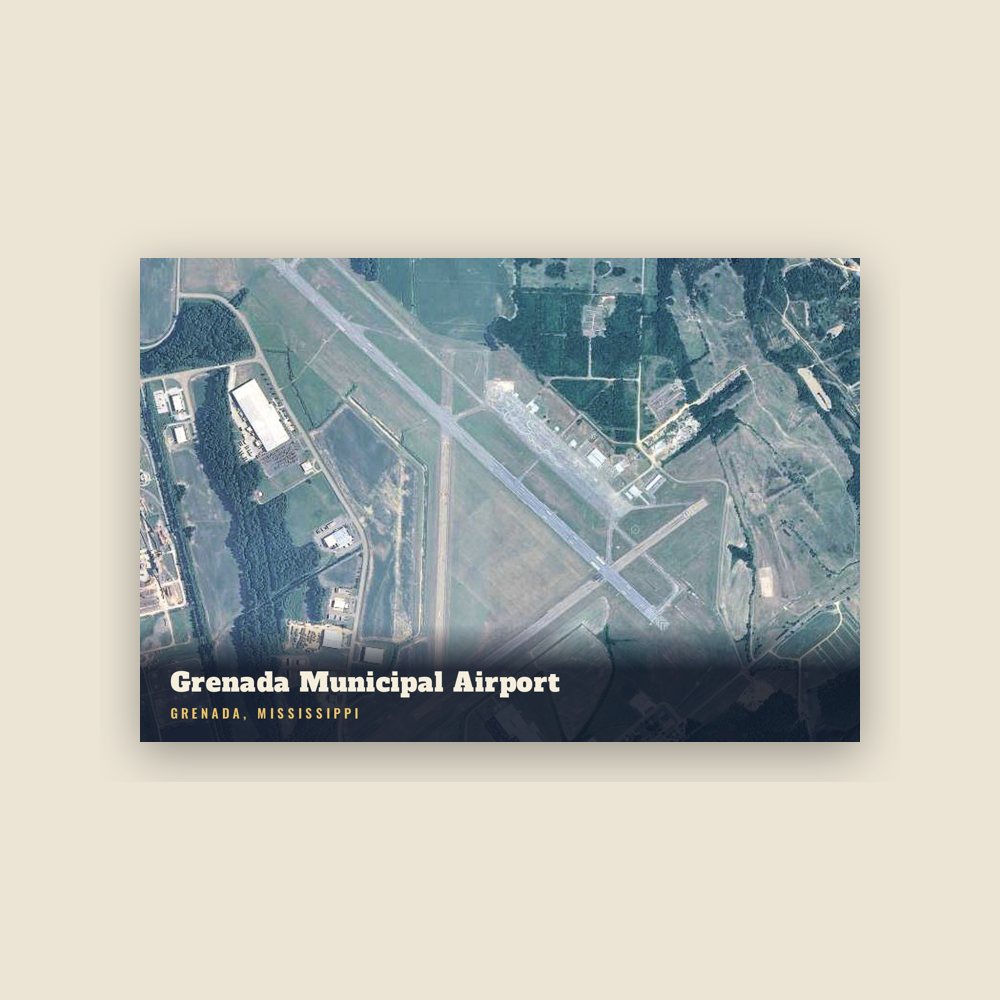
 Grenada Municipal Airport
 Grenada Lake