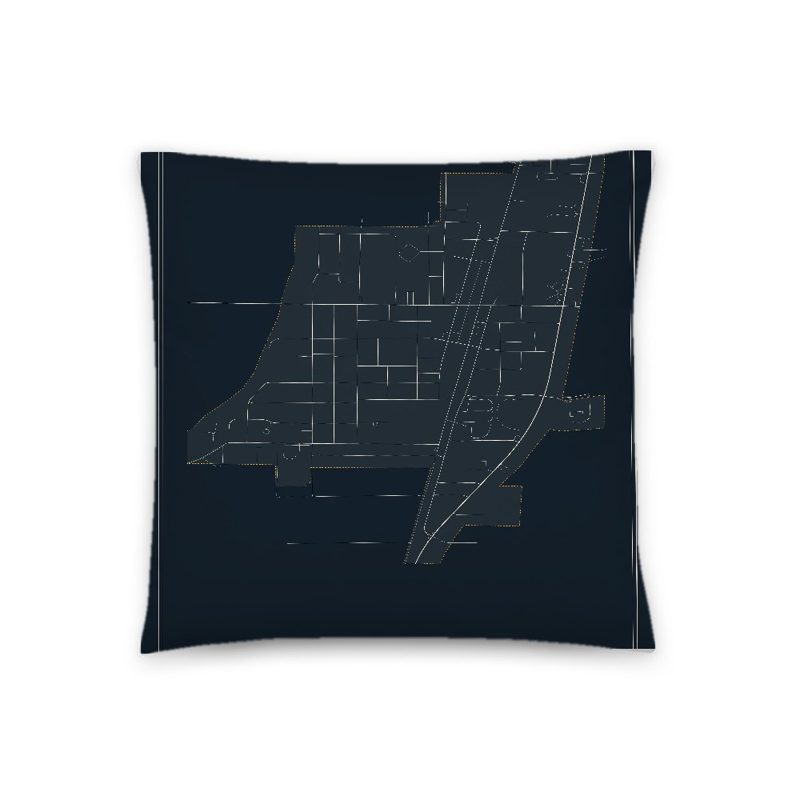
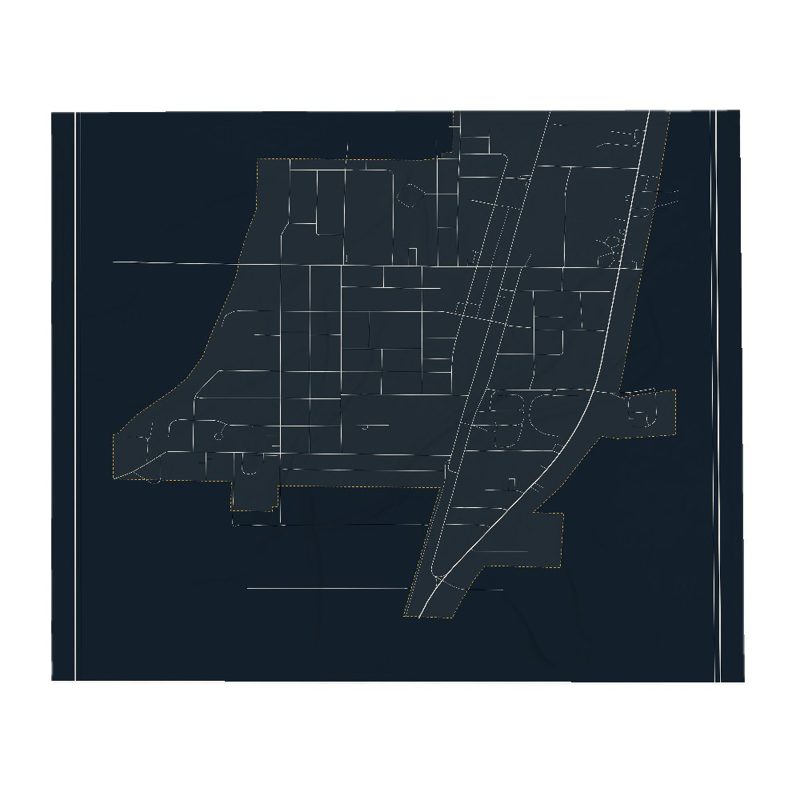
A short history of Drew
When the Yellow Dog Railroad was extended through what is now Drew, the post office was moved from the Promised Land Plantation to the Drew location. The settlement and the post office were named for Miss Drew Daniel, daughter of Andrew Jackson Daniel.
A school called the Little Red Schoolhouse was built by matching funds from the Rosenwald Fund in 1928. In the 21st century it received a grant for renovation of the large school.
In the 1920s, a man named Joe Pullen was lynched near Drew after killing at least three members and wounding other members of a posse seeking him after he shot and killed another man.
One historian wrote that the white residents of Drew had "traditionally been regarded as the most recalcitrant in the county on racial matters." The author wrote that whites in Drew were "considered the most recalcitrant of Sunflower County, and perhaps the state." He also claimed that Drew's proximity to the Mississippi State Penitentiary made Drew "a dangerous place to be black", and claimed that during the 1930s and 1940s many police officers arbitrarily shot blacks, saying that they appeared to look like escaped prisoners. That historian also claimed that during the Civil Rights Movement, when attempts were made to move Fannie Lou Hamer's movement for poor people from Ruleville to Drew, the organizers "faced stiff resistance". Mae Bertha Carter, an activist during the Civil Rights Movement, was from Drew.
In 1955, 14-year-old African-American teenager Emmett Louis Till was abducted, tortured, and shot to death in a barn near Drew. The killing attracted national attention. Some locals have raised money to purchase the barn for a memorial.
Adapted (trimmed) from the Wikipedia article Drew, Mississippi, revision 1377182031 by its contributors, licensed CC BY-SA 4.0.