Since 1874
A short history of Willmar
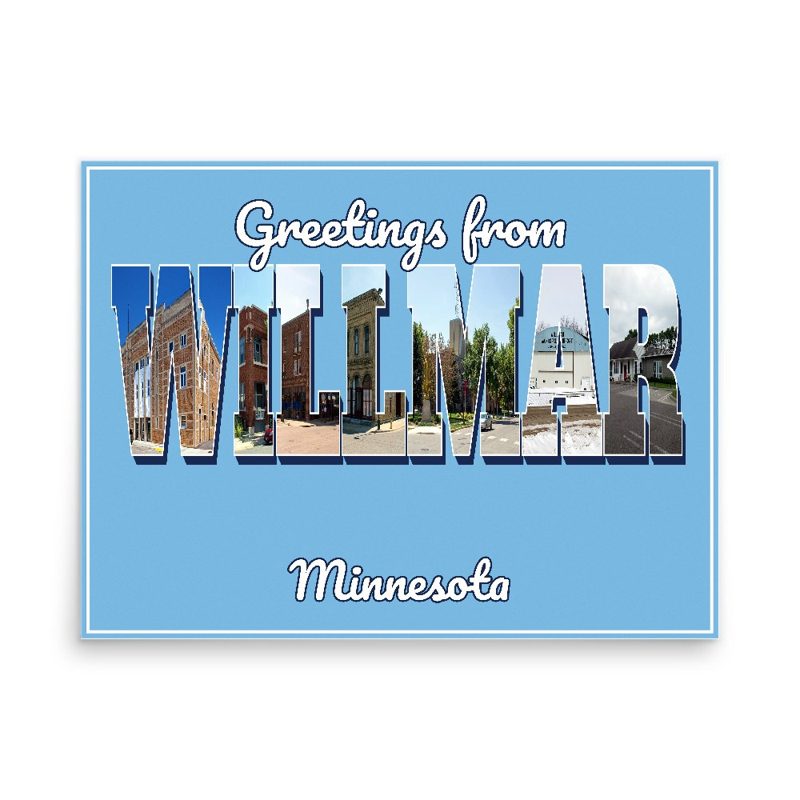
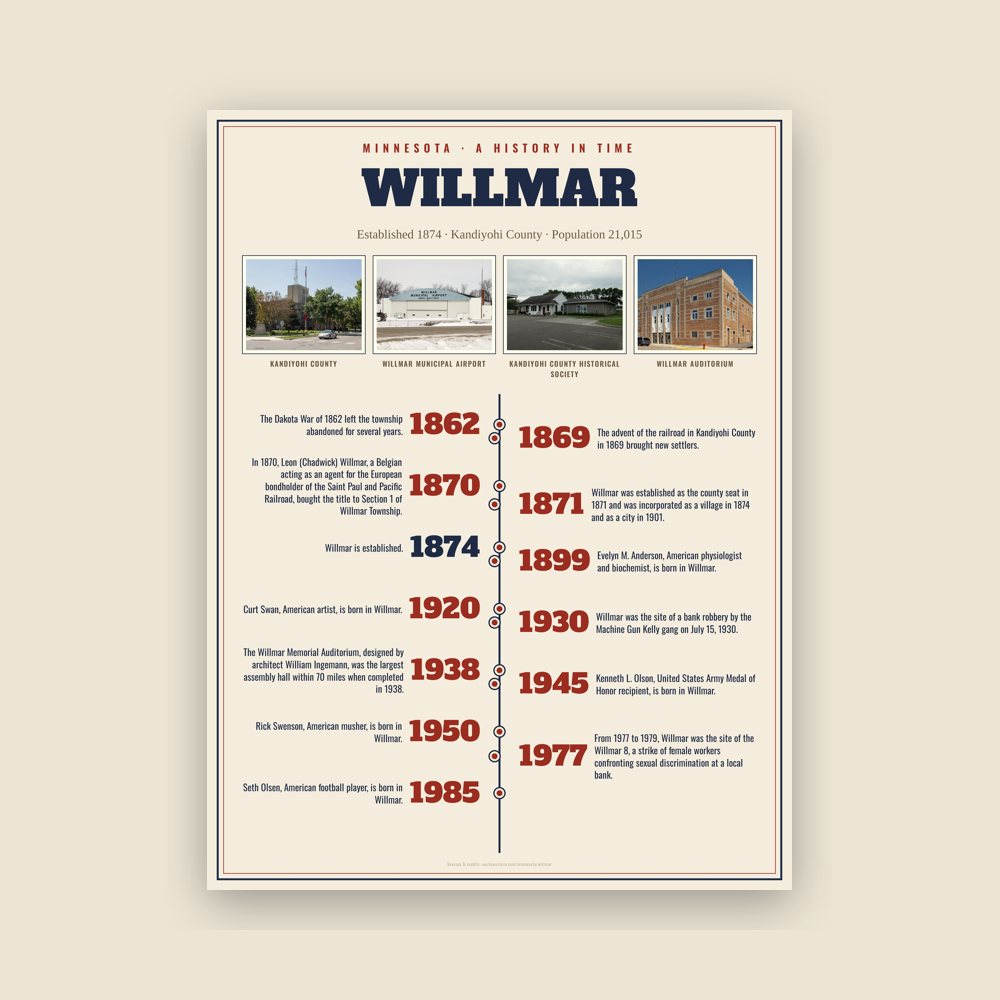
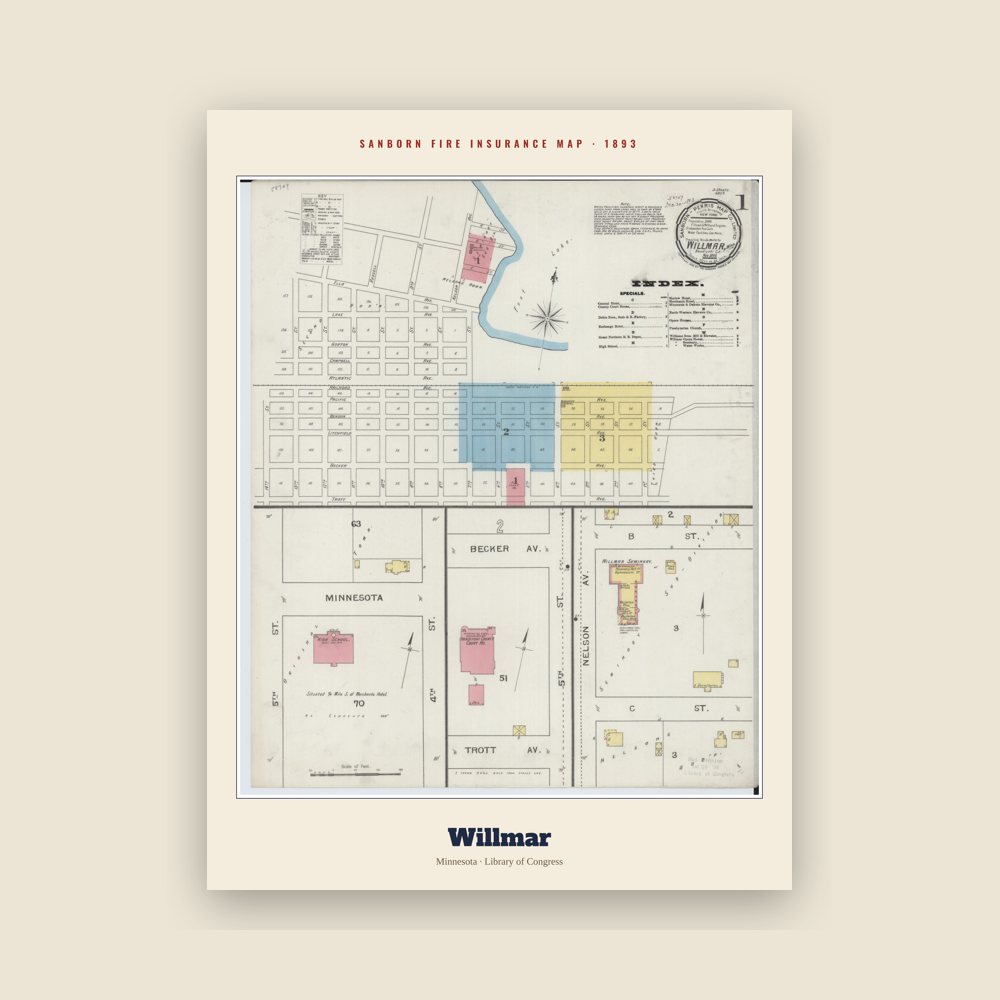
Agricultural expansion and Willmar's establishment as a division point on the Great Northern Railway determined its growth. The first settlers arrived during the 1850s, attracted to the fertile land and abundant timber and game. The Dakota War of 1862 left the township abandoned for several years. The advent of the railroad in Kandiyohi County in 1869 brought new settlers. Many were of Swedish and Norwegian origin; residents of Scandinavian heritage are still a majority. In 1870, Leon (Chadwick) Willmar, a Belgian acting as an agent for the European bondholder of the Saint Paul and Pacific Railroad, bought the title to Section 1 of Willmar Township. Willmar was established as the county seat in 1871 and was incorporated as a village in 1874 and as a city in 1901.
Willmar was the site of a bank robbery by the Machine Gun Kelly gang on July 15, 1930. They robbed the Bank of Willmar (later Otto Bremer Trust) of about $70,000 (equivalent to $1,349,000 in 2025) and wounded three people.
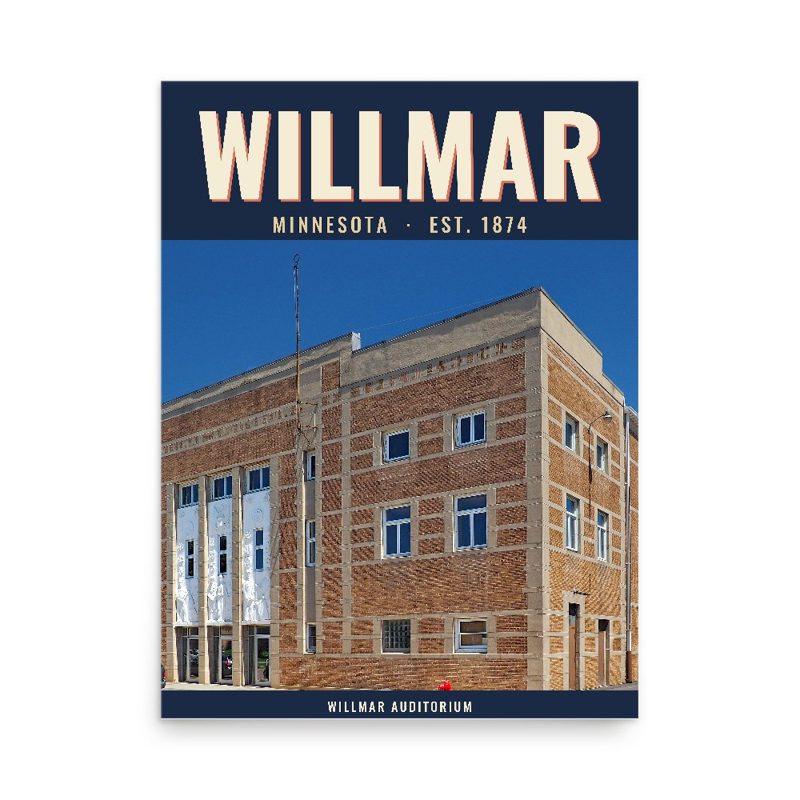
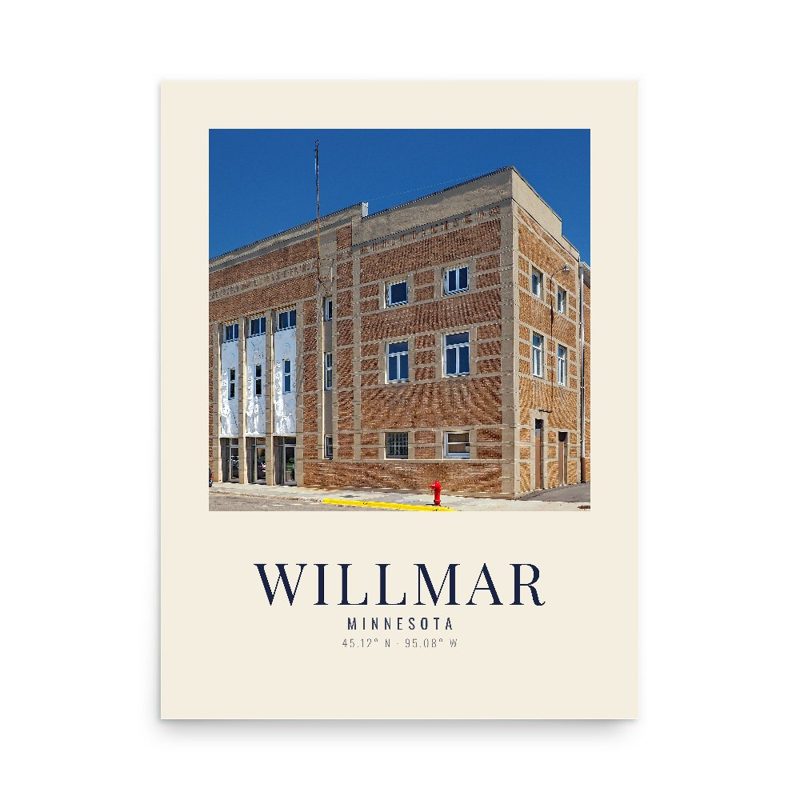
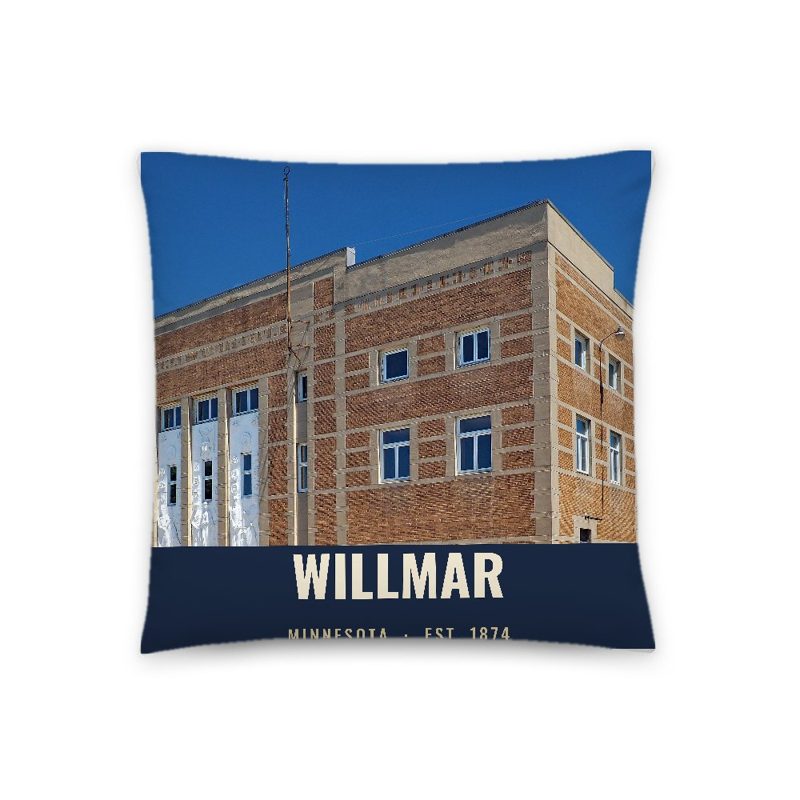
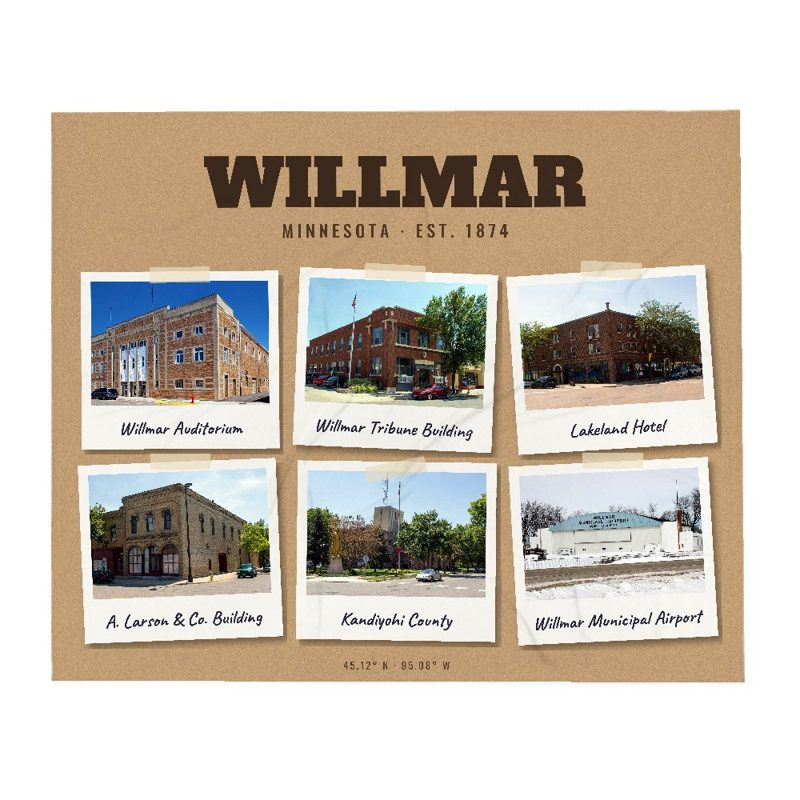
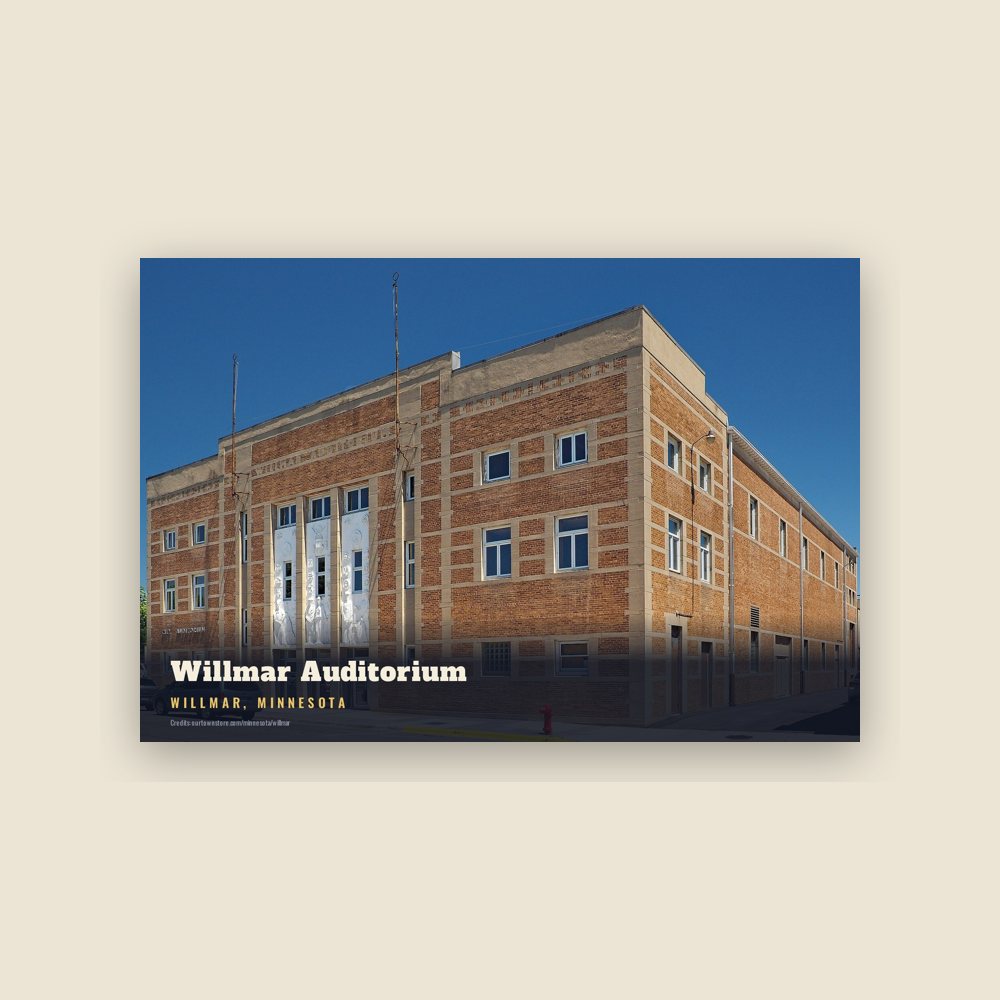
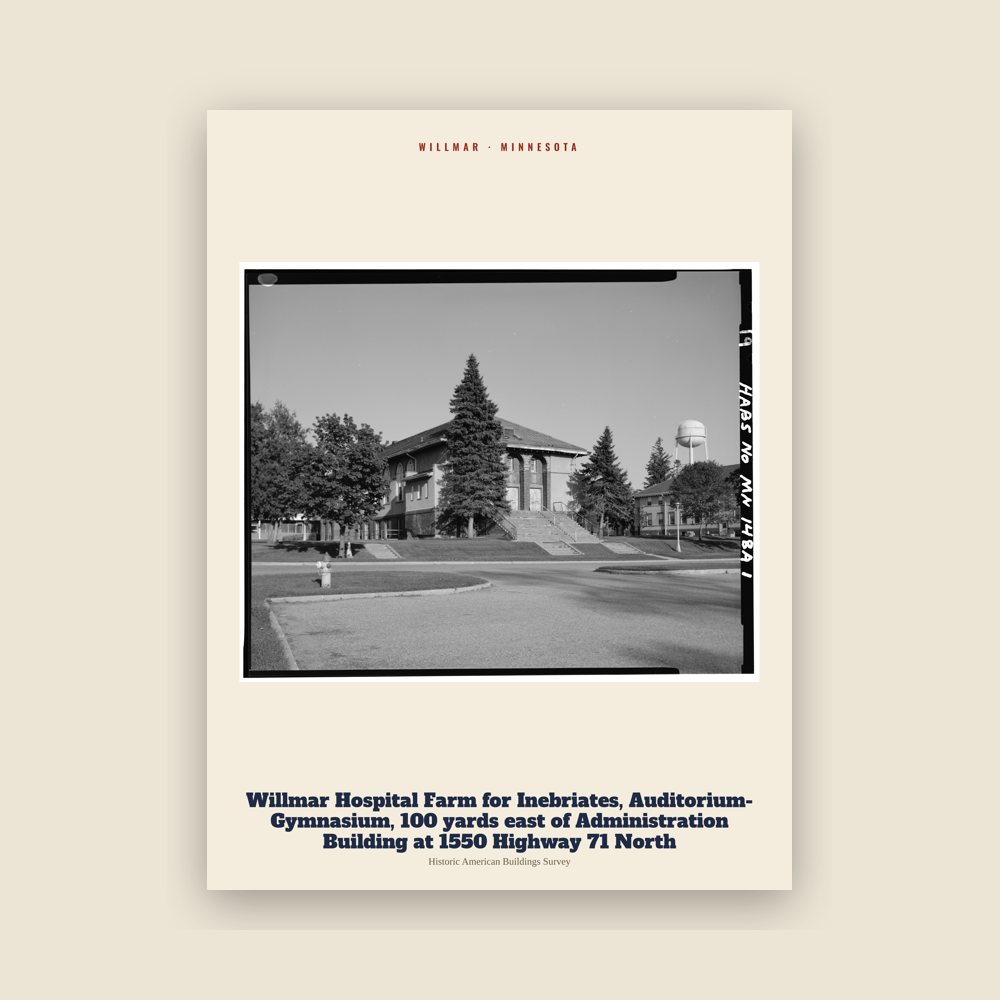
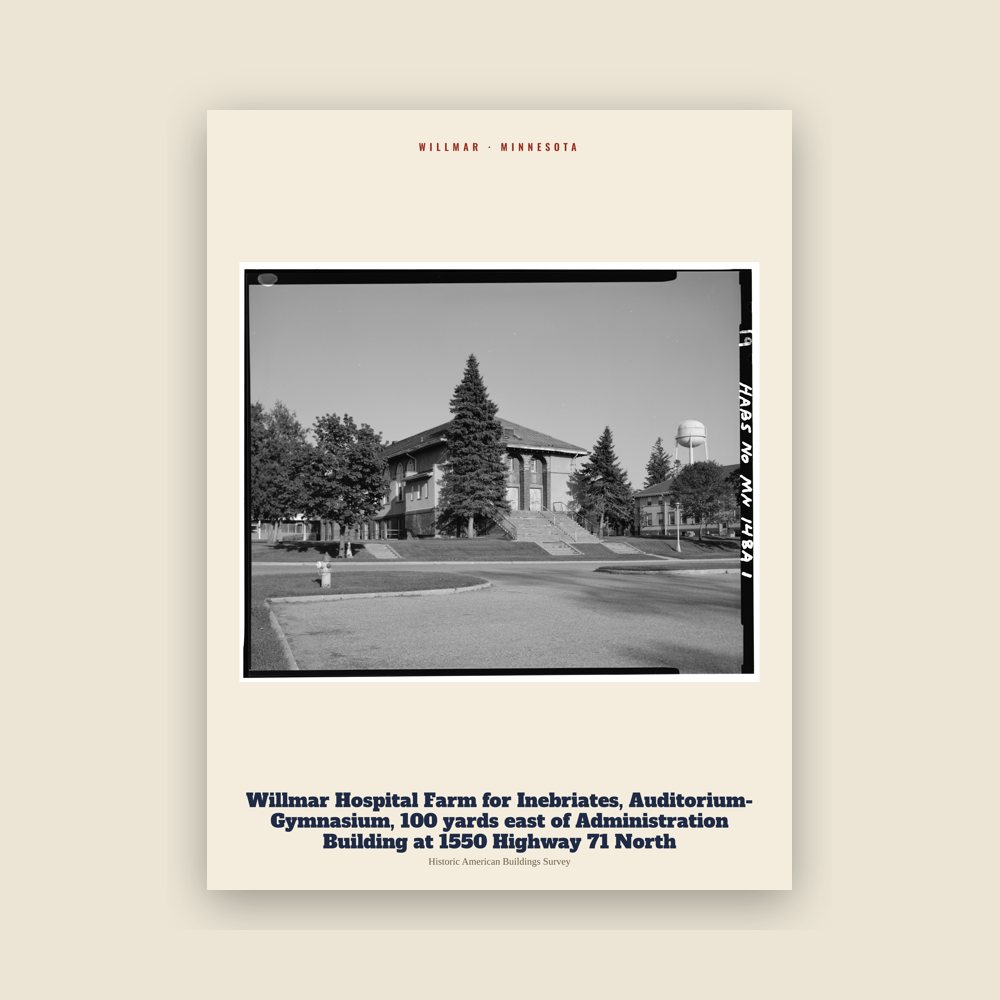
The Willmar Memorial Auditorium, designed by architect William Ingemann, was the largest assembly hall within 70 miles when completed in 1938. It was funded by the city of Willmar and the state and federal governments as a Depression-era works project. It contains several murals by Richard Haines commissioned by the Federal Art Project, and wood paneling in the oak doors by WPA artists. It is on the National Register of Historic Places.
From 1977 to 1979, Willmar was the site of the Willmar 8, a strike of female workers confronting sexual discrimination at a local bank. The strike was reported in mainstream media and a documentary.
Bradley Joseph's music draws inspiration from his childhood in Willmar, and his company, Robbins Island Music, is named after a Willmar city park.
Adapted (trimmed) from the Wikipedia article Willmar, Minnesota, revision 1379648182 by its contributors, licensed CC BY-SA 4.0.
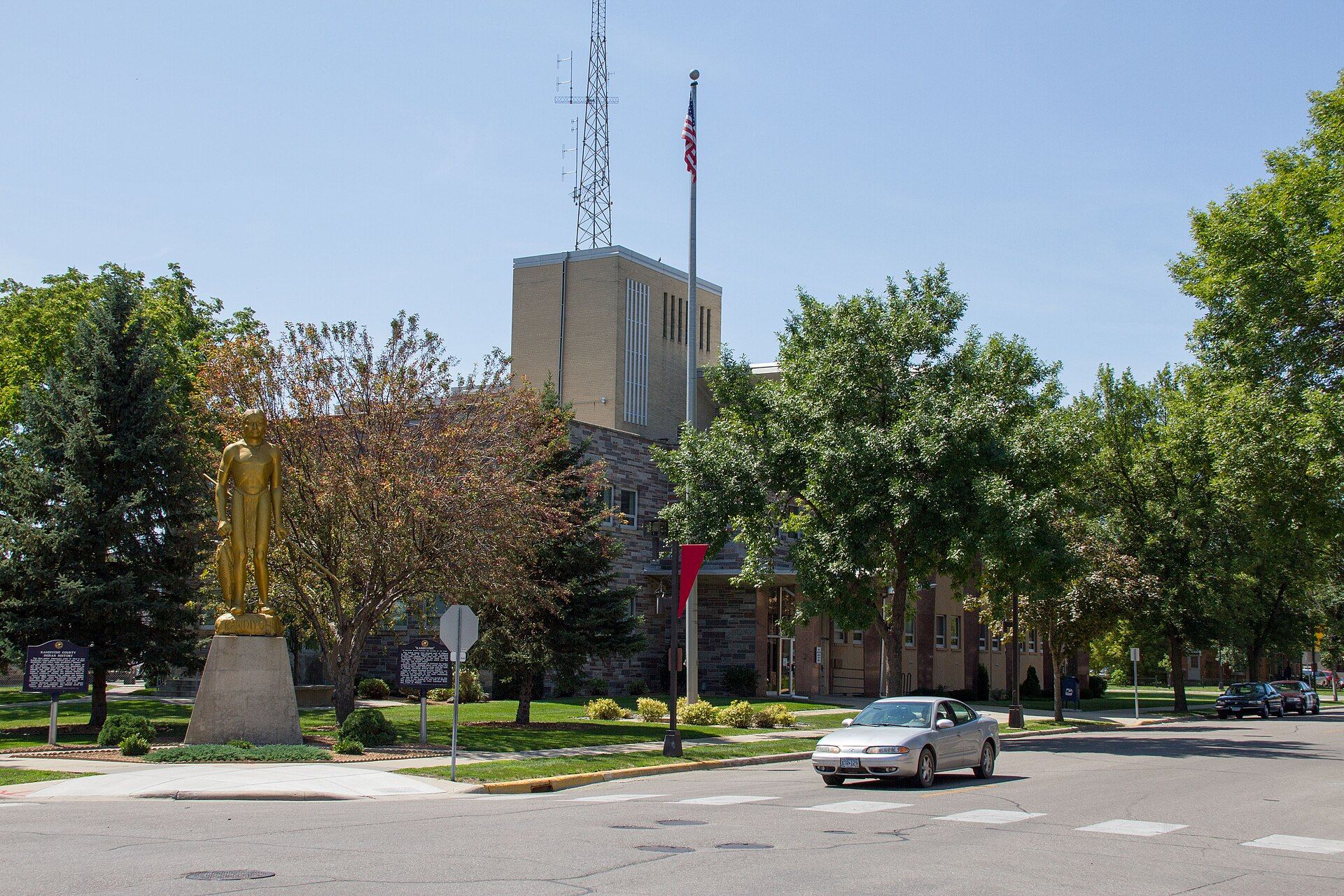
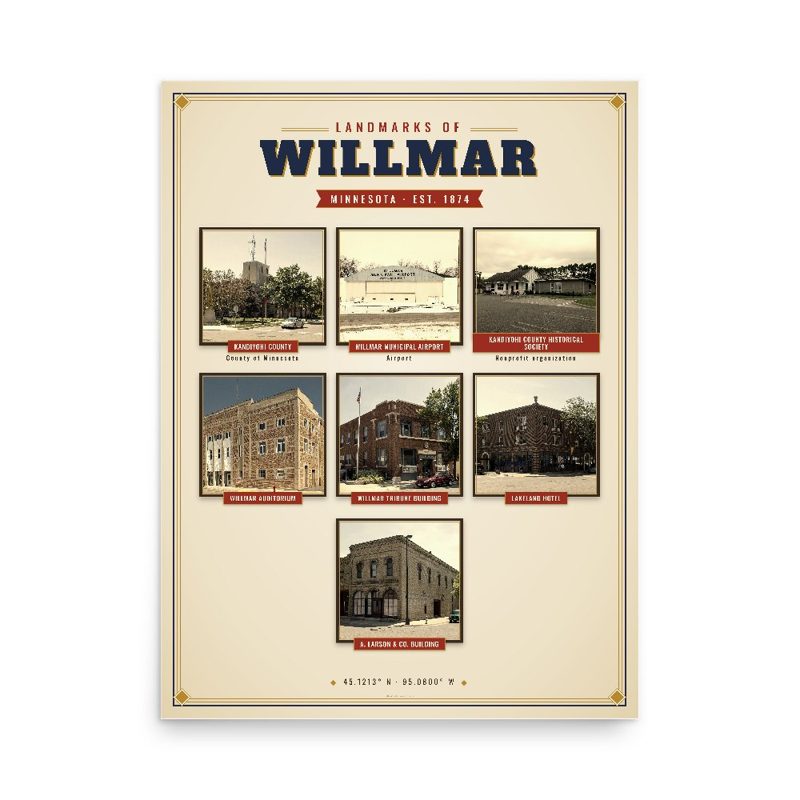
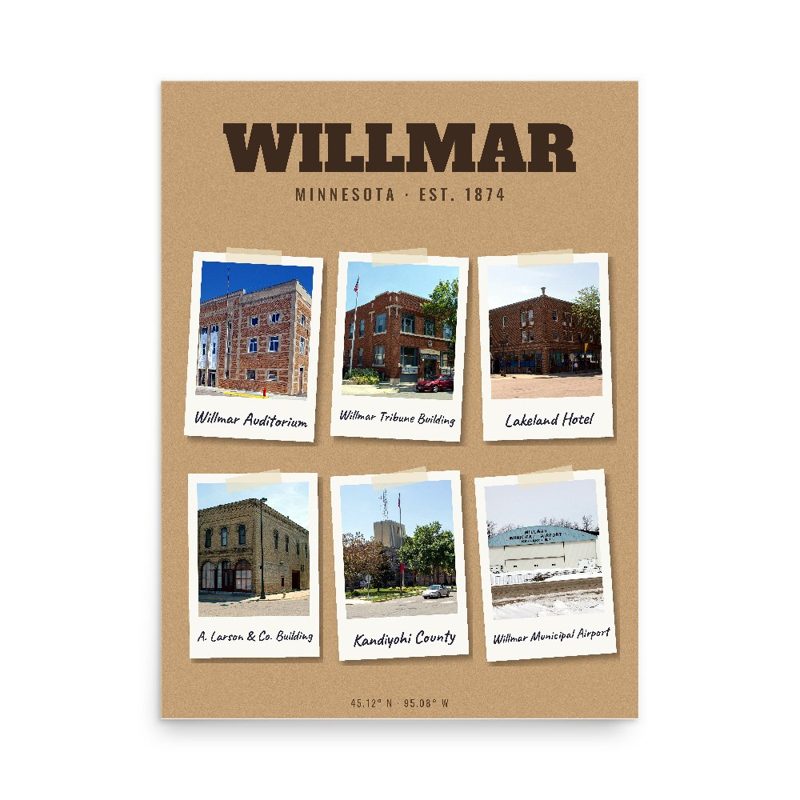
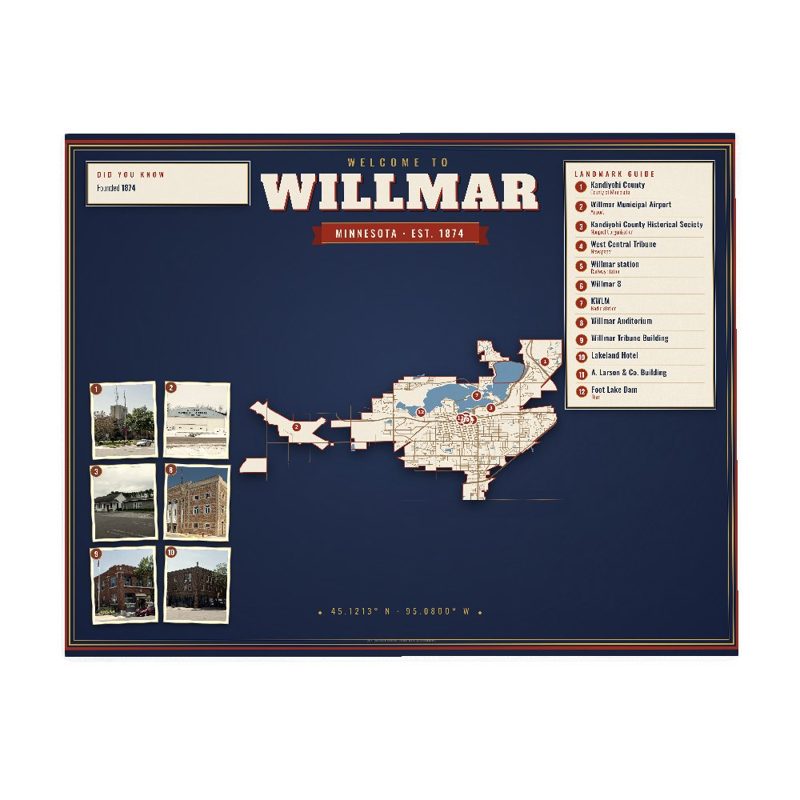

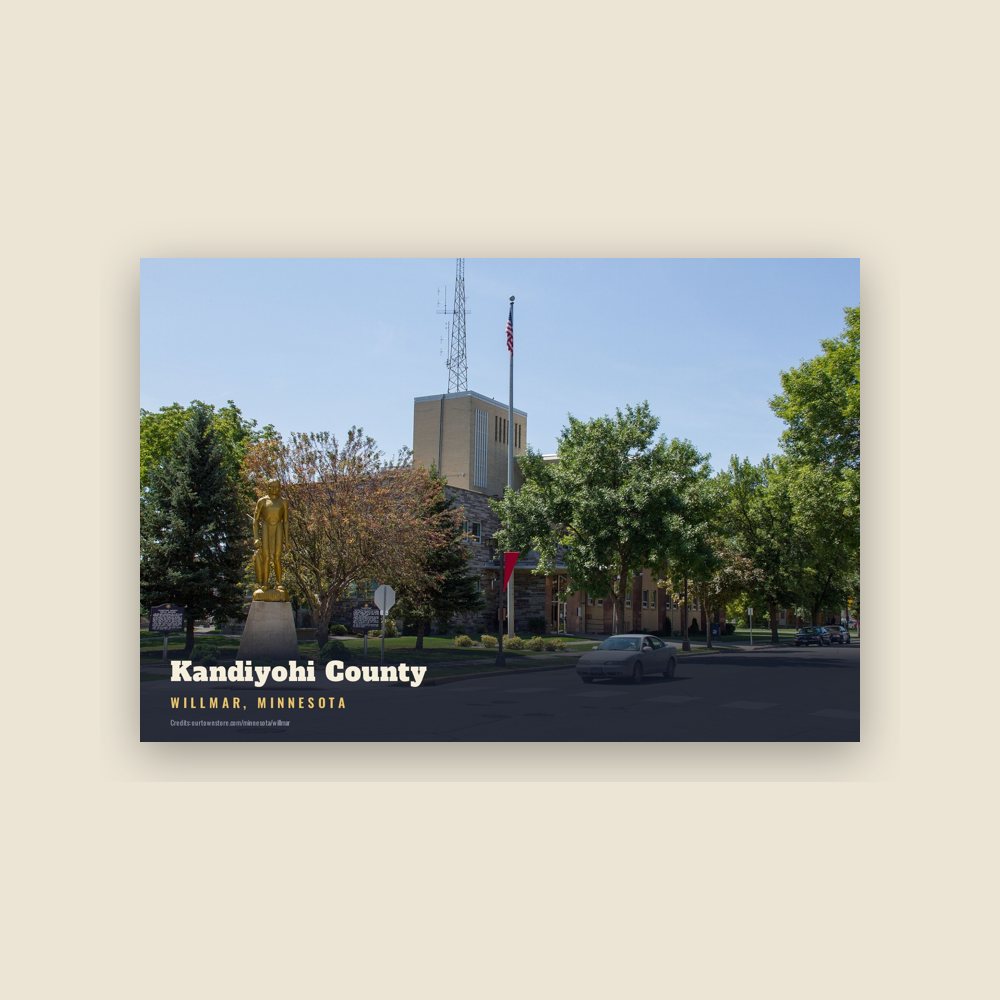
 Kandiyohi County
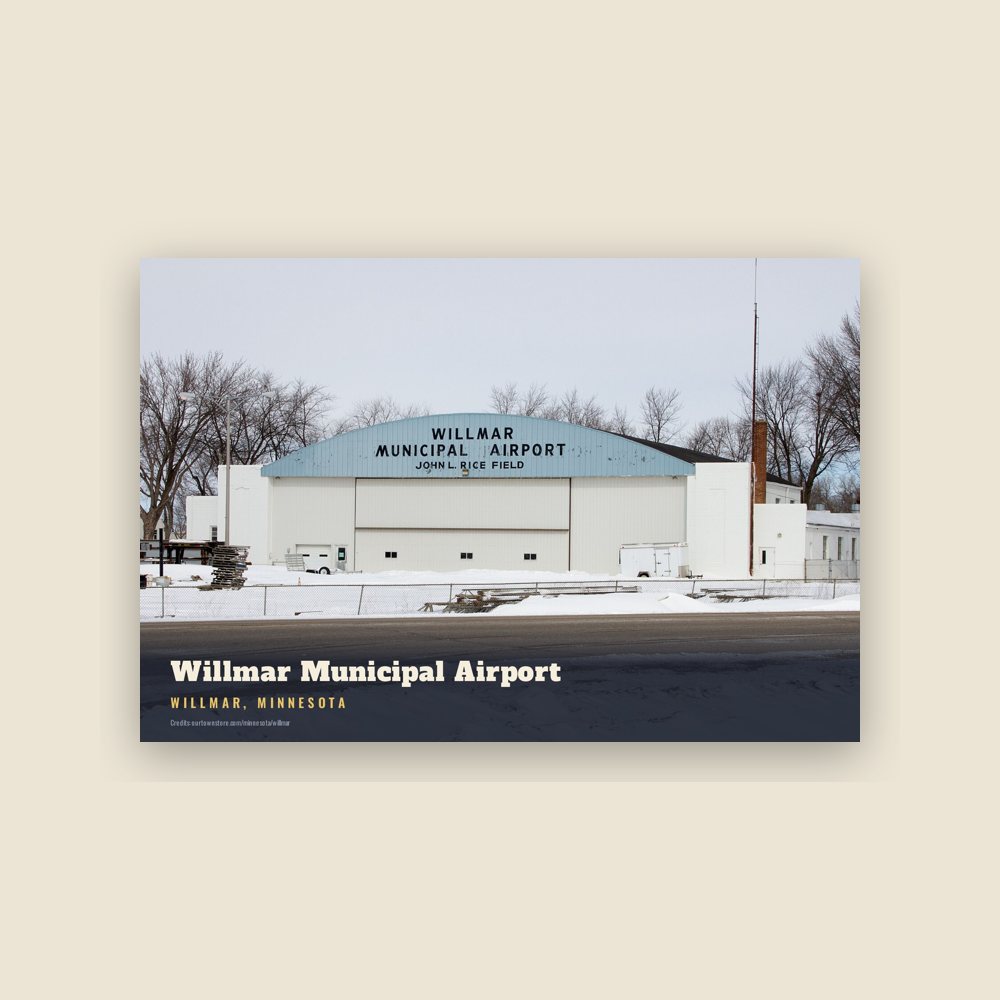
 Willmar Municipal Airport
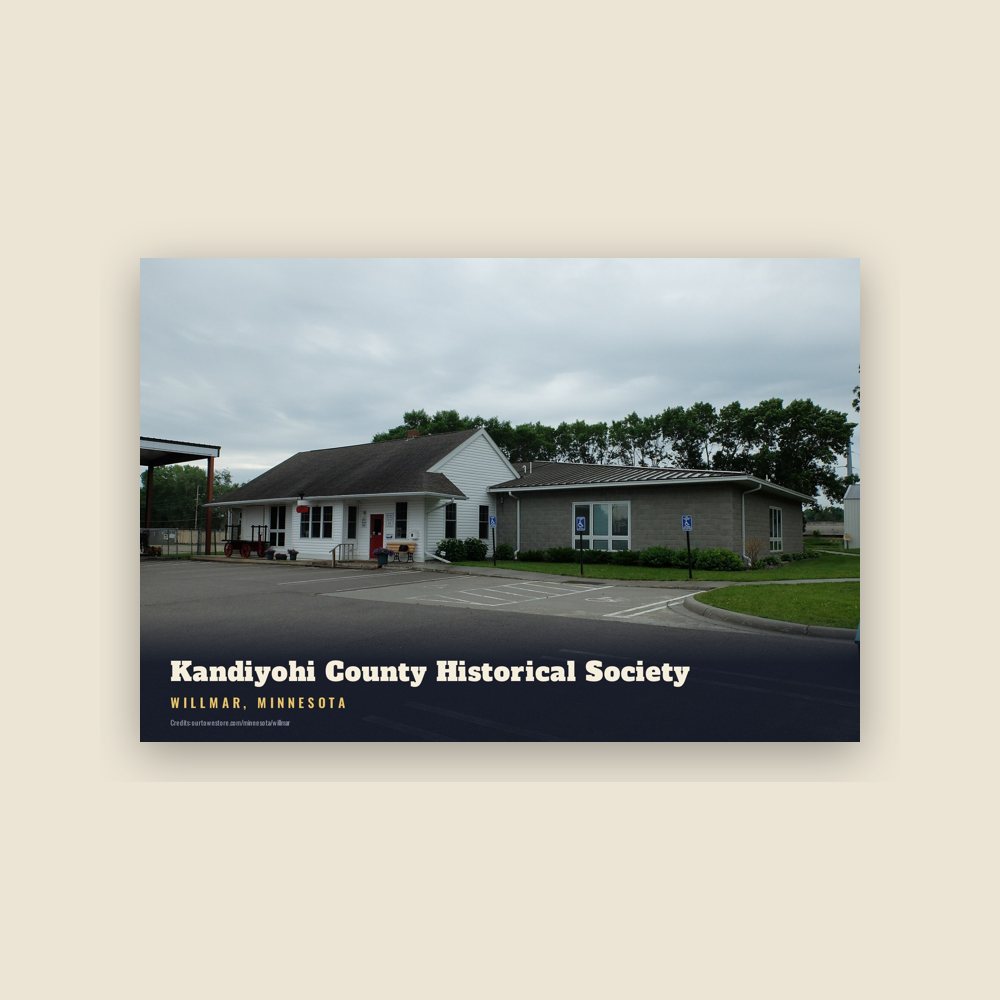
 Kandiyohi County Historical Society
 Willmar Auditorium