A short history of Walker
The area was inhabited for thousands of years by succeeding cultures of indigenous peoples. Before European settlement, the Ojibwe moved into the area from the Great Lakes, pushing out the historic Dakota peoples, such as the Assiniboine and Hidatsa. European American settlers followed the early fur traders and trappers, and encroached on Native American territories.
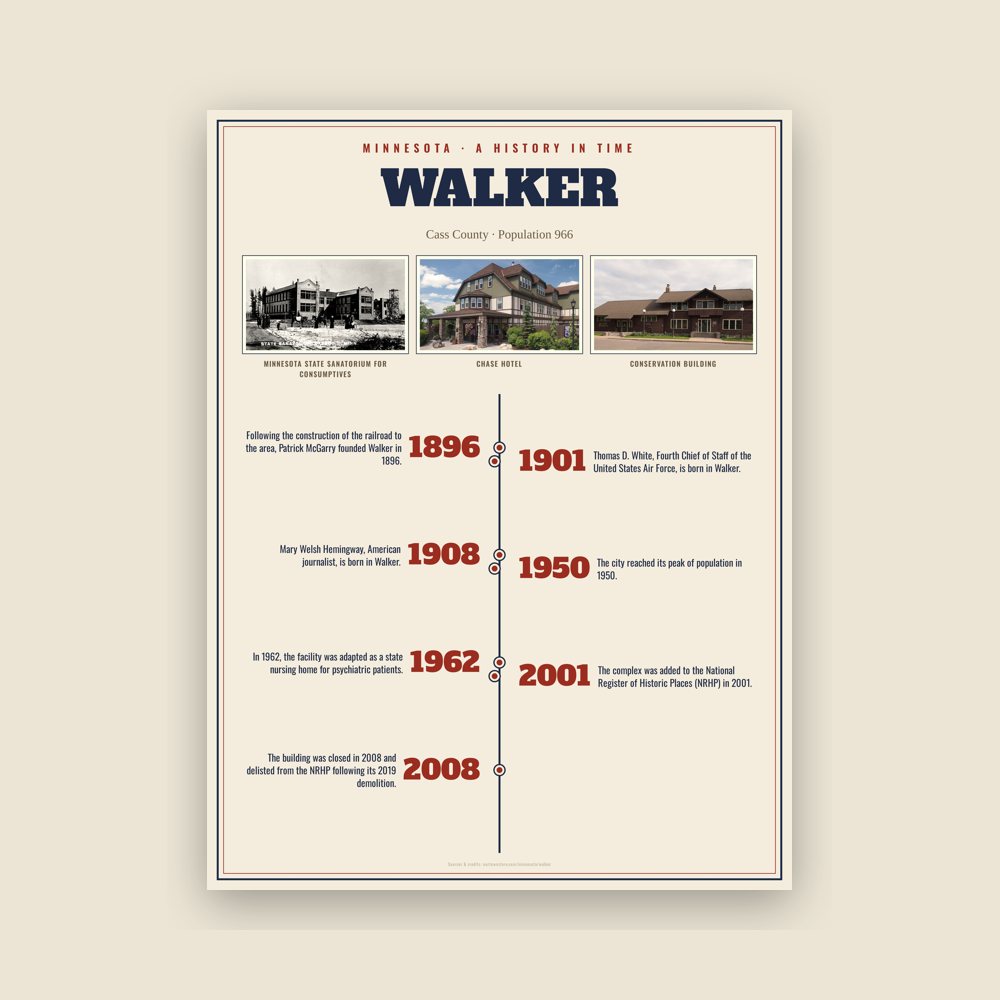
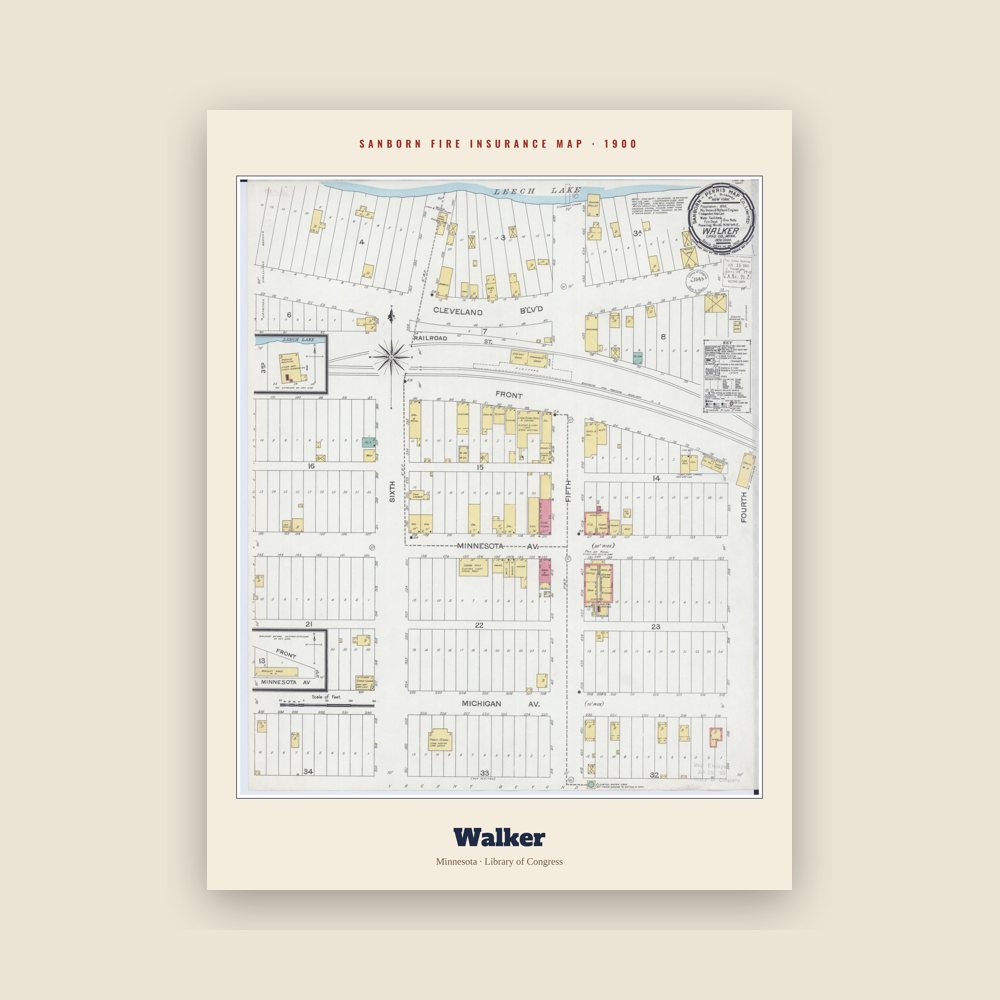
Following the construction of the railroad to the area, Patrick McGarry founded Walker in 1896. He named the settlement after the logging giant Thomas B. Walker, in hopes of luring construction of a sawmill. Walker instead chose to found and set up operations in nearby Akeley, because of his wife's moral objection to the bars and brothels in Walker, a rough frontier town. Walker developed with business, jobs and other services generated by four other logging companies.
Tourism later grew as a service industry. In the 20th century, people from urban areas came to more rural areas for recreation associated with lakes, fishing, hunting and water sports. The city reached its peak of population in 1950.
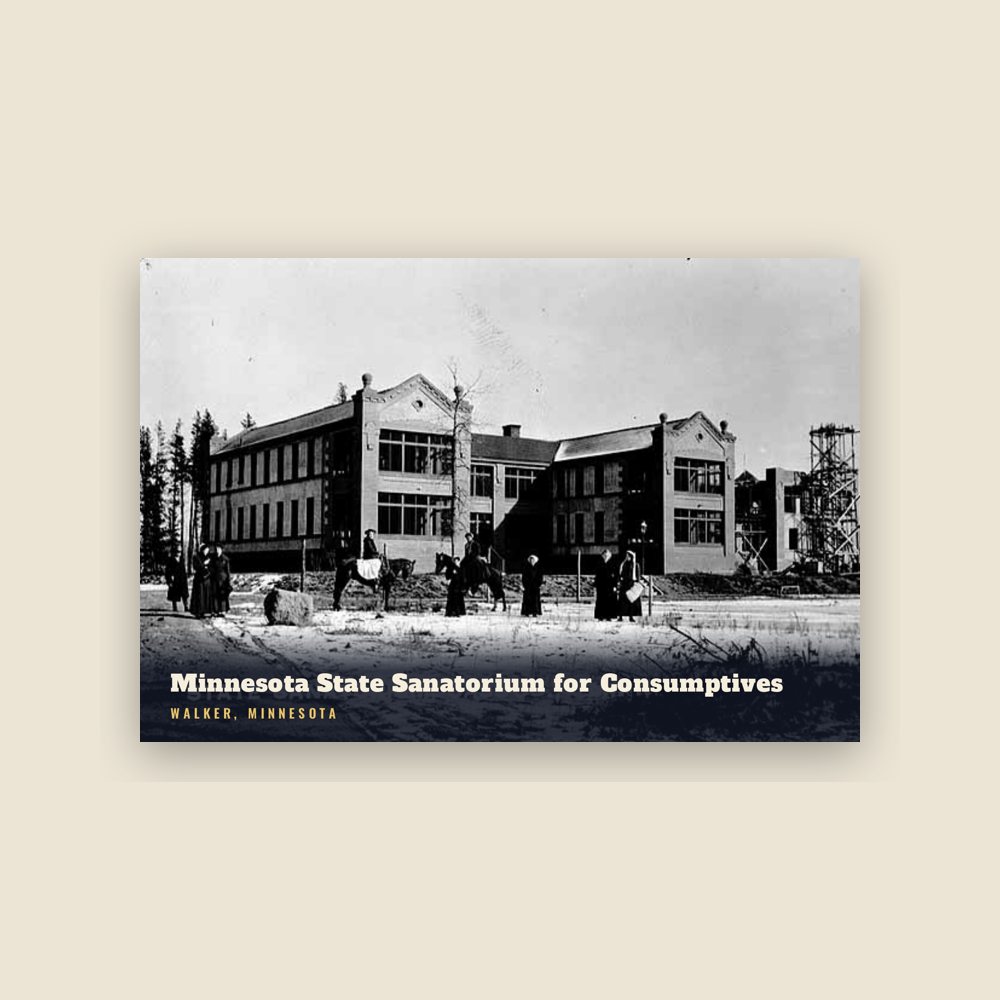
In 1907, Walker became the home of the Ah-Gwah-Ching Center, first constructed as a residential facility for tuberculosis (TB) patients, who at the time could be treated only with good nutrition and rest. By 1927, it had 300 patients. The facility had its own farm and dairy herd, the patients and staff put on skits and produced a newspaper, and it had its own railroad depot at one time. During the Great Depression, it was a site for display of art produced by artists paid by the WPA, and it had the state's largest WPA art collection. In 1962, the facility was adapted as a state nursing home for psychiatric patients. The complex was added to the National Register of Historic Places (NRHP) in 2001. The building was closed in 2008 and delisted from the NRHP following its 2019 demolition.
The Cass County Museum and research center, operated by the Cass County Historical Society, is located in Walker. It preserves and interprets the history of Cass County and its connection to Minnesota’s wider history.
Adapted (trimmed) from the Wikipedia article Walker, Minnesota, revision 1367509938 by its contributors, licensed CC BY-SA 4.0.
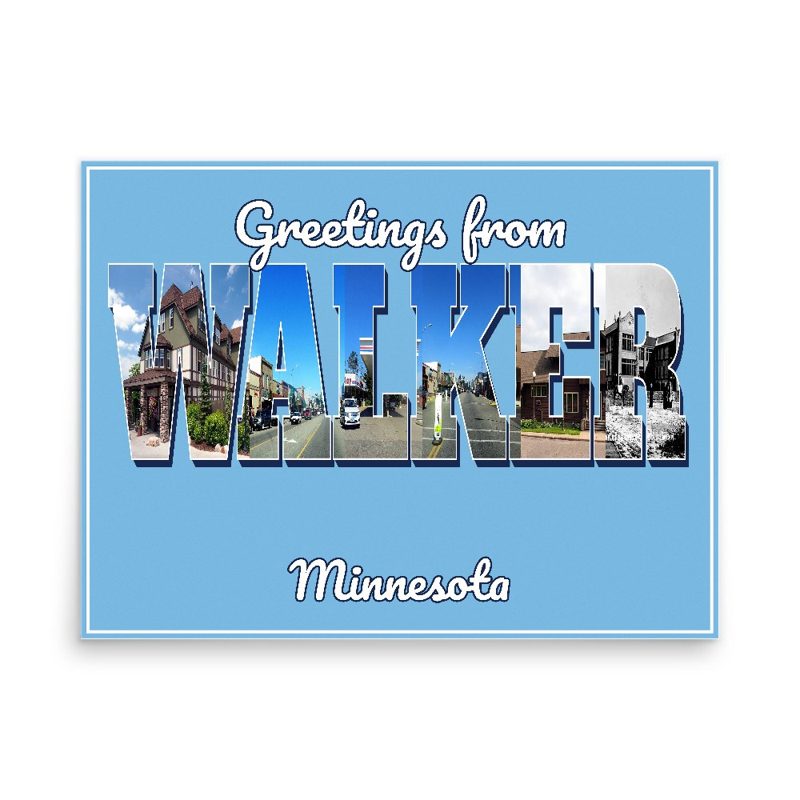
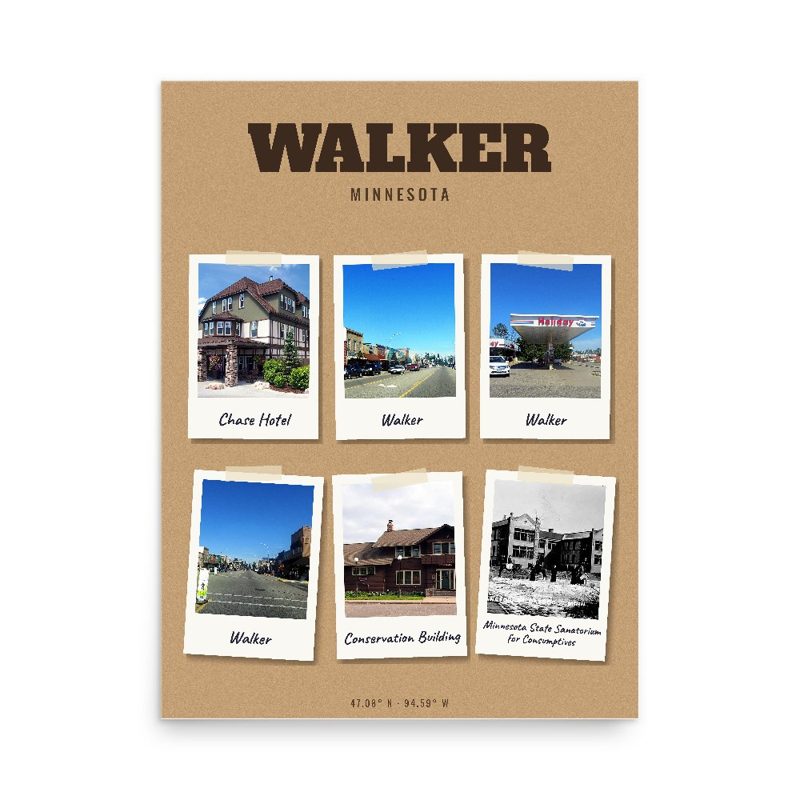
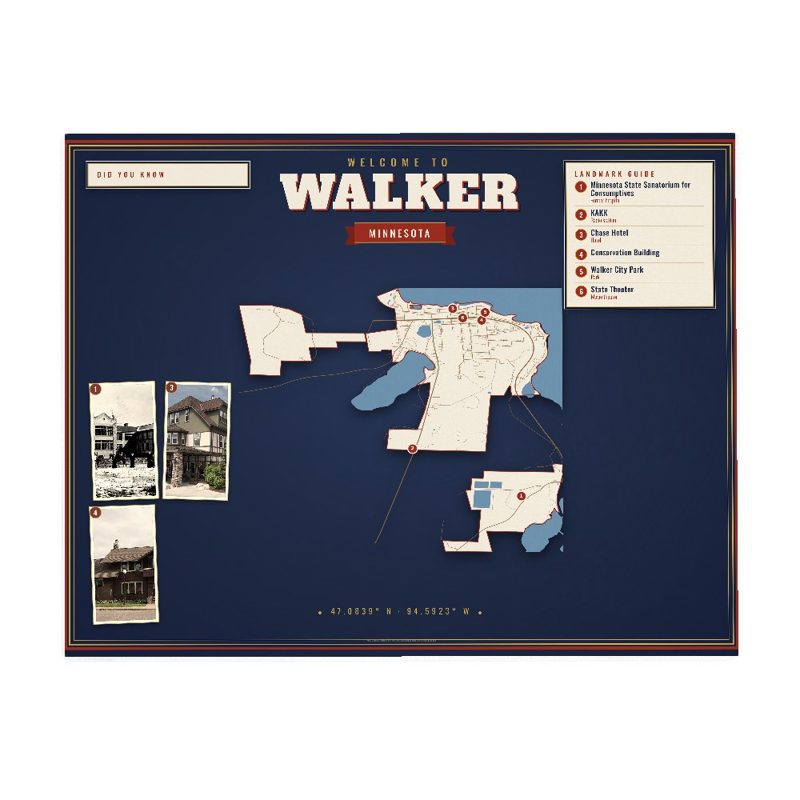








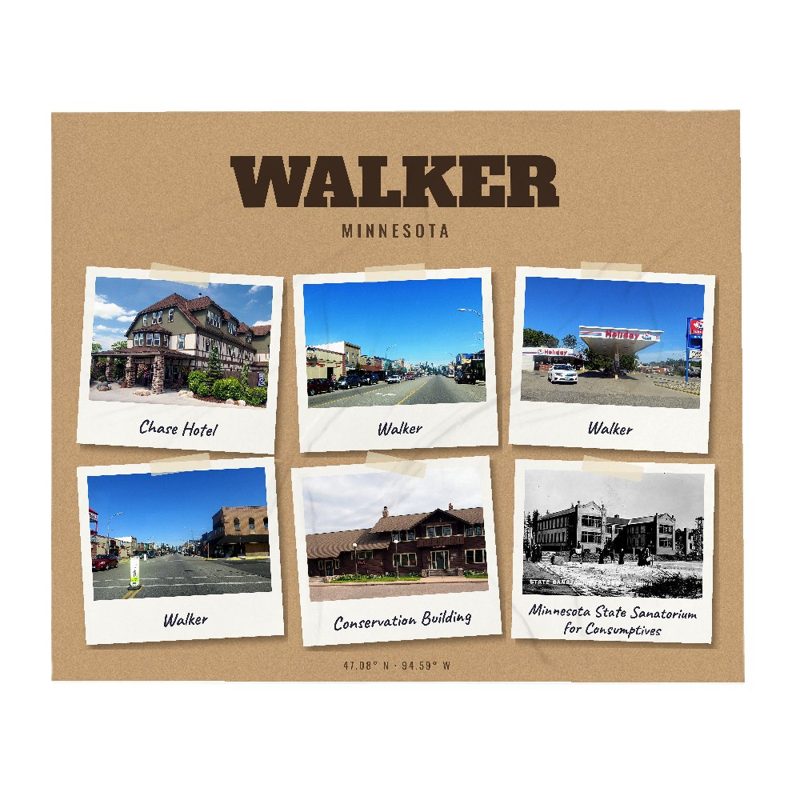
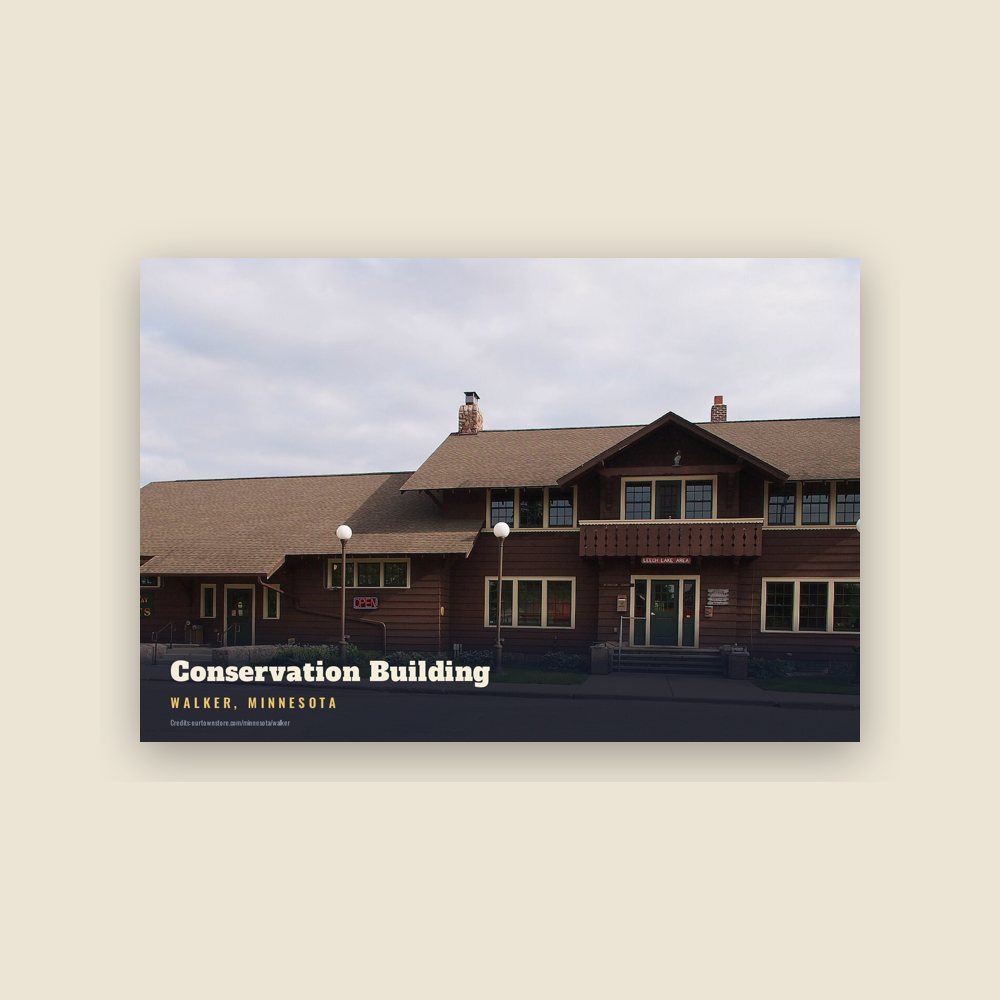
 Conservation Building
 Minnesota State Sanatorium for Consumptives
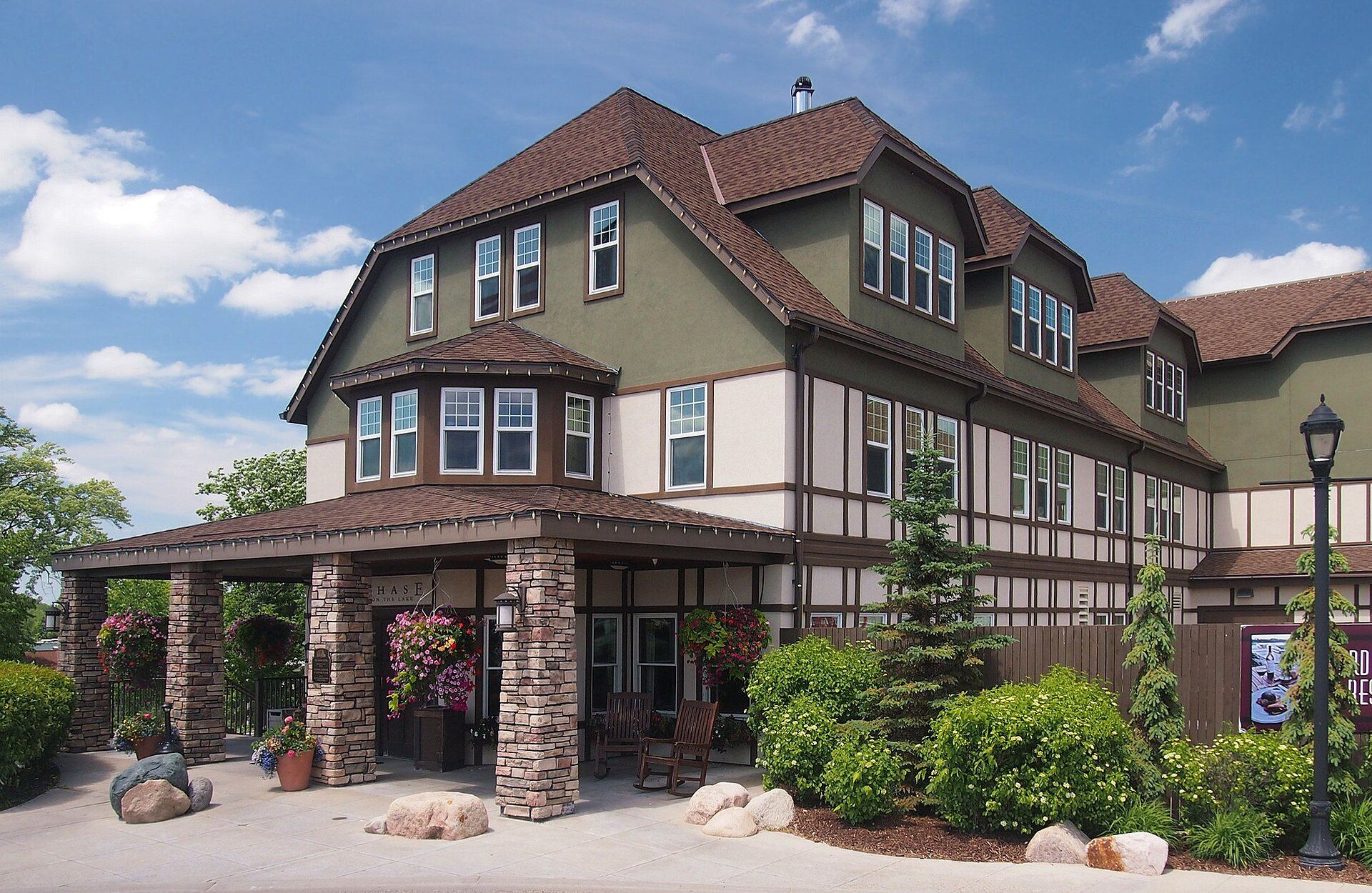
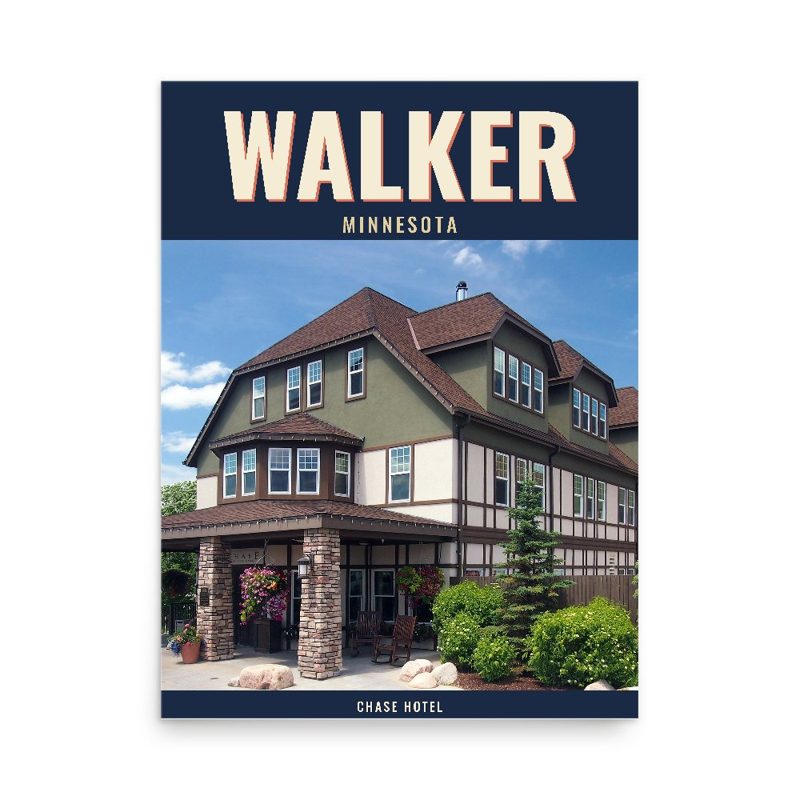
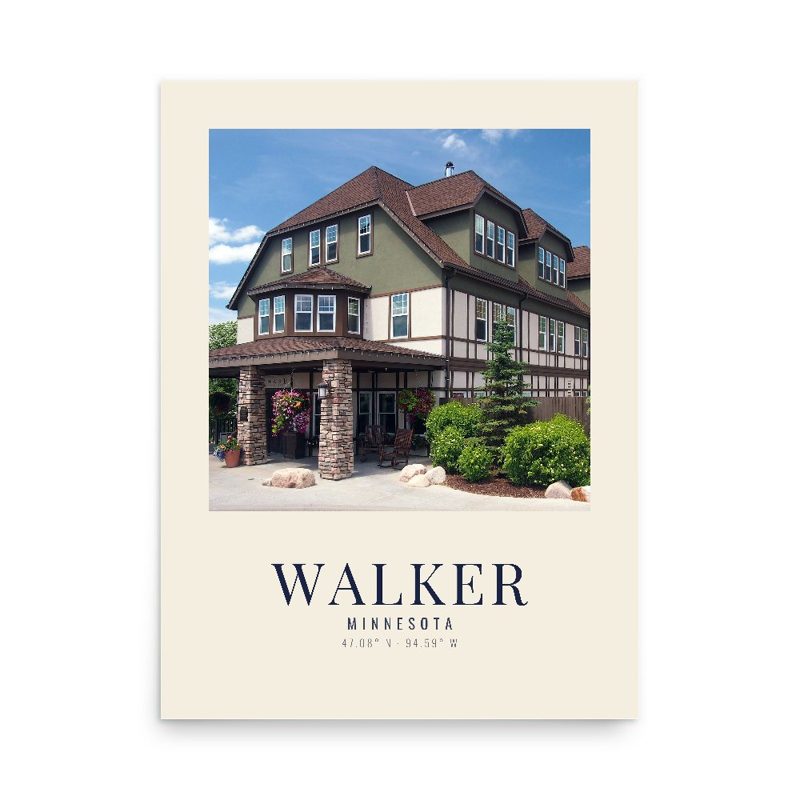
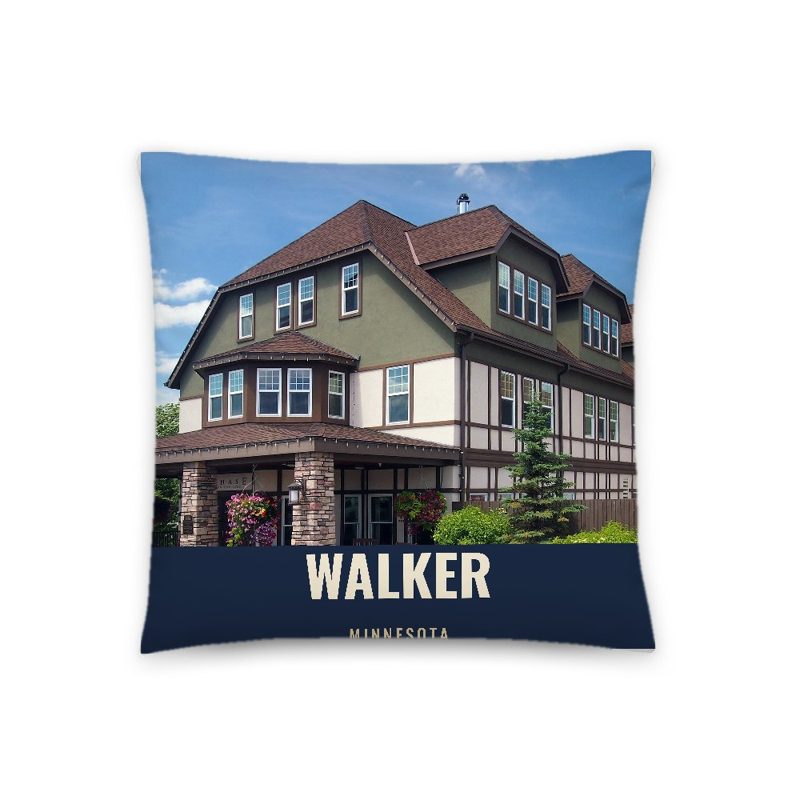
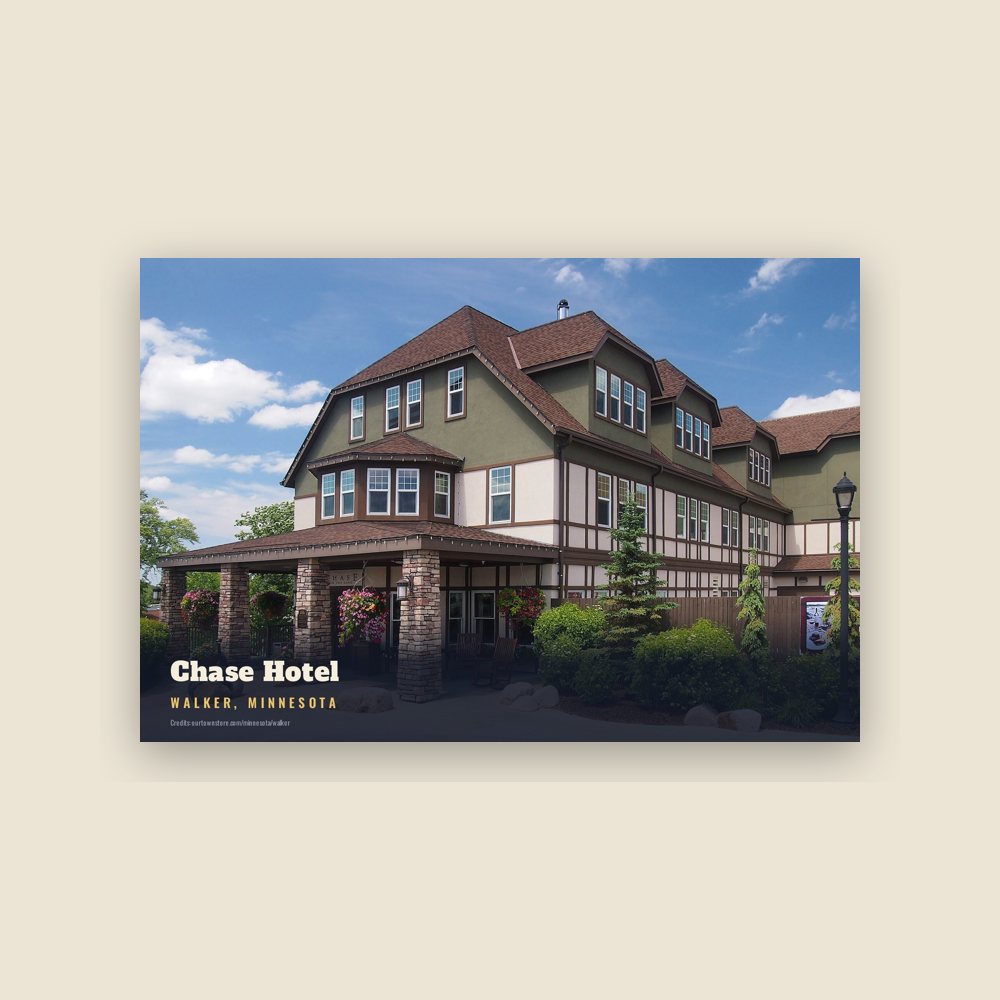
 Chase Hotel
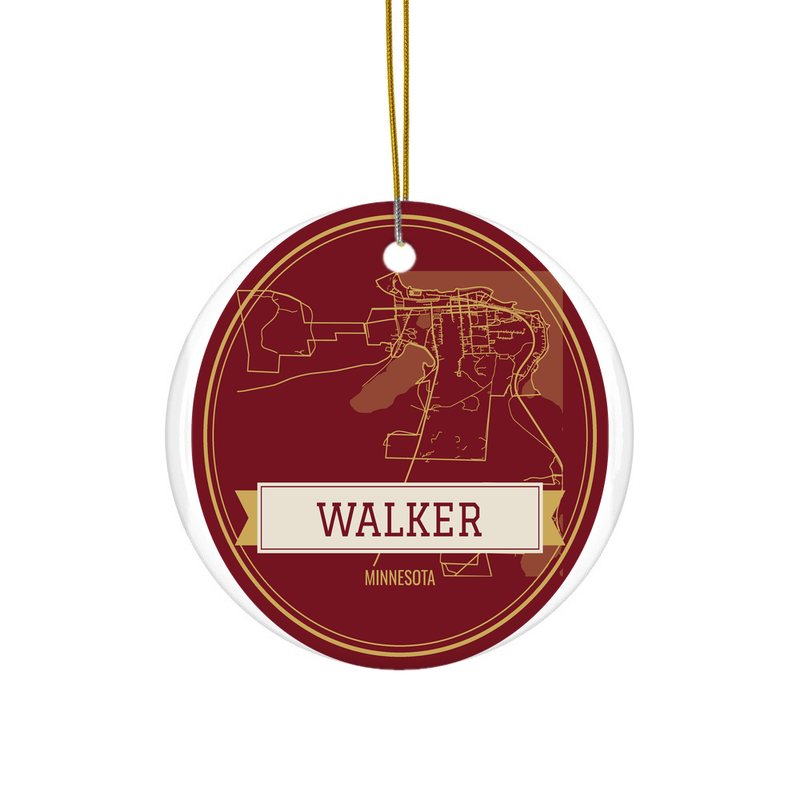
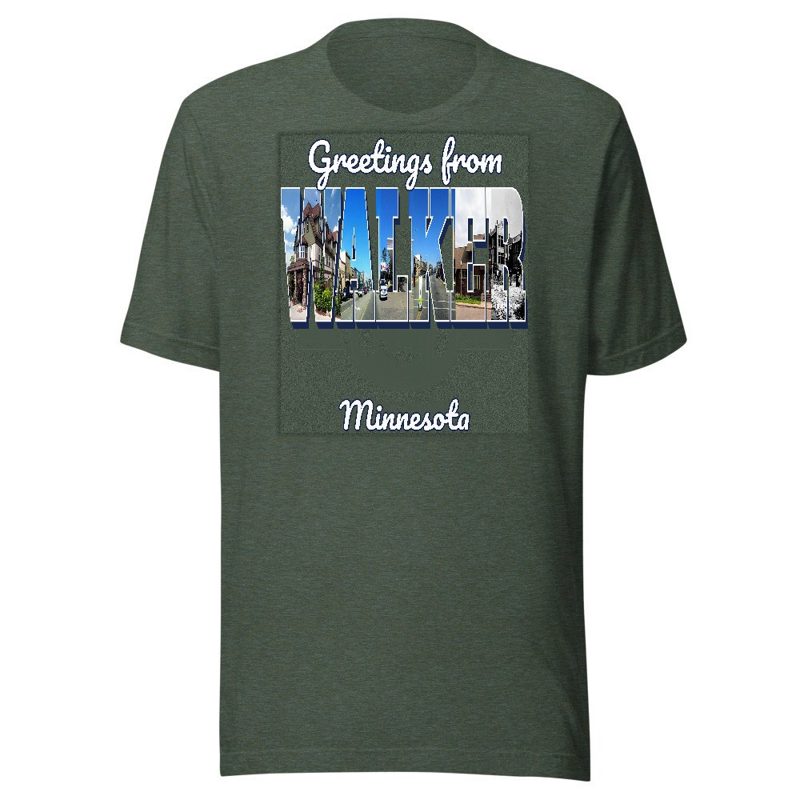
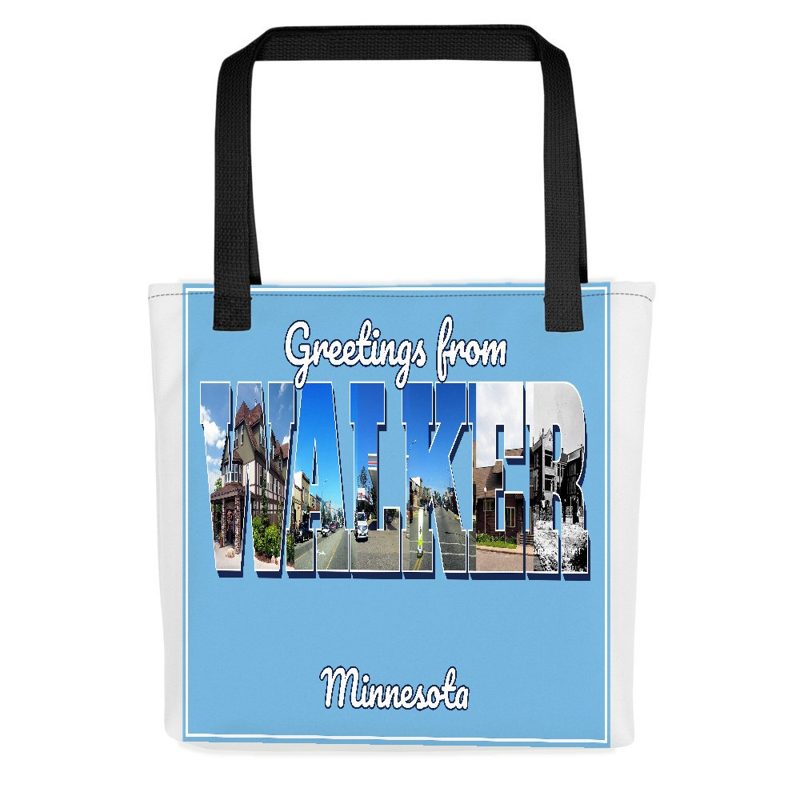
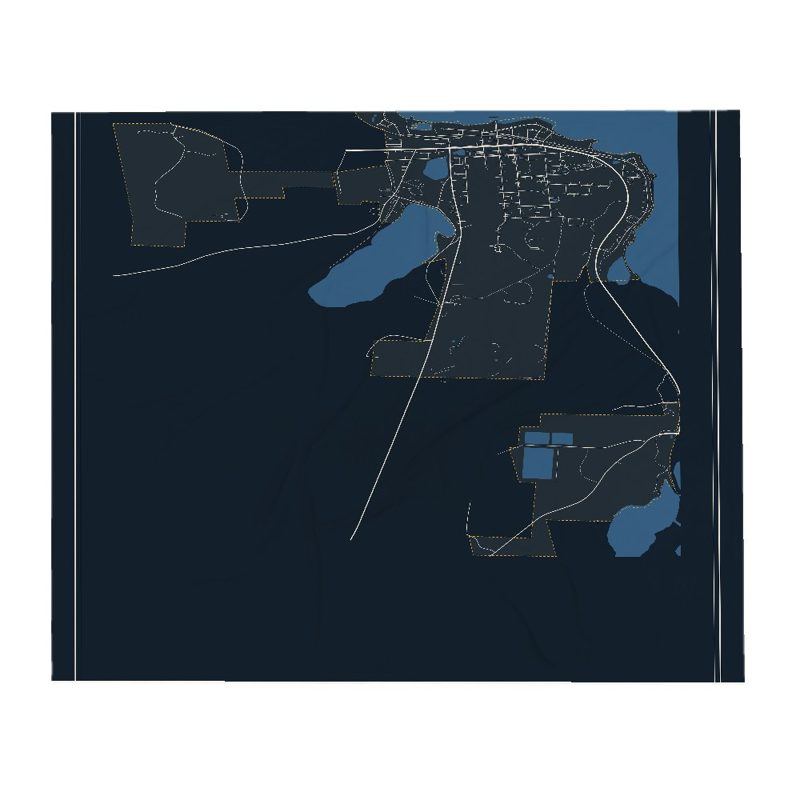
 A view of Walker