A short history of St. Peter
St. Peter was founded in 1853 by Captain William Bigelow Dodd, who claimed 150 acres (0.61 km2) north of what is now Broadway Avenue. He named the new settlement Rock Bend because of the rock formation at the bend of the Minnesota River. Daniel L. Turpin platted and surveyed the town site in 1854. In 1855, a group of St. Paul businessmen interested in promoting the town formed the Saint Peter Company, and the town was renamed St. Peter. The president of the company was Willis A. Gorman, Territorial Governor of Minnesota. Many of St. Peter's streets were named after streets in New York City, including Park Row, Chatham, Broadway, Nassau, and Union. Dodd was originally from Bloomfield, New Jersey. His second wife, Harriett Newell Jones, a native of Cabot, Vermont, was living in New York at the time of their marriage at the Church of the Holy Communion in New York City, which helped fund the church in St. Peter that shares its name.
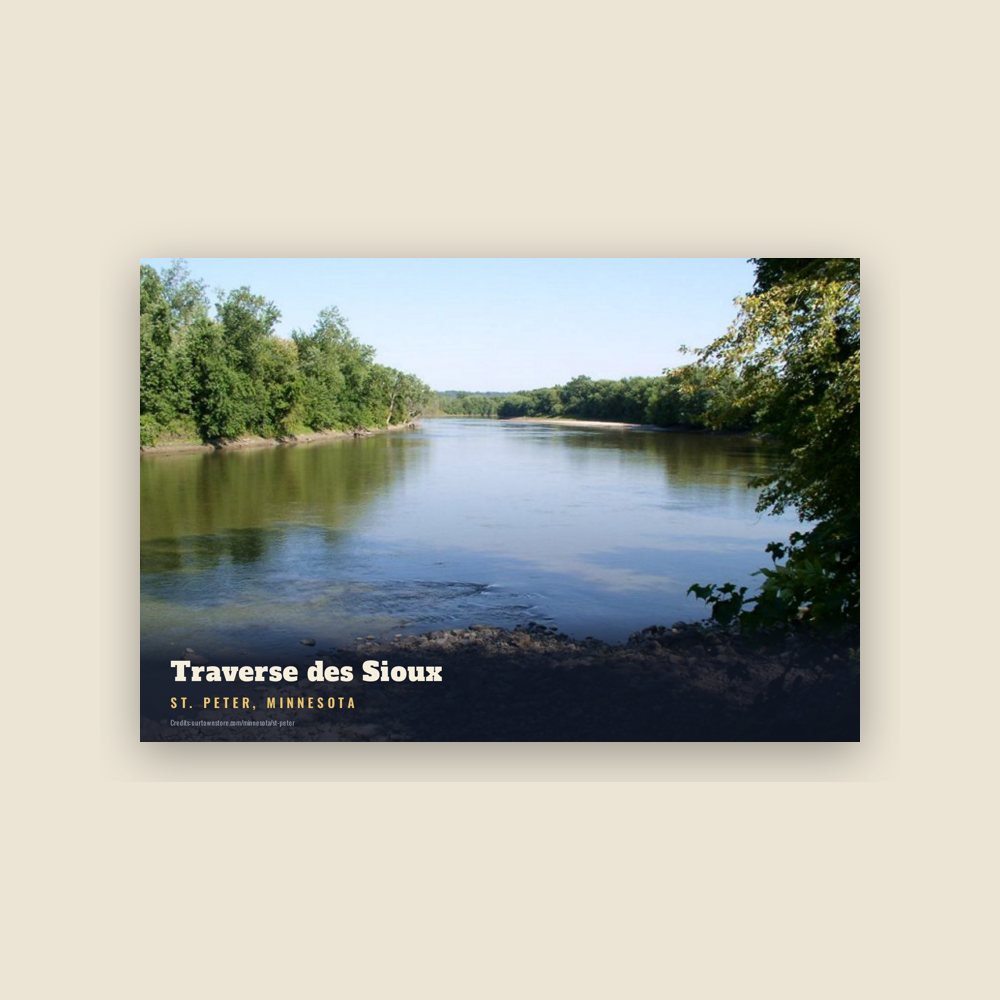
St. Peter was located along the Minnesota River, a major tributary of the Mississippi River, and flowed down a wide valley carved by the Glacial River Warren, when it emptied Lake Agassiz. One mile north of where St. Peter was founded, was Traverse des Sioux, a trading site used by Native Americans from before contact, that later became a major transhipment point for the fur trade, bringing furs from the Red River Valley and the watershed of Lake Winnipeg into the Mississippi River Valley. Traverse des Sioux had been a trading area and a ford over the Minnesota River that had been used by Native Americans before the contact period. During the era of steamships, was the farthest up river that larger steam ships could operate.
In 1857, an attempt was made to move the Territory of Minnesota's capital from St. Paul to St. Peter. Gorman owned the land on which the bill's sponsors wanted to build the new capitol building, and at one point had been heard saying, "If the capitol remains in Saint Paul, the territory is worth millions, and I have nothing." At the time, St. Peter, in the territory's central region, was seen as more accessible to far-flung territorial legislators than St. Paul, which was in the extreme east of the territory, on the east bank of the Mississippi River. A bill passed both houses of the Territorial Legislature and was awaiting Gorman's signature. The chairman of the Territorial Council's Enrolled Bills Committee, Joseph J. Rolette of Pembina, took the bill and hid in a St. Paul hotel, drinking and playing cards with some friends as the city police looked fruitlessly for him, until the end of the legislative session, too late for the bill to be signed. Rolette came into the chamber just as the session ended. Today, St. Paul is the state's second-largest city (after neighboring Minneapolis), while St. Peter is a relatively small rural town.
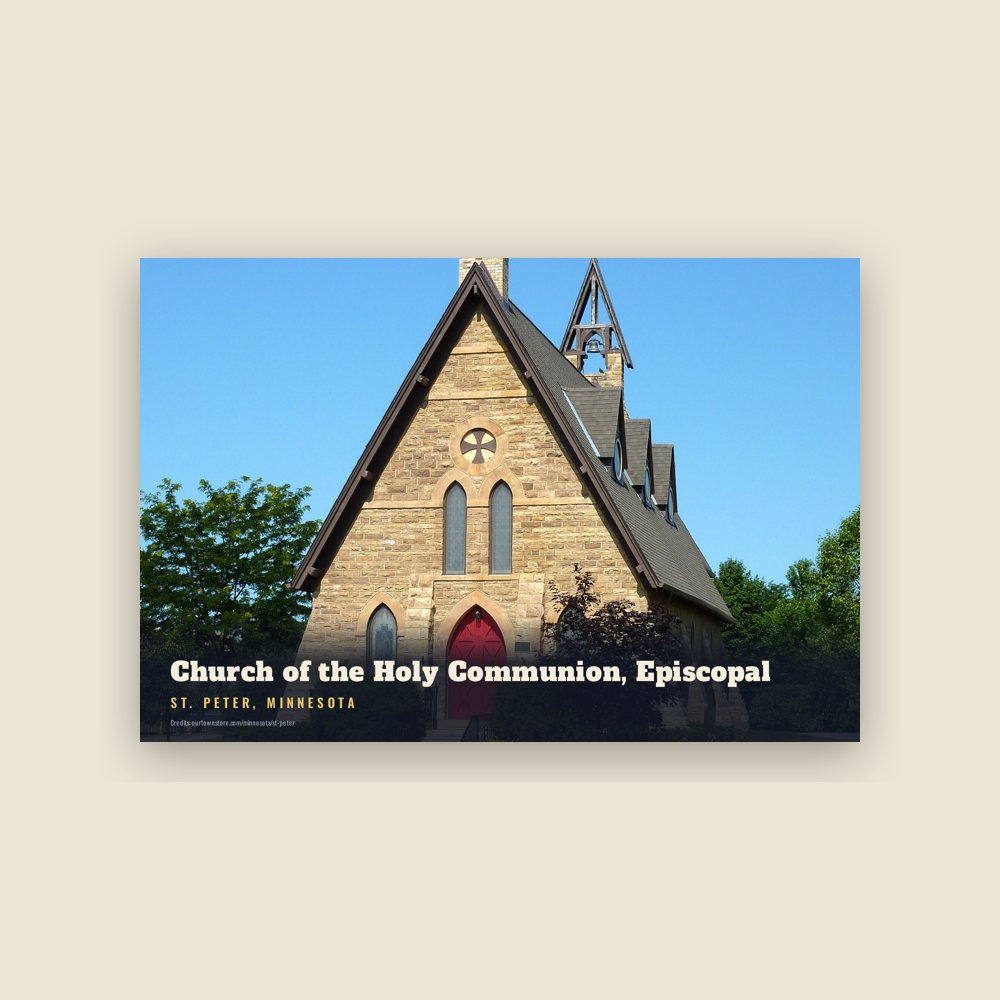
In 1851 the Treaty of Traverse des Sioux was signed between the Sioux (Dakota) and the U.S. Government one mile (1.6 km) north of St. Peter. The Nicollet County Historical Society-Treaty Site History Center is near the site of the signing. But the treaty's promises were not kept. The Dakota became angered and the Dakota War of 1862 began in Cottonwood County. In August 1862 the Dakota attacked the German settlement of New Ulm. A company of volunteers from St. Peter, headed by Dodd, St. Peter's founder, went to New Ulm's defense. Dodd was killed on August 23, 1862, and briefly buried in New Ulm. On November 11, 1862, Dodd was buried with high military honors in St. Peter on the grounds of the Church of the Holy Communion, Episcopal, on land he donated to the church. Dodd, his wife Harriet and two children are buried behind the present stone church built in 1869–70 at 118 North Minnesota Avenue.
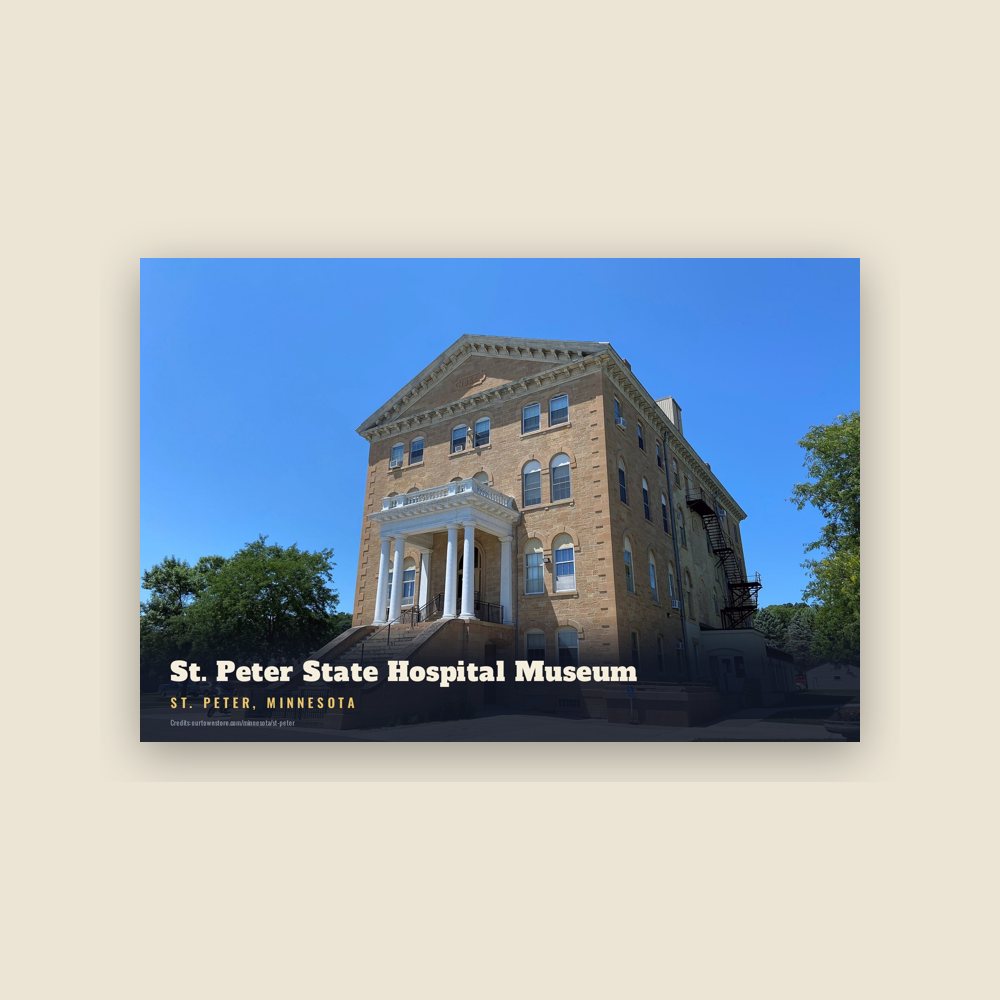
In 1866, the legislature established the first "Minnesota Asylum for the Insane" in St. Peter. It was later known as the St. Peter State Hospital, and is now called the St. Peter Regional Treatment Center.
On July 1, 1892, the Sontag Brothers, John Sontag and George Contant, and their partner, Chris Evans, tried to rob a train between St. Peter and Kasota along the Minnesota River. The bandits acquired nothing of value, but their activities came under the review of Pinkerton detectives, and both were apprehended in June 1893 in what is called the Battle of Stone Corral in California.
Read the full history
Governors
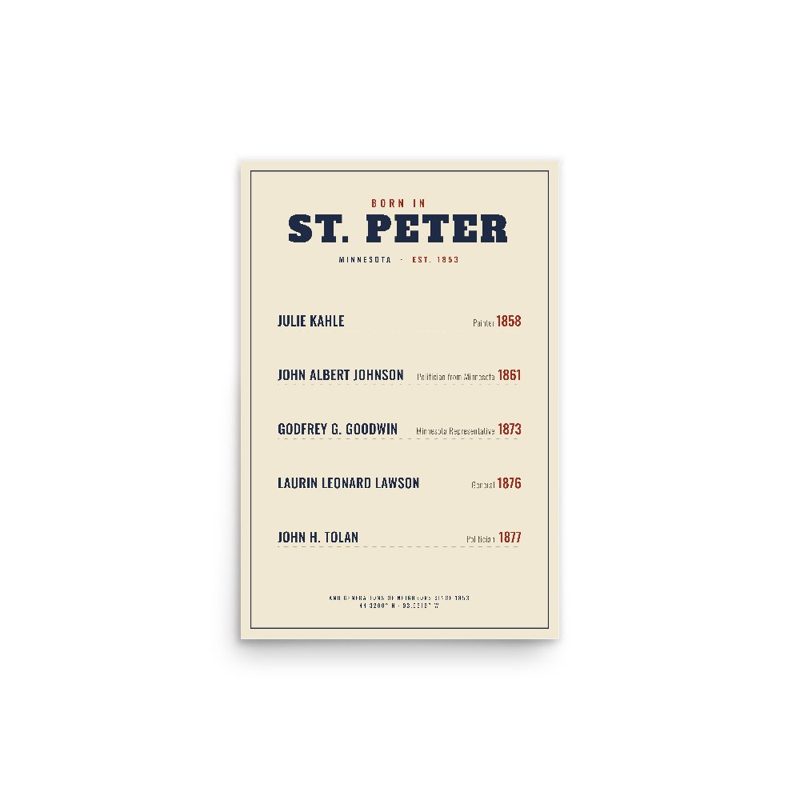
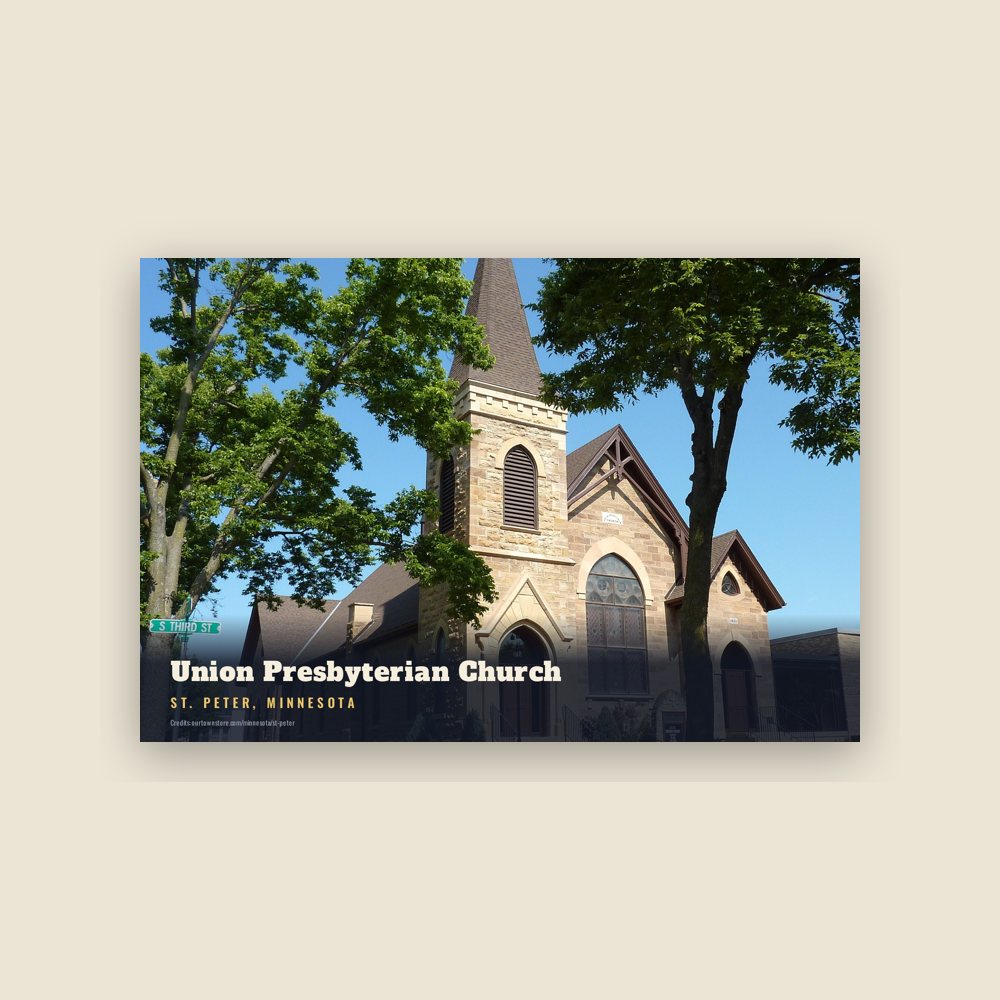
The best-known of these, Johnson, was born in St. Peter to Swedish-born parents on July 28, 1861. Because of family circumstances, he offered to help his mother raise the family. He left school at a young age and held a variety of jobs. In 1887, he was hired as editor of the St. Peter Herald, the local newspaper. In 1899, he was elected to the State Senate, and served until 1903. In 1904, he was elected Minnesota's 16th governor. He was reelected in 1906 and 1908. He was considered as a possible candidate in the 1912 presidential election, but died as the result of an operation for intestinal adhesions in Rochester, Minnesota, on September 21, 1909. Drs. William James Mayo and Charles Horace Mayo, who came from Le Sueur and were friends with Johnson, performed the operation. After lying in state in the Capitol rotunda, his body was taken to St. Peter for burial. The funeral, held at Union Presbyterian Church, was St. Peter's largest ever, and he was buried near his parents in Greenhill Cemetery. He was survived by his wife, Elinore "Nora" Preston Johnson.
List of mayors of St. Peter, Minnesota
Churches
Adapted (trimmed) from the Wikipedia article St. Peter, Minnesota, revision 1379135486 by its contributors, licensed CC BY-SA 4.0.
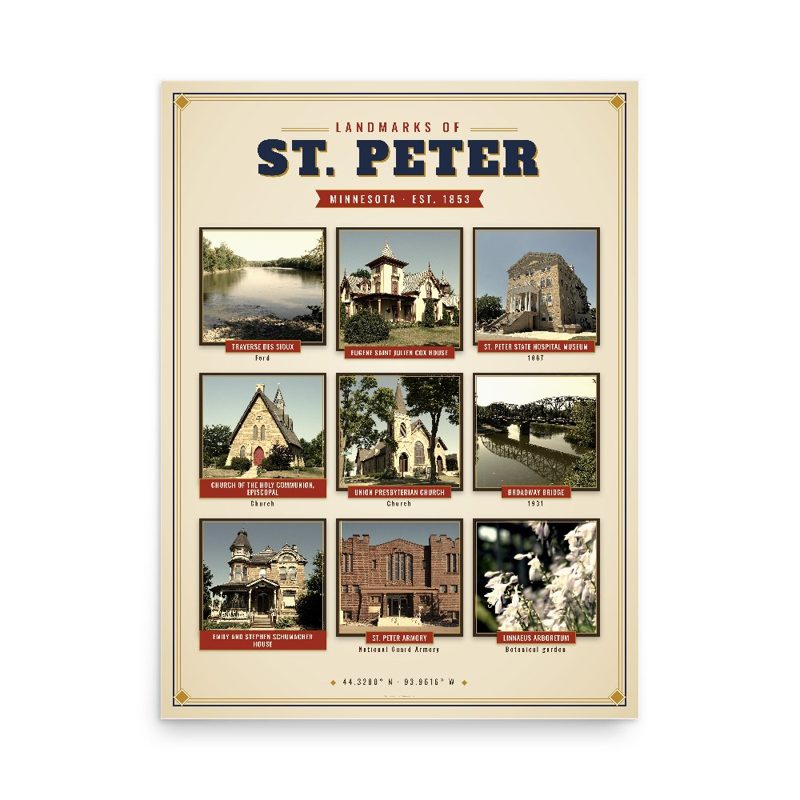
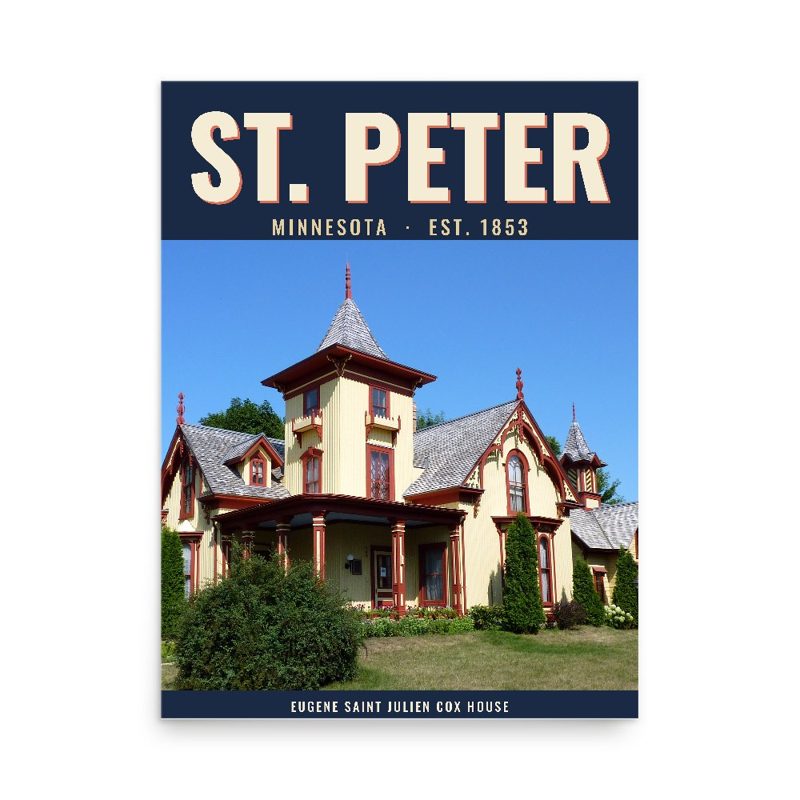

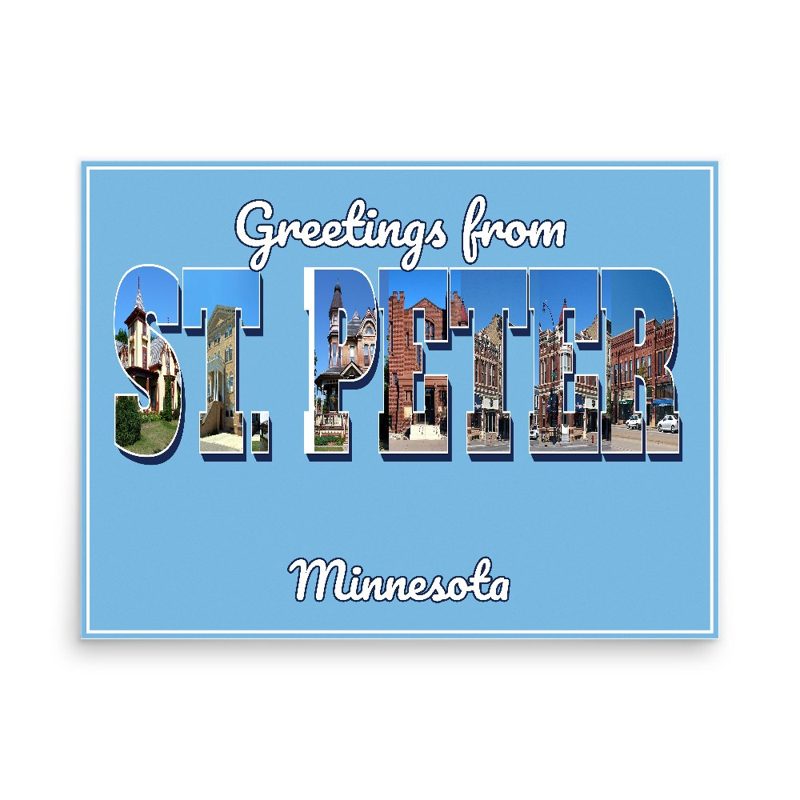
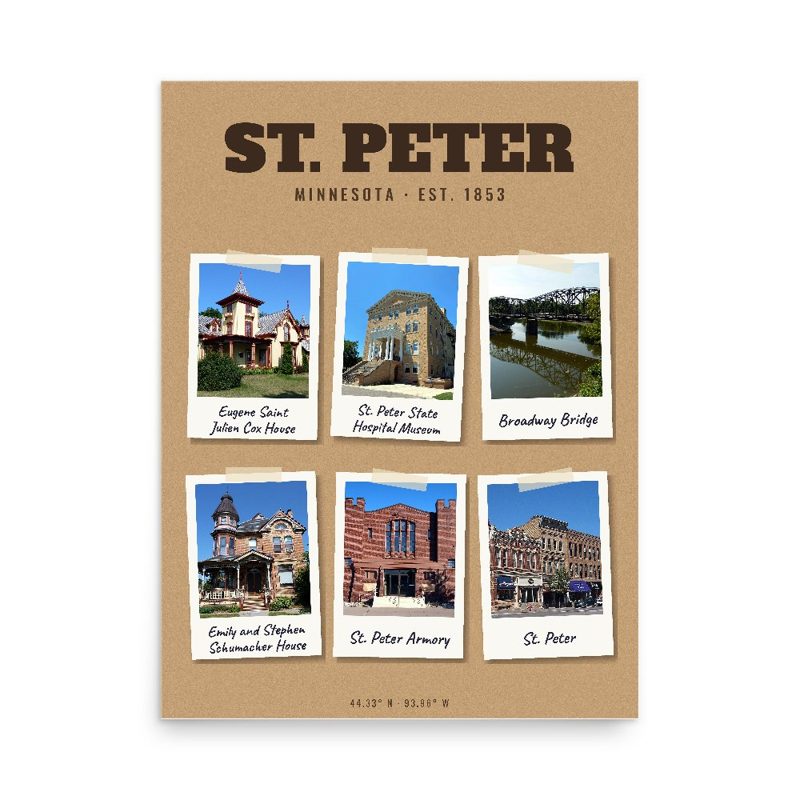
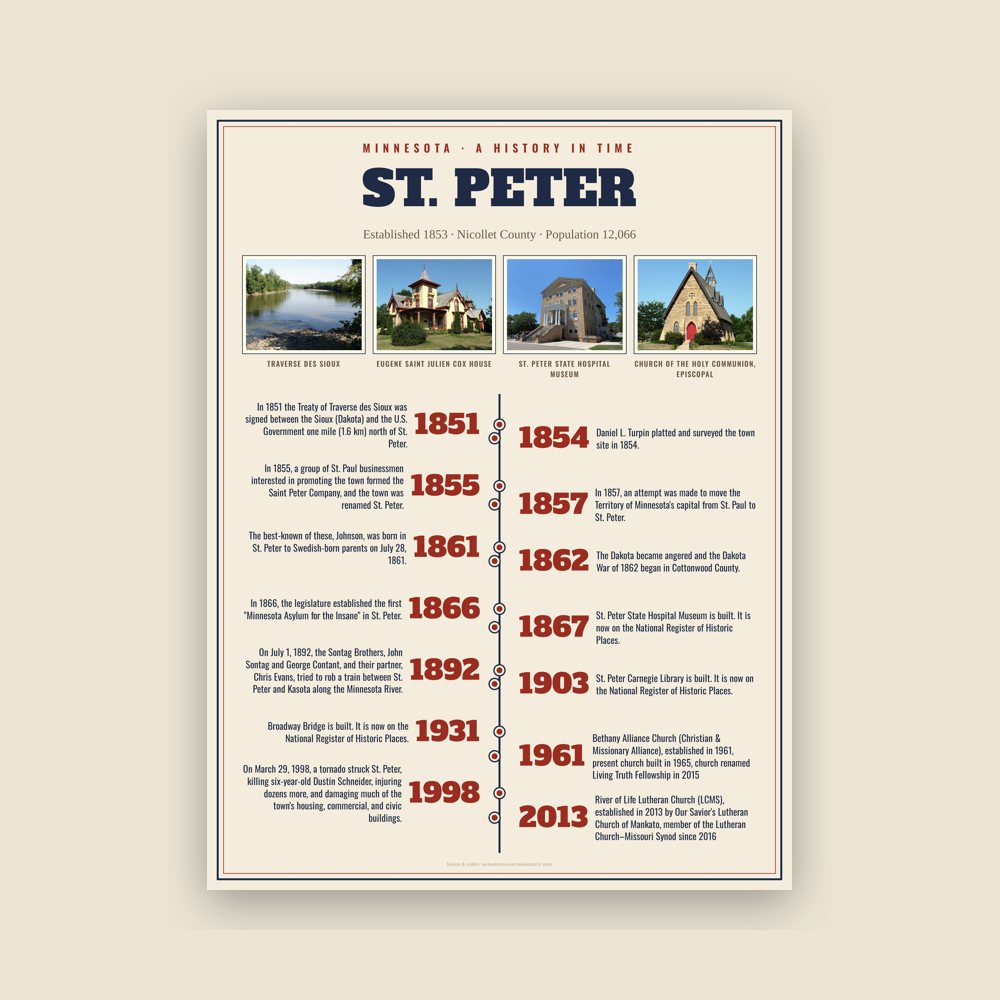
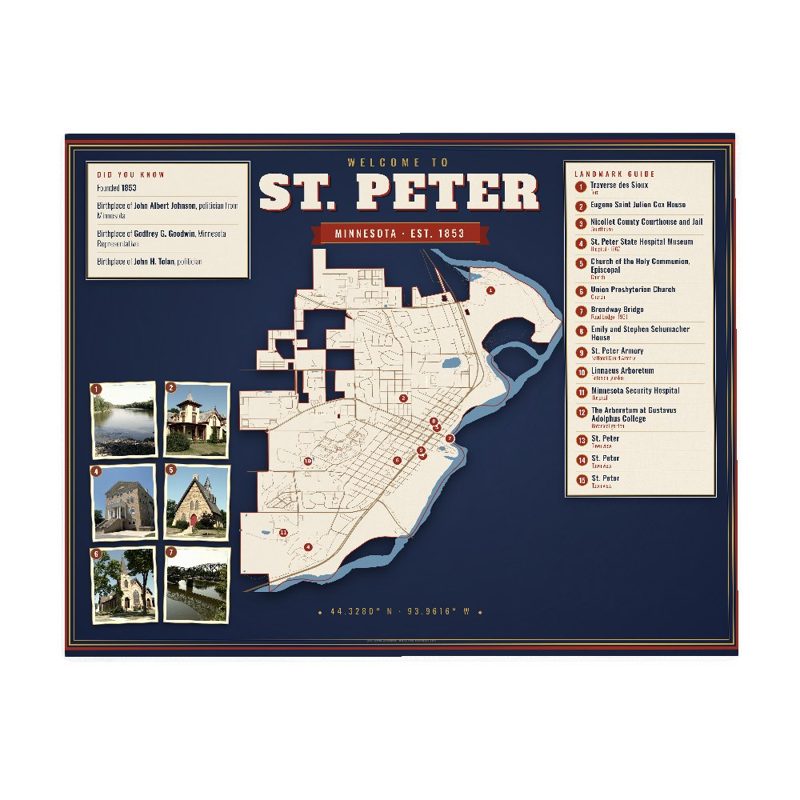











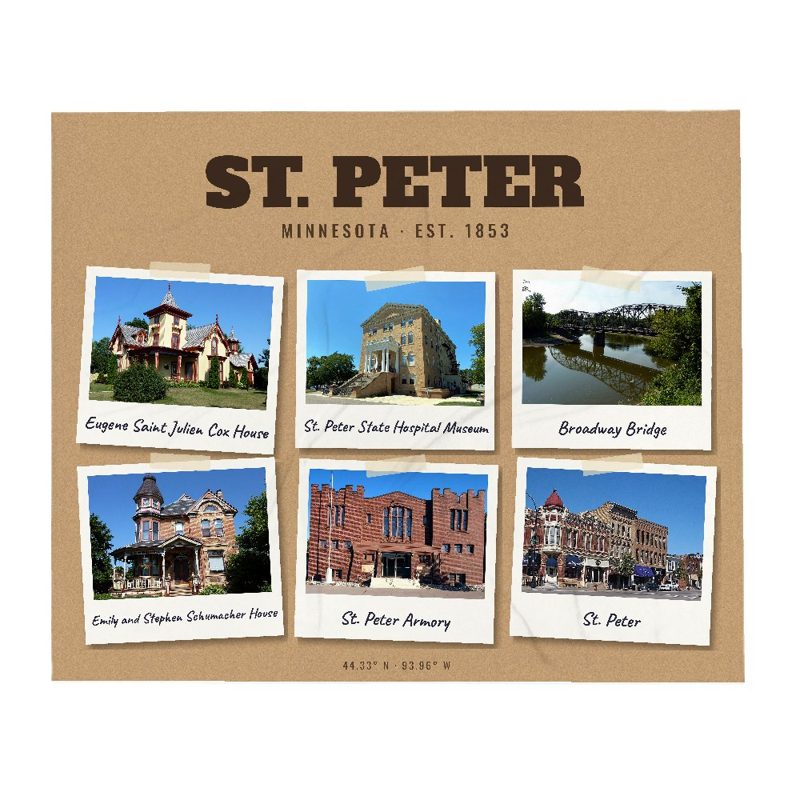
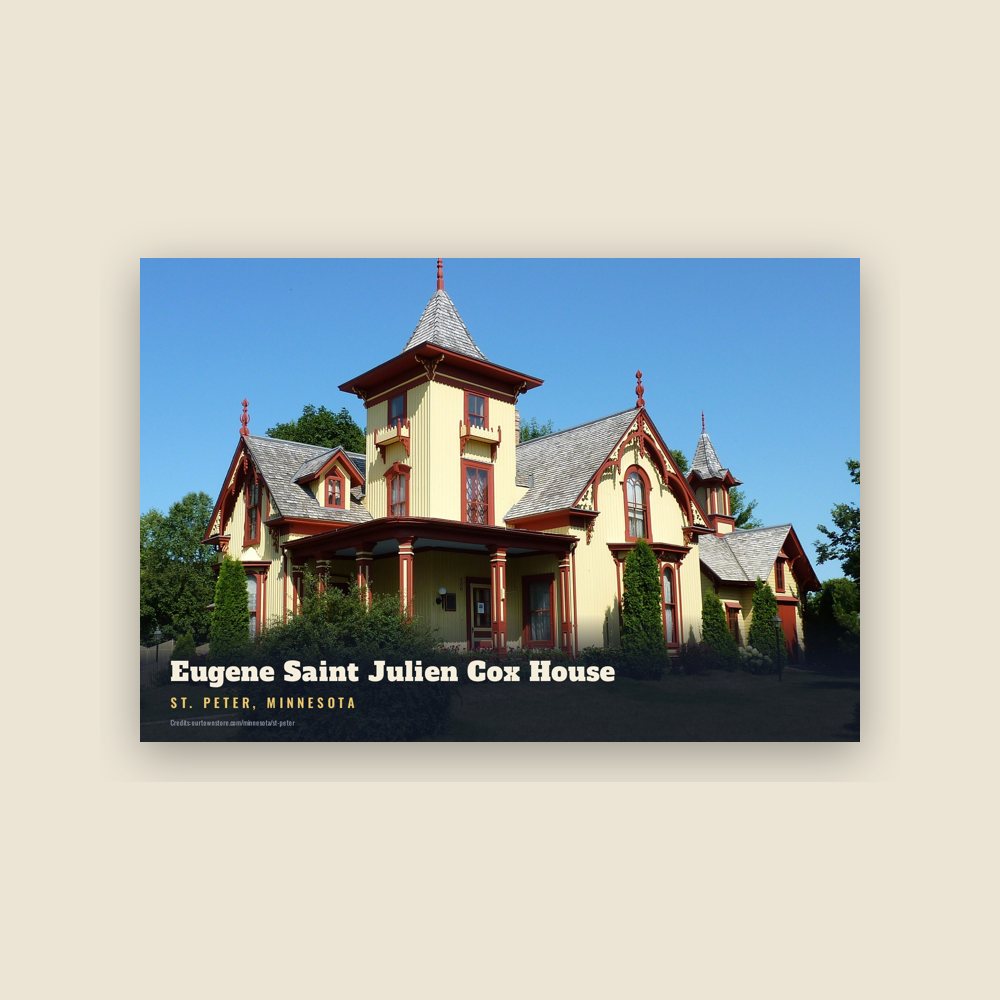

 Eugene Saint Julien Cox House
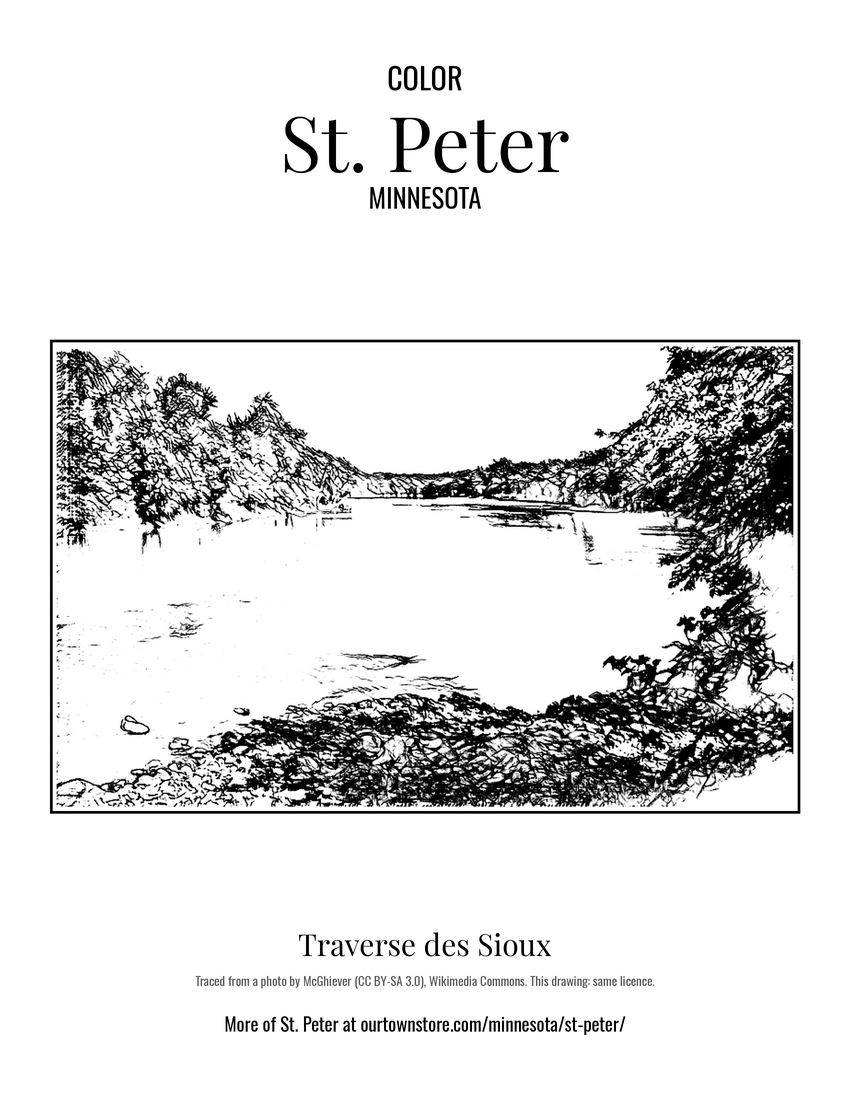 Traverse des Sioux
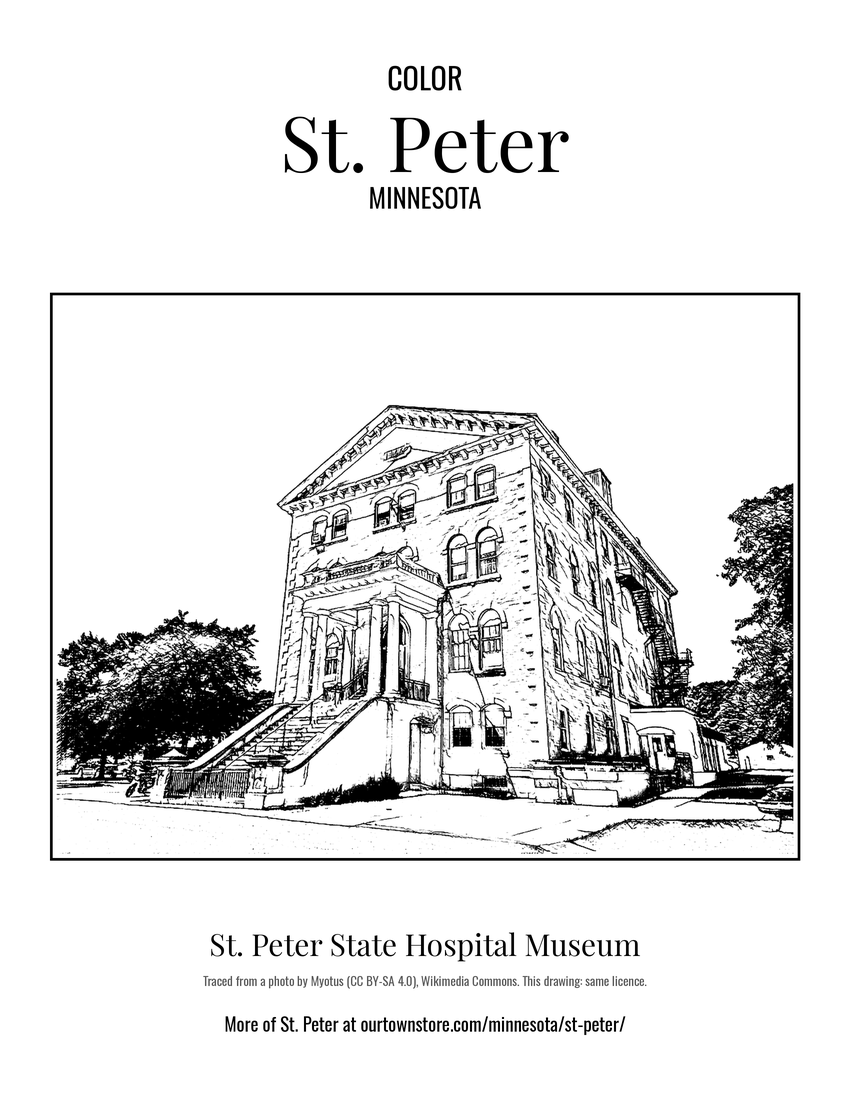 St. Peter State Hospital Museum
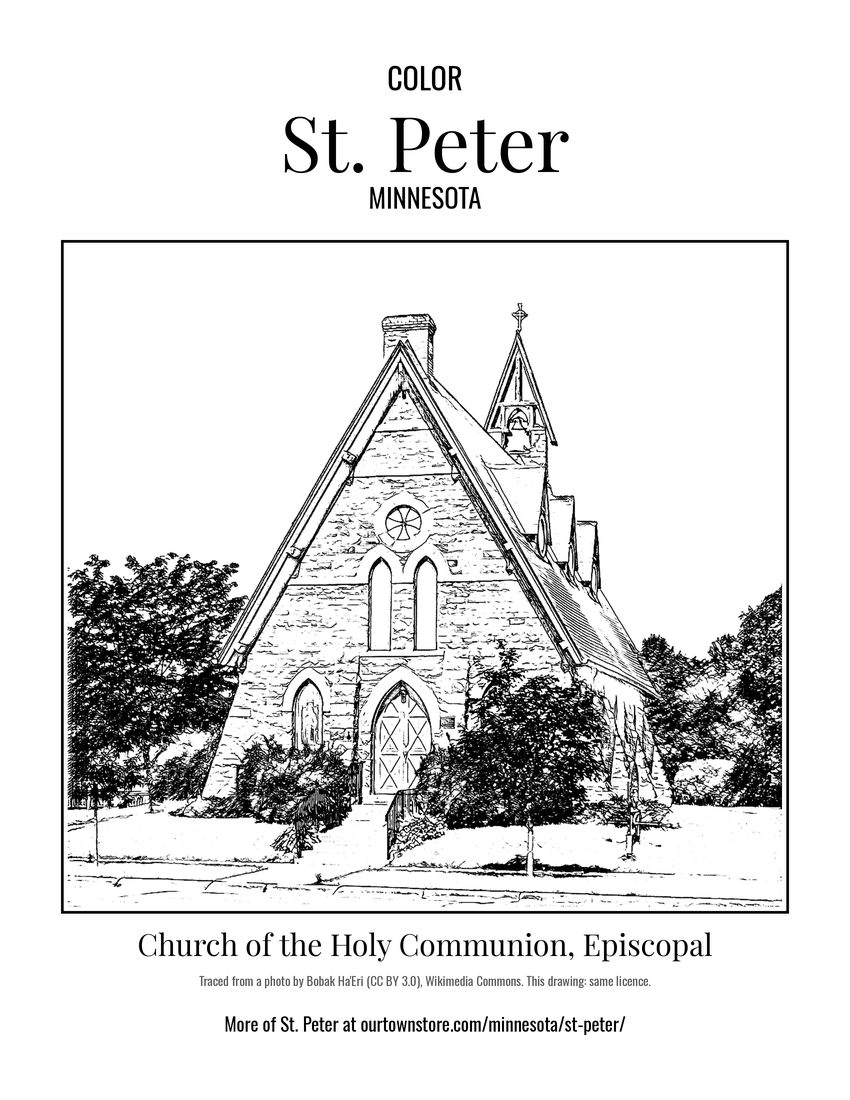 Church of the Holy Communion, Episcopal