Since 1886
A short history of St. Louis Park
Early developments
The name "St. Louis Park" was derived from the Minneapolis and St. Louis Railway that ran through the area; the word "Park" was added to avoid confusion with St. Louis, Missouri. The settlement was incorporated as a village in 1886, and from 1887 to 1890, its post office was called "Elmwood".
In 1892, lumber baron Thomas Barlow Walker and a group of wealthy Minneapolis industrialists incorporated the Minneapolis Land and Investment Company to focus industrial development in Minneapolis. Walker's company also began developing St. Louis Park for industrial, commercial and residential use.
Generally, development progressed outward from the original village center at the intersection of the Minneapolis and St. Louis Railway with Wooddale Avenue. But Minneapolis soon expanded as far west as France Avenue, and its boundary may have continued to move westward had it not been for St. Louis Park's 1886 incorporation.
By 1893, St. Louis Park's downtown, then located along Broadway (current-day Walker Street) near Lake Street, had three hotels and several fraternal meeting halls, and many newly arrived companies surrounded downtown. Around 1890, the village had more than 600 industrial jobs, mostly associated with agriculture implement manufacturing at the massive Moline Plow Company factory once located just south of downtown.
The financial panic of 1893 altered developers' plans and put a damper on the village's growth. Walker left St. Louis Park to pursue other business ventures.
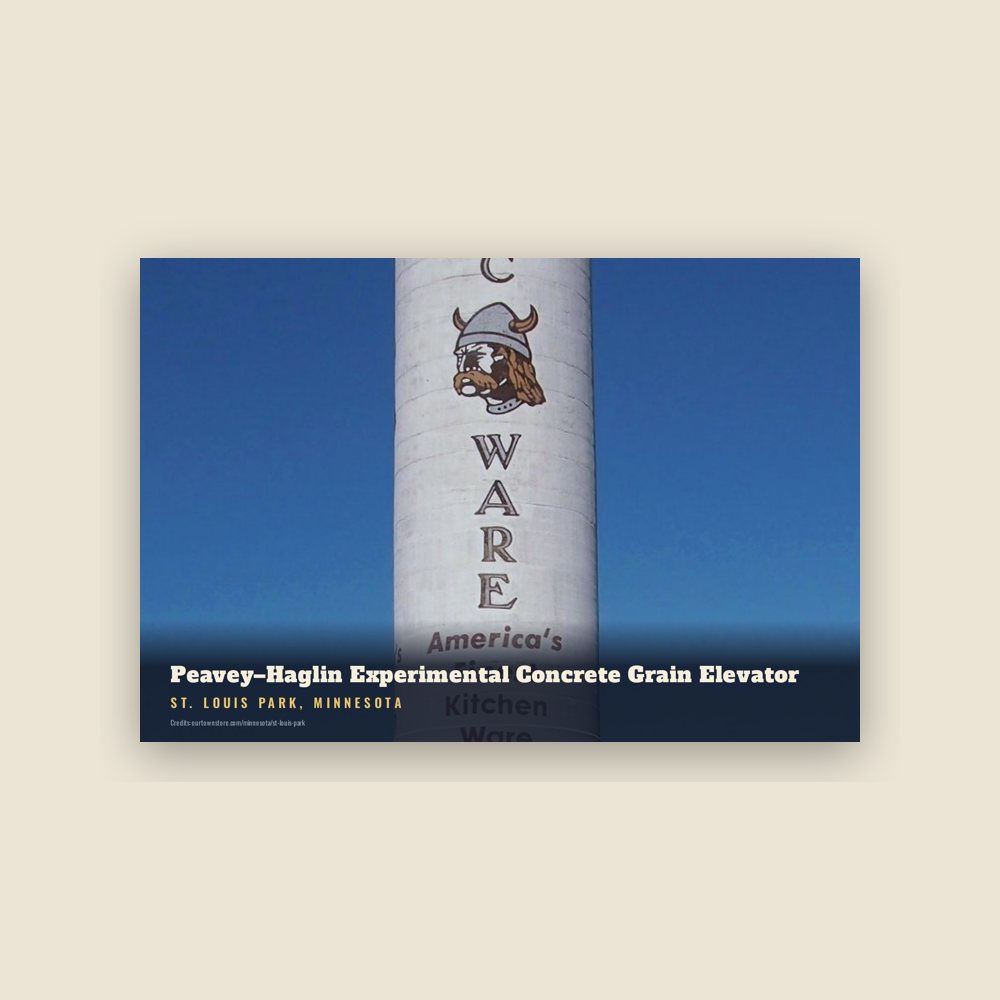
In 1899, St. Louis Park became the home to the Peavey–Haglin Experimental Concrete Grain Elevator, the world's first concrete, tubular grain elevator, which provided an alternative to combustible wooden elevators. Despite being nicknamed "Peavey's Folly" and dire predictions that the elevator would burst like a balloon when the grain was drawn off, the experiment worked and concrete elevators have been used ever since.
Read the full history
Suburban boom
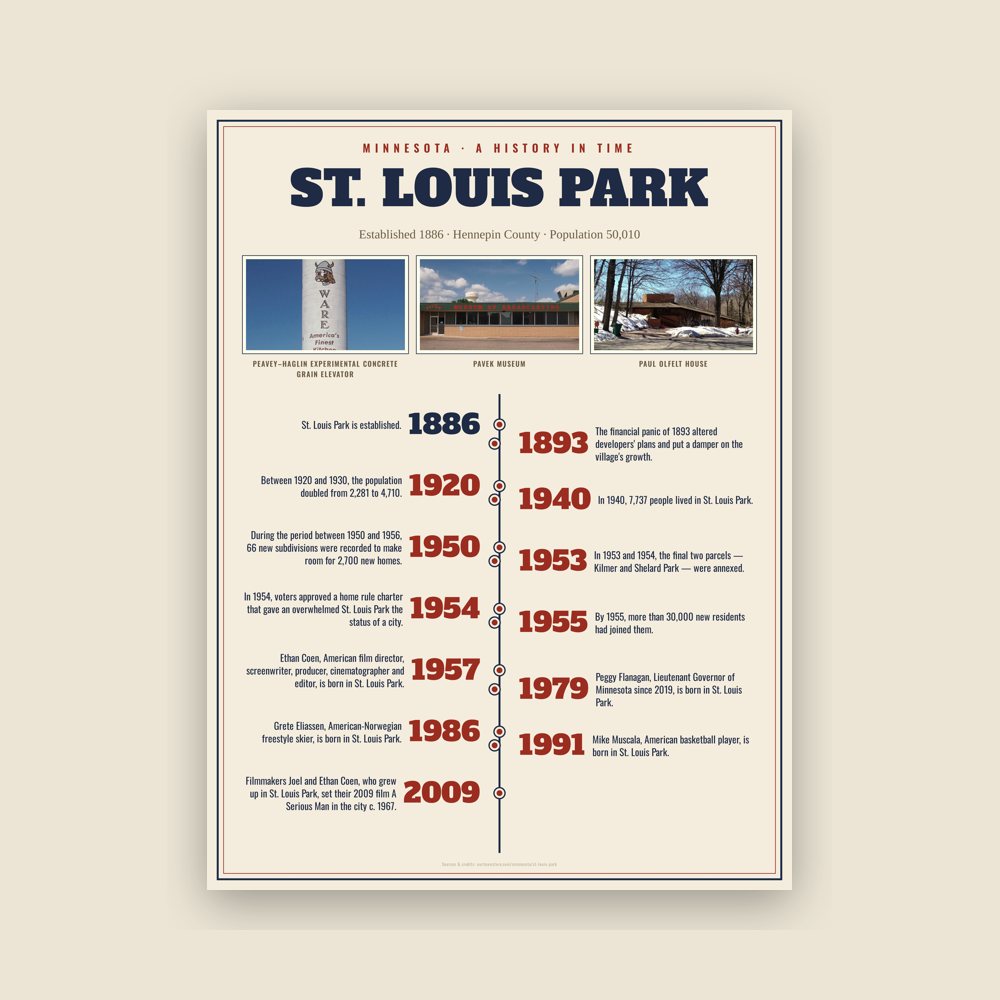
At the end of World War I, only seven scattered retail stores operated in St. Louis Park because streetcars provided easy access to shopping in Minneapolis. Between 1920 and 1930, the population doubled from 2,281 to 4,710. Vigorous homebuilding occurred in the late 1930s to accommodate the pent-up need created during the Depression. With America's involvement in World War II, however, all development came to a halt.
Explosive growth came after World War II. In 1940, 7,737 people lived in St. Louis Park. By 1955, more than 30,000 new residents had joined them. From 1940 to 1955, growth averaged 6.9 persons moving into St. Louis Park every day. Sixty percent of St. Louis Park's homes were built in a single burst of construction from the late 1940s to the early 1950s.
Residential development was closely followed by commercial developers eager to bring goods and services to these new households. In the late 1940s, Minnesota's first shopping center — the 30,000-square-foot (2,800 m2) Lilac Way — was constructed on the northeast corner of Excelsior Boulevard and Highway 100. (The Lilac Way shopping center was torn down in the late 1980s to make way for redevelopment.) Miracle Mile shopping center, built in 1950, and Knollwood Mall, which opened in 1956, remain open today.
In the late 1940s, a group of 11 former army doctors opened the St. Louis Park Medical Center in a small building on Excelsior Boulevard. The medical center merged with Methodist Hospital and today is Park Nicollet Health Services, part of HealthPartners, the second-largest medical clinic in Minnesota (after Rochester's Mayo Clinic).
During the period between 1950 and 1956, 66 new subdivisions were recorded to make room for 2,700 new homes. In 1953 and 1954, the final two parcels — Kilmer and Shelard Park — were annexed. These parcels (originally in Minnetonka) came to St. Louis Park because of their ability to provide sewer and water service. According to Al Franken, whose mother was a realtor there, in the Twin Cities the area was nicknamed St. Jewish Park, given that 20% of its residents were of Jewish background. He states also that there appeared to be a tacit agreement between bankers, developers and real estate agents to ensure redlining, in order to prevent the spread of Jewish and Afro-American families across streets like Texas Avenue into areas with a different ethnic composition.
From village to city
In 1954, voters approved a home rule charter that gave an overwhelmed St. Louis Park the status of a city. That enabled the city to hire a city manager to assume some of the duties handled by the part-time city council. Several bridges built during that time are now being repaired or razed.
In those days, the primary concerns were the physical planning of St. Louis Park, updating zoning and construction codes, expanding sewer and water systems, paving streets, acquiring park land and building schools.
Filmmakers Joel and Ethan Coen, who grew up in St. Louis Park, set their 2009 film A Serious Man in the city c. 1967. It was important to the Coens to find a neighborhood of original-looking suburban rambler homes as they would have appeared in St. Louis Park in the mid-1960s, and after careful scouting they opted to film scenes in a neighborhood of nearby Bloomington, as well as at St. Louis Park's B'nai Emet Synagogue, which was later sold and converted into a school.
In the mid-2020s, St. Louis Park experienced a significant surge in transit-oriented and commercial redevelopment, anchored heavily by the upcoming Southwest light rail line. The city's top-tier commercial spaces bucked broader metropolitan office vacancy trends; by late 2025, the West End district posted a vacancy rate of just 12.8%, the lowest major corridor vacancy in the Twin Cities metro. Major multi-family residential construction projects also advanced, including the $130 million, 380-unit Beltline Station project by Sherman Associates, and the 223-unit Terasă mixed-use redevelopment at the former 5401 Gamble Drive office site, which officially broke ground in early 2026. Additionally, municipal infrastructure updates during this period included the extensive Cedar Lake Road and Louisiana Avenue intersection improvements, which integrated new modern roundabout corridors.
Adapted (trimmed) from the Wikipedia article St. Louis Park, Minnesota, revision 1381263223 by its contributors, licensed CC BY-SA 4.0.
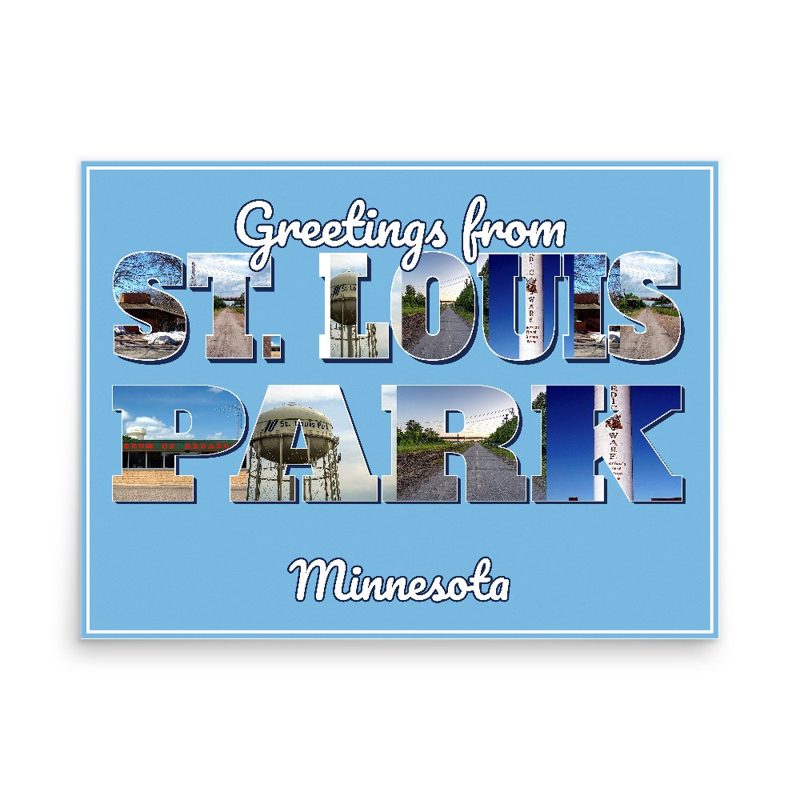
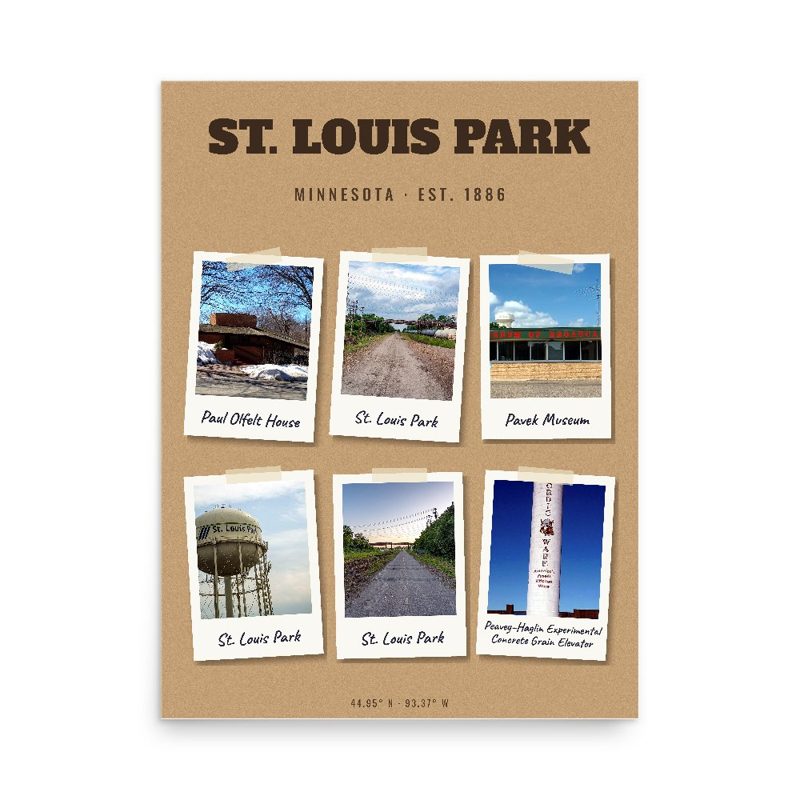
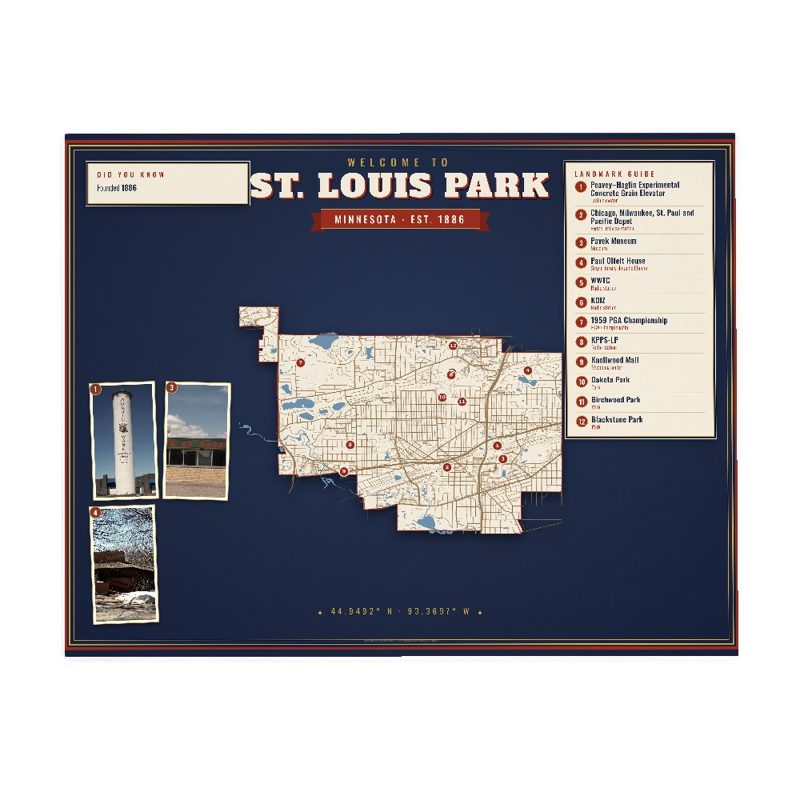









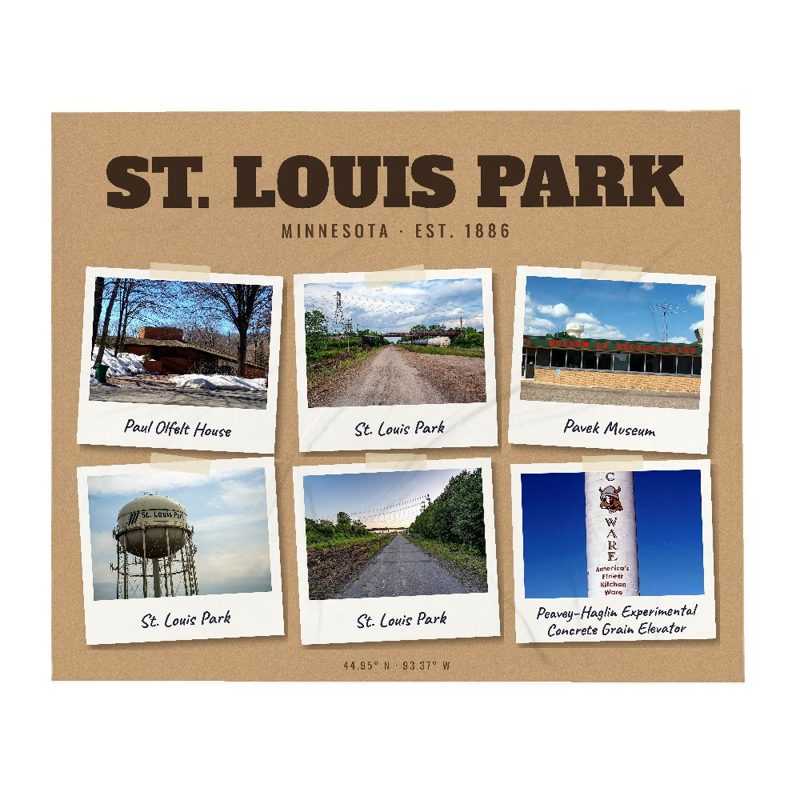
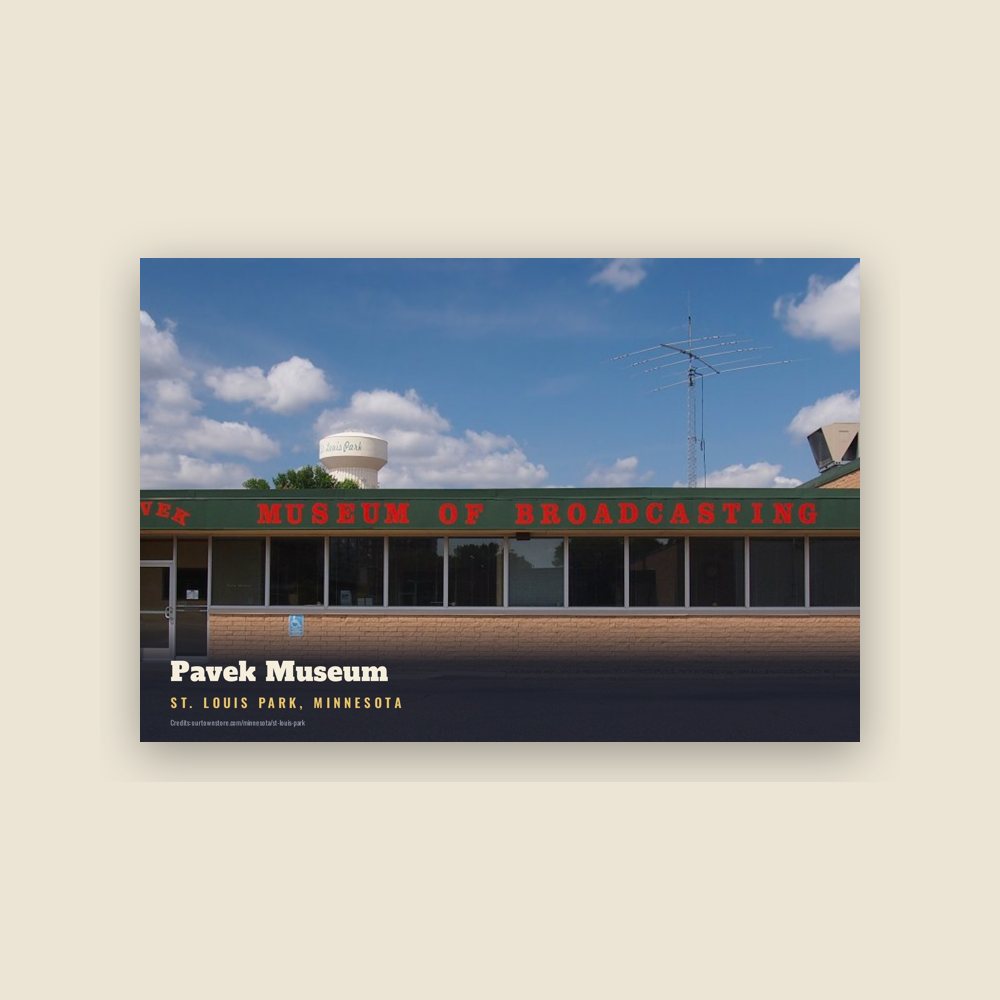
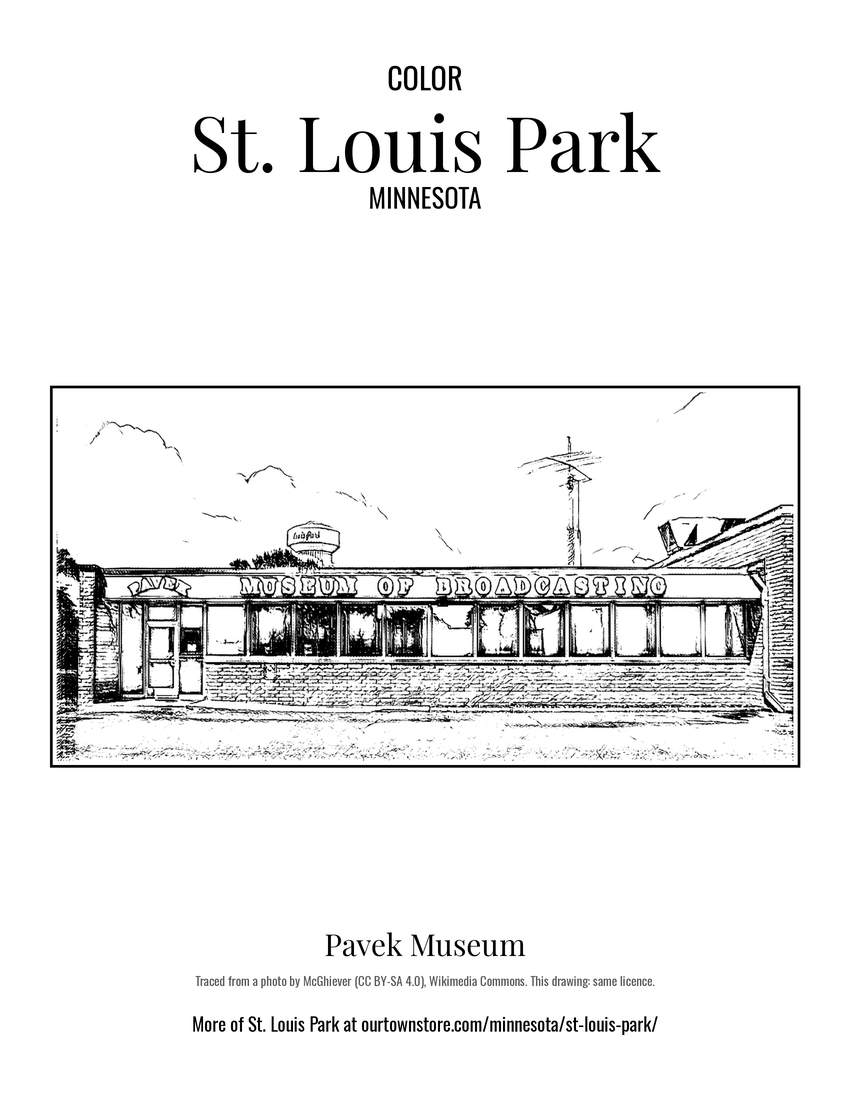 Pavek Museum
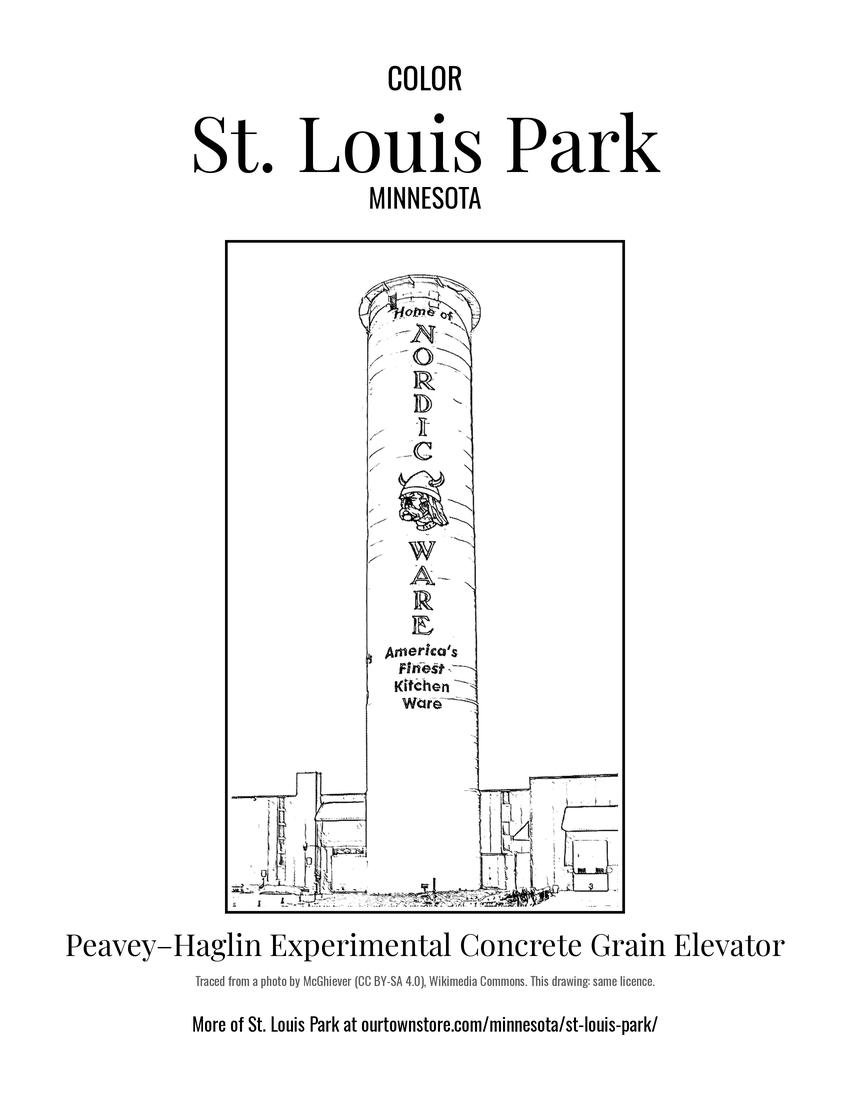 Peavey–Haglin Experimental Concrete Grain Elevator
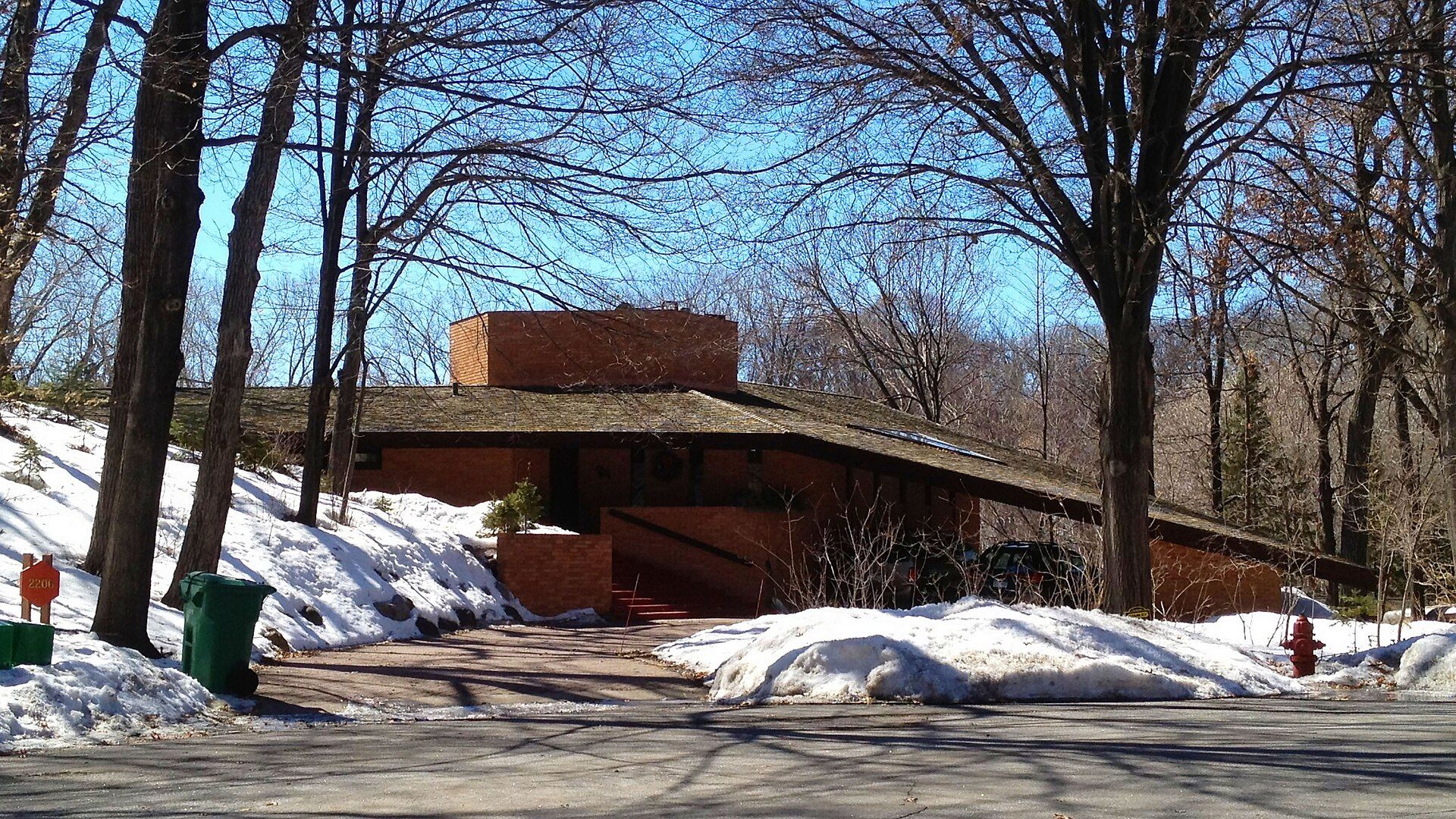
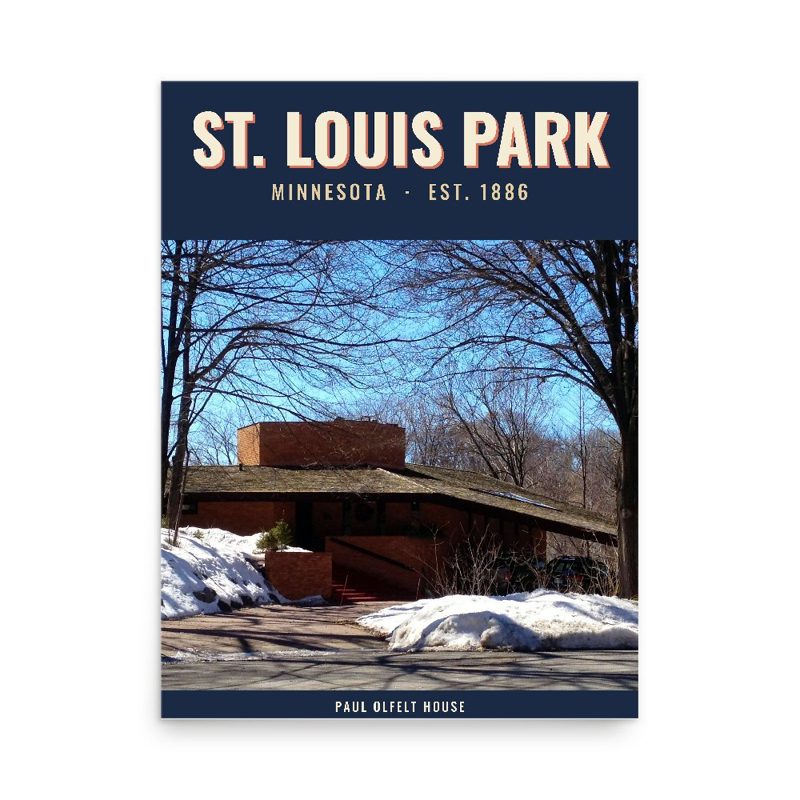
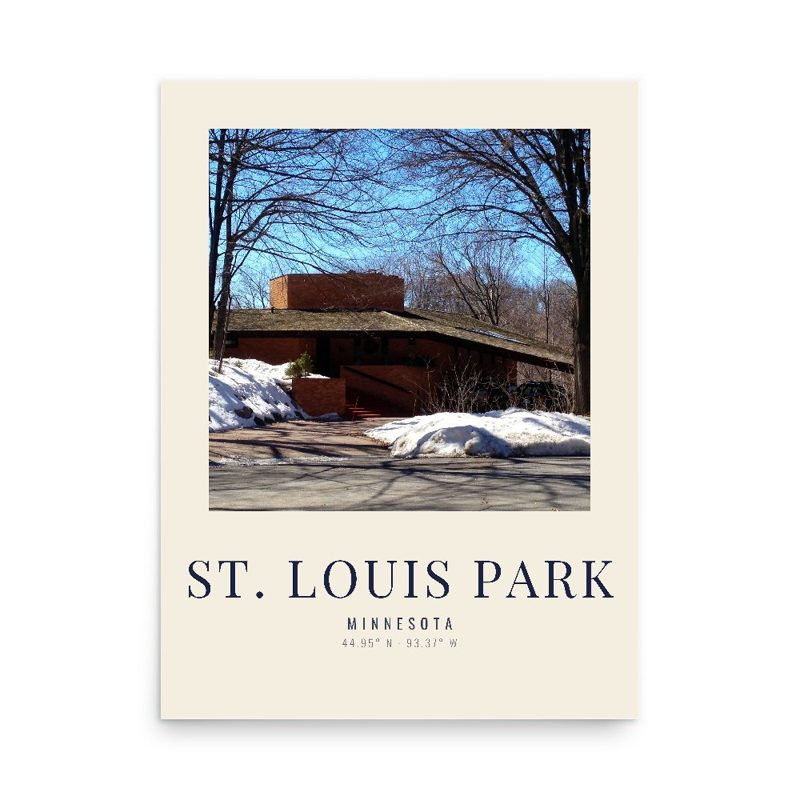
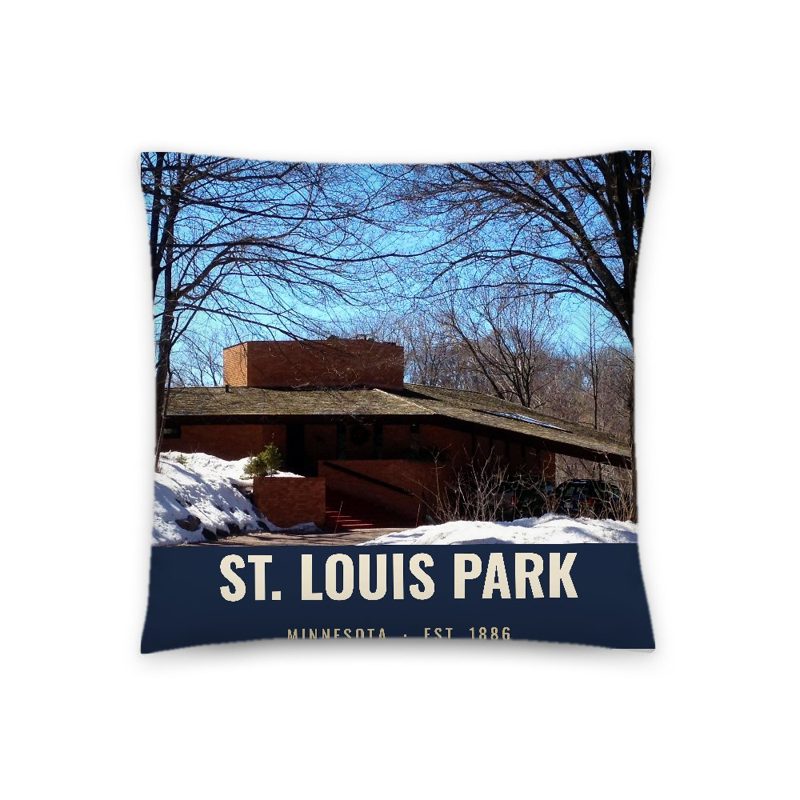
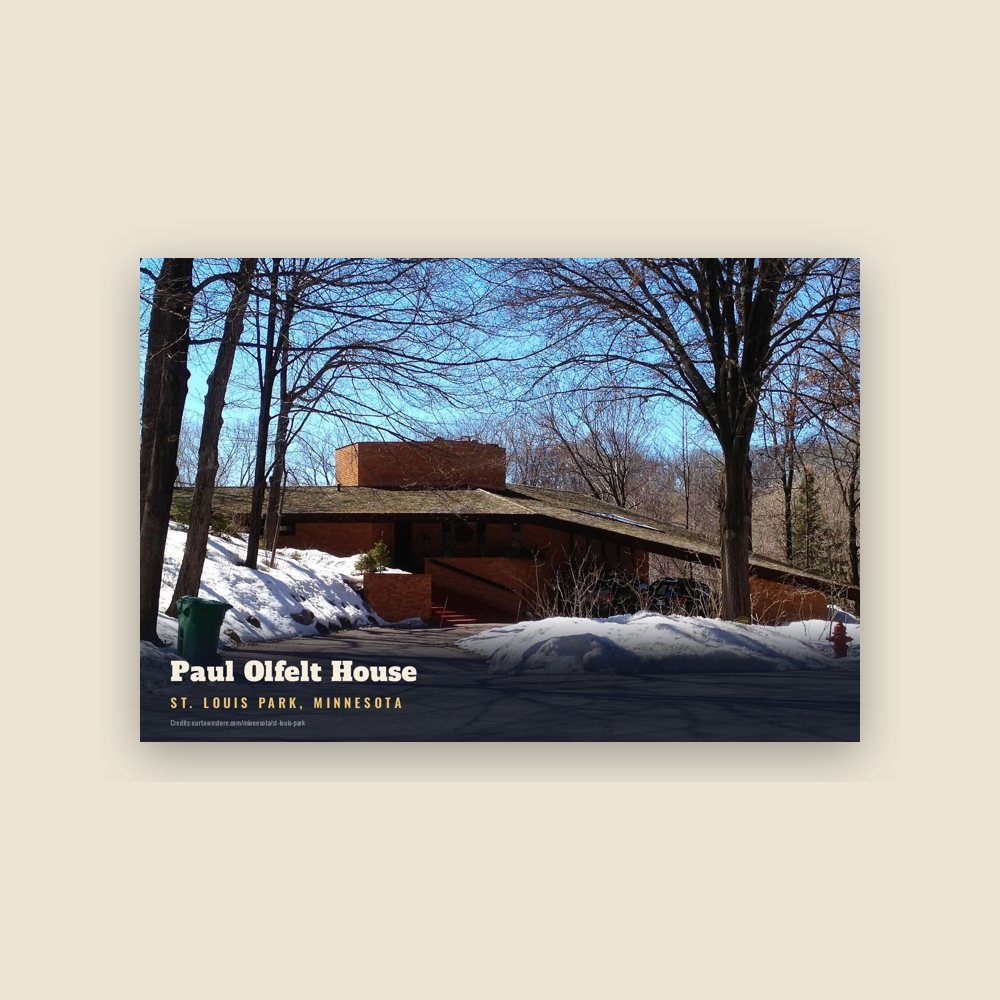
 Paul Olfelt House
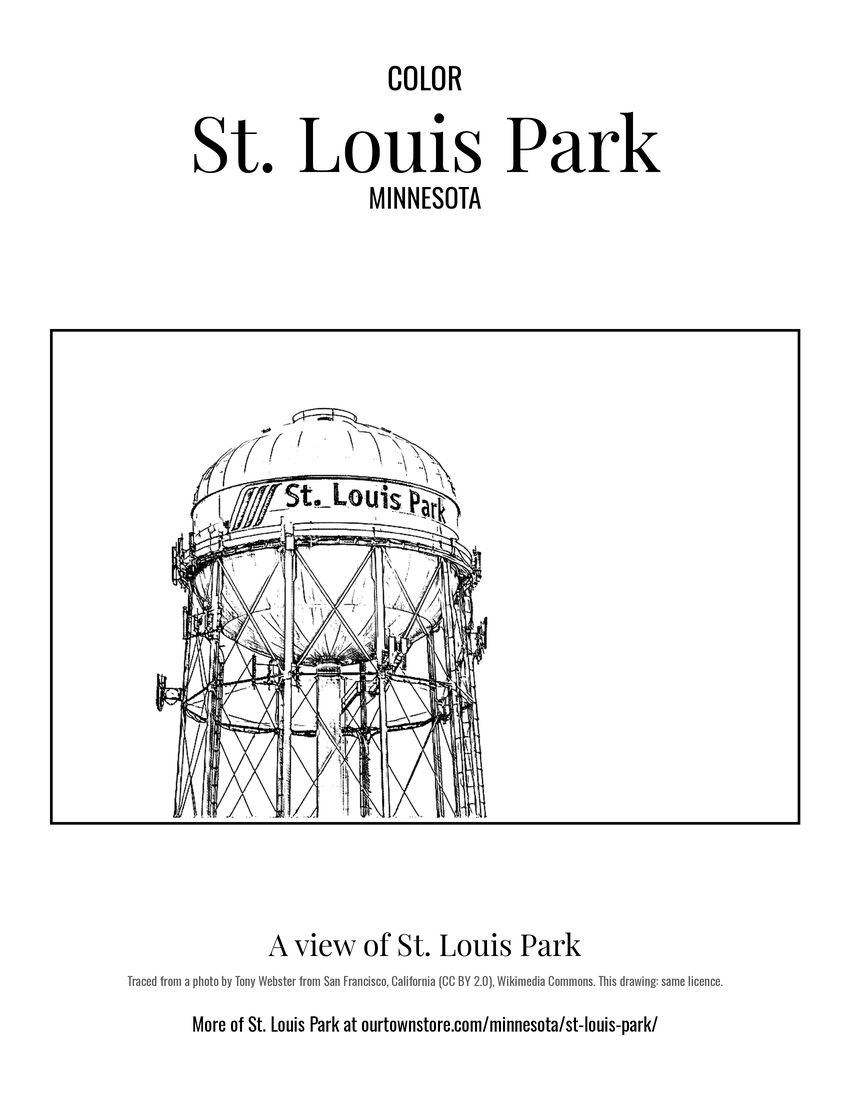 A view of St. Louis Park