Cart 0
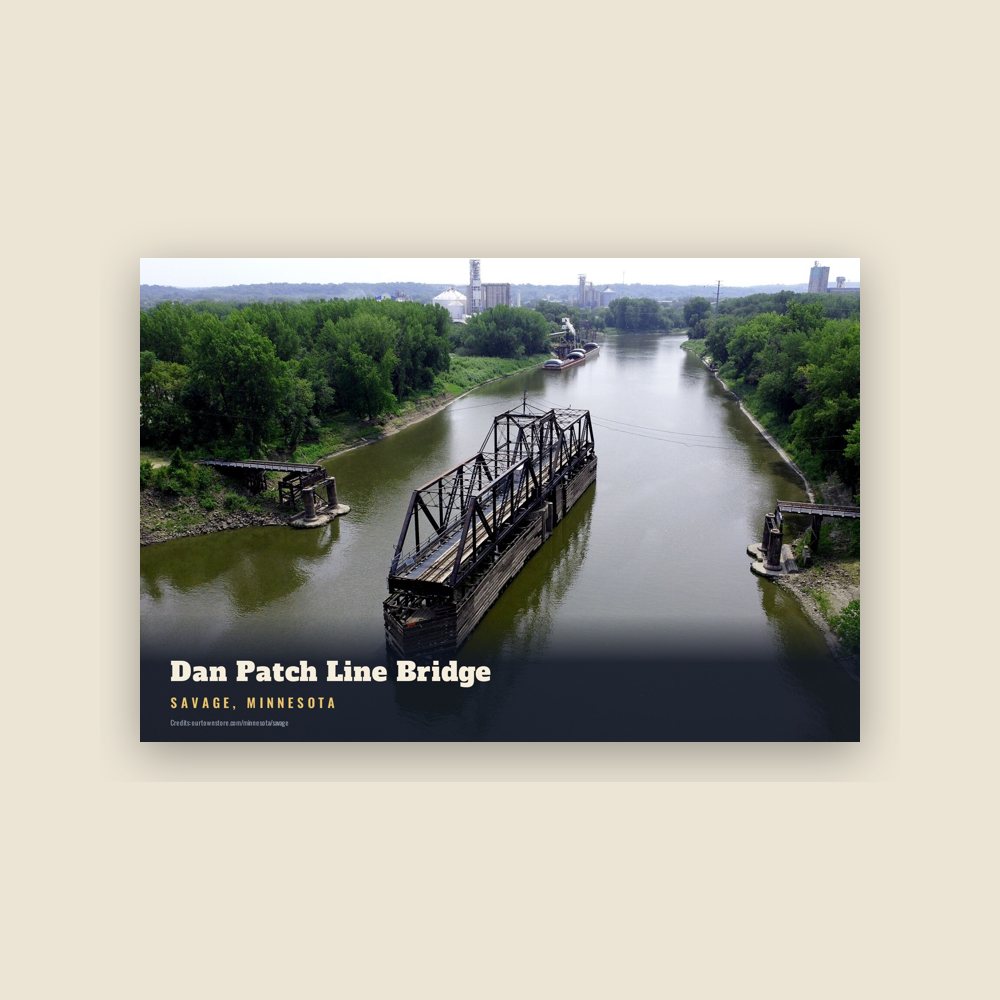
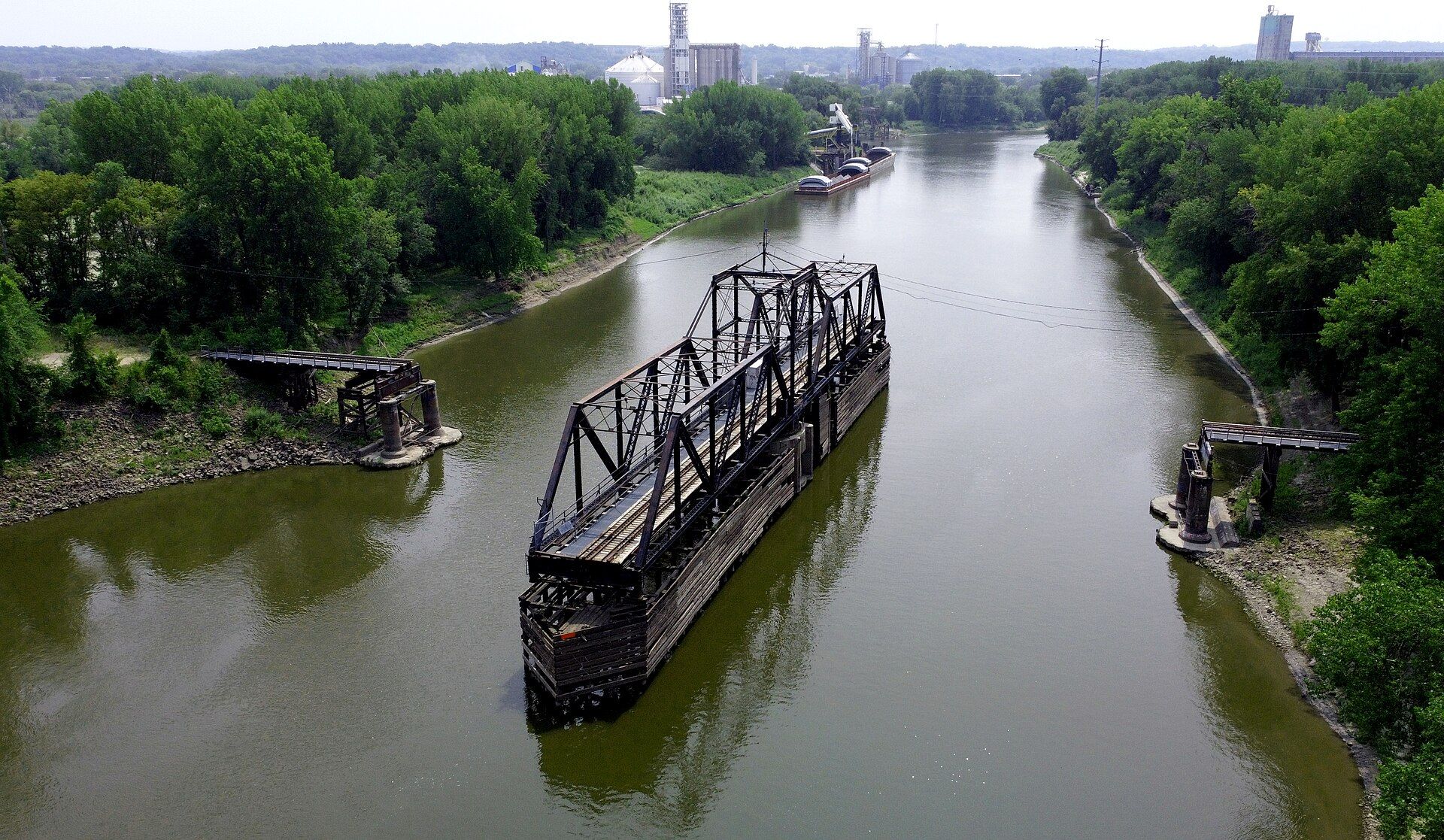
Dan Patch Line Bridge, Savage, Minnesota

SAVAGE

Minnesota
Shop the collection

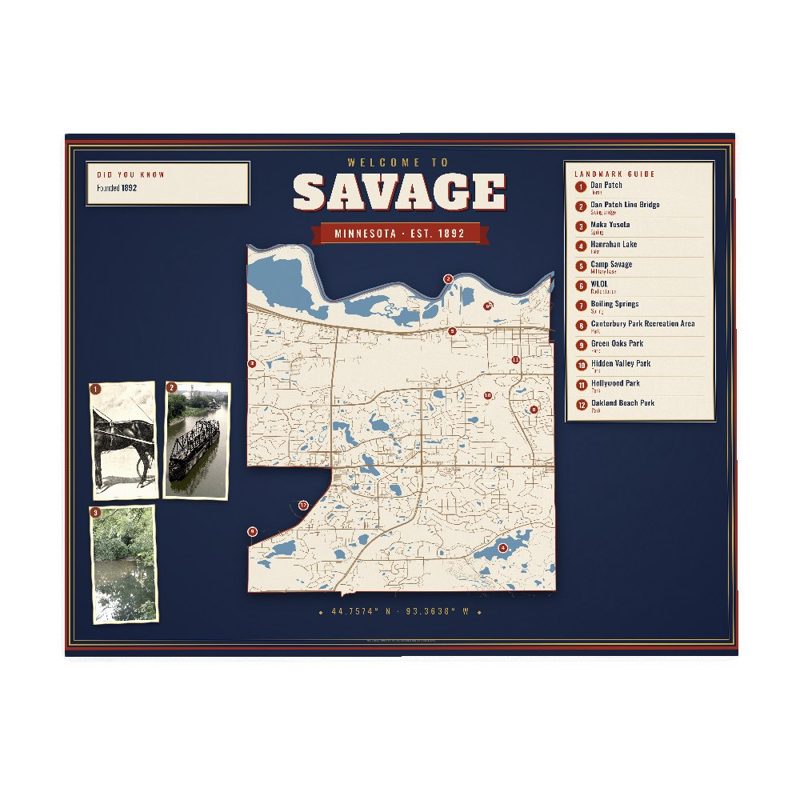
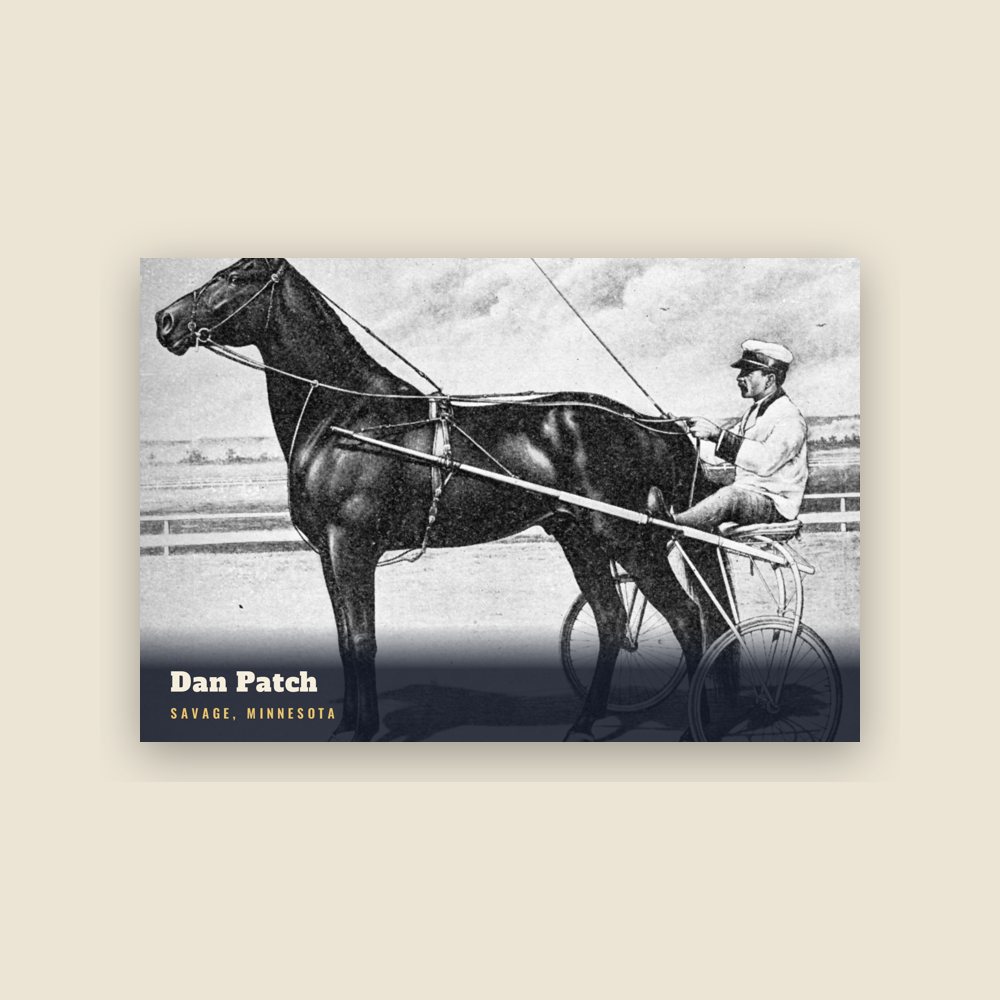
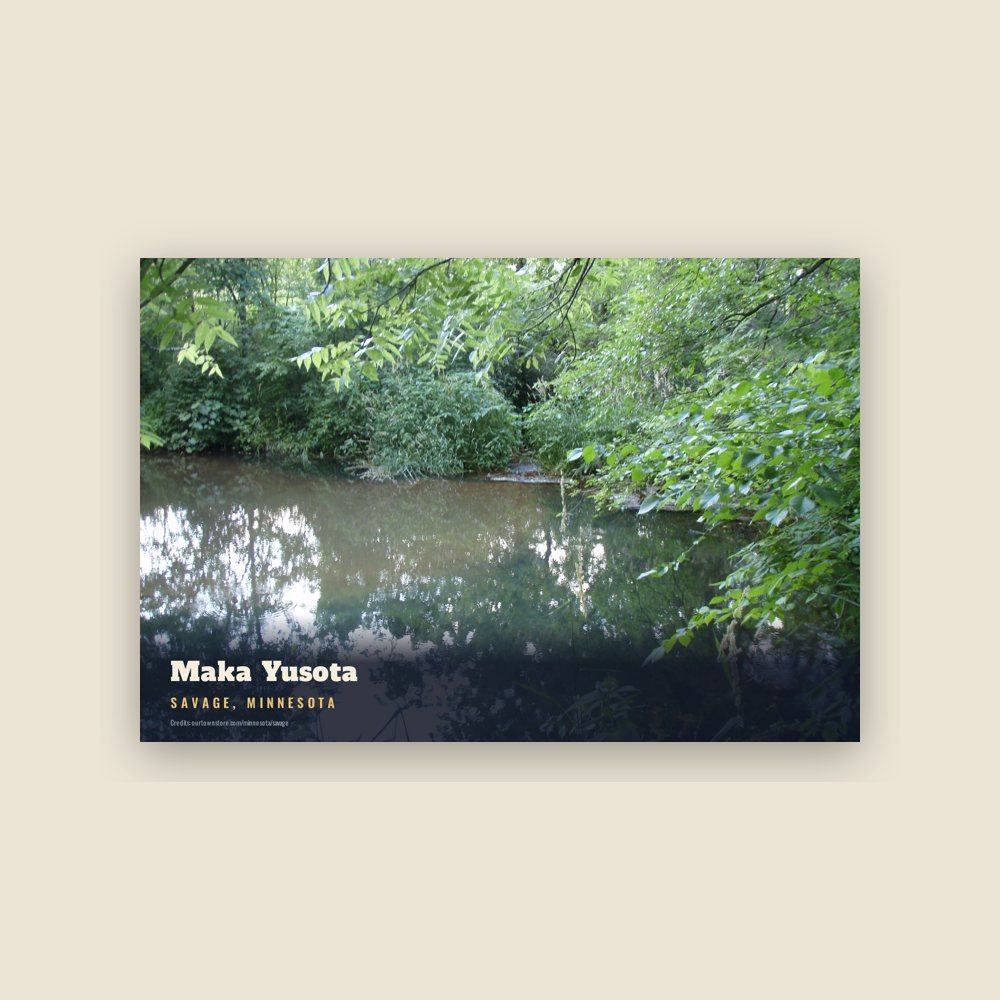
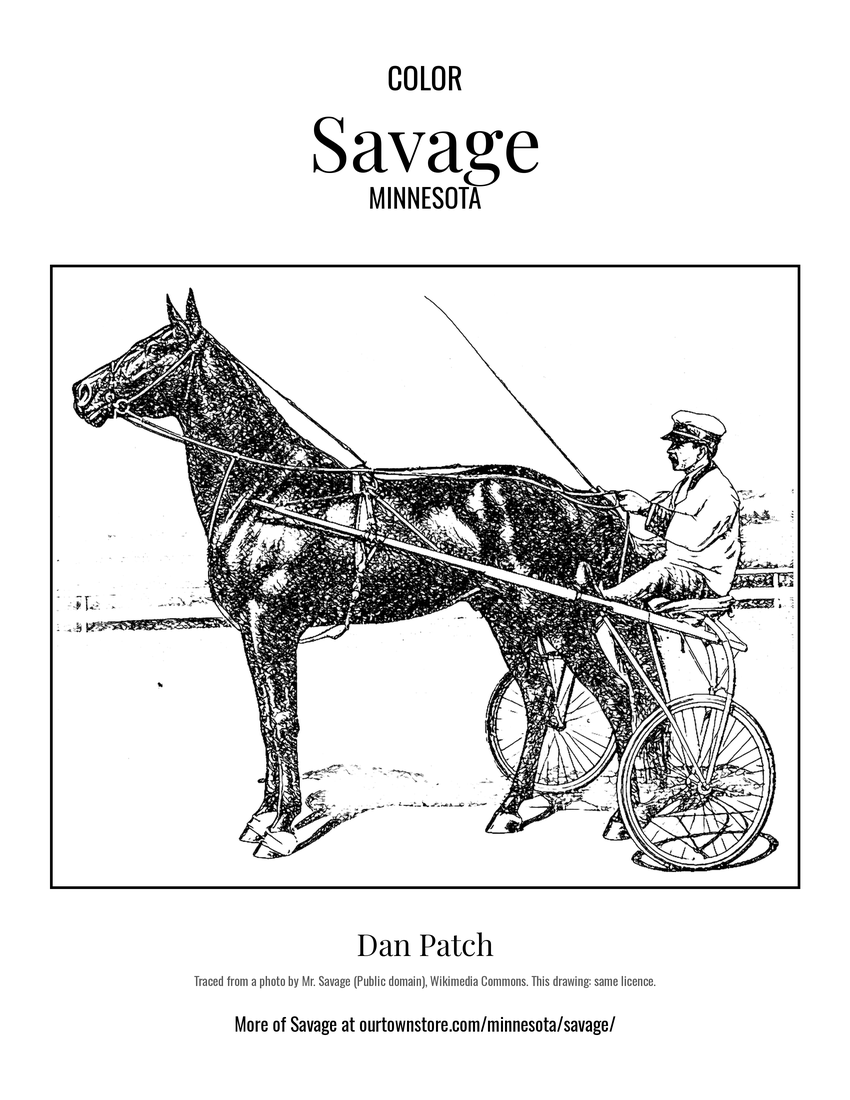
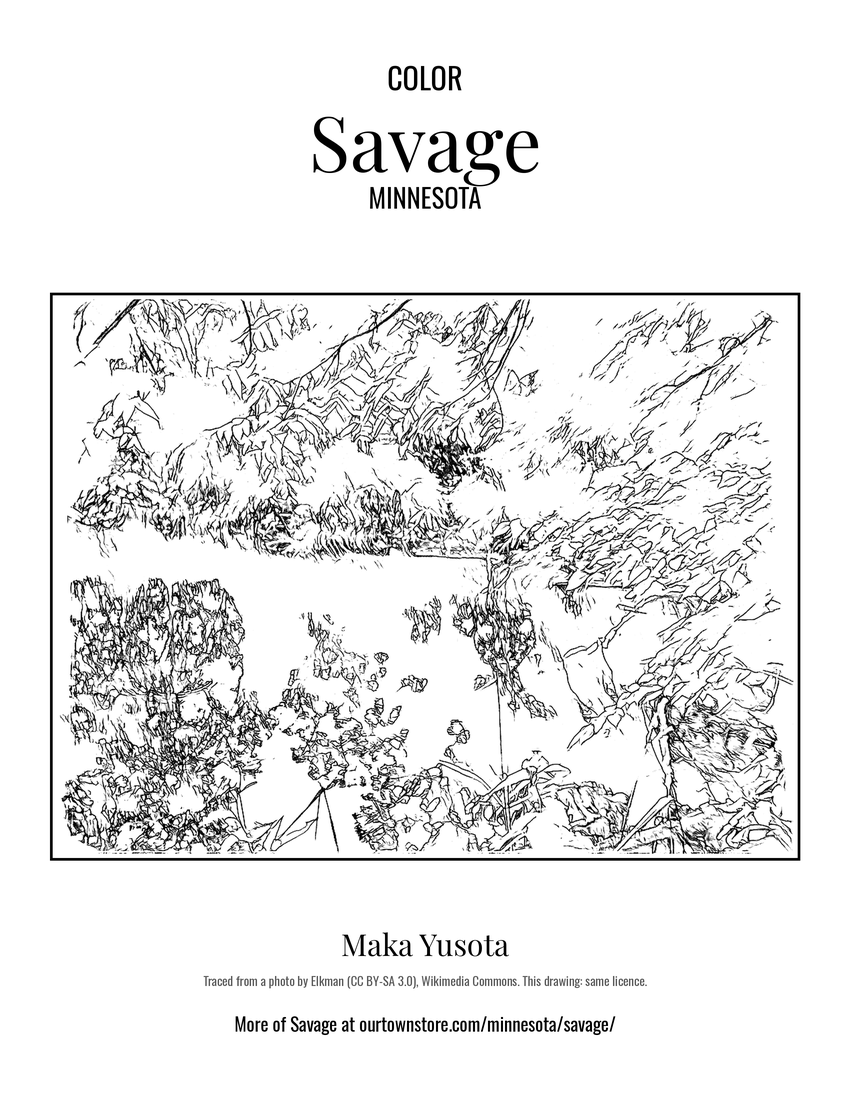
Savage is a suburban city 15 miles south-southwest of downtown Minneapolis in Scott County in the U.S. state of Minnesota. Landmarks include Dan Patch, Dan Patch Line Bridge and Maka Yusota. Savage is the birthplace of Jack Ahcan, Canadian ice hockey player.

The Savage Collection

Made for Savage. Printed to order.

Savage, Minnesota gifts and souvenirs: 29 designs made from Savage's own map, landmarks and history, from $10 to $95. Printed to order and shipped free in the USA.

PopularPrice
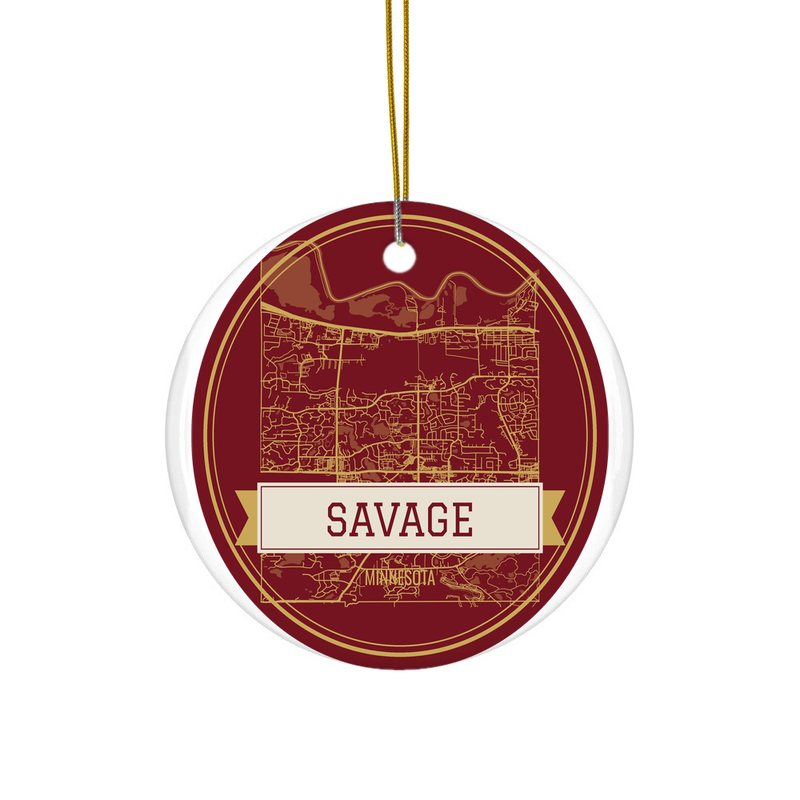
Savage Hometown Ornament$23
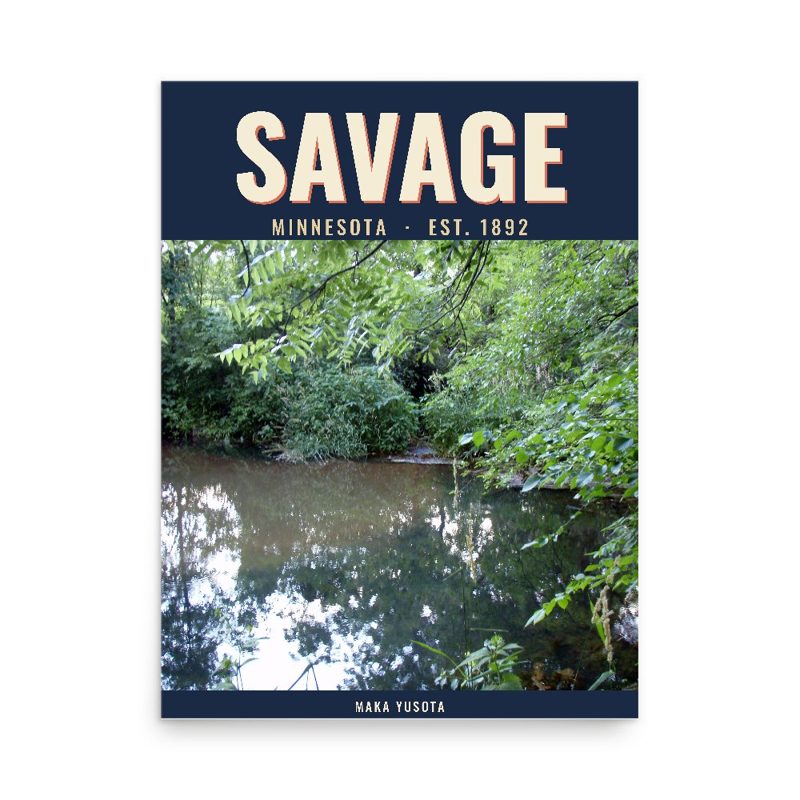
Savage Vintage Travel Posterfrom $40
Savage Varsity Crewneckfrom $57
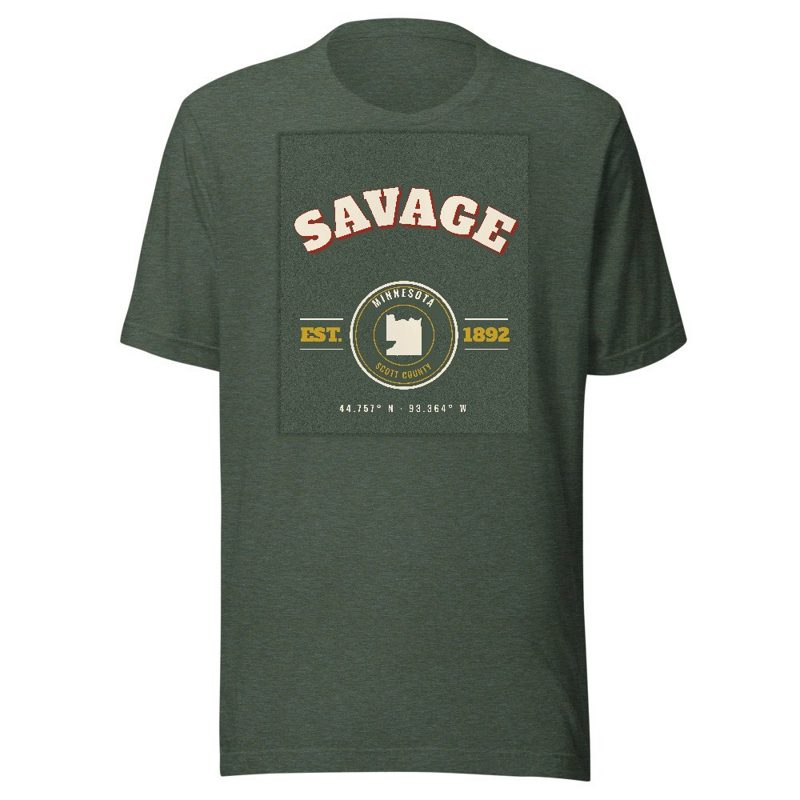
Savage Est. Teefrom $33
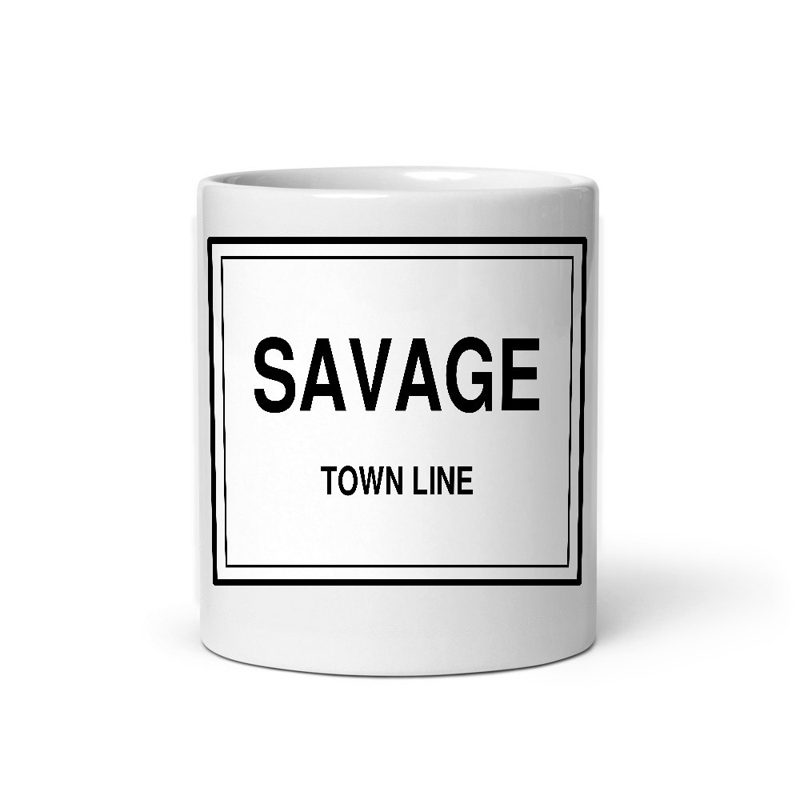
Savage Town Line Mugfrom $26
Savage Market Tote$37
Savage Hometown Ornament

Savage Hometown Ornament

Ceramic keepsake, gold ribbon, in 4 styles

$23
Savage Vintage Travel Poster

Savage Vintage Travel Poster

Its landmark photo in a classic travel-poster layout

from $40
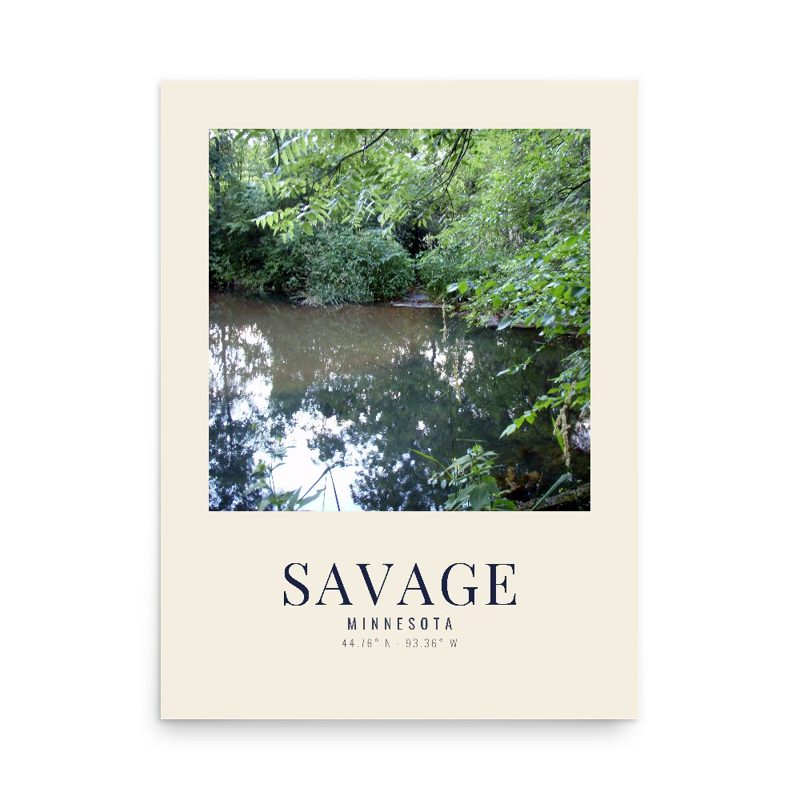
Savage Photo Art Print

Savage Photo Art Print

A local landmark photo as a gallery print

from $40
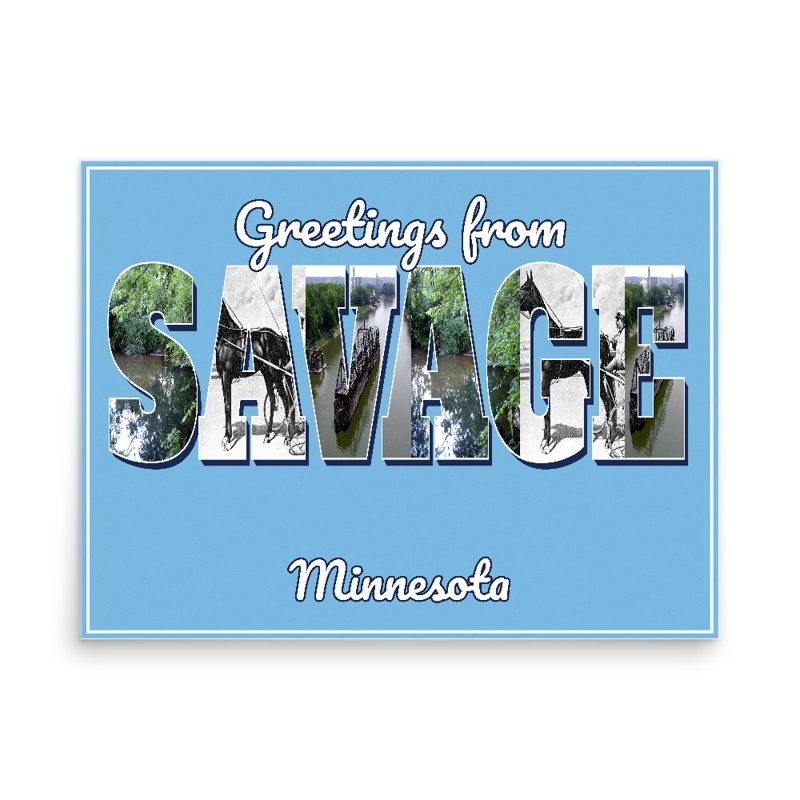
Savage “Greetings From” Poster

Savage “Greetings From” Poster

Classic large-letter postcard art, filled with local photos

from $40
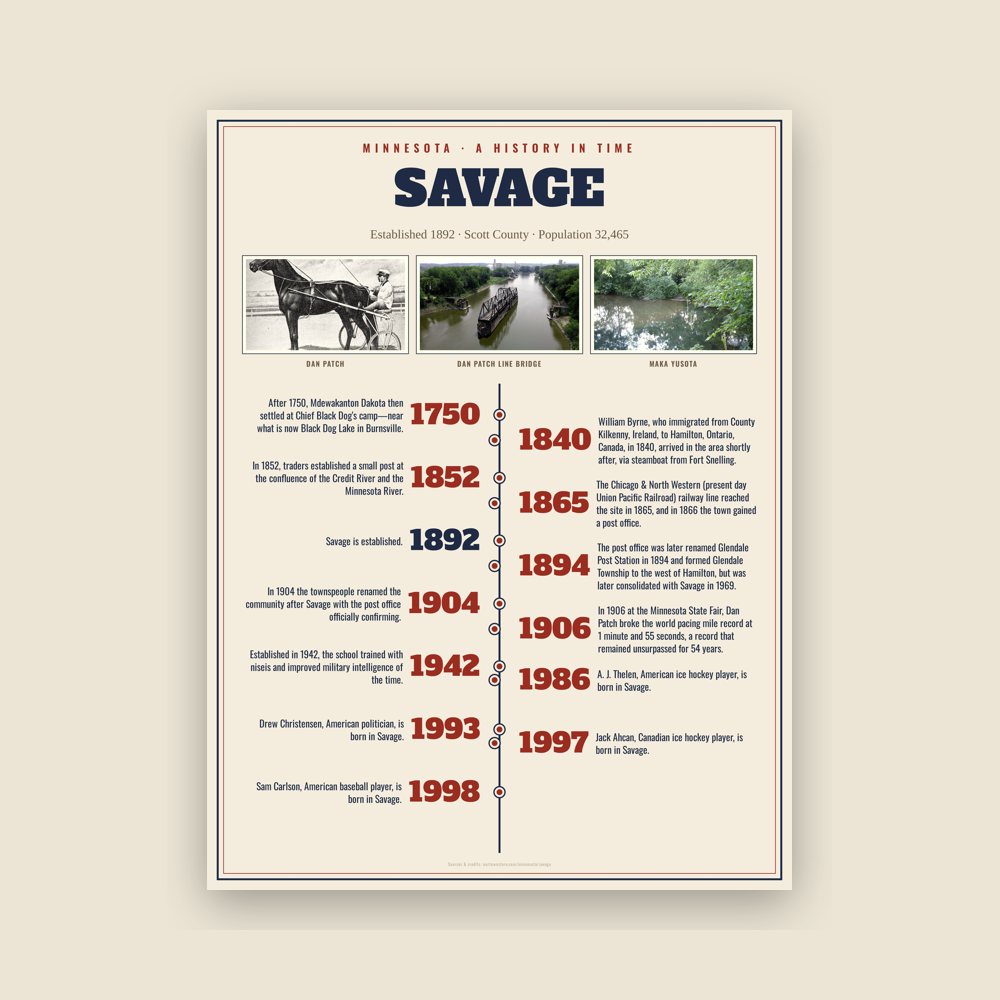
Savage History Timeline Poster

Savage History Timeline Poster

The town's story in dates, from its own records, for home or classroom

from $44
Savage Map Placemat

Savage Map Placemat

Map of local landmarks, washable fabric

$31
Savage Varsity Crewneck

Savage Varsity Crewneck

Heavy-blend fleece, street map printed on the back

from $57
Savage Hometown Knit Sweater

Savage Hometown Knit Sweater

Red heavy-blend crewneck, knit-stitch town print

from $57
Savage Est. Tee

Savage Est. Tee

Soft Bella+Canvas jersey

from $33
Savage Est. Youth Tee

Savage Est. Youth Tee

Kids' Bella+Canvas jersey, youth sizes

$30
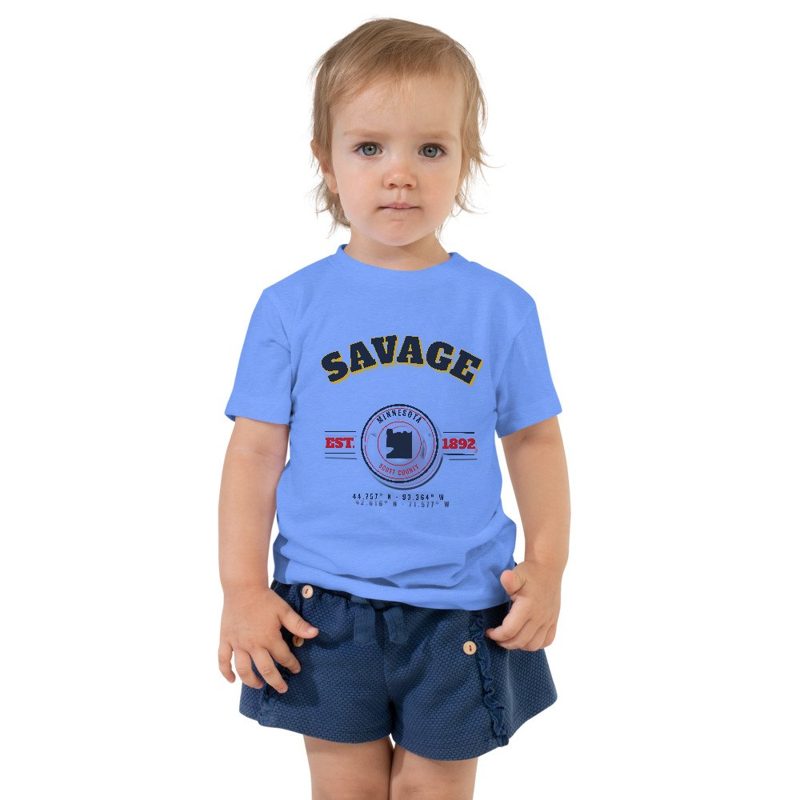
Savage Est. Toddler Tee

Savage Est. Toddler Tee

Bella+Canvas toddler jersey

$29
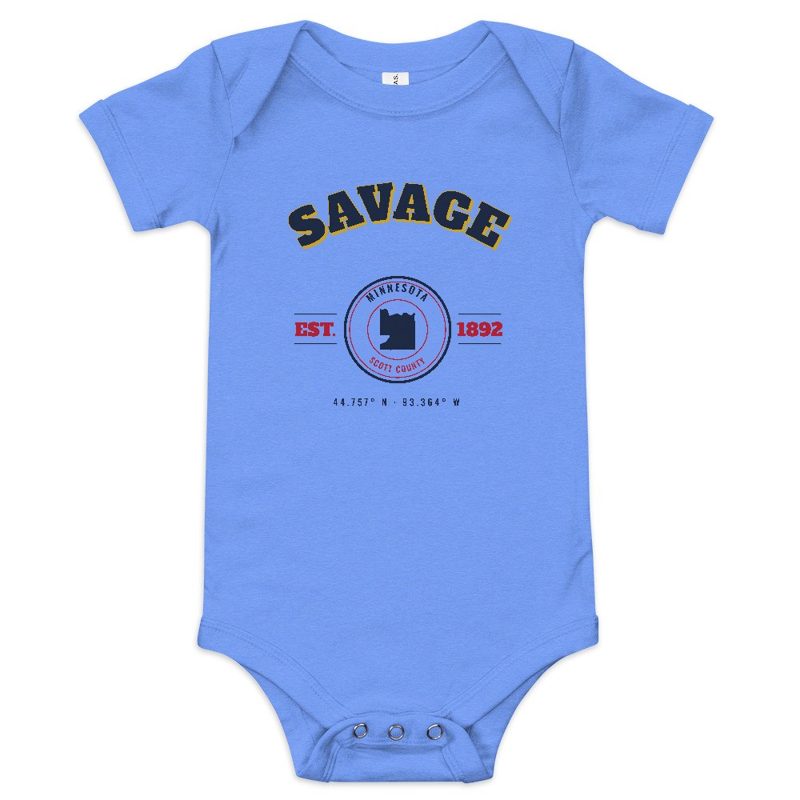
Savage Est. Baby One Piece

Savage Est. Baby One Piece

Bella+Canvas baby bodysuit

$30
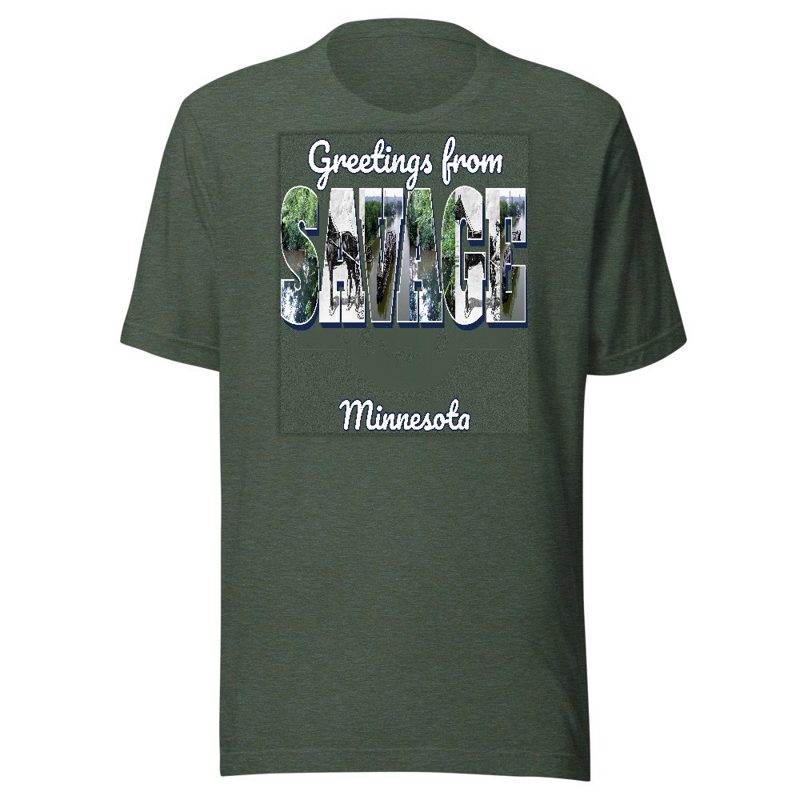
Savage “Greetings From” Tee

Savage “Greetings From” Tee

Large-letter postcard art filled with local photos

from $35
Savage Town Line Mug

Savage Town Line Mug

Glossy ceramic, dishwasher safe

from $26
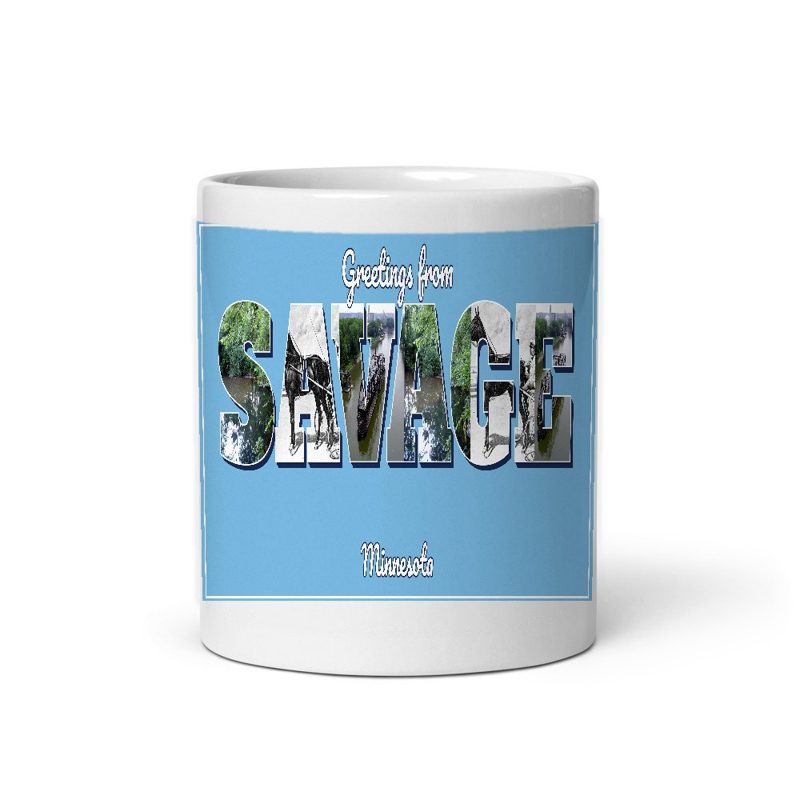
Savage “Greetings From” Mug

Savage “Greetings From” Mug

Large-letter postcard art filled with local photos, 11 oz ceramic

from $29
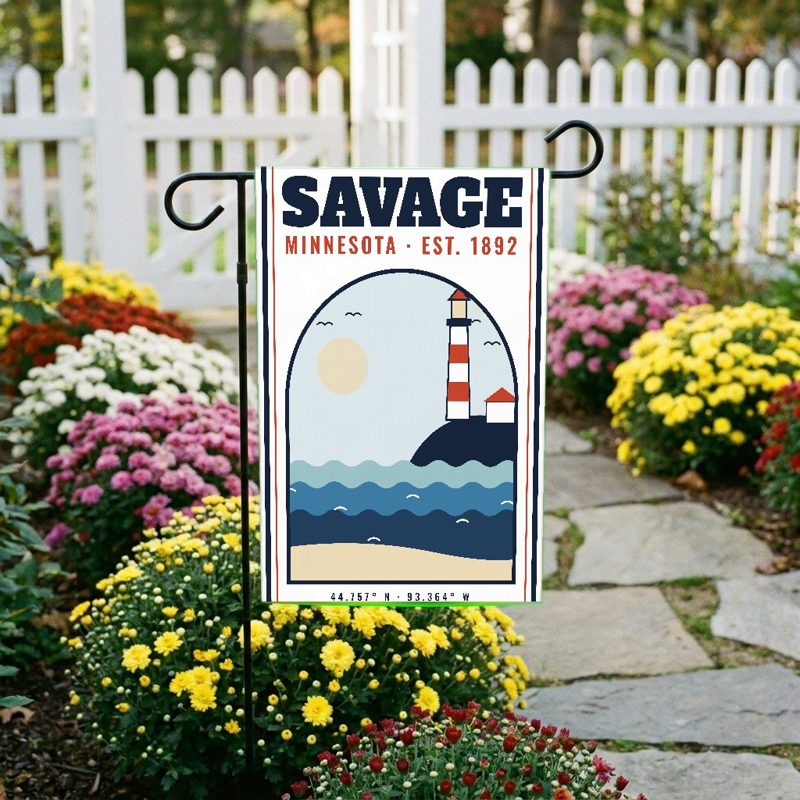
Savage Garden Flag

Savage Garden Flag

Weatherproof, for the front walk

$31
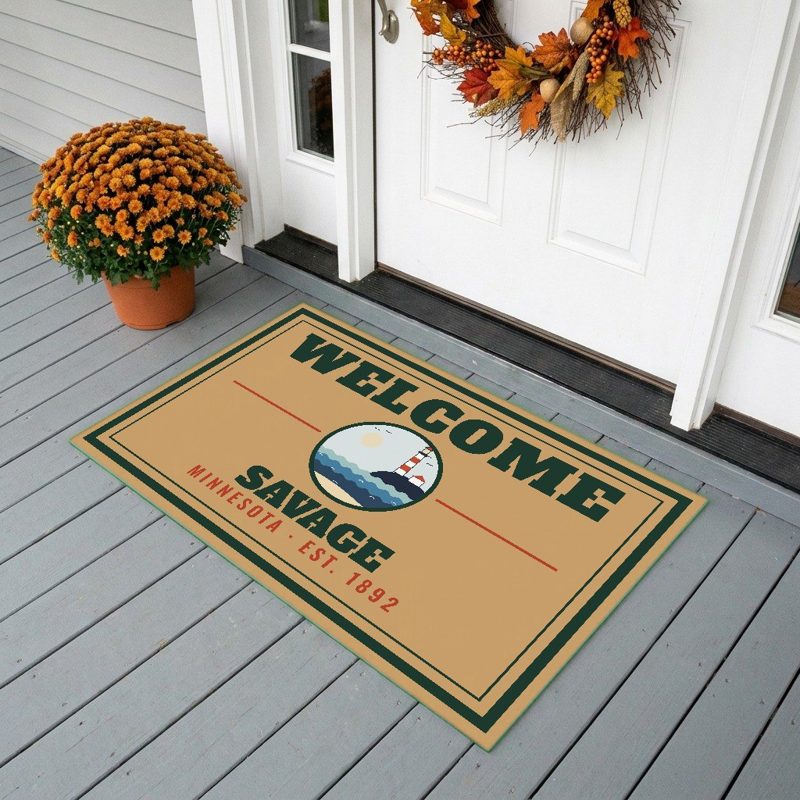
Savage Welcome Doormat

Savage Welcome Doormat

24″×16″, printed coir-look fibers, rubber back

$66
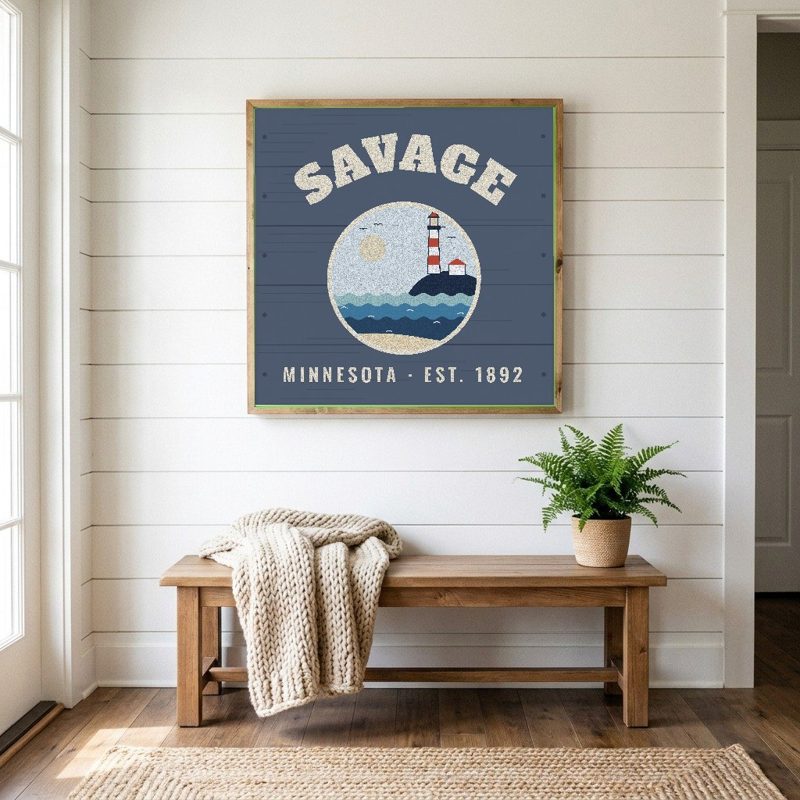
Savage Hometown Wood Sign

Savage Hometown Wood Sign

12″×12″ printed wood, ready to hang

$48
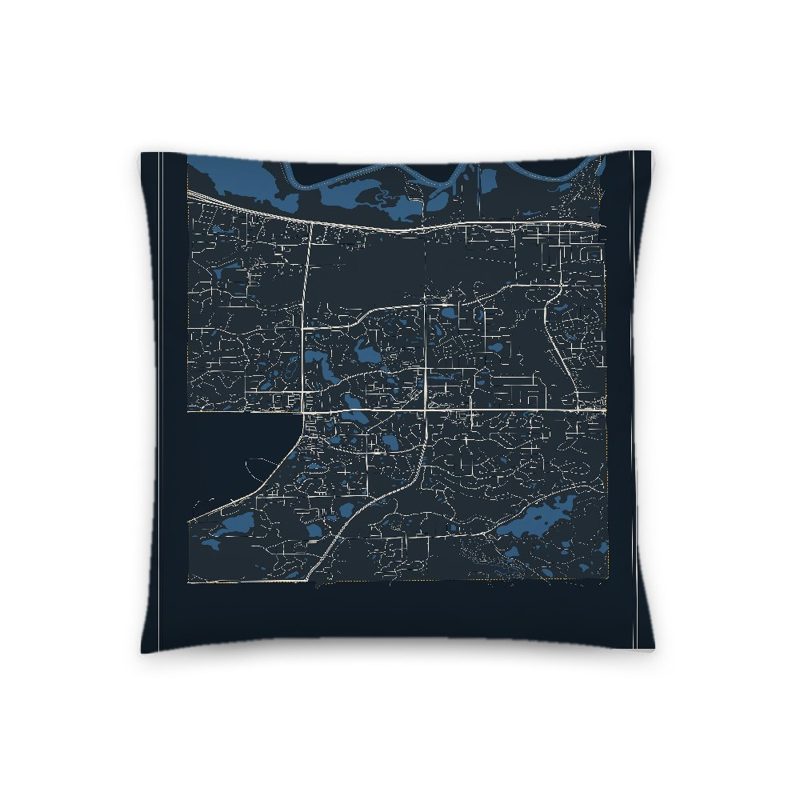
Savage Map Throw Pillow

Savage Map Throw Pillow

Soft-touch, zip cover

$47
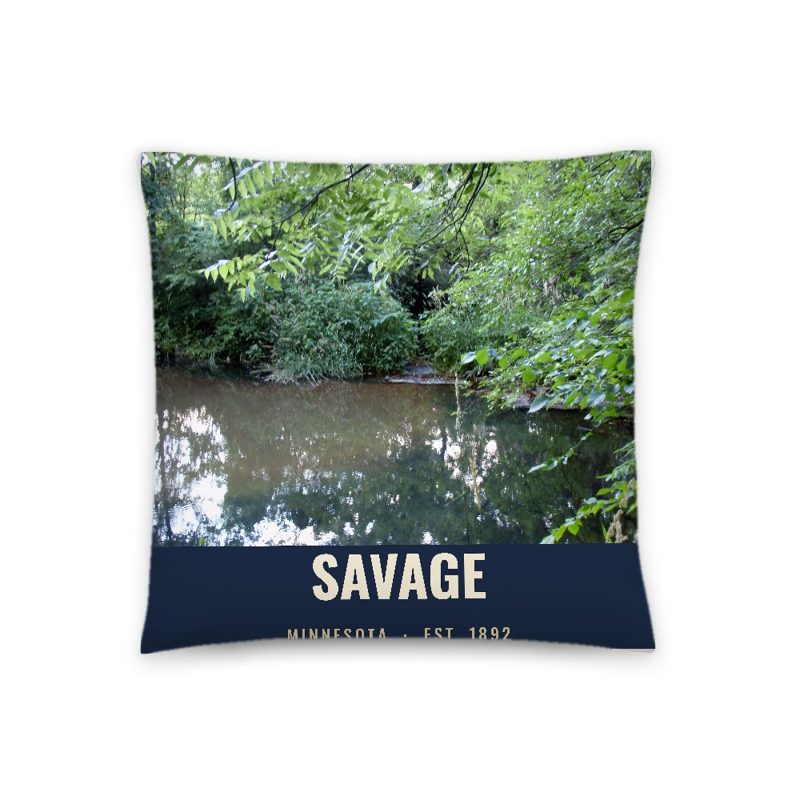
Savage Landmark Photo Pillow

Savage Landmark Photo Pillow

A local landmark photo with the town name, 18″×18″

$49
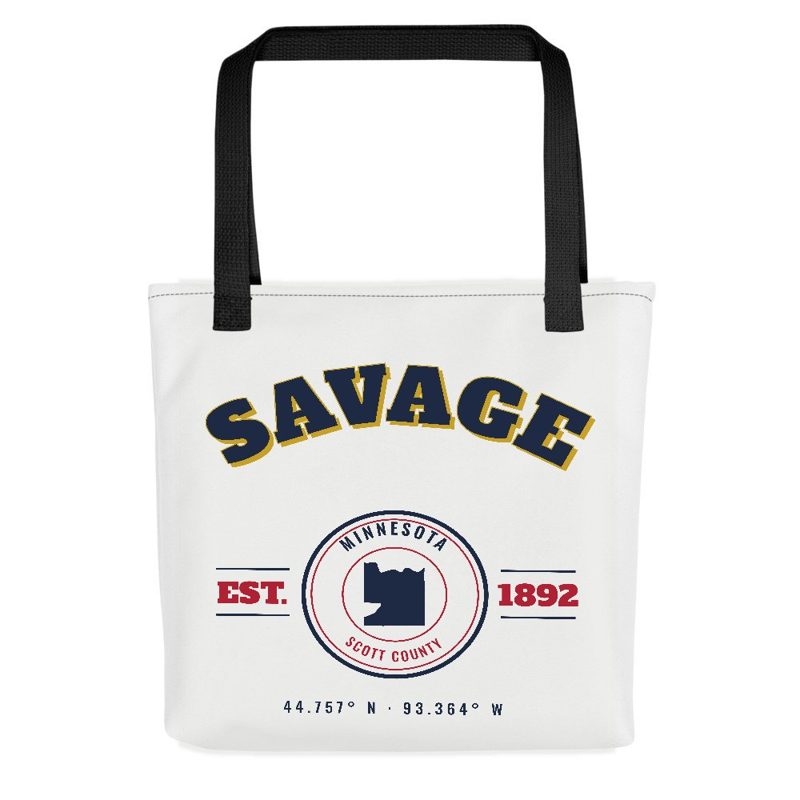
Savage Market Tote

Savage Market Tote

Sturdy all-over-print tote

$37
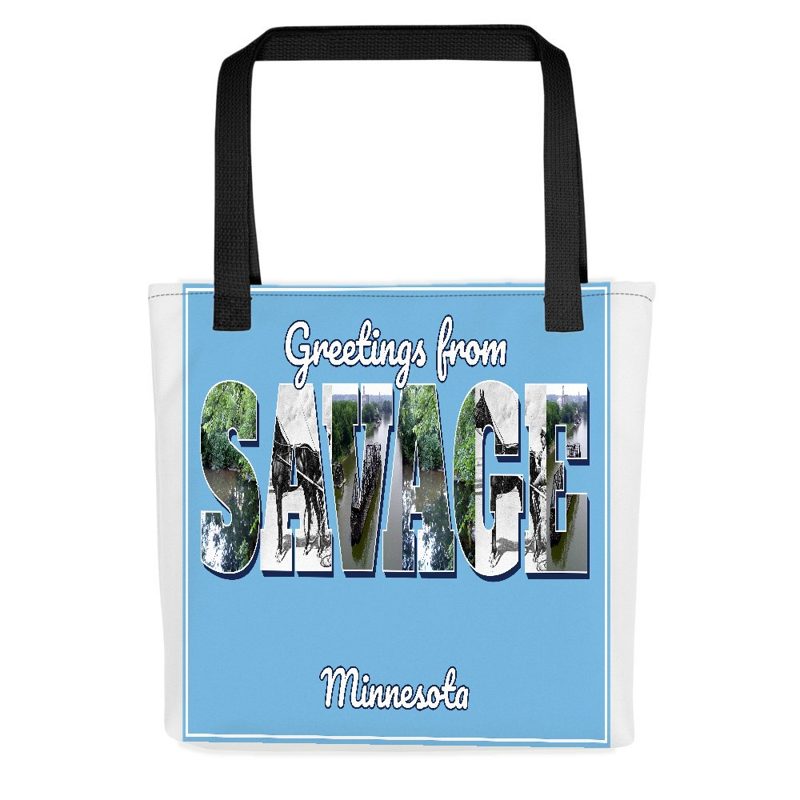
Savage “Greetings From” Tote

Savage “Greetings From” Tote

Large-letter postcard art on a sturdy tote

$37
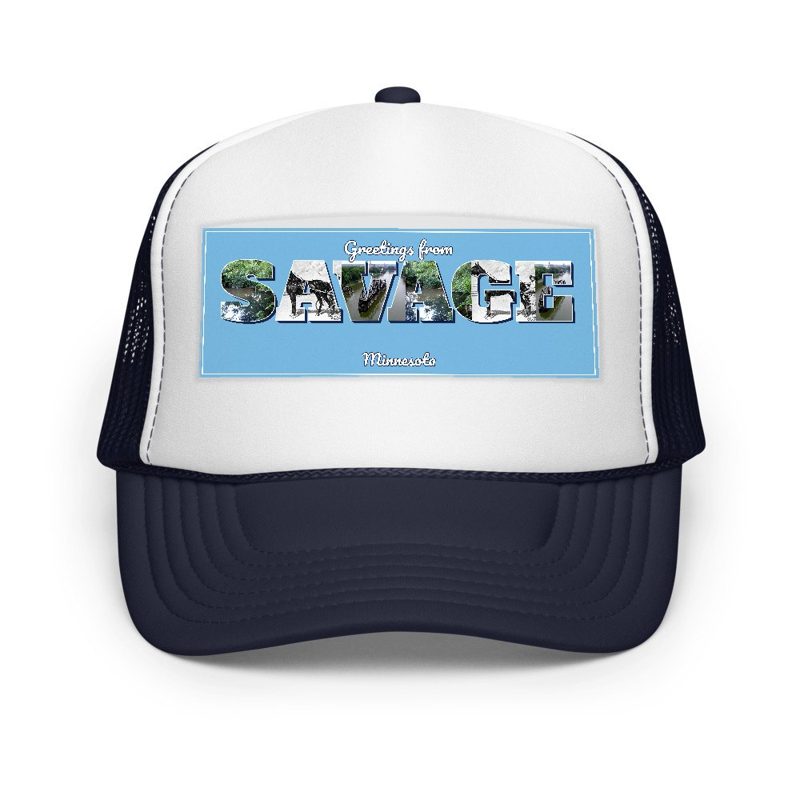
Savage “Greetings From” Trucker Cap

Savage “Greetings From” Trucker Cap

Foam-front trucker, printed (not embroidered) with local photos

$33
Savage Cork Coaster

Savage Cork Coaster

Glossy top, cork back

$16
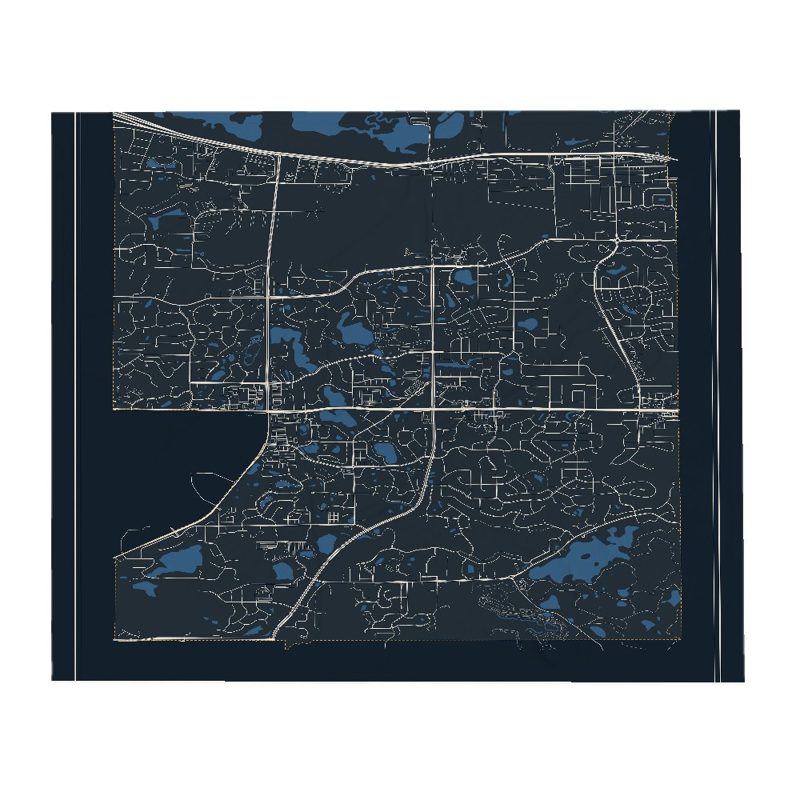
Savage Street Map Throw Blanket

Savage Street Map Throw Blanket

Soft fleece, 50″×60″

from $72
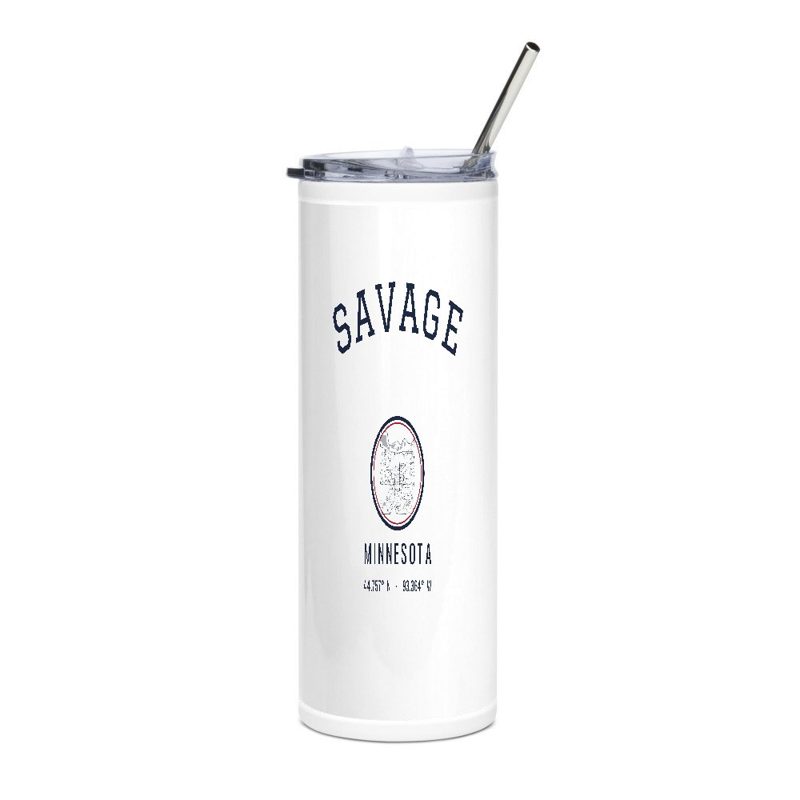
Savage Est. Tumbler

Savage Est. Tumbler

20 oz, double-wall stainless

$51
Savage Dan Patch Postcard

Savage Dan Patch Postcard

6″×4″ postcard, glossy front

$10
Savage Dan Patch Line Bridge Postcard

Savage Dan Patch Line Bridge Postcard

6″×4″ postcard, glossy front

$10
Savage Maka Yusota Postcard

Savage Maka Yusota Postcard

6″×4″ postcard, glossy front

$10
Hometown roll

Born in Savage

On the National Register

Historic places

Population 2010: 26,911 → 2020: 32,465

From Wikidata (CC0).

A short history of Savage

In the 17th century, French fur traders and explorers explored the Minnesota River valley. After 1750, Mdewakanton Dakota then settled at Chief Black Dog's camp—near what is now Black Dog Lake in Burnsville. Dakota used the Minnesota River valley region including present-day Savage for fish, game, boating and camping.

In 1852, traders established a small post at the confluence of the Credit River and the Minnesota River. William Byrne, who immigrated from County Kilkenny, Ireland, to Hamilton, Ontario, Canada, in 1840, arrived in the area shortly after, via steamboat from Fort Snelling. Already established in business and trade, he and other Irish and Scottish settlers built Hamilton Landing, a port for boats, named after the city he immigrated to in Canada. The town incorporated in 1892 as the village of Hamilton. Byrne later settled another nearby area which became Burnsville.

The Chicago & North Western (present day Union Pacific Railroad) railway line reached the site in 1865, and in 1866 the town gained a post office. Hamilton became the crossroads of trade and service in the region with the Credit River, Minnesota River, the valley's wagon and road trails, and the rail line.

The post office was later renamed Glendale Post Station in 1894 and formed Glendale Township to the west of Hamilton, but was later consolidated with Savage in 1969. The roughly 17 blocks of the late 19th-century town remain as Savage's downtown along Highway 13.

In 1902, Minneapolis entrepreneur Marion Willis Savage purchased racing horse Dan Patch and trained and raced him at his farm in the limits of Hamilton. Dan Patch's notoriety grew as the horse began breaking speed records, and with it grew the town's prestige. In 1904 the townspeople renamed the community after Savage with the post office officially confirming. In 1906 at the Minnesota State Fair, Dan Patch broke the world pacing mile record at 1 minute and 55 seconds, a record that remained unsurpassed for 54 years.

During World War II, Savage was home to Camp Savage, a Military Intelligence School (MIS) language program, which taught Japanese to American military personnel. Established in 1942, the school trained with niseis and improved military intelligence of the time. It was later relocated to Fort Snelling and is commemorated at Normandale College's Japanese garden. At about the same time, Cargill, Incorporated, began building ships for the U.S. Navy at the newly constructed Meadowland Shipyard, renamed Port Cargill (former site of Hamilton Landing). To launch the ships, 14 miles (23 km) of the Minnesota River were dredged down to 9 feet (2.7 m) from Savage to the Mississippi River confluence. About 3,500 people were employed during peak production resulting in 18 auxiliary oil and gas carriers and 4 tugboats constructed. After World War II the port began shipping agricultural commodities.

Savage remained undeveloped in the postwar housing boom, isolated by the Minnesota River and without a direct interstate connection. Lack of available construction materials in the immediate area also prevented development. By the 1980s, with the upgrade of Highway 13 and construction of the Highway 169 Bloomington Ferry Bridge in 1996 across the Minnesota River, Savage finally boomed as one of the growing exurbs with low-cost greenfield land in the metropolitan area. The citizens of Savage reclaimed some of their history in the early 21st century, when it relocated the displaced Savage Depot built in 1880 by the then Chicago, Minneapolis and Omaha Rail Road.

Adapted (trimmed) from the Wikipedia article Savage, Minnesota, revision 1378605069 by its contributors, licensed CC BY-SA 4.0.
For local organizations

Are you with a Savage historical society?

We share a part of every Savage sale with local partners, and we'd love to print from your collection. Old photographs, maps and postcards make the best keepsakes.

Partner with us
Custom orders

Want something Savage we don't make yet?

A favorite landmark, your street, a school or team, an anniversary gift, a different product. Tell us and we'll get back to you by email.

Free printables

Color Savage

3 free coloring pages of Savage, each traced from a photo of a local landmark. Print them at home, at school or for story hour.

Nearby

Neighboring towns

Sources

Savage's population was 32,465 in the 2020 U.S. Census, up from 26,911 in 2010.