A short history of Oak Park Heights
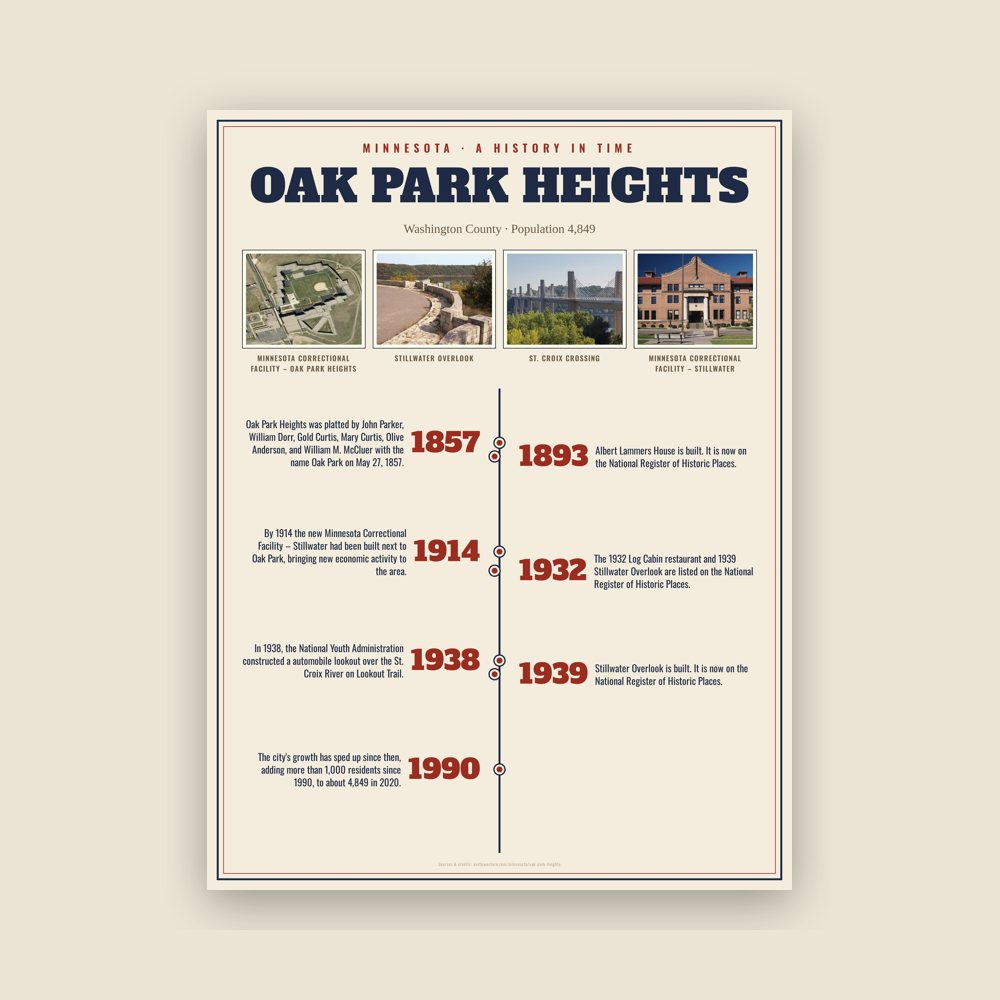
Oak Park Heights was platted by John Parker, William Dorr, Gold Curtis, Mary Curtis, Olive Anderson, and William M. McCluer with the name Oak Park on May 27, 1857. The plat was located in present day Baytown Township, between Stillwater and South Stillwater (Now called Bayport.) Early settlers included David Cover, a river pilot who came to Oak Park in the 1840s and specialized in logs and lumber, and John Parker, who relocated from St. Croix Falls in 1850.
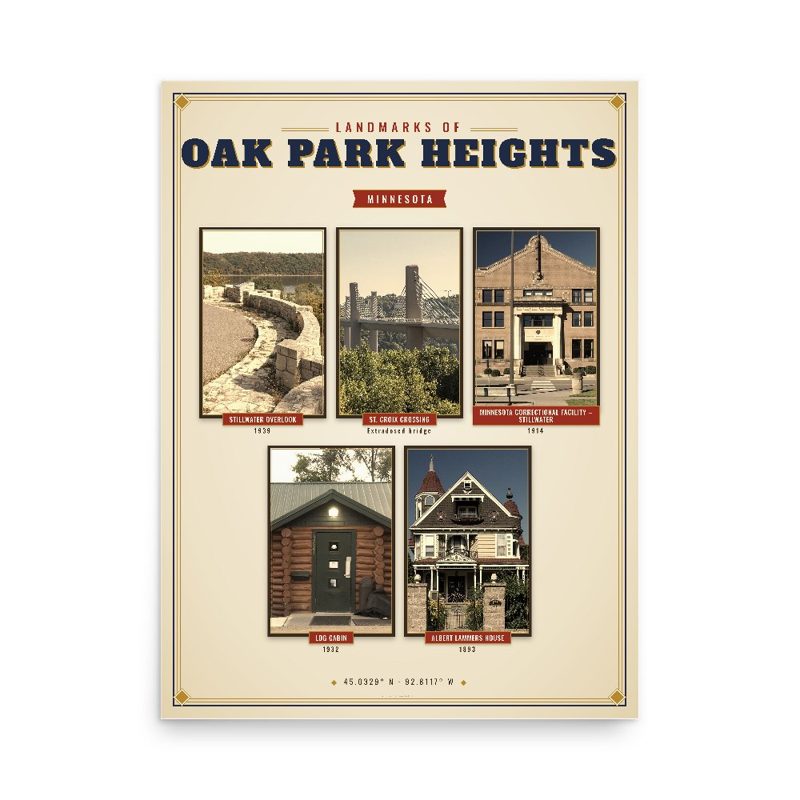
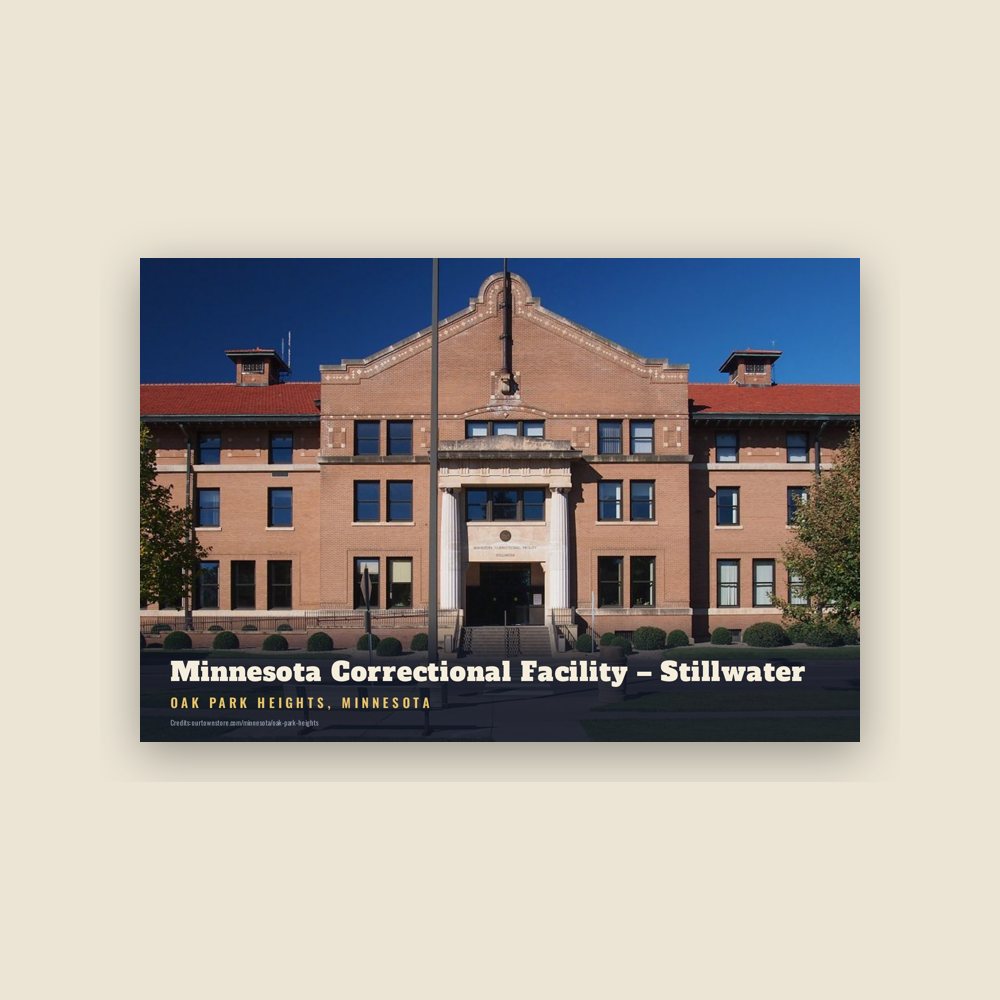
Oak Park was a prime area for industrial development for many settlers because of the town's close proximity to the St. Croix River. Because of this, in the 1880s, construction began on a sawmill and a barrel making company along the riverfront of Oak Park. In around 1890, Jewish settlers, Moritz and Bertha Bergstein, settled in Oak Park and established and operated a waste materials yard with a warehouse and “shoddy” mill, where waste fabric was recycled into stuffing for mattresses. The Moritz Bergstein Shoddy Mill and Warehouse still stands today in Downtown Stillwater, after being moved from Oak Park Heights when the St. Croix Crossing bridge was being constructed in 2012.Due to Oak Park's proximity to Stillwater, and connectedness to Saint Paul via the Twin City Rapid Transit Company streetcar station in Stillwater in the 1910s, the city attracted a few hundred wealthy residents that built homes on the bluffs overlooking the St. Croix River. By 1914 the new Minnesota Correctional Facility – Stillwater had been built next to Oak Park, bringing new economic activity to the area.
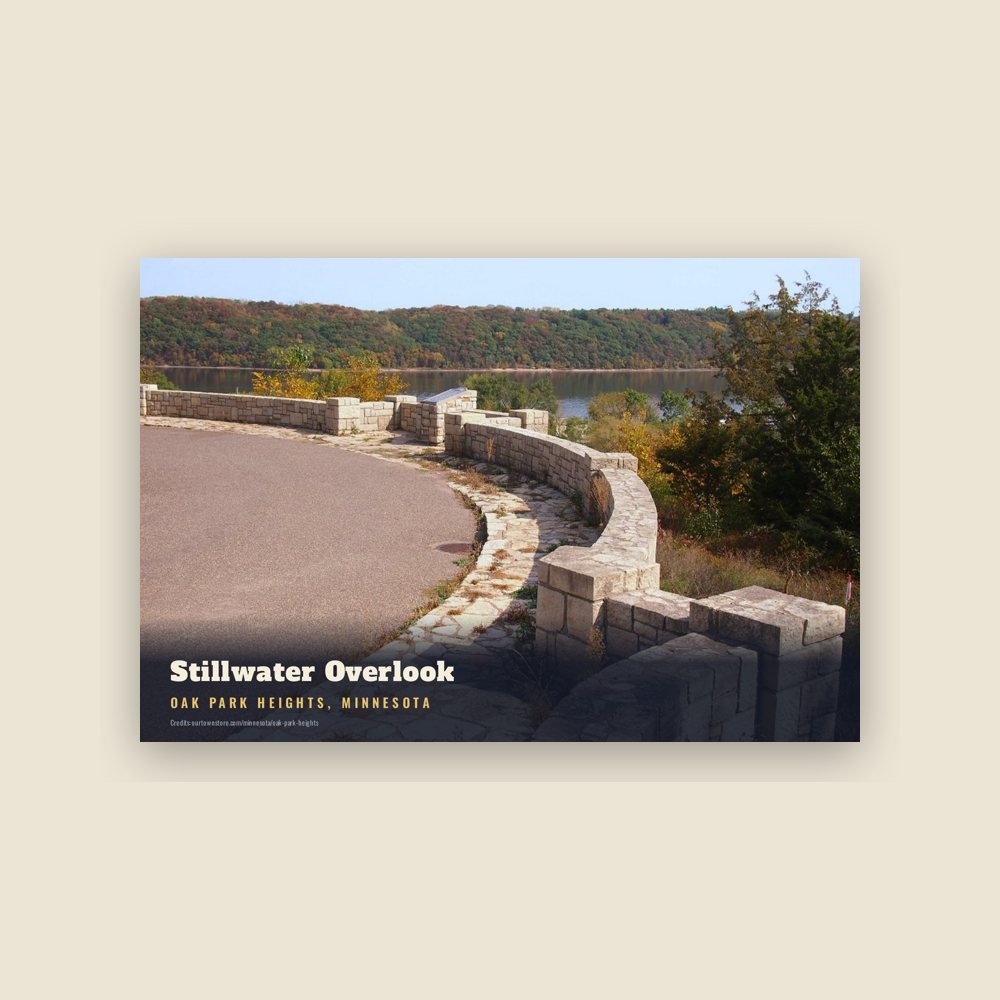
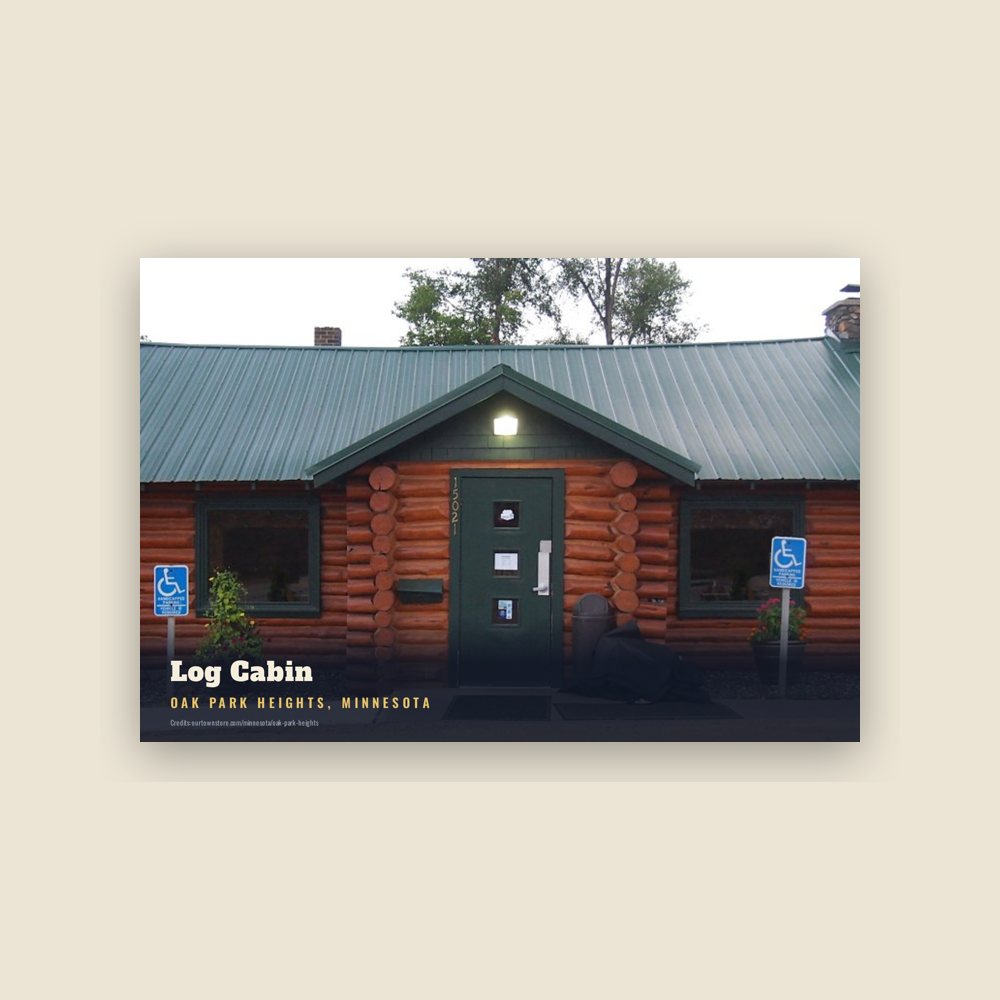
Later, in the 1930s, Minnesota State Highway 36 was constructed straight through the community, dividing the community, but connecting the area to the Twin Cities, which brought automobile tourists to flock to the valley. One homage to the time period includes the Club Tara Hideaway. This log cabin style roadhouse, which was built in 1932 under the name Lynch’s Chicken Shack, is still in business today. In 1938, the National Youth Administration constructed a automobile lookout over the St. Croix River on Lookout Trail. The 1932 Log Cabin restaurant and 1939 Stillwater Overlook are listed on the National Register of Historic Places.
In the 1960s, construction started on the St. Croix Mall. This started a flood of commercial development in Oak Park Heights along the Highway 36 corridor which featured dozens of big-box stores, fast-food restaurants, and apartments.
Improvements to Highways 36 and 95, and the construction of the Allen S. King generating plant and its power lines in the 1970s had considerable impact on the residents living in the community.
In the 1990s, the new Stillwater Area High School was constructed just south of Highway 36. The city's growth has sped up since then, adding more than 1,000 residents since 1990, to about 4,849 in 2020.
Adapted (trimmed) from the Wikipedia article Oak Park Heights, Minnesota, revision 1378508534 by its contributors, licensed CC BY-SA 4.0.
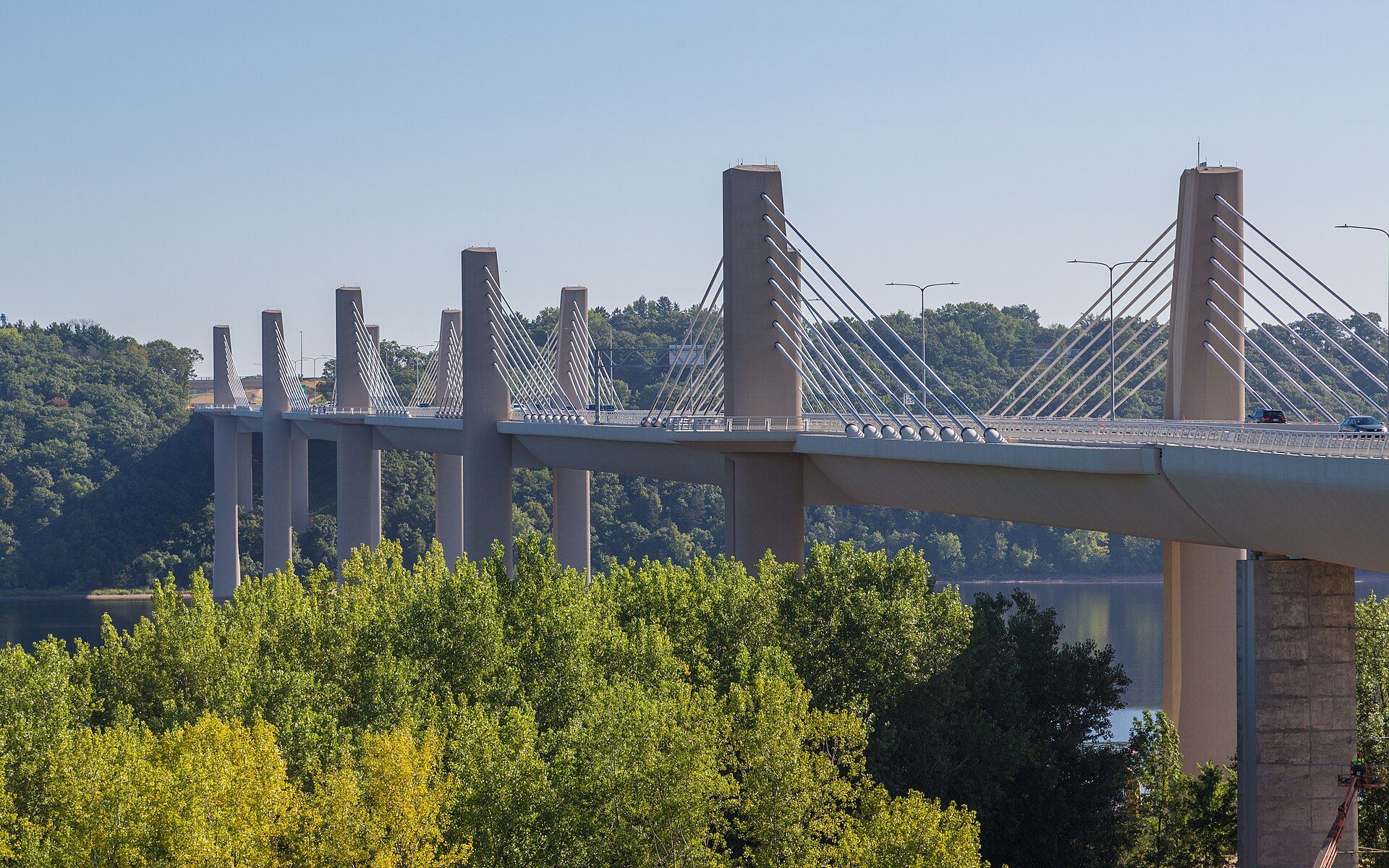

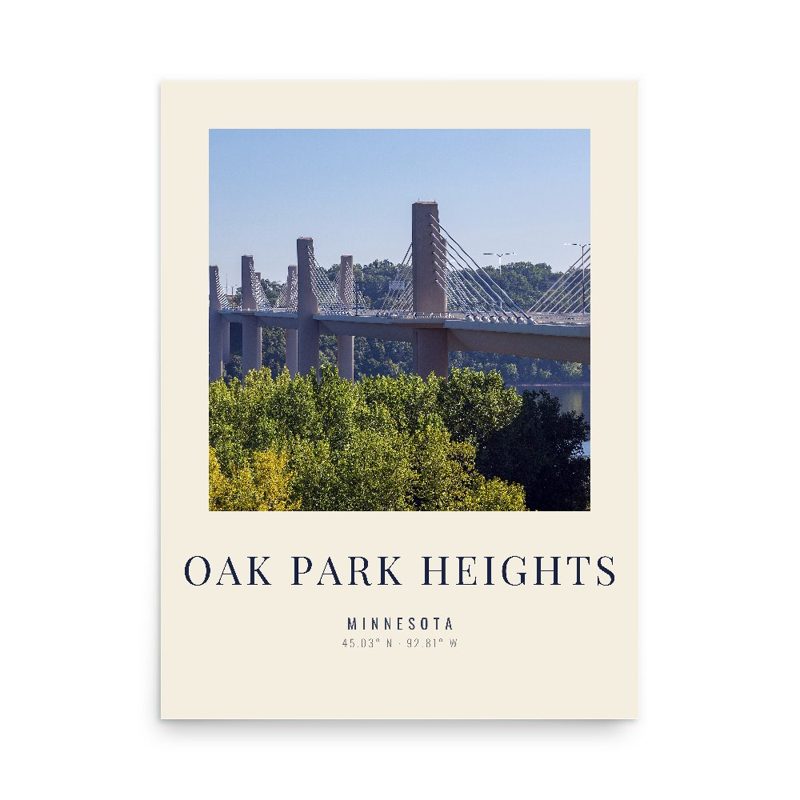
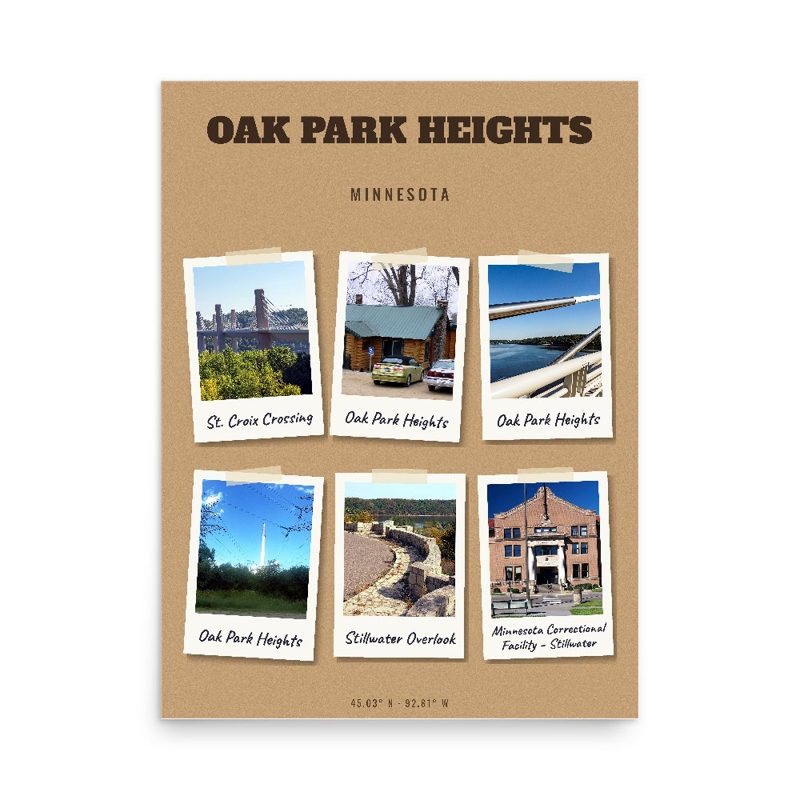
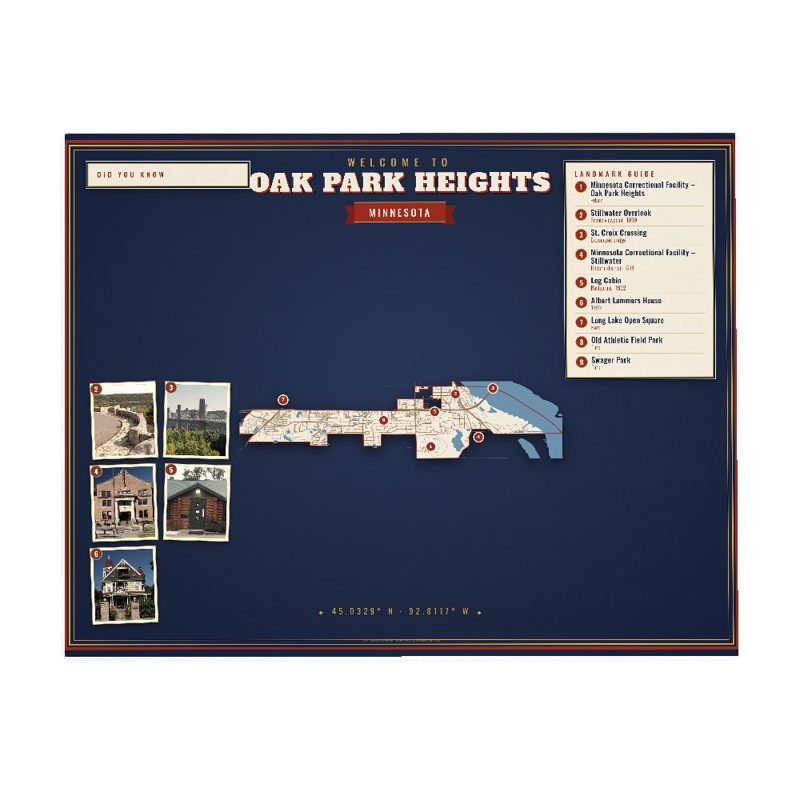















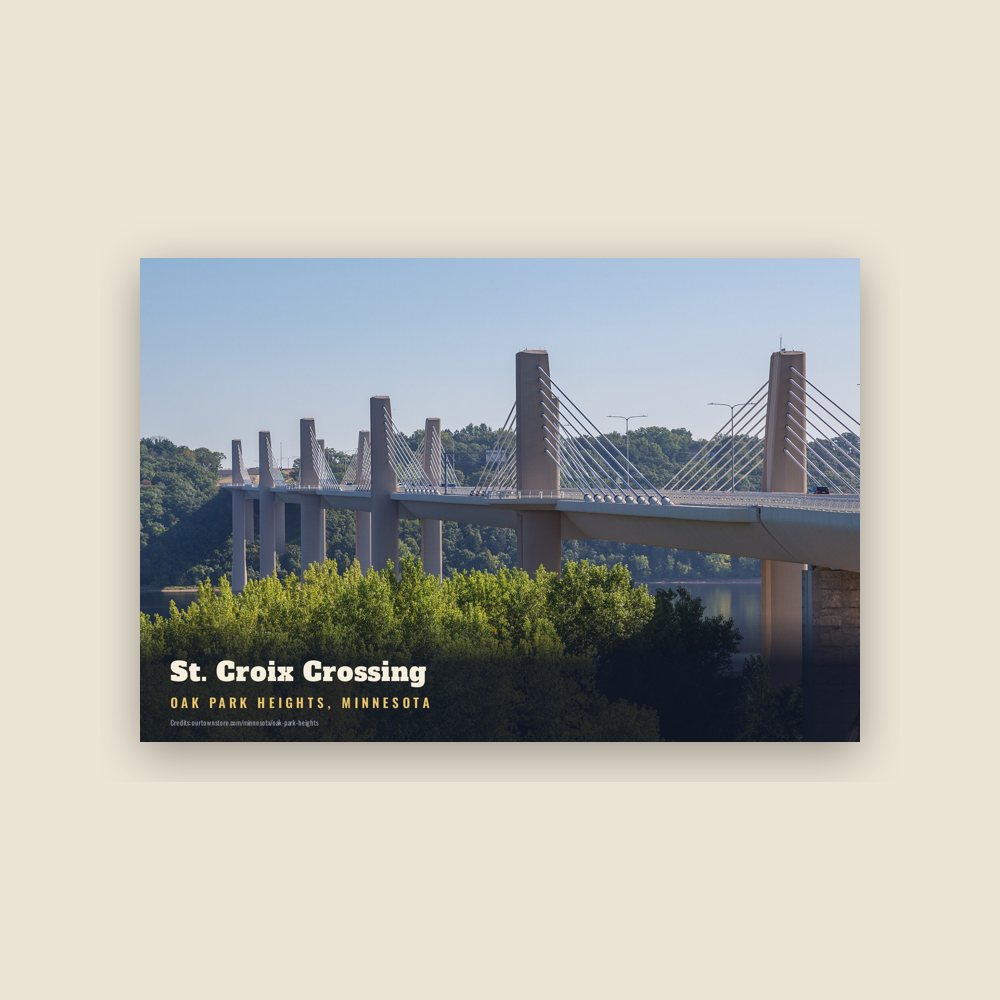
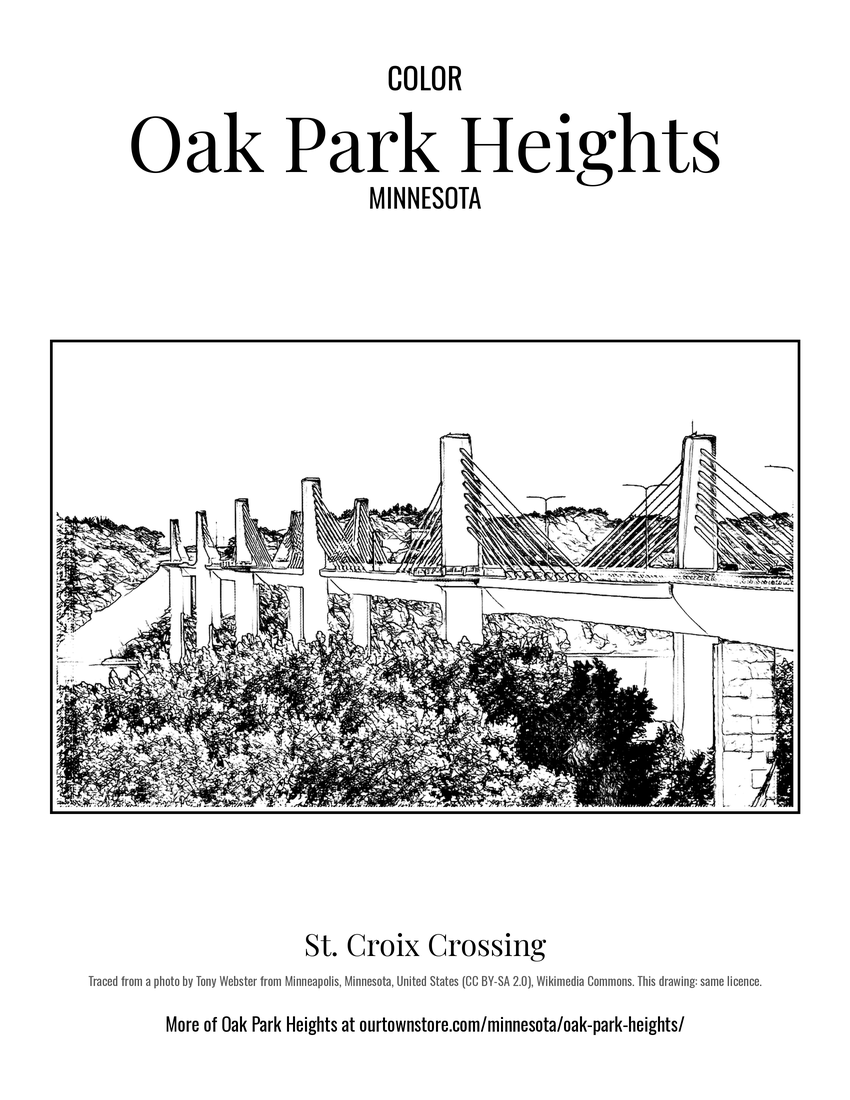 St. Croix Crossing
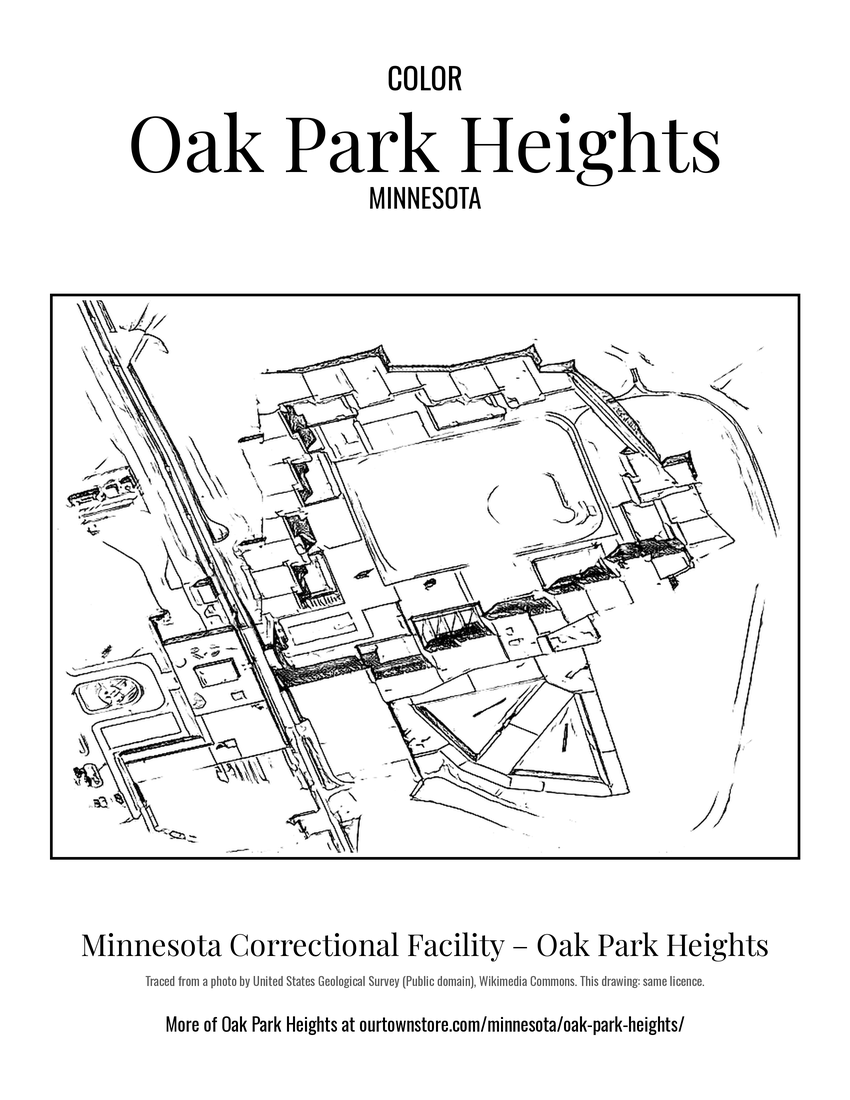 Minnesota Correctional Facility – Oak Park Heights
 Stillwater Overlook
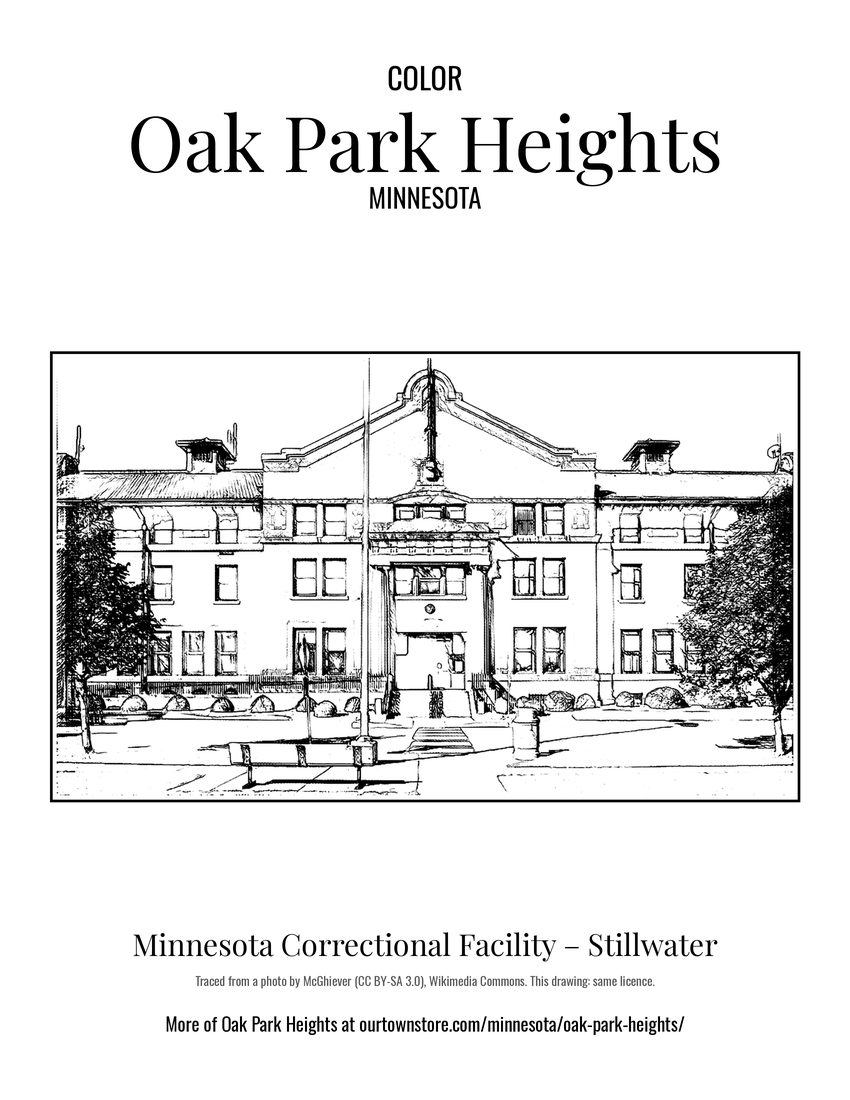 Minnesota Correctional Facility – Stillwater