Since 1871
A short history of Northfield
Southern Minnesota was first settled by the indigenous Mdewakanton and Wahpekute Dakota peoples in the late 1700s, after battling with the Ojibwe and being expelled from northern Minnesota. The Wahpekute settled in the Big Woods region, which included most of what is now Northfield and Faribault. The Wahpekute used the Cannon and Straight rivers for easy transportation and game hunting. They engaged in the burgeoning Minnesota fur trade, leading Alexander Faribault to establish a trading post in Wahpekute territory in 1826, which became the town of Faribault in 1855. In 1834, the Wahpekute tribe moved their settlement to Faribault's trading post, leading to a confluence of economic and cultural engagement.
In 1822, during a war between the Wahpekute and the Sac and Fox tribes, Wahpekute head chief Shakeska (White Nails) died and was succeeded by his son Tasagi. About 170 Wahpekute people died in conflicts with the Sac and Fox between 1815 and 1825 in southern Minnesota. By this time, the Wahpekute had become economically dependent on white settlers like those at the Faribault trading post, and suffered from the depletion of game in the area.
In 1851, the Mdewakanton and Wahpekute ceded 24,000,000 acres (97,000 km2) of land to the U.S. government in the Treaty of Traverse des Sioux, in what is now considered an unequal treaty. The land the U.S. bought included what is now Northfield. Also in 1851, the two tribes signed the Treaty of Mendota, and were subsequently relocated to the newly created Lower Sioux Agency in Morton.
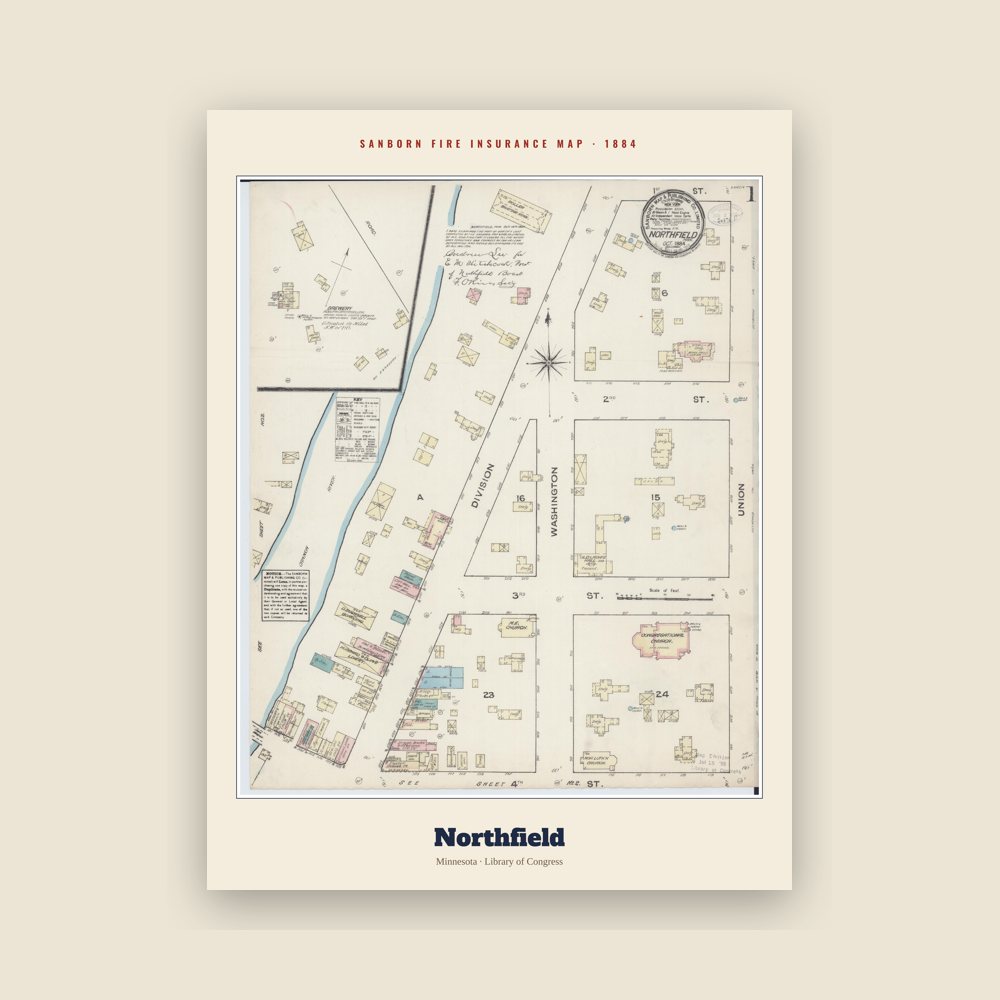
Northfield was platted in October 1855 by John W. North. It was founded by white settlers from New England known as "Yankees" as part of westward expansion. The town was an early agricultural center with many wheat and corn farms and supported lumber and flour mills powered by the Cannon River. As the "wheat frontier" moved west, dairy operations and diversified farms replaced wheat-based agriculture. The region has since moved away from dairy and beef operations, and it produces substantial crops of corn and soybeans, as well as hogs. The local cereal producer Malt-O-Meal is one of the few remnants of Northfield's historic wheat boom. The city's motto, "Cows, Colleges, and Community" (a recent change from "Cows, Colleges, and Contentment"), reflects the influence of the dairy farms as well as its two liberal arts colleges, Carleton College and St. Olaf College.
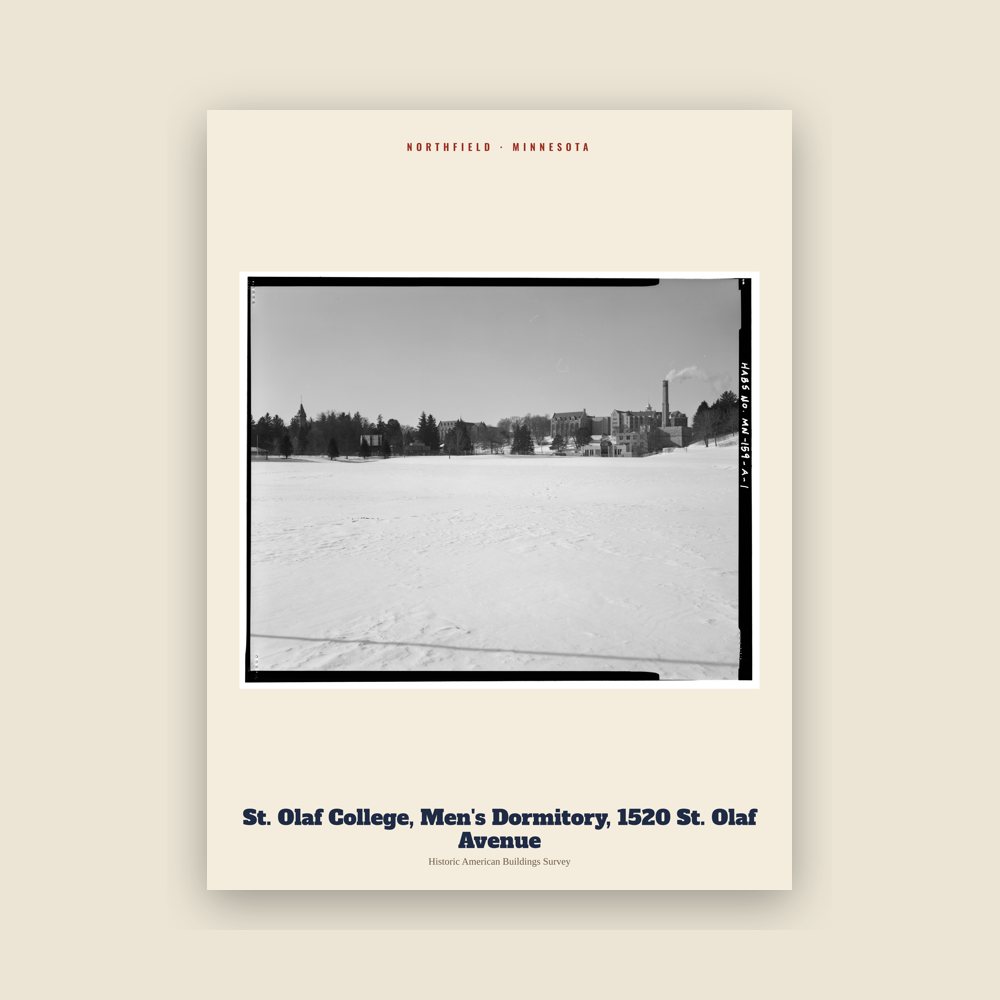
Since early in its history, Northfield has been a center of higher education. Carleton College (then Northfield College) was founded in 1866 by the Minnesota Conference of Congregational churches whose Congregation consisted of the "Yankee" settlers who had largely founded the town. These people descended from the English Puritans who settled New England in the 1600s. Carleton soon established its campus on the northern edge of town. St. Olaf College was founded in 1874 on the western edge of town by Norwegian Lutheran immigrant pastors and farmers who were eager to preserve their faith and culture by training teachers and preachers. These two institutions, which today enroll more than 5,000 students, make Northfield a college town.
In the 1970s, completion of Interstate 35 six miles west of Northfield enabled the expansion of the Minneapolis–Saint Paul metro area south of the Minnesota River. The downtown grain elevator accepted its last load of corn in 2000 and was torn down in 2002. Residential growth has been rapid since the mid-1990s. Northfield Hospital, which opened in 2003 in the town's northwest corner, is in Dakota County, so chosen because government reimbursement rates are more generous for Dakota County than for Rice County.
Adapted (trimmed) from the Wikipedia article Northfield, Minnesota, revision 1378181672 by its contributors, licensed CC BY-SA 4.0.
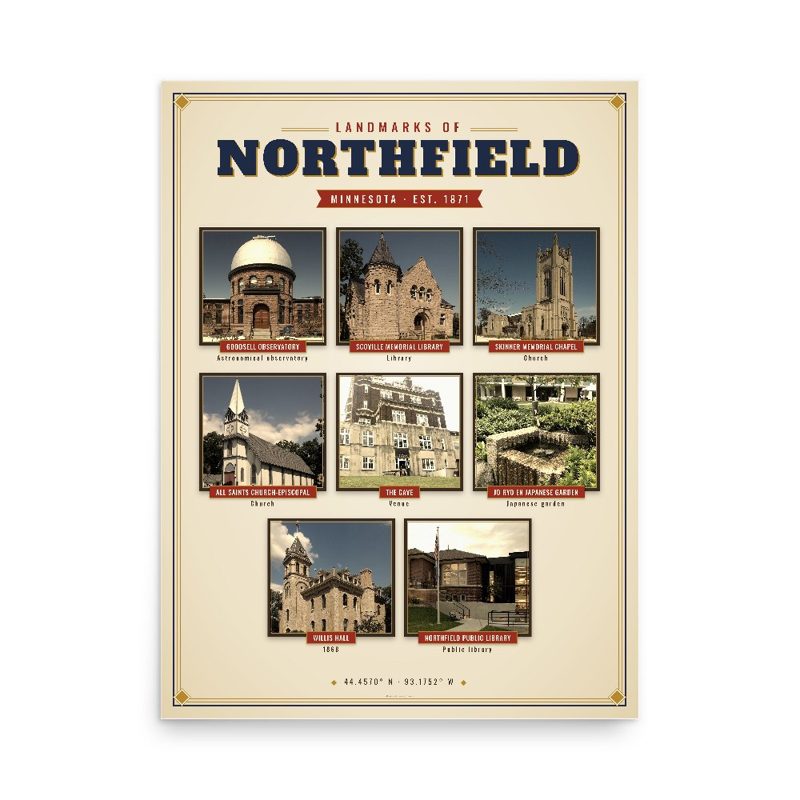
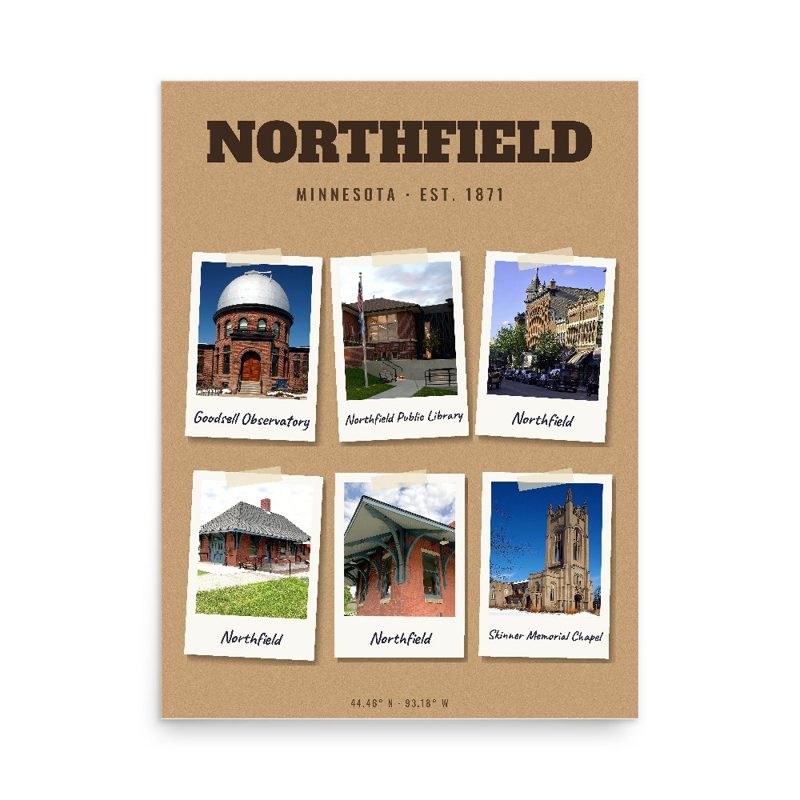
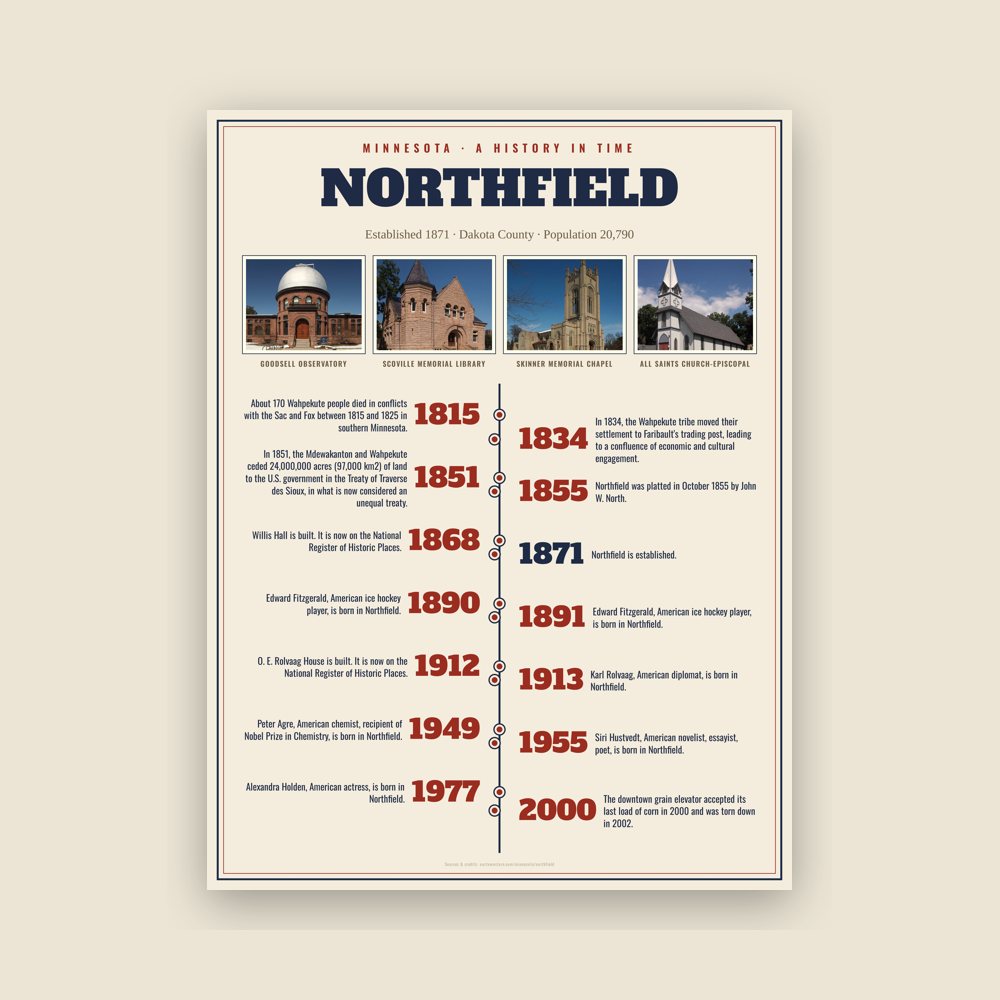
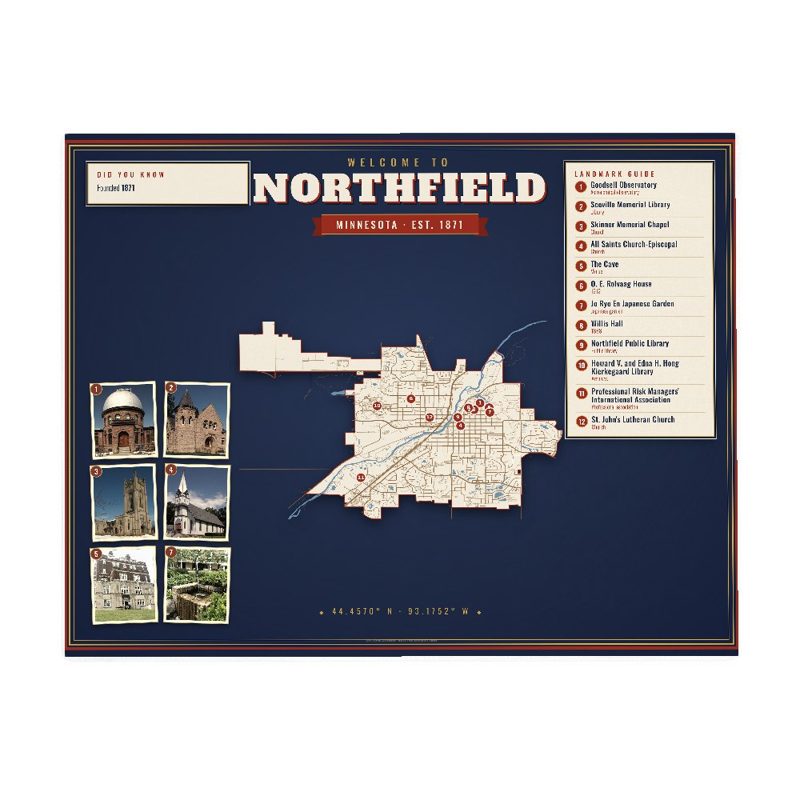



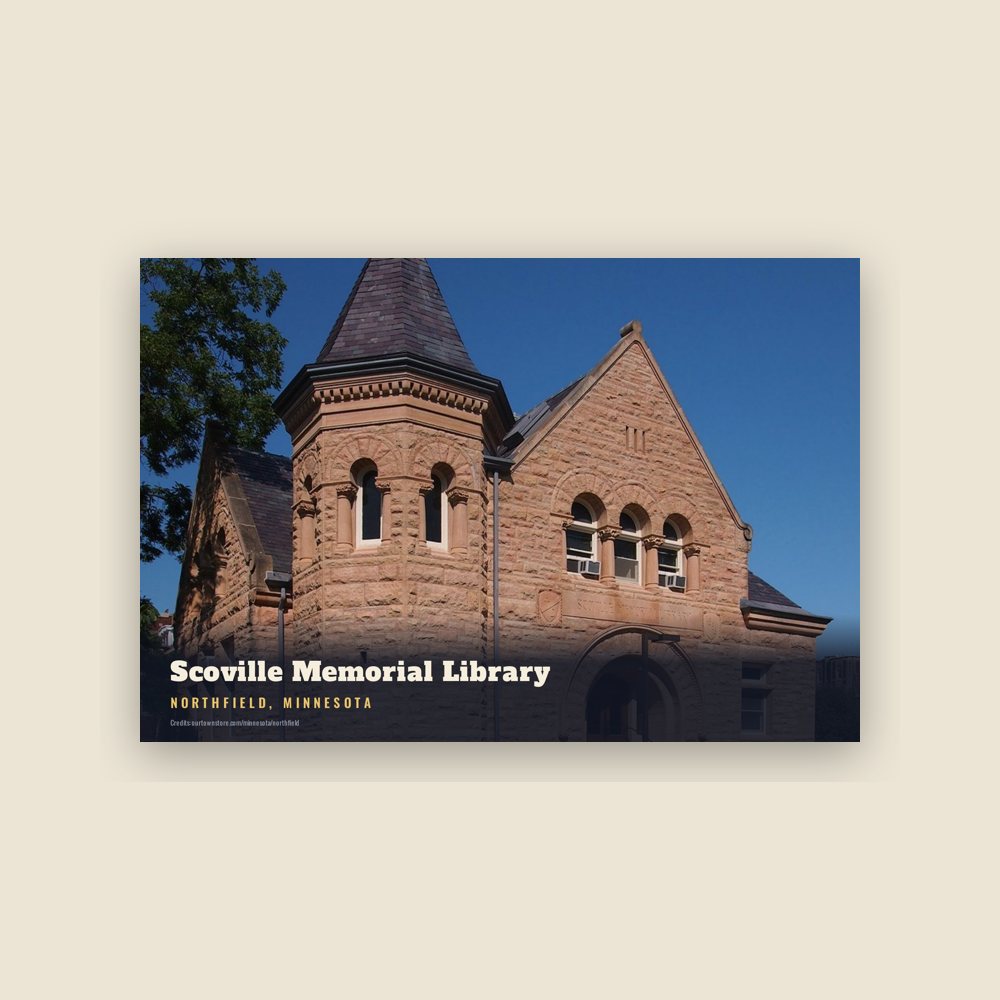

 Scoville Memorial Library
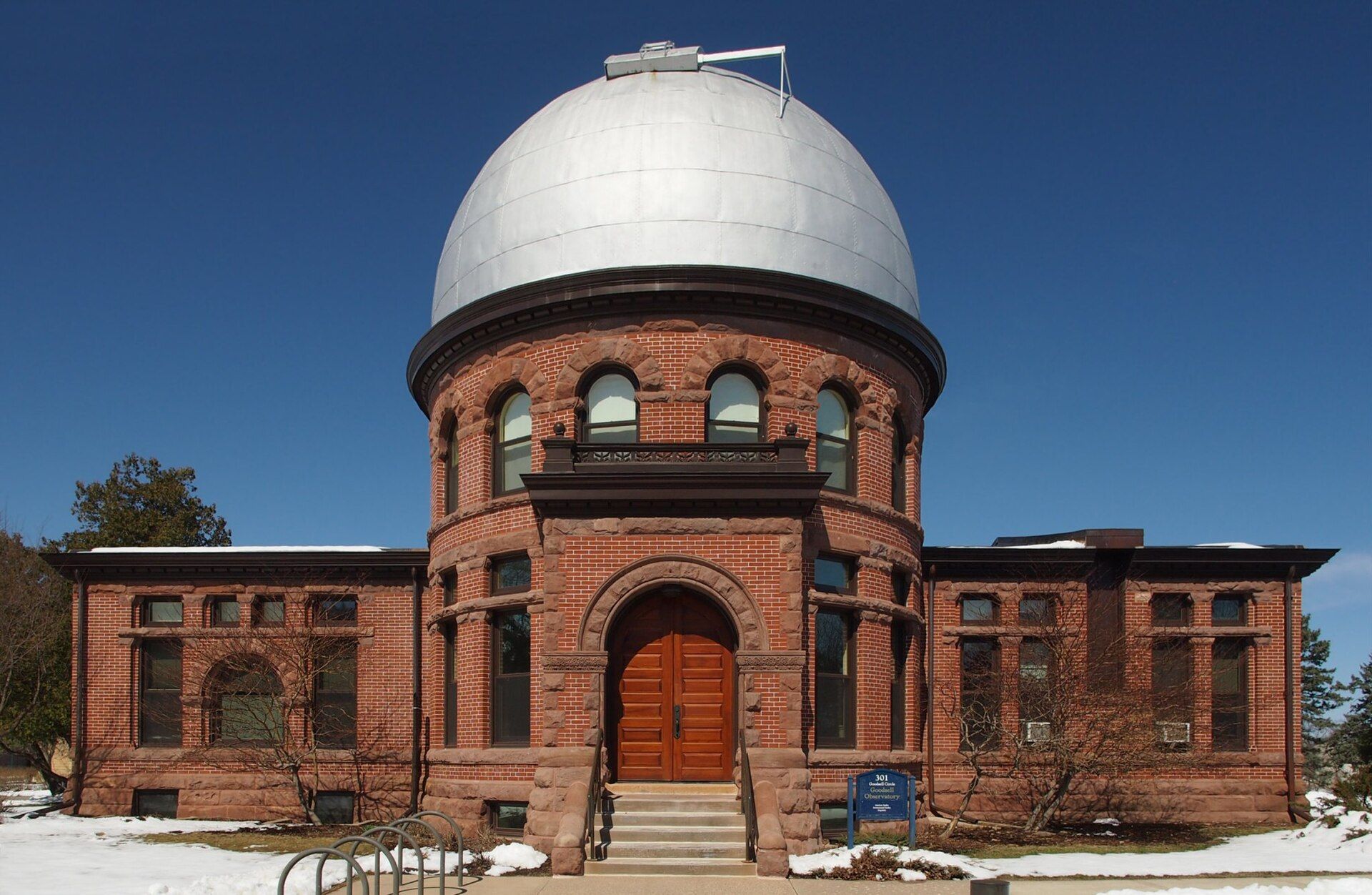
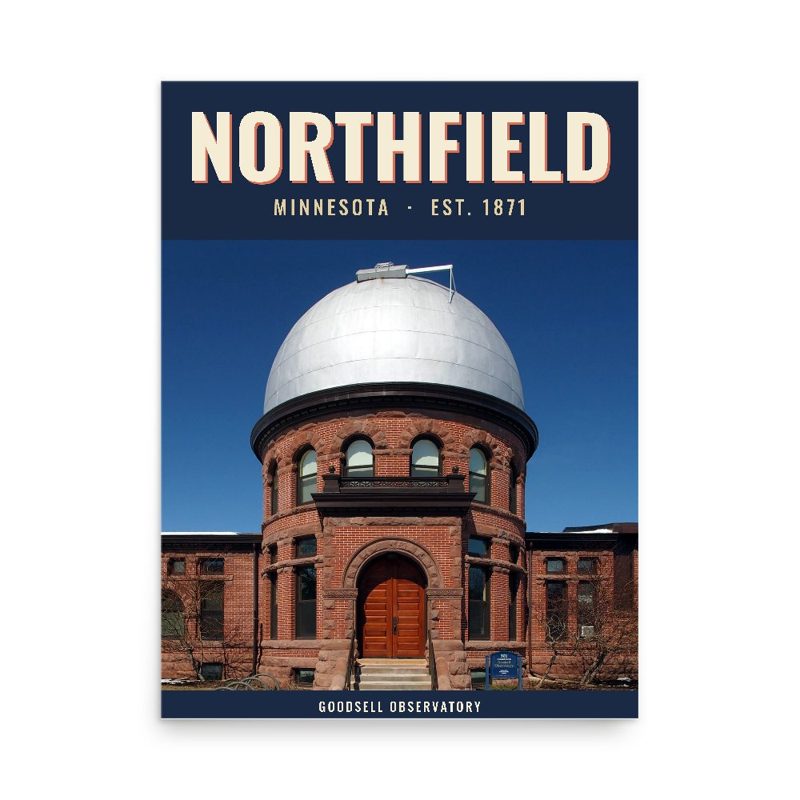
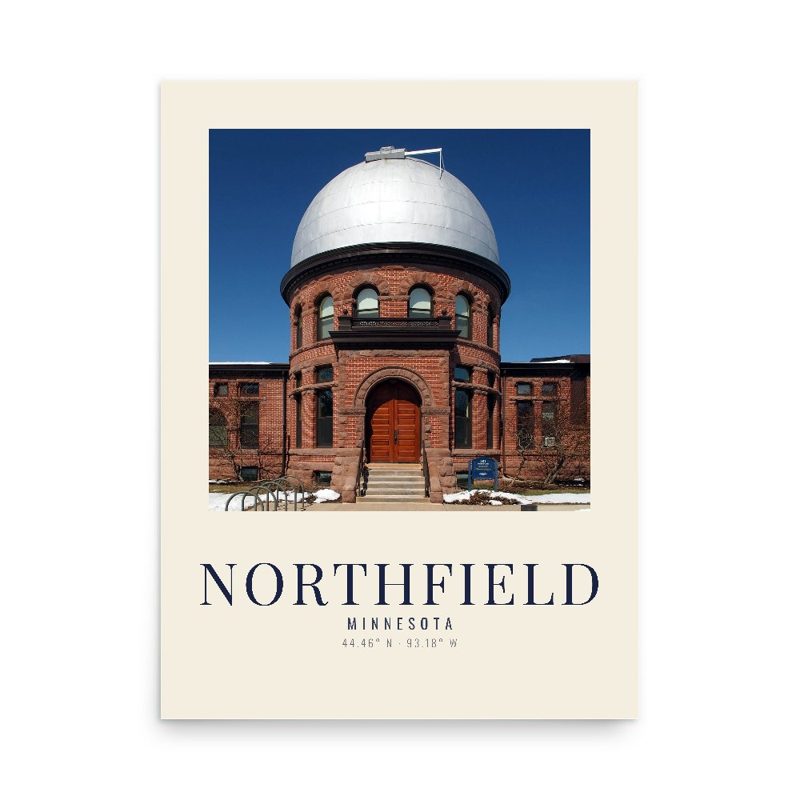
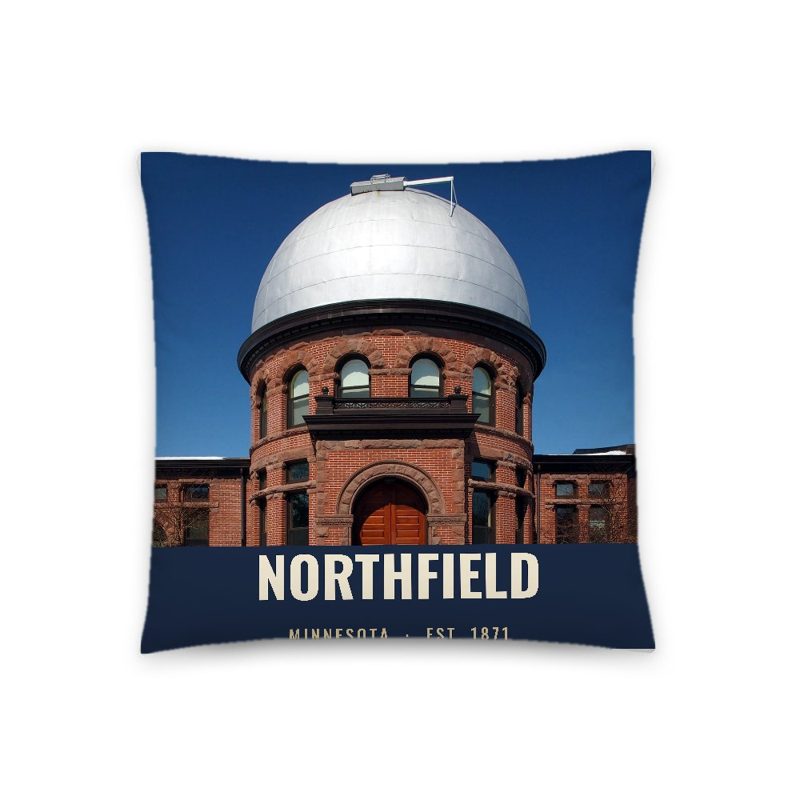
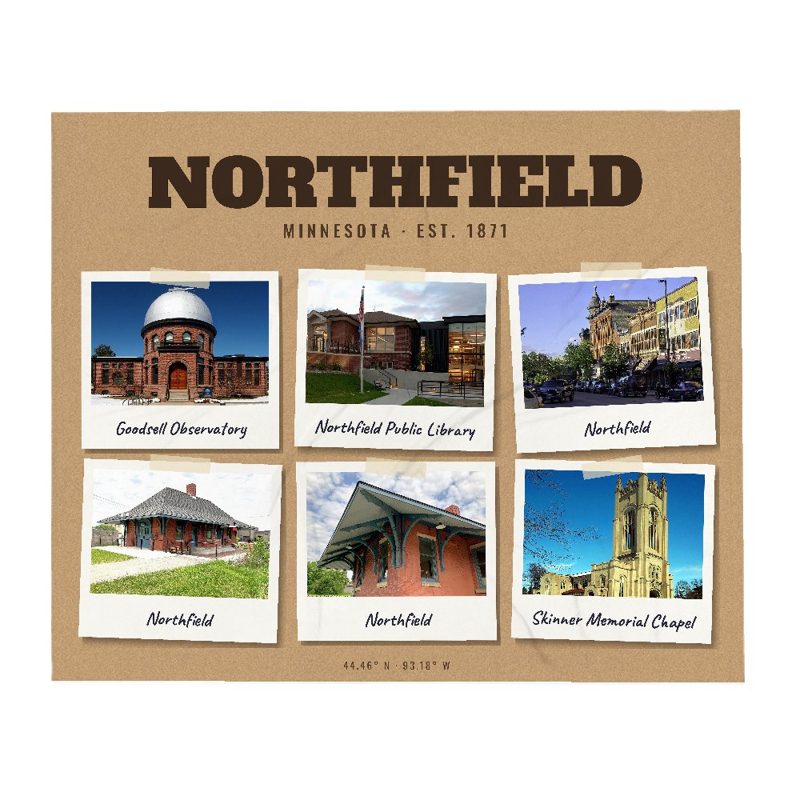
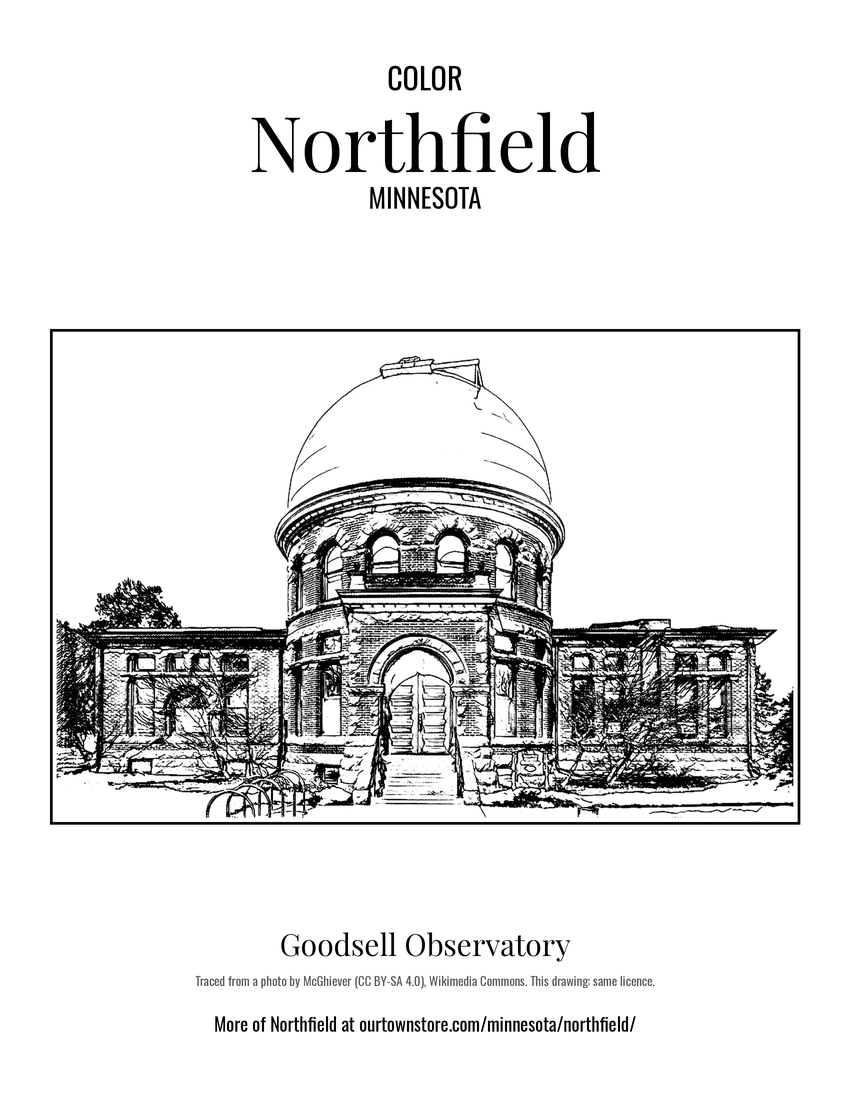 Goodsell Observatory
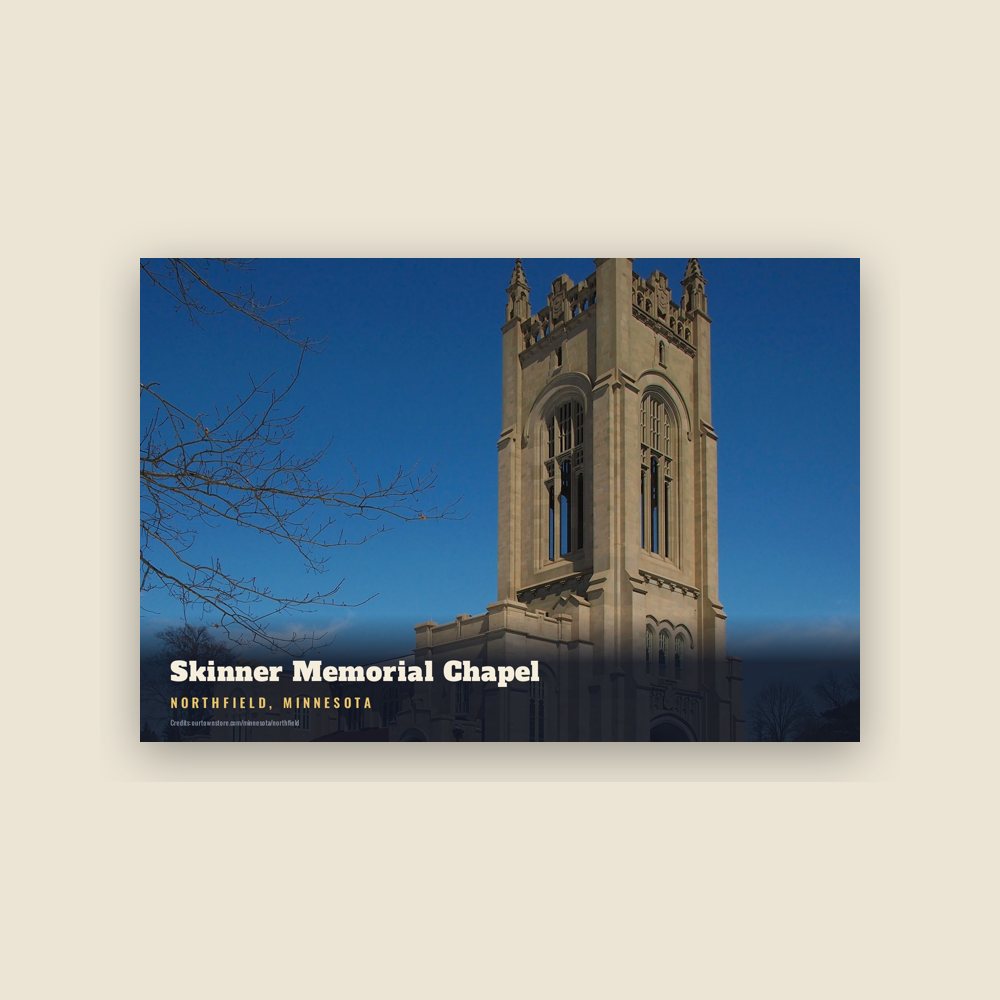
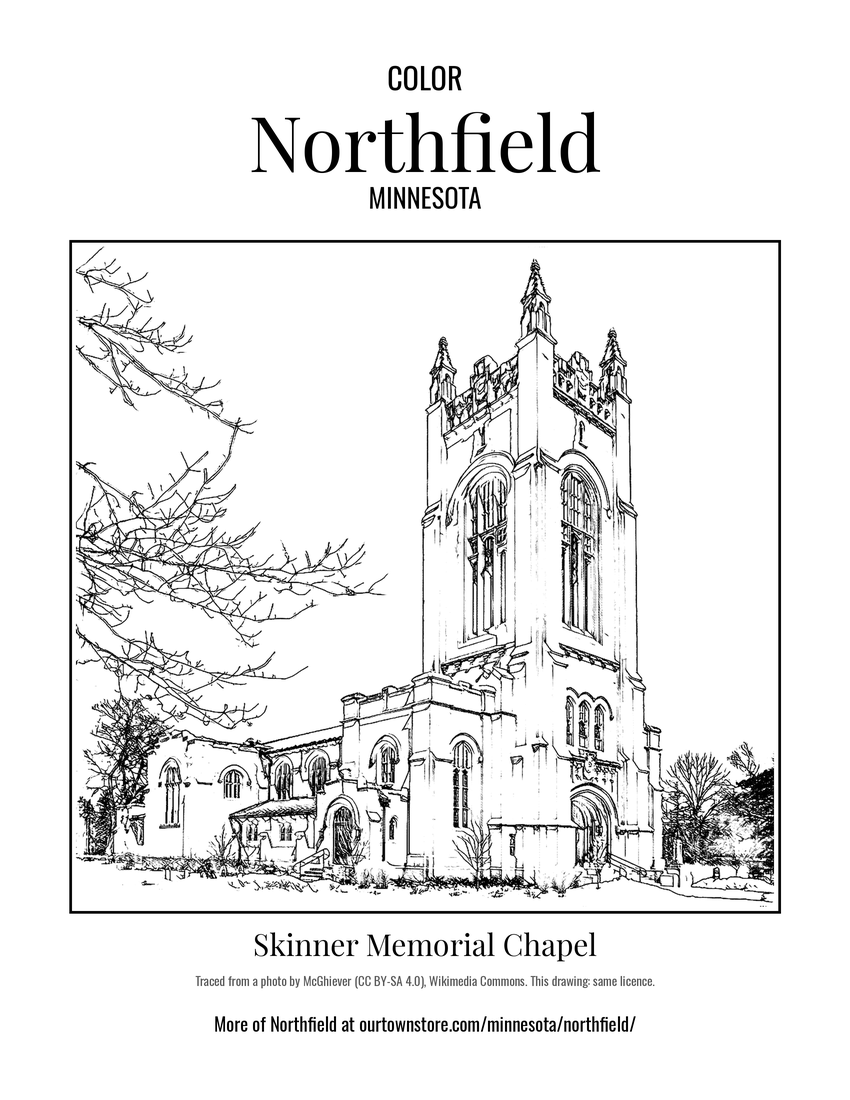 Skinner Memorial Chapel
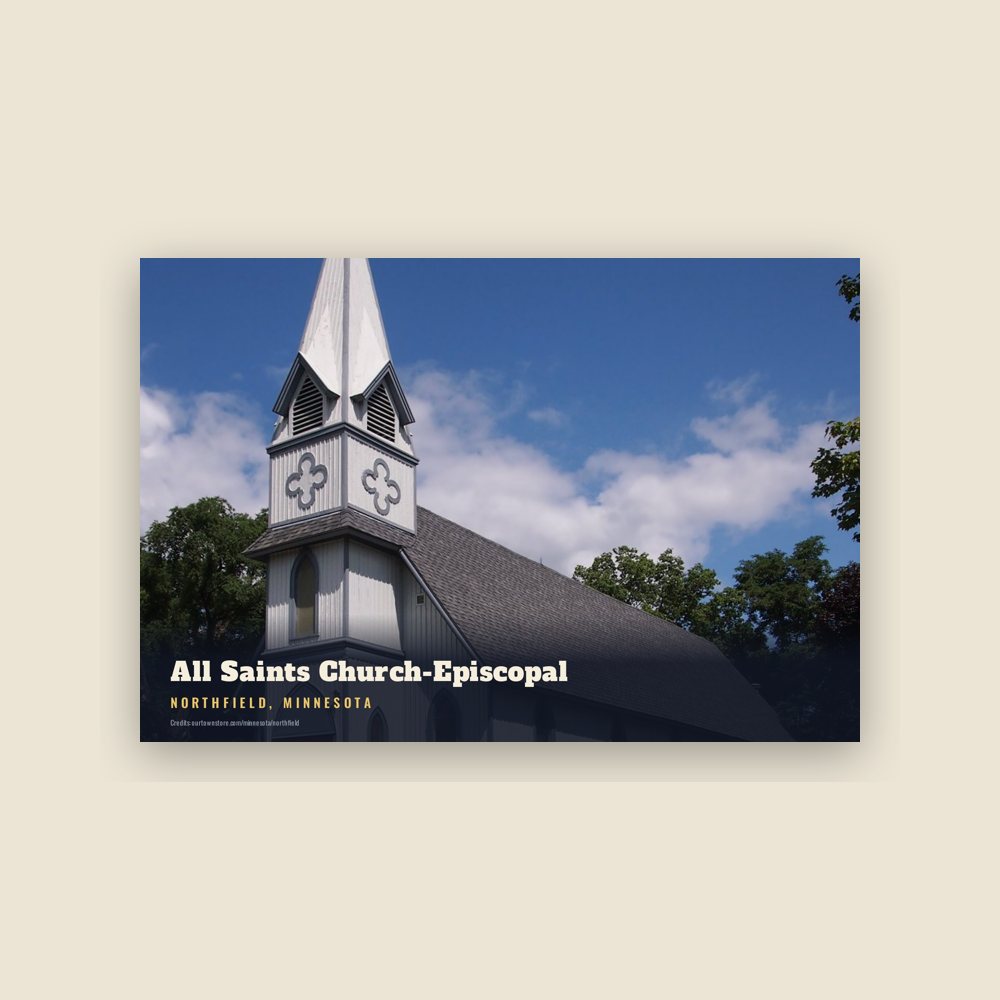
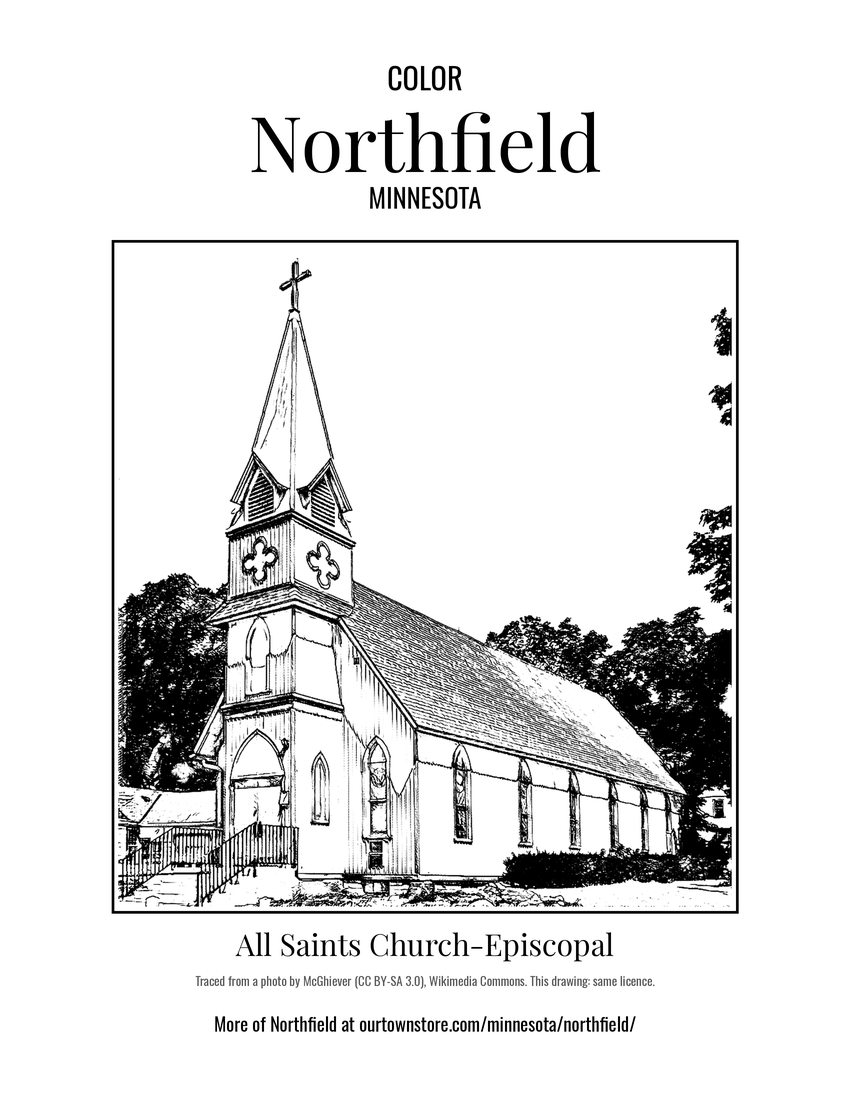 All Saints Church-Episcopal