Since 1875
A short history of Moorhead
The city was platted in 1871 and named for William Galloway Moorhead, a Northern Pacific Railway official and brother-in-law of financier Jay Cooke.
Early on, Moorhead had a reputation as a sin city; since alcohol was prohibited in North Dakota, residents of Fargo and other cities came to Moorhead to drink. In a September 1933 referendum, Clay County voted to reject the Twenty-first Amendment to the United States Constitution, a vote that made it a dry county according to Minnesota law. In April 1937, Clay County voted to allow alcohol sales, with almost half the affirmative votes coming from Moorhead voters.
The former Moorhead Armory on 5th Street South was the site of the intended concert destination for musicians Buddy Holly, Ritchie Valens, and The Big Bopper before their fatal plane crash a few miles north of Clear Lake, Iowa, around 1 a.m. on February 3, 1959. The building was demolished in 1990 and is now the site of Ecumen Evergreens, a senior living property.
Moorhead is home to the first Dairy Queen to sell Dilly Bars. The Moorhead Dairy Queen is also one of only a few Dairy Queens operating on a contract, signed in 1949, that allows it to feature products not approved by corporate headquarters. One example is the chipper sandwich, vanilla ice cream sandwiched between chocolate chip cookies and dipped in chocolate. Every year, the March 1 reopening of the local Dairy Queen after winter is celebrated as a local tradition, despite the cold.
Adapted (trimmed) from the Wikipedia article Moorhead, Minnesota, revision 1380366037 by its contributors, licensed CC BY-SA 4.0.
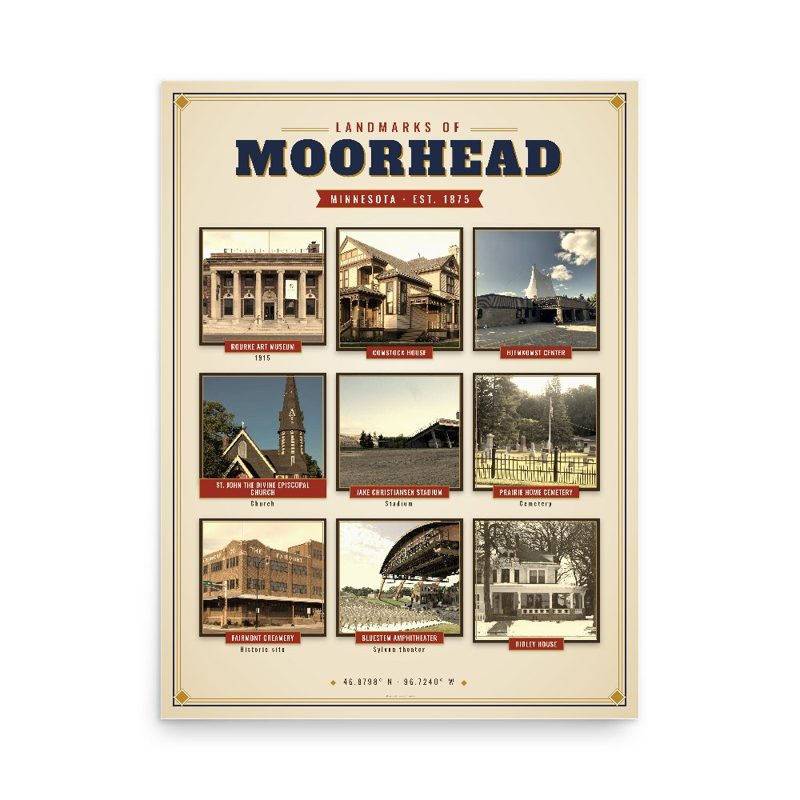
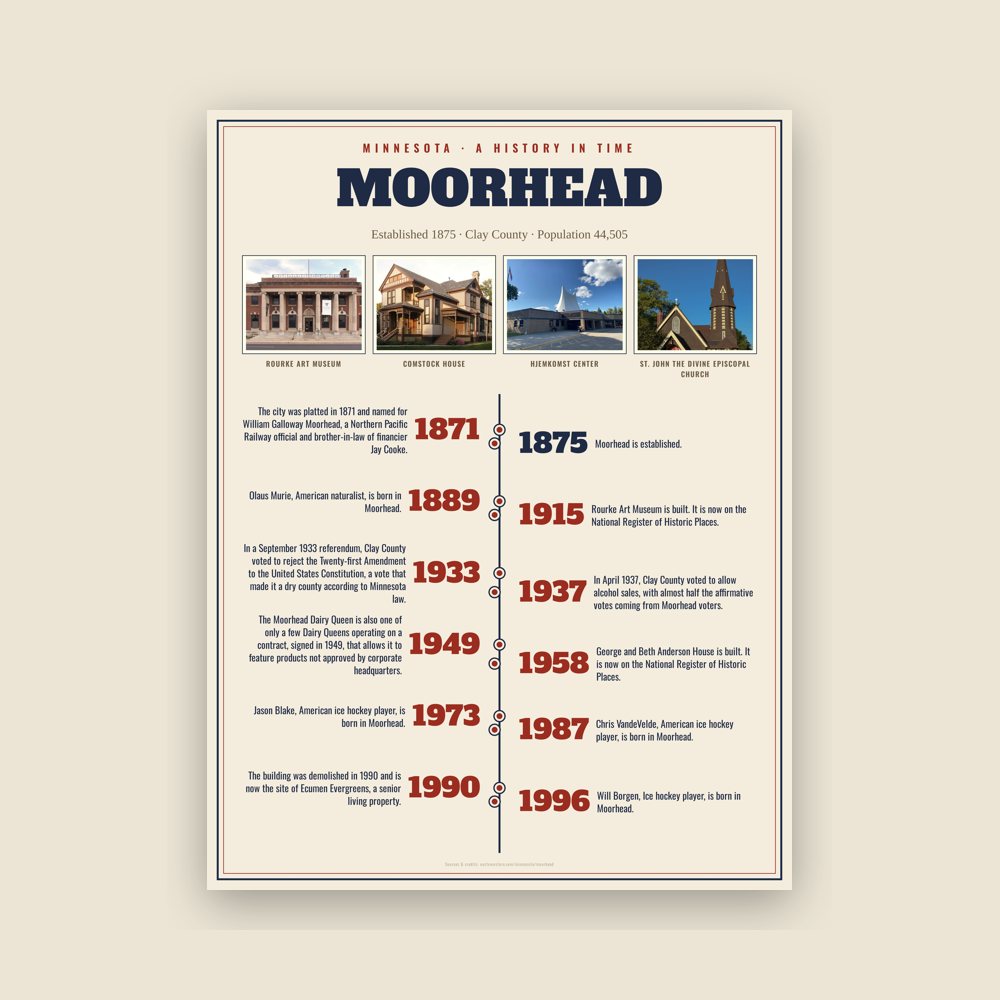
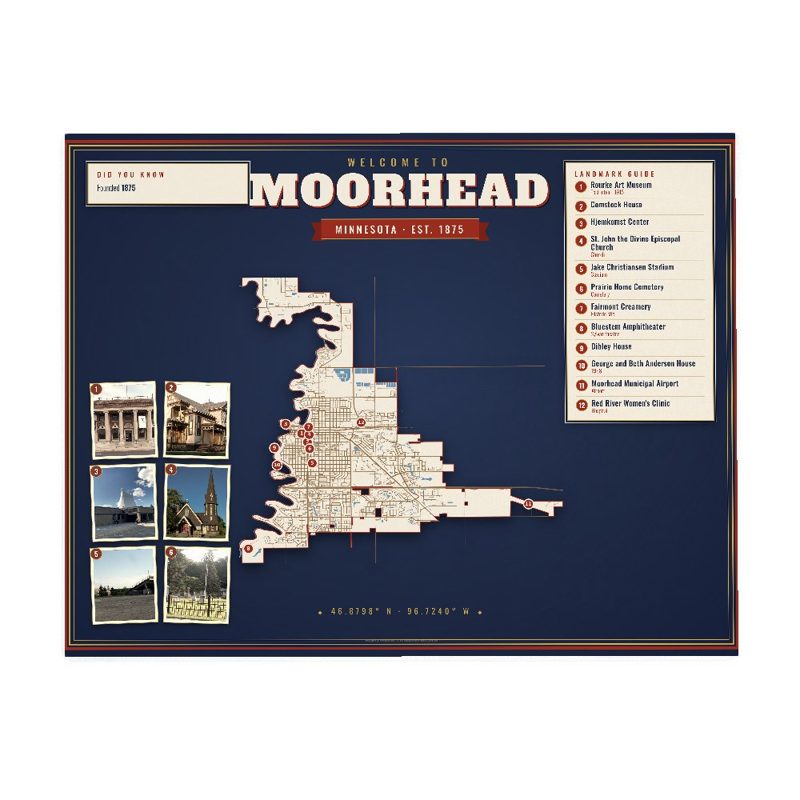
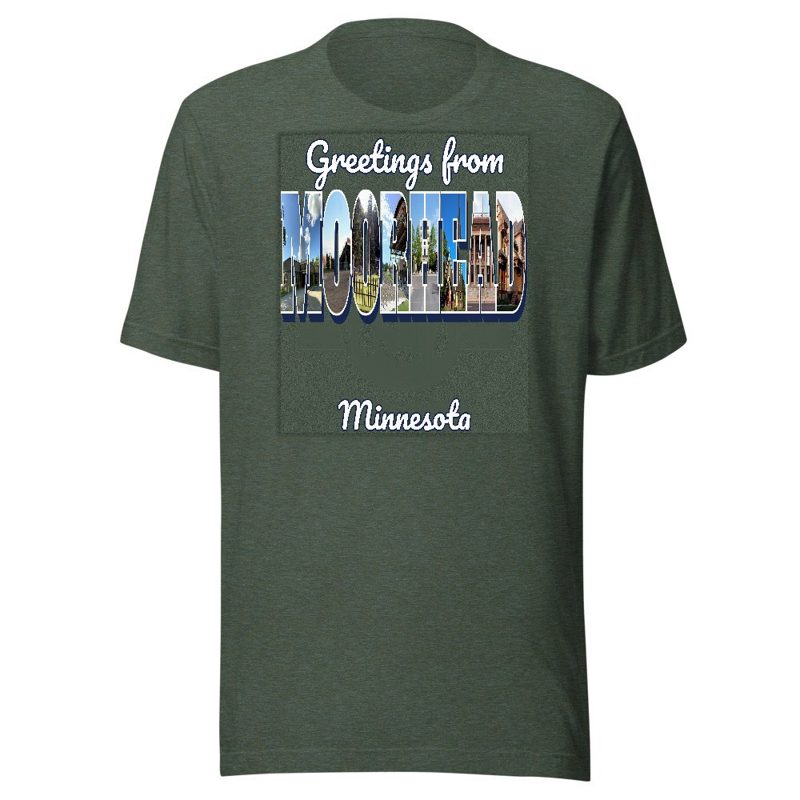


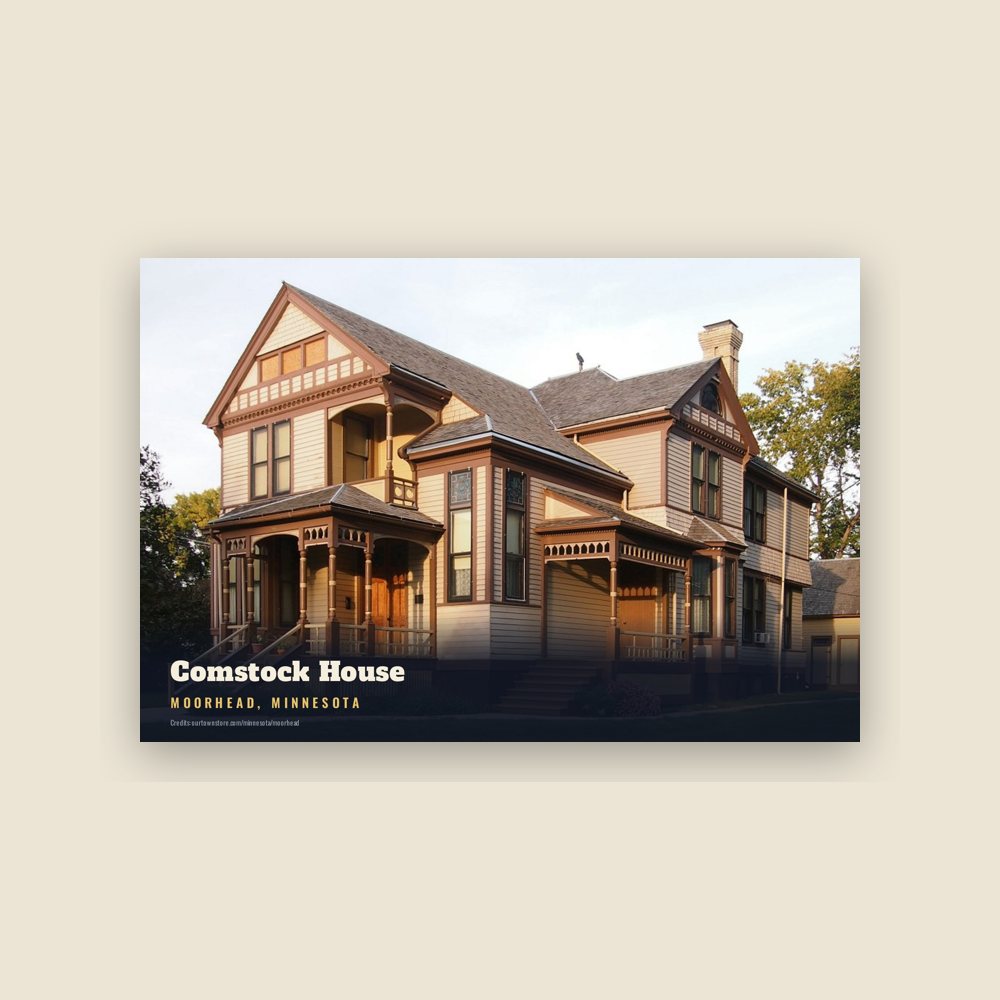
 Comstock House
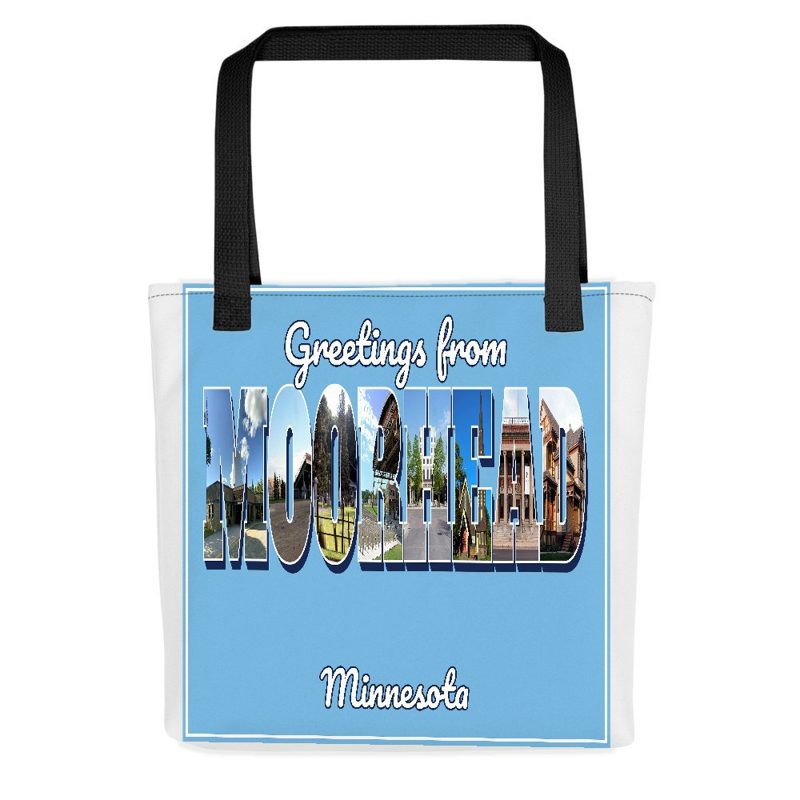
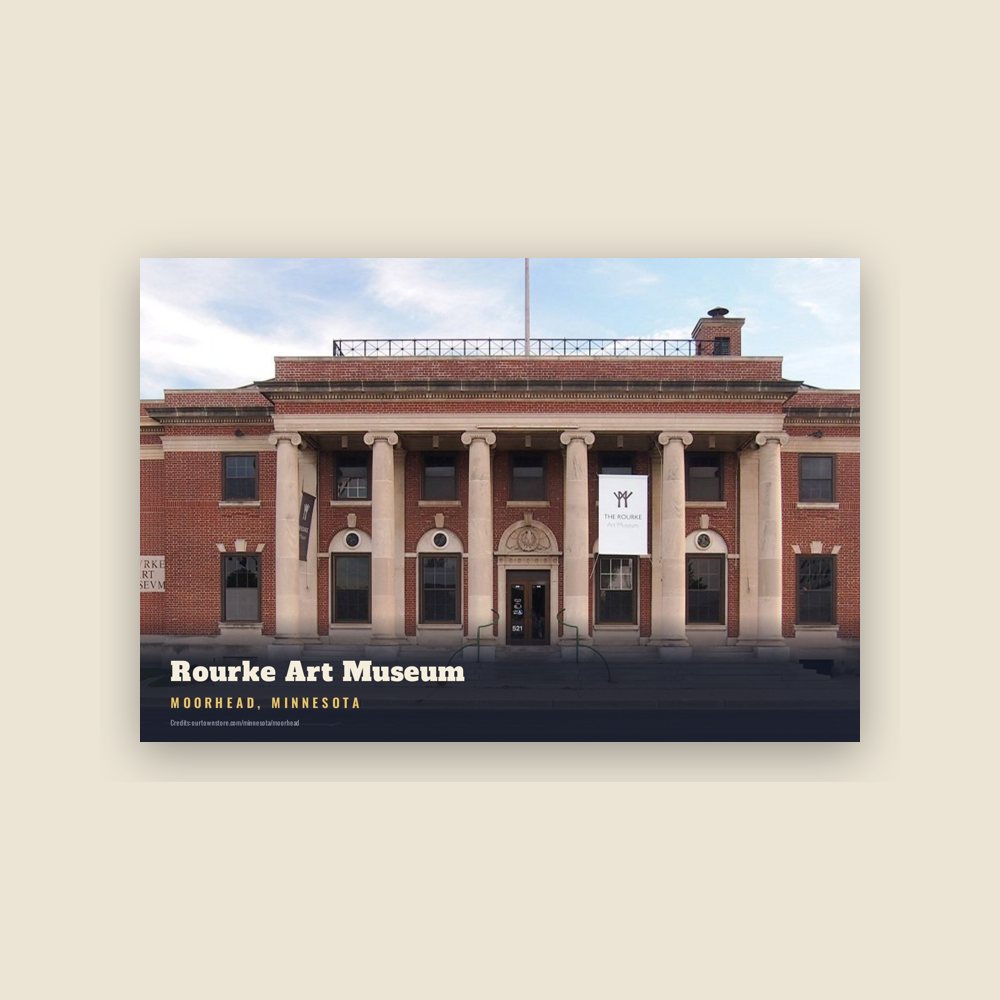
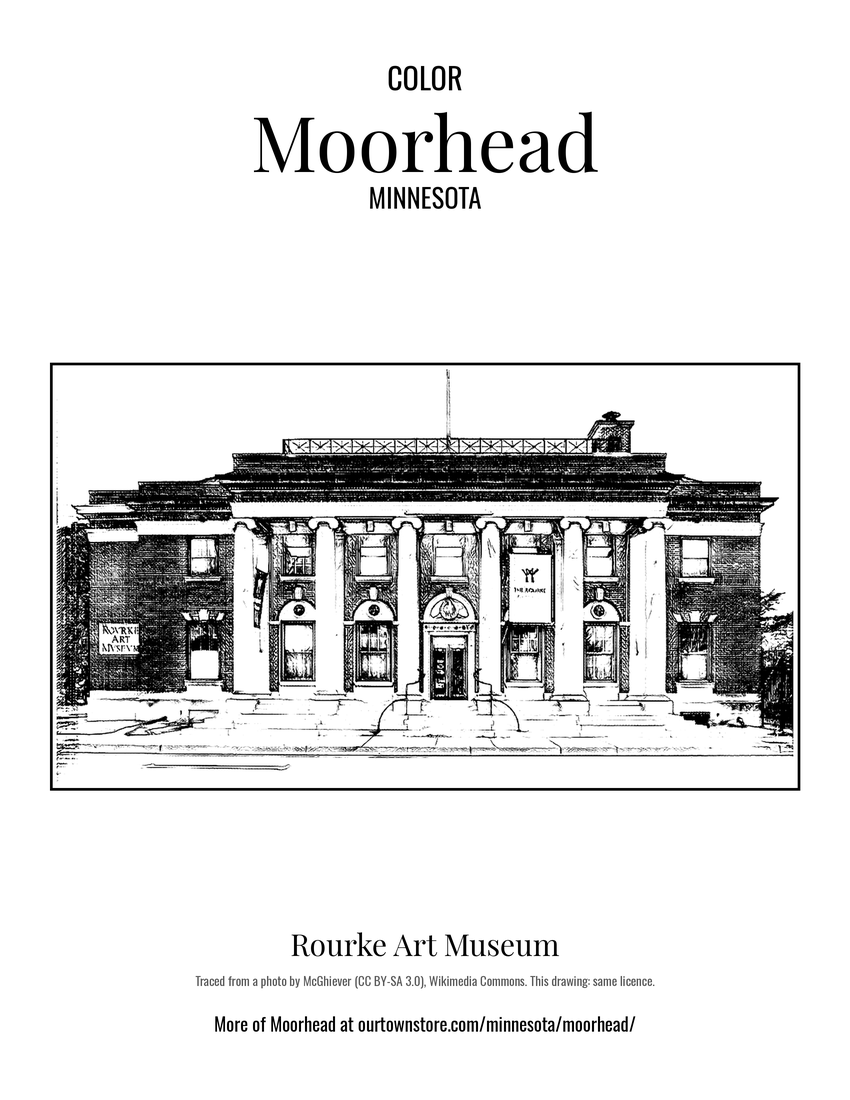 Rourke Art Museum
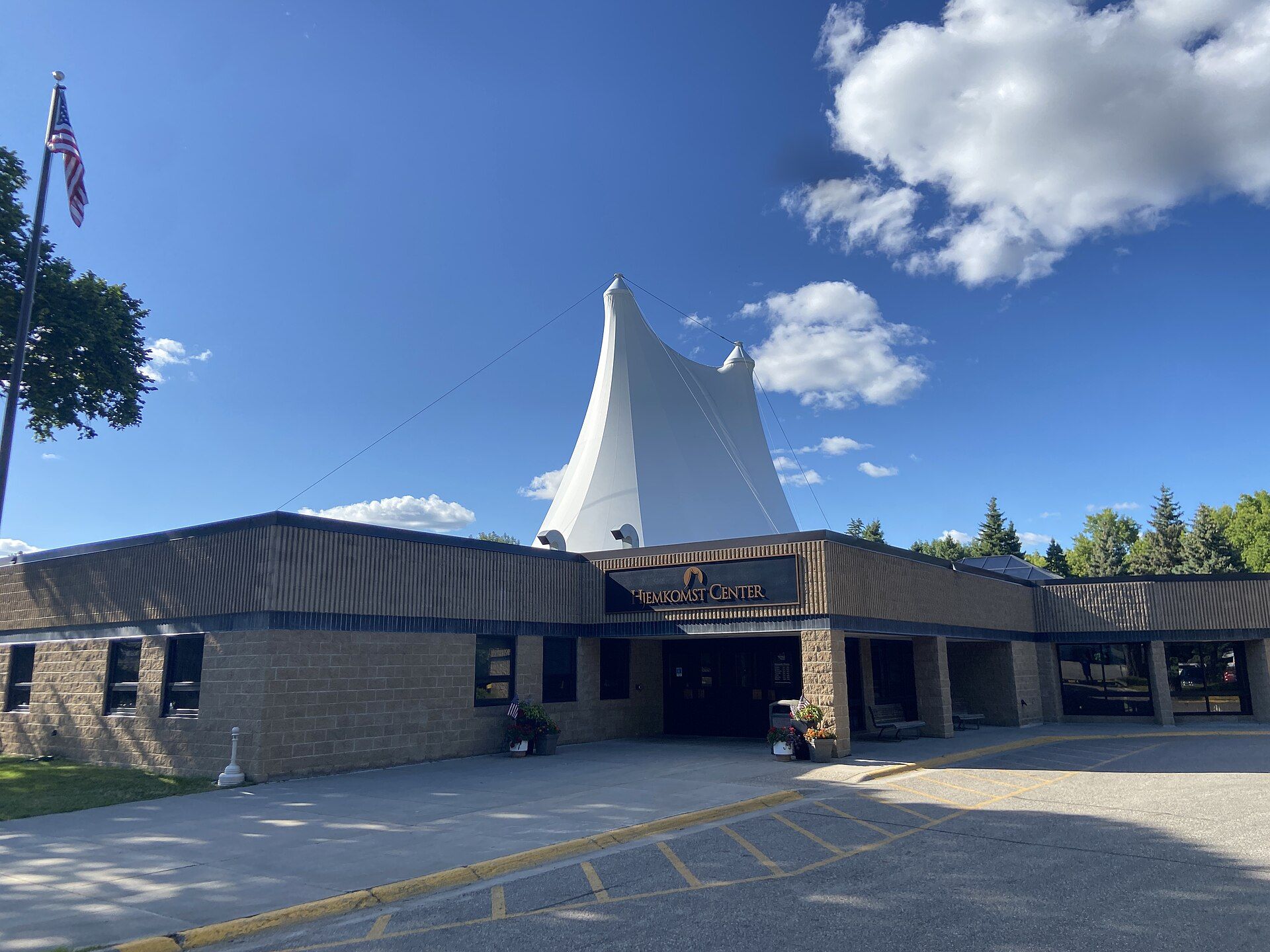
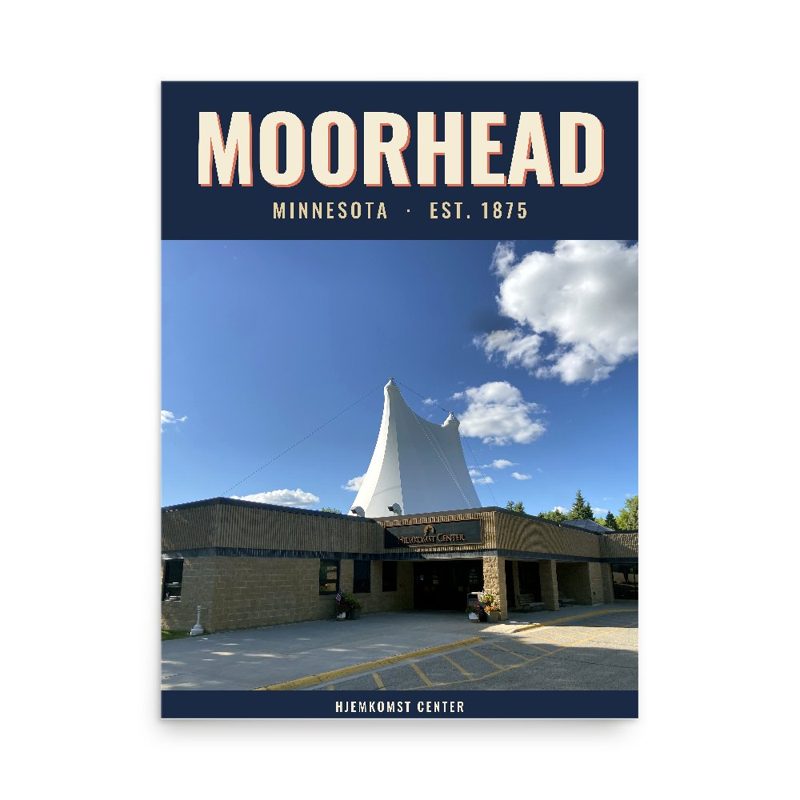
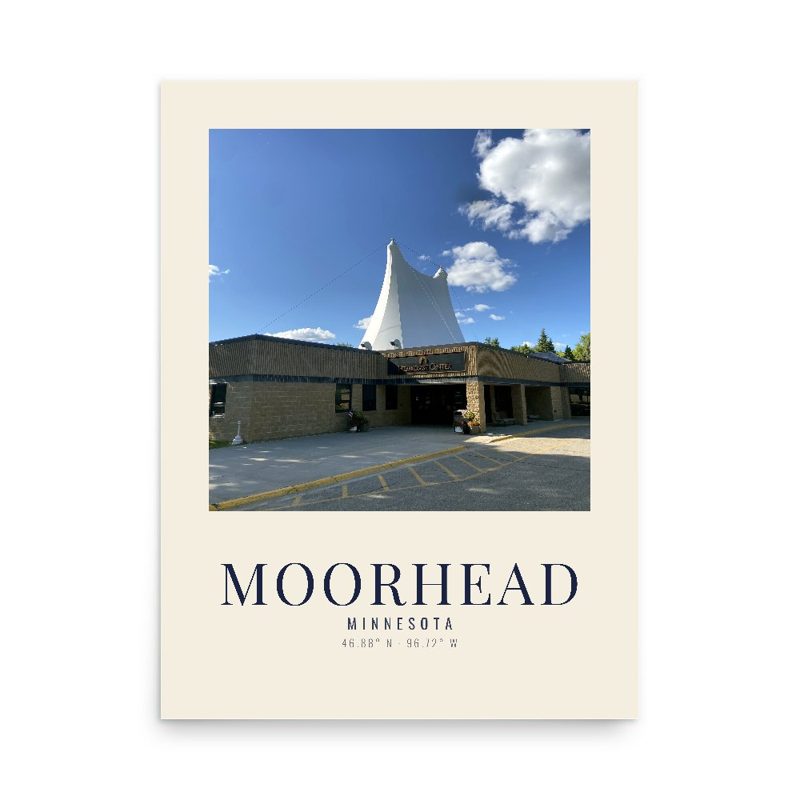
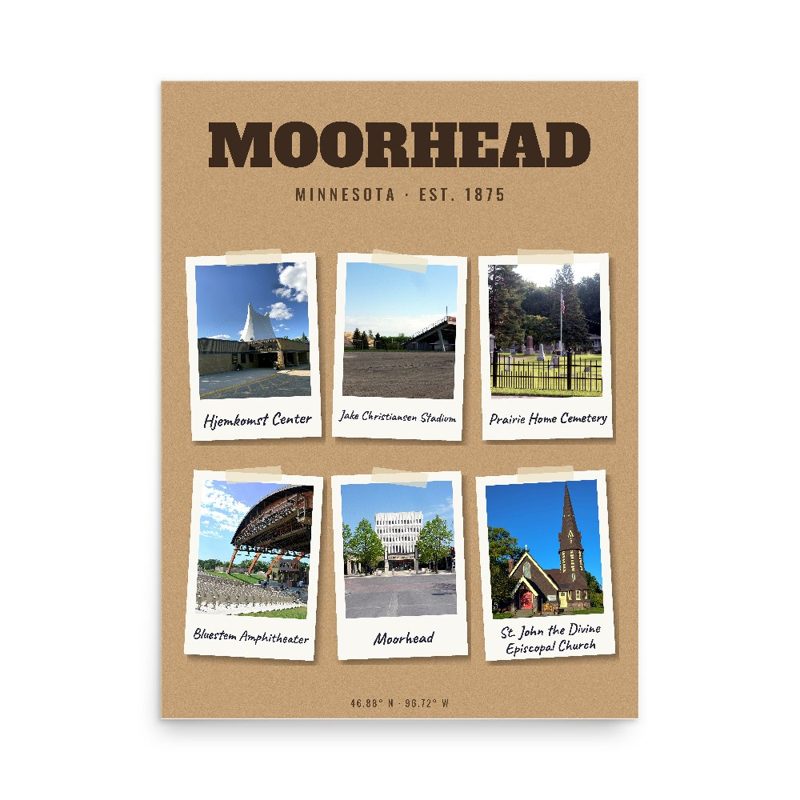
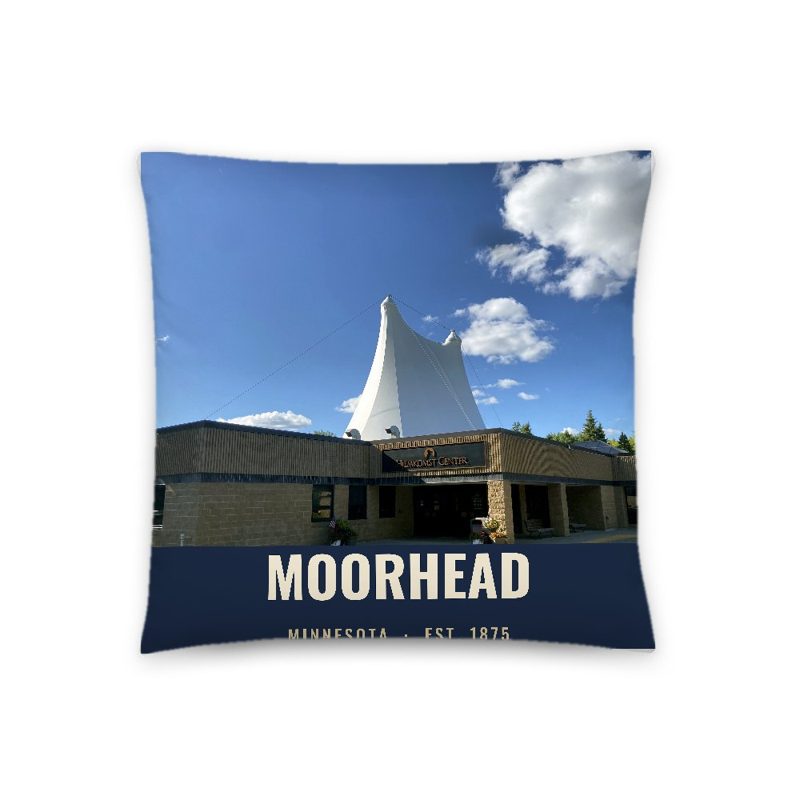
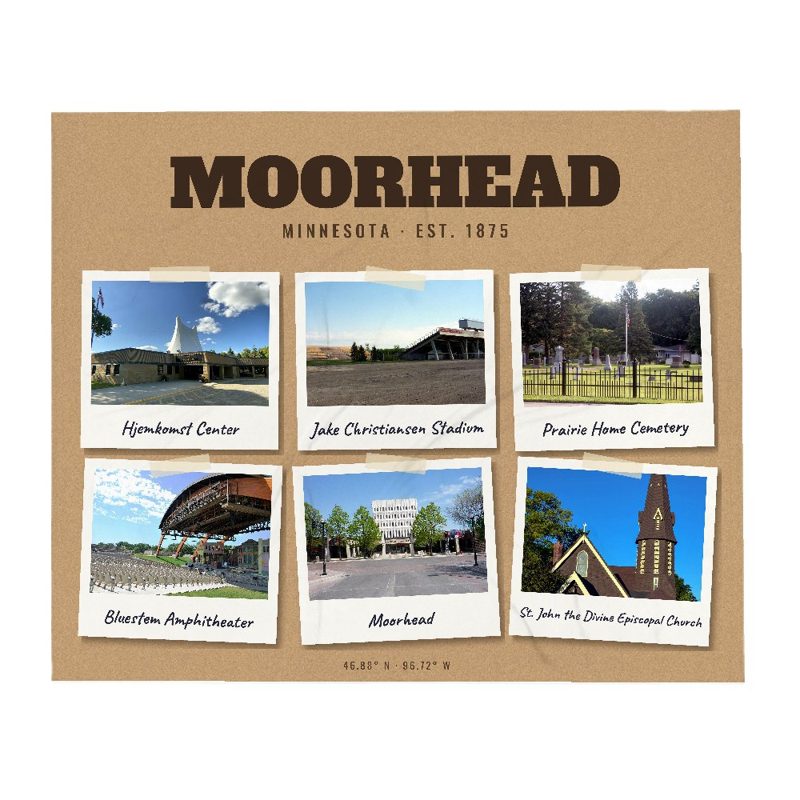
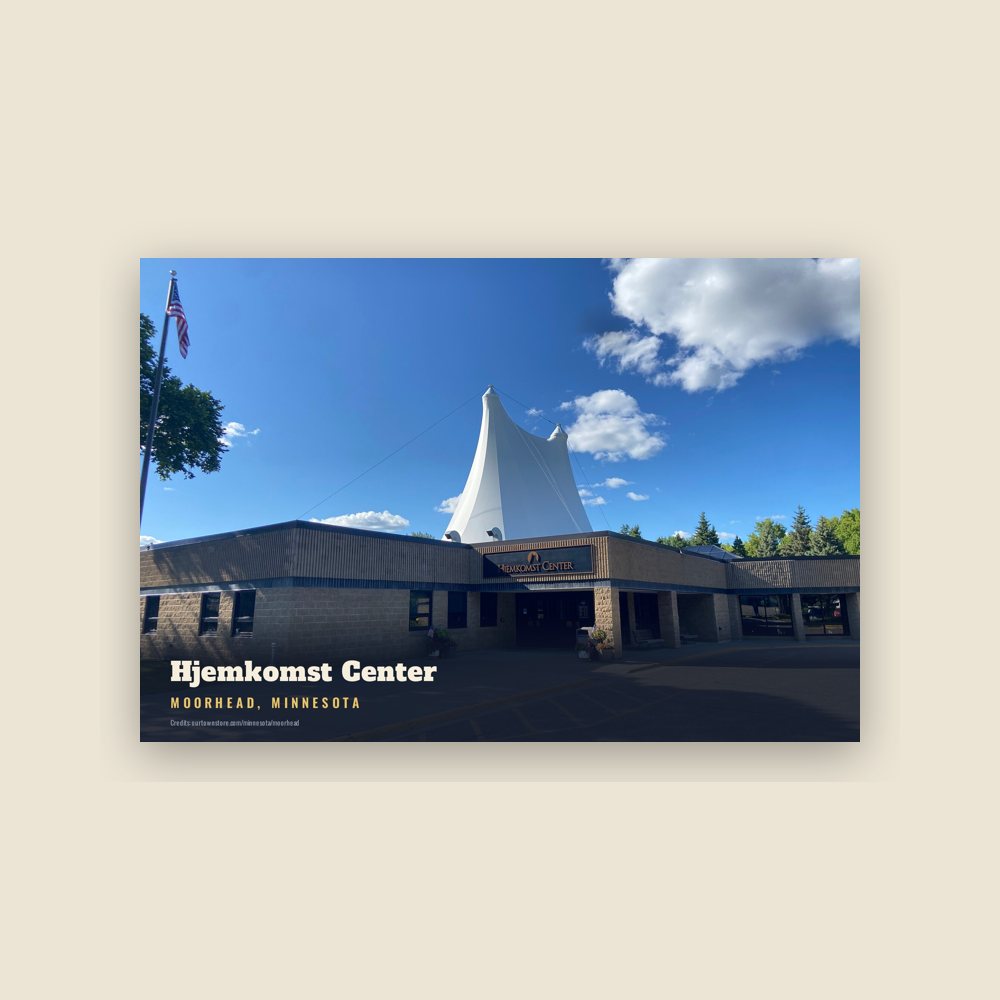
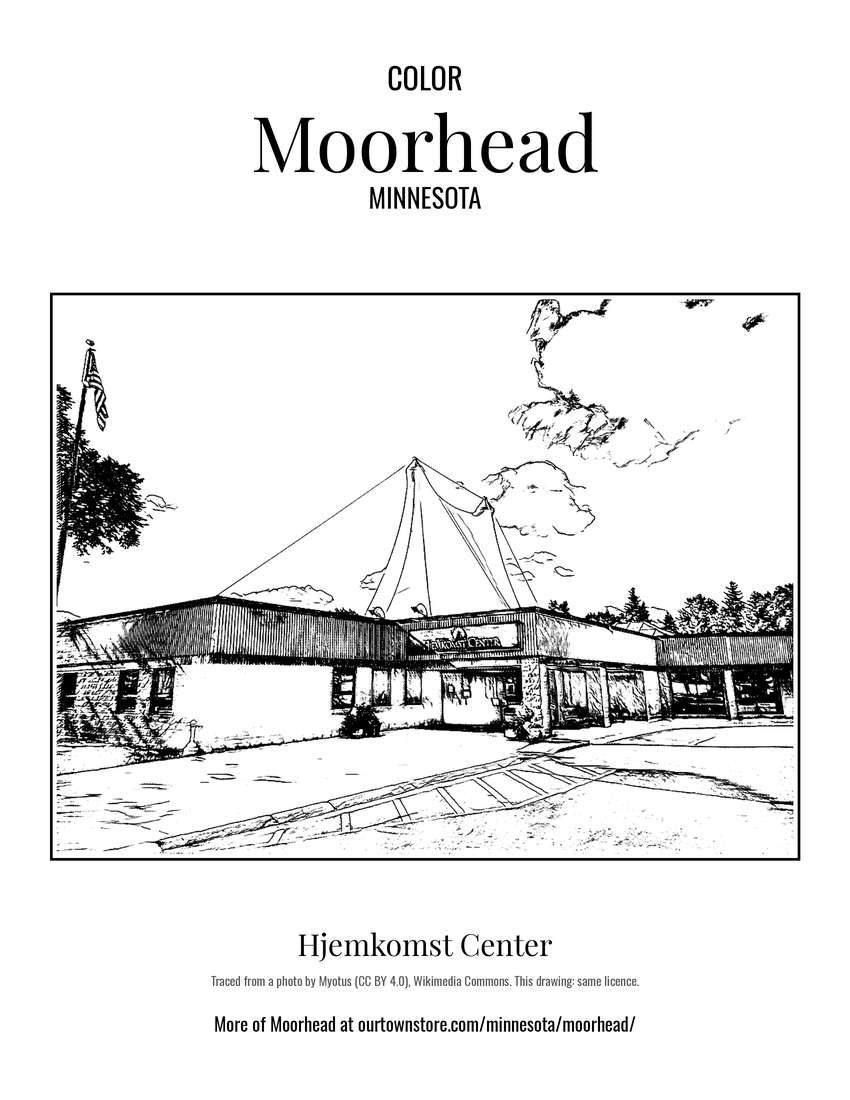 Hjemkomst Center
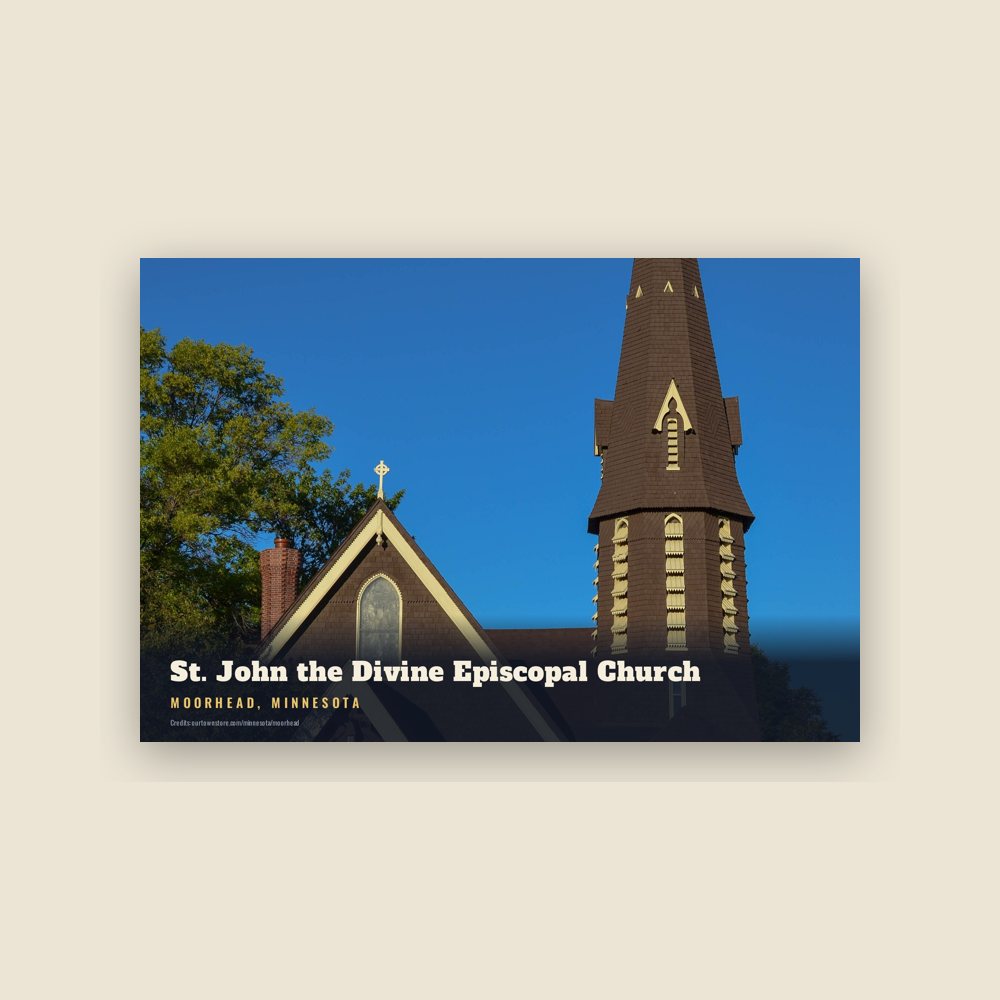
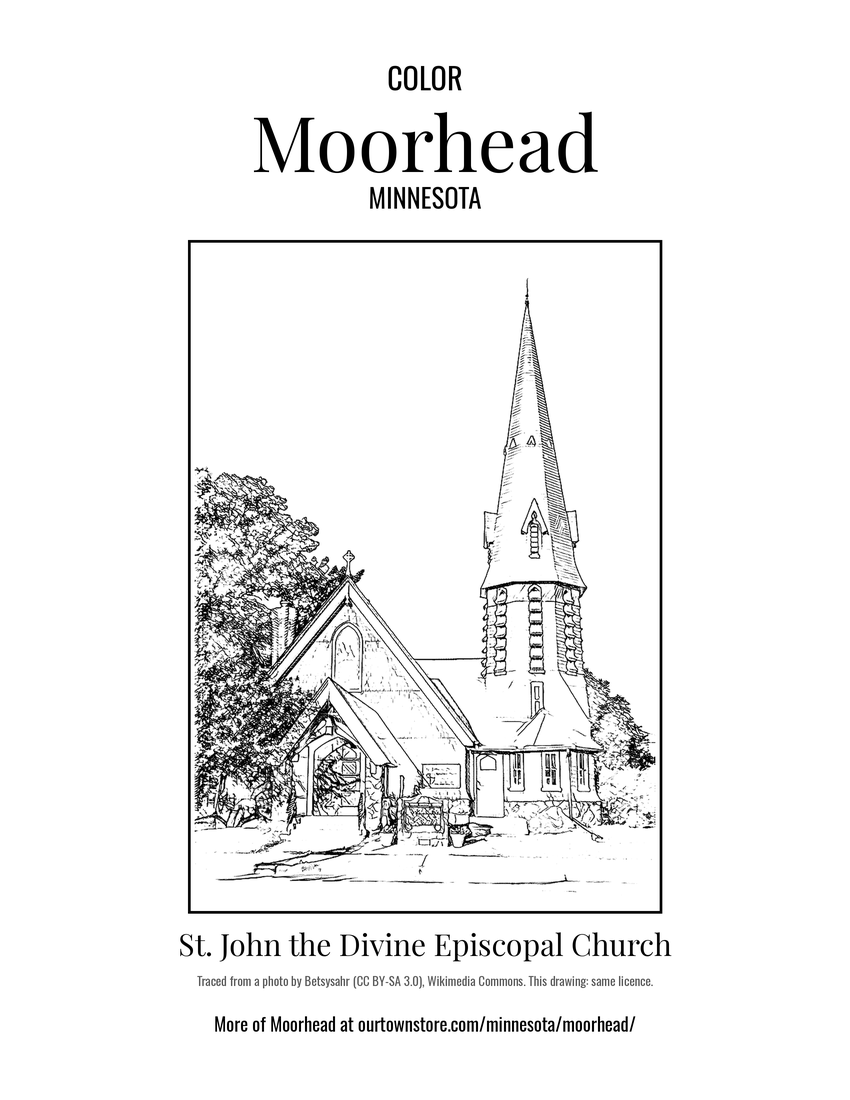 St. John the Divine Episcopal Church