A short history of Maple Lake
The area where Maple Lake now stands was long a quiet expanse of forest and water home to the Dakota and Ojibwe peoples. They hunted game in the woods and fished in the lake that later gave the town its name.
In the early 1800s, as the United States expanded westward, explorers like Zebulon Pike passed through the region, laying claim to vast territories. By the mid-1850s, the U.S. government had opened Wright County to settlers and the first pioneers arrived, drawn by the promise of fertile soil and abundant timber. Among them were Irish immigrants, many from County Clare.
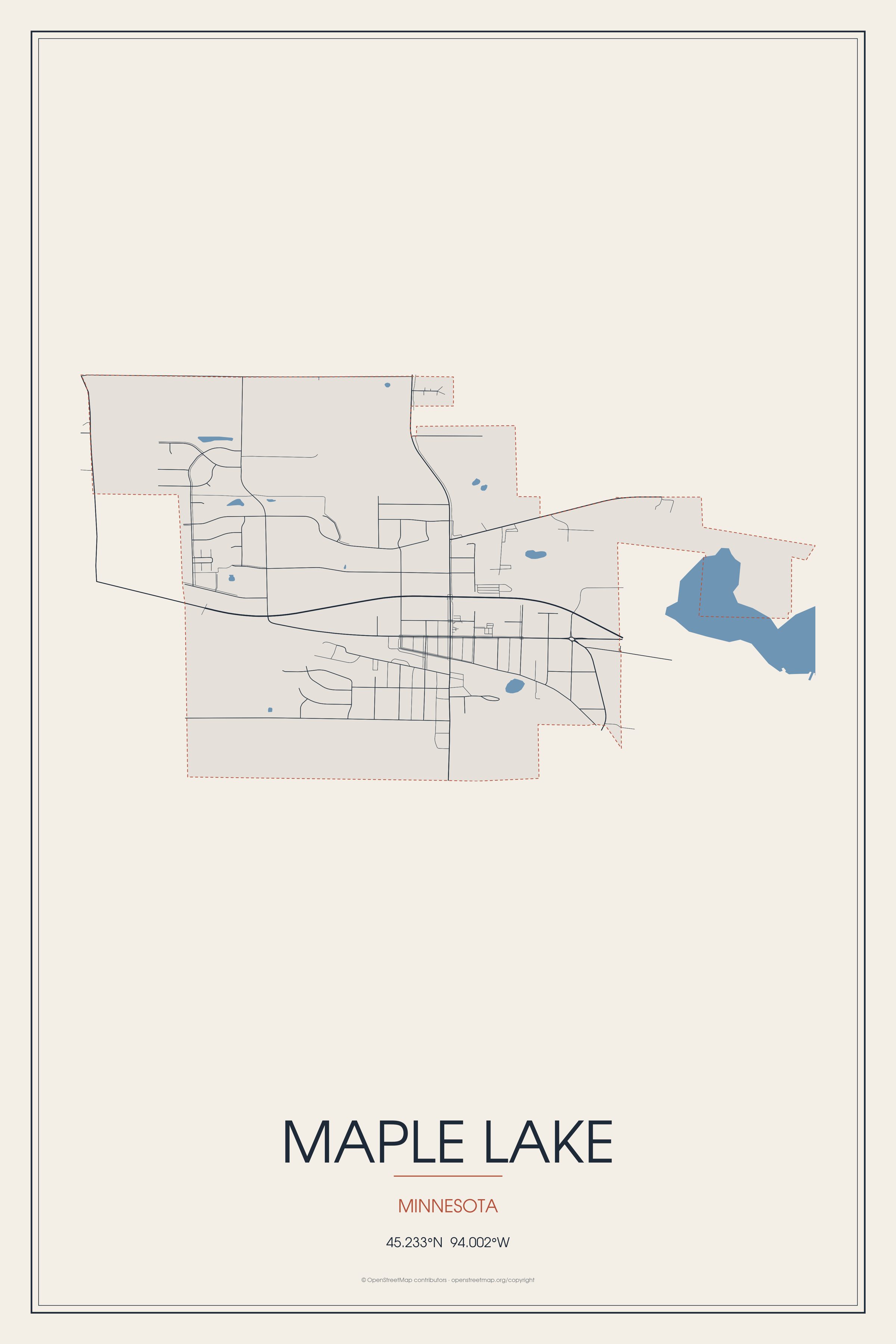
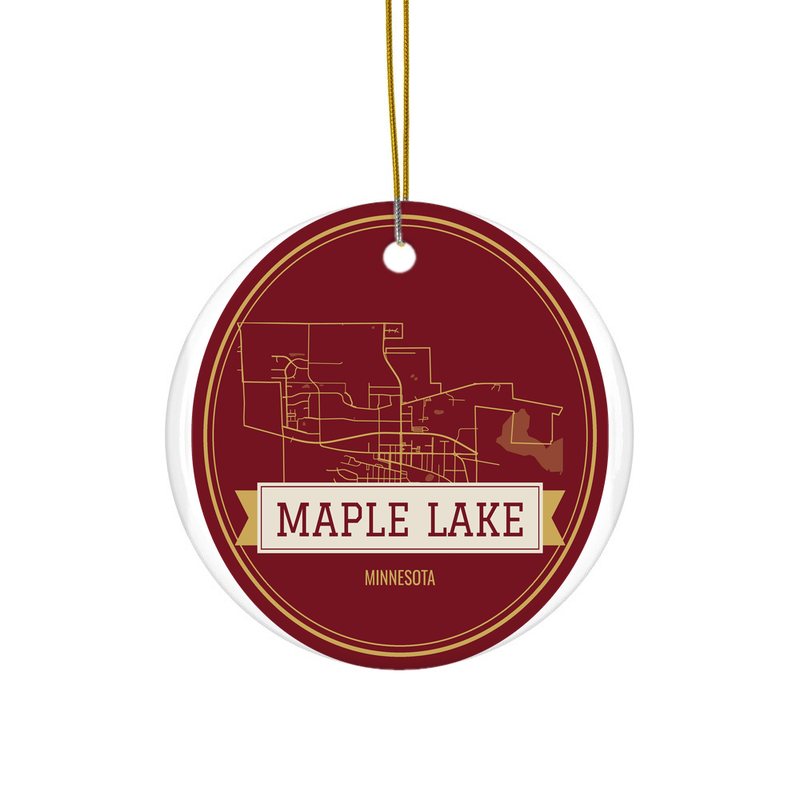
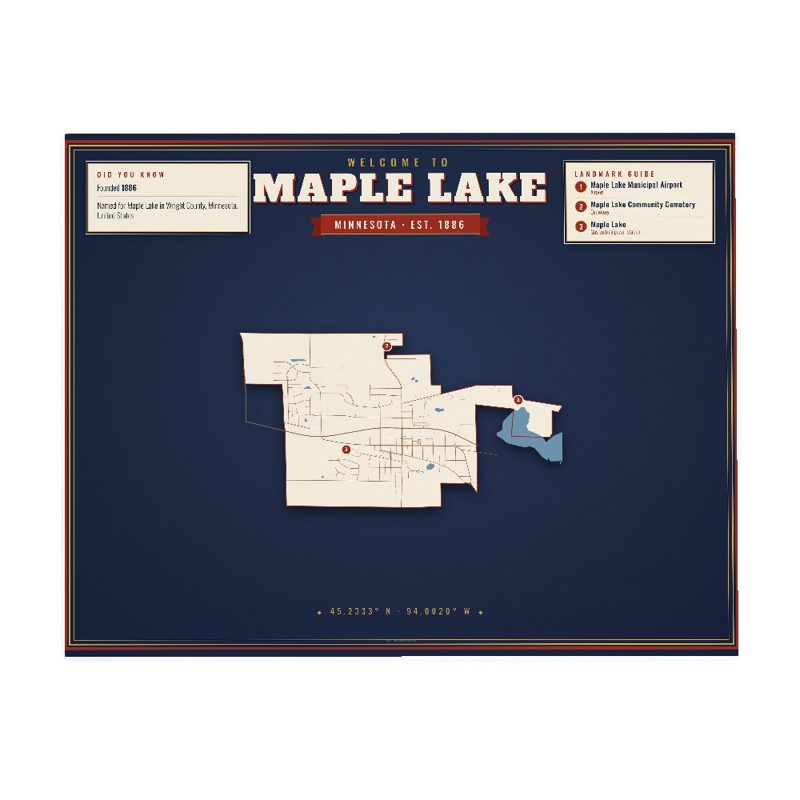
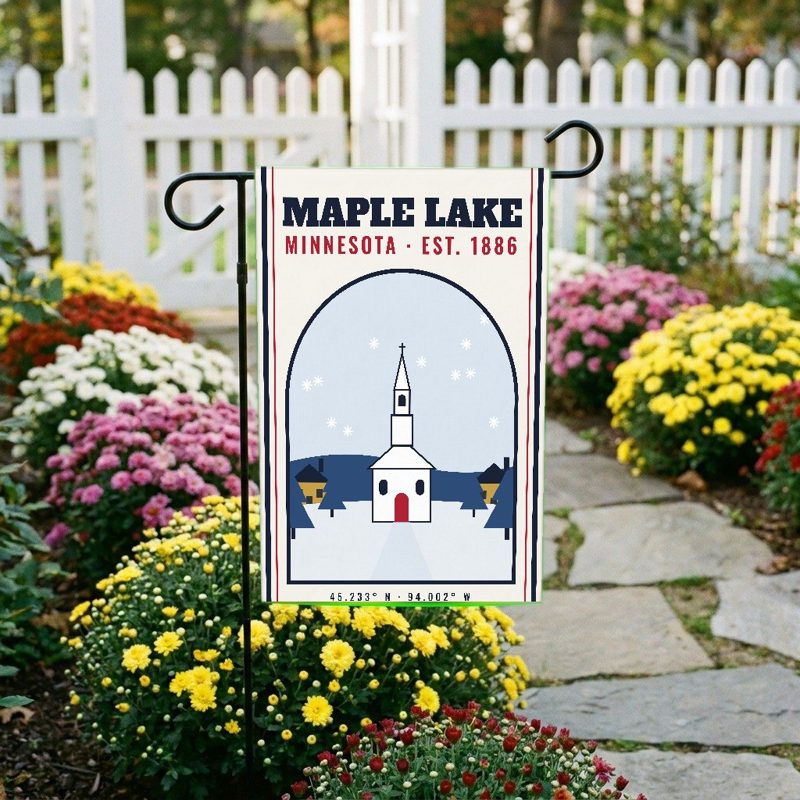
One of the earliest settlers was Patrick O'Loughlin Sr., who arrived with his family and laid the foundation for what became Maple Lake. His son-in-law James Madigan Madigan platted the village in 1886, carving out streets and lots from the wilderness. The name "Maple Lake" was chosen not just for the body of water nearby, but for the township in which it sat—a nod to the towering maple trees that color the landscape each autumn.
Maple Lake grew from a scattering of homesteads into a bustling village. A post office was established in 1858, churches were built, schools opened, and businesses sprang up along the main street. The town became a hub for farmers and tradesmen.
The Irish influence remained strong. Families such as the O'Loughlins, Madigans, and Murphys became pillars of the community.
In 1946, James R. Jude, a thoracic surgeon who later helped develop CPR, compiled a scrapbook of photographs of life in Maple Lake. They are preserved in the Maple Lake Library Archives, alongside thousands of obituaries, marriage announcements, and newspaper clippings.
Adapted (trimmed) from the Wikipedia article Maple Lake, Minnesota, revision 1374537892 by its contributors, licensed CC BY-SA 4.0.