Long Lake is a small city in Hennepin County, Minnesota, United States named after the lake the eastern end of town lies on. Long Lake is the birthplace of Jon Leuer, basketball player.
- CountyHennepin County
- Population1,741 (2020 U.S. Census)
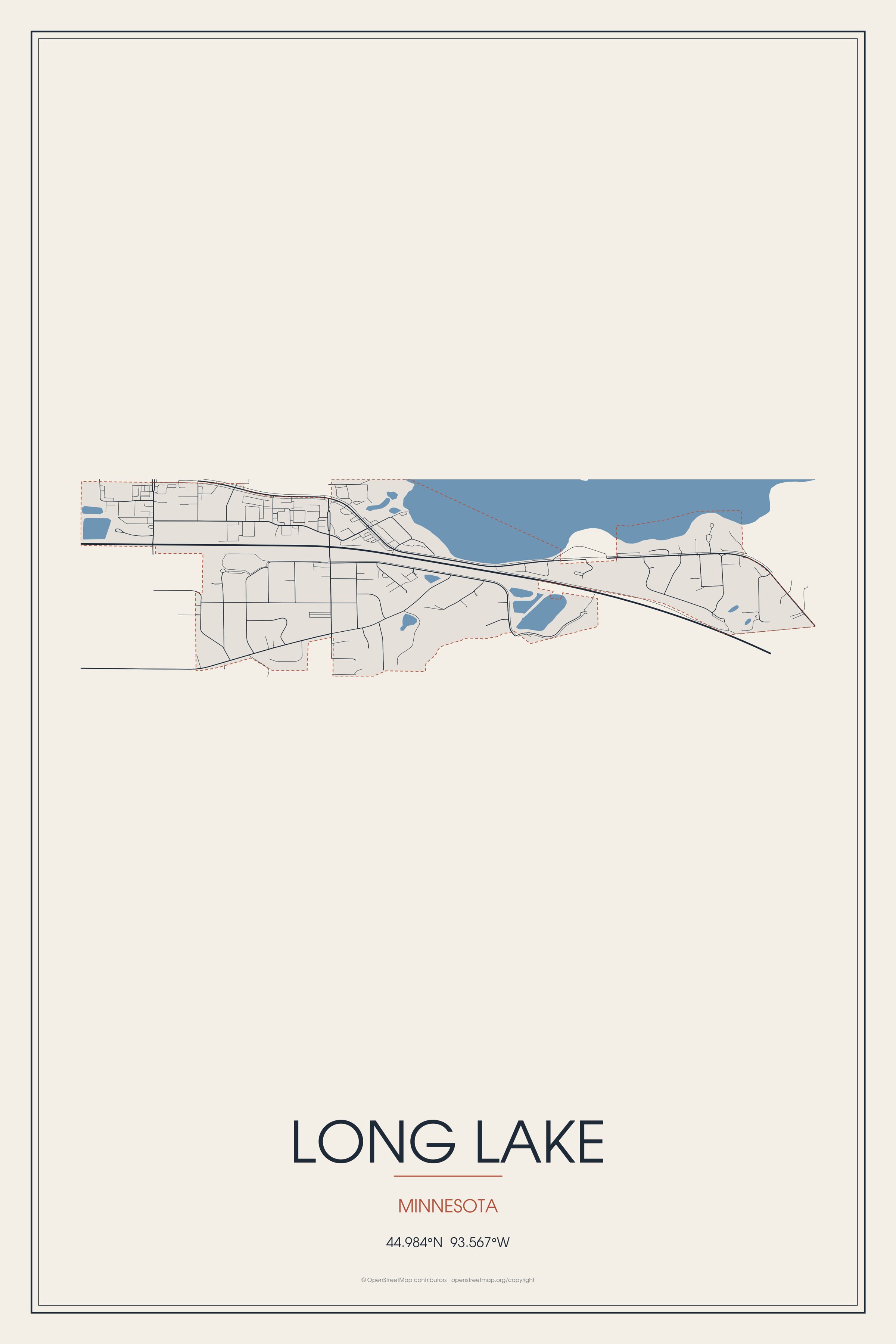
Long Lake is a small city in Hennepin County, Minnesota, United States named after the lake the eastern end of town lies on. Long Lake is the birthplace of Jon Leuer, basketball player.
Long Lake, Minnesota gifts and souvenirs: 25 designs made from Long Lake's own map, landmarks and history, from $16 to $95. Printed to order and shipped free in the USA.
| Popular | Price |
|---|---|
| Long Lake Hometown Ornament | $23 |
| Long Lake Vintage Travel Poster | from $40 |
| Long Lake Varsity Crewneck | from $57 |
| Long Lake Est. Tee | from $33 |
| Long Lake Town Line Mug | from $26 |
| Long Lake Market Tote | $37 |
Ceramic keepsake, gold ribbon, in 3 styles
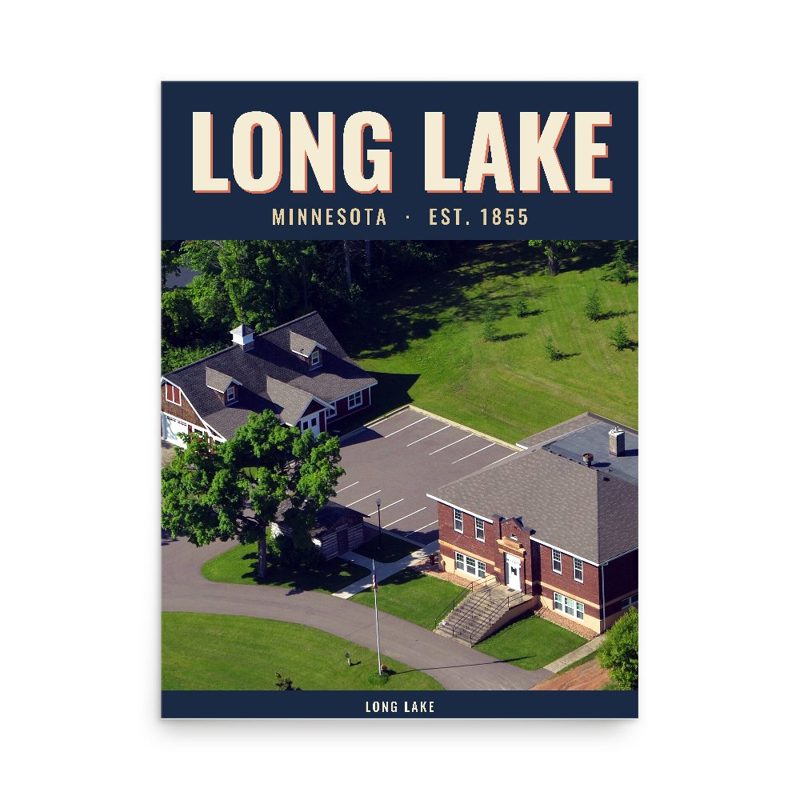
Its landmark photo in a classic travel-poster layout
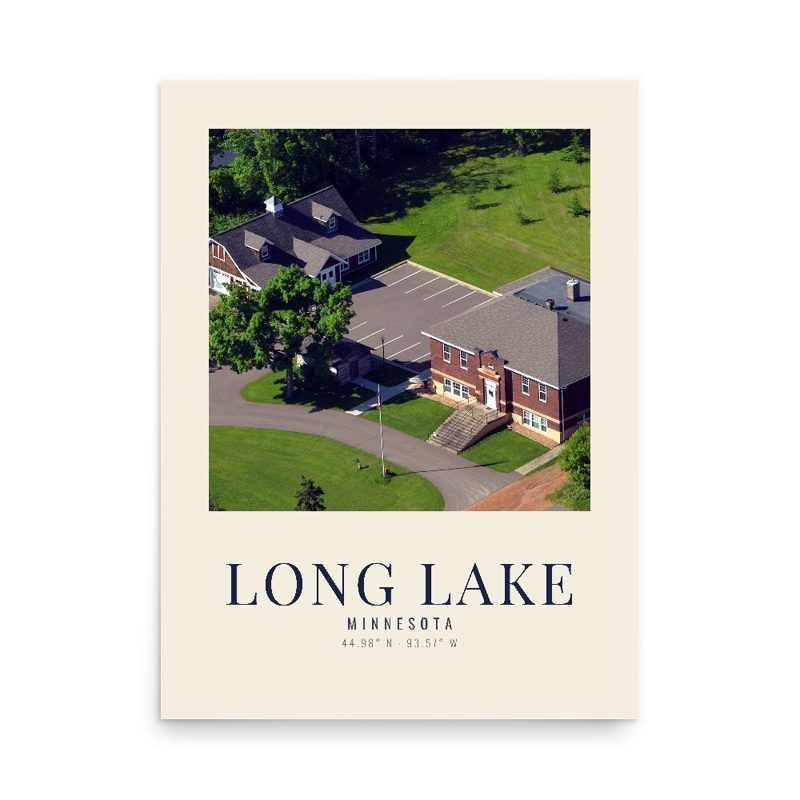
A local landmark photo as a gallery print
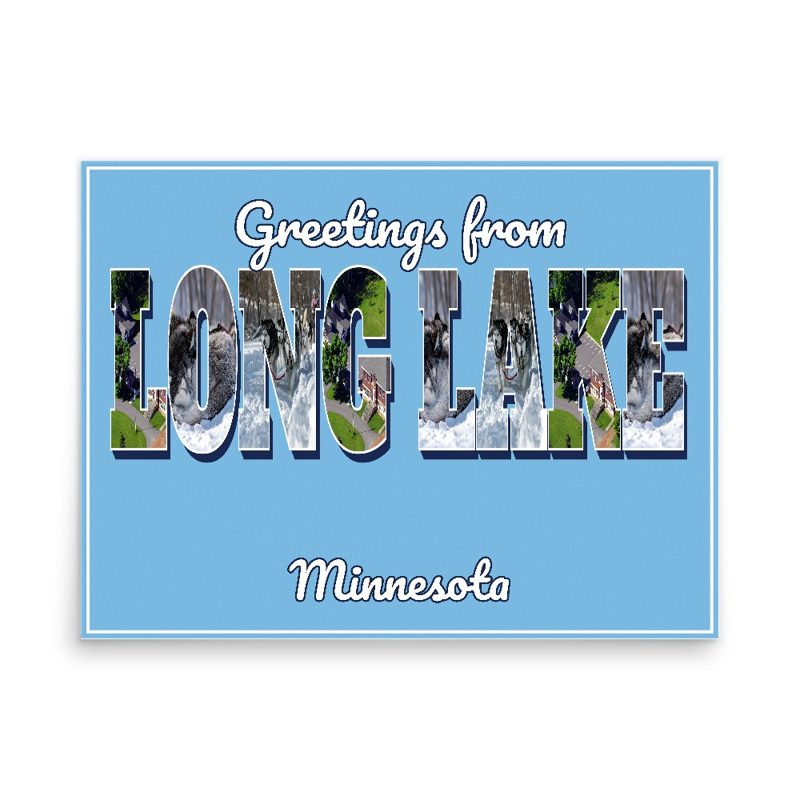
Classic large-letter postcard art, filled with local photos
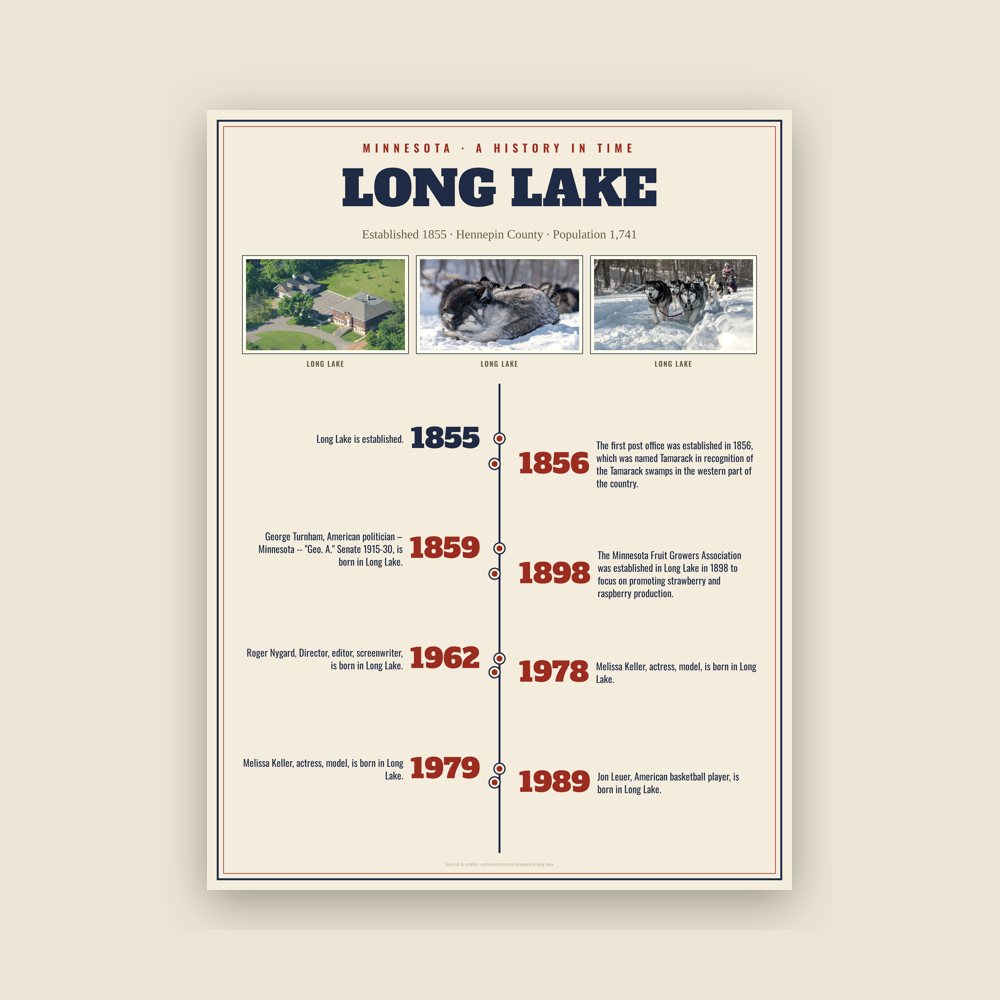
The town's story in dates, from its own records, for home or classroom
Heavy-blend fleece, street map printed on the back
Red heavy-blend crewneck, knit-stitch town print
Soft Bella+Canvas jersey
Kids' Bella+Canvas jersey, youth sizes
Bella+Canvas toddler jersey
Bella+Canvas baby bodysuit
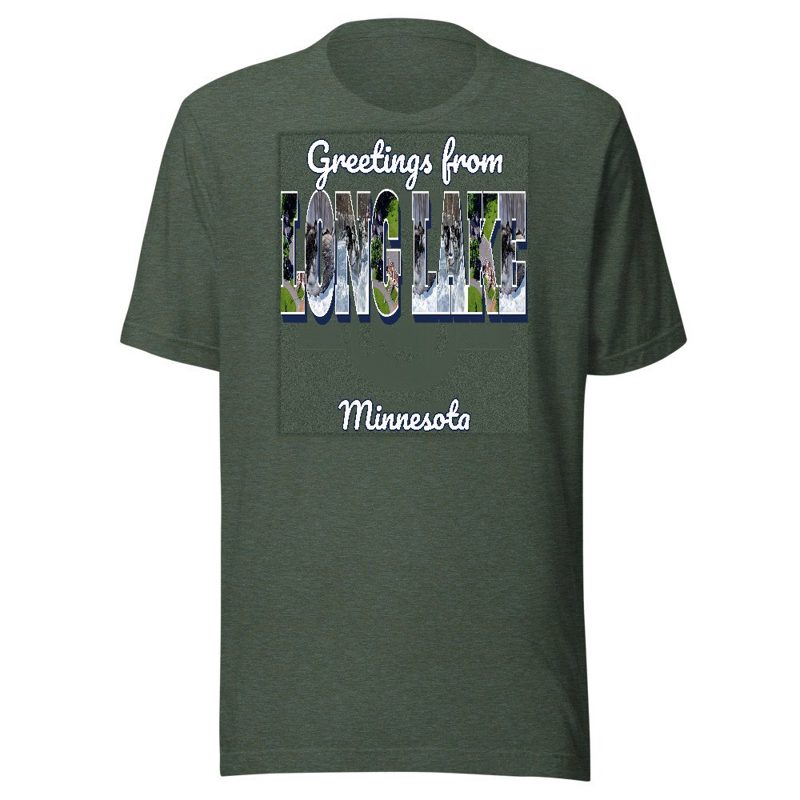
Large-letter postcard art filled with local photos
Glossy ceramic, dishwasher safe
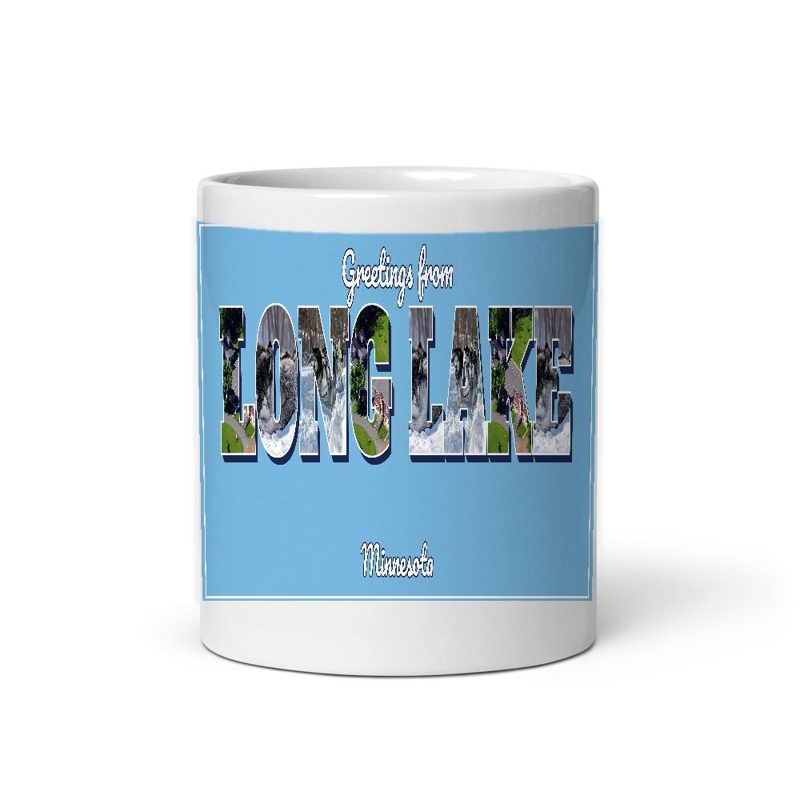
Large-letter postcard art filled with local photos, 11 oz ceramic
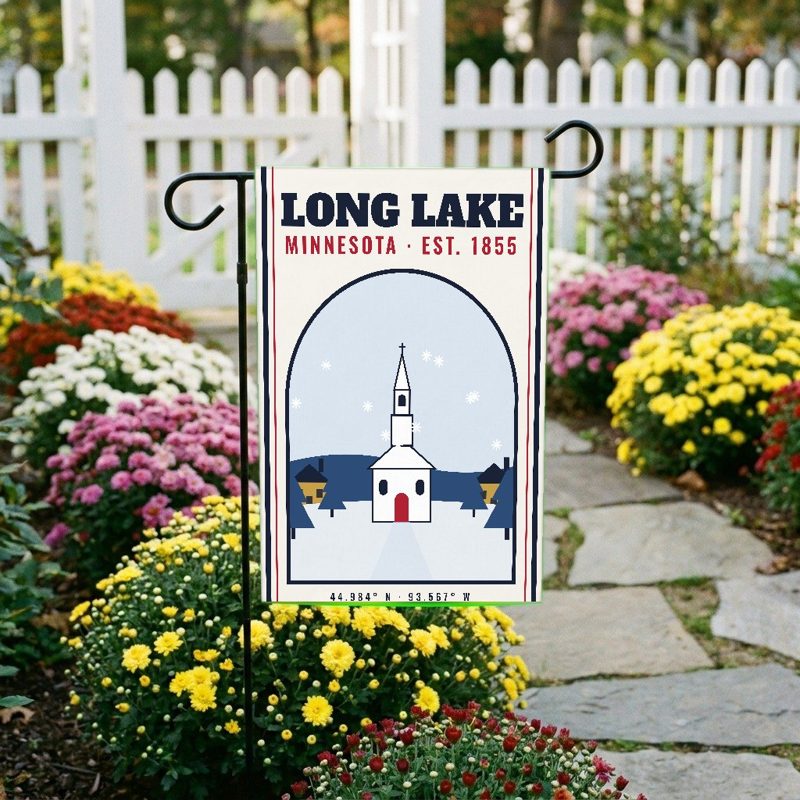
Weatherproof, for the front walk
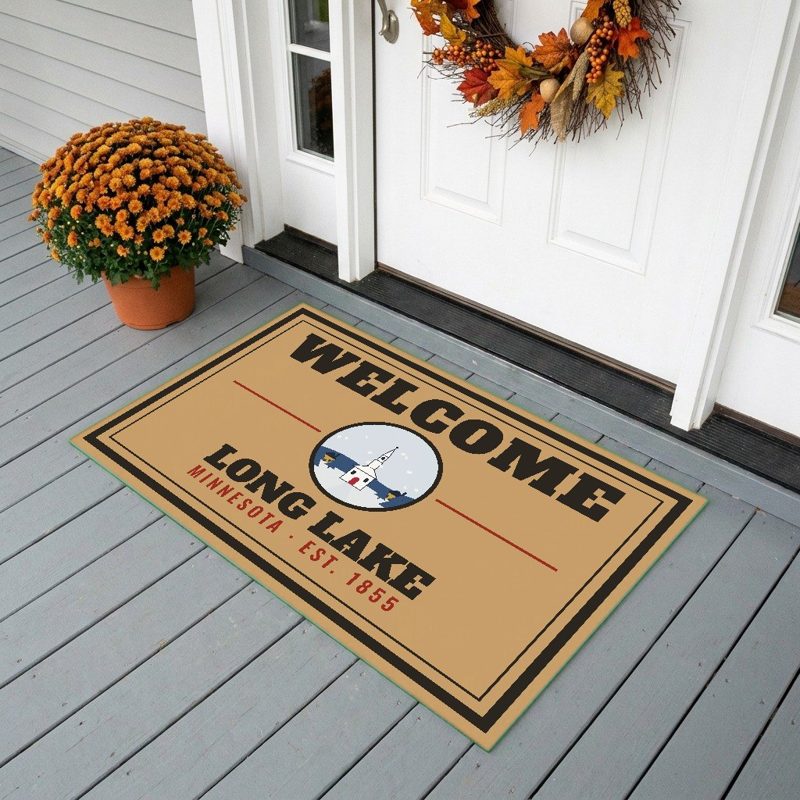
24″×16″, printed coir-look fibers, rubber back
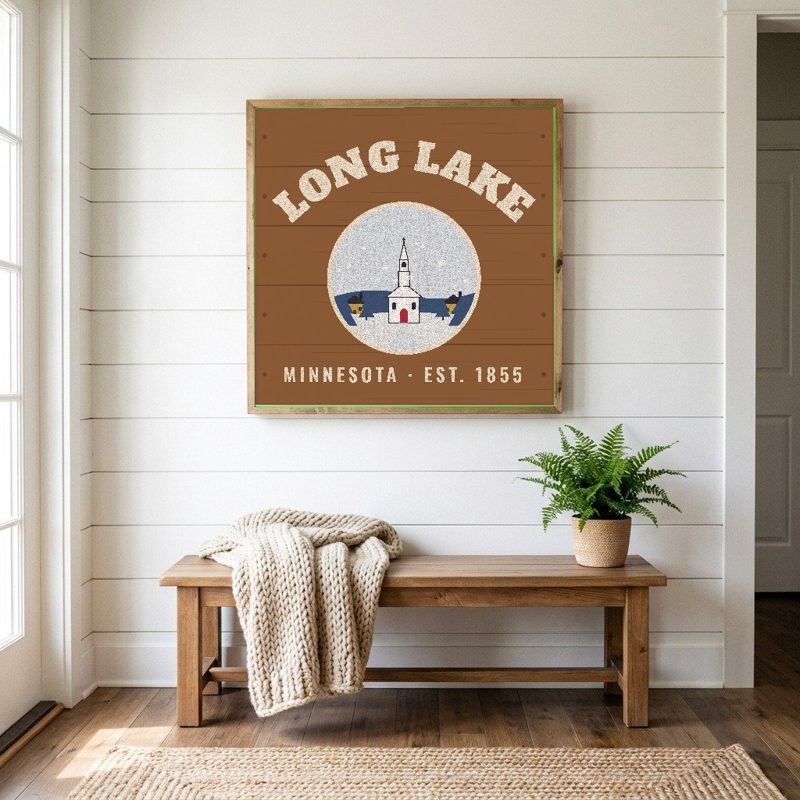
12″×12″ printed wood, ready to hang
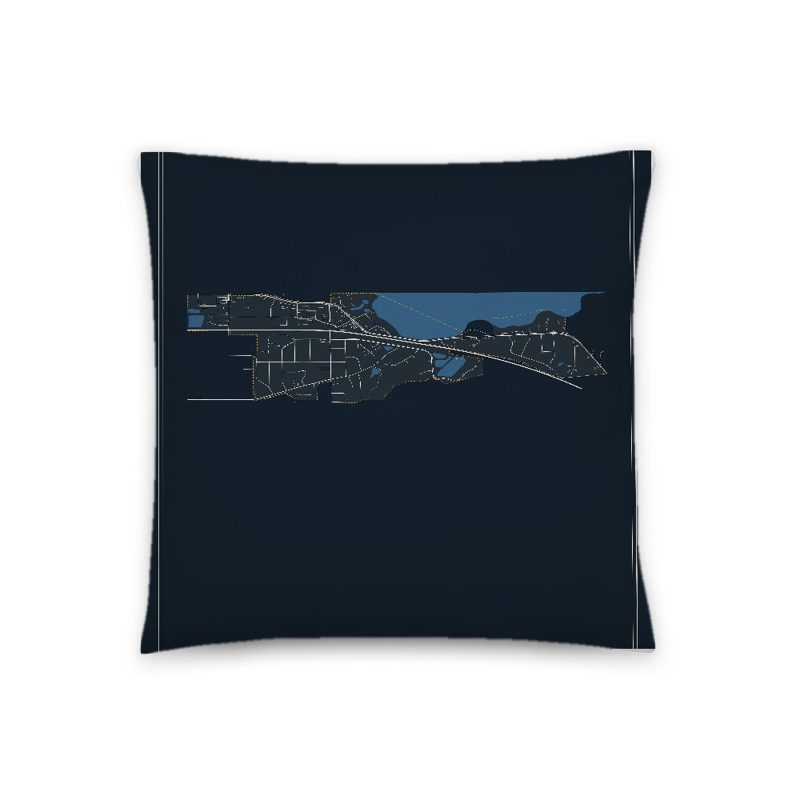
Soft-touch, zip cover
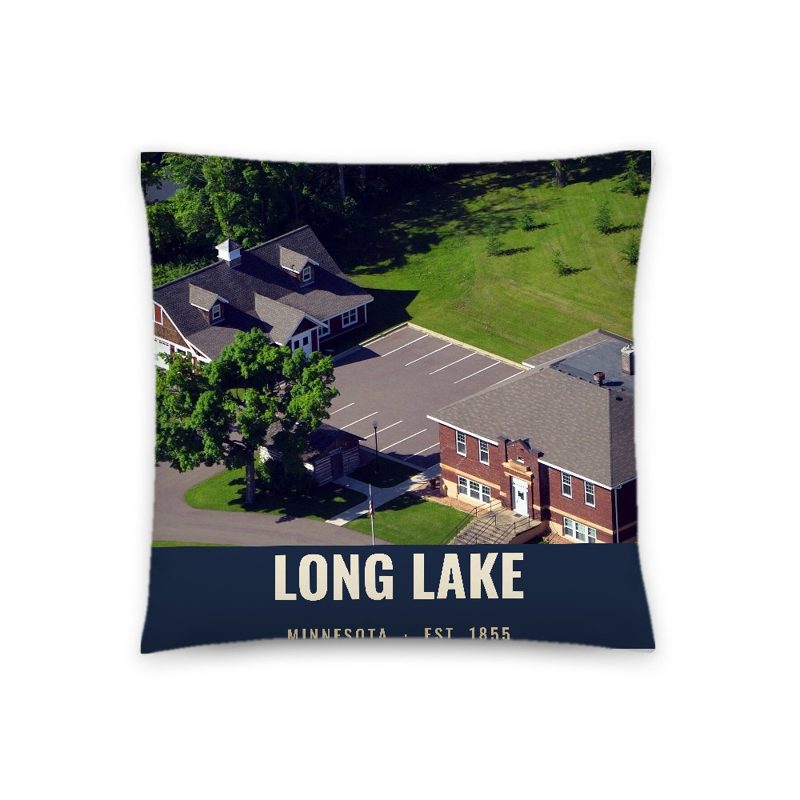
A local landmark photo with the town name, 18″×18″
Sturdy all-over-print tote
Large-letter postcard art on a sturdy tote
Foam-front trucker, printed (not embroidered) with local photos
Glossy top, cork back
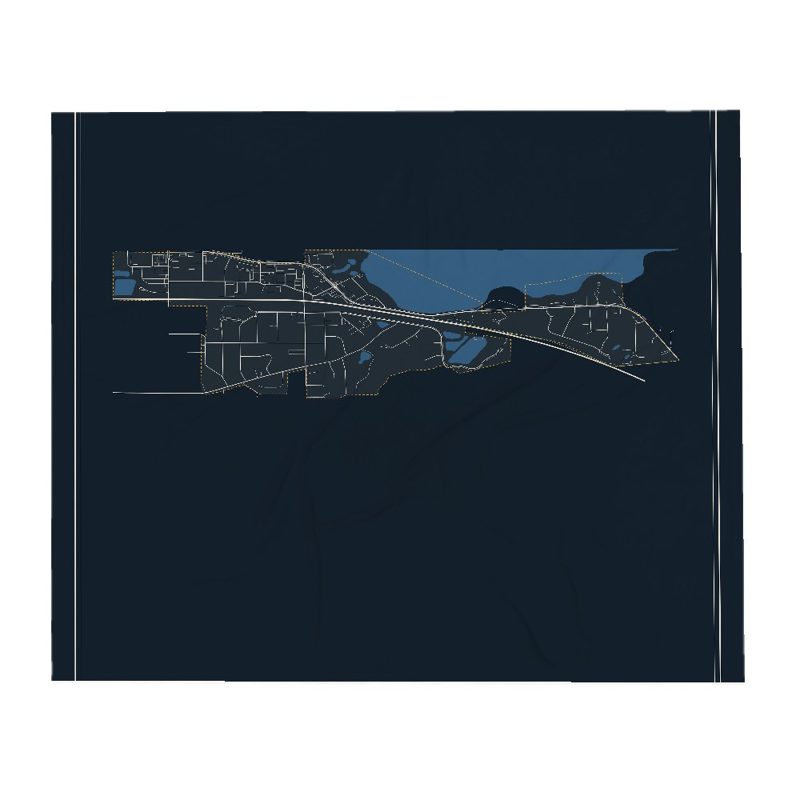
Soft fleece, 50″×60″
20 oz, double-wall stainless
Population 2010: 1,768 → 2020: 1,741
From Wikidata (CC0).
The first settlers arrived in Long Lake in early spring, 1855. This early contact in Long Lake did not result in settlement but rather this group of Nova Scotians came down Watertown Road, walked to the lake, looked across the lake and settled on the north side of the lake in what is now Orono. The first permanent settlement was established in May 1855 with the arrival of the Flemings and the George Knettles from Cumberland County, Pennsylvania. This first settlement was named Cumberland Town and consisted of a saw mill, general store and schoolhouse. The platted area Cumberland Addition can trace its roots to this early period. The Knettle's house became a favorite stop for travelers between 1855 and 1860 and is the location of the first public religious service in the community. The first post office was established in 1856, which was named Tamarack in recognition of the Tamarack swamps in the western part of the country.
A significant aspect of the early settlement of Long Lake was the relationship between the Dakota, the Chippewa and the settlers. The origin of the Union Cemetery is found in this tripartite relationship. The area where the cemetery is located was called Teepee Hill in these early years. It served as an encampment for the Chippewa in 1859–1860. The Dakota were informed of the location of the Chippewa through two settlers in the area. This information prompted many of the Dakota to be in and around Long Lake. Although there was no fighting and the actual intentions of the Dakota are not clear, their presence in the area forced the Chippewa to vacate Teepee Hill. This area was acquired by Bradford Wakefield, most probably through adverse possession, and purchased by Union Cemetery Association in 1861. There was concern among the settlers that the Chippewa would return, so by establishing a cemetery (hallowed ground) it was unlikely that any Native American people would choose that site as an encampment, thus assuring the safety of the surrounding area.
During the middle to late 19th century, Long Lake developed like many other towns. A sawmill was erected (1866), the railroad reached Long Lake (1868), a school district was organized (1869), a general store was started (1870), the Freethinkers Hall was organized (1874), a flour mill was established (1875), and a hotel was added (1875). These institutions were all-important elements to early town development in the Upper Midwest.
The late 1890s – early 1900s became known as the berry years in Long Lake. The Minnesota Fruit Growers Association was established in Long Lake in 1898 to focus on promoting strawberry and raspberry production. These products became a regional specialty with shipments going as far as Fargo and Grand Forks, North Dakota.
The catalyst for the expansion of the city limits was a desire by Long Lake's neighbors to take advantage of the city's decision to install a sewer system. Those areas that wanted to be connected to city sewer were annexed by the city.
Adapted (trimmed) from the Wikipedia article Long Lake, Minnesota, revision 1378737233 by its contributors, licensed CC BY-SA 4.0.
We share a part of every Long Lake sale with local partners, and we'd love to print from your collection. Old photographs, maps and postcards make the best keepsakes.
Partner with usA favorite landmark, your street, a school or team, an anniversary gift, a different product. Tell us and we'll get back to you by email.
3 free coloring pages of Long Lake, each traced from a photo of a local landmark. Print them at home, at school or for story hour.
Long Lake's population was 1,741 in the 2020 U.S. Census, down from 1,768 in 2010.
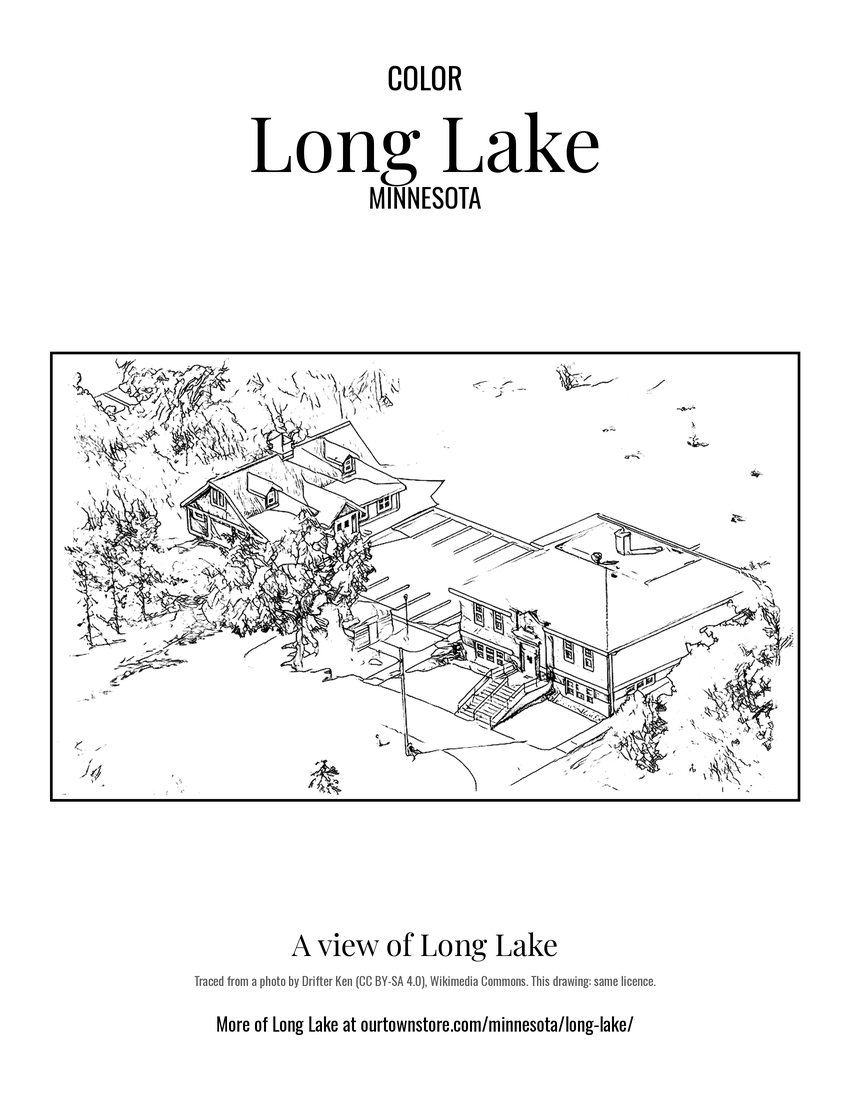 A view of Long Lake
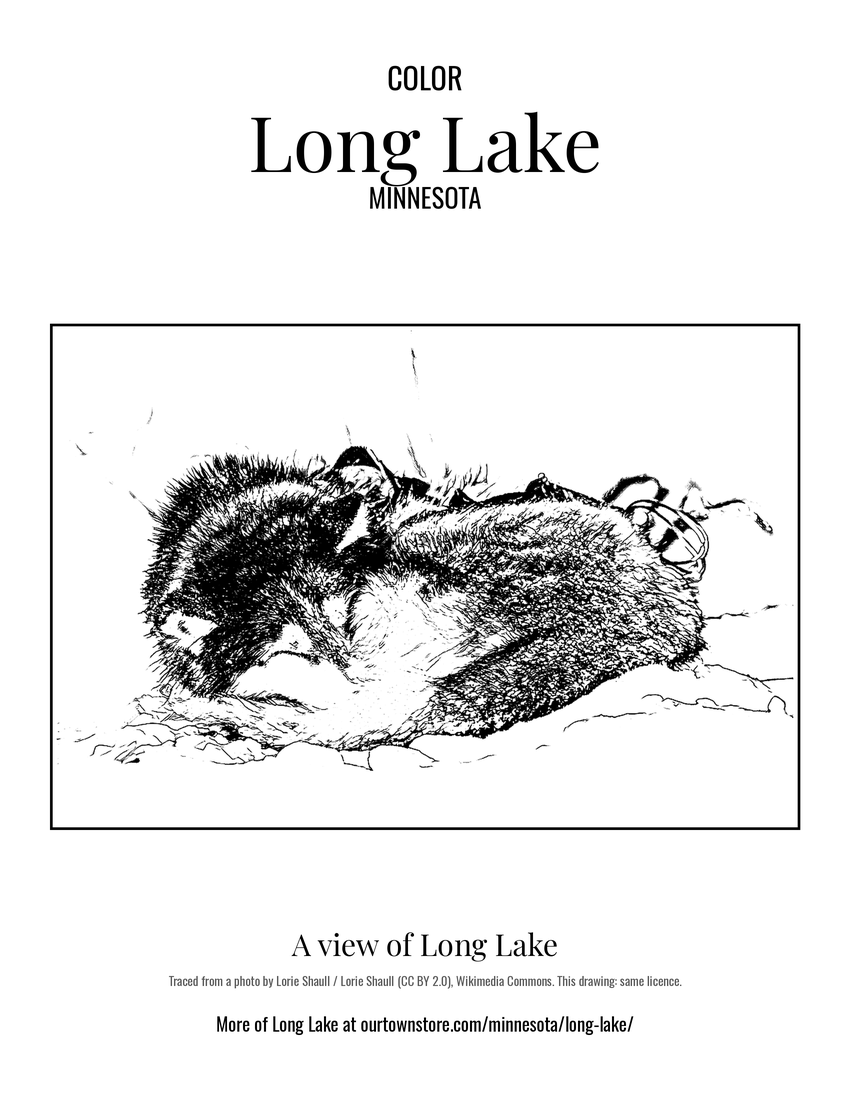 A view of Long Lake
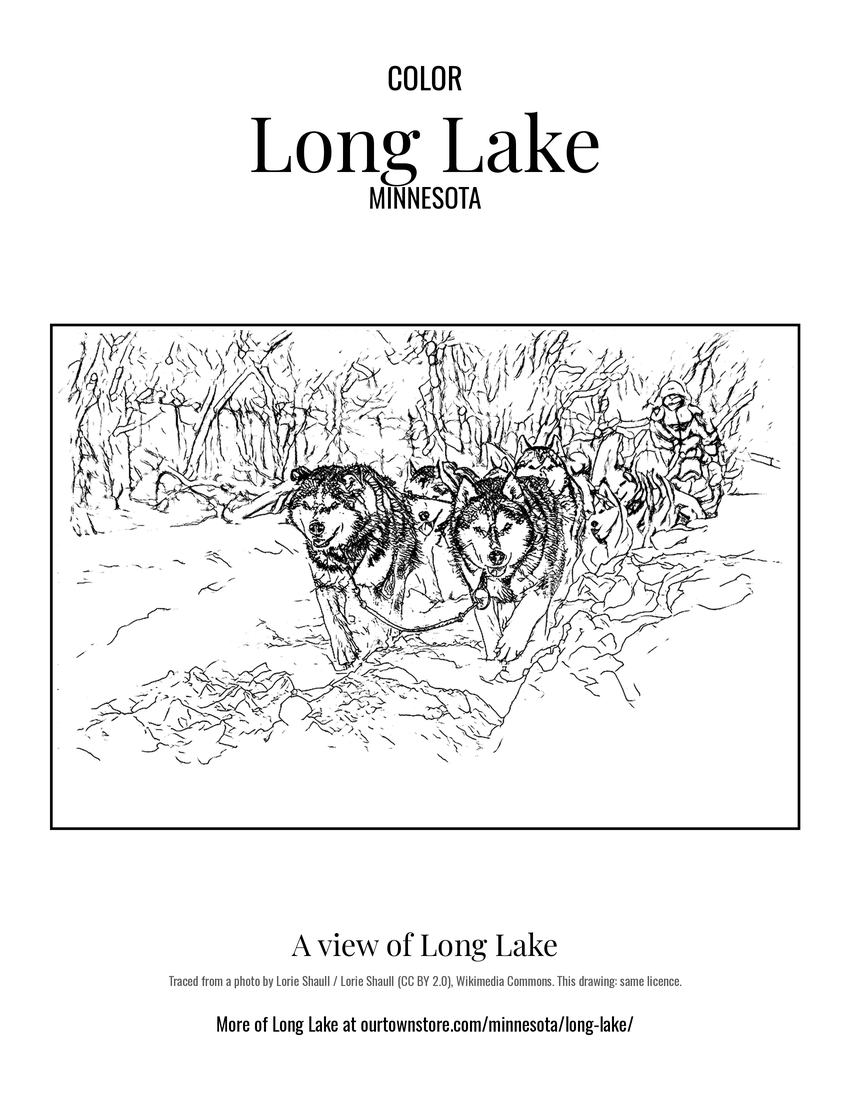 A view of Long Lake