It is best known for having "seceded" from the United States in 1977 and establishing the "Republic of Kinney".
- CountySt. Louis County
- Population152 (2020 U.S. Census)
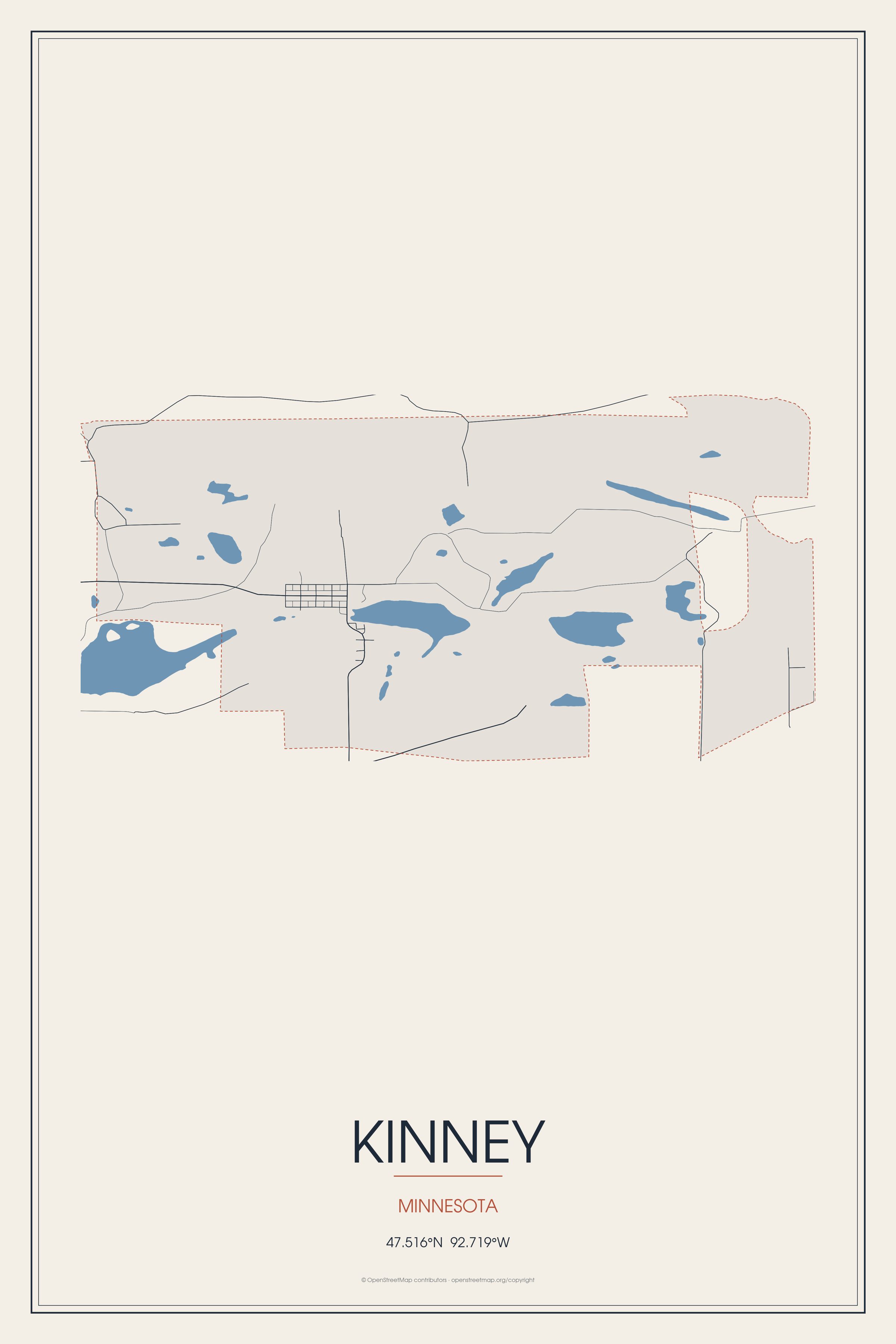
It is best known for having "seceded" from the United States in 1977 and establishing the "Republic of Kinney".
Kinney, Minnesota gifts and souvenirs: 18 designs made from Kinney's own map, landmarks and history, from $16 to $95. Printed to order and shipped free in the USA.
| Popular | Price |
|---|---|
| Kinney Hometown Ornament | $23 |
| Kinney Varsity Crewneck | from $57 |
| Kinney Est. Tee | from $33 |
| Kinney Town Line Mug | from $26 |
| Kinney Market Tote | $37 |
Ceramic keepsake, gold ribbon, in 3 styles
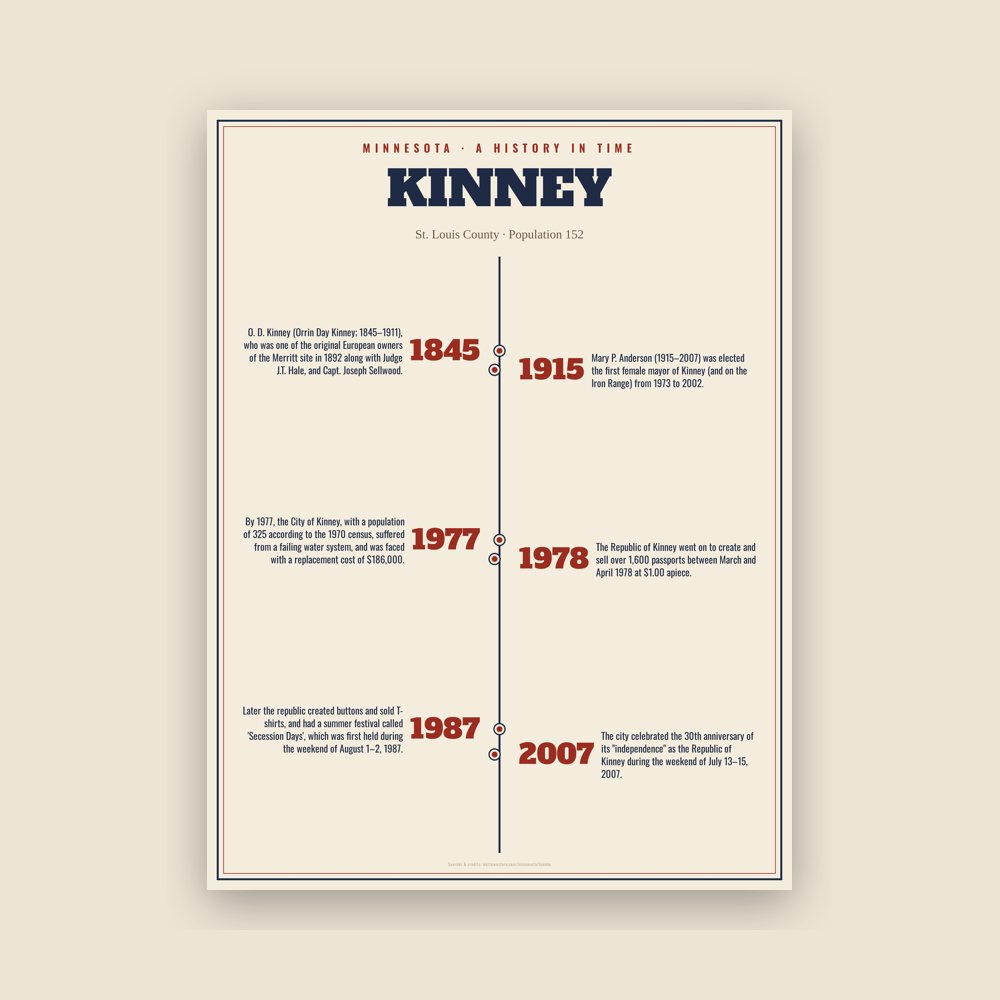
The town's story in dates, from its own records, for home or classroom
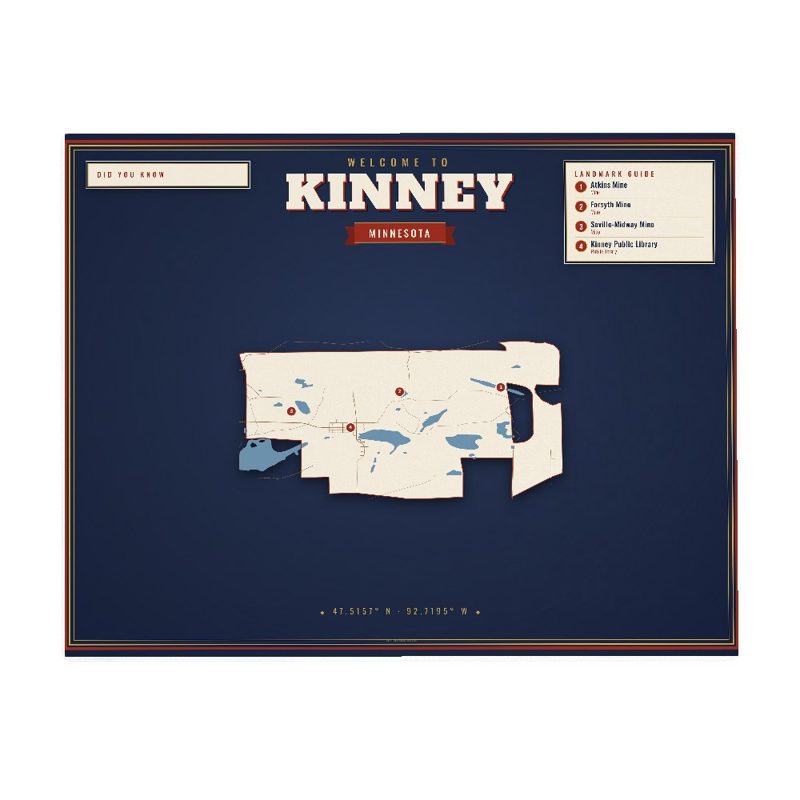
Map of local landmarks, washable fabric
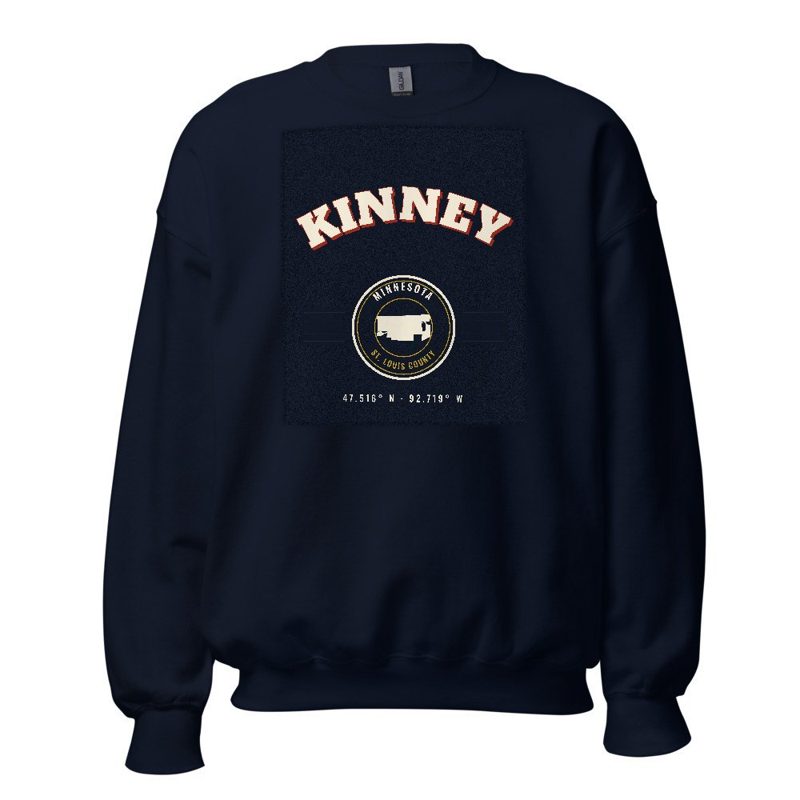
Heavy-blend fleece, street map printed on the back
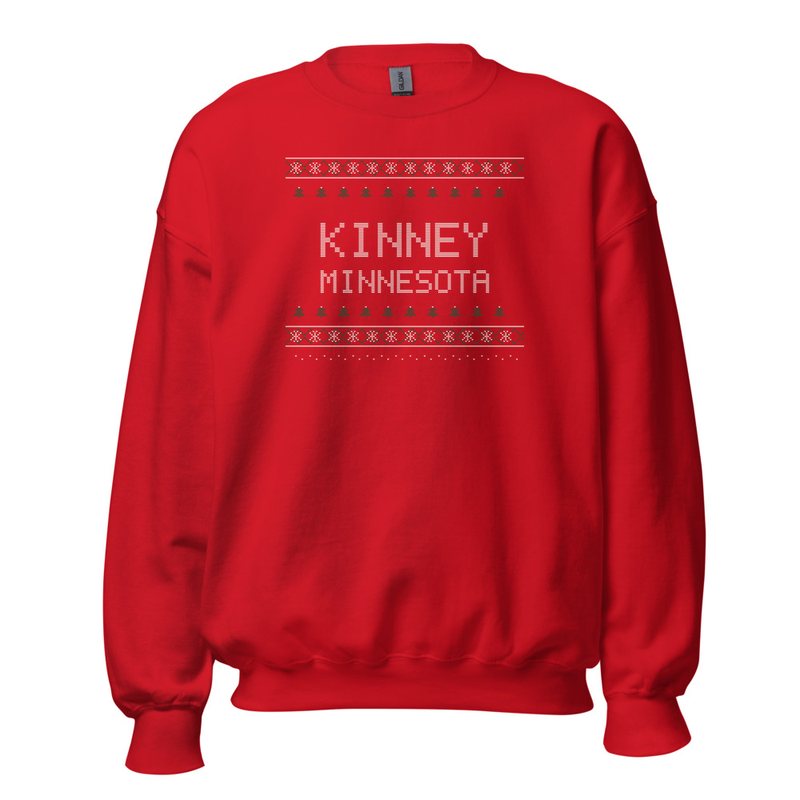
Red heavy-blend crewneck, knit-stitch town print
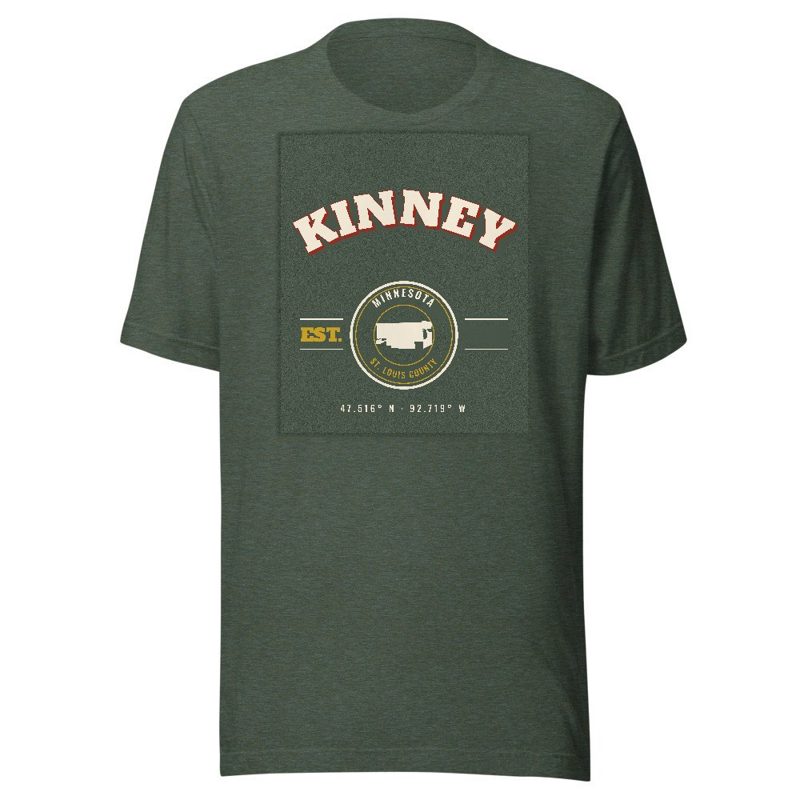
Soft Bella+Canvas jersey
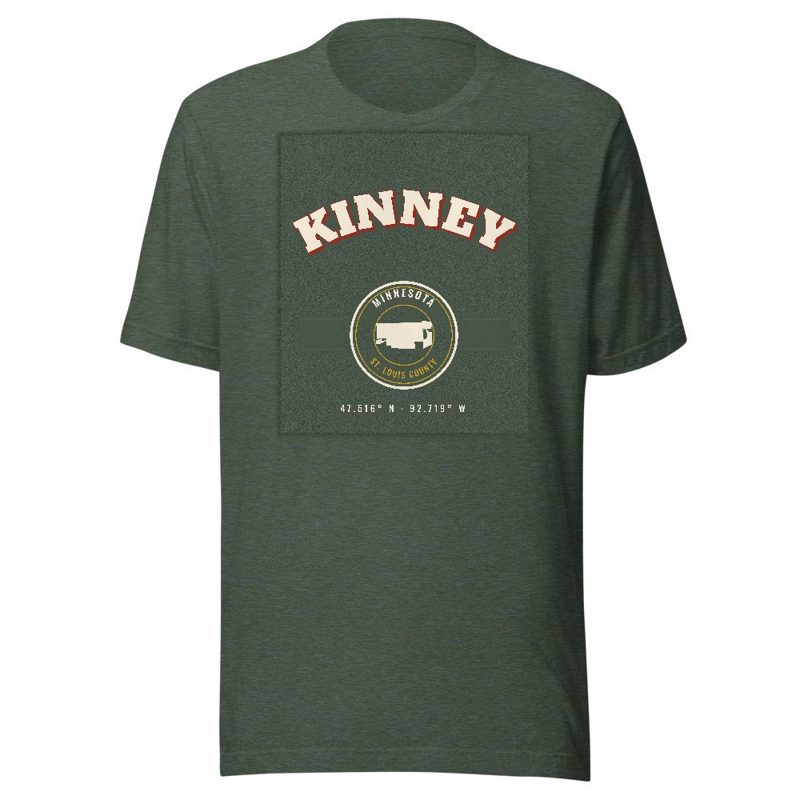
Kids' Bella+Canvas jersey, youth sizes
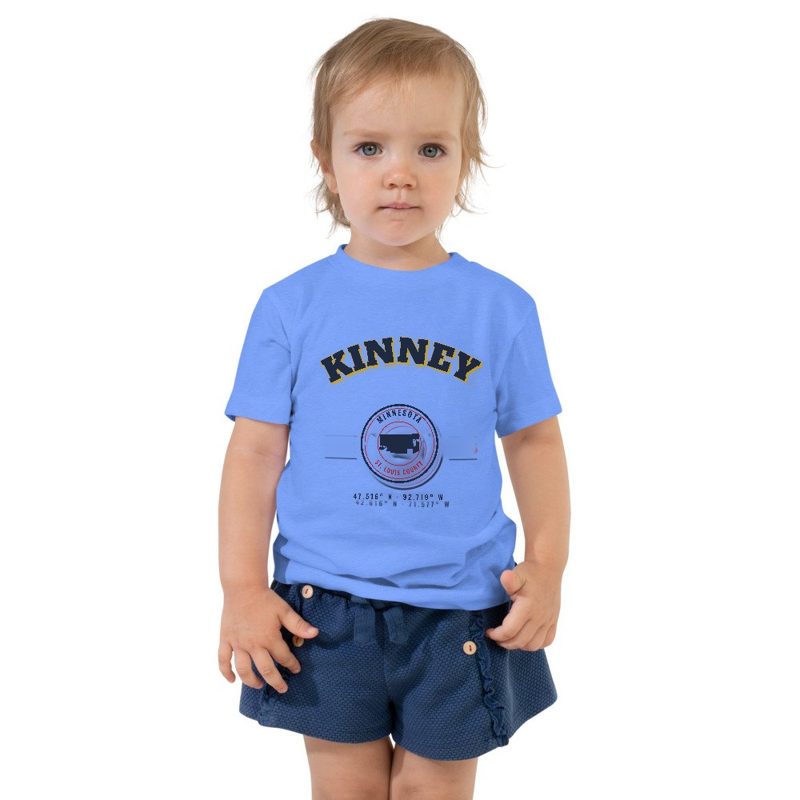
Bella+Canvas toddler jersey
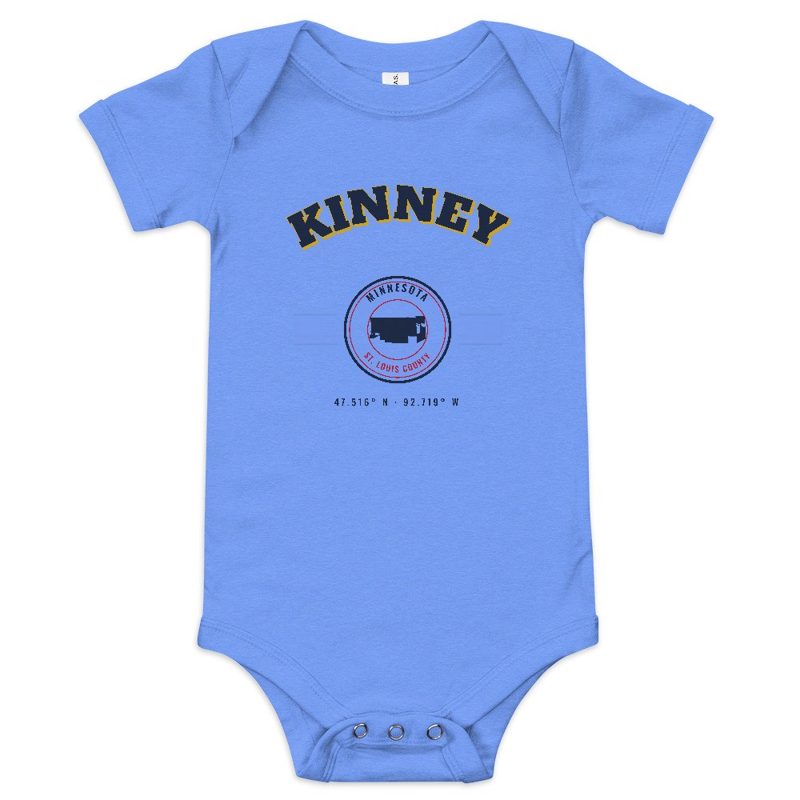
Bella+Canvas baby bodysuit
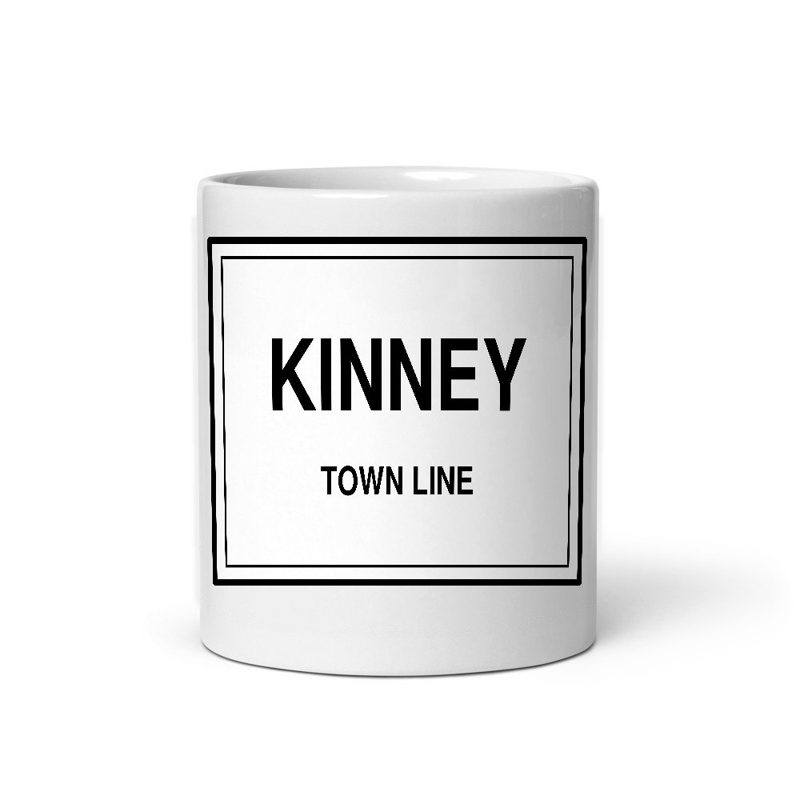
Glossy ceramic, dishwasher safe
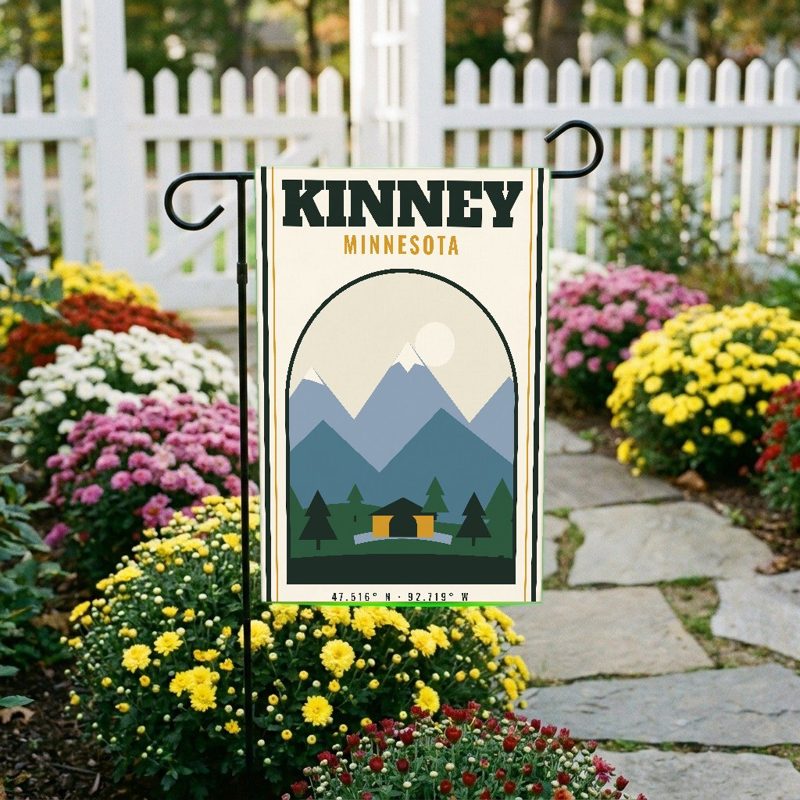
Weatherproof, for the front walk
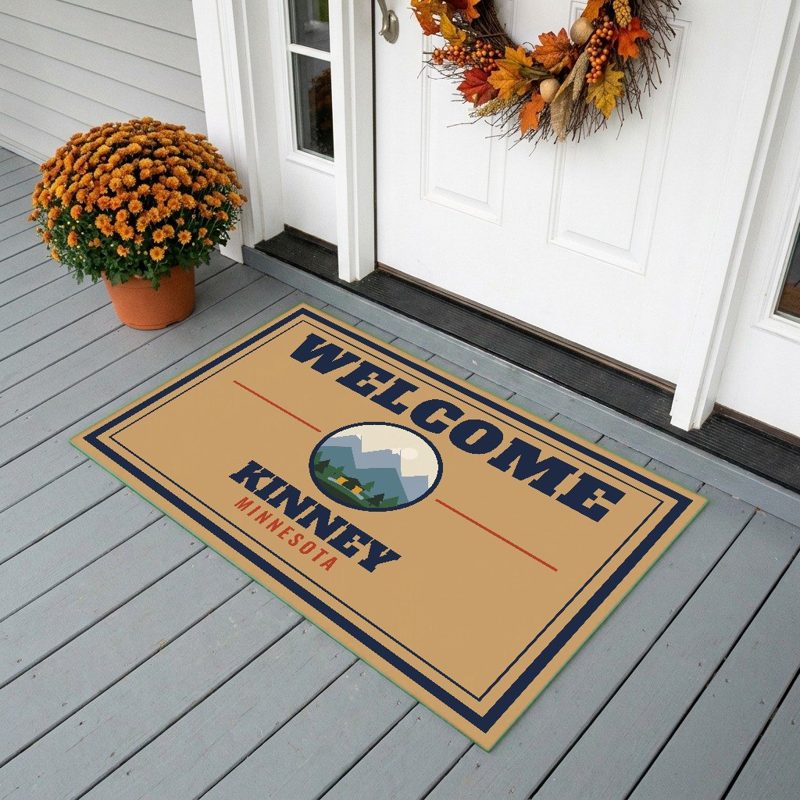
24″×16″, printed coir-look fibers, rubber back
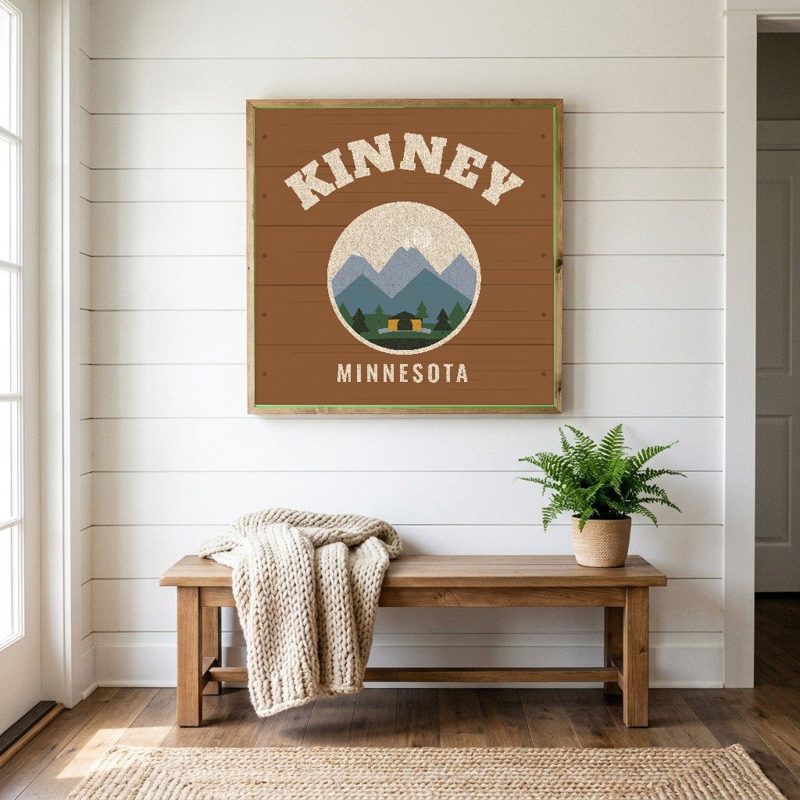
12″×12″ printed wood, ready to hang
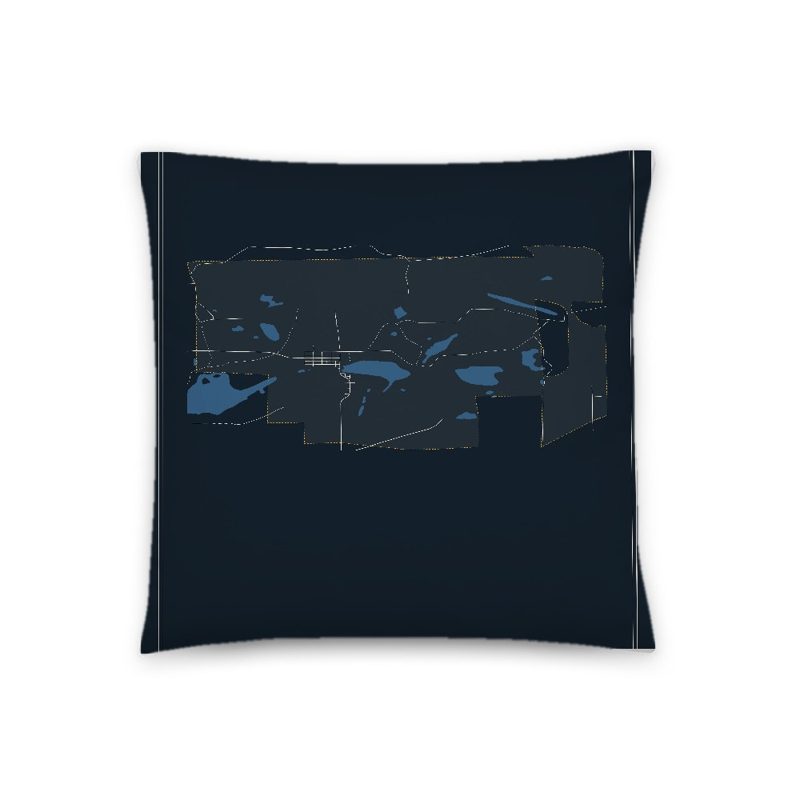
Soft-touch, zip cover
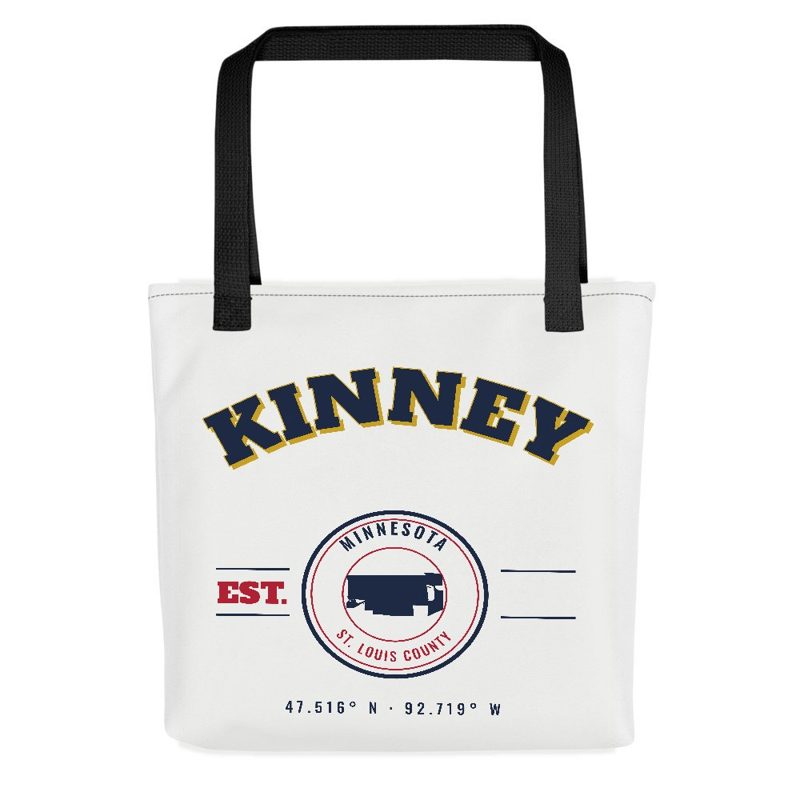
Sturdy all-over-print tote
Glossy top, cork back
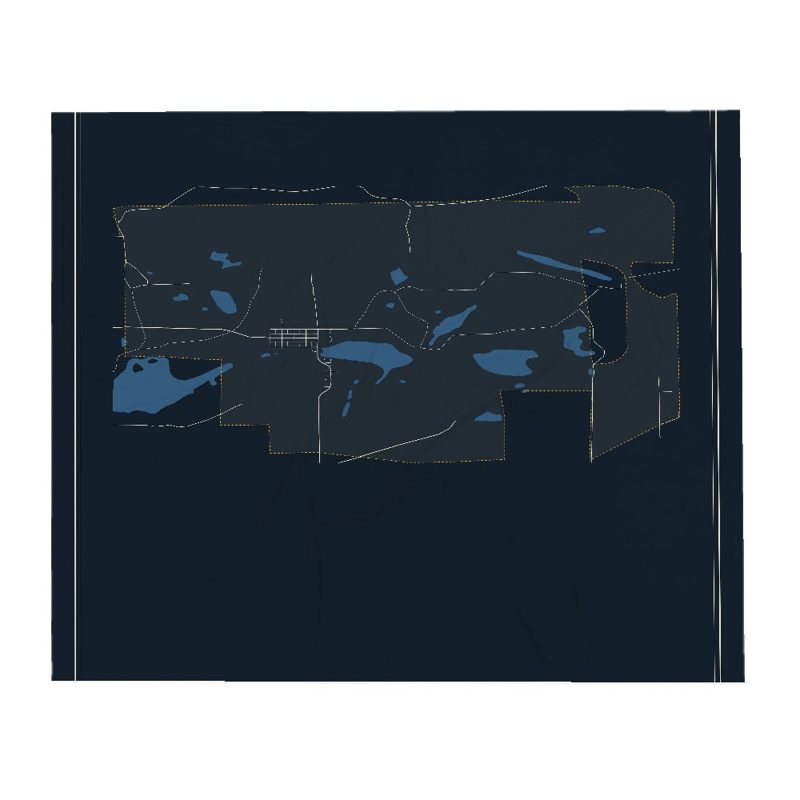
Soft fleece, 50″×60″
20 oz, double-wall stainless
Kinney gets its name from Hon. O. D. Kinney (Orrin Day Kinney; 1845–1911), who was one of the original European owners of the Merritt site in 1892 along with Judge J.T. Hale, and Capt. Joseph Sellwood. The land was originally occupied by Algonquian-speaking tribes, including the Ojibwe, Odawa, and Potawatomi.
Mary P. Anderson (1915–2007) was elected the first female mayor of Kinney (and on the Iron Range) from 1973 to 2002. By 1977, the City of Kinney, with a population of 325 according to the 1970 census, suffered from a failing water system, and was faced with a replacement cost of $186,000. After numerous unsuccessful attempts to secure funding from state and federal agencies due to bureaucratic red tape, agencies such as the United States Department of Housing and Urban Development (HUD), the Federal Housing Administration (FHA), and the Iron Range Resources and Rehabilitation Commission (IRRRC), the city council was led to believe that it would be easier to receive foreign aid if Kinney seceded from the union, declared war, and lost immediately. Mayor Mary Anderson and a supportive Kinney City Council sent a secession letter to U.S. Secretary of State Cyrus Vance on July 13, 1977.
The secession was never officially acknowledged by Vance or the U.S. The news story broke locally in the Mesabi Daily News on February 5, 1978, in an article by Ginny Wennen entitled "Move over Monaco, here comes Kinney." The story garnered national and international attention beginning on February 7, 1978, when the story was featured on the NBC Nightly News with David Brinkley.
Jeno Paulucci, a businessman based in Duluth, Minnesota, was the first to acknowledge the new republic and offer 'foreign aid' in the form of a dark brown 1974 Ford LTD police squad car and 10 cases of Jenos Sausage Pizza Mix on February 13, 1978. The squad car was painted with a Republic of Kinney shield on the driver's side that read "Commander in Chief, Republic of Kinney," and "Chief of Police, Kinney, Mn." on the passenger side.
In November 1978, the Iron Range Resources and Rehabilitation Board (IRRRB) approved $198,000 grant, allocated in three payments of $66,000 per year from the Taconite Area Environmental Protection Fund, to repair the existing water system, construct cement runoff basins, and install additional fire hydrants.
The Republic of Kinney went on to create and sell over 1,600 passports between March and April 1978 at $1.00 apiece. Later the republic created buttons and sold T-shirts, and had a summer festival called 'Secession Days', which was first held during the weekend of August 1–2, 1987.
The city celebrated the 30th anniversary of its "independence" as the Republic of Kinney during the weekend of July 13–15, 2007. In conjunction with the 30th anniversary of the Kinney secession, the city published a book titled Republic of Kinney.
Adapted (trimmed) from the Wikipedia article Kinney, Minnesota, revision 1380482819 by its contributors, licensed CC BY-SA 4.0.
We share a part of every Kinney sale with local partners, and we'd love to print from your collection. Old photographs, maps and postcards make the best keepsakes.
Partner with usA favorite landmark, your street, a school or team, an anniversary gift, a different product. Tell us and we'll get back to you by email.
Kinney's population was 152 in the 2020 U.S. Census, down from 169 in 2010.