The last glacier to traverse Minnesota is responsible for the creation of the hardwood-forested hills where Elk River is nestled. These hills are made up of coarse materials, which is why gravel mining is so prevalent in Elk River, and also why much of the area is not considered good farmland for culture and agriculture use.
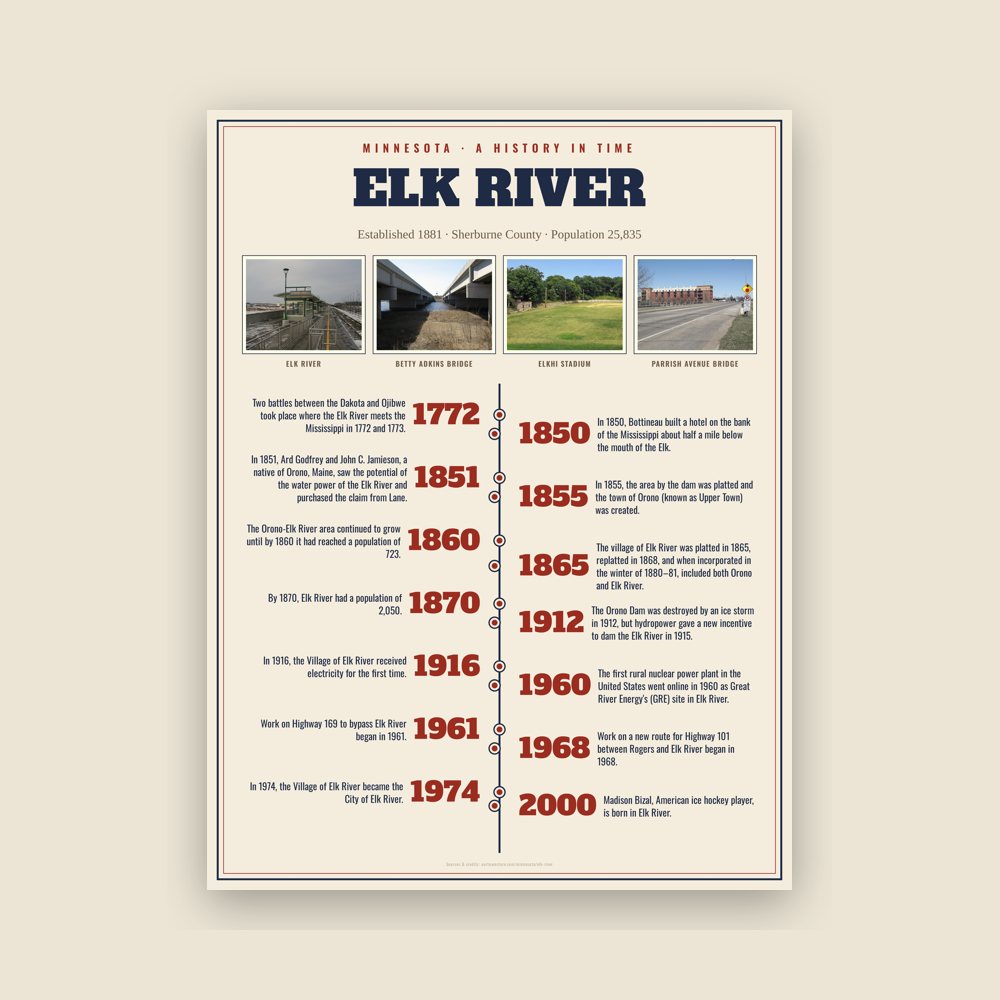
To the south of Elk River lies the prairie. This natural boundary between the prairie and woods was also a boundary between Indian nations. Two battles between the Dakota and Ojibwe took place where the Elk River meets the Mississippi in 1772 and 1773.
Read the full history
Rivers
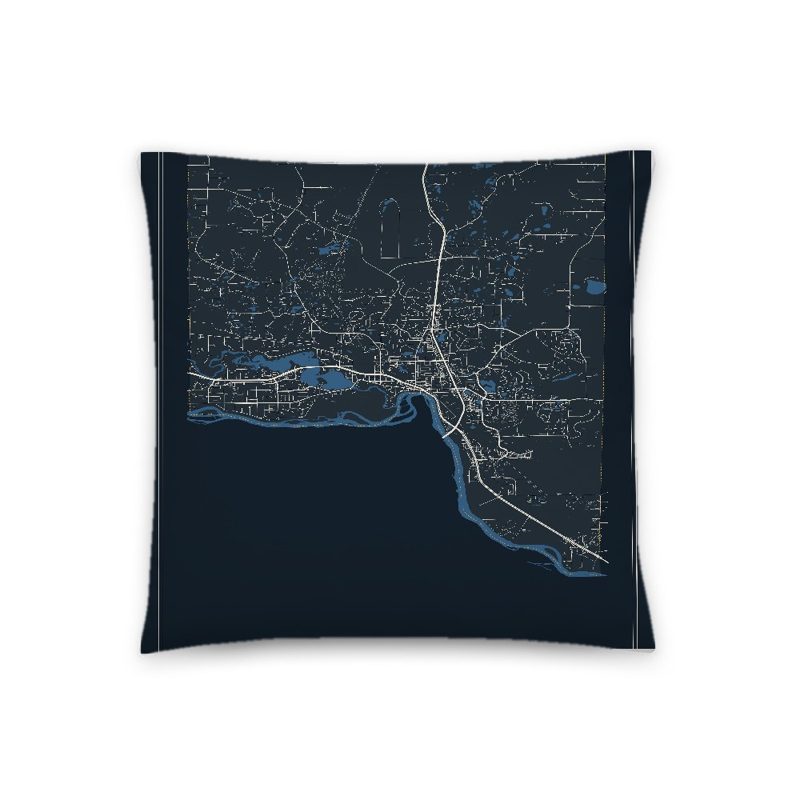
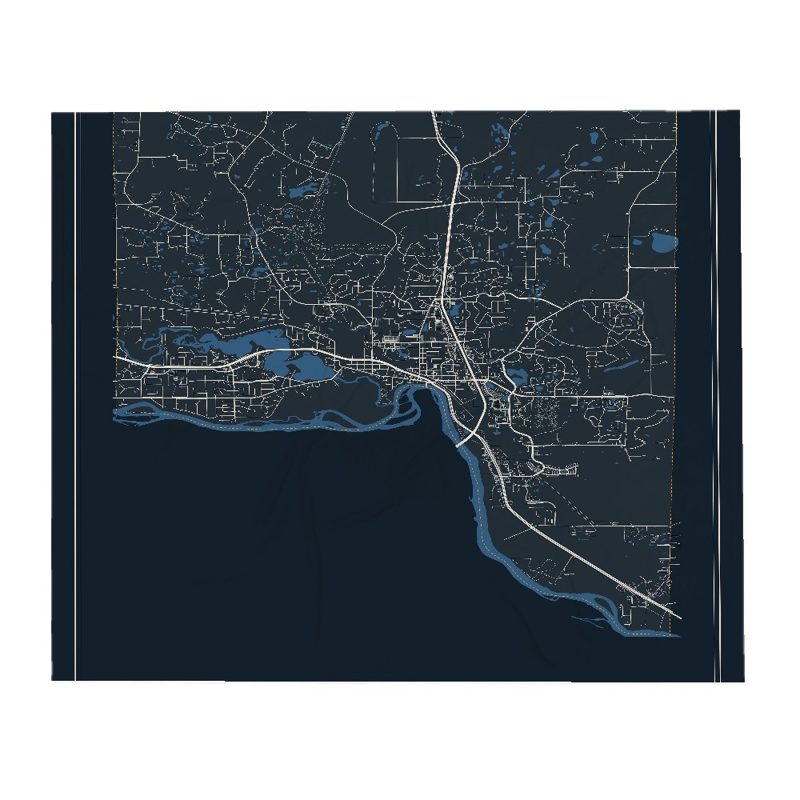
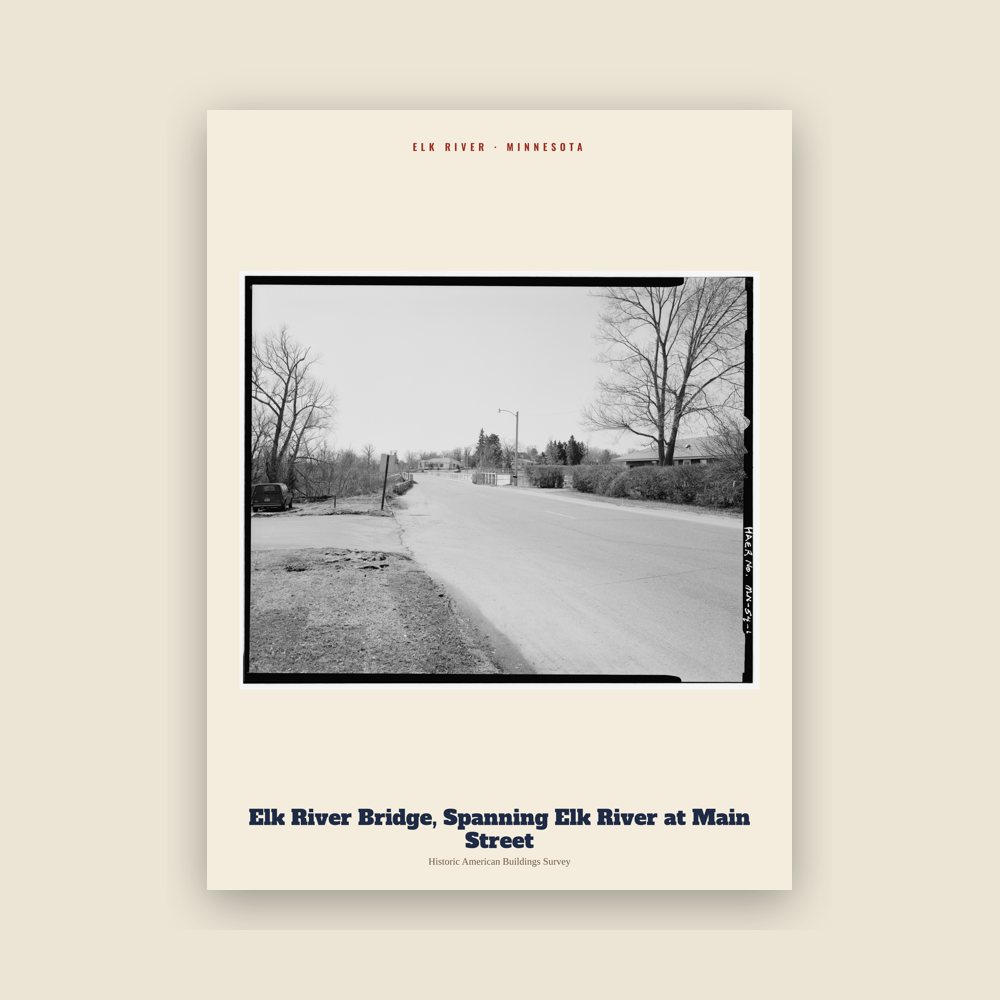
Zebulon Pike passed through the area on his 1805 exploration of the Upper Mississippi River and named the Elk River after the herds of elk he saw in the area. David Frederic Faribault, son of French-Canadian fur trader Jean-Baptiste Faribault, built a trading post near the confluence of the Elk and Mississippi Rivers in 1846, which he sold in 1848 to H. M. Rice and S. P. Folsom. Folsom moved his family to the place and built a log cabin. French fur trader and guide Pierre Bottineau bought the post and cabin from Folsom. The trading post stood on a bluff just north of the present-day bridge across the Elk River on Main Street. In 1850, Bottineau built a hotel on the bank of the Mississippi about half a mile below the mouth of the Elk. The two rivers and the Red River Trail, which passed nearby, made this area a good location for commerce.
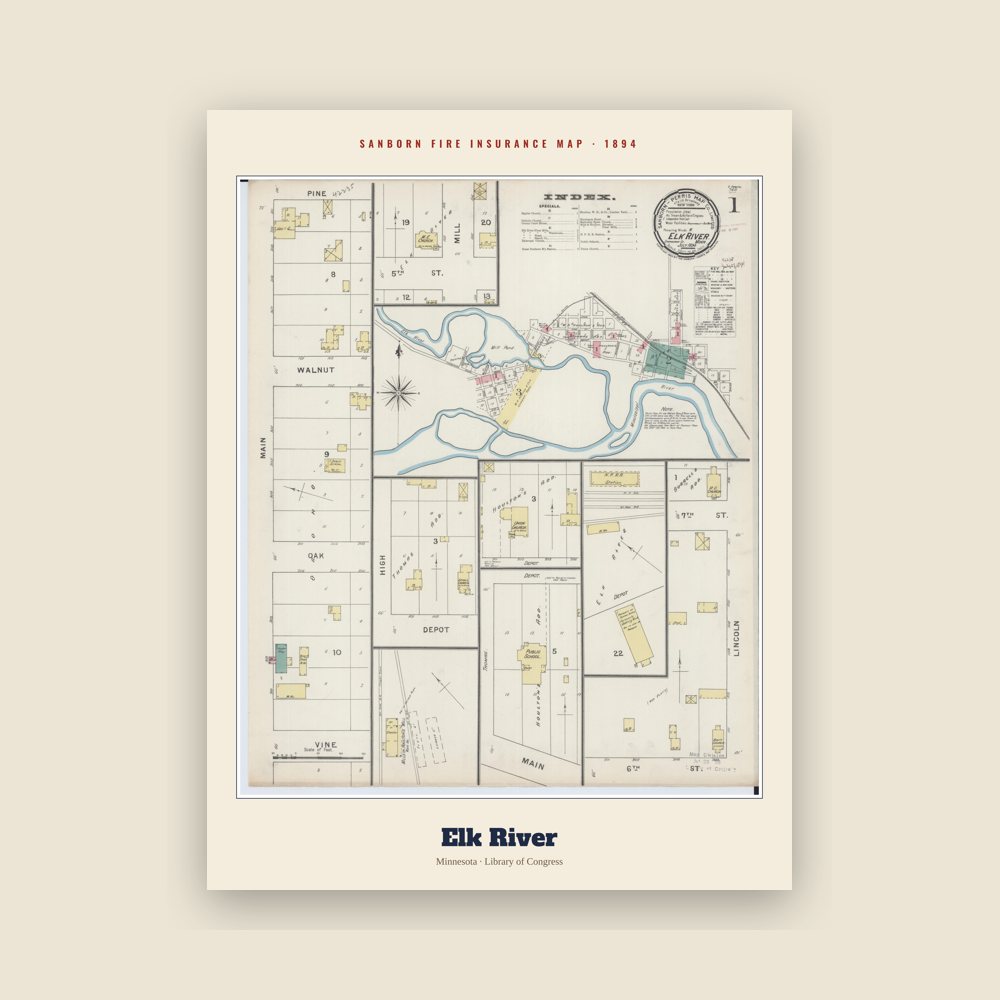
Silas Lane opened a farm near the old trading post site, making his claim in section 33 in 1850. Many early settlers came from Maine and nearly all of them were experts in lumbering. In 1851, Ard Godfrey and John C. Jamieson, a native of Orono, Maine, saw the potential of the water power of the Elk River and purchased the claim from Lane. They built a dam and a sawmill. Their dam created the first lobe of Lake Orono (called the Mill Pond), which extended from the present-day dam to Orono Cemetery Point. In 1855, the area by the dam was platted and the town of Orono (known as Upper Town) was created.
In the latter half of the 19th century, agriculture and dairy farming replaced lumber as the base of Elk River's economy. Grist mills and a starch factory, which took advantage of the potato fields to the west, were built.
The Orono-Elk River area continued to grow until by 1860 it had reached a population of 723. These early settlers mostly came from New England. Elk River's population continued to grow following a slow period caused by the Civil War. Most people moving to Elk River by that time were from Northern Europe.
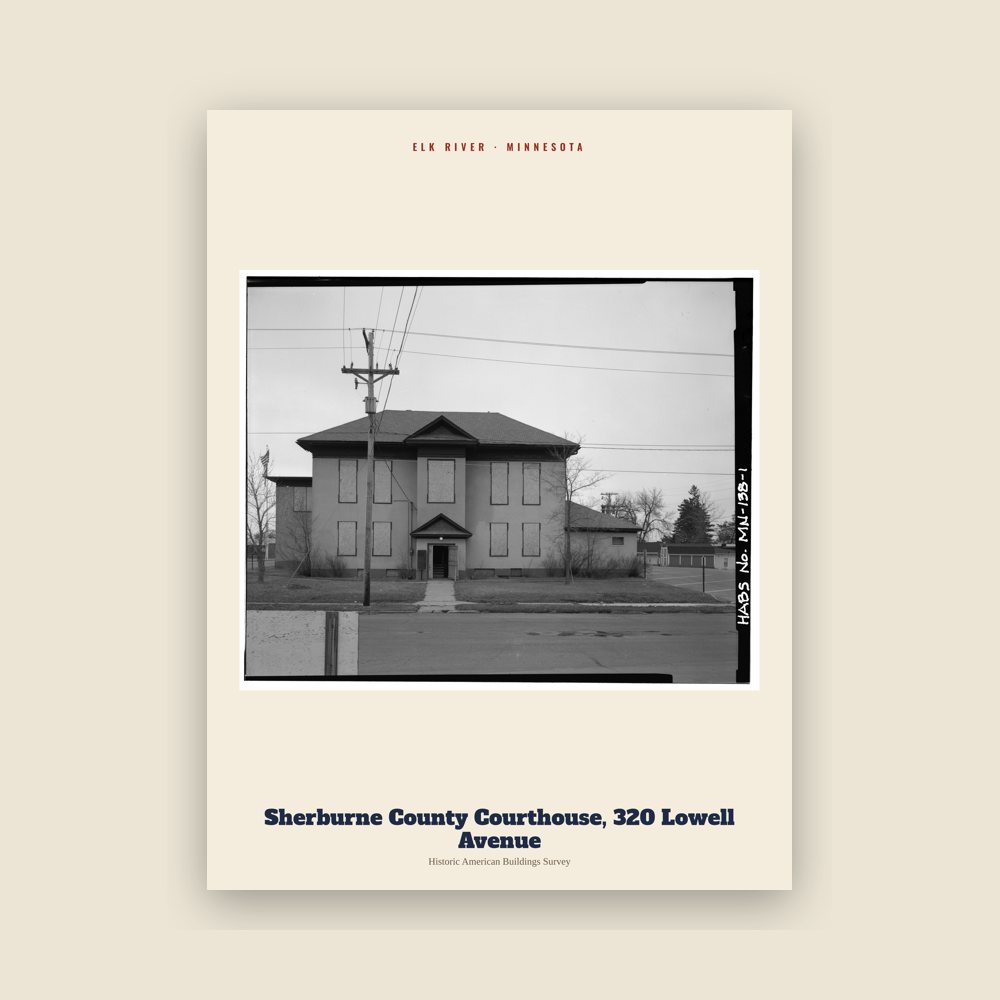
The village of Elk River was platted in 1865, replatted in 1868, and when incorporated in the winter of 1880–81, included both Orono and Elk River. By 1870, Elk River had a population of 2,050. It became the county seat in 1872. Around this time, railroads replaced the rivers as the main focus of transportation and the Lower Town (the present-day historic downtown area) replaced Upper Town as the focus of commerce.
The Orono Dam was destroyed by an ice storm in 1912, but hydropower gave a new incentive to dam the Elk River in 1915. This new dam created the four lobes of Lake Orono as we know it today. In 1916, the Village of Elk River received electricity for the first time. The entire township of Elk River did not get electricity until after World War II.
Road transportation
Charles Babcock, a native son of Elk River and the first Commissioner of Highways for the state, had a visionary plan to "get Minnesota out of the mud." His plan to create a network of paved roads became a model for the rest of the nation and the Jefferson Highway (now Highway 10) became one of the state's first paved roads. Highway 10 used to cross the Elk River over the dam bridge, but was rerouted shortly after World War II.
Jackson Avenue used to be Highway 169. For years, the intersection of this road and Highway 10 was the only one with a stoplight in Elk River, and on major travel weekends, traffic backed up halfway to Anoka. Work on Highway 169 to bypass Elk River began in 1961. Work on a new route for Highway 101 between Rogers and Elk River began in 1968.
In 1974, the Village of Elk River became the City of Elk River. In 1978, the City of Elk River and the township of Elk River were consolidated to create one unit known as the City of Elk River as it exists today. The result was one of Minnesota's largest land-based cities, at 44 square miles.
Besides transportation, energy has always played a significant role in shaping Elk River. The first rural nuclear power plant in the United States went online in 1960 as Great River Energy's (GRE) site in Elk River. It was meant only as a demonstration site and was dismantled after several successful years of operation.
Energy City
In the late 1980s, GRE's power plant was converted to burn refuse-derived fuel. This innovative source of energy was one factor that contributed to Elk River being designated "Energy City" by the Minnesota Environmental Initiative in 1997. Minnesota's energy industries demonstrate cutting-edge renewable and energy-efficient technologies in Elk River.
By the 1990s, Elk River and Sherburne County were in one of the fastest-growing corridors in the state and the country. This population growth, combined with the area's high commuter rate, factored into the ultimate approval and implementation of the Northstar Commuter Rail service from Minneapolis to Big Lake, which began service on November 16, 2009.
Flag controversy

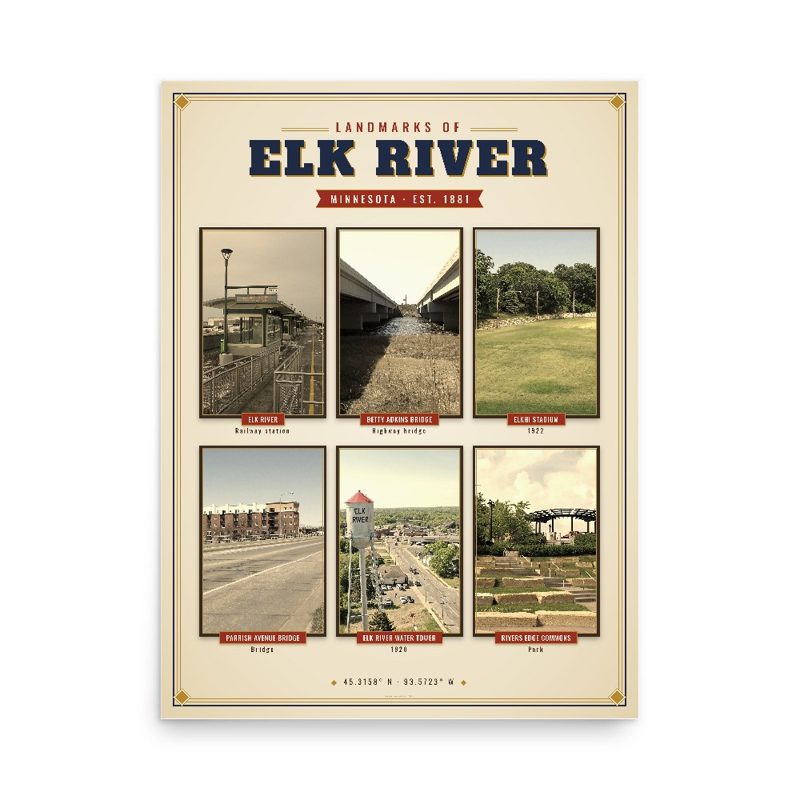

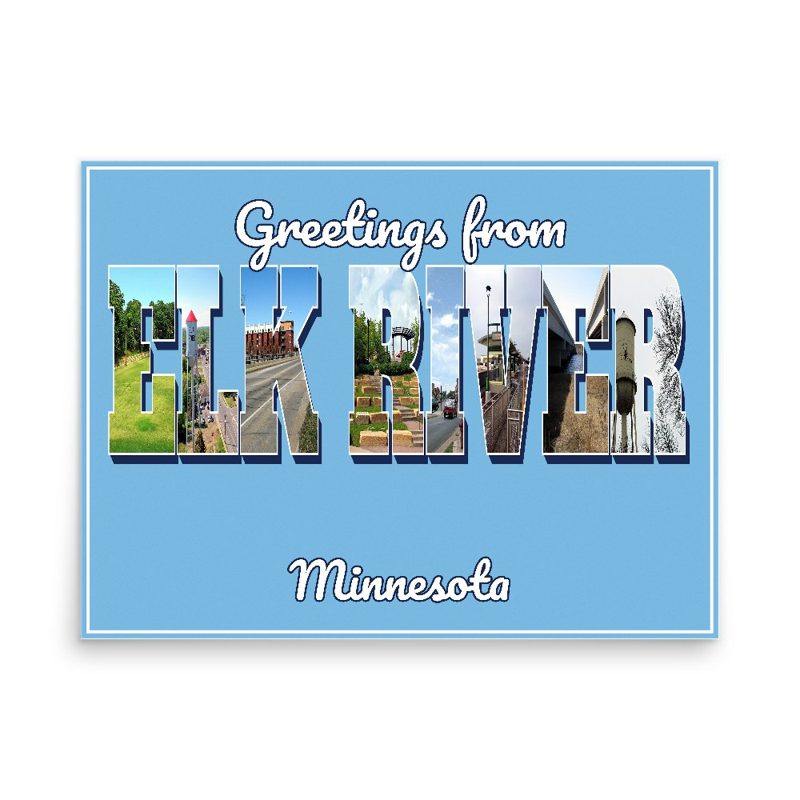
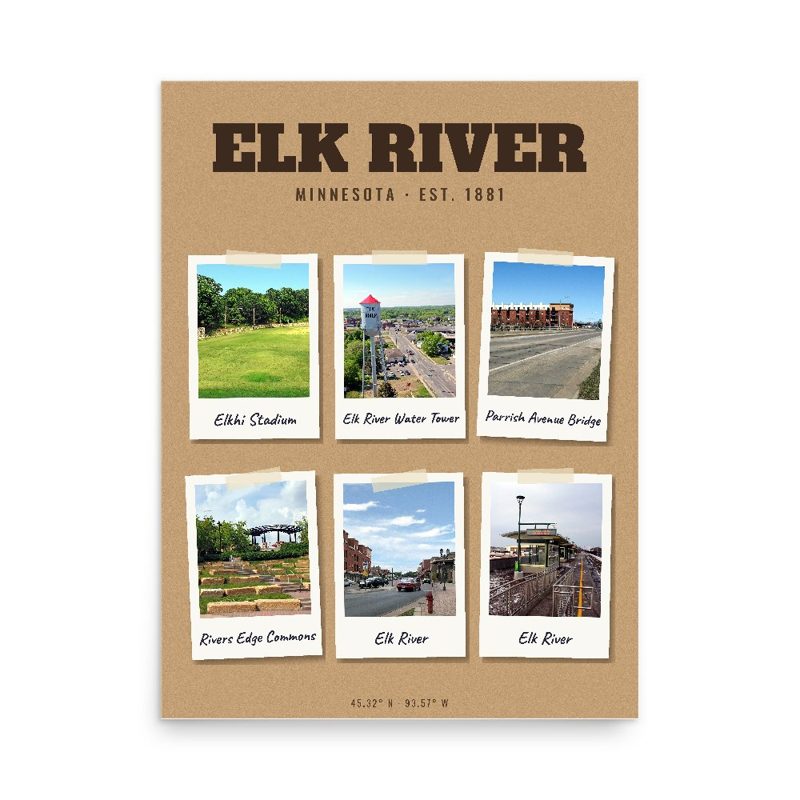
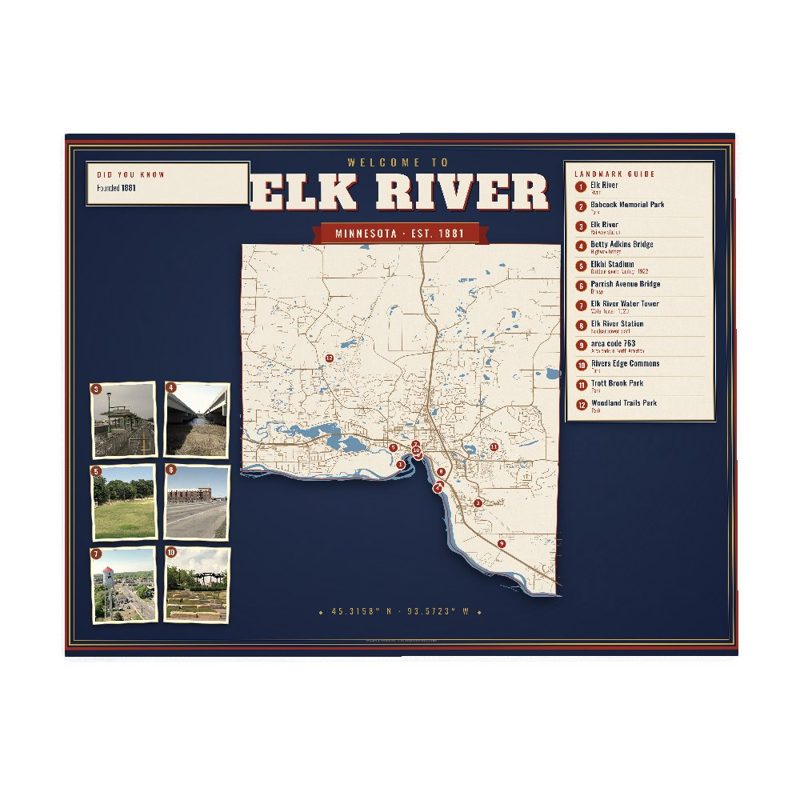











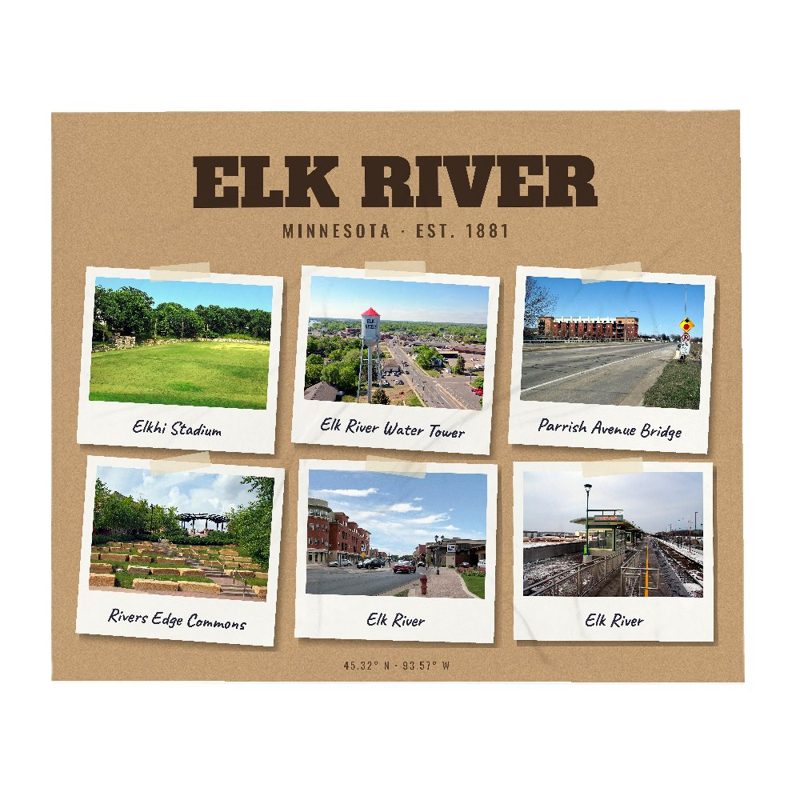
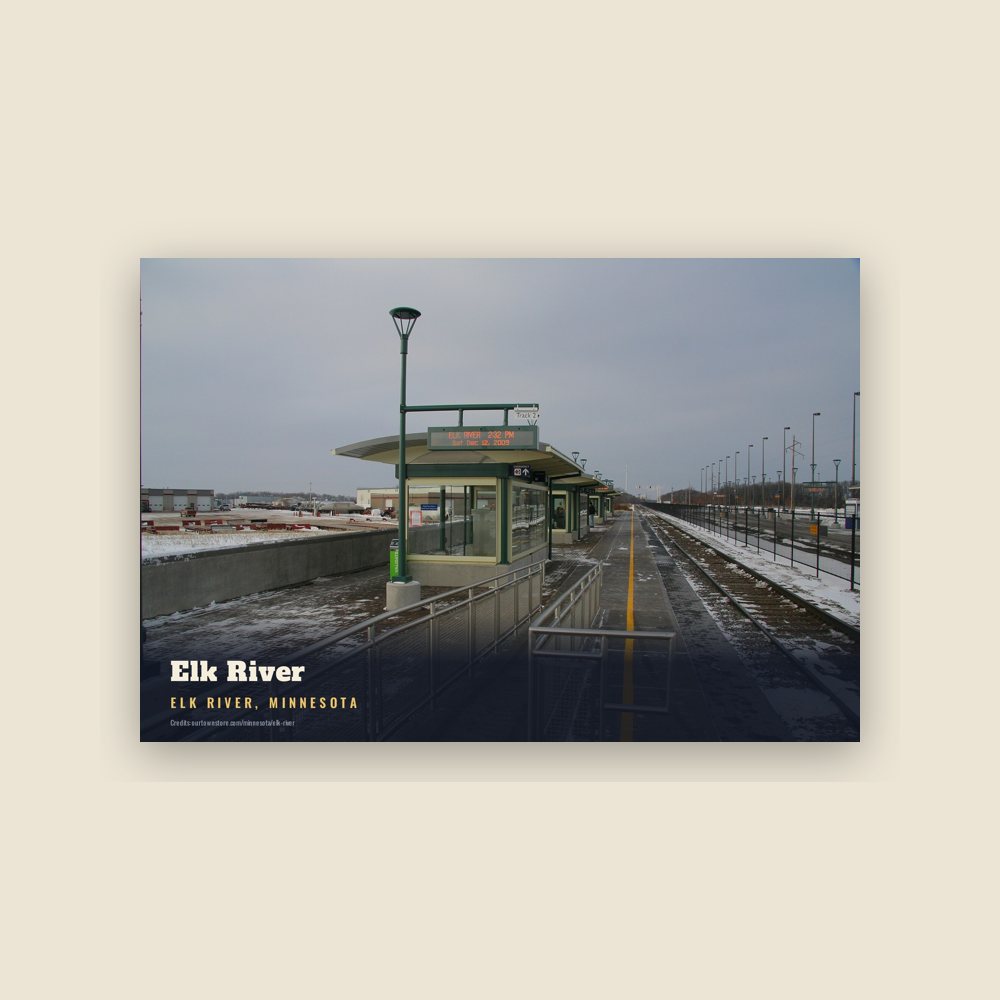

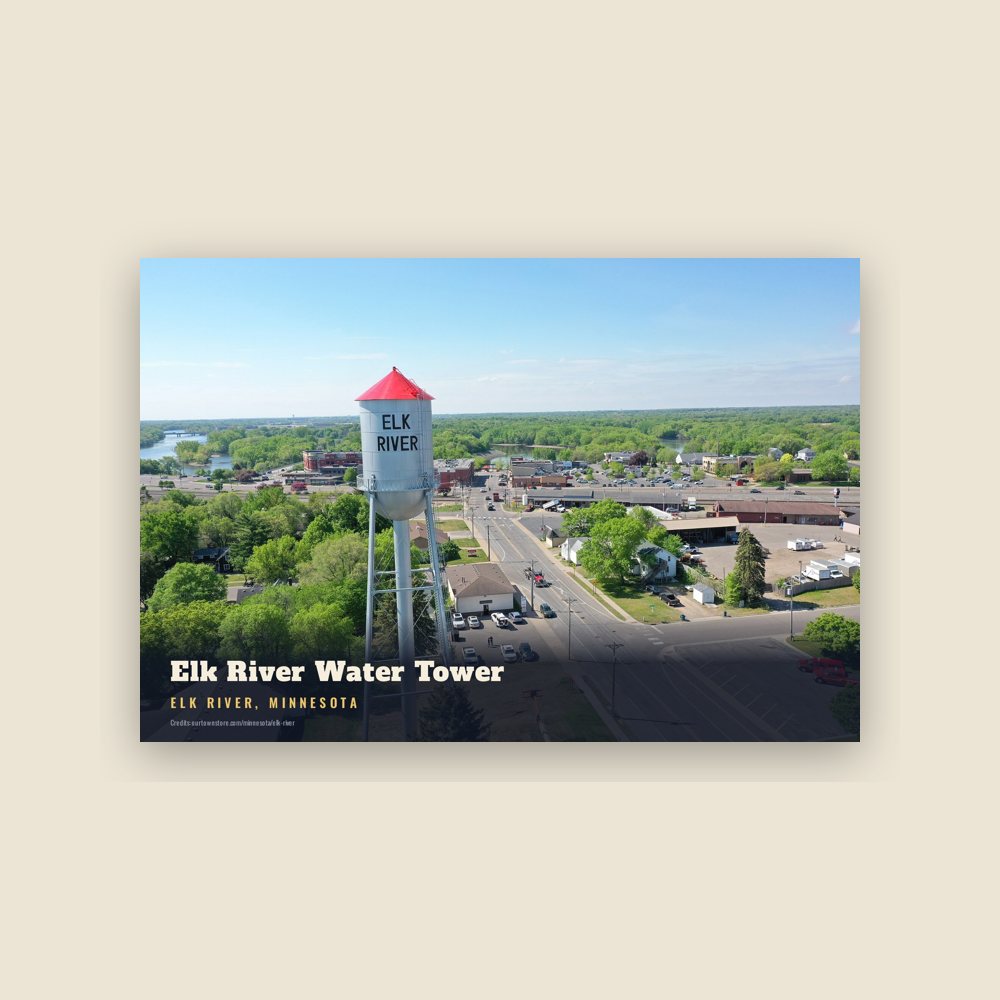
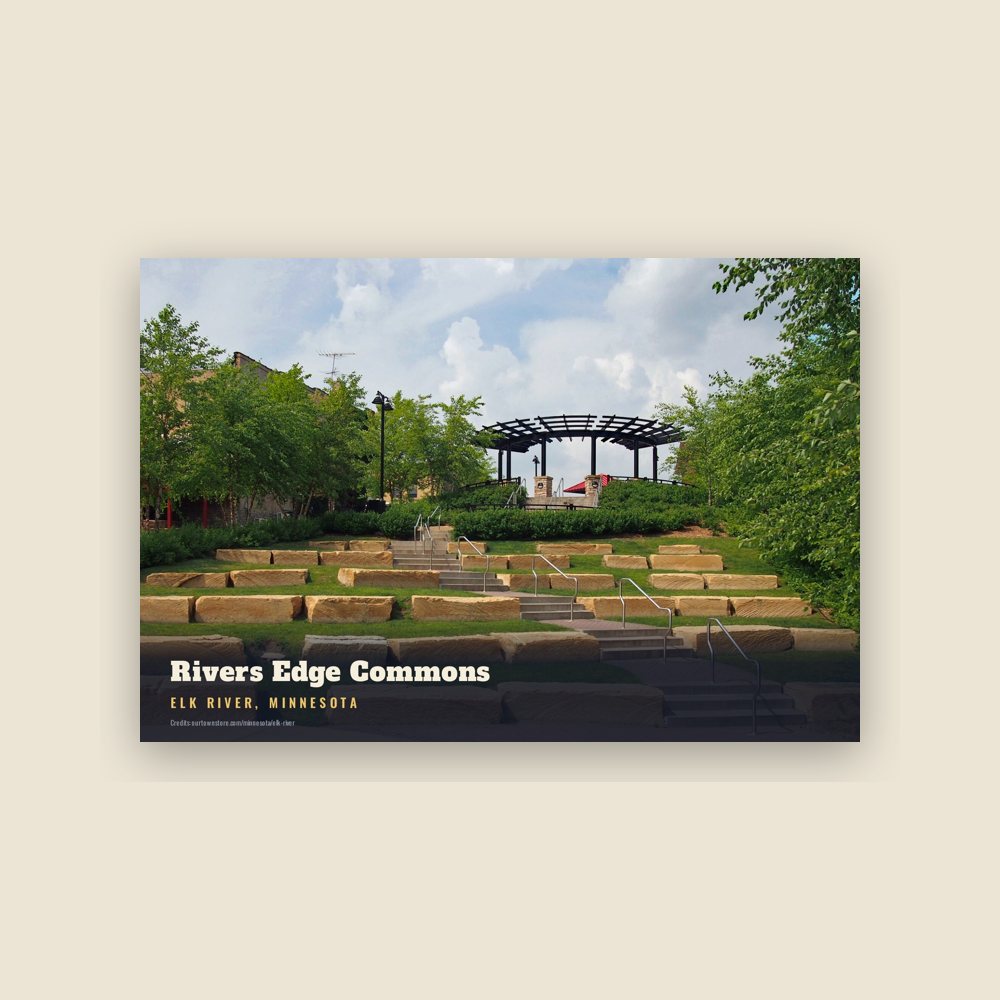
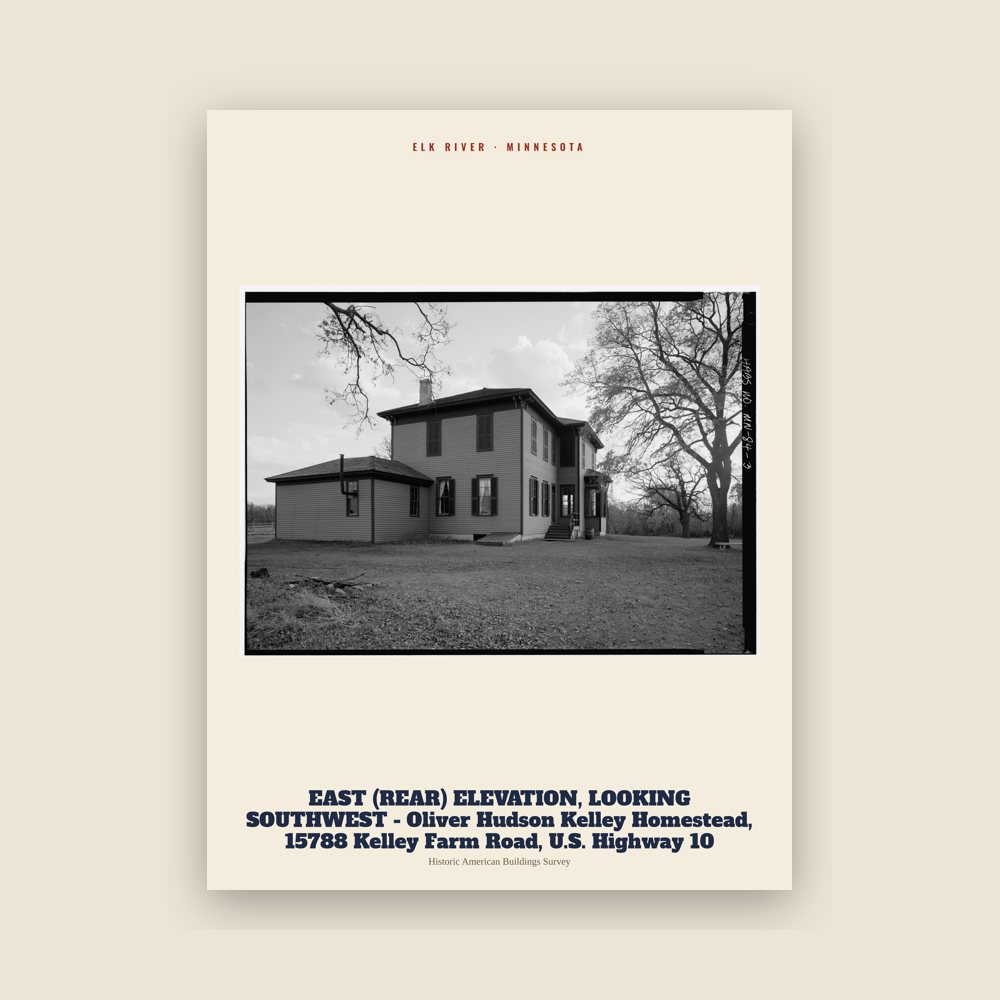
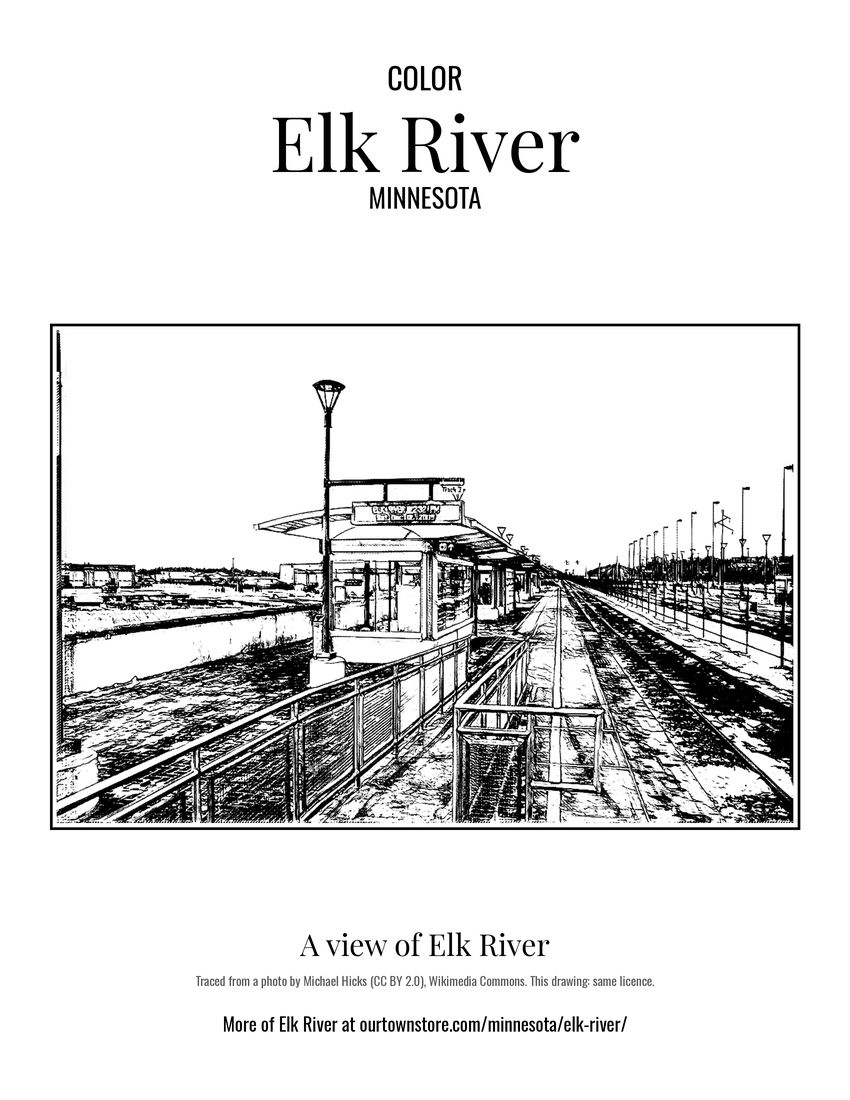 A view of Elk River
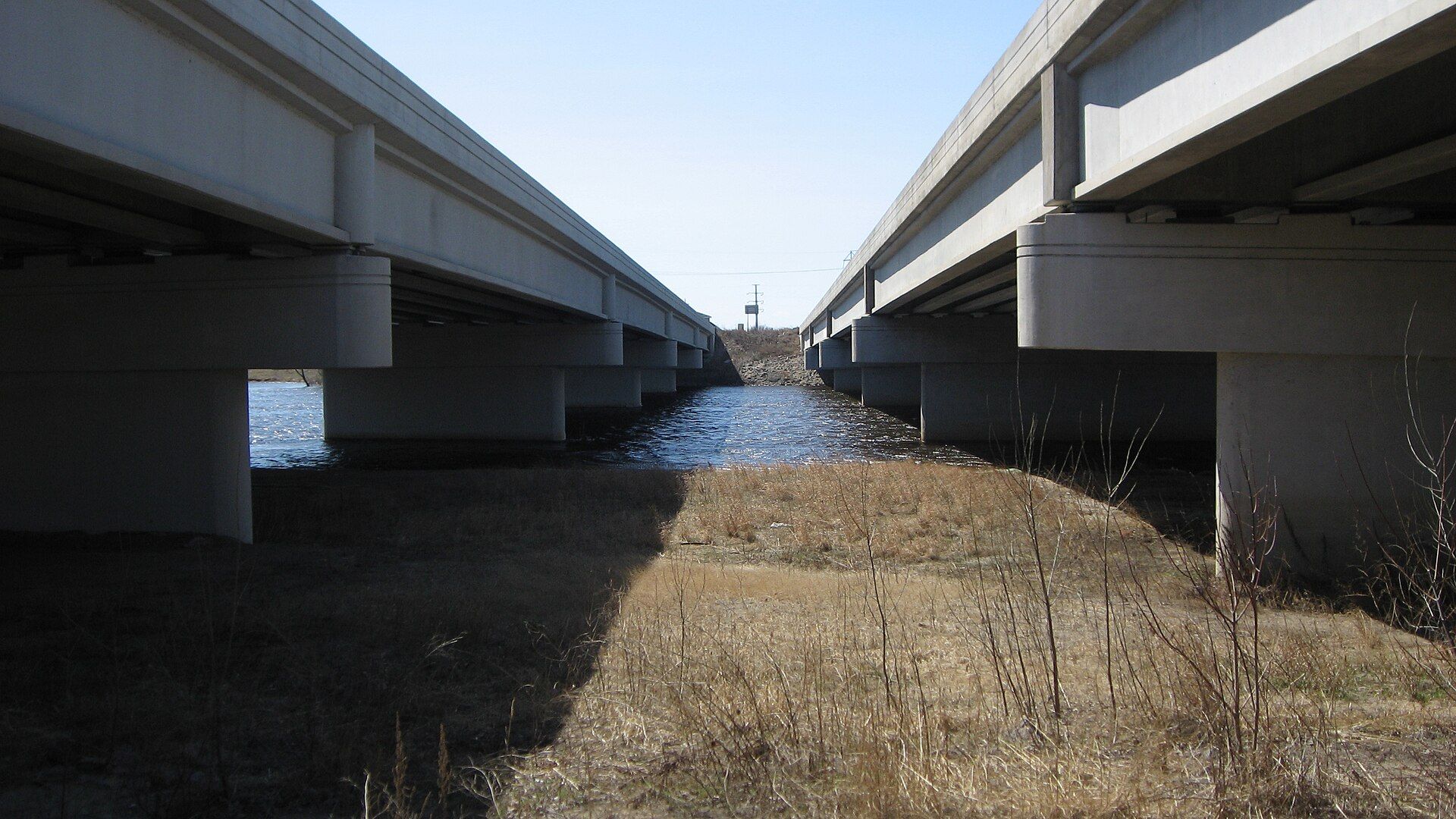
 Betty Adkins Bridge
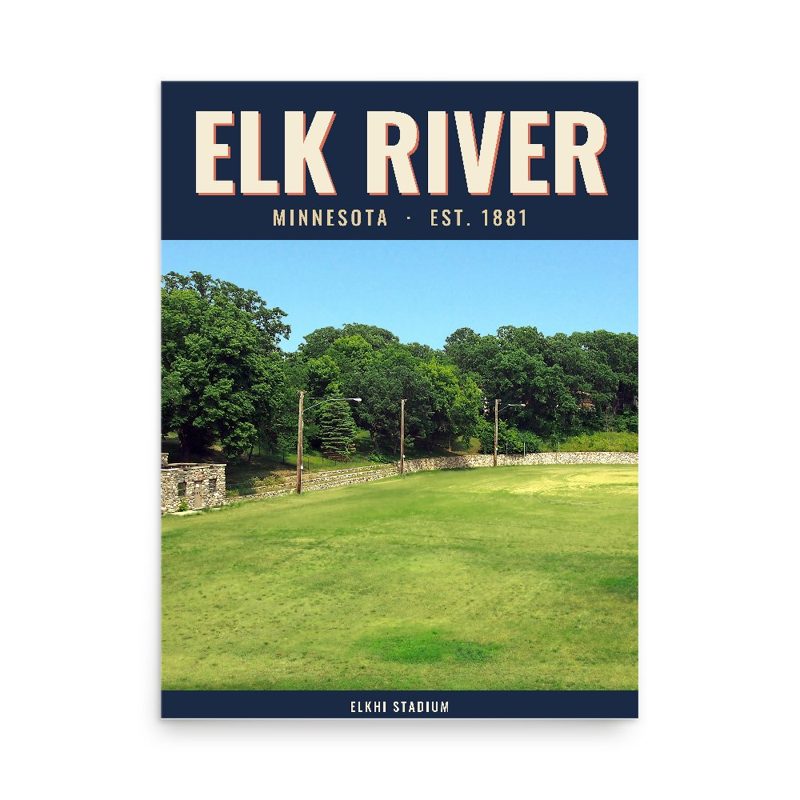
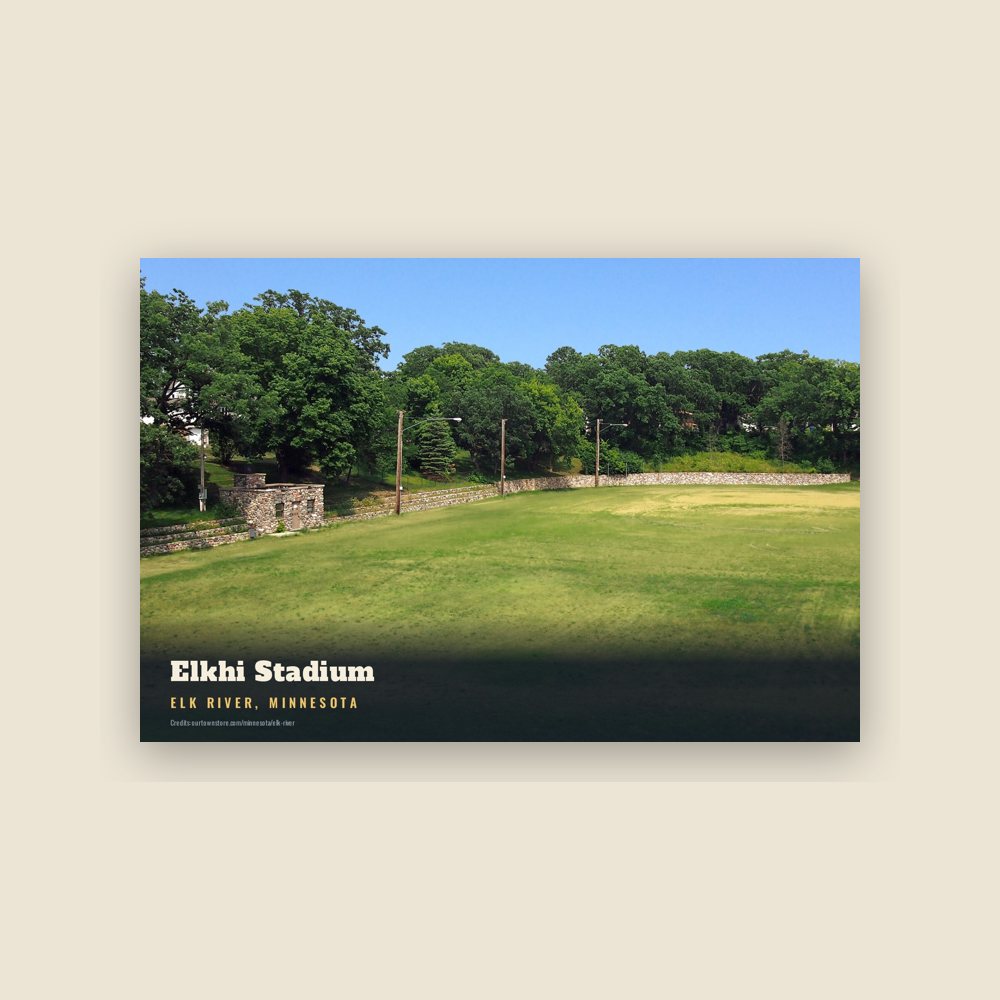
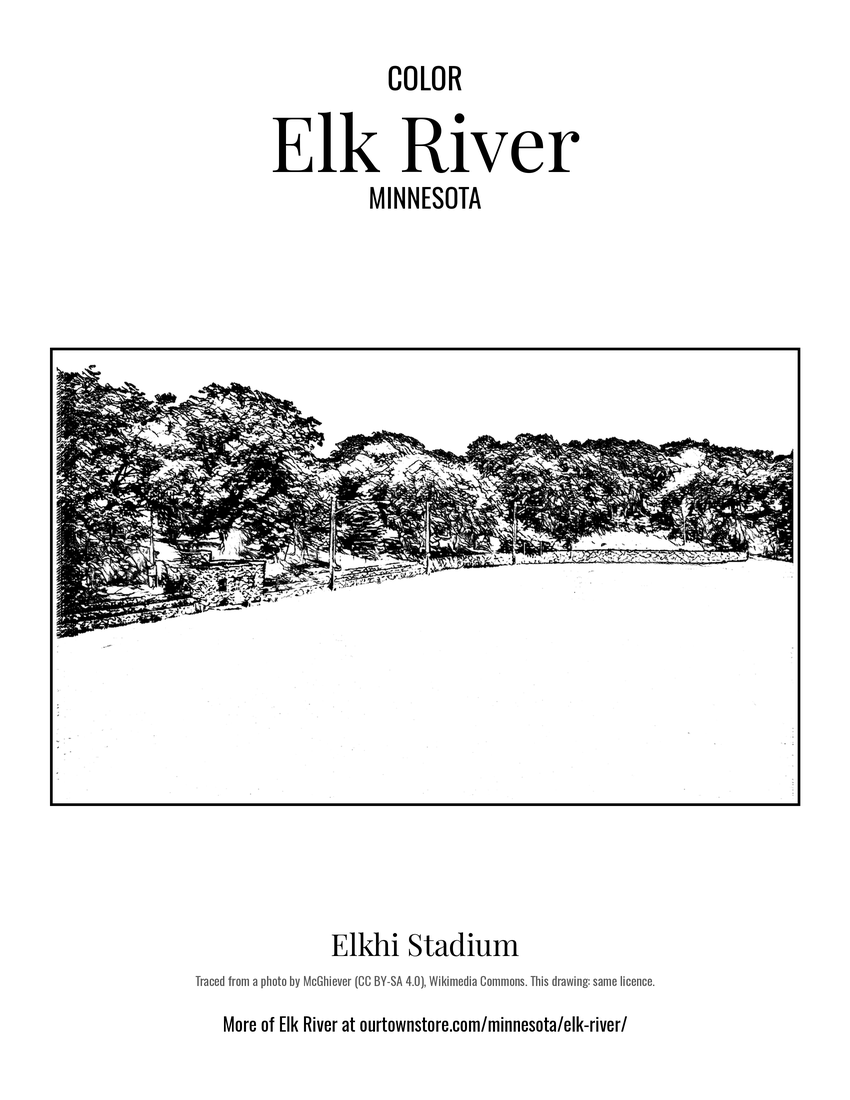 Elkhi Stadium
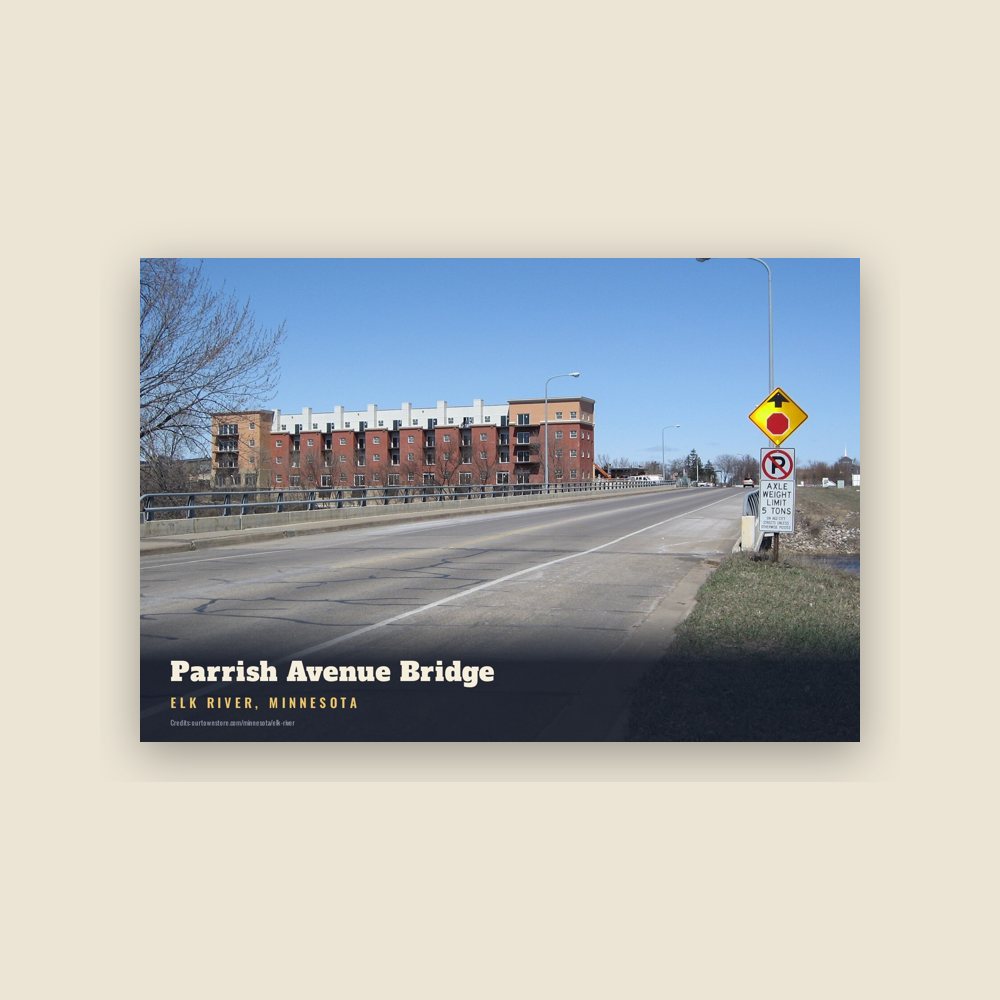
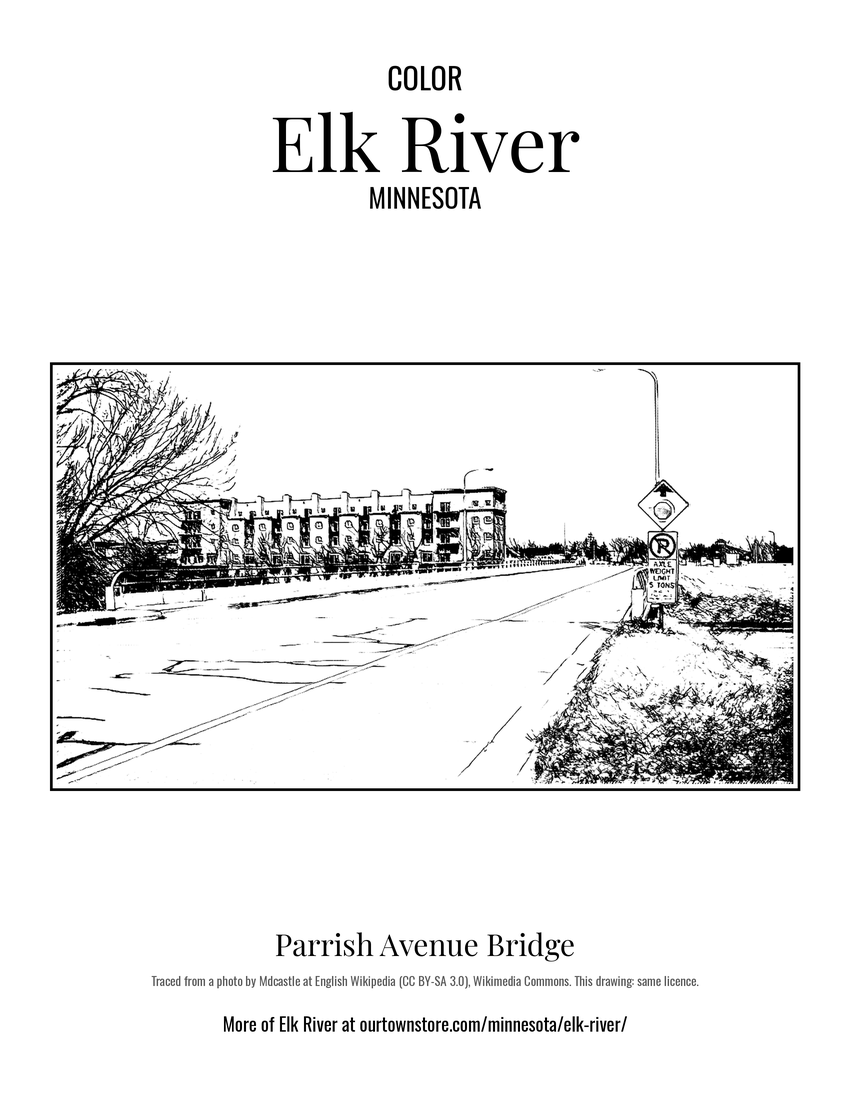 Parrish Avenue Bridge