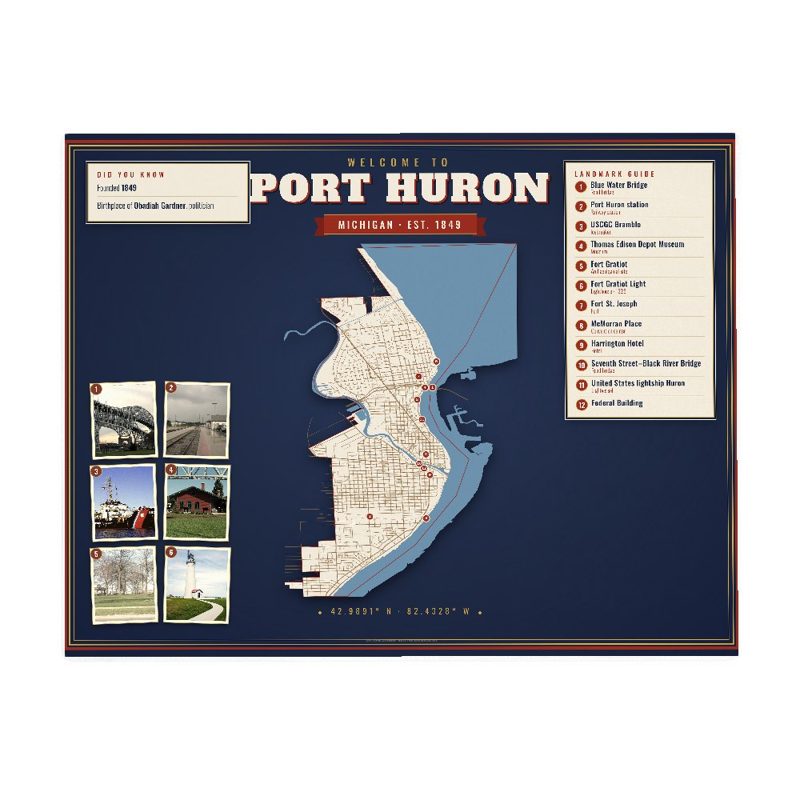
Since 1849
A short history of Port Huron
This region was long occupied by the Ojibwa people. French colonists had a temporary trading post and fort at this site in the 17th century.
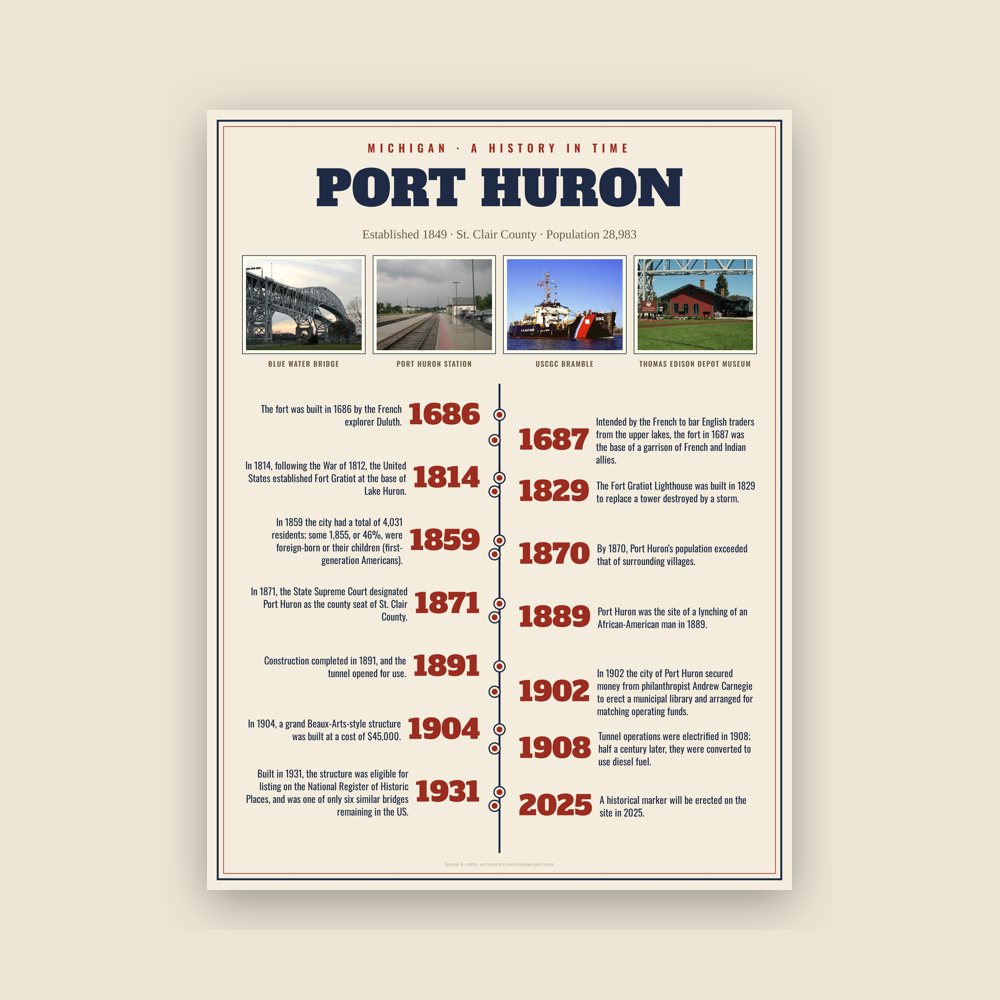
In 1814, following the War of 1812, the United States established Fort Gratiot at the base of Lake Huron. A community developed around it. The early 19th century was the first time a settlement developed here with a permanent European-American population. In the 19th century, the United States established an Ojibwa reservation in part of what is now Port Huron, in exchange for their cession of lands under treaty for European-American settlement. But in 1836, under Indian Removal, the US forced the Ojibwa to move west of the Mississippi River and resettle in what are now the states of Wisconsin and Minnesota.
Port Huron incorporated in 1857. Its population grew rapidly after the 1850s due a high rate of immigration: workers leaving poverty, famine, and revolutions in Europe were attracted to the successful shipbuilding and lumber industries in Michigan. These industries supported development around the Great Lakes and in the Midwest. In 1859 the city had a total of 4,031 residents; some 1,855, or 46%, were foreign-born or their children (first-generation Americans).
By 1870, Port Huron's population exceeded that of surrounding villages. In 1871, the State Supreme Court designated Port Huron as the county seat of St. Clair County.
On October 8, 1871, the city, as well as places north in Sanilac and Huron counties, burned in the Port Huron Fire of 1871. A series of other fires leveled Holland and Manistee, as well as Peshtigo, Wisconsin and Chicago, Illinois on the same day. The Thumb Fire that occurred a decade later, also engulfed Port Huron.
Port Huron was the site of a lynching of an African-American man in 1889. On May 27, 1889, in the early morning, a mob of white men stormed the county jail to capture 23-year-old Albert Martin. A mixed-race man, he was accused of attacking a woman. They hanged him from the 7th Street Bridge. A memorial was installed in 2018 at the site, recounting Martin's history. The city collaborated with the Equal Justice Initiative on this memorialization.
The city was hit by a violent F4 tornado on May 21, 1953, damaging or destroying over 400 structures, killing two, and injuring 68.
In June 1962, the Port Huron Statement, a New Left manifesto, was adopted at a convention of the Students for a Democratic Society. The convention did not take place within the actual city limits of Port Huron, but instead was held at a United Auto Workers retreat north of the city (now part of Lakeport State Park). A historical marker will be erected on the site in 2025.
On November 11, 2017, veterans from around the country, such as Dave Norris, Clitus Schuyler, and Lou Ann Dubuque, joined together at a cemetery in Port Huron to share the significance of Veterans Day.
In April 2023, the Pere Marquette Railway bascule bridge was demolished after a nearly decade long battle between preservationists and the Port Huron Yacht Club. Built in 1931, the structure was eligible for listing on the National Register of Historic Places, and was one of only six similar bridges remaining in the US.
Read the full history
Historic sites
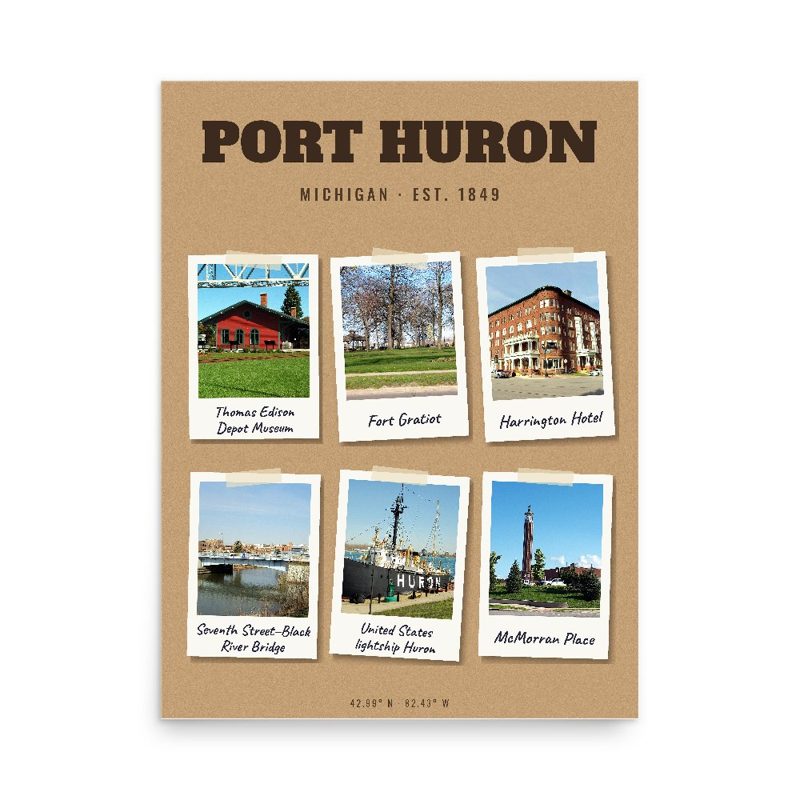
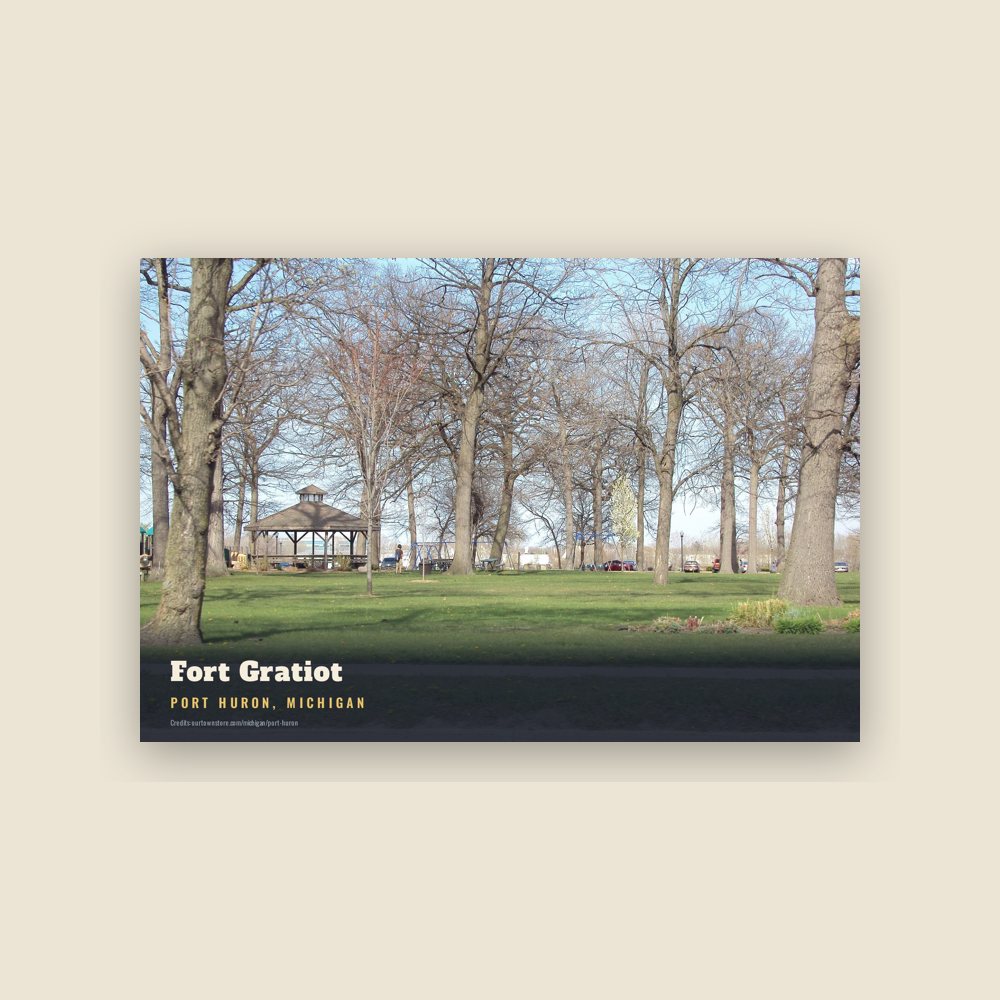
The fort was built in 1686 by the French explorer Duluth. This fort was the second European settlement in lower Michigan. This post guarded the upper end of the St. Clair River, the vital waterway joining Lake Erie and Lake Huron. Intended by the French to bar English traders from the upper lakes, the fort in 1687 was the base of a garrison of French and Indian allies. In 1688 the French abandoned this fort. The site was incorporated into Fort Gratiot in 1814. A park has been established at the former site of the fort.
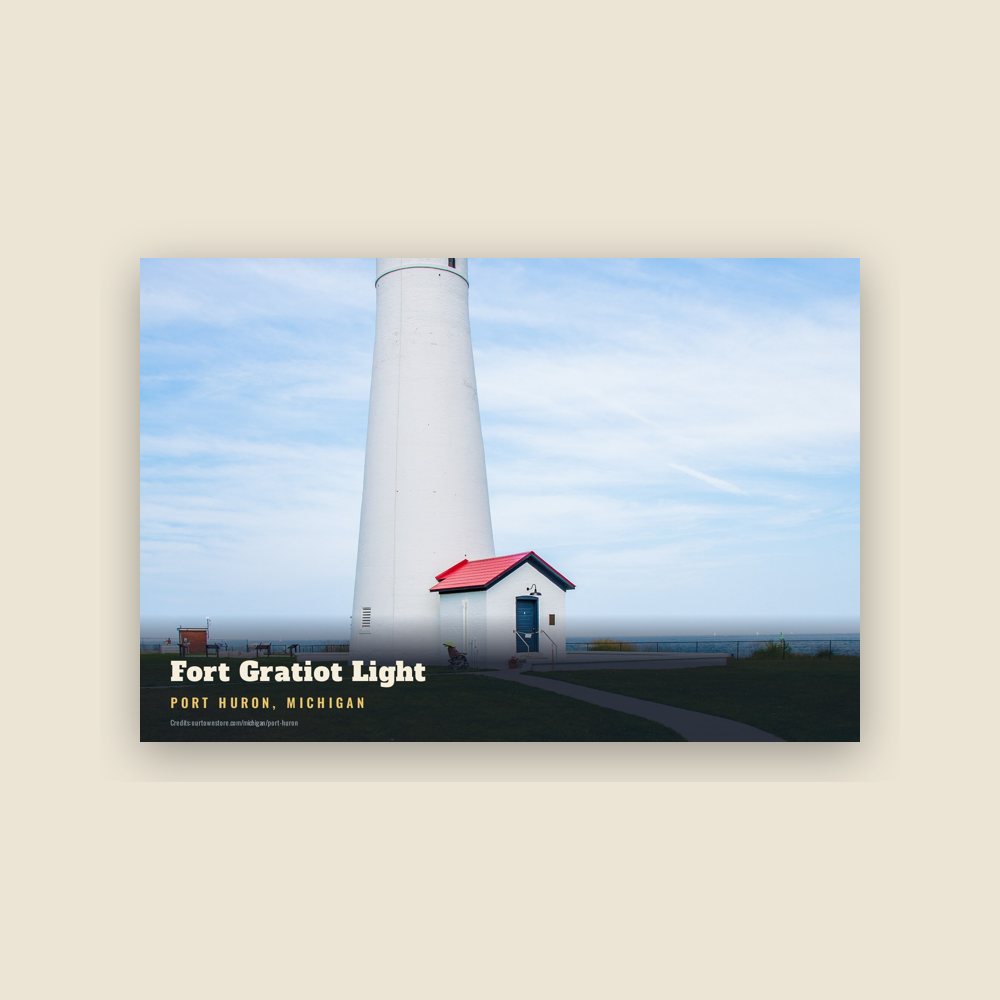
The Fort Gratiot Lighthouse was built in 1829 to replace a tower destroyed by a storm. In the 1860s workers extended the tower to its present height of 84 feet (26 m). The light, automated in 1933, continues to guide shipping on Lake Huron into the narrow and swift-flowing St. Clair River. It was the first lighthouse established in the State of Michigan.
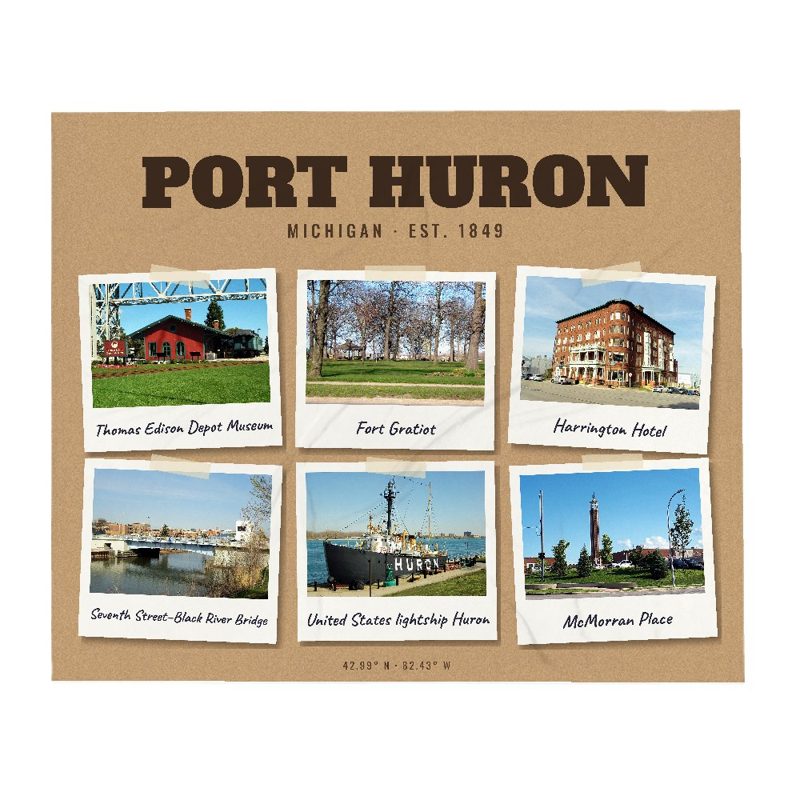
From 1935 until 1970, the U.S. lightship Huron was stationed in southern Lake Huron to mark dangerous shoals. After 1940, the Huron was the only lightship operating on the Great Lakes. Retired from Coast Guard Service in 1970, she was presented to the City of Port Huron in 1971.
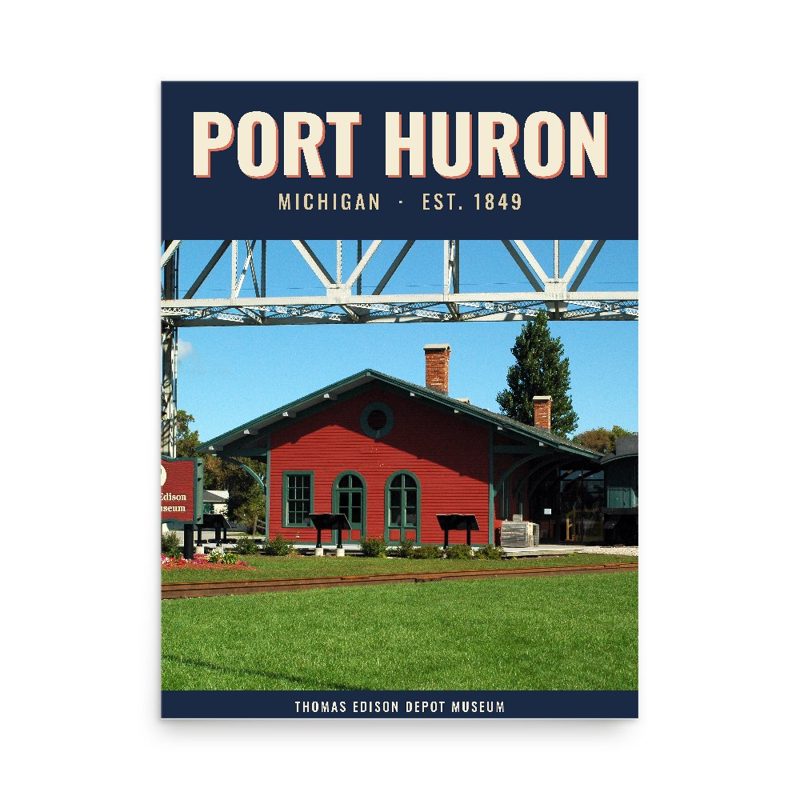
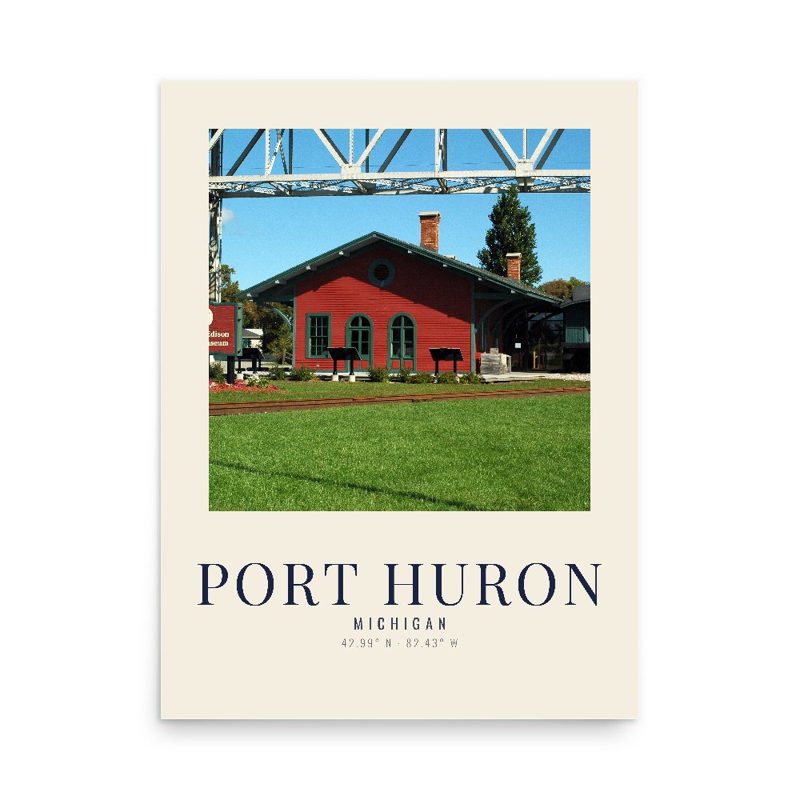
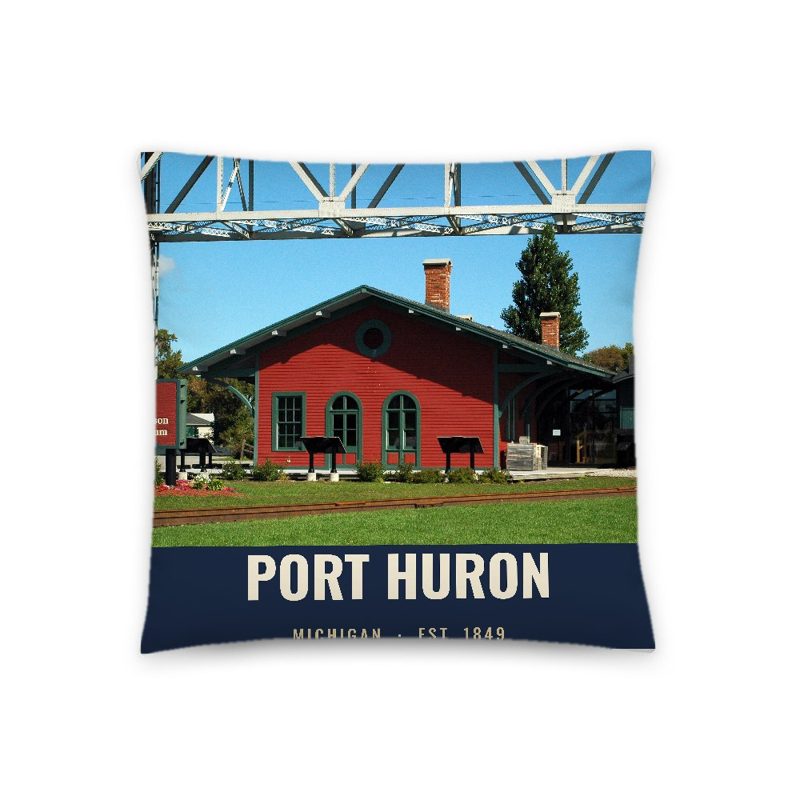
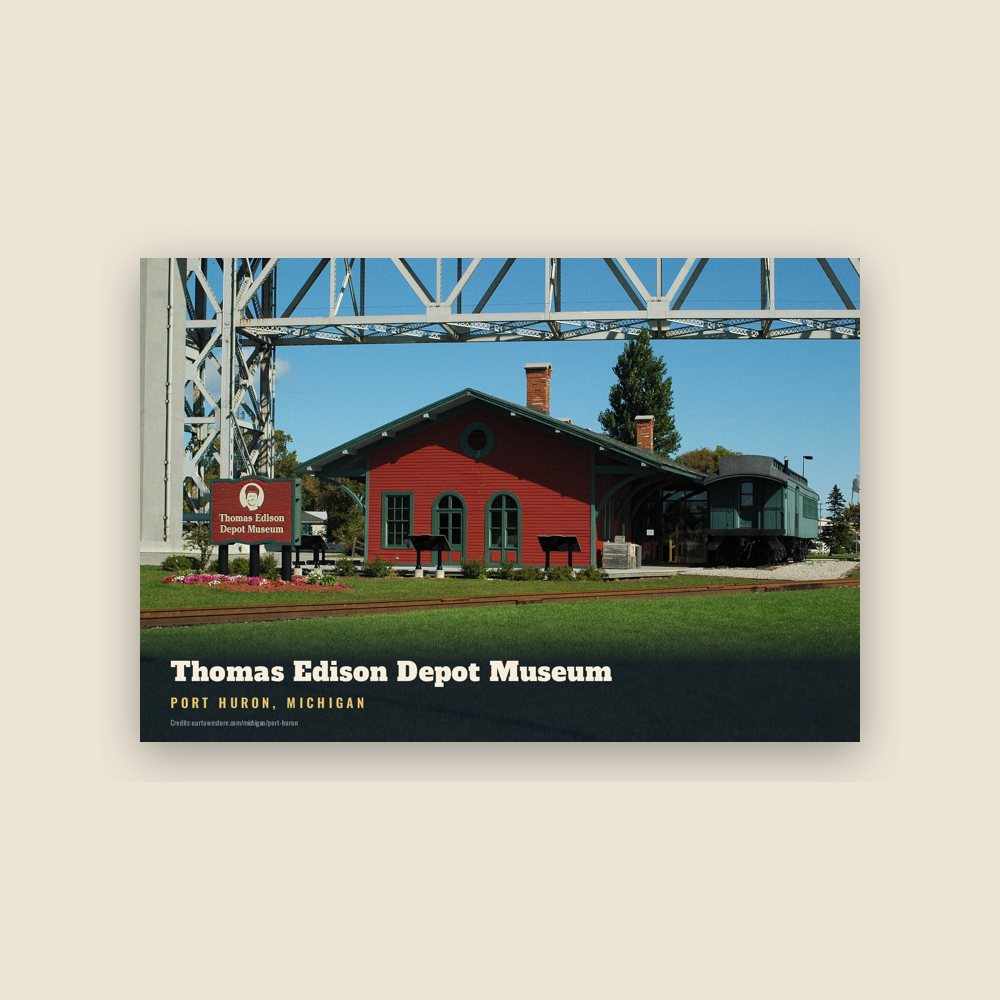
The depot, which is now part of the Port Huron Museum, is where 12-year-old Thomas Edison departed daily on the Port Huron–Detroit run. In 1859, the railroad's first year of operation, Edison convinced the railroad company to let him sell newspapers and confections on the daily trips. He became so successful that he soon placed two newsboys on other Grand Trunks running to Detroit. He made enough money to support himself and to buy chemicals and other experimental materials.
In 1902 the city of Port Huron secured money from philanthropist Andrew Carnegie to erect a municipal library and arranged for matching operating funds. In 1904, a grand Beaux-Arts-style structure was built at a cost of $45,000. At its dedication, Melvil Dewey, creator of a widely used book classification system, delivered the opening address. The Port Huron Public Library served in its original capacity for over sixty years. In 1967, a larger public library was constructed. The following year the former library was renovated and re-opened as the Port Huron Museum of Arts and History. An addition was constructed in 1988.
This hotel, which opened in 1896, blends Romanesque, Classical, and Queen Anne style architecture. After the hotel closed in 1986, a group of investors bought the structure that same year to convert it into housing for senior citizens. The Harrington Hotel is listed on the National Register of Historic Places.
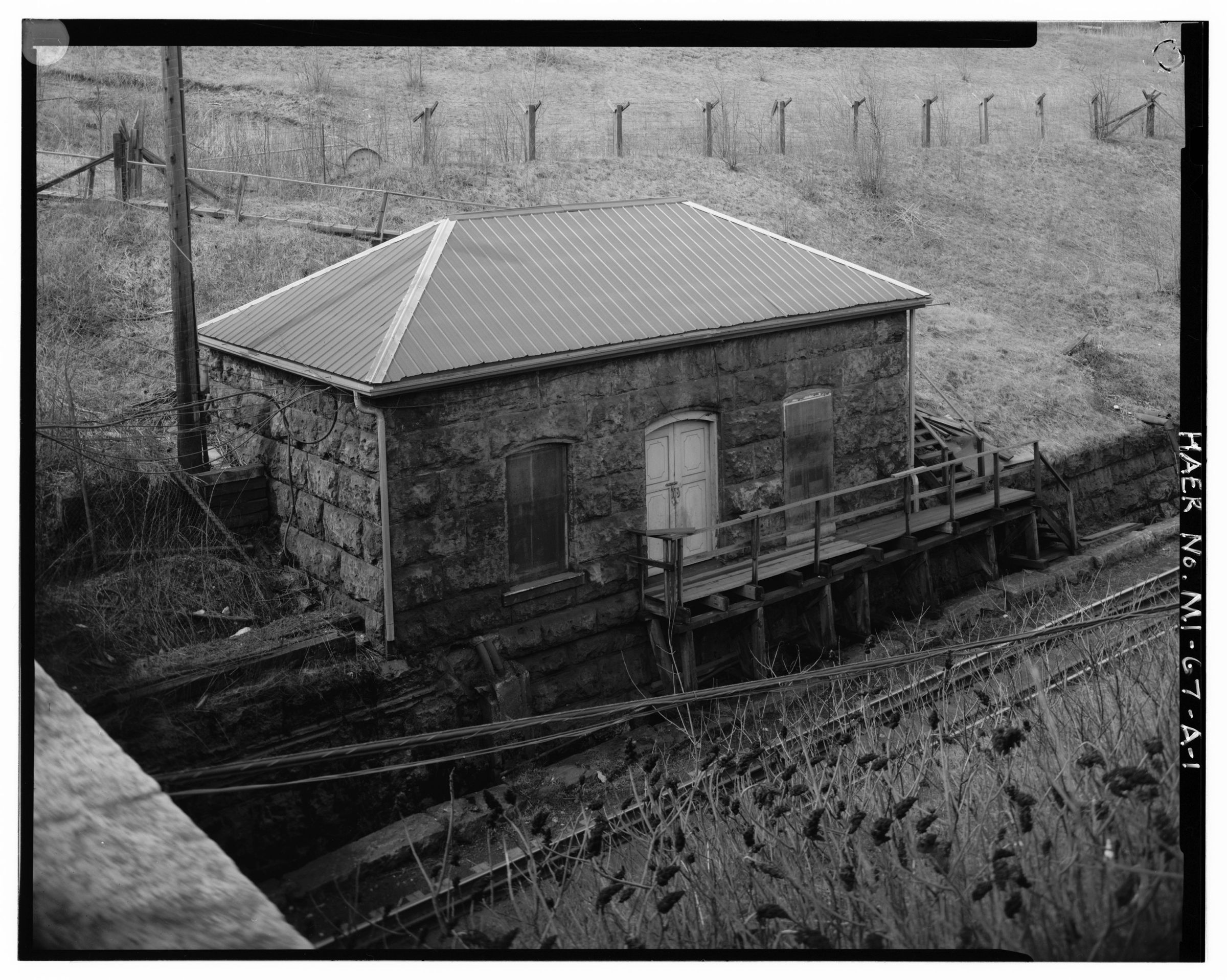
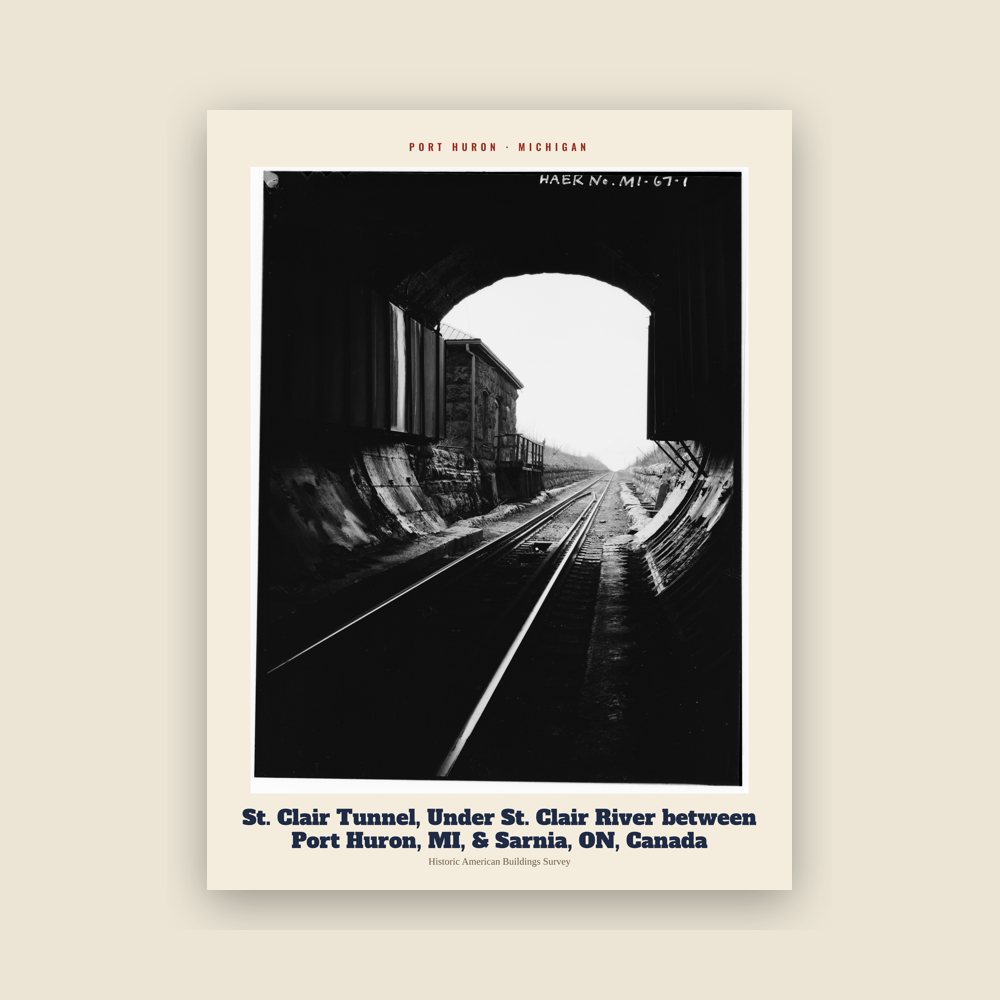
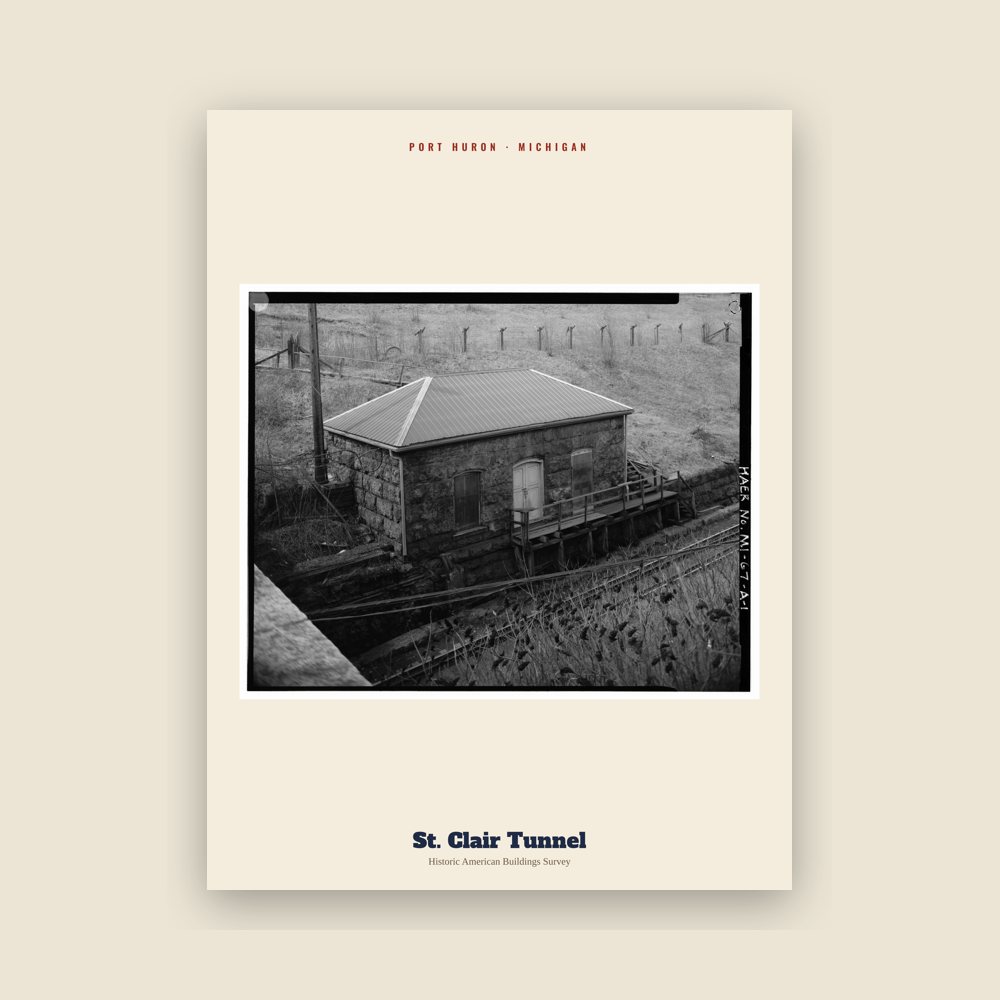
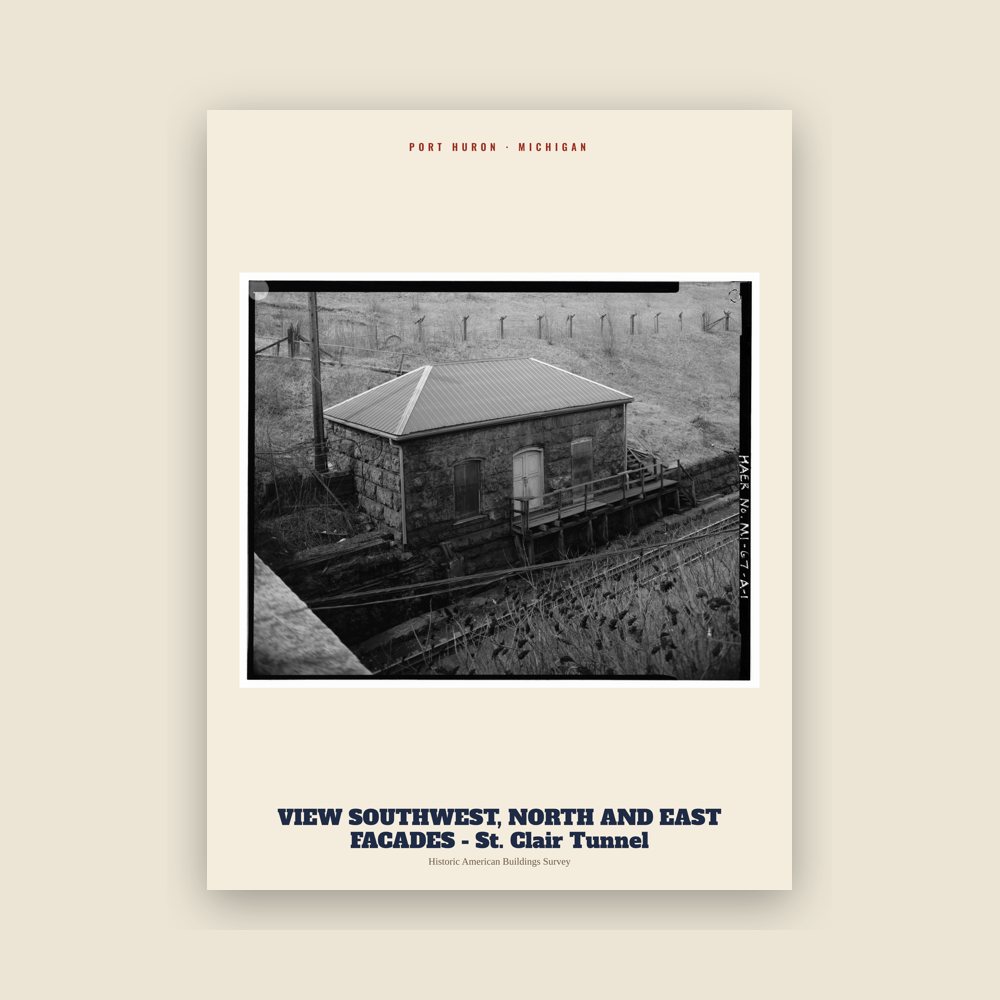
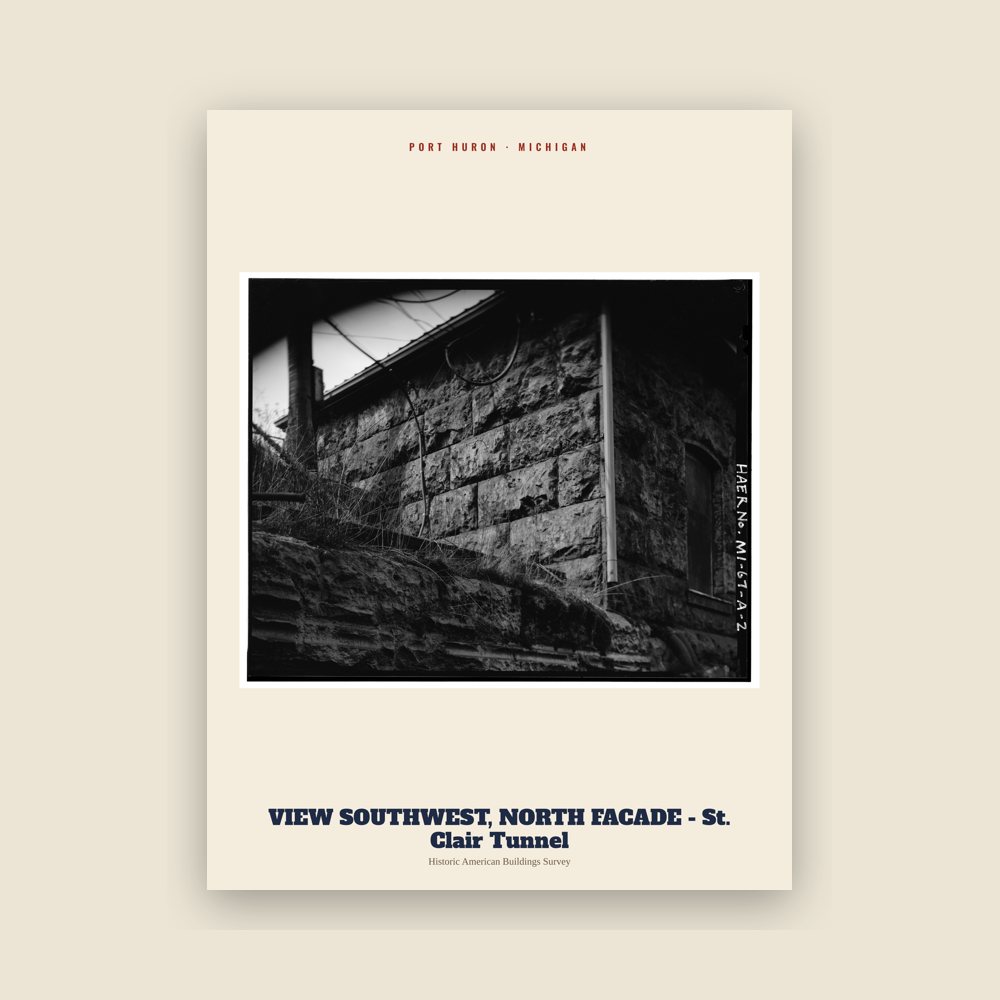
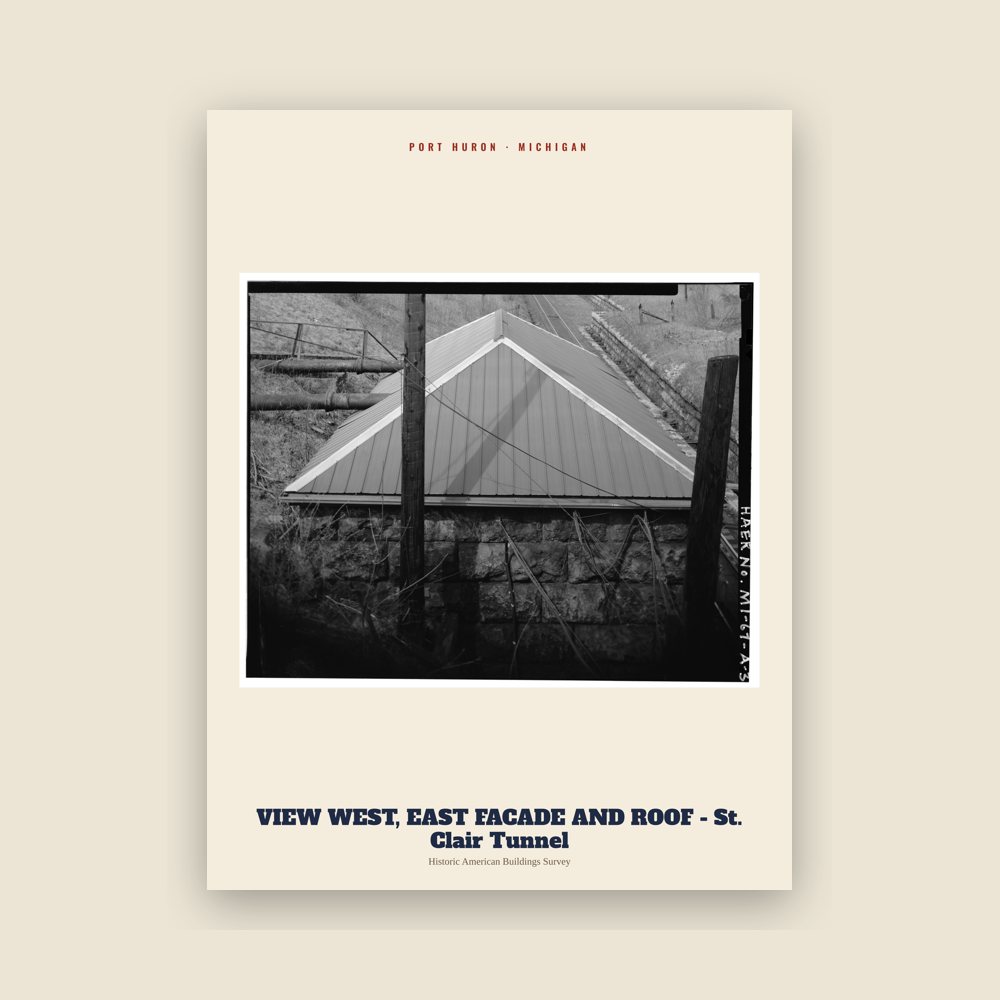
This, the original St. Clair Tunnel, crossed under the St. Clair River to link Port Huron with Canada by rail. It was the first international submarine railway tunnel in the world. The tunnel's total length is 6,025 feet (1,836 m), with 2,290 feet (700 m) underwater. Construction completed in 1891, and the tunnel opened for use. Tunnel operations were electrified in 1908; half a century later, they were converted to use diesel fuel. Tracks were lowered in 1949 to accommodate larger freight cars. During World War I, a plot to blast the tunnel was foiled. A second, more modern railway tunnel began operation in 1995.
Historic photographs
Adapted (trimmed) from the Wikipedia article Port Huron, Michigan, revision 1378257933 by its contributors, licensed CC BY-SA 4.0.





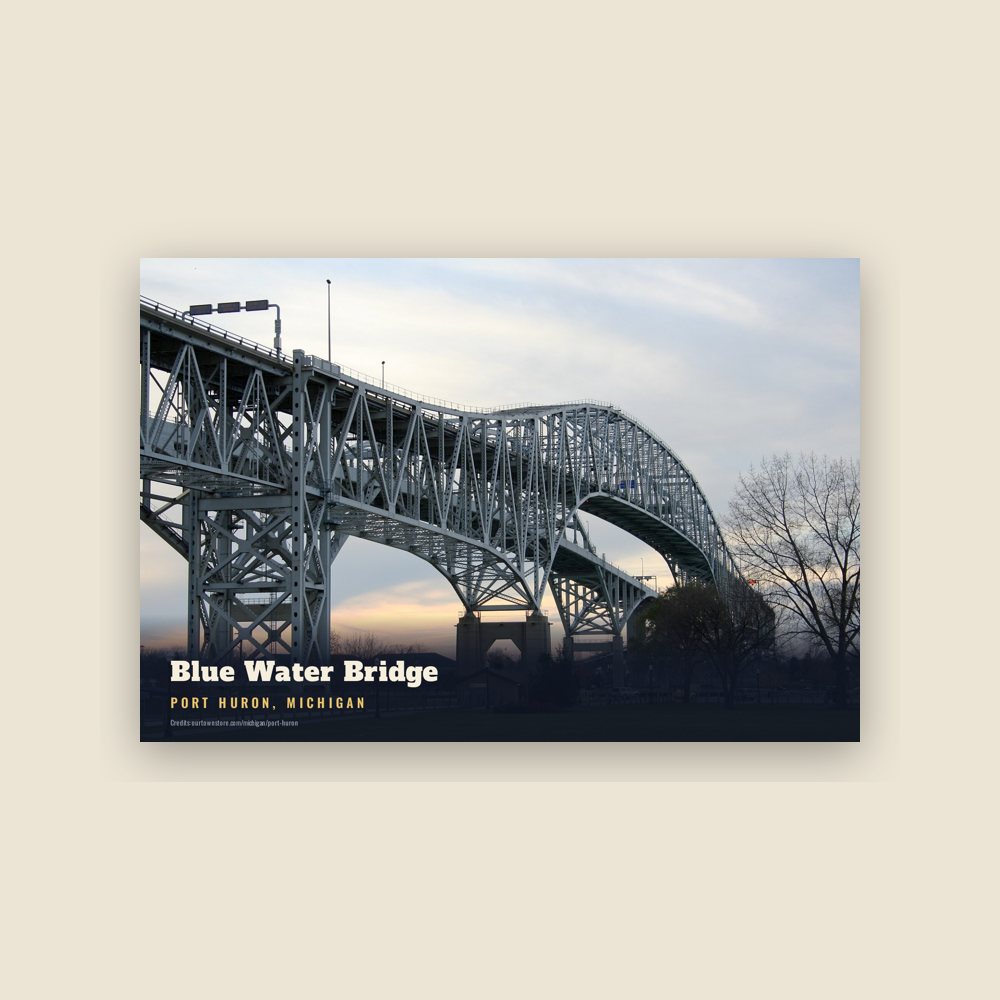

 Blue Water Bridge
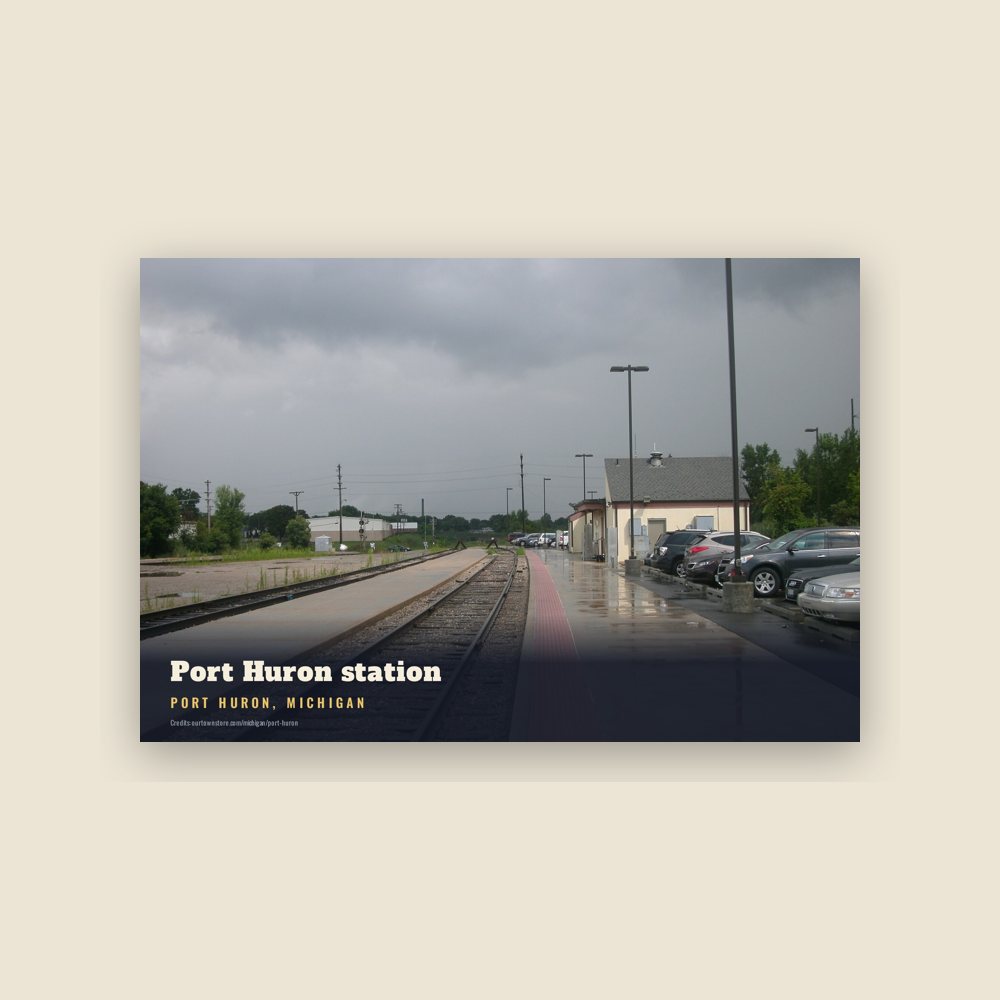
 Port Huron station
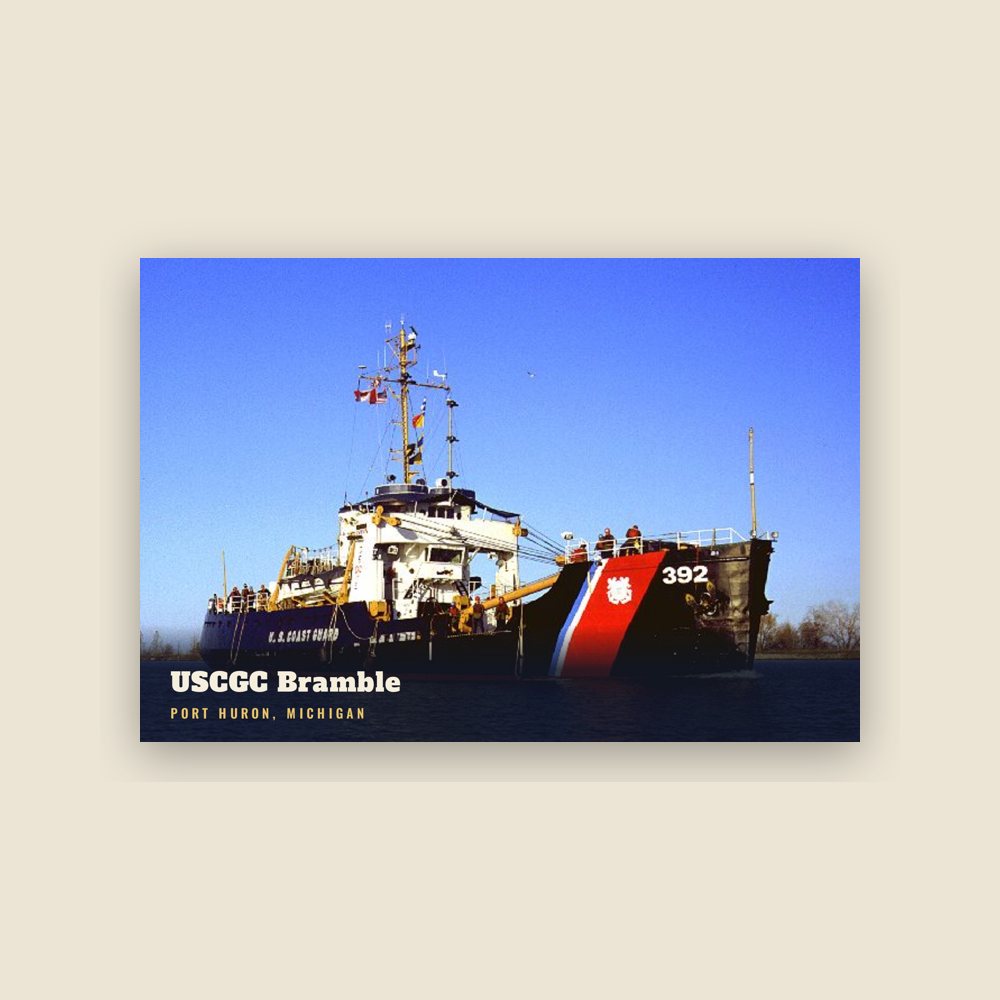
 USCGC Bramble
 Thomas Edison Depot Museum