Since 1837
A short history of Monroe
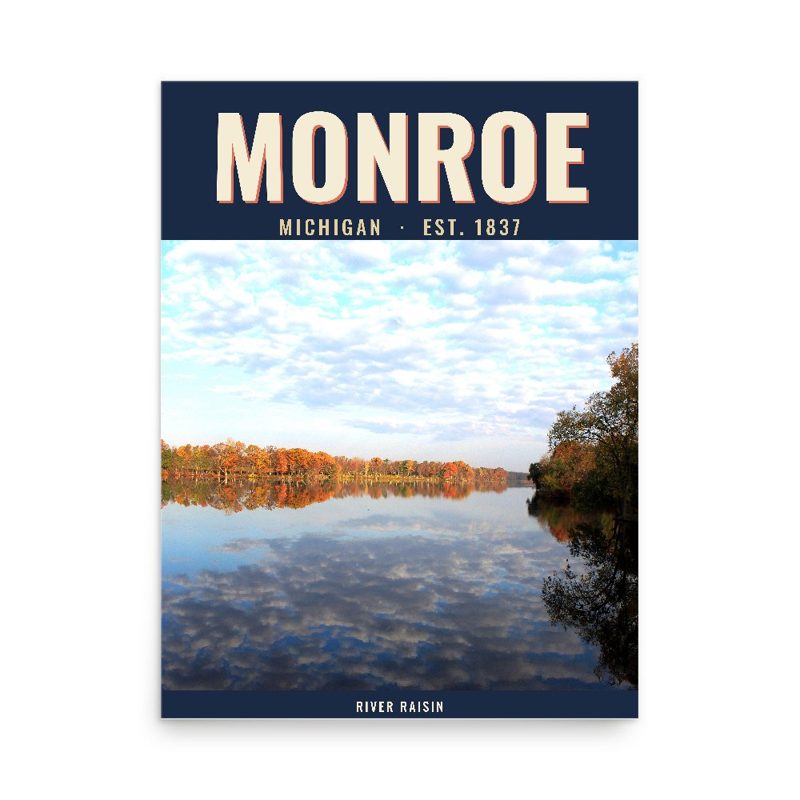
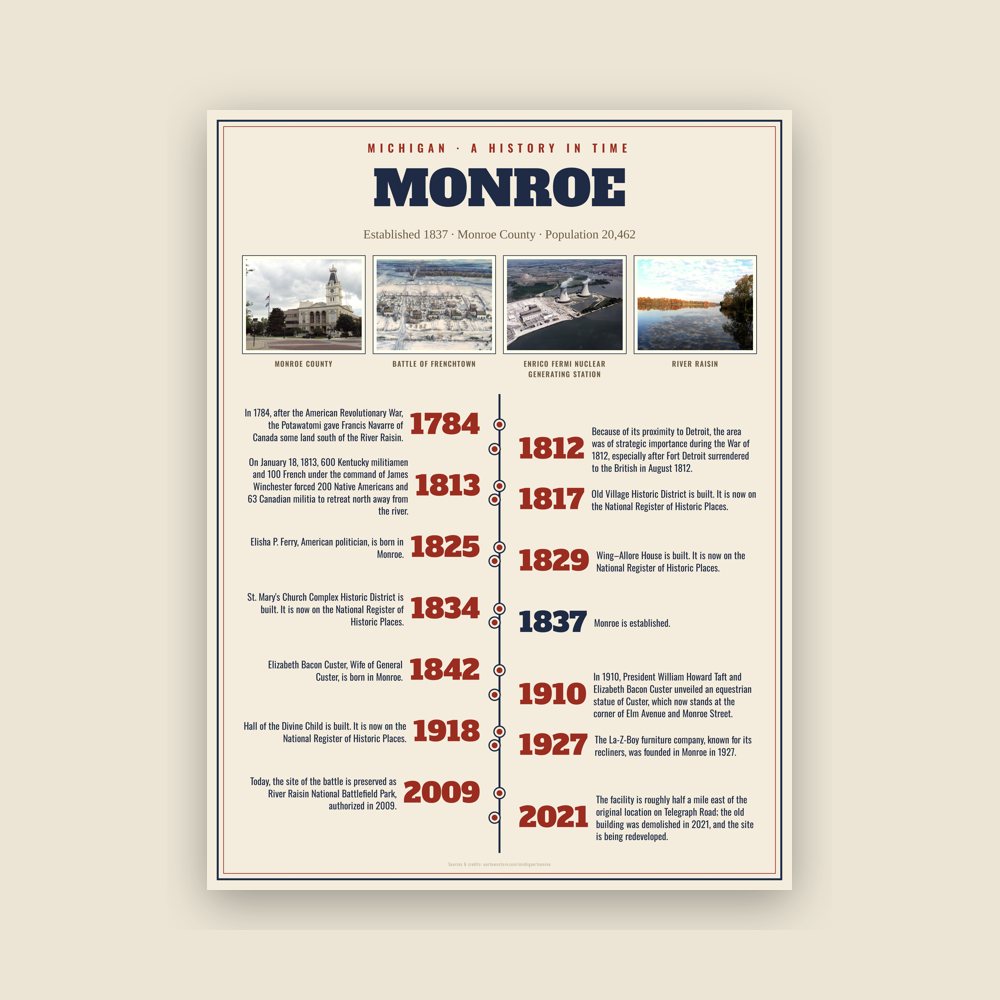
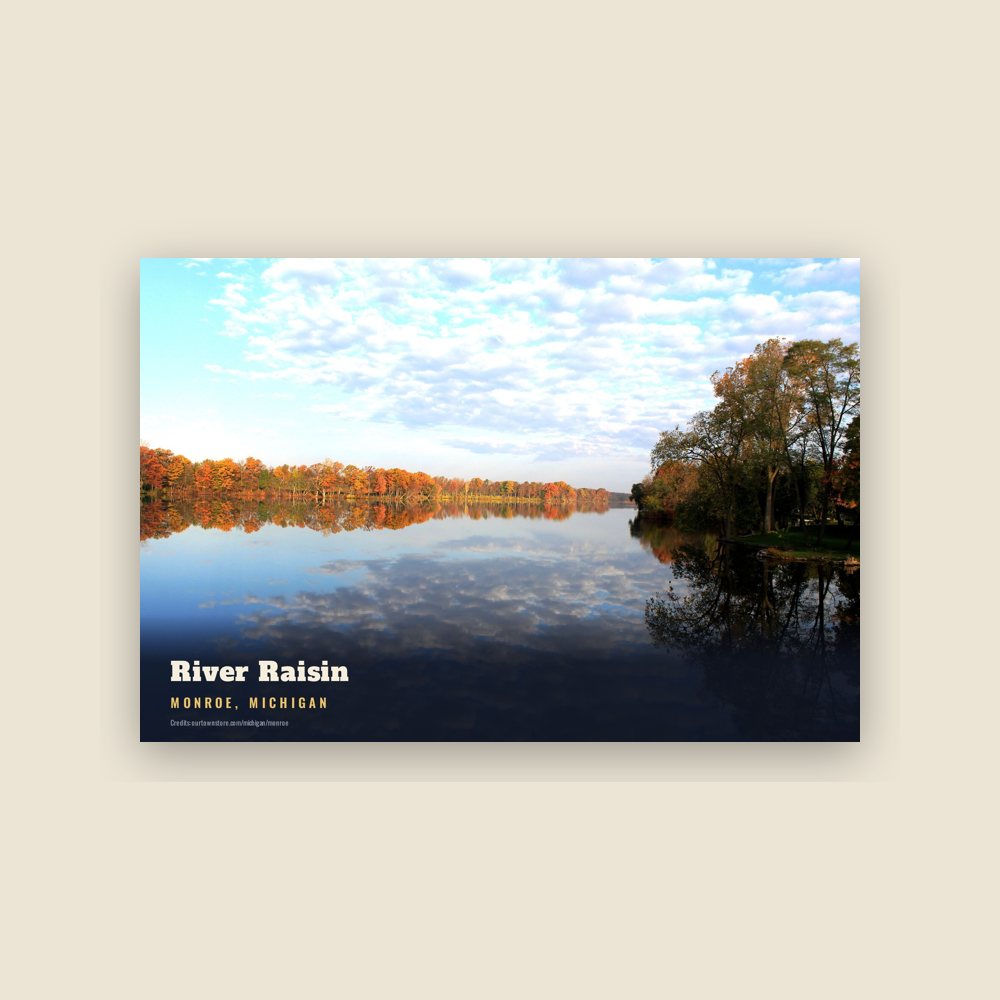
Long occupied by varying cultures of indigenous peoples, the area around the River Raisin was settled by the Potawatomi hundreds of years before French explorers and colonists reached it in the late 17th century. Robert de LaSalle claimed the area for New France after his 1679 expedition on the Griffon.
In 1784, after the American Revolutionary War, the Potawatomi gave Francis Navarre of Canada some land south of the River Raisin. Shortly thereafter, Colonists settled Frenchtown, the third European community in what became the state of Michigan. Around the same time, French-Canadian Joseph Porlier Benec established the Sandy Creek Settlement just north of Frenchtown.
Because of its proximity to Detroit, the area was of strategic importance during the War of 1812, especially after Fort Detroit surrendered to the British in August 1812. American forces en route to retake Detroit camped in the River Raisin area in the winter of 1812–13. On January 18, 1813, 600 Kentucky militiamen and 100 French under the command of James Winchester forced 200 Native Americans and 63 Canadian militia to retreat north away from the river. This skirmish was later called the "First Battle of the River Raisin".
On January 22, 1813, a force of 800 Native Americans and 597 British, under Henry Proctor, surprised the force of 1,000 Americans and captured Frenchtown. Many of the American militia were inexperienced, ill-trained, and badly equipped. They suffered 397 killed and 547 captured. The British and their allies had only slight losses.
When the British left with their captives for Detroit, they left those Americans too wounded to walk in the homes of Frenchtown inhabitants under the guard of a small British detachment and Native American allies, including Potawatomi. The morning after the battle, other Native Americans returned to Frenchtown. They plundered and burned homes and killed and ritually scalped many of the remaining American captives, taking others as slaves. The official U.S. estimate of casualties in this aftermath include a dozen named individuals killed and up to 30 more who were likely killed. The British estimated six Americans were killed.
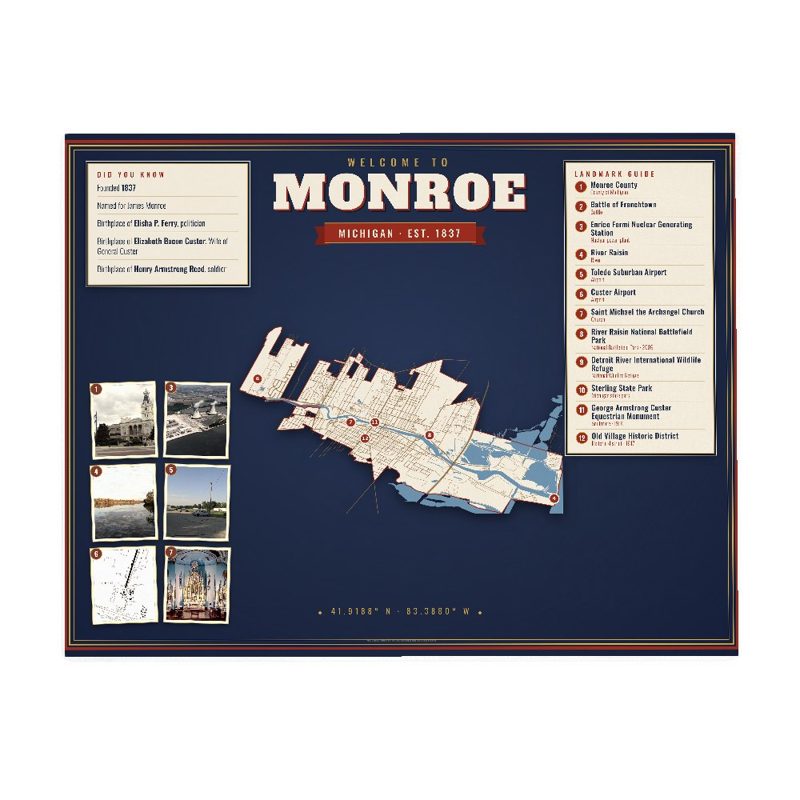
This event became known as the "River Raisin Massacre". It was also known as the Battle of Frenchtown (or the Second Battle of the River Raisin). Today, the site of the battle is preserved as River Raisin National Battlefield Park, authorized in 2009. It is the first and so far only national battlefield established for a solely War of 1812 site. It has a small visitor center.
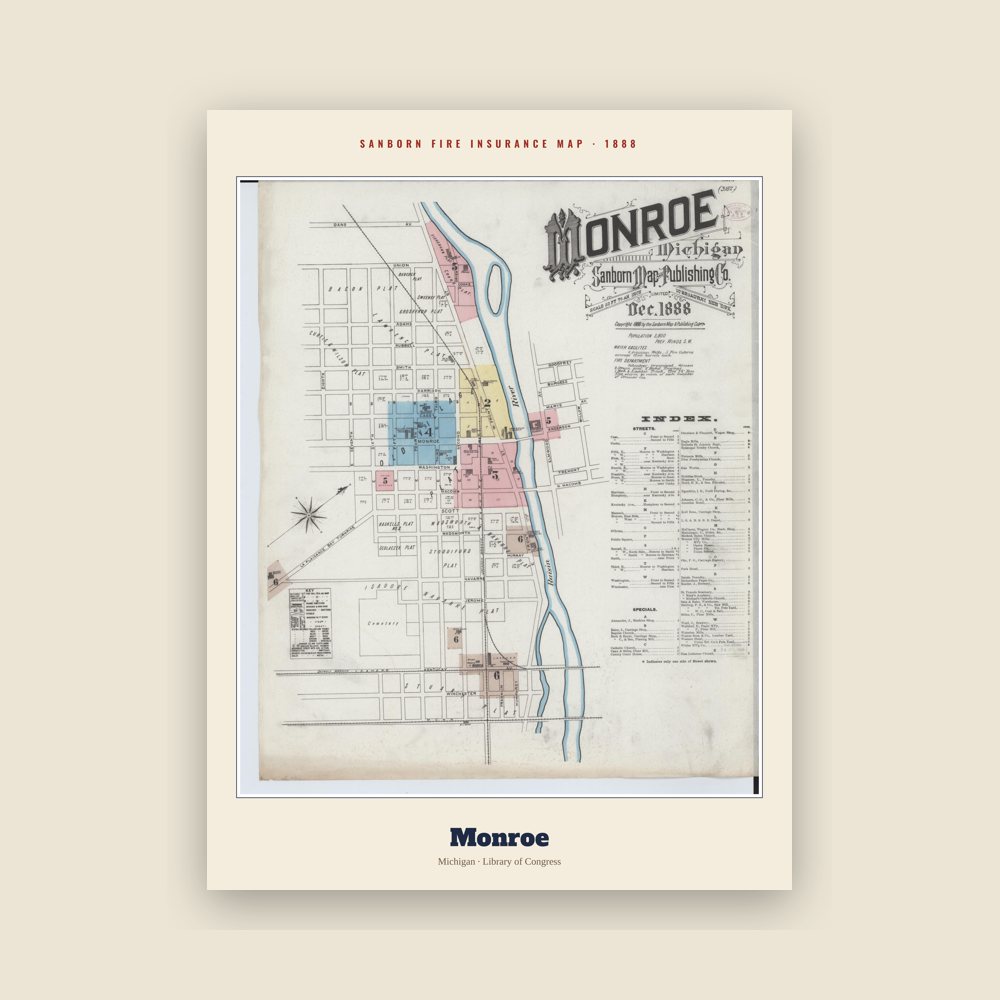
Frenchtown was renamed after the War of 1812 and incorporated as the village of Monroe in honor of President James Monroe, who visited Michigan Territory in 1817. The same year, the city of Monroe was named the county seat of the newly created Monroe County. Monroe was reincorporated as a city in 1837.
Settled mostly by American migrants from New York and New England, Monroe became associated with events in the West in the later 19th century, particularly the Indian Wars. It was the childhood home of George Armstrong Custer, who had a military career in which he reached the rank of major general. His family moved there when he was young, and he lived in Monroe for much of his childhood. There he met and in 1864 married Elizabeth Bacon. In the later 19th century, he led troops in the Indian Wars and died at the Battle of the Little Bighorn, in which his forces were killed by the Lakota, who call it the Battle of the Greasy Grass.
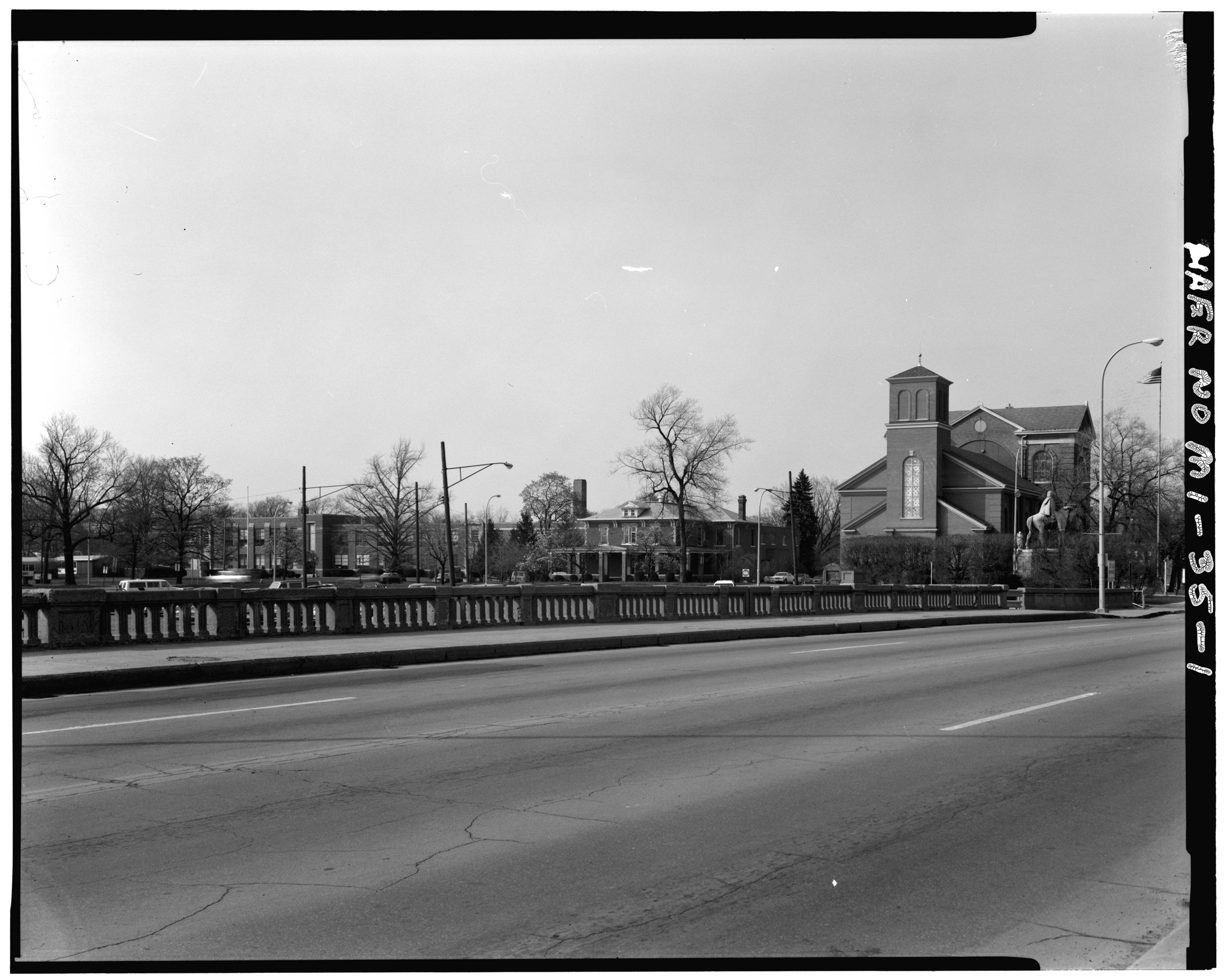
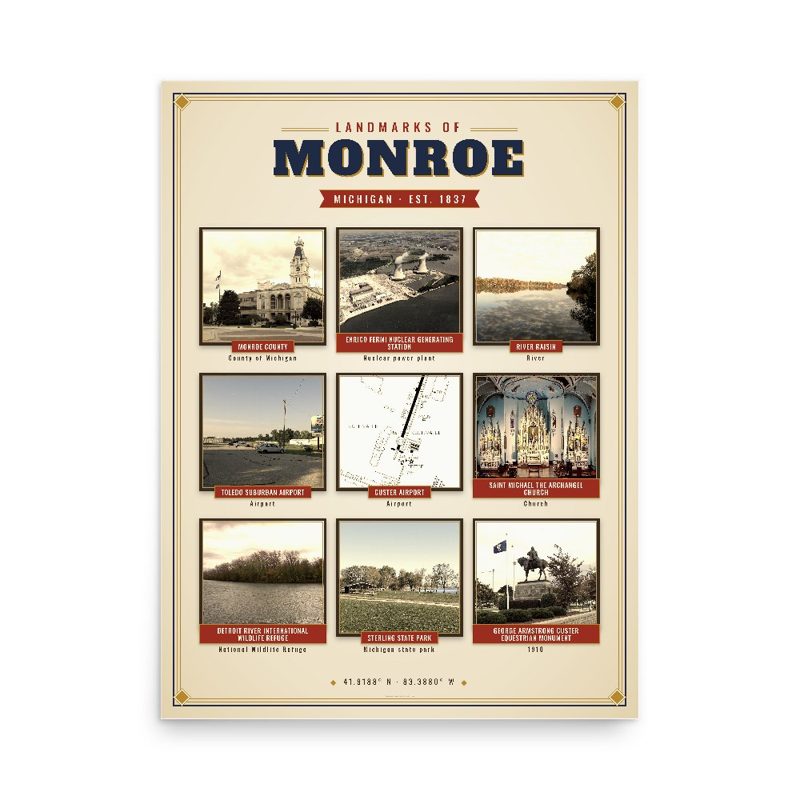
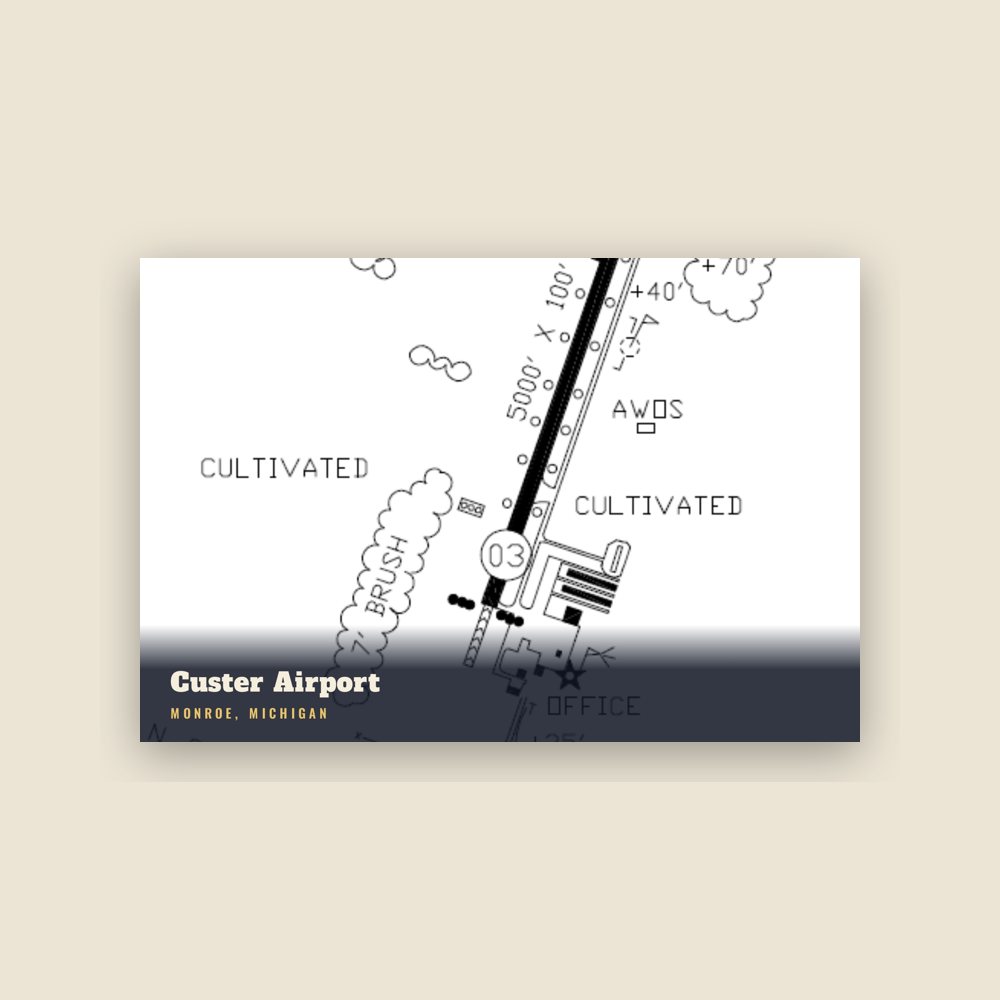
In 1910, President William Howard Taft and Elizabeth Bacon Custer unveiled an equestrian statue of Custer, which now stands at the corner of Elm Avenue and Monroe Street. Custer is also honored in street names, various historic markers, buildings, schools, and the regional Custer Airport. City limit signs for Monroe call it "the home of General Custer."
The La-Z-Boy furniture company, known for its recliners, was founded in Monroe in 1927. Its world headquarters is in Monroe, south of the intersection of La-Z-Boy Boulevard and Stewart Road. The facility is roughly half a mile east of the original location on Telegraph Road; the old building was demolished in 2021, and the site is being redeveloped.
The Monroe Power Plant opened in 1974. It is the third largest coal-fired plant in the United States, with a capacity of 3,280 megawatts. At 805 feet (245 m) tall, the dual smokestacks are visible from more than 25 miles (40 km) away and are among the state's tallest structures.
In December 1989, a combination of zebra mussels and ice clogged the sole intake pipe of the Monroe water treatment plant, forcing a two-day shutdown of the city's schools, industries, and businesses.
Adapted (trimmed) from the Wikipedia article Monroe, Michigan, revision 1379423127 by its contributors, licensed CC BY-SA 4.0.
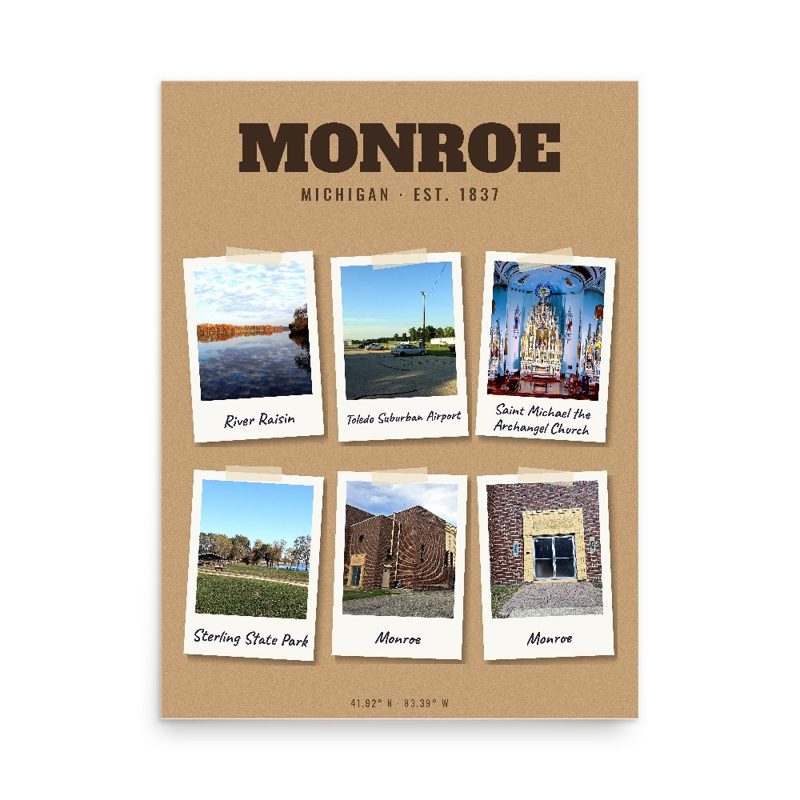





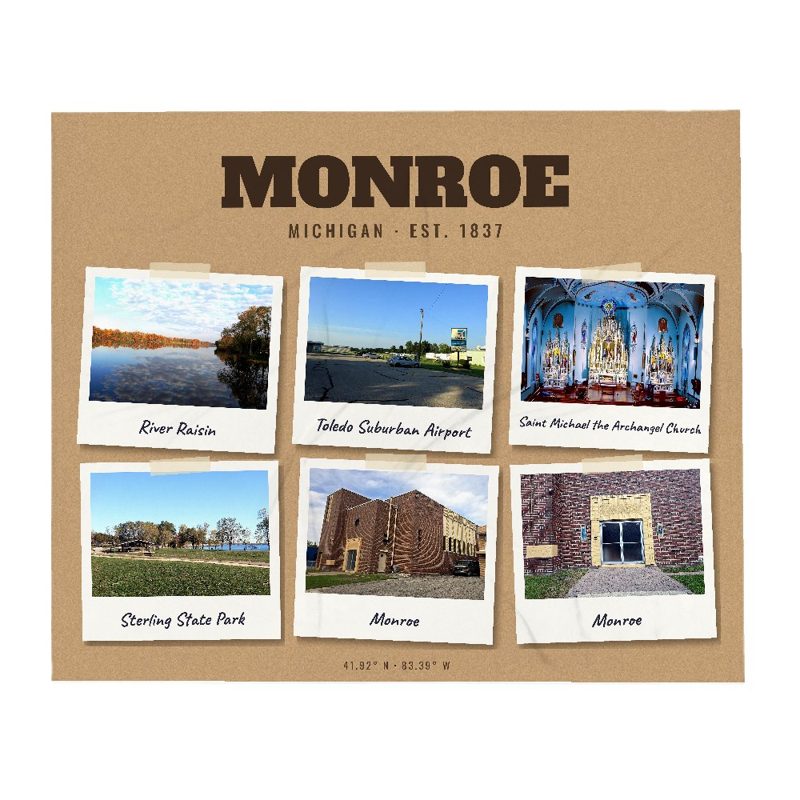
 Saint Michael the Archangel Church
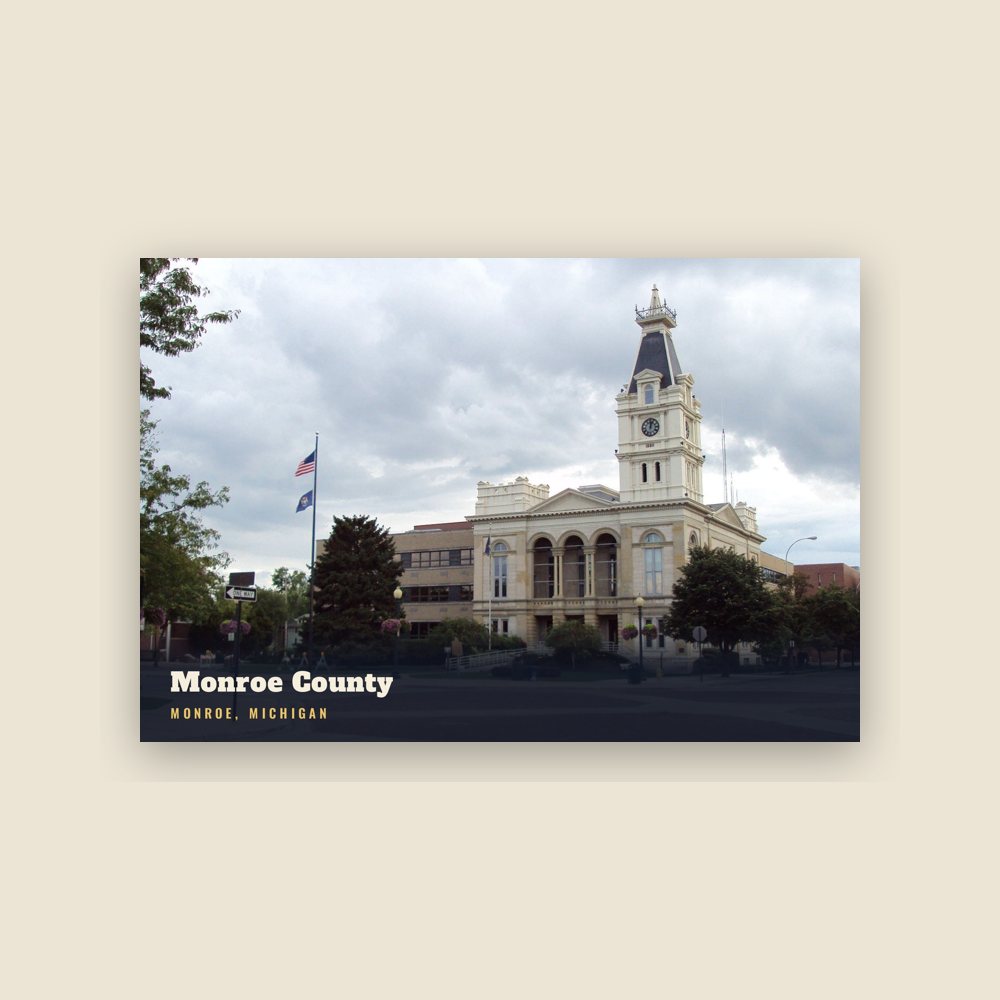
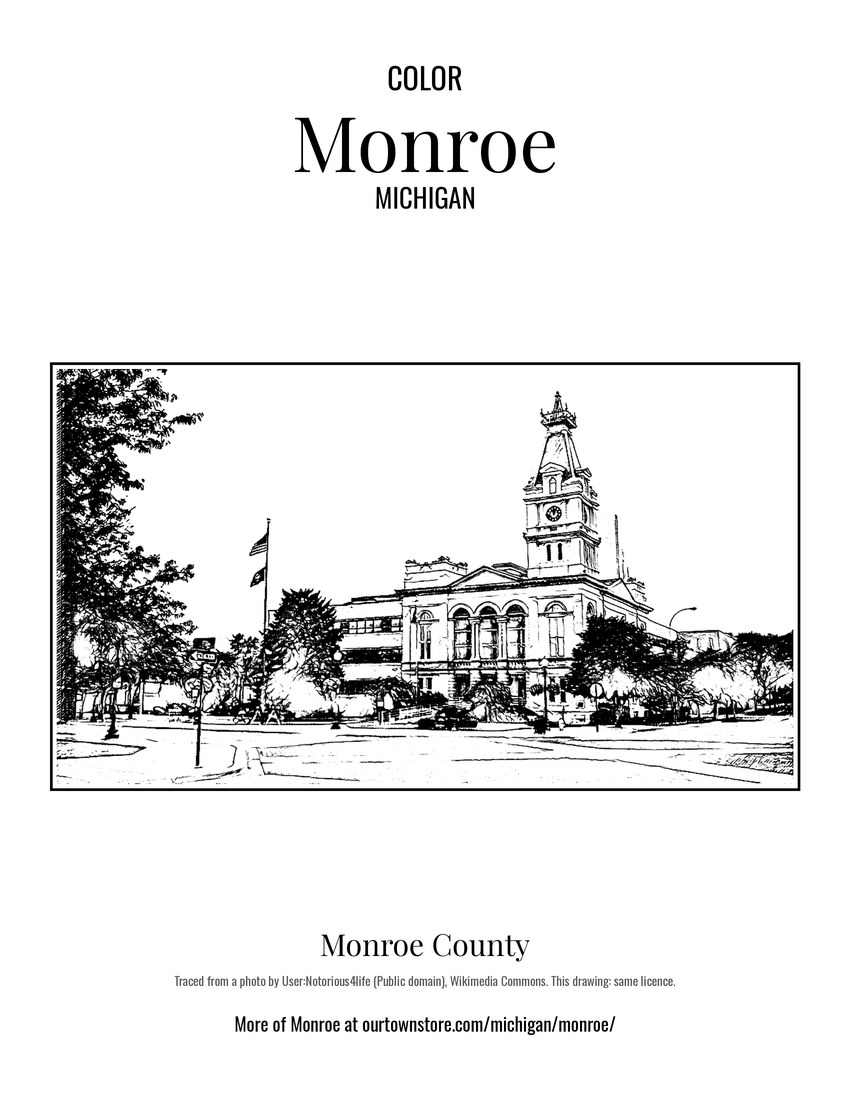 Monroe County
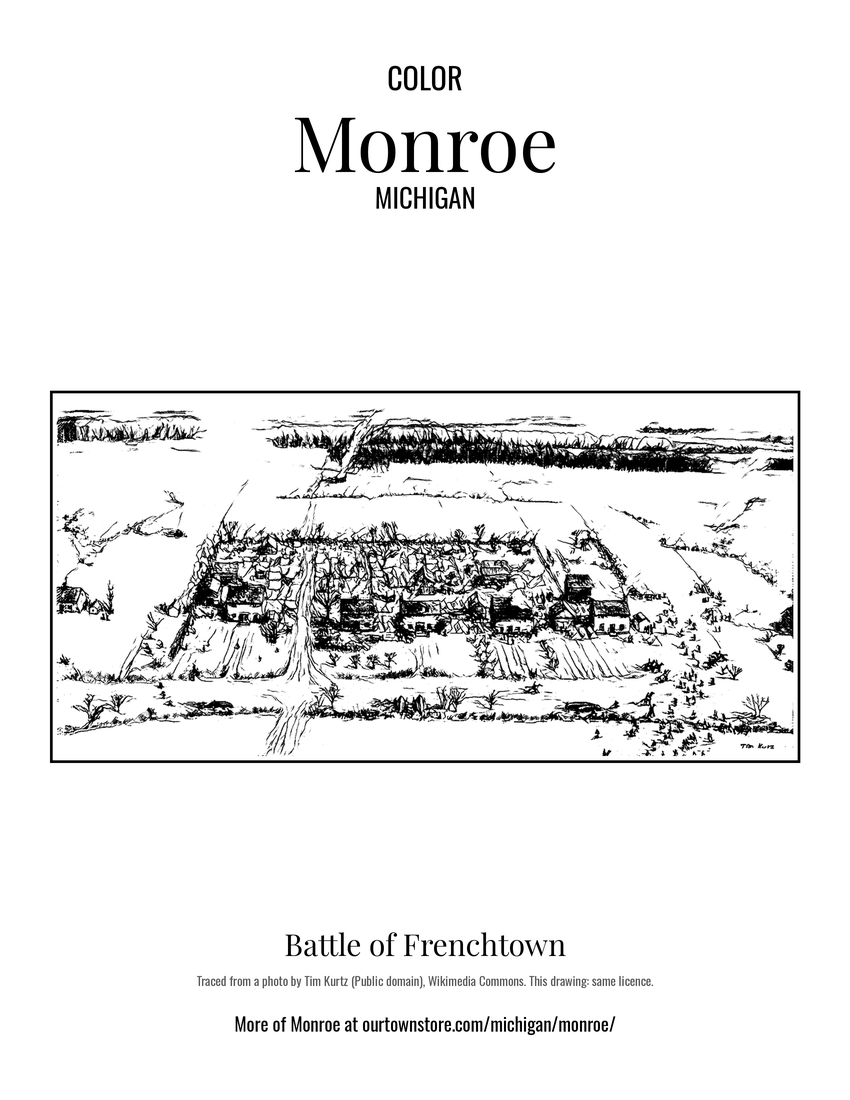 Battle of Frenchtown
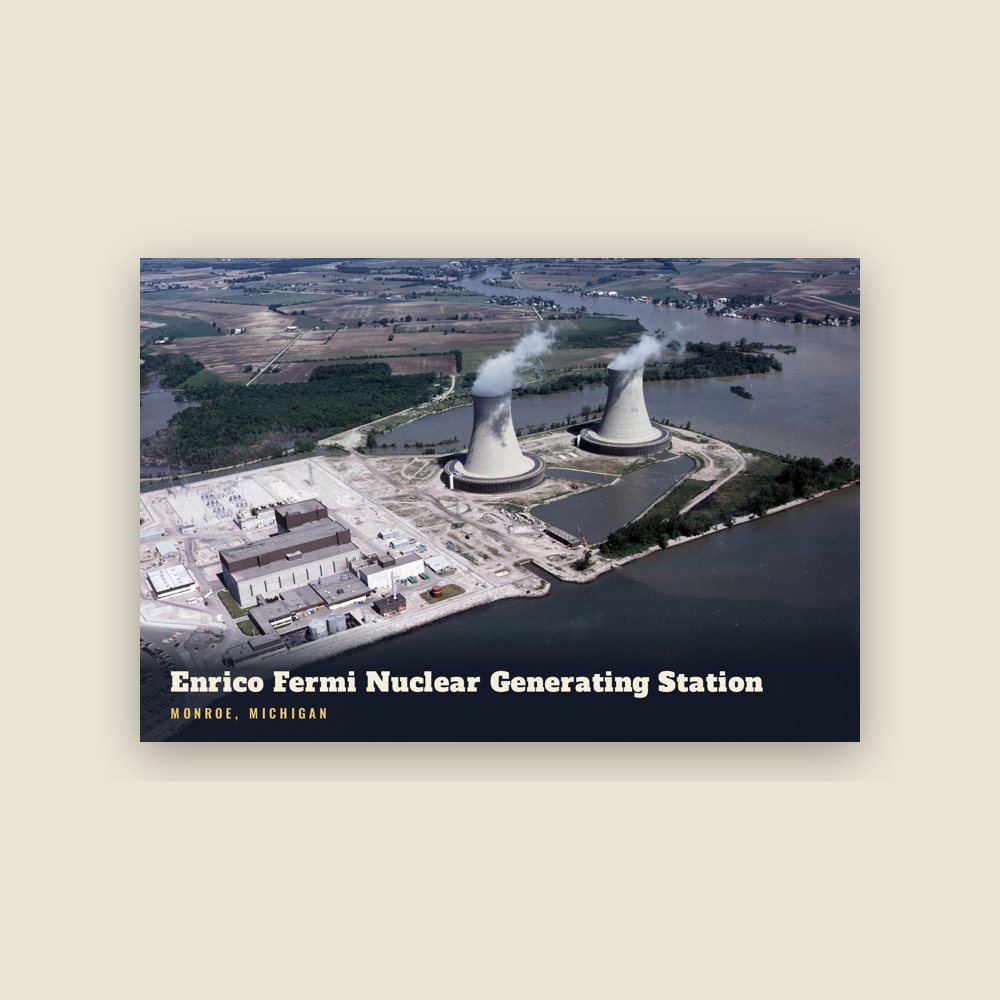
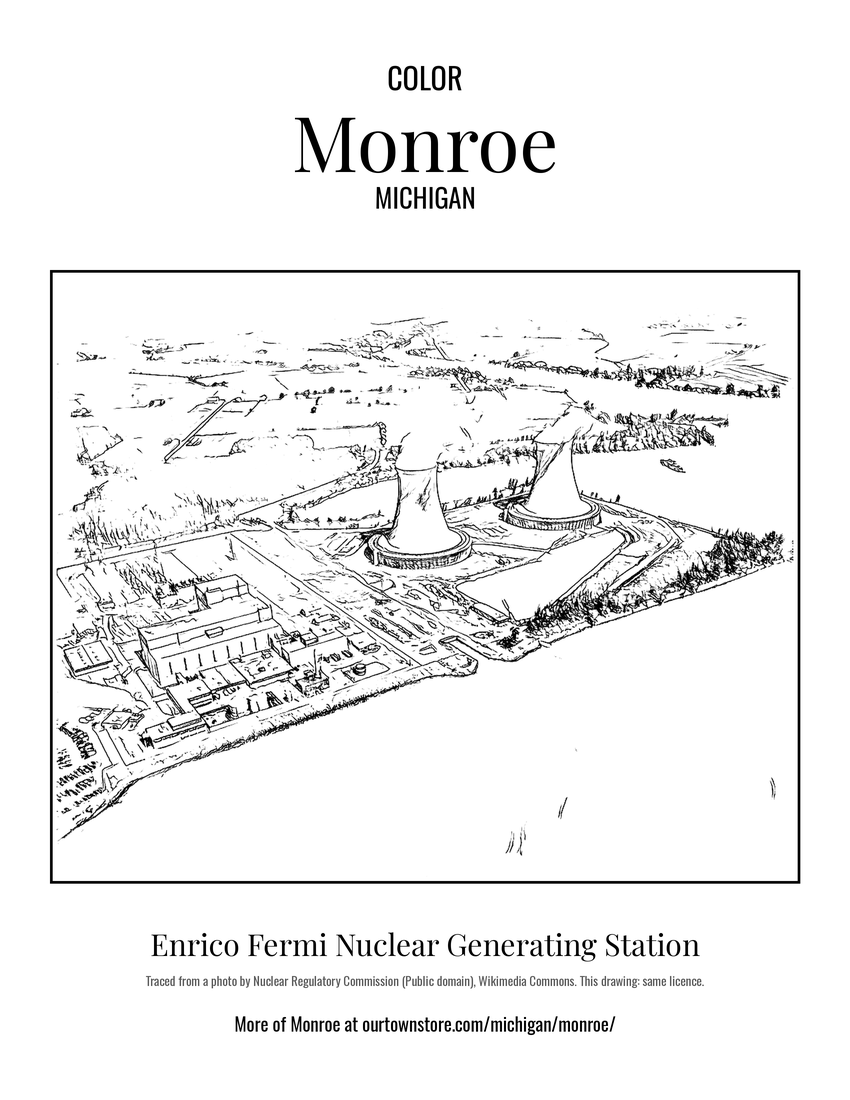 Enrico Fermi Nuclear Generating Station