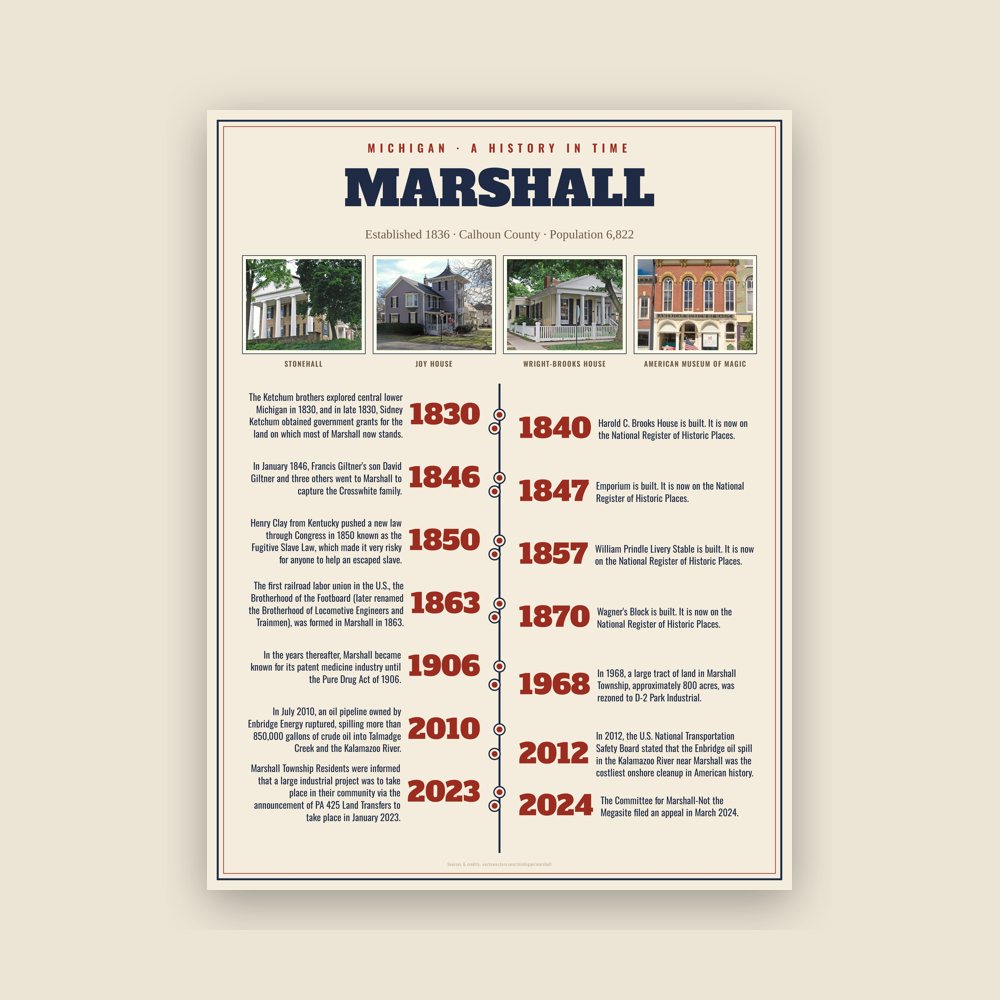
The town was founded by Sidney Ketchum (1797–1862) in 1830, a land surveyor born in Clinton County, New York, in conjunction with his brother, George Ketchum (1794-1853). The Ketchum brothers explored central lower Michigan in 1830, and in late 1830, Sidney Ketchum obtained government grants for the land on which most of Marshall now stands. The early settlers named the community in honor of Chief Justice of the United States John Marshall from Virginia—whom they greatly admired. This occurred five years before Marshall's death and thus was the first of dozens of communities and counties named for him. The village of Marshall was incorporated March 28, 1836.
Marshall was thought to be the frontrunner for state capital, so much so that a Governor's Mansion was built. However, the town lost, along with Lyons, Michigan, by a Yea/Nay vote count of 29-32 against Lansing's 35-27 (11 vote difference). In the years thereafter, Marshall became known for its patent medicine industry until the Pure Drug Act of 1906. Marshall was involved in the Underground Railroad. When escaped slave Adam Crosswhite fled Kentucky and settled in Marshall with his wife and three children, the people of the town hid him from the posse sent to retrieve him. Those involved were tried in Federal Court and found guilty of denying a man his rightful property. This case and others like it caused the Fugitive Slave Act of 1850 to be pushed through Congress.
Read the full history
Stand against slavery
In 1843, Adam Crosswhite, his wife Sarah and their four children ran away from Francis Giltner's plantation in Hunter's Bottom, Carroll County, Kentucky because the Crosswhites learned that one of their four children was to be sold. The Crosswhites made the tough journey north through Indiana along the Underground Railroad, beginning in Madison, Indiana. They finally settled in Marshall, where they were accepted, and Adam worked and built a cabin.
In response to increasing numbers of runaway slaves, a coalition of slave owners in the north central counties and the Bluegrass region of Kentucky organized to recover the runaways. In January 1846, Francis Giltner's son David Giltner and three others went to Marshall to capture the Crosswhite family.
On the morning of January 26, 1847, as the slave catchers and a local deputy sheriff were pounding on Adam's door, his neighbors heard the noise and came running. The cry of "slave catchers!" was yelled through the streets of Marshall. Soon, over 100 people surrounded the Crosswhite home.
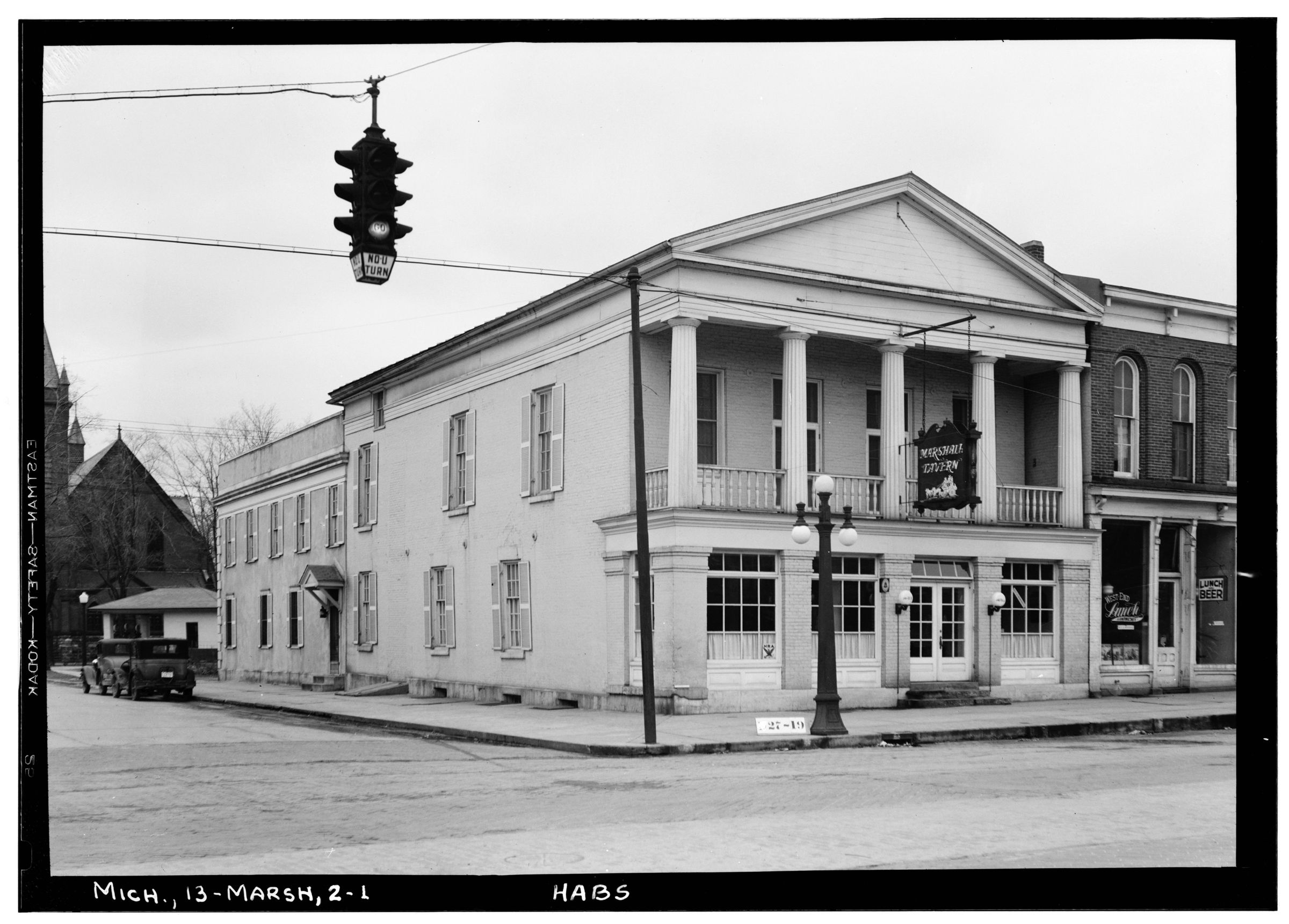
Threats were shouted back and forth. One of the slave catchers began to demand that people in the crowd give him their names. They were proud to tell him and even told him the correct spelling. Each name was written down in a little book. Finally, the deputy sheriff, swayed by the crowd's opinion, decided he should arrest the men from Kentucky instead. Marshall townspeople hid the Crosswhites in the attic of George Ingersoll's mill. By the time the slave catchers could post bond and get out of jail, Isaac Jacobs, the hostler at the Marshall House, had hired a covered wagon and driven the Crosswhites to Jackson where they boarded a train to Detroit and then crossed over into Canada.
The Giltners sued some of the people from Marshall for damages in what is known in federal records as the Giltner v. Gorham case. It was tried in the federal court in Detroit. The Giltner v Gorham case resulted in two trials in federal court in Detroit, the first trial ending in a hung jury. At the conclusion of the second trial, the sole remaining defendant in the case, local banker Charles T. Gorham, was ordered to pay the value of the slaves plus court costs. To curry political favor, Detroit entrepreneur Zachariah Chandler supposedly stepped in to pay these costs on Gorham's behalf.
Because of the Crosswhite Affair and many others like it, Sen. Henry Clay from Kentucky pushed a new law through Congress in 1850 known as the Fugitive Slave Law, which made it very risky for anyone to help an escaped slave.
Two Marshall citizens Rev. John D. Pierce and lawyer Isaac E. Crary, innovated the Michigan school system and established it as part of the state constitution. Their method and format were later adopted by all the states in the old Northwest Territory and became the foundation for the Morrill Land-Grant Act in 1862, which established schools like Michigan State University all over the country. Pierce became the country's first state superintendent of public instruction and Crary Michigan's first member of the U.S. House.
Railroad significance
The first railroad labor union in the U.S., the Brotherhood of the Footboard (later renamed the Brotherhood of Locomotive Engineers and Trainmen), was formed in Marshall in 1863. Marshall was one of the only stops between Chicago and Detroit and became known as "Chicken Pie City" because the only food that could be eaten in the short time that it took to cool and switch engines was a chicken pie. A replica of the city's roundhouse can be seen at the Greenfield Village outdoor living history museum in Dearborn, Michigan.
Enbridge oil spill
In July 2010, an oil pipeline owned by Enbridge Energy ruptured, spilling more than 850,000 gallons of crude oil into Talmadge Creek and the Kalamazoo River. The event received national attention as it was, at the time, the largest oil spill in the interior United States. The event was known as the Kalamazoo River Oil Spill.
In 2012, the U.S. National Transportation Safety Board stated that the Enbridge oil spill in the Kalamazoo River near Marshall was the costliest onshore cleanup in American history.
Industrial development
In 1968, a large tract of land in Marshall Township, approximately 800 acres, was rezoned to D-2 Park Industrial. The rezoning was sought by Flint industrial real estate developer Robert Gerholz. Gerholtz, a former president of the United States Chamber of Commerce, chose the property because of 4 advantages: 1) proximity to the I-94 & I-69 interchange, 2) access to the railroad, 3) access to hard surface road open to industrial truck travel year-round, and 4) proximity to the Kalamazoo River. Over 140 people turned out for rezoning hearing. It was pointed out at the hearing that the 800 acres fully developed with industry could furnish a 100-million-dollar tax base which was about 3 times the tax base was at that time. Among the people at the hearing were representatives from Marshall City Schools, city and county officials, county road commission, Marshall businesses, and manufacturing plants including Consumers Power Company.
In the years after the rezoning there was regular interest in developing the parcel for a large industrial development. In January 1997 the Gerholtz property was recognized by the Marshall Chamber of Commerce as having "statewide and national attention as one of the best locations in Michigan for large scale industrial development." Volkswagen AG expressed interest in developing a manufacturing plant on the Gerholtz property in 2008. Accordingly, the Marshall City attorney obtained several options for property surrounding the larger parcel as would be needed for the preliminary site plannings as the Gerholtz property alone was not large enough. A lack of short-term site readiness for construction caused Volkswagen to shift attention to other potential development.
In late 2021 the State of Michigan pushed for the creation of a 100-million-dollar fund for industrial development on large tracts of land after Tennessee and Kentucky landed $11.4 billion in investments from the Ford Motor Company and a battery manufacturer. The site was the subject of planning, and it was anticipated that these funds would be used to develop an industrial master plan and traffic impact studies.
In September 2022, the Marshall Area Economic Development Alliance (MAEDA) and the Michigan Economic Development Corporation began promoting the "Marshall Megasite" to industrial manufacturers but did not disclose their plan to the general public. Notices were not sent to Marshall Township residents immediately adjacent to on in close proximity to the project. At the time the proposed development area encompassed up to 1,600 acres of rural land (owned by separate landowners and just under 800 acres of which had previously been zoned D-2 Park Industrial) located in Marshall Township just outside Marshall's city limits. The move was controversial as the land was not yet zoned for heavy industry with the majority, over 1000 acres was zoned agricultural.
Marshall Township Residents were informed that a large industrial project was to take place in their community via the announcement of PA 425 Land Transfers to take place in January 2023. There was vocal public opposition to the land transfers, which would take 1,900 acres off of the Marshall Township Tax rolls and put them on the City of Marshall Tax rolls of which a percentage would go back to Marshall Township per the Master PA 425. The transfer enabled the megasite to have access to city utilities such as water and electricity. The Marshall Township Board of Supervisors voted 4 to 1 for the PA 425 land transfers. The Marshall City Council voted for the transfer as well, although there was significant public opposition to the project.In February 2023, Governor Gretchen Whitmer and Ford Motor Company announced the Marshall Megasite would become the site of Ford BlueOval Battery Park. The zoning changes on the property to allow for heavy industry were not made until May 1, 2023 by the Marshall City Council. Residents filed a petition for referendum on the zoning and their petition was rejected by the Marshall City Clerk and the Marshall City Council Members. In June 2023, a lawsuit was filed against the City by the ballot committee named "Committee for Marshall-Not the Megasite" The lawsuit was dismissed by the Circuit Court in early January 2024. The Committee for Marshall-Not the Megasite filed an appeal in March 2024. This committee was countersued by a committee with ties to Governor Whitmer's campaign committee.
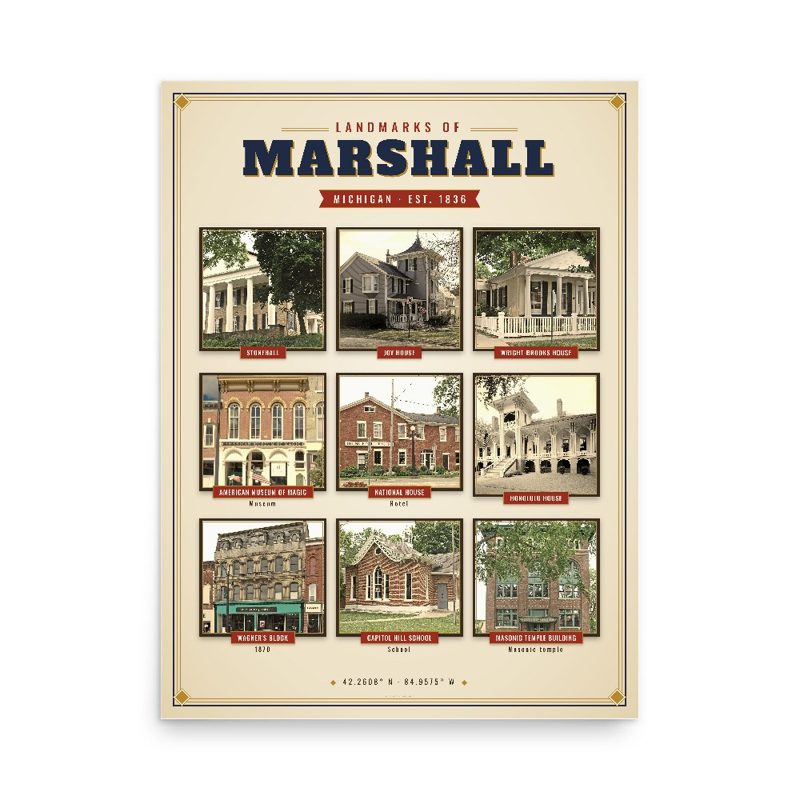
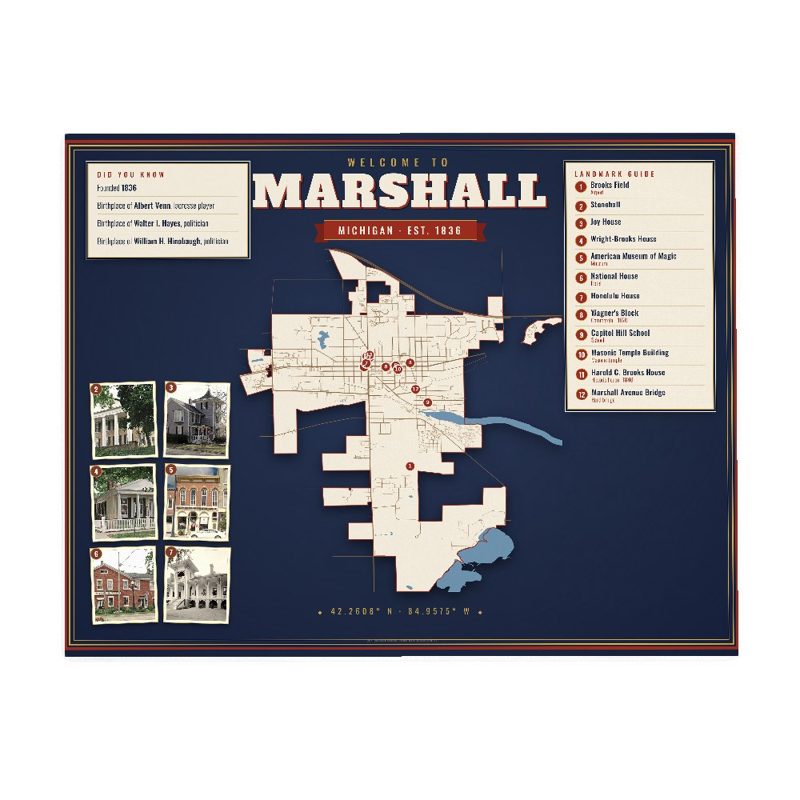


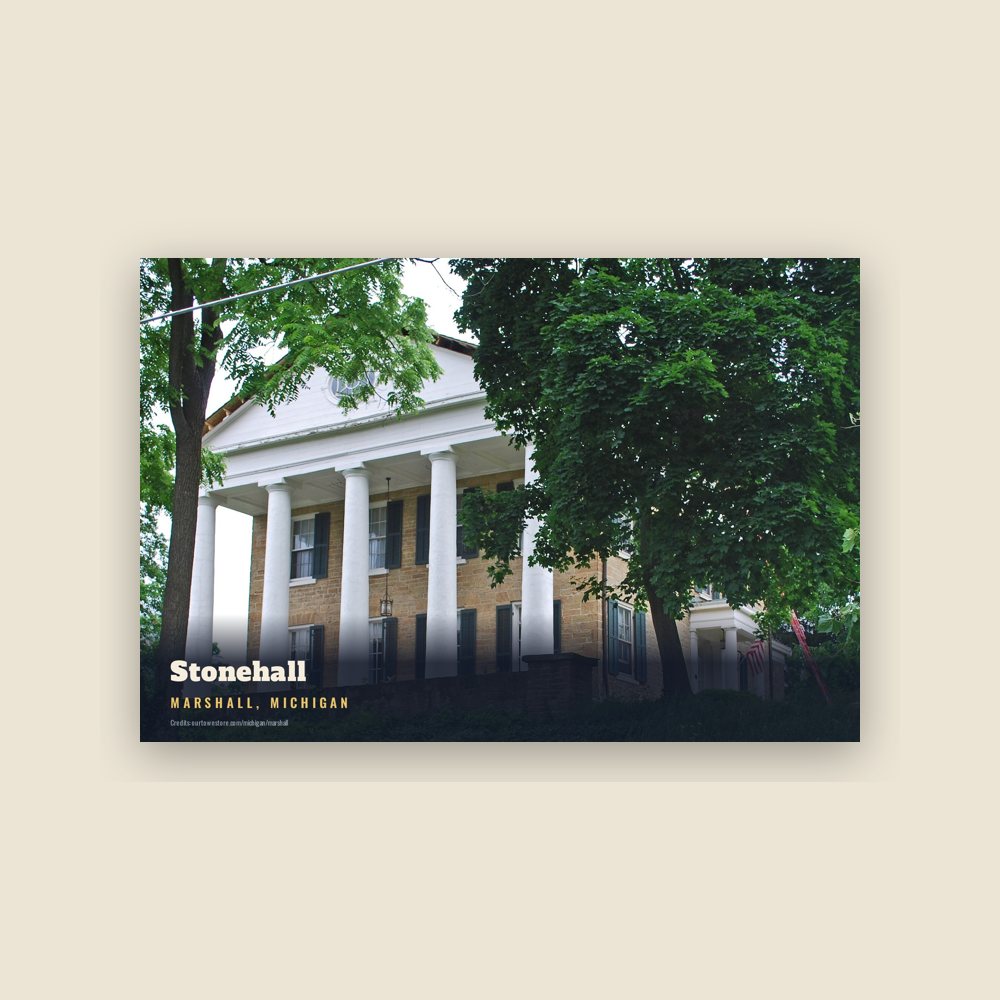
 Stonehall
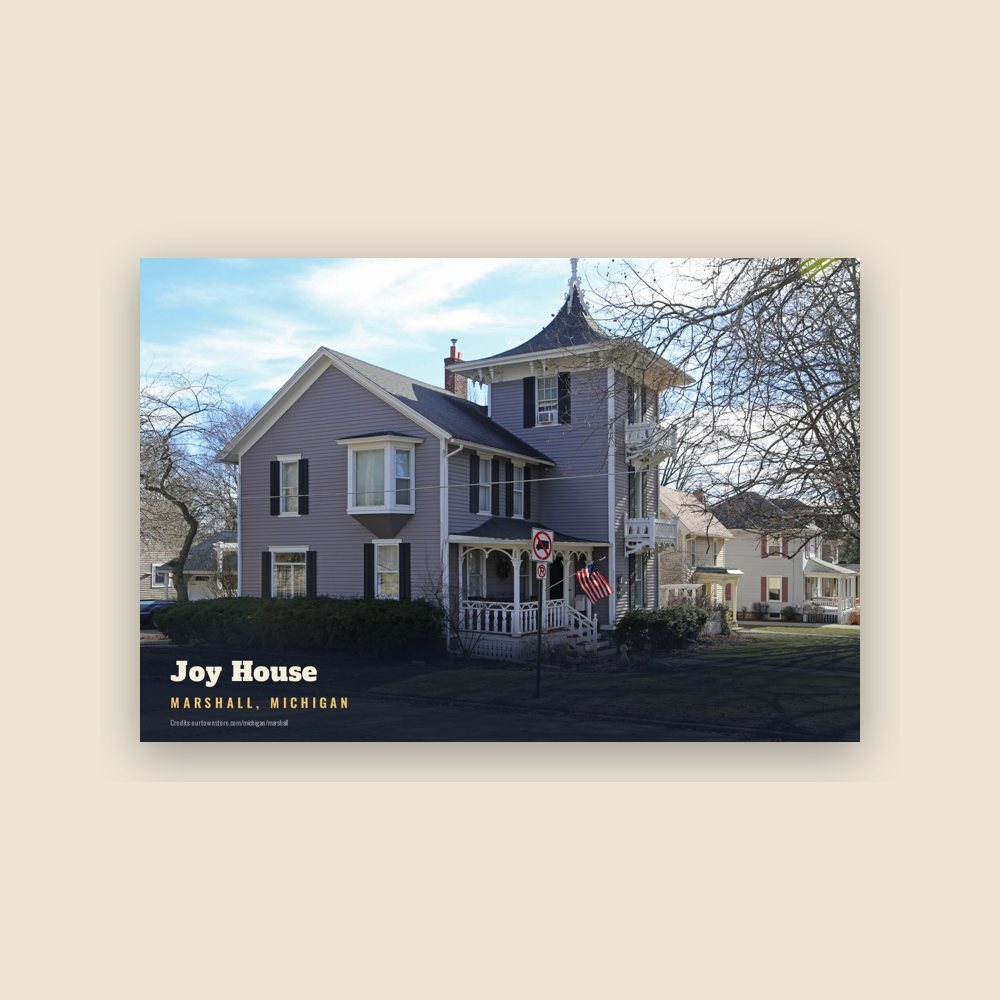
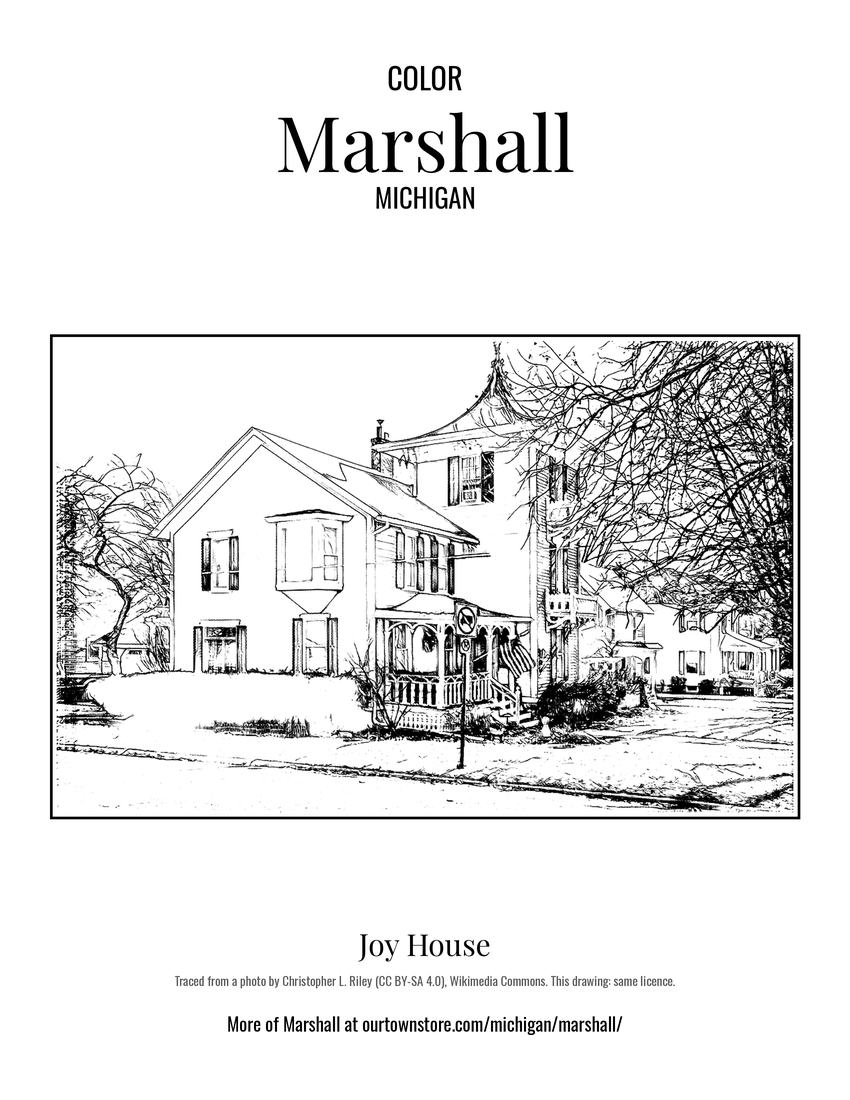 Joy House
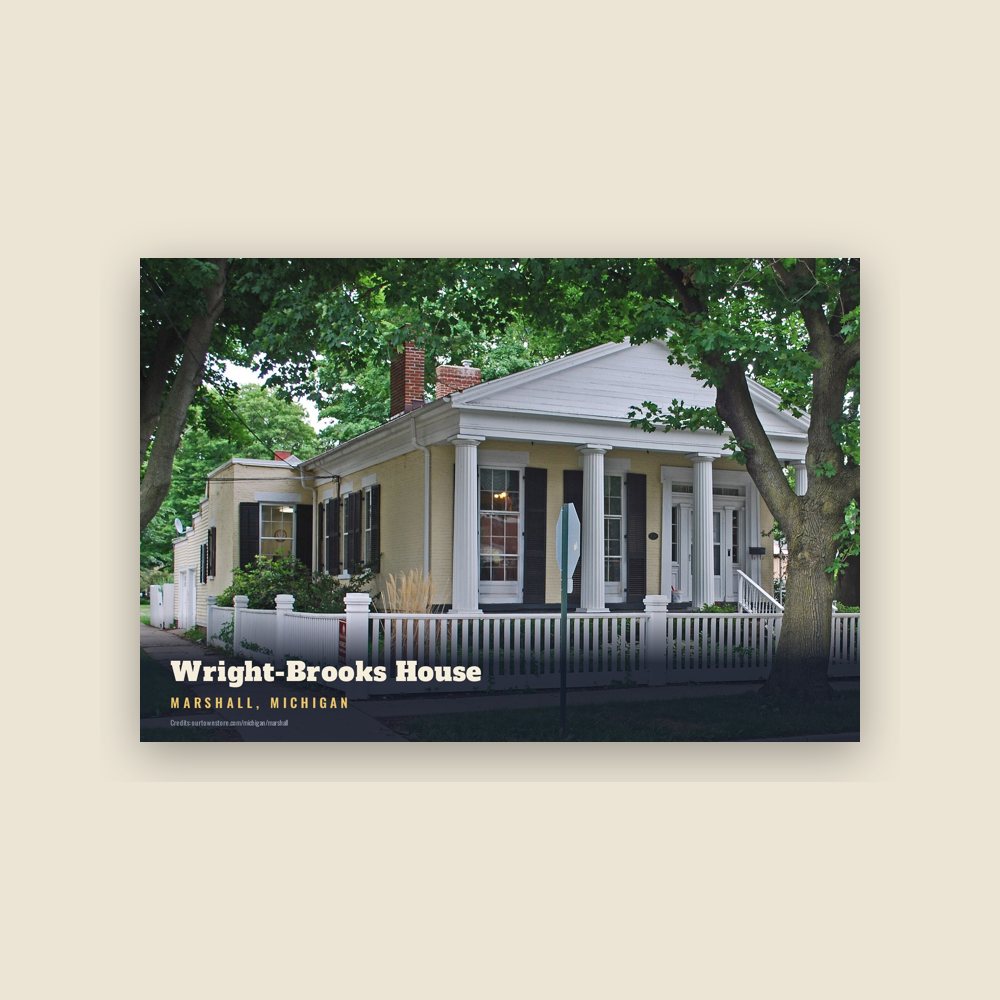
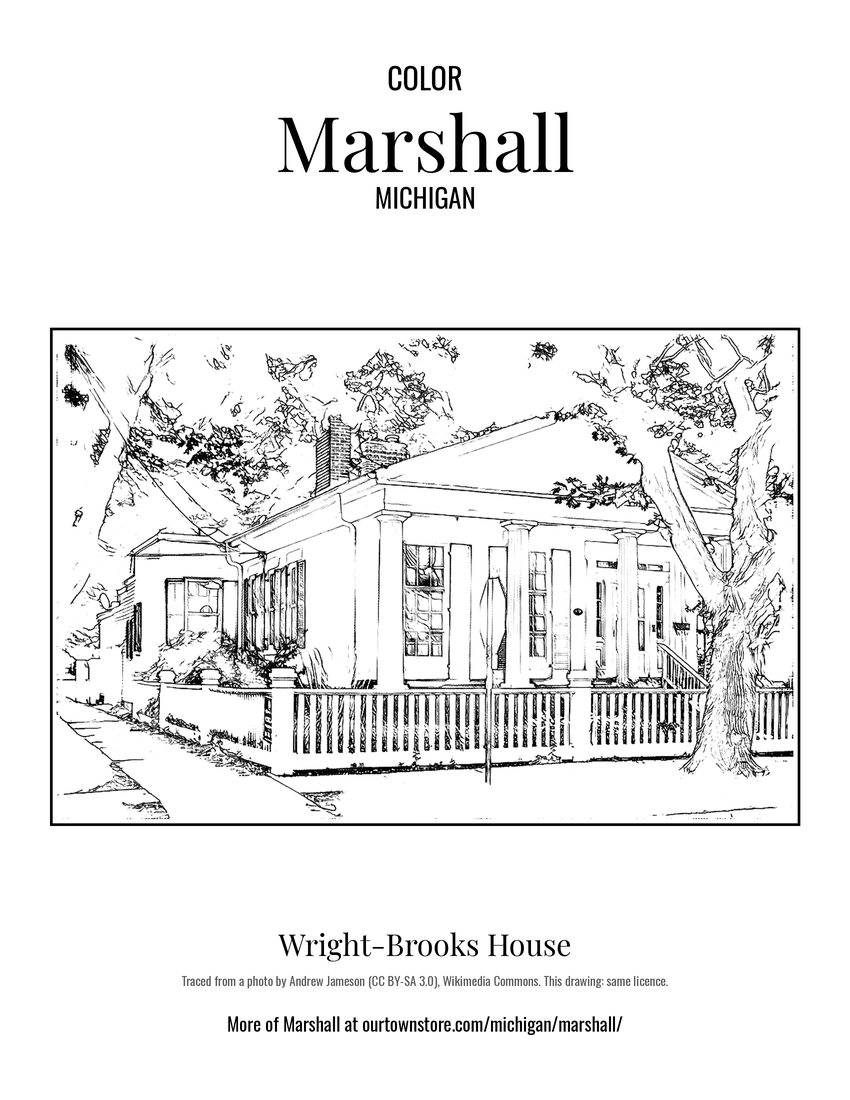 Wright-Brooks House
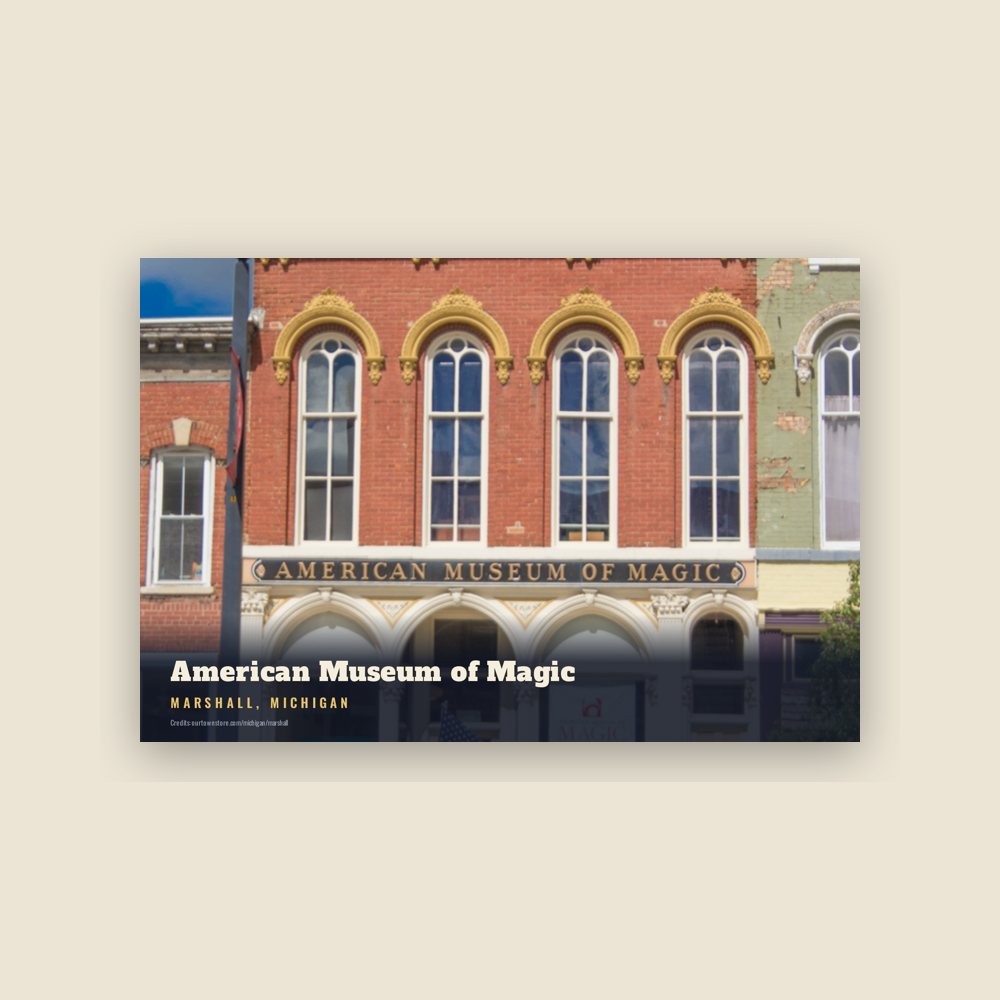
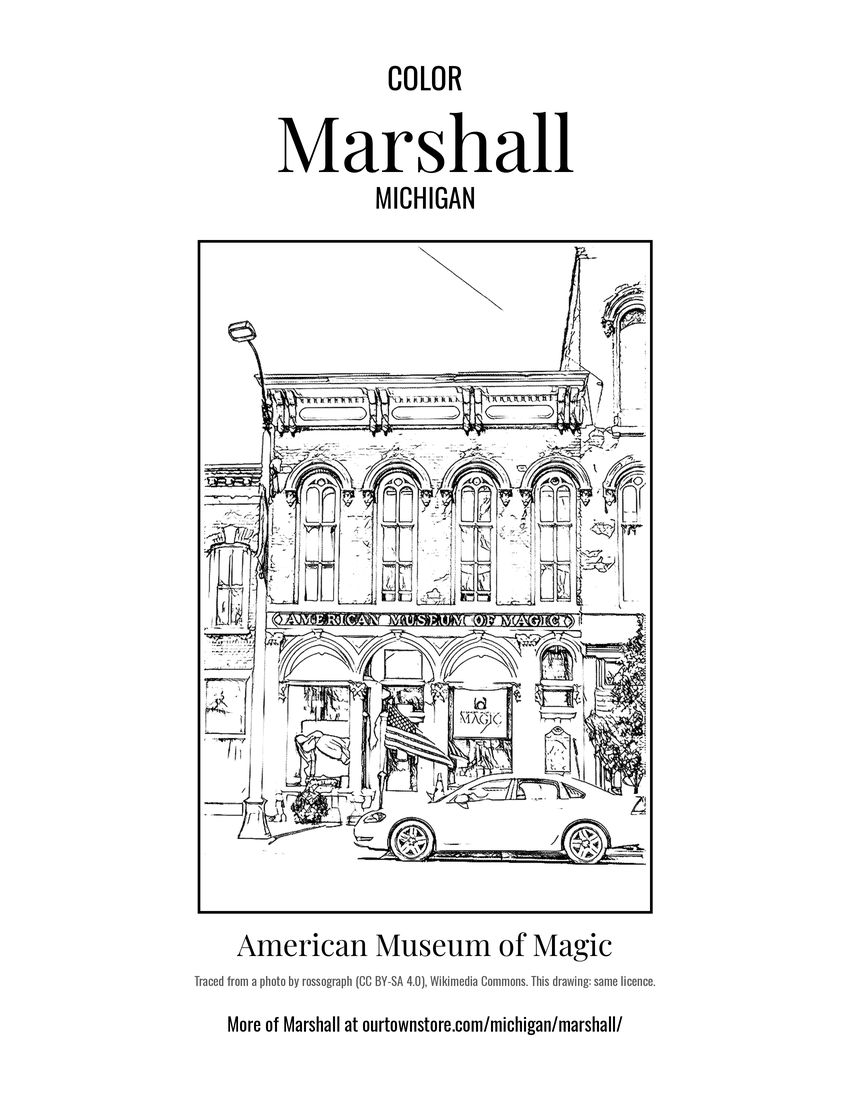 American Museum of Magic