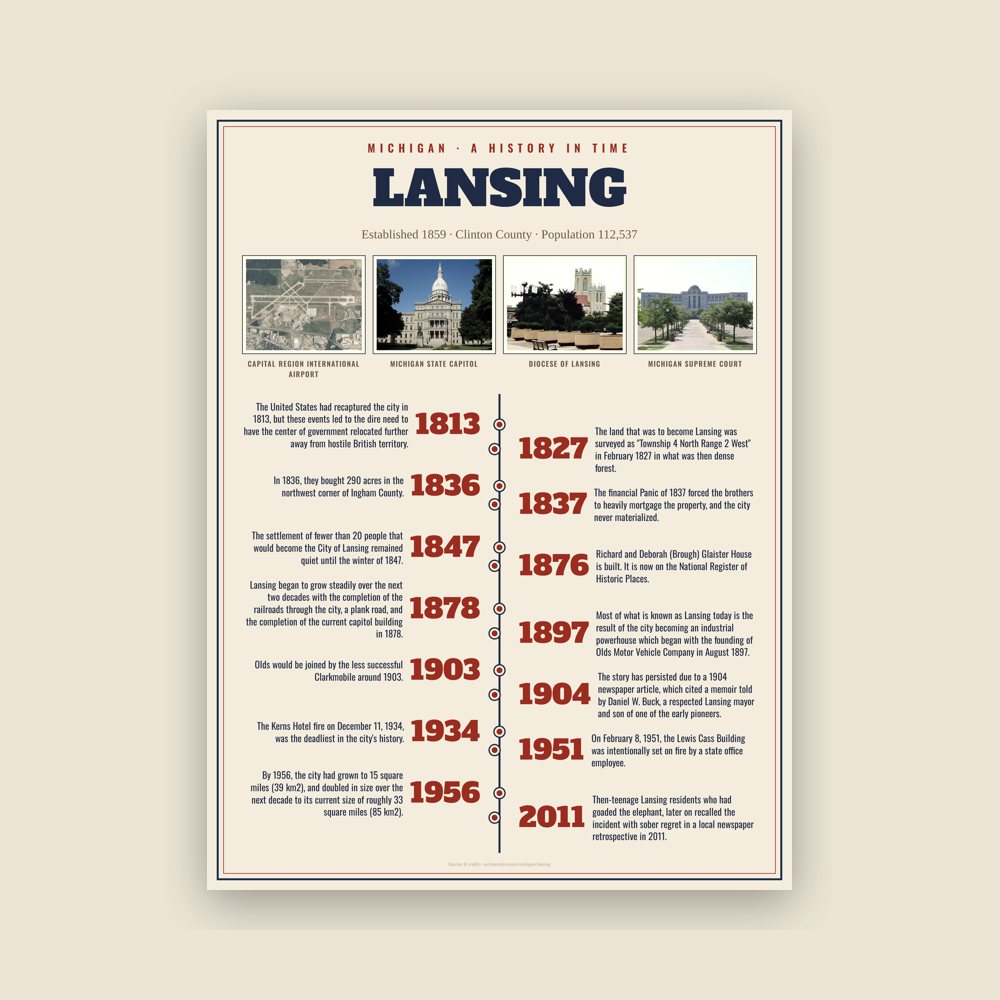
The first recorded person of European descent to travel through the area that is now Lansing was British fur trader Hugh Heward and his French-Canadian team on April 24, 1790, while canoeing the Grand River. The land that was to become Lansing was surveyed as "Township 4 North Range 2 West" in February 1827 in what was then dense forest. It was the last of the county's townships to be surveyed, and the land was not offered for sale until October 1830. There would be no roads to this area for decades to come.
Read the full history
Founding myth
The incorrect story of Lansing's beginnings states that in the winter of 1835 and early 1836, two brothers from New York plotted the area now known as REO Town just south of downtown Lansing and named it "Biddle City". This land lay in a floodplain and was underwater during the majority of the year. Nevertheless, the brothers went back to Lansing, New York, to sell plots for the town that did not exist. They told the New Yorkers this new "city" had an area of 65 blocks, a church and a public and academic square. 16 men bought plots in the nonexistent city, and upon reaching the area later that year found they were the victims of the scam. Many in the group, disappointed and now without funds to move on again, opted to stay and ended up settling around what is now metropolitan Lansing.
The story has persisted due to a 1904 newspaper article, which cited a memoir told by Daniel W. Buck, a respected Lansing mayor and son of one of the early pioneers. His story was cited in Michigan pioneer papers and retold in newspaper articles multiple times in the decades that followed. His characterization of the city as being born from a "land scam" was incorrect, though his story had some elements of truth as well.
Origins as a town
The brothers were William and Jerry Ford. Although they were originally from New York, they were well-respected businessmen who hailed from Jackson and were instrumental during its earliest years.
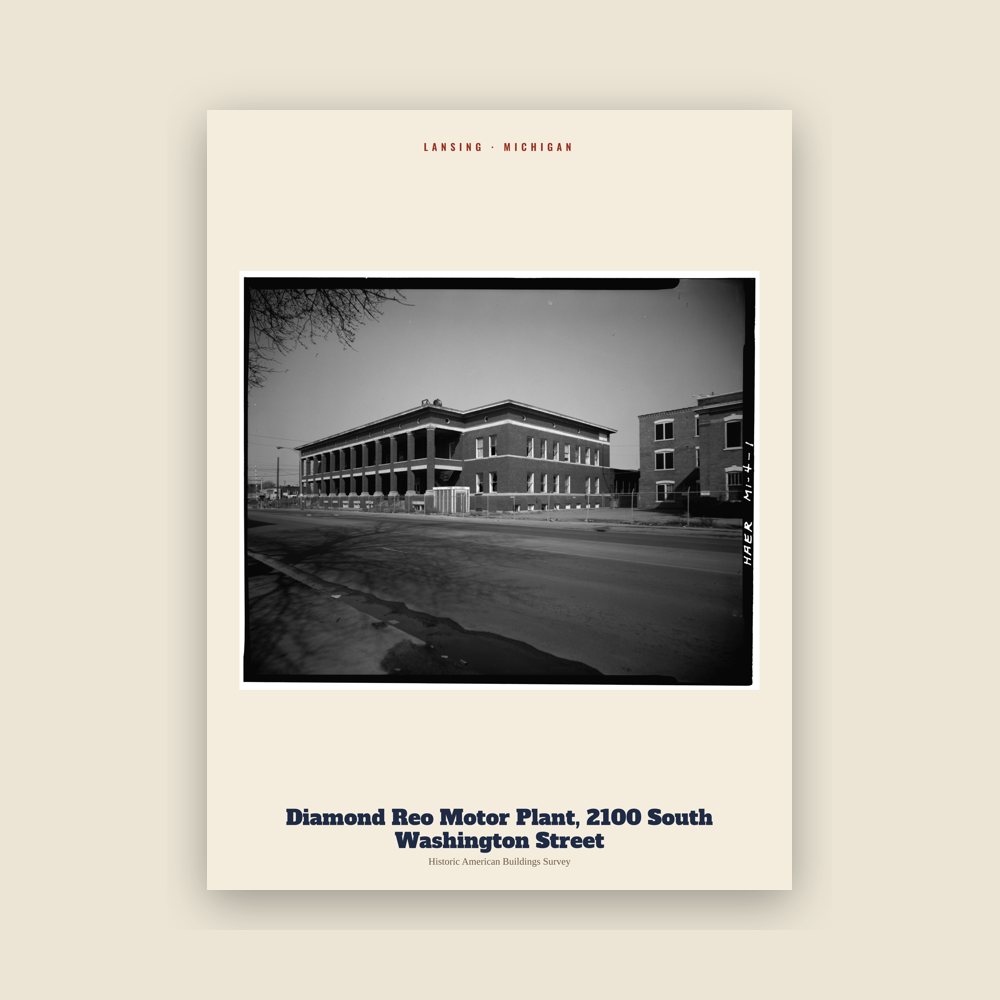
In 1836, they bought 290 acres in the northwest corner of Ingham County. They platted the land and hoped to build a community they named Biddle City, located south of the convergence of the Grand River and the Red Cedar River, in Lansing's present-day REO Town neighborhood. Biddle City's plat map included plans for a public square, church square and academy square. They sold 21 parcels of it – mostly to other Michiganders, not New Yorkers – and buyers understood that it was not yet a real city. Unfortunately, Biddle City never took off. The financial Panic of 1837 forced the brothers to heavily mortgage the property, and the city never materialized.
Biddle City was not Lansing's original name, nor a precursor to it, as the plat was located outside of Lansing's original city limits.
Originally, all that existed was Lansing Township, named in 1842 by an early settler, Joseph E. North Sr., after Lansing in Tompkins County, NY, where he was from.
The settlement of fewer than 20 people that would become the City of Lansing remained quiet until the winter of 1847. The state constitution required the capital be moved from Detroit to a more central and safer location in the state's interior in 1847; many were concerned about Detroit's proximity to British-controlled Canada, which had captured Detroit in the War of 1812. The United States had recaptured the city in 1813, but these events led to the dire need to have the center of government relocated further away from hostile British territory. There was also concern with Detroit's strong influence over Michigan politics, being the state's largest city as well as the capital city.
During the multi-day session to determine a new location for the state capital, many cities, including Ann Arbor, Marshall, and Jackson, lobbied hard to win this designation. Unable to publicly reach a consensus because of constant political wrangling, the Michigan House of Representatives privately chose the Township of Lansing out of frustration. When announced, many present openly laughed that such an insignificant settlement was now Michigan's capital. Two months later, Governor William L. Greenly signed into law the act of the legislature making Lansing Township the state capital.
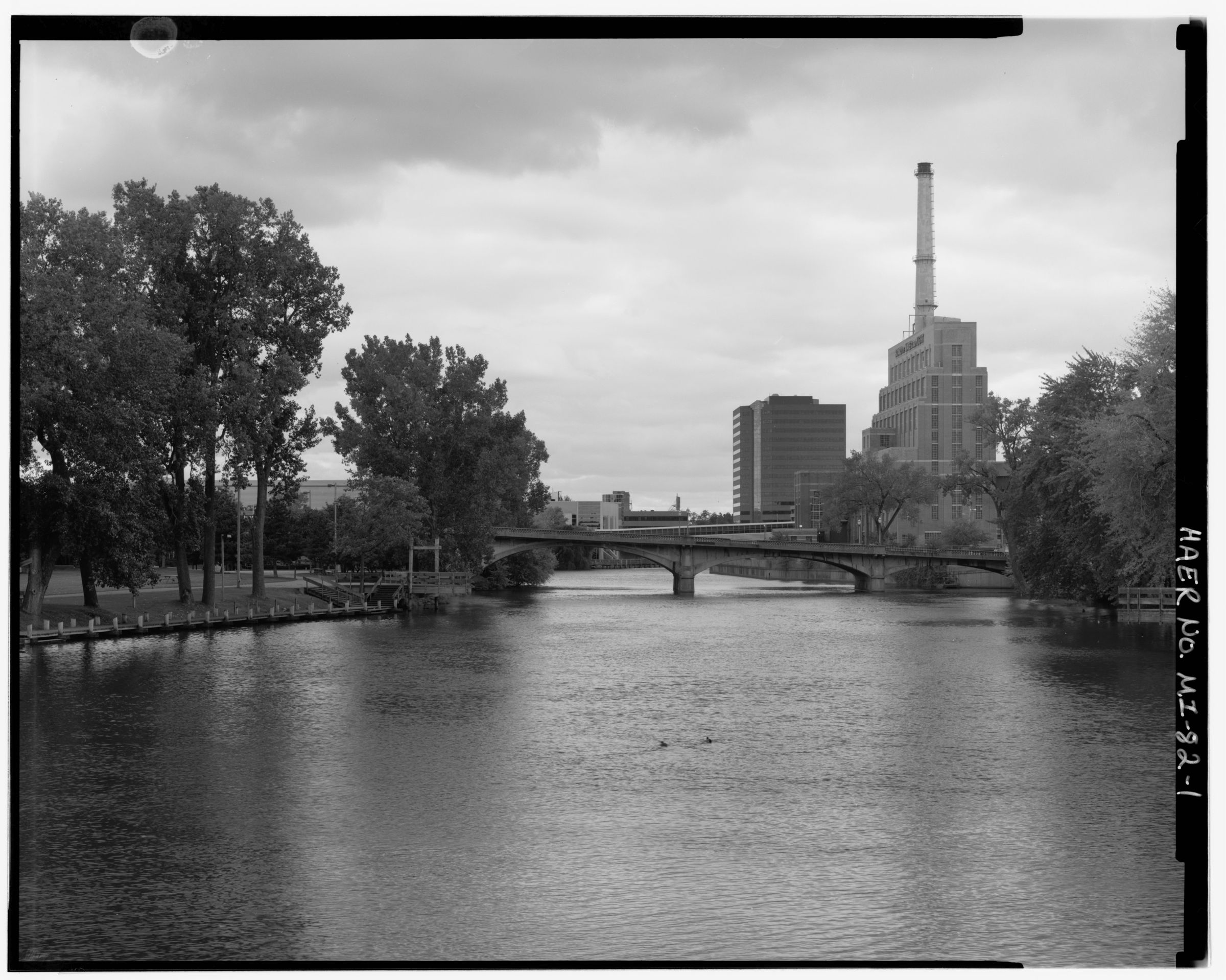
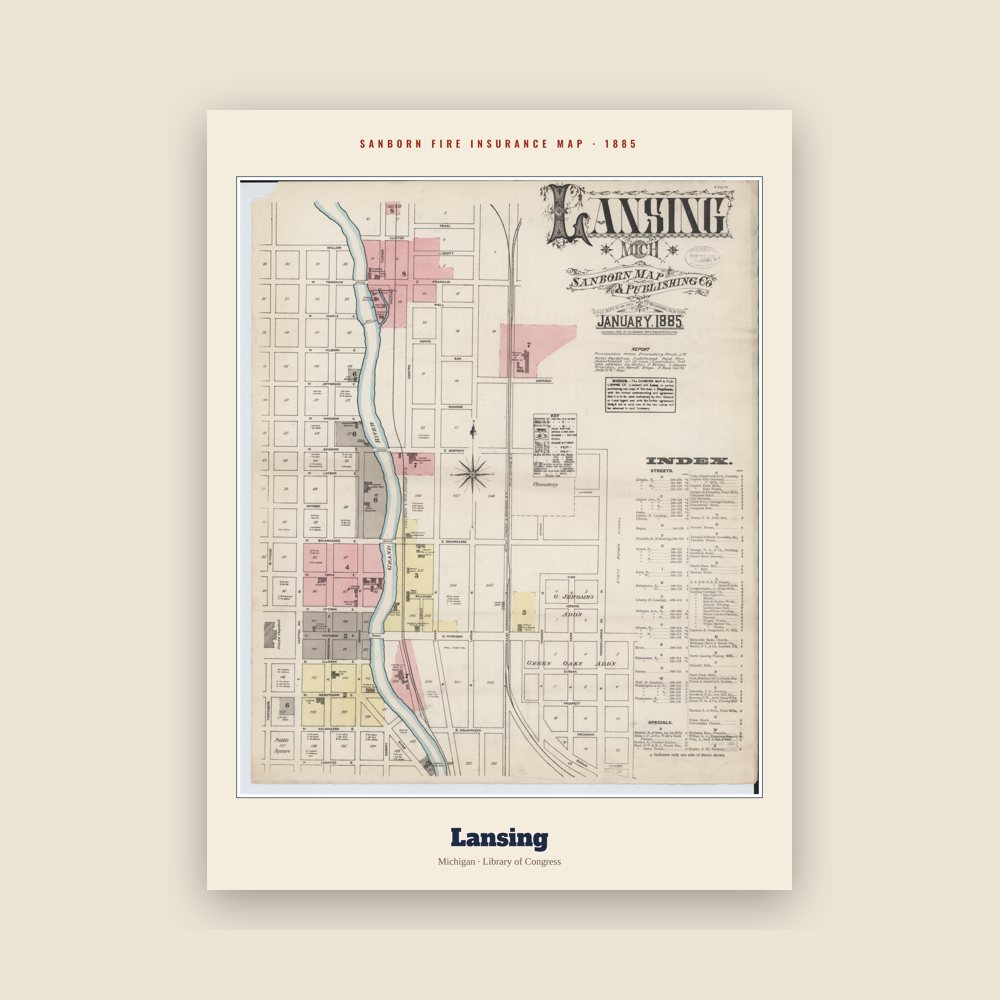
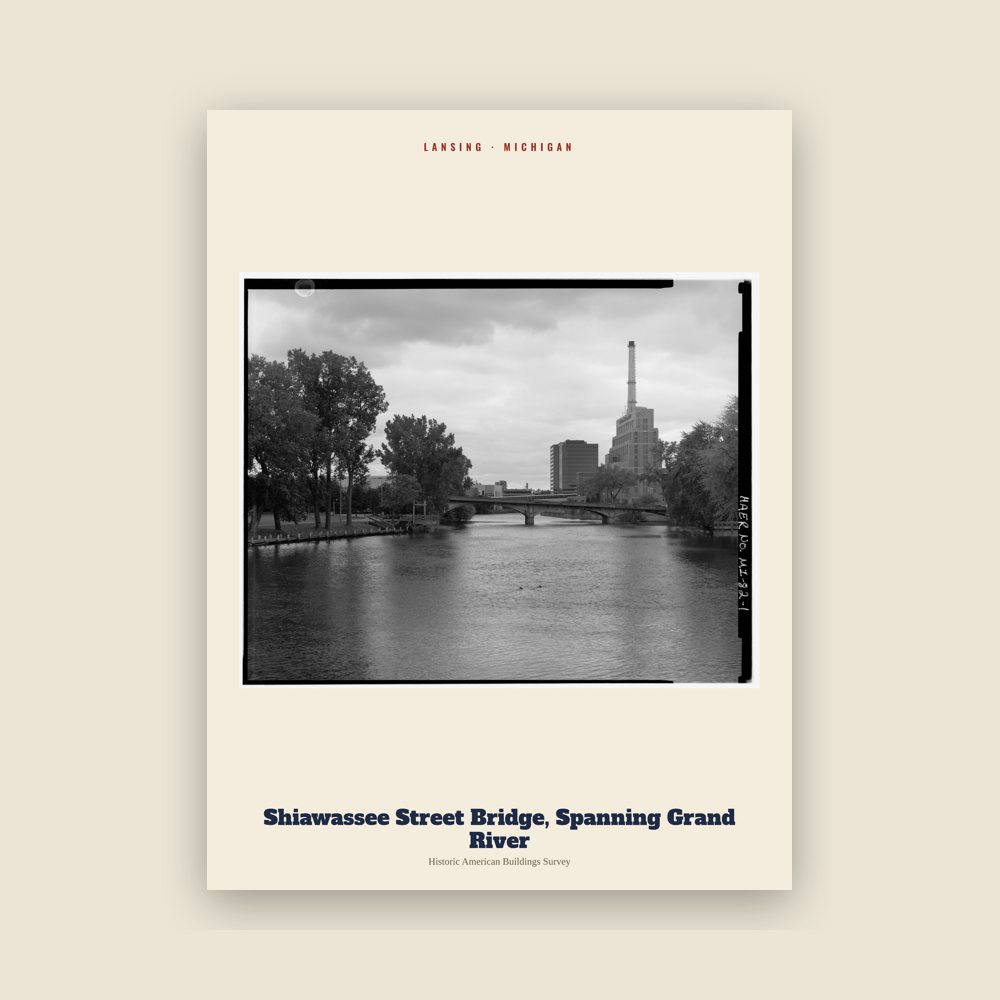
"Lower Village/Town", where present-day Old Town stands, was the oldest of the three villages. It was home to the first house built in Lansing in 1843 by pioneer James Seymour and his family. Lower Town began to develop in 1847 with the completion of the Franklin Avenue (now Grand River Avenue) covered bridge over the Grand River.
"Upper Village/Town", where present-day REO Town stands at the confluence of the Grand River and the Red Cedar River. It began to take off in 1847 when the Main Street Bridge was constructed over the Grand River. This village's focal point was the Benton House, a 4-story hotel, which opened in 1848. It was the first brick building in Lansing and was later razed in 1900.
"Middle Village/Town", where downtown Lansing now stands, was the last of the three villages to develop in 1848 with the completion of the Michigan Avenue bridge across the Grand River and the completion of the temporary capitol building which sat where Cooley Law School stands today on Capitol Avenue between Allegan and Washtenaw Streets, and finally the relocation of the post office to the village in 1851. This area would grow to become larger than the other two villages up and down river.
The collection of original settlements ("Upper Town", "Lower Town" and "Middle Town") had for some years been collectively referred to as the "Village of Michigan". On February 16, 1842, Alaiedon township was split into the townships of Lansing, Delhi and Meridian (originally suggested as "Genoa") based on a petition submitted in December 1841 by Henry North, Roswell Everett and Zalmon Holmes. Henry North proposed the name "Lansing" for the township at the request of his father, who wanted it named after their old town of Lansing, New York.
On February 15, 1859, the settlement, having grown to nearly 3,000 and encompassing about seven square miles (18 km2) in area, was incorporated as a city, carving off a section of seven square miles from Lansing Township. The boundaries of the original city were Douglas Avenue to the north, Wood and Regent streets to the east, Mount Hope Avenue to the south, and Jenison Avenue to the west. These boundaries would remain until 1916. Lansing began to grow steadily over the next two decades with the completion of the railroads through the city, a plank road, and the completion of the current capitol building in 1878.
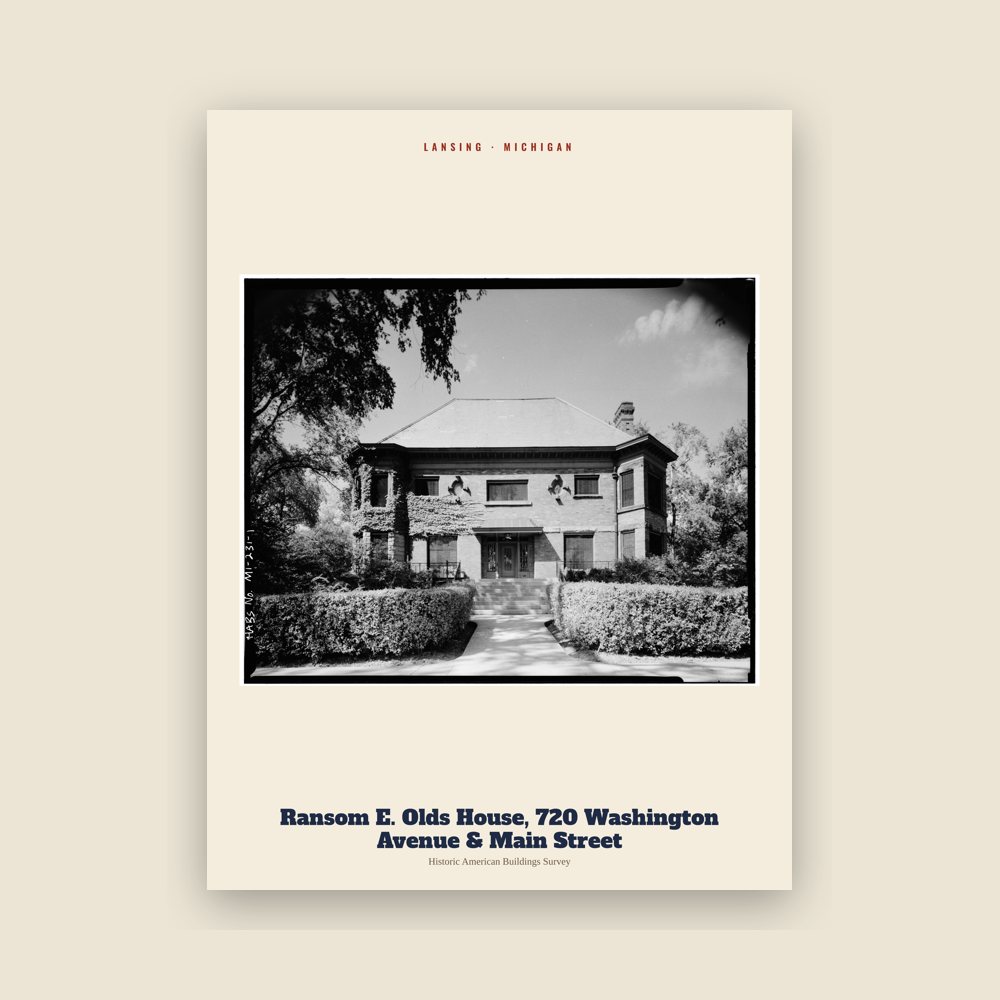
Most of what is known as Lansing today is the result of the city becoming an industrial powerhouse which began with the founding of Olds Motor Vehicle Company in August 1897. The company went through many changes, including a buyout, between its founding to 1905 when founder Ransom E. Olds started his new REO Motor Car Company, which would last in Lansing for another 70 years. Olds would be joined by the less successful Clarkmobile around 1903. Over the next decades, the city would be transformed into a major American industrial center for the manufacturing of automobiles and parts, among other industries. The city also continued to grow in area. By 1956, the city had grown to 15 square miles (39 km2), and doubled in size over the next decade to its current size of roughly 33 square miles (85 km2).
Today, the city's economy is diversified among government service, healthcare, manufacturing, insurance, banking, and education.
Notable events
Anti-slavery movement
In the late 1840s to early 1850s, the citizens of Lansing were unified against slavery, and the city became a secondary stop on the Underground Railroad, as one of the last steps of an escape route that led through Battle Creek, Schoolcraft and Cassopolis. From Lansing, the route led to Durand, and then to either Port Huron or Detroit.
Major fires
The Kerns Hotel fire on December 11, 1934, was the deadliest in the city's history. Perhaps thirty-four people died in the fire, although the hotel register was also destroyed making an exact count impossible.
On February 8, 1951, the Lewis Cass Building was intentionally set on fire by a state office employee. The following morning, the seventh floor collapsed down to the next level, which destroyed a large number of state historical records.
Elephant incident
On September 26, 1963, a 12-year-old, 3,000-pound female dancing elephant named Rajje (alternately reported as Raji and Little Rajjee, among other variations) rebelled against her trainer during a performance in a shopping-center circus near what was then Logan Street and Holmes Road in Lansing, and escaped into the streets, aggravated by the frenzied pursuit of nearly 4,000 local residents. The incident ended with the shooting of the elephant by Lansing police. Provoked by the growing crowd, Rajje's rampage took her through the men's wear, sporting goods and gift departments of a local Arlan's discount store before leading police on a two-mile chase in which she knocked down and injured a 67-year-old man, tried to move a car, and caused thousands of dollars in damage before being killed.
Life Magazine quoted Rajje's trainer, William Pratt, as shouting at the scene, "Damn these people [...] They wouldn't leave her alone."
The incident was widely reported, including a photospread in Life. While the Lansing State Journal coverage stressed the danger of the incident, the Detroit Free Press noted that witnesses cried out "Murderers! Murderers!" as police fired eight shots.
Author Nelson Algren cites the injustice and sad end of the pursuit of "Raji, the Pixie-Eared Elephant" in continuity with the ambush of Bonnie Parker and Clyde Barrow in his introduction to a 1968 biography of the outlaws. Then-teenage Lansing residents who had goaded the elephant, later on recalled the incident with sober regret in a local newspaper retrospective in 2011.
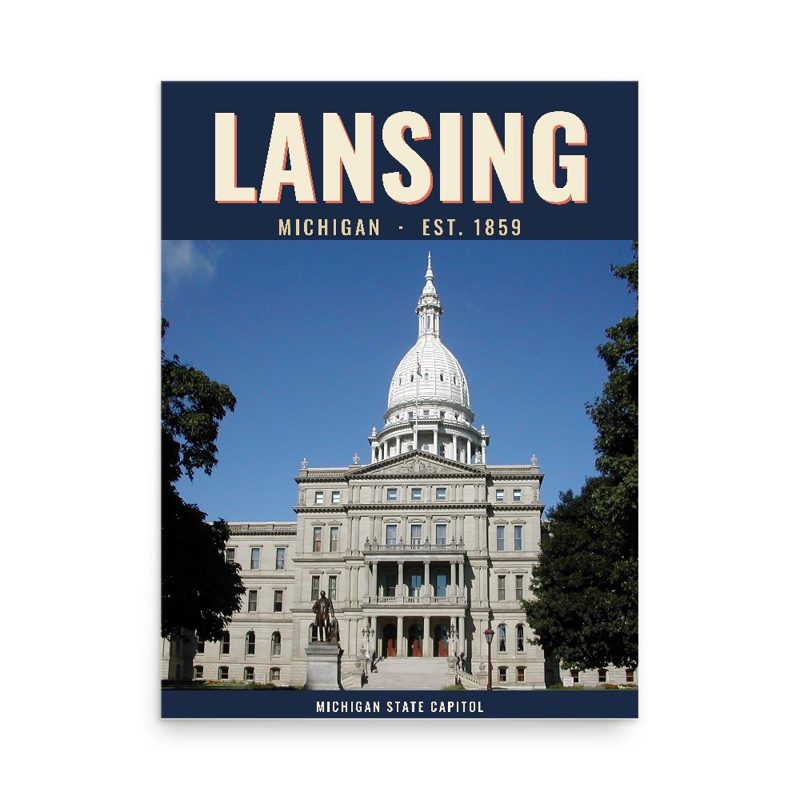
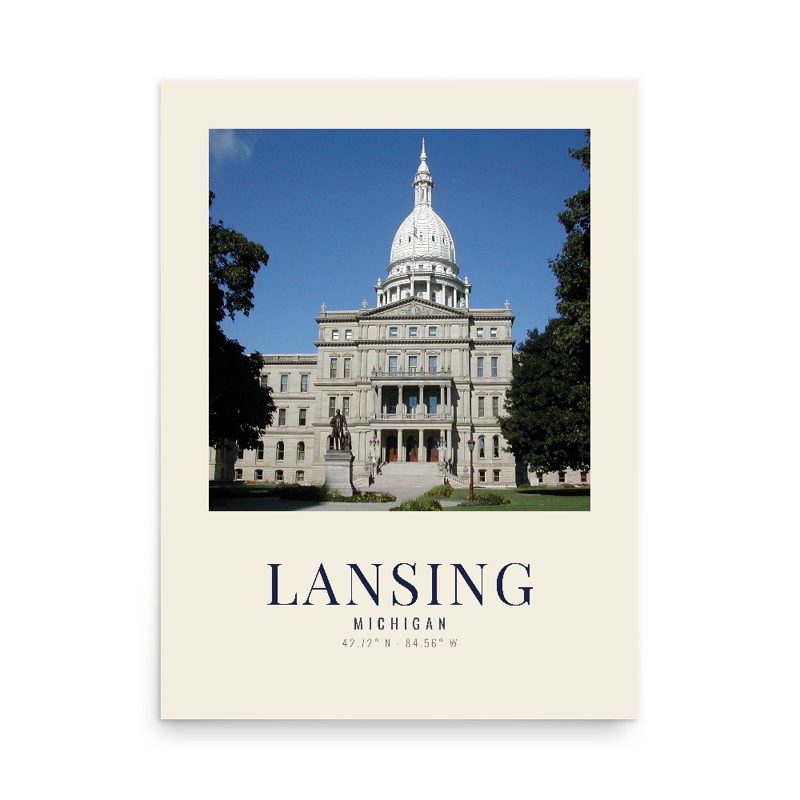
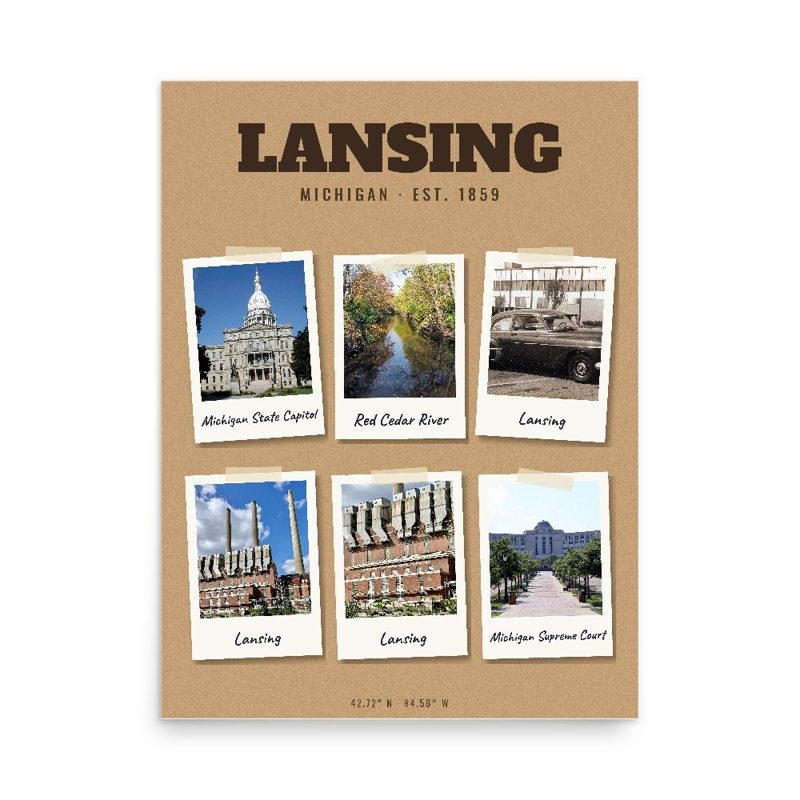
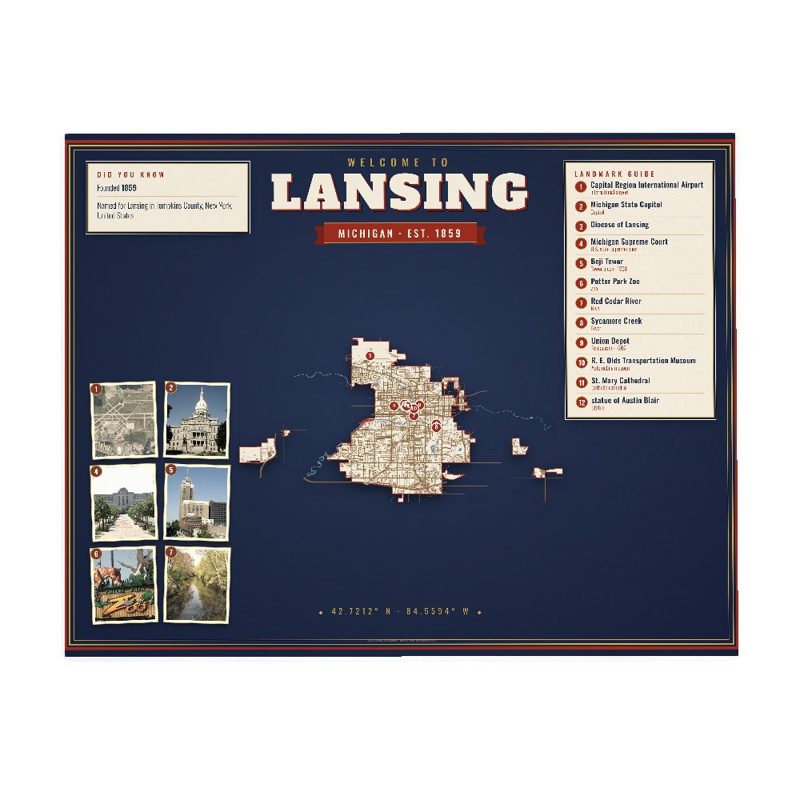
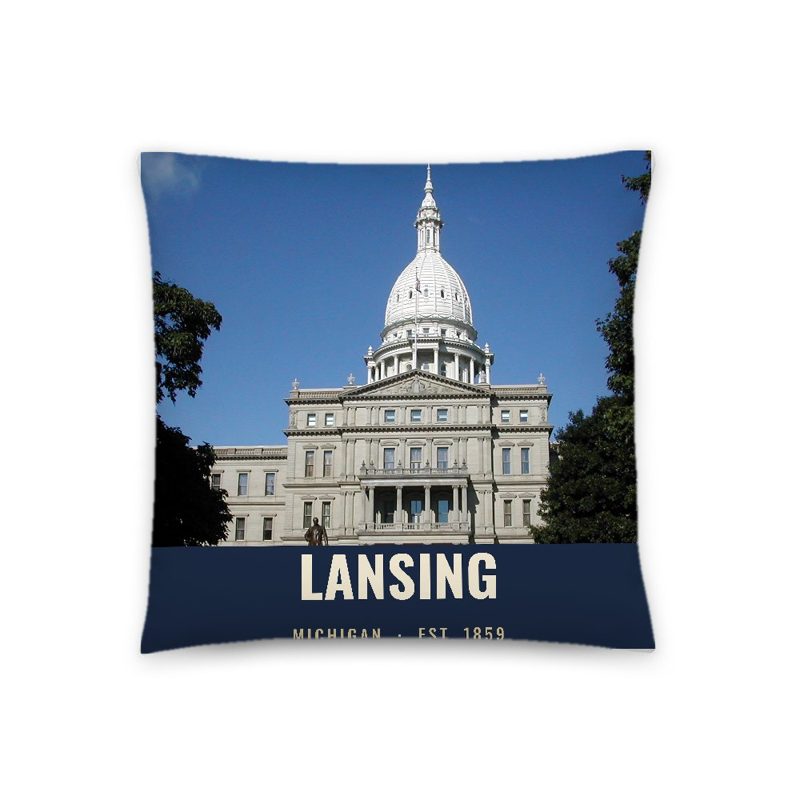


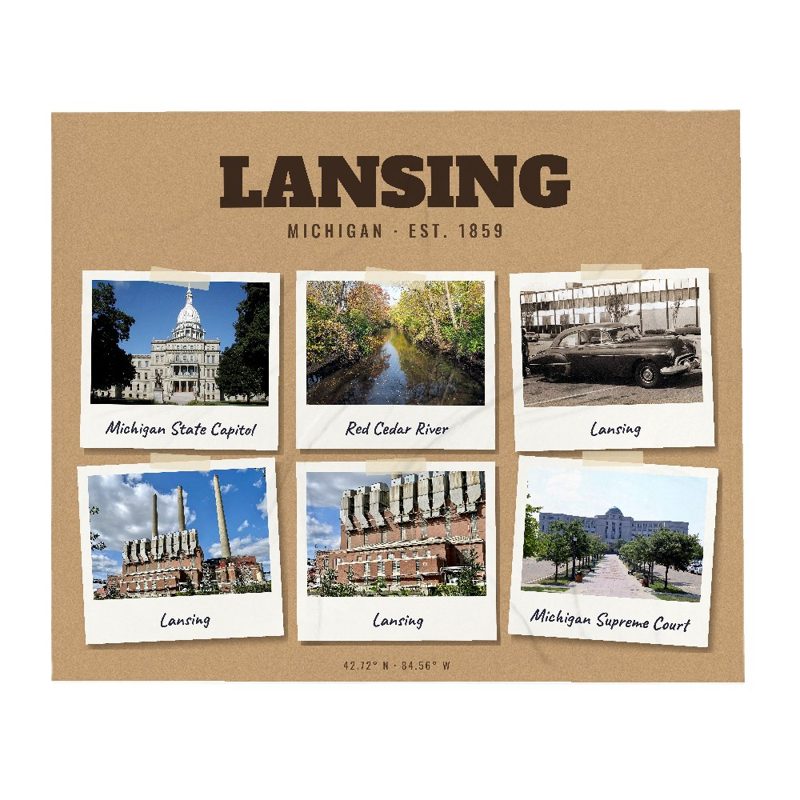
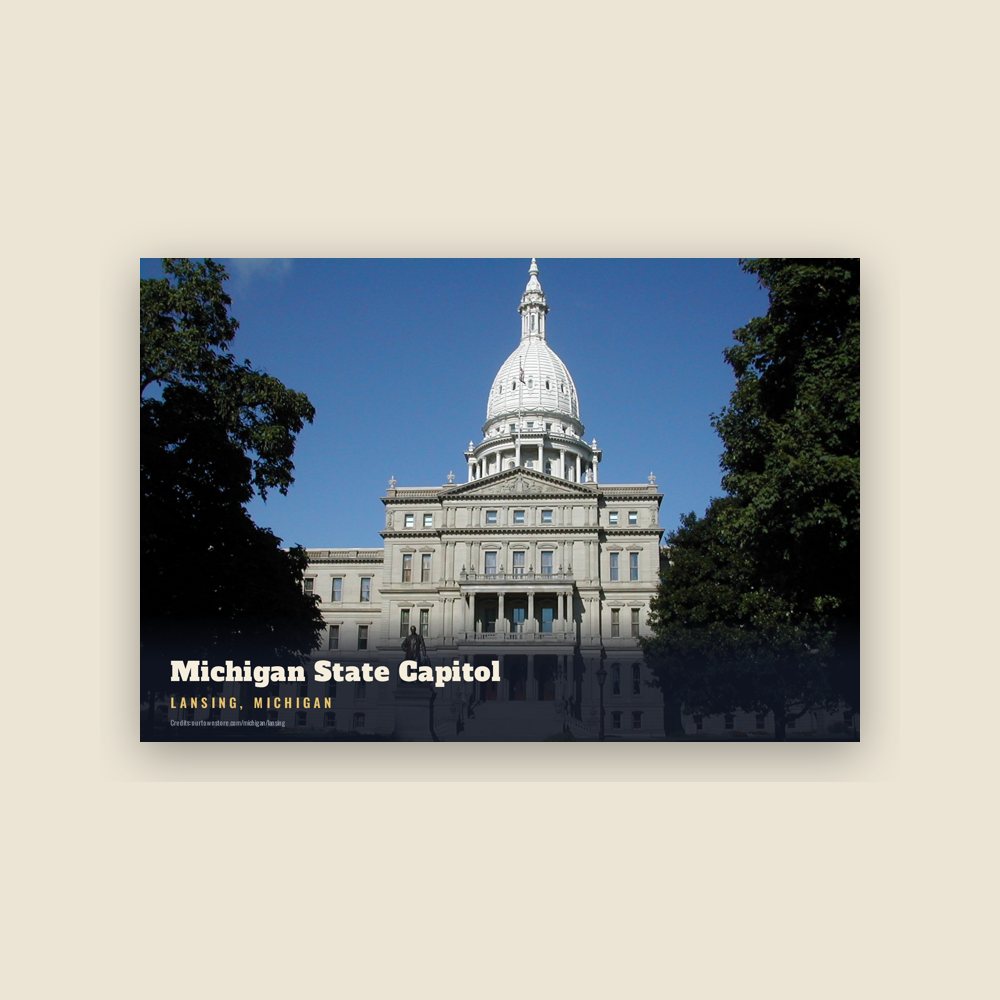

 Michigan State Capitol
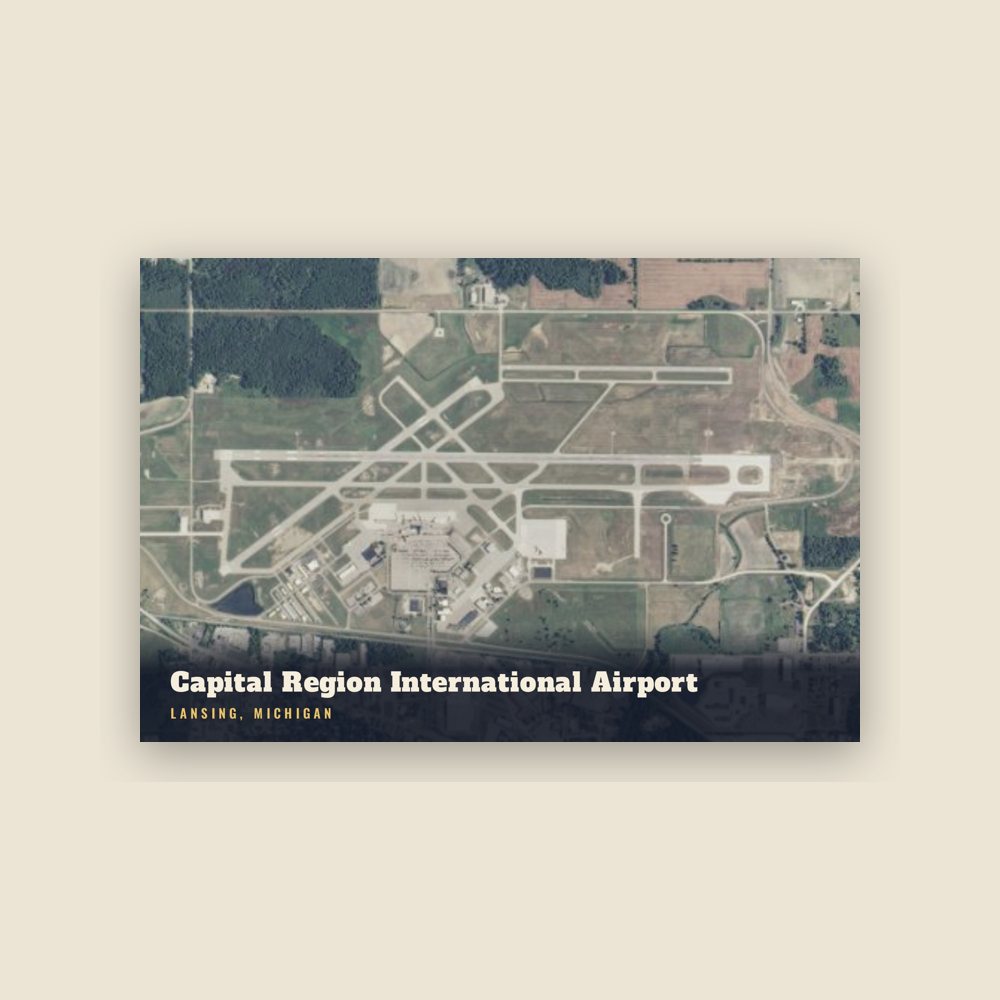
 Capital Region International Airport
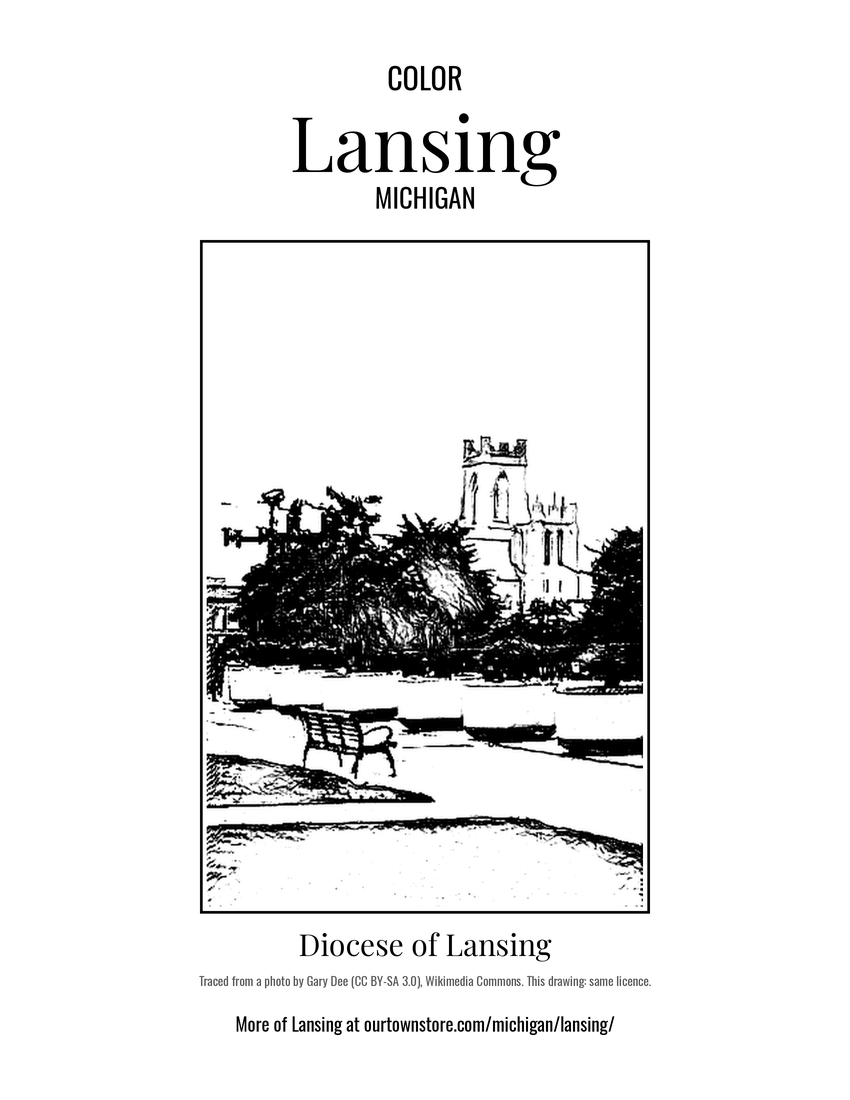 Diocese of Lansing
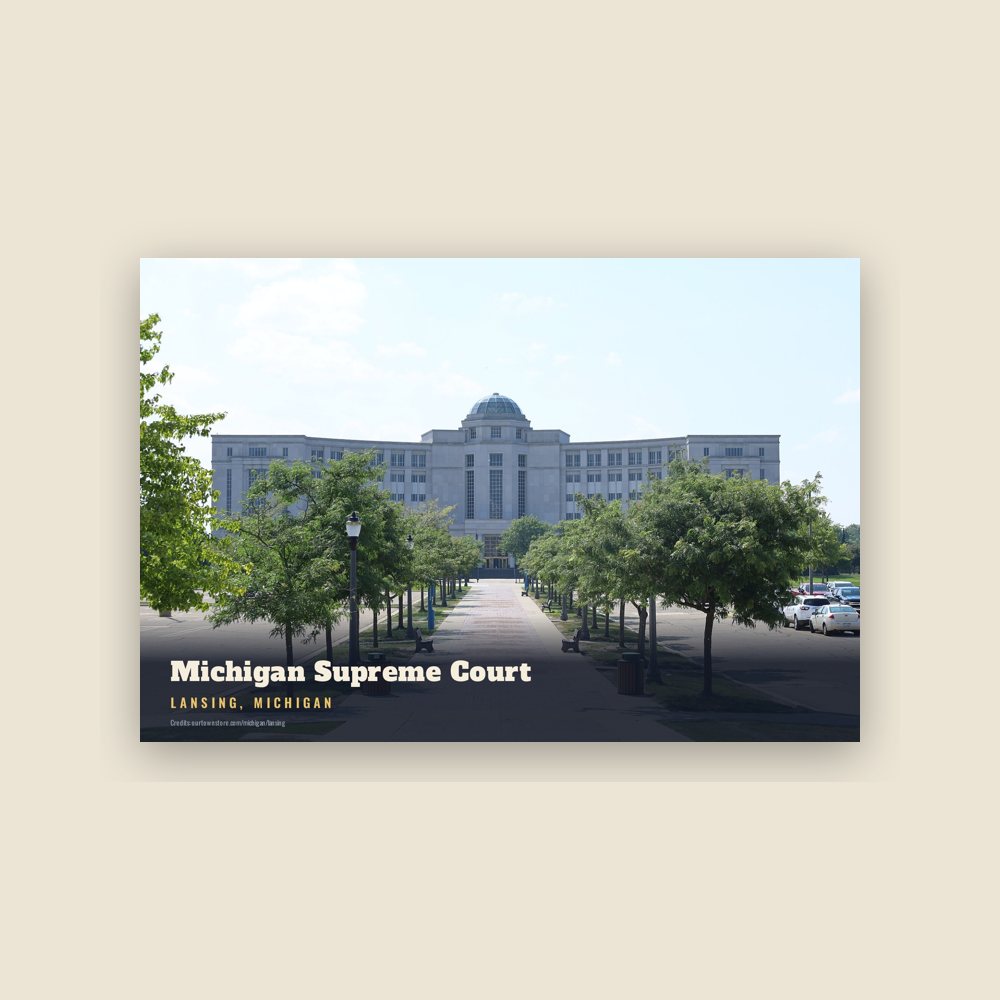
 Michigan Supreme Court